
Can Dogs Eat Plain White Rice Every Day? What Vets Want You to Know
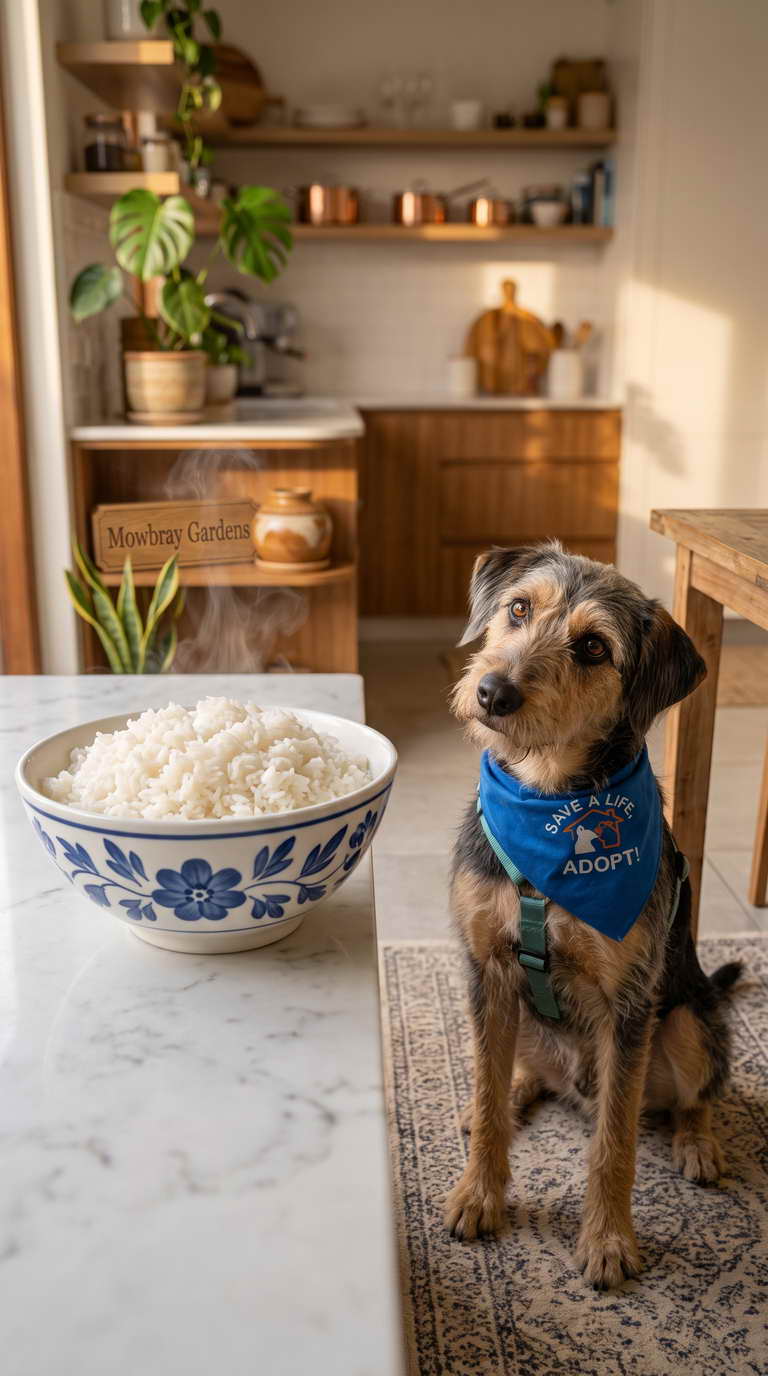
PETSIDI – You stand at your kitchen counter scooping warm, fluffy rice into your dinner bowl, and right on cue, a wet nose presses gently against your calf. Two pleading canine eyes gaze upward, watching every single grain with rapt attention.
You know that plain boiled white rice is the universal, vet-recommended home remedy whenever a dog comes down with an upset stomach or sudden bouts of diarrhea. It is gentle on sensitive digestive tracts, easy to chew, and practically every dog gobbles it down without hesitation.
Naturally, a practical question follows: If plain white rice is so gentle and soothing for a sick dog’s belly, can dogs eat plain white rice every day as a regular dietary staple or meal mixer?
Could topping your dog’s daily kibble with a warm scoop of white rice help stretch your monthly pet food budget, add comforting variety, and keep their digestive tract running smoothly? Or could this innocent white starch secretly set your beloved companion up for nutritional deficiencies, rapid weight gain, and dangerous blood sugar spikes?
The straightforward answer is nuanced: while dogs can safely eat plain white rice, feeding it to them every single day requires strict adherence to dietary balance, portion control, and an understanding of canine biology.
Here is your comprehensive, veterinarian-backed guide to the pros, cons, hidden dangers, and proper preparation methods of feeding plain white rice to dogs daily.
Quick Reference: White Rice as a Daily Dog Food Topper
Before breaking down the biochemical impacts, review this high-level summary of white rice in a canine daily feeding regimen:
| Nutritional Factor | Daily Impact Level | Veterinary Recommendation |
| Digestibility Rating | Extremely High (Gentle on gut) | Ideal for temporary GI rest; safe in small daily portions |
| Glycemic Index (GI) | High (Rapid glucose absorption) | Dangerous for diabetic dogs; feed cautiously to overweight dogs |
| Micronutrient Completeness | Extremely Low (Starch-heavy) | Never replace commercial balanced food with pure rice |
| Maximum Daily Caloric Share | Strict 10% Treat Rule | Must not exceed 10% of the dog’s total daily calorie requirement |
| Allergenic Potential | Very Low (Hypoallergenic grain) | Excellent substitute for dogs reactive to wheat, corn, or soy |
| Required Preparation | 100% Plain (No salt/oils/onions) | Boiled thoroughly in plain water; completely cooled before serving |
Canine Nutrition 101: Do Dogs Actually Need Carbohydrates?
To evaluate whether a dog should consume rice on a daily basis, we must examine how domestic dogs (Canis lupus familiaris) process starches.
                  ┌───────────────────────────────────────────────┐
                  │       Canine Evolutionary Starch Processing   │
                  └───────────────────────┬───────────────────────┘
                                          │
         ┌────────────────────────────────┴────────────────────────────────┐
         ▼                                                                 ▼
┌─────────────────────────────────┐               ┌─────────────────────────────────┐
│       The Wolf Ancestor         │               │     The Domestic Dog Evolution  │
│ • Obligate carnivore leanings   │               │ • Multiple AMY2B gene copies    │
│ • Limited starch digestion      │               │ • High pancreatic amylase levels│
│ • Dependent on prey fat/protein │               │ • Readily utilizes cooked starch│
│ • Zero grain reliance in wild   │               │ • Thrives on omnivorous balance │
└─────────────────────────────────┘               └─────────────────────────────────┘
Unlike obligate carnivores like domestic cats—who have zero biological requirement for carbohydrates—domestic dogs evolved alongside human agricultural societies over thousands of years.
Landmark evolutionary genetic research has confirmed that domestic dogs carry multiple duplicated copies of the AMY2B gene, which codes for pancreatic amylase. This evolutionary adaptation allows dogs to digest, break down, and extract usable glucose energy from cooked starches efficiently.
However, just because a canine can metabolize cooked white rice does not mean rice should dominate their daily diet. Dogs remain facultative carnivores that require high-quality animal proteins, essential amino acids, and balanced fatty acids to support organ function, muscle repair, and immune vitality.
The Benefits of Adding Plain White Rice to a Dog’s Diet
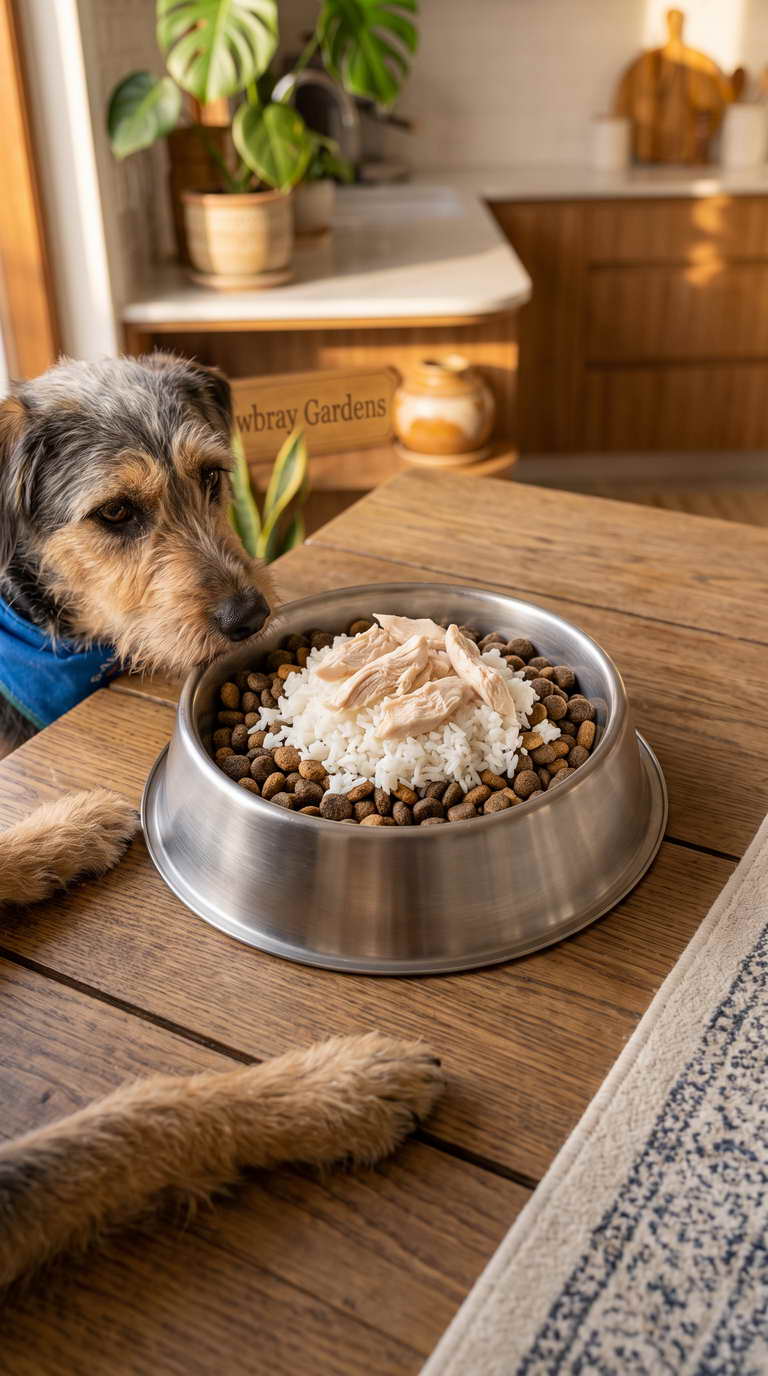
When used thoughtfully as a supplemental topper rather than a total meal replacement, plain white rice offers several practical health advantages:
1. Superior Gastrointestinal Gentleness
White rice is milled to strip away the outer husk, bran layer, and germ. While this process removes some fibrous material, it leaves a pure, highly digestible carbohydrate matrix.
-
It requires minimal metabolic work from the pancreas and intestines.
-
The soluble starch absorbs excess water within the intestinal lumen, helping firm up soft, loose stools.
-
It provides immediate, non-irritating calories for dogs recovering from gastrointestinal inflammation.
2. Hypoallergenic Fuel Source
True food allergies in canines are overwhelmingly triggered by intact animal proteins—most notably beef, chicken, dairy, and wheat gluten. True grain allergies to plain rice are exceptionally rare in the canine population. If your dog suffers from itchy paws, red ear canals, or skin flare-ups triggered by commercial fillers, plain white rice serves as a safe, clean energy conduit.
3. Immediate Glycogen Replenishment for Working Dogs
For highly athletic canines, hunting companions, or active sporting breeds similar to those highlighted across the top 10 most popular dog breeds in the USA such as German Shorthaired Pointers or working Labrador Retrievers—a small portion of white rice post-exercise provides rapid carbohydrate replenishment to refuel depleted muscle glycogen reserves.
The Hidden Dangers of Feeding White Rice Every Single Day
If plain white rice has clear digestive benefits, why do veterinary nutritionists warn owners against overusing it daily?
The risks lie not in the grain itself, but in the biological consequences of caloric displacement and high glycemic index loads.
       ┌──────────────────────────────────────────────────────────────┐
       │             Risks of Unchecked Daily White Rice              │
       └──────────────────────────────┬───────────────────────────────┘
                                      │
        ┌─────────────────────────────┼─────────────────────────────┐
        ▼                             ▼                             ▼
┌───────────────────────┐   ┌───────────────────┐   ┌───────────────────────┐
│     Nutrient Dilution │   │   High Glycemic   │   │     Weight Gain       │
│ • Replaces balanced   │   │ • Rapid glucose   │   │ • Empty starch calories│
│   commercial kibble   │   │   blood spikes    │   │ • Accelerates canine  │
│ • Lacks calcium, zinc │   │ • Strains pancreas│   │   obesity and arthritis│
│   and vital taurine   │   │ • Triggers hunger │   │ • Fatty liver strain  │
└───────────────────────┘   └───────────────────┘   └───────────────────────┘
1. The Threat of Secondary Nutritional Deficiencies
Commercial dog foods certified by the Association of American Feed Control Officials (AAFCO) are formulated down to the exact milligram to deliver complete and balanced nutrition, including precise calcium-to-phosphorus ratios, essential trace minerals, and vitamins.
-
White rice contains almost zero calcium, minimal zinc, negligible vitamin A, and no bioavailable taurine.
-
If you replace 25% or 30% of your dog’s daily kibble with plain white rice every day, you are effectively diluting their balanced nutrient intake by nearly a third.
-
Over months, this chronic dilution can lead to dull brittle coats, muscle atrophy, structural skeletal weakness, and compromised cardiac health.
2. The Glycemic Index Trap (Diabetes & Inflammation)
Because white rice is stripped of its complex fiber mantle, the canine digestive system converts its starches into bloodstream glucose within minutes.
-
Rapid Insulin Spikes: This causes immediate blood sugar surges, forcing the pancreas to dump large amounts of insulin into circulation.
-
Unsuitable for Diabetics: For dogs diagnosed with diabetes mellitus or metabolic syndrome, daily white rice is strictly contraindicated.
-
Chronic Low-Grade Inflammation: Sustained high-glycemic diets can exacerbate systemic joint inflammation in senior canines suffering from osteoarthritis.
3. Unintentional Canine Obesity
Canine obesity is an epidemic across North American households, with over 55% of domestic dogs classified as clinically overweight by the American Veterinary Medical Association (AVMA).
One cup of cooked white rice contains approximately 200 calories, primarily derived from pure starch. Adding a generous cup of rice to your dog’s bowl on top of their normal food every day can easily cause a medium-sized dog to pack on three to five pounds of surplus visceral fat within a few short months.
The Golden Rule: The 10% Caloric Boundary
Can you safely feed white rice daily? Yes, but only under the strict “10% Treat Rule.”
Under veterinary feeding guidelines, supplemental foods (including treats, table toppers, fruits, and starches) must never exceed 10% of your dog’s total daily caloric allowance. The remaining 90% must come from an AAFCO-compliant, complete, and balanced commercial diet.
Daily Rice Portion Guide by Dog Size
┌─────────────────────────┬──────────────────────┬──────────────────────────────┐
│ Dog Size Category       │ Weight Range         │ Safe Daily Cooked Rice Limit │
├─────────────────────────┼──────────────────────┼──────────────────────────────┤
│ Toy Breeds              │ 5 – 12 lbs           │ 1 teaspoon to 1 tablespoon   │
│ Small Breeds            │ 13 – 25 lbs          │ 1 to 2 tablespoons           │
│ Medium Breeds           │ 26 – 50 lbs          │ 2 to 4 tablespoons (1/4 cup) │
│ Large Breeds            │ 51 – 80 lbs          │ 1/4 to 1/2 cup               │
│ Giant Breeds            │ 81+ lbs              │ 1/2 to 3/4 cup maximum       │
└─────────────────────────┴──────────────────────┴──────────────────────────────┘
Note: If you add 1/4 cup of cooked white rice (approximately 50 calories) to your medium dog’s bowl daily, you must subtract 50 calories worth of dry kibble from the bowl to prevent gradual weight gain.
White Rice vs. Brown Rice: Which Is Better for Daily Feeding?
Pet owners frequently ask whether brown rice is a healthier, more wholesome alternative to white rice for daily feeding:
       ┌─────────────────────────────────────────────────────────┐
       │             White Rice vs. Brown Rice in Dogs           │
       └────────────────────────────┬────────────────────────────┘
                                    │
          ┌─────────────────────────┴─────────────────────────┐
          ▼                                                   ▼
┌─────────────────────────────────┐ ┌─────────────────────────────────┐
│           White Rice            │ │            Brown Rice           │
│ • Hull & bran stripped away     │ │ • Whole grain mantle preserved  │
│ • Extremely gentle on digestion │ │ • High insoluble dietary fiber  │
│ • Low fiber, fast energy source │ │ • Slower glucose absorption     │
│ • Best for: Diarrhea / Flare-ups│ │ • Harder on sensitive stomachs  │
│ • Higher glycemic index         │ │ • Best for: Healthy adult dogs  │
└─────────────────────────────────┘ └─────────────────────────────────┘
-
Choose White Rice If: Your dog suffers from chronic gastrointestinal sensitivities, is prone to soft stools, is recovering from acute stomach distress, or requires an easily digestible caloric boost.
-
Choose Brown Rice If: Your dog has a sturdy, cast-iron digestive tract, is slightly overweight, and benefits from the additional dietary fiber to promote prolonged satiety between meals.
Proper Preparation: How to Cook Rice for Dogs Safely
Human culinary preparations often turn harmless grains into dangerous veterinary toxins. Never feed your dog leftover restaurant rice, fried rice, or seasoned pilaf.
The Non-Negotiable Cooking Rules:
-
Rinse Thoroughly Before Boiling: Place raw white jasmine or long-grain white rice in a fine-mesh sieve and rinse under cold water until the water runs clear. This washes away residual surface starches and reduces potential trace inorganic arsenic levels often found in commercial grains.
-
Boil in Pure Water Only: Do not use salted water. Do not use commercial chicken broth or bouillon cubes, which are saturated with sodium and often contain powdered onion and garlic extract—both of which cause hemolytic anemia in dogs.
-
No Added Butter, Oils, or Seasonings: Never add butter, margarine, olive oil, salt, black pepper, or herbs. Excess fats can trigger severe, life-threatening canine pancreatitis.
-
Slightly Overcook It: Cook the white rice slightly longer and with a touch more water than you would for human consumption. Softer, slightly mushy rice is vastly easier for canine digestive enzymes to process.
-
Cool to Room Temperature: Serving boiling-hot rice straight from the pot can scald your dog’s mouth, tongue, and esophagus.
Life Stage Nuances: Puppies, Rescues, and Senior Dogs

How does daily rice consumption affect dogs at different biological phases of life?
1. Growing Puppies
Puppies require extraordinarily precise ratios of protein, calcium, and phosphorus to fuel rapid skeletal and neuromuscular development. Feeding white rice daily to an eight-week-old puppy dilutes these essential growth building blocks. Furthermore, during early puppyhood, handlers must focus on behavioral development, including understanding how to stop puppy biting feet when walking through structured positive redirection rather than using excess carb treats that disrupt meals. Keep rice strictly as an occasional veterinary GI intervention for young pups.
2. Newly Adopted Shelter Dogs
When bringing a new companion home from an animal shelter, gastrointestinal upset is common due to kennel stress and abrupt dietary transitions. While boiled chicken and white rice serve as an exceptional 3-day reset diet, prospective owners must budget for long-term veterinary diagnostics and high-grade food. It is vital to factor in the true hidden costs of adopting a dog shelter such as prescription gastrointestinal diets or fecal parasite lab panels—rather than relying on white rice as a permanent substitute for medical evaluation.
3. Senior Canines
Older dogs often have declining metabolic rates and reduced kidney efficiency. While a spoonful of warm white rice can entice an elderly dog with a waning appetite to eat their daily meal, monitor their body condition score closely to prevent unwanted weight gain that strains aging joints.
Frequently Asked Questions (FAQ)
Can dogs eat jasmine or basmati white rice?
Yes. Both jasmine and basmati white rice varieties are safe for dogs when cooked completely plain in water. Long-grain white rice is typically preferred because it cooks up less sticky and is easier to mix into kibble.
Can white rice cause arsenic poisoning in dogs?
Rice naturally absorbs small traces of environmental arsenic from soil and water more readily than other grains. However, feeding plain white rice in moderation (under the 10% daily limit) carries negligible risk. Thoroughly rinsing the rice prior to cooking and boiling it in excess water significantly reduces trace inorganic arsenic levels.
What should I do if my dog eats uncooked raw rice?
If your dog consumes a small pinch of raw rice dropped on the floor, it will typically pass through the stool harmlessly. However, if they ingest a significant quantity of dry, uncooked rice directly from an open pantry bag, contact your veterinarian immediately. Raw rice absorbs water inside the stomach and gastrointestinal tract, which can lead to severe constipation or painful physical impaction.
Is minute rice or instant white rice safe for dogs?
Yes. Instant or minute white rice is simply regular white rice that has been precooked and dehydrated for convenience. As long as it is prepared plain without added flavor packets, salt, or preservatives, it is safe to offer your dog.
Final Thoughts: Balance Over Convenience
Can dogs eat plain white rice every day?
The answer is yes—provided it serves as a light, measured supplement (under 10% of daily calories) rather than a dietary cornerstone.
When prepared completely plain, boiled in pure water, and adjusted for your dog’s overall caloric intake, a gentle spoonful of white rice can be a comforting, belly-friendly addition to your companion’s daily bowl.
However, rice can never replace the comprehensive spectrum of animal proteins, fatty acids, vitamins, and minerals found in complete commercial diets. Treat white rice as a functional culinary tool: use it wisely, portion it conservatively, and your dog will enjoy the best of both safety and satisfaction at mealtime.
About The Author

Leave a Reply