The Most Popular Large Dog Breeds: The Ultimate Guide to America’s Favorite Gentle Giants
PETSIDI – There is something undeniably majestic about living alongside a large dog.
From their commanding physical presence and thunderous barks to their surprisingly gentle souls, big canines occupy a legendary place in American households. They are dependable protectors of backyards, tireless weekend hiking partners, and magnificent living rugs that insist on curling their 80-pound bodies directly across your lap while you watch evening television.
However, bringing a large breed into your life requires far more logistical preparation than choosing a small companion.
A large dog requires real physical space, substantial nutritional fuel, structured behavioral guidance, and an owner capable of managing substantial biomechanical power on the other end of a 6-foot leash. An untrained 15-pound dog is an annoyance; an untrained 90-pound dog is a genuine physical hazard.
Why do these massive canines consistently dominate pet ownership registries year after year? Which big dogs offer the ideal blend of loyalty, steady temperament, and manageable daily care for modern homes?
Here is your comprehensive, veterinarian-backed guide to the most popular large dog breeds in the United States—breaking down their working ancestry, temperament nuances, physical needs, and practical ownership realities.
Quick Comparison: America’s Top Large Dog Breeds
Before exploring each breed in detail, review this high-level side-by-side snapshot comparing adult size, energy thresholds, and household fit:
| Breed Name | Average Weight | Shoulder Height | Exercise Needs | Protective Instinct | Best Living Fit |
| Labrador Retriever | 55 – 80 lbs | 21.5 – 24.5 in | High (60+ mins) | Low (Friendly) | Suburban Homes / Yards |
| German Shepherd Dog | 50 – 90 lbs | 22 – 26 in | High (60–90 mins) | High (Vigilant) | Active Families / Handlers |
| Golden Retriever | 55 – 75 lbs | 21.5 – 24 in | Moderate – High | Low (Welcoming) | Houses with Children |
| Rottweiler | 80 – 135 lbs | 22 – 27 in | Moderate (45–60 mins) | High (Guardian) | Experienced Owners |
| Bernese Mountain Dog | 70 – 115 lbs | 23 – 27.5 in | Moderate (30–45 mins) | Moderate (Watchful) | Cool Climates / Large Homes |
| Doberman Pinscher | 60 – 100 lbs | 24 – 28 in | Very High (60+ mins) | High (Elite Guard) | Fenced Yards / Dedicated Trainers |
| Great Dane | 110 – 175 lbs | 28 – 32 in | Moderate (30–45 mins) | Moderate (Deterrent) | Spacious Indoor Homes |
What Makes a Large Dog Breed So Appealing?
The enduring fascination with big canines boils down to four distinct canine traits:
                  ┌───────────────────────────────────────────────┐
                  │       The Appeal of Large Dog Companionship   │
                  └───────────────────────┬───────────────────────┘
                                          │
         ┌────────────────────────────────┼────────────────────────────────┐
         ▼                                ▼                                ▼
┌───────────────────────────┐ ┌───────────────────────────┐ ┌───────────────────────────┐
│       Natural Deterrence  │ │       Emotional Stability │ │       Trail Endurance       │
│ • Deep, resonant vocal bark│ │ • Lower baseline reactivity│ │ • Capable cardio partners │
│ • Imposing silhouette     │ │ • Less prone to frantic   │ │ • Sturdy on rough terrain   │
│ • Peace of mind at night  │ │   toy-dog sensory shakes  │ │ • Outdoor adventure ready   │
└───────────────────────────┘ └───────────────────────────┘ └───────────────────────────┘
-
Inherent Home Security: You do not need an aggressive dog to deter trespassers. A muscular, broad-chested canine peering out a living room window or issuing a single, chest-rattling bark provides effortless household peace of mind.
-
Emotional Resilience: Large working breeds were historically selected for stoicism, focus, and nerve stability. As a general biological rule, well-bred large dogs tend to have a higher threshold of emotional tolerance than high-strung toy breeds.
-
True Outdoor Companionship: If your weekends consist of backcountry hiking, trail jogging, or lakeside camping, large breeds possess the skeletal sturdiness and cardiovascular stamina to keep pace without needing to be carried.
1. Labrador Retriever: The Uncontested King of Companions
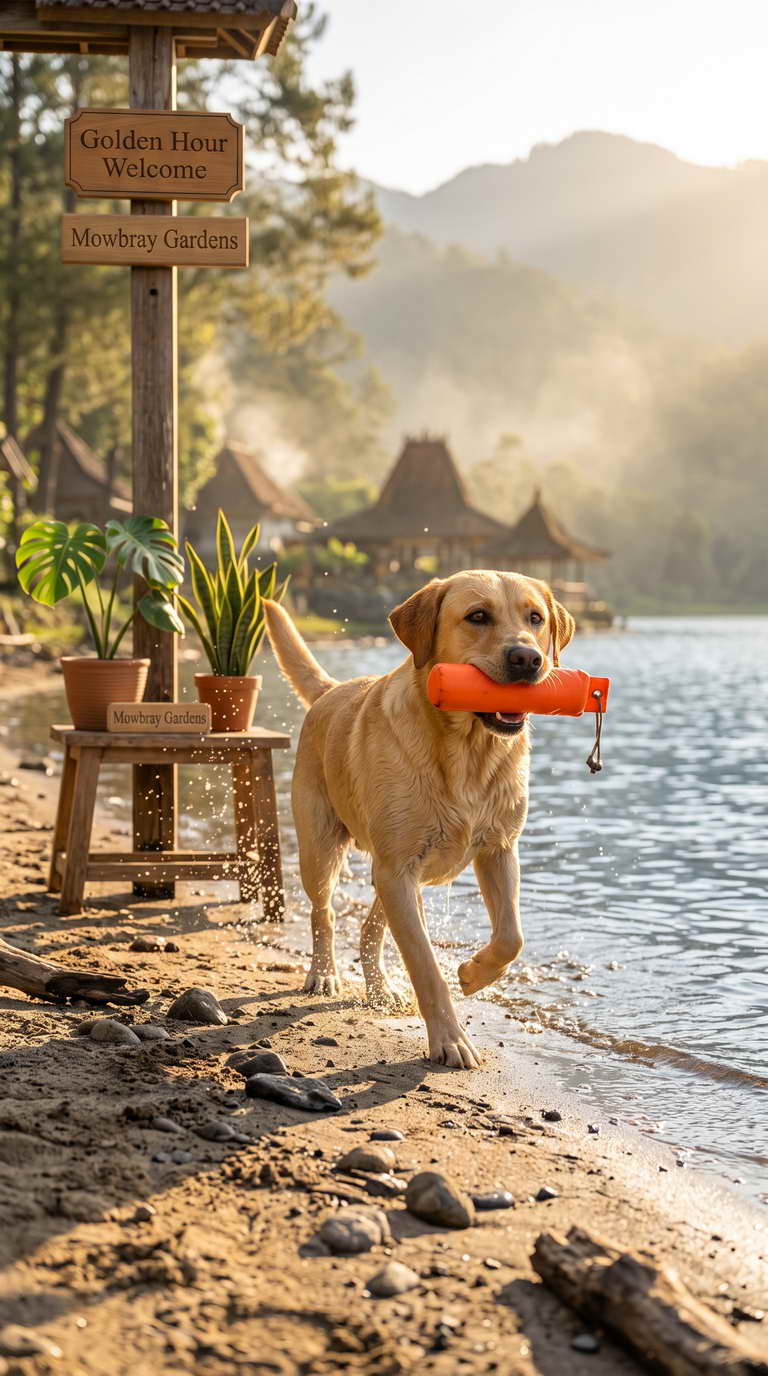
Holding historic records across American Kennel Club registration records and consistently anchoring the top 10 most popular dog breeds in the USA, the Labrador Retriever represents the gold standard of large, friendly family dogs.
Heritage & Temperament
Bred in Newfoundland to retrieve fishing nets and waterfowl from icy North Atlantic waters, Labs possess an eager, people-pleasing disposition paired with remarkable athletic power. They are notoriously social, accepting strangers, neighbor kids, and other animals with wagging tails.
Daily Realities
-
Cardio Demands: Labs are energetic sporting dogs. Without at least an hour of daily fetching, swimming, or vigorous walking, their boredom manifests as vigorous chewing.
-
The “Foodie” Gene: Researchers have confirmed that many Labs carry a genetic mutation in the POMC gene that disrupts satiety signaling. They are perpetually hungry and prone to rapid obesity if meal portions are not measured strictly.
2. German Shepherd Dog: The Noble, Loyal Guardian
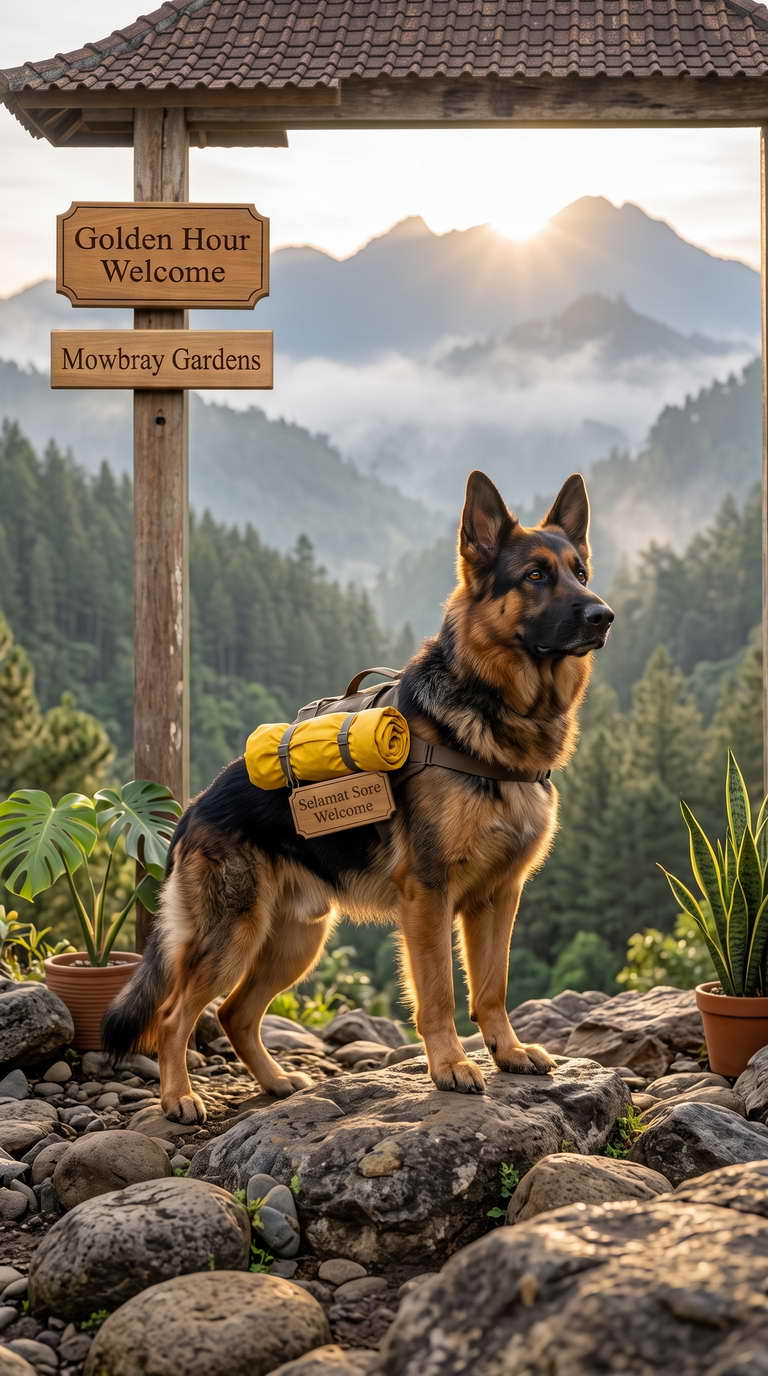
If you seek a canine partner that combines world-class working intelligence with unwavering loyalty, the German Shepherd Dog (GSD) stands in a class of its own.
Heritage & Temperament
Developed in late-19th-century Germany by Captain Max von Stephanitz as the ultimate all-around pastoral and working dog, the GSD is legendary for its versatile mind. They form profound, lifelong bonds with their primary human family while maintaining a dignified, watchful reserve around outsiders.
Daily Realities
-
Mental Stimulation Is Non-Negotiable: A German Shepherd cannot simply sit in a backyard all day. Their razor-sharp working minds demand tasks: advanced obedience, scent-work tracking, or agility drills. A bored GSD will herd family members or pace perimeter fences.
-
Early Socialization: To ensure their natural protective instinct remains balanced and stable, early exposure to diverse sights, sounds, and people is mandatory during puppyhood.
3. Golden Retriever: The Gentle Scottish Ambassador
Radiating warmth, gentle patience, and constant good humor, the Golden Retriever is beloved worldwide as the ultimate companion for active, boisterous households.
Heritage & Temperament
Engineered in the Scottish Highlands during the Victorian era by Lord Tweedmouth, Goldens were bred to retrieve upland game without damaging feathers. This selective lineage gifted them a signature “soft mouth” and an exceptionally forgiving, peaceful temperament that makes them regular front-runners among the most popular dog breeds for families.
Daily Realities
-
High Grooming Upkeep: Their water-repellent, golden double coat sheds consistently year-round. Weekly deep brushing with an undercoat rake is required to prevent thick mats behind their ears and along their feathered flanks.
-
Velcro Loyalty: Goldens thrive on physical human presence; they do not tolerate prolonged outdoor isolation or being shut away from family gatherings.
4. Rottweiler: The Muscular Roman Drover
Behind the broad, blocky head and deep mahogany markings of the Rottweiler lies an ancient, deeply loyal soul that has captured the hearts of experienced dog enthusiasts for centuries.
                  ┌───────────────────────────────────────────────┐
                  │          The Dual Nature of the Rottweiler    │
                  └───────────────────────┬───────────────────────┘
                                          │
         ┌────────────────────────────────┴────────────────────────────────┐
         ▼                                                                 ▼
┌─────────────────────────────────┐               ┌─────────────────────────────────┐
│     The Imposing Guardian       │               │      The Affectionate Clown     │
│ • Roman cattle drover heritage  │               │ • Leans whole body against legs │
│ • Fearless perimeter deterrence │               │ • Quiet, goofy domestic snuggler│
│ • Requires structured leadership│               │ • Gentle with immediate family  │
└─────────────────────────────────┘               └─────────────────────────────────┘
Heritage & Temperament
Tracing their lineage back to the mastiff-type cattle herders of the Roman legions, Rottweilers are sturdy, calm, and immensely powerful. In a stable home with structured leadership, they are placid, affectionate, and famously silly with their inner circle, frequently leaning their massive bodies against your shins to demand ear scratches.
Daily Realities
-
Early Obedience Mandate: Because male Rottweilers easily exceed 100 to 130 pounds, loose-leash training and early social boundaries are essential before the dog reaches adult size.
-
Firm, Fair Handling: Rottweilers respect confident, calm guidance. Harsh physical reprimands create resentment, while timid permissiveness leads to a dog that assumes leadership over the home.
5. Bernese Mountain Dog: The Gentle Alpine Draft Giant
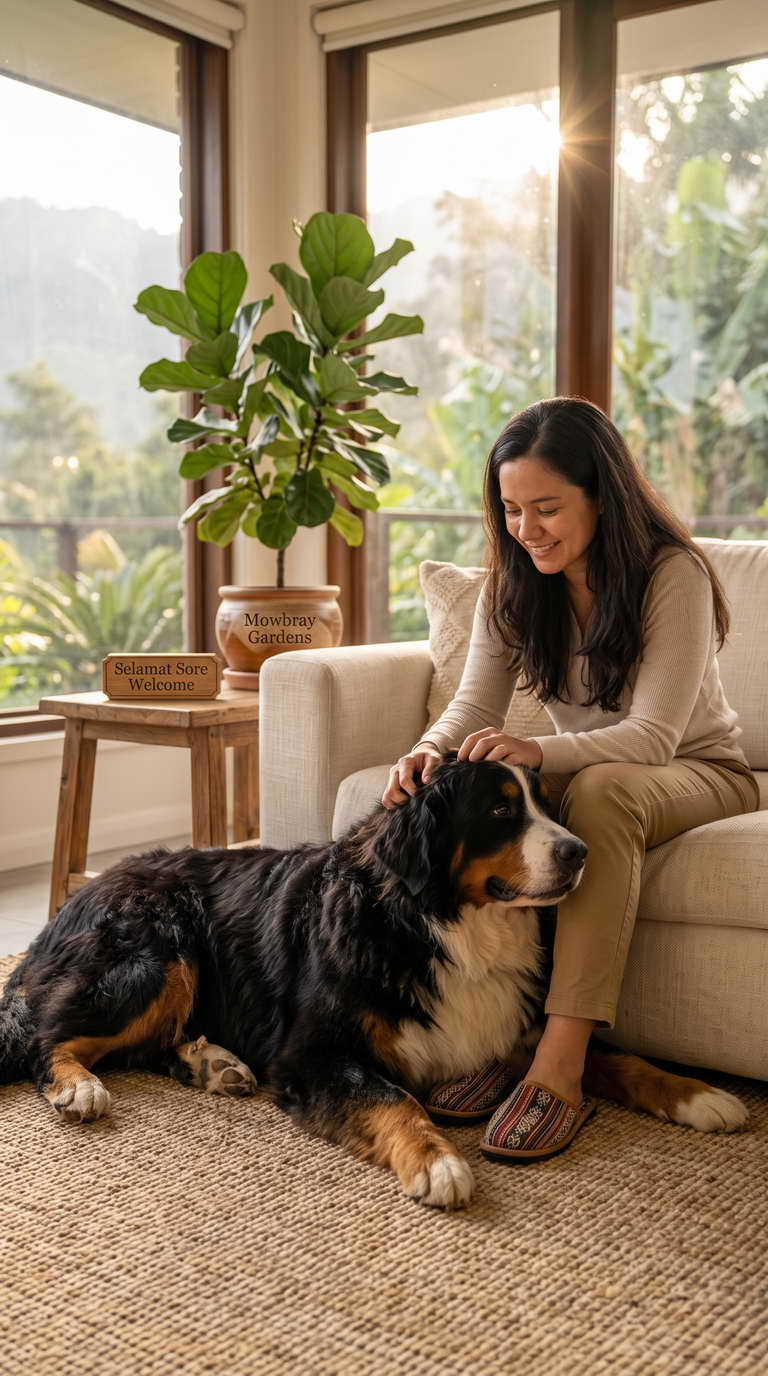
If your ideal large dog is a calm, tricolor teddy bear that values relaxation over marathon runs, the Bernese Mountain Dog (“Berner”) is a premier choice.
Heritage & Temperament
Hailing from the canton of Bern in Switzerland, Berners were general-purpose farm assistants used to pull heavy milk carts and drive cattle through alpine valleys. Despite their substantial size (often reaching 100+ pounds), they are renowned for their slow, deliberate movements, patient nature with toddlers, and calm household demeanor.
Daily Realities
-
Heat Vulnerability: Designed for freezing alpine snow, their dense, double tricolor coat makes them exceptionally prone to heat exhaustion. Air conditioning during summer months is mandatory.
-
Shorter Lifespan: Like many giant canines, their lifespan averages 7 to 9 years, with historical susceptibility to specific canine cancers.
6. Doberman Pinscher: The Sleek, Aristocratic Athlete
Combining lightning speed, muscular elegance, and razor-sharp vigilance, the Doberman Pinscher is the thoroughbred of the working dog category.
Heritage & Temperament
Created in 1890s Germany by tax collector Louis Dobermann for personal protection, the modern Doberman is vastly more balanced and companion-oriented than historical stereotypes suggest. They are exceptionally affectionate with their handlers, earning the nickname “velcro dogs” for their habit of resting their long chins directly on human knees.
Daily Realities
-
High Athletic Demands: A quick stroll around the cul-de-sac will not satisfy a Doberman. They require daily aerobic sprints in securely fenced spaces to burn kinetic energy.
-
Sensitivity to Cold: Their sleek, single coat offers practically zero thermal insulation; they require warm coats in freezing northern climates.
7. Great Dane: The “Apollo of Dogs”
Standing over 30 inches tall at the shoulder, the Great Dane holds the undisputed title of the most popular giant dog breed in the United States.
Heritage & Temperament
Originally bred to hunt massive European wild boars, selective modern breeding has stripped away predatory ferocity, replacing it with an easygoing, patient, and sweet disposition. Great Danes are classic couch potatoes: after a brisk 30-minute daily walk, they are content snoozing for hours on an oversized orthopedic bed.
Daily Realities
-
Space Awareness: While surprisingly adaptable to indoor living, their long tails can clear coffee tables in a single swipe, and their height allows them to counter-surf without standing on their hind legs.
-
Short Lifespan: Great Danes average 7 to 10 years of life, requiring careful joint support and vigilant gastrointestinal monitoring.
The Reality Check: The Financial and Physical Demands of Big Dogs
Before bringing an 80-pound companion through your front door, you must look realistically at the physical and financial logistics. Caring for a large breed is substantially more demanding than keeping a toy dog.
       ┌──────────────────────────────────────────────────────────────┐
       │             The True Cost Multipliers of Large Dogs          │
       └──────────────────────────────┬───────────────────────────────┘
                                      │
        ┌─────────────────────────────┼─────────────────────────────┐
        ▼                             ▼                             ▼
┌───────────────────────┐   ┌───────────────────┐   ┌───────────────────────┐
│     Food Consumption  │   │   Veterinary Dosing│  │     Equipment Scale   │
│ • 40 to 60 lbs dry    │   │ • Medications &   │   │ • XL heavy-duty crates│
│   kibble per month    │   │   anesthesia billed│  │ • Orthopedic bedding  │
│ • Monthly: $80 - $140 │   │   strictly by weight│ │ • High-tensile leashes│
└───────────────────────┘   └───────────────────┘   └───────────────────────┘
1. The Veterinary Weight Multiplier
In clinical veterinary medicine, almost every pharmaceutical—from routine flea/tick preventatives and heartworm chews to surgical anesthetics and antibiotics—is dosed strictly by weight in milligrams. A monthly preventative chew for a 110-pound Great Dane costs nearly three times as much as the identical medication for a 15-pound dog.
2. Guarding Against Gastric Dilatation-Volvulus (GDV / Bloat)
According to clinical research and American Veterinary Medical Association (AVMA) guidelines, deep-chested large breeds (such as Great Danes, German Shepherds, and Dobermans) are biologically vulnerable to Bloat (GDV), a life-threatening medical emergency where the stomach fills with gas and twists along its axis, cutting off blood circulation.
-
Many large-dog owners invest in a preventative surgical procedure called a prophylactic gastropexy (tacking the stomach wall to the abdominal ribs) during the dog’s routine spay or neuter.
-
These medical requirements highlight the importance of understanding the true hidden costs of adopting a dog shelter or purchasing a large purebred puppy before signing adoption contracts.
3. Joint and Orthopedic Health
Because large canines grow at an astonishing rate during their first 18 months, their developing growth plates are vulnerable.
-
Feed large-breed-specific puppy formulas with controlled calcium-to-phosphorus ratios to prevent rapid, uneven bone growth.
-
Avoid concussive, high-impact activities (like jumping in and out of tall SUV trunks or running on hard concrete) until their growth plates close completely around 15 to 18 months of age.
How to Choose the Right Large Breed for Your Home
Use this lifestyle matching guide to narrow down your decision:
Choose a Sporting Retriever (Lab or Golden) If:
-
You want a social, outgoing dog that loves greeting neighborhood friends and swimming in lakes.
-
You have children and want a patient, forgiving playmate for backyard games.
-
You do not mind regular shedding and weekly coat brushing.
Choose a Working Guardian (German Shepherd or Rottweiler) If:
-
You want an alert, dedicated guardian that prioritizes your household safety.
-
You have prior experience handling strong-willed working breeds with positive reinforcement.
-
You have time to commit to regular mental stimulation and advanced obedience training.
Choose a Gentle Giant (Great Dane or Bernese Mountain Dog) If:
-
You prefer a calmer, low-speed companion that enjoys long indoor naps.
-
You have the financial budget to handle large food bills and higher veterinary medication costs.
-
You can manage heavy drool and accept a shorter average canine lifespan.
Frequently Asked Questions (FAQ)
What is the most popular large dog breed in America?
The Labrador Retriever holds the title of the most popular large dog breed in the United States, followed closely by the German Shepherd Dog and the Golden Retriever. Their balanced blend of trainability, friendly temperament, and adaptability keeps them at the top of national registries.
Can large dogs live comfortably in an apartment?
Yes, depending entirely on the breed and handler commitment. Surprisingly, low-energy giants like the Great Dane adapt to apartment living with ease because they spend most of the day lounging quietly. Conversely, high-drive working breeds like German Shepherds or Dobermans require significant outdoor exercise and may struggle in confined spaces without dedicated outdoor routines.
At what age are large dog breeds considered full-grown?
Unlike small dogs that reach adult size by 10 to 12 months, large and giant breeds continue growing until they are 18 to 24 months old. Their skeletal framework reaches full height around 12 to 14 months, while their muscular frame and chest depth continue filling out through their second year.
How much exercise does a large dog need daily?
On average, most healthy adult large dogs require 45 to 75 minutes of daily physical exercise. Active sporting and herding lines (Labs, Shepherds, Dobermans) thrive on structured cardio and mental games, while giant draft breeds (Berners, Danes) are satisfied with two moderate 20-to-30-minute neighborhood walks.
Final Thoughts: The Unmatched Joy of Big Dogs
Welcoming one of the most popular large dog breeds into your family is a commitment that changes your lifestyle in the best way possible.
They demand larger beds, bigger food bowls, and dedicated early leash training, but what they offer in return is beyond measure. Their calm, steady presence provides genuine home comfort, their loyal gaze reminds you that you are never alone, and their gentle devotion turns your house into a true sanctuary.
If you have the physical space in your home, the room in your budget for quality nutrition and healthcare, and the dedication to provide early structured guidance, a large canine companion will reward you with an unforgettable lifetime of loyalty, laughter, and unconditional love.
About The Author

Leave a Reply