
The Most Popular Dog Breeds for Families: The Complete Parent’s Guide to Kid-Friendly Companions
PETSIDI – Few childhood memories rival the pure magic of growing up alongside a loyal dog. From backyard games of catch on summer afternoons to comforting bedtime cuddles when thunder rumbles outside, a family dog is more than just a pet—they become a confidant, a teacher of empathy, and an irreplaceable member of the household.
However, selecting a canine companion for a bustling family home is fundamentally different from picking a dog for a solo adult or a quiet couple.
Add toddlers, school projects, neighborhood playdates, and chaotic morning routines to the mix, and the stakes rise dramatically. A dog that snaps when an ear is clumsily bumped, panics when a toy drops with a loud crash, or requires three hours of vigorous trail running every morning can quickly turn a dream addition into overwhelming household chaos.
What truly makes the most popular dog breeds for families consistently stand out across generations of American households? It is never about purebred status or glamorous looks; it comes down to patience, emotional resilience, forgiving temperaments, and natural trainability.
Here is your definitive, parent-tested guide to the best family-friendly breeds—complete with temperament breakdowns, safety guidelines with children, grooming commitments, and realistic lifestyle matchups.
What Makes a Great Family Dog? The 4 Golden Pillars
Before evaluating individual breeds, parents must look past fluffy faces and assess canines against four essential biological benchmarks:
                  ┌───────────────────────────────────────────────┐
                  │       The 4 Pillars of a Great Family Dog     │
                  └───────────────────────┬───────────────────────┘
                                          │
         ┌────────────────────────────────┼────────────────────────────────┐
         ▼                                ▼                                ▼
┌───────────────────────────┐ ┌───────────────────────────┐ ┌───────────────────────────┐
│     Patience & Threshold  │ │     Trainability & Drive  │ │       Physical Sturdiness   │
│ • High sensory tolerance  │ │ • Eager to please humans  │ │ • Not fragile to accidental │
│ • Forgiving of commotion  │ │ • Quick recall responses  │ │   bumps or tripping drops   │
│ • Low resource-guarding   │ │ • Channels energy calmly  │ │ • Matches home living space │
└───────────────────────────┘ └───────────────────────────┘ └───────────────────────────┘
-
High Sensory Tolerance: Children run, shriek, drop utensils, and make erratic hand gestures. A family dog must possess a stable nervous system that remains unfazed by loud, unpredictable domestic environments.
-
Low Predatory and Guarding Instincts: Breeds prone to sharp resource guarding over food bowls or extreme territorial wariness around neighborhood visitors require professional handling that rarely meshes with busy households.
-
Physical Sturdiness: Ultra-delicate toy dogs can easily suffer broken bones if accidentally stepped on or dropped by enthusiastic young kids. Conversely, massive guardian giants can unintentionally topple toddlers like bowling pins. Medium-to-large, sturdy dogs often hit the sweet spot.
-
Forgiving Nature: A great family dog instinctively de-escalates tension: when overwhelmed, they choose to walk calmly away to their bed rather than growling or baring teeth.
Quick Reference: Top Family Dog Breeds Comparison
| Breed Name | Average Size | Energy Level | Shedding | Kid Compatibility | Living Space Fit |
| Golden Retriever | 55 – 75 lbs | Moderate – High | High | ⭐⭐⭐⭐⭐ (Outstanding) | Houses with Yards |
| Labrador Retriever | 55 – 80 lbs | High | High | ⭐⭐⭐⭐⭐ (Outstanding) | Active Homes / Suburbs |
| Beagle | 20 – 30 lbs | Moderate | Moderate | ⭐⭐⭐⭐⭐ (Gentle & Sturdy) | Adaptable to All Homes |
| French Bulldog | 18 – 28 lbs | Low – Moderate | Low – Moderate | ⭐⭐⭐⭐ (Great for Condos) | Apartments & Cities |
| Bernese Mountain Dog | 70 – 115 lbs | Low – Moderate | Heavy | ⭐⭐⭐⭐⭐ (Gentle Giant) | Cooler Climates / Yards |
| Poodle (Standard) | 45 – 70 lbs | Moderate – High | Very Low (Hypoallergenic) | ⭐⭐⭐⭐⭐ (Brainy & Gentle) | Houses & Active Families |
| Rescue Mutts | Varies | Matches Family | Varies | ⭐⭐⭐⭐⭐ (Custom Match) | Flexible |
1. Golden Retriever: The Gold Standard of Family Companions
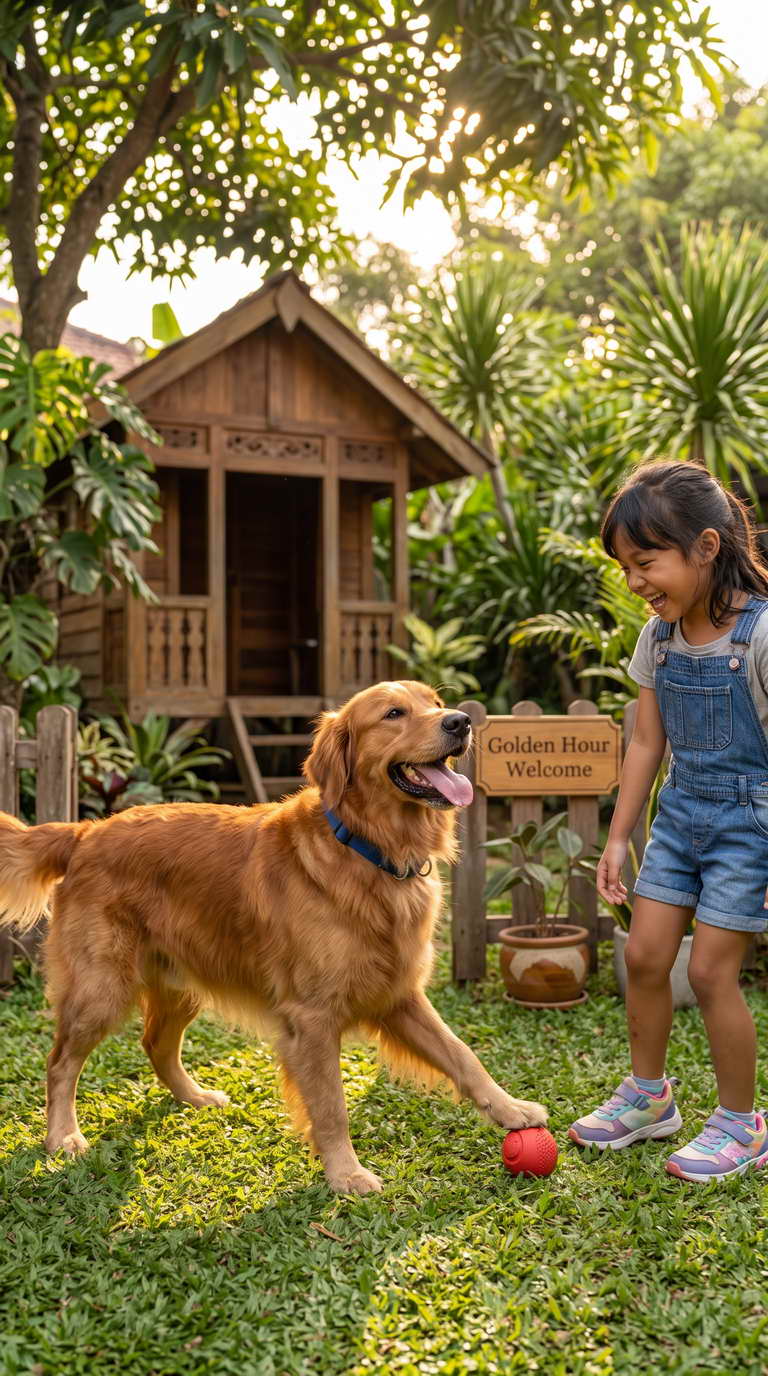
There is a reason the Golden Retriever is the quintessential choice across suburban neighborhoods from coast to coast. Originating in the Scottish Highlands as a gentle-mouthed waterfowl retriever, the Golden was bred to work closely and peacefully alongside human handlers.
Why They Excel with Kids
Goldens are famously patient, empathetic, and joyful. They possess a “soft mouth” instinct, meaning they naturally bite and hold objects gently without crushing them. They treat young family members with tender curiosity and tolerate noise with calm, steady composure.
Parental Considerations
-
Exercise Requirements: Goldens are sporting dogs at heart; they require roughly 45 to 60 minutes of daily physical exercise (fetching, swimming, or neighborhood walks) to keep their indoor demeanor peaceful.
-
The Shedding Factor: Be prepared for substantial dog hair on furniture and clothing, especially during their spring and autumn coat blowouts.
2. Labrador Retriever: The Energetic Playmate
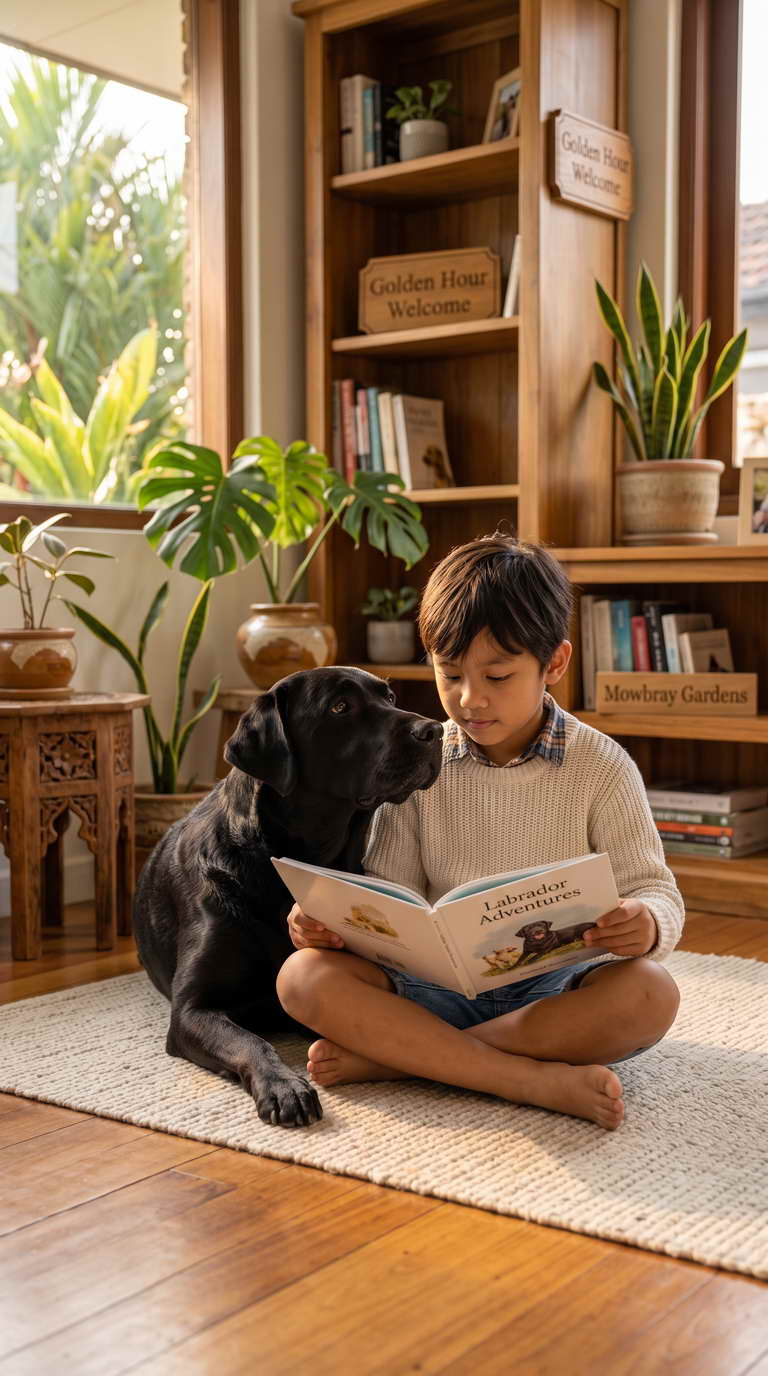
Holding top positions on historical registries and consistently appearing across our comprehensive analysis of the top 10 most popular dog breeds in the USA, the Labrador Retriever remains an absolute powerhouse of family joy.
Why They Excel with Kids
Labs are sturdy, athletic, and perpetually enthusiastic. For families with active, school-aged children involved in youth sports, outdoor camping, and weekend swimming, the Lab is an unstoppable, loyal playmate who never tires of retrieving a tennis ball.
Parental Considerations
-
Bouncy Puppyhood: Labrador puppies remain mentally juvenile until nearly three years of age. During early teething, their enthusiasm can lead to ankle-nipping or jumping on small children, making early education on how to stop puppy biting feet when walking vital to keep playtime gentle.
-
Caloric Control: Labs possess a notorious biological appetite mutation; monitor their diet strictly to prevent excess weight gain.
3. Beagle: The Sturdy, Merry Explorer
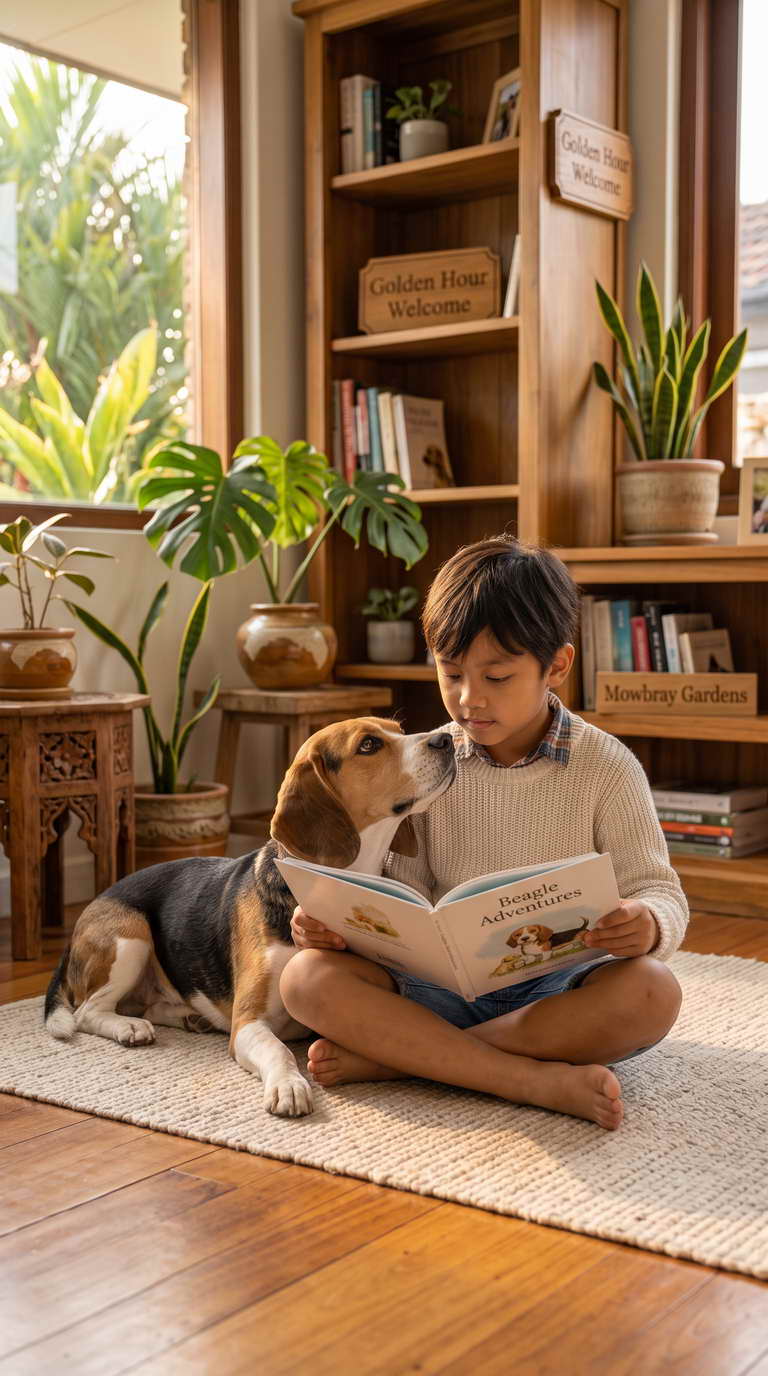
If you love the gentle disposition of a retriever but live in a home without room for a 75-pound dog, the Beagle is one of the most delightful family options in existence.
Why They Excel with Kids
Originally bred to hunt in cooperative packs, Beagles are inherently social herd animals. They view children as their fellow pack members, participating eagerly in yard games and trail hikes. Weighing between 20 and 30 pounds, they are compact enough for kids to manage on a leash, yet muscular and sturdy enough to handle rough-and-tumble living without physical vulnerability.
Parental Considerations
-
Nose-Driven Instincts: As scent hounds, if a Beagle catches the scent of a neighborhood rabbit, their ears turn off. Secure fencing is non-negotiable.
-
Vocal “Baying”: They use a musical, resonant hound howl to announce visitors or outside critters; early training helps establish quiet hours.
4. French Bulldog: The Calm, Low-Stamina Cuddle King
For urban families living in condos, townhomes, or compact city apartments without expansive backyards, the French Bulldog offers a quiet, affectionate alternative.
Why They Excel with Kids
Frenchies are sturdy little comedians. They rarely bark, do not need miles of aerobic running, and are content hanging out in the living room while children play with building blocks. Their solid, low-to-the-ground build makes them difficult to knock over, and their clownish personalities bring endless laughter to family gatherings.
Parental Considerations
-
Heat Sensitivity: Their flat, brachycephalic facial structure means they cannot tolerate hot summer weather; keep them in air-conditioned comfort during summer months.
-
Supervised Swimming: Frenchies cannot swim due to their heavy front body density; keep life jackets on hand near backyard pools.
5. Standard Poodle: Brilliant, Athletic, and Allergy-Friendly
Do not let the fancy salon haircuts of the show ring mislead you: the Standard Poodle is a robust, athletic, and fiercely intelligent family companion.
Why They Excel with Kids
Poodles consistently rank among the top two smartest dog breeds on the planet. They pick up household rules and trick training in record time, making them a joy for older kids to teach. Furthermore, their tightly curled, single-layer coat produces minimal dander and does not shed, making them the premier choice for homes managing childhood allergies.
Parental Considerations
-
Grooming Upkeep: Their non-shedding coat grows continuously, requiring professional salon clipping or home clipping every six to eight weeks.
-
Mental Stimulation: Because they are so sharp, bored Poodles can invent their own mischievous games if not provided with interactive puzzle toys.
6. Bernese Mountain Dog: The Gentle Swiss Giant
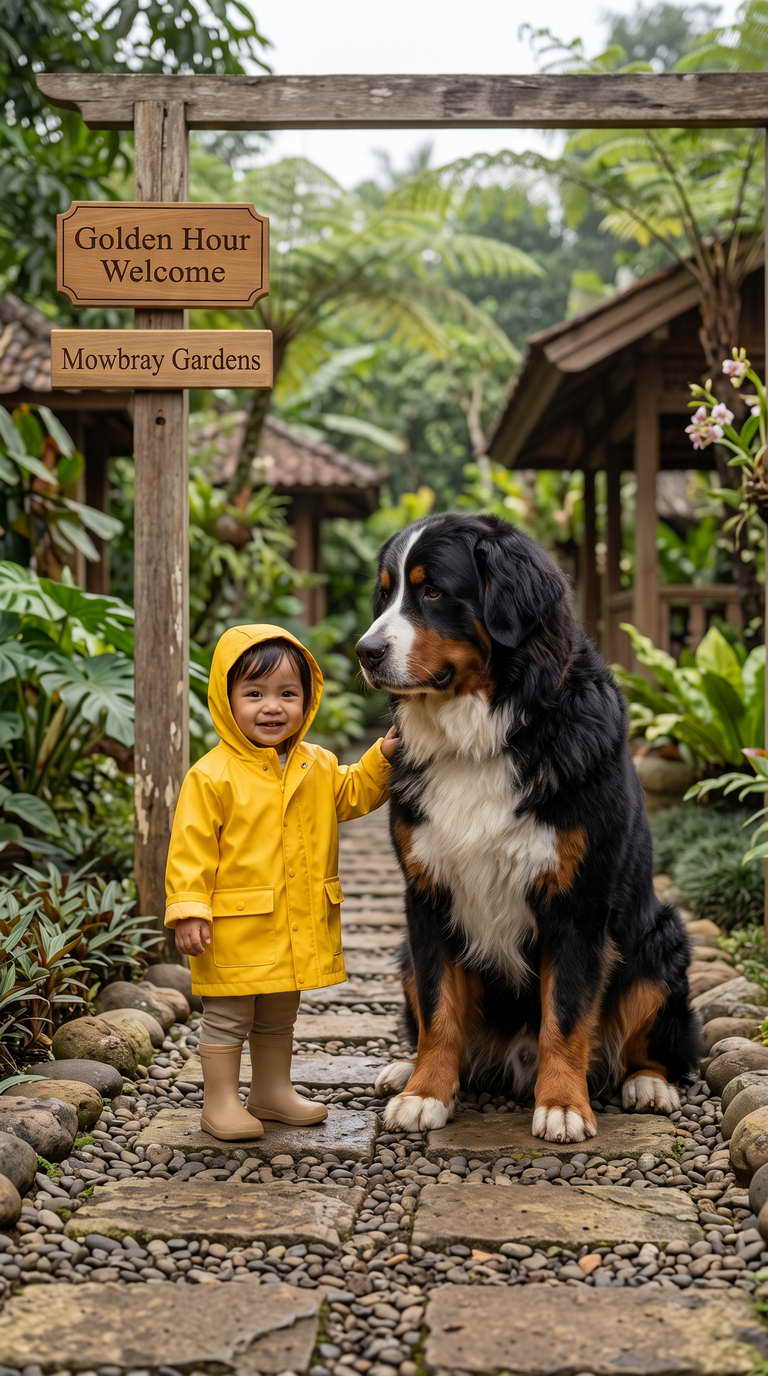
If your family has ample living space and dreams of a serene, majestic companion that doubles as a living teddy bear, the Bernese Mountain Dog (“Berner”) is hard to beat.
Why They Excel with Kids
Hailing from the Swiss Alps as draft and farm dogs, Berners are world-renowned for their calm, stoic, and watchful devotion around toddlers. They move with deliberation, walk quietly beside prams, and display a gentle tenderness toward smaller creatures.
Parental Considerations
-
Shorter Lifespan: Like many giant breeds, their average lifespan is unfortunately brief, typically 7 to 9 years.
-
Warm Weather Vulnerability: Their heavy, tricolor double coat is designed for alpine snow; they require dedicated cooling care during humid American summers.
7. The Family Rescue Mutt: Unmatched Devotion
You do not need an official pedigree certificate to discover a world-class family dog. Millions of mixed-breed dogs in local animal rescues combine the finest qualities of multiple lineage backgrounds.
       ┌─────────────────────────────────────────────────────────┐
       │             Why Rescue Mutts Shine in Families          │
       └────────────────────────────┬────────────────────────────┘
                                    │
          ┌─────────────────────────┴─────────────────────────┐
          ▼                                                   ▼
┌─────────────────────────────────┐ ┌─────────────────────────────────┐
│        Genetic Vigor            │ │        Foster Evaluations       │
│ • Broader gene pool reduces     │ │ • Foster families test behavior │
│   inherited breed disorders     │ │   directly around kids & cats   │
│ • Unique, one-of-a-kind look    │ │ • Pre-screened for gentleness   │
│ • Unmatched lifelong gratitude  │ │ • Often pre-potty trained       │
└─────────────────────────────────┘ └─────────────────────────────────┘
Adopting a dog that has spent time in a family foster home gives parents clear, real-world documentation on how the animal behaves around noisy playrooms and bicycles before signing paperwork.
However, before visiting your local shelter, parents must review the true hidden costs of adopting a dog shelter — including post-adoption vet booster shots, crate gear, and mandatory municipal licensing—so your family budget is fully prepared for your new arrival.
Video Guide: Choosing the Right Dog Breed for Your Household
Visualizing a dog’s real-time energy, body language, and daily interaction can clarify your decision faster than reading pages of specifications alone.
Take a moment to watch this comprehensive breakdown comparing family-friendly temperaments and living considerations:
Safety First: Essential Rules for Kids and Dogs
Even the most gentle Golden Retriever or Beagle remains an animal with biological boundaries. The American Kennel Club (AKC) and veterinary behaviorists emphasize that child safety depends primarily on parental supervision and child education.
Child-Canine Safety Commandments:
1. The Sleeping Sanctuary: Never approach, wake, or startle a sleeping dog.
2. The Mealtime Boundary: Hands stay away from dog food bowls and raw bones.
3. Hugs Are Not Handshakes: Canines interpret tight neck hugs as restrictive threats.
4. "Be a Tree" Rule: If a dog runs up excitedly, stand still, cross arms, and look away.
The American Society for the Prevention of Cruelty to Animals (ASPCA) notes that over 70% of canine bites involving young children occur with familiar family or neighborhood dogs during unsupervised moments when personal boundaries are crossed.
Teach children to read canine distress signals—such as lip licking, yawning when not tired, turning the head away, or showing the whites of their eyes (whale eye)—and grant your dog an undisturbed safe zone (like a gated room or crate) where children are never allowed to enter.
Frequently Asked Questions (FAQ)
What is the absolute number one family dog breed?
The Golden Retriever and Labrador Retriever share the top spot worldwide. Both breeds combine exceptional patience, stable emotional temperaments, eager trainability, and high tolerance for the boisterous routines typical of family life.
Are male or female dogs better for families with young children?
There is no significant behavioral difference based on biological sex alone once the dog is spayed or neutered. An individual dog’s early socialization, genetics, and structured training play an exponentially greater role in their kid-friendliness than whether they are male or female.
What small dog breed is safest for toddlers?
The Beagle and the Cavalier King Charles Spaniel are top contenders. Unlike fragile toy dogs that may snap defensively if handled clumsily, Beagles are muscular and resilient, while Cavaliers are deeply gentle and submissive by nature.
Should we get a puppy or an adult dog for our family?
While raising a puppy allows you to shape their development from day one, it requires round-the-clock supervision, frequent potty runs, and constant management of sharp puppy teeth. For families with toddlers or demanding sports schedules, adopting an adult dog (ages 2 to 5) with an established temperament is often significantly less stressful.
Final Thoughts: Finding Your Family’s Missing Piece
Choosing among the most popular dog breeds for families is not about finding an immaculate show animal; it is about choosing a soul whose daily needs, energy, and physical presence harmonize with your family’s real-world lifestyle.
Whether you bring home the tireless joy of a Labrador Retriever, the hypoallergenic brilliance of a Standard Poodle, the quiet affection of a French Bulldog, or the grateful heart of a shelter rescue, you are giving your children one of the greatest gifts life can offer: an unwavering, four-legged friend who will teach them responsibility, empathy, and unconditional love every single day.
About The Author

Leave a Reply