
The Real Breakdown: Hidden Costs of Adopting a Dog From a Shelter

PETSIDI – You walk into your local animal shelter, fall in love with a pair of soulful brown eyes behind the kennel gate, and see an adoption fee listed on the whiteboard: $150.
On paper, it feels like an unbeatable bargain—especially when compared to purebred puppies from private breeders that easily fetch $2,500 or more. You swipe your card, sign the transfer paperwork, and congratulate yourself on giving a deserving rescue dog a forever home while keeping your bank balance intact.
However, three months later, your checking account tells an entirely different story.
Between unexpected veterinary diagnostics for an undiagnosed parasite, emergency training sessions to address leash reactivity, non-refundable apartment pet fees, and replacement costs for chewed baseboards, your “affordable” rescue has quietly drained thousands of dollars.
Does this mean adopting a shelter pet is a financial trap? Absolutely not. Saving a shelter dog is one of the most rewarding commitments you will ever make. But entering the adoption process blind to post-adoption realities leads to stress, panic, and heartbreaking returns.
Here is the unfiltered truth about the hidden costs of adopting a dog shelter, complete with first-year financial estimates and actionable strategies to budget responsibly.
First-Year Cost Breakdown: The $150 Adoption vs. Reality
Before analyzing individual hidden line items, here is an objective side-by-side comparison of perceived adoption costs versus typical first-year expenditures in the United States:
| Expense Category | Perceived Initial Cost | Actual First-Year Realities | Average Annual Cost (USD) |
| Shelter Adoption Fee | $100 – $300 | $100 – $300 (covers initial shots/neuter) | $150 – $300 |
| Post-Adoption Vet Exam & Boosters | $0 (assumed free) | Physical exam, titer booster, heartworm tests | $150 – $350 |
| Parasite Treatment (Giardia/Kennel Cough) | $0 (assumed healthy) | Antibiotics, fecal testing, dewormers | $100 – $400 |
| Housing (Rental Pet Deposit & Pet Rent) | $0 (overlooked) | One-time deposit ($200–$500) + $35–$75/mo rent | $600 – $1,400 |
| Home Gear, Leashes & Crate Sanctuary | $50 | Durable crate, escape-proof harness, dog beds | $250 – $500 |
| Dietary Transition & Prescription Food | $30 / month | High-protein kibble, sensitive stomach formulas | $480 – $900 |
| Preventative Medications (Flea/Tick/Heartworm) | $0 (overlooked) | 12-month supply of oral or topical preventatives | $200 – $360 |
| Behavioral Training & Management | $0 (assumed DIY) | Positive reinforcement classes or private trainer | $200 – $800 |
| Pet Health Insurance / Emergency Reserve | $0 (overlooked) | Monthly premium ($40–$70/mo) or savings fund | $480 – $1,000 |
| Municipal Pet Licensing | $0 (overlooked) | Mandatory annual city or county registration | $15 – $50 |
| Total First-Year Estimated Outlay | $200 – $500 | Comprehensive Realistic Budget | $2,625 – $6,060 |
What Does That Upfront Shelter Adoption Fee Actually Cover?
It is easy to misunderstand what an animal rescue or municipal shelter provides with their baseline adoption fee (usually between $75 and $300). Shelters are non-profit entities operating on tight municipal grants and donations; their fee is designed to subsidize basic intake services, not guarantee lifetime veterinary fitness.
Typically, your upfront adoption fee covers:
-
Spay or Neuter Surgery: A standard sterilization procedure performed before release.
-
Initial Core Vaccines: Usually includes rabies (if older than 16 weeks) and the DHPP combination shot (distemper, hepatitis, parvovirus, parainfluenza).
-
Microchip Implantation: Permanent electronic identification registered to your contact details.
-
Basic Deworming: Standard prophylactic treatment for roundworms and hookworms.
While this foundation saves you several hundred dollars compared to paying private clinic rates out of pocket, it leaves substantial gaps in long-term wellness care.
1. The Post-Adoption Veterinary Awakening
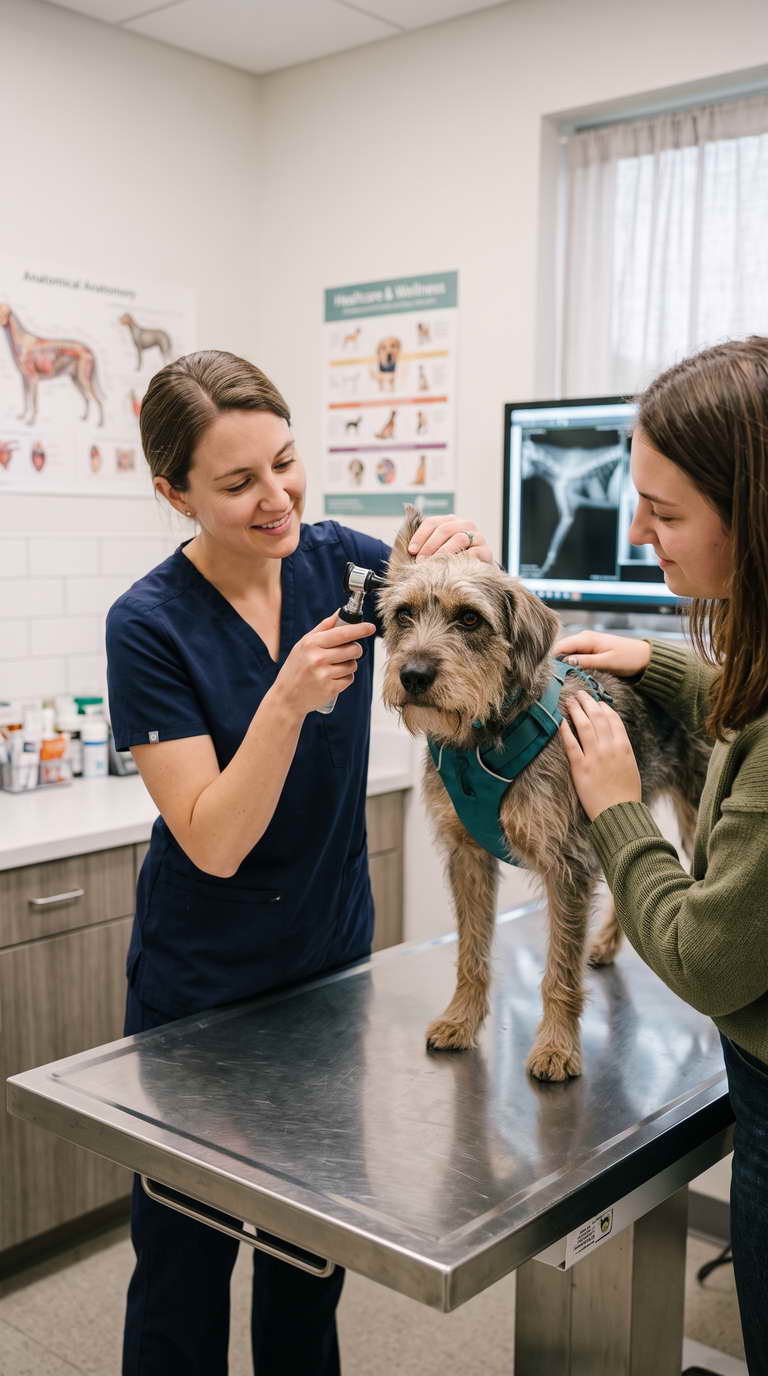
Even if your adoption package includes a “free initial veterinary exam” voucher from an affiliated animal clinic, you will rarely walk out of the examination room without opening your wallet.
                  ┌───────────────────────────────────────────────┐
                  │    Common Shelter Medical Surprises at Clinic │
                  └───────────────────────┬───────────────────────┘
                                          │
         ┌────────────────────────────────┼────────────────────────────────┐
         ▼                                ▼                                ▼
┌───────────────────────────┐ ┌───────────────────────────┐ ┌───────────────────────────┐
│     Infectious Ailments   │ │   Parasitic Infestations  │ │     Pre-existing Wear     │
│ • Bordetella/Kennel cough │ │ • Giardia (deep cysts)    │ │ • Worn or fractured teeth │
│ • Canine flu / upper resp.│ │ • Coccidia & tapeworms    │ │ • Untreated ear infections│
│ • Skin allergies/dermatitis││ • Heartworm treatment gap │ │ • Undiagnosed joint limps │
└───────────────────────────┘ └───────────────────────────┘ └───────────────────────────┘
Shelter-Acquired Upper Respiratory Infections (Kennel Cough)
Kennel environments are enclosed spaces with high turnover. Airborne bacteria (Bordetella bronchiseptica) and respiratory viruses spread quickly. Even vaccinated dogs frequently develop mild to moderate kennel cough within three to five days of arriving home.
-
Diagnostic exam and chest auscultation: $70 – $120.
-
Prescribed cough tabs, doxycycline, or expectorants: $40 – $90.
Stubborn Intestinal Parasites
Shelters routinely administer basic dewormers, but deep-seated parasites like Giardia and Coccidia require specialized fecal flotation testing and multi-day targeted prescription courses (such as Panacur or Metronidazole). If persistent diarrhea soils carpets, you are looking at diagnostic labs and medication bills totaling $150 to $300.
Annual Preventatives Are Not Included
Shelters protect animals while they are on-site, but they do not send you home with a year’s supply of parasite prevention. According to the American Veterinary Medical Association (AVMA), year-round protection against heartworms, fleas, and ticks is essential for every domestic canine. A twelve-month supply of combination oral chews (like Simparica Trio or NexGard Plus) costs between $240 and $360 annually.
2. Housing and Rental Realities: The “Pet Tax”
If you own your home with a fenced yard, you avoid this category. However, for the millions of Americans renting apartments, townhomes, or single-family properties, welcoming a rescue dog triggers substantial financial friction.
The Non-Refundable Pet Fee vs. Pet Deposit
Most corporate property managers require both a refundable pet deposit ($200 to $500) to cover structural damage and a non-refundable “move-in pet administrative fee” ($150 to $350).
Ongoing Monthly “Pet Rent”
Pet rent has become an industry standard across North American rental markets. Expect to pay an additional $35 to $75 per month simply for having a dog on the lease. Over a twelve-month lease agreement, that adds an extra $420 to $900 to your cost of living.
Breed Restrictions and Insurance Riders
Many apartment complexes enforce strict breed bans (frequently targeting Pit Bull mixes, German Shepherds, Rottweilers, and Dobermans). If your rescue dog displays visual physical characteristics of restricted breeds, you may face denied applications or be required to purchase specialized private liability pet insurance policies ($150 to $300 per year) before moving in.
3. Essential Gear: Why Hand-Me-Downs Often Fail
Many first-time adopters assume a $10 collar, a grocery-store nylon leash, and an old blanket are all that is required for week one. With shelter dogs, skimping on equipment can lead to structural failures or escapes.
First-Week Equipment Essentials:
- Escape-Proof 3-Point Harness: $35 - $65
- 6-Foot Heavy-Duty Fixed Leash: $15 - $25
- Heavy-Gauge Wire or Plastic Crate: $70 - $160
- Orthopedic Chew-Resistant Bed: $45 - $90
- Stainless Steel Non-Slip Bowls: $20 - $35
- Enzymatic Cleaner & Stain Neutralizer: $25 - $45
- Long-Lasting Mental Enrichment Toys (Kongs/Mats): $30 - $60
Total Initial Supply Investment: $240 - $480
Because rescue dogs are often easily spooked during early decompression, standard collars represent an escape hazard; nervous dogs back out of collars in seconds. Investing in a martingale collar or an escape-proof harness is a mandatory safety expense, not a luxury.
4. Dietary Transitions and Sensitive Stomachs
Shelters rely heavily on donated pet food. Consequently, shelter dogs often consume whatever commercial kibble brands were donated that week. This dietary inconsistency, compounded by the physiological stress of kennel life, leaves their gastrointestinal tract sensitive and inflamed.
When you transition your rescue to a high-quality, balanced diet:
-
Abrupt shifts cause gastrointestinal distress, vomiting, and diarrhea.
-
You will likely need to spend the first month supplementing meals with plain canned pumpkin, probiotics, and gentle transition kibbles.
-
Dogs with chronic underlying food allergies or sensitive stomachs may require limited-ingredient novel protein diets (salmon, lamb, or duck) costing $70 to $95 per 25-lb bag.
5. Behavioral Rehabilitation: The Investment in Stability
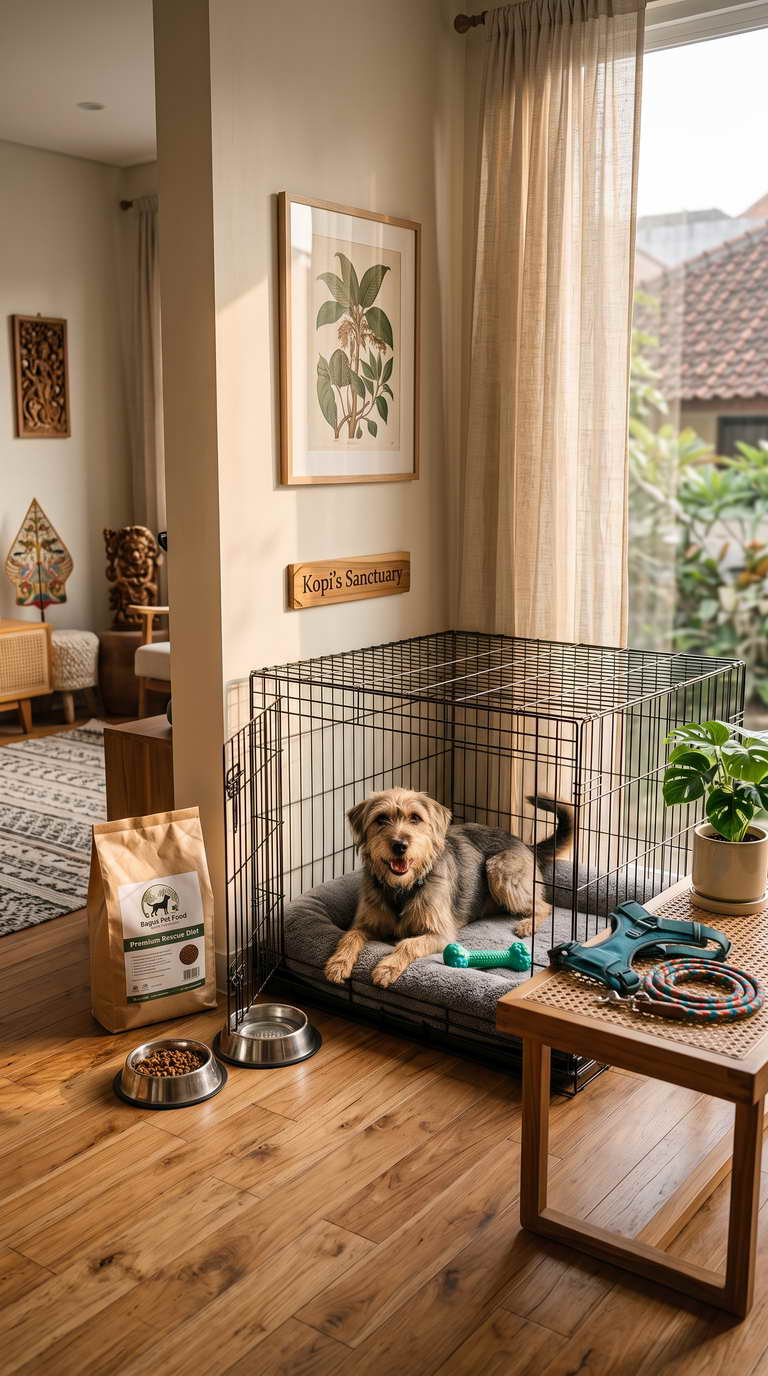
One of the most significant hidden costs of adopting a rescue dog is addressing behavioral baggage. While some shelter dogs integrate seamlessly, many carry past trauma, lack early socialization, or display defensive habits developed while surviving on the street.
Common Shelter Behaviors Needing Intervention:
-
Severe Separation Anxiety: Barking, whining, or destroying doorways when left alone.
-
Leash Reactivity: Lunging, barking, or pulling frantically when seeing other dogs during walks.
-
Resource Guarding: Growling defensively over food bowls, high-value bones, or favorite sleeping spots.
Fixing these issues requires structured education. Relying on casual internet forums or television advice often worsens reactivity.
-
Group Obedience Class (6-week foundational course): $150 – $250.
-
Private In-Home Behavioral Consultation: $100 – $200 per single session.
-
Comprehensive Multi-Session Rehabilitation Package: $600 – $1,200+.
Budgeting for professional, positive reinforcement guidance is one of the best investments you can make to ensure your dog remains in your home permanently.
6. Lifestyle Adjustments: Boarding, Walking, and Travel
What happens when your job demands full-time in-office presence, or you have an out-of-town business conference?
-
Dog Walkers (Midday Relief): If your rescue cannot hold their bladder for nine hours or suffers from separation stress, a 30-minute midday dog walk through platforms like Rover or local insured walkers runs $20 to $35 per visit. Over five workdays a week, that totals $400 to $700 monthly.
-
Boarding Kennels vs. In-Home Sitters: Quality overnight boarding facilities charge $45 to $85 per night. A four-day weekend getaway will easily add $200 to $350 in pet-care boarding expenses.
7. Emergency Reserves and Pet Insurance
Veterinary emergencies do not announce themselves in advance. A rescue dog that ingests a sock, tears an anterior cruciate ligament while sprinting, or suffers an acute case of pancreatitis can rack up veterinary bills exceeding $3,000 within forty-eight hours.
According to data compiled by animal advocacy organizations like the American Society for the Prevention of Cruelty to Animals (ASPCA), unforeseen emergency care represents the single most common cause of financial pet surrender in the United States.
You have two primary financial safety nets:
-
Pet Health Insurance: Enrolling in a comprehensive accident-and-illness policy costs roughly $35 to $65 per month for an adult dog. While it involves a monthly line item, it reimburses 70% to 90% of eligible emergency procedures after your deductible is met.
-
Dedicated Emergency Savings Account: If you choose not to carry insurance, establish an automated savings account with a liquid balance of at least $1,500 to $2,500 reserved strictly for medical interventions.
Pro Tips: How to Lower Adoption Costs Without Compromising Care
While hidden expenses are inevitable, strategic planning can significantly reduce financial strain:
-
Adopt During Fee-Waived Events: Many shelters host “Empty the Shelters” promotions where corporate sponsorships cover the initial adoption fee, freeing up cash for vet visits and supplies.
-
Utilize Low-Cost Spay/Neuter and Vaccine Clinics: Municipal health departments and non-profit humane societies frequently host mobile vaccination days offering core vaccines and rabies shots for $15 to $25 per injection.
-
Buy Preventive Medications in Bulk: Ask your primary vet to write an official paper prescription, then price-compare approved online veterinary pharmacies (like Chewy or 1-800-PetMeds) to capture seasonal manufacturer rebates.
-
Invest Early in Crate Comfort and Safety: An ounce of prevention stops hundreds of dollars in property damage. Proper confinement and safe chew toys save rugs, couches, and shoes.
Frequently Asked Questions (FAQ)
Why are shelter adoption fees more expensive for puppies than adult dogs?
Shelters intentionally price puppies higher ($250 to $450) because young dogs are in high demand. The surplus funds generated from puppy adoptions directly subsidize the expensive medical care, dental cleanings, and specialized diets needed by senior dogs and long-term shelter residents.
Is pet insurance worth it for a shelter dog?
Yes, especially if purchased immediately upon adoption. However, note that pet insurance providers do not cover pre-existing conditions. Secure the policy before scheduling diagnostic visits for minor coughs or limps so those conditions are not permanently excluded from coverage.
Can I write off shelter dog adoption expenses on my taxes?
In most cases, personal pet adoption expenses are not tax-deductible under IRS regulations. The rare exceptions occur if the dog is an officially certified service animal for documented medical disabilities, or if you act as an approved, registered 501(c)(3) foster parent caring for animals on behalf of a non-profit shelter.
What should my minimum financial cushion be before adopting?
Ideally, you should have at least $1,000 in liquid emergency funds set aside beyond the adoption fee and immediate basic supplies before bringing a dog home.
Final Thoughts: The True Value Beyond the Numbers
Budgeting for the hidden costs of adopting a dog shelter is not about discouraging you from opening your heart to a homeless animal. It is about equipping you to become a stable, resilient pet parent who never faces the agonizing dilemma of choosing between financial solvency and their dog’s wellbeing.
A rescue dog does not care whether their leash cost $12 or $60, or whether their bed is designer velvet. What they need is reliable medical care, nutritious meals, structured routines, and a human who is financially and emotionally prepared to honor their commitment for the next decade.
When you plan for the financial realities with clear eyes, the unconditional love, goofy tail wags, and loyal companionship you receive in return will be worth every single cent.
About The Author

Leave a Reply