
12 Critical Questions to Ask Shelter Before Adopting a Dog: The Ultimate Checklist
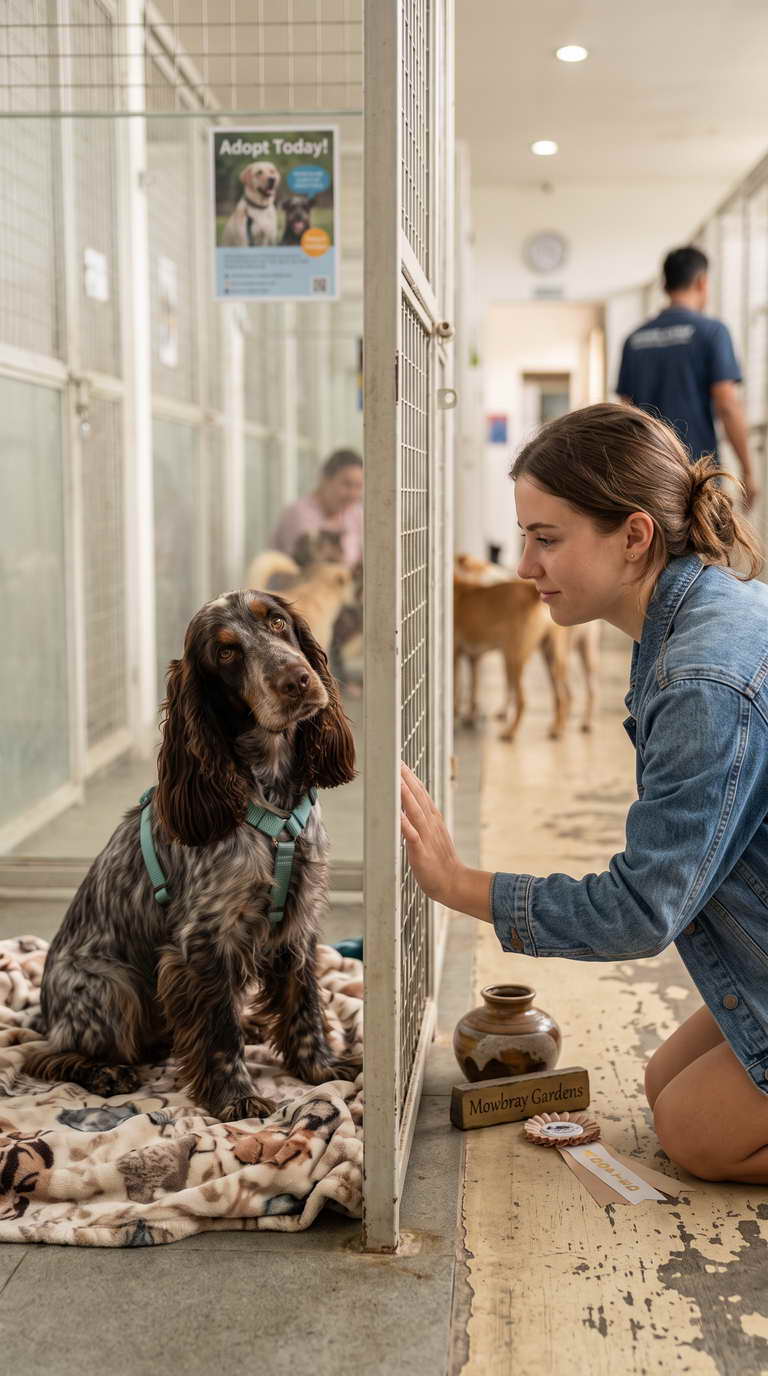
PETSIDI – You walk through the echoing corridors of your local animal rescue, surrounded by the rhythm of barking and tapping paws on concrete floors. Suddenly, you stop. In a quiet corner kennel, a dog sits patiently, tilting its head and looking up at you with soulful, pleading eyes. Your heart immediately melts. You feel an overwhelming urge to sign the adoption paperwork on the spot and bring this sweet soul home that very afternoon.
However, adopting an animal based purely on emotional connection during a brief five-minute encounter is one of the most common reasons pet adoptions run into heartbreak.
Behind those longing eyes lies an entire untold history. Why was this dog surrendered? How do they react when a child hugs their neck or a vacuum cleaner roars to life? Do they have chronic hip discomfort, or do they launch into a panic whenever left alone in a quiet room?
Shelter staff and volunteer foster networks interact with these animals every single day. They hold invaluable insights into each dog’s quirky habits, fears, and medical quirks. But they can only share what you actively inquire about.
Knowing the right questions to ask shelter before adopting dog is the difference between a chaotic, stressful pet placement and a smooth, lifelong companionship.
Here is your comprehensive, 12-question interview blueprint to evaluate any shelter dog like an experienced canine behaviorist.
Quick Reference: The Essential Shelter Adoption Checklist
Before examining the reasoning behind each question, use this quick checklist to guide your conversations with shelter adoption counselors:
| Category | Priority Question | Core Evaluation Goal |
| History & Intake | Why was this dog surrendered or brought in? | Distinguish between owner hardship vs. behavioral issues |
| Behavior & Reactivity | How does this dog react to unfamiliar dogs, cats, and kids? | Identify social compatibility and predatory drives |
| Handling & Triggers | Can you touch their paws, ears, and food bowl safely? | Screen for resource guarding and handling sensitivity |
| Medical Integrity | What medical care have they received, and what is pending? | Uncover chronic illnesses, parasites, and dental needs |
| Domestic Habits | What are their actual house-training and crate routines? | Set realistic expectations for home cleanliness |
| Daily Routine | How does the dog behave when left alone in a kennel? | Catch early indicators of severe separation anxiety |
Category 1: History, Intake, and Background Realities
A rescue dog’s history provides the operational framework for their behavior. While some shelter dogs arrive with detailed surrender logs, others arrive as unknown strays. Digging into their past clarifies what you will face at home.
       ┌─────────────────────────────────────────────────────────┐
       │             Intake Reason Classification                │
       └────────────────────────────┬────────────────────────────┘
                                    │
          ┌─────────────────────────┴─────────────────────────┐
          ▼                                                   ▼
┌─────────────────────────────────┐ ┌─────────────────────────────────┐
│     Owner-Surrender Logs        │ │        Stray / Intake Unknown   │
│ • Detailed medical track record │ │ • Behavioral canvas is blank    │
│ • Known home habits & fears     │ │ • Age is an educated veterinary │
│ • Clear reasons for surrender   │ │   estimate based on teeth wear  │
│ • Potential behavioral notes    │ │ • Requires slow home evaluation │
└─────────────────────────────────┘ └─────────────────────────────────┘
1. “Why was this dog surrendered to the shelter?”
Understanding the root reason for a dog’s presence in a shelter is vital.
-
Situational Surrender: Many dogs enter shelters because of human life crises—an owner passing away, sudden financial distress, divorce, or housing evictions that prohibit pets. These dogs often possess stellar house manners and simply need a stable routine to flourish.
-
Behavioral Surrender: If a dog was surrendered for behavioral reasons (such as destructive chewing, excessive vocalization, or aggression toward neighbors), you need complete transparency. Knowing this allows you to determine whether you have the time, physical strength, and financial budget to work with a certified trainer.
2. “How long has this dog been at the facility, and where were they before?”
A dog that arrived forty-eight hours ago is still in acute sensory shock. Conversely, a dog that has resided in a concrete kennel run for eight months may suffer from “kennel deterioration”—developing repetitive stress behaviors like barrier reactivity, compulsive tail-chasing, or profound depression.
Additionally, ask if the dog spent time in a foster home. Foster parents provide exponentially more accurate assessments of domestic behavior (such as sleeping habits, doorbell reactions, and cat compatibility) than shelter kennel staff can observe in a noisy municipal facility.
Category 2: Behavioral Temperament and Environmental Triggers
A dog’s kennel presentation rarely reflects their true baseline personality. A dog barking frantically at the kennel bars might be an affectionate couch potato outside, while a cowering, quiet dog might show intense prey drive once untethered in an open yard.
3. “How does the dog respond to other dogs, cats, and small animals?”
If you already share your home with other pets, this question is non-negotiable.
-
Inquire if the shelter has conducted an official dog-to-dog behavioral evaluation (dog meet). Does the dog show loose, play-bowing curiosity, or do they stiffen, raise their hackles, and growl?
-
Ask if the facility conducts feline testing. While some companion mixes integrate effortlessly, dogs carrying high predatory drives require specialized protocols like learning how to introduce rescue dog to resident cat safely using slow scent swaps and sturdy visual baby gates.
4. “Has this dog shown any resource guarding over food, toys, or sleeping areas?”
Resource guarding—where a dog growls, snaps, or freezes defensively when a human or animal approaches their food dish, chew bone, or bed—is a natural survival instinct that often intensifies in resource-scarce shelter environments.
-
Ask the counselor: “Have staff members been able to safely remove food bowls, high-value raw hides, or toys from this dog during evaluation?”
-
If guarding exists, it does not mean the dog is unadoptable; it means you must establish careful management routines and avoid free-feeding or leaving high-value bones unattended around children.
5. “How do they react to handling, grooming, and touch sensitivity?”
Ask shelter staff if they can comfortably handle the dog’s paws, look inside their ears, inspect their teeth, and touch their tail. A dog that snaps when their paws are touched may require extensive desensitization for nail trims or may be hiding undiagnosed joint inflammation.
Category 3: Domestic Routines and House Manners
Shelter life disrupts a dog’s domestic biological clock. Gathering clues about their daily habits helps you prepare your home before arrival.
       ┌─────────────────────────────────────────────────────────┐
       │             Assessing Home Readiness Clues              │
       └────────────────────────────┬────────────────────────────┘
                                    │
          ┌─────────────────────────┴─────────────────────────┐
          ▼                                                   ▼
┌─────────────────────────────────┐ ┌─────────────────────────────────┐
│     In-Kennel Cleanliness       │ │      Handling Leash Dynamics    │
│ • Does the dog wait to potty?   │ │ • Does the dog pull or lunge?   │
│ • Are blankets shredded daily?  │ │ • How do they greet strangers?  │
│ • Do they rest inside crates?   │ │ • Are they easily redirected?   │
└─────────────────────────────────┘ └─────────────────────────────────┘
6. “Are they reliably house-trained, or do they soil their sleeping area?”
While many dogs experience temporary regression due to stress, dogs that deliberately hold their bladder and wait to eliminate on outdoor gravel runs typically transition to home housebreaking very quickly. If the dog frequently soils their indoor sleeping cot, prepare for foundational crate training and hourly outdoor schedules during their initial weeks.
7. “How does the dog tolerate being left completely alone?”
Separation anxiety is one of the leading drivers of adoption returns.
-
Ask staff: “When this dog is isolated in a room or kennel run, do they whimper for two minutes and settle down, or do they bark continuously, pace frantically, and chew the door frame?”
-
If the dog exhibits severe barrier distress or separation panic, you must have an immediate plan that includes gradual alone-time conditioning, puzzle toys, and potentially working from home during the early transition.
8. “How does the dog walk on a leash, and do they react to street triggers?”
Walking through a quiet shelter courtyard is very different from walking down a bustling suburban street filled with skateboards, delivery trucks, bicycles, and jogger strides.
-
Request to walk the dog yourself on a secure, 6-foot fixed leash.
-
Observe: Do they pull so hard that your shoulders ache? Do they freeze when cars pass? Do they lunge playfully or aggressively when another dog walks past?
-
Knowing their leash behavior allows you to purchase appropriate walking equipment (like a front-clip harness) before bringing them home.
Category 4: Medical Transparency and Physical Health
Even the cleanest, most well-funded animal shelters are challenging medical environments. Asking direct, specific medical questions prevents devastating financial surprises.
According to veterinary standards published by the American Society for the Prevention of Cruelty to Animals (ASPCA), shelter medical files should be reviewed comprehensively prior to contract signing.
9. “What medical care, diagnostic testing, and vaccines have been completed?”
Do not settle for a vague answer like “They are up to date on everything.” Request an official printout of the medical chart. Verify:
-
Vaccination Dates: Core DHPP (Distemper, Parvo), Rabies, and Bordetella (kennel cough).
-
Parasite Screening: Did their intake fecal flotation test positive for Giardia, Coccidia, or tapeworms? Did they receive a broad-spectrum dewormer?
-
Heartworm Status: In many areas of the United States, heartworm disease transmitted by mosquitoes is prevalent. Has the dog tested negative on an antigen test, and are they on preventative medication?
10. “Are there any known chronic conditions, old injuries, or dental concerns?”
Shelter veterinarians frequently note tartar accumulation, broken molars, skin allergies, or subtle rear-limb lameness that do not require immediate emergency surgery but will demand private veterinary attention later.
Asking about these details protects your household budget from the true hidden costs of adopting a dog shelter, which can quickly add up to hundreds of dollars in dental cleanings or ear allergy medications within your first ninety days of adoption.
Category 5: Breed Instincts, Energy Matching, and Compatibility
Pop culture and viral social media clips often lead adopters to choose dog breeds based purely on aesthetic appeal rather than genetic compatibility.
       ┌──────────────────────────────────────────────────────────────┐
       │             Genetic Drive vs. Household Reality              │
       └──────────────────────────────┬───────────────────────────────┘
                                      │
        ┌─────────────────────────────┼─────────────────────────────┐
        ▼                             ▼                             ▼
┌───────────────────────┐   ┌───────────────────┐   ┌───────────────────────┐
│     Herding Breeds    │   │   Sporting Breeds │   │    Guardian Breeds    │
│ (Collies, Corgis)     │   │ (Retrievers, Labs)│   │ (Rottweilers, Shep.)  │
│ • Drives: Heel-nipping│   │ • Drives: Cardio, │   │ • Drives: Watchdog,   │
│   and visual chasing  │   │   retrieval, play │   │   territorial alerts  │
│ • Needs: Task work    │   │ • Needs: 60+ min  │   │ • Needs: Firm, calm   │
│   and mental puzzles  │   │   aerobic exercise│   │   structured handling │
└───────────────────────┘   └───────────────────┘   └───────────────────────┘
11. “What working drives or breed traits have staff observed in this dog?”
Many shelter dogs are mixed breeds, and understanding what ancestral traits dominate their personality is essential for lifestyle compatibility.
For instance, herding mixes naturally carry instincts to chase running objects, while hound mixes will follow their noses through open gates. If the shelter dog has strong working or sporting heritage similar to the top 10 most popular dog breeds in the USA, ask staff how much daily cardiovascular exercise the dog requires to stay relaxed and calm indoors.
12. “What is the shelter’s policy if the adoption is not a safe or functional match?”
This is a difficult question to ask, but responsible pet ownership demands it.
-
Reputable animal shelters and non-profit rescues maintain an explicit “return-to-rescue” clause in their adoption contracts.
-
They commit to taking the dog back into their care at any point in the animal’s lifetime if an emergency, severe incompatibility, or lifestyle crisis prevents you from keeping them.
-
Never adopt from an organization that states “Once you leave the property, the animal is your problem.” Ethical shelters partner with you for the life of the pet.
The Interactive “Test Meet”: What to Do in the Yard
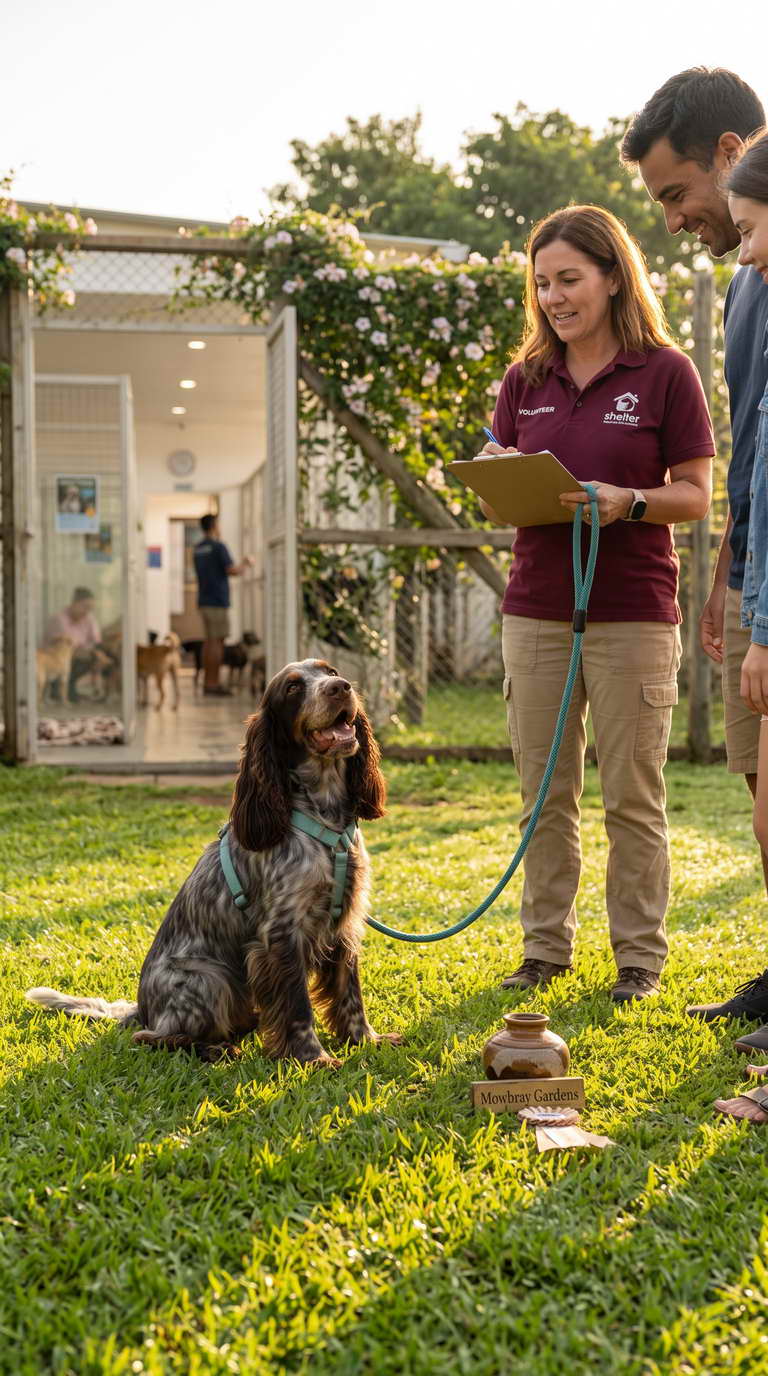
Never adopt a dog without spending at least 20 to 30 minutes with them in an open, quiet, outdoor meeting pen away from the kennel runs. Use this practical field test protocol:
Field Test Protocol:
[Ignore for 5 Minutes] ──► [Call Name & Offer Treat] ──► [Initiate Gentle Handling] ──► [Introduce a Toy]
-
The Neutral Disengagement (First 5 Minutes): Sit calmly on a bench and ignore the dog completely. Let them sniff the perimeter, relieve themselves, and decompress from kennel noise. A balanced dog will eventually approach you voluntarily to say hello.
-
The Recall & Eye Contact Check: Call their name cheerfully and offer a piece of kibble. Does the dog look at you with loose, relaxed body language, or are they too over-stimulated to register your voice?
-
The Stroke and Handling Test: Stroke the dog along their side with a flat hand. Watch their response: does their spine remain soft and relaxed, or do they stiffen and move away? Respect their personal space.
-
The Toy and Drop Test: Toss a rubber ball or plush squeaky toy. Does the dog play joyfully? If you ask them to trade the toy for a delicious treat, do they release it happily, or do they tense up and guard the item?
Red Flags: When to Pause or Reconsider
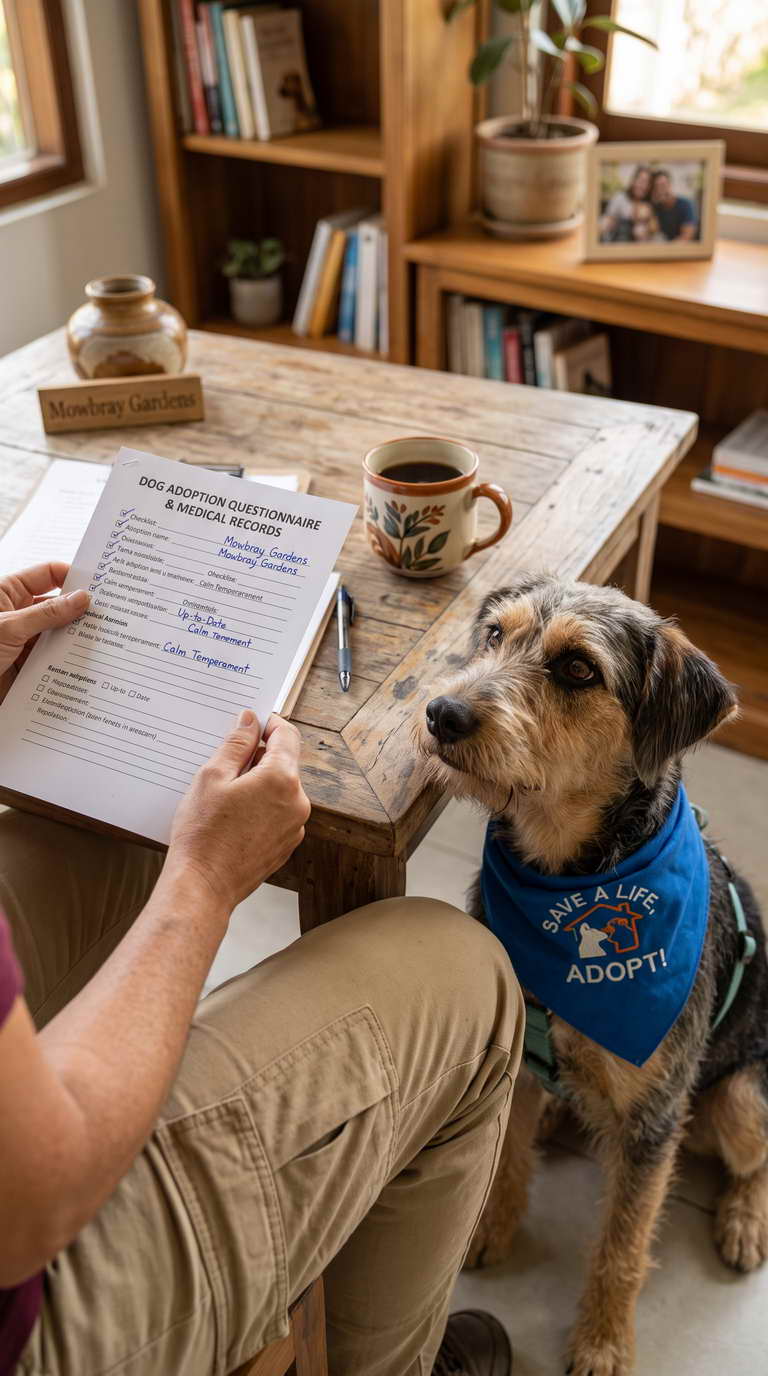
While almost all canine behavioral quirks can be managed with structured positive-reinforcement training, certain red flags demand deep soul-searching—especially for first-time adopters or homes with small children:
-
Unprovoked Human-Directed Stiffening: If a dog freezes, stares with unblinking eyes (whale eye), or emits a low guttural growl when approached neutrally, this indicates deep fear-based reactivity that requires an experienced handler.
-
Extreme Barrier Panic: If a dog is systematically breaking their teeth against chain-link fencing or has bloody paw pads from trying to dig through solid walls, they suffer from acute confinement distress that will prove challenging in suburban homes.
-
Vague or Evading Answers from Counselors: If shelter staff dismiss documented bite histories as “just a little nippy” or refuse to show you the medical chart, hit the pause button. Transparency is the bedrock of ethical adoption.
Organizations like The Humane Society of the United States emphasize that matching an animal’s true behavioral profile with the adopter’s practical lifestyle is the single most critical factor in preventing adoption returns.
Frequently Asked Questions (FAQ)
What if the shelter does not know the dog’s past history?
This is normal for stray intakes. When history is unknown, focus entirely on standardized behavioral evaluations conducted by shelter staff, their observed interactions in the outdoor yard, and follow the 3-3-3 rule during the first three months at home to allow their natural personality to emerge safely.
Can I bring my resident dog to the shelter for a meet-and-greet?
Yes, and most reputable rescues mandate it. Bringing your resident dog to a neutral outdoor yard at the shelter allows trained behavioral staff to observe body language, assess play styles, and ensure neither animal displays territorial aggression before finalizing the paperwork.
Are shelter behavioral evaluations 100% accurate?
No behavioral evaluation is flawless. A shelter is an artificial, high-stress environment that suppresses the true personality of some dogs while making others look hyperactive or reactive. Use shelter evaluations as a baseline guide, not an absolute guarantee.
Should I adopt a dog that tested positive for heartworms?
Heartworm disease is treatable, but the medical treatment (melarsomine injections) requires several months of strict crate rest and costs between $500 and $1,500. Many shelters sponsor or subsidize heartworm treatments through donor funds; ask if financial assistance is available before committing.
Final Thoughts: Leading with Your Head as Well as Your Heart
Stepping into an animal shelter with the intention of saving a life is an admirable, deeply compassionate act. But true compassion is not impulsive; it is thoughtful, prepared, and honest about what both you and the dog require to live a fulfilling life together.
By asking these critical questions before adopting a shelter dog, you take control of the adoption process. You honor the animal by ensuring your home is genuinely the right match for their unique needs, emotional temperament, and medical realities.
Equipped with clear answers, objective observations, and realistic expectations, you can sign those adoption papers with total confidence—ready to welcome a devoted companion who will enrich your life for years to come.
About The Author

Leave a Reply