
Top 10 Most Popular Dog Breeds in the USA: The Definitive Family Guide
PETSIDI – Walk down any bustling suburban neighborhood, visit a crowded urban dog park, or scroll through your social media feed, and you will quickly notice an undeniable truth: Americans are deeply in love with their canines. In the United States alone, over sixty-five million households share their lives and living rooms with a four-legged family member.
Yet, with hundreds of distinct breeds registered globally, what makes certain dogs capture the American heart year after year? Is it the charming clownishness of the French Bulldog, the boundless devotion of the Labrador Retriever, or the protective majesty of the German Shepherd?
Choosing the right companion involves balancing energy levels, grooming commitments, living space, and family dynamics. In this comprehensive guide, we break down the top 10 most popular dog breeds in the USA, exploring their historical roots, temperaments, lifestyle compatibility, health realities, and how you can ethically adopt or purchase your next companion.
Quick Comparison: The Most Popular Dog Breeds in America
Here is an overview of the top 10 breeds, reflecting official annual registrations tracked by the American Kennel Club (AKC):
| Rank | Dog Breed | Size Category | Energy Level | Ideal Living Environment | Average Lifespan |
| 1 | French Bulldog | Small (Under 28 lbs) | Low – Moderate | Apartments & City Homes | 10 – 12 Years |
| 2 | Labrador Retriever | Large (55 – 80 lbs) | High | Houses with Yards / Active Homes | 11 – 13 Years |
| 3 | Golden Retriever | Large (55 – 75 lbs) | Moderate – High | Suburban Homes & Active Families | 10 – 12 Years |
| 4 | German Shepherd Dog | Large (50 – 90 lbs) | Very High | Dedicated Handlers / Large Yards | 9 – 13 Years |
| 5 | Poodle (All Sizes) | Small to Large | High (Mentally) | Highly Adaptable | 12 – 18 Years |
| 6 | Bulldog (English) | Medium (40 – 50 lbs) | Low | Low-Key Living / Temperate Climates | 8 – 10 Years |
| 7 | Rottweiler | Large (80 – 135 lbs) | Moderate – High | Experienced Owners / Fenced Yards | 9 – 10 Years |
| 8 | Beagle | Small – Medium (20 – 30 lbs) | High (Scent-Driven) | Active Families / Securely Fenced Homes | 10 – 15 Years |
| 9 | Dachshund | Small (11 – 32 lbs) | Moderate | Apartments & Houses | 12 – 16 Years |
| 10 | German Shorthaired Pointer | Large (45 – 70 lbs) | Extremely High | Rural / Outdoor Adventurers | 10 – 12 Years |
1. French Bulldog: The Urban Companion King
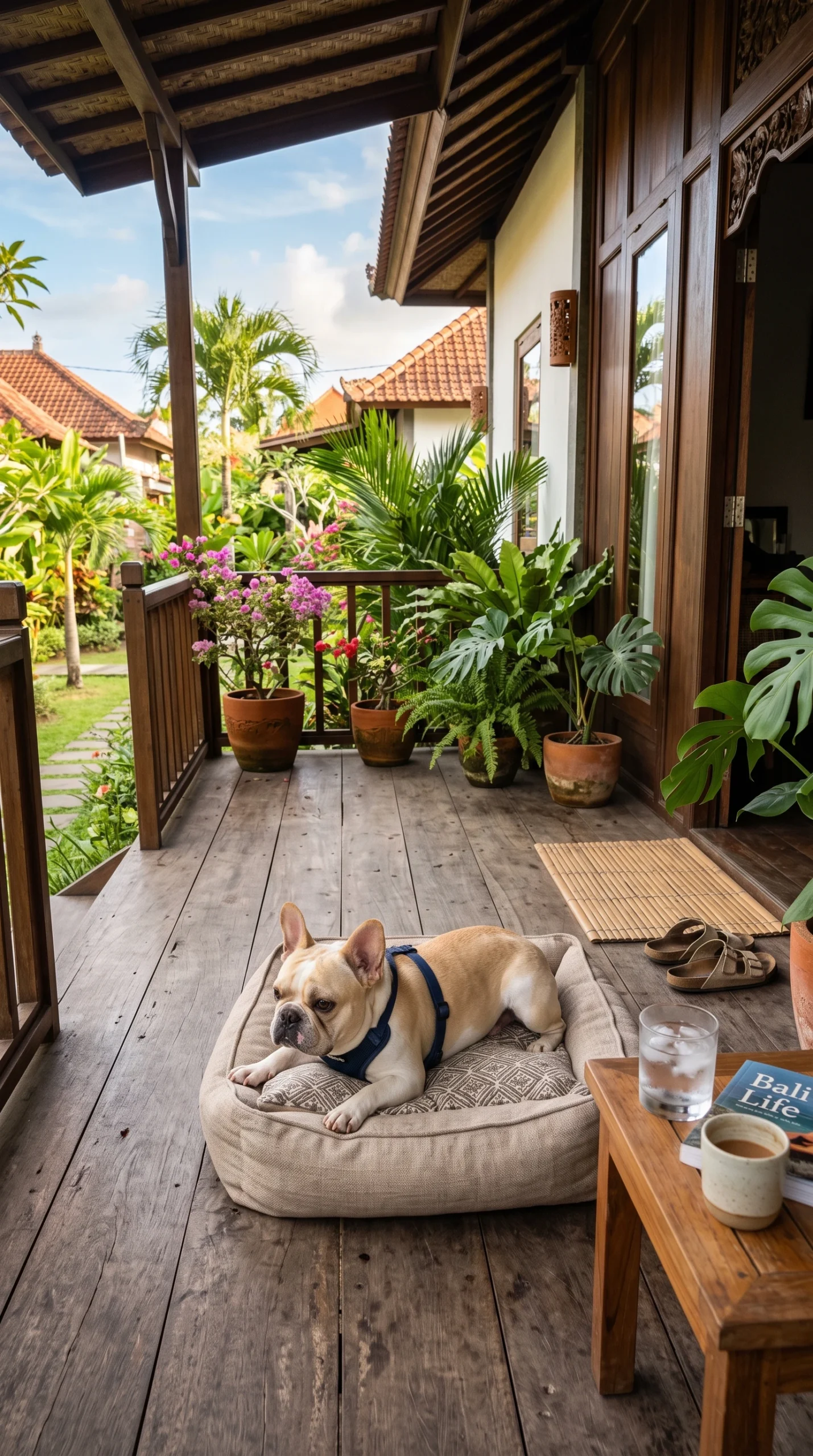
After ending the Labrador Retriever’s historic 31-year reign at the top of American registrations, the French Bulldog has claimed the crown as the nation’s most sought-after companion.
Personality and Daily Life
Affectionately known as the “Frenchie,” this compact breed is famous for its bat-shaped ears, heavy wrinkles, and comical swagger. They are quintessential couch companions that thrive in apartment settings. Frenchies rarely bark without reason, making them neighbor-friendly, and their social desire centers entirely around being near their humans.
Care Considerations
Because they are a brachycephalic (flat-faced) breed, French Bulldogs are vulnerable to breathing issues (BOAS) and cannot tolerate hot or humid weather. Air-conditioned environments, gentle daily walks, and facial wrinkle cleaning are essential.
2. Labrador Retriever: America’s Enduring Family Favorite
Holding the longest consecutive record as the number-one dog in America, the Labrador Retriever remains the gold standard of versatile family dogs.
Personality and Daily Life
Originally bred in Newfoundland to assist duck hunters and fishermen, the Lab is friendly, outgoing, and eager to please. Their high intelligence and gentle mouth make them the top choice for therapy, search-and-rescue, and service work. They thrive in homes with children, other dogs, and open backyards.
Care Considerations
Labs are high-energy athletes that require at least an hour of daily physical exercise. Without interactive play or retrieve sessions, they may chew household furniture. They are also prone to shedding and obesity if their food intake is not strictly monitored.
3. Golden Retriever: The Joyful, Golden-Hearted Companion
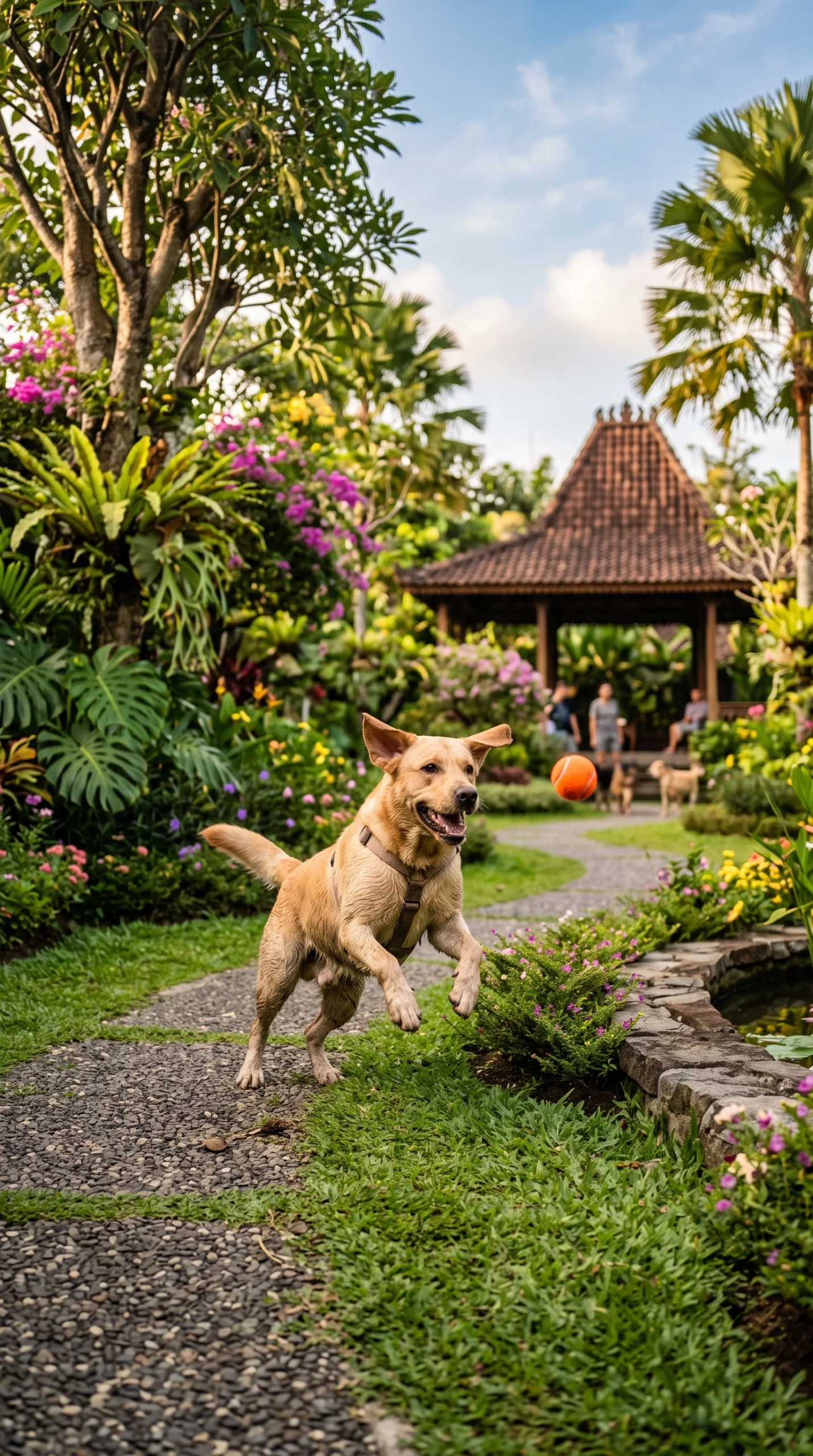
Few canines embody pure warmth quite like the Golden Retriever. Originally bred in Scotland as a sturdy gundog, the Golden has become a cultural icon of suburban American family life.
Personality and Daily Life
Goldens are celebrated for their gentle disposition, patience with young children, and cheerful social outlook. They greet strangers like long-lost friends and possess a deep working intellect that makes obedience training a joyful experience.
Care Considerations
Their lush, water-repellent double coat requires brushing two to three times a week to prevent matting, alongside regular de-shedding routines. Prospective owners should screen for hip dysplasia and hereditary cardiac conditions.
4. German Shepherd Dog: The Fearless, Noble Guardian
Representing unmatched loyalty and tactical intelligence, the German Shepherd Dog (GSD) is the preferred working breed for law enforcement, military operations, and dedicated family guardians across the nation.
Personality and Daily Life
German Shepherds form fierce, unwavering attachments to their owners. While gentle and playful with their immediate family, they maintain a reserved, watchful demeanor around unfamiliar visitors. Their keen spatial awareness makes them exceptional watchdogs.
Care Considerations
This is not a casual breed for passive households. German Shepherds demand early socialization, structured obedience training, and substantial mental stimulation. Without physical tasks and mental enrichment, boredom can translate into reactive barking or pacing.
5. Poodle: Hypoallergenic Brilliance in Three Sizes
Ranking among the top tier of canine intelligence, the Poodle is available in three sizes: Standard, Miniature, and Toy.
Personality and Daily Life
Far from the delicate show dog stereotype, Poodles are athletic, energetic, and remarkably clever water retrievers. They pick up new commands within minutes and excel in canine agility, tracking, and obedience competitions.
Care Considerations
Their curly, single-layer coat does not shed like typical fur, making them an excellent candidate for households with pet allergies. However, this coat never stops growing; they require professional clipping or thorough brushing every four to six weeks.
6. English Bulldog: The Dignified, Low-Key Couch Potato
With a distinctive rolling gait and a furrowed brow, the Bulldog (often referred to as the British or English Bulldog) is a symbol of steadfast determination and lovable tranquility.
Personality and Daily Life
Beneath their gruff, muscular exterior lies one of the gentlest and calmest temperaments in the dog world. Bulldogs love short strolls, followed by extensive naps at your feet. They are wonderfully patient with toddlers and rarely cause indoor ruckus.
Care Considerations
Bulldogs are sensitive to heat stress and overexertion. Their deep skin folds require daily moisture wipes to prevent bacterial dermatitis, and prospective owners must account for potential airway and joint management.
7. Rottweiler: The Muscular Guardian with a Gentle Soul
Tracing their roots back to the livestock drover dogs of the Roman Empire, the Rottweiler combines profound strength with deep, tranquil devotion.
Personality and Daily Life
A properly socialized Rottweiler is confident, calm, and courageous without displaying unprovoked aggression. They consider themselves genuine family protectors, often following family members from room to room with watchful affection.
Care Considerations
Due to their raw muscular strength, early socialization and firm, reward-based leash training are mandatory. They need moderate daily exercise to stay lean and avoid joint pressure on their hips and elbows.
8. Beagle: The Cheerful, Inquisitive Scent Hound
Famous worldwide through the beloved comic character Snoopy, the Beagle has maintained steady popularity across rural farms and suburban cul-de-sacs for generations.
Personality and Daily Life
Bred to hunt in packs, Beagles are naturally friendly, cheerful, and accepting of other canines. They make lively playmates for energetic children and possess an infectious sense of playful curiosity.
Care Considerations
The Beagle is governed primarily by its powerful nose. If they catch an intriguing scent trail, their recall can disappear instantly; secure yard fencing and leashed walks are essential. They are also prone to vocal baying when lonely or unexercised.
9. Dachshund: The Fearless Little Dynamo
Affectionately nicknamed the “wiener dog,” the Dachshund packs enormous personality into an iconic elongated body.
Personality and Daily Life
Developed in Germany to hunt badgers inside subterranean burrows, Dachshunds are spunky, clever, and courageous to a fault. They make energetic companions that maintain puppy-like playfulness well into their senior years.
Care Considerations
Their long spine makes them vulnerable to Intervertebral Disc Disease (IVDD). Owners should install pet ramps near furniture and prevent them from leaping off high beds or car seats. Keeping their weight lean is the best preventive medicine for their backs.
10. German Shorthaired Pointer: The Ultimate Outdoor Partner
Rounding out the top ten is the German Shorthaired Pointer (GSP), an aristocratic sporting dog that has experienced a meteoric rise among active suburban households.
Personality and Daily Life
GSPs are boundless bundles of enthusiasm, athleticism, and affection. Built for long days in the field, they are happiest when swimming, hiking, jogging, or running agility courses alongside their human handlers.
Care Considerations
A short stroll around the block will not satisfy a GSP. They require at least 60 to 90 minutes of vigorous daily cardio. In an active, outdoorsy home, they are among the most loyal, loving, and obedient breeds imaginable.
What Drives the Popularity of These Breeds?
The shifting trends among the most popular dog breeds in the USA mirror broader changes in American lifestyle:
-
Urbanization and Smaller Spaces: The meteoric rise of the French Bulldog and Dachshund reflects an increased proportion of Americans living in apartments, townhomes, and urban condominiums where compact, low-bark breeds thrive.
-
The “Family Dog” Benchmark: Breeds like the Labrador and Golden Retriever remain timeless because they adapt effortlessly to homes with multiple children and visiting guests.
-
Hypoallergenic Preferences: Rising consumer awareness regarding pet allergies has driven continuous demand for Poodles and their associated hybrid lineages.
Comprehensive Guide: How to Adopt or Source a Popular Breed
Whether you are seeking a rescue companion or a purpose-bred puppy, conducting ethical due diligence is essential.
       ┌─────────────────────────────────────────────────────────┐
       │             Choosing Your Next Companion                │
       └────────────────────────────┬────────────────────────────┘
                                    │
          ┌─────────────────────────┴─────────────────────────┐
          ▼                                                   ▼
┌─────────────────────────────────┐ ┌─────────────────────────────────┐
│        Adoption Pathway         │ │     Ethical Breeder Pathway     │
│ • Breed-specific rescues        │ │ • In-person kennel inspections  │
│ • Humane Societies (3-3-3 rule) │ │ • OFA & genetic clearances      │
│ • Health screening & microchip  │ │ • Avoid puppy mills & brokers   │
└─────────────────────────────────┘ └─────────────────────────────────┘
1. Adopting from a Breed-Specific Rescue
Many people assume shelters only host mixed-breed dogs. In reality, roughly 25% of shelter dogs are purebreds, and dedicated breed-specific rescue networks exist for every single breed in the top ten list.
-
The 3-3-3 Rule: When adopting a rescue dog, allow three days for decompression, three weeks to settle into your household schedule, and three months to build permanent trust.
-
Where to Look: Organizations like The Humane Society of the United States offer verified directories of local animal rescue networks and shelter partners.
2. Sourcing from an Ethical Breeder
If you choose to purchase a purebred puppy, steer clear of online pet brokers, pet store supply chains, and commercial backyard breeders:
-
Verify Health Testing: Request official Orthopedic Foundation for Animals (OFA) or PennHIP certificates for hips, elbows, eyes, and cardiac health across both parent dogs.
-
Visit the Facility: Observe the mother dog with her litter on-site. The environment should be clean, warm, and rich with early puppy socialization.
-
Interview the Breeder: A responsible breeder will ask you detailed questions about your home environment, fence height, work schedule, and daily exercise plans before approving a puppy.
Frequently Asked Questions (FAQ)
What is the most popular dog breed in the USA right now?
According to official American Kennel Club (AKC) registration data, the French Bulldog holds the number-one position as the most popular dog breed in the United States, followed closely by the Labrador Retriever and the Golden Retriever.
Which popular dog breed is best for first-time owners?
The Labrador Retriever, Golden Retriever, and Poodle are widely recognized as the best options for first-time owners due to their high biddability, gentle nature, and desire to please during positive reinforcement training.
Are popular purebred dogs more prone to genetic health issues?
High demand can unfortunately lead irresponsible breeders to prioritize volume over genetic health. However, purchasing from certified breeders who perform rigorous orthopedic, genetic, and cardiac screenings significantly reduces the risk of hereditary conditions.
Can popular dog breeds be found in shelters?
Yes. Millions of canines enter American shelters annually, including purebred Labradors, German Shepherds, Beagles, and Dachshunds. Dedicated breed rescues and foster networks specialize in matching abandoned purebreds with loving homes.
Final Thoughts
The top 10 most popular dog breeds in the USA showcase a rich spectrum of canine variety—from the calm, compact companionship of the French Bulldog to the boundless outdoor athleticism of the German Shorthaired Pointer.
The secret to a happy canine-human partnership does not lie in choosing the most popular name on a registration chart, but in selecting the breed whose daily exercise, grooming, and emotional needs align naturally with your personal lifestyle. With responsible training, preventative veterinary care, and plenty of affection, any of these ten remarkable breeds can become the companion of a lifetime.
About The Author

Leave a Reply