
Biggest Rottweiler in History: The Truth About Giant Big Rottweiler Dogs
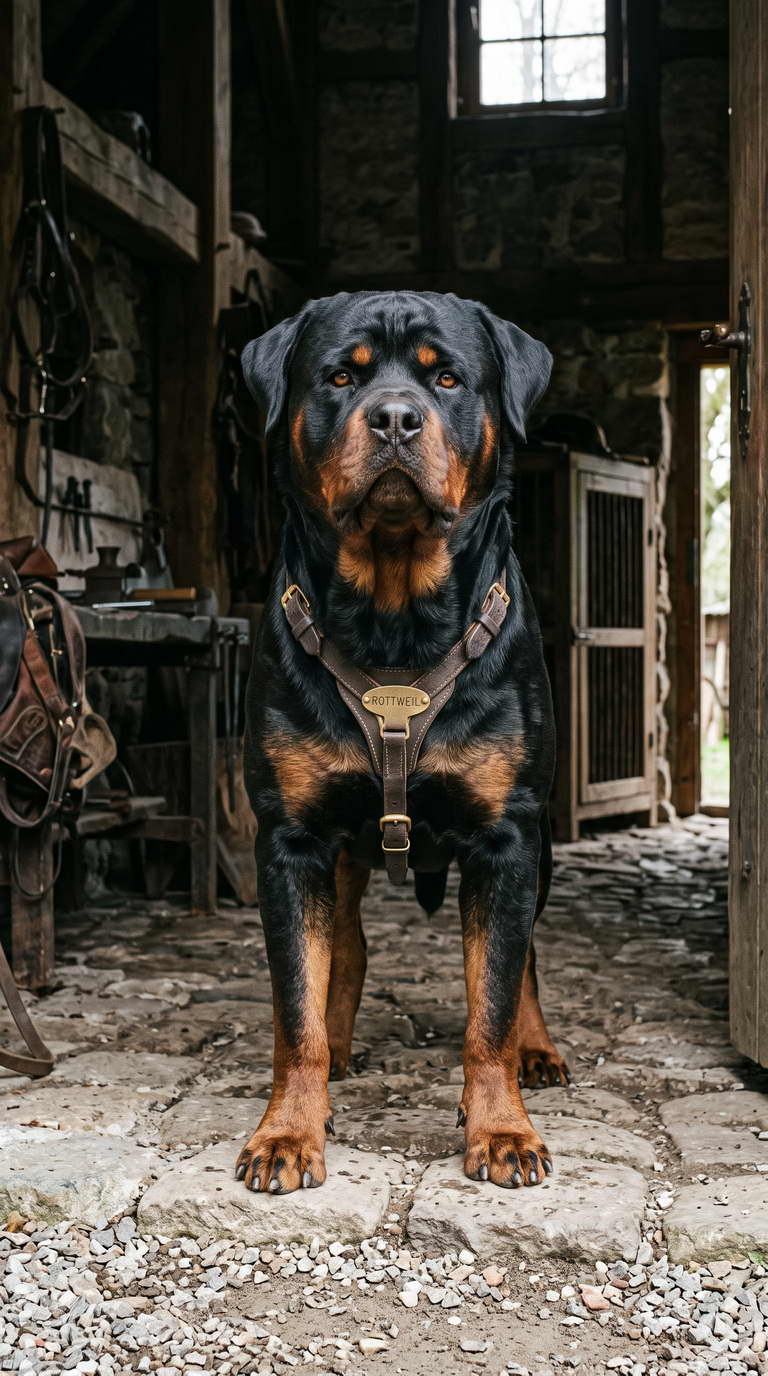
PETSIDI – Imagine stepping into a room and coming face-to-face with a canine possessing the chest width of a black bear, muscular paws the size of dinner plates, and a jaw built with devastating crushing power. For decades, whispers and legendary tales have circulated throughout working-dog communities about immense, 150-pound-plus Rottweilers that shattered records and defied biology.
Are giant Rottweilers truly genetic miracles of ancient Roman war ancestry, or are these massive canines the outcome of selective overbreeding, deceptive camera angles, and health-threatening obesity?
In this comprehensive deep dive, we uncover the verified facts behind the biggest rottweiler in history, examine why fascinated dog owners covet big rottweiler dogs, compare official kennel breed standards with modern giants, and explore the severe medical realities that come with extreme canine size.
Big Rottweiler Dogs: Quick Breed Standards vs. Record Giants
Before diving into the historical records, here is how standard Rottweilers compare against extreme giant variants:
| Attribute | AKC Official Standard (Male) | AKC Official Standard (Female) | Claimed Giant / Record Holders |
| Weight | 95 – 135 lbs (43 – 61 kg) | 80 – 100 lbs (36 – 45 kg) | 150 – 190+ lbs (68 – 86+ kg) |
| Height at Withers | 24 – 27 inches (61 – 69 cm) | 22 – 25 inches (56 – 63 cm) | 28 – 31 inches (71 – 79 cm) |
| Body Frame | Compact, robust, athletic, muscular | Substantial yet feminine, agile | Massive, heavy-boned, barrel-chested |
| Life Expectancy | 9 – 10 years | 9 – 10 years | 6 – 8 years (due to joint/cardiac strain) |
| Primary Risk | Hip/Elbow Dysplasia, Bloat | Hip/Elbow Dysplasia, Bloat | Severe Osteoarthritis, Dilated Cardiomyopathy |
The Origins of the Rottweiler: Ancient War Dogs and Drovers
To grasp why the Rottweiler naturally develops such formidable bone density and muscle mass, we must trace their bloodline back nearly two millennia.
Roman Drover Dogs
The modern Rottweiler descends from the ancient Molosser-type herding and guardian dogs utilized by Roman legions. As Roman forces marched across the Alps into Germania, they required powerful, fearless canines capable of driving livestock to feed armies while defending encampments from apex predators and enemy ambushes.
These ancestral dogs settled in the southern German town of Rottweil, which blossomed into an important livestock trading hub.
The Butcher’s Dog of Rottweil (Rottweiler Metzgerhund)
Local butchers selectively bred these working dogs to protect herd cattle and haul heavily laden meat carts through treacherous mountain roads. When currency was transferred to and from regional markets, farmers tied their leather money pouches around the neck of their Rottweilers—knowing no bandit would dare reach into the jaws of such a ferocious guardian.
From their earliest days, Rottweilers were functional working athletes: strong enough to pull immense weights, yet agile enough to evade charging bulls.
Who Was the Biggest Rottweiler in History?
When scouring dog show records, viral internet threads, and historical archives for the biggest rottweiler in history, several prominent claims arise. Separating fact from internet mythology requires careful examination of verified documentation.
1. The Myth of the 200-Pound Rottweilers
Online forums and unregulated dog classifieds frequently advertise “rare King Rottweilers” or “XXL Roman Rottweilers” purported to tip the scales between 180 and 220 pounds. In almost every documented instance, these claims fall into two categories:
-
Severe Morbid Obesity: Dogs that have been intentionally overfed to register inflated numbers on a veterinary scale, rendering them lethargic, lame, and medically fragile.
-
Mixed Bloodlines: Dogs crossbred with giant livestock guardian breeds, such as the English Mastiff, Neapolitan Mastiff, or Tibetan Mastiff, to create an oversized visual profile while branding them as purebreds.
2. Verified Heavyweight Rottweilers
While the Guinness World Records discontinued recognizing individual “Heaviest Pet” records in the late 1990s to prevent owners from force-feeding animals into dangerous obesity, several heavily documented Rottweilers have recorded astonishing measurements:
-
Tiberius (The British Heavyweight): In the early 1990s, an English Rottweiler named Tiberius made international headlines weighing in at an astonishing 162 pounds (73.5 kg). Standing 28 inches tall, Tiberius possessed a massive, wide frame with a head circumference rivaling an adult mountain lion.
-
The German Working Giants: Various historical European working lines occasionally yielded naturally large working males reaching 140 to 150 pounds (63.5 to 68 kg) while maintaining functional working stamina, though German kennel authorities viewed these individuals with caution.
The Official Breed Standard vs. “King” Rottweilers
To understand why extreme size is contentious, one must examine the breed standard established by the American Kennel Club (AKC) and the Allgemeiner Deutscher Rottweiler-Klub (ADRK) in Germany.
The Standard of Proportion
The ADRK and the AKC explicitly define the Rottweiler as a medium-to-large working dog. According to official breed regulations:
-
A male Rottweiler should idealize a height of 24 to 27 inches and weigh approximately 95 to 135 pounds.
-
The length of the body, measured from the prosternum to the rear edge of the ischial tuberosity, should not exceed the height at the withers by more than 15 percent.
The Danger of “King” or “Gladiator” Labels
Unscrupulous breeders frequently invent commercial labels such as King Rottweilers, XXL Roman Rottweilers, or Colossal Working Lines to sell oversized puppies at premium prices.
Canine genetics dictate that prioritizing sheer mass over functional conformation compromises the breed’s foundational purpose. A Rottweiler is intended to possess endurance, springing agility, and trot longevity—qualities lost when a dog is transformed into an overly heavy, immobile tank.
Why Are Big Rottweiler Dogs So Popular?
Despite warnings from breed purists and orthopedic veterinary surgeons, the global fascination with giant Rottweilers continues to flourish.
1. Visual Deterrence and Home Security
The deep chest, broad skull, black-and-tan markings, and sheer physical presence of a 130-pound Rottweiler create an unmatched visual deterrent. Potential trespassers are immediately dissuaded by the physical presence of a canine that looks like an apex guardian.
2. The “Gentle Giant” Fascination
Well-bred Rottweilers are renowned for their affectionate, goofy, and sensitive disposition with their human families. Owners often delight in having a massive, bear-like companion that behaves like a gentle lap dog on the living room rug.
3. Pop Culture and Digital Media
Social media platforms amplify extreme physical specimens. Photographs captured with wide-angle lenses or forced perspective make large Rottweilers appear colossal, driving high engagement and viral intrigue.
Health Implications: The Hidden Cost of Giant Size
While an enormous dog may look awe-inspiring, excessive size places an immense physical burden on canine biology. When a dog bred to carry 110 pounds is forced to carry 150 pounds or more, multiple physiological systems experience accelerated wear and tear.
1. Severe Orthopedic Complications
-
Hip and Elbow Dysplasia: Abnormal formation of the hip and elbow sockets causes severe friction, cartilage erosion, and excruciating osteoarthritis early in life.
-
Cranial Cruciate Ligament (CCL) Tears: The extreme downward pressure placed on the stifle (knee) joints during sudden turns or stops makes heavy Rottweilers highly susceptible to torn cruciate ligaments, requiring expensive orthopedic surgeries.
2. Gastric Dilatation-Volvulus (GDV / Bloat)
Rottweilers inherently possess deep, barrel-shaped chests. In giant individuals, the stomach can easily fill with gas and rotate on its axis, cutting off blood flow to the heart and stomach tissues. GDV is a rapid, life-threatening emergency requiring immediate surgical intervention.
3. Cardiovascular Strain and Dilated Cardiomyopathy (DCM)
The heart of an oversized canine must pump blood across a far larger tissue mass than nature intended. This increased workload frequently leads to cardiac muscle dilation, arrhythmias, and shortened life expectancy.
4. Reduced Lifespan
While standard Rottweilers average a lifespan of 9 to 10 years, severely oversized or obese giants frequently experience a truncated lifespan of only 6 to 8 years, often spent battling chronic arthritis and joint inflammation.
Nutrition and Daily Care for Big Rottweiler Dogs
If you own a Rottweiler that is naturally large-framed, attentive daily management is vital to preserve their mobility and vitality.
1. Strict Weight Management
The single most impactful action you can take for a large Rottweiler is keeping their body condition lean. You should always be able to easily feel—though not see—their ribs, and they should exhibit an obvious waist tuck when viewed from above.
-
Measure meals with an actual scale rather than estimating scoops.
-
Avoid high-calorie human table scraps.
-
Account for daily training treats when calculating total daily caloric allowances.
2. Joint Support and Supplementation
-
Provide veterinary-formulated supplements containing Glucosamine, Chondroitin, MSM, and Omega-3 fatty acids (EPA/DHA) early in adulthood to support cartilage integrity.
-
Invest in high-density orthopedic memory foam dog beds to relieve pressure points off their elbows, hocks, and hips.
3. Controlled, Low-Impact Exercise
Avoid repetitive, high-impact activities such as aggressive Frisbee jumping, sprint-fetch on slick pavement, or leaping from elevated vehicle beds. Instead, opt for:
-
Controlled, brisk leash walks (45 to 60 minutes daily).
-
Low-impact canine swimming sessions, which build shoulder and hip muscle without placing mechanical strain on connective joints.
Finding an Ethical Breeder vs. Adopting a Big Rottweiler
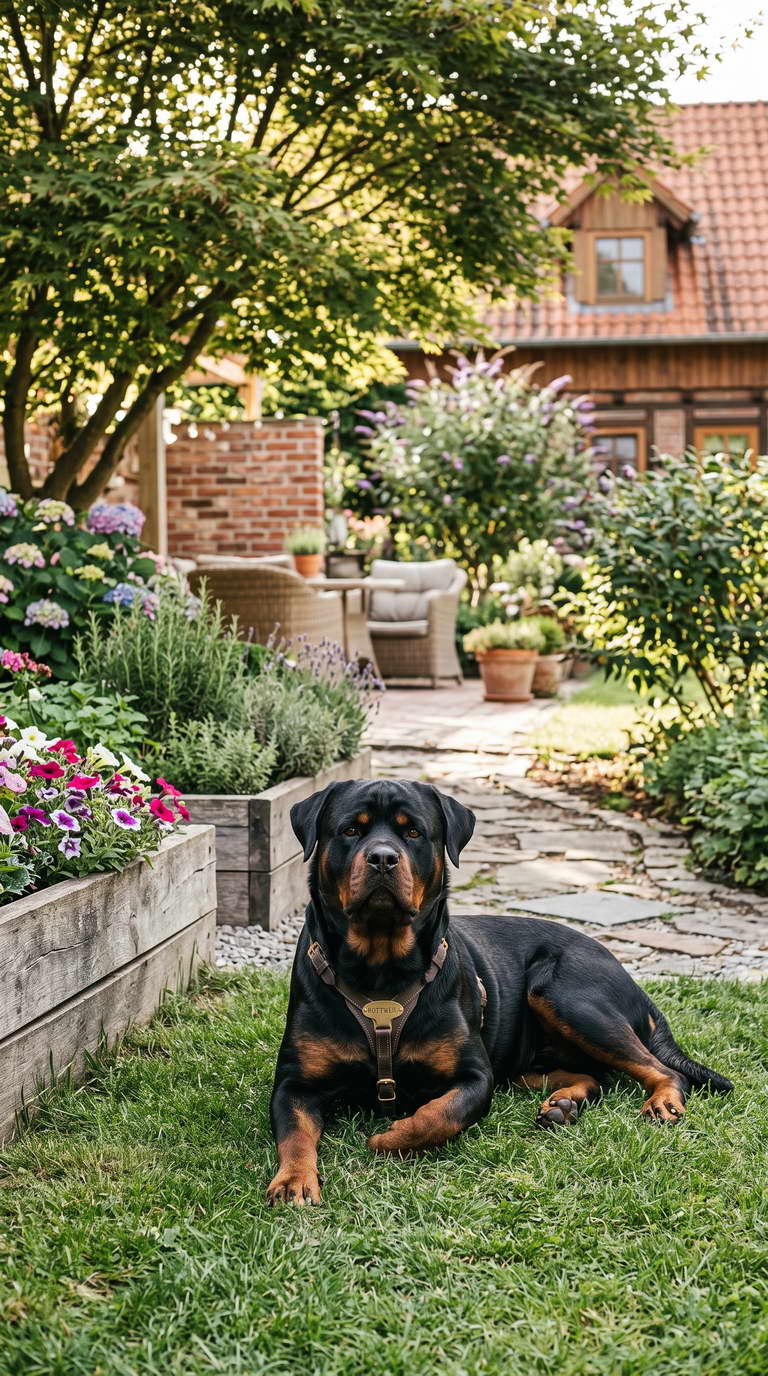
If you are committed to bringing a Rottweiler into your household, ethical sourcing makes the difference between a sound, long-lived guardian and a dog plagued by chronic genetic ailments.
Red Flags to Avoid:
-
Breeders marketing their stock as “King,” “Colossal,” or “XXL 160-Pound Champions.”
-
Sellers who cannot provide certified OFA (Orthopedic Foundation for Animals) or PennHIP clearances for hips, elbows, eyes, and cardiac health across both parent dogs.
-
Facilities that refuse in-person visits to evaluate the temperament and athletic agility of the dam and sire.
The Adoption Path
Because many owners purchase powerful Rottweiler puppies without realizing the immense training, socialization, and food budget required to manage them, many large Rottweilers end up in shelters and rescue centers.
Organizations like local humane societies, the AKC Rescue Network, and regional Rottweiler rescues routinely have magnificent, large-framed canines awaiting dedicated, structured homes.
Frequently Asked Questions (FAQ)
What is the heaviest Rottweiler ever recorded?
While unverified internet claims suggest weights near 180–200 pounds, documented historical giants like Tiberius in the United Kingdom were recorded at approximately 162 pounds (73.5 kg). However, weights beyond 135 pounds in purebreds typically represent overfeeding or non-standard genetics rather than breed ideals.
Why do some Rottweilers look much bigger than others?
Differences arise from bloodline distinctions (such as heavier-boned German working lines vs. sleeker American lines), sexual dimorphism (males are significantly bulkier than females), and unfortunately, intentional overfeeding to inflate scale weight.
At what age is a big Rottweiler fully grown?
Rottweilers are a slow-maturing breed. While they reach their adult skeletal height around 12 to 14 months, their muscular frame, broad chest, and massive head continue to fill out and broaden until they are 2.5 to 3 years old.
Are giant Rottweilers more aggressive?
No. Physical size has zero genetic correlation with canine temperament. Aggression or stability is dictated by genetic temperament, early puppy socialization, obedience training, and responsible leadership by the handler.
Final Thoughts
The fascination with the biggest rottweiler in history reflects our enduring admiration for one of the most powerful, majestic working dogs ever created. From Roman drover ancestry to modern family guardians, the Rottweiler’s true beauty lies not in artificially inflated numbers on a veterinary scale, but in their balanced harmony of strength, agility, loyalty, and intelligence.
When seeking a big Rottweiler, prioritize structural health, verified orthopedic clearances, and functional temperament above raw mass. A healthy, lean 110-pound athlete will run with you, guard your home, and thrive by your side for years longer than an oversized giant struggling under its own weight.
About The Author

Leave a Reply