
Corgi Dalmatian Mix Temperament: What to Expect from a Corgimatian
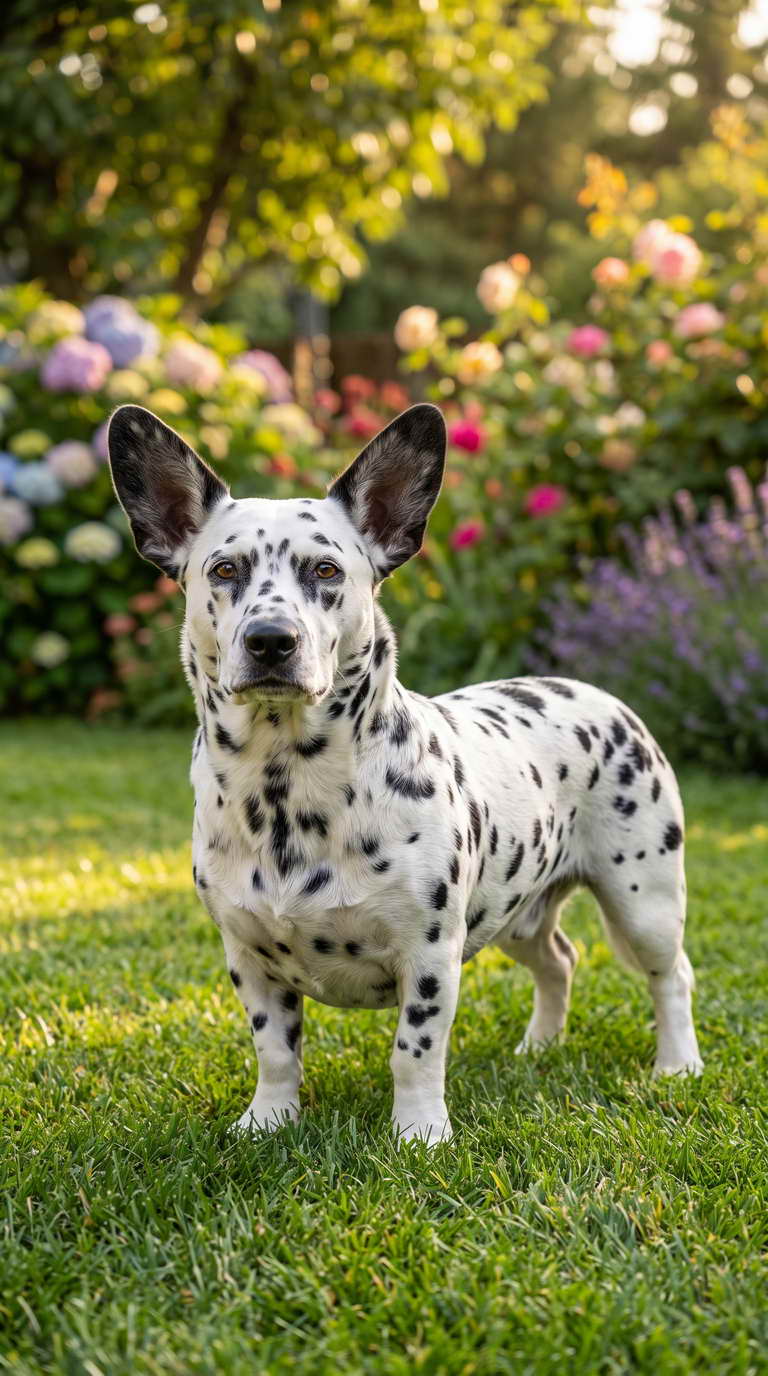
PETSIDI – Picture a canine with the iconic black or liver polka-dot spots of a Disney-classic firehouse coach dog, engineered onto the sturdy, low-slung chassis and giant bat ears of a Welsh herding legend. The Corgi Dalmatian mix—frequently nicknamed the Corgimatian—is easily one of the most visually striking and rare designer crossbreeds in the modern dog world.
However, bringing a dog into your home based entirely on an eccentric appearance is one of the quickest recipes for owner regret. Behind that adorable, spotted exterior lies a complex genetic collision between two high-drive, historical working breeds: a tenacious cattle drover and an aristocratic carriage guardian.
What is the Corgi Dalmatian mix temperament actually like on a day-to-day basis? Will you end up with an affectionate, velcro couch companion, or a headstrong, energetic powerhouse that tries to herd your toddlers while patrolling your fence line?
In this comprehensive breed and personality deep dive, we break down everything you need to know about the Corgimatian’s temperament, exercise requirements, family compatibility, training quirks, and long-term health concerns.
Corgimatian Quick Breed Overview
Before examining behavioral nuances, here is a quick snapshot of the physical and operational expectations for this hybrid:
| Characteristic | Specification |
| Breed Name | Corgimatian (Corgi Dalmatian Mix) |
| Parent Breeds | Pembroke or Cardigan Welsh Corgi & Dalmatian |
| Breed Category | Designer Hybrid / Working Cross |
| Average Weight | 30 – 50 lbs (13.6 – 22.7 kg) |
| Average Height | 12 – 18 inches (30 – 46 cm) at the shoulder |
| Coat & Pattern | Short to medium dense double coat; spotted (black/liver on white) |
| Average Lifespan | 11 – 14 years |
| Dominant Temperament | Alert, loyal, spirited, protective, intelligent, headstrong |
| Energy Level | High (requires consistent daily outlet) |
| Exercise Needs | 60 – 75 minutes daily |
| Prey & Herding Drive | Moderate to high (tendency to nip heels or chase moving items) |
| Watchdog Ability | Excellent (naturally vocal and alert) |
Genetic Heritage: The Clash of Two Working Titans
A hybrid’s temperament is never a tidy 50/50 split generated by computer algorithms. Understanding the Corgimatian requires examining the functional instincts hardwired into both parent lineages.
                  ┌─────────────────────────────────────────┐
                  │       Corgimatian Temperament Roots     │
                  └────────────────────┬────────────────────┘
                                       │
         ┌─────────────────────────────┴─────────────────────────────┐
         ▼                                                           ▼
┌─────────────────────────────────┐         ┌─────────────────────────────────┐
│       Welsh Corgi Roots         │         │         Dalmatian Roots         │
│ • Low-riding cattle herder      │         │ • High-stamina carriage guard   │
│ • Bold, vocal, fearless         │         │ • Reserved with strangers       │
│ • Nipper & chaser instincts     │         │ • Deeply loyal & protective     │
│ • High human eagerness          │         │ • Sensitive & independent       │
└─────────────────────────────────┘         └─────────────────────────────────┘
1. The Welsh Corgi: The Fearless Ankle Nipper
Originating in Wales, both the Pembroke and Cardigan Welsh Corgi were bred to herd cattle across vast, rugged pastures. Because cows are immense compared to a 28-pound dog, Corgis were selected for low-to-the-ground agility (to dodge flying hooves) and sheer bravado. They drove livestock by barking loudly and nipping at heels. Consequently, modern Corgis are naturally alert, bold, vocal, and driven to organize chaotic environments.
2. The Dalmatian: The Tireless Carriage Escort
Hailing from the historic region of Dalmatia, this breed fulfilled a singular working role: clearing paths for horse-drawn carriages and protecting horses and passengers from highway bandits and wild predators. This ancestry demanded incredible cardiovascular stamina, strong protective instincts, and a natural suspicion toward unfamiliar intruders. Dalmatians form intense bonds with their inner circle but remain dignified and reserved around strangers.
The Core Corgi Dalmatian Mix Temperament
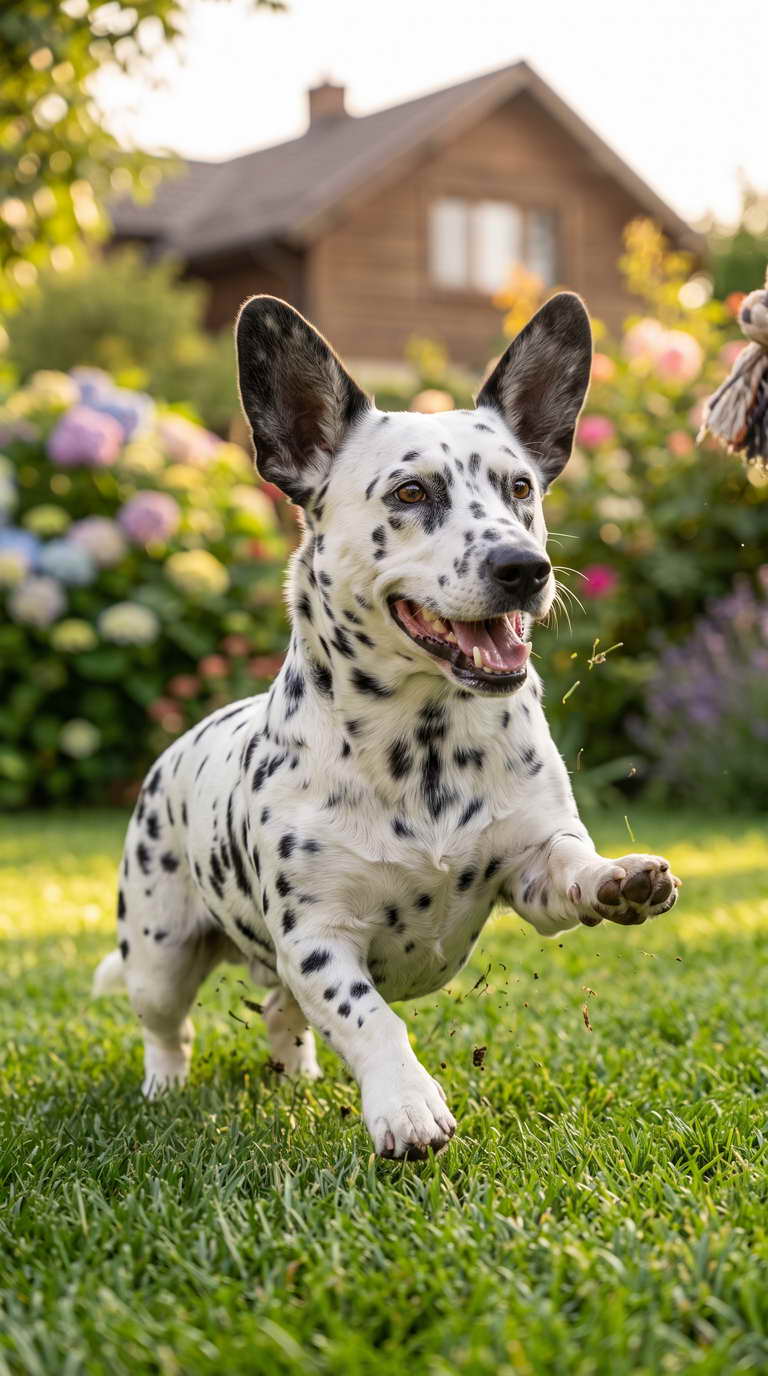
When these ancestral drives merge, you get a dynamic, multi-layered personality. The Corgimatian is rarely a laid-back, sedentary companion.
1. Fierce Loyalty with a Watchdog Edge
Corgimatians form fierce, unbreakable attachments to their owners. They often shadow their favorite human from room to room, leaning against feet and keeping a vigilant eye on household happenings.
Because both ancestral breeds served guardian roles, expect an exceptional watchdog. A Corgimatian will promptly announce anyone walking up your driveway, the mail carrier delivering letters, or unexpected noises outside the window. While this protective instinct makes them great home sentinels, early training is vital to prevent alert barking from escalating into territorial reactivity.
2. High Working Intelligence and Willful Independence
Both Corgis and Dalmatians are sharp, problem-solving dogs. However, their intelligence does not automatically translate into robotic compliance.
-
They possess a streak of independent will (“What’s in it for me?”).
-
If a Corgimatian feels a command is pointless or repetitive, they may look you directly in the eye and choose to delay responding.
-
They thrive when given mental puzzles, complex trick routines, and positive, reward-centered challenges rather than monotonous drills.
3. Spirited Playfulness and Affection
Within their trusted family circle, Corgimatians are energetic, expressive, and often hilarious companions. They retain puppy-like enthusiasm well into adulthood, delighting in games of tug, fetch, and obstacle navigation. Once their physical energy is depleted, they appreciate cozy cuddles on the sofa, provided they have earned their rest through active play.
Living with a Corgimatian: Everyday Behavior Scenarios
How does the corgi dalmatian mix temperament translate into daily life situations?
Are They Good with Children?
The short answer: Yes, but primarily with older, respectful kids.
Because the Corgi side carries centuries of herding genetics, a Corgimatian may instinctively attempt to control fast-running, squealing toddlers by circling them, barking, or nipping at ankles and pant legs. While this behavior is rooted in cattle-driving instincts rather than malice, it can frighten young children.
Supervision and consistent redirection are essential. Once children understand how to handle dogs gently and avoid roughhousing, Corgimatians make sturdy, affectionate playmates.
Compatibility with Other Pets
-
With Other Dogs: Corgimatians usually do well with other canines if socialized thoroughly from puppyhood. However, same-sex dominance can occasionally surface, particularly if two unneutered males share the same space.
-
With Cats and Small Animals: Dalmatians and Corgis both possess noticeable prey drives. An unfamiliar outdoor cat or a darting squirrel will trigger an immediate chase reflex. Slow, structured indoor introductions behind baby gates are necessary when living with felines.
Exercise Needs: Managing the Energy Reservoir
One of the greatest misconceptions regarding low-to-the-ground dogs is assuming they require minimal exercise. The Corgimatian is not an apartment lap dog.
Daily Minimum: 60 - 75 Minutes Total Exercise
┌──────────────────────────────────────┬──────────────────────────────────────┐
│       Physical Exercise (45 min)     │        Mental Enrichment (20 min)    │
├──────────────────────────────────────┼──────────────────────────────────────┤
│ • Brisk morning & evening walks      │ • Interactive puzzle feeders         │
│ • Controlled ball retrieves in yard  │ • Snuffle mat foraging               │
│ • Leashed hiking on dirt trails      │ • Basic obedience & scent-work games │
└──────────────────────────────────────┴──────────────────────────────────────┘
A bored, under-exercised Corgimatian will find creative outlets for their pent-up frustration: chewing baseboards, digging craters in flowerbeds, or barking relentlessly at fence lines.
Spine & Joint Precaution: Corgimatians frequently inherit an elongated spine supported by shorter legs (chondrodysplasia). Avoid high-impact concussive activities such as catching flying discs at steep heights or jumping in and out of tall pickup truck beds. Use low pet ramps for living room sofas to preserve spinal health.
Training Strategies for Success
Training a Corgi Dalmatian cross requires patience, consistency, and a sense of humor.
1. The Power of Positive Reinforcement
Because Dalmatians are emotionally sensitive canines, harsh vocal reprimands or aversive training collars can backfire dramatically. Punitive handling causes a Corgimatian to shut down, lose trust, or exhibit defensive stubbornness. Use high-value rewards:
-
Real cooked chicken or freeze-dried liver bites.
-
Enthusiastic verbal praise paired with favorite tug toys.
2. Early Socialization (The Critical Window)
Between 8 and 16 weeks of age, expose your Corgimatian puppy to a diverse tapestry of positive experiences:
-
Walking over varied textures (gravel, wooden bridges, metal grates).
-
Hearing urban sounds (sirens, lawnmowers, traffic).
-
Meeting calm, vaccinated dogs and people wearing hats, coats, or carrying umbrellas.
This proactive exposure softens the Dalmatian’s natural wariness of unfamiliar people and environments, fostering a balanced, confident adult dog.
3. Teaching the “Quiet” and “Drop It” Commands
Given the vocal herding nature of the Corgi and the watchful nature of the Dalmatian, barking will happen. Rather than attempting to suppress all barking, teach an operational “Quiet” cue: acknowledge the alert, reward two seconds of silence, and redirect attention to a chew bone.
Health Considerations: Genetics to Monitor
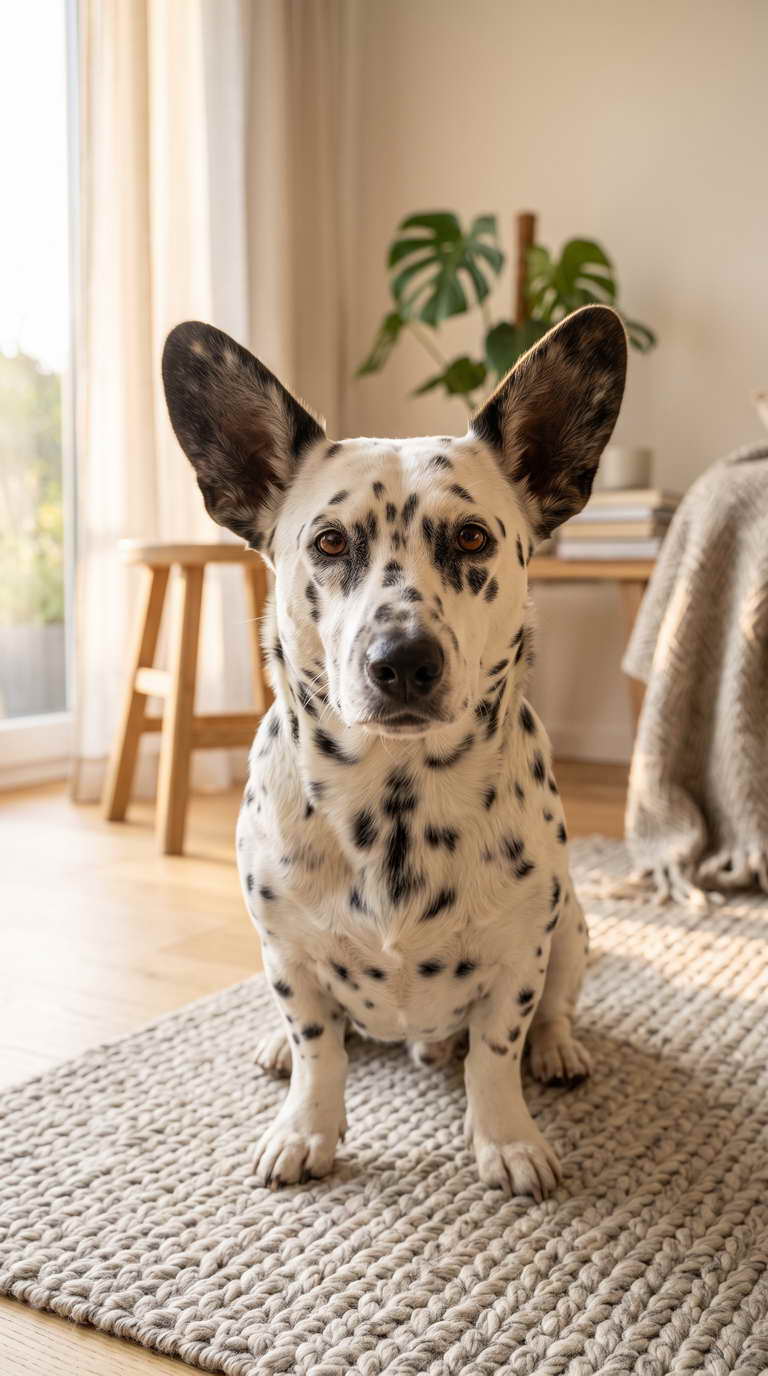
Hybrid dogs often benefit from broader genetic variation, but they can still inherit breed-specific vulnerabilities from both ancestral lines:
       ┌──────────────────────────────────────────────────────────────┐
       │             Key Health Vulnerabilities in the Mix            │
       └──────────────────────────────┬───────────────────────────────┘
                                      │
        ┌─────────────────────────────┼─────────────────────────────┐
        ▼                             ▼                             ▼
┌───────────────────────┐   ┌───────────────────┐   ┌───────────────────────┐
│       Spinal/Joint    │   │      Metabolic    │   │       Sensory         │
│ • IVDD (Disc disease) │   │ • Hyperuricosuria │   │ • Congenital Deafness │
│ • Hip Dysplasia       │   │   (Uric Acid/Stones)  │   (Pigmentation gene) │
│ • Patellar Luxation   │   │ • Canine Obesity  │   │ • Eye Disorders (PRA) │
└───────────────────────┘   └───────────────────┘   └───────────────────────┘
1. Hyperuricosuria (Uric Acid Stones)
Purebred Dalmatians carry a unique genetic mutation that impairs uric acid metabolism, predisposing them to bladder and kidney stones. A Corgimatian should be tested for this gene. Provide unlimited fresh drinking water and discuss low-purine dietary planning with your veterinarian.
2. Congenital Deafness
The piebald gene responsible for the Dalmatian’s white coat and spots is scientifically linked to hereditary deafness. Reputable breeders perform BAER (Brainstem Auditory Evoked Response) testing on puppies to confirm hearing integrity in both ears.
3. Intervertebral Disc Disease (IVDD) and Hip Dysplasia
The long back inherited from the Corgi parent places mechanical strain on spinal vertebrae. Keeping your dog lean is the single most effective preventative measure against painful disc herniations.
Grooming and Shedding: The “Glitter” Factor
If you dislike finding dog fur on your clothing, furniture, and dinner plates, be forewarned: the Corgimatian is a heavy shedder.
Both parent breeds possess dense coats that shed year-round. They “blow” their undercoat heavily twice a year during spring and autumn.
-
Brushing Routine: Brush 3 to 4 times weekly using an undercoat rake or rubber curry brush to capture loose fur before it settles around your house.
-
Bathing: Bathe every 6 to 8 weeks using an aloe or oatmeal canine shampoo to protect their sensitive skin barrier.
-
Nail Trimming: Maintain short nails with bi-weekly clippings; long nails disrupt toe alignment, placing unnecessary torque on their short legs and long back.
Is the Corgimatian Right for You?
Review this quick checklist to see if your lifestyle matches this unique designer cross:
Perfect Match If You:
-
Lead an active outdoor lifestyle involving regular hikes, neighborhood jogs, and yard games.
-
Want an alert, fiercely loyal watchdog that sticks close to your side.
-
Have experience handling smart, opinionated working dogs with positive reinforcement.
-
Are comfortable managing regular shedding and coat brushing.
Reconsider If You:
-
Want a low-energy dog that requires only short bathroom walks around the block.
-
Live in an apartment with strict noise limits, as their watchdog alarm bark is resonant.
-
Have very young toddlers and cannot commit to supervising herding-nipping behaviors.
-
Spend 10+ hours away from home daily, leaving a working dog isolated and bored.
Finding a Corgi Dalmatian Mix: Adoption vs. Ethical Sourcing
Because the Corgimatian is an unconventional crossbreed, sourcing one requires careful diligence.
The Adoption Path
Designer mixes frequently appear in animal shelters and rescue foster networks when owners realize they cannot manage their high exercise needs. Check national search engines like Petfinder and explore breed-specific rescues:
-
Connect with regional Welsh Corgi rescue organizations.
-
Browse authorized foster networks listed through the American Kennel Club Rescue Network. Many Dalmatian and Corgi rescues routinely take in mixed canines.
What to Look for in a Responsible Breeder
If choosing a private breeder, avoid backyard sellers seeking quick profits off unusual designer labels:
-
Verify that both parents have certified clearances: BAER hearing testing for the Dalmatian parent, and OFA hip/eye evaluations for both lines.
-
Request to see where the puppies are raised; avoid anyone refusing in-person visits or offering curb deliveries.
-
Ensure the breeder asks detailed questions about your home environment, schedule, and dog experience.
Frequently Asked Questions (FAQ)
How big does a Corgi Dalmatian mix get?
Most adult Corgimatians reach a medium size, weighing between 30 and 50 pounds and standing roughly 12 to 18 inches tall at the withers. Their height depends heavily on whether they inherit the Corgi’s short-legged gene or the taller Dalmatian framework.
Are Corgi Dalmatian mixes aggressive?
No, they are not inherently aggressive. However, their combination of herding drives (nipping at heels) and guardian instincts (aloofness with strangers) can look like reactivity if they are deprived of early socialization, physical exercise, and clear behavioral boundaries.
Do Corgimatians bark a lot?
Yes, they lean toward a moderate-to-high barking tendency. Inheriting the Corgi’s vocal livestock-driving background and the Dalmatian’s alert carriage-guard instinct, they naturally use their voice to signal changes in their environment.
Are Corgi Dalmatian mixes hypoallergenic?
No. The Corgimatian possesses a dense double coat that sheds continually throughout the year. They produce standard amounts of canine dander and are not recommended for people with severe pet allergies.
Final Thoughts
The Corgi Dalmatian mix temperament is an electric combination of unwavering loyalty, clever problem-solving, and joyful vigor. They are not passive ornaments meant for quiet living rooms; they are working dogs at heart that thrive when given a dedicated job, consistent boundaries, and plenty of room to exercise.
If you can provide structured leadership, protect their delicate backs, and channel their sharp intellect through positive training, the Corgimatian will reward you with years of devoted companionship, dynamic play, and unmatched personality.
About The Author

Leave a Reply