
Can You Adopt a Dog If You Work Full Time? Honest Solutions for 9-to-5 Workers
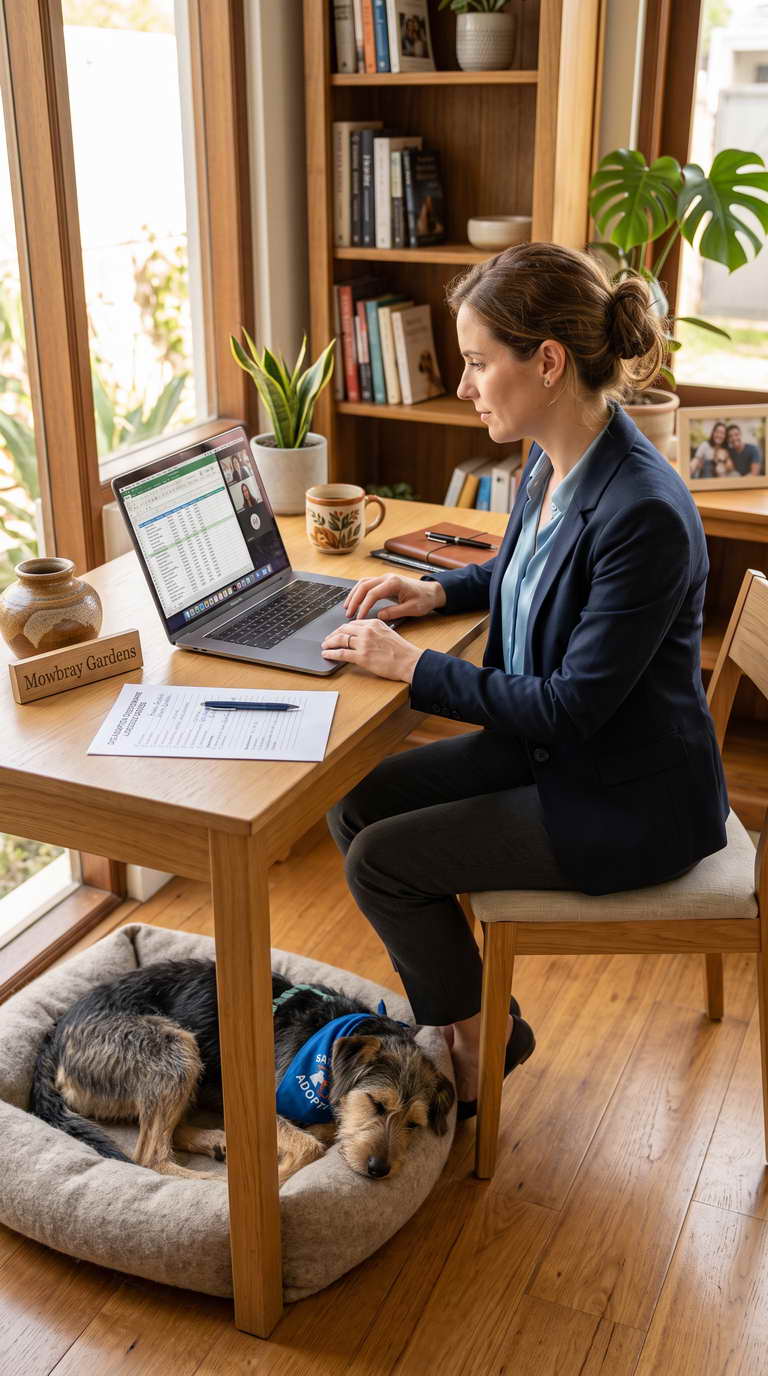
PETSIDI – You spend your commute dreaming about the thump of a wagging tail welcoming you home at the end of an exhausting day. You imagine quiet evening walks through the neighborhood and cozy weekends spent on the couch with a devoted canine companion.
Then, reality hits.
You look at your daily calendar: an eight-hour shift at the office, an hour spent navigating rush-hour traffic, and the occasional late-afternoon team meeting. Guilt immediately sinks in. You wonder: Is it selfish to leave an animal alone in an empty house all day? Will any reputable rescue shelter even approve my adoption application if I work forty hours a week outside my home?
If you have ever asked yourself, can you adopt a dog if you work full time, the straightforward answer is an emphatic yes. Millions of dedicated, loving pet parents across the country balance thriving professional careers with happy, emotionally fulfilled dogs.
However, making it work requires moving past fairy-tale assumptions. You cannot simply drop an energetic canine into a home, leave for nine hours, and expect them to remain calm without intentional planning, mental enrichment, and reliable care routines.
Here is your comprehensive, honest guide to adopting and raising a rescue dog while working a 9-to-5 job—including realistic daily schedules, shelter application strategies, and practical solutions to prevent canine loneliness.
The 9-to-5 Dog Care Blueprint: Daily Routine Example
A full-time work schedule does not mean your dog is neglected; it means your mornings and evenings must become structured and intentional. Here is what a sustainable weekday routine looks like for a single professional or dual-income household:
| Time Slot | Routine Component | Primary Objective | Caregiver / Handler Action |
| 6:30 AM – 7:15 AM | Morning Cardio & Potty | Deplete physical energy | 30-minute brisk leash walk + outdoor relief |
| 7:15 AM – 7:45 AM | Breakfast & Brain Games | Mental enrichment | Puzzle feeder, snuffle mat, or basic training |
| 7:45 AM – 8:00 AM | Settle-Down Routine | Decompress before exit | Provide safe, frozen chew toy in sanctuary zone |
| 8:00 AM – 12:30 PM | Morning Rest Window | Uninterrupted deep sleep | Dog naps peacefully in crate or dog-proof room |
| 12:30 PM – 1:15 PM | Midday Relief Break | Bladder relief & social check | Owner pop-in, professional dog walker, or neighbor |
| 1:15 PM – 5:30 PM | Afternoon Rest Window | Sustained calm resting | Ambient classical music/white noise + resting |
| 5:30 PM – 6:30 PM | Evening Reunion & Walk | Physical exercise & bonding | 45-minute neighborhood sniff walk & play |
| 6:30 PM – 7:15 PM | Dinner & Relaxation | Nutrition & winding down | Evening meal served; casual living room bonding |
| 9:30 PM – 10:00 PM | Final Nightly Potty | Bedtime preparation | Quick outdoor relief break before lights out |
Why Shelters Sometimes Reject Full-Time Workers (And How to Win Approval)
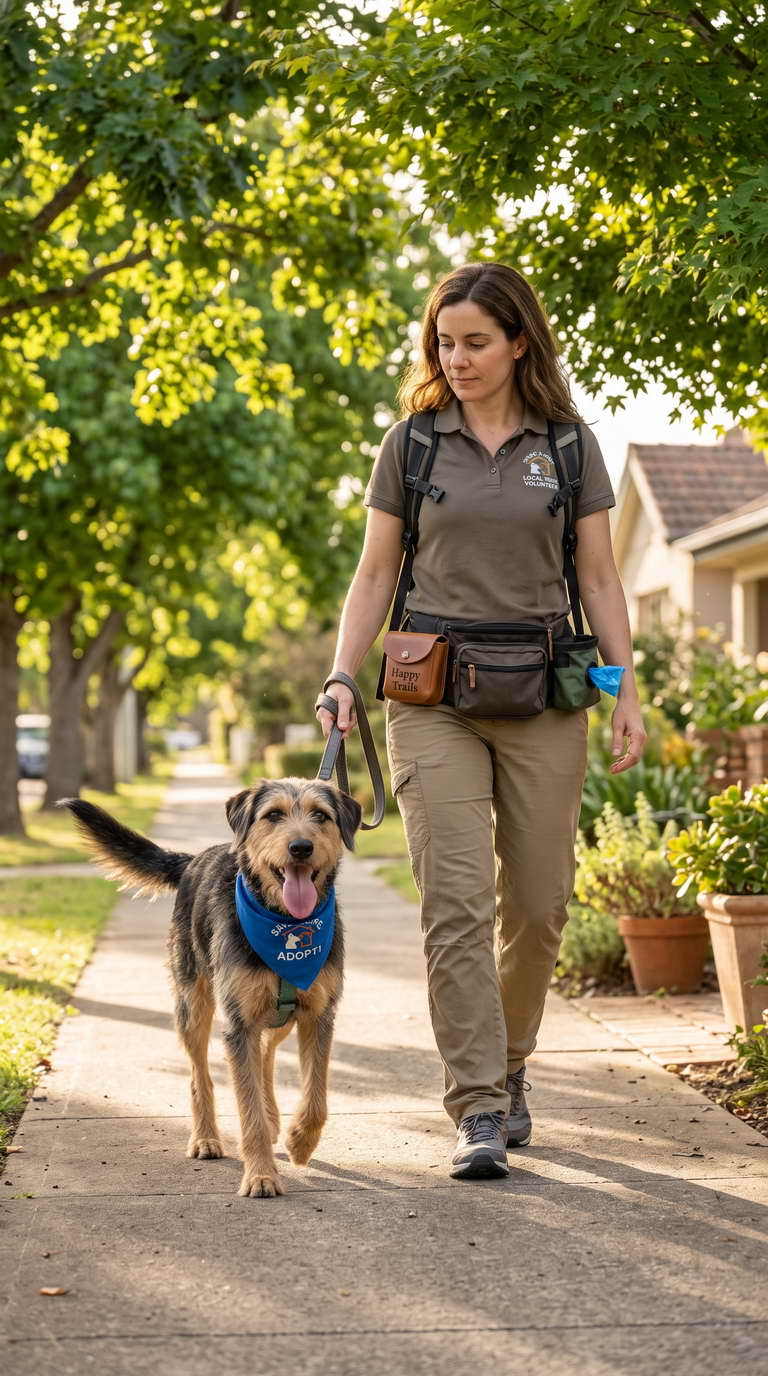
If you have ever browsed adoption forums, you have likely encountered frustrated applicants venting about animal rescues denying their applications because they work outside the home or lack a six-foot privacy fence.
Understanding the Rescue Perspective
Rescue organizations and foster networks are not trying to be malicious gatekeepers. Many rescue volunteers have witnessed dogs returned to shelters because overwhelmed owners underestimated how much attention a dog needs, resulting in chewed drywall, noise complaints from apartment neighbors, or severe housebreaking regression.
       ┌──────────────────────────────────────────────────────────────┐
       │             What Rescues Fear vs. What Wins Approval         │
       └──────────────────────────────┬───────────────────────────────┘
                                      │
         ┌────────────────────────────┴────────────────────────────┐
         ▼                                                         ▼
┌─────────────────────────────────┐       ┌─────────────────────────────────┐
│       The Red Flag Application  │       │     The Prepared Professional   │
│ • "Dog will be alone 10 hours"  │       │ • Documented dog-walker budget  │
│ • Applying for 8-week puppy     │       │ • Applying for adult/senior dog │
│ • No plan for midday relief     │       │ • Hybrid/remote work flexibility│
│ • Expecting instant perfection  │       │ • Honest schedule transparency  │
└─────────────────────────────────┘       └─────────────────────────────────┘
How to Prove You Are an Ideal Adopter
To get approved by selective rescues while working full-time, demonstrate your proactive planning directly on your adoption application:
-
Show a Clear Midday Plan: State upfront that you have budgeted for a professional dog walker, doggy daycare twice a week, or that you work a hybrid schedule where you return home at lunch.
-
Choose the Right Dog Demographic: If a full-time worker applies for an eight-week-old puppy requiring bathroom breaks every two hours, rejection is practically guaranteed. Applying for an adult dog (ages 2 to 7) or a serene senior demonstrates maturity and lifestyle awareness.
-
Be Transparent About Your Lifestyle: Ethical organizations, such as those associated with The Humane Society of the United States, look for responsible human commitment over arbitrary living arrangements. Show them your proposed daily schedule in writing.
Choosing the Right Dog: Age, Energy Level, and Breed Matters
When you work full-time, selecting an animal whose biological energy output matches your schedule is the single most important decision you will make.
Why Puppies and Full-Time Office Work Rarely Mix
An eight-week-old puppy has a tiny, underdeveloped bladder and can physically hold their urine for only two hours. Furthermore, early puppyhood requires intense socialization, hourly house-training repetitions, and frequent redirection to manage normal developmental challenges—such as knowing how to stop puppy biting feet when walking through consistent supervision.
Unless you have months of remote-work flexibility or can afford full-time puppy nanny care, an infant puppy will struggle in a home where handlers are gone for nine hours.
The Sweet Spot: Adult and Senior Companion Dogs
Adult dogs (ages three and older) and calm senior canines are the unsung heroes of full-time workers:
-
Bladder Stamina: An adult dog’s urinary system can comfortably manage six to eight hours of resting bladder retention without discomfort.
-
Predictable Temperament: An adult dog’s personality, energy level, and exercise thresholds are already established.
-
Natural Sleep Cycles: Canines naturally sleep between 12 and 14 hours per day. An adult dog with adequate morning exercise will happily spend the bulk of your workday sleeping peacefully on their bed.
       ┌──────────────────────────────────────────────────────────────┐
       │             Energy Matching for Full-Time Workers            │
       └──────────────────────────────┬───────────────────────────────┘
                                      │
        ┌─────────────────────────────┼─────────────────────────────┐
        ▼                             ▼                             ▼
┌───────────────────────┐   ┌───────────────────┐   ┌───────────────────────┐
│    Avoid for 9-to-5   │   │   Proceed with Plan│  │    Ideal Companions   │
│ • High-drive herders  │   │ • Sporting family │   │ • Adult companion dogs│
│   (Border Collies)    │   │   dogs (Labs/Goldens) │ • Low-energy lap breeds│
│ • Working terriers    │   │ • Needs 60-min walk│  │ • Mature shelter mixes│
│ • Husky/athletic pups │   │   & midday check-in│  │ • Content with naps   │
└───────────────────────┘   └───────────────────┘   └───────────────────────┘
If you gravitate toward athletic or sporting dogs frequently found on the top 10 most popular dog breeds in the USA such as Labrador Retrievers or German Shorthaired Pointers—you must commit to rigorous morning cardio sessions before leaving for work to keep their active working minds settled indoors.
The Midday Solution Stack: Keeping Your Dog Comfortable
Leaving an adult dog alone for seven to eight hours occasionally is manageable, but nine to ten consecutive hours every single weekday pushes physical and emotional limits.
Here are the primary strategies working owners use to bridge the midday gap:
1. Professional Dog Walkers
Hiring a certified, insured dog walker via reputable local services or vetted platforms like Rover is the gold standard for full-time workers:
-
A 30-minute midday visit breaks up monotony, allows for full bladder and bowel relief, and provides fresh mental stimulation through neighborhood sniffing.
-
It eliminates handler guilt if an unexpected traffic jam delays your evening commute.
-
Budget expectation: $20 to $30 per 30-minute visit.
2. Doggy Daycare (The Strategic Double-Day)
You do not need to send your dog to daycare five days a week. In fact, full-time daycare can overstimulate many canines.
-
Enrolling your dog in a structured daycare one or two days per week (e.g., Tuesdays and Thursdays) burns tremendous physical energy and satisfies social play drives.
-
The days in between become natural “rest and recovery” days where your dog happily sleeps through the entire quiet workday at home.
3. The “Lunch Break Pop-In” or Neighbor Swap
If your office is within a 15-minute drive of your home, spend your lunch hour heading home for a quick 20-minute stroll and backyard play session. Alternatively, coordinate with trusted neighbors or retired community members who enjoy midday dog company in exchange for evening pet-sitting favors.
Mental Enrichment: Beating Boredom Without Running Marathons
Canine exhaustion is not achieved through physical running alone; mental stimulation drains energy much faster than monotonous laps around the block. A mentally satisfied dog will sleep soundly while you are at your desk.
Workday Enrichment Tools:
- The Frozen Kong: Fill with wet kibble, pumpkin & peanut butter; freeze overnight.
- Lick Mats: Spread with plain Greek yogurt; promotes natural canine calming endorphins.
- Snuffle Mats: Hide morning dry kibble inside fleece strips to simulate natural foraging.
- White Noise / Dog TV: Calms auditory startle reflexes caused by outside delivery vans.
According to canine welfare research supported by the American Society for the Prevention of Cruelty to Animals (ASPCA), giving a dog a structured cognitive task before handler departure significantly lowers acute separation stress and prevents stress-induced barking.
Budget Realities: Factoring in Working-Owner Support Costs
Working full-time while raising a dog requires financial readiness. While the baseline adoption fee at an animal shelter might be modest, hiring external support services to accommodate your work hours adds ongoing line items to your monthly budget.
Before bringing an animal home, make sure you have fully accounted for the true hidden costs of adopting a dog shelter, which for full-time working pet parents often includes:
-
Midday Dog Walking Services: $200 – $450 per month (depending on frequency).
-
Doggy Daycare Passes: $35 – $50 per single day session.
-
Interactive Puzzle Toys & Slow Feeders: $50 – $100 initial setup.
-
Home Security / Dog Pet Cameras: $40 – $120 (such as Furbo or Wyze cams) to monitor resting habits and separation vocalizations from your smartphone.
Setting Up the Home Sanctuary: Crate vs. Dog-Proof Room
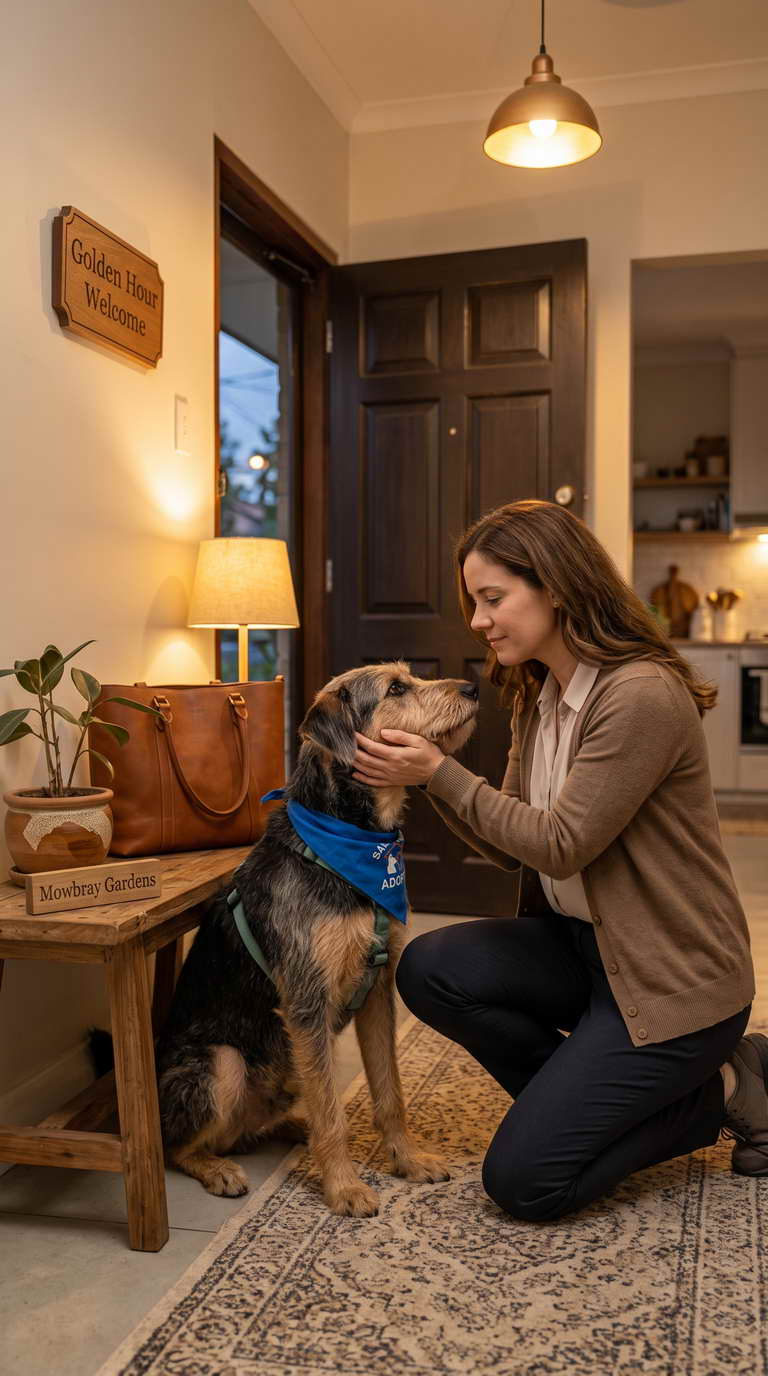
Where should your dog stay while you are earning a living?
       ┌─────────────────────────────────────────────────────────┐
       │             Choosing Your Dog's Workday Zone            │
       └────────────────────────────┬────────────────────────────┘
                                    │
          ┌─────────────────────────┴─────────────────────────┐
          ▼                                                   ▼
┌─────────────────────────────────┐ ┌─────────────────────────────────┐
│        The Crate Sanctuary      │ │       The Dog-Proof Room        │
│ • Best for early housebreaking  │ │ • Best for trustworthy adults   │
│ • Prevents chewing wire hazards │ │ • Offers stretch & water access │
│ • Maximum duration: 4 to 5 hrs  │ │ • Baby-gated kitchen or hallway │
│ • Never use as punishment       │ │ • Placed near soft window view  │
└─────────────────────────────────┘ └─────────────────────────────────┘
-
The Crate (Early Months): For an newly adopted rescue whose housebreaking status or chewing tendencies are still unknown, a properly sized crate is an essential safety tool. However, an adult dog should never be locked inside a crate for nine consecutive hours. If crate confinement is necessary, an afternoon dog walker or mid-day break is mandatory.
-
The Baby-Gated Utility Room or Kitchen: Once a dog proves they will not chew baseboards or electrical cords, transitioning them to a secure room with easy-to-clean tile flooring, access to a spill-proof water bowl, and an orthopedic bed provides superior freedom and comfort.
4 Common Mistakes Working Pet Owners Must Avoid
Even well-intentioned full-time workers make common errors that disrupt their dog’s peace of mind:
-
Making Goodbyes and Hellos Overly Dramatic: If you shower your dog with emotional, high-pitched apologies before leaving (“Oh, I’m so sorry, Mommy has to go to work!”) and frantic celebrations when returning, you teach the dog that your departure is a traumatic event. Keep exits and entries calm, neutral, and matter-of-fact.
-
Skipping the Morning Walk: Relying solely on letting the dog out into the backyard for two minutes to pee before you dash out the door guarantees an under-stimulated dog who will spend the morning pacing and barking. The morning walk is your dog’s most important physical and mental outlet.
-
Assuming a Second Dog Solves Boredom: Adopting two dogs so they “entertain each other” while you are away frequently backfires. If one dog has separation anxiety, the second dog often mimics the panic, leaving you with two stressed dogs and double the expenses.
-
Neglecting Weekend Social Needs: If you leave your dog alone Monday through Friday, spending Saturday and Sunday on dog-free social outings leaves your companion emotionally starved. Dedicate your weekends to hiking trails, dog-friendly patios, and quality bonding.
Frequently Asked Questions (FAQ)
How many hours can a rescue dog realistically be left alone?
A healthy adult dog can comfortably be left alone for six to eight hours maximum without a bathroom break. Young puppies (under six months) should not be left alone for more than two to four hours, while senior dogs with kidney or bladder stiffness often require bathroom breaks every four to five hours.
Will leaving my rescue dog alone cause severe separation anxiety?
Not automatically. Separation anxiety is a clinical phobia rooted in panic, not a direct byproduct of being alone. Consistent routines, calm departures, and adequate physical exercise help dogs view alone-time as an expected, restful nap window.
Can I adopt a dog if I live in an apartment and work full-time?
Yes. Apartments simply demand that you compensate for the lack of a private yard by providing dedicated, leashed cardio walks and mental enrichment before and after your shifts.
What should I do during the very first week of adoption?
If possible, coordinate your adoption with a long weekend, take a few days of paid time off (PTO), or work remotely for the first week. This allows you to observe their housebreaking reliability and establish a predictable routine before leaving them alone for standard full-time work shifts.
Final Thoughts: Quality Time Beats Constant Presence
The question is never simply, can you adopt a dog if you work full time? The real question is: Are you willing to reorganize your mornings, budget for support when necessary, and make your dog a top priority when you walk back through the front door?
Dogs do not require your presence for twenty-four hours a day; they require consistency, emotional security, physical release, and genuine affection. In fact, dogs in working households often lead more structured, active lives than dogs in homes where handlers are physically present but chronically disengaged.
If you can provide a vigorous morning walk, arrange a reliable midday relief plan, and greet your companion with love at the end of each shift, your home will be a wonderful sanctuary for a deserving shelter dog.
About The Author

Leave a Reply