Premium Pet Food Brands: The Definitive Buyer’s Guide to High-End Canine Nutrition
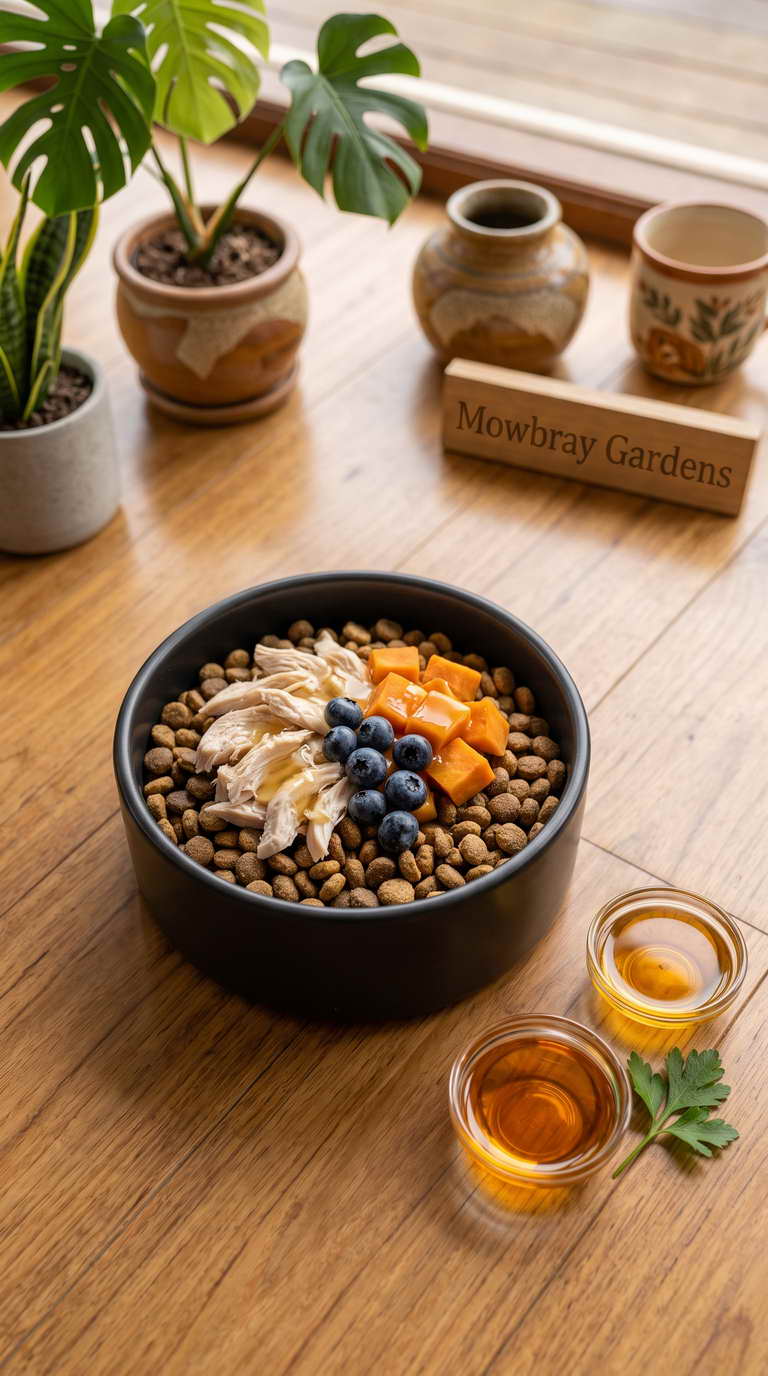
PETSIDI – Walk down the pet food aisle of any specialty boutique or browse an online pet retailer, and you are immediately bombarded by a dizzying array of marketing buzzwords: Human-Grade, Ancestral Diet, Ultra-Holistic, Farm-Fresh, Grain-Free, and Freeze-Dried Raw. Bags feature picturesque illustrations of pasture-raised bison, wild-caught salmon, and heirloom blueberries that look appetizing enough to serve on a human dinner table.
Along with those glossy packages comes a staggering price tag. Premium pet foods frequently cost three to five times more than standard commercial kibble.
For dedicated pet parents, the investment seems obvious: our dogs and cats are family members, and providing high-quality fuel is the foundation of a long, disease-free life.
However, price does not automatically equate to biological excellence. Marketing departments know that human emotion drives purchasing decisions, and many high-priced diets lean heavily on aesthetic buzzwords while quietly cutting corners on clinical nutrient bioavailability, quality control, and scientific feeding trials.
How do you separate genuine nutritional science from expensive lifestyle marketing? What truly defines legitimate premium pet food brands, and which formulations justify their place in your pet’s daily bowl?
Here is your comprehensive, veterinarian-informed guide to the premium pet food landscape—breaking down ingredient realities, clinical formulation standards, top brand evaluations, and practical ways to optimize your pet’s bowl on any budget.
Quick Reference: Top Premium Pet Food Brands Comparison
Before analyzing the nutritional science, review this snapshot comparing leading top-tier pet food brands across their manufacturing philosophies, primary formats, and ideal household fits:
| Brand Name | Primary Nutritional Philosophy | Dominant Product Formats | AAFCO Feeding Trial Status | Best Suited For |
| Orijen & Acana (Champion Petfoods) | Biologically Appropriate; high meat inclusions | Dry Kibble, Freeze-Dried | Formulated to meet profiles | Highly active dogs & working breeds |
| The Farmer’s Dog | Fresh, gently cooked human-grade food | Frozen Fresh Meals | Completed AAFCO feeding trials | Picky eaters, digestive sensitivities |
| Royal Canin (Size Health & Veterinary) | Breed- and condition-specific precise nutrient targets | Dry Kibble, Canned Wet | Extensive feeding trials & clinical trials | Specific breeds, GI or renal issues |
| Hill’s Science Diet | Evidence-based biology; veterinary board formulated | Dry Kibble, Stews | Rigorous lifetime colony trials | Preventive wellness, weight control |
| Purina Pro Plan (Sport & Sensitive) | Performance-driven amino acid optimization | Kibble, Shredded Blend, Wet | Extensive AAFCO feeding trials | Sporting dogs, family companions |
| Stella & Chewy’s | Raw nutrition, minimally processed prey model | Freeze-Dried Raw Patties, Kibble Toppers | Formulated to meet profiles | Raw enthusiasts, rotational mixers |
| Open Farm | 100% certified ethical sourcing & transparency | Dry Kibble, Gently Cooked, Bone Broths | Formulated to meet profiles | Eco-conscious & ingredient-conscious pet parents |
What Actually Makes a Pet Food “Premium”? (Science vs. Marketing)
The word “premium” is not a legally regulated term in animal feed law. A manufacturer can place “Super Premium” on a bag filled with low-quality ingredients without violating advertising statutes.
True nutritional superiority is measured through scientific formulation, ethical sourcing, and rigorous quality control:
                  ┌───────────────────────────────────────────────┐
                  │       The 4 Pillars of Legitimate Quality     │
                  └───────────────────────┬───────────────────────┘
                                          │
         ┌────────────────────────────────┼────────────────────────────────┐
         ▼                                ▼                                ▼
┌───────────────────────────┐ ┌───────────────────────────┐ ┌───────────────────────────┐
│   Formulation Experts     │ │     Rigorous Lab Trials   │ │     Sourcing Transparency   │
│ • Full-time Board-        │ │ • AAFCO feeding trial     │ │ • Traceable single-origin   │
│   Certified Veterinary    │ │   protocols completed     │ │   proteins                  │
│   Nutritionists (ACVN)    │ │ • Routine testing for     │ │ • Non-GMO produce & zero    │
│ • PhD animal nutritionists│ │   mycotoxins & pathogens  │ │   unnamed animal by-products│
└───────────────────────────┘ └───────────────────────────┘ └───────────────────────────┘
-
Board-Certified Formulators: Does the company employ full-time, on-staff Board-Certified Veterinary Nutritionists (DACVIM/Nutrition) and PhD animal scientists, or do they hire third-party recipe consultants?
-
Facility Ownership vs. Co-Packing: Reputable high-end brands own and operate their manufacturing plants, giving them direct control over sanitation, thermal processing temperatures, and ingredient lot testing. Cheap brands outsource production to mass co-packers.
-
Feeding Trials Over Formulated Calculations: Meeting an AAFCO profile on paper is easy with computer software. Testing that food through live, long-term feeding trials proves that the animal’s body can biologically absorb and utilize those nutrients over time.
-
Independent Lab Audits: High-tier brands test every batch for heavy metals, salmonella, and mycotoxins (fungal toxins from moldy grains) before the food leaves the warehouse doors.
According to regulatory guidelines established by the Association of American Feed Control Officials (AAFCO), understanding the nutritional adequacy statement on the back of the bag is the first step in verifying pet food integrity.
Decoding the Ingredient Label: Separating Facts from Myths

Pet food packaging is designed to appeal to human grocery-shopping habits. To evaluate food objectively, you must learn to read a guaranteed analysis and ingredient deck like a veterinary technician.
1. The “First Ingredient: Whole Chicken” Illusion
Manufacturers love advertising that real deboned meat is their number-one ingredient.
-
Fresh, deboned whole chicken contains approximately 70% water weight.
-
Once that meat is processed and extruded through high-heat commercial machinery, the water evaporates, reducing the actual meat volume by nearly three-quarters.
-
As a result, that whole chicken may actually contribute less dietary protein to the finished product than the concentrated meals listed lower on the deck.
2. High-Quality Named Meat Meals vs. Unnamed By-Products
There is a massive difference between named, clean animal meals and generic mystery proteins:
-
The Good: Concentrated, named meals like Dehydrated Salmon Meal or Low-Ash Chicken Meal have had moisture removed before cooking, providing a dense, highly digestible source of essential amino acids.
-
The Bad: Vague terms like Meat Meal, Animal Fat, or Poultry By-Product Meal indicate rendered scraps from untraceable sources that can vary widely in quality and digestibility from batch to batch.
3. Ingredient Splitting: The Starch Disguise
Ingredient splitting is a common packaging tactic where a manufacturer breaks down a single carbohydrate source into multiple sub-ingredients to keep them lower on the list:
Ingredient Deck Display:
[Deboned Beef] ──► [Yellow Peas] ──► [Pea Starch] ──► [Pea Flour] ──► [Pea Protein]
If you combine all four pea derivatives, peas would far outweigh the beef. This is used to boost crude protein percentages artificially while keeping expensive meat quantities low.
The Top Contenders: In-Depth Brand Evaluations
Different companion animals thrive on different macronutrient ratios. Here is how the top premium brands perform under close inspection.
1. Orijen & Acana (Champion Petfoods): The WholePrey Pioneers
If you want a biologically appropriate, meat-heavy dry food, Orijen and its sister brand Acana remain the industry benchmark.
-
Nutritional Focus: High inclusion of fresh and raw animal ingredients (up to 85% in Orijen). They utilize a “WholePrey” approach, incorporating muscle meat, nutrient-dense organ tissue (liver, heart, tripe), and edible bone cartilage to deliver natural vitamins without relying heavily on synthetic mineral premixes.
-
Best Features: Sourced from regional farmers, ranchers, and fishermen with exceptional transparency.
-
Things to Consider: Due to rich protein (38%+) and fat levels, this food can be too rich for sedentary lap dogs or pets with delicate, pancreatitis-prone digestive tracts. It is tailor-made for high-stamina working dogs and active companions.
2. The Farmer’s Dog: The Fresh, Gently Cooked Revolution
Fresh-food subscription models have fundamentally disrupted traditional commercial kibble aisles, with The Farmer’s Dog leading the movement.
-
Nutritional Focus: 100% USDA-inspected human-grade meats and whole vegetables, gently cooked at low temperatures to preserve natural enzymes, moisture, and vitamins, then frozen immediately.
-
Best Features: Meals are pre-portioned down to the exact gram based on your pet’s age, weight, body condition score, and activity level.
-
Household Value: Exceptional for finicky eaters who turn their noses up at dry kibble, dogs with dry flaky skin, and pets recovering from gastrointestinal inflammation.
3. Royal Canin: The Precision Science Specialist
While boutique brands focus on rustic marketing, Royal Canin focuses entirely on clinical, molecular nutrition.
-
Nutritional Focus: Formulated based on precise nutrient metrics rather than human ingredient aesthetics. Their team evaluates nutrient bioavailability, kibble density, and jaw morphology.
-
Best Features: Their breed-specific lines (such as specialized kibble shapes for the flat jaws of Pugs and French Bulldogs) and clinical veterinary diets are backed by decades of peer-reviewed animal science.
-
Things to Consider: Recipes contain grains and plant proteins that ingredient purists sometimes dislike, but their clinical safety records and feeding trial integrity are world-class.
4. Purina Pro Plan: The Athlete and Performance Standard
Purina Pro Plan is the undisputed favorite of canine agility competitors, field trial handlers, and veterinary professionals worldwide.
-
Nutritional Focus: High-protein, optimized fat-to-protein formulations designed to support sustained muscle recovery, joint integrity, and digestive microbiome stability.
-
Best Features: Their Sport 30/20 blend is the gold standard for athletic sporting canines, while their Sensitive Skin & Stomach salmon-and-rice formula has resolved chronic itchiness and loose stools for millions of pets.
-
Value Proposition: Delivers premium-tier clinical formulation and AAFCO feeding trial backing at a slightly more accessible price point than boutique fresh-food delivery brands.
5. Open Farm: The Transparency and Ethical Sourcing Leader
For pet parents who care as deeply about farm animal welfare and ecological sustainability as they do about pet nutrition, Open Farm offers unmatched accountability.
-
Nutritional Focus: Certified humane, pasture-raised meats, wild-caught sustainable fish, and non-GMO fruits and vegetables.
-
Best Features: Every bag features a unique lot code that allows you to enter the number on their website and trace every single ingredient back to its original farm or ocean fishery.
Grain-Free vs. Grain-Inclusive: What Every Owner Must Know

Between 2010 and 2020, “grain-free” marketing dominated the high-end pet food market, convincing millions of pet parents that grains were harmful fillers.
However, ongoing investigation by the U.S. Food and Drug Administration (FDA) uncovered a concerning potential correlation between non-hereditary Canine Dilated Cardiomyopathy (DCM)—a fatal heart enlargement—and diets containing high concentrations of peas, lentils, other legume seeds, or potatoes as primary ingredients.
       ┌──────────────────────────────────────────────────────────────┐
       │             The Modern Carbohydrate Landscape                │
       └──────────────────────────────┬───────────────────────────────┘
                                      │
         ┌────────────────────────────┴────────────────────────────┐
         ▼                                                         ▼
┌─────────────────────────────────┐       ┌─────────────────────────────────┐
│     The Boutique Grain-Free     │       │     Wholesome Ancient Grains    │
│ • Replaced grains with peas,    │       │ • Oats, brown rice, barley,     │
│   lentils, and chickpeas        │       │   millet, and sorghum           │
│ • High concentration of legumes │       │ • Rich in soluble dietary fiber │
│ • Under ongoing FDA investigation│      │ • Gentle on canine cardiovascular│
│   for secondary taurine issues  │       │   metabolism and gut microbiome │
└─────────────────────────────────┘       └─────────────────────────────────┘
Unless your dog has been diagnosed by a veterinary dermatologist with a confirmed allergy to wheat or corn (which accounts for less than 2% of canine allergies), feeding a high-quality grain-inclusive diet featuring wholesome grains like oats, brown rice, and barley is widely recommended by veterinary cardiologists.
If your dog is experiencing temporary gastrointestinal distress, home cooking simple starches is an effective short-term bridge, but owners must remember that learning can dogs eat plain white rice every day highlights the critical need for complete micronutrient balance over simple starch filling.
Matching Nutrition to Your Dog’s Breed and Size
Nutritional needs scale dramatically depending on your companion’s skeletal conformation and genetic drives:
1. Large and Giant Breeds
Rapid bone growth in large canines must be controlled carefully. Feeding an uncontrolled high-calorie diet to large puppies can accelerate bone growth faster than cartilage can support, predisposing them to hip dysplasia and osteochondritis dissecans (OCD).
-
When raising companions highlighted across our guide to the most popular large dog breeds —such as German Shepherds, Great Danes, or Labrador Retrievers—always select formulas specifically labeled for large breeds with controlled calcium levels (1.1% to 1.5% dry matter basis) and balanced phosphorus ratios.
2. High-Energy Family Breeds
Active family dogs that spend their afternoons chasing balls and playing with children—typical of the most popular dog breeds for families like Golden Retrievers and Standard Poodles—require formulas rich in Omega-3 fatty acids (EPA and DHA) to maintain joint lubrication and coat vitality throughout years of active games.
Life Stage Nuances: Senior Pets, Puppies, and Budget Realities
Senior Pet Adjustments
As canines enter their senior years, their metabolic rate slows down by 15% to 25%, while their risk for renal strain and osteoarthritis increases:
-
Look for premium senior formulas that maintain high-quality, easily digestible lean proteins to prevent age-related muscle wasting (sarcopenia), while moderating sodium and phosphorus.
-
Ensure foods contain supplemental glucosamine, chondroitin sulfate, and green-lipped mussel extract for joint comfort.
Maximizing Value on a Budget (The “Bowl-Boosting” Strategy)
You do not need to spend $150 a month on boutique fresh food to give your pet world-class nutrition. If high-end fresh foods exceed your budget, use the bowl-boosting method:
-
Buy a dependable, scientifically proven base kibble (such as Purina Pro Plan or Hill’s Science Diet).
-
Allocate 10% to 15% of the bowl to nutrient-dense, affordable fresh toppers: a spoonful of plain canned sardines in spring water (Omega-3s), a soft-scrambled pasture-raised egg (complete amino acids), a dollop of pure pumpkin puree (soluble fiber), or a splash of warm, unsalted bone broth.
Frequently Asked Questions (FAQ)
Is human-grade pet food really healthier for dogs?
“Human-grade” legally means that every ingredient and manufacturing facility meets USDA standards for human consumption. While this ensures cleaner processing and higher sanitation standards, it does not automatically mean the recipe is nutritionally balanced. Always verify that human-grade fresh foods carry an explicit AAFCO statement of complete nutritional adequacy.
Why do veterinarians recommend Science Diet and Royal Canin over boutique raw foods?
Veterinarians recommend these legacy brands because they employ dozens of full-time veterinary nutritionists, conduct exhaustive multi-year feeding trials on living dog populations, publish peer-reviewed clinical research, and maintain extraordinary manufacturing biosecurity. Many boutique brands rely purely on attractive marketing rather than clinical trials.
Never switch your dog’s diet abruptly. Sudden changes cause gastrointestinal distress, vomiting, and diarrhea. Transition slowly over 7 to 10 days:
-
Days 1–3: 75% old food mixed with 25% new food.
-
Days 4–6: 50% old food mixed with 50% new food.
-
Days 7–9: 25% old food mixed with 75% new food.
-
Day 10: 100% new premium food.
Does high-protein dog food cause kidney damage?
In healthy dogs with normal renal function, high-protein diets do not cause kidney damage. Canines evolved to process animal proteins efficiently. However, if a dog has pre-existing, diagnosed chronic kidney disease (CKD), protein and phosphorus must be restricted under strict veterinary supervision to reduce workload on damaged nephrons.
Final Thoughts: Fueling a Long, Vibrant Life
Navigating the world of premium pet food brands is about cutting through glossy advertising and choosing diets built on authentic biological science.
Your pet’s daily bowl is the single most significant healthcare intervention you control. Whether you choose the high-meat biological density of Orijen, the gently cooked convenience of The Farmer’s Dog, or the evidence-backed precision of Purina Pro Plan, prioritize verifiable quality standards: transparent sourcing, feeding trial validation, and expert veterinary formulation.
By investing in balanced, high-quality nutrition tailored to your companion’s age, breed dynamics, and energy output, you build the foundation for bright eyes, a glossy coat, healthy joints, and many joyful years together.
Leave a Reply