
How to Clean Dog Ears Naturally at Home: Safe Steps, Recipes, and Red Flags
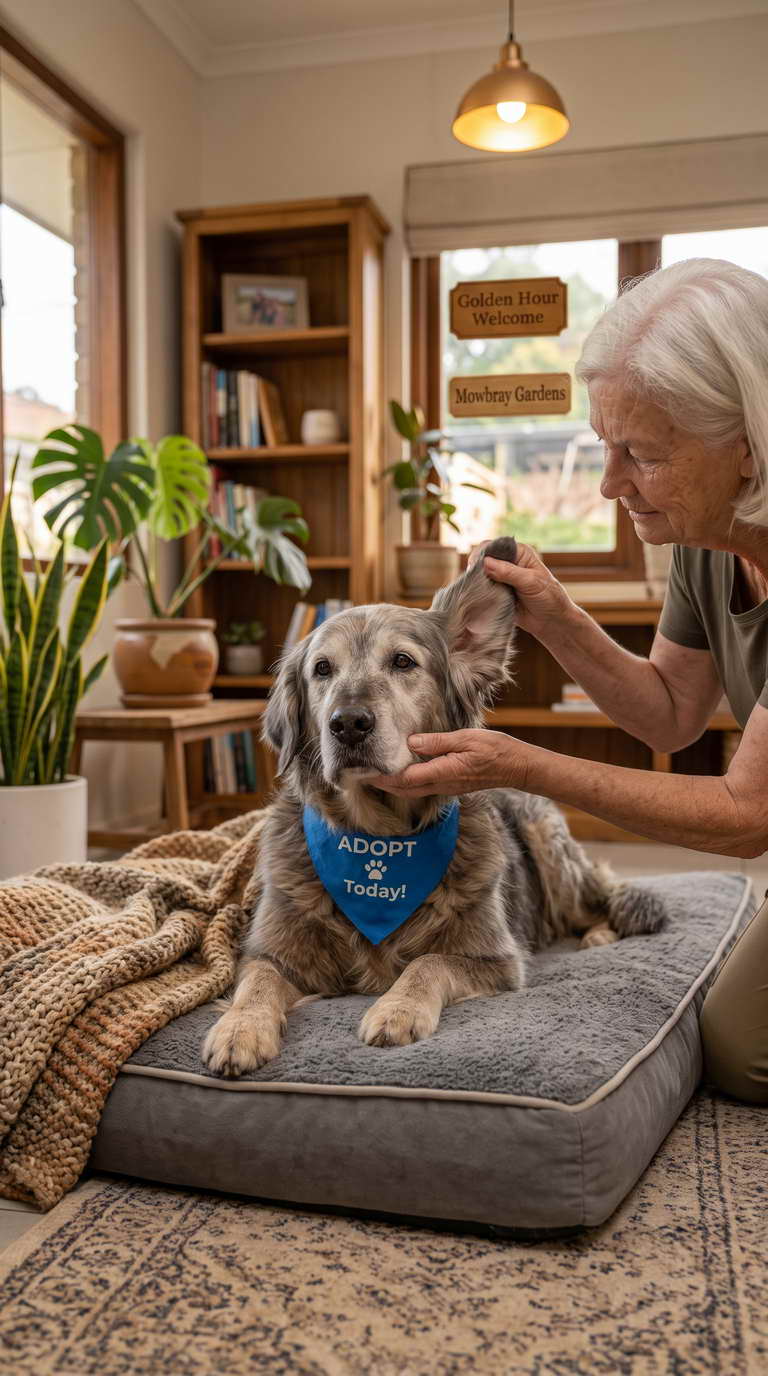
PETSIDI – You are relaxing on the couch with your dog cuddled beside you when a sudden, distinct sound breaks the peace: flap-flap-flap-flap-flap.
Your companion vigorously shakes their head, groans softly, and begins scratching at their ear with a hind paw. You gently lift the floppy ear flap to investigate, only to be greeted by a sour, yeasty smell, a coat of dark waxy debris, and slightly inflamed pink skin.
Your immediate instinct as a caring pet parent is to head straight to your kitchen or medicine cabinet to fix the problem naturally. You search your pantry for apple cider vinegar, olive oil, or coconut oil, wondering if a simple homemade concoction can soothe the itch without an immediate $150 trip to the veterinary clinic.
However, a dog’s auditory anatomy is delicate and unforgiving. Pouring the wrong “natural” ingredient down an inflamed canine ear canal can turn mild wax buildup into severe chemical burns, excruciating pain, or permanent hearing loss.
Knowing how to clean dog ears naturally at home requires understanding the unique L-shaped canine ear canal, choosing genuinely safe natural solutions, and mastering the gentle art of manual debris removal.
Here is your comprehensive, veterinarian-reviewed guide to natural home ear hygiene—covering safe DIY recipes, ingredients you must never touch, step-by-step washing protocols, and critical warning signs that require prescription care.
Quick Reference: Safe Natural Cleaners vs. Dangerous DIY Myths
Before mixing any kitchen ingredients, compare what natural solutions are safe against popular online remedies that cause clinical damage:
| Natural Ingredient | Safety Status | Why It Works / Why It Fails | Safe Application Method |
| Diluted Apple Cider Vinegar (1:1 with Water) | Safe (Unbroken skin only) | Acetic acid naturally alters ear pH, inhibiting fungal yeast growth | 50/50 mix with purified water; soak onto cotton ball |
| Sterile Saline Solution (0.9% Salt Water) | Safe (Universal) | Non-irritating, matches natural physiological body fluids | Flushes loose surface dirt and mud without stinging |
| Virgin Unrefined Coconut Oil | Safe (Outer pinna only) | Lauric acid offers mild antimicrobial support and moisturizes dry skin | Rub gently along outer ear flap leather; never pour inside |
| Hydrogen Peroxide (3%) | ❌ Dangerous | Bubbles violently, breaks down healthy cell walls, causes severe ulcers | Never use: Causes permanent canal scar tissue |
| Rubbing Alcohol (Isopropyl) | ❌ Dangerous | Strips moisture, causes agonizing stinging and chemical burns | Never use: Highly toxic and excruciating to open tissue |
| Essential Oils (Tea Tree / Lavender) | ❌ Dangerous | Highly concentrated; absorbed into bloodstream causing toxic shock | Never use: Tea tree is toxic to canine nervous systems |
| Pure Undiluted Vinegar | ❌ Dangerous | Severe acidity burns inflamed, micro-scratched skin | Never use: Must always be diluted 50% with water |
Understanding Canine Ear Anatomy: The “L-Shape” Trap
Why can humans clean their ears with gentle exterior wiping while dogs suffer from chronic, deep-seated canal blockages? The answer lies in evolutionary anatomy.
       ┌──────────────────────────────────────────────────────────────┐
       │                 The Canine "L-Shaped" Ear Canal              │
       └──────────────────────────────┬───────────────────────────────┘
                                      │
         ┌────────────────────────────┴────────────────────────────┐
         ▼                                                         ▼
┌─────────────────────────────────┐       ┌─────────────────────────────────┐
│       Vertical Canal (Down)     │       │     Horizontal Canal (Across)   │
│ • Catches outside wind & dirt   │       │ • Direct path to delicate eardrum│
│ • Seals tightly under flopped   │       │ • Natural moisture trap         │
│   ears (Spaniels / Hounds)      │       │ • Fertile ground for Malassezia │
│ • First barrier of defense      │       │   yeast & staphylococcus bacteria│
└─────────────────────────────────┘       └─────────────────────────────────┘
Human ear canals travel horizontally straight into the head. In dogs, the ear canal travels vertically downward for one to two inches before making an abrupt, 90-degree right-angle turn horizontally toward the delicate tympanic membrane (the eardrum).
This “L-shape” architecture acts as a natural physical drainage trap. When water from a swimming session, dense humidity, or natural wax accumulates at the horizontal base, it cannot drain naturally against gravity.
In dogs with long, pendulous drop-ears—such as those featured across the top 10 most popular dog breeds in the USA, including Golden Retrievers and Cocker Spaniels—the heavy ear leather seals the opening like a warm, dark incubator. This environment is an open invitation for Malassezia pachydermatis (canine yeast) and opportunistic bacteria to thrive.
The 2 Vet-Approved Natural Cleaning Solutions
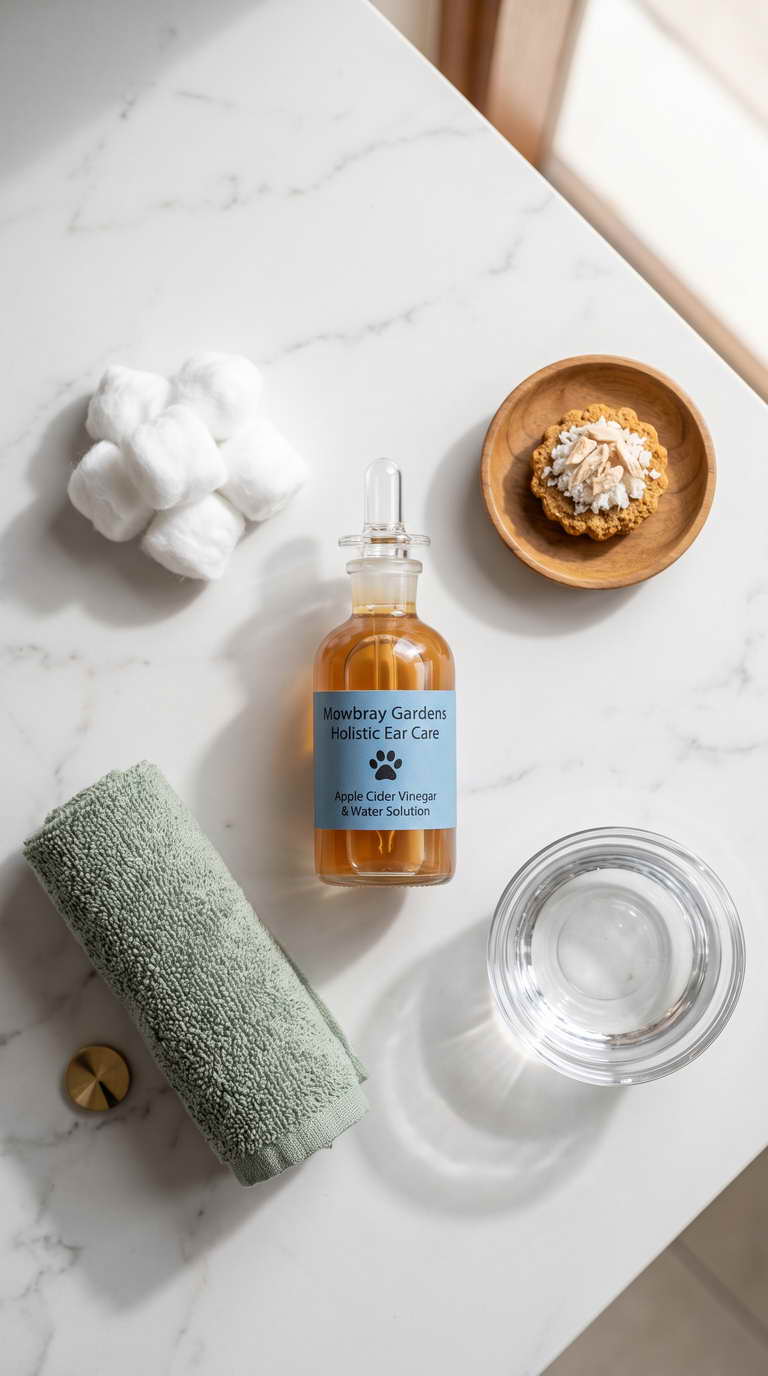
If you choose to create a homemade natural ear wash, you must use ingredients that maintain physiological balance. Never guess measurements.
1. The 50/50 Apple Cider Vinegar (ACV) Flush
Raw, organic, unfiltered apple cider vinegar containing the “mother” contains natural acetic acid. Yeast organisms thrive in alkaline, warm environments; introducing a mild, controlled acid shifts the micro-environment’s pH, making it impossible for fungal spores to replicate.
Recipe:
- 1/2 Cup Organic Unfiltered Apple Cider Vinegar
- 1/2 Cup Lukewarm Distilled or Purified Water
*Mix thoroughly and store in a clean, sterilized glass squeeze bottle.*
Crucial Warning: Only use this ACV solution if the ear canal is intact and not scratched raw. If your dog has scratched their ear skin until it bleeds, vinegar will burn excruciatingly, destroying your dog’s trust in handling.
2. The Soothing Sterile Saline Rinse
If your dog has bright red, irritated ears or micro-scratches from persistent pawing, vinegar is too harsh. A simple sterile saline solution is the safest natural choice on earth.
-
Dissolve 1/2 teaspoon of pure non-iodized sea salt into 1 cup of warm distilled water.
-
Saline mimics the body’s natural extracellular fluids, gently lifting surface grit, loose wax, and dust without causing a burning sensation.
Step-by-Step: How to Clean Dog Ears Naturally at Home
Cleaning canine ears should never be an aggressive wrestling match. Turn it into a relaxed, reward-heavy grooming ritual.
Step 1: Gather Gauze ──► Step 2: Flood Canal Base ──► Step 3: Massage (Squish!) ──► Step 4: Shake & Wipe
Essential Supplies to Assemble:
-
Your chosen natural solution (warmed to lukewarm room temperature).
-
10 to 15 medical cotton balls or soft cotton makeup pads (avoid synthetic fibers).
-
Large dry towel.
-
High-value rewards (cooked chicken breast or freeze-dried beef liver).
-
DO NOT BRING: Cotton swabs (Q-tips). Never insert rigid Q-tips into a dog’s ear canal.
Step 1: Acclimate and Position
Find a quiet, non-slip corner of your home (such as a tiled utility room or bathroom). Sit comfortably beside your dog on the floor.
-
Offer a high-value treat and stroke their neck gently.
-
If you are working with an energetic, mouthy young pup, you may need to apply behavioral redirection methods like how to stop puppy biting feet when walking or handling exercises to keep their mouth occupied with a frozen chew toy while you work on their ears.
Step 2: Apply the Solution Generously
Lift the pinna (ear flap) upright with your non-dominant hand to expose the vertical canal opening.
-
Gently hold the tip of your squeeze bottle or an eye dropper directly above the canal opening.
-
Do not shove the plastic applicator tip deep into the canal.
-
Squeeze enough liquid to fill the vertical canal until you see the fluid surface glistening at the base.
(Alternative method for nervous dogs: Thoroughly saturate a large cotton ball with the liquid and gently squeeze it into the ear opening).
Step 3: The 30-Second “Squish” Massage
This is the most important step of the entire procedure.
-
Immediately fold the ear flap down over the opening.
-
Place your thumb and forefinger at the base of the ear where it meets the skull (you will feel firm, tubular cartilage beneath the skin).
-
Massage firmly in small circular motions for 30 to 45 seconds.
-
You should hear a distinct, wet, squishing sound (“squelch-squelch”). This fluid movement breaks apart stubborn, hardened wax plugs and lifts debris from the deep horizontal canal upward into the vertical shaft.
Step 4: Step Back and Allow the Head Shake
Anticipate the inevitable shake! The moment you release the ear flap, your dog will instinctively shake their head violently.
-
Step back or hold up your towel to block flying liquid.
-
This vigorous centrifugal shaking is canine biomechanics at its best: it propels broken wax, yeast clusters, and excess fluid outward from the horizontal canal toward the open outer ear.
Step 5: Wipe the Outer Canal and Dry
Take a clean, dry cotton ball or soft gauze square wrapped around your index finger.
-
Gently wipe away the lifted wax, brown gunk, and excess fluid from the crevices of the outer ear flap and upper canal.
-
Go only as deep as your index finger naturally reaches. Never jam materials down into the dark abyss of the canal.
-
Repeat with clean cotton balls until the cotton comes back clean.
-
Reward your companion with enthusiastic praise and their favorite high-value treat.
3 Fatal Home Ear-Cleaning Mistakes to Avoid
Well-meaning pet owners often cause unintentional trauma by following viral social media cleaning hacks:
Common Mistakes vs. Safe Veterinary Practices:
❌ Shoving Q-tips down the canal ──► Acts like a ramrod, packing wax into eardrum
✔️ Wiping with cotton pads only ──► Safely lifts surface gunk without impaction risk

❌ Using Cold Ear Cleansers ─────► Causes vestibular disorientation & panic
✔️ Warm liquid to body temp ──────► Creates a soothing, comfortable experience

❌ Over-Cleaning Healthy Ears ───► Destroys beneficial microbiome & causes irritation
✔️ Clean only when wax appears ──► Preserves delicate epithelial acid mantle
-
The Q-Tip Disaster: Inserting cotton swabs into a canine ear canal functions exactly like a ramrod in an antique musket. It pushes compacted wax, dirt, and bacteria deeper down the vertical canal, wedging it hard against the fragile eardrum. Worse, if the dog jerks their head suddenly, a rigid plastic swab can puncture the tympanic membrane instantly.
-
Pouring Cold Liquids: Storing your ear solution in the refrigerator and pouring it cold into a dog’s ear triggers severe inner ear distress, dizziness, and involuntary eye twitching (nystagmus). Always warm the bottle in a bowl of warm tap water for ten minutes before application.
-
Over-Cleaning Clean Ears: Ears that are pale pink, odorless, and free of visible wax should be left alone. Cleaning healthy canine ears every three days strips away the natural lipid barrier and protective bacterial flora, creating a moist environment that invites chronic infections.
Recognizing the Red Flags: When Natural Care Is NOT Enough
Natural home ear hygiene is a preventative maintenance tool, not a cure for established, deep-seated infections. Pouring homemade vinegar solutions into an actively infected ear is painful and ineffective.
According to clinical dermatology protocols established by the American Veterinary Medical Association (AVMA), you must stop home cleaning and book an immediate veterinary exam if you notice:
-
Pungent “Rotten Bread” or “Sewage” Odors: Indicates active bacterial pseudomonas or advanced yeast colonization.
-
Head Tilting or Loss of Balance: If your dog holds their head permanently tilted to one side or stumbles while walking, the infection has breached the middle or inner ear (otitis interna).
-
Extreme Pain and Guarding: If your dog yelps, growls, snaps, or trembles when you gently touch the base of their ear.
-
Thick Black “Coffee-Ground” Discharge: This is the classic clinical hallmark of ear mites (Otodectes cynotis), microscopic parasites that require prescription topical antiparasitics to eradicate.
-
Aural Hematoma (The “Pillow Ear”): If violent head-shaking ruptures a blood vessel in the ear leather, the flap will swell into a thick, fluid-filled balloon that requires veterinary drainage or surgery.
Managing chronic, recurring ear flare-ups is one of the many ongoing medical realities that contribute to the true hidden costs of adopting a dog shelter, which is why having an emergency medical fund for proper cytological ear swabs and prescription antibiotic drops is essential for every pet owner.
How Often Should You Clean Your Dog’s Ears?
There is no universal calendar schedule for ear cleaning; frequency depends entirely on your dog’s ear conformation, lifestyle, and breed traits:
-
Floppy-Eared Breeds (Spaniels, Hounds, Retrievers): Clean every one to two weeks for maintenance, especially during humid summer months.
-
Active Water Dogs (Swimmers): Clean and dry ears after every single swimming session in lakes, pools, or rivers to evaporate trapped canal moisture.
-
Upright / Pricked Ears (German Shepherds, Huskies): These breeds enjoy excellent natural air circulation. Inspect monthly, but clean only when dirt or wax is visibly present (often only once every four to six weeks).
The American Kennel Club (AKC) emphasizes that routine preventative ear hygiene is the single most effective way to eliminate chronic ear infections before they compromise a canine’s comfort and hearing.
Frequently Asked Questions (FAQ)
Can I use baby wipes to clean my dog’s ears?
You can use gentle, unscented, alcohol-free baby wipes or pet-specific wipes to clean the exterior outer flap (pinna). However, do not shove baby wipes down into the canal, as they contain synthetic moisturizers and fragrances that can leave chemical residues behind.
Why do my dog’s ears smell like corn chips or yeast?
A distinct corn chip, sour beer, or yeasty odor is caused by an overgrowth of Malassezia pachydermatis, a natural fungus that explodes in population when the ear canal becomes too warm and moist. An apple cider vinegar solution helps restore proper acidic balance in early stages.
Can olive oil kill ear mites in dog ears?
A few drops of pure warm olive oil can temporarily suffocate a small number of ear mites and soothe irritated leather. However, it will not kill microscopic mite eggs. To permanently cure ear mites and prevent recurring flare-ups across multi-pet households, you need veterinarian-prescribed topical antiparasitic treatments.
What should I do if my dog won’t let me touch their ears?
Never physically pin a terrified dog to the floor to force an ear cleaning. Desensitize them slowly over a week: touch the outside of their ear, offer a bite of roasted chicken, and walk away. Progress incrementally until they associate ear handling with positive rewards.
Final Thoughts: Prevention Is the Best Medicine
Learning how to clean dog ears naturally at home is one of the most practical and empowering skills you can develop as a dog owner.
By avoiding aggressive instruments like Q-tips, staying far away from harsh chemicals like rubbing alcohol and undiluted oils, and utilizing gentle, pH-balanced flushes like diluted apple cider vinegar or sterile saline, you keep your dog comfortable and protect their hearing.
Treat ear care as a regular bonding check-in: inspect the ears weekly, clean them gently when needed, and never hesitate to consult your veterinarian when red flags appear. With consistency, patience, and plenty of post-cleaning treats, your companion will enjoy clean, healthy, and itch-free ears for years to come.
About The Author

Leave a Reply