
How Long Can a Dog Hold Its Pee? The Complete Age-by-Age Chart and Guide
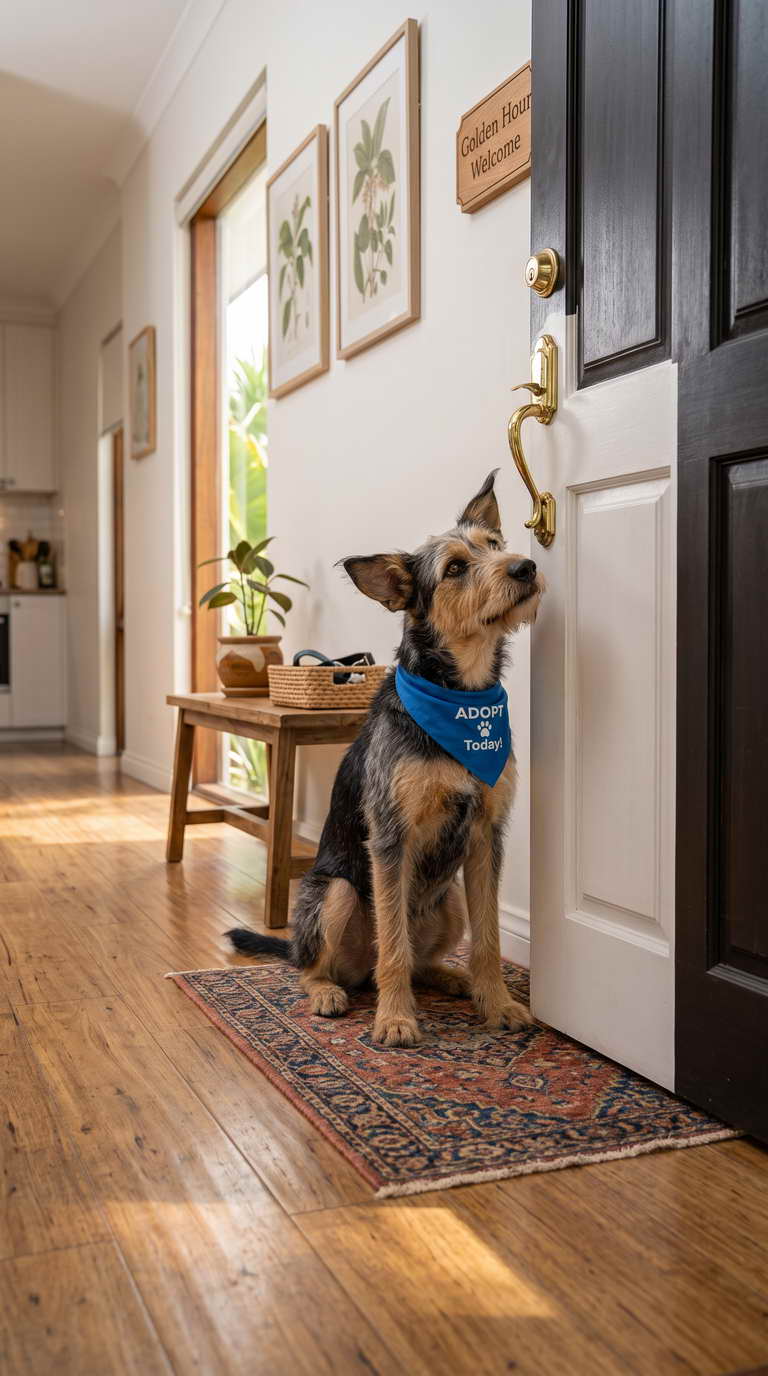
PETSIDI – You check your watch during a late-running afternoon meeting at the office, and a jolt of anxiety hits your stomach. It is 4:30 PM. Your dog has been alone at home since 8:00 AM.
You mentally calculate the hours: It has been eight and a half hours since their morning walk. Are they crossing their legs by the front door in physical agony? Will you walk into a puddle on your hardwood floor, or worse, are you putting your dog at risk for a painful urinary tract infection?
Whether you are navigating the chaotic, hourly housebreaking trials of a brand-new puppy or caring for an aging senior companion whose bladder control is slipping, understanding canine urinary physiology is one of the most vital responsibilities of pet parenting.
A dog’s bladder is not a flexible rubber balloon that can stretch indefinitely without biological consequences.
So, what are the safe, humane limits? Knowing how long can a dog hold its pee chart by age eliminates the guesswork, helps you build a bulletproof house-training schedule, and protects your four-legged companion from serious renal and bladder complications.
Here is your comprehensive, veterinarian-approved guide to canine bladder capacity across every developmental milestone—complete with a quick-reference chart, physiological science, and practical care strategies.
The Core Reference: Dog Bladder Capacity Chart by Age
Before examining individual life stages, use this veterinary reference chart to determine safe urinary retention thresholds:
| Age / Life Stage | Approximate Age in Months | Maximum Safe Retention Time | Recommended Potty Break Frequency | Primary Behavioral Milestone |
| Newborn to Young Pup | 8 to 10 Weeks | 1 to 2 Hours | Every 45 to 60 Minutes (Awake) | Zero bladder muscle control; reflex elimination |
| Early Teething Stage | 10 to 12 Weeks (3 Months) | 2 to 3 Hours | Every 2 Hours | Developing sphincter awareness; easily distracted |
| Juvenile Explorer | 16 Weeks (4 Months) | 3 to 4 Hours | Every 3 Hours | Begins signaling needs; holds urine during naps |
| Adolescent Phase | 20 to 24 Weeks (5–6 Months) | 4 to 6 Hours | Every 4 Hours | Near-adult bladder capacity; hormone shifts |
| Mature Adult Dog | 1 Year to 7 Years | 6 to 8 Hours | 3 to 5 Times Daily | Full physical maturity; voluntary muscle control |
| Senior Canine | 8 to 11 Years | 4 to 6 Hours | Every 4 to 5 Hours | Gradual decline in muscle tone; mild stiffness |
| Geriatric Canine | 12+ Years | 2 to 4 Hours | Every 2 to 3 Hours | Increased frequency; medical incontinence risks |
The Golden Rule for Puppies: The “Month + 1” Formula
When bringing home a young puppy, memorizing exact veterinary tables can be difficult. Canine behavioral specialists use a dependable rule of thumb:
                  ┌───────────────────────────────────────────────┐
                  │           The "Month + 1" Puppy Formula       │
                  └───────────────────────┬───────────────────────┘
                                          │
    [Puppy's Age in Months] ───► Plus 1 ───► Maximum Daylight Holding Hours

    Example Calculations:
    • 2-Month-Old Puppy (8 Weeks)  : 2 + 1 = 3 Hours (Absolute Max; 2 hrs safer)
    • 3-Month-Old Puppy (12 Weeks) : 3 + 1 = 4 Hours Maximum
    • 4-Month-Old Puppy (16 Weeks) : 4 + 1 = 5 Hours Maximum
Important Caveat: This formula applies strictly while a puppy is resting or asleep. When a young puppy is actively awake, playing, sprinting, or drinking water, their metabolic rate doubles. An active 8-week-old puppy often needs to urinate every 30 to 45 minutes!
Canine Urinary Anatomy: Why Dogs Can’t Just “Hold It”
To understand why stretching these limits is dangerous, look at how the canine urinary tract works.
       ┌──────────────────────────────────────────────────────────────┐
       │                 The Canine Filtration Cycle                  │
       └──────────────────────────────┬───────────────────────────────┘
                                      │
         ┌────────────────────────────┴────────────────────────────┐
         ▼                                                         ▼
┌─────────────────────────────────┐       ┌─────────────────────────────────┐
│     Filtration & Storage        │       │      The Danger of Retention    │
│ • Kidneys filter bloodstream    │       │ • Overstretched detrusor muscle │
│ • Ureters transport urine down  │       │ • Static pool invites bacteria  │
│ • Bladder expands smoothly      │       │ • Ascending UTI to kidneys      │
│ • Urethral sphincter holds tight│       │ • Formation of struvite stones  │
└─────────────────────────────────┘       └─────────────────────────────────┘
The kidneys continuously filter metabolic waste, urea, and excess electrolytes from the bloodstream, channeling urine down through the ureters into the bladder. The bladder wall is lined with smooth muscle called the detrusor muscle.
When empty, the bladder relaxes. As it fills, stretch receptors in the bladder wall fire electrical signals along the spinal cord to the brain, producing the sensation of fullness.
Voluntary control depends on the external urethral sphincter. In young puppies, the neurological pathways connecting the brain to this sphincter are physically immature. Expecting an eight-week-old puppy to voluntarily hold their urine for four hours is neurologically equivalent to expecting a human four-month-old infant to use a toilet.
Deep Dive by Age: Developmental Stages and Potty Needs
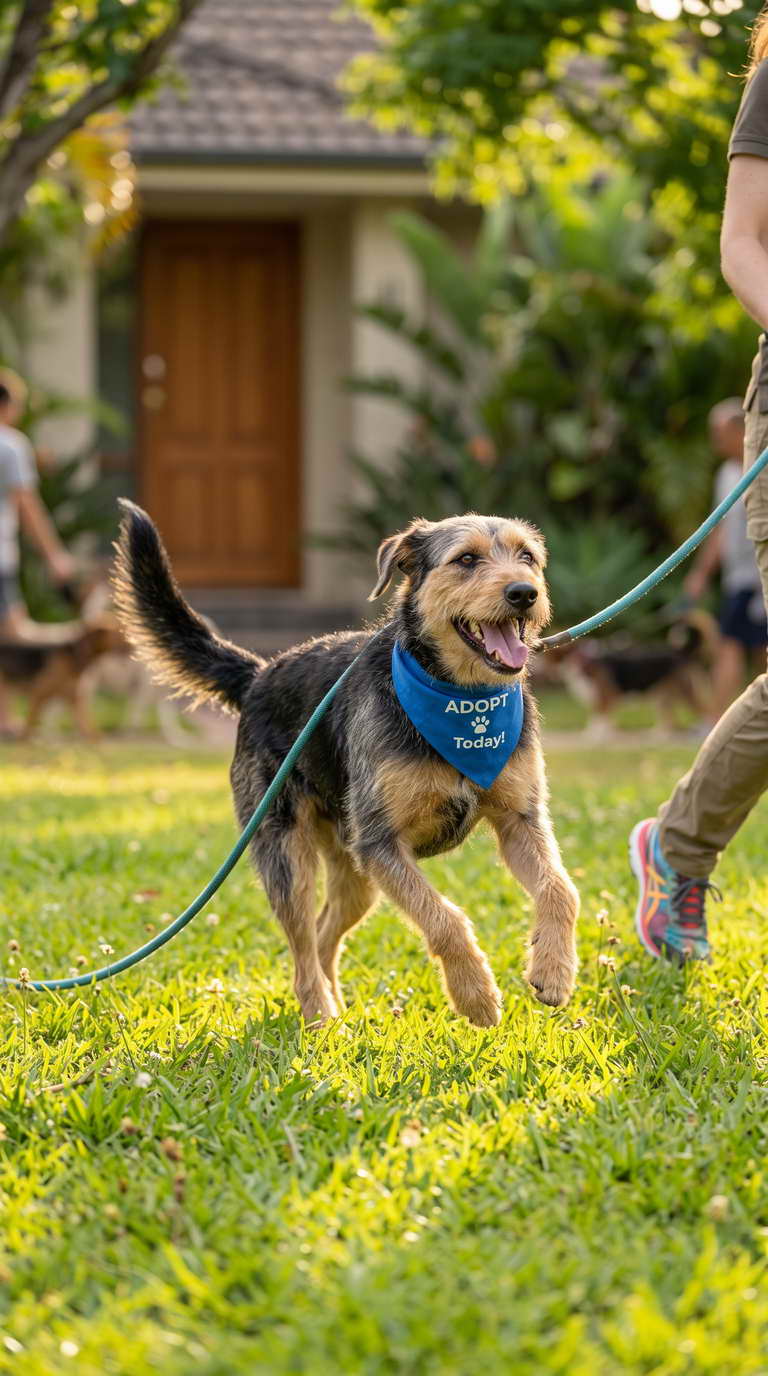
1. The Puppy Stage (8 to 16 Weeks): Reflex Elimination
During the initial eight to sixteen weeks of life, elimination is largely an involuntary reflex.
-
Whenever a puppy wakes up from a nap, finishes a meal, drinks from their bowl, or stops a vigorous play session, their colon and bladder automatically contract.
-
In addition to frequent bathroom trips, young puppies are navigating sensory overload and teething discomfort, often requiring owners to address developmental habits such as how to stop puppy biting feet when walking through calm redirection and positive reinforcement.
-
Proactive Schedule: Take young puppies outdoors immediately upon waking, 15 minutes after eating, and right before bedtime.
2. The Adolescent Stage (5 to 12 Months): Hormonal Shifts and Muscle Tone
Between five and twelve months of age, your dog approaches physical adolescence. Bladder capacity expands significantly, and neurological control over the urethral sphincter solidifies.
-
Most healthy adolescent dogs can comfortably hold their urine for 4 to 6 hours.
-
However, hormonal surges (especially in intact males beginning to scent-mark) can cause behavioral regression. A dog may not need to empty their bladder completely, but may feel a sudden urge to deposit small territorial marks on upright objects. Consistent positive reinforcement keeps house manners sharp.
3. The Prime Adult Stage (1 to 7 Years): The 8-Hour Threshold
Healthy adult dogs have fully matured urinary tracts. While many adult dogs can physically retain their urine for 10 or even 12 hours in an emergency, forcing an adult dog to wait longer than 8 hours regularly is neither humane nor medically safe.
-
Athletic sporting and working breeds—such as those featured among the top 10 most popular dog breeds in the USA consume higher volumes of water to fuel their daily cardio and metabolic needs, naturally requiring regular relief breaks every 6 to 8 hours.
-
An adult dog should be given an opportunity to relieve themselves at least three to five times per day.
4. The Senior and Geriatric Stage (8+ Years): Declining Control
As dogs transition into their golden years, bodily systems slow down. Senior dogs experience a natural loss of muscle tone in the pelvic floor and urethral sphincter (sphincter mechanism incompetence).
-
Senior canines often need to urinate every 4 to 5 hours, while geriatric dogs (12+ years) may need relief every 2 to 3 hours.
-
Common age-related ailments like chronic renal insufficiency, Cushing’s disease, and canine cognitive dysfunction (doggie dementia) significantly increase water intake (polydipsia) and urine volume (polyuria). Never scold an aging dog for sudden indoor accidents.
The Hidden Medical Dangers of Forcing a Dog to Hold Urine
Many pet owners assume that if their dog does not have an accident on the carpet, “holding it” for ten to eleven hours during a long workday is fine. Veterinary medicine tells an entirely different story.
According to veterinary health studies published by the American Veterinary Medical Association (AVMA), chronic urine retention carries severe physiological costs:
Risks of Chronic Urine Retention:
┌─────────────────────────┬─────────────────────────────────────────────────────┐
│ Medical Condition       │ How Delayed Urination Causes the Problem            │
├─────────────────────────┼─────────────────────────────────────────────────────┤
│ Urinary Tract Infections│ Stagnant urine in the bladder becomes a warm,       │
│ (Bacterial UTIs)        │ fertile breeding ground for ascending bacteria.    │
├─────────────────────────┼─────────────────────────────────────────────────────┤
│ Bladder Calculi         │ Concentrated minerals precipitate and crystalize    │
│ (Struvite/Oxalate Stones│ into jagged, painful stones that can block urethra. │
├─────────────────────────┼─────────────────────────────────────────────────────┤
│ Detrusor Atony          │ Overstretching the bladder wall stretches muscle    │
│ (Loss of Elasticity)    │ fibers permanently, causing chronic incontinence.   │
├─────────────────────────┼─────────────────────────────────────────────────────┤
│ Secondary Renal Failure │ Extreme backpressure forces infected urine backward │
│ (Pyelonephritis)        │ into the kidney pelvis, damaging vital nephrons.    │
└─────────────────────────┴─────────────────────────────────────────────────────┘
Treating recurring bacterial infections, performing surgical cystotomies to remove bladder stones, or managing chronic renal failure costs thousands of dollars. These medical realities underscore the true hidden costs of adopting a dog shelter or raising any canine, proving why hiring a midday dog walker is a smart long-term medical investment.
Environmental and Physical Factors That Change the Timeline
Age is the primary benchmark, but several external variables can drastically alter how long your dog can hold their pee:
1. Dog Size and Body Mass
Counterintuitively, a toy dog (like a 5-pound Maltese or Chihuahua) has a dramatically higher metabolic rate per pound of body weight than a 100-pound Mastiff. Toy breeds process fluids rapidly and possess tiny bladders holding mere tablespoons of liquid. Consequently, a small toy dog often needs to urinate more frequently than a large-breed dog of the identical age.
2. Moisture Content in the Diet
A dog consuming dry kibble (which contains roughly 10% moisture) has vastly different hydration dynamics than a dog consuming canned wet food, commercial fresh food, or raw diets (which contain up to 75% moisture). Dogs eating high-moisture meals ingest substantial liquid with every bite and naturally require more frequent potty opportunities.
3. Weather and Ambient Temperature
On hot summer days, dogs lose water through heavy panting to regulate their internal body temperature, triggering heavy thirst. Drinking large bowls of water after an afternoon walk fills the bladder rapidly, shortening safe holding windows.
Practical Solutions for Working Pet Parents
What should you do if your professional commute keeps you away from home for nine to ten hours each day? You do not have to compromise your dog’s bladder health:
The Working Owner's Bladder Management Stack:
1. The Midday Walker: 20-30 minute relief stroll via professional pet sitters.
2. Real-Grass Porch Potties: Hydroponic grass patches on apartment balconies.
3. Indoor Relief Stations: Pee pads in puppy playpens for small companion breeds.
4. Smart Doggy Doors: Microchip-activated dog doors leading into secure dog runs.
The American Kennel Club (AKC) recommends that working households unable to return home at lunch rely on vetted local dog walkers or structured doggy daycare to ensure canines receive regular outdoor elimination breaks.
Warning Signs: When Frequent Urination Signals a Medical Emergency
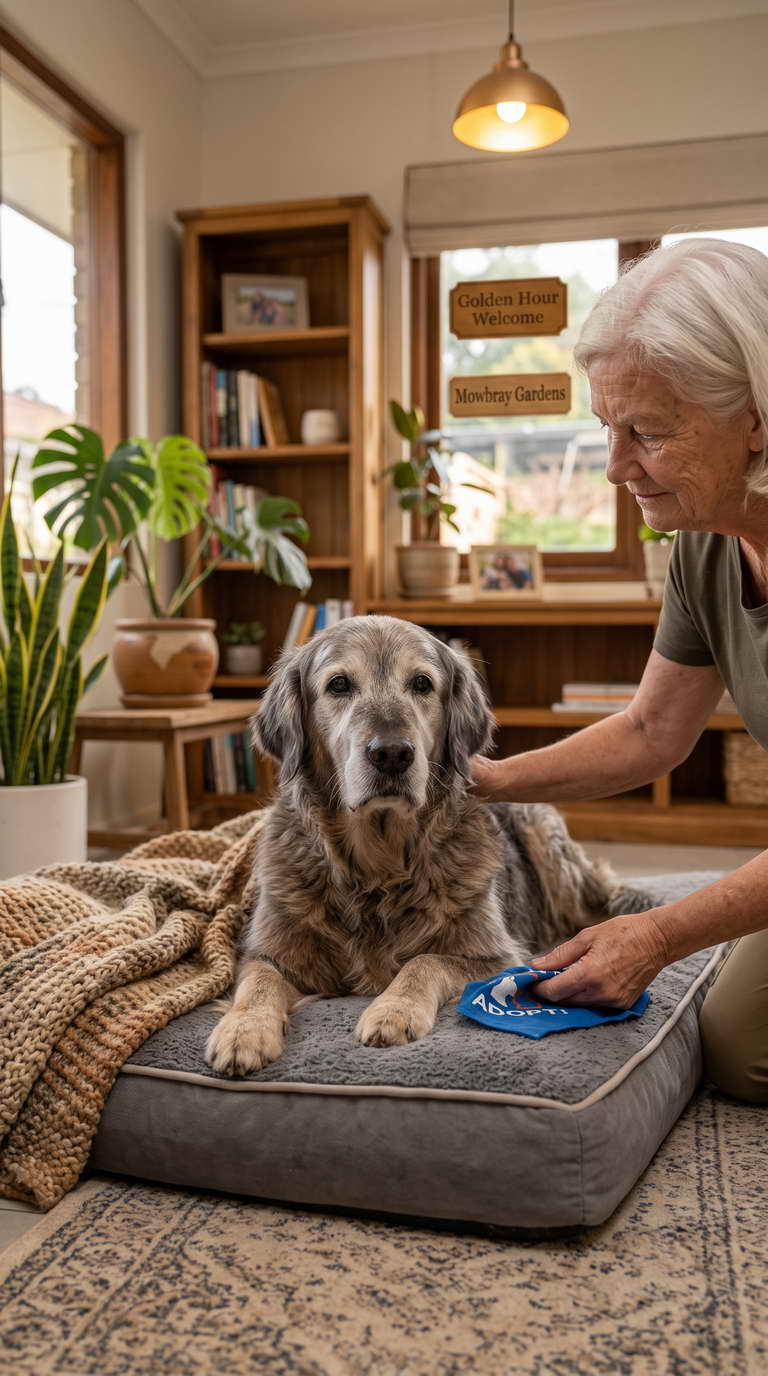
Every pet owner should know the difference between standard behavioral urgency and a clinical veterinary emergency. Contact your veterinarian immediately if you observe:
-
Pollakiuria: Your dog asks to go out every twenty minutes, squats, and produces only a few painful drops.
-
Hematuria: Visible pink, red, or dark brown blood tinges in the urine stream or on light-colored concrete.
-
Stranguria (Straining): Your dog whimpers, groans, or maintains an uncomfortable, arched-back squatting posture without producing urine. In male dogs, a physical urethral obstruction caused by a bladder stone is a rapidly fatal medical emergency that requires immediate surgical catheterization.
-
Sudden Incontinence: A fully house-trained adult dog suddenly leaves large puddles while sleeping peacefully on their dog bed.
Frequently Asked Questions (FAQ)
Can a dog hold its pee longer overnight while sleeping?
Yes. During sleep, a dog’s metabolic rate slows down, blood pressure drops, and the pituitary gland releases higher levels of antidiuretic hormone (ADH). This hormone instructs the kidneys to concentrate urine and slow production. Consequently, healthy adult dogs that need daytime relief every six hours can comfortably sleep through an eight-hour night without waking.
Why does my dog pee immediately when I come home from work?
This is known as submissive or excitement urination. When you walk through the door, a rush of emotional excitement triggers a temporary loss of voluntary sphincter control. To solve this, keep your arrivals low-key, avoid making direct eye contact or bending over the dog immediately, and step directly outside to the lawn before greeting them warmly.
Can male dogs hold their pee longer than female dogs?
Anatomically, male and female dogs have comparable bladder volume relative to their body weight. However, intact male dogs frequently conserve small amounts of urine during a walk so they have reserves left to mark vertical territorial markers along the route.
Is crate confinement safe for potty training?
Yes, when sized properly. Canines carry an instinct not to soil their immediate sleeping quarters (denning instinct). A crate should be just large enough for the dog to stand, turn around comfortably, and lie flat. If a crate is too large, the puppy will eliminate in one far corner and sleep peacefully in the other. Never leave an animal confined beyond their age-appropriate bladder retention threshold.
Final Thoughts: Prioritizing Comfort and Dignity
Learning how long can a dog hold its pee chart by age is not about finding out how far you can push your dog’s physical limits. It is about understanding their biological constraints so you can provide a healthy, dignified, and comfortable life.
A dog that is forced to hold their bladder for extreme durations lives in constant physical discomfort, enduring immense emotional stress as they fight their natural instinct to keep their living space clean.
By matching your daily routine to your dog’s physiological age, arranging midday relief when work runs long, and monitoring for subtle urinary changes, you protect your companion’s health and reinforce a bond built on trust, empathy, and responsible care.
About The Author

Leave a Reply