Dog Yeast Infection on Paws: Causes, Frito Odor Signs, and Proven Veterinary Relief
PETSIDI – You sit on the living room rug beside your dog and are immediately hit with an unmistakable scent. It smells like stale corn chips, sour brewer’s yeast, or pungent moldy cheese radiating directly from their feet.
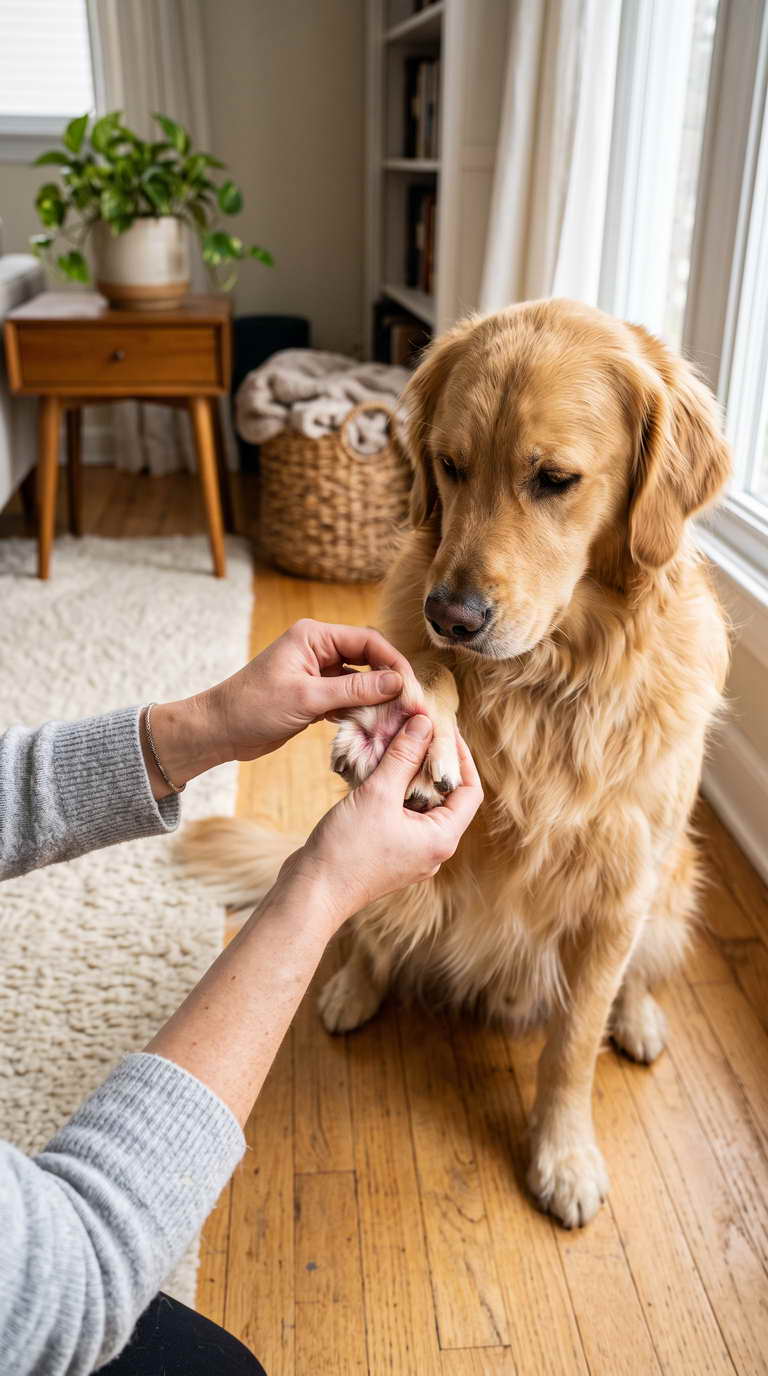
When you pick up their front paw, the mystery deepens: the skin between their toes looks angry, moist, and swollen. The hair shafts are stained a strange rusty-brown color, and the moment you let go, your dog frantically resumes chewing, licking, and gnawing at their pads like an obsessive ritual.
That pungent “Frito feet” smell is not just a quirky canine trait—it is the signature biochemical calling card of a dog yeast infection paw overgrowth.
Known clinically as Malassezia pododermatitis, yeast overgrowth on canine paws is one of the most maddening, persistent, and recurrent dermatological conditions in veterinary medicine. Left untreated, a mild fungal flare-up quickly spirals into cracked paw leather, chronic hair loss, greasy black elephant-like skin, and excruciating secondary bacterial infections that leave your companion limping in pain.
Why does a dog’s foot become such a fertile breeding ground for microscopic fungus? More importantly, how can you eradicate the existing yeast colonies and rebuild the delicate epidermal skin barrier so the infection stops returning every humid summer?
Here is your comprehensive, veterinarian-informed guide to conquering canine paw yeast infections—covering the biological lifecycle of Malassezia, clinical symptoms, diagnostic tape tests, medicated foot soaks, and long-term preventative lifestyle routines.
Quick Reference: Stages of Canine Paw Yeast Dermatitis
Yeast infections on the paws evolve through predictable clinical stages. Use this diagnostic matrix to evaluate the severity of your dog’s feet:
| Infection Stage | Visual Paw Symptoms | Scent & Discharge Profile | Canine Behavior | Clinical Urgency Level |
| Stage 1: Early Colonization | Mild pinkness between webbing; slightly damp skin | Mild popcorn / corn chip scent | Intermittent licking after walks or before bed | Low (Manageable with preventative drying & soaks) |
| Stage 2: Active Proliferation | Bright red, raw skin; rust-brown oxidized hair staining | Strong sour beer / damp mold smell; greasy residue | Relentless chewing, foot shaking, and carpet rubbing | Moderate (Demands active medicated antifungals) |
| Stage 3: Chronic Lichenification | Thickened, dark charcoal or black skin; crusty nail beds | Heavy rotting cheese odor; waxy exudate under claws | Limping, yelping when paws are touched, deep lethargy | 🚨 High (Needs systemic prescription antifungals) |
| Stage 4: Secondary Pyoderma | Weeping yellow pustules, open bleeding sores, swelling | Pungent, foul metallic bacterial odor | Inability to bear weight; fever; severe distress | 🚨 Emergency (Culture & systemic antibiotics required) |
The Biology of Malassezia: How Normal Flora Turns Rogue
To defeat a paw yeast infection, you must understand that the enemy is already living on your dog’s body.
                  ┌───────────────────────────────────────────────┐
                  │       The Malassezia Proliferation Cycle      │
                  └───────────────────────┬───────────────────────┘
                                          │
         ┌────────────────────────────────┴────────────────────────────────┐
         ▼                                                                 ▼
┌─────────────────────────────────┐               ┌─────────────────────────────────┐
│     The Symbiotic Inhabitant    │               │     The Opportunistic Explosion │
│ • Malassezia pachydermatis yeast│               │ • Moisture + heat + sebum grease│
│   naturally populates skin      │               │ • Epidermal barrier breaks down │
│ • Controlled by healthy immune  │               │ • Budding yeast explodes into   │
│   defenses and dry skin surface │               │   billions of active spores     │
└─────────────────────────────────┘               └─────────────────────────────────┘
Malassezia pachydermatis is an opportunistic, single-celled budding yeast that lives symbiotically on normal canine skin, mucosal margins, and external ear canals. In healthy dogs, beneficial skin bacteria and an intact epidermal lipid barrier prevent these fungal organisms from multiplying.
However, a dog’s paw pad is an anatomical microclimate:
-
The Sweat Gland Factor: Canines possess active merocrine sweat glands located primarily in their digital paw pads. When dogs walk, exercise, or experience emotional stress, their feet release moisture.
-
The “Interdigital Incubator”: The skin folds tucked deep between the fleshy toes (interdigital webbing) lack steady airflow. When trapped sweat combines with body heat and natural skin sebum oils, it creates an environment identical to a warm, humid greenhouse.
-
The Lipid Feast: Malassezia is a lipophilic (fat-loving) fungus. It feeds directly on the natural fatty acids and oils secreted by canine sebaceous glands, releasing inflammatory free fatty acids that dissolve the skin barrier and cause intense, unyielding itching.
Why Is Your Dog’s Paw Fur Staining Rust-Red?
One of the most noticeable hallmarks of a paw yeast infection is the sudden transition of pale fur into a deep, mahogany rust color.
Pet owners frequently mistake this for dried blood, but the biological mechanism is saliva oxidation. Canine saliva contains high concentrations of porphyrins—naturally occurring, iron-rich compounds produced during the breakdown of red blood cells.
When a dog licks their paws persistently to combat the yeast itch, porphyrins saturate the hair follicles. As the iron-dense saliva sits exposed to ambient air and sunlight, it oxidizes, permanently dyeing the white or light-colored hair a stubborn rust-red hue.
Seeing dark rust stains between the toes confirms that chronic self-trauma has been underway for weeks.
5 Root Causes: What Sparks a Paw Yeast Explosion?
Yeast is practically never a primary disease on its own; it is a secondary opportunist capitalizing on an underlying physical weakness. Chronic foot licking often mirrors the broader issues discussed when a dog keeps licking paw pads, driven by these core medical triggers:
1. Environmental Allergies (Atopic Dermatitis)
By far the number one driver of recurring paw yeast infections is canine atopy.
-
Grass pollens, weed particles, dust mites, and mold spores settle onto lawns and carpets.
-
When your dog walks outside, allergens absorb transdermally through the delicate skin between their paw pads.
-
The canine immune system dumps histamines into the tissue, creating a fierce burning sensation. The dog licks to soothe the burn, introducing saliva that feeds the yeast.
2. Dietary Sensitivities and High-Starch Carbohydrates
While true food allergies (usually to animal proteins like chicken or beef) damage the gut and skin barrier, high-glycemic carbohydrates can fuel fungal proliferation from the inside out.
-
Cheap commercial pet foods packed with generic starches, low-grade corn meals, and excess sugars can alter the skin’s lipid chemistry.
-
Upgrading your dog’s bowl to evidence-backed formulations highlighted across our buyer’s guide to premium pet food brands provides clean, bioavailable protein sources with balanced Omega-3 fatty acids that strengthen the skin’s structural defenses.
3. Trapped Outdoor Moisture (Swimming and Wet Grass Walks)
Dogs that romp through dew-soaked morning grass, splash in freshwater creeks, or take baths without thorough drying frequently harbor moisture between their toes for hours. If water is allowed to sit trapped inside the deep interdigital folds under heavy hair, yeast spores multiply exponentially.
4. Anatomy and Breed Conformation
Certain breeds are biologically engineered to develop paw yeast infections:
-
Dense-Coated Working Breeds: Canines with thick coats—such as the athletic dogs profiled across our guide to skin infection in german shepherd dogs—trap moisture against their foot skin with ease.
-
Wrinkled / Short-Legged Breeds: Basset Hounds, Bulldogs, and Cocker Spaniels possess deep skin folds around their toes and heavy dewclaws that block natural air circulation.
5. Immune Suppression and Antibiotic Misuse
If your dog recently completed a cycle of broad-spectrum oral antibiotics for a wound or respiratory illness, the medication killed off beneficial skin bacteria alongside the bad. With competing bacteria eliminated, opportunistic Malassezia yeast claims the territory and expands unchecked.
The Diagnostic Pathway: The Tape Prep Test
Never let anyone treat your dog’s paws based on visual guessing alone. A professional veterinary diagnosis requires microscopic proof.
Clinical Diagnostic Sequence:
[Visual Palpation] ──► [Adhesive Tape Impression] ──► [Diff-Quik Staining] ──► [Microscopic Oil Immersion]
-
The Acetate Tape Impression: The veterinarian or technician takes a piece of clear adhesive tape and presses it firmly into the moist crevices between your dog’s toes and against the cuticle of the nail bed.
-
Diff-Quik Staining: The tape is dipped into three diagnostic staining solutions that fix the cells and dye fungal cell walls a rich purple-blue.
-
Microscopic Evaluation: Under 100x oil-immersion microscopy, Malassezia pachydermatis appears as distinct, purple, peanut-shaped or bowling-pin-shaped budding cells.
According to dermatological testing standards published by the American Veterinary Medical Association (AVMA), finding more than one or two yeast organisms per high-power field in symptomatic paws confirms a clinical diagnosis of active yeast dermatitis.
Veterinary Treatments: Eradicating the Infection
Eliminating yeast requires a systematic attack combining topical antifungal agents with barrier repair:
1. Medicated Foot Soaks (The Gold Standard)
Topical therapy is the single most effective way to eliminate paw yeast because it acts directly on the fungal cell walls without stressing the liver:
-
The Active Ingredients: The most powerful veterinary formulations combine 2% to 4% Chlorhexidine (a broad-spectrum antiseptic) with 1% to 2% Ketoconazole or Miconazole (targeted antifungals).
-
The Contact Time Rule: You cannot simply wipe the solution on and rinse it off. Antifungal agents require ten full minutes of wet contact time to disrupt the fungal cell membrane and dissolve stubborn biofilms.
-
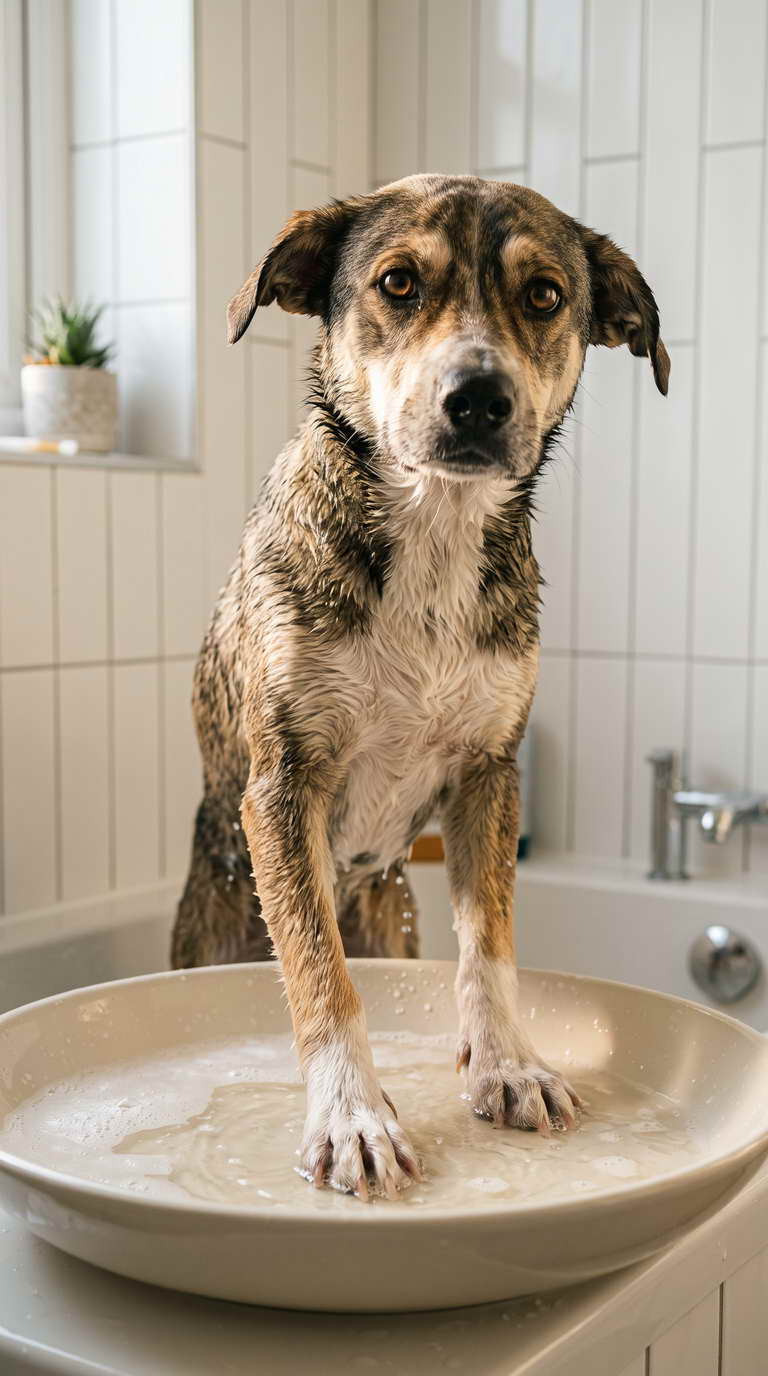
The Protocol: Soak the paws in a shallow basin or apply soaked washcloths for 10 minutes, two to three times per week. Always pat the paws completely dry with a clean microfiber towel afterward.
2. Oral Systemic Antifungals
In severe Stage 3 cases where the skin has thickened into leathery black lichenification or spread into all four nail beds (paronychia), topical washes alone may struggle to penetrate deep tissue:
-
Veterinarians prescribe oral antifungal medications such as Ketoconazole, Fluconazole, or Itraconazole for 21 to 30 days.
-
Because systemic azole antifungals are metabolized through the liver, baseline blood chemistry panels are routinely performed before and during therapy to ensure hepatic safety.
3. Allergen Interruptors (Apoquel & Cytopoint)
If underlying environmental atopy is triggering the original itch that prompts the dog to lick, the mechanical cycle must be stopped. Modern therapies like Cytopoint injections or Apoquel tablets block the cellular itch signals to the brain, halting self-trauma while topical antifungals eradicate the fungal colonies.
Safe Home Support vs. Dangerous DIY Internet Hacks
When dealing with a frustrating paw problem, well-meaning owners often turn to pantry experiments that worsen tissue damage.
Safe Home Practices vs. Harmful Internet Myths:
✔️ Diluted Apple Cider Vinegar (ACV) ──► 50/50 mix with water lowers skin pH safely (Unbroken skin ONLY)
❌ Undiluted Pure Vinegar Dips ───────► Acid severely burns raw, micro-scratched skin and open sores

✔️ Pure Epsom Salt Soaks (Short term) ─► Draws out localized fluid swelling and soothes tired joint tissue
❌ Bleach or Hydrogen Peroxide Baths ──► Highly cytotoxic; destroys regenerating epithelial cells & causes ulcers

✔️ Post-Walk Microfiber Paw Wiping ────► Removes outdoor moisture, grass seeds, and pollen granules instantly
❌ Smearing Coconut Oil on Yeast ─────► Feeds lipid-loving Malassezia and stimulates intense compulsive licking
The Truth About Apple Cider Vinegar (ACV)
Raw, organic, unfiltered apple cider vinegar contains natural acetic acid. Yeast organisms prefer neutral to slightly alkaline environments; introducing a controlled acidic environment makes it difficult for spores to replicate.
-
How to Use Safely: Mix 1 part organic raw ACV with 1 part pure lukewarm water. Dip the paws for 30 to 60 seconds, remove, and pat thoroughly dry with a towel.
-
The Absolute Rule: Never use vinegar if the skin between the toes is raw, red, bleeding, or ulcerated. Acetic acid on broken skin causes excruciating chemical stinging that will traumatize your dog and destroy their trust in handling.
Why You Must NEVER Put Coconut Oil on Paw Yeast
A viral internet myth claims that virgin coconut oil cures canine yeast infections because of its lauric acid content. In clinical practice, coconut oil worsens yeast infections.
Because Malassezia is an obligate lipid-consuming organism, smearing heavy plant oils onto an active fungal infection is literally handing the yeast an all-you-can-eat buffet. Furthermore, the greasy taste encourages your dog to lick their paws more vigorously.
Long-Term Prevention: Breaking the Seasonal Cycle
Healing the paws once is only half the battle; preventing next month’s relapse requires daily habits:
The Daily 3-Step Paw Defense Routine:
1. The Threshold Wipe: Keep a damp cloth at the door to wipe pollen off paws after every walk.
2. The Blow-Dry Finish: After rainy romps, use a hairdryer on the "Cool/Air" setting between the toes.
3. Trim Interdigital Hair: Keep long fur between paw pads clipped short to promote air circulation.
The American Kennel Club (AKC) stresses that keeping interdigital fur neatly trimmed with round-tipped grooming shears allows air to reach the skin, removing the humid microclimate that fungal spores require to thrive.
Frequently Asked Questions (FAQ)
Can a dog paw yeast infection spread to humans or other pets?
No. Malassezia pachydermatis is a non-contagious, commensal organism that already lives on healthy canine skin. It cannot “infect” humans, children, or other household pets like contagious ringworm can. The overgrowth occurs purely because of an individual animal’s internal immune or environmental vulnerability.
Why do my dog’s paws smell like corn chips (Fritos)?
That distinctive corn chip or popcorn smell is caused by the volatile organic compounds released by normal skin bacteria (Proteus or Pseudomonas) mixed with blooming colonies of Malassezia yeast. In tiny populations, the smell is faint; when yeast overgrows between the damp paw pads, the odor becomes strong and sour.
How long does it take to cure a dog paw yeast infection?
With consistent medicated foot baths (two to three times per week) and strict moisture management, mild to moderate paw yeast infections generally resolve within 14 to 21 days. Severe cases involving thickened black skin or nail bed colonization may require 4 to 8 weeks of combined topical and systemic therapy.
Will changing my dog’s food cure their paw yeast infection?
If the underlying driver of the paw inflammation is a food protein allergy (such as an intolerance to chicken or beef), transitioning to a veterinary-prescribed hydrolyzed protein diet or novel protein will halt the inflammatory cycle. However, dietary adjustments take 6 to 8 weeks to show full dermatological benefits; active topical foot soaks must be used simultaneously to kill the existing fungus on the surface.
Final Thoughts: Restoring Comfort from the Paws Up
Watching your faithful companion chew their feet raw while fighting an unrelenting itch is heartbreaking, but a dog yeast infection paw issue is a solvable medical puzzle.
Success requires shifting away from quick-fix greases and internet myths. Partner with your veterinarian to confirm yeast through a microscopic tape test, commit to the 10-minute contact rule with medicated chlorhexidine-ketoconazole soaks, keep feet dry after outdoor romps, and investigate underlying seasonal pollen allergies.
By taking control of the moisture, restoring the skin’s natural acidic defense, and keeping interdigital spaces clean, you can banish the sour odors, heal the raw skin, and help your dog walk proudly, happily, and comfortably on every adventure.
About The Author

Leave a Reply