
Dog Keeps Sneezing: Common Triggers, Reverse Sneezes, and When to Call the Vet
PETSIDI – You are sitting on your living room sofa when a sudden, explosive sound interrupts the quiet: achoo!
Your dog jerks their head downward, snorts violently, and shakes their floppy ears. A few seconds pass, and another sneeze follows. Then another. Within two minutes, your companion has experienced an uncontrollable barrage of ten rapid-fire sneezes, pausing only to vigorously paw at the side of their snout with a front leg.
An occasional canine sneeze is completely unremarkable. Just like humans, dogs sneeze to expel dust bunnies inhaled from beneath the couch, react to a tickling blade of grass, or express pure excitement during a spirited wrestling match.
However, when a dog keeps sneezing persistently over hours or days, that comical reflex shifts from an amusing habit into a clinical red flag.
Is your dog dealing with seasonal tree pollens, reacting to a spritz of household room spray, or suffering from an acute anatomical emergency like an embedded, barbed foxtail migrating through the nasal turbinates? More critically, how can you differentiate a harmless fit of “play sneezing” from the frightening, honking sound of a “reverse sneeze” or a deep-seated fungal infection?
Here is your comprehensive, veterinarian-informed guide to understanding why your dog keeps sneezing—covering the mechanical anatomy of canine airways, common environmental and medical triggers, home comfort steps, and emergency warning signs.
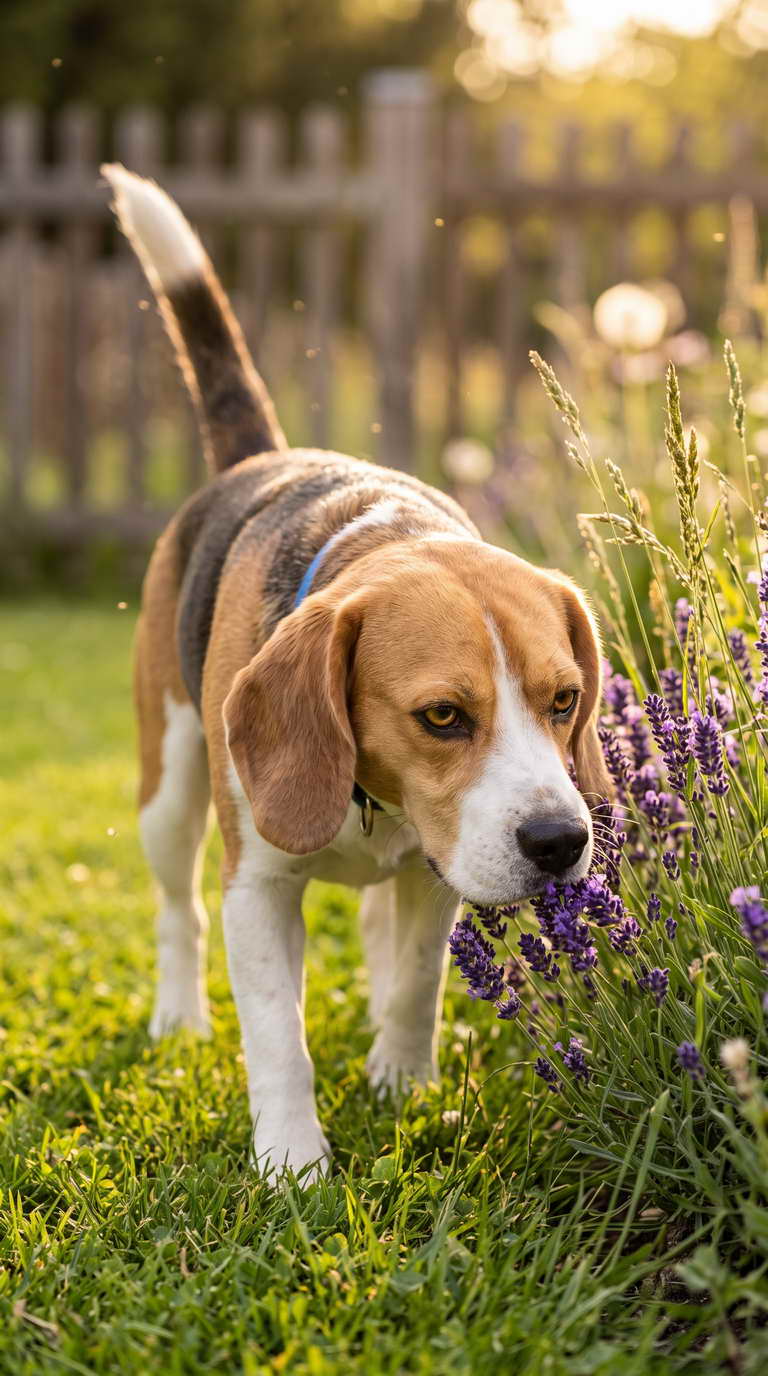
Quick Reference: Canine Sneezing Types Decoded
Before reviewing specific medical conditions, use this diagnostic matrix to assess your dog’s sneezing pattern, auditory sounds, and nasal discharge:
| Sneezing Presentation | Primary Sound / Physical Action | Nasal Discharge Status | Most Probable Culprit | Clinical Urgency Level |
| Rapid Paroxysmal Fits (Sudden) | Violent, repeated explosive head drops | Clear watery spray or immediate blood droplets | Acute foreign body (foxtail/grass seed) | 🚨 High (Needs prompt vet scoping) |
| Inward “Honking” Gasp | Stiff neck, bulging eyes, snorting inward | Clean; zero exterior nasal fluid | Paroxysmal respiration (Reverse Sneeze) | Low (Harmless spasm; soothe by stroking) |
| Playful / Exited Chuffs | Wrinkled muzzle, wagging tail during games | Completely dry nose | “Play Sneezing” (Canine communication) | Zero (Pure canine joy and body language) |
| Chronic Daily Sneezes | Intermittent throughout the day | Thick yellow or milky green mucus | Bacterial rhinitis or severe dental tooth root abscess | Moderate to High (Requires antibiotics/dental X-ray) |
| One-Sided Sneezing + Blood | Unilateral pawing, head shaking | Unilateral nosebleed (epistaxis) | Advanced fungal infection (Aspergillus) or nasal tumor | 🚨 High Emergency (Demands rhinoscopy/CT scan) |
The Canine Olfactory Highway: Why Their Noses Are So Sensitive
To understand why dogs sneeze so intensely, look at the astonishing complexity of the canine olfactory apparatus:
                  ┌───────────────────────────────────────────────┐
                  │       The Canine Nasal Filtration Engine      │
                  └───────────────────────┬───────────────────────┘
                                          │
         ┌────────────────────────────────┴────────────────────────────────┐
         ▼                                                                 ▼
┌─────────────────────────────────┐               ┌─────────────────────────────────┐
│     Sensory Super-Computer      │               │     The Protective Sneeze Reflex │
│ • Up to 300 million olfactory   │               │ • Highly vascularized mucosa    │
│   receptors (vs. 5 million in   │               │ • Delicate scroll-like turbinate│
│   humans)                       │               │   cartilage bones               │
│ • Processes odors 40x greater   │               │ • Explosive ejection velocity to│
│   than human capability         │               │   purge irritants from airway   │
└─────────────────────────────────┘               └─────────────────────────────────┘
A human nose is primarily a breathing passage with modest olfactory capabilities. A canine nose is a high-precision biological instrument lined with delicate, scroll-like bones called nasal turbinates. These intricate cartilage mazes are covered in a dense mucosal membrane packed with blood vessels and sensory nerves.
When a foreign particle, aerosol chemical, or microscopic spore enters this labyrinth, it immediately stimulates the sensitive branches of the trigeminal nerve.
The canine brain triggers an involuntary, explosive burst of pressurized air from the lungs through the nasal passages. Because canine nasal pathways are vastly more vascularized and sensitive than human nostrils, a minor irritant that would cause a human to merely sniffle can trigger prolonged, violent sneezing episodes in a dog.
7 Major Reasons Why a Dog Keeps Sneezing
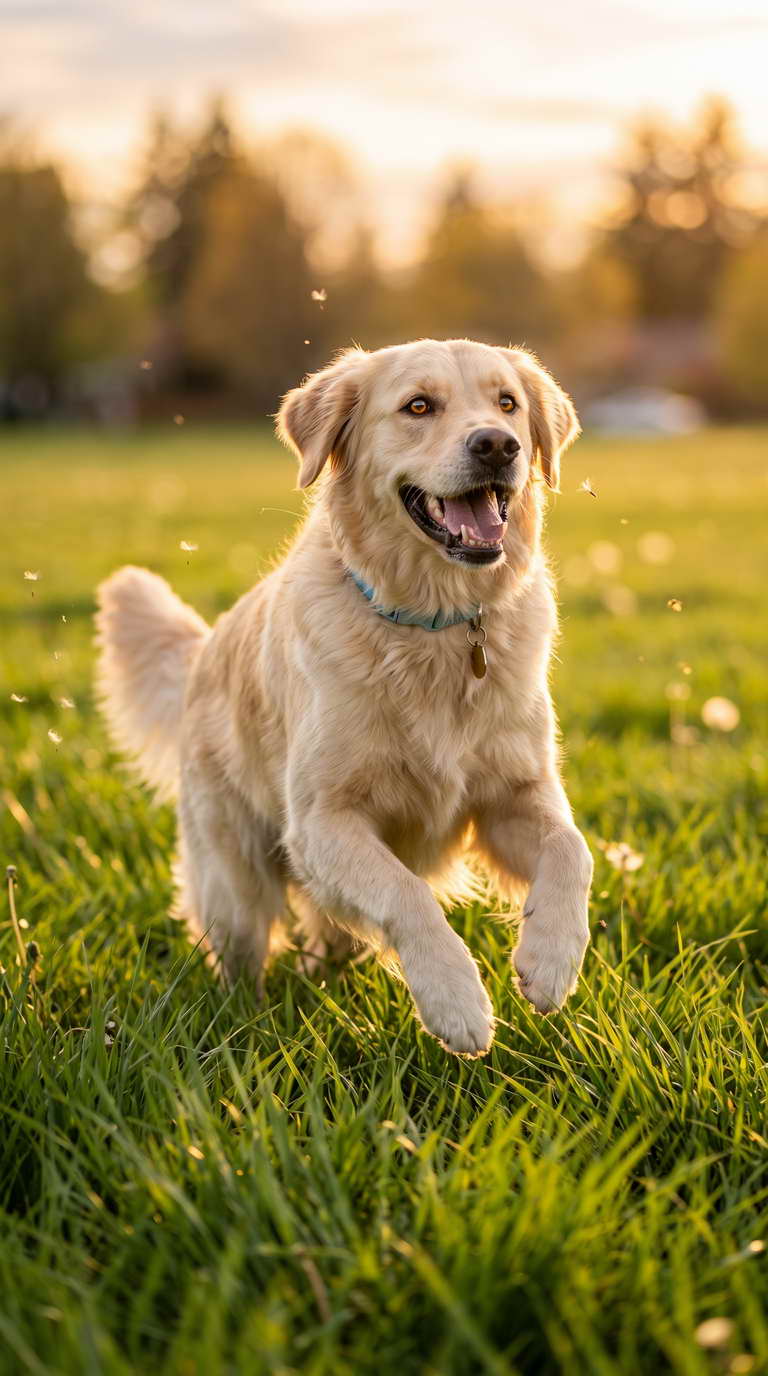
Canine sneezing generally stems from one of seven physiological, environmental, or medical categories:
1. Inhaled Foreign Bodies (The Dreaded Foxtail)
If your dog was bounding joyfully through tall weeds or an open dry field and suddenly began sneezing violently—violently shaking their head, pawing desperately at their nose, or producing tiny drops of blood from one nostril—a foreign body is the primary suspect.
-
The Culprits: Barbed grass awns (foxtails), pine needles, dry plant burrs, or small pebbles.
-
The Danger: Foxtails possess microscopic backward-pointing barbs. With every sneeze and snort, the awn cannot move backward; it migrates deeper down the nasal passages. Left untreated, foreign plant material can pierce nasal cartilage, seed bacterial abscesses, or travel toward the brain.
2. The Mysterious “Reverse Sneeze” (Pharyngeal Gag Reflex)
Few events terrify pet owners more than witnessing a dog’s first episode of reverse sneezing (clinically known as paroxysmal respiration).
-
The Drama: The dog stands motionless with elbows turned outward, extends their neck straight forward, eyes wide, and produces a rapid, terrifying, rhythmic snorting sound that sounds remarkably like a goose honking or an asthma attack.
-
The Reality: Unlike a normal sneeze that forcefully expels air outward through the nose, a reverse sneeze pulls air rapidly inward through the nostrils to clear an irritation at the back of the soft palate and nasopharynx.
-
The Relief: It looks and sounds alarming, but a reverse sneeze is almost always completely harmless and lasts only 30 to 60 seconds.
3. Play Sneezing: The Language of Canine Fun
Does your dog sneeze repeatedly while wrestling with another dog, playing tug-of-war with a rope, or greeting you excitedly when you walk through the front door?
-
Communication Signal: This is known as “play sneezing” or communicative snorting. In canine body language, a short, dry, scrunched-up sneeze signals: “I am just playing! This excitement is not a real fight.”
-
It is a calming signal used between dogs to de-escalate play arousal. If the sneezing stops the moment playtime winds down, your companion is simply talking to you.
4. Environmental Irritants and Household Aerosols
A dog’s nose sits mere inches off the floor, directly in the blast zone of household chemical residues and fine particulate matter.
-
Common Irritants: Scented plug-in air fresheners, essential oil diffusers, scented candle soot, powdered carpet deodorizers, aerosol hairsprays, perfume, and cigarette smoke.
-
Switching to sustainable, non-toxic household habits—such as the natural solutions highlighted in our guide to eco friendly pet products — protects your companion’s sensitive respiratory lining from harsh synthetic volatile organic compounds (VOCs).
5. Seasonal Allergies (Atopy)
Just like humans, dogs can develop hypersensitivities to airborne allergens like tree pollens, ragweed, grass seeds, and indoor house dust mites.
-
In addition to nasal congestion and clear, watery sneezing, allergic canines almost universally present with dermatological itching.
-
If your dog is sneezing while simultaneously showing classic signs of bodily discomfort—such as why a dog keeps licking paw pads raw—their immune system is overreacting to systemic environmental allergens.
6. Dental Disease (The Tooth Root Connection)
Many owners are shocked to learn that chronic, smelly sneezing often originates in the mouth rather than the nose.
-
The Anatomy: The roots of a dog’s upper canine teeth and fourth premolars extend deep into the maxillary bone, separated from the nasal cavity by a paper-thin barrier of bone.
-
The Pathology: When severe periodontal disease rots the upper tooth root, bacteria eat through the thin bone plate, creating an oronasal fistula (a direct opening between the mouth and nasal chamber). Food particles and oral bacteria enter the nose with every bite, causing chronic sneezing, foul breath, and thick, one-sided nasal discharge.
7. Upper Respiratory Infections and Fungal Rhinitis
-
Kennel Cough Complex: Viral and bacterial pathogens (Bordetella bronchiseptica, parainfluenza) inflame the trachea and nasal passages, creating dry hacking coughs paired with sneezing and watery eyes.
-
Fungal Rhinitis (Aspergillosis): A destructive environmental mold spore common in outdoor soil. It colonizes the nasal chambers, slowly eroding turbinate bones. It causes chronic sneezing, ulcerated depigmentation around the outer nostril leather, and recurring bloody discharge.
       ┌──────────────────────────────────────────────────────────────┐
       │             Canine Sneezing Diagnostic Waterfall             │
       └──────────────────────────────┬───────────────────────────────┘
                                      │
         ┌────────────────────────────┴────────────────────────────┐
         ▼                                                         ▼
┌─────────────────────────────────┐       ┌─────────────────────────────────┐
│     Sudden & Uncontrollable     │       │     Gradual & Chronic           │
│ • Starts immediately outdoors   │       │ • Persists for weeks/months     │
│ • Intense pawing at snout       │       │ • Accompanied by facial rubbing │
│ • High risk of lodged Foxtail   │       │ • Dental disease, fungal infection│
│ • Fast vet rhinoscopy needed    │       │   or chronic allergies likely   │
└─────────────────────────────────┘       └─────────────────────────────────┘
When Sneezing Becomes an Emergency: The Red Flags
While occasional sneezing fits resolve on their own, certain clinical presentations demand prompt professional intervention.
According to respiratory diagnostic protocols established by the American Veterinary Medical Association (AVMA), you should transport your dog to a veterinary hospital if you observe:
Urgent Veterinary Triage Checklist:
🚨 Epistaxis (Nosebleeds): Active blood dripping or spraying from one or both nostrils.
🚨 Facial Asymmetry: Visible swelling, bulging, or distortion along the bridge of the snout.
🚨 Extreme Lethargy & Anorexia: Dog refuses meals, spikes a fever, and sleeps continuously.
🚨 Thick Mucopurulent Discharge: Yellow, green, or foul-smelling gray mucus sealing nostrils.
🚨 Ocular Discharge: Sneezing paired with swollen, closed, or heavily tearing eyes.
🚨 Pain on Palpation: Dog yelps or pulls away defensively when you touch the top of their muzzle.
Unilateral symptoms (affecting only one nostril) are especially significant in veterinary medicine. Bilateral discharge (both nostrils) usually points to generalized viral infections or systemic allergies, whereas discharge or bleeding from one single nostril strongly points toward a physical foreign body, a rotten tooth root, or a localized tumor.
How to Help a Sneezing Dog: Safe Home Care Protocols
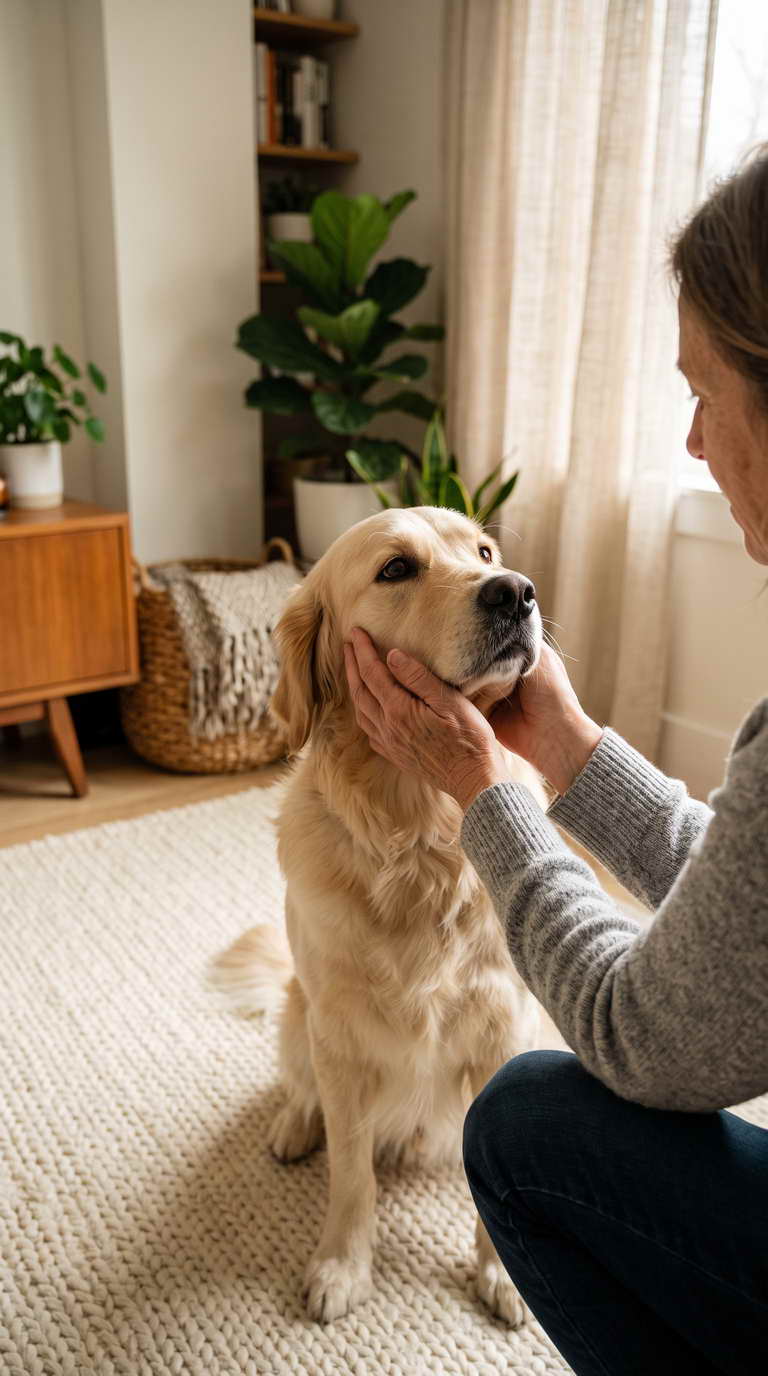
If your dog is experiencing mild, clear-fluid sneezing fits without blood, pain, or fever, implement these veterinary-approved home comfort measures:
Step 1: Eliminate Aromas ──► Step 2: The Bathroom Steam Spa ──► Step 3: Soothe Reverse Sneezes
1. The Bathroom Steam Treatment
Warm moisture is one of the most effective ways to hydrate dried-out nasal passages and loosen mucus:
-
Take your dog into the bathroom, close the door, and run a hot shower for 15 minutes without putting the dog under the water stream.
-
Let your companion breathe the warm, humid ambient steam. The steam soothes irritated airway linings and helps flush micro-particles naturally.
2. How to Stop a Reverse Sneezing Attack Instantly
When your dog enters a reverse sneezing fit, remain calm. Panic from you will heighten their anxiety, lengthening the spasm:
-
The Gentle Throat Stroke: Gently stroke your dog’s throat up and down. This stimulates the swallowing reflex, which resets the position of the soft palate and breaks the spasm.
-
The Brief Nostril Cover: Gently place your thumb and forefinger over their nostrils for one or two seconds, forcing them to open their mouth to take a breath. This sudden mouth inhalation instantly clears the pharyngeal vacuum.
3. Eliminate Environmental Triggers
-
Cease using air fresheners, essential oil diffusers, incense, and scented candles indoors.
-
Vacuum rugs and wash pet bedding weekly in fragrance-free, hypoallergenic laundry detergents.
-
Wipe your dog’s face and muzzle with a cool, damp microfiber cloth after returning from outdoor grassy trails.
Breed Conformations: Why Head Shape Matters
A dog’s skull anatomy profoundly influences how frequently they sneeze:
1. Brachycephalic Breeds (Flat-Faced Dogs)
Flat-faced breeds—such as French Bulldogs, Pugs, and Boston Terriers—suffer from Brachycephalic Obstructive Airway Syndrome (BOAS).
-
Their compressed facial bones leave very little room for nasal turbinates, and their elongated soft palates frequently drape into the airway.
-
Consequently, brachycephalic dogs experience significantly higher rates of reverse sneezing and chronic snorting simply from basic breathing efforts.
2. Dolichocephalic Breeds (Long-Snouted Dogs)
Long-snouted companions—such as Collies, Greyhounds, and active hunting hounds detailed across our guide to the best beagle harness —possess expansive nasal cavities that act like massive vacuums while sniffing along the earth. These long-snouted working breeds have the highest statistical incidence of inhaling deep foreign bodies like foxtails and contracting airborne fungal Aspergillosis.
The American Kennel Club (AKC) recommends inspecting your dog’s snout, nostrils, and paws carefully after every trail hike in tall grass or brushy terrain to remove burrs and seeds before they migrate inward.
3 Fatal Home-Care Mistakes to Avoid
When trying to soothe a sneezing dog, well-meaning owners frequently cause accidental harm:
Dangerous Mistakes vs. Safe Veterinary Practices:
❌ Inserting tweezers or Q-tips into the nostrils ──► Pushes foreign bodies deeper & tears delicate turbinates
✔️ Let veterinarians perform rhinoscopy with lighting ─► Safe visual extraction under light sedation

❌ Giving human cold medicines or decongestants ──► Phenylephrine and pseudoephedrine cause fatal toxicity
✔️ Plain veterinary saline drops only ──────────────► Safely moisturizes tissue without pharmacological danger

❌ Ignoring persistent bloody sneezing ────────────► Allows invasive fungal or dental damage to destroy bone
✔️ Early CT scans & cytology at the first blood ─────► Preserves nasal architecture and cures infections fast
-
Never Probe Inside Your Dog’s Nostrils: If you suspect a foxtail or foreign object is lodged in your dog’s nose, do not attempt to fish it out with tweezers at home. Canine nasal passages are narrow, dark, and filled with paper-thin, highly vascular bones. A struggling dog will jerk their head, driving tweezers into bone tissue and causing severe internal hemorrhage.
-
Never Use Human Decongestant Sprays (Afrin): Human nasal sprays contain powerful vasoconstrictors that are toxic to canines, leading to dangerous spikes in blood pressure and cardiac arrhythmias.
Frequently Asked Questions (FAQ)
Can dogs catch a human cold or the flu?
No. Dogs cannot catch the common human cold virus (rhinovirus). While canines have their own species-specific respiratory viruses (like Canine Parainfluenza and Canine Influenza), these pathogens do not readily cross species barriers under standard household conditions.
What should I do if my dog sneezes blood?
Sneezing blood (epistaxis) is a veterinary emergency. Keep your dog calm, minimize physical movement to prevent spikes in blood pressure, gently press a cold ice pack wrapped in a towel across the top bridge of their snout to constrict blood vessels, and transport them to a veterinary hospital immediately.
Can an indoor air purifier help a dog that keeps sneezing?
Yes. Placing a True HEPA air purifier in the room where your dog sleeps removes up to 99.97% of airborne dust mites, tree pollens, and mold spores, significantly reducing nocturnal and early-morning allergic sneezing episodes.
How do veterinarians diagnose nasal problems in dogs?
If sneezing persists, veterinarians use a diagnostic sequence: starting with oral examinations to inspect upper tooth roots, skull radiographs (X-rays) or advanced CT scans to evaluate nasal bone density, and rhinoscopy—inserting a specialized miniature fiber-optic camera directly into the anesthetized nasal passage to visualize foreign bodies, take biopsies, and flush out debris.
Final Thoughts: Restoring Easy Breathing
Watching your faithful companion endure exhausting bouts of sneezing is stressful, but the symptom is simply their body’s way of sounding an alert.
Whether your dog is simply communicating their excitement through joyful play sneezes, resetting a tickled palate with a brief reverse sneeze, or signaling an environmental allergy that needs clean air and steam, understanding their nasal biology empowers you to take the right action.
Listen to the pattern: observe whether discharge is present, keep an eye out for blood or facial swelling, and never hesitate to partner with your veterinarian when sudden, uncontrollable fits disrupt their comfort.
With prompt attention, clean indoor environments, and attentive post-walk care, you can help your companion breathe freely, comfortably, and happily through every adventure.
About The Author

Leave a Reply