Eco Friendly Pet Products: The Ultimate Guide to Sustainable, Non-Toxic Pet Care
PETSIDI – As modern households transition toward zero-waste kitchens, reusable grocery totes, and energy-conscious living, an eye-opening reality often sits right on the living room rug: our pets produce a surprisingly substantial environmental pawprint.
Consider the everyday items that power a standard companion’s life. Plastic waste bags made of non-degradable petroleum polymers, synthetic polyester plush toys stuffed with plastic microfibers that tear within minutes, single-use grooming wipes, heavily bleached virgin-wood paper litter, and cheap plastic bowls that leach microplastics directly into drinking water.
In the United States alone, millions of companion animals consume resources, generate waste, and cycle through short-lived synthetic accessories that inevitably sit in municipal landfills for centuries.
However, going green does not mean compromising on your dog or cat’s comfort, safety, or fun.
The market for eco friendly pet products has transformed from a niche specialty hobby into a booming industry driven by plant-based polymers, sustainable natural fibers like hemp and organic cotton, certified upcycled ocean plastics, and closed-loop manufacturing.
More importantly, sustainable pet supplies are frequently healthier for our pets themselves—eliminating endocrine-disrupting phthalates, harsh synthetic dyes, and volatile chemicals common in cheap imports.
Here is your comprehensive buyer’s guide to sustainable pet gear—breaking down the essential product categories, material certifications, greenwashing pitfalls, and practical lifestyle swaps for an eco-conscious home.
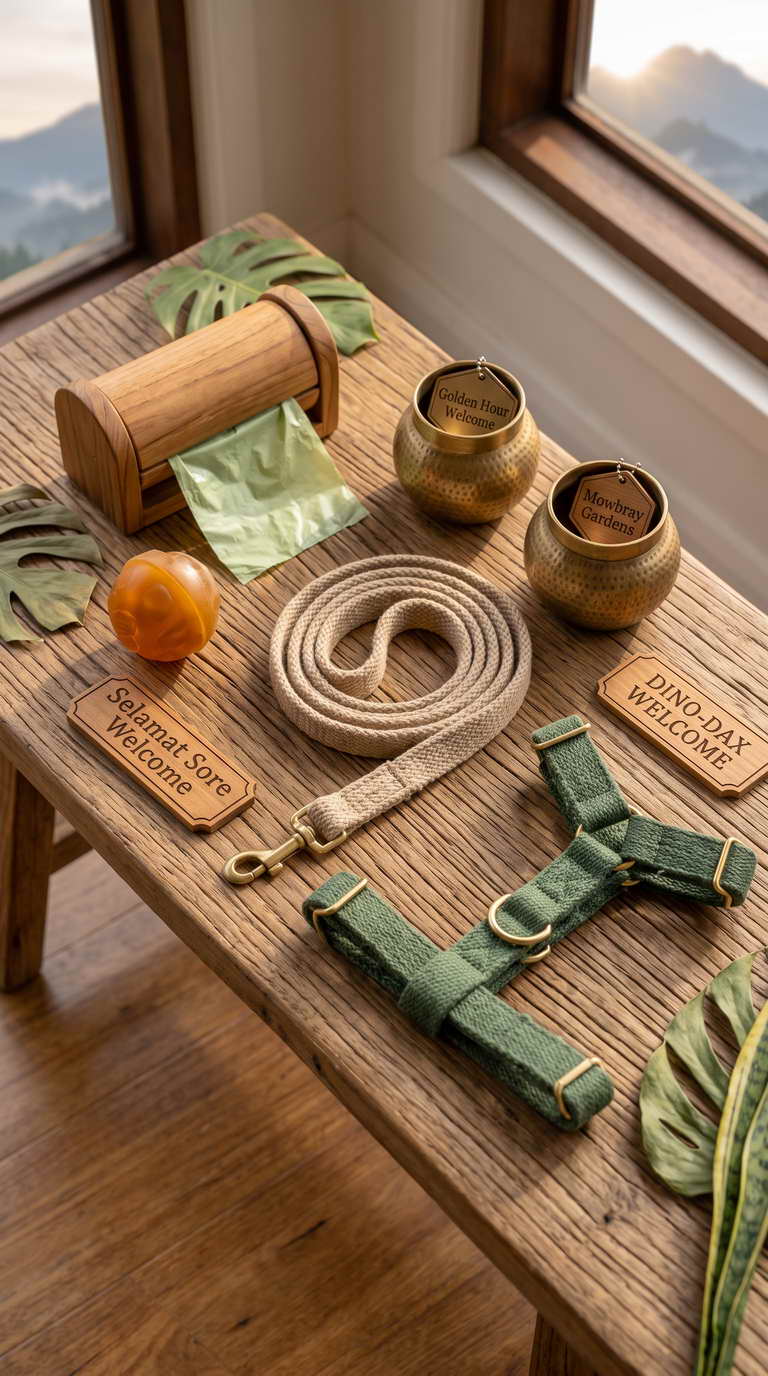
Quick Reference: Sustainable Materials vs. Conventional Plastics
Before replacing your pet gear, compare how modern eco-friendly materials stack up against standard petroleum-based manufacturing:
| Product Category | Conventional Material | Eco-Friendly Alternative | Primary Ecological Benefit | Durability & Safety |
| Waste Pickup Bags | Polyethylene (Petroleum plastic) | Certified Plant Starch (Corn/Cassava) | Decomposes in commercial compost; zero microplastics | High tensile strength; leak-proof |
| Chew & Fetch Toys | Synthetic PVC, vinyl, phthalates | 100% All-Natural Hevea Tree Rubber | Biodegradable, zero synthetic toxins, recyclable | Superior chew elasticity |
| Leashes & Collars | Virgin nylon, synthetic polyester | Organic Hemp, Certified Upcycled Ocean Plastic | Fast-growing, pesticide-free, eliminates water waste | Naturally antimicrobial; mold-resistant |
| Orthopedic Pet Beds | Virgin foam chunks, synthetic velvet | Recycled PET bottles, CertiPUR-US latex | Diverts ocean-bound plastic; non-off-gassing | Hypoallergenic and highly supportive |
| Feeding Dishes | Cheap plastic, melamine resin | Bamboo Fiber, Food-Grade Stainless Steel, Ceramic | Eliminates chemical leaching; lifelong durability | Dishwasher safe; inhibits canine acne |
The Hidden Environmental Cost of Traditional Pet Ownership
To appreciate why sustainable pet gear matters, look at the biological and material footprint of modern companion care:
       ┌──────────────────────────────────────────────────────────────┐
       │             The Conventional Pet Waste Cycle                 │
       └──────────────────────────────┬───────────────────────────────┘
                                      │
         ┌────────────────────────────┴────────────────────────────┐
         ▼                                                         ▼
┌─────────────────────────────────┐       ┌─────────────────────────────────┐
│     The Single-Use Trap         │       │      The Toxic Chemical Load    │
│ • Millions of plastic bags      │       │ • Phthalates soften cheap vinyl │
│   sent to landfills daily       │       │ • Chemical fire-retardants in   │
│ • Polyester toys shredding into │       │   cheap polyfoam pet mattresses │
│   synthetic microfibers         │       │ • Petrochemical dyes licked     │
│ • Cheap gear replaced annually  │       │   directly off tennis ball felt │
└─────────────────────────────────┘       └─────────────────────────────────┘
When conventional plastic poop bags are tossed into municipal trash streams, they are sealed inside anaerobic landfills. Without sunlight and oxygen, a standard polyethylene bag can take between 500 and 1,000 years to break down, breaking into microscopic plastic shards that wash into groundwater.
Simultaneously, mass-produced discount toys often contain volatile plasticizers, chemical foaming agents, and lead-tainted surface dyes. When an enthusiastic puppy chews, salivates over, and swallows pieces of cheap plastic toys, these synthetic chemicals enter their digestive system. Sustainable gear addresses both planetary health and your pet’s internal wellness simultaneously.
1. Waste Disposal: The Truth About Plant-Based Poop Bags
Cleaning up after your dog is an essential public hygiene duty, but doing it with petroleum bags generates massive plastic volume.
Switching to sustainable waste bags is the simplest, most immediate eco-friendly change any pet parent can make.
Watch Out for “Greenwashing”: Oxo-Degradable vs. Certified Compostable
Many budget brands label their plastic bags as “Biodegradable” or “Degradable.” In reality, many of these bags are merely conventional plastics infused with chemical additives (often called oxo-degradable plastic) that cause the bag to disintegrate rapidly into invisible microplastics.
-
Look for Real Certifications: True eco-friendly bags carry certified stamps such as ASTM D6400 (USA) or EN 13432 (Europe).
-
The Raw Materials: Premium sustainable bags are manufactured using renewable non-GMO cornstarch, vegetable oils, and compostable polyesters. They break down naturally in industrial composting environments without leaving chemical residues behind.
2. Sustainable Collars, Leashes, and Harnesses: The Power of Hemp
Every dog needs a reliable walking kit. Instead of virgin nylon, sustainable brands rely on regenerative agricultural fibers.
       ┌──────────────────────────────────────────────────────────────┐
       │               Why Industrial Hemp Outperforms Nylon          │
       └──────────────────────────────┬───────────────────────────────┘
                                      │
        ┌─────────────────────────────┼─────────────────────────────┐
        ▼                             ▼                             ▼
┌───────────────────────┐   ┌───────────────────┐   ┌───────────────────────┐
│    Zero Petrochemicals│   │   Natural Hygiene │   │     Tensile Strength  │
│ • Grown without toxic │   │ • Naturally anti- │   │ • Softens with wear   │
│   pesticides          │   │   bacterial       │   │   without fraying     │
│ • Minimal crop water  │   │ • Odor and mold   │   │ • Strong hardware with│
│   consumption         │   │   resistant       │   │   recycled brass/steel│
└───────────────────────┘   └───────────────────┘   └───────────────────────┘
Why Hemp is the King of Sustainable Canine Textiles
Industrial hemp is a regenerative wonder plant. It grows densely without requiring synthetic pesticides, replenishes vital nitrogen in the soil, and requires roughly half the agricultural water of conventional cotton.
For pets, hemp canvas offers exceptional practical benefits:
-
It is hypoallergenic and non-abrasive against sensitive underarm skin.
-
It possesses natural antimicrobial and antifungal properties, preventing the persistent “wet dog smell” that haunts synthetic nylon leashes after rainy walks.
-
It softens with every wash while retaining high tensile breaking strength.
3. Safe, Non-Toxic Toys: Natural Rubber and Organic Cotton

A dog’s mouth is their primary tool for tactile exploration. Choosing non-toxic materials protects their teeth, gums, and internal organs from chemical contamination.
1. 100% Pure Natural Tree Rubber
Unlike synthetic synthetic plastics or TPR (thermoplastic rubber), genuine natural rubber is tapped directly from the sap of living Hevea brasiliensis rubber trees.
-
Why It Excels: Natural rubber possesses unmatched physical elasticity. It flexes under heavy jaw compression, making it exceptionally durable for aggressive chewers without splitting into jagged plastic shards.
-
End of Life: Because it is an unadulterated organic plant compound, natural rubber is completely biodegradable over time.
2. Upcycled Wool and Organic Cotton Ropes
Swap out synthetic neon-colored tennis balls—which are covered in abrasive polyester felt that sands down canine tooth enamel—for untreated, felted wool balls or unbleached organic cotton tug ropes dyed with organic vegetable extracts.
During early development, redirecting sharp teeth toward durable natural materials is an important part of teaching how to stop puppy biting feet when walking, allowing you to provide safe, non-toxic chewing outlets while preserving your ankles and shoes.
4. Orthopedic Beds: Recycled Polyfill and Natural Latex
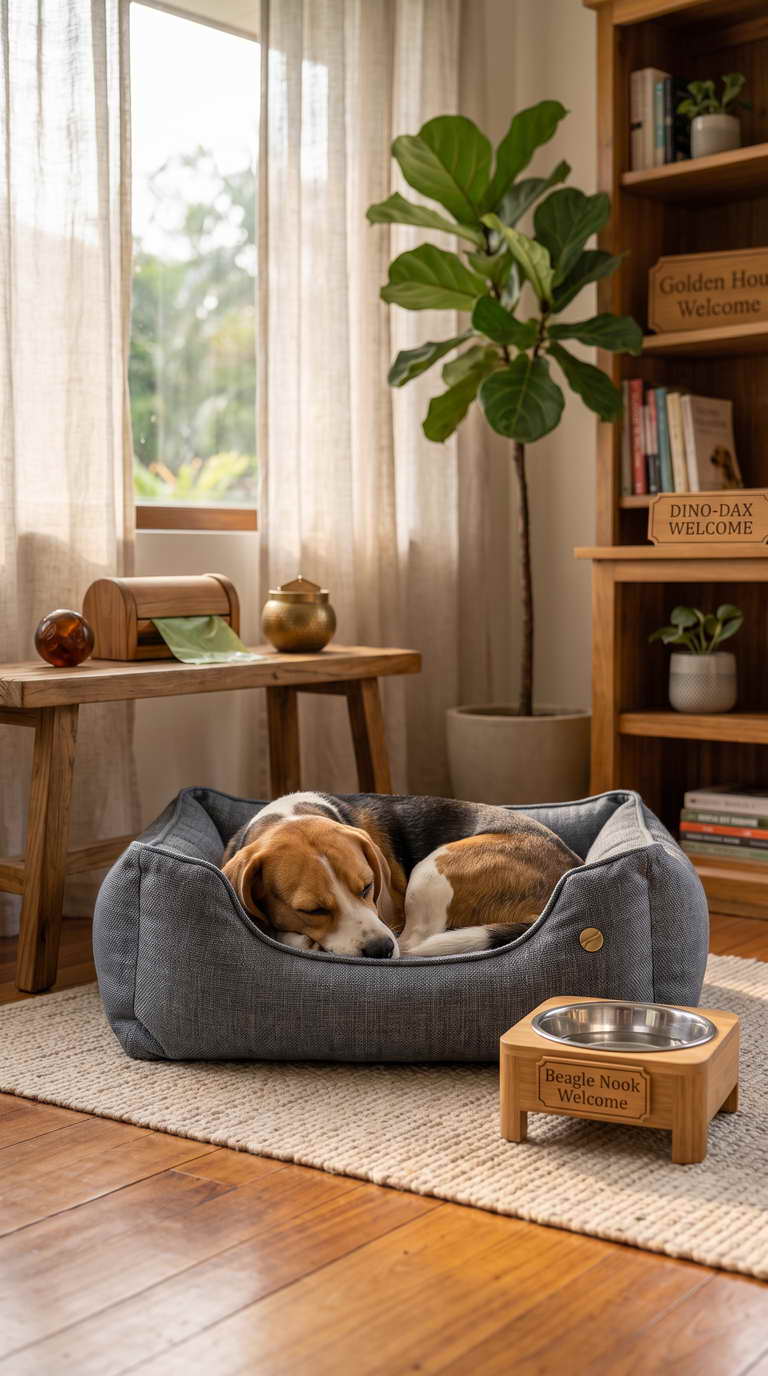
Most mass-market pet beds are filled with polyurethane foam blocks that off-gas volatile organic compounds (VOCs) into your living room air, topped with polyester sherpa covers that shed microfibers with every wash cycle.
       ┌─────────────────────────────────────────────────────────┐
       │             Sustainable Pet Bed Alternatives            │
       └────────────────────────────┬────────────────────────────┘
                                    │
          ┌─────────────────────────┴─────────────────────────┐
          ▼                                                   ▼
┌─────────────────────────────────┐ ┌─────────────────────────────────┐
│     Recycled Ocean Plastics     │ │      Natural Botanical Latex    │
│ • Upcycles 40 to 100 discarded  │ │ • Tapped from real rubber trees │
│   single-use water bottles      │ │ • Naturally dust-mite resistant │
│ • Spun into high-loft polyfill  │ │ • Exceptional orthopedic relief │
│ • Completely machine washable   │ │ • Zero toxic off-gassing foam   │
└─────────────────────────────────┘ └─────────────────────────────────┘
Sustainable bedding manufacturers transform post-consumer plastic bottles into high-loft, resilient interior stuffing. A single large dog mattress can divert anywhere from 40 to 120 plastic bottles from oceans and landfills.
For senior dogs with arthritic joints, certified organic botanical latex mattresses offer world-class pressure-point relief without relying on synthetic petroleum memory foam.
5. Natural Grooming and Plastic-Free Hygiene
Canine skin is significantly more delicate and alkaline than human skin. Using eco-friendly grooming supplies protects their natural lipid mantle while keeping chemical pollutants out of household waterways.
1. Solid Shampoo Bars
Liquid pet shampoos are packaged in single-use plastic bottles and consist of roughly 80% water. Switching to solid, cold-pressed dog shampoo bars eliminates plastic packaging entirely.
-
Look for nourishing plant bases: saponified organic coconut oil, shea butter, colloidal oatmeal, and aloe vera.
-
They create a rich, dense lather that rinses cleanly without leaving synthetic surfactant residues behind.
2. Routine Maintenance & Ear Hygiene
Maintaining holistic care at home reduces the need for expensive medicated flushes packaged in non-recyclable plastic squeeze tubes.
For instance, learning how to clean dog ears naturally at home using gentle, diluted pantry staples like organic raw apple cider vinegar and sterile saline prevents chronic wax flare-ups while eliminating chemical additives from your routine.
6. Sustainable Nutrition and Circular Feeding Bowls
What your companion eats and the dish they eat from represent significant opportunities for ecological stewardship.
The Problem with Cheap Plastic Bowls
Plastic pet bowls develop microscopic scratches over time from claws, chewing, and spoon scraping. These tiny crevices become breeding grounds for bacteria, frequently causing persistent canine chin acne and dermatological irritation. Furthermore, low-grade plastics can leach BPA, BPS, and plasticizers directly into wet food.
The Eco-Friendly Upgrade
-
Food-Grade 304 Stainless Steel: Non-porous, dishwasher safe, infinitely recyclable, and virtually indestructible over an entire lifetime.
-
Bamboo Composite Dishes: Made from fast-growing, renewable bamboo powder blended with natural plant resins, providing a lightweight, biodegradable alternative to petroleum plastic.
Pairing durable bowls with ethically sourced diets—such as the certified humane and transparently sourced options featured across our analysis of premium pet food brands ensures your companion’s daily bowl honors farm animal welfare and sustainable environmental practices.
Critical Certifications: How to Spot Genuine Eco-Friendly Gear
To avoid falling victim to greenwashing buzzwords, look for these verified independent third-party certifications on packaging:
According to environmental packaging guidelines promoted by the U.S. Environmental Protection Agency (EPA), objective third-party audits are the single most dependable way to verify green claims:
-
BPI Certified (Biodegradable Products Institute): Confirms that bags and plastics break down completely in commercial composting facilities without leaving toxic residues.
-
GOTS (Global Organic Textile Standard): Verifies that cotton and hemp fibers are harvested organically without toxic defoliants or synthetic pesticides throughout the supply chain.
-
OEKO-TEX Standard 100: Guarantees that pet fabrics, dyes, and plush toys are laboratory-tested free from hundreds of harmful chemicals, heavy metals, and formaldehyde.
-
1% for the Planet Member: Demonstrates that the manufacturer donates at least 1% of its annual gross revenue directly to vetted environmental non-profit organizations.
Additionally, pet safety standards supported by the American Society for the Prevention of Cruelty to Animals (ASPCA) emphasize that natural materials must always be non-toxic, free of small swallowable components, and non-splintering to guarantee animal safety.
Frequently Asked Questions (FAQ)
Are eco-friendly pet products more expensive than standard gear?
Eco-friendly pet products often carry a slightly higher upfront retail price (typically 10% to 25% more) because ethical labor, certified organic crops, and specialized plant polymers cost more to produce than mass-manufactured virgin plastics. However, because natural materials like hemp, stainless steel, and tree rubber are exceptionally durable, they last significantly longer, saving money over time.
Can I flush biodegradable dog poop bags down the toilet?
No! Never flush dog poop bags down standard residential toilets, even if the packaging claims they are flushable or water-soluble. Municipal sewage treatment plants are not engineered to handle canine fecal pathogens (such as Toxoplasma gondii), and solid bags can cause severe plumbing blockages.
Are natural rubber dog toys durable enough for aggressive chewers?
Yes. High-density, vulcanized natural tree rubber has outstanding tensile elasticity. It compresses and rebounds under strong jaw pressure rather than snapping like rigid plastic, making it one of the safest and most durable options for power-chewing breeds.
Can I compost my dog’s waste at home with plant-based bags?
You can compost canine waste at home, but never put pet waste into compost piles intended for edible vegetable gardens. Dog waste can harbor internal parasites like roundworms and bacteria like E. coli that can contaminate food crops. Dedicated pet-waste subterranean composters should be used strictly for non-edible decorative landscaping.
Final Thoughts: Small Changes, Lasting Impact
Transitioning to eco friendly pet products does not require tossing out all of your current pet supplies overnight. Tossing usable plastic gear directly into the garbage defeats the entire purpose of sustainability.
True environmental stewardship begins with simple, mindful choices as your current supplies reach the end of their usable life.
When your nylon leash frays, replace it with a strong organic hemp lead. When your plastic waste bag roll runs out, replace it with certified plant-based compostable rolls. When your dog’s bed wears flat, choose a mattress stuffed with upcycled ocean plastics.
By pairing unconditional love for our four-legged family members with thoughtful, sustainable purchasing decisions, we create a cleaner, safer home for our pets—and protect the planet they love to explore every single day.
About The Author

Leave a Reply