Blog

  • Driving with Dogs: How to Keep Your Best Friends Safe on a Long Trip

    Driving with Dogs: How to Keep Your Best Friends Safe on a Long Trip

    french bulldog gifts

    Do you want to travel, but can’t leave without your dog?

    We all love going on a road trip. Taking your time to reach your destination while looking at the sea of trees or the highway is always a delightful experience. Sometimes, traveling alone can be lonesome, so what do you do?

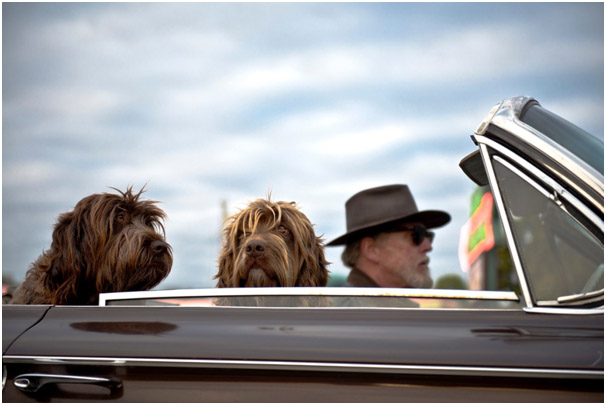
    You go on a road trip with your dog, of course! Dogs are members of the family and traveling with them is fun and a good experience for everyone involved. However, if you are driving with dogs, you need to secure them if they aren’t used to traveling.

    These are our safety traveling tips with your dog. Read on what we have below and learn more.

    1. Seat Belts First

    Seat belts do more than prevent us from flying out of the car. These also prevent your dog from hitting the windshield during a sudden stop. Use a dog harness to keep your dog safe and secure in one spot.

    Remember to get a harness that fits your dog well. A harness that’s too big won’t do well in keeping them in place. One that’s too small will only suffocate your dog.

    Aside from a dog harness, you can also use Zipline Harness. These are for young and active dogs that cannot settle in one spot and like to move around. Make sure to use the zipline harness along with a dog harness to ensure their safety.

    1. Give Them a Treat

    Going on a trip is never complete without food. Packing food saves you money and is healthier because you can choose what to eat. So, make sure to pack some treats and, if you’re driving with dogs, don’t forget to bring treats for them, too.

    A car ride is a happy experience for your best friend, so don’t forget to pack necessities for you and them. As you have to keep your eyes on the road, avoid feeding them while driving. An alternative is bringing toys and bedding with you to keep them busy and happy on the trip.

    However, still bring plenty of water, a bowl, and treats. There are plenty of snacks to choose from when it comes to dog treats. Make sure to bring healthy snacks to share with your dog when going on a road trip.

    1. Keep Some Medicine Handy

    Humans are not the only ones that can have motion sickness because your pooch can have it too. Dog motion sickness is real and can make trips unpleasant and stressful for you and your pooch. So, don’t forget to keep some motion sickness medicine handy.

    Puppies and young dogs are more prone to dog motion sickness than older dogs. This is because the ear structure is not fully developed for puppies and young dogs. Don’t worry, though, because as our beloved canine companion grows older, they will outgrow dog motion sickness.

    Avoid seeing your dog treats whole along with vomit. Ask your vet for anti-nausea medications and keep your dog happy.

    1. Schedule Plenty of Stops

    Whether your dog is an athlete, big, or small in build, they need to stretch their legs. Plan your stops every three to four hours give them room for stretching.

    Having planned stops doesn’t benefit your dog from stretching. Your dog can also go to the toilet lessening the chances of them making an odor in the car. Also, your dog can burn some energy which allows them to get used to traveling.

    1. Use Dog Crates

    The safety of our dogs is important, and sometimes, their playful nature is too much. Ensure the safety of your dog by using pet carriers. Pet carriers secure your dog as you travel in a space built for them.

    If your dog is small, consider owning a plush carry box. The plush carry box is perfect for small anxious pups. The elevated plush carry box allows you to watch your dog with ease and gives them a good view.

    If your dog is big, confident, and relaxed, consider your car size and use dog crates. Dog crates are large enough to accommodate big breeds and still provide comfort and secure space for your pooch.

    If the family is traveling with you, then you’re going to need more space. A good way to resolve the space issue is to put the dog in the back.

    Remember to make a lot of room in the back as dogs will move around a lot. Give them enough space and they won’t be much of a bother for the rest of the trip.

    Are you looking for a place to buy accessories and travel needs for your dog? Our friends at Kleinmetall can provide you with what you need and more.

    1. Always Keep the Head Inside

    According to pop culture, dogs pops their head out of the car and bring their tongues out. It’s tempting to let them do this as it makes them look happy to do so. You should know that this leaves them vulnerable to eye damage from things like sand.

    They’re also prone to hitting their heads on outside elements. This makes it important for you to keep their heads inside. If you want them to feel the breeze, open a crack in the window, but don’t let them stick their heads outside.

    1. Keep Them Well Ventilated

    During your travels, you will discover that cars aren’t the most suitable places for dogs. This is often because the inside of cars is too hot for dogs. Remember that dogs don’t have sweat glands like humans.

    This means that they won’t be able to cool down as fast as we do. This makes it important to keep the inside of the car well-ventilated.

    It’s also a good idea to bring water for your dog as they pant to cool down. Keeping them hydrated will help them avoid overheating during the trip.

    Go Driving With Dogs Today

    Driving with dogs is one of the best ways to spend time with them. Use these tips to keep them safe during the road trip. Take your best friends out for a trip today!

    There is more to learn about driving with your dog and their safety. Check out our guides to learn all you can today!
  • 7 Common Dog Health Problems and How to Prevent Them

    7 Common Dog Health Problems and How to Prevent Them

    Dog Health Problems

    What are the basic 7 Common Dog Health Problems? Seeing a pet in distress can be alarming for the dog and the owner. Very often, it can be hard to diagnose the problem afflicting your animal, even though you know they are trying to tell you something is wrong.

    Just like their owners, dogs can suffer from a list of complex problems and ailments over their lifetime.

    Luckily, many of these can be diagnosed and treated at home. To assist, we have listed 7 of the most common dog health problems below.

    1. Ear Infections

    Luckily, an ear infection is one of the easiest problems to spot in a dog. If your pet is shaking its head and scratching at the earlobes, it is a sign of an infection. Seek the help of a veterinarian immediately.

    Ear infections can occur frequently as dirt, dust, and detritus from your dog’s outdoor activities can get lodged in their aural canal. This makes their ears itchy and painful. They can also give off a bad odor in worse infections.

    You can prevent this by cleaning your dog’s ears regularly. If it does occur, most instances are treatable using antibiotic drops. If this does not work, it may be allergies or underlying skin conditions.

    1. Worms

    Several worms may give your dog health problems. None of them are comfortable for your dog, and some can even be fatal.

    Signs of a worm infestation are diarrhea and vomiting, weight loss, and changes in appetite, a generally poor appearance with a coat that is void of nutrients. Dogs can also often pull themselves along on their backside using their front legs as a sign of intestinal worms and general bad dog gut health.

    One very dangerous parasite is the heartworm. Unlike other worms, it affects the heart instead of the gastrointestinal system, eating away at it until it causes cardiac arrest. Dogs can get it from drinking unclean water and it is very common in rescued street dogs in many parts of the world.

    1. Fleas

    At some point in its life, any active, healthy dog will get fleas. They can quickly multiply if left untreated. In extreme cases, fleas can cause larger skin infections, allergic reactions, and anemia.

    Fleas look like small, black flies with long legs that can quickly jump a long distance. the signs they may be inhabiting your dog’s fur include your dog biting and scratching his skin or any skin condition including hair loss. You should also look for small black grains, usually flea dirt, left in your dog’s coat.

    Luckily, most remedies and many preventatives are available at pet stores. These can come in the form of medicine, collars, ointments, shampoos, and sprays.

    1. Arthritis

    Just like their human counterparts, as dogs get older their joints can become inflamed due to arthritis. Dogs tend to suffer from osteoarthritis, often known as degenerative joint disease. It can occur naturally or may be the result of an old injury in your dog.

    Signs that your dog may have arthritis tend to be a general slowing down of your pet. They may get up slower, avoid running, or be tentative when going for a walk.

    Luckily it can be managed. A vet will give you a list of options about how to keep your dog healthy which may include exercises, weight control, and drugs. You can look at herbal remedies for your dog with this guide for your pet.

    1. Dog Health Problems Linked To Obesity

    Obesity is a growing problem in dogs. However, it can be much harder to spot than people realize. This is due to the different genetics and breeds of dogs, and what qualifies as obese in each one. Luckily, it is extremely easy to fix.

    If your dog is not treated, obesity can cause various types of health-related problems. Arthritis, diabetes, kidney, and heart disease are all common side effects. To treat obesity you need to readdress what and how much your dog is eating, along with its exercise regime.

    1. Vomiting

    Vomiting is a side effect and can be a sign of several ailments giving your dog health issues. These could be due to parasites, dog food poisoning, organ failure, heatstroke, and dehydration among others.

    Dogs can vomit if something has simply not agreed with them. However, if they keep vomiting it can be a sign of a major problem. Blood in the vomit or an inability to hold down food and liquid will require urgent medical attention. If your dog is vomiting in conjunction with diarrhea, it can risk dehydration which can be fatal.

    Depending on the cause of the problem, your vet will administer therapy. This could be everything from regulating the diet to intravenous drips and fluids along with prescription drugs.

    1. Kennel Cough

    If your dog has been near other dogs, usually in a kennel or rescue center, then it is likely they may have contracted kennel cough. It is nothing too serious, though it can be unpleasant for your dog. It is essentially the common cold for dogs.

    To address the problem, you should give your dog quality food and keep them hydrated. Try to keep them warm and avoid any walks in the rain or cold conditions for a few days if possible. If symptoms persist, your vet should be able to administer antibiotics for your pet.

    Caring for Your Pet

    To avoid all dog health problems and to keep your dog in the best condition, it helps to do a weekly check on them. Look behind their ears for signs of skin conditions or fleas, and check their mobility and joints when exercising. This can help you halt any problems before they get out of hand.

    If you are looking for more advice on pets and dog health problems, then visit our blog. We have regular updates on everything you could want to know, across the whole range of pets and products. Pay us a regular visit starting today to keep your pooch in perfect condition!

  • Keep Your Pet Safe: The Importance of Dog Tags

    Keep Your Pet Safe: The Importance of Dog Tags

    Keep Your Pet Safe The Importance of Dog Tags

    We know how much you love your furry friend. But do you know the best way to keep them safe?

    People seem to know dog tags are important. But only about 33 percent of dog owners report that their animals wear dog tags! It might not seem like much, but dog tags are more critical than you might think. 

    These tags are your first line of defense if your buddy goes missing. Every responsible dog owner should make sure that their dog has good quality, up-to-date tags to ensure they can return home safely.

    Here’s why dog tags are so important:

    Dogs are More Likely to be Returned Home

    If your buddy runs off or escapes the back yard, the first thing someone will look for is an ID tag. Ensuring that your pup has a dog tag is the cheapest and easiest way for a stranger to contact you.

    Microchips are essential too. They are a way that a vet or shelter can find information about your dog. But, good dog tags are the fastest way for a person to get ahold of you should your dog get out.

    When your dog is fitted with a collar and information, it could keep them from going to a shelter unnecessarily.

    Tags Make Dogs More Approachable

    If someone finds a loose dog, they feel more approachable when wearing a dog collar with a tag. Stray animals can be dangerous, so people will take precautions around them. With a tag, the dog appears as a pet with a home rather than a stray animal. 

    The dog tag indicates that the furry friend is lost and may need some help returning home. The dog tag should always include the pet’s name! This will help strangers to comfort your dog as they approach them.

    Tags Provide Pet Health Information

    Dog tags should provide more information than just the dog’s name and their human’s contact information. The dog tags should also include important medical information. 

    Tags should provide health information like pet allergies, necessary medications, or disabilities. This is essential to people who help your dog. It allows them to be sensitive and aware of any assistance your pal might require.

    It is a great idea to include proof of rabies vaccination as well. Some states even require it. Make sure to keep your pet’s vaccination information up-to-date as well.

    Dog Tags Are Worth the Investment

    Now you know why dog tags are so important in keeping your animal safe from harm. It is the cheapest and most effective way to ensure your furry pup is returned safely home.

    But what do you need to include on your dog’s collar? Engrave the tag with important information, including your pet’s name, contact information, dog’s medical information, and microchip details.

    For more information about dog tags, dog accessories, or any information on dogs, visit our blog!

  • Puppy Spa Day: How Much Does a Dog Groomer Cost?

    Puppy Spa Day: How Much Does a Dog Groomer Cost?

    How Much Does a Dog Groomer Cost

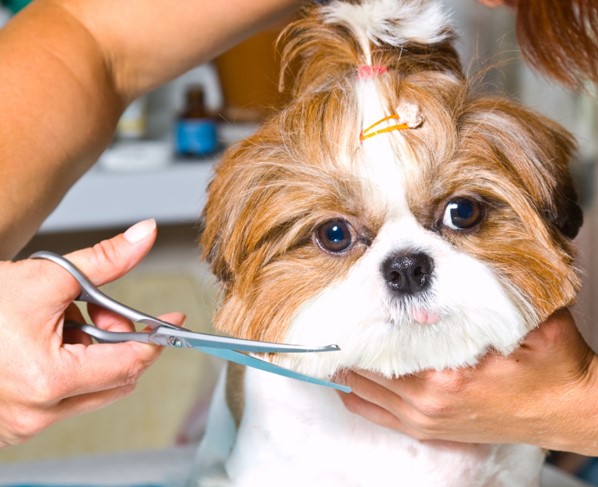
    Taking your dog to the dog groomer is like treating them to their very own spa day. It’s a time for them to relax and get pampered to return home feeling their best. But, before you take your dog to the groomer, you need to think about how much a grooming visit will cost and what’s included in the price of your pet’s visit.

    Below you’re going to find a brief guide that gives you insight into the cost and lets you know what you can expect from your visit. Don’t be afraid we won’t bark at you. Continue reading now for everything you need to know.

    Cost of Dog Grooming

    The cost of dog grooming can vary widely depending on the area you live in and the services you’ve selected to have performed on your pet. Another factor that may change the price of your pet being groomed is the breed of the dog and the size.

    You can expect to pay anywhere between $40-$75 when it comes to your pet’s grooming visit. Now that you’ve got an idea of the cost, let’s fill you in on what can be included in that dog grooming cost.

    Bath

    This is a given that your dog will be given a bath during their grooming visit. Typically, when your dog receives a bath, it will be bathed in anti-flea as well as anti-tick medication.

    This will help protect your dog from fleas and ticks, especially when playing outside of your home. If your dog has dry skin, you can always ask the groomers to use a shampoo or conditioner that will help to restore moisture to your dog’s skin.

    Teeth Brushing

    This is an optional service that you can add to your pet’s grooming visit, but it’s worth it if your dog has bad breath. Besides, having the groomers look over your pet’s teeth will ensure that they don’t have any gum or tooth diseases that can affect them adversely in the future.

    Noticing gum and tooth diseases is just one of the benefits of having a professional dog groomer to groom your pet.

    Anal Gland Expressing

    Have you ever watched your dog scoot their behind across the ground or floor? Well, your pet is trying to express its anal glands, and doing so can be a messy and smelly job.

    That’s why it’s something that you’ll want to have the pet groomers do instead of doing it yourself. Your pet will get much-needed relief, and you won’t have to watch them painfully drag their butt across the ground.

    Dog Groomer: Things You Need to Know

    As we stated, when it comes to taking your dog to a dog groomer, the cost of the visit will change depending on several factors. But, there are some things that you can expect from the visit, such as teeth brushing.

    Now that you’ve got a better idea of what to expect from a dog grooming visit, you can check out some of the other posts on our site. We’re sure you’ll find something that you’ll enjoy reading.

  • 7 Pet Photography Tips for Better Shots of Your Four-Legged Family

    7 Pet Photography Tips for Better Shots of Your Four-Legged Family

    Pet Photography Tips

    If you’re one of the 95% of Americans that consider your pet to be a part of the family, you likely are pretty invested in getting some pictures of them to frame and display proudly. However, getting pictures of furry friends can be a difficult task, especially with the many interesting distractions that the world around them provides.

    That’s why we’re here today to give you some dog photography tips so that you can get a good shot of your pup. Read on for some ideas on how to make these images look amazing!

    1. Keep Your Pet Comfortable

    Animals have keen senses as well as strong ideas of what their routine should be like. If you break this routine or do something that stresses your dog out, he isn’t going to be as receptive to a photo shoot as he otherwise would be. Because of this, it’s important to keep your pet in a comfortable environment when you decide to take pictures of him.

    Go to your dog when he’s relaxing rather than trying to drag him to a new location. Figure out when he’ll be in a good place for a photo shoot and walk near him. Dogs are pretty routine-oriented, so it shouldn’t be too difficult to pinpoint when you can get a good shot.

    Also, don’t force a photo shoot if it seems to be stressing your pup out. There will always be opportunities to take pics later.

    1. Don’t Underestimate Candids

    Candid photography is one of the best methods of taking pictures. It captures a moment in time and lets you see a person- or, in your case, a beloved dog- living his life to the fullest. Because of this, you probably will want to get some awesome candid shots of your pet.

    Take your dog to the park and snap some photos while they’re running around playing. You can use a high-quality Smartphone camera for this, but it can also be a good opportunity to whip out the digital camera if you have one.

    Another benefit to candid pictures is that your dog won’t even know you’re taking them. This gives them zero opportunities to get stressed out and refuses to cooperate with your strange human ways.

    1. Take Some Pictures With Them

    Though shots of your pup alone make for great decorations, Facebook banners, and phone wallpapers, taking pictures with them is also important. You can save these images for a long time and look back on the awesome times you had with the furriest member of your family. You also can use these photos as profile pictures or even as professional images (if you’re wearing good attire and your dog cooperates perfectly).

    Some ideas for photos with your pet include:

    • Posed photos of you holding them or sitting beside them
    • Candid pictures of the two of you playing together
    • Pictures of the both of you in various locations- these make for awesome collages
    • You and another loved one taking family photos with your dog
    • You going about everyday life with your furry friend trailing lovingly after you

    There are so many options!

    1. Get Props

    Does your dog have a favorite toy? A pet bed that he likes to sleep in? How about those funny little dog clothes that you can get at the pet store?

    These are all fun props that can be used in a photo. You can create some interesting and exciting setups with these items.

    Wear a hat or sweater similar to the one that your dog is wearing and send it out to your family as a Christmas card. Tug on either end of a dog toy rope to playfully wrestle with your best friend. This is an awesome way to show off the bond that you share with your pup.

    1. Provide a Reward for Cooperation

    Getting dogs to cooperate and hold still for pictures is a challenge, but you can make it easier for yourself. Dangle a treat where you want your dog to look. Snap the photo when his eyes inevitably follow the treat.

    This also is a great way to train your dog to cooperate and reward him for a job well done!

    1. Use Appropriate Filters

    Digital filters are an important part of any photograph. We’re not talking about funny Snapchat or Instagram filers, but rather just those that ensure your image looks as professional and high-quality as possible. You can use an auto-generated enhancement to make sure that your dog’s pic is as sharp and clear as possible.

    For added fun, try making some of your images sepia or black-and-white. You can also blur backgrounds slightly or saturate the image. These filtering options ensure that eyes remain on your pup rather than distracting background colors and images.

    1. Keep Pictures Safe

    Finally, you must back your photos up to keep them safe. You don’t want all of your adorable dog photos to be lost, especially those that you painstakingly took at different venues and various angles!

    Make sure that you upload the images that you love to a Google Doc or a computerized portfolio. Putting them on a flash drive or Cloud-based application may also be a good idea. This ensures that nothing will happen to your photos even if your computer crashes or stops working.

    You also should learn how to recover deleted images from your iPhone in the event of an accident.

    Beyond Dog Photography Tips

    There are many awesome ways that you can take pictures of your beloved pet, but you can’t go wrong with these awesome photography tips.

    Now that you know some of the best dog photography tips out there, it’s time to get started. Click on the ‘contact us’ tab on our home page to get in touch with an expert. We’re happy to answer any lingering questions that you may have about capturing a snapshot of your furry friend so that you can keep their memory close forever.

  • Financial Aspects of Raising a Pet

    Financial Aspects of Raising a Pet

    financial aspect raising a pet

    The Financial Aspects of Raising a Pet

    Pets are adorable, and the benefits of getting a pet are many, and you should get one. As you raise a pet, you will incur some costs of maintaining it, getting food, and supplies. With all the benefits that a pet has, you do not want it to be a financial burden on you.

    It is essential, to have a good financial plan that will help you successfully raise the pet. There are many financial considerations that you must have in your mind if you are raising a pet such as;

    Food

    You cannot live with a pet, without feeding it since it will die. As a pet owner, you should know how many times you need to feed the particular pet to keep it healthy at all times. The cost of the food per week or month should be drafted on your budget, so you know the money you expect to spend.

    It is advisable to seek the best discounts in the pet market, so take time, and scroll through the different prices before buying.

    Veterinary and medical services

    Pets are prone to be affected by health issues, and you need to set aside some funds for buying some medicines and paying for veterinary services. Remember that a pet also requires vaccination, and regular checkups, so you need also to save money for those purposes.

    The costs of veterinarian services can be high, so it is advisable to always prepare for the worst, and hope for the best.

    Insurance for your pet

    Many pet owners would like to avoid insurance costs, but you want to advise against following this type of ignorant approach. In truth, pets are at high-risk of having emerging illnesses that may cost you a lot of money.

    With insurance, you will find that the expenses will be taken care of, and you will end up spending less. It would be best if you did not consider insurance as an expense, but as a smart way to reduce the effect of abrupt future expenditures.

    Equipment and supplies

    The cost of equipment and supplies depend on the pet you want to get, or already have. Pets such as fish and reptiles need equipment that may cost you. The initial cost of vivariums, UV lighting, might be cumbersome to afford, so be prepared.

    On the other hand, dogs need some supplies such as toys to play with, so you have to put this in mind. Other supplies you may require to buy for your pet include a bed, comb, and a toothbrush.

    Training

    Pet training is another expense that you will have if you decide to use a professional trainer. You can train the pet by yourself to save up on some money, but a trainer works best.

    A way to save money, in the long run, is by taking your pet for exercise. Dogs are active, and can motivate you to exercise; therefore, you become healthy, saving up on the medical bills you can incur if you did not exercise.

    In conclusion, I would advise you to carefully draft a budget, and plan adequately for all expenses you may incur.