Category: Pet Supplies

  • Training Aids For Pets – Why This Is One Of The Most Important Responsible Pet Ownership?

    Training Aids For Pets – Why This Is One Of The Most Important Responsible Pet Ownership?

    Training Aids For Pets

    Training Aids For Pets

    PETSIDI – Pet training is an important part of responsible pet ownership. Whether you have a new puppy or kitten entering your home or an adult pet with some troubling behaviors, utilizing the right training aids can make the process easier and more effective. There are many types of training aids available, from basic equipment like leashes and collars to high-tech devices that use vibrations or scents to reinforce behaviors. Choosing the right training aids requires understanding your pet’s unique needs and temperament.

    Basic Training Equipment

    All pet owners should invest in some basic pet training essentials, including:

    • Leashes – Allow controlled walking and establish leadership
    • Collars/Harnesses – Safety and optional control/training features
    • Treat Pouches – Conveniently deliver motivation and rewards

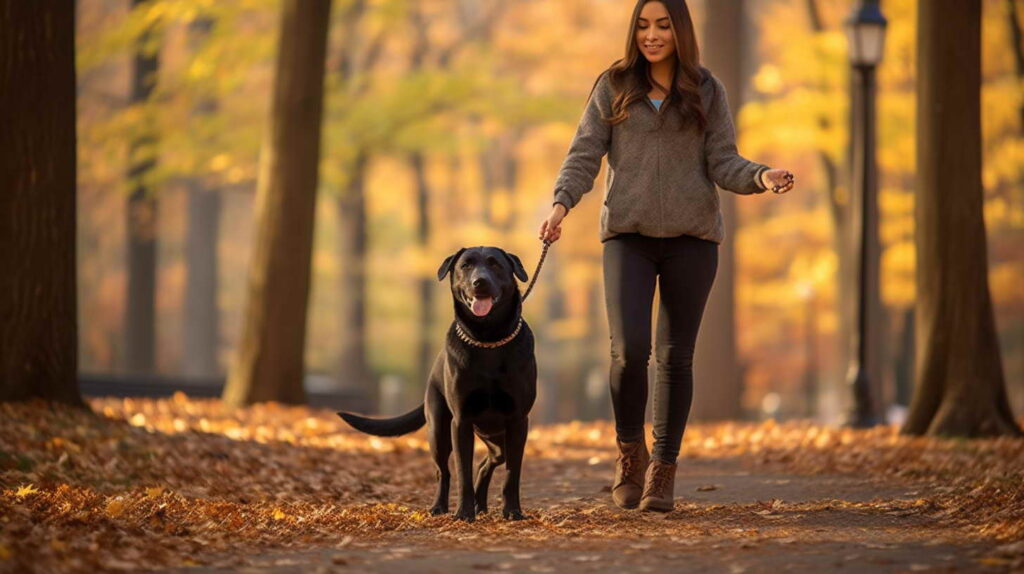
    Leashes and collars or harnesses give pet owners important control to establish leadership, ensure safety, and prevent bad behaviors like lunging or chasing wildlife. They make training easier by letting owners guide and restrain their pets.

    Treat pouches are essential for positive reinforcement techniques. Having treats easily accessible and concealed keeps pets focused without becoming distracted looking for food rewards. Prompt reward delivery links behaviors with strong positive associations.

    Common Equipment Types

    Equipment Uses Considerations
    Flat collar Tag carrying, casual walking Limited control or training ability
    Martingale collar Enhanced control, escape prevention Should not constrict; for walking, not tying up
    Head halters Significant control; counter pulling Some require conditioning; not good for tie-outs
    Body harness Safety, gentle control; discourages pulling Encourages pulling if not properly fitted

    Pet Training Equipment from petsidi.com offers great selections of leashes, collars, harnesses, and treat pouches. Investing in quality gear suited to your specific breed and training needs makes the process easier for both pets and owners.

    Interactive Toys

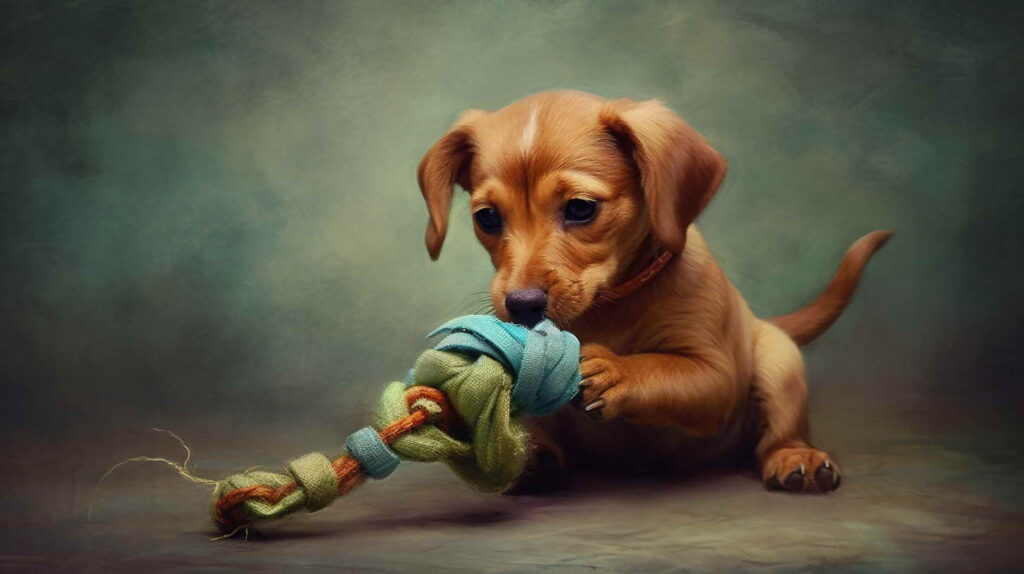
    Interactive pet toys are great for enrichment, exercise, and reinforcing training. Toys like treat-dispensing puzzles and snuffle mats give mental and physical stimulation. Fetch toys, tug ropes, and chase wands encourage activity. Many dogs benefit from having indestructible stuffed animals or chew toys as alternatives to forbidden items like shoes or furniture.

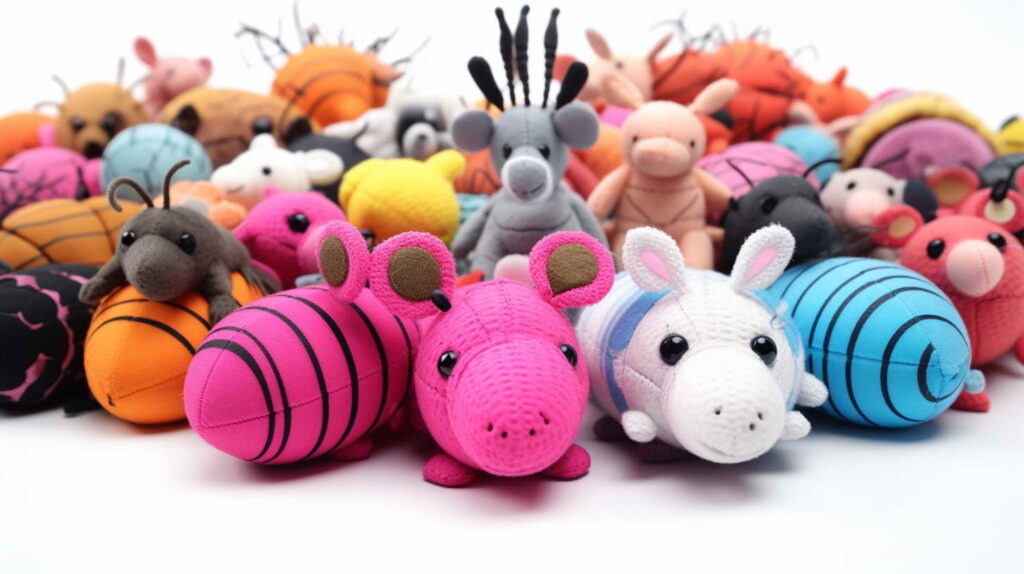
    Cats enjoy chasing laser pointers, swatting at dangling toys, chasing light-up balls, and batting stuffed mice or balls around the house. Try out different textures, catnip, crinkle elements, and wand attachments to tempt your cat. Puzzle feeders also slow down feeding to prevent overeating and vomiting.

    Rotate toys to keep things interesting and combine with rewards to reinforce positive play behaviors. Monitor aggressive chewers and remove toys when unsupervised to prevent ingestion hazards. Pet Accessories from petsidi.com has playthings for every pet!

    Technical Training Aids

    While basic equipment provides control and motivation essentials for training, numerous specialty products offer additional behavior modification assistance:

    • Clickers – Precise reward marking
    • Whistles – Get attention/mark cues
    • Bark collars – Reduce nuisance barking
    • Calming aids – Ease anxiety, and fearfulness
    • Remote trainers – Reinforce from a distance

    Items like clickers, whistles, and remote trainers allow trainers to precisely mark desired behaviors and then quickly reinforce the pet so they understand which actions earned the reward. Clear communication helps shape behaviors faster.

    For anxiety issues or problem barking, calming aids like soothing vests and bark collars can reduce stress triggers and deter bad habits. However, they must be used carefully alongside positive reinforcement to address the underlying motivation behind undesirable behaviors.

    Be selective when utilizing technical training aids and ensure proper fit and use to avoid injury or undue stress to the animal. Products like shock or prong collars carry risks when misused. Always combine with reward-based efforts for humane and effective modification of pet behavior problems. Professional assistance may be needed in some cases.

    dog and cat supplies from petsidi.com offer various technical pet training aids to try for your situation.
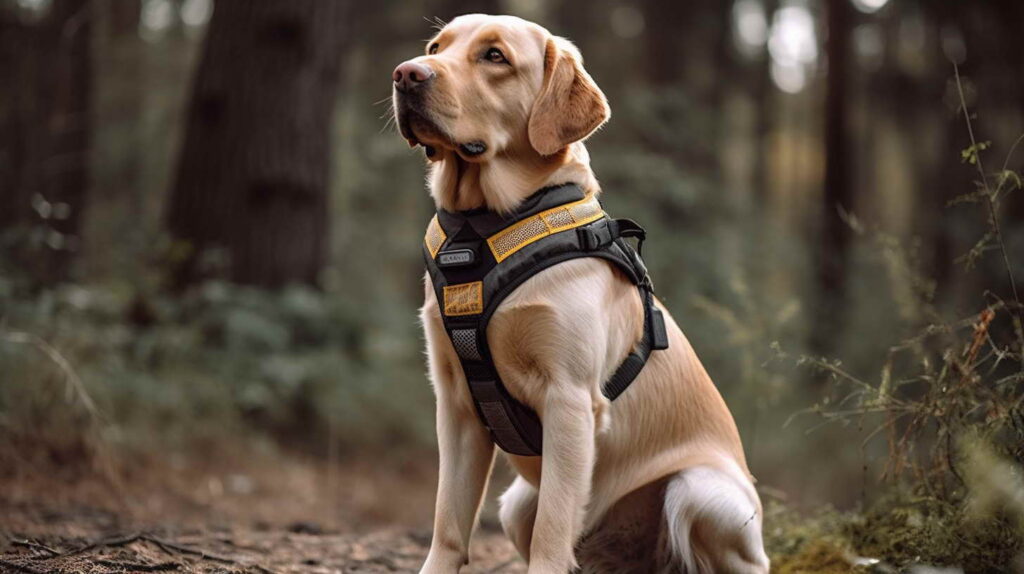
    Dog Body harness

    Specialized Training Tools

    In addition to fundamental training equipment for teaching basic manners and obedience, some working dogs utilize more advanced specialty gear to hone their breeding-driven talents. Customized aids for various vocations, sports, and service roles include:

    Tracking & Detection

    • Scent articles – Imprint target odors for search work
    • Footprint casting – Create molds of human/animal tracks for identification practice
    • Search grids – Marked areas to map practice searches
    • Detection apparatuses – Contraband, accelerants, devices for detection imprinting
    • Search harnesses/long lines – Control during wide-area odor detection work

    Scent hounds and retrievers tasked with finding missing persons, fugitives, shed antlers, rare fungi, or contraband substances greatly sharpen their air scenting and ground tracking abilities with specifically formulated training aids. Detection canines imprint on the smell of drugs, arson accelerants, explosives, agricultural threats, and even illness. Outdoor Pet Gear from petsidi.com has useful equipment for search and rescue practices.

    Hunting Dogs

    • Bird wings & skins – Exposure to sights, and scents without injuring delicate game
    • Duck/pheasant calls – Associating sound with visual marks and simulated flushing/falling
    • Launchers – Propels training birds/bumpers in the air to practice marking, retrieving
    • Blind retrieve set-ups – Marks are hidden from immediate sight to test memory and hand signals
    • E-collars – Enhance reliable recall/directional commands when out of sight

    Honoring a gun dog’s instincts to point, flush, chase, retrieve, and deliver game carefully to hand without mangling is an art form cultivated over decades of selective breeding. Preserving these traits requires simulated hunting scenarios with specifically designed training birds and reproduction calls.

    Agility & Other Canine Athletes

    • Jumps – Bar, tire, panel, and triple in graduated heights to condition athleticism and coordination
    • Weave poles – Test nimbleness by rapid in-and-out pole threading
    • Teeters & dog walk planks – Develop balance and mastery of the see-sawing apparatus
    • Tunnels – Encourages confidence in conquering dark, confined spaces
    • Competition weaving flags – Bright visibility from a distance outdoors
    • Conditioning equip – Treadmills, ramps, balance devices
    • Canicross harnesses – Lightweight, ergonomic pulling assist without strain
    • Support boots & braces – Protect joints in demanding sports like Flyball

    Custom obstacles enable handlers to gradually expose dogs to various competitive challenges they will encounter on agility courses, dock diving events, or pulling trials. Fitted gear gives working breeds an outlet for their energy and herding/hunting drives in a structured sporting environment without risk of injury.

    Service Roles

    • Mobility harnesses – Customized assistance with standing, bracing, and pulling wheelchairs
    • Stability handles – Bolster’s balance for guide dogs leading visually impaired handlers
    • Retrieval straps – Enables pick up/carrying objects like phones, dropped items
    • Alert cards – IDs signals for diabetes, seizures, anxiety episodes
    • Tactile pads – For paw-signaling hearing-impaired partners
    • Therapy vests – Identifies emotional support dogs for access rights

    Special harnesses redistribute weight and pulling effort to empower dogs to provide critical stability, transfer momentum, or forward propulsion to unsteady handlers. Custom anchor points become an extension of the owner’s body for maximum efficiency in assisting with daily tasks. Various accessories identify working status for public access or communication with the disabled partner.

    Purpose-designed aids boost specific strengths aligned with breed drive and temperament to enable dogs to reach their full working potential as productive, well-adjusted contributors to unique human sports, hobbies, and lifestyles.

    Knowledge Resources

    Background knowledge helps owners better understand their pet’s instincts, abilities, and motivations during training. Good information resources include:

    • Pet training books – Breed-specific guides, skill-building tips
    • Obedience classes – Professional instruction; socialization
    • Videos – Visual demonstrations of handling skills
    • Pet care sites – Articles explain the psychology behind behaviors

    From detailed step-by-step manuals on teaching advanced skills to quick online articles on resolving common issues like house soiling, there are abundant educational materials available. Books tailored to your specific breed can help owners better provide appropriate activities and training difficulties. For hands-on help, local group obedience classes offer professional coaching and the chance to troubleshoot challenges with other owners. Online libraries like pet supplies videos from petsidi.com demonstrate body language, timing, handling methods, and more.

    Understanding learning theory, breed traits, developmental stages, and environmental influences will equip caretakers to make the most of professional training guidance or attempt their modification programs using humane approaches.

    Conclusion

    All pets and owners can benefit from basic leashes and motivation tools like treats. Interactive puzzle toys provide mental exercise to reduce boredom-induced behavior issues. Technical devices assist with the precision marking of desired actions for clearer communication and deterring undesirable conduct.

    Specialized equipment enables dogs to hone useful vocational skills or sports according to breed aptitudes. Knowledge resources empower owners to understand a pet’s perspective to inform compassionate and effective training tactics. With the right aids and understanding, people can train almost any pet!

    Premium pet supplies from petsidi.com offer a huge array of pet training aids to explore.
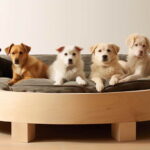
  • Pet Beds and Furniture

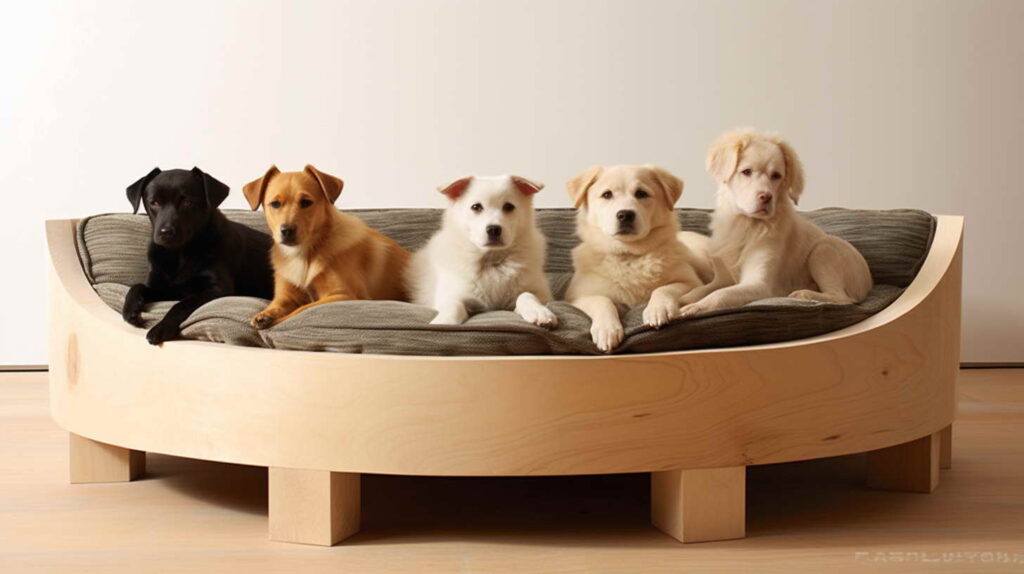
    Pet Beds and Furniture

    Pet Beds and Furniture

    Introduction

    PETSIDI – In the vast world of pet care, one aspect often overlooked is the significance of providing our beloved furry companions with the right pet beds and furniture. As responsible pet owners, we strive to ensure our pets’ well-being and the right bedding plays a pivotal role in their comfort and happiness. Join us on a journey through the diverse landscape of pet beds and furniture, where we will explore the importance of choosing the right options, delve into the various types available, and discuss the benefits they bring to our four-legged friends.

    Understanding the Importance of Quality Pet Beds

    Just as we seek a good night’s sleep on a comfortable mattress, our pets deserve the same level of consideration. A high-quality pet bed is not just a luxurious accessory; it’s a fundamental element in ensuring your pet’s physical and mental health. Here are some key reasons why investing in a good pet bed is essential:

    1. Comfort and Support: Premium pet beds provide the necessary support for your pet’s joints and muscles, especially for older animals or those with health conditions.
    2. Hygiene and Cleanliness: Having a designated bed for your pet helps in maintaining cleanliness, preventing odors and allergens from spreading throughout your home.
    3. Security and Territory: Pets, by nature, seek a secure space. A designated bed provides them with a sense of territory and security, reducing anxiety.
    4. Durability: Quality pet beds are designed to withstand wear and tear, ensuring a long-lasting and cost-effective solution for pet owners.
    5. Temperature Regulation: Some beds come with features like cooling gel or heating elements, catering to your pet’s comfort in different weather conditions.

    Types of Pet Beds

    Exploring the Types of Pet Beds

    Pet beds come in various shapes, sizes, and styles, each catering to different needs and preferences. Let’s explore some popular types of pet beds and their unique features:

    1. Orthopedic Beds

    Ideal for aging pets or those with joint issues, orthopedic beds offer extra support and comfort. They often feature memory foam to alleviate pressure on joints.

    2. Raised Beds

    Raised beds, resembling cots, keep pets elevated from the floor. These are excellent for warm climates, providing ventilation and preventing overheating.

    3. Cave Beds

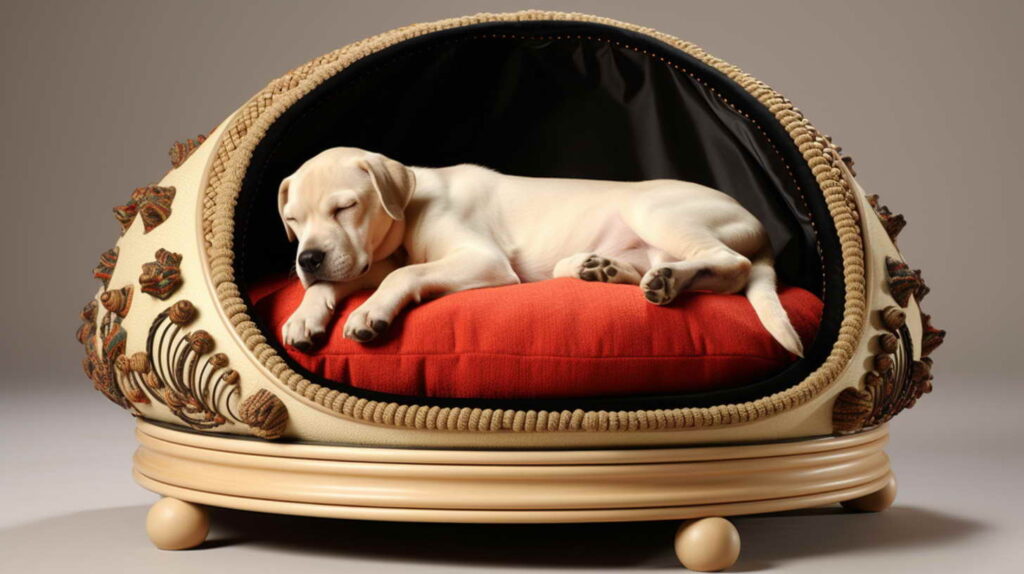
    Cave beds, with an enclosed design, create a cozy retreat for pets that enjoy burrowing or feeling surrounded. Perfect for cats and smaller dogs.

    4. Donut Beds

    With raised edges, donut beds provide a sense of security and warmth. They are particularly loved by pets who enjoy curling up while sleeping.

    5. Heated Beds

    Especially beneficial for colder climates, heated beds provide warmth and comfort. Some are designed with thermostatic controls for temperature regulation.

    Choosing the Right Pet Furniture

    Choosing the Right Pet Furniture

    Beyond beds, pet furniture plays a crucial role in enhancing your pet’s environment. Let’s explore some popular types of pet furniture and the benefits they bring:

    1. Cat Trees and Condos

    Cats love to climb, scratch, and perch. Cat trees and condos provide a dedicated space for these activities, promoting exercise and reducing furniture damage.

    2. Dog Sofas and Couches

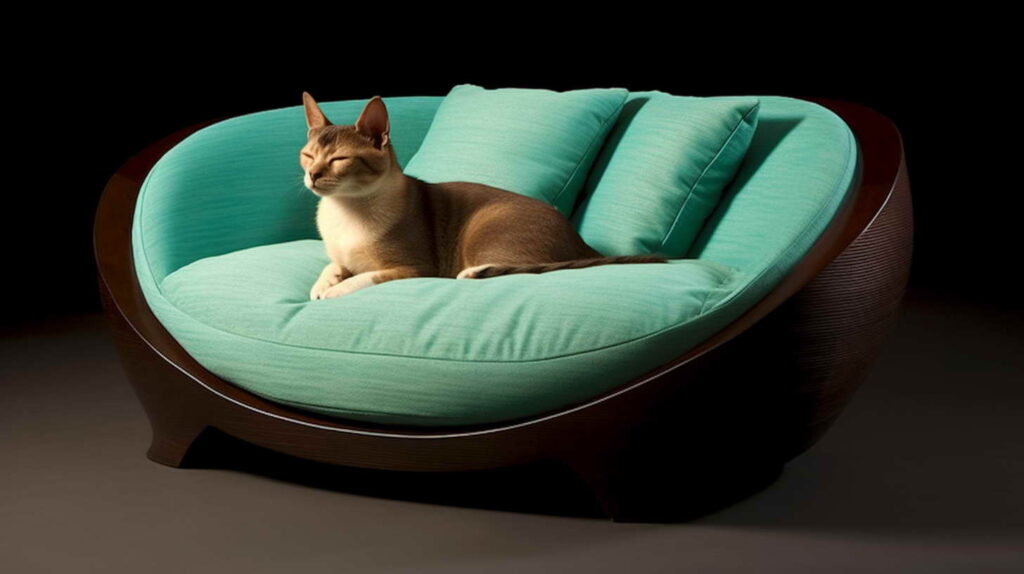
    For the pampered pooch, dog sofas and couches offer a luxurious lounging experience. They are often designed to complement your home decor.

    3. Pet Steps and Ramps

    Especially vital for smaller or aging pets, steps and ramps provide easy access to elevated surfaces, reducing the risk of injury.

    4. Hammocks and Window Perches

    Cats, in particular, enjoy lounging by windows. Hammocks and window perches offer a perfect vantage point for observing the outside world.

    5. Hidden Litter Box Furniture

    For cat owners, hidden litter box furniture combines functionality with aesthetics, discreetly concealing the litter box while serving as additional storage.

    Health Benefits of Pet Beds

    The Economic and Health Benefits of Pet Beds And Furniture

    Investing in quality pet beds and furniture is not just an indulgence; it’s a wise decision with economic and health benefits:

    1. Reduced Vet Bills: Providing your pet with comfortable bedding can prevent health issues, reducing the frequency of costly vet visits.
    2. Extended Furniture Lifespan: Pet furniture helps divert your pet’s attention from household items, preserving the longevity of your furniture.
    3. Improved Mental Well-being: The right bed or furniture piece can alleviate stress and anxiety in pets, contributing to their overall mental well-being.
    4. Enhanced Bonding: Sharing a comfortable space with your pet fosters a stronger bond, creating a positive and trusting relationship.

    Understanding the Emotional Needs

    Just like humans, pets have emotional needs that extend beyond the basics of food, water, and shelter. They seek a space where they can retreat, relax, and recharge. Your pet’s haven is more than just a physical location; it’s a sanctuary that caters to their emotional needs:

    1. Sense of Security: A designated space provides pets a sense of security. In times of stress or uncertainty, having a familiar haven to retreat to can be immensely comforting.
    2. Ownership and Territory: Pets, particularly dogs and cats, are territorial creatures. Their haven becomes a symbol of ownership, a place where they feel in control and confident.
    3. Stress Reduction: Life can be stressful for pets, especially in bustling households. A personal haven acts as a refuge, offering a quiet retreat from noise and commotion.
    4. Enhanced Sleep Quality: Quality sleep is crucial for your pet’s overall health. A comfortable bed within their haven promotes better sleep, contributing to their physical and mental well-being.

    Tailoring the Haven to Your Pet’s Preferences

    Creating the perfect haven involves understanding your pet’s unique preferences and personality. Here are some considerations for tailoring the space to your pet:

    1. Observation Points for Cats: Cats love to observe their surroundings. Placing their haven near a window or incorporating elevated surfaces can satisfy their natural curiosity.
    2. Cozy Corners for Dogs: On the other hand, dogs may prefer a cozy corner with a plush bed. Consider their size, breed, and any specific health needs when choosing the right bed.
    3. Incorporating Familiar Scents: Adding blankets or toys with familiar scents can make the haven more inviting. This is particularly beneficial for pets prone to anxiety.
    4. Temperature Considerations: Ensure the haven is in a comfortable temperature zone. For older pets or those with health issues, a heated bed might be a thoughtful addition in colder climates.

    Strengthening the Human-Pet Bond

    The creation of a personal haven is not just about fulfilling your pet’s needs; it’s also a powerful tool for strengthening the bond between you and your furry friend:

    1. Shared Spaces: Spending time near your pet’s haven creates shared spaces where you can engage in activities together. Whether it’s reading a book or simply enjoying each other’s company, these moments strengthen your connection.
    2. Positive Reinforcement: Use positive reinforcement techniques when introducing your pet to their haven. Treats, praise, and gentle encouragement can create positive associations, making the haven a place of joy.
    3. Respecting Boundaries: Just as we appreciate personal space, pets have their boundaries too. Respecting their haven as a private space fosters trust and mutual understanding.

    Making the Right Choices

    Now that we understand the importance of your pet’s haven, making the right choices becomes crucial. Consider the following tips:

    1. Trial and Error: Don’t be afraid to experiment with different beds, blankets, or furniture pieces. Your pet’s preferences may evolve.
    2. Regular Maintenance: Keep the haven clean and inviting. Wash bedding regularly, vacuum the area, and ensure it remains a hygienic and pleasant space for your pet.
    3. Adapting to Changes: As your pet ages or experiences changes in health, be open to adapting their haven accordingly. Orthopedic beds or additional comfort items might become necessary.

    Conclusion

    In the vast world of pet care, pet beds, and furniture stand out as indispensable elements in ensuring the well-being of our furry friends. By choosing the right options, we provide our pets with comfort and a sense of security and belonging. As you embark on the journey of selecting the perfect bed or furniture piece for your pet, remember that it’s more than an accessory – it’s an investment in their health, happiness, and the cherished bond you share.

    So, why wait? Explore the world of premium pet supplies, discover local options in pet supplies in Michigan, and explore the wide array of premium pet food brands. Don’t forget to check out the enticing array of pet accessories and other dog and cat supplies. Your pet’s well-being awaits, and with the right choices, you’re not just investing in their comfort – you’re investing in the joy and love they bring to your life.

    For those looking to delve deeper into pet health, hygiene, and eco-friendly products, explore the extensive range at Petsidi, where you can find everything from essential health products to eco-friendly and pet-safe hygiene items.

    Remember, the journey to providing the ultimate comfort for your pet starts with a simple choice – the right bed or furniture piece. Happy pet parenting!

  • Eco-friendly Pet Products: How To Know That Your Pet Products Are Eco Friendly?

    Eco-friendly Pet Products: How To Know That Your Pet Products Are Eco Friendly?

    Eco-friendly Pet Products

    Introduction: Eco-friendly Pet Products – Caring for Your Pet and the Planet

    PETSIDI – Pet owners want what’s best for their furry friends. We make sure they get nutritious food, fun toys, and loving homes. But what about the planet? Our pets depend on a healthy environment too. Eco-friendly pet products can benefit both your pet and the world around them.

    Why Eco-Friendly Pet Products Matter

    Every year, pet products generate lots of waste. Plastic toys get tossed. Foil pouches pile up. It takes over 1000 years for pet waste bags to break down in landfills. All this waste harms wildlife habitats and ecosystems.

    Eco-friendly products are:

    • Made of natural, recycled, renewable materials
    • Biodegradable and compostable
    • Non-toxic and cruelty-free
    • Sustainably produced with ethical labor practices
    • Shipped in minimal, recyclable packaging

    By choosing eco-friendly products for your pets you can:

    • Reduce plastic waste and your carbon pawprint
    • Support ethical companies and labor practices
    • Keep unhealthy chemicals out of your home and the environment
    • Maintain biodiversity and healthy ecosystems

    Voting with your dollar encourages companies to adopt greener practices too. Together, we can make the pet industry more sustainable.

    Types of Eco-Friendly Pet Products

    Luckily, these days there are organic dog treats, natural cat litter, biodegradable poop bags and much more. Here are some eco-friendly swaps to make for your pet:

    Food and Treats

    Conventional Eco-Friendly
    Packaged kibble Locally sourced, fresh food
    Preservatives, fillers Eco-friendly pet food with wholesome ingredients
    Single-use pouches Reusable containers
    Imported treats Organic dog treats from local makers

    By choosing fresh, local eco-friendly pet food you reduce processing and shipping impacts. Reusable containers also cut waste. Organic dog treats avoid nasty preservatives too.

    Cleaning and Hygiene

    Conventional Eco-Friendly
    Clumping clay litter Natural cat litter like pine or wheat
    Poop bags that don’t break down Biodegradable poop bags
    Harsh chemical shampoos Environmentally friendly pet shampoo with plant oils
    Flea meds with toxins Non-toxic flea treatment made from essential oils

    Clay litter sticks around for ages. Natural cat litter like pine breaks down faster. Biodegradable poop bags also spare landfills. Green shampoos and chemical-free flea treatments avoid poisoning pets and habitats.

    Housing and Travel

    Conventional Eco-Friendly
    Plastic pet carriers Recyclable dog crates made of sustainable materials
    Thin leashes and collars from China Eco-friendly leashes and collars made ethically from upcycled materials
    Pet habitats filled with plastic Enriching habitats made sustainably from natural materials

    Opt for ethically produced, upcycled and recycled materials for pet homes and accessories like leashes. These sustainable swaps reduce plastic waste and unethical manufacturing.

    Toys and Fun

    Conventional Eco-Friendly
    Cheap plastic toys Sustainable pet toys like rope toys and wood puzzles
    Battery-powered toys Non-toxic catnip toys and balls
    Imported accessories Locally made hemp collars and leashes

    Say no to throwaway plastic toys! Choose durable, earth-friendly materials like wood, cotton and hemp. Support small makers while you’re at it.

    Vetting Sustainable Brands

    With “eco-friendly” slapped on everything lately, how do you spot truly green companies? Here are some things to look for:

    • Natural, recycled, renewable materials – These biodegradable materials spare landfills.
    • Ethical manufacturing – They protect worker rights and pay fair wages.
    • Minimal, eco-friendly packaging – No wasteful plastics or toxins.
    • Cruelty-free standards – Animal testing is prohibited.
    • Giving back – They donate to environmental causes.
    • Transparency – They share their sustainability practices.
    • B Corp certified – Their social and environmental impact is verified.

    When in doubt, reach out. Ask brands about their commitments to the planet. Every effort counts, but some make bigger impacts than others.

    Eco-Friendly Products Making a Difference

    Eco-Friendly Products Making a Difference

    While many brands are stepping up, here are some premium pet supplies companies leading the way on sustainability:

    Ethical Pet Food: Open Farm Pet

    Sourcing nutritious meats and produce locally, Open Farm’s pet foods avoid long supply chains. Their production facilities run on renewable energy too. As a certified B Corp, people, animals and the planet are top priority. Their premium pet food brands prove sustainability never sacrifices nutrition or taste.

    Waste-Free Cleaning: Wild Earth

    Wild Earth’s plant-based formulas banish plastic bottles and harsh chemicals from your home. Their eco-friendly pet shampoos, stain removers, and oral care products use only gentle, effective botanical ingredients. As members of 1% For the Planet, they donate profits to environmental organizations too.

    Conscientious Gear: Harry Barker

    For sustainably made accessories, this brand can’t be beat. Harry Barker’s collars, leashes, beds and toys are crafted from recycled water bottles, organic cotton and upcycled materials. As certified B Corps, they uphold stringent standards protecting people, animals and Earth. Their line of eco-friendly leashes and collars makes walking your dog a breeze.

    Playthings That Give Back: West Paw

    At their state-of-the-art US factory, West Paw makes durable, non-toxic sustainable pet toys from recyclable materials. Member donations support animal welfare groups too. Clever toys like their recyclable Zoomi keep pets entertained for hours.

    Going Greener for Your Pet

    Doing what’s best for pets and the planet goes paw in paw. With some simple swaps to eco-friendly pet products, you can make a meaningful impact. Feed your furry friend nutritious pet food and treats or freshen their habitat with natural cat litter. Clean up waste with biodegradable poop bags and wash your pup with environmentally friendly pet shampoo. You’ll give your pet wholesome care while restoring ecosystems.

    Big change starts small. Swapping one conventional item for an eco-friendly one makes a difference. When shoppers collectively support green companies, it shifts how products get made. With caring choices, we can nurture healthy, happy lives for all creatures – furry ones included. Our pets give us unconditional love. Don’t we owe them clean air, fresh water and safe habitats in return?

    Let’s honor our bond by making pet care sustainable for generations to come. If we care for the planet our pets rely on, they can thrive for years by our sides. After all, our furry friends are part of the family – let’s make sure their grandchildren have a healthy home too. Now go give your pet a big sustainable hug!

    FAQs

    1. Why should I buy eco-friendly pet products?

      Eco-friendly pet products are important because they reduce plastic waste, carbon emissions, and contamination while supporting ethical companies and protecting ecosystems.

    2. What makes a pet product “eco-friendly”?

      Eco-friendly pet products are made from natural, recycled, renewable, and biodegradable materials in facilities with ethical labor practices and environmental policies. They avoid toxins, plastic packaging, and unsustainable manufacturing.

    3. What kinds of eco-friendly pet products are available?

      There are sustainable options for pet food, treats, litter, cleaning supplies, toys, leashes, collars, crates, habitats, and more. Brands are offering innovative eco-friendly swaps for conventional pet products.

    4. How can I find truly sustainable pet brands?

      Look for transparency about supply chains and manufacturing. Indicators include natural ingredients, ethical facilities, eco-friendly packaging, animal testing prohibitions, environmental donations, B Corp certification, and 1% For the Planet membership.

    5. What’s one easy thing I can do to be greener with my pet?

      An easy first swap is choosing biodegradable poop bags over conventional plastic bags to reduce landfill waste and plastic pollution. Or give your pet a toy made from recycled materials. Start small and build sustainable habits over time.

    Conclusion

    Recap of Main Points:

    This essay covered why eco-friendly pet products are critical for protecting animal health, human communities, and the planet. We looked at specific products like food, medicine, cleaning supplies, habitats and toys where sustainable swaps make a real difference. Attributes of genuinely green brands were also discussed, empowering mindful purchases. Simple changes can nurture happier, safer lives for our pets while restoring threatened ecosystems they rely on.

    Final Thoughts:

    Our pets give unconditional love, depending on us for their wellbeing. Choosing eco-friendly products is one meaningful way we can honor our bond while creating a healthier home for all creatures. If individual pet parents collectively support sustainable companies, it can transform manufacturing practices over time. By linking pet care to environmental welfare, we can help ensure our furry friends, and their future generations, have a thriving planet to call home.

  • Outdoor Pet Gear – How This Pet Accessories Will Affect Your Pet’s Life?

    Outdoor Pet Gear – How This Pet Accessories Will Affect Your Pet’s Life?

    Outdoor Pet Gear

    Introduction: Outdoor Pet Gear

    PETSIDI – Outdoor adventures with our furry friends can be so much fun. Getting some fresh air and exercise does everyone some good. But before heading out, we need to make sure we have the right outdoor pet gear to keep our pets happy, healthy, safe, and comfortable.

    Leashes

    A good leash appropriate for our pet’s size and energy level helps keep them under control so they don’t run off or get hurt.

    • Retractable leashes work well for giving pets more freedom to explore while keeping them close. They allow the length of the leash to be easily adjusted with the press of a button. The cord can extend up to 16 feet but recoils with tension so pets don’t wander too far. Just be careful to avoid getting the cord tangled and be mindful of the extra slack, as even slow walker dogs can get quite a bit of momentum built up. Practice good leash habits.
    • For strong, powerful dogs that might otherwise drag us down the trail, double-handled leashes offer enhanced control and leverage. One handle attaches to the collar up close to reinforce good behavior next to you. While the second handle connects to a chest clip for more control at a distance.
    • For smaller or older pets, lighter and shorter fixed-length leashes that measure 4-6 feet long can help reduce strain on their delicate necks. Thin leashes also reduce the leverage that could pull petite pooches off balance. Prioritize gentle guidance over restraint.

    In general, properly size all leashes to your pet’s weight and strength. Consider doubling up for additional security by attaching both a leash and tether simultaneously.

    Collars and harnesses

    Collars and harnesses serve various helpful purposes, so thoughtfully consider our pet’s needs and challenges. The right equipment keeps them comfortable while enabling clear communication.

    • Head collar halters gently guide a dog’s head to redirect their movement for increased control. This enhances focus when training good manners to walk politely on a leash without pulling. It also helps reduce lunging behaviors by preventing full neck extension. But head halters must be appropriately fitted and introduced with care as they can initially provoke some objections.
    • To help control major pullers and safeguard delicate tracheas, no-pull harnesses redirect force from the neck across the stronger chest and shoulders. This makes walking more pleasant for both the pet and the guardian. It reduces gagging, coughing, and wheezing from excessive pressure on tender windpipes.
    • Especially when traveling through wide open spaces, ensure pets wear properly fitted collars prominently displaying clear identification tags along with current rabies and license info. But use breakaway cat collars to prevent inadvertent catching and strangulation hazards.
    • For pets with slender builds or medical conditions, padded and gentle leader collars provide extra cushion for comfort without choking. Measure neck circumference closely and allow room for just two fingers to slide underneath. Routinely check the fit to accommodate the growth of young pets. Snug is soothing, tight is not.

    Outdoor Pet Gear doggie backpacks

    Packs

    High-energy, athletic breeds often appreciate carrying a job or purpose. Load up sturdy doggie backpacks to provide pets an outlet for their strength while lightening our load. Just be mindful not to overload tiny frames with excessive weight. An evenly balanced pack should not exceed 10-15% of their body weight. Start conservatively and condition gradually over time.

    Use breathable packs with two openings for easy loading. Divvy gear between sides and compartmentalize to prevent shifting. Allow full range of motion and monitor fits with various postures – sitting, standing, lying down. Watch closely on ascents and descents. Rapid position changes can cause packs to shift and throw off balance.

    Well-fitted packs improve posture and balance while reducing joint impacts. But still routinely check for chafing and sores which indicate points of friction. Learn proper packing principles:

    • Place dense, heavier items close to the dog’s center of gravity – by their shoulders over front legs
    • Softer, lighter materials toward the periphery
    • Pointy bits padded and secured safely
    • Accessibility of necessities – bowls, waste bags, emergency gear
    • Pockets for organization and partition
    • Visibility – bright colors and reflective trim

    Some great things for canine companions to carry include collapsible bowls, poop bags, first aid supplies, and their favorite squeaky toy for apres adventure. Just remember to balance loads and take plenty of rest stops to set gear down. Don’t demand long distances under heavy burdens. Meet high-energy breeds halfway in their eagerness to have a job to do.

    Booties

    Protect those vulnerable paws from hot pavement, rough terrain, and frosty ice with durable dog shoes and booties. Sizing must be meticulously measured for accuracy. Boots should fit snugly without constriction, using weight rather than paw dimensions. And introduce them slowly with generous praise and treats to build positive associations.

    Ruffwear makes boots with Vibram soles for grip and security, while Muttluks fleece-lined their boots for warmth. There are also disposable single-use slip-ons for short-term use. Use all-season booties to withstand the elements across a range of adventures. Monitor wear and tear for replacements. Check paws frequently for irritation until you’re sure they tolerate wearing them.

    Some dogs adjust easily to booties, bounding right along like it’s second nature. For others overcoming the initial foreign sensation requires significant encouragement with an abundance of their favorite snacks. Patience through the break-in process prevents long-term resistance. Make it fun and rewarding.

    Outdoor Pet Gear Life Jacket

    Life jackets

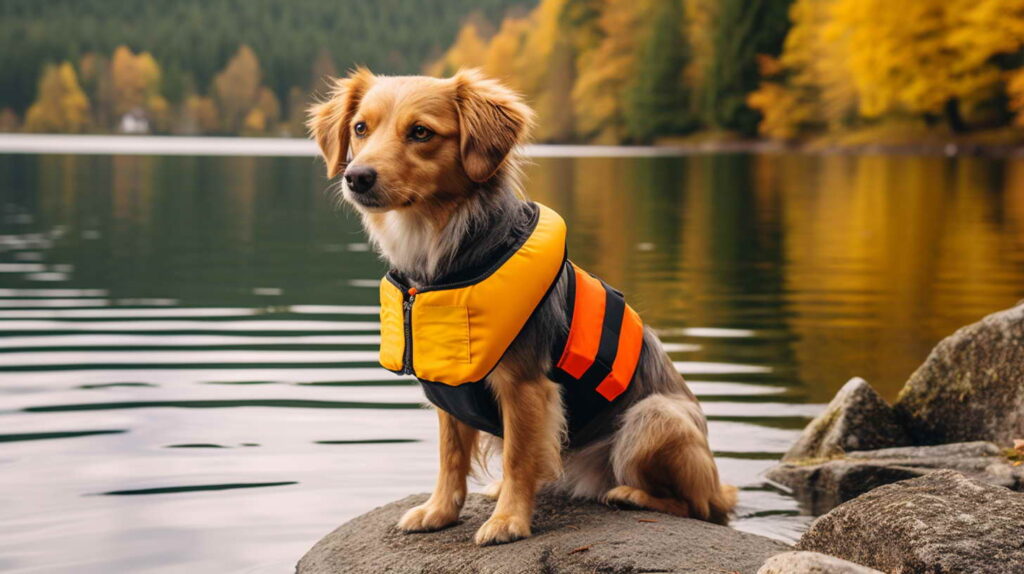
    Around water, ensure safety with properly fitted pet life jackets to provide backup buoyancy for weak or nonswimmers. Factor in shape and size when selecting flotation aids. Measure girth and choose vests with handles for easy grasping should emergency extraction become necessary. Snug fits keep jackets properly positioned. Avoid ill-fitting ones that ride up or slide sideways.

    Introduce jackets on land first before trying them out on open water. Let timid pets sniff and investigate them while receiving bountiful treats. Get them accustomed to wearing them without panic about restrictions to avoid flailing and obstructed movement. Remaining calm is essential should adverse water events occur. Secure straps snugly but not overly tight.

    Test personal flotation devices annually for buoyancy and fit. Ensure fasteners and handles remain intact. Watch for signs of wear. Replace deteriorated vests that fail to keep pets’ heads permanently above water. Invest in quality brands for durability across seasons.

    And remember – life jackets buy time, not skills. They aren’t a substitute for supervision. Weak swimmers still need rescue. Continually improve paddling technique through lessons that build endurance and confidence.

    Outdoor Pet Gear Travel Pet Carrier

    Travel and containment

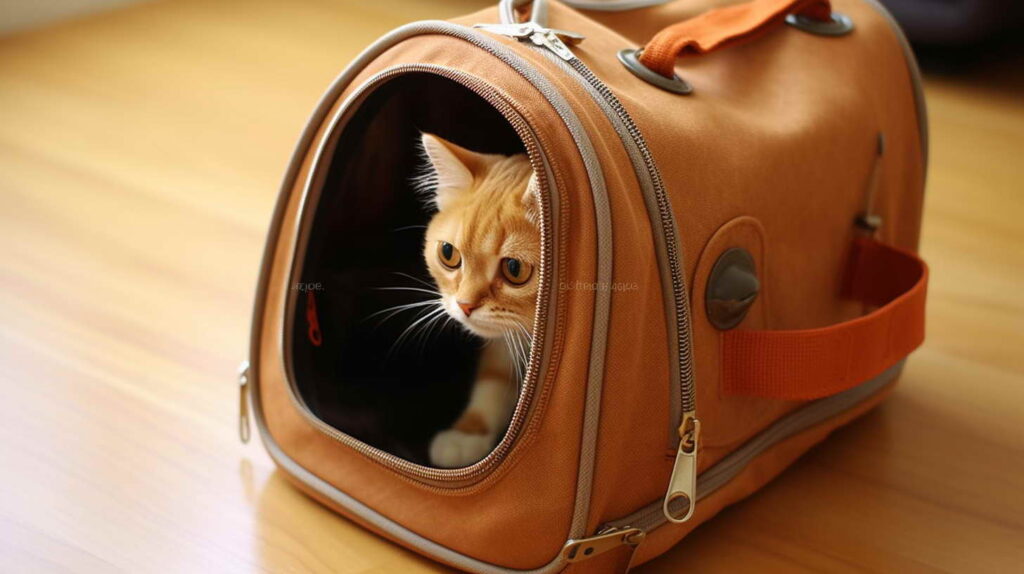
    For automobile travel, securely contain pets using well-ventilated crates and carriers fastened with ties or seatbelts to prevent sliding and collision injuries. Hard-sided varietals keep animals protected by absorbing force rather than transmitting it during accidents or evasive maneuvers. An anchored crate also prevents dogs from leaping into the front seat, which could cause dangerous driver distraction.

    • Include familiar crate beds and favorite toys to ease anxiety for nervous travelers unsettled by motion.
    • For accessibility needs, consider durable folding wire crates rather than confining solid plastic. However plastic carriers may enable smoother portability between modes of transport.
    • Protect pets from temperature extremes inside vehicles. Maintain comfortable cabin conditions always. Do not leave pets unattended without climate control, even briefly.
    • Hydrate pets frequently on road trips. Walk them hourly on long journeys.
    • Request veterinary anti-anxiety medications to ease distress for those suffering severely from motion sickness.

    When camping outdoors, establish clear physical boundaries using visual markers so both pets and people understand the extent of allowed exploration space. Instead of vague verbal cues, create tangible anchors. Options include:

    • Short tie-outs firmly secured between trees or corkscrewed stakes with cables or runner lines. Add a swivel snap link to prevent tangling.
    • Portable exercise pens, fences, or gates arranged in smaller enclosures for shorter stays. Larger perimeter for more permanent dwellings.
    • Staked down tarps or staked fencing to enclose specific areas under canopies.
    • If lacking sturdy infrastructure, keep pets on 15-30 foot leads for potty walks around campsites. Better to tether them temporarily than risk them dashing into the wilderness. But don’t leave them tied down for long periods; lonely pets tend to overreact upon return.

    When the freedom to roam isn’t safe or permitted in certain public spaces, confinement helps restrict pets for their protection. Contain them within view and remain alert to needs. Supervise closely regardless of barriers since clever escape artists manage to slip away surprisingly often. Check enclosures for vulnerabilities that clever paws might exploit. And never crate pets for excessively long periods. Employ tactics judiciously to encourage good behavior rather than primarily restrictions. Promote cooperation through positive interactions.

    Protection from the elements

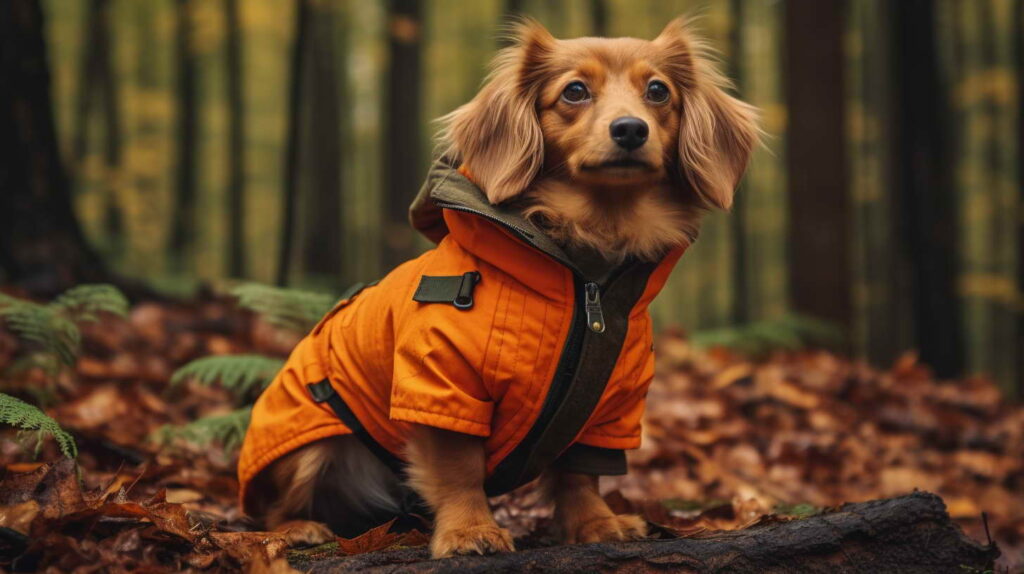
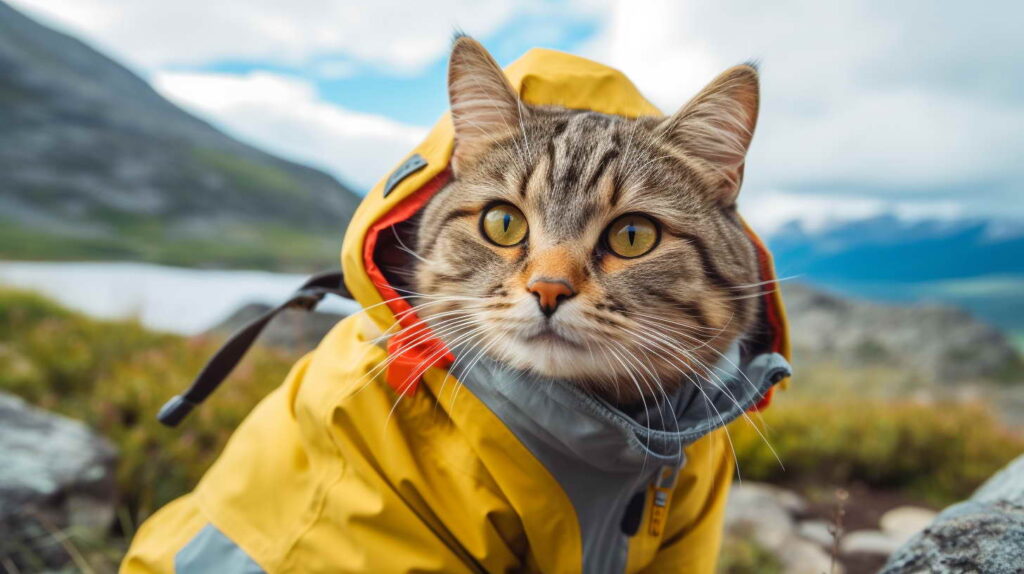
    Safeguard pets against weather conditions and seasonal threats using protective outerwear tailored to their unique needs. Measure carefully for proper fit. Monitor their comfort level and make adjustments to avoid overheating or chilled shivering. After all, letting dogs be dogs gets messy! Choose gear that contains messy play while blocking exterior hazards like wind, water, dirt, and insects. Thoughtfully assess conditions and plan accordingly with these available options:

    Cool and cover-up

    • Lightweight windbreaker vests in bright colors
    • Hooded rain slickers or heavy-duty Marmot coat equivalents
    • Insulated winter jackets for warmth during frigid months
    • Evaporative cooling vests to prevent heat stroke on sweltering days
    • Breathable mesh jackets that repel debris in muddy zones

    Protect paws and skin

    • Sturdy dog goggles shield eyes from debris when running trails
    • Mushers Secret wax protects paw pads from scratches and ice-melt chemicals
    • Biodegradable Balm prevents chapping and soothes abrasions
    • Neoprene ankle sleeves support joint strains from overactivity
    • Rubber under boots, fins, and rain shoes redirect mud away

    Guard against snow Specifics

    • Cozy fleece snoods cover ears from frostbite
    • Knitted snow nose protectors disguise vulnerable scent receptors
    • Matching sweaters and booties prevent snow clumping on bellies and toes
    • Waxy balms provide insulation from ice and salt irritation
    • Consider tire traction aids like claw caps for stability

    In extreme weather, avoid leaving pets outdoors for extended periods. Recognize signs of hypothermia, frostbite, hyperthermia, and sunburn which indicate they require emergency first aid and rapid veterinary intervention. Prevention is paramount. Plan activities thoughtfully by specimens health considerations. What rejuvenates one pet may jeopardize another. Evaluate realistically before venturing out into the elements.

    Clean-up

    When enjoying public parks and trails, environmental stewardship is vital. Pack waste bags and a trowel for prompt poop clean-up no matter how inconvenient the timing or location. Bag it then bin it using available trash infrastructure even if that requires packing it out. Diligent owners committed to leaving no trace to make the outdoors more pleasant for everyone else. We all occasionally forget a bag or encounter mishaps. But strive for mindfulness of surroundings at all times.

    Emergency Preparation

    In addition to cleanup tools, prepared guardians also carry:

    • Pet-oriented first-aid kits – gauze, tape, antibiotics, chemical wash
    • Important phone numbers – veterinarian, emergency clinics, poison control
    • Current color photos of pets from multiple angles to aid identification
    • Complete medical records noting existing conditions, medications, vaccines, surgeries
    • Preventative wellness medications – heartworm, flea and tick
    • Familiar toys or treats provide comfort through stressful situations

    And crucially, know basic animal first aid. Pursue pet CPR and rescue breathing certification. Study proper restraint techniques, injury stabilization, decontamination protocols, wound management, and monitoring vitals. Prepare for emergencies confidently before they happen. Then respond calmly as challenges arise. Fear and hesitation waste precious moments. So train extensively using regular practice scenarios and drill protocols. Outline emergency procedures clearly on paper noting resources to activate. Identify contingency measures for various hypothetical scenarios – snake bites, vehicular trauma, hunters, violent weather, environmental poisoning, etc. Maintain readiness to handle crises decisively. Stay present and focused. A lifetime of joy relies on vigilance and responsiveness in difficult moments.

    The right outdoor pet gear makes adventures fun for everyone. Assess each animal’s breed, age, health status, and temperament to select appropriate equipment that enhances connection while preventing harm. Supervise them actively, noting signals of distress. Adapt swiftly, reevaluating conditions based on their comfort. With conscientious planning tailored specifically to individual needs, pets and people thrive together through remarkable lifelong journeys.

    Outdoor Pet Gear Checklist

    Outdoor Pet Gear Checklist

    Category Types Purpose
    Leashes Retractable, double-handled, short, light Control, convenience
    Collars & harnesses Head halters, no-pull, bright ID, padded, gentle leader Communication, control, visibility
    Packs Breathable backpacks Carrying capacity
    Booties All-weather shoes, disposable slip-ons Paw protection from elements
    Life jackets Flotation vests Water safety
    Travel Crates, carriers, accessories Transport, containment
    Outerwear Windbreakers, raincoats, warming coats, cooling vests Protection from elements
    Clean-up Waste bags, trowel Sanitation
    Emergency First-aid, contacts, records, medication Preparedness

    Wrapping up

    The proper selection of Petsidi outdoor gear suited to a pet’s unique needs and temperament is crucial for ensuring health, safety, and enjoyment on adventures of all kinds. Retractable leashes, ergonomic harnesses, durable booties, flotation devices, protective outerwear, travel carriers, clean-up tools, and first-aid kids – equip pets appropriately according to activity and conditions. Supervise them actively, noting signals of distress and adapting swiftly to maintain comfort. Prepared guardians foster deeper human-animal bonds through every peak, valley, and horizon explored together along the journey of a lifetime.


  • Pet Hygiene Products Galore: A Caring Pet Parent’s Guide To Keeping Our Furry Friends Happy And Healthy 🐰

    Pet Hygiene Products Galore: A Caring Pet Parent’s Guide To Keeping Our Furry Friends Happy And Healthy 🐰

    Pet Hygiene Products

    Introduction: Pet Hygiene Products

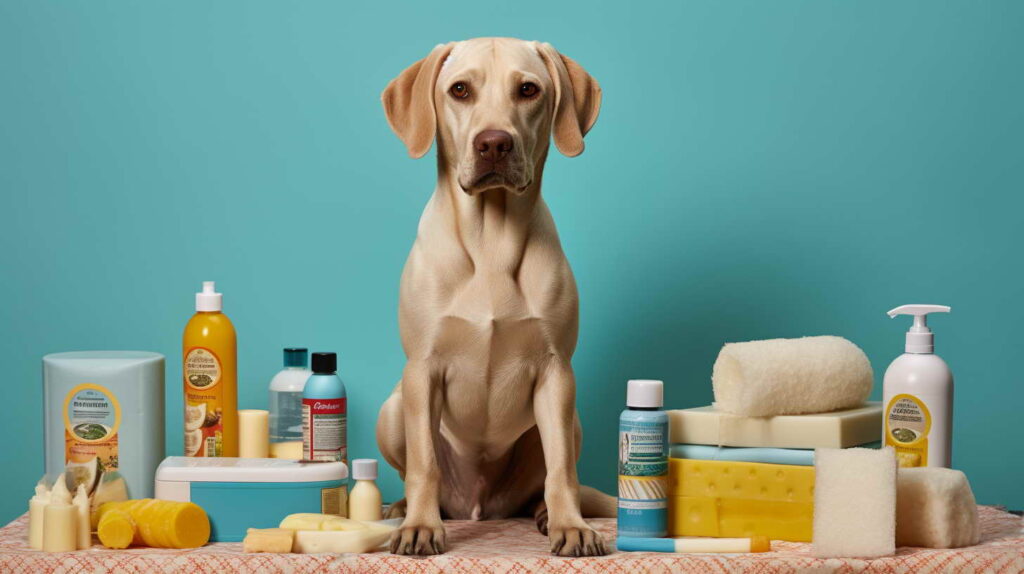
    PETSIDI – Keeping our furry friends clean and healthy is an important part of being a responsible pet owner. Proper pet hygiene involves more than just the occasional bath – it requires regular brushing and grooming, dental care, ear cleaning, nail trimming, and keeping bedding and living spaces clean. Thankfully there is a wide variety of pet hygiene products available to help us care for our cats, dogs, small animals, birds, and reptiles.

    Why Pet Hygiene Matters

    Good pet hygiene keeps our animal companions comfortable and helps prevent health issues down the road. Here’s why it’s important:

    • Prevents Skin Issues: Brushing removes loose hair and dander while distributing natural oils. This prevents dry skin, knots, hot spots, and infections.
    • Avoids Parasites: Parasites like fleas and ticks can lead to skin irritation, infections, anemia and even transmit diseases. Regular grooming and products keep these pests off your pet.
    • Maintains Healthy Coat: Natural oils help maintain a smooth, shiny, and healthy coat when distributed during brushings.
    • Reduces Shedding: While no dog or cat is completely non-shedding, regular brushings significantly reduce loose hair around your home.
    • Prevents Dental Disease: Poor dental care leads to plaque and tartar buildup which causes gum disease, tooth decay, and bad breath. Special treats and toothpaste keep teeth and gums healthy.
    • Avert Ear Infections: Cleaning your pet’s ears prevents painful infections caused by bacteria, mites, and excess wax.
    • Decreases Claw Damage: Overgrown claws lead to cracked nails and joint issues. Trimming avoids problems and protects both your pet and furniture.
    • Lessens Odors: Clean bedding and fur means less doggy and kitty odors around your house.

    In short, keeping your pet’s hygiene needs met makes them more comfortable, prevents health issues, and benefits the whole household. It’s worth the small time and monetary investment.

    Types of Pet Hygiene Products

    There is a wide assortment of pet hygiene products available both online and in brick-and-mortar stores. Here are some of the most common types and their uses:

    Grooming Tools

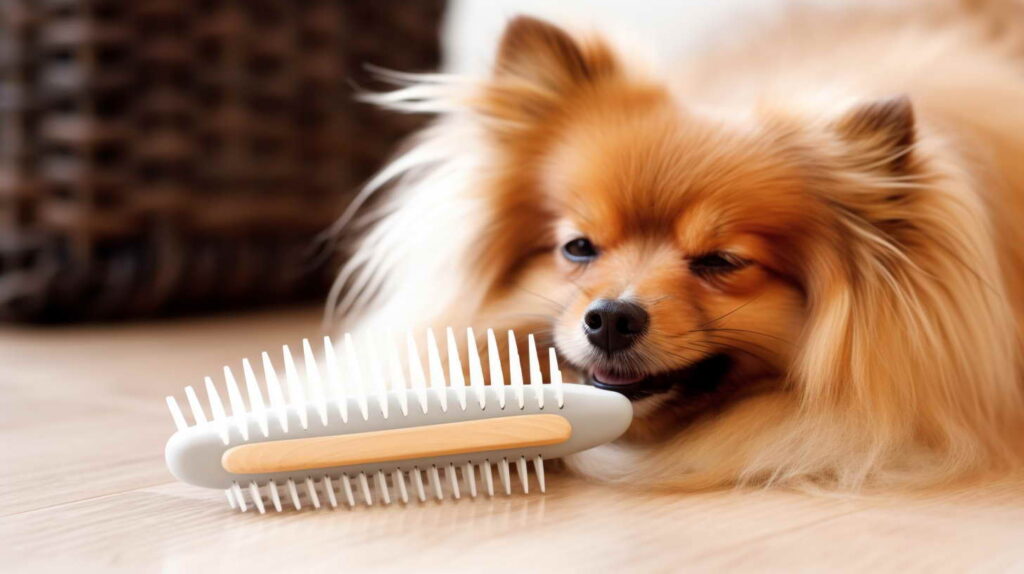
    • Slicker Brushes: Short wire bristles are perfect for removing loose hair from cats and dogs with short to medium coats. Not ideal for delicate skin.
    • Bristle Brushes: Widely spaced bristles are good for removing dirt and distributing oils on short-haired dogs and cats. Can irritate some animals.
    • Combs: Wide and fine-toothed stainless steel combs help detangle medium to long-haired pets and remove mats without scratching skin. The perfect de-shedding tool.
    • Deshedding Tools: Blades or gentle loops specifically designed to remove shedding undercoat without cutting the topcoat. A must-have for heavy shedders.
    • Scissors & Clippers: High-quality shears for safely trimming overgrown fur. Guillotine-style nail clippers make trimming claws quick and easy.

    Bathing Essentials

    • Shampoos: Formulated specifically for dogs and cats. Medicated varieties help treat skin issues like dryness, irritation, hot spots, and parasites.
    • Conditioners: Improve coat health by moisturizing skin and fur. Often used after shampooing to prevent excessive dryness and replenish natural oils.
    • Dry Shampoo: Waterless shampoos allow spot cleaning between full baths. Just spray, lather, and brush out. Great for paws, body odor, or light dirt.
    • Towels: Super absorbent towels specifically sized for holding small or large pets while drying off. Smooth fabrics are gentle on the skin.
    • Brushes: Help lather and evenly distribute shampoo while bathing. Some feature built-in dispensers.

    Dental Care

    • Toothpaste: Special enzymatic pastes keep tartar and plaque from accumulating. Help freshen your breath too! Make sure to select a pet-safe flavor.
    • Fingerbrushes: Slip over a finger allowing you to brush your pet’s teeth similarly to your own. Available in multiple sizes.
    • Dental Treats: Chew toys and edibles are formulated to fight plaque and tartar as your pet gnaws.
    • Water Additives: Liquid solutions mixed into your pet’s drinking water that promote oral health.

    Ear & Eye Products

    • Ear Cleaners: Specially designed solutions help remove built-up wax, debris, and bacteria within the ear canal. Avoid using human products like cotton swabs.
    • Tear Stain Removers: Lighten or remove reddish-brown stains under the eyes caused by excessive tear production. Often includes an antimicrobial component.
    • Eye Wipes: Pre-moistened pads gently wipe eye boogies, stains and gunk away. Soothe eye irritation.

    Miscellaneous

    • Shampoo Attachments: Nozzles and hoses help thoroughly wet and rinse your pet without getting soaked yourself. Great for bathing large or hard-to-handle animals.
    • Oral Rinses: Support your pet’s oral health between brushings by flushing food particles and bacteria loose.
    • Paw Balms: Soothe and moisturize cracked paw pads plus protect from hot pavement or snow melt. Made specifically to lick safely.
    • Deodorizers: Eliminate odors from bedding, litter boxes, cages, or accidents rather than masking smells. Available as sprays or solid gels.

    This list provides a sampling of products in some popular categories, but many more options are available. Always read labels thoroughly and consult your veterinarian, especially if your pet has sensitivities or health conditions.

    Pet Brushes and Combs

    Brushes and Combs Comparison

    Product Best For FEATURES CONS
    Slicker Brush Short-medium coats Flexible wire bristles grab loose hair Can irritate sensitive skin
    Bristle Brush Short coats Distributes natural oils Rough on some pets
    Wide-tooth Comb Long, tangled coats Painlessly untangles Won’t brush up the undercoat
    Fine-tooth Comb Flea removal Catches parasites Not for detangling
    Deshedder Heavy shedding dogs Removes loose undercoat quickly Can cut healthy topcoat

    Selecting the Right Products

    With so many options lining pet store shelves, choosing the right hygiene products for your furry friend can get overwhelming. Here are some tips:

    • Identify Needs: Consider your pet’s breed, coat, age, health status, and product preferences when selecting items. For example, young pets need less dental care and short-haired breeds don’t require frequent combing.
    • Veterinary Input: Ask your vet which types of products they recommend. Let them know of any specific health concerns too.
    • Start Small: Only introduce one new product at a time and monitor your pet’s reaction. Adjust if you notice licking, scratching, or skin irritation which may indicate sensitivity or allergy.
    • Review Feedback: Check reviews of products before purchasing when possible. This gives insight into real-world experiences other pet owners have had.
    • Give it Time: Have patience in introducing new products like toothpaste and brushes. It takes most animals time to adjust to the sensation and process. Make it fun by pairing it with praise and treats.
    • Combine When Possible: Look for multi-function items like shampoos that clean and deodorize or dental treats that freshen breath and clean teeth. This reduces the number of products needed.

    Speaking with fellow pet owners and doing some quick internet research can provide guidance as well. Every animal has unique needs and preferences, so expect some trial and error. Pay attention to how your pet responds and adjust your approach accordingly.

    Establishing a Hygiene Routine

    Caring for your pet’s hygiene doesn’t need to take a ton of time, but does require consistency. Here are some tips for making grooming, bathing and upkeep a regular part of life with your furry friend:

    • Set a Schedule: Mark your calendar or phone reminders for monthly, weekly, or daily grooming and hygiene tasks. Consistency is key, so set realistic commitments.
    • Incorporate Brushing: Work a quick daily brushing into your existing habits like watching television or drinking morning coffee. Just 5-10 minutes makes a difference over time.
    • Do it Together: Make grooming a family event by having one person distract your dog with affection and treats while the other person brushes. This prevents struggling and gets everyone involved.
    • Start Young: Introduce grooming early in life so it becomes a familiar routine. Positive reinforcement goes a long way with puppies and kittens.
    • Offer Rewards: Give treats, affection, or playtime to reinforce desired behavior and make the experience more enjoyable. Most pets eventually see brushing as a special bonding activity with their human.
    • Remain Calm: If your pet seems anxious or overly excited, pause and help everyone relax before continuing. Forced grooming only increases stress for both parties.

    Integrate basic upkeep into your current schedule for more manageable, consistent care that benefits you and your pet. Don’t tackle everything at once – start with one or two hygiene practices and build from there.

    Pet Hygiene Products and Supplies Checklist

    Here is a helpful checklist of pet hygiene tools and essentials to have on hand:

    Grooming Tools

     Slicker Brush

     Bristle Brush

     Comb

     Deshedding Tool

     Scissors

     Nail Clippers

    Bathing Supplies

     Dog or Cat Shampoo

     Conditioner

     Dry Shampoo

     Towels

     Brush

    Dental Care

     Toothpaste

     Finger Brush

     Dental Treats

     Water Additive

    Healthy Body

     Ear Cleaner

     Tear Stain Remover

     Eye Wipes

     Paw Balm

    Cleaning

     Odor Eliminator Spray

     Laundry Detergent

    Tailor your checklist to your pet’s breed, needs, and personal care preferences. Post it somewhere visible to remind you when supplies run low.

    Budget-Friendly Options

    Properly caring for your beloved companion does come with some financial investment. However, there are ways to save:

    • Browse Sales: Retailers like big-box stores and online shops regularly discount pet items. Sign up for promotions and notifications to catch deals.
    • Shop Generic: Cheaper store brands offer the same quality and function for less. This works well for staples like shampoos, brushes, and dental treats.
    • Price Match Guarantees: Take advantage of retailer policies that match competitor pricing by providing proof of advertised specials.
    • Buy In Bulk: Purchasing jumbo sizes of frequently used items like shampoo, toothpaste, and parasite prevention treatments brings down the per-unit price.
    • Split Costs: Go in with friends or family on bulk packages of pricier dental chews or specialty items that can be divided up.
    • Use Multipurpose Products: Seek out shampoos that clean, deodorize, and condition all in one. These eliminate the need for multiple products.
    • Make Your Own: Homemade flea and tick sprays, dry shampoos and basic cleaning supplies allow you to control ingredients. Recipes abound online.
    • Price Track: Use free price monitoring browser add-ons to track an item’s cost history and receive alerts when it hits your target price. Makes snagging deals easier.
    • Sign Up For Loyalty Programs: Retailers offer perks like discounted member pricing, dollars off future purchases, and free treats or toys to regular buyers.

    Don’t let limited funds deter you from keeping your pet fresh and healthy. Talk to your vet, rescue organization, or other animal owners for more great ideas.

    Conclusion

    Regular grooming, bathing, dental care, and proper hygiene are critically important to your pet’s health and comfort. While essential, these practices also nurture the bond between animals and humans when incorporated into a consistent routine. Fortunately, quality products abound which make at-home care easier for owners and more pleasant for our furry friends. Do some research, make realistic commitments, and involve the whole family in nurturing your cat, dog, or small animal’s wellbeing. Consistency leads to happy, healthy pets and harmonious homes!

  • Pet Toys and Entertainment – How To Make Your Pet’s Life Happier?

    Pet Toys and Entertainment – How To Make Your Pet’s Life Happier?

    Pet Toys and Entertainment

    Introduction: Pet Toys and Entertainment

    PETSIDI – Pets, like their human companions, require mental and physical stimulation. As caretakers for domesticated animals that largely live indoors, we must provide outlets for their instinctual behaviors. Toys and activities focused on pets’ natural hunting, exploring, chewing, and problem-solving impulses are key to their well-being. This applies to common household pets like dogs, cats, small mammals, birds, reptiles, amphibians, fish, and even some invertebrates.

    What entertainment do our furry, feathered, scaled, and exoskeletoned friends enjoy? Let’s dive in to better understand their needs and how we can meet them as responsible pet parents. I invite you, dear reader, to reflect on your own pets and their favored playthings as we explore this essential aspect of animal caregiving.

    Why Playtime Matters

    Wild animals spend large portions of their waking hours interacting with their environments. They forage, hunt, patrol territories, practice survival skills, interact with members of their own and other species, and engage in mating rituals. Even predators that appear lazy to our human sensibilities are often conserving energy between intense bursts of activity.

    Domestication exchanges some behaviors to secure steady food, shelter, and healthcare from humans. But pets retain deeply ingrained drives even if they live mostly tame, indoor lives. Lack of mental and physical stimulation takes a toll, leading to boredom, frustration, stress, anxiety, and destructive tendencies. Ever come home to find shreds of tp or couch stuffing everywhere? Your pet was meeting their own stimulation needs, but not in the way you’d prefer! Providing appropriate outlets for natural behaviors benefits you and your pet.

    Play also builds bonds between pets and human guardians, reinforcing affection and teamwork. Interactive play strengthens relationships within multi-pet households. Whether you own one critter or several, entertainment enriches their quality of life…and yours!

    Let’s survey options tailored to popular pet species’ activity requirements and preferences.

    Toys for High-Energy Dogs

    Our canine companions originate from highly social, wide-ranging hunters like wolves. Modern breeds retain strong instincts to chase prey, chew, play-fight, solve puzzles, learn commands, and closely bond with “packmates” including humans. Energetic pups require 30-60 minutes of rigorous activity most days to stay fit and prevent behavior issues. Less active senior or small breed dogs still need mental stimulation and quality time with their beloved humans. Matching activities to your dog’s age, size, and temperament ensure healthy development.

    Fetch fanatics will eagerly chase balls, discs, ropes, sticks (no splinters!), and other graspable objects. Launching throw toys allows them to dash at top speed while practicing capture techniques. This satisfies prey drive: hunting, racing after, seizing, subduing, and carrying an “item of interest” gives dogs great fulfillment. Pay close attention to avoid overexertion.

    Tug-of-war and wrestling are natural social behaviors for establishing hierarchy and bonding. Your pooch will happily grapple with tug ropes, shake flirt poles, or innocuously mouth your hand or arm while play-fighting. Set rules like “no roughness” and stop when you sense loss of control. Reward gentle mouthing to reinforce desirable behavior.

    Puzzle toys filled with hidden treats make pups work for their kibble, stimulating minds and problem-solving skills. Food puzzles, snuffle mats, hollow rubber toys, and more slow down rapid eaters. Dispensing toys reduces boredom and anxiety when alone. Rotate different puzzles to prevent loss of challenge. Advanced options require flipping latches, sliding doors, lifting flaps, pulling ropes, or spinning rollers to access the grub!

    What about chew toys? Dogs teethe for months as puppies, then gnaw to manage stress or boredom forever after. Provide acceptable, durable alternatives to rugs, shoes, table legs, etc! Aggressive chewers need tough treats like compressed rawhide-free bones, and rubber or nylon toys. Supervised softer options include stuffed/squeaky toys, bully sticks, tendons, raw bones with meat scraps, or frozen carrots. Monitor to avoid choking hazards or intestinal blockages.

    Toys and Activities for Cunning Cats

    Toys and Activities for Cunning Cats

    Feline friends lead more solitary lives than dogs overall, yet still thrive when provided appropriate entertainment. Understanding subtle cat behaviors allows better caregiving. Despite seeming aloof, most crave affectionate relationships with humans and compatible animal friends. We must offer appealing outlets for their smart, stealthy natures!

    Natural hunting obsession means cats love chasing and pouncing things that move suddenly, erratically or make sounds. Store-bought choices: feather toys, wands, balls in circular tracks, treat balls/eggs, motorized bugs or mice they “catch”. Many homemade toys work too: paper bags, milk rings, aluminum foil balls, or string pulled along the floor. Try scattering catnip or treats to discover! The active play taps into hunting drives, cycles energy spikes, and prevents “trouble.”

    Scratching serves natural territorial marking and claw conditioning needs. Ensure kitty-approved vertical and horizontal scratching posts. Cardboard scratch pads often sit unused while that heirloom chair back gets shredded! Place acceptable options near “no-no” zones. Praise and redirect to reinforce proper locations. Consider temporarily taping/covering off-limits areas if the kitty persists. Strategic catnip application helps too!

    Window perches, tall cat trees, and ledges offer vantage points for one of the cats’ favorite hobbies: bird/squirrel observation! Position access ramps and beds near sunny windows; outdoor enclosures provide super enrichment. Some cats bat around toy mice or feathers left nearby “just in case” exciting opportunities arise!

    While less social than dogs overall, many cats enjoy games that engage human “staff.” Try teaching parlor tricks for treats: sit up, circle, jump through hoops; some learn to fetch or walk on leashes. Puzzle feeders, snuffle mats, and food-dispensing balls provide mental exercise too. Customize activities to your cat’s willingness and abilities.

    Table 1 summarizes stimuli meeting common pet species’ needs through various life stages:

    Type of Pet Life Stage Recommended Types of Toys & Entertainment
    Dogs Puppies Chew toys, rope tugs, wresting, learning games, socialization
    Dogs Adolescent & adults Fetch, running/jogging, advanced puzzles, learning new skills
    Dogs Senior Slower-paced exercise, mental games, quality snuggle time
    Cats Kittens Lightweight toys to chase and carry, cardboard scratch pads
    Cats Prime adults Prey imitation toys, tall cat trees, and perches, scratchers
    Cats Senior Lower leaping required, mental stimulation, window access
    Small mammals (rabbits, guinea pigs, ferrets, etc.) All Tunnels, chews, digging boxes, foraging, exercise wheels or balls
    Birds All Foraging toys, shredder toys, swings/hanging perches, cage decoration changes
    Reptiles & amphibians All Habitat elements allow climbing, burrowing, and soaking; some chase feeder insects
    Fish All Plants, decor, bubbles; some chase laser pointers or interact with magnetic tank décor

    This table shows categories of enrichment tending to best suit major pet species. Individual animal preferences still vary! Observe your own furry, feathered, or scaled friends to learn their personal favorite activities.

    Safety Precautions

    While play promotes health, improper use of toys carries some risks. Monitor pets using potentially hazardous items. Discard or repair anything with loose parts small enough to choke on, sharp edges, or toxic coatings. Choose sturdy chew items sized appropriately for pets to avoid mouth injuries. Check labels for child-safe indications.

    Supervise pets when introducing unfamiliar toys until positive (nondestructive) behavior patterns emerge. Redirect inappropriate roughness, aggression, or obsessiveness gently but firmly; if problems persist, try different entertainment—separate warring multi-pet households during high-value chews or feedings.

    Work, socialization, training, and affection build bonds while meeting activity quotas! Overall integrate playtime into routines making pets’ needs, skills, and preferences priorities. This encourages mutual understanding and respect between species sharing homes and hearts.

    Summary: Enrichment Furthers Relationships

    Like responsible parents, excellent pet caretakers prioritize dependents’ best interests. While animals give us unconditional love in their own unique ways, they rely on us utterly to not just sustain but actively enrich their lives. Going beyond meeting basic needs to nurture joy, discovery, and growth should guide care. The more we invest in pets’ well-being, the deeper our connection and mutual fulfillment becomes.

    I sincerely hope these pet toy and entertainment suggestions assist all who read this in deepening wonderful relationships with beloved animal companions! Please reach out if you have further questions. Here’s to happy pets and people through open hearts, giving spirits, and responsible caretaking. Play on!