Category: Pet Supplies

  • Unbreakable Dog Leashes

    Unbreakable Dog Leashes

    Unbreakable Dog Leashes

    The Best Unbreakable Dog Leashes for Total Control

    PETSIDI – Hey friend! As pet ownership duty, walking your dog should be an enjoyable experience for both of you. But when your pup takes off after a squirrel or pulls on the leash, it can make walks stressful. An unbreakable dog leash gives you complete control, even if your dog is a strong puller.

    In this article, I’ll recommend the best unbreakable leashes to stop your dog from pulling. I’ll also explain the features that make them unbreakable and share tips for leash training your dog. Read on to learn how an unbreakable leash can make walks fun again!

    Why Choose an Unbreakable Dog Leash?

    Before I get into the top picks, let’s discuss why an unbreakable leash is a smart choice:

    • Prevents Breaking or Snapping: Regular nylon or rope leashes can break if your dog pulls hard enough. Unbreakable leashes withstand extreme pressure without damage.
    • Better Control: Their sturdy design gives you more control over a strong or reactive dog. It stops them from lunging or chasing squirrels.
    • Training Tool: Used properly, an unbreakable leash can be a helpful training tool to stop pulling and increase focus.
    • Safety: A leash that won’t snap or break keeps your dog secure if they try to bolt. It prevents them from running into traffic or other dangers.

    Now let’s look at the most recommended unbreakable leashes and their key features.

    Top 3 Unbreakable Dog Leashes

    1. Leashboss Heavy Duty Dog Leash

    The Leashboss Heavy Duty Dog Leash is made of rock climbing rope and withstands over 1000 lbs of force. The pros love it because:

    • Extremely durable – Made from durable mountaineering rope.
    • Comfortable grip – Features foam padded handles for comfort.
    • Reflective – Has reflective stitching for visibility.
    • Floats – Rope construction allows it to float in water.
    • Multiple sizes – Available in leash lengths from 4 ft to 8 ft.

    This super sturdy leash is great for training strong pullers and gives you total control. While pricey, its quality and durability justify the cost for many owners.

    2. Mighty Paw Triple Lead Training Dog Leash

    For multi-dog walks, the Mighty Paw Triple Lead Training Dog Leash is an excellent option. Key advantages include:

    • Triple lead design – Walk multiple dogs at once.
    • Detangler feature – Prevents leashes from getting tangled up.
    • Dual handle straps – Gives ultimate control of 3 dogs at once.
    • Reflective – Improves visibility at night.
    • Bungee section – Absorbs pulling for less arm fatigue.
    • Durable construction – Made of mountain climbing rope and metal clasps.

    If you walk more than one dog at a time, this triple-legged leash makes it much easier to handle them all. The individual leashes are unbreakable even with extreme pulling.

    3. SparklyPets Heavy Duty Dog Leash and Collar

    For a set, the SparklyPets Heavy Duty Dog Leash and Collar is an affordable option. Features include:

    • Leash and collar set – Includes heavy-duty collar and strong leash.
    • Reflective stitching – Adds visibility at night.
    • Padded handles – Prevents rope burns on hands.
    • Metal clasps – Securely connects collar and leash.
    • Withstands 1000+ lbs of force – Won’t break even with hard pulls.
    • Multiple size options – Available for dogs from 15 lbs up to 250 lbs.

    This set provides a complete solution at a lower price point than most heavy-duty leashes. It’s great for training pullers while staying easy on your wallet.

    How to Choose the Right Unbreakable Leash

    When picking an unbreakable dog leash, here are key factors to consider:

    • Dog size – Choose a leash size that fits your dog’s weight and strength.
    • Grip design – Padded handles provide more comfort and control.
    • Clasp quality – Sturdy metal clasps maintain connection security.
    • Visibility – Reflective stitching offers safety in low-light conditions.
    • Leash design – Dual handle and bungee leashes reduce arm strain.
    • Expected strength – Consider breeds prone to pulling like huskies, boxers, or pitt bulls.

    Matching the leash to your dog’s specific needs ensures maximum strength, safety and walking ease.

    Here is one that we recommend: https://amzn.to/4bKGEIl

    The Best Unbreakable Dog Leashes for Total Control

    Unbreakable Leash Training Tips

    An unbreakable leash alone won’t stop your dog from pulling or lunging. Use these tips to train them:

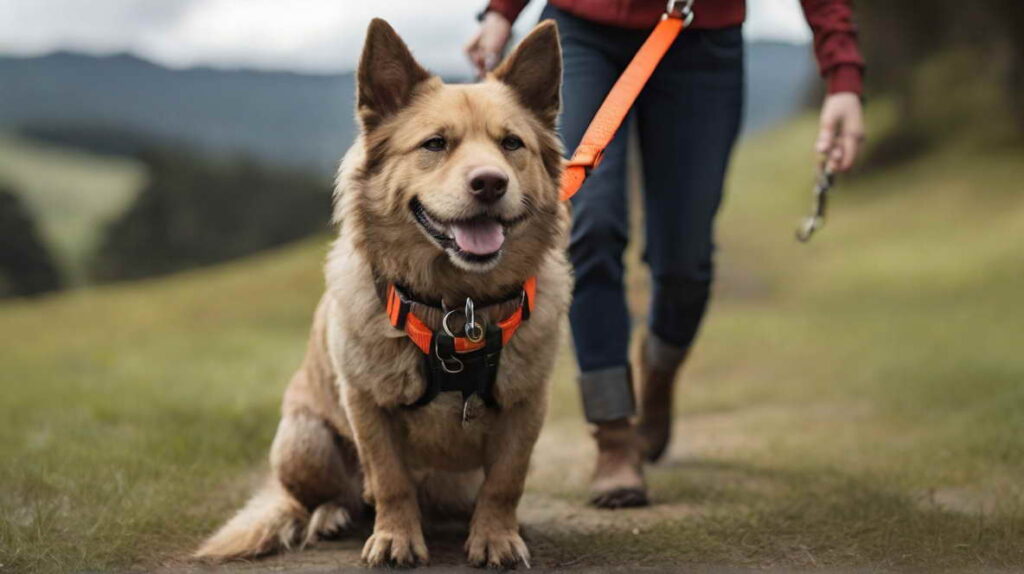
    • Use proper equipment – Pair the leash with a front clip harness to turn them back toward you when they pull.
    • Stay consistent – Leash train for a few minutes during every walk. Don’t let them get away with pulling just because they seem tired.
    • Reward good behavior – Give treats and praise when they walk nicely beside you without pulling.
    • Stop or change direction – When they start pulling, stop walking or turn and walk the other way.
    • Practice impulse control – Have them sit and wait before crossing streets, meeting people or other dogs.
    • Consider a trainer – If you’re struggling, consult a qualified dog trainer for personalized leash training advice.

    With patience and consistency using these methods, your dog can learn to walk without pulling or lunging.

    Frequently Asked Questions

    Here are answers to some common questions about unbreakable dog leashes:

    Are unbreakable leashes cruel?

    Used properly, unbreakable leashes are not cruel. The key is gradual leash training, not yanking or jerking your dog’s neck. They should never be used with choke collars or for tying dogs up.

    How strong is an unbreakable leash?

    Quality unbreakable leashes withstand over 1,000 pounds of sustained force. They are made from mountain climbing rope or other extremely robust materials.

    Should I get a chain leash instead?

    Chain “slip” leashes allow control but they can damage necks with pressure. Unbreakable rope leashes are a safer alternative for strong pullers.

    Can I use an unbreakable leash on a retractable leash?

    You should NOT attach an unbreakable leash to a retractable leash. Doing so risks damage to the retractable mechanism or causing a hazardous situation.

    Should I get a double handled leash?

    For maximum control, double handled leashes are highly recommended. The back handle gives you steering control when dogs lunge or pull.

    Hopefully this gives you a complete overview of the best unbreakable dog leashes and how to use them for training leash pullers. Let me know if you have any other questions!

    Comparison Table

    Here is a table comparing the key specs of the top 3 leashes:

    LeashMaterialHandleReflective?Size Options
    LeashbossClimbing ropePaddedYes4 ft – 8 ft
    Mighty PawClimbing ropeTwo strapsYes
    SparklyPetsClimbing ropePaddedYesFor dogs 15-250lbs

    Conclusion

    Thanks for reading this overview on heavy-duty unbreakable dog leashes! I hope you found the top picks, buying considerations, and training tips helpful. Walking your dog should be a relaxing time, not a chore. An unbreakable leash gives you the security and control for safe, happy strolls with your pup. Let me know if you end up getting one of the leashes and how it works for you!

  • Do Bark Collars Work on Great Pyrenees Dogs?

    Do Bark Collars Work on Great Pyrenees Dogs?

    Do Bark Collars Work on Great Pyrenees Dogs

    Unraveling the Mystery: Do Bark Collars Work on Great Pyrenees Dogs?

    PETSIDI – Hey there, friend! Let’s dive into the world of bark collars and Great Pyrenees dogs, shall we? Excessive barking can be a real nuisance, causing issues with neighbors, disturbing the peace, and even leading to legal troubles. As a proud owner of a Great Pyrenees, you might be wondering, “Do bark collars work on these magnificent furry giants?”

    Understanding the Great Pyrenees

    Ah, the Great Pyrenees – a breed as majestic as they are stubborn. These gentle giants are known for their thick white coats, calm demeanor, and unwavering loyalty. But let’s not forget their guardian instincts, which can often lead to excessive barking habits. They’re the ultimate watchdogs, and they take their job seriously! So, it’s no surprise that many Great Pyrenees owners struggle with nuisance barking.

    What are Bark Collars?

    Bark collars, also known as training devices, are designed to discourage excessive barking in dogs. They come in various forms, such as citronella sprays, vibration collars, or even shocking collars (which, let’s be honest, sound a bit harsh). The idea is that when the dog barks, the collar emits a signal or an unpleasant sensation, discouraging them from continuing the behavior.

    Do Bark Collars Work?

    Now, the million-dollar question: do bark collars work on the Great Pyrenees? The answer is a bit complicated – it depends on various factors, and the effectiveness can vary widely. While some owners swear by bark collars and claim they’ve seen a significant reduction in nuisance barking, others report limited success or even negative consequences.

    It’s important to understand that bark collars are designed to address the symptoms of excessive barking. Still, they may not necessarily address the underlying root cause or motivations behind the behavior. Great Pyrenees are known for their guardian instincts and propensity to bark as a form of communication, warning, or territorial defense. Simply suppressing the barking behavior with a collar may not address these innate tendencies.

    The effectiveness of bark collars can also depend on the individual dog’s personality, temperament, and response to the aversive stimuli. Some dogs may become more stressed or anxious when subjected to unpleasant sensations, leading to an increase in unwanted behaviors or even more persistent barking. Others may simply become habituated to the stimuli, rendering the collar ineffective over time.

    Another factor that can impact the success of bark collars is the consistency and timing of their use. Inconsistent or improper use can lead to confusion and frustration for the dog, potentially undermining the training process. Proper fit and adjustment of the collar are also crucial to ensure it functions correctly and doesn’t cause discomfort or harm.

    It’s important to note that bark collars are not a one-size-fits-all solution, and their effectiveness can vary depending on the specific breed, individual dog, and the circumstances surrounding the excessive barking. Some dogs may respond better to positive reinforcement training techniques or other behavior modification approaches that address the root causes and motivations behind the barking behavior.

    Before relying solely on bark collars, it’s essential to consult with a professional dog trainer or animal behaviorist who can help identify the underlying reasons for the excessive barking and recommend the most effective and humane training methods for your specific situation.

    Considerations Before Using Bark Collars

    Before strapping a training collar on your Great Pyrenees, there are a few important considerations to keep in mind:

    1. Consult a professional: It’s always a good idea to consult with a certified dog trainer or veterinarian before introducing any new training techniques or tools.
    2. Identify the root cause: Excessive barking can stem from various reasons, such as boredom, anxiety, or even medical issues. Addressing the underlying cause through proper training methodologies and behavioral interventions should be your priority.
    3. Explore alternative methods: There are numerous positive reinforcement training techniques and behavior modification approaches that can be just as effective, if not more so, than bark collars. These methods focus on rewarding good behavior and addressing the root causes of unwanted behavior.

    Pros and Cons

    Like most things in life, bark collars have their own set of pros and cons. On the plus side, they can potentially help reduce excessive barking, providing relief for both you and your neighbors. They can also be a useful tool when used in conjunction with other positive reinforcement methods.

    On the downside, there are concerns about the potential for negative reinforcement and the impact on your dog’s well-being. Some collars can cause stress, anxiety, or even physical discomfort, which can have unintended consequences on your furry friend’s behavior.

    It’s important to consider the ethical considerations of using aversive tools like bark collars. While they may provide a quick fix, they may not address the underlying issues or build a positive relationship between you and your dog.

    Tips for Using Bark Collars Responsibly

    If, after careful consideration, you decide to give bark collars a try, here are some tips to help you use them responsibly:

    1. Follow the instructions: Read the instructions carefully and understand how to properly use and fit the collar.
    2. Gradual introduction: Introduce the collar gradually, allowing your dog to get used to it before activating any corrections.
    3. Consistent use: Consistency is key. Use the collar consistently during training sessions and when barking is likely to occur.
    4. Positive reinforcement: Don’t rely solely on the collar. Incorporate positive reinforcement techniques, such as rewarding quiet behavior with treats or praise.
    5. Supervision: Never leave your dog unsupervised while wearing a bark collar. Monitor their reactions and adjust as needed.
    6. Time limits: Use the collar for short periods and avoid prolonged exposure to the aversive stimuli.

    You can find these amazing large dog collars on Amazon, check them out: https://amzn.to/4bKpevq

    Alternative Solutions for Excessive Barking

    If you’re not comfortable with the idea of bark collars or if they don’t seem to be working for your Great Pyrenees, don’t worry! There are plenty of alternative solutions that focus on positive reinforcement and behavior modification:

    • Exercise and mental stimulation: Ensure your furry friend gets plenty of physical and mental exercise to prevent boredom, which can lead to excessive barking.
    • Desensitization and counterconditioning: Gradually expose your dog to the triggers that cause barking while rewarding calm behavior. This can help them associate those triggers with positive experiences.
    • Enrichment activities: Provide your dog with interactive toys, puzzle feeders, and other enrichment activities to keep their mind engaged and reduce boredom.
    • Professional training: Consider hiring a certified dog trainer specializing in positive reinforcement training to help modify your dog’s behavior.

    Conclusion

    In conclusion, my friend, the decision to use bark collars on your Great Pyrenees is a personal one that requires careful consideration. While they may work for some dogs, they may not be the most effective or humane solution for others. Remember, every dog is unique, and it’s important to address the root causes of excessive barking through positive reinforcement, behavior modification, and a deep understanding of your furry companion’s needs.

    Before making any decisions, do your research, consult with professionals, and always prioritize your dog’s well-being. Explore alternative solutions and be open to trying different approaches. With patience, consistency, and a commitment to ethical training practices, you can find a way to manage your Great Pyrenees’ barking while maintaining a strong, positive bond with your beloved furry friend.

  • Pet Nutrition

    Pet Nutrition

    Pet Nutrition

    Pet Nutrition

    PETSIDI – Proper nutrition is essential for the health and well-being of pets. Choosing the right diet helps ensure pets receive the vitamins, minerals, and nutrients they need for proper growth, development, disease prevention, and aging support. As pet owners and caretakers, understanding the unique nutritional needs of dogs, cats, and other domestic animals enables us to make informed decisions when it comes to feeding our furry companions.

    Introduction

    Pet nutrition encompasses the dietary needs and recommendations for domesticated animals kept as household pets or companions. Good nutrition allows pets to thrive throughout all life stages from puppyhood through senior years. Since commercial pet foods and treats make up a significant portion of most pets’ diets, owners must educate themselves on how to evaluate ingredients, nutrient content, and labeling when selecting food. Beyond commercial diets, some owners opt for homemade food or specialized feeding approaches such as raw diets. Regardless of the specific diet, paying attention to changing nutritional requirements as pets age can promote ongoing health and wellness.

    Proper pet nutrition provides many benefits including:

    • Healthy weight maintenance
    • Muscle growth and development
    • Shiny coats and skin
    • Strong teeth and bones
    • Optimal energy levels
    • Disease prevention
    • A longer and better quality of life

    Understanding key nutrition principles, diet options, and health considerations empowers owners to make the best dietary choices for their furry friends.

    Types of Pet Diets

    Types of Pet Diets

    From store-bought kibble to homemade stew, several diet types for pets exist, each with its advantages.

    Commercial Pet Foods

    The majority of household pets eat commercial pet foods for all or most meals. When selected appropriately, commercial diets can provide complete and balanced nutrition.

    Premium Pet Foods

    Premium commercial foods contain quality ingredients, higher protein content, and precise nutritional formulations. Criteria for premium pet foods include:

    • Real meat or fish as first ingredients
    • No corn, wheat, soy, by-products, artificial preservatives or flavors
    • Exact nutritional standards and stringent quality control
    • Often marketed as “natural” or “holistic”

    Though pricier, premium foods support optimal health.

    Grain-Free Pet Foods

    Many pet foods now feature grain-free recipes due to rising popular interest. Dogs and cats have no known nutritional requirement for grains, which are often used as inexpensive fillers. Potential benefits of grain-free diets include:

    • Reduced risk for food allergies/sensitivities
    • Lower glycemic impact
    • More protein-focused nutrition

    However, some veterinarians argue little proven difference exists between grain-free and grain-inclusive foods that use healthy whole grains like rice and oats.

    Homemade Pet Food

    Home cooking for pets has surged in popularity due to concerns over commercial diet quality and food recalls. Benefits of homemade meals include:

    • Control over ingredients
    • Ability to customize
    • The appeal of less processed
    • Option for human-grade foods

    However, homemade food does require research and planning to formulate complete and balanced recipes that avoid nutritional gaps. Most owners use commercial pet food as a base or supplemental kibble.

    Raw Feeding Diets

    A subset of homemade diets, raw feeding aims to mimic ancestral diets. Supporters believe raw meat, bones, and vegetables provide optimal nutrition. However, raw diets may pose safety issues through bacteria exposure if not handled properly.

    Nutrient Requirements for Pets

    Nutrient Requirements for Pets

    All pets need proper amounts of essential vitamins, minerals, and nutrients. Nutritional requirements vary by species between dogs, cats, and other pets.

    Essential Vitamins and Minerals

    Essential vitamins and minerals play vital roles in oxygen transport, bone health, vision, cell function, growth and reproduction, brain development, and immune support. Critical vitamins and minerals dogs and cats require include:

    Vitamin/Mineral Role/Function
    Vitamin A Vision, immune health, growth
    Thiamine (B1) Nerve health, energy metabolism
    Riboflavin (B2) Cell function, antioxidant support
    Vitamin B12 Nerve health, red blood cell formation
    Vitamin D Bone/teeth health, calcium absorption
    Vitamin E Cell membrane health, antioxidant
    Calcium Bone, teeth, nerve health
    Phosphorous Bone strength, nerve conduction
    Magnesium Nerve, and muscle health
    Potassium Fluid balance
    Sodium Chloride Fluid balance

    These vitamins and minerals occur naturally in foods or may be added to commercial pet foods.

    High-Protein Diets

    Dogs and cats require more dietary protein than humans. High-protein support growth, lean muscle mass, and energy:

    • Dogs: Require 18-27% of total caloric intake from protein depending on life stage. Highly active dogs benefit from protein levels of up to 30%.
    • Cats: Require 25-35% of total calories from protein to support higher protein metabolism compared to dogs.

    Benefits of high-protein commercial diets or homemade meals include healthy muscle tone, ideal growth in puppies/kittens, and weight management. Risks involve selecting poor protein sources high in fat like non-lean meats.

    Life Stage Nutrition

    Life Stage Nutrition

    Pet nutrition must adapt to changing needs during puppy/kitten and senior life stages.

    Puppy and Kitten Nutrition

    Rapidly growing puppy and kitten bodies demand tailored nutrition:

    • Protein needs to increase to power growth
    • Calories need rise to fuel higher activity
    • Fat and carbohydrate needs support body system development
    • Calcium and phosphorus must sufficiently support skeletal development

    Puppy and kitten food delivers tailored nutrition and energy density ideal for growth whereas adult food does not meet increased needs.

    Senior Pet Nutrition

    Senior pets undergo bodily changes that impact nutritional needs:

    • Decreased ability to metabolize protein and fat
    • Higher risk for obesity due to less activity
    • Possible dental disease impacting chewing and nutrient absorption
    • Increased likelihood of organ issues like kidney disease

    Therefore, choosing senior pet-specific food supports aging dogs and cats through:

    • Lower caloric content for less active pets
    • Increased fiber for digestive health
    • Reduced phosphorus for compromised kidney function
    • Lean, highly digestible protein sources

    Special senior diet formulas support longevity through senior years.

    Specialized Pet Diets

    Specialized Pet Diets

    Beyond standard commercial diets, specialized and therapeutic formulas exist for pets with certain health conditions, sensitivities, or breed-specific needs.

    Holistic Pet Nutrition

    The holistic approach to pet nutrition aims for whole-body wellness through:

    • High-quality natural ingredients
    • Limited processed ingredients
    • No artificial preservatives or additives
    • Probiotics and antioxidants

    Rather than treating isolated symptoms, holistic feeding nurtures pets from the inside out through nutrition. Common additions to holistic commercial or homemade options include:

    • Digestive enzymes
    • Whole food blends
    • Omega fatty acids from fish oils
    • Natural glucosamine for joint health
    • Superfoods like quinoa or sweet potato

    While pricier, a holistic approach appeals to owners seeking to optimize wellbeing.

    Dietary Supplements

    In addition to vitamins and minerals mixed into foods, supplementary products specifically support:

    • Hip and joint function
    • Skin and coat health
    • Anxiety relief
    • Digestive regularity
    • Immune function
    • Cognitive function

    However, not all supplements live up to claimed benefits. Consulting a veterinarian helps determine useful supplements for individual pets. Quality, reputable brands providing safe dosing guidance prove important for maximal benefit.

    Health and Nutrition

    Digestive health and dental disease relate closely to nutrition. Supportive diets proactively impact pet wellness.

    Digestive Health

    Gut health affects overall wellness. Prebiotic fibers and probiotic microbes support digestive functions through:

    • Promoting nutrient absorption
    • Regulation of waste elimination
    • Reduced risk for diarrhea/constipation
    • Improved immunity

    Choosing pet foods with added prebiotics and probiotics sets the stage for good gut health from the inside out alongside any needed supplements.

    Dental Health and Nutrition

    Periodontal disease impacts up to 80% of pets by age three years old. Key influences involve:

    • Genetics
    • Inflammation
    • Immune response
    • Diet

    Specialized dental diets promote oral health through:

    • Abrasive textures to mechanically reduce tartar
    • Enzymes to break down plaque
    • Antimicrobial compounds
    • Added calcium to strengthen enamel

    Pairing these diets with routine brushing provides optimal preventative oral care.

    Common Concerns and Considerations Pet Nutrition

    Common Concerns and Considerations

    Two widespread pet health issues involving nutritional components include food allergies and obesity.

    Food Allergies

    Allergies often result from ingredients like:

    • Beef
    • Dairy
    • Chicken
    • Soy
    • Wheat
    • Eggs

    Symptoms typically involve skin issues like itching, hot spots, infections, and hair loss. Diagnosis involves an elimination diet to identify the triggering food(s) followed by a hypoallergenic diet. Options include:

    • Novel protein diets featuring unusual protein sources like kangaroo, duck, or venison that pets have never eaten before.
    • Hydrolyzed protein diets using proteins broken into smaller particles to disable allergenic epitopes.

    Weight Management

    With over 50% of pets classified overweight or obese, monitoring caloric intake and adjusting as needed helps pets stay healthy through:

    • Portion control
    • Regular weighing
    • Increased activity
    • Low-calorie dense diets
    • Intermittent feeding approaches

    Specialized weight management diets lower fat and calories while keeping pets feeling full. Consulting a vet also provides objective guidance.

    Emerging Trends in Pet Nutrition

    As nutrition science progresses, new understandings translate into pet diet innovations.

    Innovations in Commercial Pet Foods

    Emerging specialized ingredients deliver targeted nutritional and health benefits such as:

    • Prebiotics and probiotics to support microbiome diversity
    • Natural compounds like curcumin as anti-inflammatories
    • Functional fibers to positively influence metabolism
    • Vitamins/minerals for optimal wellness

    Pet food reflects the human functional food movement through science-backed compounds that provide targeted benefits.

    Customized and Personalized Pet Nutrition

    Advanced testing now enables individualized pet food recommendations based on:

    • Breed
    • Genetics
    • Medical conditions
    • Prescription medications
    • Metabolic functioning
    • Digestibility
    • And more

    Customized formulations and guidance help support pets with greater precision than ever before.

    Conclusion

    A. Recap of key points

    To recap key points, proper pet nutrition requires understanding different diet types ranging from commercial to raw food, nutritional requirements across life stages, considerations for health conditions, and emerging diet trends.

    Essential components of pet diets include sufficient protein levels, vitamins and minerals, calories adjusted for life stage, and digestive enzymes and probiotics for gut health. Food allergies and obesity pose two main diet-related health issues. Staying informed on innovations in functional ingredients and personalized nutrition enables pet owners to make the best diet choices.

    B. Importance of ongoing attention to pet nutrition for a happy and healthy pet

    Paying ongoing attention to pet nutrition proves critically important for our dogs, cats, and other animal companions to lead happy and healthy lives. From proper growth and development in puppies and kittens to managing weight and digestive issues in adult pets, nutrition relates directly to quality of life and well-being.

    Pet nutrition operates as both preventative medicine to ward off illness and targeted treatment of existing conditions. Just as attention to diet leads humans to thrive, so too can nutritious foods support our beloved pets. Determining optimal nutrition encourages pets to continue bringing joy and comfort for years to come as family members. The saying “you are what you eat” applies not just to people, but also to our dogs, cats, and pets who depend on us for their dietary needs.

  • Pet Supplies Online USA – Exploring the Pet Paradise!

    Pet Supplies Online USA – Exploring the Pet Paradise!

    Pet Supplies Online USA

    I. Introduction – Pet Supplies Online USA

    PETSIDI – The pet industry is experiencing a remarkable boom, transcending traditional boundaries and becoming an integral part of many households. As more people embrace the companionship of pets, the demand for pet supplies has surged. In this digital age, the convenience of online shopping has played a pivotal role in meeting these demands. This essay delves into the vibrant landscape of Pet Supplies Online in the USA, exploring the myriad options available and addressing the diverse needs of pets and their owners.

    II. Categories of Pet Supplies Online USA

    A. Pet Food and Treats

    When it comes to feeding our furry friends, variety and quality are paramount. Online platforms offer an extensive array of pet food options, ranging from premium brands to specialized diets tailored to individual needs. Whether your pet is a carnivorous cat or a playful pup, the online marketplace caters to their distinct dietary requirements.

    Specialized diets, once a rarity, are now readily available. From grain-free to hypoallergenic, these options address the nutritional considerations that vary across breeds and individual pets. As a pet owner, finding the perfect balance between taste and nutrition is just a click away.

    B. Grooming and Health Products

    Grooming is not just about aesthetics; it’s a crucial aspect of pet care. Online platforms offer an extensive selection of grooming and health products to keep your pet in top condition. From shampoos formulated for sensitive skin to dental treats promoting oral health, these products contribute to the overall well-being of your furry companions.

    The convenience of doorstep delivery ensures that health and wellness products are easily accessible. Supplements, medications, and even prescription diets can be ordered with the click of a button, saving pet owners valuable time and effort.

    C. Toys and Play Accessories

    Play is an integral part of a pet’s life, providing not only entertainment but also mental and physical stimulation. Online platforms showcase a wide variety of toys and play accessories, catering to different species, breeds, and play styles.

    Innovative and interactive options abound, from puzzle toys that challenge your pet’s intelligence to automated laser pointers for feline fun. These play accessories contribute to the enrichment of your pet’s life, fostering a healthy and happy relationship.

    D. Safety and Identification

    Ensuring the safety of your pet is a top priority for any responsible owner. Online platforms offer a range of products, from durable collars and leashes to personalized tags. These simple yet effective tools play a crucial role in preventing accidents and ensuring a quick return if your pet ever goes astray.

    Technology-driven identification solutions, such as microchips and GPS trackers, provide an extra layer of security. The peace of mind that comes with knowing your pet can be quickly located is invaluable, and these technological advancements have become staples in the online pet supply landscape.

    Pet Supplies Online USA Diversity in Pet Types

    III. Diversity in Pet Types

    A. Cats

    Catering to the unique needs of feline friends, online platforms offer a plethora of cat-specific supplies and accessories. From cozy beds and scratching posts to specialized litter options, these products enhance the comfort and well-being of our feline companions.

    Understanding the particularities of cat care, such as the need for vertical spaces and the importance of dental health, allows pet owners to make informed choices. Online resources and customer reviews to aid in selecting the most suitable products for every whiskered family member.

    B. Dogs

    Dogs, being diverse in size, breed, and temperament, require tailored products and accessories. Online platforms boast a vast selection of dog-centric products and accessories, from breed-specific nutrition to durable toys designed for the most robust chewers.

    Recognizing the unique needs of different dog breeds ensures that pet owners can find products that contribute to the health and happiness of their canine companions. The online marketplace accommodates everything from pint-sized pups to majestic mastiffs.

    C. Fish, Birds, Reptiles, and Small Animals

    Beyond the realm of cats and dogs, the pet industry extends its reach to fish, birds, reptiles, and small animals. Specialized supplies cater to the unique requirements of each pet type, whether it’s an aquarium heater for tropical fish or a cozy nest for a pet bird.

    Niche markets within the pet industry thrive online, providing enthusiasts with access to a diverse array of products. From terrariums for reptile enthusiasts to customized habitats for small rodents, the online pet supply landscape ensures that every pet receives the care it deserves.

    Trends and Innovations of Pet Supplies Online USA

    IV. Trends and Innovations of Pet Supplies Online USA

    A. Sustainable and Eco-Friendly Products

    The growing awareness of environmental issues has influenced consumer preferences, extending to pet supplies. Online platforms now offer a range of sustainable and eco-friendly products, from biodegradable poop bags to organic pet food options.

    Companies actively promoting eco-friendly practices resonate with a conscientious audience. As a pet owner, making sustainable choices not only benefits the planet but also contributes to the well-being of pets by minimizing exposure to harmful chemicals and pollutants.

    B. Technology and Gadgets

    The integration of technology into the pet industry has ushered in a new era of convenience and care. Smart pet products and gadgets, from automatic feeders to health monitoring devices, provide pet owners with real-time insights into their pet’s well-being.

    Technology not only enhances the pet ownership experience but also addresses specific health concerns. Automatic dispensers ensure timely meals, while health monitoring devices track everything from activity levels to vital signs, allowing for proactive and preventive care.

    Pet Supplies Online USA Challenges and Opportunities

    V. Pet Supplies Online USA Challenges and Opportunities

    A. Competition in the Online Pet Market

    The online pet market is undoubtedly competitive, with major players vying for attention. However, this competition also creates opportunities for innovation and differentiation. Standing out in a competitive market requires a combination of product excellence, customer service, and strategic marketing.

    Online platforms that prioritize user-friendly interfaces, transparent policies, and prompt customer support gain a competitive edge. As a consumer, exploring different platforms and being discerning about the purchasing experience contribute to the ongoing evolution of the online pet supply market.

    B. Consumer Trends and Preferences

    Understanding the ever-shifting landscape of consumer trends and preferences is vital for both online platforms and pet owners. As more people prioritize sustainability and ethical sourcing, companies responding to these demands gain favor.

    Adapting to changing market demands requires a willingness to embrace innovation and stay attuned to evolving consumer expectations. As a pet owner, aligning your choices with your values contributes to the continued growth of sustainable and customer-centric practices within the pet industry.

    VI. Conclusion

    In conclusion, the world of Pet Supplies Online in the USA is a vast and dynamic landscape, offering an array of products to meet the unique needs of every pet. From specialized diets and grooming products to innovative toys and eco-friendly options, online platforms have revolutionized the way we care for our furry friends.

    As we navigate this diverse marketplace, it is essential to recognize the importance of catering to the specific needs of various pets. Whether you share your home with a playful pup, a mysterious cat, or an aquatic companion, the online pet supply landscape ensures that every pet receives the care and attention it deserves.

    Looking forward, the future of online pet supplies in the USA holds exciting possibilities. As sustainability and technology continue to shape the industry, pet owners can anticipate even more innovative products and services that enhance the well-being of their beloved companions. Embracing these changes and staying informed allows us to be not just pet owners but guardians of the well-being of our cherished pets. So, let’s continue exploring the pet paradise that online platforms provide, ensuring that our pets live their happiest, healthiest lives.

  • Pet Identification Tags – Why This Is Important When You Travelling With Your Pet?

    Pet Identification Tags – Why This Is Important When You Travelling With Your Pet?

    Pet identification tags

    I. Introduction

    PETSIDI – Taking a trip with a furry companion by your side makes the journey all the more enjoyable. However, pet travel requires some planning and preparation to ensure your pet’s comfort, safety and ability to be identified if separated from you.

    A key component of pet travel safety is proper pet identification. ID tags are an indispensable item that every pet parent must utilize to relay vital details in case a pet gets lost.

    This essay will underscore the significance of pet tags, provide guidance on choosing the ideal tag, offer tips for including key information, and explore technological advances in pet ID methods. With some basic planning regarding proper identification, both owners and pets can embark on hassle-free adventures together.

    II. Pet Tags: A Necessity for Identification

    Pet tags primarily serve to identify pets and provide owner contact details in case they wander off or get separated while traveling. They play an integral role in preventing unfortunate losses and ensuring the swift return of lost pets.

    Tags endowed with a pet’s name and the owner’s current contact information can greatly increase the likelihood of reunification if a pet were to stray from campsites or lodgings. They minimize complications involved with conveying identification details and make it simpler to relay necessary information.

    Choosing the Right Pet Tag

    III. Materials and Designs: Choosing the Right Pet Tag

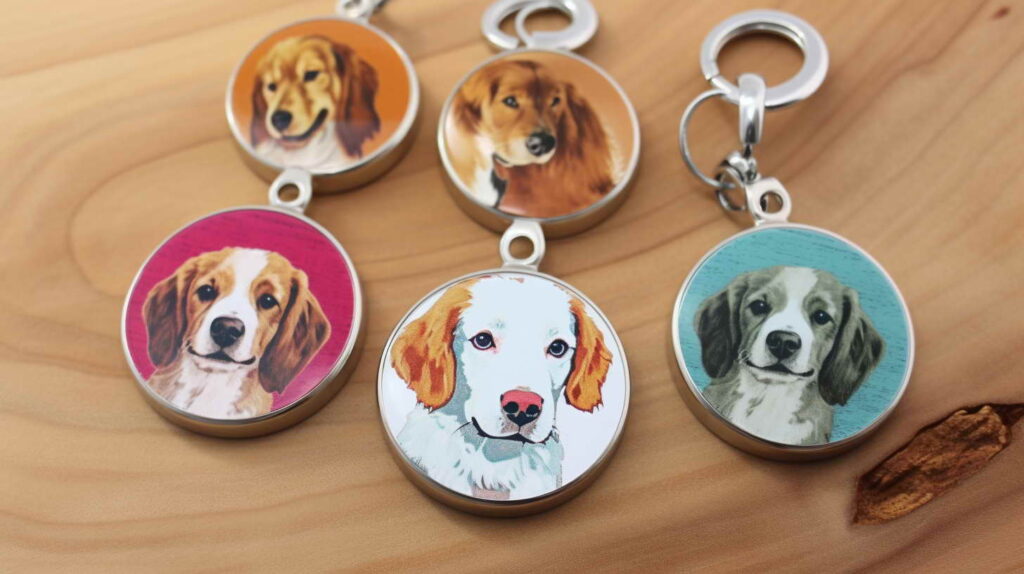
    Pet tags today come in a wide variety of durable materials like metal, plastic, silicon, and engraved IDs on leather. While cost-effective aluminum tags remain popular, innovative laser-engraved options provide fade-proof personalization of details that withstand years of wear.

    • Stainless steel and anodized aluminum deliver durability for active pets but come at a higher price point.
    • Plastic and acrylic offer colorful designs to choose from.
    • Viewing options from reputable online pet stores helps determine ideal pet tag materials and shapes.

    The tag’s shape and engraving font size should allow for easy readability of condensed essential details like name, phone number, and address. For traveling pets, adding a secondary phone number proves useful in covering all bases to enable swift contact.

    QR Code Pet Tags ID

    IV. QR Code Pet Tags: Embracing Modern Technology

    Innovations in QR code technology have enhanced the scope of pet tag functionality today. A QR code scanner app on smartphones can instantly access a digital ID when scanned, revealing owner information along with added details on vaccinations, medications, and care instructions.

    Benefits of QR code pet tags include:

    • Secure encrypted data storage of essential pet health and contact details
    • Digital accessibility of information from anywhere around the world
    • Unlimited character capacity compared to standard tags
    • Option to update details through linked online pet profile

    However, QR code tags serve only as a supplementary add-on, not a standalone identification method, as they require a scanner for access. Standard ID tags must be utilized as the primary identifier.

    V. Emergency Contact Information: Vital Details on Pet Tags

    Pet tags primarily function to provide vital owner contact information accessible at a glance. This includes key details like mobile numbers, home addresses, display of “rewards when found”, and any additional numbers of family/friends who may aid search efforts.

    As mobile numbers enable swift connectivity and tracking of location coordinates if owners themselves are traveling, providing current reachability information is imperative for pets identified far from home.

    Including addresses also proves useful when pets stray only a few blocks away, empowering kind strangers to directly return pets home. Overall, prominently highlighted owner information plays a pivotal role in securing a lost pet’s safe return.

    VI. Legal Requirements: Navigating Municipal Regulations

    To promote responsible pet ownership, most urban counties and cities mandate ID tags along with annual licensure for dogs to step outside households.

    Municipal agencies maintain corresponding records through the unique license numbers etched on the tags. Pet parents must adhere to these regulations to avoid legal tussles.

    Carrying updated license tags thus helps greatly expedite the verification of stray pet records when concerned citizens or animal control personnel contact municipal agencies regarding found pets. This enables faster tracking of owners.

    VII. Microchip vs. Pet Tags: Striking a Balance

    Pet microchips and tags have distinct advantages as well as limitations. A microchip gets embedded underneath the pet’s skin via a simple injection and stores breed information alongside unique ID codes on a digital registry. However, specialized scanners are required to detect them.

    Tags offer 24/7 physical accessibility of owner information at a glance. But they risk getting torn off, damaged, or lost.

    Utilizing both methods in tandem provides comprehensive protection. Microchips serve as permanent identification, while tags enable preliminary contact. This 2-step approach is ideal for securely covering all bases of pet identification while traveling.

    DIY Pet Tags

    VIII. DIY Pet Tags: Adding a Personal Touch

    For pet parents seeking a custom, creative identifier for their dogs or cats, DIY homemade pet tags can serve as the perfect personalized accessory. From engraving names on shaped metal blanks to designing colorful tags with paints and decoupage, the options for innovative use of materials are endless.

    Such distinctive tags announce a pet’s idiosyncrasy while also keeping safety and identification details prominently displayed. Homemade tags also foster greater emotional investment in ensuring your pet’s return if separated from your side when out exploring together.

    IX. Pet Tag Maintenance: Ensuring Longevity and Visibility

    To secure the optimal functionality of identification tags, conducting periodic inspections for damage and regularly updating contact information proves vital. Frequently checking visibility by separating tags from matted hair ensures readability.

    Additionally, pet owners must account for tags adding incrementally heavier weight on collars as years pass. Replacing old tags maintains comfortable lightweight wearability. Refurbished tags with visible information keep your pets recognizable regardless of the situation.

    Tip Justification
    Check monthly for damage Avoid tag loss/unclear details
    Update contact details yearly Enable swift connectivity
    Brush fur away from the tag Maximize visible Identification
    Replace heavying tags biannually Ensure comfortable wearability


    Practicing consistent tag upkeep equips owners to act swiftly for locating pets identified as strays in unfamiliar vicinities.

    Online Pet Tag Stores

    X. Online Pet Tag Stores: Making Informed Choices

    With specialized online stores today exclusively catering to every pet accessory imaginable, purchasing customized and engraved tags proves highly convenient. From durable metallic blanks for DIY designing to premade waterproof tags, variety abounds across trusted pet sites.

    However, it helps to conduct ample research before selecting an online vendor by:

    • Checking seller ratings and reviews by customers
    • Comparing tag material grade and durability guarantees
    • Looking into available personalization options for uniqueness
    • Confirming secure payment platforms and discrete shipping

    Making prudent selections after exploring multiple vendor catalogs enhances the likelihood of procuring long-lasting pet tags that check all boxes for safety.

    XI. Conclusion

    Pet travel calls for prioritizing proper identification methods to prevent the anguish of losing a beloved animal companion. ID tags offer the first-line, foolproof approach for securely relaying vital details in easily scannable formats.

    Investing thoughtfully in durable and customized pet tags etched with updated emergency contact information ensures your journey is stress-free with pets by your side, allowing for carefree adventures filled with joyful memories.

  • Pet Travel Essentials: Ensuring a Pawsome Journey 🐾

    Pet Travel Essentials: Ensuring a Pawsome Journey 🐾

    Pet Travel Essentials

    I. Introduction

    Pet travel essentials encompass a range of items and preparations crucial for a seamless and enjoyable journey with your furry friends. Proper planning and consideration of your pet’s needs are fundamental to ensuring their safety, comfort, and well-being during travel. In this guide, we’ll explore the key elements involved in pet travel, emphasizing the importance of meticulous preparation.

    II. Pre-Travel Planning

    A. Researching and selecting pet-friendly accommodations

    Before embarking on your journey, it’s imperative to research and choose pet-friendly accommodations. Look for hotels, Airbnbs, or other lodgings that not only allow pets but also provide amenities catering to their needs.

    B. Checking and understanding pet travel regulations and requirements

    Understanding and adhering to pet travel regulations and requirements is vital. Different destinations may have specific rules, and it’s crucial to stay informed. Websites like PetsIDI offer insights into the latest trends in dog travel gear and cat travel essentials, ensuring you’re well-prepared for any regulatory challenges.

    C. Scheduling a pre-travel veterinary visit

    A pre-travel veterinary visit is a must-do before hitting the road or taking to the skies with your pet. This visit involves:

    1. Vaccinations and health certifications: Ensure your pet’s vaccinations are up-to-date, and obtain any necessary health certifications.
    2. Identification and microchipping: Enhance the safety of your pet by ensuring they are properly identified with tags and, preferably, a microchip.

    III. Essential Documentation

    A. Gathering necessary paperwork for travel

    Assembling the right documents is essential for a smooth journey:

    1. Health records: Keep a copy of your pet’s health records, including vaccination history and any recent treatments.
    2. Identification documents: Ensure you have your pet’s identification, including tags with your contact information.
    3. Travel permits and certifications: Research and secure any required permits or certifications for your travel destination.

    In the midst of your preparations, check out this link for a variety of premium pet supplies that might add that extra level of comfort for your furry companion.

    Packing Essentials for Pets

    IV. Packing Essentials for Pets

    A. Basic Necessities

    1. Food and Water Bowls

    When packing for your pet, consider collapsible and travel-sized food and water bowls. These lightweight and compact items are not only convenient for feeding on the go but also ensure your pet stays hydrated and well-nourished during the journey. Look for bowls made of durable, non-toxic materials for longevity and safety.

    2. Pet Food and Treats

    Pack enough of your pet’s regular food for the journey, and a little extra in case of unexpected delays. Consider pre-portioning meals for convenience. Don’t forget to bring your pet’s favorite treats, which can serve as positive reinforcement during travel and help maintain their morale.

    3. Medications and First Aid Kit

    For pets with specific health needs, ensure you bring an adequate supply of medications. A first aid kit tailored for pets is indispensable. Include items such as bandages, antiseptic wipes, tweezers, and any prescription medications your pet might require. A compact and portable pet health kit can be a lifesaver in unforeseen situations.

    B. Comfort Items

    1. Bedding and Blankets

    Familiarity can significantly reduce stress for pets in new environments. Pack your pet’s favorite bedding and blankets to provide them with a cozy and comforting space. The scent of home can be reassuring, making unfamiliar spaces more inviting.

    2. Favorite Toys

    Bring along a selection of your pet’s favorite toys to keep them entertained and occupied during the journey. Familiar playthings provide a sense of security and normalcy, helping to ease any anxiety your pet may experience in transit.

    3. Familiar Items to Reduce Stress

    Consider packing items that carry the scent of home, such as an unwashed blanket or a piece of clothing. These familiar scents can be incredibly reassuring for your pet, especially in new and potentially stressful environments.

    Pet Travel carriers and crates

    C. Travel carriers and crates

    1. Choosing the Right Size and Type

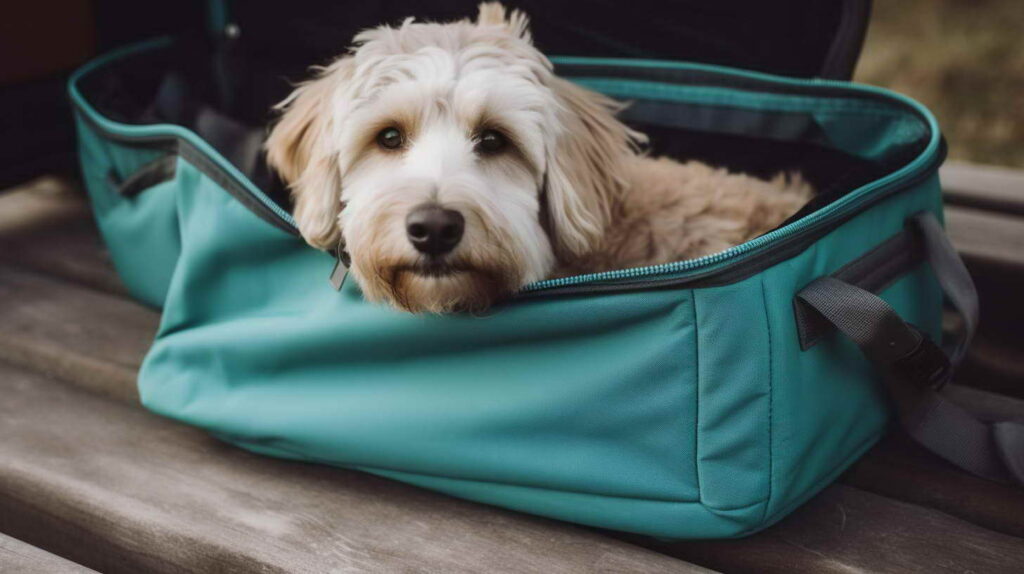
    Selecting the appropriate travel carrier or crate is crucial for your pet’s safety and comfort. The carrier should be large enough for your pet to stand, turn around, and lie down comfortably. Ensure proper ventilation and sturdy construction. Soft-sided carriers are lightweight and easier to store, while hard-sided ones provide extra protection.

    2. Acclimating the Pet to the Carrier

    Introduce your pet to the carrier gradually before the journey. Place treats, toys, and familiar bedding inside to create a positive association. Let your pet explore the carrier at their own pace, making it a comfortable and familiar space. This step is vital for reducing stress during travel.

    Explore this link for a selection of outdoor pet gear that might come in handy for your upcoming adventure.

    V. Ensuring Safety During Travel

    A. Securing pets in the vehicle

    1. Seat belts and harnesses: Invest in a secure harness or seat belt to keep your pet safe during car travel.
    2. Proper placement of carriers: Ensure carriers are safely secured and positioned for minimal movement.

    B. Monitoring pets during transit

    1. Regular breaks for exercise and bathroom breaks: Plan for frequent stops to allow your pet to stretch their legs and attend to their bathroom needs.
    2. Handling potential travel stress and anxiety: Be attuned to your pet’s behavior and address any signs of stress promptly.

    For those looking for TSA-approved and travel-friendly pet products, this link offers a comprehensive pet toys and entertainment collection.

    VI. Adapting to New Environments

    A. Introducing pets to new surroundings

    Help your pet acclimate to new surroundings by:

    1. Gradual introductions: Allow your pet time to explore and adapt gradually.
    2. Maintaining routines: Stick to familiar routines as much as possible.

    B. Accommodating pets in unfamiliar spaces

    Make unfamiliar spaces comfortable by:

    1. Creating a familiar environment: Use familiar items from home to make your pet feel more at ease.
    2. Providing a safe space: Designate a quiet and secure area for your pet to retreat to if needed.

    C. Finding pet-friendly attractions and services at the destination

    Research and plan activities that accommodate your pet, such as visiting pet-friendly parks or seeking out local pet services.

    VII. Conclusion

    In conclusion, a successful journey with your pet hinges on meticulous preparation and consideration of their needs. Recap the key pet travel essentials, from proper documentation to safety measures and acclimating to new environments. Emphasize the importance of planning and preparation, ensuring that both you and your furry friend can enjoy a stress-free adventure.