Category: Information

  • Pet Hygiene Products Galore: A Caring Pet Parent’s Guide To Keeping Our Furry Friends Happy And Healthy 🐰

    Pet Hygiene Products Galore: A Caring Pet Parent’s Guide To Keeping Our Furry Friends Happy And Healthy 🐰

    Pet Hygiene Products

    Introduction: Pet Hygiene Products

    PETSIDI – Keeping our furry friends clean and healthy is an important part of being a responsible pet owner. Proper pet hygiene involves more than just the occasional bath – it requires regular brushing and grooming, dental care, ear cleaning, nail trimming, and keeping bedding and living spaces clean. Thankfully there is a wide variety of pet hygiene products available to help us care for our cats, dogs, small animals, birds, and reptiles.

    Why Pet Hygiene Matters

    Good pet hygiene keeps our animal companions comfortable and helps prevent health issues down the road. Here’s why it’s important:

    • Prevents Skin Issues: Brushing removes loose hair and dander while distributing natural oils. This prevents dry skin, knots, hot spots, and infections.
    • Avoids Parasites: Parasites like fleas and ticks can lead to skin irritation, infections, anemia and even transmit diseases. Regular grooming and products keep these pests off your pet.
    • Maintains Healthy Coat: Natural oils help maintain a smooth, shiny, and healthy coat when distributed during brushings.
    • Reduces Shedding: While no dog or cat is completely non-shedding, regular brushings significantly reduce loose hair around your home.
    • Prevents Dental Disease: Poor dental care leads to plaque and tartar buildup which causes gum disease, tooth decay, and bad breath. Special treats and toothpaste keep teeth and gums healthy.
    • Avert Ear Infections: Cleaning your pet’s ears prevents painful infections caused by bacteria, mites, and excess wax.
    • Decreases Claw Damage: Overgrown claws lead to cracked nails and joint issues. Trimming avoids problems and protects both your pet and furniture.
    • Lessens Odors: Clean bedding and fur means less doggy and kitty odors around your house.

    In short, keeping your pet’s hygiene needs met makes them more comfortable, prevents health issues, and benefits the whole household. It’s worth the small time and monetary investment.

    Types of Pet Hygiene Products

    There is a wide assortment of pet hygiene products available both online and in brick-and-mortar stores. Here are some of the most common types and their uses:

    Grooming Tools

    • Slicker Brushes: Short wire bristles are perfect for removing loose hair from cats and dogs with short to medium coats. Not ideal for delicate skin.
    • Bristle Brushes: Widely spaced bristles are good for removing dirt and distributing oils on short-haired dogs and cats. Can irritate some animals.
    • Combs: Wide and fine-toothed stainless steel combs help detangle medium to long-haired pets and remove mats without scratching skin. The perfect de-shedding tool.
    • Deshedding Tools: Blades or gentle loops specifically designed to remove shedding undercoat without cutting the topcoat. A must-have for heavy shedders.
    • Scissors & Clippers: High-quality shears for safely trimming overgrown fur. Guillotine-style nail clippers make trimming claws quick and easy.

    Bathing Essentials

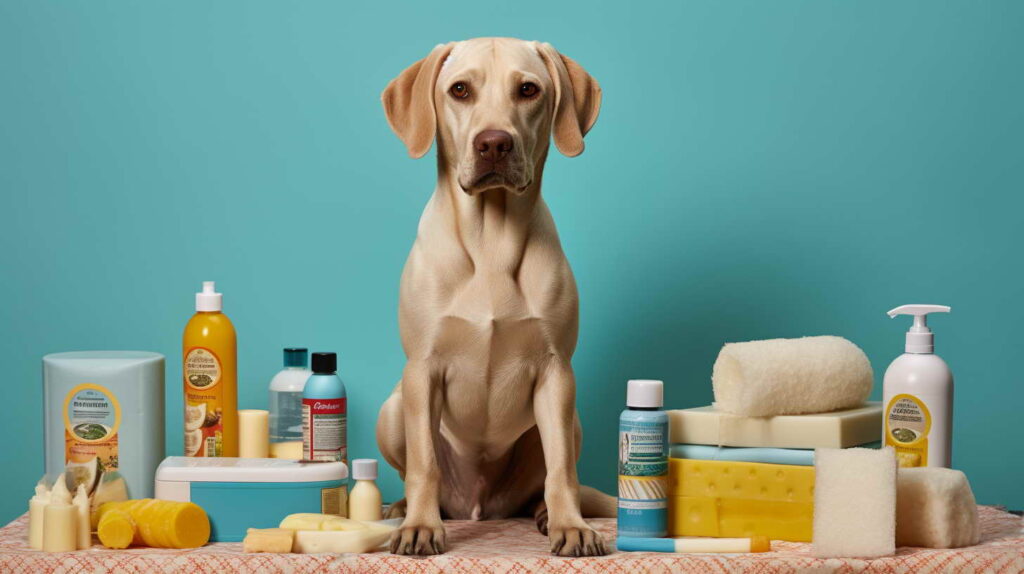
    • Shampoos: Formulated specifically for dogs and cats. Medicated varieties help treat skin issues like dryness, irritation, hot spots, and parasites.
    • Conditioners: Improve coat health by moisturizing skin and fur. Often used after shampooing to prevent excessive dryness and replenish natural oils.
    • Dry Shampoo: Waterless shampoos allow spot cleaning between full baths. Just spray, lather, and brush out. Great for paws, body odor, or light dirt.
    • Towels: Super absorbent towels specifically sized for holding small or large pets while drying off. Smooth fabrics are gentle on the skin.
    • Brushes: Help lather and evenly distribute shampoo while bathing. Some feature built-in dispensers.

    Dental Care

    • Toothpaste: Special enzymatic pastes keep tartar and plaque from accumulating. Help freshen your breath too! Make sure to select a pet-safe flavor.
    • Fingerbrushes: Slip over a finger allowing you to brush your pet’s teeth similarly to your own. Available in multiple sizes.
    • Dental Treats: Chew toys and edibles are formulated to fight plaque and tartar as your pet gnaws.
    • Water Additives: Liquid solutions mixed into your pet’s drinking water that promote oral health.

    Ear & Eye Products

    • Ear Cleaners: Specially designed solutions help remove built-up wax, debris, and bacteria within the ear canal. Avoid using human products like cotton swabs.
    • Tear Stain Removers: Lighten or remove reddish-brown stains under the eyes caused by excessive tear production. Often includes an antimicrobial component.
    • Eye Wipes: Pre-moistened pads gently wipe eye boogies, stains and gunk away. Soothe eye irritation.

    Miscellaneous

    • Shampoo Attachments: Nozzles and hoses help thoroughly wet and rinse your pet without getting soaked yourself. Great for bathing large or hard-to-handle animals.
    • Oral Rinses: Support your pet’s oral health between brushings by flushing food particles and bacteria loose.
    • Paw Balms: Soothe and moisturize cracked paw pads plus protect from hot pavement or snow melt. Made specifically to lick safely.
    • Deodorizers: Eliminate odors from bedding, litter boxes, cages, or accidents rather than masking smells. Available as sprays or solid gels.

    This list provides a sampling of products in some popular categories, but many more options are available. Always read labels thoroughly and consult your veterinarian, especially if your pet has sensitivities or health conditions.
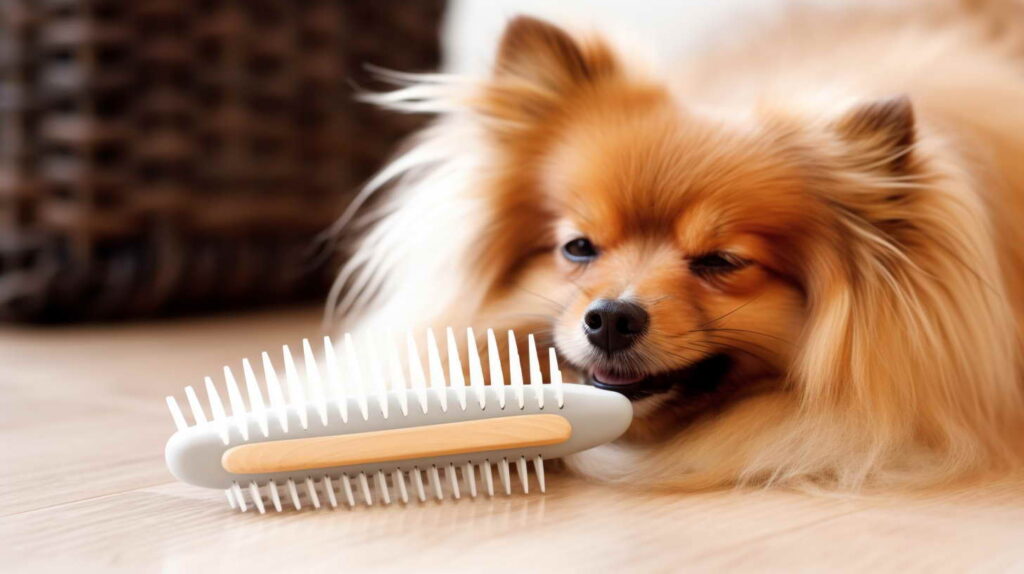
    Pet Brushes and Combs

    Brushes and Combs Comparison

    Product Best For FEATURES CONS
    Slicker Brush Short-medium coats Flexible wire bristles grab loose hair Can irritate sensitive skin
    Bristle Brush Short coats Distributes natural oils Rough on some pets
    Wide-tooth Comb Long, tangled coats Painlessly untangles Won’t brush up the undercoat
    Fine-tooth Comb Flea removal Catches parasites Not for detangling
    Deshedder Heavy shedding dogs Removes loose undercoat quickly Can cut healthy topcoat

    Selecting the Right Products

    With so many options lining pet store shelves, choosing the right hygiene products for your furry friend can get overwhelming. Here are some tips:

    • Identify Needs: Consider your pet’s breed, coat, age, health status, and product preferences when selecting items. For example, young pets need less dental care and short-haired breeds don’t require frequent combing.
    • Veterinary Input: Ask your vet which types of products they recommend. Let them know of any specific health concerns too.
    • Start Small: Only introduce one new product at a time and monitor your pet’s reaction. Adjust if you notice licking, scratching, or skin irritation which may indicate sensitivity or allergy.
    • Review Feedback: Check reviews of products before purchasing when possible. This gives insight into real-world experiences other pet owners have had.
    • Give it Time: Have patience in introducing new products like toothpaste and brushes. It takes most animals time to adjust to the sensation and process. Make it fun by pairing it with praise and treats.
    • Combine When Possible: Look for multi-function items like shampoos that clean and deodorize or dental treats that freshen breath and clean teeth. This reduces the number of products needed.

    Speaking with fellow pet owners and doing some quick internet research can provide guidance as well. Every animal has unique needs and preferences, so expect some trial and error. Pay attention to how your pet responds and adjust your approach accordingly.

    Establishing a Hygiene Routine

    Caring for your pet’s hygiene doesn’t need to take a ton of time, but does require consistency. Here are some tips for making grooming, bathing and upkeep a regular part of life with your furry friend:

    • Set a Schedule: Mark your calendar or phone reminders for monthly, weekly, or daily grooming and hygiene tasks. Consistency is key, so set realistic commitments.
    • Incorporate Brushing: Work a quick daily brushing into your existing habits like watching television or drinking morning coffee. Just 5-10 minutes makes a difference over time.
    • Do it Together: Make grooming a family event by having one person distract your dog with affection and treats while the other person brushes. This prevents struggling and gets everyone involved.
    • Start Young: Introduce grooming early in life so it becomes a familiar routine. Positive reinforcement goes a long way with puppies and kittens.
    • Offer Rewards: Give treats, affection, or playtime to reinforce desired behavior and make the experience more enjoyable. Most pets eventually see brushing as a special bonding activity with their human.
    • Remain Calm: If your pet seems anxious or overly excited, pause and help everyone relax before continuing. Forced grooming only increases stress for both parties.

    Integrate basic upkeep into your current schedule for more manageable, consistent care that benefits you and your pet. Don’t tackle everything at once – start with one or two hygiene practices and build from there.

    Pet Hygiene Products and Supplies Checklist

    Here is a helpful checklist of pet hygiene tools and essentials to have on hand:

    Grooming Tools

     Slicker Brush

     Bristle Brush

     Comb

     Deshedding Tool

     Scissors

     Nail Clippers

    Bathing Supplies

     Dog or Cat Shampoo

     Conditioner

     Dry Shampoo

     Towels

     Brush

    Dental Care

     Toothpaste

     Finger Brush

     Dental Treats

     Water Additive

    Healthy Body

     Ear Cleaner

     Tear Stain Remover

     Eye Wipes

     Paw Balm

    Cleaning

     Odor Eliminator Spray

     Laundry Detergent

    Tailor your checklist to your pet’s breed, needs, and personal care preferences. Post it somewhere visible to remind you when supplies run low.

    Budget-Friendly Options

    Properly caring for your beloved companion does come with some financial investment. However, there are ways to save:

    • Browse Sales: Retailers like big-box stores and online shops regularly discount pet items. Sign up for promotions and notifications to catch deals.
    • Shop Generic: Cheaper store brands offer the same quality and function for less. This works well for staples like shampoos, brushes, and dental treats.
    • Price Match Guarantees: Take advantage of retailer policies that match competitor pricing by providing proof of advertised specials.
    • Buy In Bulk: Purchasing jumbo sizes of frequently used items like shampoo, toothpaste, and parasite prevention treatments brings down the per-unit price.
    • Split Costs: Go in with friends or family on bulk packages of pricier dental chews or specialty items that can be divided up.
    • Use Multipurpose Products: Seek out shampoos that clean, deodorize, and condition all in one. These eliminate the need for multiple products.
    • Make Your Own: Homemade flea and tick sprays, dry shampoos and basic cleaning supplies allow you to control ingredients. Recipes abound online.
    • Price Track: Use free price monitoring browser add-ons to track an item’s cost history and receive alerts when it hits your target price. Makes snagging deals easier.
    • Sign Up For Loyalty Programs: Retailers offer perks like discounted member pricing, dollars off future purchases, and free treats or toys to regular buyers.

    Don’t let limited funds deter you from keeping your pet fresh and healthy. Talk to your vet, rescue organization, or other animal owners for more great ideas.

    Conclusion

    Regular grooming, bathing, dental care, and proper hygiene are critically important to your pet’s health and comfort. While essential, these practices also nurture the bond between animals and humans when incorporated into a consistent routine. Fortunately, quality products abound which make at-home care easier for owners and more pleasant for our furry friends. Do some research, make realistic commitments, and involve the whole family in nurturing your cat, dog, or small animal’s wellbeing. Consistency leads to happy, healthy pets and harmonious homes!


  • Pet Toys and Entertainment – How To Make Your Pet’s Life Happier?

    Pet Toys and Entertainment – How To Make Your Pet’s Life Happier?

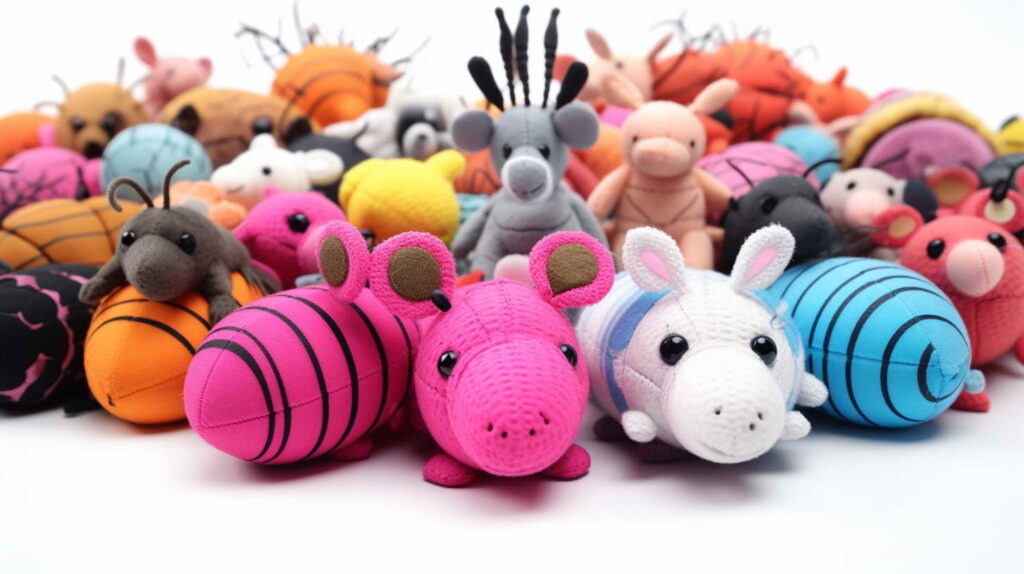
    Pet Toys and Entertainment

    Introduction: Pet Toys and Entertainment

    PETSIDI – Pets, like their human companions, require mental and physical stimulation. As caretakers for domesticated animals that largely live indoors, we must provide outlets for their instinctual behaviors. Toys and activities focused on pets’ natural hunting, exploring, chewing, and problem-solving impulses are key to their well-being. This applies to common household pets like dogs, cats, small mammals, birds, reptiles, amphibians, fish, and even some invertebrates.

    What entertainment do our furry, feathered, scaled, and exoskeletoned friends enjoy? Let’s dive in to better understand their needs and how we can meet them as responsible pet parents. I invite you, dear reader, to reflect on your own pets and their favored playthings as we explore this essential aspect of animal caregiving.

    Why Playtime Matters

    Wild animals spend large portions of their waking hours interacting with their environments. They forage, hunt, patrol territories, practice survival skills, interact with members of their own and other species, and engage in mating rituals. Even predators that appear lazy to our human sensibilities are often conserving energy between intense bursts of activity.

    Domestication exchanges some behaviors to secure steady food, shelter, and healthcare from humans. But pets retain deeply ingrained drives even if they live mostly tame, indoor lives. Lack of mental and physical stimulation takes a toll, leading to boredom, frustration, stress, anxiety, and destructive tendencies. Ever come home to find shreds of tp or couch stuffing everywhere? Your pet was meeting their own stimulation needs, but not in the way you’d prefer! Providing appropriate outlets for natural behaviors benefits you and your pet.

    Play also builds bonds between pets and human guardians, reinforcing affection and teamwork. Interactive play strengthens relationships within multi-pet households. Whether you own one critter or several, entertainment enriches their quality of life…and yours!

    Let’s survey options tailored to popular pet species’ activity requirements and preferences.

    Toys for High-Energy Dogs

    Our canine companions originate from highly social, wide-ranging hunters like wolves. Modern breeds retain strong instincts to chase prey, chew, play-fight, solve puzzles, learn commands, and closely bond with “packmates” including humans. Energetic pups require 30-60 minutes of rigorous activity most days to stay fit and prevent behavior issues. Less active senior or small breed dogs still need mental stimulation and quality time with their beloved humans. Matching activities to your dog’s age, size, and temperament ensure healthy development.

    Fetch fanatics will eagerly chase balls, discs, ropes, sticks (no splinters!), and other graspable objects. Launching throw toys allows them to dash at top speed while practicing capture techniques. This satisfies prey drive: hunting, racing after, seizing, subduing, and carrying an “item of interest” gives dogs great fulfillment. Pay close attention to avoid overexertion.

    Tug-of-war and wrestling are natural social behaviors for establishing hierarchy and bonding. Your pooch will happily grapple with tug ropes, shake flirt poles, or innocuously mouth your hand or arm while play-fighting. Set rules like “no roughness” and stop when you sense loss of control. Reward gentle mouthing to reinforce desirable behavior.

    Puzzle toys filled with hidden treats make pups work for their kibble, stimulating minds and problem-solving skills. Food puzzles, snuffle mats, hollow rubber toys, and more slow down rapid eaters. Dispensing toys reduces boredom and anxiety when alone. Rotate different puzzles to prevent loss of challenge. Advanced options require flipping latches, sliding doors, lifting flaps, pulling ropes, or spinning rollers to access the grub!

    What about chew toys? Dogs teethe for months as puppies, then gnaw to manage stress or boredom forever after. Provide acceptable, durable alternatives to rugs, shoes, table legs, etc! Aggressive chewers need tough treats like compressed rawhide-free bones, and rubber or nylon toys. Supervised softer options include stuffed/squeaky toys, bully sticks, tendons, raw bones with meat scraps, or frozen carrots. Monitor to avoid choking hazards or intestinal blockages.

    Toys and Activities for Cunning Cats

    Toys and Activities for Cunning Cats

    Feline friends lead more solitary lives than dogs overall, yet still thrive when provided appropriate entertainment. Understanding subtle cat behaviors allows better caregiving. Despite seeming aloof, most crave affectionate relationships with humans and compatible animal friends. We must offer appealing outlets for their smart, stealthy natures!

    Natural hunting obsession means cats love chasing and pouncing things that move suddenly, erratically or make sounds. Store-bought choices: feather toys, wands, balls in circular tracks, treat balls/eggs, motorized bugs or mice they “catch”. Many homemade toys work too: paper bags, milk rings, aluminum foil balls, or string pulled along the floor. Try scattering catnip or treats to discover! The active play taps into hunting drives, cycles energy spikes, and prevents “trouble.”

    Scratching serves natural territorial marking and claw conditioning needs. Ensure kitty-approved vertical and horizontal scratching posts. Cardboard scratch pads often sit unused while that heirloom chair back gets shredded! Place acceptable options near “no-no” zones. Praise and redirect to reinforce proper locations. Consider temporarily taping/covering off-limits areas if the kitty persists. Strategic catnip application helps too!

    Window perches, tall cat trees, and ledges offer vantage points for one of the cats’ favorite hobbies: bird/squirrel observation! Position access ramps and beds near sunny windows; outdoor enclosures provide super enrichment. Some cats bat around toy mice or feathers left nearby “just in case” exciting opportunities arise!

    While less social than dogs overall, many cats enjoy games that engage human “staff.” Try teaching parlor tricks for treats: sit up, circle, jump through hoops; some learn to fetch or walk on leashes. Puzzle feeders, snuffle mats, and food-dispensing balls provide mental exercise too. Customize activities to your cat’s willingness and abilities.

    Table 1 summarizes stimuli meeting common pet species’ needs through various life stages:

    Type of Pet Life Stage Recommended Types of Toys & Entertainment
    Dogs Puppies Chew toys, rope tugs, wresting, learning games, socialization
    Dogs Adolescent & adults Fetch, running/jogging, advanced puzzles, learning new skills
    Dogs Senior Slower-paced exercise, mental games, quality snuggle time
    Cats Kittens Lightweight toys to chase and carry, cardboard scratch pads
    Cats Prime adults Prey imitation toys, tall cat trees, and perches, scratchers
    Cats Senior Lower leaping required, mental stimulation, window access
    Small mammals (rabbits, guinea pigs, ferrets, etc.) All Tunnels, chews, digging boxes, foraging, exercise wheels or balls
    Birds All Foraging toys, shredder toys, swings/hanging perches, cage decoration changes
    Reptiles & amphibians All Habitat elements allow climbing, burrowing, and soaking; some chase feeder insects
    Fish All Plants, decor, bubbles; some chase laser pointers or interact with magnetic tank décor

    This table shows categories of enrichment tending to best suit major pet species. Individual animal preferences still vary! Observe your own furry, feathered, or scaled friends to learn their personal favorite activities.

    Safety Precautions

    While play promotes health, improper use of toys carries some risks. Monitor pets using potentially hazardous items. Discard or repair anything with loose parts small enough to choke on, sharp edges, or toxic coatings. Choose sturdy chew items sized appropriately for pets to avoid mouth injuries. Check labels for child-safe indications.

    Supervise pets when introducing unfamiliar toys until positive (nondestructive) behavior patterns emerge. Redirect inappropriate roughness, aggression, or obsessiveness gently but firmly; if problems persist, try different entertainment—separate warring multi-pet households during high-value chews or feedings.

    Work, socialization, training, and affection build bonds while meeting activity quotas! Overall integrate playtime into routines making pets’ needs, skills, and preferences priorities. This encourages mutual understanding and respect between species sharing homes and hearts.

    Summary: Enrichment Furthers Relationships

    Like responsible parents, excellent pet caretakers prioritize dependents’ best interests. While animals give us unconditional love in their own unique ways, they rely on us utterly to not just sustain but actively enrich their lives. Going beyond meeting basic needs to nurture joy, discovery, and growth should guide care. The more we invest in pets’ well-being, the deeper our connection and mutual fulfillment becomes.

    I sincerely hope these pet toy and entertainment suggestions assist all who read this in deepening wonderful relationships with beloved animal companions! Please reach out if you have further questions. Here’s to happy pets and people through open hearts, giving spirits, and responsible caretaking. Play on!

  • Pet Health Products – Why This Information Is Important For Your Pet?

    Pet Health Products – Why This Information Is Important For Your Pet?

    Pet Health Products

    Introduction: Pet Health Products

    PETSIDI – Hey there, fellow pet enthusiasts! If you’re anything like me, your pets are not just animals; they’re part of the family. And just like family, we want to ensure they lead healthy, happy lives. That’s where the magic of pet health products comes in! From pet supplements to grooming goodies, let’s talk about products that keep our furballs in tip-top shape.

    Pet Supplements: Boosting the Health Quotient

    When it comes to our pets, ensuring they are in the pink of health is a top priority. Just like humans, our furry companions may need a little extra boost in the form of supplements to thrive. Let’s dive deeper into the world of pet supplements and how they play a crucial role in boosting our pet’s health quotient.

    A Tailored Approach to Pet Wellness

    One size doesn’t fit all, and the same holds true for pet supplements. Every pet is unique, with individual needs based on factors like age, breed, and overall health. That’s where the beauty of pet supplements shines—they offer a tailored approach to address specific concerns and support overall well-being.

    1. Age-Appropriate Formulas

    Just as the nutritional needs of a human vary from infancy to old age, our pets have distinct requirements at different life stages. Puppy and kitten supplements are crafted to support rapid growth and development, while senior formulas focus on joint health and maintaining vitality in their golden years. Understanding your pet’s life stage is the first step in choosing the right supplement.

    2. Breed-Specific Nutrients

    Different breeds may be predisposed to specific health issues. For example, larger breeds might be prone to joint problems, while some small breeds may have specific dietary sensitivities. Breed-specific supplements often contain targeted nutrients to address these breed-specific concerns, ensuring your pet gets precisely what it needs.

    3. Specialized Formulations for Health Conditions

    Just like humans, pets can face health challenges, from allergies to joint issues. Thankfully, there are specialized supplements designed to alleviate symptoms and improve their quality of life. These formulations often include ingredients like glucosamine and omega-3 fatty acids, known for their joint-supporting properties.

    The ABCs of Pet Vitamins

    Vitamins are the building blocks of good health, and our pets need them just as much as we do. Pet vitamins are formulated to fill in the nutritional gaps that may exist in their diet, providing a comprehensive approach to overall well-being.

    1. Vitamin A for Vision and Immunity

    Just as vitamin A is crucial for our vision and immune system, it plays a similar role in our pet’s health. Vitamin A supports eye health, ensuring your pet’s vision is sharp, and it also contributes to a robust immune system, helping them fight off infections.

    2. Vitamin D for Strong Bones

    Vitamin D is essential for calcium absorption, promoting strong bones and teeth. Especially important for pets that spend more time indoors or in regions with limited sunlight, vitamin D supplements can contribute to skeletal health, preventing issues like osteoporosis in older pets.

    3. Vitamin E for Skin and Coat Health

    The secret behind a luscious coat and healthy skin? Vitamin E! This antioxidant is known for its skin-soothing properties, making it an excellent addition to pet supplements. From reducing itching to promoting a glossy coat, vitamin E does wonders for your pet’s external well-being.

    The Gut Game: Pet Probiotics

    A healthy gut equals a healthy pet, and pet probiotics are the key players in maintaining optimal digestive health. Just like in humans, the digestive system of our pets is home to a vast community of microorganisms, and maintaining the right balance is crucial for their well-being.

    1. Balancing Act: The Importance of Gut Microflora

    The gut microbiome is a bustling community of bacteria that play a vital role in digestion, nutrient absorption, and immune function. Stress, changes in diet, or illness can disrupt this delicate balance, leading to digestive issues. Pet probiotics introduce beneficial bacteria, promoting a harmonious environment in your pet’s gut.

    2. Tummy Troubles? Probiotics to the Rescue

    If your pet experiences tummy troubles like diarrhea or constipation, probiotics can offer relief. These friendly bacteria help regulate bowel movements and can be particularly beneficial during stressful situations, such as changes in routine or travel.

    3. Immune Support Beyond the Gut

    While probiotics are renowned for their impact on digestive health, their benefits extend beyond the gut. A healthy balance of gut bacteria is closely linked to a robust immune system. By supporting the gut microbiome, probiotics contribute to overall immune function, helping your pet stay resilient against infections.

    In the vast landscape of pet supplements, the key lies in understanding your pet’s individual needs. From age-appropriate formulas to breed-specific nutrients and specialized formulations for health conditions, there’s a supplement for every pet and every situation. Whether it’s filling nutritional gaps with vitamins or maintaining a harmonious gut with probiotics, these supplements are the unsung heroes that contribute to the health and happiness of our beloved companions.

    Pet Dental Care Products

    Keeping the Pearly Whites: Pet Dental Care Products

    Our pets may not be fans of minty toothpaste and dental floss, but just like us, they need a little extra TLC when it comes to oral health. Pet dental care products are the superheroes that ensure our furry friends flash those pearly whites with pride. Let’s delve into the exciting world of dental care for pets and explore how these products make maintaining healthy teeth a breeze.

    Chewy Delights: Dental Chews and Treats

    Dental care that’s also a treat? Yes, please! Dental chews and treats are a game-changer in the quest for clean teeth and fresh breath for our pets. These goodies not only make oral care fun for your pet but also address plaque and tartar buildup, reducing the risk of dental issues down the line.

    1. Greenies Dental Treats: The Snack That Cleans

    Greenies, a well-known brand in the pet care world, offers dental treats that are not only delicious but also designed to clean your pet’s teeth as they chew. The unique texture helps control tartar and freshen breath, turning treat time into a dental care routine.

    2. Pedigree Dentastix: A Stick to Sparkling Teeth

    Pedigree Dentastix is another popular choice among pet parents. Shaped like a stick, these treats come with a textured surface that cleans down to the gumline. They are not just tasty but also effective in reducing plaque and tartar buildup.

    3. Whimzees: All-Natural Dental Chews

    For the health-conscious pet parent, Whimzees offers all-natural dental chews that are not only tooth-friendly but also vegetarian and gluten-free. These quirky-shaped treats promote chewing, which helps in reducing plaque and tartar, and they come in various sizes to suit different breeds.

    Pet Toothbrushes and Toothpaste

    Brushing Buddies: Pet Toothbrushes and Toothpaste

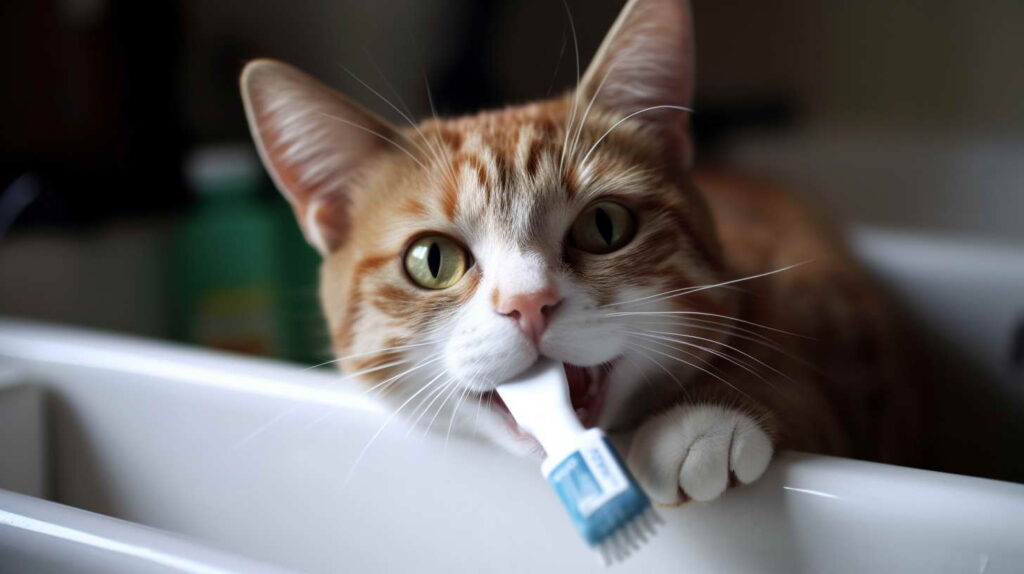
    While dental chews and treats are a hit, sometimes a good old-fashioned brushing session is essential. Introducing your pet to the toothbrush might take some patience, but with the right tools and a bit of perseverance, it can become a bonding experience.

    1. Virbac C.E.T. Enzymatic Toothpaste: Tasty and Effective

    Virbac C.E.T. Enzymatic Toothpaste is a pet parent favorite. With flavors like poultry and malt, this toothpaste makes brushing more enjoyable for your pet. It also contains enzymes that work to eliminate harmful bacteria and reduce the formation of plaque.

    2. Arm & Hammer Clinical Care Toothbrush Kit: A Complete Package

    Arm & Hammer, a household name in dental care, extends its expertise to pet oral health. The Clinical Care Toothbrush Kit includes a toothbrush with bristles specially designed for pets and enzymatic toothpaste. The dual-action kit ensures a thorough clean, keeping your pet’s teeth and gums healthy.

    3. Petrodex Dental Kit: Professional Care at Home

    For pet owners who want to provide professional-level care at home, Petrodex offers a complete dental kit. The kit includes toothpaste with patented enzymes, a dual-ended toothbrush, and a finger brush for those pets who might be a bit hesitant about a traditional toothbrush.

    The Importance of Pet Dental Care

    Maintaining your pet’s oral health is more than just preventing bad breath (although that’s a nice bonus!). It’s about ensuring their overall well-being. Dental issues in pets can lead to more severe health problems, including heart and kidney diseases. Regular dental care, with the help of these fantastic products, is a proactive step towards a longer, healthier life for your furry friend.

    1. Preventing Plaque and Tartar Buildup

    Plaque and tartar not only lead to bad breath but can also result in painful dental conditions. Dental chews and treats, with their abrasive textures, help remove plaque and tartar, preventing the progression of dental problems.

    2. Reducing the Risk of Gum Disease

    Gum disease is a common issue in pets and can lead to tooth loss and systemic health problems. Regular brushing with pet-friendly toothpaste and the use of dental chews contribute to gum health, reducing the risk of periodontal disease.

    3. Enhancing Overall Health and Happiness

    Imagine how uncomfortable it would be to eat with a toothache. Pets, unable to express their discomfort, may suffer in silence. By ensuring their dental health, we contribute to their overall comfort, happiness, and the quality of their day-to-day lives.

    Pet dental care is a vital aspect of responsible pet ownership. Whether you opt for the delightful dental chews and treats from brands like Greenies or Pedigree, or you embrace the toothbrushing routine with products from Arm & Hammer or Petrodex, the goal is the same—to keep those pearly whites in top-notch condition. So, let’s make dental care a part of our pet care routine, ensuring our furry friends not only look good but feel good too!

    Pet Shampoos and Conditioners

    Glam Up Your Pet: Grooming Products Galore

    A well-groomed pet is a happy pet, and the world of grooming products has never been more exciting!

    Shampooing Sensation: Pet Shampoos and Conditioners

    From oatmeal-infused shampoos for sensitive skin to luxurious conditioners for that extra shine, pet shampoos, and conditioners are a pampering session your pet will adore. Plus, they’ll leave your furry friend smelling like a bouquet of flowers!

    Stylish Furdos: Pet Brushes and Combs

    No one likes a messy mane—not you, not me, and certainly not your pet! Enter pet brushes and combs, the unsung heroes of fur maintenance. Regular brushing not only keeps the fur mat-free but also strengthens the bond between you and your pet.

    Emergency Ready: Pet First Aid Kits

    Accidents happen, but with a pet first aid kit on hand, you can be a pet parent superhero.

    Essentials in a Kit

    A pet first aid kit should include basics like bandages, antiseptic wipes, and tweezers for those unexpected splinters. It’s your pet’s safety net, and having one around gives you peace of mind.

    Pampering the Skin: Pet Skin Care Products

    Just like us, our pets can have sensitive skin. Pet skin care products are the answer to keeping their skin healthy and happy.

    Moisture Magic: Pet Moisturizers and Balms

    Dry, flaky skin? Not on our watch! Pet moisturizers and balms are crafted to hydrate and soothe irritated skin, leaving your pet feeling as good as they look.

    Sun’s Out, Buns Out: Pet Sunscreen

    Yes, you read that right—pet sunscreen! Pets with light-colored fur or exposed skin can benefit from a dab of sunscreen, ensuring they’re protected during those sunny escapades.

    Wrapping up!

    In conclusion, the world of pet health products is vast and exciting, offering a plethora of options to cater to your pet’s specific needs. Whether it’s a supplement to boost their vitality, dental treats to keep their teeth sparkling, or grooming products for a stylish fur makeover, there’s something for every pet parent.

    So, here’s to our furry friends and the joy they bring into our lives. Let’s keep them healthy, happy, and forever pampered with the amazing array of pet health products available. After all, a happy pet equals a happy pet parent!

  • Small Animal Habitats: What Are They and Why It’s Important?

    Small Animal Habitats: What Are They and Why It’s Important?

    Small Animal Habitats

    Introduction

    PETSIDI – Hey there, fellow animal enthusiasts! If you’re in the delightful world of small pets, you’re in for a treat. Small animals, ranging from fluffy hamsters to social rabbits and exotic sugar gliders, make fantastic companions. However, creating the perfect living space for your petite pals requires some thoughtful consideration. Let’s embark on a journey through the diverse universe of small animal habitats and explore the ins and outs of providing a cozy, safe haven for our adorable friends.

    Choosing the Right Small Animal Habitat

    1. Understanding the Diverse World of Small Animals

    Welcome to the small animal kingdom, where furry, scaly, and feathery friends come in all shapes and sizes. Before diving into the world of habitats, it’s crucial to understand the unique needs and behaviors of each tiny companion.

    • Hamsters: These nocturnal buddies love to burrow and run on exercise wheels. Opt for a cage with enough floor space and a solid wheel.
    • Gerbils: Social and active, gerbils thrive in spacious enclosures with tunnels for digging and exploring.
    • Guinea Pigs: Sociable and larger in size, guinea pigs need roomy hutches or pens, preferably with hideouts for privacy.
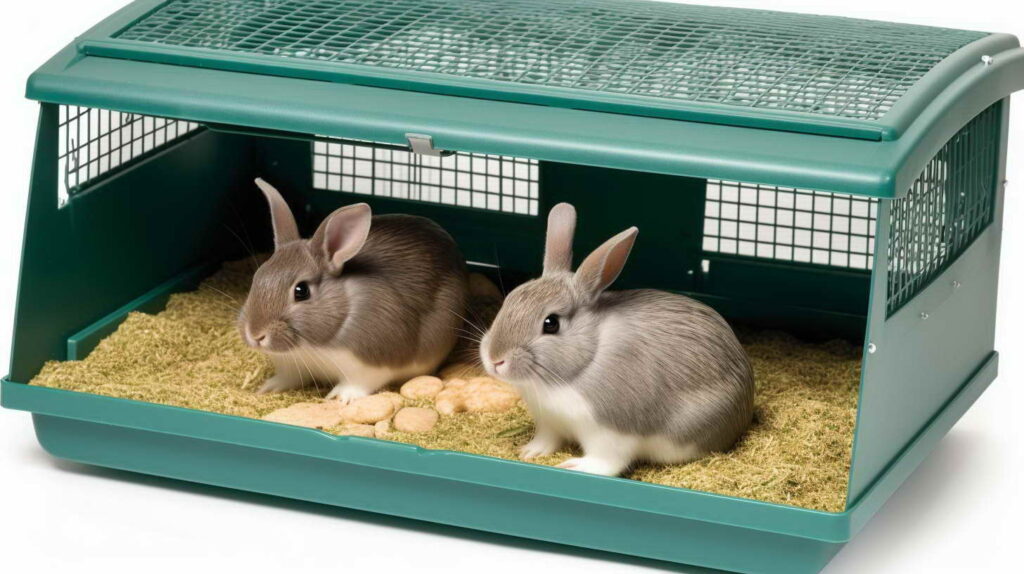
    • Rabbits: Intelligent and playful, rabbits require ample space to hop around. Hutches or pens with secure outdoor access are ideal.
    • Chinchillas: With their dense fur and playful demeanor, chinchillas need well-ventilated cages or multi-level enclosures for climbing.
    • Degus: Intelligent and social, degus do well in large enclosures with multiple levels and items for climbing.
    • Mice and Rats: Highly social and curious, these little ones benefit from cages with plenty of horizontal space and opportunities for climbing.
    • Ferrets: Energetic and playful, ferrets thrive in spacious cages or enclosures with multiple levels and hammocks for lounging.
    • Hedgehogs: Nocturnal and solitary, hedgehogs prefer secure enclosures with hiding spots and a wheel for exercise.
    • Sugar Gliders: Arboreal and social, sugar gliders need tall cages with branches for climbing and pouches for nesting.
    • Pygmy Hedgehogs: Similar to hedgehogs, they prefer secure enclosures with hiding spots, but also enjoy wheels for exercise.

    Types of Small Animal Habitats Hamsters Gerbils Guinea pigs Rabbits Chinchillas Degus Mice Rats Ferrets Hedgehogs Sugar gliders Pygmy hedgehogs

    2. Types of Small Animal Habitats

    Now that you know your pet’s personality, it’s time to choose the right habitat. The market offers various options, each catering to specific needs:

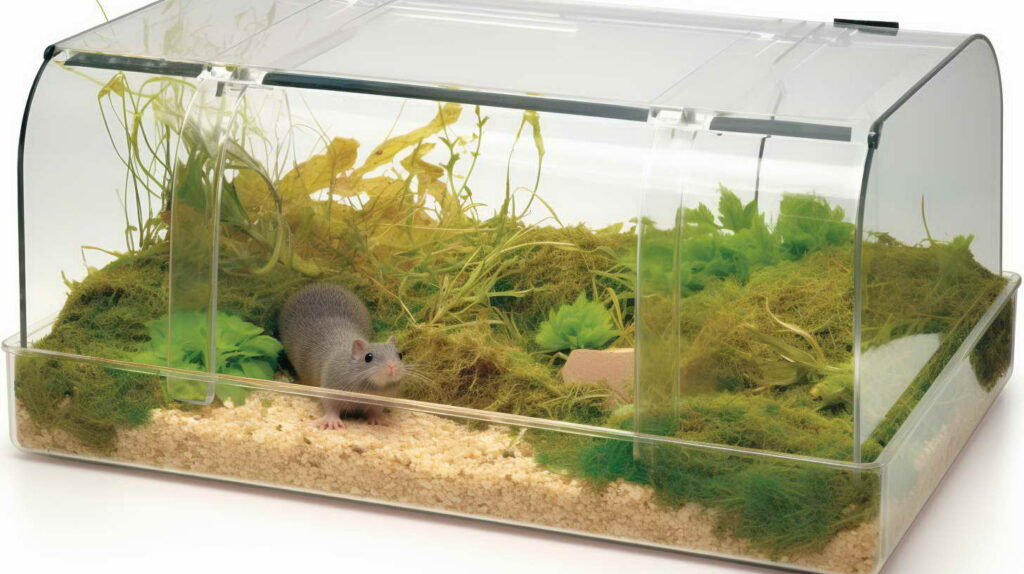
    • Cages: Wire cages are excellent for ventilation, while plastic cages are easy to clean. Glass cages offer visibility but may be heavier.
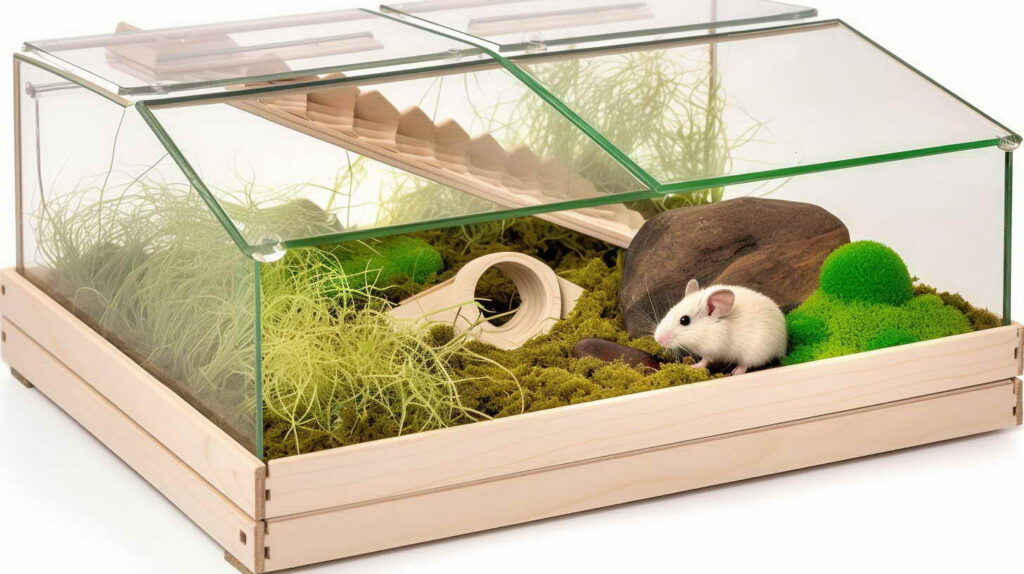
    • Terrariums and Vivariums: Ideal for species like degus, providing a controlled environment for their specific needs.
    • Tank Habitats: Perfect for aquatic or semi-aquatic pets like mice or pygmy hedgehogs, offering a unique and secure space.
    • Hutches and Pens: Larger living spaces for rabbits and guinea pigs, ensuring they have room to move and socialize.
    • Enclosures: Versatile options suitable for various small animals, offering customization and flexibility.

    Consider the size, material, and ventilation of each option to find the perfect match for your small companion’s requirements.

    3. Considering Materials and Budget

    As you explore habitat options, keep durability, cleaning ease, and budget in mind:

    • Wire Cages: Affordable, but cleaning may be more labor-intensive.
    • Plastic Cages: Easy to clean and lightweight, but may not be as durable.
    • Glass Cages: Sturdy and provide visibility, but can be heavier and pricier.

    Price Estimation: Budget-friendly wire cages start at around $20, while larger tanks or enclosures can range from $50 to $150, depending on size and material.

    By understanding your small animal’s needs and choosing a habitat that aligns with those needs, you’re well on your way to creating a cozy and secure haven for your pint-sized friend.

    Choosing the Right Rabbits Small Animal Habitat

    Acquiring the Essentials

    4. Basic Habitat Components

    Now that you’ve chosen the perfect habitat, it’s time to transform it into a small animal paradise. Let’s delve into the must-have components that will make your pet’s living space both comfortable and stimulating.

    • Bedding: The foundation of any small animal habitat is the bedding. Opt for safe and comfortable materials such as pine shavings, paper-based bedding, or aspen shavings. These not only provide a cozy surface but also aid in controlling odors.
    • Nesting Materials: Small animals love to create their own little sanctuaries. Supply them with nesting materials like hay, shredded paper, or even soft fleece. This not only satisfies their natural instincts but also adds a touch of personalization to their space.
    • Hideouts and Tunnels: Every small creature needs a place to retreat and feel secure. Introduce hideouts and tunnels into the habitat to mimic their natural environments. Whether it’s a cozy log for a hamster or a tunnel system for a ferret, these additions are essential for mental well-being.

    5. Entertainment and Exercise

    Small animals are active and curious, so keeping them mentally and physically stimulated is crucial for their overall happiness.

    • Toys: Invest in a variety of toys to keep your pets engaged. From chew toys for rodents to interactive puzzles for rabbits, the market offers a plethora of options. Rotating toys regularly prevents boredom, ensuring a continuously enriching environment.
    • Exercise Wheels: Particularly important for hamsters, mice, and rats, exercise wheels provide an outlet for excess energy. Choose a wheel that is appropriately sized for your pet to ensure a comfortable and safe exercise experience.
    • Food Bowls and Water Bottles: Keep your pet well-fed and hydrated with suitable containers. Attachable water bottles are excellent for preventing spills, while sturdy, tip-resistant food bowls ensure a steady supply of nourishment.

    6. Nutrition and Treats

    A well-balanced diet is the cornerstone of your small pet’s health and longevity. Different species have varying dietary needs, so research and cater to your pet’s specific requirements.

    • Pellets: High-quality pellets tailored to your pet’s species provide essential nutrients. Prices vary, but a good bag of pellets typically ranges from $10 to $20, depending on the brand and quantity.
    • Fresh Fruits and Vegetables: Supplement your pet’s diet with fresh produce. Ensure you’re aware of what is safe for your specific small animal, offering a mix of fruits and veggies for a well-rounded nutritional intake.
    • Treats: Who can resist a treat now and then? Treats, whether store-bought or homemade, are excellent for training and bonding. Just be mindful of moderation to maintain a healthy diet.

    7. Accessories for Personalization

    Make your small animal’s habitat a reflection of their personality with personalized touches.

    • Decorative Elements: Safe decorations like tunnels, bridges, and climbing structures add flair to the habitat. These elements also serve as entertainment and exercise opportunities.
    • Themed Accessories: Go the extra mile with themed accessories. Whether it’s a pirate ship for your mice or a cozy hammock for your ferrets, themed items add a touch of whimsy to your pet’s living space.

    By incorporating these essential components, you’re not just creating a home; you’re crafting a haven where your small animal can thrive both physically and mentally. Remember, observing your pet’s reactions and preferences will guide you in fine-tuning their habitat for maximum enjoyment. Happy decorating!

    Wrapping Up

    Congratulations! You’re now armed with the knowledge to create the ultimate small animal habitat. Remember, the key is to balance your pet’s natural instincts with their need for comfort and security. As you set up their cozy abode, observe their behavior, make adjustments accordingly, and, most importantly, have fun with it! Your small companions will surely appreciate the effort you put into making their home a haven of happiness. Happy pet parenting!

  • Pet Food and Treats – Choose It Carefully or?

    Pet Food and Treats – Choose It Carefully or?

    Pet Food and Treats

    Introduction

    PETSIDI – Greetings, fellow pack leaders! Let’s immerse ourselves in the realm of pet nutrition and treats. It’s undeniable that our furry companions merit only the finest. Whether you identify as a dog leader, a cat leader, or simply an aficionado of all creatures, guaranteeing your pets receive optimal nutrients is fundamental to their overall harmony. Throughout this piece, we’ll delve into the art of selecting and acquiring top-tier pet food and treats, skillfully navigating the myriad options to strike that impeccable harmony between taste and nourishment.

    The Basics of Choosing Pet Food and Treats

    Understanding Your Pet’s Needs

    One of the fundamental pillars in the quest for optimal pet nutrition is a keen understanding of your furry friend’s unique requirements. Just like us, pets differ in size, breed, age, and health conditions, all of which play a pivotal role in determining their dietary needs. A visit to the veterinarian is akin to consulting with a nutritionist for your pet, providing invaluable insights into tailoring a diet that caters specifically to their individual characteristics.

    Decoding Pet Food Labels

    Embarking on the journey of selecting the right pet food involves becoming a bit of a detective. Pet food labels can often read like a cryptic code, but armed with knowledge, you can unveil their secrets. Keep an eye out for phrases such as “complete and balanced,” indicating adherence to standards set by the Association of American Feed Control Officials (AAFCO). For those with pets prone to allergies or sensitivities, the term “limited ingredient pet food” is a beacon, signifying a simplified yet nutritious option.

    Budget-Friendly Options

    Contrary to popular belief, quality pet food doesn’t necessarily come with a hefty price tag. An array of affordable options caters to various budgets without compromising on nutritional value. For instance, a dependable bag of dog food from a reputable brand can range anywhere from $20 to $60, ensuring that your pet gets the necessary nutrients without burning a hole in your pocket. Balancing quality and cost is a skill every pet parent can master.

    In essence, the basics of choosing pet food and treats revolve around recognizing your pet’s unique needs, deciphering labels like a pro, and finding a sweet spot where quality meets affordability. This foundational understanding sets the stage for crafting a diet that not only satisfies your pet’s taste buds but also supports their overall well-being.

    Dog Food and Treats: A Tail-Wagging Experience

    Premium Dog Treats for Picky Pooches

    Dogs are notorious for being picky eaters, and sometimes, even the most nutritious food can be met with a turned-up nose. That’s where premium dog treats come into play. These gourmet delights, often priced between $10 and $30, can be a game-changer for training or just showing your furry friend a little extra love.

    The Raw Truth about Raw Pet Food Diets

    Ever considered a raw diet for your canine companion? Raw pet food diets, including options like freeze-dried pet treats, are gaining popularity. Packed with natural goodness, they can cost anywhere from $15 to $50 per pound. While it might be pricier, the health benefits and shiny coat that follow are often worth it.

    Dental Health Pet Treats: A Treat for Teeth

    Let’s not forget about dental health. Dental treats are not only tasty, but they also contribute to your dog’s oral hygiene. Prices vary, but you can find effective options for around $10 to $30 per bag. It’s like a two-for-one deal – a treat that tastes good and keeps their pearly whites intact.

    Cat Snacks and Nutrition: Purrfection in Every Bite

    Gourmet Cat Food: Because Fluffy Deserves the Best

    Cats, being the discerning eaters they are, often appreciate a touch of gourmet in their meals. Gourmet cat food, with its premium ingredients and mouth-watering flavors, can cost anywhere from $15 to $40 per can. Your feline friend will thank you with a satisfied purr.

    Balancing Act: Achieving Balanced Cat Nutrition

    Balanced cat nutrition is essential for your kitty’s overall health. Look for options that cater to their specific needs, whether they’re a kitten, a senior cat, or somewhere in between. Prices for quality cat food can range from $10 to $30 per bag, depending on brand and ingredients.

    Healthy Cat Snacks: Satisfy the Cravings

    Healthy cat snacks are not only a delicious way to pamper your feline friend but also a means to ensure they’re getting the nutrients they need. Prices for organic and grain-free cat snacks can vary, but you can find excellent options between $5 and $20 per pack.

    The Basics of Choosing Pet Food and Treats

    A Holistic Approach to Pet Nutrition

    Organic Pet Food Options: A Natural Choice

    For those seeking a more natural approach, organic pet food options are worth exploring. While prices can be higher, ranging from $20 to $70, the benefits of feeding your pet food free from synthetic pesticides and additives are priceless.

    Sustainability in Pet Nutrition: A Greener Choice

    Consider the environmental impact of your pet’s diet by exploring sustainable pet nutrition. Some brands focus on eco-friendly packaging and ethically sourced ingredients. Prices may be a bit steeper, ranging from $30 to $80, but the positive impact on the planet is immeasurable.

    Conclusion: Tailoring Treats to Tails

    Choosing the right pet food and treats is an art and a science, but it’s also a labor of love. Consider your pet’s individual needs, read labels like a pro, and explore a variety of options to keep their taste buds tingling and their tails wagging. Whether you opt for premium dog treats, gourmet cat food, or delve into the world of raw pet food diets, the key is finding the perfect balance of flavor and nutrition. So here’s to happy, healthy pets and the joy they bring to our lives!

  • Dog and Cat Supplies – Everything You Need For Your Two Furry Friends

    Dog and Cat Supplies – Everything You Need For Your Two Furry Friends

    Dog and Cat Supplies

    Introduction

    PETSIDI – Hello fellow pet lovers! Today, we’re plunging into the realm of dog and cat supplies, where wagging tails and soothing purrs take center stage. As an avid animal blogger and enthusiast, I’ve compiled a list of must-haves for our furry companions, spanning from pet accessories to grooming tools. So, get ready, and let’s kick off this fantastic journey together!

    Choosing the Right Gear

    When it comes to our four-legged companions, one size definitely does not fit all. Whether you’re a proud pup parent or a devoted cat guardian, selecting the right supplies is crucial for your fur baby’s happiness and well-being.

    Pet Accessories and Animal Care Products

    Let’s start with the basics: pet accessories and animal care products. From collars that reflect your pet’s personality to grooming supplies that keep their fur silky smooth, the options are endless. Keep in mind your pet’s size, breed, and individual needs when choosing these items. The right accessories not only enhance your pet’s style but also contribute to their overall comfort.

    For grooming, consider investing in high-quality brushes, nail clippers, and shampoos. Prices can range from $10 to $50, depending on the brand and features. It’s a small investment for a well-groomed and happy pet!

    Pet Food and Treats

    Next up, the way to your pet’s heart – food and treats. A well-balanced diet is essential for their health and vitality. Explore different options, including dry kibble, wet food, and specialty diets for specific health concerns. Prices for quality pet food can range from $20 to $60 per month, depending on your pet’s size and dietary requirements.

    Treats are perfect for training or just showing some extra love. Look for treats that are not only tasty but also contribute to your pet’s nutritional needs. Prices for treats vary, but a good rule of paw is to keep it within 5-10% of their daily caloric intake.

    Pet Toys

    Now, onto the fun stuff – pet toys! Dogs and cats love to play, and having the right toys can keep them mentally stimulated and physically active. From squeaky toys to puzzle feeders, there’s something for every furry friend. Prices for pet toys typically range from $5 to $20, depending on the type and brand.

    Cat Litter and Accessories

    For our feline friends, cat litter and accessories are essential. Consider the type of litter your cat prefers, whether it’s clumping, non-clumping, or even silica gel. Litter boxes with high sides are ideal for preventing messes. Prices for cat litter vary, with a monthly cost of around $10 to $20.

    Investing in Comfort

    Dog Beds and Blankets

    After a day of play, every dog deserves a cozy spot to rest. Dog beds come in all shapes and sizes, so choose one that provides proper support for your pup’s joints. Prices for dog beds range from $20 to $100, depending on size and quality. Toss in a warm blanket, and your dog will be in canine heaven.

    Collars and Leashes

    Safety first! Collars and leashes are essential for any dog owner. Collars should be snug but not too tight, allowing room for two fingers between the collar and your dog’s neck. Leashes come in various materials and lengths, so choose one that suits your walking style. Prices for collars and leashes range from $10 to $30.

    Pet Health Products and Hygiene Supplies

    Maintaining your pet’s health is a top priority. Invest in pet health products like supplements, vitamins, and dental care items. Hygiene supplies, such as wipes and ear cleaners, also play a role in keeping your pet clean and comfortable. Prices for health products and hygiene supplies can range from $5 to $30, depending on the item.

    Cat and Dog Food Bowls

    Mealtime matters! Consider the material and design of your pet’s food bowls. Stainless steel bowls are durable and easy to clean, while ceramic bowls add a touch of style. Prices for pet food bowls typically range from $5 to $20 per bowl.

    On-the-Go Essentials

    Pet Carriers and Crates

    For pet parents on the move, pet carriers and crates are invaluable. Ensure the carrier is well-ventilated and cozy for your pet. Crates should be a safe haven at home, providing a secure space for your pet to relax. Prices for carriers and crates vary, with carriers ranging from $20 to $50 and crates from $30 to $100.

    Pet Training Aids and Travel Gear

    Training is an ongoing process, and the right aids can make a world of difference. From clickers to training treats, find what works best for you and your pet. Travel gear, including seat belts and travel bowls, ensures a safe and enjoyable journey. Prices for training aids and travel gear range from $5 to $30.

    Wrapping It Up: Spoiling Your Pet in Style

    In conclusion, choosing the best dog and cat supplies is a delightful journey filled with tail wags and purrs of approval. Consider your pet’s unique needs and preferences, and don’t be afraid to splurge on a few extra toys or a luxurious bed. After all, our furry friends deserve the very best!

    So, whether you’re a seasoned pet parent or a newbie to the world of paws and whiskers, take the time to explore the vast array of supplies available. Your pet will thank you with endless love, loyalty, and perhaps a few sloppy kisses or gentle headbutts. Happy pet parenting!