Category: Information

  • Family Pet Nutrition

    Family Pet Nutrition

    Family Pet Nutrition

    Family Pet Nutrition

    PETSIDIProper nutrition is crucial for supporting our beloved family pets’ health and well-being across their entire lives. As pet owners, we are responsible for educating ourselves on our pets’ nutritional needs during each life stage and identifying the highest quality foods and supplements to fuel their daily activities.

    This guide will overview key diet considerations for transitioning both dogs and cats from puppy or kitten diets to adult and even senior formulations. We’ll also discuss nutritional strategies for meeting the needs of adult and senior pets.

    Puppy and Kitten Diets

    The first year of a puppy or kitten’s life brings rapid growth and development. Their caloric needs are very high during this transitioning period.

    • Puppies require almost twice as many calories per pound of expected adult body weight compared to adult dogs
    • Kittens need one and a half times as much energy per pound as adult cats

    High-quality commercial puppy and kitten diets provide:

    • Increased protein for healthy muscle growth
    • Targeted fat and carbohydrate content for energy
    • Essential fatty acids for skin, coat, and brain development
    • Age-appropriate levels of vitamins and minerals

    Homemade diets for puppies and kittens should be developed carefully alongside veterinary nutritionists to ensure completeness and balance.

    As large and giant breed puppies grow particularly quickly, care should be taken not to overfeed. Consider switching these puppies to adult dog foods formulated for larger breeds at around 12 months old.

    Adult Pet Diets

    By 12 months old, most dogs and cats have reached about 80% of their adult size and their growth plates have fused.

    At this point, their nutritional needs shift towards maintaining health, body condition, and energy levels. Key diet considerations for adult pets include:

    Transitioning to Adult Diets

    • Gradually transition your pet over 5-7 days when switching between life-stage foods
    • Mix a little more of the new food and a little less of the old food each day
    • Watch for digestive upset and slow the transition if needed

    Feeding Frequency

    • Most adult pets do best with two meals per day
    • Adjust based on your pet’s age, size, and activity level
    • Leaving food available for free choice can lead to overeating

    Knowing How Much to Feed

    • Start by following label feeding guidelines based on your pet’s ideal weight
    • Weigh out the recommended amount rather than eyeballing the volume
    • Monitor your pet’s body condition score and adjust up or down as needed

    Use this 9-point scale commonly used by vets:

    Body Condition Score Description
    1 Ribs, spine, and pelvis visibly protruding with no fat or muscle
    5 Ribs easily felt with light fat cover, obvious waist, and abdominal tuck
    9 Heavy fat deposits over the chest, spine, and base of the tail, no waist, abdominal distension

    Choosing Nutritious Foods

    Focus on quality commercial diets that meet AAFCO standards for nutritional adequacy. Look for these positive attributes:

    • Primarily derived from high-quality animal-based proteins
    • Minimal starchy carbohydrates like corn, wheat, or potatoes
    • Contains supplemental fatty acids from fish oils
    • Fortified with probiotics, antioxidants, and joint-supporting compounds
    • Free of artificial preservatives, flavors, and colors

    Veterinary prescription diets or lightly cooked homemade foods are other options when needed.

    Senior Pet Diets

    Advancing age inevitably leads to physiological changes for our furry friends. Supporting health and vitality in our senior pets through tailored nutrition helps ensure more time for making happy memories together.

    While no two pets age the same, most dogs transition into their golden years around 7 years old. Senior cats are generally defined as 7 years and older as well.

    Age-Related Changes

    Common health challenges faced by senior pets include:

    • Decreased ability to digest protein and fat
    • Reduction in calorie needs due to lower activity levels
    • Higher risk for obesity leading to diabetes and joint issues
    • Increased incidence of kidney disease and cancer
    • Cognitive dysfunction similar to Alzheimer’s disease

    Tailoring the Senior Diet

    Meeting the unique nutritional requirements of senior pets requires:

    • Feeding senior-specific commercial diets whenever possible
    • Scheduling more frequent vet check-ups to monitor health
    • Increasing essential fatty acid intake to reduce inflammation
    • Ensuring adequate protein levels to maintain muscle mass
    • Restricting phosphorus if kidney issues are present
    • Possible need for urinary or digestive supplements

    Pay close attention to changes in food intake, energy levels, or behavior that could indicate an underlying health issue requiring veterinary attention.

    In Closing

    A species-appropriate, life-stage-focused diet lays the foundation for our furry family members to lead their very best lives by our sides. As committed pet owners, we must educate ourselves on our pets’ evolving nutritional needs across their lifespans.

    The right foods and supplements provide the fuel for our cherished cats and dogs to transition smoothly from the rapid growth of puppy and kittenhood, through their exuberant adult years, into senior status marked by distinguished gray muzzles. Fulfilling our pets’ unique dietary requirements at each stage allows us the gift of more healthy and happy years together.

    What nutritional or health concerns do you have for your pets? Comment below so we can discuss diet strategies tailored to your pets’ needs!

  • Pet Nutrition Consultant

    Pet Nutrition Consultant

    pet nutrition consultant

    Pet Nutrition Consultant

    I. Introduction

    PETSIDI – A Pet Nutrition Consultant is a professional who provides guidance and counsel to pet owners regarding the dietary and nutritional needs of their pets. As more pet parents become aware of the strong link between nutrition and their pets’ health and wellbeing, there is a growing demand for experts who can offer science-based advice on feeding pets appropriately.

    Proper pet nutrition is extremely important for ensuring our furry friends live long, healthy, and active lives. Just like humans, the food pets eat impacts their energy levels, disease resistance, digestive health, skin and coat condition, and more. Pet nutrition consultants help pet owners understand their pet’s unique nutritional requirements and create customized diet plans to keep them thriving.

    II. Roles and Specializations

    Pet nutrition is a broad field with consultants specializing in various pet types and nutritional approaches. Some key roles and specializations include:

    A. Animal Nutrition Specialist

    • Focuses on livestock and production animal nutrition
    • Works to optimize feed rations and formulations
    • Collaborates with veterinarians, farmers, feed manufacturers

    B. Pet Dietary Advisor

    • Provides general guidance on pet nutrition
    • Makes diet recommendations based on life stage and health status
    • Addresses basic concerns like weight management or allergies

    C. Veterinary Nutritionist

    • Veterinarian with advanced training in clinical nutrition
    • Treats complex medical conditions with tailored dietary therapies
    • Works alongside the pet’s veterinarian to coordinate care

    D. Holistic Pet Nutrition Consultant

    • Incorporates alternative therapies like raw diets or supplements
    • Emphasizes whole, natural ingredients and limited processing
    • Considers the pet’s physiology, environment, genetics, etc.

    E. Exotic Pet Nutrition Consultant

    • Specializes in the nutrition of non-traditional pets
    • Formulates diets for reptiles, birds, small mammals, aquarium fish, etc.
    • Stays updated on extensive research into exotic species’ requirements

    III. Expertise Areas

    While some pet nutrition consultants work with all types of pets, most develop deep expertise with particular animal classes, diets, or health conditions. Some areas of specialized expertise include:

    A. Canine and Feline Nutrition

    As the most common pet species, dogs and cats make up a major focus for many pet nutrition consultants. Guidance may cover:

    • Breed-specific nutritional considerations
    • Addressing allergies, obesity, or other health issues
    • Tailoring diets to life stage (puppy, kitten, senior pets, etc.)
    • Recommending commercial or home-prepared food options

    B. Avian Nutrition

    Bird nutrition can be highly complex given the vast diversity of avian species. Consultations may involve:

    • Formulating seed, pellet, or fresh food diets
    • Ensuring optimal ratios of protein, fruits/veggies, vitamins
    • Adapting food textures for different beak types
    • Meeting nutritional demands of active, breeding, or molting birds

    C. Reptile Diet and Nutrition

    Whether keeping snakes, turtles, lizards, or frogs, reptile owners seek guidance on topics like:

    • Balancing calcium, phosphorus, and vitamin D3
    • Tailoring food sources and complements for carnivorous, herbivorous, or omnivorous species
    • Accommodating dietary shifts during growth, breeding, or hibernation
    • Sourcing appropriate feeder insects, rodents, or prepared diets

    D. Raw Food Diets for Pets

    Some consultants focus specifically on raw feeding, advising clients on areas like:

    • Sourcing reputable brands of premade raw food or preparing it at home
    • Ensuring raw diets meet all nutritional requirements
    • Recommending optimal proportions of meat, organs, bone, produce
    • Managing potential risks like pathogens or nutritional imbalances

    E. Balanced Diet for Pets

    For owners preferring conventional diets, consultants offer guidance on topics including:

    • Selecting high-quality commercial pet foods
    • Deciphering ingredient lists and nutrition labels
    • Choosing formulas tailored to pet age, size, activity level
    • Transitioning to new foods or avoiding dietary upsets

    IV. Certification and Qualifications

    While no standard licensing exists yet, pet nutrition consultants pursue wide-ranging education and credentials to demonstrate their expertise, including:

    A. Certified Pet Nutritionist

    Some complete accredited programs like the Certified Pet Nutritionist (CPN) course through the Pet Nutrition Institute to gain an industry qualification. Learning covers animal nutrition science, diet formulations, client communications, and more.

    B. Educational Background

    Common relevant academic backgrounds include degrees in:

    • Animal Science
    • Veterinary Medicine
    • Biology
    • Biochemistry
    • Nutrition or Dietetics

    Advanced degrees (Masters/PhD) enable specialization in areas like clinical animal nutrition or comparative physiology.

    C. Specialized Training Programs

    Shorter certificate programs through organizations like the CVMA Veterinary Nutrition Residency Program or university extensions allow focused study in veterinary nutrition or animal feed sciences.

    V. Nutritional Guidance and Counseling

    Armed with nutritional expertise, pet diet consultants offer a range of counseling services to support pet wellness, including:

    A. Developing Personalized Pet Nutrition Plans

    Custom plans adapt to unique factors like:

    • Breed disposition
    • Individual metabolism
    • Activity level
    • Age
    • Reproductive status
    • Existing medical issues
    • Food preferences or intolerances
    Factor Dietary Recommendations
    Breed Higher protein for active breeds; less energy-dense food for predisposed obesity
    Metabolism Smaller, more frequent meals for a fast metabolism
    Activity Level Performance diets with fat for energy and amino acids for muscle
    Age Higher calorie puppy or kitten diets; senior formulas with less fat, more fiber

    Follow-up monitoring ensures the diet achieves the desired outcomes.

    B. Pet Wellness Nutrition Consulting

    Consultants educate clients on nutritional foundations for vitality and disease prevention:

    • Species-appropriate whole, natural foods
    • Balancing macronutrients
    • Including pre+probiotics
    • Supplementing fatty acids, antioxidants, etc.
    • Avoiding excesses or deficiencies

    Annual wellness nutrition reviews help pets start/stay strong.

    C. Integrative Approaches to Pet Nutrition

    Holistic consultants connect nutrition with:

    • Exercise and environmental enrichment
    • Stress management
    • Traditional and herbal medicines
    • Therapeutic modalities like acupuncture

    They treat the whole patient for optimal well-being.

    D. Importance of a Balanced Diet for Pets

    Whatever the dietary approach, maintaining balance remains key, including:

    • Moderating energy intake to support ideal weight
    • Meeting – not exceeding – minimum nutrient requirements
    • Preventing under or overfeeding specific food components

    Balanced nutrition promotes good health today and for years to come.

    VI. Emerging Trends in Pet Nutrition Consulting

    Like human diet fads, pet nutrition also has its trends which consultants must stay on top of when advising clients, such as:

    A. Raw Food Diets for Pets

    Many owners now feed raw, natural diets believing it mirrors ancestral eating and boosts health. Consultants ensure safety and balance through guidance on:

    • Pathogen risks requiring handling precautions
    • Incorporating produce for antioxidants
    • Adding supplements to balance vitamins and minerals
    • Buying premade raw diets following safety standards if owners are unable to prepare raw food themselves

    B. Holistic and Natural Approaches

    In addition to raw diets, holistic consultants advocate focusing on:

    • Organic, non-GMO whole food ingredients
    • Limited processing to preserve natural nutritional value
    • Botanical supplements (e.g. curcumin, aloe vera)
    • Nutraceuticals (pre+probiotics, enzymes, omega oils)

    They avoid artificial preservatives and additives with potential health risks.

    C. Nutritional Health Coaching for Pets

    Taking cues from human health coaching models, some consultants adopt goal-oriented coaching techniques assisting clients to:

    • Set and track dietary goals for their pet
    • Identify motivations and potential barriers
    • Apply to learn between consultations
    • Celebrate nutrition successes

    This empowers owners to sustain nutritional changes long-term.

    VII. Challenges in Pet Nutrition Consulting

    Of course, even the best nutritional advice must overcome certain challenges to effectively support pets’ well-being:

    A. Common Nutritional Issues in Pets

    Many pets initially present with pressing diet-influenced issues like:

    • Obesity
    • Food allergies or intolerances
    • Dental disease
    • Skin/coat conditions
    • Arthritis and joint problems
    • Chronic digestive issues
    • Urinary problems

    Effective plans to resolve these form the foundation for ongoing healthy nutrition.

    B. Addressing Dietary Concerns

    Owners often have questions, hesitations or misconceptions to be addressed respectfully:

    Concern Response Strategies
    “My current food seems fine” Explain gentle signs of deficiency; focus on wellness optimization
    “My pet is a picky eater” Suggest flavor enhancers; mix old and new food for a gradual transition
    “Special diets are too expensive” Compare to vet bills and meds if health declines; seek healthy budget-friendly options

    C. Adapting to Individual Pet Needs

    No one diet suits all pets. Effective consultants:

    • Carefully evaluate each pet as an individual
    • Adjust guidance accordingly if initial approaches prove ineffective
    • Collaborate with veterinarians managing medical issues
    • Stay attentive and adaptive to every pet’s needs for optimal nutrition and wellbeing

    VIII. Conclusion

    A. Summary of Key Takeaways

    As pet nutrition consultants continue growing in demand, key highlights for those considering the field include:

    • Specializations in areas ranging from general health to specific species, diets, and diseases
    • Scientific education prepares consultants to accurately assess pets’ nutritional status and needs
    • Certification and training programs demonstrate credibility to pet owners
    • Personalized diet plans and counseling services form the cornerstone of consultants’ work
    • Staying atop the latest nutritional research and trends is essential to sound guidance
    • Addressing pet health issues, overcoming challenges, and adapting guidance responsively allows consultants to improve outcomes

    B. Future Outlook for Pet Nutrition Consulting

    With rising recognition that food is integrally tied to pets’ wellness and disease, pet nutrition specialists will continue on a growth trajectory in the coming years. Those with advanced expertise in emerging areas like raw and holistic diets are especially poised for success given owners’ keen interest. Overall the future looks promising for aspiring pet nutrition consultants to pursue a rewarding career improving the lives of our cherished animal companions.

  • Pet Nutrition

    Pet Nutrition

    Pet Nutrition

    Pet Nutrition

    PETSIDI – Proper nutrition is essential for the health and well-being of pets. Choosing the right diet helps ensure pets receive the vitamins, minerals, and nutrients they need for proper growth, development, disease prevention, and aging support. As pet owners and caretakers, understanding the unique nutritional needs of dogs, cats, and other domestic animals enables us to make informed decisions when it comes to feeding our furry companions.

    Introduction

    Pet nutrition encompasses the dietary needs and recommendations for domesticated animals kept as household pets or companions. Good nutrition allows pets to thrive throughout all life stages from puppyhood through senior years. Since commercial pet foods and treats make up a significant portion of most pets’ diets, owners must educate themselves on how to evaluate ingredients, nutrient content, and labeling when selecting food. Beyond commercial diets, some owners opt for homemade food or specialized feeding approaches such as raw diets. Regardless of the specific diet, paying attention to changing nutritional requirements as pets age can promote ongoing health and wellness.

    Proper pet nutrition provides many benefits including:

    • Healthy weight maintenance
    • Muscle growth and development
    • Shiny coats and skin
    • Strong teeth and bones
    • Optimal energy levels
    • Disease prevention
    • A longer and better quality of life

    Understanding key nutrition principles, diet options, and health considerations empowers owners to make the best dietary choices for their furry friends.
    Types of Pet Diets

    Types of Pet Diets

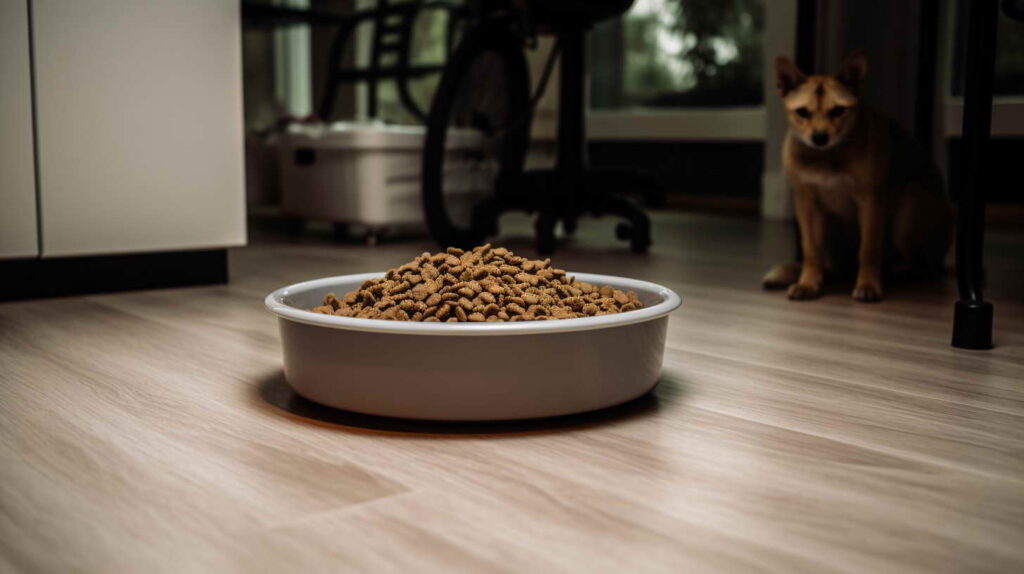
    From store-bought kibble to homemade stew, several diet types for pets exist, each with its advantages.

    Commercial Pet Foods

    The majority of household pets eat commercial pet foods for all or most meals. When selected appropriately, commercial diets can provide complete and balanced nutrition.

    Premium Pet Foods

    Premium commercial foods contain quality ingredients, higher protein content, and precise nutritional formulations. Criteria for premium pet foods include:

    • Real meat or fish as first ingredients
    • No corn, wheat, soy, by-products, artificial preservatives or flavors
    • Exact nutritional standards and stringent quality control
    • Often marketed as “natural” or “holistic”

    Though pricier, premium foods support optimal health.

    Grain-Free Pet Foods

    Many pet foods now feature grain-free recipes due to rising popular interest. Dogs and cats have no known nutritional requirement for grains, which are often used as inexpensive fillers. Potential benefits of grain-free diets include:

    • Reduced risk for food allergies/sensitivities
    • Lower glycemic impact
    • More protein-focused nutrition

    However, some veterinarians argue little proven difference exists between grain-free and grain-inclusive foods that use healthy whole grains like rice and oats.

    Homemade Pet Food

    Home cooking for pets has surged in popularity due to concerns over commercial diet quality and food recalls. Benefits of homemade meals include:

    • Control over ingredients
    • Ability to customize
    • The appeal of less processed
    • Option for human-grade foods

    However, homemade food does require research and planning to formulate complete and balanced recipes that avoid nutritional gaps. Most owners use commercial pet food as a base or supplemental kibble.

    Raw Feeding Diets

    A subset of homemade diets, raw feeding aims to mimic ancestral diets. Supporters believe raw meat, bones, and vegetables provide optimal nutrition. However, raw diets may pose safety issues through bacteria exposure if not handled properly.
    Nutrient Requirements for Pets

    Nutrient Requirements for Pets

    All pets need proper amounts of essential vitamins, minerals, and nutrients. Nutritional requirements vary by species between dogs, cats, and other pets.

    Essential Vitamins and Minerals

    Essential vitamins and minerals play vital roles in oxygen transport, bone health, vision, cell function, growth and reproduction, brain development, and immune support. Critical vitamins and minerals dogs and cats require include:

    Vitamin/Mineral Role/Function
    Vitamin A Vision, immune health, growth
    Thiamine (B1) Nerve health, energy metabolism
    Riboflavin (B2) Cell function, antioxidant support
    Vitamin B12 Nerve health, red blood cell formation
    Vitamin D Bone/teeth health, calcium absorption
    Vitamin E Cell membrane health, antioxidant
    Calcium Bone, teeth, nerve health
    Phosphorous Bone strength, nerve conduction
    Magnesium Nerve, and muscle health
    Potassium Fluid balance
    Sodium Chloride Fluid balance

    These vitamins and minerals occur naturally in foods or may be added to commercial pet foods.

    High-Protein Diets

    Dogs and cats require more dietary protein than humans. High-protein support growth, lean muscle mass, and energy:

    • Dogs: Require 18-27% of total caloric intake from protein depending on life stage. Highly active dogs benefit from protein levels of up to 30%.
    • Cats: Require 25-35% of total calories from protein to support higher protein metabolism compared to dogs.

    Benefits of high-protein commercial diets or homemade meals include healthy muscle tone, ideal growth in puppies/kittens, and weight management. Risks involve selecting poor protein sources high in fat like non-lean meats.

    Life Stage Nutrition

    Life Stage Nutrition

    Pet nutrition must adapt to changing needs during puppy/kitten and senior life stages.

    Puppy and Kitten Nutrition

    Rapidly growing puppy and kitten bodies demand tailored nutrition:

    • Protein needs to increase to power growth
    • Calories need rise to fuel higher activity
    • Fat and carbohydrate needs support body system development
    • Calcium and phosphorus must sufficiently support skeletal development

    Puppy and kitten food delivers tailored nutrition and energy density ideal for growth whereas adult food does not meet increased needs.

    Senior Pet Nutrition

    Senior pets undergo bodily changes that impact nutritional needs:

    • Decreased ability to metabolize protein and fat
    • Higher risk for obesity due to less activity
    • Possible dental disease impacting chewing and nutrient absorption
    • Increased likelihood of organ issues like kidney disease

    Therefore, choosing senior pet-specific food supports aging dogs and cats through:

    • Lower caloric content for less active pets
    • Increased fiber for digestive health
    • Reduced phosphorus for compromised kidney function
    • Lean, highly digestible protein sources

    Special senior diet formulas support longevity through senior years.
    Specialized Pet Diets

    Specialized Pet Diets

    Beyond standard commercial diets, specialized and therapeutic formulas exist for pets with certain health conditions, sensitivities, or breed-specific needs.

    Holistic Pet Nutrition

    The holistic approach to pet nutrition aims for whole-body wellness through:

    • High-quality natural ingredients
    • Limited processed ingredients
    • No artificial preservatives or additives
    • Probiotics and antioxidants

    Rather than treating isolated symptoms, holistic feeding nurtures pets from the inside out through nutrition. Common additions to holistic commercial or homemade options include:

    • Digestive enzymes
    • Whole food blends
    • Omega fatty acids from fish oils
    • Natural glucosamine for joint health
    • Superfoods like quinoa or sweet potato

    While pricier, a holistic approach appeals to owners seeking to optimize wellbeing.

    Dietary Supplements

    In addition to vitamins and minerals mixed into foods, supplementary products specifically support:

    • Hip and joint function
    • Skin and coat health
    • Anxiety relief
    • Digestive regularity
    • Immune function
    • Cognitive function

    However, not all supplements live up to claimed benefits. Consulting a veterinarian helps determine useful supplements for individual pets. Quality, reputable brands providing safe dosing guidance prove important for maximal benefit.

    Health and Nutrition

    Digestive health and dental disease relate closely to nutrition. Supportive diets proactively impact pet wellness.

    Digestive Health

    Gut health affects overall wellness. Prebiotic fibers and probiotic microbes support digestive functions through:

    • Promoting nutrient absorption
    • Regulation of waste elimination
    • Reduced risk for diarrhea/constipation
    • Improved immunity

    Choosing pet foods with added prebiotics and probiotics sets the stage for good gut health from the inside out alongside any needed supplements.

    Dental Health and Nutrition

    Periodontal disease impacts up to 80% of pets by age three years old. Key influences involve:

    • Genetics
    • Inflammation
    • Immune response
    • Diet

    Specialized dental diets promote oral health through:

    • Abrasive textures to mechanically reduce tartar
    • Enzymes to break down plaque
    • Antimicrobial compounds
    • Added calcium to strengthen enamel

    Pairing these diets with routine brushing provides optimal preventative oral care.
    Common Concerns and Considerations Pet Nutrition

    Common Concerns and Considerations

    Two widespread pet health issues involving nutritional components include food allergies and obesity.

    Food Allergies

    Allergies often result from ingredients like:

    • Beef
    • Dairy
    • Chicken
    • Soy
    • Wheat
    • Eggs

    Symptoms typically involve skin issues like itching, hot spots, infections, and hair loss. Diagnosis involves an elimination diet to identify the triggering food(s) followed by a hypoallergenic diet. Options include:

    • Novel protein diets featuring unusual protein sources like kangaroo, duck, or venison that pets have never eaten before.
    • Hydrolyzed protein diets using proteins broken into smaller particles to disable allergenic epitopes.

    Weight Management

    With over 50% of pets classified overweight or obese, monitoring caloric intake and adjusting as needed helps pets stay healthy through:

    • Portion control
    • Regular weighing
    • Increased activity
    • Low-calorie dense diets
    • Intermittent feeding approaches

    Specialized weight management diets lower fat and calories while keeping pets feeling full. Consulting a vet also provides objective guidance.

    Emerging Trends in Pet Nutrition

    As nutrition science progresses, new understandings translate into pet diet innovations.

    Innovations in Commercial Pet Foods

    Emerging specialized ingredients deliver targeted nutritional and health benefits such as:

    • Prebiotics and probiotics to support microbiome diversity
    • Natural compounds like curcumin as anti-inflammatories
    • Functional fibers to positively influence metabolism
    • Vitamins/minerals for optimal wellness

    Pet food reflects the human functional food movement through science-backed compounds that provide targeted benefits.

    Customized and Personalized Pet Nutrition

    Advanced testing now enables individualized pet food recommendations based on:

    • Breed
    • Genetics
    • Medical conditions
    • Prescription medications
    • Metabolic functioning
    • Digestibility
    • And more

    Customized formulations and guidance help support pets with greater precision than ever before.

    Conclusion

    A. Recap of key points

    To recap key points, proper pet nutrition requires understanding different diet types ranging from commercial to raw food, nutritional requirements across life stages, considerations for health conditions, and emerging diet trends.

    Essential components of pet diets include sufficient protein levels, vitamins and minerals, calories adjusted for life stage, and digestive enzymes and probiotics for gut health. Food allergies and obesity pose two main diet-related health issues. Staying informed on innovations in functional ingredients and personalized nutrition enables pet owners to make the best diet choices.

    B. Importance of ongoing attention to pet nutrition for a happy and healthy pet

    Paying ongoing attention to pet nutrition proves critically important for our dogs, cats, and other animal companions to lead happy and healthy lives. From proper growth and development in puppies and kittens to managing weight and digestive issues in adult pets, nutrition relates directly to quality of life and well-being.

    Pet nutrition operates as both preventative medicine to ward off illness and targeted treatment of existing conditions. Just as attention to diet leads humans to thrive, so too can nutritious foods support our beloved pets. Determining optimal nutrition encourages pets to continue bringing joy and comfort for years to come as family members. The saying “you are what you eat” applies not just to people, but also to our dogs, cats, and pets who depend on us for their dietary needs.

  • Pawsome Pet Training Products: Elevate Your Furry Friend’s Skills!

    Pawsome Pet Training Products: Elevate Your Furry Friend’s Skills!

    Pet Training Products

    Pet Training Products: A Comprehensive Guide

    Introduction

    Definition of Pet Training Products

    PETSIDIPet training products encompass a diverse array of tools designed to aid in the training and behavior management of our beloved companions. These items cater to various pets, from dogs and cats to birds, small animals, and even fish.

    Importance of Training for Pets

    Training is not merely a task but a fundamental aspect of pet care. It fosters a strong bond between pet and owner, enhances desirable behaviors, and provides mental stimulation for our furry, feathered, or finned friends.

    Types of Pet Training Products

    Pet training products are diverse, catering to the unique needs of various animals. From dogs to cats, birds, small animals, and even fish, the world of training tools is vast and evolving. Understanding the specific types of products available for different pets is crucial for effective training and overall pet well-being.

    Dog Training

    1. Dog Training Collars:

    Dog training collars come in various types, from basic buckle collars to more advanced electronic or “e-collars.” These collars serve multiple purposes, including identification and control during walks. E-collars, when used responsibly, can aid in training by providing gentle corrections, and reinforcing desired behaviors.

    2. Leash Training Gear:

    Leash training gear goes beyond traditional leashes. It includes harnesses designed to discourage pulling and promote better walking habits. Harnesses distribute pressure more evenly, preventing strain on the dog’s neck and facilitating a more comfortable walking experience.

    3. Clicker Training Kits:

    Clicker training is a popular positive reinforcement technique. Clicker training kits typically include a small handheld clicker that makes a distinct sound. This sound marks the exact moment a desired behavior occurs, allowing for precise communication between owner and dog during training sessions.

    4. Remote Training Devices:

    In the realm of technological advancements, remote training devices offer a way to communicate with your dog from a distance. These devices may include remote-controlled collars that deliver vibrations or mild stimuli, providing guidance even when the pet is not within arm’s reach.

    Cat Training Products

    Cat Training

    1. Cat Behavior Aids:

    Cats are known for their independent nature, and cat behavior aids aim to address specific feline concerns. Pheromone diffusers and sprays create a calming environment, reducing stress and undesirable behaviors such as scratching or marking.

    2. Litter Box Training Products:

    For kittens or cats transitioning to a new litter box, specific training products come into play. Attractant sprays and specialized litter can be used to encourage proper litter box usage, ensuring a clean and hygienic environment.

    Puppy Training

    1. Puppy Obedience Tools:

    Puppies have unique needs during their developmental stages. Gentle training collars, teething toys, and crates designed for puppies help establish positive habits, fostering a well-rounded and well-behaved adult dog.

    2. Training Treats and Rewards:

    Treats and rewards are essential motivators for puppy training. These delicious incentives make the learning process enjoyable, reinforcing positive behaviors and creating a strong bond between owner and puppy.

    Bird Training

    1. Bird Training Accessories:

    Birds thrive on mental stimulation and physical activity. Bird training accessories include perches of varying textures and shapes, encouraging exercise and promoting natural behaviors in captive avian companions.

    2. Pet Training Whistles:

    Training birds often involves teaching them specific commands. Pet training whistles provide a means of communication, allowing owners to establish a unique language with their feathered friends and reinforce positive behaviors.

    Small Animal Training

    Small Animal Training

    1. Interactive Pet Toys:

    Rabbits, guinea pigs, hamsters, and other small animals benefit from interactive pet toys. These toys mimic natural behaviors, providing mental stimulation and preventing boredom in these smaller companions.

    2. Training Mats:

    Training mats for small animals serve multiple purposes. They offer a designated space for training sessions, making it clear where certain behaviors are encouraged. These mats can also be used as a comfortable area for rest and play.

    Fish Training

    1. Fish Training Kits:

    Fish training may sound unconventional, but it’s a growing trend among fish enthusiasts. Fish training kits often include target sticks and floating objects that facilitate interaction, promoting mental stimulation for these often underestimated aquatic companions.

    Benefits of Using Pet Training Products

    Enhanced Pet-Owner Bond

    Using the right training products builds trust and strengthens the bond between pet and owner. Positive interactions during training create a foundation of mutual understanding and respect.

    Improved Behavior

    Effective training leads to improved behavior, reducing undesirable habits, and promoting a well-behaved pet. Consistency in training reinforces positive actions, shaping a pet’s conduct over time.

    Mental Stimulation for Pets

    Training is not just about obedience; it also provides crucial mental stimulation. Engaging in training activities challenges pets intellectually, preventing boredom and associated behavioral issues.

    Considerations When Choosing Pet Training Products

    Pet Species and Breed

    Different pets have unique needs. Consider the species and breed of your pet when selecting training products to ensure they are appropriate and effective.

    Training Goals

    Define clear training goals. Whether you aim to teach basic commands, address specific behavior issues, or enhance mental stimulation, aligning products with your objectives is crucial.

    Safety Features

    Prioritize the safety of your pet. Choose products with safety features, especially when dealing with electronic devices. Comfortable materials and secure designs contribute to a positive training experience.

    User-Friendly Design

    Opt for user-friendly products that make the training process enjoyable for both pets and owners. Clear instructions and ease of use enhance the overall training experience.

    Popular Brands in Pet Training Products

    Overview of Leading Brands

    Several brands excel in producing high-quality pet training products. Some notable names include PetSafe, KONG, Cesar Millan, and Feliway. Each brand offers a range of products catering to different pets and training needs.

    Customer Reviews and Ratings

    Before making a purchase, consult customer reviews and ratings. Real-world experiences provide valuable insights into product effectiveness, durability, and overall satisfaction.

    Tips for Effective Pet Training

    Positive Reinforcement Techniques

    Embrace positive reinforcement techniques to encourage good behavior. Reward your pet with treats, praise, or playtime when they exhibit the desired actions, reinforcing a positive association.

    Consistency in Training

    Consistency is key to successful training. Establish a routine and stick to it. Regular, short training sessions are more effective than sporadic, lengthy ones, helping pets grasp commands and behaviors more readily.

    Understanding Pet Behavior

    Take the time to understand your pet’s behavior. Recognize their unique traits, triggers, and preferences. This insight allows for tailored training approaches that resonate with your pet’s individuality.

    Conclusion

    Summary of Key Points

    Pet training products play a pivotal role in fostering a positive relationship between owners and their pets. Whether you have a dog, cat, bird, small animal, or fish, there are specialized products to meet your training needs.

    Encouragement for Responsible Pet Training

    As pet owners, we have a responsibility to ensure the well-being of our companions. By investing time and effort into responsible training practices and utilizing appropriate training products, we contribute to a harmonious coexistence, creating a home filled with love, understanding, and joy.

  • Pet Training Service – Do You Really Need It?

    Pet Training Service – Do You Really Need It?

    Pet Training Service

    Pet Training Service

    Introduction

    PETSIDI – A pet training service that provides customized programs to teach dogs, cats, and other domestic animals desired behaviors. Through professional dog trainers and animal behaviorists, pet owners can ensure their companions are well-socialized, obedient, and safe to have in the home.

    Definition of Pet Training Service

    A pet training service specializes in animal behavior modification and obedience training for household pets. Using techniques rooted in the science of animal learning, pet trainers aim to reinforce desirable habits while extinguishing unwanted behaviors. Their goal is to improve pets’ conduct and help them become model canine or feline citizens.

    Importance of Training for Pets

    Training is critical for pets to learn good manners and how to properly interact with their families. It enhances the pet-owner relationship, establishes clear communication, and prevents problem behaviors from developing. Well-trained pets are more likely to remain in forever homes.

    Types of Pet Training Services

    Types of Pet Training Services

    There are diverse training services to meet pets’ unique needs across every life stage.

    Basic Obedience Training

    Basic obedience lays the foundation for polite pet behavior through:

    Commands and Techniques

    • Sit – for greeting people and before receiving food, toys, going outside, etc.
    • Stay – to control impulses and remain calmly in place
    • Come – to reliably return when called
    • Heel – to walk politely on a leash without pulling

    Positive Reinforcement Methods

    • Food rewards
    • Verbal praise
    • Petting/belly rubs
    • Interactive toys

    Puppy Training

    Puppy training focuses on:

    Socialization

    • Exposure to sights, sounds, people, animals, and environments during the critical socialization window.
    • Prevent fearfulness and anxiety later in life.

    Behavioral Foundations

    • Housetraining
    • Bite inhibition
    • Basic commands
    • Crate training

    Specialized Training

    Depending on pets’ capabilities and owners’ interests, specialized training may include:

    Agility Training

    • Navigating obstacles like tunnels, A-frames, jumps
    • Building athleticism, confidence, focus, and bond with handler

    Canine Good Citizen Certification

    • Test to demonstrate good manners in real-world settings
    • 10-step evaluation process

    Behavioral Modification

    For pets struggling with behavior issues, training focuses on:

    Addressing Aggression

    • Techniques to minimize reactivity and maintain control
    • Counterconditioning to change emotional response

    Correcting Undesirable Behaviors

    • Strategies to reduce or eliminate problem behaviors
    • Redirecting to alternate wanted habits

    Professional Pet Trainers

    Professional Pet Trainers

    Certified pet trainers have extensive education in animal behavior, psychology, and training techniques.

    Qualifications and Certifications

    • Credentials from respected training programs
    • Years of hands-on experience
    • Continuing education on the latest methods
    • Specialized certifications (e.g. CPDT-KA)

    Importance of Hiring a Professional

    Pro trainers have the skills to:

    • Properly diagnose issues
    • Design customized training plans
    • Modify techniques as needed
    • Avoid reinforcement of bad conduct

    In-Home vs. Group Training

    • In-home pet training allows personal attention tailored to pets’ unique needs and home environment.
    • Group dog training sessions provide socialization and real-life practice in a controlled setting.

    Hiring a professional pet trainer is a significant investment, but worthwhile for long-lasting results. Trainers have extensive expertise gained from hands-on experience, credentialed education programs, and ongoing development.

    Pricing Estimates

    Pet training services range widely in terms of cost depending on factors like:

    • Trainer’s background, skills, and specialty
    • Type of training (basic obedience, behavioral issues, etc.)
    • Delivery method (private sessions, board and train, group classes)
    • Location and duration of training

    Typical pricing estimates:

    • Private training sessions – $50 – $150 per hour session. Often sold in packages of 4-10 lessons.
    • Group classes – $150 – $300 for a 6-8 week course. Usually 45 mins – 1 hour per class held weekly.
    • Board and train programs – $500 – $2,000+ for 2-4 week residential training. Price varies by program intensity.
    • In-home board and train – $3,000 – $5,000+ for 2-4 weeks. The trainer works with the pet full-time in the client’s home.
    Training Option Duration Avg Cost Range
    Private Sessions 1 hour $50 – $150 per session
    Group Classes 6-8 weeks $150 – $300 total
    Board & Train Program 2-4 weeks $500 – $2,000+
    In-home Board & Train 2-4 weeks $3,000 – $5,000

    Factors impacting price:

    • Trainer’s credentials and experience
    • Individualized versus group sessions
    • Basic obedience or specialized training
    • Use of tools/equipment
    • Inclusion of follow-up support

    Value of a Professional

    While costly, professional training delivers lasting skills and solutions that amateur efforts cannot replicate. For pets with severe behavior issues, an expert trainer may be the only option to prevent relinquishment.

    Tools and Techniques

    Modern positive reinforcement techniques make training enjoyable, effective, and rewarding.

    Clicker Training

    • Clicker training for pets uses a clicker device to precisely mark desired actions.
    • The click communicates the exact moment of correct behavior.

    Leash Training

    • Leash training for dogs teaches loose leash walking using rewards-based methods.
    • Pets learn to refrain from pulling and stay by the owner’s side.

    Positive Reinforcement

    • The primary technique used today is based on learning theory.
    • Rewards like treats, and praise build behaviors through positive associations.

    Use of Training Aids

    • Head collars
    • Lures
    • Target sticks
    • Interactive feeders
    • Pheromone products

    Benefits of Pet Training Services

    Benefits of Pet Training Services

    Hiring a professional trainer improves pets’ conduct, health, safety, and more.

    Improved Pet Behavior

    • Corrects unwanted habits
    • Establishes reliable obedience
    • Reduces anxiety and fearfulness

    Strengthening the Pet-Owner Bond

    • Enhances communication and trust
    • Increases mutual understanding
    • Deepens relationship

    Enhancing Safety and Well-being

    • Teaches impulse control
    • Reduces the likelihood of accidental injury
    • Fosters good citizenship

    Considerations for Choosing a Pet Training Service

    Key factors in selecting a quality training provider include:

    Reviews and Testimonials

    • Indicators of Past Client Satisfaction
    • Demonstrate experience handling similar cases

    Trainer’s Approach and Philosophy

    • Use of humane, rewards-based methods
    • Ongoing education in animal behavior science

    Customization of Training Programs

    • Tailored training plans to fit pets’ unique needs
    • Flexibility to adjust techniques as needed

    Cost and Duration of Services

    • Fair rates and value for services provided
    • A realistic estimate of the time investment needed

    Case Studies or Success Stories

    Firsthand stories showcase the transformative impact of pet training services.

    Real-life Examples of Successful Pet Training

    • Nervous rescue dog who blossomed into a friendly, confident companion after behavioral training for animals.
    • High energy terrier mix that graduated AKC STAR Puppy and Canine Good Citizen programs through positive reinforcement dog obedience training.
    • Elderly cats struggling with litter box accidents improved thanks to veterinary behaviorists’ customized in-home treatment plans.

    Transformational Stories

    Training helps pets overcome difficult pasts, giving them a second chance to find their forever homes.

    • Cases of severely anxious or aggressive animals who get “turned around” with comprehensive behavior modification programs.
    • Stories of dogs once labeled “unadoptable” are now certified as trained service animals helping people in need.

    Conclusion

    Pet training allows owners to deepen their bond with animal companions while ensuring pets can successfully integrate into families and communities. Customized dog training programs taught by qualified professionals lead to better-behaved, happier pets. With science-based methods focused on positive reinforcement, pet training services provide lasting benefits for guardians and animals alike.

    Recap of the Importance of Pet Training

    The training addresses behavior problems, strengthens pet-owner relationships, improves safety, enhances wellness, and prevents relinquishment.

    Encouragement for Pet Owners to Invest in Training Services

    Whether embarking on a new puppy or troubled by an adult pet’s conduct issues, pet parents need not struggle alone. Professional guidance and coaching deliver solutions.

  • Pet Training Pads – Is It Really Important?

    Pet Training Pads – Is It Really Important?

    Pet Training Pads

    The Go-To Guide to Pet Training Pads

    PETSIDIPet training pads, often referred to as puppy pads or pee pads, have become an essential supply for many pet owners. As useful tools that aid in housebreaking and maintaining hygienic living spaces, pet pads provide effective solutions for avoiding messes and accidents. This definitive guide will explore the ins and outs of pet training pads, from types and proper uses to training techniques and eco-friendly options.

    What Are Pet Training Pads

    What Are Pet Training Pads?

    Pet training pads are designated absorbent pads intended to mimic grass, providing dogs (and cats!) a designated area indoors to relieve themselves. Waterproof on one side and ultra-absorbent on the other, high-quality pads soak up urine and contain messes until they can be properly disposed of.

    House training a new puppy or older rescue dog can be daunting. Pet pads give these pets a consistent surface during the process, preventing damage to floors and carpets. They also provide aging or ill pets an accessible potty space and peace of mind for pet owners running long workdays.

    The Two Main Categories of Pet Pads

    The two primary categories of pet training pads are disposable and washable reusable options. Each has distinct advantages to consider when choosing the right match for your pet.

    Disposable Puppy Pads

    Disposable pet pads provide maximum absorbency for short-term use. Here are the defining features:

    • Ultra-absorbent core: Pulls moisture into the pad instead of the floor
    • Plastic waterproof lining: Prevents leakage
    • Adhesive strips: Stick and stay put
    • Built-in attractant: Encourages potty use
    • Odor controlling: Reduces smells with a light scent
    • Range of sizes: From small to extra-large

    The intended temporary use makes disposables ideal for travel or short-duration training. However, responsible disposable contributes to landfill waste.

    Washable and Reusable Training Pads

    Reusable cloth pet pads offer a sustainable and affordable option. Key attributes include:

    • Absorbent fabric: Draws in moisture, wash after wash
    • Waterproof backing: Avoids messes seeping through
    • Versatile sizes: Charge size as a pet grows
    • Machine washable: Sanitize and reuse
    • Eco-friendly: Reduces environmental impact
    • Customizable: Place anywhere, blends into home decor

    Washable pads provide flexibility and green benefits. Be prepared for extra laundry with daily washing essential for optimal performance.

    Disposable Pads Reusable Pads
    Great for travel or short-term use Eco-friendly & sustainable
    Ultra-absorbent Fully customizable sizing
    Adhesive backing stays in place Absorbent fabric, wash & reuse
    Built-in attractants Waterproof backing
    Odor controlling Affordable long-term
    Wide range of sizes Machine washable

    Antibacterial Pet Training Pads

    Odor Control and Antibacterial Options

    In the quest for puppy pads that get the job done without the mess, odor control and antibacterial features are useful additions.

    Odor-controlling pads contain fragrances or neutralizing baking soda to diminish unpleasant smells. This allows pads to be discretely changed without drawing attention to their purpose.

    Antibacterial pads take cleanliness up a notch. By inhibiting bacterial growth, they guard against germs, stains, and contaminants that can lead to lingering scents. This helps maintain a sanitary potty area and a fresh home environment.

    For pet owners struggling with a less-than-accurate pup or perplexing odors, these specialty pads present viable solutions. Be aware that dogs can have adverse reactions to overpowering scents, so moderate and gentle odor control is best.

    Choosing the Perfect Puppy Pads

    Choosing the Perfect Puppy Pads

    Several factors determine ideal pet training pads for each dog and household. Tailor selection to your pet’s needs with these key considerations.

    Size Matters

    Pet pads range from small 17 x 24 inch pads up to large 32 x 36 inch options. Measure current accident zones and anticipate future needs when choosing dimensions. Here are common uses for different sizes:

    • Small: Toy-breed puppies or cats
    • Medium: Growing puppies under 25lbs
    • Large: Big breed dogs over 25lbs
    • X-Large: Multiple pets used at once

    Ideally, the pad width should extend three inches beyond your pet’s body on each side when in a potty position. This gives a sizeable surface area for fewer misses.

    Super Absorbent is the Best

    The whole point of indoor pet pads is to fully absorb and contain liquids without overflow. Highly absorbent pads with quick dry times are essential for avoiding messes. Target ones holding over 30 ml of fluid per square inch.

    Adhesive vs. Non-Adhesive

    • Adhesive backing: Holds pad firmly in place for fewer accidents next to pad. Best for hard, non-porous flooring.
    • Non-adhesive: Easier to reposition as needed. Ideal for placing on carpets or training crates.

    House Training Puppies with Pads

    House Training Puppies with Pads

    Implementing a strategic house training regimen sets the foundation for establishing good potty habits. Follow these training tips when bringing pads into the equation:

    Establishing a Routine

    Dogs thrive on consistency. Set up pads in an accessible area and gently lead the puppy to them using the same “Go potty” phrase during regular intervals after meals and naps. Keep supervision handy to celebrate successes!

    Positive Reinforcement

    As the puppy uses the designated pad area, enthusiastically praise and offer treats to reinforce that this is an approved potty zone. Avoid scolding accidents and interrupt misplaced attempts by redirecting promptly to the pads.

    Troubleshooting Tricky Obstacles

    Patience and persistence are vital when facing hurdles. If accidents arise away from pads:

    • Restrict access to problem areas completely
    • Reevaluate pad placement suitability
    • Switch pads brand if preferences arise
    • Bring soiled pads outside for retraining
    • Increase supervision and access limitation

    Hang in there! Consistency and positive association are key to overcoming challenges.

    Environmental Responsibility

    All pet supplies come with some ecological footprint. Here’s how to make green-conscious choices when selecting disposable or reusable pads:

    Disposable Pad Considerations

    • Seek biodegradable pad materials when available
    • Opt for pads without dyes, perfumes, or deodorants
    • Dispose of used pads responsibly tied in trash bags
    • Reduce overall disposable pad usage

    Eco-Friendly Reusable Alternatives

    • Choose reusable fabric-based washable pads
    • Source organic, earth-friendly fabric materials
    • Wash in cold water to reduce energy expenditure
    • Line dry pads instead of machine-drying
    • Donate old pads when no longer needed

    With some informed adjustments, pet pads can be an environmentally gentle way to maintain both house training and household cleanliness.

    Debunking Myths and Misconceptions

    Let’s clear up some common misguiding myths about pet training pads so owners can leverage their benefits appropriately:

    Myth: Pads Encourage Laziness in Dogs Some believe pads allow dogs to get away with inappropriate indoor accidents rather than learning to wait to go outside. However, when used strategically alongside positive reinforcement training, pads set dogs up for success by providing an acceptable potty outlet.

    Myth: Pads Are Only for Indoor or Temporary Use It’s a common assumption pads are just an indoor shortcut that enables pet messes. However, they serve multi-faceted long-term purposes, providing aging or physically limited pets an accessible way to handle business even primarily outdoor dogs.

    Real Owners Share Triumphant Pad Tales

    Still unsure about introducing pet pads into your home? Take inspiration from these real owners about how pads were total game-changers for their pups!

    Sarah K. shares about their senior Dachshund, Fritz:

    “We started using pads when Fritz turned 11 and began having mobility issues. The pads have been amazing for keeping carpets protected when Fritz can’t hold it til we go outside. He took to them instantly, almost like he understood it was made for him go there. Such a life saver!

    James R. training a rescued Australian Shepard, Ruby, says:

    “I was pretty skeptical about the pads at first, thinking Rubes should learn to wait before going out. But my trainer recommended them to instill good habits right away. Ruby happily took to pottying on the pads, and it translated easily outside too. Couldn’t have asked for an easier transition!

    The proof is that the pee-pads undoubtedly pull their weight for potty training and maintaining life with pets!

    In Summary…

    Pet training pads undoubtedly ease the inevitable learning curve of perfecting house training for new puppies and rescued dogs. Meanwhile, they enable aging and physically compromised pets to maintain dignity and quality of life as abilities change.

    Disposable pads excel at absorbing messes for travel or short-term use. Reusable cloth pads deliver an eco-friendly, customizable permanent option. With strategic placement, consistent reinforcement, and optimal sizing suited to breed and age, pads check all the boxes for both pup and owner.

    As a pet owner, continue growing your know-how on modern positive training methods. Be open-minded to tools that make the journey easier for all. Most importantly, commit fully to the faithful companion by your side through the peaks and pits of pet parenthood. Pads or not, soak up all the joy (and yes, challenges too) your four-legged friend has to offer!