Dogs are not just pets; they’re an integral part of our families. Ensuring their well-being is of utmost importance. One key aspect of dog care is understanding and addressing potential health problems that may affect different dog breeds. In this comprehensive article, we delve into various aspects of “Dog Breed Health Problems,” providing expert insights, valuable information, and answers to frequently asked questions.
Dog Breed Health Problems
The Significance of Breed-Specific Health Concerns
Understanding that different dog breeds have specific health issues is crucial. It enables pet owners to take preventive measures, detect problems early, and provide appropriate care. Below, we explore some of the most common health problems associated with specific dog breeds.
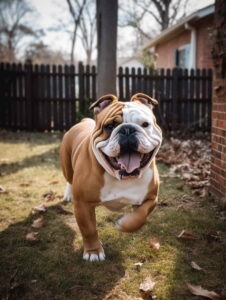
1. Bulldogs: Respiratory Challenges
Bulldogs are adorable, but they often face respiratory challenges due to their flat faces. These challenges can lead to difficulties in breathing and regulating body temperature.
Labradors are susceptible to joint problems, especially as they age. Joint supplements and regular exercise can help.
10. Yorkshire Terriers: Dental Issues
Yorkshire Terriers are prone to dental problems. Dental hygiene is essential to avoid tooth decay and gum disease.
Expert Insights on Preventive Measures
Preventing breed-specific health problems involves understanding your dog’s breed, regular vet visits, and proactive measures. Here are some expert insights:
Proper Diet: Feeding your dog a diet tailored to their breed can prevent various health issues.
Regular Exercise: Ensure your dog gets sufficient exercise to maintain a healthy weight and prevent joint problems.
Routine Check-ups: Schedule regular check-ups with your veterinarian to catch and address problems early.
Breeding Considerations: If you plan to breed your dog, consult with a veterinarian to ensure the breeding process is safe and ethical.
Early Training: Start training your dog early to prevent behavioral problems that may arise from fear, anxiety, or aggression.
Environmental Adaptations: Make necessary environmental changes, such as using ramps for breeds prone to back problems.
Frequently Asked Questions (FAQs)
Can I prevent breed-specific health problems in my dog?
While you can’t eliminate the risk entirely, you can significantly reduce it by following preventive measures and being aware of the common issues for your dog’s breed.
How do I find a veterinarian who specializes in my dog’s breed?
Ask for recommendations from local dog clubs or breed-specific forums. Veterinarians with breed expertise are often well-connected within the community.
What are the signs that my dog may be experiencing health problems?
Common signs include changes in appetite, behavior, mobility, and the appearance of lumps or bumps. Regular vet check-ups can help identify these issues.
Are mixed-breed dogs less prone to health problems?
Mixed-breed dogs may have a lower risk of breed-specific problems, but they can still face general health issues. Regular care is essential for all dogs.
How can I keep my dog’s weight in check?
Ensure a balanced diet, avoid overfeeding, and engage in regular exercise. Consult your vet for personalized advice.
Can I get pet insurance to cover breed-specific health problems?
Yes, pet insurance can provide financial support for treating breed-specific health issues. Research and choose a plan that suits your dog’s needs.
Conclusion
Understanding and addressing breed-specific health problems is crucial for the well-being of your furry friend. By following expert insights, taking preventive measures, and being proactive in your dog’s care, you can ensure they live a happy and healthy life. Remember that every dog is unique, so tailor your care to their specific needs. Together, we can keep our beloved companions in the best of health.
Welcome to the world of DNA dog breed testing, where you can unveil the mysteries of your canine companion’s ancestry. In this comprehensive guide, we will explore the best places to get a DNA dog breed test and what to expect in terms of costs. Whether you’ve just adopted a rescue pup or you’re simply curious about your pet’s genetic background, this article will provide you with the essential information you need.
Where Can You Get a DNA Dog Breed Test
Where Can You Get a DNA Dog Breed Test?
When it comes to getting a DNA dog breed test, there are several options available to you. Whether you prefer the convenience of online services, the expertise of a local veterinarian, or the possibility of finding answers at a dog show, there’s a solution that suits your needs. Let’s explore each of these options in more detail:
Local Veterinarian
Your local veterinarian can be a trusted source for obtaining a DNA dog breed test. Veterinarians are well-versed in pet care and often have recommendations for reputable DNA testing companies. They can guide you through the process, answer any questions you may have, and help interpret the results.
Online DNA Testing Services
In today’s digital age, online DNA testing services have become increasingly popular and accessible. These services offer the convenience of conducting the test in the comfort of your home. Here’s how it typically works:
Order a Test Kit: You start by ordering a DNA test kit from a reputable online provider. Some well-known options include Embark, Wisdom Panel, and DNA My Dog.
Collect a Sample: The kit contains instructions and the materials you need to collect a DNA sample from your dog. This usually involves a simple cheek swab or, in some cases, a blood sample.
Send the Sample: After collecting the sample, you send it back to the provider in a prepaid envelope. They will process the sample in their laboratory.
Receive Results: In a few weeks, you’ll receive comprehensive results about your dog’s breed ancestry and, in some cases, additional information about potential health risks.
Online services offer a user-friendly experience, and the results are typically detailed and informative. These tests are a great option for those who want to explore their pet’s genetic background at their own pace.
Pet Retailers
Some pet retailers also offer DNA dog breed test kits among their product offerings. This can be a convenient way to purchase a test if you’re already shopping for other pet supplies. It’s essential to ensure that the retailer sources its kits from reputable testing providers, so you can have confidence in the results.
Animal Shelters and Rescues
If you’ve adopted your dog from an animal shelter or rescue, there’s a possibility that they’ve already conducted a DNA test as part of their routine. When you adopt a dog from such organizations, it’s worth inquiring about any existing DNA test results. This can provide valuable insights into your pet’s heritage.
Dog Shows and Events
Dog shows and events are often a hub for pet-related products and services, including DNA testing. Vendors at these events may offer on-site DNA testing. Participating in a test at a dog show can be a fun and interactive way to learn more about your dog’s genetic background. It’s an excellent opportunity to connect with experts and enthusiasts who can share their knowledge.
What Is the Cost of a DNA Dog Breed Test
What Is the Cost of a DNA Dog Breed Test?
The cost of a DNA dog breed test can vary widely depending on several factors. It’s essential to clearly understand what you’re paying for and how it aligns with your budget. Here’s a breakdown of the key factors that influence the cost of a DNA dog breed test:
Test Provider
Different DNA testing services have their pricing structures, which can lead to variations in cost. Prices typically range from $60 to $200 or even more. To help you navigate this diversity, here are the approximate costs associated with some popular test providers:
Embark: Embark offers comprehensive DNA testing, including breed identification and health information. The cost is approximately $149.
Wisdom Panel: Wisdom Panel offers both basic and advanced tests. The basic test is priced at around $85, while the Wisdom Panel Premium, which includes health screenings, is approximately $159.
DNA My Dog: DNA My Dog provides a cost-effective option, with prices around $68 for a basic breed identification test.
Keep in mind that the level of detail and features offered by each provider can influence the price. Therefore, it’s essential to choose a provider that aligns with your specific needs and budget.
Test Type
The complexity of the DNA test can have a significant impact on the cost. Basic tests that identify primary breeds are generally more affordable, making them an excellent choice for pet owners on a budget. On the other hand, more advanced tests that provide additional insights, such as health information and detailed ancestry, tend to be pricier. Here’s an estimate of the costs based on test type:
Basic DNA Breed Test: Basic breed identification tests typically cost between $60 and $100. These tests are designed to identify the primary breeds in your dog’s genetic makeup.
Advanced DNA Breed Test: Advanced tests that provide extensive breed ancestry and health information can range from $150 to $200 or more.
Additional Features
Some DNA testing providers offer add-on features that can enhance the value of the test but may come at an additional cost. These additional features include health screenings, access to a database of potential relatives, and more. It’s important to factor in these extras when considering the overall cost. Here’s a rough estimate of the additional costs for these features:
Health Screenings: Health screenings can add approximately $40 to $100 to the base price, depending on the provider.
Access to Relative Database: Access to a database of potential dog relatives may come with an extra cost of around $20 to $50.
Promotions and Discounts
Many DNA testing providers run promotions and offer discounts during various times of the year, such as holidays or special events. These discounts can help you save money on the test. Keep an eye out for any ongoing promotions or special offers that might reduce the cost of the DNA test.
FAQs
Are DNA dog breed tests accurate?
Yes, DNA dog breed tests are generally accurate, especially for identifying primary breeds. However, the accuracy can vary depending on the test provider.
How do I collect a DNA sample from my dog?
Most DNA tests require a simple cheek swab or a blood sample. The test kits come with easy-to-follow instructions.
Can I use a DNA dog breed test for mixed-breed dogs?
Absolutely! DNA tests are particularly helpful for mixed-breed dogs, as they can reveal the various breeds in your pet’s heritage.
How long does it take to get DNA test results?
The turnaround time for results varies by provider. Some can provide results in at least two weeks, while others may take longer.
What if I’m not satisfied with the results?
If you have concerns about your test results, you can reach out to the test provider for clarification or a retest.
Do I need a veterinarian’s approval for a DNA dog breed test?
In most cases, you don’t need a veterinarian’s approval for a DNA test. You can order one directly from a reputable provider.
Conclusion
Getting a DNA dog breed test is an exciting journey that allows you to learn more about your beloved pet’s genetic makeup. Whether you’re interested in their breed history or want to ensure their health, these tests provide valuable insights. Remember to choose a reputable test provider and consider the cost factors. With the information you gain, you’ll have a deeper connection with your furry friend.
Dog Breed Genetics: Unraveling the Canine DNA Mystery
If you’re a dog lover, you’ve probably marveled at the incredible diversity among different dog breeds. From the tiny Chihuahua to the massive Saint Bernard, these four-legged companions come in all shapes, sizes, and personalities. Have you ever wondered what’s behind this incredible variation? The answer lies in the realm of Dog Breed Genetics.
Introduction
Dog Breed Genetics is a captivating field that delves into the intricate world of canine DNA. In this article, we’ll take you on a journey through the genetics that underpin the various breeds, traits, and behaviors of our furry friends. We’ll explore the science, the history, and the fascinating intricacies of Dog Breed Genetics.
So, let’s embark on this adventure to understand our beloved pets better!
Understanding Dog Breed Genetics
Understanding Dog Breed Genetics
The Basics
To truly grasp Dog Breed Genetics, one must start with the fundamentals. Every dog’s genetic composition is a result of the genes inherited from their parents. Just as human offspring inherit traits like eye color and height from their parents, dogs inherit characteristics that determine their appearance, temperament, and even susceptibility to certain health issues.
Understanding the basics involves recognizing that each dog’s unique genetic code is carried within their DNA, or deoxyribonucleic acid. DNA is a remarkable molecule, a double-helix structure that serves as the blueprint for a dog’s entire existence. Within this DNA are the genes responsible for the countless traits that make each dog individual.
The Role of DNA
DNA is not just a biological alphabet; it is the core language of life itself. In the context of Dog Breed Genetics, DNA is a fascinating script that encodes every nuance of a dog’s existence. It’s this genetic script that contains the instructions for the growth, development, functioning, and reproduction of all living organisms, including our canine companions.
Imagine DNA as a library containing volumes of information. Each book represents a gene, and every gene is responsible for a specific trait. Some genes dictate the color of a dog’s coat, while others determine their size, shape, or behavior. By understanding how these genes function, we can unravel the mysteries of why one breed of dog differs so significantly from another.
Genetic Variability
Perhaps one of the most intriguing aspects of Dog Breed Genetics is genetic variability. This phenomenon is at the heart of the vast diversity of dog breeds we see today. Genetic variability arises from mutations, which are random changes that occur in DNA. These mutations are responsible for the differences in traits among various breeds, making each one unique.
For example, consider a trait as simple as coat color. In the genetic library, there are various “editions” of the gene responsible for coat color. These editions can create different colors and patterns. Mutations within these editions can lead to a wide range of possibilities, from the spotted coat of a Dalmatian to the solid black fur of a Labrador Retriever.
In essence, the rich tapestry of genetic mutations has given rise to the incredible diversity of dog breeds, each with its own set of characteristics, quirks, and behaviors. Understanding these mutations is akin to reading the intricate history of each breed and appreciating the unique story that genetics has written for them.
The Science Behind Dog Breed Genetics
Dog Breed Genetics is a complex and ever-evolving field that combines science, history, and the art of breeding. It’s a journey into the very essence of what makes each dog breed special and distinct. By diving into the intricacies of inheritance, DNA, and mutations, we gain a deeper appreciation for the four-legged friends who share our lives. Understanding Dog Breed Genetics is not just about science; it’s about unraveling the beautiful mystery of our canine companions.
Dog Breed Genetics in Practice
Dog Breed Genetics in Practice
Breeding and Selection
Understanding the practical application of Dog Breed Genetics involves delving into the art and science of breeding. Breeders play a pivotal role in shaping the characteristics of dog breeds by carefully selecting and mating dogs with specific traits.
Selective breeding, also known as artificial selection, is the primary tool in shaping the genetic makeup of dog breeds. Breeders choose dogs with desired traits, such as size, coat color, temperament, or even specialized skills like herding or hunting. Through successive generations of selective breeding, these traits become more prominent and predictable.
For example, consider the Border Collie, known for its herding abilities. The breed’s extraordinary herding skills have been honed over generations through the selection of dogs with superior herding instincts. This is a testament to how human intervention in breeding has shaped the genetic profile of certain breeds to serve specific purposes.
Inheritance of Traits
Understanding Dog Breed Genetics also involves grasping how traits are passed from one generation to the next. Genes are the carriers of these traits, and they can be dominant or recessive. Dominant traits only require one copy of the gene from one parent to be expressed, while recessive traits necessitate two copies, one from each parent.
Let’s take coat types as an example. The gene for a curly coat is dominant, while the gene for a straight coat is recessive. If a dog inherits one curly coat gene and one straight coat gene, it will have a curly coat because the dominant gene takes precedence.
This aspect of genetics explains why certain traits, such as coat color or ear shape, are consistently seen in specific breeds. The careful selection of dominant and recessive genes through breeding ensures the perpetuation of these desired traits in the offspring.
Health Considerations
Dog Breed Genetics goes beyond aesthetics and behavior; it significantly impacts the health of our furry friends. Some breeds are more prone to genetic health issues due to their unique genetic makeup. These conditions can include hip dysplasia, heart problems, or skin disorders.
Responsible breeders prioritize the well-being of the animals they work with. Genetic testing is a crucial tool in identifying potential health risks in breeding dogs. This testing helps breeders make informed decisions to reduce the prevalence of specific health conditions within a breed.
For example, breeds like the Cavalier King Charles Spaniel are prone to heart conditions. Through genetic testing and selective breeding, ethical breeders can reduce the risk of these conditions in future generations. This not only benefits the dogs but also the people who bring them into their homes.
In essence, Dog Breed Genetics in practice means striking a balance between maintaining the unique traits that define a breed and addressing the health issues that may arise due to the same genetics. It’s about ensuring that our canine companions are not only beautiful and well-behaved but also healthy and happy.
The Importance of Responsible Breeding
The Importance of Responsible Breeding
Ethical Considerations
Responsible breeding in the world of Dog Breed Genetics is not just a matter of genetics; it’s also a matter of ethics and compassion. The choices breeders make have a profound impact on the lives of the dogs they bring into this world. Ethical considerations should guide every decision in the breeding process.
One of the key ethical principles in responsible breeding is to prioritize the health and well-being of the dogs. This means not only selecting for desired traits but also taking steps to prevent the transmission of inherited genetic conditions. Breeders must conduct thorough health screenings, genetic testing, and regular veterinary care to ensure that the breeding dogs are free from known genetic health issues.
Additionally, responsible breeders aim to reduce the risk of inbreeding, which can lead to an increased likelihood of genetic disorders. By diversifying the gene pool and avoiding close relatives in breeding, they strive to produce healthier and genetically robust litters.
Mixed-Breed Dogs
While purebred dogs often steal the spotlight, mixed-breed dogs, affectionately known as mutts, play a vital role in the realm of responsible breeding. These dogs represent genetic diversity at its finest. Their backgrounds are a blend of various breeds, resulting in unique and often healthier combinations.
Mixed-breed dogs frequently exhibit what’s known as hybrid vigor or heterosis. This phenomenon occurs when the diverse genetics of mixed-breed dogs contribute to overall health and vitality. They tend to have fewer genetic health issues and can lead longer, healthier lives.
Furthermore, the unpredictability of mixed-breed dogs can be a significant advantage. It’s challenging to anticipate their specific traits, making them a delightful surprise for adopters. Their personalities, appearances, and behavior can be a delightful combination of various breeds, making each mixed-breed dog one-of-a-kind.
Mixed-breed dogs serve as a reminder that genetics is just one piece of the puzzle. While responsible breeding practices are essential for purebred dogs, mixed-breed dogs showcase the beauty of genetic diversity and the potential for creating healthier and more robust canine companions.
FAQs
Are purebred dogs more prone to health issues?
Purebred dogs can be more susceptible to certain genetic conditions due to a limited gene pool. Responsible breeding practices can help mitigate this risk.
Can you predict a dog’s behavior based on its breed?
The breed can provide insights into a dog’s behavior, but individual temperament and upbringing also play significant roles.
Why do some dog breeds have distinctive appearances?
Selective breeding has led to the development of distinct appearances in various breeds, emphasizing specific traits.
Can genetic testing help prevent inherited health issues in dogs?
Yes, genetic testing can identify potential health risks and allow breeders to make informed decisions to improve the health of the breed.
What’s the role of hybrid or designer dogs in Dog Breed Genetics?
Hybrid dogs result from crossing two different purebred dogs. They can inherit traits from both parent breeds, making them unique and often healthier.
How can I ensure I’m adopting a healthy dog?
Work with reputable breeders or consider adopting from a shelter. Conduct thorough research on the breed’s potential health issues and choose a responsible source.
Conclusion
Dog Breed Genetics is a captivating journey into the science that shapes our beloved canine companions. From the basics of inheritance to the complexities of breeding, genetics plays a pivotal role in the diverse world of dog breeds. Remember, whether you’re considering adopting a purebred or a mixed-breed dog, responsible breeding and ethical considerations should guide your choices.
When it comes to finding the perfect four-legged companion, there’s no one-size-fits-all answer. The best dog breed for a single man will depend on various factors, including your lifestyle, living situation, and personal preferences. In this guide, we’ll explore a range of dog breeds that are well-suited for single men, providing insight, recommendations, and answers to your burning questions about the ideal canine companion.
Why There Is A Best Dog Breed For A Single Man?
In a world filled with various dog breeds, each with its unique characteristics and temperaments, it’s essential to consider why there should be a focus on finding the best dog breed for a single man. This emphasis on selecting the ideal canine companion is rooted in several key reasons:
1. Compatibility with Lifestyle
Every individual, including single men, has a distinct lifestyle. Some may be active and outdoorsy, while others prefer a more laid-back routine. Selecting the right dog breed that aligns with your lifestyle ensures that both you and your furry friend are content and fulfilled. For example, an active single man might benefit from a high-energy breed like a Labrador Retriever, while a more reserved individual could find companionship with a breed like a Bulldog. The key is finding a dog that suits your daily activities and habits.
2. Companionship
Companionship is one of the primary reasons people choose to bring a dog into their lives. For single men, a dog can be a loyal and devoted friend, providing emotional support, reducing loneliness, and offering a sense of purpose. The companionship provided by a well-suited dog breed can significantly enhance a single man’s quality of life.
3. Security and Protection
Many single men value the security and protection that a dog can offer. Some dog breeds are inherently protective and can provide a sense of safety, particularly for those living alone. Breeds like German Shepherds and Rottweilers are known for their protective instincts and can serve as both companions and guardians.
4. Social Interaction
Owning a dog can be a great conversation starter and a way to connect with others. For single men looking to expand their social circle, having a dog that’s approachable and friendly can make it easier to meet new people, whether at the dog park, on walks, or in your neighborhood.
5. Emotional Well-Being
Dogs have an incredible ability to improve their owner’s emotional well-being. Spending time with a dog has been shown to reduce stress, anxiety, and depression. Single men can benefit from the emotional support and unconditional love that a dog offers, making challenging times more manageable.
6. Sense of Responsibility
Caring for a dog instills a sense of responsibility. This responsibility can be especially valuable for single men, as it offers a routine and structure that can be fulfilling. Feeding, exercising, and grooming a dog can be a rewarding daily ritual that adds purpose to one’s life.
7. Unconditional Love
Dogs are known for their unwavering loyalty and affection. Single men can experience the joy of being unconditionally loved by their furry companions, no matter what life throws at them. This bond provides comfort and reassurance in times of need.
Best Dog Breed For A Single Man
Finding the best dog breed for a single man involves considering characteristics such as size, temperament, energy level, and grooming needs. Let’s explore some top choices:
Best Dog Breed For A Single Man Labrador Retriever
Labrador Retriever
Labrador Retrievers are known for their friendly and outgoing nature. They are excellent companions for single men who enjoy an active lifestyle. Labs are easy to train and get along well with people of all ages.
For those who prefer a more low-key companion, Bulldogs are an excellent choice. They have a calm and easygoing nature, making them perfect for single men living in apartments or smaller spaces.
Best Dog Breed For A Single Man Golden Retriever
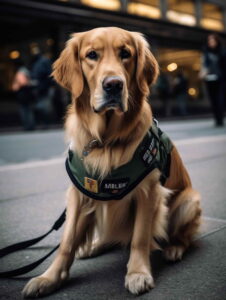
Golden Retriever
Golden Retrievers are known for their friendly and sociable personality. They’re great for single men who want an affectionate and loving canine friend. These dogs are excellent with kids, making them a versatile choice.
Best Dog Breed For A Single Man Border Collie
Border Collie
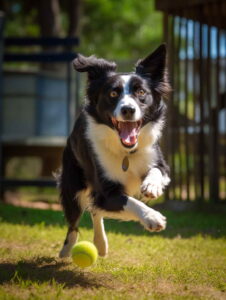
If you’re an active single man who enjoys outdoor activities, the Border Collie could be your perfect match. They are highly intelligent and excel in obedience training. Be prepared for an energetic and loyal companion.
Best Dog Breed For A Single Man Pug
Pug
Pugs are charming and loving dogs that are perfect for single men who desire a smaller breed. Their playful and friendly nature makes them great for apartment living.
Best Dog Breed For A Single Man Rottweiler
Rottweiler
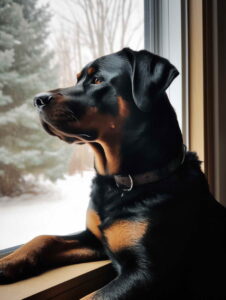
Rottweilers are both loyal and protective. They can be an excellent choice for single men looking for a devoted and confident companion. Proper training and socialization are essential with this breed.
Best Dog Breed For A Single Man Boxer
Boxer
Boxers are known for their playful and affectionate nature. They are great for single men who want an energetic and devoted partner for various activities.
FAQs (Frequently Asked Questions)
Are there any dog breeds that are best suited for single men living in apartments?
Yes, Bulldogs, Pugs, and smaller breeds like French Bulldogs are well-suited for apartment living due to their calm nature and adaptability to smaller spaces.
I have a busy work schedule. What breed can handle being alone during the day?
Breeds like Labradors, Golden Retrievers, and Bulldogs tend to handle being alone well, as long as they get regular exercise and mental stimulation when they’re home.
Which breeds are known for being good with children in case I have visitors or family over?
Labrador Retrievers, Golden Retrievers, and Boxers are excellent choices as they are typically gentle and patient with children.
Do any of these breeds require special grooming or maintenance?
Long-haired breeds like Golden Retrievers and German Shepherds may require more grooming, while short-haired breeds like Boxers and Bulldogs have lower grooming needs.
How can I ensure my dog gets enough exercise if I have a busy lifestyle?
Consider hiring a dog walker or using doggy daycare services to ensure your furry friend gets the exercise and socialization they need.
What’s the best way to train and socialize my chosen breed?
Enroll in obedience classes or seek the help of a professional dog trainer to ensure your dog receives proper training and socialization.
Conclusion
The best dog breed for a single man ultimately depends on your lifestyle and preferences. Whether you’re looking for an active partner, a loyal protector, or a laid-back companion, there’s a perfect breed out there for you. Remember that adopting a dog is a long-term commitment, so choose a breed that matches your lifestyle and offers the companionship you desire.
Bringing a puppy into your life is an exciting and fulfilling experience. However, it’s essential to consider the financial aspect before diving into this adventure. In this guide, we will explore all you need to know about dog breed puppy prices, helping you make an informed decision when choosing your furry companion.
The Basics of Dog Breed Puppy Prices
Purchasing a puppy involves more than just the initial price. You’ll need to factor in ongoing expenses such as food, grooming, and veterinary care. Let’s delve into the key components of puppy pricing.
The Initial Cost
The first thing that comes to mind when discussing puppy prices is the initial purchase cost. Depending on the breed, you can expect to pay anywhere from a few hundred to several thousand dollars.
Ongoing Expenses
Remember that the expenses don’t stop after bringing your puppy home. Monthly costs for food, grooming, and regular vet check-ups can add up. It’s crucial to budget for these ongoing expenses.
Factors That Influence Pricing
Understanding why dog breeds and puppy prices vary is essential. Several factors influence the cost, including the breed’s popularity, rarity, and the breeder’s reputation.
Breed Popularity
Highly sought-after breeds often come with a higher price tag. Breeds like Golden Retrievers and Labrador Retrievers are more affordable than rarer breeds like Samoyeds or Tibetan Mastiffs.
Breeder’s Reputation
Reputable breeders who prioritize the health and well-being of their puppies might charge more. However, this cost ensures you’re getting a well-cared-for and healthy puppy.
Where to Buy Puppies: Exploring Price Ranges
When searching for the perfect puppy, you’ll come across various options, each with its price range in USD. It’s crucial to understand the financial aspects of acquiring your new furry friend. Here, we’ll explore where to buy puppies and the corresponding price ranges.
Reputable Breeders
Reputable breeders are known for providing well-cared-for puppies, and their price range typically reflects the quality and care invested in each puppy. On average, you can expect to pay between $800 and $2,500 for a puppy from a reputable breeder. The price may vary based on factors like the breed’s popularity, the breeder’s reputation, and the puppy’s lineage.
Breeds such as Golden Retrievers, Labrador Retrievers, and Beagles are on the lower end of this price range. Meanwhile, rarer breeds like Samoyeds, English Bulldogs, and Tibetan Mastiffs tend to fall on the higher end. It’s important to note that while the initial cost may be higher, reputable breeders often provide health guarantees, early socialization, and valuable information about the breed.
Rescue Shelters
Adopting a puppy from a rescue shelter is an affordable and noble choice. The price range is generally much lower than purchasing from a breeder. You can typically adopt a puppy from a shelter for $50 to $300. This fee often includes spaying/neutering, vaccinations, and sometimes even microchipping.
The advantage of adopting from a rescue shelter is not just the lower cost, but also the opportunity to give a loving home to a dog in need. Many shelter puppies are mixed breeds, and while their lineage may not be as predictable as purebred puppies, they can make wonderful companions.
Pet Stores
Purchasing a puppy from a pet store is an option, but it requires extra caution. Prices at pet stores can vary widely, with an average range of $500 to $1,500. However, these puppies may come from commercial breeding facilities known as puppy mills, where conditions can be less than ideal.
Before buying from a pet store, research the store’s reputation and the source of their puppies. If you choose this option, make sure to request health records and thoroughly examine the puppy’s health and behavior. It’s essential to ensure that the pet store you choose is committed to the well-being of the animals they sell.
Dog Breed Puppy Pricesss
Understanding Breeder’s Contracts: Your Guide to Responsible Puppy Acquisition
When purchasing a puppy from a breeder, it’s not just about the initial exchange of funds. You’ll likely be asked to sign a breeder’s contract, which outlines various terms and conditions for both you and the breeder. Understanding these contracts is crucial to ensuring a smooth and responsible puppy acquisition process.
Health Guarantees
One of the key aspects of breeder’s contracts is health guarantees. Reputable breeders often offer a health guarantee for a certain period after you bring your puppy home. This guarantee ensures that the puppy is free from genetic or hereditary health issues. If any such issues arise during the specified period, the breeder typically agrees to replace the puppy or refund your money.
It’s essential to read this section of the contract carefully and understand the terms and conditions of the health guarantee. Make sure to ask the breeder about any specific health issues that are covered and the duration of the guarantee.
Spaying and Neutering
Many breeder’s contracts include clauses regarding spaying or neutering your puppy. Some breeders require that you spay or neuter your puppy at a specific age, especially if you’re purchasing a pet-quality puppy that’s not intended for breeding.
Understanding these clauses is vital because they may have implications for your puppy’s health and behavior. Ensure you are comfortable with the spaying/neutering requirements and that they align with your intentions for your new furry friend.
Return Policies
Responsible breeders often include return policies in their contracts. If, for any reason, you cannot care for your puppy or need to rehome them, the contract may specify that you must return the puppy to the breeder rather than surrender it to a shelter.
This clause ensures that the breeder can help find a new home for the puppy, ensuring their well-being. It’s crucial to understand these terms and communicate with the breeder if such a situation arises.
Breeding Rights
If you’re purchasing a puppy with the intention of breeding, the contract may specify terms related to breeding rights. This could include requirements for genetic testing, showing the dog, or co-owning the puppy with the breeder. Ensure you comprehend these terms and are willing to adhere to them if you plan to breed your puppy.
Specific Care Guidelines
Some breeder’s contracts include specific care guidelines for the puppy. This could relate to diet, exercise, socialization, or training. Understanding and following these guidelines is essential for the puppy’s well-being and your agreement with the breeder.
Legal Implications
Breeder’s contracts are legal documents, so it’s crucial to be fully aware of the legal implications. You may want to consult with a legal expert or have the contract reviewed to ensure you understand all terms and responsibilities.
FAQ
What’s the average cost of a puppy?
The price of a puppy varies greatly, but you can expect to pay anywhere from a few hundred dollars to a few thousand.
Are rare breeds more expensive?
Yes, less common breeds are generally more expensive due to their rarity.
How can I ensure my puppy is healthy?
Choosing a reputable breeder or adopting from a shelter is the best way to ensure your puppy’s health.
What ongoing expenses should I budget for?
Monthly expenses include food, grooming, and regular veterinary care.
Should I adopt from a shelter or buy from a breeder?
Both options are valid. It depends on your preferences, budget, and the specific breed you desire.
Are puppies from pet stores a good choice?
Be cautious when buying from pet stores, as puppies may come from puppy mills. Research the store’s reputation thoroughly.
Conclusion
When considering bringing a puppy into your life, understanding dog breed puppy prices is essential. Whether you’re eyeing a popular breed or a rare one, knowing the costs and factors influencing them will help you make an informed decision. Remember to prioritize your new companion’s health and well-being and choose a source that aligns with your values.
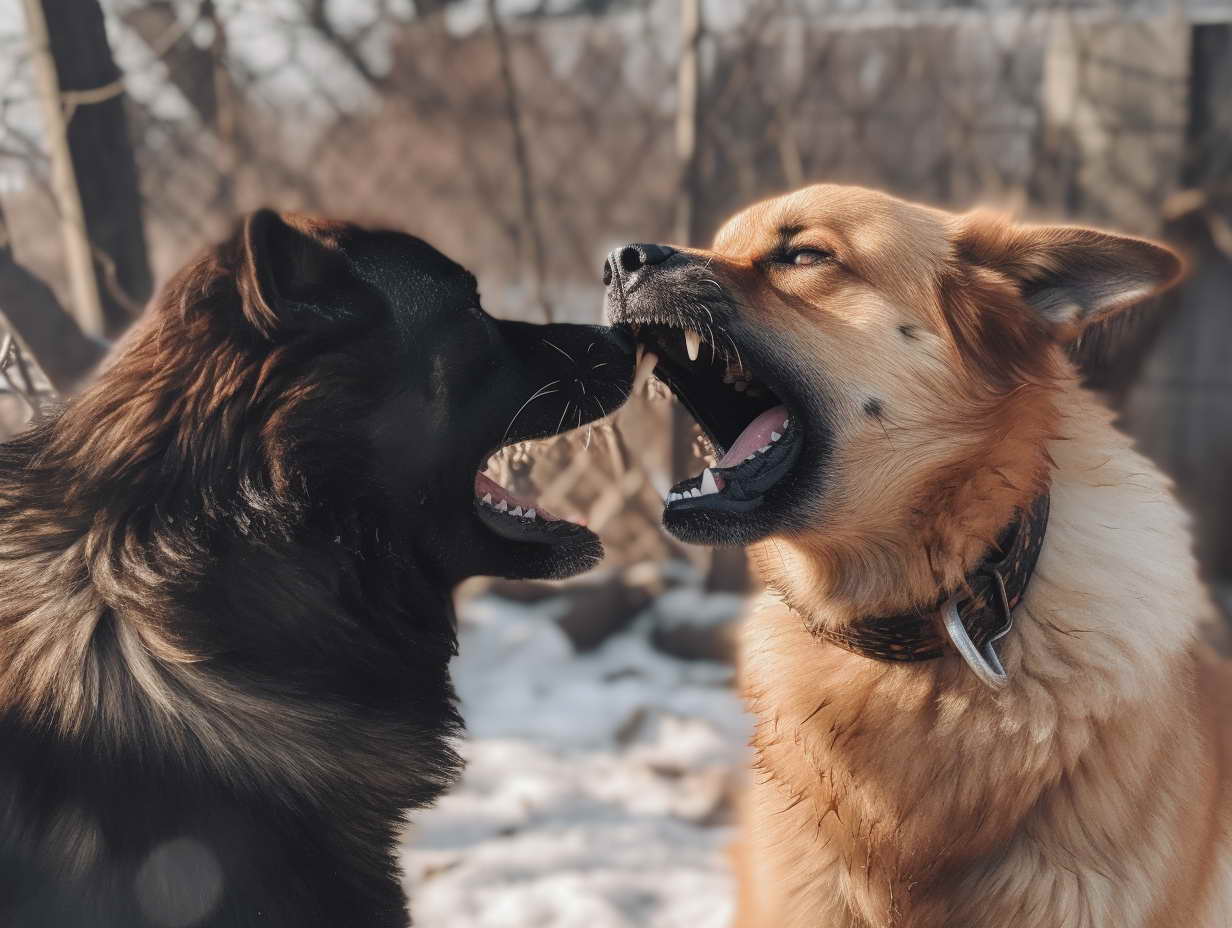
When it comes to our furry companions, most dogs are loyal, loving, and friendly. However, it’s essential to acknowledge that certain breeds have garnered a reputation for being more aggressive. In this comprehensive guide, we delve into the world of the “Vicious Dog Breed List.” It’s important to note that a dog’s behavior is not solely determined by its breed but is also influenced by upbringing and training.
Exploring the Vicious Dog Breed List
Vicious Dog Breed List
The breeds listed in this section are those that have, at one point or another, been associated with aggression. It’s crucial to remember that individual dogs within these breeds can be incredibly gentle and affectionate. Let’s take a closer look at them:
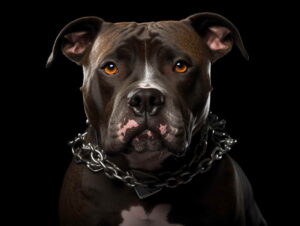
Vicious Dog Breed List American Pit Bull Terrier
1. The American Pit Bull Terrier: Misunderstood Companions
When discussing the Vicious Dog Breed List, the American Pit Bull Terrier often finds itself in the spotlight. This breed has faced its fair share of misconceptions, making it essential to understand these dogs beyond the stereotypes.
Challenging Stereotypes
The American Pit Bull Terrier is a strong and muscular breed known for its imposing appearance. Unfortunately, this physicality has led to misconceptions that they are inherently vicious. It’s crucial to challenge these stereotypes and recognize that any dog, regardless of its breed, can be a product of its environment and upbringing.
Loyalty and Love
One of the defining characteristics of Pit Bulls is their loyalty to their owners. They are often affectionate and enjoy being part of a family. With proper training and socialization from a young age, they can become gentle and well-behaved pets.
Proper Training is Key
Like any breed, American Pit Bull Terriers require consistent and positive reinforcement training. This is particularly important due to their strength and energy. When raised in a loving and nurturing environment, they can be wonderful companions for individuals and families alike.
Responsible Ownership
Responsible ownership plays a significant role in the behavior of American Pit Bull Terriers. Owners must ensure their dogs receive the right level of exercise, socialization, and mental stimulation. It’s also crucial to obey any local laws or regulations related to Pit Bull ownership.
Dispelling the Myth
In conclusion, the American Pit Bull Terrier has been unfairly labeled as vicious due to misconceptions and stereotypes. In reality, these dogs can be loving, loyal, and affectionate with the right upbringing and care. Dispelling the myth of their inherent viciousness is essential to understanding and appreciating this unique breed.
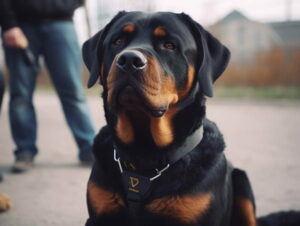
Vicious Dog Breed List Rottweiler
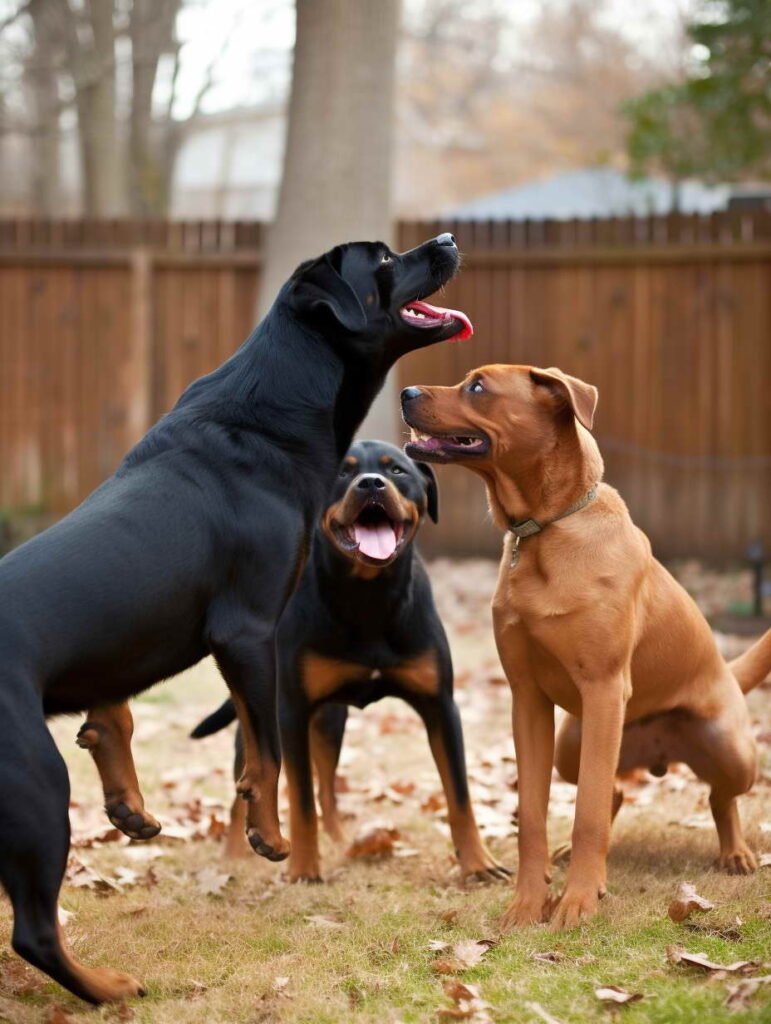
2. Rottweiler: Noble Protectors of the Family
Among the breeds listed in the Vicious Dog Breed List, the Rottweiler stands out as a powerful and protective breed. However, it’s important to dispel the notion that their imposing appearance equals inherent aggression.
The Rottweiler’s Nature
Rottweilers have a history of being working dogs, originally bred for herding and guarding livestock. This history is rooted in their natural protective instinct. While their physical strength and imposing build may be intimidating, Rottweilers are not naturally vicious.
Loyal and Devoted Companions
One of the most admirable qualities of Rottweilers is their loyalty to their families. They form deep bonds with their owners and are often affectionate and loving towards them. In fact, Rottweilers are known to be excellent family pets, provided they receive proper training and socialization.
Early Socialization is Key
To ensure that a Rottweiler is a well-adjusted and well-behaved family member, early socialization is crucial. This involves exposing the dog to various people, animals, and situations from a young age. With proper socialization, Rottweilers can be both protective and gentle.
Proper Training and Leadership
Rottweilers are intelligent dogs, but they require consistent training and strong leadership. They respond well to positive reinforcement techniques, and their protective nature can be channeled into making them excellent guard dogs or family protectors. A well-trained Rottweiler is a well-behaved and reliable companion.
Legal Considerations
It’s important to note that in some areas, there may be legal restrictions on owning Rottweilers or specific regulations that owners must follow. Responsible ownership includes adhering to any local laws and ensuring your Rottweiler is a safe and well-behaved member of the community.
A Noble Breed
In conclusion, Rottweilers are noble protectors known for their loyalty and protective nature. Their imposing appearance can be misleading, as they are not inherently vicious. With the right upbringing, training, and socialization, Rottweilers can be loving and devoted companions, dedicated to safeguarding their families.
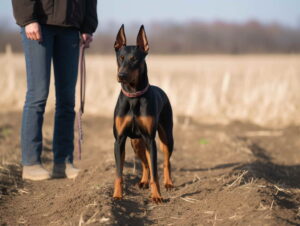
Vicious Dog Breed List Doberman Pinscher
3. Doberman Pinscher: The Elegant Guardians
The Doberman Pinscher is a breed known for its imposing stature and regal appearance. Often featured in movies as a guard dog, these dogs have earned a reputation for being fierce protectors. However, it’s essential to look beyond the surface to understand the true nature of the Doberman Pinscher.
Elegance and Strength
Dobermans are a breed that exudes both elegance and strength. With their sleek, muscular bodies and alert expressions, they make a striking impression. However, their appearance should not be mistaken for inherent viciousness.
Loyal and Affectionate
Doberman Pinschers are renowned for their loyalty to their owners. They are known to form strong bonds with their families and are often affectionate and gentle with them. Proper training and socialization are key to bringing out the best in this breed.
Protective Instinct
Dobermans have a natural protective instinct, making them exceptional guard dogs. With the right training, they can be both fierce protectors and loving family pets. Early socialization ensures that they are well-adjusted in various social situations.
Intelligent and Obedient
One of the Doberman’s standout characteristics is its intelligence. They are quick learners and respond well to positive reinforcement training methods. This intelligence makes them versatile and capable of excelling in various roles, from guarding to therapy work.
Responsible Ownership
As with any breed on the Vicious Dog Breed List, responsible ownership is crucial. Owners of Doberman Pinschers must provide them with the right level of exercise, mental stimulation, and socialization. It’s also essential to adhere to any local regulations or laws regarding this breed.
A Misunderstood Breed
In conclusion, the Doberman Pinscher is often misunderstood due to its imposing appearance and protective instincts. However, these dogs can be loyal, affectionate, and obedient when raised with love and care. They have the potential to be both elegant guardians and beloved family members, dispelling the notion that their nature is inherently vicious.
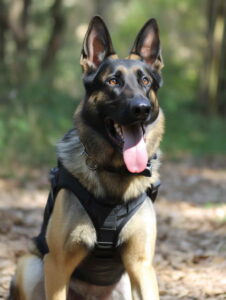
Vicious Dog Breed List German Shepherd
4. German Shepherd: The Versatile and Intelligent Breed
Among the breeds listed in the Vicious Dog Breed List, the German Shepherd stands out as a versatile and intelligent breed. These dogs are often associated with police and service work, but there’s much more to them than their professional roles.
Intelligence and Adaptability
German Shepherds are renowned for their exceptional intelligence. They are quick learners and can master a wide range of commands and tasks. Their adaptability makes them suitable for various roles, from search and rescue to assisting individuals with disabilities.
Loyal and Devoted
One of the defining traits of the German Shepherd is their unwavering loyalty to their families. They form deep bonds with their owners and are often protective and affectionate. This loyalty makes them excellent family pets.
Strong Work Ethic
German Shepherds have a strong work ethic and thrive on mental and physical challenges. They require ample exercise and mental stimulation to stay content. A bored German Shepherd may exhibit undesirable behaviors, but with the right care, they are well-behaved and obedient.
Protective Nature
While German Shepherds can be protective, their protectiveness is directed towards their families and loved ones. This makes them excellent guard dogs and loyal companions. Proper training is essential to ensure that their protective instincts are well-balanced.
Early Socialization
Early socialization is crucial for German Shepherds. Exposing them to various people, animals, and situations from a young age helps them become well-adjusted and confident. It also ensures they are comfortable in diverse social settings.
Responsible Ownership
As with any breed, responsible ownership is a key factor in a German Shepherd’s behavior. Owners must provide them with the right level of exercise, mental stimulation, and socialization. Meeting their needs and adhering to local regulations are essential for a harmonious relationship with this breed.
A Versatile Companion
In conclusion, the German Shepherd is a versatile and intelligent breed that can excel in various roles. Their loyalty, protectiveness, and adaptability make them wonderful family pets, working dogs, and loyal companions. Their reputation for viciousness is a misconception; with the right care and training, they are a true testament to the bond between humans and dogs.
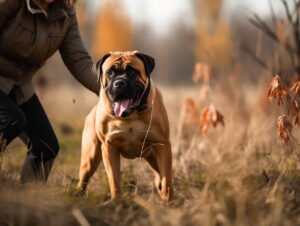
Vicious Dog Breed List Bullmastiff
5. Bullmastiff: Gentle Giants with a Protective Instinct
The Bullmastiff, often listed among the Vicious Dog Breeds, is a giant breed known for its imposing size and protective nature. While their appearance may be intimidating, it’s essential to understand the true character of these gentle giants.
A Powerful Presence
Bullmastiffs are indeed powerful dogs with a sturdy and muscular build. Their sheer size and strong appearance often lead to misconceptions about their temperament. However, their imposing presence does not equate to inherent viciousness.
Gentle and Affectionate
One of the remarkable qualities of Bullmastiffs is their gentle and affectionate nature. They are known to form deep bonds with their families and are often seen as big, lovable companions. Proper training and socialization are essential to bring out their best qualities.
Natural Protectors
Bullmastiffs have a natural protective instinct, making them excellent guard dogs. They are vigilant and will protect their loved ones if they sense a threat. However, this protectiveness is typically directed towards their families, making them loyal and reliable protectors.
Obedience and Training
Bullmastiffs are intelligent dogs and respond well to training, especially when using positive reinforcement techniques. Their strength and protective nature make it crucial to ensure they are obedient and well-behaved. A well-trained Bullmastiff is a well-adjusted and trustworthy family pet.
Early Socialization
To ensure that Bullmastiffs are well-adjusted and comfortable in various social situations, early socialization is imperative. Exposing them to different people, animals, and environments from a young age helps them become confident and well-rounded dogs.
Responsible Ownership
As with any large breed, responsible ownership is vital. Owners must provide Bullmastiffs with proper exercise, mental stimulation, and socialization. Additionally, adhering to any local regulations and being diligent in training and care are crucial for a harmonious relationship with this breed.
The True Nature of Bullmastiffs
In conclusion, Bullmastiffs are often misunderstood due to their size and protective instincts. However, beneath their powerful exterior lies a heart of gold. They are gentle giants, loyal and affectionate to their families. Their protective nature makes them excellent guard dogs, and with responsible ownership and training, they are the epitome of a well-behaved and trustworthy family companion.
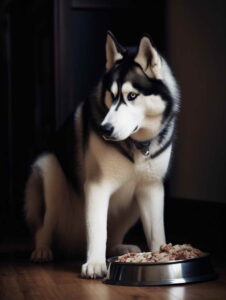
Vicious Dog Breed List Siberian Husky
6. Siberian Husky: The Free-Spirited Snow Dogs
Among the breeds mentioned in the Vicious Dog Breed List, the Siberian Husky stands apart as a unique and spirited breed. With their striking appearance and ties to the Arctic, these dogs often capture the imagination, but there’s more to them than meets the eye.
A Striking Appearance
Siberian Huskies are known for their striking physical features, including piercing blue eyes and thick, double-layered coats. Their appearance, reminiscent of wolves, can be deceptive, leading to misunderstandings about their temperament. However, their appearance should not be equated with inherent viciousness.
Friendly and Social
One of the Siberian Husky’s defining qualities is their friendly and social nature. They are known for their love of people and their pack mentality. While they may be reserved around strangers, they are typically amiable and affectionate with their families.
Prone to Wanderlust
Siberian Huskies are notorious for their wanderlust. This breed has a natural inclination to roam and explore, which is a reflection of their history as sled dogs in the harsh Arctic environment. Responsible owners must ensure that their Huskies are properly secured, as they may have a tendency to escape if given the opportunity.
Energetic and Playful
Huskies are known for their boundless energy and playful disposition. They require plenty of exercise and mental stimulation to stay content. An active family or owner who can engage them in activities like running or hiking will find a loyal and enthusiastic companion in the Siberian Husky.
Early Socialization
Early socialization is vital for Siberian Huskies to ensure they are well-adjusted in various social settings. Exposing them to different people, animals, and situations from a young age helps them become confident and well-behaved dogs.
Responsible Ownership
As with any breed, responsible ownership is essential for Siberian Huskies. Owners must provide them with the right level of exercise, mental stimulation, and socialization. Their escape-prone nature requires secure containment and careful supervision.
The True Nature of Siberian Huskies
In conclusion, Siberian Huskies may be misunderstood due to their striking appearance and unique history as sled dogs. However, they are typically friendly, social, and energetic dogs that thrive in active families. Responsible ownership, early socialization, and engagement are key to ensuring that these free-spirited snow dogs make wonderful companions, dispelling the notion that their nature is inherently vicious.
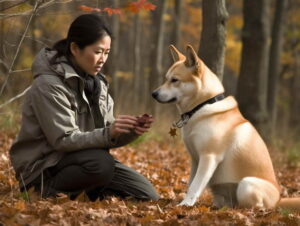
Vicious Dog Breed List Akita
7. Akita: The Dignified and Loyal Companions
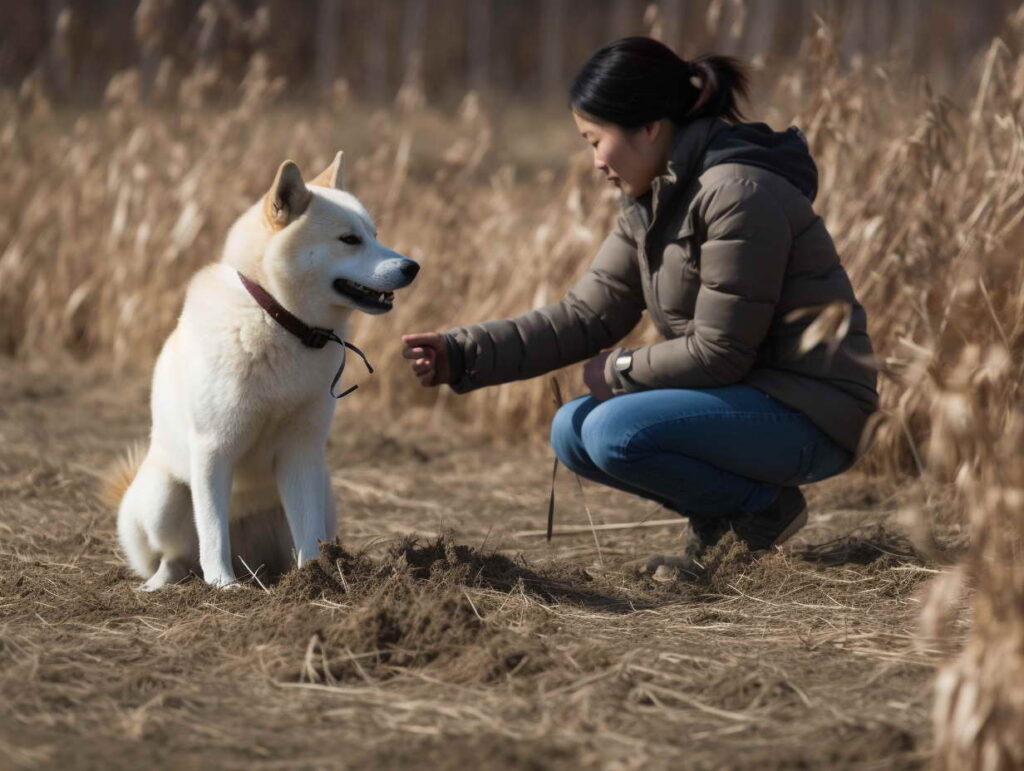
Among the breeds featured in the Vicious Dog Breed List, the Akita stands out as a dignified and loyal breed. Their reserved nature and noble appearance often lead to misconceptions about their temperament, but a closer look reveals their true character.
Dignity and Grace
Akitas are known for their dignified and graceful demeanor. They have a calm and composed presence that can be mistaken for aloofness. Their regal appearance is often the source of misunderstandings, but their dignified nature should not be confused with inherent aggression.
Loyal to a Fault
One of the most striking characteristics of Akitas is their unwavering loyalty. They form deep bonds with their families and are known to be fiercely protective of their loved ones. This loyalty makes them exceptional family pets.
Reserved Around Strangers
Akitas are generally reserved around strangers. While they may not be as outgoing as some other breeds, this does not mean they are inherently aggressive. With the right introduction and socialization, they can be friendly and well-behaved in social settings.
Independent Thinkers
Akitas are independent thinkers and may exhibit a stubborn streak at times. However, their intelligence and strong-willed nature can be channeled into positive behavior through consistent training and positive reinforcement techniques.
Responsible Ownership
As with any breed, responsible ownership is essential for Akitas. Owners must ensure they receive the right level of exercise, mental stimulation, and socialization. Additionally, adhering to any local regulations and being diligent in training and care are crucial for a harmonious relationship with this breed.
A Loyal and Noble Breed
In conclusion, Akitas are often misunderstood due to their reserved nature and dignified appearance. However, they are typically loyal, dignified, and devoted to their families. Their protective instincts make them excellent family protectors, dispelling the notion that their nature is inherently vicious. With responsible ownership and proper training, they can be both dignified and loyal companions.
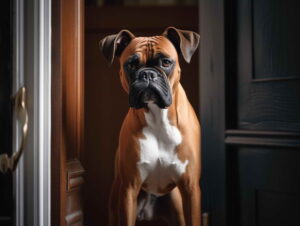
Vicious Dog Breed List Boxer
8. Boxer: The Playful and Energetic Companions
Among the breeds included in the Vicious Dog Breed List, Boxers are known for their playful and energetic disposition. These dogs are often seen as enthusiastic and exuberant, but there’s much more to them than their high energy.
Playful and Enthusiastic
Boxers are renowned for their playful and enthusiastic nature. They have a boundless energy that is infectious and often brings joy to their families. Their playful disposition should not be confused with inherent viciousness.
Excellent Family Pets
Boxers are considered excellent family pets. They are typically good with children and can be affectionate and loyal to their families. However, due to their playful nature, early training and socialization are key to ensuring they are well-behaved around people and other animals.
Energetic and Active
One of the defining traits of Boxers is their high energy levels. They require regular exercise and mental stimulation to stay content. A family or owner who can provide them with plenty of playtime and activities will find a devoted and lively companion.
Early Training
Boxers respond well to early training and positive reinforcement techniques. Their intelligence and eagerness to please make them quick learners. Training is essential to ensure they are well-behaved and obedient, especially given their exuberance.
Responsible Ownership
As with any breed, responsible ownership is crucial for Boxers. Owners must ensure they receive the right level of exercise, mental stimulation, and socialization. Responsible ownership also includes providing a safe and loving environment for these spirited dogs.
The True Nature of Boxers
In conclusion, Boxers are often misunderstood due to their playful and exuberant disposition. However, they are typically affectionate, loyal, and energetic companions that thrive in active families. With proper training, responsible ownership, and engagement, they can be excellent family pets, dispelling the notion that their nature is inherently vicious.
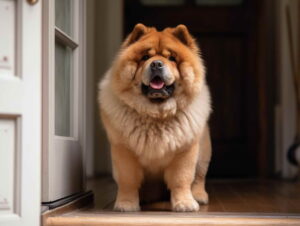
Vicious Dog Breed List Chow Chow
9. Chow Chow: The Aloof and Lion-Maned Companions
Among the breeds included in the Vicious Dog Breed List, the Chow Chow stands out with its unique appearance and aloof demeanor. Their lion-like manes and reserved nature often lead to misconceptions about their temperament, but there’s more to these dogs than meets the eye.
Aloof Demeanor
Chow Chows are known for their aloof and independent nature. They may not be as overtly affectionate as some other breeds, but their reserved behavior should not be mistaken for inherent viciousness. With the right understanding, they can be loving companions.
Unique Appearance
Chow Chows have a distinctive appearance with a lion-like mane and a distinctive face. Their unique look may be misleading, but it’s important to remember that their appearance doesn’t determine their behavior.
Loyal to Their Families
One of the most endearing qualities of Chow Chows is their loyalty to their families. They form strong bonds with their owners and can be protective and loving. However, they may not always display their affection in a demonstrative way.
Early Socialization
Early socialization is key to ensuring that Chow Chows are well-adjusted and comfortable in various social situations. Exposing them to different people, animals, and environments from a young age helps them become confident and well-behaved dogs.
Obedience and Training
Chow Chows may be independent thinkers, but they respond well to consistent training and positive reinforcement techniques. Their intelligence and strong-willed nature can be channeled into positive behavior with the right approach.
Responsible Ownership
As with any breed, responsible ownership is essential for Chow Chows. Owners must ensure they receive the right level of exercise, mental stimulation, and socialization. Providing a safe and loving environment is crucial for these unique and reserved companions.
The True Nature of Chow Chows
In conclusion, Chow Chows are often misunderstood due to their aloof demeanor and distinctive appearance. However, they are typically loyal, reserved, and dignified companions that can thrive in loving families. With proper training, early socialization, and a deep understanding of their unique character, they can be excellent family pets, dispelling the notion that their nature is inherently vicious.
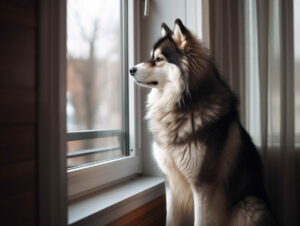
Vicious Dog Breed List Alaskan Malamute
10. Alaskan Malamute: The Independent and Cold-Weather Enthusiasts
The Alaskan Malamute, a breed often listed among the Vicious Dog Breed List, is known for its strength, independence, and love for cold climates. Their imposing appearance and sled-pulling history often lead to misunderstandings about their temperament, but they have a unique charm of their own.
Independence and Strength
Alaskan Malamutes are renowned for their independence and strength. They were originally bred to haul heavy freight as sled dogs in the Arctic, a role that required both power and self-reliance. This independence can sometimes be mistaken for stubbornness, but it’s a reflection of their heritage rather than inherent aggression.
Love for Cold Weather
Malamutes have a natural affinity for cold weather. Their thick double coat is designed to keep them warm in frigid conditions. While they may struggle in hot climates, in cold environments, they thrive and can be incredibly active and energetic.
Friendly and Social
Despite their independent nature, Alaskan Malamutes are often friendly and social dogs. They are known for their love of people, including children, and their pack mentality. They can be affectionate and loyal to their families, but proper training and socialization are essential to bring out their best qualities.
Prone to Wanderlust
Like Siberian Huskies, Alaskan Malamutes are known for their wanderlust. They may have a tendency to roam and explore, which is a reflection of their history as sled dogs in vast, open landscapes. Owners need to ensure their Malamutes are properly secured to prevent escapes.
Early Socialization
Early socialization is crucial for Alaskan Malamutes to ensure they are well-adjusted in various social settings. Exposing them to different people, animals, and situations from a young age helps them become confident and well-behaved dogs.
Responsible Ownership
As with any breed, responsible ownership is essential for Alaskan Malamutes. Owners must provide them with the right level of exercise, mental stimulation, and socialization. They must also consider the breed’s love for cold climates when selecting their environment.
The True Nature of Alaskan Malamutes
In conclusion, Alaskan Malamutes may be misunderstood due to their independence, strength, and love for cold weather. However, they are typically friendly, social, and energetic dogs that thrive in cold climates and active families. Responsible ownership, early socialization, and engaging activities are key to ensuring that these cold-weather enthusiasts make wonderful companions, dispelling the notion that their nature is inherently vicious.
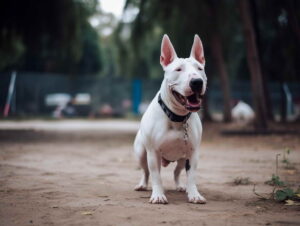
Vicious Dog Breed List Bull Terrier
11. Bull Terrier: The Playful and Unique Breed
The Bull Terrier, sometimes included in the Vicious Dog Breed List, is a breed known for its distinctive appearance and playful nature. Their egg-shaped heads and muscular bodies often lead to misconceptions about their temperament, but they have a unique charm all their own.
Distinctive Appearance
Bull Terriers are instantly recognizable by their unique, egg-shaped heads and muscular build. While their appearance may be unusual to some, it should not be confused with inherent viciousness. These dogs are as friendly and playful as they are distinctive.
Playful and Energetic
One of the most defining characteristics of Bull Terriers is their playful and energetic nature. They are known for their love of play and their enthusiasm for life. Their playful disposition is infectious and often brings joy to their families.
Excellent Family Pets
Bull Terriers are considered excellent family pets. They are typically good with children and can be affectionate and loyal to their families. Early training and socialization are key to ensuring they are well-behaved around people and other animals.
Obedience and Training
Bull Terriers are intelligent dogs that respond well to training. Their strong-willed nature can be channeled into positive behavior with consistent training and positive reinforcement techniques. A well-trained Bull Terrier is a well-adjusted and trustworthy family pet.
Responsible Ownership
As with any breed, responsible ownership is crucial for Bull Terriers. Owners must ensure they receive the right level of exercise, mental stimulation, and socialization. Providing a safe and loving environment is essential for these distinctive and playful companions.
The True Nature of Bull Terriers
In conclusion, Bull Terriers may be misunderstood due to their distinctive appearance and playful disposition. However, they are typically affectionate, loyal, and full of energy, making them wonderful family pets. Responsible ownership, early training, and engagement are key to ensuring that these unique dogs make excellent companions, dispelling the notion that their nature is inherently vicious.
FAQ
Are vicious dog breeds inherently dangerous?
No, these breeds are not inherently dangerous. Their behavior is largely influenced by upbringing and training. Responsible ownership is key to their positive behavior.
Should I avoid these breeds altogether? Not necessarily.
While these breeds require responsible ownership, they can make excellent pets when properly trained and socialized.
How can I ensure my dog from these breeds behaves well?
Early socialization, positive reinforcement training, and consistent discipline are essential for dogs from these breeds.
Can these dogs be trusted around children?
With the right training and supervision, many dogs from these breeds can be excellent family pets. However, caution is advised.
What are the most important factors in responsible ownership?
Responsible ownership includes proper training, socialization, and meeting your dog’s physical and mental needs.
Are there any legal restrictions on owning these breeds?
In some places, there may be breed-specific legislation that restricts or bans ownership of certain breeds. Check your local laws.
Conclusion
The Vicious Dog Breed List may instill fear in some, but it’s crucial to remember that it’s not the breed itself that determines a dog’s behavior. Responsible ownership, proper training, and early socialization play significant roles in raising a well-behaved canine companion. Whether you have a Pit Bull or a Rottweiler, the key to a loving and gentle pet lies in your hands.