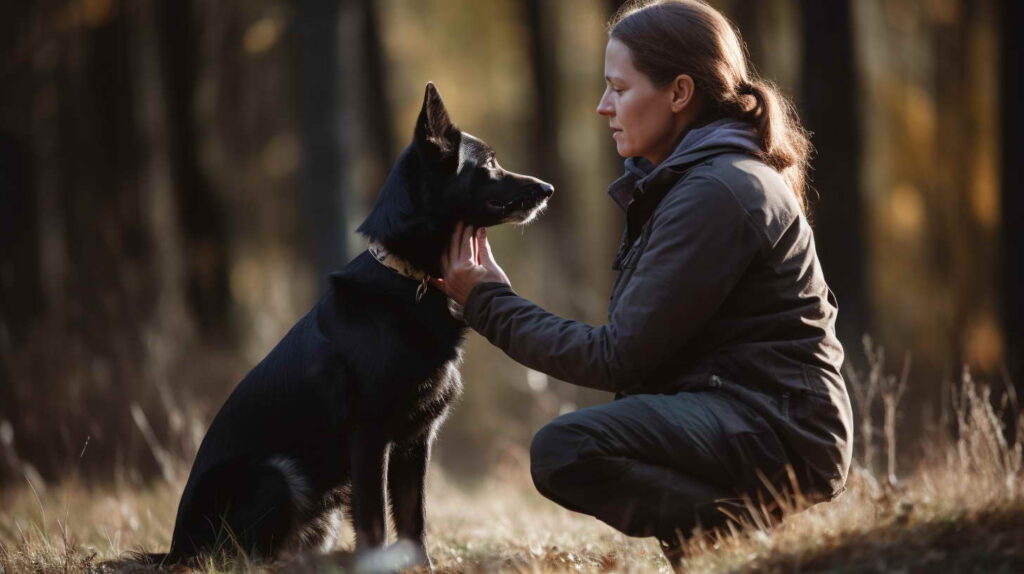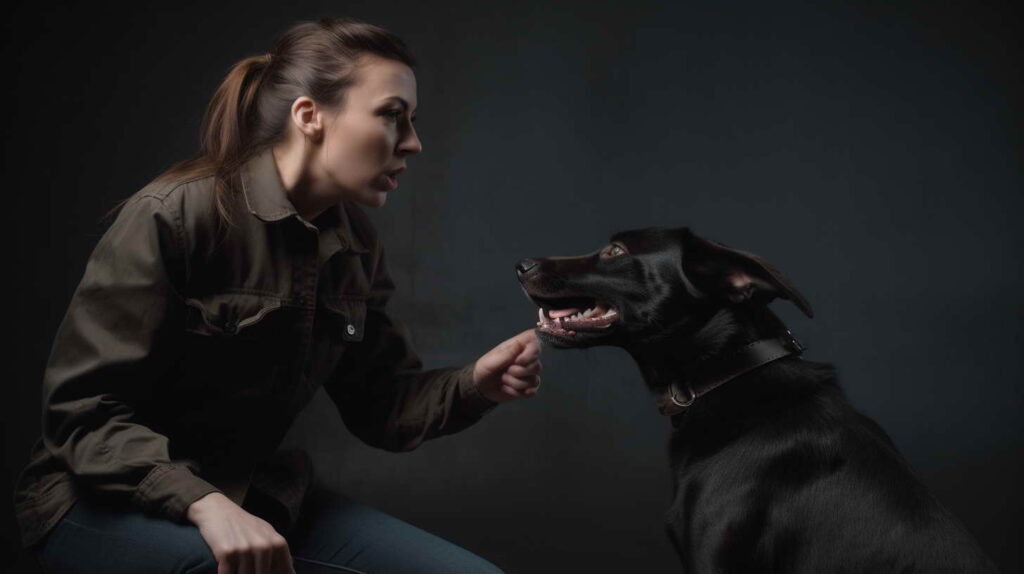
Author: Julia

  • Pawsome Pet Training Products: Elevate Your Furry Friend’s Skills!

    Pawsome Pet Training Products: Elevate Your Furry Friend’s Skills!

    Pet Training Products

    Pet Training Products: A Comprehensive Guide

    Introduction

    Definition of Pet Training Products

    PETSIDIPet training products encompass a diverse array of tools designed to aid in the training and behavior management of our beloved companions. These items cater to various pets, from dogs and cats to birds, small animals, and even fish.

    Importance of Training for Pets

    Training is not merely a task but a fundamental aspect of pet care. It fosters a strong bond between pet and owner, enhances desirable behaviors, and provides mental stimulation for our furry, feathered, or finned friends.

    Types of Pet Training Products

    Pet training products are diverse, catering to the unique needs of various animals. From dogs to cats, birds, small animals, and even fish, the world of training tools is vast and evolving. Understanding the specific types of products available for different pets is crucial for effective training and overall pet well-being.

    Dog Training

    1. Dog Training Collars:

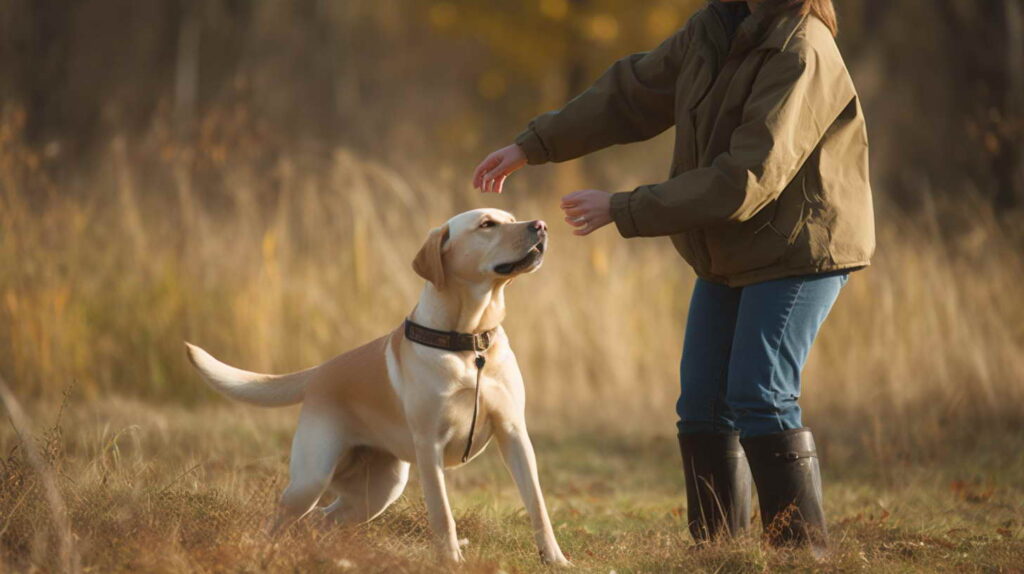
    Dog training collars come in various types, from basic buckle collars to more advanced electronic or “e-collars.” These collars serve multiple purposes, including identification and control during walks. E-collars, when used responsibly, can aid in training by providing gentle corrections, and reinforcing desired behaviors.

    2. Leash Training Gear:

    Leash training gear goes beyond traditional leashes. It includes harnesses designed to discourage pulling and promote better walking habits. Harnesses distribute pressure more evenly, preventing strain on the dog’s neck and facilitating a more comfortable walking experience.

    3. Clicker Training Kits:

    Clicker training is a popular positive reinforcement technique. Clicker training kits typically include a small handheld clicker that makes a distinct sound. This sound marks the exact moment a desired behavior occurs, allowing for precise communication between owner and dog during training sessions.

    4. Remote Training Devices:

    In the realm of technological advancements, remote training devices offer a way to communicate with your dog from a distance. These devices may include remote-controlled collars that deliver vibrations or mild stimuli, providing guidance even when the pet is not within arm’s reach.

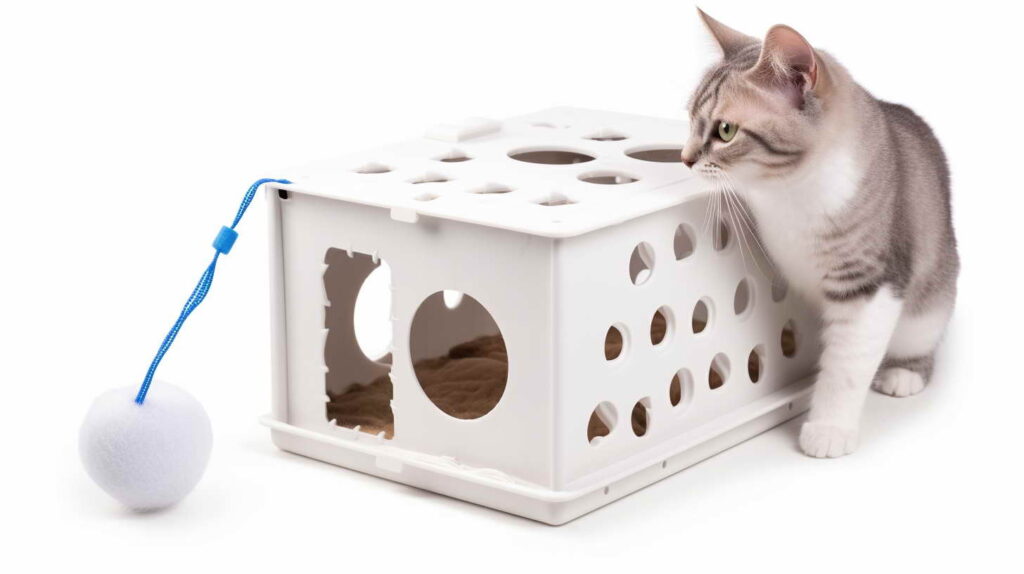
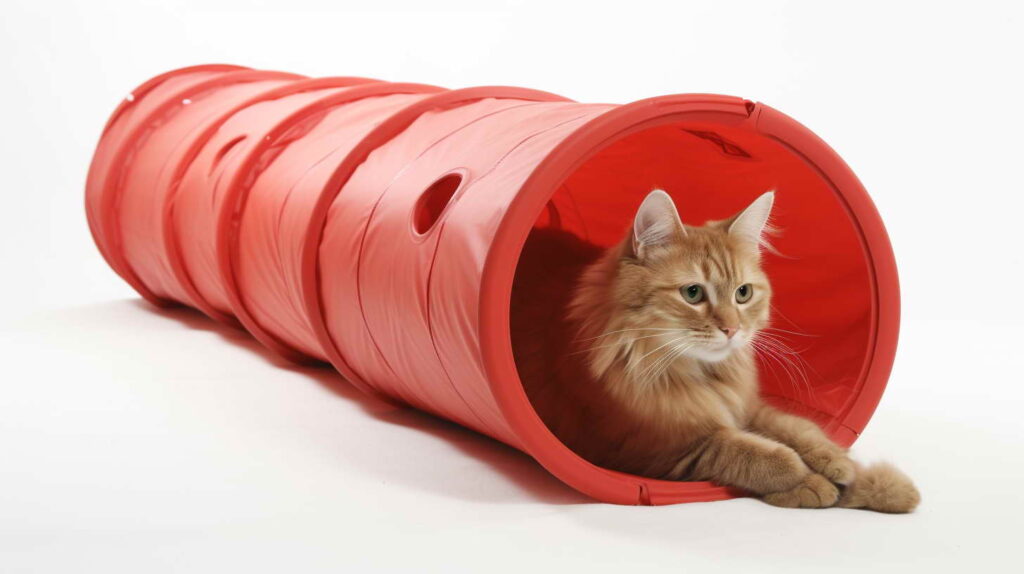
    Cat Training Products

    Cat Training

    1. Cat Behavior Aids:

    Cats are known for their independent nature, and cat behavior aids aim to address specific feline concerns. Pheromone diffusers and sprays create a calming environment, reducing stress and undesirable behaviors such as scratching or marking.

    2. Litter Box Training Products:

    For kittens or cats transitioning to a new litter box, specific training products come into play. Attractant sprays and specialized litter can be used to encourage proper litter box usage, ensuring a clean and hygienic environment.

    Puppy Training

    1. Puppy Obedience Tools:

    Puppies have unique needs during their developmental stages. Gentle training collars, teething toys, and crates designed for puppies help establish positive habits, fostering a well-rounded and well-behaved adult dog.

    2. Training Treats and Rewards:

    Treats and rewards are essential motivators for puppy training. These delicious incentives make the learning process enjoyable, reinforcing positive behaviors and creating a strong bond between owner and puppy.

    Bird Training

    1. Bird Training Accessories:

    Birds thrive on mental stimulation and physical activity. Bird training accessories include perches of varying textures and shapes, encouraging exercise and promoting natural behaviors in captive avian companions.

    2. Pet Training Whistles:

    Training birds often involves teaching them specific commands. Pet training whistles provide a means of communication, allowing owners to establish a unique language with their feathered friends and reinforce positive behaviors.

    Small Animal Training

    Small Animal Training

    1. Interactive Pet Toys:

    Rabbits, guinea pigs, hamsters, and other small animals benefit from interactive pet toys. These toys mimic natural behaviors, providing mental stimulation and preventing boredom in these smaller companions.

    2. Training Mats:

    Training mats for small animals serve multiple purposes. They offer a designated space for training sessions, making it clear where certain behaviors are encouraged. These mats can also be used as a comfortable area for rest and play.

    Fish Training

    1. Fish Training Kits:

    Fish training may sound unconventional, but it’s a growing trend among fish enthusiasts. Fish training kits often include target sticks and floating objects that facilitate interaction, promoting mental stimulation for these often underestimated aquatic companions.

    Benefits of Using Pet Training Products

    Enhanced Pet-Owner Bond

    Using the right training products builds trust and strengthens the bond between pet and owner. Positive interactions during training create a foundation of mutual understanding and respect.

    Improved Behavior

    Effective training leads to improved behavior, reducing undesirable habits, and promoting a well-behaved pet. Consistency in training reinforces positive actions, shaping a pet’s conduct over time.

    Mental Stimulation for Pets

    Training is not just about obedience; it also provides crucial mental stimulation. Engaging in training activities challenges pets intellectually, preventing boredom and associated behavioral issues.

    Considerations When Choosing Pet Training Products

    Pet Species and Breed

    Different pets have unique needs. Consider the species and breed of your pet when selecting training products to ensure they are appropriate and effective.

    Training Goals

    Define clear training goals. Whether you aim to teach basic commands, address specific behavior issues, or enhance mental stimulation, aligning products with your objectives is crucial.

    Safety Features

    Prioritize the safety of your pet. Choose products with safety features, especially when dealing with electronic devices. Comfortable materials and secure designs contribute to a positive training experience.

    User-Friendly Design

    Opt for user-friendly products that make the training process enjoyable for both pets and owners. Clear instructions and ease of use enhance the overall training experience.

    Popular Brands in Pet Training Products

    Overview of Leading Brands

    Several brands excel in producing high-quality pet training products. Some notable names include PetSafe, KONG, Cesar Millan, and Feliway. Each brand offers a range of products catering to different pets and training needs.

    Customer Reviews and Ratings

    Before making a purchase, consult customer reviews and ratings. Real-world experiences provide valuable insights into product effectiveness, durability, and overall satisfaction.

    Tips for Effective Pet Training

    Positive Reinforcement Techniques

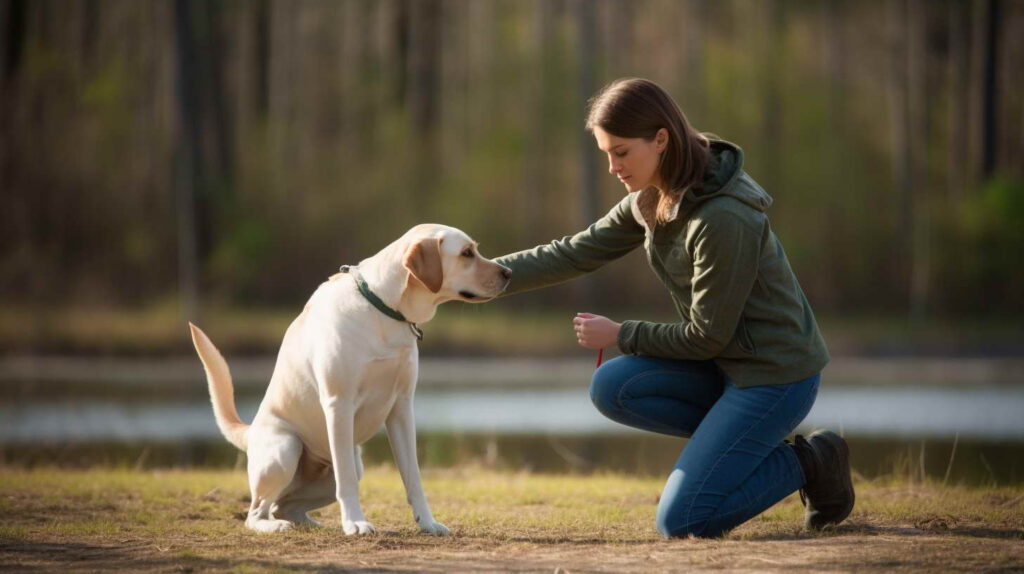
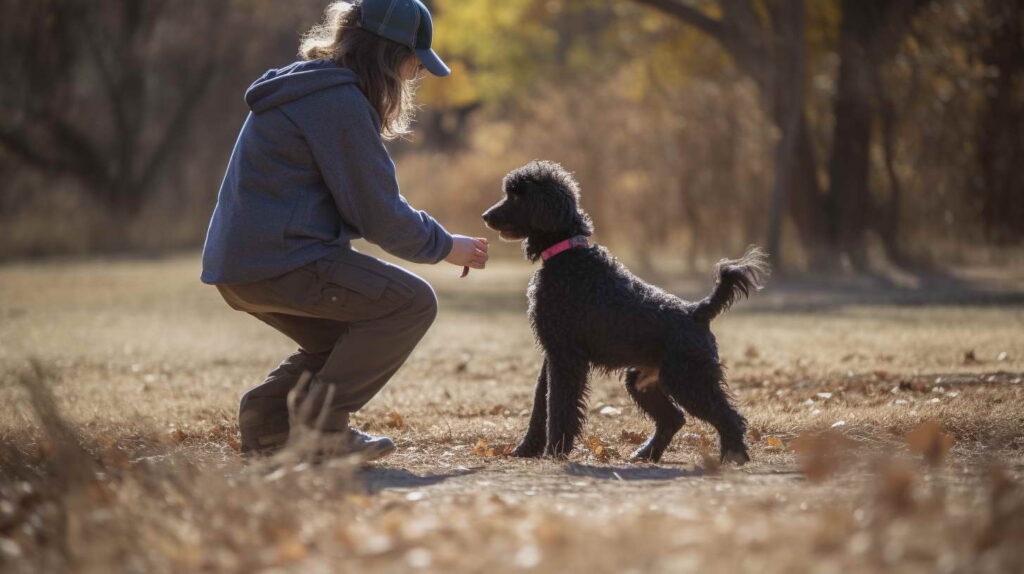
    Embrace positive reinforcement techniques to encourage good behavior. Reward your pet with treats, praise, or playtime when they exhibit the desired actions, reinforcing a positive association.

    Consistency in Training

    Consistency is key to successful training. Establish a routine and stick to it. Regular, short training sessions are more effective than sporadic, lengthy ones, helping pets grasp commands and behaviors more readily.

    Understanding Pet Behavior

    Take the time to understand your pet’s behavior. Recognize their unique traits, triggers, and preferences. This insight allows for tailored training approaches that resonate with your pet’s individuality.

    Conclusion

    Summary of Key Points

    Pet training products play a pivotal role in fostering a positive relationship between owners and their pets. Whether you have a dog, cat, bird, small animal, or fish, there are specialized products to meet your training needs.

    Encouragement for Responsible Pet Training

    As pet owners, we have a responsibility to ensure the well-being of our companions. By investing time and effort into responsible training practices and utilizing appropriate training products, we contribute to a harmonious coexistence, creating a home filled with love, understanding, and joy.

  • Pet Training Service – Do You Really Need It?

    Pet Training Service – Do You Really Need It?

    Pet Training Service

    Pet Training Service

    Introduction

    PETSIDI – A pet training service that provides customized programs to teach dogs, cats, and other domestic animals desired behaviors. Through professional dog trainers and animal behaviorists, pet owners can ensure their companions are well-socialized, obedient, and safe to have in the home.

    Definition of Pet Training Service

    A pet training service specializes in animal behavior modification and obedience training for household pets. Using techniques rooted in the science of animal learning, pet trainers aim to reinforce desirable habits while extinguishing unwanted behaviors. Their goal is to improve pets’ conduct and help them become model canine or feline citizens.

    Importance of Training for Pets

    Training is critical for pets to learn good manners and how to properly interact with their families. It enhances the pet-owner relationship, establishes clear communication, and prevents problem behaviors from developing. Well-trained pets are more likely to remain in forever homes.

    Types of Pet Training Services

    Types of Pet Training Services

    There are diverse training services to meet pets’ unique needs across every life stage.

    Basic Obedience Training

    Basic obedience lays the foundation for polite pet behavior through:

    Commands and Techniques

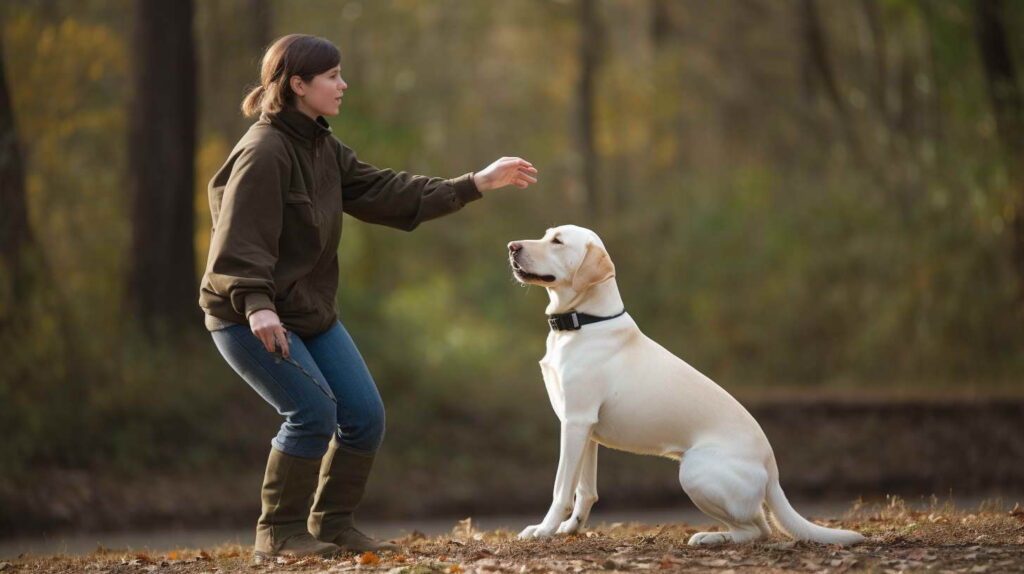
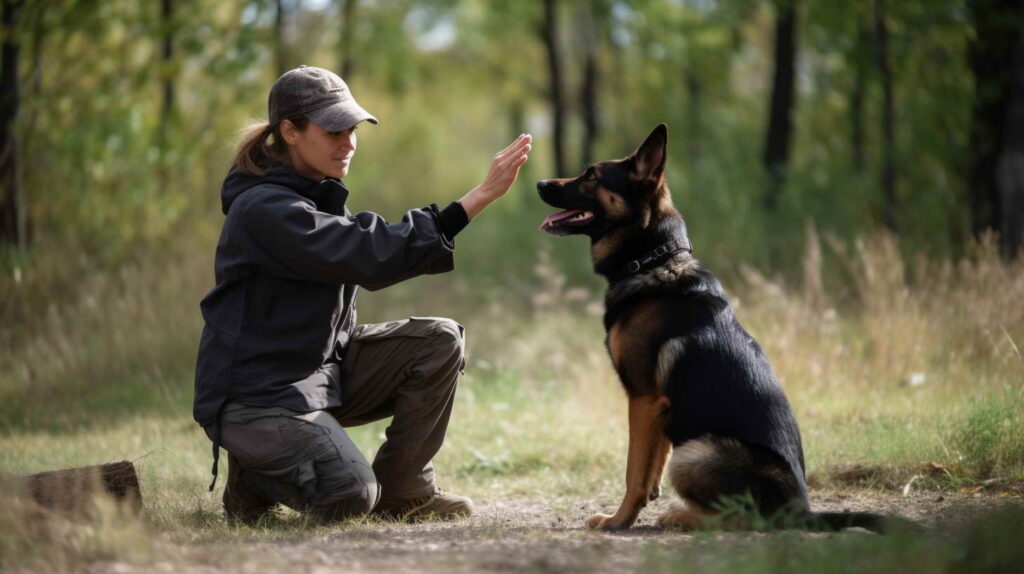
    • Sit – for greeting people and before receiving food, toys, going outside, etc.
    • Stay – to control impulses and remain calmly in place
    • Come – to reliably return when called
    • Heel – to walk politely on a leash without pulling

    Positive Reinforcement Methods

    • Food rewards
    • Verbal praise
    • Petting/belly rubs
    • Interactive toys

    Puppy Training

    Puppy training focuses on:

    Socialization

    • Exposure to sights, sounds, people, animals, and environments during the critical socialization window.
    • Prevent fearfulness and anxiety later in life.

    Behavioral Foundations

    • Housetraining
    • Bite inhibition
    • Basic commands
    • Crate training

    Specialized Training

    Depending on pets’ capabilities and owners’ interests, specialized training may include:

    Agility Training

    • Navigating obstacles like tunnels, A-frames, jumps
    • Building athleticism, confidence, focus, and bond with handler

    Canine Good Citizen Certification

    • Test to demonstrate good manners in real-world settings
    • 10-step evaluation process

    Behavioral Modification

    For pets struggling with behavior issues, training focuses on:

    Addressing Aggression

    • Techniques to minimize reactivity and maintain control
    • Counterconditioning to change emotional response

    Correcting Undesirable Behaviors

    • Strategies to reduce or eliminate problem behaviors
    • Redirecting to alternate wanted habits

    Professional Pet Trainers

    Professional Pet Trainers

    Certified pet trainers have extensive education in animal behavior, psychology, and training techniques.

    Qualifications and Certifications

    • Credentials from respected training programs
    • Years of hands-on experience
    • Continuing education on the latest methods
    • Specialized certifications (e.g. CPDT-KA)

    Importance of Hiring a Professional

    Pro trainers have the skills to:

    • Properly diagnose issues
    • Design customized training plans
    • Modify techniques as needed
    • Avoid reinforcement of bad conduct

    In-Home vs. Group Training

    • In-home pet training allows personal attention tailored to pets’ unique needs and home environment.
    • Group dog training sessions provide socialization and real-life practice in a controlled setting.

    Hiring a professional pet trainer is a significant investment, but worthwhile for long-lasting results. Trainers have extensive expertise gained from hands-on experience, credentialed education programs, and ongoing development.

    Pricing Estimates

    Pet training services range widely in terms of cost depending on factors like:

    • Trainer’s background, skills, and specialty
    • Type of training (basic obedience, behavioral issues, etc.)
    • Delivery method (private sessions, board and train, group classes)
    • Location and duration of training

    Typical pricing estimates:

    • Private training sessions – $50 – $150 per hour session. Often sold in packages of 4-10 lessons.
    • Group classes – $150 – $300 for a 6-8 week course. Usually 45 mins – 1 hour per class held weekly.
    • Board and train programs – $500 – $2,000+ for 2-4 week residential training. Price varies by program intensity.
    • In-home board and train – $3,000 – $5,000+ for 2-4 weeks. The trainer works with the pet full-time in the client’s home.
    Training Option Duration Avg Cost Range
    Private Sessions 1 hour $50 – $150 per session
    Group Classes 6-8 weeks $150 – $300 total
    Board & Train Program 2-4 weeks $500 – $2,000+
    In-home Board & Train 2-4 weeks $3,000 – $5,000

    Factors impacting price:

    • Trainer’s credentials and experience
    • Individualized versus group sessions
    • Basic obedience or specialized training
    • Use of tools/equipment
    • Inclusion of follow-up support

    Value of a Professional

    While costly, professional training delivers lasting skills and solutions that amateur efforts cannot replicate. For pets with severe behavior issues, an expert trainer may be the only option to prevent relinquishment.

    Tools and Techniques

    Modern positive reinforcement techniques make training enjoyable, effective, and rewarding.

    Clicker Training

    • Clicker training for pets uses a clicker device to precisely mark desired actions.
    • The click communicates the exact moment of correct behavior.

    Leash Training

    • Leash training for dogs teaches loose leash walking using rewards-based methods.
    • Pets learn to refrain from pulling and stay by the owner’s side.

    Positive Reinforcement

    • The primary technique used today is based on learning theory.
    • Rewards like treats, and praise build behaviors through positive associations.

    Use of Training Aids

    • Head collars
    • Lures
    • Target sticks
    • Interactive feeders
    • Pheromone products

    Benefits of Pet Training Services

    Benefits of Pet Training Services

    Hiring a professional trainer improves pets’ conduct, health, safety, and more.

    Improved Pet Behavior

    • Corrects unwanted habits
    • Establishes reliable obedience
    • Reduces anxiety and fearfulness

    Strengthening the Pet-Owner Bond

    • Enhances communication and trust
    • Increases mutual understanding
    • Deepens relationship

    Enhancing Safety and Well-being

    • Teaches impulse control
    • Reduces the likelihood of accidental injury
    • Fosters good citizenship

    Considerations for Choosing a Pet Training Service

    Key factors in selecting a quality training provider include:

    Reviews and Testimonials

    • Indicators of Past Client Satisfaction
    • Demonstrate experience handling similar cases

    Trainer’s Approach and Philosophy

    • Use of humane, rewards-based methods
    • Ongoing education in animal behavior science

    Customization of Training Programs

    • Tailored training plans to fit pets’ unique needs
    • Flexibility to adjust techniques as needed

    Cost and Duration of Services

    • Fair rates and value for services provided
    • A realistic estimate of the time investment needed

    Case Studies or Success Stories

    Firsthand stories showcase the transformative impact of pet training services.

    Real-life Examples of Successful Pet Training

    • Nervous rescue dog who blossomed into a friendly, confident companion after behavioral training for animals.
    • High energy terrier mix that graduated AKC STAR Puppy and Canine Good Citizen programs through positive reinforcement dog obedience training.
    • Elderly cats struggling with litter box accidents improved thanks to veterinary behaviorists’ customized in-home treatment plans.

    Transformational Stories

    Training helps pets overcome difficult pasts, giving them a second chance to find their forever homes.

    • Cases of severely anxious or aggressive animals who get “turned around” with comprehensive behavior modification programs.
    • Stories of dogs once labeled “unadoptable” are now certified as trained service animals helping people in need.

    Conclusion

    Pet training allows owners to deepen their bond with animal companions while ensuring pets can successfully integrate into families and communities. Customized dog training programs taught by qualified professionals lead to better-behaved, happier pets. With science-based methods focused on positive reinforcement, pet training services provide lasting benefits for guardians and animals alike.

    Recap of the Importance of Pet Training

    The training addresses behavior problems, strengthens pet-owner relationships, improves safety, enhances wellness, and prevents relinquishment.

    Encouragement for Pet Owners to Invest in Training Services

    Whether embarking on a new puppy or troubled by an adult pet’s conduct issues, pet parents need not struggle alone. Professional guidance and coaching deliver solutions.

  • Pet Training Pads – Is It Really Important?

    Pet Training Pads – Is It Really Important?

    Pet Training Pads

    The Go-To Guide to Pet Training Pads

    PETSIDIPet training pads, often referred to as puppy pads or pee pads, have become an essential supply for many pet owners. As useful tools that aid in housebreaking and maintaining hygienic living spaces, pet pads provide effective solutions for avoiding messes and accidents. This definitive guide will explore the ins and outs of pet training pads, from types and proper uses to training techniques and eco-friendly options.

    What Are Pet Training Pads

    What Are Pet Training Pads?

    Pet training pads are designated absorbent pads intended to mimic grass, providing dogs (and cats!) a designated area indoors to relieve themselves. Waterproof on one side and ultra-absorbent on the other, high-quality pads soak up urine and contain messes until they can be properly disposed of.

    House training a new puppy or older rescue dog can be daunting. Pet pads give these pets a consistent surface during the process, preventing damage to floors and carpets. They also provide aging or ill pets an accessible potty space and peace of mind for pet owners running long workdays.

    The Two Main Categories of Pet Pads

    The two primary categories of pet training pads are disposable and washable reusable options. Each has distinct advantages to consider when choosing the right match for your pet.

    Disposable Puppy Pads

    Disposable pet pads provide maximum absorbency for short-term use. Here are the defining features:

    • Ultra-absorbent core: Pulls moisture into the pad instead of the floor
    • Plastic waterproof lining: Prevents leakage
    • Adhesive strips: Stick and stay put
    • Built-in attractant: Encourages potty use
    • Odor controlling: Reduces smells with a light scent
    • Range of sizes: From small to extra-large

    The intended temporary use makes disposables ideal for travel or short-duration training. However, responsible disposable contributes to landfill waste.

    Washable and Reusable Training Pads

    Reusable cloth pet pads offer a sustainable and affordable option. Key attributes include:

    • Absorbent fabric: Draws in moisture, wash after wash
    • Waterproof backing: Avoids messes seeping through
    • Versatile sizes: Charge size as a pet grows
    • Machine washable: Sanitize and reuse
    • Eco-friendly: Reduces environmental impact
    • Customizable: Place anywhere, blends into home decor

    Washable pads provide flexibility and green benefits. Be prepared for extra laundry with daily washing essential for optimal performance.

    Disposable Pads Reusable Pads
    Great for travel or short-term use Eco-friendly & sustainable
    Ultra-absorbent Fully customizable sizing
    Adhesive backing stays in place Absorbent fabric, wash & reuse
    Built-in attractants Waterproof backing
    Odor controlling Affordable long-term
    Wide range of sizes Machine washable

    Antibacterial Pet Training Pads

    Odor Control and Antibacterial Options

    In the quest for puppy pads that get the job done without the mess, odor control and antibacterial features are useful additions.

    Odor-controlling pads contain fragrances or neutralizing baking soda to diminish unpleasant smells. This allows pads to be discretely changed without drawing attention to their purpose.

    Antibacterial pads take cleanliness up a notch. By inhibiting bacterial growth, they guard against germs, stains, and contaminants that can lead to lingering scents. This helps maintain a sanitary potty area and a fresh home environment.

    For pet owners struggling with a less-than-accurate pup or perplexing odors, these specialty pads present viable solutions. Be aware that dogs can have adverse reactions to overpowering scents, so moderate and gentle odor control is best.

    Choosing the Perfect Puppy Pads

    Choosing the Perfect Puppy Pads

    Several factors determine ideal pet training pads for each dog and household. Tailor selection to your pet’s needs with these key considerations.

    Size Matters

    Pet pads range from small 17 x 24 inch pads up to large 32 x 36 inch options. Measure current accident zones and anticipate future needs when choosing dimensions. Here are common uses for different sizes:

    • Small: Toy-breed puppies or cats
    • Medium: Growing puppies under 25lbs
    • Large: Big breed dogs over 25lbs
    • X-Large: Multiple pets used at once

    Ideally, the pad width should extend three inches beyond your pet’s body on each side when in a potty position. This gives a sizeable surface area for fewer misses.

    Super Absorbent is the Best

    The whole point of indoor pet pads is to fully absorb and contain liquids without overflow. Highly absorbent pads with quick dry times are essential for avoiding messes. Target ones holding over 30 ml of fluid per square inch.

    Adhesive vs. Non-Adhesive

    • Adhesive backing: Holds pad firmly in place for fewer accidents next to pad. Best for hard, non-porous flooring.
    • Non-adhesive: Easier to reposition as needed. Ideal for placing on carpets or training crates.

    House Training Puppies with Pads

    House Training Puppies with Pads

    Implementing a strategic house training regimen sets the foundation for establishing good potty habits. Follow these training tips when bringing pads into the equation:

    Establishing a Routine

    Dogs thrive on consistency. Set up pads in an accessible area and gently lead the puppy to them using the same “Go potty” phrase during regular intervals after meals and naps. Keep supervision handy to celebrate successes!

    Positive Reinforcement

    As the puppy uses the designated pad area, enthusiastically praise and offer treats to reinforce that this is an approved potty zone. Avoid scolding accidents and interrupt misplaced attempts by redirecting promptly to the pads.

    Troubleshooting Tricky Obstacles

    Patience and persistence are vital when facing hurdles. If accidents arise away from pads:

    • Restrict access to problem areas completely
    • Reevaluate pad placement suitability
    • Switch pads brand if preferences arise
    • Bring soiled pads outside for retraining
    • Increase supervision and access limitation

    Hang in there! Consistency and positive association are key to overcoming challenges.

    Environmental Responsibility

    All pet supplies come with some ecological footprint. Here’s how to make green-conscious choices when selecting disposable or reusable pads:

    Disposable Pad Considerations

    • Seek biodegradable pad materials when available
    • Opt for pads without dyes, perfumes, or deodorants
    • Dispose of used pads responsibly tied in trash bags
    • Reduce overall disposable pad usage

    Eco-Friendly Reusable Alternatives

    • Choose reusable fabric-based washable pads
    • Source organic, earth-friendly fabric materials
    • Wash in cold water to reduce energy expenditure
    • Line dry pads instead of machine-drying
    • Donate old pads when no longer needed

    With some informed adjustments, pet pads can be an environmentally gentle way to maintain both house training and household cleanliness.

    Debunking Myths and Misconceptions

    Let’s clear up some common misguiding myths about pet training pads so owners can leverage their benefits appropriately:

    Myth: Pads Encourage Laziness in Dogs Some believe pads allow dogs to get away with inappropriate indoor accidents rather than learning to wait to go outside. However, when used strategically alongside positive reinforcement training, pads set dogs up for success by providing an acceptable potty outlet.

    Myth: Pads Are Only for Indoor or Temporary Use It’s a common assumption pads are just an indoor shortcut that enables pet messes. However, they serve multi-faceted long-term purposes, providing aging or physically limited pets an accessible way to handle business even primarily outdoor dogs.

    Real Owners Share Triumphant Pad Tales

    Still unsure about introducing pet pads into your home? Take inspiration from these real owners about how pads were total game-changers for their pups!

    Sarah K. shares about their senior Dachshund, Fritz:

    “We started using pads when Fritz turned 11 and began having mobility issues. The pads have been amazing for keeping carpets protected when Fritz can’t hold it til we go outside. He took to them instantly, almost like he understood it was made for him go there. Such a life saver!

    James R. training a rescued Australian Shepard, Ruby, says:

    “I was pretty skeptical about the pads at first, thinking Rubes should learn to wait before going out. But my trainer recommended them to instill good habits right away. Ruby happily took to pottying on the pads, and it translated easily outside too. Couldn’t have asked for an easier transition!

    The proof is that the pee-pads undoubtedly pull their weight for potty training and maintaining life with pets!

    In Summary…

    Pet training pads undoubtedly ease the inevitable learning curve of perfecting house training for new puppies and rescued dogs. Meanwhile, they enable aging and physically compromised pets to maintain dignity and quality of life as abilities change.

    Disposable pads excel at absorbing messes for travel or short-term use. Reusable cloth pads deliver an eco-friendly, customizable permanent option. With strategic placement, consistent reinforcement, and optimal sizing suited to breed and age, pads check all the boxes for both pup and owner.

    As a pet owner, continue growing your know-how on modern positive training methods. Be open-minded to tools that make the journey easier for all. Most importantly, commit fully to the faithful companion by your side through the peaks and pits of pet parenthood. Pads or not, soak up all the joy (and yes, challenges too) your four-legged friend has to offer!

  • Pet Training and Grooming: A Guide to Happy and Healthy Companions

    Pet Training and Grooming: A Guide to Happy and Healthy Companions

    Pet Training and Grooming

    Introduction

    PETSIDI – Welcome to the world of pet training and grooming, where the bond between humans and their furry companions deepens through shared experiences. Whether you have a playful puppy or a seasoned senior pet, mastering the art of training and grooming is essential for a harmonious and joyful relationship. In this guide, we’ll explore the fundamentals of pet training and grooming, employing everyday language to ensure a seamless learning journey.

    Understanding the Basics: Pet Training

    The Significance of Early Training

    Training your pet is akin to teaching a friend a new language—it opens up a world of communication and understanding. Early training is crucial, fostering positive behaviors that will last a lifetime. Imagine a world where your dog enthusiastically responds to commands, and your cat understands the boundaries of play. It’s not an unattainable dream; it’s a result of consistent and patient training.

    Using positive reinforcement is like giving your pet a pat on the back for a job well done. Instead of focusing on mistakes, celebrate successes. Be consistent in your commands and rewards, and most importantly, be patient. Rome wasn’t built in a day, and neither is a perfectly trained pet.

    Active Involvement: Your Key to Success

    Don’t be a mere spectator in your pet’s training journey—be an active participant. Engage with your pet during training sessions, making it a fun and interactive experience. By involving yourself, you not only strengthen the bond but also become attuned to your pet’s unique personality.

    Practical Tips for Pet Training

    1. Basic Commands: The Building Blocks

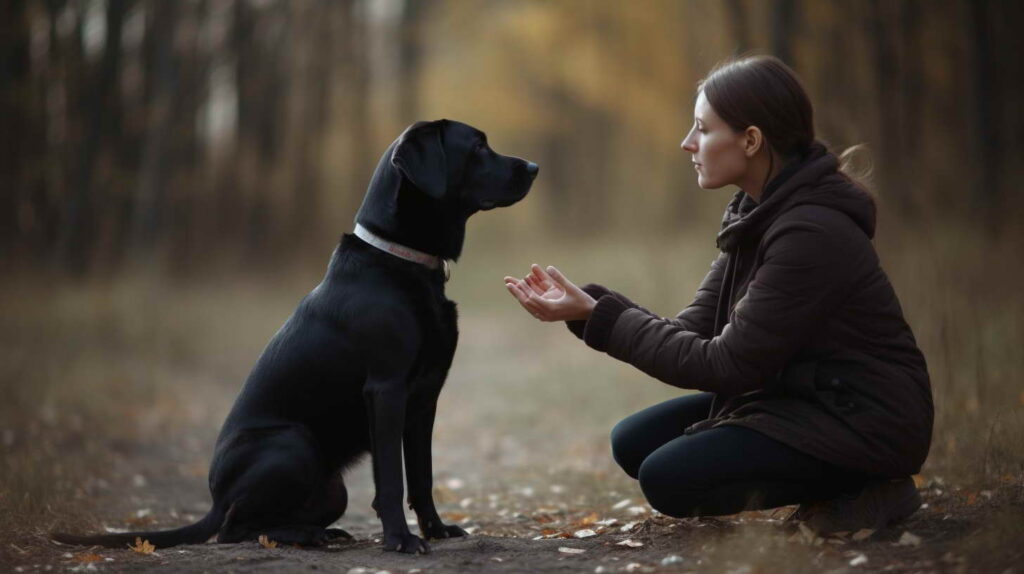
    Start with the basics: sit, stay, and come. These are the foundation of a well-behaved pet. Use simple and clear commands, coupled with positive reinforcement, to instill these behaviors. Remember, repetition is key.

    2. Leash Training: Walks without Tugs

    Walking your dog should be a joy, not a tug-of-war. Introduce leash training early, teaching your pup to walk beside you without pulling. Use treats and encouragement to reward good behavior. Before you know it, you’ll have a companion who strolls by your side, making walks a pleasure for both of you.

    3. Socialization: The Art of Making Friends

    Socializing your pet is like sending them to a social gathering—introducing them to new people, animals, and environments. This reduces anxiety and ensures your pet remains calm in various situations. Take your dog to the park, let your cat explore different rooms, and watch as their confidence grows.

    Grooming: A Pampering Experience

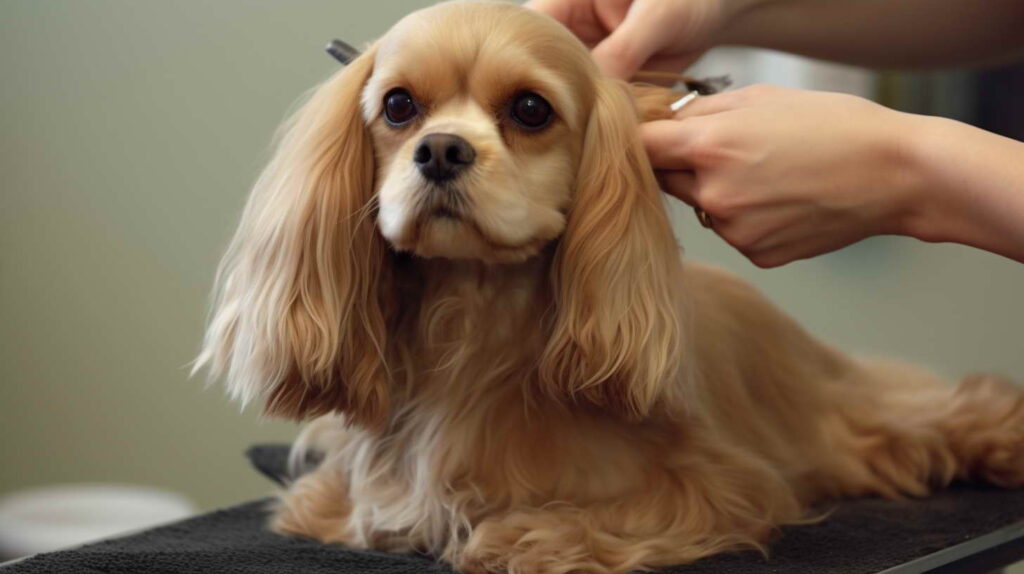
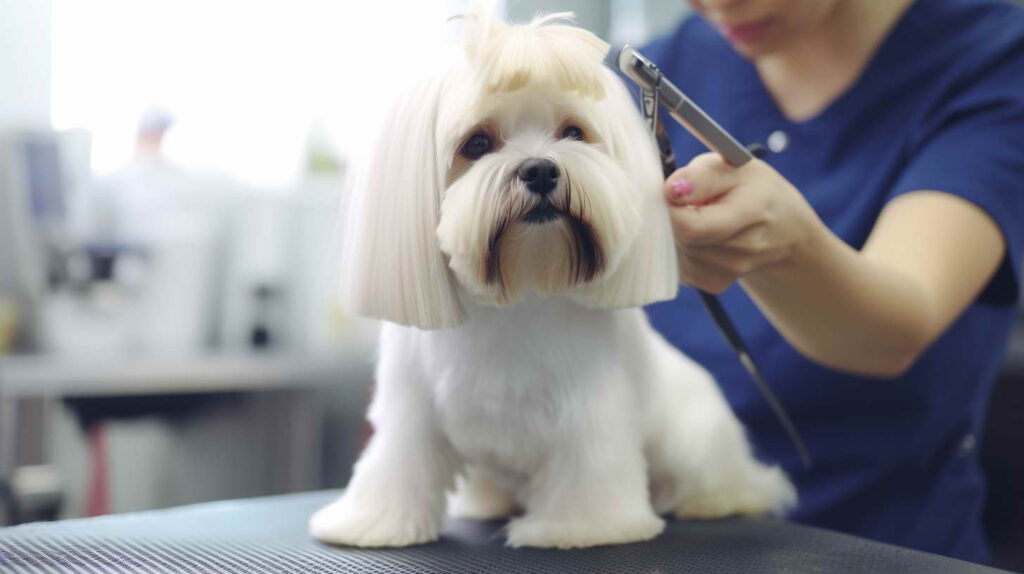
    Just as we indulge in a spa day, our pets deserve their pampering sessions too. Grooming is not just about maintaining a sleek appearance; it’s about ensuring your pet’s health and well-being.

    The Essentials of Pet Grooming

    The Essentials of Pet Grooming: A Pampering Experience

    Grooming is more than a cosmetic endeavor; it’s an essential aspect of caring for your pet’s overall well-being. By incorporating grooming into your routine, you not only keep your furry friend looking fabulous but also contribute to their health and happiness.

    Bathing: Turning Water into a Splashy Affair

    Baths can be a source of anxiety for some pets, but with a gentle touch and a positive approach, you can transform bath time into a splashy affair your pet might enjoy. Start by choosing a suitable pet-friendly shampoo. Ensure it’s formulated for your pet’s specific needs, whether they have sensitive skin, a thick coat, or any other unique requirements.

    Use lukewarm water, as extremes can be uncomfortable for your pet. Create a soothing atmosphere with calming words and gentle strokes. Make it an experience filled with reassurance and love. Over time, your pet may come to see bath time as an opportunity for bonding, rather than a dreaded event.

    Brushing: Taming Tangles and Celebrating Shine

    Brushing isn’t just about aesthetics; it’s a crucial step in maintaining your pet’s coat health. The type of brush you use depends on your pet’s breed and coat type. For long-haired breeds, a slicker brush can help detangle and prevent matting. Short-haired pets may benefit from a bristle brush to remove loose fur and distribute natural oils.

    Make brushing a positive experience by incorporating treats and gentle praises. This not only tames tangles but also turns brushing into a bonding ritual. Regular brushing not only keeps your pet’s coat shiny but also reduces shedding and prevents uncomfortable matting.

    Nail Care: The Paws and Claws Routine

    Trimming your pet’s nails can be a daunting task, but with the right tools and approach, it becomes a routine part of grooming. Invest in quality nail clippers designed for your pet’s size and breed. Take it slow, trimming small portions at a time to avoid cutting into the quick, which can be painful for your pet.

    If you’re unsure about the process, seek guidance from your veterinarian or a professional groomer. Many pets dislike having their paws handled, so incorporating positive reinforcement during nail care can make the experience less stressful. Regular nail trims prevent discomfort and reduce the risk of injury from overgrown nails.

    Dental Hygiene: A Fresh Breath of Health

    Dental care often takes a back seat in pet grooming routines, but it’s a critical component of your pet’s overall health. Like us, pets can develop dental issues that, if left untreated, may lead to more severe health problems.

    Introduce dental care gradually, starting with pet-friendly toothpaste and a soft brush. Make it a positive experience by offering rewards and praise. Regular brushing helps prevent plaque buildup, and tartar formation and maintains your pet’s overall oral health. Additionally, dental treats and toys can promote healthy teeth and gums.

    Conclusion: A Lifelong Journey of Love and Learning

    As we delve into the realms of pet training and grooming, remember that it’s a journey—a lifelong adventure filled with love, laughter, and shared experiences. Embrace the uniqueness of your pet, celebrate their victories, and be patient during challenges. By understanding the basics, actively involving yourself, and incorporating practical tips, you’ll pave the way for a harmonious and fulfilling relationship with your furry friend.

    So, embark on this journey, armed with knowledge and a heart full of love. Your pet is not just a companion; they are a cherished member of your family, and by investing time in their training and grooming, you’re ensuring a life of joy and well-being for both of you. Happy training and grooming! 🐾

  • Pet Training For Aggressive Dogs: A Guide to Transformative Positive Reinforcement

    Pet Training For Aggressive Dogs: A Guide to Transformative Positive Reinforcement

    Pet Training For Aggressive Dogs

    I. Introduction

    PETSIDI – Definition of Aggressive Behavior in Dogs: Aggressive behavior in dogs encompasses a range of actions that pose a threat to people, other animals, or even inanimate objects. This can include growling, snapping, and biting.

    Importance of Addressing Aggression in Pets: Addressing aggression is crucial not only for the safety of those around the dog but also for the well-being of the canine companion. Aggression, if left unchecked, can lead to a strained relationship between the owner and the pet.

    Overview of the Training Process for Aggressive Dogs: Training aggressive dogs involves understanding the root causes of their behavior and implementing positive reinforcement techniques. This essay explores various aspects of this transformative process and hopes that everyone who reads can benefit from and use it as tips for their dog’s aggressive behavior.

    II. Understanding Aggression in Dogs

    Types of Aggression

    Dogs express aggression in various ways, and understanding these different types is crucial for effective training.

    1. Fear Aggression: Fear-based aggression stems from a dog’s perception of a threat. This might be triggered by unfamiliar people, loud noises, or unfamiliar environments. Dogs exhibiting fear aggression may display defensive behaviors like barking, growling, or even biting as a means of self-preservation.
    2. Territorial Aggression: Territorial aggression arises when a dog feels the need to protect its space. This could include the home, yard, or even a favorite sleeping spot. Understanding the boundaries that trigger territorial aggression helps owners create a secure environment and manage potential confrontations.
    3. Possessive Aggression: Dogs can become possessive of their resources, such as food, toys, or even their owners. Possessive aggression manifests when a dog perceives a threat to these possessions. It is essential to teach dogs to share and reinforce positive behaviors around valuable items.
    4. Social Aggression: Social aggression is linked to dominance and hierarchical issues within a group of dogs or with their human family. Understanding the social dynamics of a dog’s environment helps in addressing and mitigating social aggression through training and positive reinforcement.

    Identifying Signs of Aggression

    Recognizing signs of aggression involves keen observation of a dog’s body language, vocalizations, and specific behaviors.

    • Body Language: A dog showing aggression often exhibits signs like a stiff body, raised fur, and a direct stare. Understanding these cues enables owners to intervene before aggression escalates.
    • Vocalizations: Growling, barking, or snarling are common vocal expressions of aggression. Recognizing these sounds is essential in gauging the intensity of the situation and implementing appropriate corrective measures.
    • Specific Behaviors: Certain behaviors, such as baring teeth, snapping, or lunging, are clear indicators of aggression. Identifying these behaviors early allows owners to address the root causes before aggression becomes deeply ingrained.

    Common Causes of Aggression in Dogs

    Several factors contribute to aggressive behavior in dogs, and identifying these causes is pivotal in devising an effective training plan.

    • Fear and Insecurity: Dogs may become aggressive when they feel threatened or insecure. Understanding the source of their fear helps in implementing targeted strategies to build confidence.
    • Past Traumatic Experiences: Dogs with a history of abuse or neglect may display aggression as a defense mechanism. Patient and compassionate training is essential to overcome the impact of past trauma.
    • Medical Issues: Pain or discomfort due to health issues can lead to aggression. Consulting with a veterinarian to rule out underlying medical causes is a crucial step in the aggression training process.
    • Lack of Socialization: Dogs that haven’t been adequately socialized may react aggressively to new people, animals, or environments. Gradual exposure and positive reinforcement can help mitigate this form of aggression.

    III. Assessing Aggressive Behavior

    Consulting with a Veterinarian or Professional Trainer

    Before embarking on a journey to address aggressive behavior in dogs, seeking guidance from professionals is paramount. Veterinarians and certified trainers bring a wealth of expertise to the table, ensuring a holistic approach to understanding and managing aggression.

    Veterinary Consultation: A veterinarian’s role in assessing aggressive behavior is crucial. Medical issues, ranging from pain to hormonal imbalances, can contribute to a dog’s aggressive tendencies. A comprehensive physical examination, coupled with laboratory tests if necessary, helps rule out underlying health concerns. Identifying and treating these issues lay the foundation for successful behavior modification.

    Professional Trainer Insight: Certified dog trainers specialize in decoding canine behavior. Their keen observations and experience allow them to assess the nuances of aggression accurately. Professional trainers collaborate with owners, offering tailored strategies to address specific triggers and behaviors. Their guidance extends beyond obedience training, delving into the psychology of canine behavior to foster lasting positive changes.

    Conducting a Behavior Assessment

    A behavior assessment is a systematic approach to understanding the root causes and triggers of aggression in a dog. This evaluation involves observing the dog’s interactions in various contexts, providing valuable insights into the dog’s temperament and potential stressors.

    Observing Interactions: Owners and trainers closely monitor how the dog interacts with people, other animals, and its environment. This observation includes reactions to stimuli such as sudden movements, loud noises, or unfamiliar scents.

    Recording Aggressive Incidents: Keeping a detailed record of aggressive incidents helps in identifying patterns and triggers. Understanding the specific circumstances under which aggression occurs aids in devising targeted training strategies.

    Assessing Body Language: A significant part of the behavior assessment involves interpreting the dog’s body language during different interactions. Subtle cues like a tucked tail, ears laid back, or raised hackles can provide insights into the emotional state preceding aggressive behavior.

    Identifying Triggers for Aggressive Behavior

    Pinpointing the triggers that provoke aggression is a crucial step in developing an effective behavior modification plan.

    Environmental Triggers: Certain environments or situations may induce anxiety or fear in a dog, leading to aggression. Identifying and gradually exposing the dog to these triggers in a controlled manner helps desensitize them over time.

    Social Triggers: Interactions with other dogs, animals, or humans can be significant triggers for aggression. Understanding the dynamics of these social interactions allows for targeted training to modify the dog’s response.

    Resource-Based Triggers: Aggression stemming from resource guarding, whether it’s food, toys, or territory, requires specific intervention. Teaching the dog to associate these resources with positive experiences can reshape their behavior.

    IV. Positive Reinforcement Training Techniques

    Positive reinforcement serves as a cornerstone in transforming aggressive behavior in dogs. This training approach not only enhances obedience but also fosters a positive bond between the owner and their furry friend. Let’s delve into the fundamental principles and practical aspects of positive reinforcement.

    Basics of Positive Reinforcement

    Understanding the Mechanism: Positive reinforcement operates on the principle of associating desired behaviors with rewards. When a dog exhibits a positive action, such as following a command or displaying calm behavior, rewarding them reinforces the likelihood of repeating that behavior.

    Timing is Crucial: The timing of reinforcement is critical. The reward must be administered immediately after the desired behavior, linking the action with the positive outcome in the dog’s mind.

    Consistency in Rewards: Consistency is the bedrock of positive reinforcement. Whether it’s treats, verbal praise, or affection, maintaining a consistent reward system helps the dog grasp the connection between their actions and positive consequences.

    Reward-Based Training for Aggressive Dogs

    Treats and Praise: Treats are powerful motivators for dogs. High-value treats, like small pieces of meat or special dog treats, can be used to reward good behavior. Verbal praise, coupled with treats, reinforces the positive association and provides immediate feedback.

    Clicker Training: Clicker training adds an auditory cue to positive reinforcement. The sound of a clicker, paired with a treat, signals to the dog that they’ve performed the desired behavior correctly. This technique enhances precision in training, helping the dog understand the exact moment they’ve earned the reward.

    Consistency in Reinforcement

    Establishing Routine: Consistency extends beyond treats and praise. Maintaining a consistent daily routine for feeding, walks, and training sessions provides a sense of security for the dog, reducing stress and potential triggers for aggression.

    Clear Communication: Consistency also applies to the owner’s commands and signals. Using the same cues for specific actions ensures clarity for the dog. Consistent communication aids in building trust and reinforcing the desired behaviors.

    Avoiding Mixed Signals: Inconsistent reinforcement can confuse the dog, leading to frustration or anxiety. It’s crucial to avoid sending mixed signals, ensuring that the dog understands what is expected of them in various situations.

    V. Desensitization and Counterconditioning

    Desensitization and counterconditioning are powerful techniques used to modify aggressive behavior in dogs by gradually changing their emotional responses to specific triggers. These methods are particularly effective when dealing with fear or anxiety-related aggression.

    Gradual Exposure to Triggers

    Systematic Approach: Desensitization involves exposing the dog to the stimuli that trigger aggression in a gradual and controlled manner. This gradual exposure allows the dog to become accustomed to the trigger without provoking an aggressive response. For example, if a dog is fearful of strangers, desensitization might involve introducing the dog to strangers from a distance and progressively decreasing that distance over time.

    Monitoring Stress Levels: Throughout the desensitization process, it’s crucial to monitor the dog’s stress levels. Signs of stress include panting, pacing, or avoidance behaviors. Gradual exposure ensures that the dog remains below their stress threshold, preventing the reinforcement of negative associations.

    Positive Reinforcement: Positive reinforcement is intertwined with desensitization. Rewarding the dog for calm and non-aggressive behavior during exposure helps create positive associations with the previously feared stimuli. Treats, praise, and play can be powerful motivators during this process.

    Replacing Negative Associations with Positive Ones

    Counterconditioning Techniques: Counterconditioning involves changing the dog’s emotional response to a specific trigger by associating it with something positive. For instance, if a dog displays aggression towards other dogs during walks, counterconditioning might involve rewarding the dog with treats and praise whenever they encounter another dog without exhibiting aggressive behavior.

    Patience and Consistency: Both desensitization and counterconditioning require patience and consistency. Progress might be slow, but with persistence, dogs can learn to associate once-feared stimuli with positive experiences. The key is to avoid rushing the process and allowing the dog to dictate the pace of their comfort level.

    Professional Guidance: In complex cases, seeking guidance from a professional dog trainer or behaviorist is advisable. These experts can tailor desensitization and counterconditioning plans to the specific needs of the dog, ensuring a safe and effective approach.

    Patience and Consistency in Desensitization

    Incremental Steps: Breaking down the desensitization process into small, manageable steps is essential. Incremental exposure prevents the dog and allows them to adapt gradually.

    Adjusting the Pace: Each dog responds differently to desensitization. Some may progress quickly, while others may require more time. Adjusting the pace based on the individual dog’s comfort level ensures a positive and stress-free learning experience.

    Real-Life Applications: Desensitization isn’t limited to formal training sessions. Integrating these techniques into daily activities, such as walks or interactions with visitors, helps generalize positive associations to various scenarios.

    VI. Obedience Training

    Obedience training plays a pivotal role in addressing aggressive behavior in dogs by establishing clear communication, promoting control, and building trust between the owner and their furry companion. This section explores the fundamental principles and practical applications of obedience training for transforming aggression into positive behavior.

    Teaching Basic Commands (Sit, Stay, Come)

    Communication Foundation: Basic commands like “sit,” “stay,” and “come” form the foundation of effective communication between the owner and their dog. Teaching these commands provides a means for the owner to convey expectations, leading to a more controlled and harmonious relationship.

    Positive Reinforcement in Obedience Training: Similar to positive reinforcement techniques discussed earlier, basic obedience training relies on rewarding desired behaviors. When a dog responds correctly to a command, rewarding them with treats, praise, or play reinforces the behavior and strengthens the bond between the owner and the dog.

    Consistent Practice: Consistency is key in obedience training. Regular, short training sessions interspersed throughout the day help solidify the commands. Incorporating obedience into daily routines, such as before meals or walks, reinforces the association between commands and positive outcomes.

    Establishing Control and Leadership

    Leadership Role: Establishing control and leadership is vital in modifying aggressive behavior. Dogs, by nature, thrive in a structured environment with clear leadership. Obedience training positions the owner as the leader, instilling a sense of security in the dog and reducing the likelihood of aggressive displays.

    Building Confidence: Obedience training contributes to the dog’s confidence. As they learn and execute commands successfully, their self-assurance grows. Confident dogs are less likely to resort to aggressive behaviors as a defense mechanism.

    Structured Walks: Incorporating obedience into daily walks enhances control and reinforces the owner’s leadership role. Teaching commands like “heel” ensures that the dog walks calmly beside the owner, minimizing potential triggers for aggression.

    Building Trust Between the Owner and the Dog

    Positive Interaction: Obedience training is not just about commands; it’s about positive interaction. Engaging in training sessions strengthens the bond between the owner and the dog. Trust is built through consistent positive reinforcement and the mutual understanding established during training.

    Avoiding Punishment: A crucial aspect of building trust is avoiding harsh punishment. Positive reinforcement-based obedience training focuses on rewarding desired behaviors rather than punishing undesirable ones. This approach fosters a positive and trusting relationship, encouraging the dog to willingly engage in training.

    Understanding Individual Needs: Each dog is unique, and obedience training should be tailored to their individual needs and personality. Some dogs may respond better to specific commands or types of rewards, emphasizing the importance of personalized training approaches.
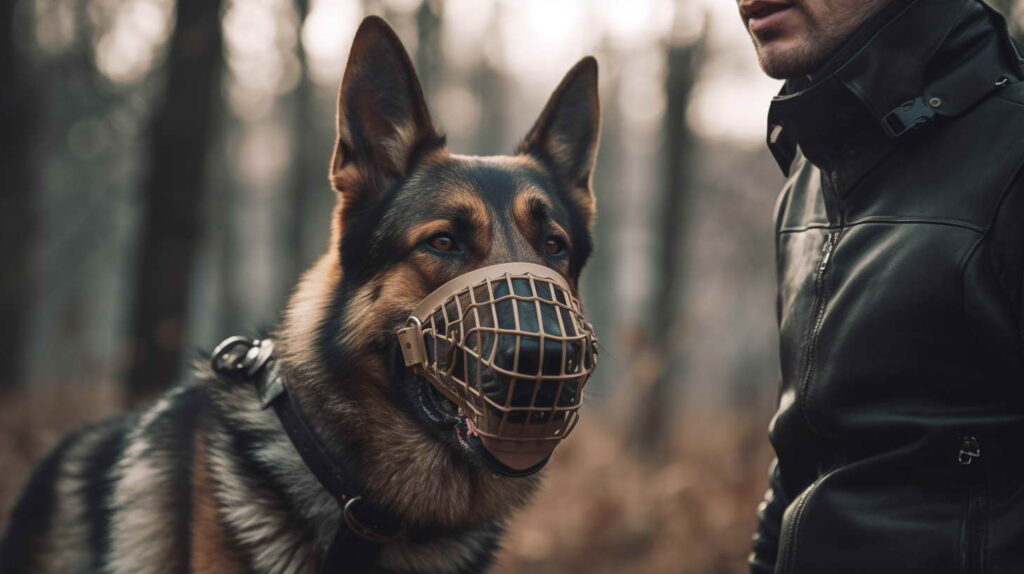
    Guide on Pet Training For Aggressive Dogs

    VII. Professional Assistance

    When dealing with aggression in dogs, seeking professional assistance is a prudent and effective approach. Certified dog trainers and behaviorists bring a wealth of knowledge and experience, offering tailored strategies to address specific aggression issues. This section delves into the importance of professional guidance and the various aspects involved in seeking assistance.

    Seeking Help from a Certified Dog Trainer or Behaviorist

    Expertise and Experience: Certified dog trainers and behaviorists possess specialized knowledge in understanding and modifying canine behavior. Their expertise allows them to assess the unique factors contributing to a dog’s aggression, providing insights that may not be apparent to the owner.

    Customized Training Plans: Professional trainers develop customized training plans based on a thorough analysis of the dog’s behavior. These plans address the root causes of aggression and incorporate positive reinforcement techniques, ensuring a tailored approach that maximizes effectiveness.

    Behavior Modification Techniques: Behaviorists specialize in behavior modification, employing evidence-based techniques to transform aggressive tendencies. Their understanding of canine psychology enables them to design interventions that target specific triggers and reshape the dog’s responses.

    Consideration of Specialized Training Programs

    Tailored Programs for Aggression: Specialized training programs cater specifically to dogs with aggression issues. These programs often involve controlled environments, experienced trainers, and a focus on gradually exposing the dog to triggers in a safe and controlled manner.

    Structured Environments: Specialized programs may occur in structured environments where the dog can receive focused attention. This controlled setting allows for intensive training sessions, ensuring that the dog is exposed to various stimuli under professional supervision.

    Group Sessions and Socialization: Some specialized programs incorporate group sessions to address social aggression. Controlled socialization, guided by professionals, helps dogs learn appropriate social behaviors and reduces the risk of aggressive reactions.

    Collaboration with Veterinary Professionals for a Comprehensive Approach

    Medical Assessment: Collaborating with veterinary professionals is essential for a comprehensive approach to aggression. Veterinary examinations can identify potential underlying health issues contributing to aggressive behavior. Addressing medical concerns alongside behavioral interventions ensures a holistic and effective treatment plan.

    Medication Consideration: In certain cases, veterinarians may recommend medication to complement behavior modification efforts. Medication can help manage anxiety, fear, or other underlying issues, facilitating a more receptive state for training.

    Team Approach: A collaborative approach involving behaviorists and veterinarians enhances the overall success of aggression training. Regular communication between the behaviorist and veterinarian ensures that the dog’s physical and mental well-being are considered simultaneously.

    VIII. Management Strategies

    Implementing effective management strategies is crucial when dealing with aggressive behavior in dogs. These strategies focus on creating a safe environment, minimizing potential triggers, and ensuring the well-being of both the dog and those around them. This section explores various management techniques that contribute to a controlled and secure setting.

    Implementing Safety Measures

    Secure Fencing: Installing secure fencing is a fundamental safety measure. It not only prevents the dog from escaping but also acts as a barrier, reducing exposure to external stimuli that may trigger aggression. A well-maintained fence provides both physical and psychological security.

    Controlled Entrances and Exits: Managing how people and other animals enter and exit the dog’s environment is crucial. Controlled entrances reduce unexpected encounters, minimizing stressors that could provoke aggressive reactions. Consistent routines for walks and outdoor activities contribute to a sense of predictability.

    Supervision in Unfamiliar Situations: In unfamiliar situations, close supervision is paramount. Whether introducing the dog to new people, places, or animals, maintaining control and being vigilant allows for prompt intervention if signs of aggression arise.

    Using Muzzles and Restraints When Necessary

    Temporary Measures for Safety: In situations where aggression poses a potential risk, using muzzles and restraints becomes a responsible choice. While these measures are temporary, they provide an added layer of safety during activities that might trigger aggression, such as veterinary visits or encounters with unfamiliar individuals.

    Gradual Introduction to Muzzles: Introducing a muzzle gradually and associating it with positive experiences is essential. This helps the dog become comfortable with the equipment, reducing stress and resistance when it needs to be used.

    Professional Guidance on Equipment: Consulting with a professional dog trainer or behaviorist can guide the appropriate use of muzzles and restraints. Professionals can ensure that these tools are implemented safely and effectively as part of the overall behavior modification plan.

    Creating a Safe and Controlled Environment for Training

    Designating Safe Spaces: Creating designated safe spaces within the home allows the dog to retreat to a calm and secure area when needed. These spaces act as a refuge, reducing stress and providing a sense of control for the dog.

    Structured Training Environments: When implementing training sessions, choosing controlled environments minimizes distractions and potential triggers. A quiet, familiar space promotes focus and encourages positive behavior during training.

    Consistent Rules and Boundaries: Establishing and maintaining consistent rules and boundaries contributes to a sense of order. Dogs thrive on routine, and clear expectations help prevent confusion, reducing the likelihood of aggressive reactions.

    IX. Monitoring Progress

    Tracking the progress of behavior modification efforts is a crucial aspect of addressing aggression in dogs. Regular monitoring allows owners to assess the effectiveness of training techniques, make necessary adjustments, and celebrate small victories along the way. This section explores key elements of monitoring progress and emphasizes the importance of adaptability in the training process.

    Tracking Behavioral Changes Over Time

    Behavioral Journals: Maintaining a behavioral journal provides a comprehensive record of the dog’s actions, reactions, and responses to training. This journal can include details such as the frequency and intensity of aggressive incidents, any changes in body language, and the circumstances surrounding each occurrence.

    Video Documentation: Recording video footage of the dog’s behavior during training sessions and in various situations provides a visual record. Video documentation allows for a more accurate assessment of the dog’s progress and enables both the owner and professionals to observe subtle nuances in behavior.

    Consistency in Observation: Consistency in observation is key. Regularly monitoring the dog’s behavior in different contexts helps identify patterns and trends. This ongoing assessment contributes to a deeper understanding of the factors influencing aggression and the effectiveness of implemented strategies.

    Adjusting Training Techniques Based on Feedback

    Flexibility in Approach: Adaptability is crucial in behavior modification. If certain training techniques prove less effective than anticipated, it’s essential to be open to adjusting the approach. Dogs are individuals with unique needs, and tailoring the training plan based on the dog’s response ensures a more successful outcome.

    Professional Input: Consulting with professional trainers or behaviorists at regular intervals provides valuable external perspectives. Professionals can offer insights based on their expertise, identify areas for improvement, and suggest modifications to the training plan to address specific challenges.

    Communication with Veterinarians: Maintaining communication with veterinary professionals is equally important. If medical issues or changes in health status are identified during the monitoring process, adjustments to the training plan may be necessary. Collaborating with veterinarians ensures a holistic approach to the dog’s well-being.

    Celebrating Small Victories in Behavior Improvement

    Acknowledging Positive Changes: Recognizing and acknowledging small improvements in behavior is crucial for both the owner and the dog. Celebrating successes, no matter how minor reinforces the positive association with training and encourages the dog to continue exhibiting desired behaviors.

    Patience and Persistence: Behavior modification is a gradual process, and patience is key. Acknowledging progress maintains a positive and encouraging atmosphere even if it’s slow. Persistence in consistent training efforts, coupled with a focus on the positive aspects of improvement, contributes to long-term success.

    Setting Realistic Expectations: Understanding that behavior change takes time helps manage expectations. Setting realistic goals and appreciating incremental progress ensures a positive outlook and prevents frustration on the part of the owner.

    X. Conclusion

    Emphasizing the Importance of Patience and Consistency: Patience and consistency are the cornerstones of successful aggression training.

    Encouraging Responsible Pet Ownership: Owners play a pivotal role in shaping their dog’s behavior through responsible care and training.

    Highlighting the Potential for Positive Change in Aggressive Dogs Through Proper Training: With the right approach, dedication, and love, even the most aggressive dogs can undergo transformative positive changes, fostering a harmonious relationship between the owner and their furry companion.
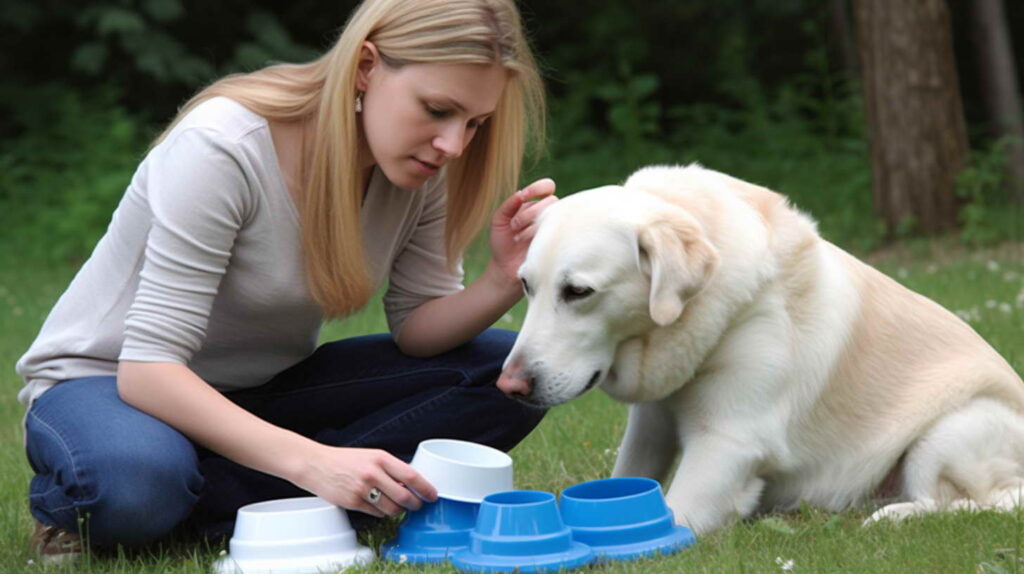
  • Pet Training Collars for Dogs: Enhancing Behavior and Safety

    Pet Training Collars for Dogs: Enhancing Behavior and Safety

    Pet Training Collars for Dogs

    Introduction

    PETSIDI – Pet training collars have become an indispensable tool for dog owners seeking to enhance their furry companions’ behavior and ensure their safety. These collars, designed with various correction mechanisms, serve a crucial purpose in fostering positive habits in our four-legged friends. This essay delves into the diverse types of pet training collars, considerations before use, benefits, and challenges, choosing the right collar, training techniques, safety, and responsible use, emphasizing the overall impact on the dog-owner relationship.

    Definition and Purpose of Pet Training Collars

    Pet training collars are devices designed to aid in dog training by providing corrective stimuli in response to undesirable behavior. The primary purpose is to reinforce positive habits and discourage negative actions, ultimately contributing to a well-behaved and safe pet. As responsible dog owners, it’s essential to understand the significance of training in shaping a dog’s behavior and ensuring the safety of both the pet and those around them.

    Types of Pet Training Collars

    Types of Pet Training Collars

    Static or Shock Collars

    Static or shock collars operate by delivering a mild electric stimulus to the dog when triggered. The mechanism involves a small electronic module within the collar that emits a controlled shock. While effective in curbing unwanted behavior, controversies surround the use of shock collars, necessitating a careful examination of ethical considerations.

    Citronella Collars

    Citronella collars employ a more humane approach by releasing a burst of citronella spray when the dog misbehaves. This natural and safe correction method avoids the potential harm associated with shock collars. Understanding the effectiveness and humane aspects of citronella collars is crucial for informed decision-making.

    Vibration Collars

    Vibration collars utilize subtle vibrations as a correction method. This collar type is known for its applicability across different dog breeds and temperaments. Exploring how vibrations affect behavior is key to discerning whether this collar aligns with your dog’s unique needs.

    Ultrasonic Collars

    Ultrasonic collars emit high-pitched sounds in response to undesirable behavior. While considered effective, it’s important to weigh the potential drawbacks and understand the nuances of their functionality. Striking a balance between effectiveness and the dog’s well-being is essential when considering ultrasonic collars.

    Considerations Before Using Pet Training Collars

    Understanding the Dog’s Temperament and Behavior

    Before incorporating a training collar, a thorough understanding of your dog’s temperament and behavior is paramount. Each dog is unique, and tailoring training methods to suit individual needs ensures a more successful and positive training experience.

    Proper Training Techniques in Conjunction with Collars

    Pet training collars should complement, not replace, proper training techniques. Positive reinforcement methods, such as treats and praise, work hand in hand with collar corrections. Creating a harmonious balance ensures a well-rounded training approach.

    Consultation with a Professional Trainer or Veterinarian

    Seeking guidance from a professional trainer or veterinarian is a wise step before introducing a training collar. Their expertise can help address specific behavioral issues and provide tailored advice on the most suitable collar type for your dog.

    Ethical Considerations and Responsible Use

    Ethical considerations should guide the use of training collars. Employing these devices responsibly involves avoiding unnecessary discomfort for the dog and prioritizing their well-being. Responsible use includes using the collar as a tool for positive reinforcement rather than punitive measures.

    Benefits and Challenges of Pet Training Collars

    Benefits and Challenges of Pet Training Collars

    Positive Outcomes in Behavior Modification

    One of the primary benefits of pet training collars is their effectiveness in behavior modification. Consistent use, coupled with positive reinforcement, can lead to significant improvements in a dog’s conduct.

    Addressing Specific Behavioral Issues

    Training collars offer targeted solutions for specific behavioral issues such as excessive barking, jumping, or aggression. Understanding the collar’s capabilities ensures it aligns with the precise needs of your dog.

    Potential Risks and Drawbacks

    While the benefits are evident, it’s essential to acknowledge potential risks and drawbacks associated with training collars. Sensitivity to individual dogs, the risk of overcorrection, and unintended consequences must be considered.

    Long-Term Effects on the Dog-Owner Relationship

    The long-term impact of training collars on the dog-owner relationship is a critical aspect. A balanced and positive training approach fosters trust and strengthens the bond between the owner and their canine companion.

    Choosing the Right Pet Training Collar

    Matching the Collar to the Dog’s Size and Breed

    Selecting a collar that suits the dog’s size and breed ensures both comfort and effectiveness.

    Understanding Specific Correction Methods

    Each collar type employs distinct correction methods. Understanding these methods, their appropriateness for your dog, and aligning them with your training goals is essential for success.

    Reviews and Recommendations from Experts

    Before making a decision, consider reviews and recommendations from experts in dog training. Their insights can provide valuable information and guide you toward a collar that meets your specific needs.

    Budget Considerations and Value for Money

    While budget considerations are valid, prioritizing value for money over the cheapest option is crucial. Investing in a quality training collar ensures durability and effectiveness, ultimately benefiting both you and your dog.

    Training Techniques in Conjunction with Pet Training Collars

    Positive Reinforcement Methods

    Positive reinforcement remains a cornerstone of effective dog training. Incorporating treats, praise, and affection alongside collar corrections creates a positive learning environment.

    Consistency in Commands and Corrections

    Consistency in commands and corrections is key to successful training. Dogs thrive on routine, and clear, consistent communication helps them understand expectations.

    Monitoring the Dog’s Response and Adjusting Collar Settings

    Continuous monitoring of your dog’s response to collar corrections is necessary. Adjusting collar settings based on your dog’s progress ensures that the training remains effective and tailored to their needs.

    Gradual Transition to Off-Collar Training

    The ultimate goal of training collars is to facilitate off-collar training. A gradual transition, reducing reliance on the collar as behaviors improve, ensures a lasting and positive impact.

    Safety and Responsible Use

    Regular Collar Maintenance and Inspection

    Regular maintenance and inspection of the training collar are crucial for safety. Ensuring that the collar is in good condition prevents any discomfort or harm to the dog.

    Monitoring for Signs of Discomfort or Stress in the Dog

    Being attuned to your dog’s signals is vital. Signs of discomfort or stress should be addressed promptly, and adjustments to the training approach may be necessary.

    Limitations and Restrictions on Collar Use

    Understanding the limitations and restrictions on collar use is vital. Certain situations, environments, or health conditions may necessitate the temporary or permanent cessation of collar use.

    Educating Other Family Members or Caretakers About Proper Use

    Consistency in training requires the collaboration of all family members or caretakers. Educating them about proper collar use ensures a unified and effective training approach.

    Conclusion

    In conclusion, pet training collars play a pivotal role in shaping a dog’s behavior and ensuring their safety. By understanding the diverse collar types, considering individual factors, and employing responsible training techniques, dog owners can foster a positive and enduring relationship with their pets. Emphasizing the ethical and responsible use of training collars not only enhances behavior but also contributes to the overall well-being of our beloved canine companions. Invest time, thought, and care into choosing and using a training collar, and witness the transformation of your furry friend into a well-behaved and happy member of your family.