
Author: Julia

  • Pet Training: A Pathway to Happy, Well-Behaved Companions

    Pet Training: A Pathway to Happy, Well-Behaved Companions

    Pet Training

    I. Introduction

    A. Definition of Pet Training

    PETSIDI – Pet training refers to the process of teaching and guiding our furry companions to behave in a manner that is both socially acceptable and safe. It’s a collaborative effort between pet and owner, fostering a relationship built on trust and understanding.

    B. Importance of Pet Training

    Why invest time in training your pet? The answer lies in the harmonious coexistence of pets and their human counterparts. A well-trained pet contributes to a peaceful home, enriching the lives of both the animal and its owner.

    C. Overview of Key Benefits for Pets and Owners

    1. Happy Pets: Trained pets are generally happier, as they understand boundaries and expectations.
    2. Peaceful Homes: Training ensures a tranquil living environment, free from disruptive behaviors.
    3. Safety: Well-behaved pets are less likely to engage in dangerous activities, reducing the risk of accidents.
    4. Bonding: Training strengthens the bond between pets and owners, fostering a deep connection.

    II. Basic Principles of Pet Training

    A. Understanding the Psychology of Pets

    The cornerstone of effective pet training lies in delving into the fascinating world of our four-legged companions. Just like humans, pets have their unique personalities, motivations, and ways of interpreting the world. Understanding their psychology is not about turning into a pet psychologist but rather grasping a few key concepts.

    1. Instincts and Drives: Pets, be they dogs, cats, or even rabbits, possess innate instincts and drives. Recognizing these natural behaviors helps tailor training methods that align with their instincts. For example, a dog’s natural inclination to fetch can be harnessed for positive reinforcement during training.
    2. Social Pack Dynamics: Many pets, especially dogs, have a deep-rooted sense of pack mentality. This means they thrive on structure, hierarchy, and clear communication. Training that mirrors these social dynamics ensures a harmonious relationship between pet and owner.
    3. Learning Styles: Pets, like humans, have different learning styles. Some may respond better to visual cues, while others might rely more on auditory signals. Observing and adapting to your pet’s preferred learning style enhances the efficiency of training sessions.

    Basic Principles of Pet Training

    B. Positive Reinforcement Techniques

    Positive reinforcement is the linchpin of successful pet training. It’s not about dominating your pet but rather fostering a positive association with desired behaviors. Here’s a breakdown of this powerful technique:

    1. Rewards: Treats, affection, and praise act as rewards for good behavior. The joyous expression on a dog’s face when receiving a treat reinforces the positive association with the action they just performed.
    2. Timing is Key: Immediate reinforcement is crucial. Associating the reward directly with the desired behavior strengthens the connection in the pet’s mind. Delayed reinforcement may lead to confusion.
    3. Consistency: Consistency in rewarding positive behavior is vital. Whether it’s using a clicker, saying “good job,” or offering a treat, maintaining a consistent approach helps pets understand what’s expected of them.

    C. Consistency and Patience in Training

    Building a well-behaved pet requires a commitment to consistency and patience. Think of pet training as a journey, not a sprint. Here’s how these principles play a pivotal role:

    1. Routine Training Sessions: Establish a routine for training sessions. Consistency in timing and duration creates a structured environment, signaling to your pet that it’s time to focus and learn.
    2. Repetition: Repetition is the mother of skill. Repeating commands and actions helps reinforce the learning process. Be patient; pets may not grasp a concept immediately, and repetition aids in the development of muscle memory.
    3. Positive Environment: Creating a positive training environment is equally important. A calm and encouraging atmosphere reduces stress and fear, allowing pets to learn more effectively.

    Types of Pet Training

    III. Types of Pet Training

    A. Obedience Training

    1. Basic Commands (Sit, Stay, Come)

    Sit: Teaching your pet to sit on command is a fundamental building block in obedience training. Start with a treat held above their head, leading them into a seated position. Repeat the process, gradually introducing the verbal cue “sit.” The joy of a successful sit met with a treat and praise, solidifies the connection between the command and the action.

    Stay: The “stay” command is invaluable, ensuring your pet remains in place until given the signal to move. Begin with a short distance and gradually increase it. Combine treats and encouraging words when they successfully maintain the stay position. This command enhances safety, preventing impulsive actions in potentially risky situations.

    Come: Recall training, or teaching your pet to come when called, is crucial for their safety and your peace of mind. Use a positive tone and enticing rewards to make coming to you a rewarding experience. Practice in controlled environments, gradually progressing to more distracting settings. This command creates a reliable connection between you and your pet, fostering trust and responsiveness.

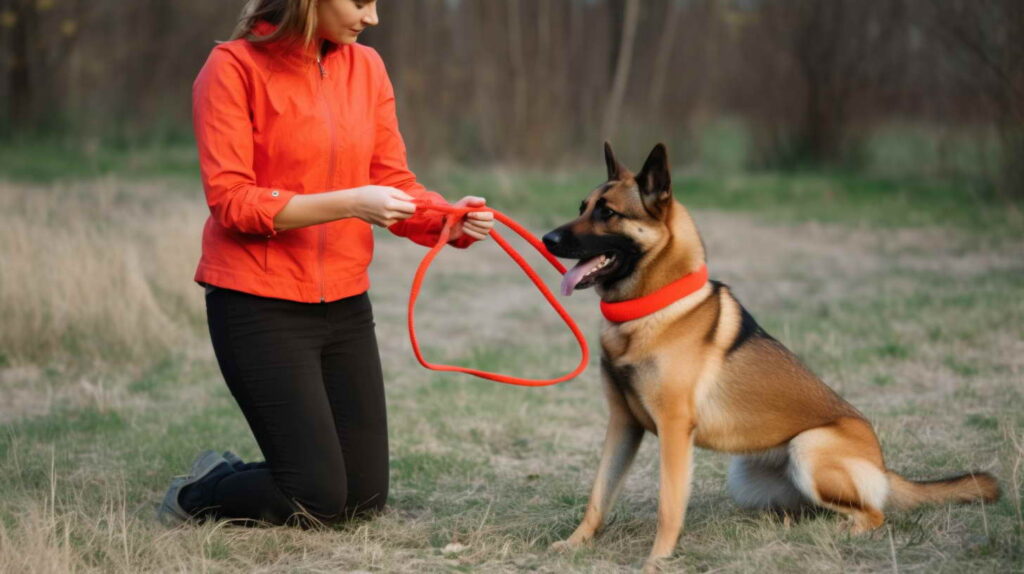
    2. Leash Training

    Walking your pet should be an enjoyable experience, not a tug-of-war. Leash training involves teaching your furry companion to walk politely on a leash, without pulling or dragging. Begin in a low-distraction environment, rewarding your pet for walking beside you. Consistency is key; reward desired behavior and stop moving when pulling occurs. Over time, your pet will associate walking on a loose leash with positive outcomes.

    B. Behavior Training

    1. Addressing Common Behavior Issues (Barking, Biting, Digging)

    Barking: Excessive barking can be a common challenge. Identify the triggers – it could be excitement, fear, or boredom. Redirect their attention through commands like “quiet” and reward silence. Consistent reinforcement helps them understand when barking is appropriate.

    Biting: Teething or playfulness can lead to biting behaviors. Substitute inappropriate items with chew toys, redirecting their focus. Use commands like “gentle” and reward gentle behavior. This not only addresses biting but also establishes communication boundaries.

    Digging: Digging is often a result of instincts or boredom. Create a designated digging area with loose soil or sand. Encourage digging in that specific spot and reward them, gradually shifting the behavior to the designated area.

    2. Socialization Skills

    Socialization is a cornerstone of behavior training. It involves exposing your pet to various environments, people, and other animals. Start in controlled settings, gradually increasing complexity. Positive experiences during socialization build confidence and reduce the likelihood of fear-based behaviors.

    C. Specialized Training

    1. Service Animal Training

    Training a pet for specialized tasks requires a unique approach. For service animal training, focus on specific tasks relevant to the owner’s needs. Positive reinforcement is crucial, creating a bond built on trust and reliability. Seek guidance from professionals experienced in service animal training for tailored assistance.

    2. Agility Training

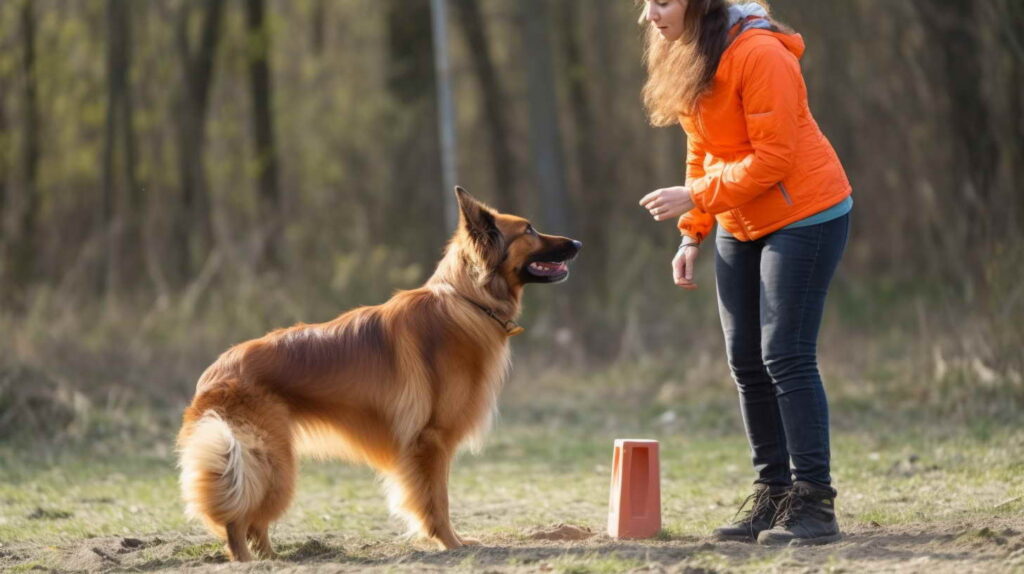
    Agility training is a fun and physically stimulating activity. Set up a course with tunnels, jumps, and weave poles. Use treats and praise to guide your pet through the course. Agility training not only improves physical fitness but also enhances mental agility, providing a well-rounded and engaged pet.
    Tools and Resources for Pet Training

    IV. Tools and Resources for Pet Training

    A. Training Aids (Clickers, Treats, Toys)

    1. Clickers:

    Clicker training is a popular method that utilizes a small device that makes a distinct clicking sound. The click serves as an immediate and consistent signal for correct behavior. The simplicity of the clicker makes it an effective communication tool, especially during the initial stages of training when precise timing is crucial. Clickers are readily available, affordable, and easy to use, making them an invaluable asset in shaping desired behaviors.

    2. Treats:

    Treats are the currency of positive reinforcement. They act as immediate rewards, reinforcing the connection between the desired behavior and a positive outcome. Opt for small, easily consumable treats to maintain your pet’s focus and prevent overindulgence. Varied treats, ranging from biscuits to small bits of meat, provide diversity and keep the reward exciting. Always choose treats appropriate for your pet’s size, dietary needs, and preferences.

    3. Toys:

    Toys play a dual role in training – they serve as both rewards and engagement tools. Interactive toys, such as puzzle feeders, keep your pet mentally stimulated. Including playtime in training sessions helps maintain enthusiasm and energy levels. For example, a game of fetch can seamlessly incorporate the “come” command, turning a training exercise into a bonding playtime.

    4. Collars:

    1. Flat Collars:

    Flat collars made of nylon or leather are the most common type used in pet training. They provide a point to attach the leash for activities like walking or obedience training. Choose an appropriately sized flat collar fitted snugly enough that it can’t slip over your pet’s head. During training, use gentle leash pressure paired with positive reinforcement to shape leash manners and teach commands like “heel.” The flat collar allows clear communication without causing discomfort when fitted and used properly.

    1. Martingale Collars:

    Martingale collars offer enhanced control and prevent pets from slipping out of their collars, without restricting breathing like choke collars when properly fitted. They feature a loop that tightens slightly when pressure is applied but does not continue to tighten. Use martingales for pups still learning leash manners. The tension redirects their attention back to the handler. This communication helps reinforce training commands. Martingales should only be used under supervision to prevent injury. When paired with positive reinforcement, they are a helpful training tool.

    B. Professional Trainers and Training Classes

    1. Professional Trainers:

    Enlisting the help of a professional trainer can be a game-changer in the training journey. Trainers bring expertise, experience, and a fresh perspective to address specific challenges. They tailor training methods to suit individual pets, ensuring a customized approach. Look for trainers with positive reinforcement philosophies, emphasizing gentle and effective techniques.

    2. Training Classes:

    Group training classes offer a structured and social environment for both pets and owners. These classes often cover basic obedience commands, addressing common behavior issues, and providing an opportunity for pets to socialize. The group setting enhances socialization skills and allows owners to learn from one another’s experiences. Training classes are particularly beneficial for first-time pet owners seeking guidance and support.

    C. Online Resources and Tutorials

    1. Video Tutorials:

    The digital era has brought forth a wealth of online resources, including video tutorials. Platforms like YouTube feature a plethora of training videos covering various topics, from basic commands to addressing specific behaviors. Video tutorials provide a visual guide, allowing owners to observe training techniques in action.

    2. Online Forums and Communities:

    Joining online forums and communities dedicated to pet training provides a valuable support network. These platforms enable pet owners to share experiences, seek advice, and learn from one another. Engaging with a community fosters a sense of camaraderie and offers diverse perspectives on training challenges and successes.
    Common Challenges in Pet Training

    V. Common Challenges in Pet Training

    A. Lack of Consistency

    Consistency is the cornerstone of effective pet training, and the lack thereof poses a common challenge. Pets thrive on routine and repetition. Inconsistency in commands, rewards, or consequences can lead to confusion and hinder the learning process.

    Solution: Establish a consistent training schedule. Use the same commands consistently, and reward or redirect behavior predictably. Involve all family members in the training process, ensuring everyone follows the same guidelines. Consistency reinforces expectations, helping your pet understand and respond reliably.

    B. Addressing Specific Behavioral Issues

    Each pet comes with its unique set of behavioral challenges. From excessive barking to destructive chewing, these issues can test an owner’s patience and persistence.

    Solution: Identifying the root cause of the behavior is crucial. Is it boredom, fear, or an unmet need? Tailor your training approach to address the underlying issue. For example, if your pet is chewing due to teething, provide appropriate chew toys and redirect their attention. Seeking guidance from a professional trainer can also provide targeted solutions for specific challenges.

    C. Training Multiple Pets in a Household

    Managing the training of multiple pets in a household can be a juggling act. Each pet has its personality, learning style, and behavioral quirks.

    Solution: Individualized attention is key. While group activities and commands are beneficial, allocate specific time for one-on-one training sessions with each pet. This ensures that each pet receives the attention they need and reduces competition for resources. Consistent rules across all pets help maintain a harmonious environment.
    Benefits of Pet Training

    VI. Benefits of Pet Training

    A. Enhanced Bond Between Pets and Owners

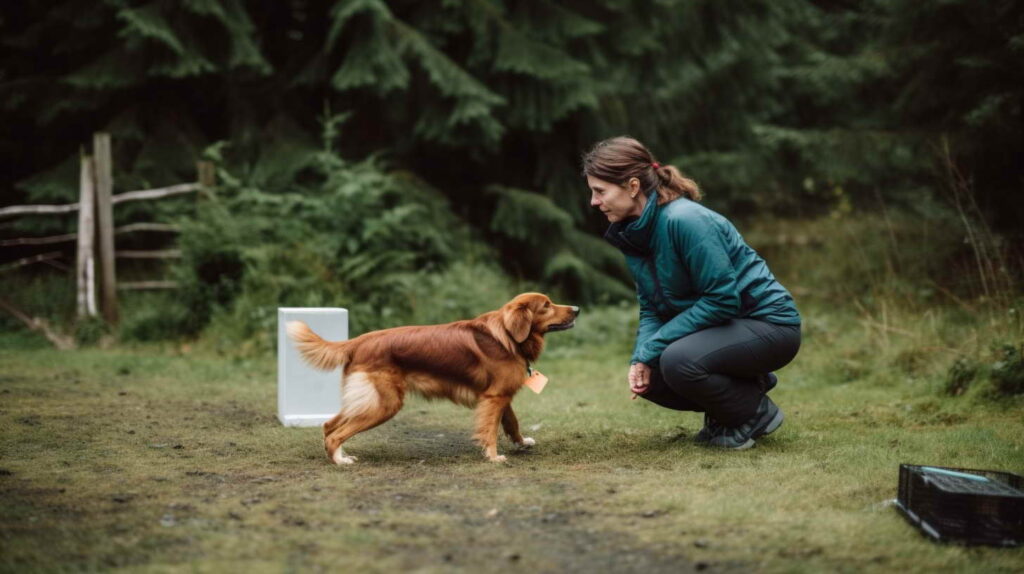
    The bond between pets and owners deepens significantly through training. When pets learn to trust and respond to their owners’ cues, a sense of connection flourishes. This bond goes beyond simple obedience; it reflects a shared language and understanding, creating a fulfilling and joyful companionship.

    How to Enhance Bonding: Incorporate playtime into training sessions. Play reinforces positive behavior and strengthens the emotional connection. Use training as an opportunity for quality time, and observe how your pet’s responsiveness becomes a testament to the bond you share.

    B. Improved Communication

    Training establishes a clear line of communication between pets and owners. Through consistent commands and cues, pets learn to understand and respond appropriately to various situations.

    Communication Tips: Keep commands simple and consistent. Use visual and verbal cues together to reinforce understanding. Pay attention to your pet’s body language, responding to their cues as well. The more attuned you are to each other, the smoother the communication becomes.

    C. Increased Safety for Pets and Others

    Training is a vital component of ensuring the safety of pets and those around them. Whether it’s avoiding dangerous situations, responding to commands promptly, or interacting safely with children, a trained pet is better equipped for a secure and enjoyable life.

    Safety Practices: Regularly practice commands in different settings to reinforce reliability. Use training to instill boundaries, preventing pets from engaging in risky behaviors. A well-trained pet is a responsible companion, ensuring a safe environment for themselves and others.

    VII. Case Studies and Success Stories

    A. Real-Life Examples of Successful Pet Training

    Embarking on the journey of pet training often involves overcoming unique challenges, and real-life case studies illustrate the transformative power of patient guidance and positive reinforcement.

    Successful Pet Training

    1. Case Study: From Trauma to Triumph – The Rescued Pup

    Meet Max, a rescue dog with a troubled past. Max exhibited fear-based aggression, a common challenge for dogs who have experienced trauma. His new owner, Sarah, sought professional guidance to address Max’s behavior and build trust.

    Training Approach: Sarah collaborated with a positive reinforcement trainer specializing in rescues. They started with basic commands, using treats and praise to create positive associations. Slowly exposing Max to new environments and people helped desensitize him to triggers.

    Outcome: Over time, Max’s fear-based behaviors diminished. Through consistent training, he transformed into a confident and well-adjusted companion. Max’s success story highlights the resilience of rescue animals and the impact of tailored training methods.
    Bella The German Shepherd
    Bella, The German Shepherd

    2. Case Study: Tackling Territorial Tendencies – The Guard Dog’s Journey

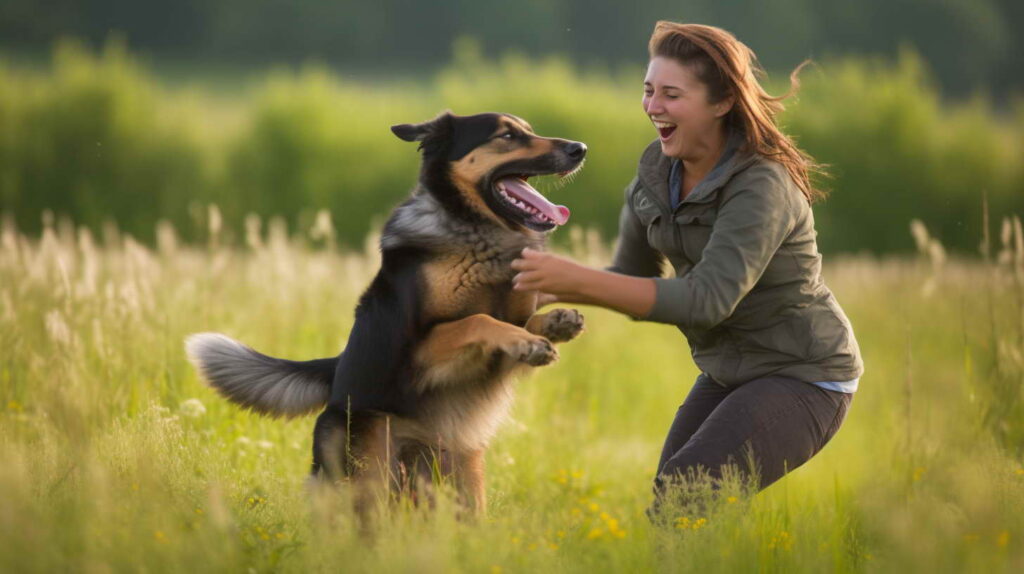
    Bella, a German Shepherd, displayed territorial behavior, barking aggressively at anyone approaching her home. Concerned about her family’s safety, Bella’s owners sought assistance to curb this behavior.

    Training Approach: A professional trainer worked with Bella’s owners to implement positive reinforcement techniques. Bella learned commands like “quiet” and “stay,” accompanied by rewards. The trainer also incorporated controlled introductions to visitors, rewarding calm behavior.

    Outcome: With consistent training, Bella’s territorial tendencies diminished. She now responds to commands promptly and greets visitors with a wagging tail. Bella’s success demonstrates the effectiveness of targeted training in addressing specific behavioral challenges.

    B. Testimonials from Pet Owners and Trainers

    Realizing the impact of successful pet training goes beyond statistics; it’s about the lived experiences of pet owners and the professionals who guide them.

    1. Pet Owner Testimonial: A Harmony of Commands and Companionship

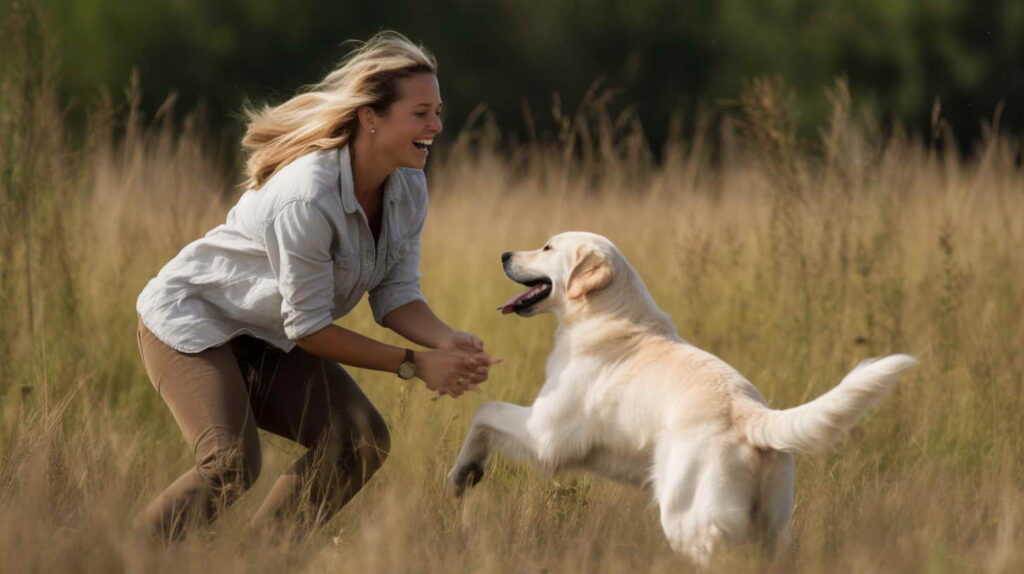
    “I never thought training could be so rewarding until we started with our Golden Retriever, Charlie. Learning basic commands like ‘sit’ and ‘stay’ not only made daily routines smoother but also deepened our bond. The joy on Charlie’s face when he gets it right is priceless. Training is not just about obedience; it’s about forging a connection built on trust and shared understanding.”

    — Emily, Proud Pet Owner
    Pet Owner Testimonial

    2. Trainer’s Perspective: The Journey to Canine Confidence

    “As a trainer, witnessing the transformation of pets like Max is incredibly fulfilling. It’s not just about teaching commands; it’s about unlocking their potential and helping them overcome past traumas. Positive reinforcement is a powerful tool in building confidence and fostering a positive outlook. Each success story reinforces the impact of patient, compassionate training.”

    — Dr. Karen Rodriguez, Certified Dog Trainer

    Ethical Considerations in Pet Training

    Takeaways and Reflection

    These case studies and testimonials highlight that pet training is a dynamic journey with unique challenges and triumphs. From rescued pets overcoming trauma to territorial tendencies being curbed through positive reinforcement, each story emphasizes the importance of tailoring training to individual needs.

    Key Learnings:

    1. Tailor Training Methods: Each pet is unique, and successful training involves tailoring methods to address individual challenges and personalities.
    2. Celebrate Small Victories: Training is a step-by-step process. Celebrating small victories along the way reinforces positive behavior and motivates pets to continue learning.
    3. Professional Guidance Matters: Seeking guidance from professional trainers can provide invaluable insights and support, especially for complex behavioral issues.
    4. Shared Experiences: Pet owners sharing their experiences create a sense of community. Learning from one another’s successes and challenges fosters a supportive environment for both pets and their owners.

    Trainers Perspective

    VIII. Ethical Considerations in Pet Training

    A. Avoidance of Harmful Training Methods

    Ensuring the ethical treatment of pets during training is paramount. While the goal is to instill positive behaviors, the methods employed must prioritize the well-being of the animal, avoiding any form of physical or psychological harm.

    1. Positive Reinforcement vs. Punitive Measures:

    Positive reinforcement, such as treats and praise, is a cornerstone of ethical training. It reinforces desired behaviors without causing stress or fear. Conversely, punitive measures, like shock collars or physical punishment, can lead to anxiety and mistrust. Ethical training focuses on building a bond through trust and understanding.

    2. Consent and Comfort:

    Respecting a pet’s comfort and consent is crucial. Forcing a pet into a training situation that causes distress violates ethical principles. Ethical training involves gradual exposure, allowing pets to acclimate at their own pace. This ensures a positive learning environment that respects the pet’s emotional well-being.

    B. Respecting the Well-being of the Pet

    Understanding and prioritizing the physical and emotional well-being of the pet is fundamental to ethical training practices. Training should enhance their life, not compromise their overall welfare.

    1. Mental Stimulation:

    Ethical training goes beyond obedience commands; it includes mental stimulation. Engaging pets in activities that challenge their minds fosters a sense of fulfillment. Puzzle toys, interactive games, and varied training exercises contribute to mental well-being.

    2. Monitoring Stress Signals:

    Pets communicate stress through body language. Ethical trainers are attentive to stress signals such as panting, trembling, or avoiding eye contact. Recognizing these cues allows for adjustments in training methods to create a positive and stress-free learning experience.

    C. Balancing Discipline with Love and Care

    Discipline is a component of training, but it must always be balanced with love and care. Ethical training involves setting boundaries without resorting to harsh measures that compromise the pet’s trust.

    1. Constructive Discipline:

    Discipline in ethical training is constructive rather than punitive. Redirecting undesired behaviors, providing alternative activities, and reinforcing positive actions guide the pet toward appropriate conduct. This approach maintains a positive training atmosphere.

    2. Affectionate Guidance:

    The use of affection and positive reinforcement ensures that pets associate training with love. Pets thrive in environments where boundaries are set with kindness. Ethical training establishes a partnership built on mutual respect, where pets feel secure and loved.

    Reflecting on Ethical Considerations

    Ethical considerations in pet training encompass a commitment to humane methods that prioritize the well-being of the pet. Whether avoiding harmful training practices, respecting their comfort and consent, prioritizing mental stimulation, or balancing discipline with care, ethical training establishes a foundation for a positive and fulfilling relationship.

    Guiding Principles for Ethical Training:

    1. Empathy: Understand and empathize with your pet’s perspective. Consider how training methods may impact their emotions and behaviors.
    2. Patience: Recognize that learning takes time. Ethical training involves a patient approach that allows pets to progress at their own pace.
    3. Adaptability: Tailor training methods to the individual needs and personality of your pet. What works for one may not work for another.
    4. Professional Guidance: Seek guidance from certified trainers who prioritize ethical considerations. Their expertise ensures a training process that aligns with the well-being of the pet.

    IX. Conclusion

    A. Recap of the Importance of Pet Training

    In concluding our exploration of pet training, let’s revisit its significance. Training is not just a task; it’s an investment in the well-being and happiness of both pets and their owners.

    B. Encouragement for Pet Owners to Invest in Training

    For those embarking on the journey of pet ownership, the message is clear: invest in training. The rewards are boundless, creating a fulfilling and lasting relationship with your furry friend.

    C. Final Thoughts on the Lifelong Benefits of Well-Trained Pets

    As we bid farewell, remember that pet training is not a destination but a journey. The benefits extend throughout the lifetime of your pet, creating a legacy of joy, companionship, and shared adventures. Start training today and watch your pet transform into the well-behaved, happy companion you’ve always envisioned.


  • Snake Vet Near Me – Navigating the Search for the Perfect Snake Vet Near You!

    Snake Vet Near Me – Navigating the Search for the Perfect Snake Vet Near You!

    Snake Vet Near Me

    I. Introduction

    PETSIDI – Finding a qualified snake vet is not merely a choice; it’s a responsibility every snake owner should embrace. Snakes, fascinating and enigmatic creatures, require specialized care to ensure their well-being. In this essay, we’ll explore the importance of having a snake vet nearby, the unique health considerations for snakes, the challenges in finding such specialized care, and the factors to consider when choosing a snake vet.

    A. The Importance of Finding a Snake Vet

    As exotic and captivating as snakes are, their health is not immune to challenges. From respiratory issues to skin problems and digestive concerns, snakes demand attentive care. A dedicated snake vet plays a pivotal role in addressing these challenges and ensuring a snake’s vitality.

    B. Challenges and Concerns

    Snake health poses unique challenges. Unlike traditional pets, snakes may exhibit subtle signs of distress, making it challenging for owners to identify issues. Moreover, the scarcity of specialized reptile veterinarians compounds the problem. As responsible snake owners, we must overcome these challenges and prioritize the health of our slithery companions.

    C. Thesis Statement

    Locating a qualified snake vet is not just a convenience; it is crucial for the well-being of pet snakes. This essay will delve into the intricacies of snake health, the challenges associated with finding a snake vet, and the factors to consider when making this vital decision.

    II. Understanding Snake Health

    A. Unique Health Considerations for Snakes

    1. Respiratory Issues: Snakes, being obligate nose breathers, are susceptible to respiratory problems. The slightest issue can be detrimental, making regular check-ups imperative.
    2. Skin Problems: Shedding is a natural process for snakes, but complications can arise. A snake vet’s expertise is crucial in managing skin conditions and ensuring a healthy molt.
    3. Digestive Issues: Snakes have unique digestive systems, and problems can arise from improper feeding or underlying health issues. Regular veterinary check-ups are essential for preventive care.

    B. Importance of Regular Check-ups

    Regular veterinary visits are not just for emergencies; they are a cornerstone of preventive care. Snake vets can identify potential issues before they escalate, providing timely interventions that are often the key to a snake’s longevity.

    Challenges in Finding a Snake Vet

    III. Challenges in Finding a Snake Vet

    A. Limited Availability of Specialized Reptile Veterinarians

    Locating a qualified snake vet can be akin to finding a needle in a haystack. The scarcity of professionals well-versed in reptile care poses a significant challenge for snake owners.

    B. Geographic Constraints

    Even if a snake vet exists, geographic constraints may limit access. The lack of nearby options leaves snake owners in a predicament, especially during emergencies.

    C. Lack of Awareness

    Many snake owners are unaware of the existence of specialized snake vets. This lack of awareness perpetuates the challenges in accessing proper veterinary care for these unique companions.

    IV. Factors to Consider When Choosing a Snake Vet

    A. Veterinary Qualifications and Credentials

    When selecting a snake vet, it is crucial to verify their qualifications and credentials. Ensure they have a solid foundation in reptile medicine, as this sets the stage for competent care.

    B. Experience with Snake Species

    Experience matters. A vet with a history of working with various snake species is better equipped to understand their diverse needs and address potential health issues effectively.

    C. Specialized Equipment and Facilities

    Snake vets require specialized equipment to conduct thorough examinations. From temperature-controlled environments to diagnostic tools, the availability of these resources is a significant factor in choosing the right vet.

    D. Accessibility and Location

    Proximity matters, especially in emergencies. A snake vet’s location should be within reasonable reach to ensure timely medical care when needed.

    V. Benefits of Having a Snake Vet Nearby

    A. Timely and Effective Medical Care

    Having a snake vet nearby ensures swift medical attention during emergencies. Time can be of the essence, and proximity can make a crucial difference in the outcome.

    B. Regular Health Monitoring

    Proximity facilitates regular check-ups, enabling snake owners to stay proactive in their pets’ health management. Preventive measures can be implemented more effectively when a vet is within reach.

    C. Building a Long-term Relationship

    Establishing a rapport with a snake vet fosters a long-term relationship. This relationship not only ensures consistent care but also creates a sense of trust and familiarity for both the snake and its owner.

    How to Find a Snake Vet Near Me

    VI. How to Find a Snake Vet Near Me

    A. Online Directories and Veterinary Databases

    Utilize online resources to search for snake vets in your vicinity. Veterinary databases and directories often provide comprehensive information, making the search more manageable.

    B. Recommendations from Local Reptile Communities

    Connect with local reptile communities, both online and offline. Fellow snake owners can offer valuable insights and recommendations based on their experiences with local snake vets.

    C. Veterinary Clinics with a Focus on Exotic Animals

    Look for veterinary clinics that specialize in exotic animals. These establishments are more likely to have experienced snake vets and the necessary facilities for comprehensive care.

    VII. Overcoming Challenges in Accessing Snake Veterinary Care

    A. Advocacy for Increased Awareness and Education

    Snake owners can play a role in overcoming challenges by advocating for increased awareness and education. Sharing information about the existence of snake vets and the importance of their role can contribute to positive change.

    B. Collaboration between Reptile Organizations and Veterinary Professionals

    Collaboration between reptile organizations and veterinary professionals can bridge the gap in specialized care. Joint efforts can lead to increased training for vets and better access to care for snake owners.

    C. Utilizing Telemedicine Options

    In areas where physical access is challenging, telemedicine options can provide a valuable alternative. Remote consultations can offer guidance and support, especially when immediate physical access to a snake vet is not feasible.

    VIII. Conclusion

    A. Recap of Importance

    In conclusion, the well-being of pet snakes hinges on the availability of qualified snake vets. The unique health considerations for snakes, coupled with the challenges in finding specialized care, emphasize the need for proactive measures on the part of snake owners.

    B. Call to Action

    As responsible snake owners, we must actively seek out and support the presence of snake vets in our communities. By doing so, we not only ensure the health of our pets but also contribute to the overall improvement of snake veterinary care.

    C. Emphasizing Community Support

    Community support plays a pivotal role in improving access to snake veterinary care. Through shared knowledge, collaboration, and advocacy, we can create a network that prioritizes the well-being of our slithery companions.

    In conclusion, the journey to find a snake vet near you may pose challenges, but the rewards—healthy and thriving snake companions—are well worth the effort. Let us unite in our commitment to responsible snake ownership and the enhancement of snake veterinary care in our communities.

  • Pet Supplies Online USA – Exploring the Pet Paradise!

    Pet Supplies Online USA – Exploring the Pet Paradise!

    Pet Supplies Online USA

    I. Introduction – Pet Supplies Online USA

    PETSIDI – The pet industry is experiencing a remarkable boom, transcending traditional boundaries and becoming an integral part of many households. As more people embrace the companionship of pets, the demand for pet supplies has surged. In this digital age, the convenience of online shopping has played a pivotal role in meeting these demands. This essay delves into the vibrant landscape of Pet Supplies Online in the USA, exploring the myriad options available and addressing the diverse needs of pets and their owners.

    II. Categories of Pet Supplies Online USA

    A. Pet Food and Treats

    When it comes to feeding our furry friends, variety and quality are paramount. Online platforms offer an extensive array of pet food options, ranging from premium brands to specialized diets tailored to individual needs. Whether your pet is a carnivorous cat or a playful pup, the online marketplace caters to their distinct dietary requirements.

    Specialized diets, once a rarity, are now readily available. From grain-free to hypoallergenic, these options address the nutritional considerations that vary across breeds and individual pets. As a pet owner, finding the perfect balance between taste and nutrition is just a click away.

    B. Grooming and Health Products

    Grooming is not just about aesthetics; it’s a crucial aspect of pet care. Online platforms offer an extensive selection of grooming and health products to keep your pet in top condition. From shampoos formulated for sensitive skin to dental treats promoting oral health, these products contribute to the overall well-being of your furry companions.

    The convenience of doorstep delivery ensures that health and wellness products are easily accessible. Supplements, medications, and even prescription diets can be ordered with the click of a button, saving pet owners valuable time and effort.

    C. Toys and Play Accessories

    Play is an integral part of a pet’s life, providing not only entertainment but also mental and physical stimulation. Online platforms showcase a wide variety of toys and play accessories, catering to different species, breeds, and play styles.

    Innovative and interactive options abound, from puzzle toys that challenge your pet’s intelligence to automated laser pointers for feline fun. These play accessories contribute to the enrichment of your pet’s life, fostering a healthy and happy relationship.

    D. Safety and Identification

    Ensuring the safety of your pet is a top priority for any responsible owner. Online platforms offer a range of products, from durable collars and leashes to personalized tags. These simple yet effective tools play a crucial role in preventing accidents and ensuring a quick return if your pet ever goes astray.

    Technology-driven identification solutions, such as microchips and GPS trackers, provide an extra layer of security. The peace of mind that comes with knowing your pet can be quickly located is invaluable, and these technological advancements have become staples in the online pet supply landscape.

    Pet Supplies Online USA Diversity in Pet Types

    III. Diversity in Pet Types

    A. Cats

    Catering to the unique needs of feline friends, online platforms offer a plethora of cat-specific supplies and accessories. From cozy beds and scratching posts to specialized litter options, these products enhance the comfort and well-being of our feline companions.

    Understanding the particularities of cat care, such as the need for vertical spaces and the importance of dental health, allows pet owners to make informed choices. Online resources and customer reviews to aid in selecting the most suitable products for every whiskered family member.

    B. Dogs

    Dogs, being diverse in size, breed, and temperament, require tailored products and accessories. Online platforms boast a vast selection of dog-centric products and accessories, from breed-specific nutrition to durable toys designed for the most robust chewers.

    Recognizing the unique needs of different dog breeds ensures that pet owners can find products that contribute to the health and happiness of their canine companions. The online marketplace accommodates everything from pint-sized pups to majestic mastiffs.

    C. Fish, Birds, Reptiles, and Small Animals

    Beyond the realm of cats and dogs, the pet industry extends its reach to fish, birds, reptiles, and small animals. Specialized supplies cater to the unique requirements of each pet type, whether it’s an aquarium heater for tropical fish or a cozy nest for a pet bird.

    Niche markets within the pet industry thrive online, providing enthusiasts with access to a diverse array of products. From terrariums for reptile enthusiasts to customized habitats for small rodents, the online pet supply landscape ensures that every pet receives the care it deserves.

    Trends and Innovations of Pet Supplies Online USA

    IV. Trends and Innovations of Pet Supplies Online USA

    A. Sustainable and Eco-Friendly Products

    The growing awareness of environmental issues has influenced consumer preferences, extending to pet supplies. Online platforms now offer a range of sustainable and eco-friendly products, from biodegradable poop bags to organic pet food options.

    Companies actively promoting eco-friendly practices resonate with a conscientious audience. As a pet owner, making sustainable choices not only benefits the planet but also contributes to the well-being of pets by minimizing exposure to harmful chemicals and pollutants.

    B. Technology and Gadgets

    The integration of technology into the pet industry has ushered in a new era of convenience and care. Smart pet products and gadgets, from automatic feeders to health monitoring devices, provide pet owners with real-time insights into their pet’s well-being.

    Technology not only enhances the pet ownership experience but also addresses specific health concerns. Automatic dispensers ensure timely meals, while health monitoring devices track everything from activity levels to vital signs, allowing for proactive and preventive care.

    Pet Supplies Online USA Challenges and Opportunities

    V. Pet Supplies Online USA Challenges and Opportunities

    A. Competition in the Online Pet Market

    The online pet market is undoubtedly competitive, with major players vying for attention. However, this competition also creates opportunities for innovation and differentiation. Standing out in a competitive market requires a combination of product excellence, customer service, and strategic marketing.

    Online platforms that prioritize user-friendly interfaces, transparent policies, and prompt customer support gain a competitive edge. As a consumer, exploring different platforms and being discerning about the purchasing experience contribute to the ongoing evolution of the online pet supply market.

    B. Consumer Trends and Preferences

    Understanding the ever-shifting landscape of consumer trends and preferences is vital for both online platforms and pet owners. As more people prioritize sustainability and ethical sourcing, companies responding to these demands gain favor.

    Adapting to changing market demands requires a willingness to embrace innovation and stay attuned to evolving consumer expectations. As a pet owner, aligning your choices with your values contributes to the continued growth of sustainable and customer-centric practices within the pet industry.

    VI. Conclusion

    In conclusion, the world of Pet Supplies Online in the USA is a vast and dynamic landscape, offering an array of products to meet the unique needs of every pet. From specialized diets and grooming products to innovative toys and eco-friendly options, online platforms have revolutionized the way we care for our furry friends.

    As we navigate this diverse marketplace, it is essential to recognize the importance of catering to the specific needs of various pets. Whether you share your home with a playful pup, a mysterious cat, or an aquatic companion, the online pet supply landscape ensures that every pet receives the care and attention it deserves.

    Looking forward, the future of online pet supplies in the USA holds exciting possibilities. As sustainability and technology continue to shape the industry, pet owners can anticipate even more innovative products and services that enhance the well-being of their beloved companions. Embracing these changes and staying informed allows us to be not just pet owners but guardians of the well-being of our cherished pets. So, let’s continue exploring the pet paradise that online platforms provide, ensuring that our pets live their happiest, healthiest lives.

  • Pet Identification Tags – Why This Is Important When You Travelling With Your Pet?

    Pet Identification Tags – Why This Is Important When You Travelling With Your Pet?

    Pet identification tags

    I. Introduction

    PETSIDI – Taking a trip with a furry companion by your side makes the journey all the more enjoyable. However, pet travel requires some planning and preparation to ensure your pet’s comfort, safety and ability to be identified if separated from you.

    A key component of pet travel safety is proper pet identification. ID tags are an indispensable item that every pet parent must utilize to relay vital details in case a pet gets lost.

    This essay will underscore the significance of pet tags, provide guidance on choosing the ideal tag, offer tips for including key information, and explore technological advances in pet ID methods. With some basic planning regarding proper identification, both owners and pets can embark on hassle-free adventures together.

    II. Pet Tags: A Necessity for Identification

    Pet tags primarily serve to identify pets and provide owner contact details in case they wander off or get separated while traveling. They play an integral role in preventing unfortunate losses and ensuring the swift return of lost pets.

    Tags endowed with a pet’s name and the owner’s current contact information can greatly increase the likelihood of reunification if a pet were to stray from campsites or lodgings. They minimize complications involved with conveying identification details and make it simpler to relay necessary information.

    Choosing the Right Pet Tag

    III. Materials and Designs: Choosing the Right Pet Tag

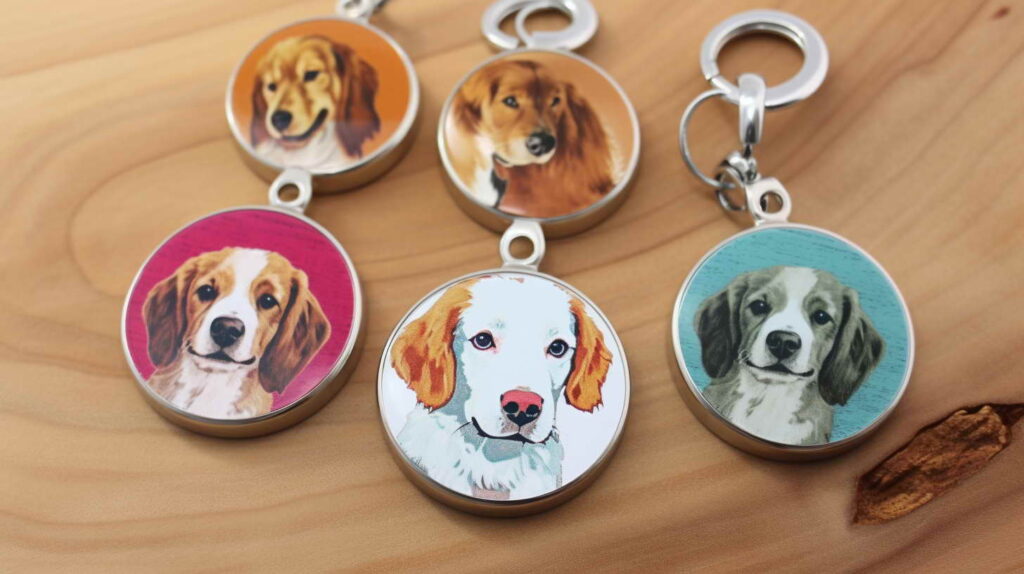
    Pet tags today come in a wide variety of durable materials like metal, plastic, silicon, and engraved IDs on leather. While cost-effective aluminum tags remain popular, innovative laser-engraved options provide fade-proof personalization of details that withstand years of wear.

    • Stainless steel and anodized aluminum deliver durability for active pets but come at a higher price point.
    • Plastic and acrylic offer colorful designs to choose from.
    • Viewing options from reputable online pet stores helps determine ideal pet tag materials and shapes.

    The tag’s shape and engraving font size should allow for easy readability of condensed essential details like name, phone number, and address. For traveling pets, adding a secondary phone number proves useful in covering all bases to enable swift contact.

    QR Code Pet Tags ID

    IV. QR Code Pet Tags: Embracing Modern Technology

    Innovations in QR code technology have enhanced the scope of pet tag functionality today. A QR code scanner app on smartphones can instantly access a digital ID when scanned, revealing owner information along with added details on vaccinations, medications, and care instructions.

    Benefits of QR code pet tags include:

    • Secure encrypted data storage of essential pet health and contact details
    • Digital accessibility of information from anywhere around the world
    • Unlimited character capacity compared to standard tags
    • Option to update details through linked online pet profile

    However, QR code tags serve only as a supplementary add-on, not a standalone identification method, as they require a scanner for access. Standard ID tags must be utilized as the primary identifier.

    V. Emergency Contact Information: Vital Details on Pet Tags

    Pet tags primarily function to provide vital owner contact information accessible at a glance. This includes key details like mobile numbers, home addresses, display of “rewards when found”, and any additional numbers of family/friends who may aid search efforts.

    As mobile numbers enable swift connectivity and tracking of location coordinates if owners themselves are traveling, providing current reachability information is imperative for pets identified far from home.

    Including addresses also proves useful when pets stray only a few blocks away, empowering kind strangers to directly return pets home. Overall, prominently highlighted owner information plays a pivotal role in securing a lost pet’s safe return.

    VI. Legal Requirements: Navigating Municipal Regulations

    To promote responsible pet ownership, most urban counties and cities mandate ID tags along with annual licensure for dogs to step outside households.

    Municipal agencies maintain corresponding records through the unique license numbers etched on the tags. Pet parents must adhere to these regulations to avoid legal tussles.

    Carrying updated license tags thus helps greatly expedite the verification of stray pet records when concerned citizens or animal control personnel contact municipal agencies regarding found pets. This enables faster tracking of owners.

    VII. Microchip vs. Pet Tags: Striking a Balance

    Pet microchips and tags have distinct advantages as well as limitations. A microchip gets embedded underneath the pet’s skin via a simple injection and stores breed information alongside unique ID codes on a digital registry. However, specialized scanners are required to detect them.

    Tags offer 24/7 physical accessibility of owner information at a glance. But they risk getting torn off, damaged, or lost.

    Utilizing both methods in tandem provides comprehensive protection. Microchips serve as permanent identification, while tags enable preliminary contact. This 2-step approach is ideal for securely covering all bases of pet identification while traveling.

    DIY Pet Tags

    VIII. DIY Pet Tags: Adding a Personal Touch

    For pet parents seeking a custom, creative identifier for their dogs or cats, DIY homemade pet tags can serve as the perfect personalized accessory. From engraving names on shaped metal blanks to designing colorful tags with paints and decoupage, the options for innovative use of materials are endless.

    Such distinctive tags announce a pet’s idiosyncrasy while also keeping safety and identification details prominently displayed. Homemade tags also foster greater emotional investment in ensuring your pet’s return if separated from your side when out exploring together.

    IX. Pet Tag Maintenance: Ensuring Longevity and Visibility

    To secure the optimal functionality of identification tags, conducting periodic inspections for damage and regularly updating contact information proves vital. Frequently checking visibility by separating tags from matted hair ensures readability.

    Additionally, pet owners must account for tags adding incrementally heavier weight on collars as years pass. Replacing old tags maintains comfortable lightweight wearability. Refurbished tags with visible information keep your pets recognizable regardless of the situation.

    Tip Justification
    Check monthly for damage Avoid tag loss/unclear details
    Update contact details yearly Enable swift connectivity
    Brush fur away from the tag Maximize visible Identification
    Replace heavying tags biannually Ensure comfortable wearability


    Practicing consistent tag upkeep equips owners to act swiftly for locating pets identified as strays in unfamiliar vicinities.

    Online Pet Tag Stores

    X. Online Pet Tag Stores: Making Informed Choices

    With specialized online stores today exclusively catering to every pet accessory imaginable, purchasing customized and engraved tags proves highly convenient. From durable metallic blanks for DIY designing to premade waterproof tags, variety abounds across trusted pet sites.

    However, it helps to conduct ample research before selecting an online vendor by:

    • Checking seller ratings and reviews by customers
    • Comparing tag material grade and durability guarantees
    • Looking into available personalization options for uniqueness
    • Confirming secure payment platforms and discrete shipping

    Making prudent selections after exploring multiple vendor catalogs enhances the likelihood of procuring long-lasting pet tags that check all boxes for safety.

    XI. Conclusion

    Pet travel calls for prioritizing proper identification methods to prevent the anguish of losing a beloved animal companion. ID tags offer the first-line, foolproof approach for securely relaying vital details in easily scannable formats.

    Investing thoughtfully in durable and customized pet tags etched with updated emergency contact information ensures your journey is stress-free with pets by your side, allowing for carefree adventures filled with joyful memories.

  • Pet Travel Essentials: Ensuring a Pawsome Journey 🐾

    Pet Travel Essentials: Ensuring a Pawsome Journey 🐾

    Pet Travel Essentials

    I. Introduction

    Pet travel essentials encompass a range of items and preparations crucial for a seamless and enjoyable journey with your furry friends. Proper planning and consideration of your pet’s needs are fundamental to ensuring their safety, comfort, and well-being during travel. In this guide, we’ll explore the key elements involved in pet travel, emphasizing the importance of meticulous preparation.

    II. Pre-Travel Planning

    A. Researching and selecting pet-friendly accommodations

    Before embarking on your journey, it’s imperative to research and choose pet-friendly accommodations. Look for hotels, Airbnbs, or other lodgings that not only allow pets but also provide amenities catering to their needs.

    B. Checking and understanding pet travel regulations and requirements

    Understanding and adhering to pet travel regulations and requirements is vital. Different destinations may have specific rules, and it’s crucial to stay informed. Websites like PetsIDI offer insights into the latest trends in dog travel gear and cat travel essentials, ensuring you’re well-prepared for any regulatory challenges.

    C. Scheduling a pre-travel veterinary visit

    A pre-travel veterinary visit is a must-do before hitting the road or taking to the skies with your pet. This visit involves:

    1. Vaccinations and health certifications: Ensure your pet’s vaccinations are up-to-date, and obtain any necessary health certifications.
    2. Identification and microchipping: Enhance the safety of your pet by ensuring they are properly identified with tags and, preferably, a microchip.

    III. Essential Documentation

    A. Gathering necessary paperwork for travel

    Assembling the right documents is essential for a smooth journey:

    1. Health records: Keep a copy of your pet’s health records, including vaccination history and any recent treatments.
    2. Identification documents: Ensure you have your pet’s identification, including tags with your contact information.
    3. Travel permits and certifications: Research and secure any required permits or certifications for your travel destination.

    In the midst of your preparations, check out this link for a variety of premium pet supplies that might add that extra level of comfort for your furry companion.

    Packing Essentials for Pets

    IV. Packing Essentials for Pets

    A. Basic Necessities

    1. Food and Water Bowls

    When packing for your pet, consider collapsible and travel-sized food and water bowls. These lightweight and compact items are not only convenient for feeding on the go but also ensure your pet stays hydrated and well-nourished during the journey. Look for bowls made of durable, non-toxic materials for longevity and safety.

    2. Pet Food and Treats

    Pack enough of your pet’s regular food for the journey, and a little extra in case of unexpected delays. Consider pre-portioning meals for convenience. Don’t forget to bring your pet’s favorite treats, which can serve as positive reinforcement during travel and help maintain their morale.

    3. Medications and First Aid Kit

    For pets with specific health needs, ensure you bring an adequate supply of medications. A first aid kit tailored for pets is indispensable. Include items such as bandages, antiseptic wipes, tweezers, and any prescription medications your pet might require. A compact and portable pet health kit can be a lifesaver in unforeseen situations.

    B. Comfort Items

    1. Bedding and Blankets

    Familiarity can significantly reduce stress for pets in new environments. Pack your pet’s favorite bedding and blankets to provide them with a cozy and comforting space. The scent of home can be reassuring, making unfamiliar spaces more inviting.

    2. Favorite Toys

    Bring along a selection of your pet’s favorite toys to keep them entertained and occupied during the journey. Familiar playthings provide a sense of security and normalcy, helping to ease any anxiety your pet may experience in transit.

    3. Familiar Items to Reduce Stress

    Consider packing items that carry the scent of home, such as an unwashed blanket or a piece of clothing. These familiar scents can be incredibly reassuring for your pet, especially in new and potentially stressful environments.

    Pet Travel carriers and crates

    C. Travel carriers and crates

    1. Choosing the Right Size and Type

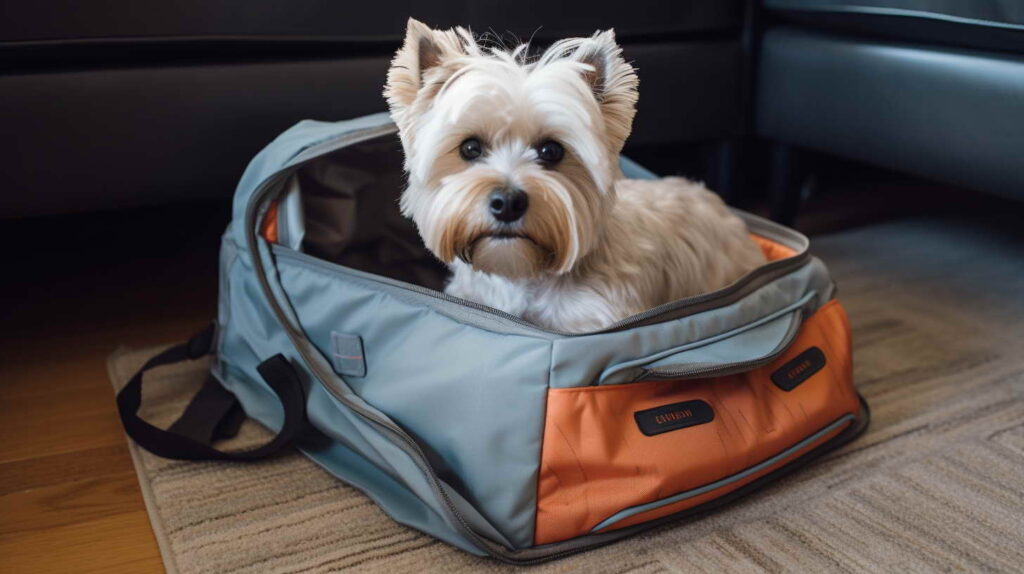
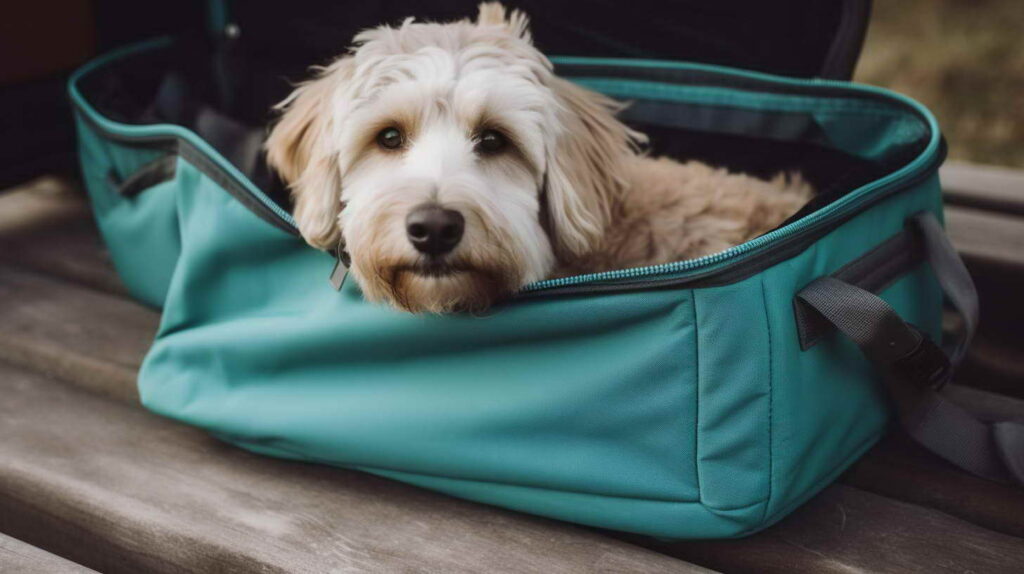
    Selecting the appropriate travel carrier or crate is crucial for your pet’s safety and comfort. The carrier should be large enough for your pet to stand, turn around, and lie down comfortably. Ensure proper ventilation and sturdy construction. Soft-sided carriers are lightweight and easier to store, while hard-sided ones provide extra protection.

    2. Acclimating the Pet to the Carrier

    Introduce your pet to the carrier gradually before the journey. Place treats, toys, and familiar bedding inside to create a positive association. Let your pet explore the carrier at their own pace, making it a comfortable and familiar space. This step is vital for reducing stress during travel.

    Explore this link for a selection of outdoor pet gear that might come in handy for your upcoming adventure.

    V. Ensuring Safety During Travel

    A. Securing pets in the vehicle

    1. Seat belts and harnesses: Invest in a secure harness or seat belt to keep your pet safe during car travel.
    2. Proper placement of carriers: Ensure carriers are safely secured and positioned for minimal movement.

    B. Monitoring pets during transit

    1. Regular breaks for exercise and bathroom breaks: Plan for frequent stops to allow your pet to stretch their legs and attend to their bathroom needs.
    2. Handling potential travel stress and anxiety: Be attuned to your pet’s behavior and address any signs of stress promptly.

    For those looking for TSA-approved and travel-friendly pet products, this link offers a comprehensive pet toys and entertainment collection.

    VI. Adapting to New Environments

    A. Introducing pets to new surroundings

    Help your pet acclimate to new surroundings by:

    1. Gradual introductions: Allow your pet time to explore and adapt gradually.
    2. Maintaining routines: Stick to familiar routines as much as possible.

    B. Accommodating pets in unfamiliar spaces

    Make unfamiliar spaces comfortable by:

    1. Creating a familiar environment: Use familiar items from home to make your pet feel more at ease.
    2. Providing a safe space: Designate a quiet and secure area for your pet to retreat to if needed.

    C. Finding pet-friendly attractions and services at the destination

    Research and plan activities that accommodate your pet, such as visiting pet-friendly parks or seeking out local pet services.

    VII. Conclusion

    In conclusion, a successful journey with your pet hinges on meticulous preparation and consideration of their needs. Recap the key pet travel essentials, from proper documentation to safety measures and acclimating to new environments. Emphasize the importance of planning and preparation, ensuring that both you and your furry friend can enjoy a stress-free adventure.

  • Training Aids For Pets – Why This Is One Of The Most Important Responsible Pet Ownership?

    Training Aids For Pets – Why This Is One Of The Most Important Responsible Pet Ownership?

    Training Aids For Pets

    Training Aids For Pets

    PETSIDI – Pet training is an important part of responsible pet ownership. Whether you have a new puppy or kitten entering your home or an adult pet with some troubling behaviors, utilizing the right training aids can make the process easier and more effective. There are many types of training aids available, from basic equipment like leashes and collars to high-tech devices that use vibrations or scents to reinforce behaviors. Choosing the right training aids requires understanding your pet’s unique needs and temperament.

    Basic Training Equipment

    All pet owners should invest in some basic pet training essentials, including:

    • Leashes – Allow controlled walking and establish leadership
    • Collars/Harnesses – Safety and optional control/training features
    • Treat Pouches – Conveniently deliver motivation and rewards

    Leashes and collars or harnesses give pet owners important control to establish leadership, ensure safety, and prevent bad behaviors like lunging or chasing wildlife. They make training easier by letting owners guide and restrain their pets.

    Treat pouches are essential for positive reinforcement techniques. Having treats easily accessible and concealed keeps pets focused without becoming distracted looking for food rewards. Prompt reward delivery links behaviors with strong positive associations.

    Common Equipment Types

    Equipment Uses Considerations
    Flat collar Tag carrying, casual walking Limited control or training ability
    Martingale collar Enhanced control, escape prevention Should not constrict; for walking, not tying up
    Head halters Significant control; counter pulling Some require conditioning; not good for tie-outs
    Body harness Safety, gentle control; discourages pulling Encourages pulling if not properly fitted

    Pet Training Equipment from petsidi.com offers great selections of leashes, collars, harnesses, and treat pouches. Investing in quality gear suited to your specific breed and training needs makes the process easier for both pets and owners.

    Interactive Toys

    Interactive pet toys are great for enrichment, exercise, and reinforcing training. Toys like treat-dispensing puzzles and snuffle mats give mental and physical stimulation. Fetch toys, tug ropes, and chase wands encourage activity. Many dogs benefit from having indestructible stuffed animals or chew toys as alternatives to forbidden items like shoes or furniture.

    Cats enjoy chasing laser pointers, swatting at dangling toys, chasing light-up balls, and batting stuffed mice or balls around the house. Try out different textures, catnip, crinkle elements, and wand attachments to tempt your cat. Puzzle feeders also slow down feeding to prevent overeating and vomiting.

    Rotate toys to keep things interesting and combine with rewards to reinforce positive play behaviors. Monitor aggressive chewers and remove toys when unsupervised to prevent ingestion hazards. Pet Accessories from petsidi.com has playthings for every pet!

    Technical Training Aids

    While basic equipment provides control and motivation essentials for training, numerous specialty products offer additional behavior modification assistance:

    • Clickers – Precise reward marking
    • Whistles – Get attention/mark cues
    • Bark collars – Reduce nuisance barking
    • Calming aids – Ease anxiety, and fearfulness
    • Remote trainers – Reinforce from a distance

    Items like clickers, whistles, and remote trainers allow trainers to precisely mark desired behaviors and then quickly reinforce the pet so they understand which actions earned the reward. Clear communication helps shape behaviors faster.

    For anxiety issues or problem barking, calming aids like soothing vests and bark collars can reduce stress triggers and deter bad habits. However, they must be used carefully alongside positive reinforcement to address the underlying motivation behind undesirable behaviors.

    Be selective when utilizing technical training aids and ensure proper fit and use to avoid injury or undue stress to the animal. Products like shock or prong collars carry risks when misused. Always combine with reward-based efforts for humane and effective modification of pet behavior problems. Professional assistance may be needed in some cases.

    dog and cat supplies from petsidi.com offer various technical pet training aids to try for your situation.

    Dog Body harness

    Specialized Training Tools

    In addition to fundamental training equipment for teaching basic manners and obedience, some working dogs utilize more advanced specialty gear to hone their breeding-driven talents. Customized aids for various vocations, sports, and service roles include:

    Tracking & Detection

    • Scent articles – Imprint target odors for search work
    • Footprint casting – Create molds of human/animal tracks for identification practice
    • Search grids – Marked areas to map practice searches
    • Detection apparatuses – Contraband, accelerants, devices for detection imprinting
    • Search harnesses/long lines – Control during wide-area odor detection work

    Scent hounds and retrievers tasked with finding missing persons, fugitives, shed antlers, rare fungi, or contraband substances greatly sharpen their air scenting and ground tracking abilities with specifically formulated training aids. Detection canines imprint on the smell of drugs, arson accelerants, explosives, agricultural threats, and even illness. Outdoor Pet Gear from petsidi.com has useful equipment for search and rescue practices.

    Hunting Dogs

    • Bird wings & skins – Exposure to sights, and scents without injuring delicate game
    • Duck/pheasant calls – Associating sound with visual marks and simulated flushing/falling
    • Launchers – Propels training birds/bumpers in the air to practice marking, retrieving
    • Blind retrieve set-ups – Marks are hidden from immediate sight to test memory and hand signals
    • E-collars – Enhance reliable recall/directional commands when out of sight

    Honoring a gun dog’s instincts to point, flush, chase, retrieve, and deliver game carefully to hand without mangling is an art form cultivated over decades of selective breeding. Preserving these traits requires simulated hunting scenarios with specifically designed training birds and reproduction calls.

    Agility & Other Canine Athletes

    • Jumps – Bar, tire, panel, and triple in graduated heights to condition athleticism and coordination
    • Weave poles – Test nimbleness by rapid in-and-out pole threading
    • Teeters & dog walk planks – Develop balance and mastery of the see-sawing apparatus
    • Tunnels – Encourages confidence in conquering dark, confined spaces
    • Competition weaving flags – Bright visibility from a distance outdoors
    • Conditioning equip – Treadmills, ramps, balance devices
    • Canicross harnesses – Lightweight, ergonomic pulling assist without strain
    • Support boots & braces – Protect joints in demanding sports like Flyball

    Custom obstacles enable handlers to gradually expose dogs to various competitive challenges they will encounter on agility courses, dock diving events, or pulling trials. Fitted gear gives working breeds an outlet for their energy and herding/hunting drives in a structured sporting environment without risk of injury.

    Service Roles

    • Mobility harnesses – Customized assistance with standing, bracing, and pulling wheelchairs
    • Stability handles – Bolster’s balance for guide dogs leading visually impaired handlers
    • Retrieval straps – Enables pick up/carrying objects like phones, dropped items
    • Alert cards – IDs signals for diabetes, seizures, anxiety episodes
    • Tactile pads – For paw-signaling hearing-impaired partners
    • Therapy vests – Identifies emotional support dogs for access rights

    Special harnesses redistribute weight and pulling effort to empower dogs to provide critical stability, transfer momentum, or forward propulsion to unsteady handlers. Custom anchor points become an extension of the owner’s body for maximum efficiency in assisting with daily tasks. Various accessories identify working status for public access or communication with the disabled partner.

    Purpose-designed aids boost specific strengths aligned with breed drive and temperament to enable dogs to reach their full working potential as productive, well-adjusted contributors to unique human sports, hobbies, and lifestyles.

    Knowledge Resources

    Background knowledge helps owners better understand their pet’s instincts, abilities, and motivations during training. Good information resources include:

    • Pet training books – Breed-specific guides, skill-building tips
    • Obedience classes – Professional instruction; socialization
    • Videos – Visual demonstrations of handling skills
    • Pet care sites – Articles explain the psychology behind behaviors

    From detailed step-by-step manuals on teaching advanced skills to quick online articles on resolving common issues like house soiling, there are abundant educational materials available. Books tailored to your specific breed can help owners better provide appropriate activities and training difficulties. For hands-on help, local group obedience classes offer professional coaching and the chance to troubleshoot challenges with other owners. Online libraries like pet supplies videos from petsidi.com demonstrate body language, timing, handling methods, and more.

    Understanding learning theory, breed traits, developmental stages, and environmental influences will equip caretakers to make the most of professional training guidance or attempt their modification programs using humane approaches.

    Conclusion

    All pets and owners can benefit from basic leashes and motivation tools like treats. Interactive puzzle toys provide mental exercise to reduce boredom-induced behavior issues. Technical devices assist with the precision marking of desired actions for clearer communication and deterring undesirable conduct.

    Specialized equipment enables dogs to hone useful vocational skills or sports according to breed aptitudes. Knowledge resources empower owners to understand a pet’s perspective to inform compassionate and effective training tactics. With the right aids and understanding, people can train almost any pet!

    Premium pet supplies from petsidi.com offer a huge array of pet training aids to explore.