
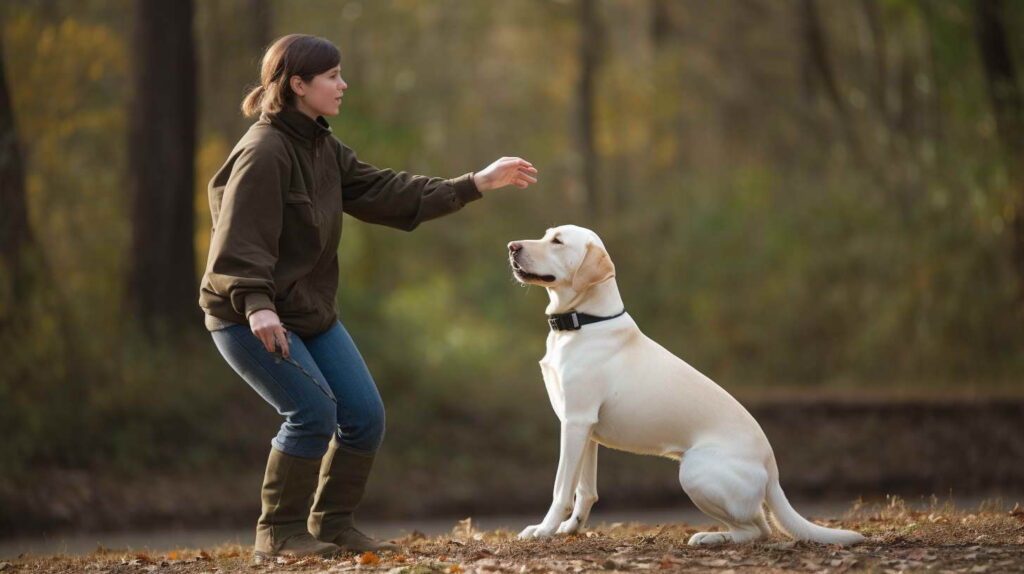
Pet Training Service
Introduction
PETSIDI – A pet training service that provides customized programs to teach dogs, cats, and other domestic animals desired behaviors. Through professional dog trainers and animal behaviorists, pet owners can ensure their companions are well-socialized, obedient, and safe to have in the home.
Definition of Pet Training Service
A pet training service specializes in animal behavior modification and obedience training for household pets. Using techniques rooted in the science of animal learning, pet trainers aim to reinforce desirable habits while extinguishing unwanted behaviors. Their goal is to improve pets’ conduct and help them become model canine or feline citizens.
Importance of Training for Pets
Training is critical for pets to learn good manners and how to properly interact with their families. It enhances the pet-owner relationship, establishes clear communication, and prevents problem behaviors from developing. Well-trained pets are more likely to remain in forever homes.
Types of Pet Training Services
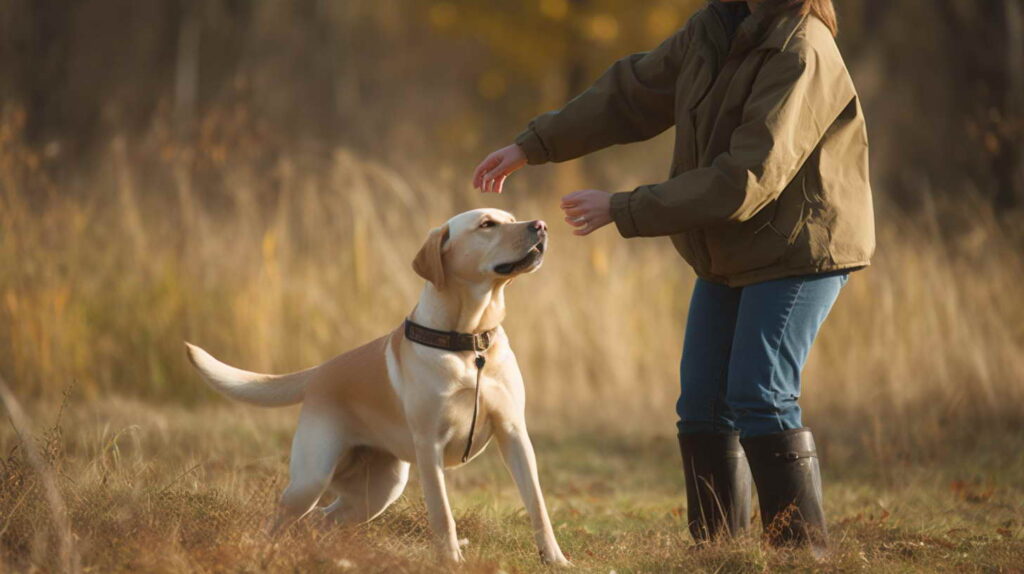
There are diverse training services to meet pets’ unique needs across every life stage.
Basic Obedience Training
Basic obedience lays the foundation for polite pet behavior through:
Commands and Techniques
- Sit – for greeting people and before receiving food, toys, going outside, etc.
- Stay – to control impulses and remain calmly in place
- Come – to reliably return when called
- Heel – to walk politely on a leash without pulling
Positive Reinforcement Methods
- Food rewards
- Verbal praise
- Petting/belly rubs
- Interactive toys
Puppy Training
Puppy training focuses on:
Socialization
- Exposure to sights, sounds, people, animals, and environments during the critical socialization window.
- Prevent fearfulness and anxiety later in life.
Behavioral Foundations
- Housetraining
- Bite inhibition
- Basic commands
- Crate training
Specialized Training
Depending on pets’ capabilities and owners’ interests, specialized training may include:
Agility Training
- Navigating obstacles like tunnels, A-frames, jumps
- Building athleticism, confidence, focus, and bond with handler
Canine Good Citizen Certification
- Test to demonstrate good manners in real-world settings
- 10-step evaluation process
Behavioral Modification
For pets struggling with behavior issues, training focuses on:
Addressing Aggression
- Techniques to minimize reactivity and maintain control
- Counterconditioning to change emotional response
Correcting Undesirable Behaviors
- Strategies to reduce or eliminate problem behaviors
- Redirecting to alternate wanted habits

Professional Pet Trainers
Certified pet trainers have extensive education in animal behavior, psychology, and training techniques.
Qualifications and Certifications
- Credentials from respected training programs
- Years of hands-on experience
- Continuing education on the latest methods
- Specialized certifications (e.g. CPDT-KA)
Importance of Hiring a Professional
Pro trainers have the skills to:
- Properly diagnose issues
- Design customized training plans
- Modify techniques as needed
- Avoid reinforcement of bad conduct
In-Home vs. Group Training
- In-home pet training allows personal attention tailored to pets’ unique needs and home environment.
- Group dog training sessions provide socialization and real-life practice in a controlled setting.
Hiring a professional pet trainer is a significant investment, but worthwhile for long-lasting results. Trainers have extensive expertise gained from hands-on experience, credentialed education programs, and ongoing development.
Pricing Estimates
Pet training services range widely in terms of cost depending on factors like:
- Trainer’s background, skills, and specialty
- Type of training (basic obedience, behavioral issues, etc.)
- Delivery method (private sessions, board and train, group classes)
- Location and duration of training
Typical pricing estimates:
- Private training sessions – $50 – $150 per hour session. Often sold in packages of 4-10 lessons.
- Group classes – $150 – $300 for a 6-8 week course. Usually 45 mins – 1 hour per class held weekly.
- Board and train programs – $500 – $2,000+ for 2-4 week residential training. Price varies by program intensity.
- In-home board and train – $3,000 – $5,000+ for 2-4 weeks. The trainer works with the pet full-time in the client’s home.
| Training Option | Duration | Avg Cost Range |
|---|---|---|
| Private Sessions | 1 hour | $50 – $150 per session |
| Group Classes | 6-8 weeks | $150 – $300 total |
| Board & Train Program | 2-4 weeks | $500 – $2,000+ |
| In-home Board & Train | 2-4 weeks | $3,000 – $5,000 |
Factors impacting price:
- Trainer’s credentials and experience
- Individualized versus group sessions
- Basic obedience or specialized training
- Use of tools/equipment
- Inclusion of follow-up support
Value of a Professional
While costly, professional training delivers lasting skills and solutions that amateur efforts cannot replicate. For pets with severe behavior issues, an expert trainer may be the only option to prevent relinquishment.
Tools and Techniques
Modern positive reinforcement techniques make training enjoyable, effective, and rewarding.
Clicker Training
- Clicker training for pets uses a clicker device to precisely mark desired actions.
- The click communicates the exact moment of correct behavior.
Leash Training
- Leash training for dogs teaches loose leash walking using rewards-based methods.
- Pets learn to refrain from pulling and stay by the owner’s side.
Positive Reinforcement
- The primary technique used today is based on learning theory.
- Rewards like treats, and praise build behaviors through positive associations.
Use of Training Aids
- Head collars
- Lures
- Target sticks
- Interactive feeders
- Pheromone products
Benefits of Pet Training Services
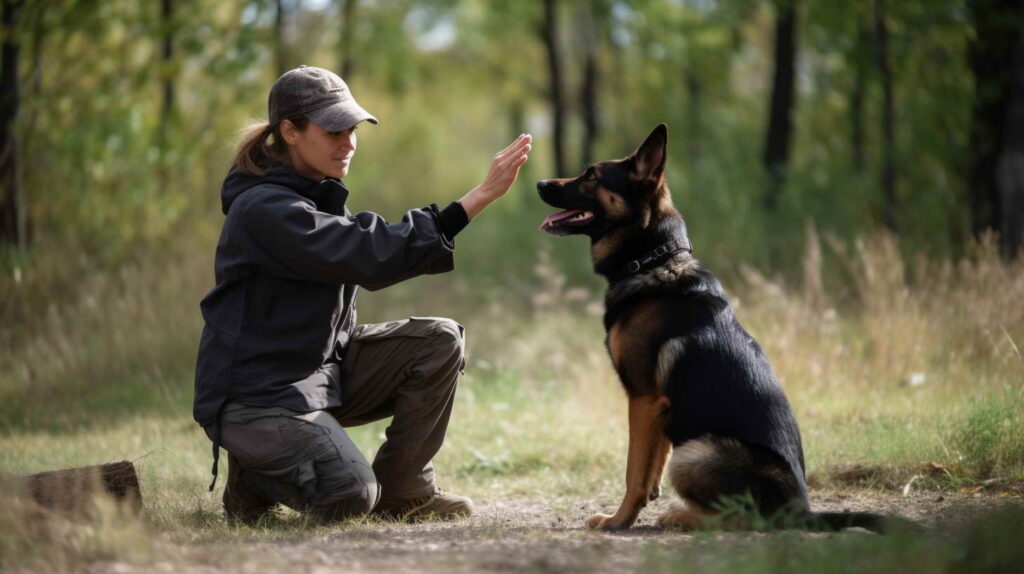
Hiring a professional trainer improves pets’ conduct, health, safety, and more.
Improved Pet Behavior
- Corrects unwanted habits
- Establishes reliable obedience
- Reduces anxiety and fearfulness
Strengthening the Pet-Owner Bond
- Enhances communication and trust
- Increases mutual understanding
- Deepens relationship
Enhancing Safety and Well-being
- Teaches impulse control
- Reduces the likelihood of accidental injury
- Fosters good citizenship
Considerations for Choosing a Pet Training Service
Key factors in selecting a quality training provider include:
Reviews and Testimonials
- Indicators of Past Client Satisfaction
- Demonstrate experience handling similar cases
Trainer’s Approach and Philosophy
- Use of humane, rewards-based methods
- Ongoing education in animal behavior science
Customization of Training Programs
- Tailored training plans to fit pets’ unique needs
- Flexibility to adjust techniques as needed
Cost and Duration of Services
- Fair rates and value for services provided
- A realistic estimate of the time investment needed
Case Studies or Success Stories
Firsthand stories showcase the transformative impact of pet training services.
Real-life Examples of Successful Pet Training
- Nervous rescue dog who blossomed into a friendly, confident companion after behavioral training for animals.
- High energy terrier mix that graduated AKC STAR Puppy and Canine Good Citizen programs through positive reinforcement dog obedience training.
- Elderly cats struggling with litter box accidents improved thanks to veterinary behaviorists’ customized in-home treatment plans.
Transformational Stories
Training helps pets overcome difficult pasts, giving them a second chance to find their forever homes.
- Cases of severely anxious or aggressive animals who get “turned around” with comprehensive behavior modification programs.
- Stories of dogs once labeled “unadoptable” are now certified as trained service animals helping people in need.
Conclusion
Pet training allows owners to deepen their bond with animal companions while ensuring pets can successfully integrate into families and communities. Customized dog training programs taught by qualified professionals lead to better-behaved, happier pets. With science-based methods focused on positive reinforcement, pet training services provide lasting benefits for guardians and animals alike.
Recap of the Importance of Pet Training
The training addresses behavior problems, strengthens pet-owner relationships, improves safety, enhances wellness, and prevents relinquishment.
Encouragement for Pet Owners to Invest in Training Services
Whether embarking on a new puppy or troubled by an adult pet’s conduct issues, pet parents need not struggle alone. Professional guidance and coaching deliver solutions.
