

Pet Nutrition
PETSIDI – Proper nutrition is essential for the health and well-being of pets. Choosing the right diet helps ensure pets receive the vitamins, minerals, and nutrients they need for proper growth, development, disease prevention, and aging support. As pet owners and caretakers, understanding the unique nutritional needs of dogs, cats, and other domestic animals enables us to make informed decisions when it comes to feeding our furry companions.
Introduction
Pet nutrition encompasses the dietary needs and recommendations for domesticated animals kept as household pets or companions. Good nutrition allows pets to thrive throughout all life stages from puppyhood through senior years. Since commercial pet foods and treats make up a significant portion of most pets’ diets, owners must educate themselves on how to evaluate ingredients, nutrient content, and labeling when selecting food. Beyond commercial diets, some owners opt for homemade food or specialized feeding approaches such as raw diets. Regardless of the specific diet, paying attention to changing nutritional requirements as pets age can promote ongoing health and wellness.
Proper pet nutrition provides many benefits including:
- Healthy weight maintenance
- Muscle growth and development
- Shiny coats and skin
- Strong teeth and bones
- Optimal energy levels
- Disease prevention
- A longer and better quality of life
Understanding key nutrition principles, diet options, and health considerations empowers owners to make the best dietary choices for their furry friends.
Types of Pet Diets
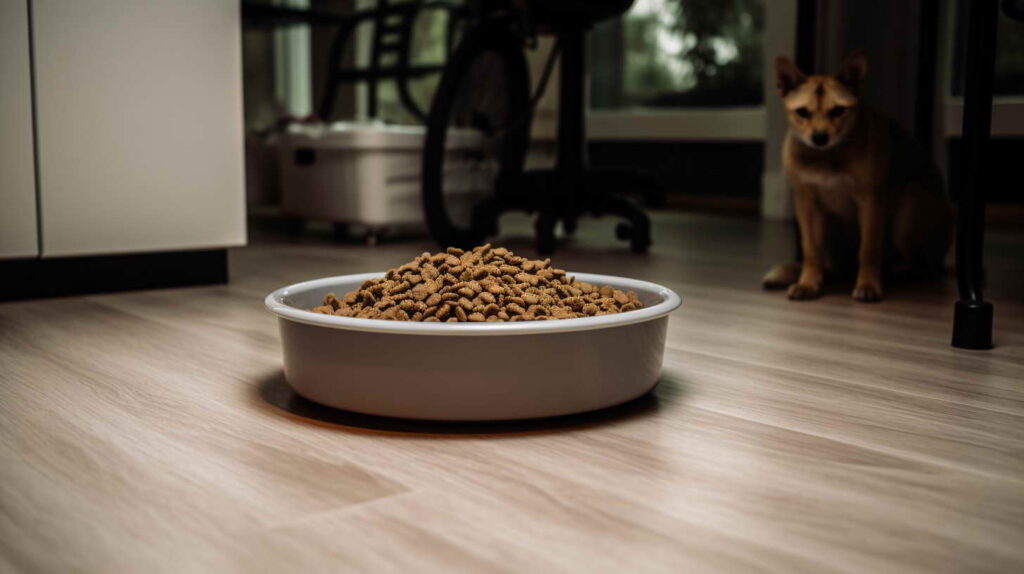
From store-bought kibble to homemade stew, several diet types for pets exist, each with its advantages.
Commercial Pet Foods
The majority of household pets eat commercial pet foods for all or most meals. When selected appropriately, commercial diets can provide complete and balanced nutrition.
Premium Pet Foods
Premium commercial foods contain quality ingredients, higher protein content, and precise nutritional formulations. Criteria for premium pet foods include:
- Real meat or fish as first ingredients
- No corn, wheat, soy, by-products, artificial preservatives or flavors
- Exact nutritional standards and stringent quality control
- Often marketed as “natural” or “holistic”
Though pricier, premium foods support optimal health.
Grain-Free Pet Foods
Many pet foods now feature grain-free recipes due to rising popular interest. Dogs and cats have no known nutritional requirement for grains, which are often used as inexpensive fillers. Potential benefits of grain-free diets include:
- Reduced risk for food allergies/sensitivities
- Lower glycemic impact
- More protein-focused nutrition
However, some veterinarians argue little proven difference exists between grain-free and grain-inclusive foods that use healthy whole grains like rice and oats.
Homemade Pet Food
Home cooking for pets has surged in popularity due to concerns over commercial diet quality and food recalls. Benefits of homemade meals include:
- Control over ingredients
- Ability to customize
- The appeal of less processed
- Option for human-grade foods
However, homemade food does require research and planning to formulate complete and balanced recipes that avoid nutritional gaps. Most owners use commercial pet food as a base or supplemental kibble.
Raw Feeding Diets
A subset of homemade diets, raw feeding aims to mimic ancestral diets. Supporters believe raw meat, bones, and vegetables provide optimal nutrition. However, raw diets may pose safety issues through bacteria exposure if not handled properly.

Nutrient Requirements for Pets
All pets need proper amounts of essential vitamins, minerals, and nutrients. Nutritional requirements vary by species between dogs, cats, and other pets.
Essential Vitamins and Minerals
Essential vitamins and minerals play vital roles in oxygen transport, bone health, vision, cell function, growth and reproduction, brain development, and immune support. Critical vitamins and minerals dogs and cats require include:
| Vitamin/Mineral | Role/Function |
|---|---|
| Vitamin A | Vision, immune health, growth |
| Thiamine (B1) | Nerve health, energy metabolism |
| Riboflavin (B2) | Cell function, antioxidant support |
| Vitamin B12 | Nerve health, red blood cell formation |
| Vitamin D | Bone/teeth health, calcium absorption |
| Vitamin E | Cell membrane health, antioxidant |
| Calcium | Bone, teeth, nerve health |
| Phosphorous | Bone strength, nerve conduction |
| Magnesium | Nerve, and muscle health |
| Potassium | Fluid balance |
| Sodium Chloride | Fluid balance |
These vitamins and minerals occur naturally in foods or may be added to commercial pet foods.
High-Protein Diets
Dogs and cats require more dietary protein than humans. High-protein support growth, lean muscle mass, and energy:
- Dogs: Require 18-27% of total caloric intake from protein depending on life stage. Highly active dogs benefit from protein levels of up to 30%.
- Cats: Require 25-35% of total calories from protein to support higher protein metabolism compared to dogs.
Benefits of high-protein commercial diets or homemade meals include healthy muscle tone, ideal growth in puppies/kittens, and weight management. Risks involve selecting poor protein sources high in fat like non-lean meats.

Life Stage Nutrition
Pet nutrition must adapt to changing needs during puppy/kitten and senior life stages.
Puppy and Kitten Nutrition
Rapidly growing puppy and kitten bodies demand tailored nutrition:
- Protein needs to increase to power growth
- Calories need rise to fuel higher activity
- Fat and carbohydrate needs support body system development
- Calcium and phosphorus must sufficiently support skeletal development
Puppy and kitten food delivers tailored nutrition and energy density ideal for growth whereas adult food does not meet increased needs.
Senior Pet Nutrition
Senior pets undergo bodily changes that impact nutritional needs:
- Decreased ability to metabolize protein and fat
- Higher risk for obesity due to less activity
- Possible dental disease impacting chewing and nutrient absorption
- Increased likelihood of organ issues like kidney disease
Therefore, choosing senior pet-specific food supports aging dogs and cats through:
- Lower caloric content for less active pets
- Increased fiber for digestive health
- Reduced phosphorus for compromised kidney function
- Lean, highly digestible protein sources
Special senior diet formulas support longevity through senior years.
Specialized Pet Diets
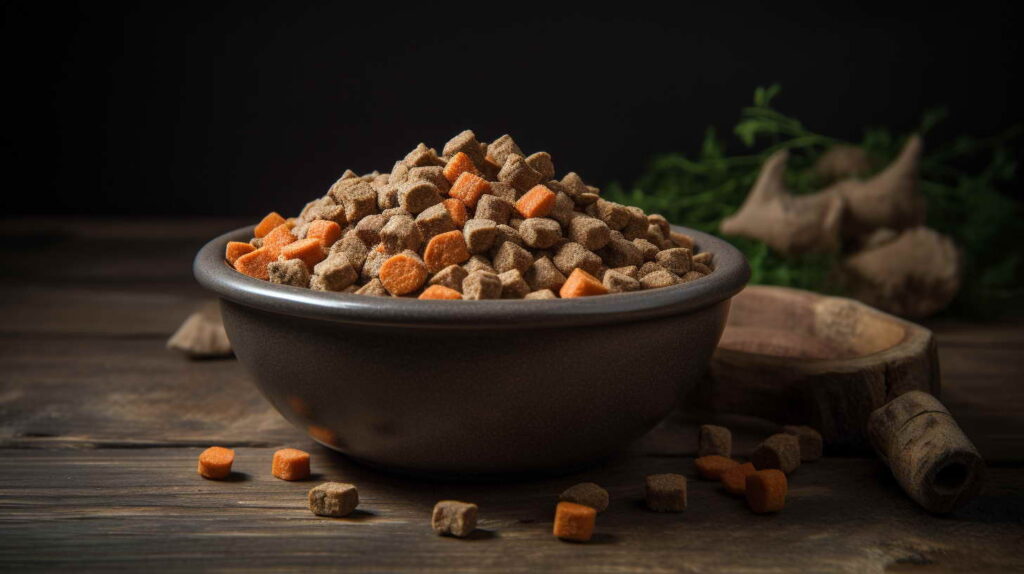
Beyond standard commercial diets, specialized and therapeutic formulas exist for pets with certain health conditions, sensitivities, or breed-specific needs.
Holistic Pet Nutrition
The holistic approach to pet nutrition aims for whole-body wellness through:
- High-quality natural ingredients
- Limited processed ingredients
- No artificial preservatives or additives
- Probiotics and antioxidants
Rather than treating isolated symptoms, holistic feeding nurtures pets from the inside out through nutrition. Common additions to holistic commercial or homemade options include:
- Digestive enzymes
- Whole food blends
- Omega fatty acids from fish oils
- Natural glucosamine for joint health
- Superfoods like quinoa or sweet potato
While pricier, a holistic approach appeals to owners seeking to optimize wellbeing.
Dietary Supplements
In addition to vitamins and minerals mixed into foods, supplementary products specifically support:
- Hip and joint function
- Skin and coat health
- Anxiety relief
- Digestive regularity
- Immune function
- Cognitive function
However, not all supplements live up to claimed benefits. Consulting a veterinarian helps determine useful supplements for individual pets. Quality, reputable brands providing safe dosing guidance prove important for maximal benefit.
Health and Nutrition
Digestive health and dental disease relate closely to nutrition. Supportive diets proactively impact pet wellness.
Digestive Health
Gut health affects overall wellness. Prebiotic fibers and probiotic microbes support digestive functions through:
- Promoting nutrient absorption
- Regulation of waste elimination
- Reduced risk for diarrhea/constipation
- Improved immunity
Choosing pet foods with added prebiotics and probiotics sets the stage for good gut health from the inside out alongside any needed supplements.
Dental Health and Nutrition
Periodontal disease impacts up to 80% of pets by age three years old. Key influences involve:
- Genetics
- Inflammation
- Immune response
- Diet
Specialized dental diets promote oral health through:
- Abrasive textures to mechanically reduce tartar
- Enzymes to break down plaque
- Antimicrobial compounds
- Added calcium to strengthen enamel
Pairing these diets with routine brushing provides optimal preventative oral care.

Common Concerns and Considerations
Two widespread pet health issues involving nutritional components include food allergies and obesity.
Food Allergies
Allergies often result from ingredients like:
- Beef
- Dairy
- Chicken
- Soy
- Wheat
- Eggs
Symptoms typically involve skin issues like itching, hot spots, infections, and hair loss. Diagnosis involves an elimination diet to identify the triggering food(s) followed by a hypoallergenic diet. Options include:
- Novel protein diets featuring unusual protein sources like kangaroo, duck, or venison that pets have never eaten before.
- Hydrolyzed protein diets using proteins broken into smaller particles to disable allergenic epitopes.
Weight Management
With over 50% of pets classified overweight or obese, monitoring caloric intake and adjusting as needed helps pets stay healthy through:
- Portion control
- Regular weighing
- Increased activity
- Low-calorie dense diets
- Intermittent feeding approaches
Specialized weight management diets lower fat and calories while keeping pets feeling full. Consulting a vet also provides objective guidance.
Emerging Trends in Pet Nutrition
As nutrition science progresses, new understandings translate into pet diet innovations.
Innovations in Commercial Pet Foods
Emerging specialized ingredients deliver targeted nutritional and health benefits such as:
- Prebiotics and probiotics to support microbiome diversity
- Natural compounds like curcumin as anti-inflammatories
- Functional fibers to positively influence metabolism
- Vitamins/minerals for optimal wellness
Pet food reflects the human functional food movement through science-backed compounds that provide targeted benefits.
Customized and Personalized Pet Nutrition
Advanced testing now enables individualized pet food recommendations based on:
- Breed
- Genetics
- Medical conditions
- Prescription medications
- Metabolic functioning
- Digestibility
- And more
Customized formulations and guidance help support pets with greater precision than ever before.
Conclusion
A. Recap of key points
To recap key points, proper pet nutrition requires understanding different diet types ranging from commercial to raw food, nutritional requirements across life stages, considerations for health conditions, and emerging diet trends.
Essential components of pet diets include sufficient protein levels, vitamins and minerals, calories adjusted for life stage, and digestive enzymes and probiotics for gut health. Food allergies and obesity pose two main diet-related health issues. Staying informed on innovations in functional ingredients and personalized nutrition enables pet owners to make the best diet choices.
B. Importance of ongoing attention to pet nutrition for a happy and healthy pet
Paying ongoing attention to pet nutrition proves critically important for our dogs, cats, and other animal companions to lead happy and healthy lives. From proper growth and development in puppies and kittens to managing weight and digestive issues in adult pets, nutrition relates directly to quality of life and well-being.
Pet nutrition operates as both preventative medicine to ward off illness and targeted treatment of existing conditions. Just as attention to diet leads humans to thrive, so too can nutritious foods support our beloved pets. Determining optimal nutrition encourages pets to continue bringing joy and comfort for years to come as family members. The saying “you are what you eat” applies not just to people, but also to our dogs, cats, and pets who depend on us for their dietary needs.
