Tag: Otter Hound Puppies

  • Otter Hound Puppies for Adoption: How to Find Them

    Otter Hound Puppies for Adoption: How to Find Them

    Otter Hound Puppies for Adoption

    Otter Hound Puppies for Adoption: How to Find Them

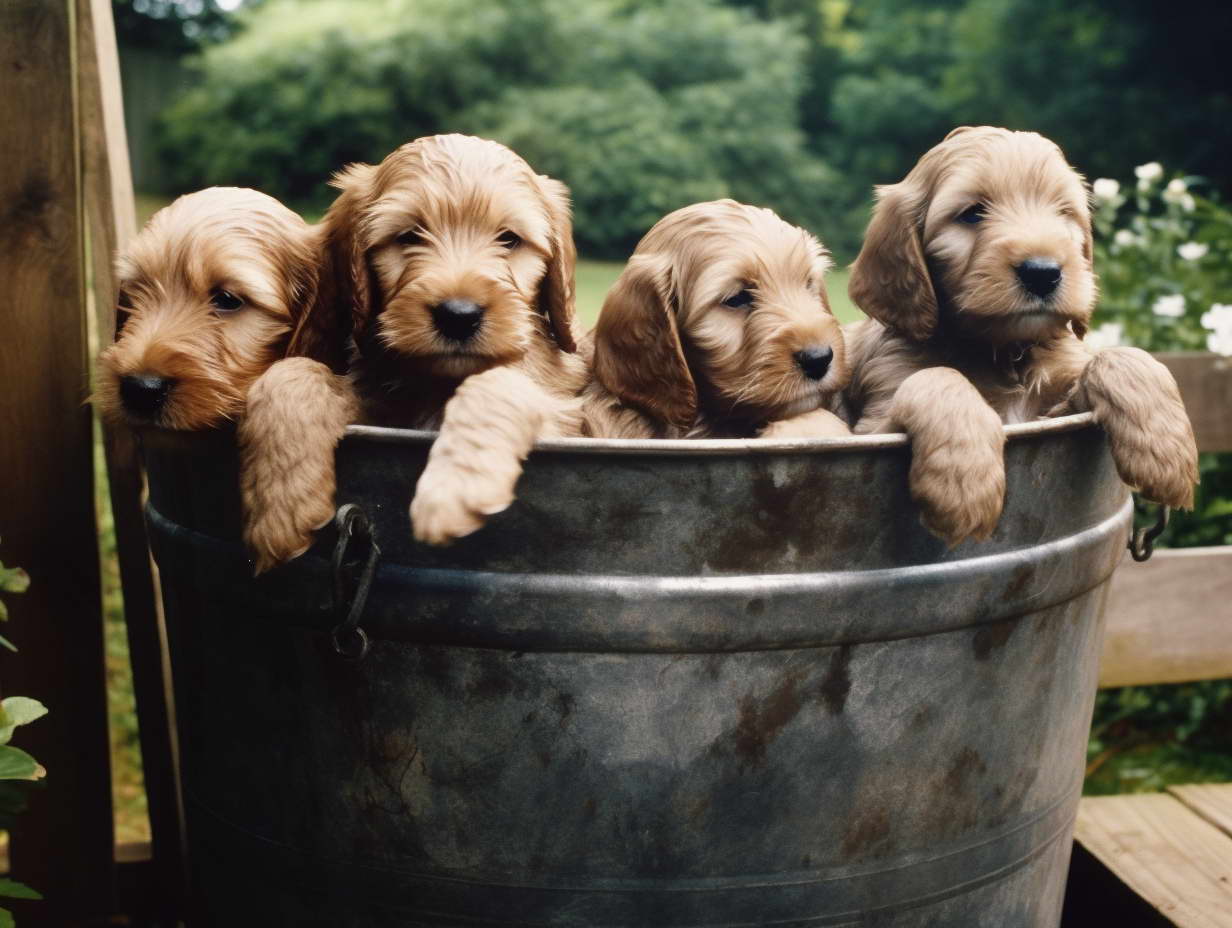
    If you’re considering adding a new furry friend to your household, adopting a puppy is an excellent option. One particular breed that makes a great addition to any family is the Otter Hound puppy. These friendly, affectionate dogs are excellent with children and have an easygoing temperament. This article will cover everything you need to know about finding Otter Hound puppies for adoption.

    Introduction

    Explanation of Otter Hound Puppies

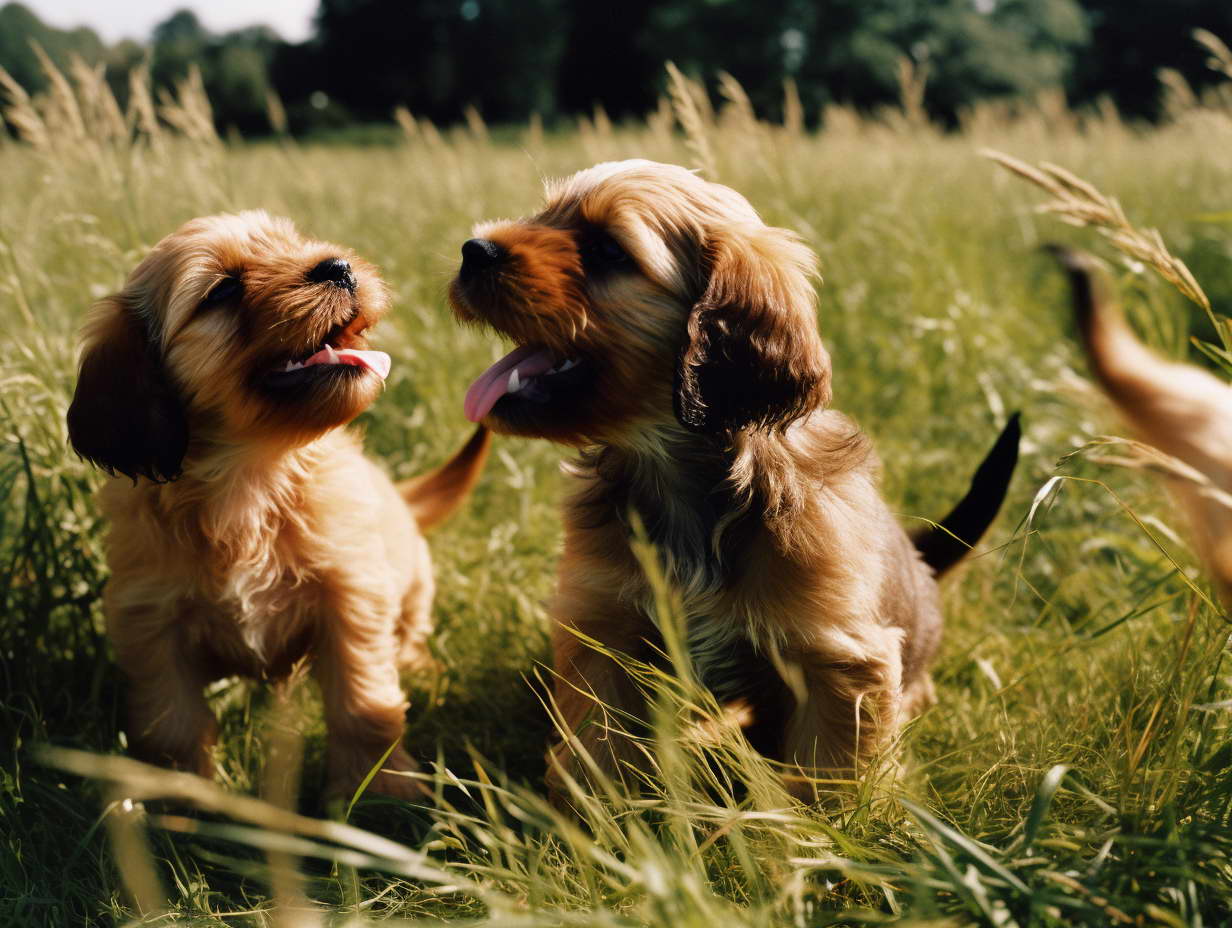
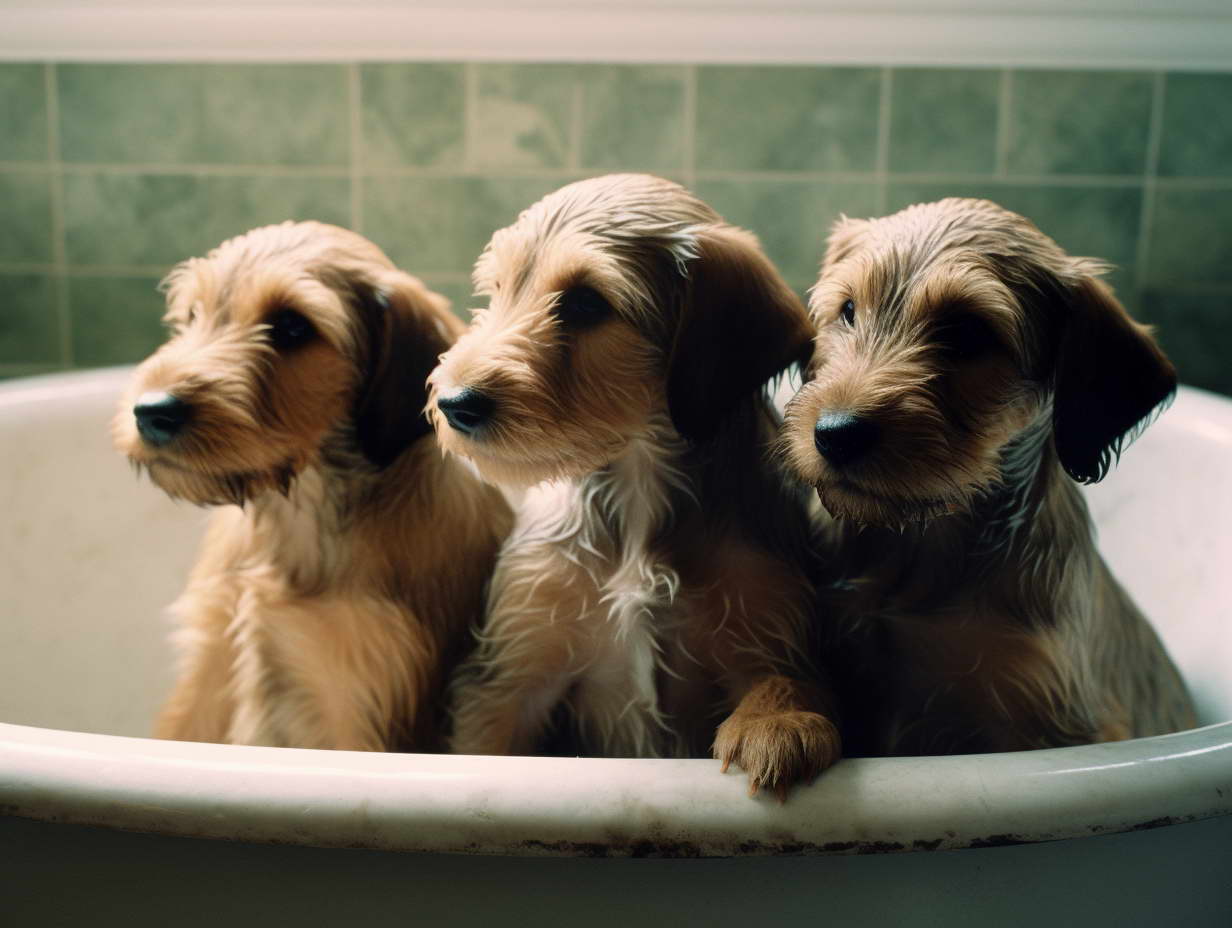
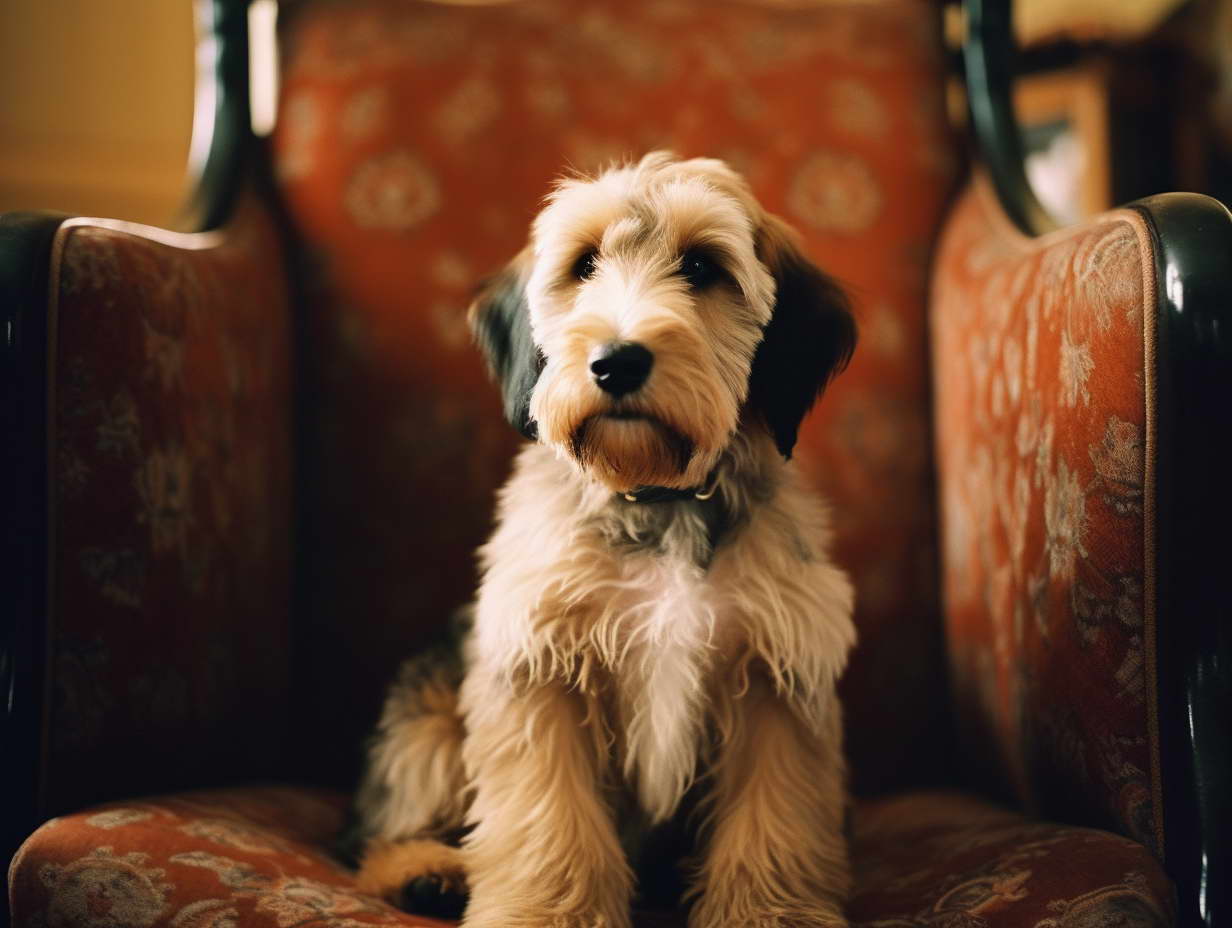
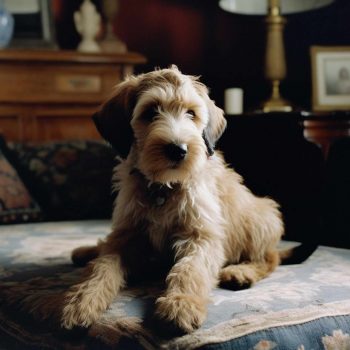
    Otter Hounds are a rare breed of dog that originated in England. They were bred to hunt otters, hence their name. The breed is known for its long, shaggy coat, webbed feet, and excellent sense of smell. They are friendly, and loyal, and make great family pets.

    Why Adopting Otter Hound Puppies is a Good Idea

    Adopting a puppy is an excellent option for those looking to add a furry friend to their family. Adopting a puppy means giving a home to an animal that needs it and supporting animal rescue organizations. Additionally, Otter Hound puppies are an excellent breed choice for families with children because they are patient, gentle, and loving.

    Where to Find Otter Hound Puppies for Adoption

    Animal Shelters

    One option for finding Otter Hound puppies for adoption is to visit your local animal shelter. Shelters often have a variety of puppies available for adoption, and you might be able to find an Otter Hound mix. Additionally, adopting a puppy from a shelter is often more affordable than purchasing one from a breeder.

    Breed-Specific Rescue Organizations

    Another option is to look for breed-specific rescue organizations. These organizations specialize in rescuing and rehoming specific breeds of dogs, including Otter Hounds. A quick online search can help you locate a rescue organization in your area.

    Online Pet Adoption Sites

    Finally, many online pet adoption sites have listings for Otter Hound puppies for adoption. These sites allow you to search for puppies by breed, location, and other criteria. Be sure to read the listings carefully and ask any questions you might have before adopting a puppy.
    What to Consider When Adopting Otter Hound Puppies

    What to Consider When Adopting Otter Hound Puppies

    Health Issues

    When adopting an Otter Hound puppy, it’s essential to consider any potential health issues. Otter Hounds are a relatively healthy breed, but like all dogs, they are prone to certain conditions. Make sure you ask the rescue organization or breeder about any potential health issues and get your new puppy checked by a veterinarian as soon as possible.

    Temperament

    While Otter Hounds are generally friendly and easy-going, each dog has its personality. When adopting a puppy, it’s important to consider its temperament and make sure it’s a good fit for your family. Spend time with the puppy before adopting it to get a sense of its personality.

    Training Needs

    Like all puppies, Otter Hounds require training to become well-behaved adult dogs. Consider enrolling your new puppy in obedience classes or working with a professional trainer to help them develop good habits and manners.

    How to Prepare for the Arrival of Your New Otter Hound Puppy

    Puppy-Proofing Your Home

    Before your new puppy arrives, it’s important to puppy-proof your home to ensure its safety. This includes removing any dangerous objects, securing loose wires and cords, and blocking off any areas where the puppy could get hurt.

    Buying Supplies

    You’ll also need to purchase supplies for your new puppy, including food and water bowls, a collar and leash, toys, and a bed. Make sure you have everything your new puppy needs before they arrive.

    Scheduling Vet Appointments

    Finally, schedule a vet appointment for your new puppy as soon as possible. Your vet can check for any potential health issues and give you advice on how to care for your new puppy.

    Conclusion

    Adopting an Otter Hound puppy is an excellent choice for families looking to add a new furry friend to their household. These friendly, easy-going dogs are great with children and make excellent family pets. By following the tips in this article, you can find the perfect Otter Hound puppy for your family and ensure a smooth transition into your home.

    FAQs

    How much does it cost to adopt an Otter Hound puppy?

    The cost of adopting an Otter Hound puppy can vary depending on the rescue organization or breeder. However, adoption fees are often more affordable than purchasing a puppy from a breeder.

    Are Otter Hound puppies good with children?

    Yes, Otter Hound puppies are known for being patient and gentle with children. They make excellent family pets.

    What kind of exercise do Otter Hound puppies need?

    Otter Hound puppies require moderate exercise, including daily walks and playtime. They enjoy activities like hiking and swimming.

    How big do Otter Hound puppies get?

    Otter Hound puppies can grow to be quite large, weighing between 65 and 115 pounds as adults.

    Do Otter Hound puppies shed a lot?

    Yes, Otter Hounds have long, shaggy coat that requires regular grooming. They do shed, so be prepared to brush your Otter Hound puppy frequently to keep their coat healthy and clean.
  • Otter Hound Puppies for Sale – Training and Behavior

    Otter Hound Puppies for Sale – Training and Behavior

    Otter Hound Puppies for Sale - Training and Behavior

    Otter Hound Puppies for Sale: Training and Behavior

    Are you considering getting an Otter Hound puppy? These dogs are known for their unique appearance, friendly personality, and high energy levels. However, like any other breed, Otter Hound puppies require proper training and socialization to ensure they grow up to be well-behaved and happy pets. In this article, we will cover everything you need to know about Otter Hound puppies for sale, including their training and behavior.

    Otter Hounds are a rare breed that originates from England. They were originally bred to hunt otters and have a keen sense of smell and excellent swimming abilities. Today, these dogs are popular as family pets due to their friendly nature and playful personality. However, they can be quite stubborn and require firm and consistent training.

    If you are considering getting an Otter Hound puppy, it is important to understand their training and behavior needs. In this article, we will discuss everything you need to know about training and socializing your Otter Hound puppy to ensure they grow up to be well-behaved and happy pets.

    Otter Hound Puppies for Sale – Training and Behavior

    When it comes to training Otter Hound puppies, consistency and patience are key. These dogs can be quite stubborn and independent, which can make training challenging. However, with the right approach and a lot of positive reinforcement, you can teach your Otter Hound puppy to follow basic commands and behave appropriately.

    Here are some tips for training your Otter Hound puppy:

    Start Early

    It is important to start training your Otter Hound puppy as early as possible. Puppies are like sponges and are more receptive to learning new things when they are young. By starting early, you can establish good habits and prevent bad behaviors from forming.

    Use Positive Reinforcement

    Otter Hounds respond well to positive reinforcement training methods. This means rewarding your puppy for good behavior rather than punishing them for bad behavior. Use treats, praise, and playtime as rewards for good behavior.

    Be Firm and Consistent

    Otter Hounds can be quite stubborn, so it is important to be firm and consistent with your training. Set clear rules and boundaries and stick to them. This will help your puppy understand what is expected of them and prevent confusion.

    Socialize Your Puppy

    Socialization is important for all puppies, but especially for breeds like Otter Hounds that tend to be shy or aloof. Expose your puppy to a variety of people, animals, and environments to help them become well-adjusted and confident adults.

    Be Patient

    Training an Otter Hound puppy can be challenging, so it is important to be patient. Remember that all puppies learn at their own pace and that progress takes time. Stay positive and keep working with your puppy, and they will eventually learn and grow.

    Otter Hound Puppies Common Behavioral Issues

    Common Behavioral Issues

    While Otter Hounds are generally well-behaved and friendly dogs, they can develop behavioral issues if not properly trained and socialized. Here are some common behavioral issues to look out for:

    Separation Anxiety

    Otter Hounds are known for their close bonds with their owners and can develop separation anxiety if left alone for long periods. This can lead to destructive behavior and excessive barking. To prevent separation anxiety, gradually introduce your puppy to alone time and provide them with plenty of mental and physical stimulation when you are away.

    Barking

    Otter Hounds can be quite vocal and may bark excessively if not properly trained. Use positive reinforcement training methods to teach your puppy to bark on command and to be quiet on command. This will help prevent excessive barking and keep your neighbors happy.

    Digging

    Otter Hounds have an instinct to dig, which can lead to destroyed yards and gardens. To prevent digging, provide your puppy with a designated digging area and reward them for using it. You can also use negative reinforcement to discourage digging in unwanted areas.

    Chewing

    Puppies, including Otter Hounds, love to chew on things. This is a natural behavior, but it can become destructive if not properly managed. Provide your puppy with plenty of chew toys and supervise them when they are chewing to prevent them from chewing on inappropriate items.

    Jumping

    Otter Hounds are high-energy dogs that love to jump up and greet people. While this behavior may seem cute when your puppy is small, it can become dangerous as they grow. Use positive reinforcement training methods to teach your puppy to greet people calmly and to sit on command.

    Otter Hound Puppies Training Tips

    Otter Hound Puppies for Sale: Training Tips

    If you are considering getting an Otter Hound puppy, here are some tips to help you train and socialize your new pet:

    Start Training Early

    As mentioned earlier, it is important to start training your Otter Hound puppy as early as possible. This will help establish good habits and prevent bad behaviors from forming.

    Use Positive Reinforcement

    Otter Hounds respond well to positive reinforcement training methods. Use treats, praise, and playtime to reward your puppy for good behavior.

    Socialize Your Puppy

    Socialization is key to raising a well-adjusted and happy Otter Hound. Expose your puppy to a variety of people, animals, and environments to help them develop social skills and confidence.

    Be Consistent

    Consistency is important when it comes to training your Otter Hound puppy. Set clear rules and boundaries and stick to them. This will help your puppy understand what is expected of them and prevent confusion.

    Be Patient

    Training an Otter Hound puppy can be challenging, so it is important to be patient. Remember that all puppies learn at their own pace and that progress takes time.

    Provide Plenty of Exercises

    Otter Hounds are high-energy dogs that require plenty of exercise. Make sure your puppy gets plenty of daily exercises, such as walks, runs, and playtime, to keep them happy and healthy.

    Conclusion

    Otter Hounds are unique and friendly dogs that make excellent family pets. However, they do require early socialization and consistent training to prevent problem behaviors from developing. When considering Otter Hound puppies for sale, it is important to choose a reputable breeder who prioritizes the health and well-being of their puppies.

    Training and behavior management are key to raising a happy and well-adjusted Otter Hound. Remember to start training early, use positive reinforcement, provide plenty of exercises, and be patient. With the right approach, you can raise a loyal and loving companion that will bring joy to your family for years to come.

    If you’re looking for Otter Hound puppies for sale or want to learn more about training and behavior, reach out to a reputable breeder or dog training professional. They can provide guidance and support as you embark on this exciting journey with your new furry friend.

  • Otter Hound Puppies for Sale – Must-Have Accessories

    Otter Hound Puppies for Sale – Must-Have Accessories

    Otter Hound Puppies Accessories

    Otter Hound Puppies for Sale: Must-Have Accessories

    If you’re thinking about getting an Otter Hound puppy, congratulations! Otter Hounds are loyal, energetic, and intelligent dogs that make great companions. However, like any new pet, there are certain things you’ll need to buy to ensure your Otter Hound puppy is healthy, happy, and comfortable. In this article, we’ll discuss the must-have accessories for Otter Hound puppies, from food and water bowls to collars and leashes.

    1. Food and Water Bowls

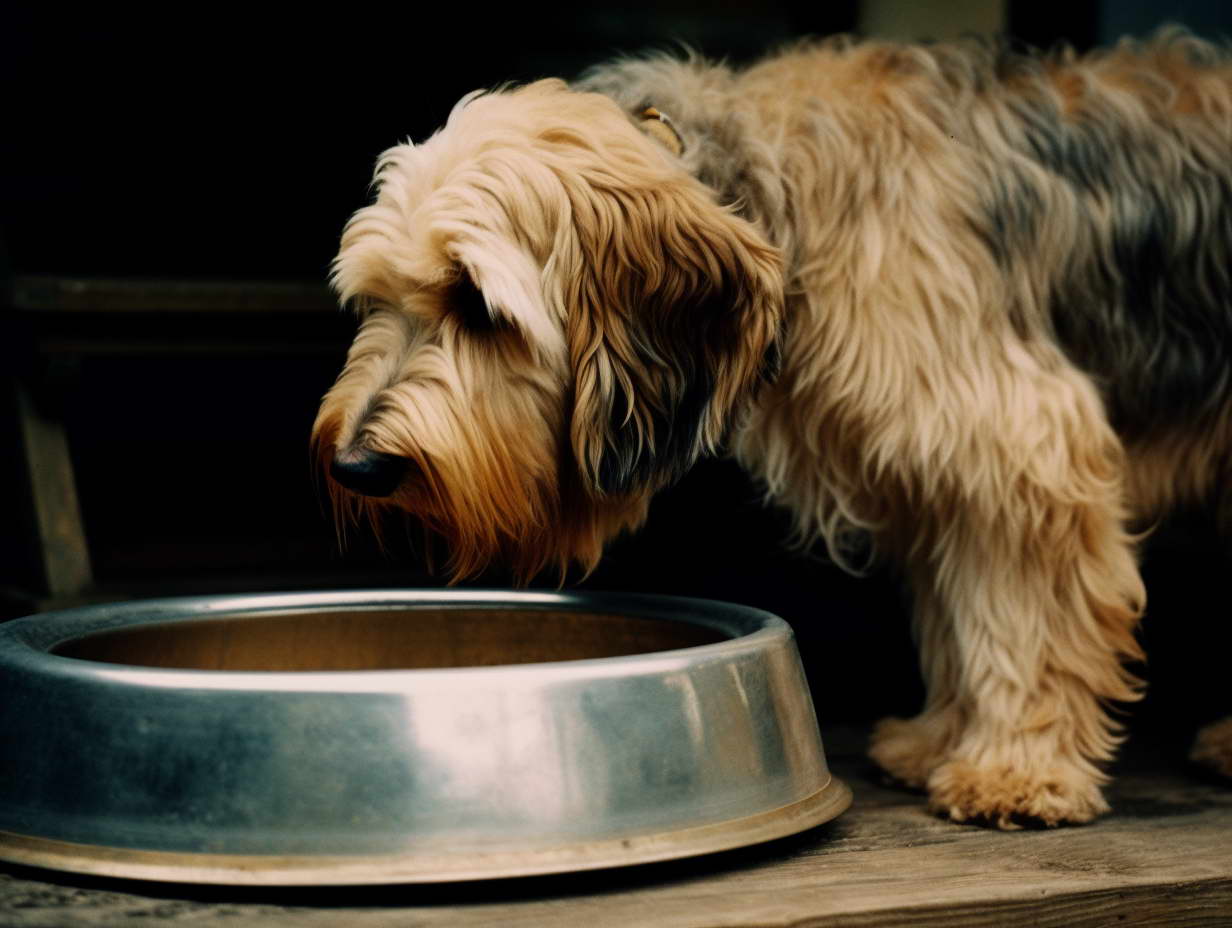
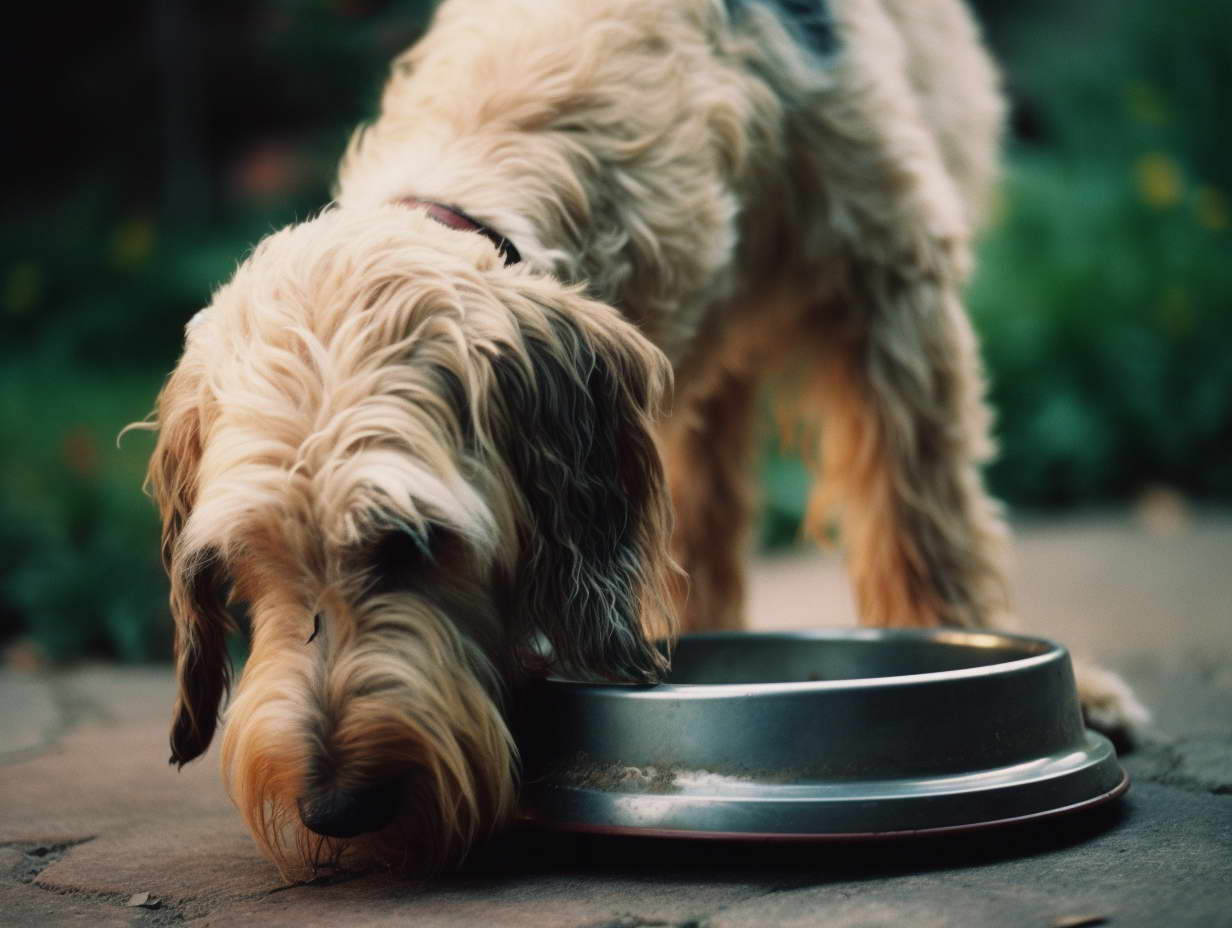
    The first thing you’ll need to buy for your Otter Hound puppy is a set of food and water bowls. Look for bowls that are made of durable materials, such as stainless steel, and are easy to clean. Otter Hounds are large dogs, so you’ll want to make sure the bowls are big enough to hold plenty of food and water.

    Otter Hound Puppies Food Bowl

    2. Puppy Food

    Choosing the right puppy food is crucial for your Otter Hound’s health and development. Look for high-quality puppy food that is made from natural ingredients and contains a balanced mix of protein, carbohydrates, and fats. You’ll also want to make sure the food is appropriate for your puppy’s age, size, and activity level.

    3. Chew Toys

    Like all puppies, Otter Hounds love to chew. Providing your puppy with a variety of chew toys can help satisfy their natural urge to chew and prevent them from chewing on things they shouldn’t, like your shoes or furniture. Look for toys that are made specifically for puppies and are safe and durable.

    4. Crate

    A crate can be a great tool for house training your Otter Hound puppy and providing them with a safe, comfortable space to rest and relax. Look for a crate that is big enough for your puppy to stand up, turn around, and lie down in comfortably. You’ll also want to make sure the crate is sturdy and well-ventilated.

    5. Collar and Leash

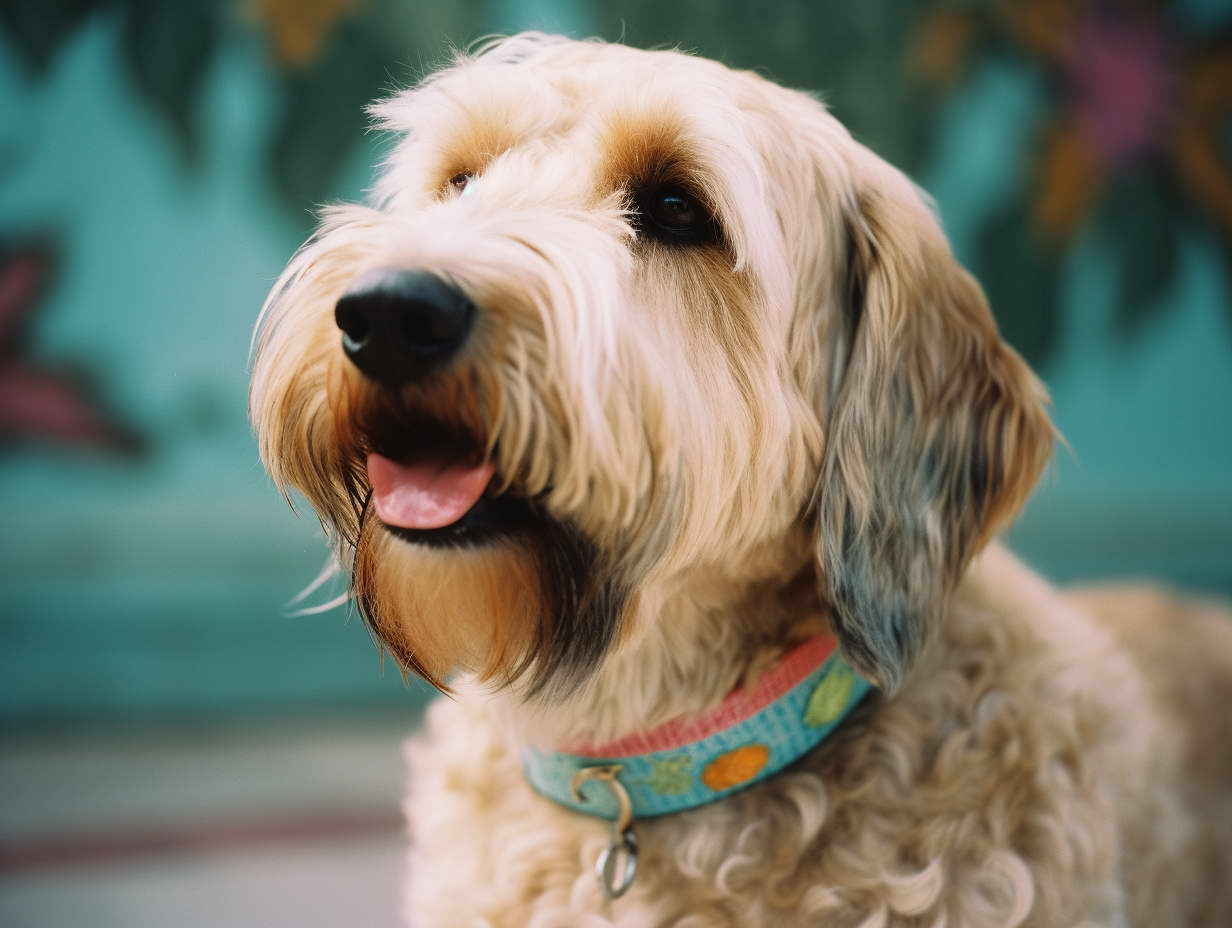
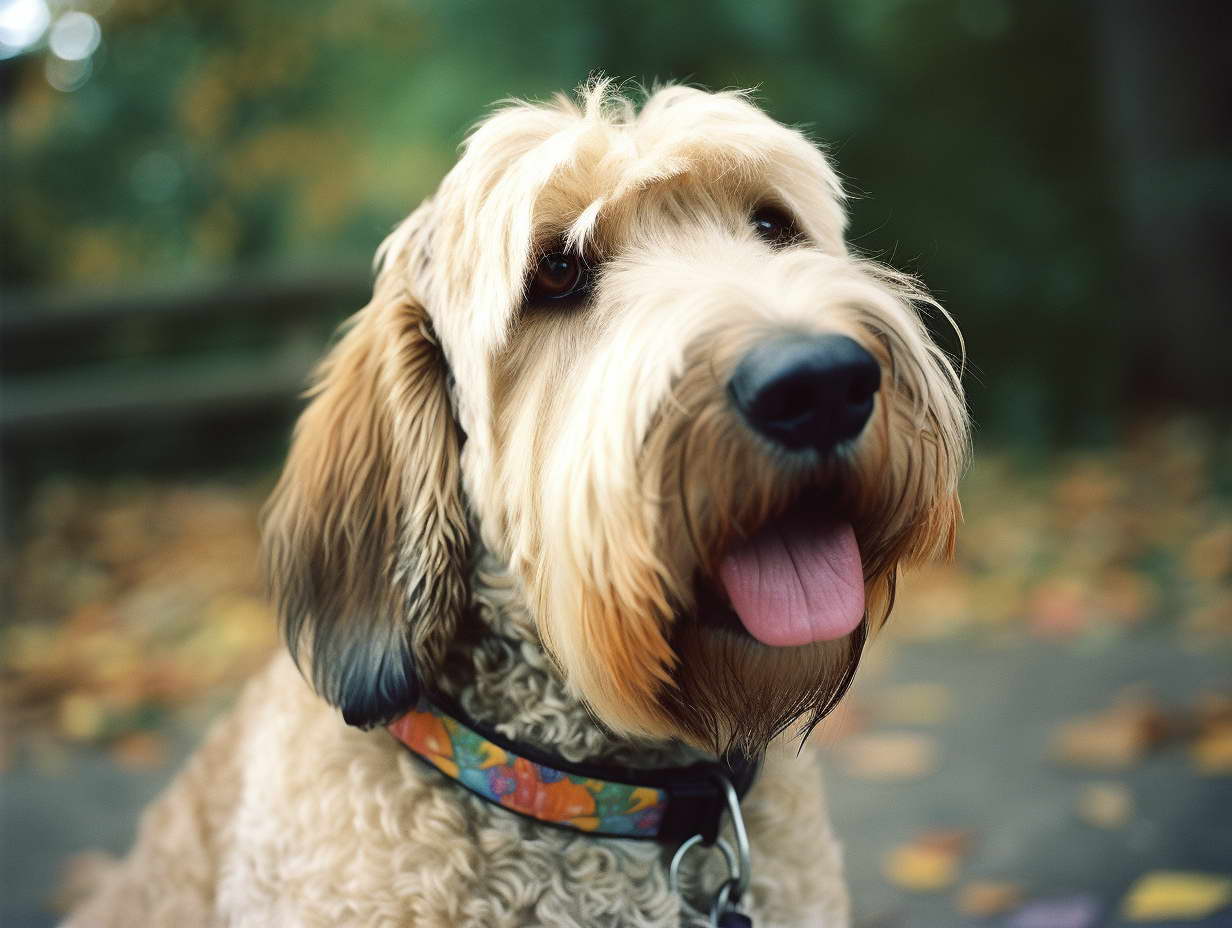
    Once your Otter Hound puppy is old enough to go for walks, you’ll need to buy a collar and leash. Look for a collar that fits your puppy properly and is comfortable for them to wear. You’ll also want to choose a leash that is strong and durable, but not too heavy for your puppy to carry.

    Otter Hound Puppies Collar

    6. Grooming Supplies

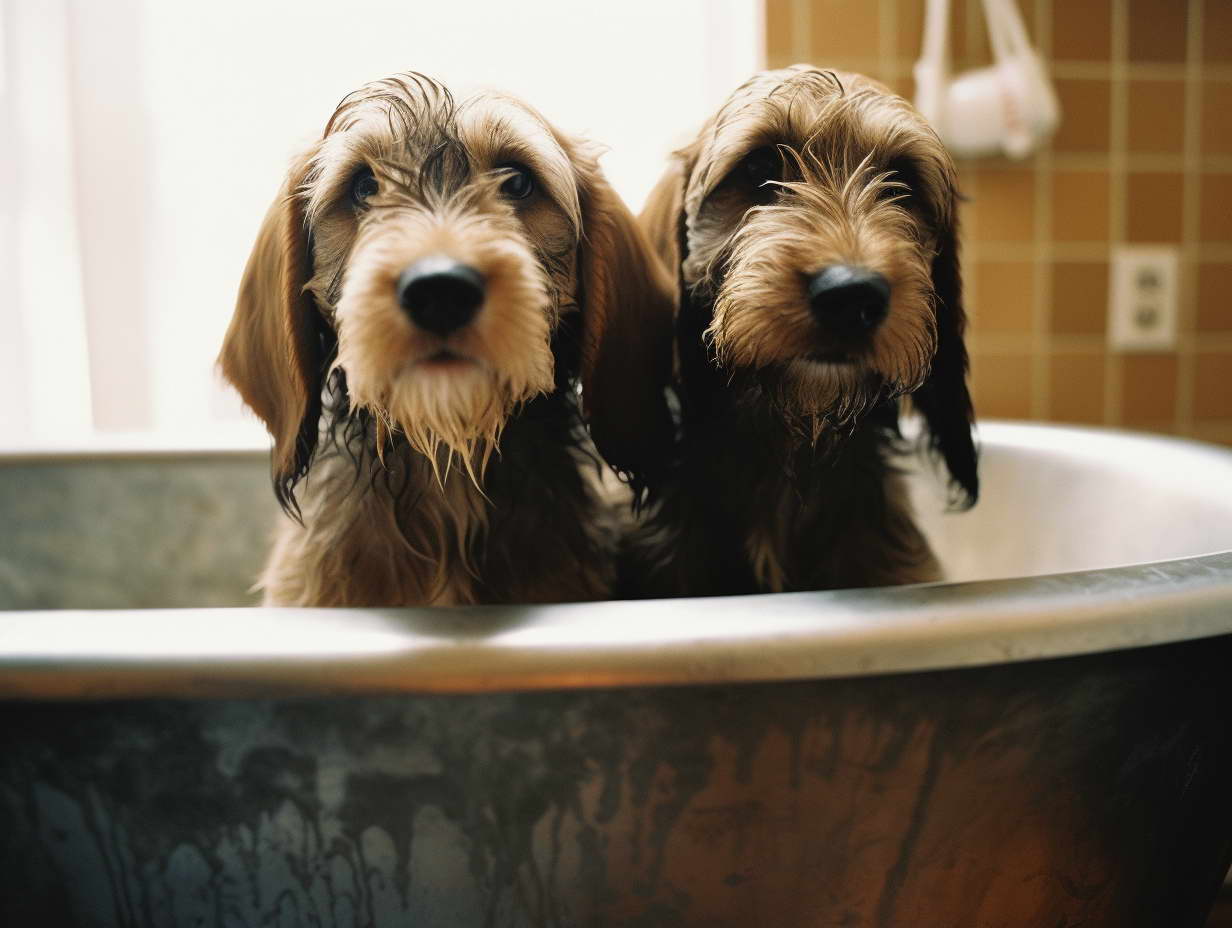
    Otter Hounds have thick, waterproof coats that require regular grooming to keep them healthy and looking their best. You’ll need to buy a variety of grooming supplies, including a brush, comb, and shampoo. You may also want to invest in a pair of nail clippers and ear cleaner.

    7. Bed

    Your Otter Hound puppy will need a comfortable place to sleep, whether it’s in a crate or a bed of its own. Look for a bed that is big enough for your puppy to stretch out in comfortably and is made from soft, durable materials.

    8. Training Treats

    Training your Otter Hound puppy is an important part of their development. Using treats as a reward can help reinforce good behavior and make training more fun for both you and your puppy. Look for treats that are made from natural ingredients and are small enough for your puppy to eat quickly.

    9. Exercise Pen

    An exercise pen can be a great way to give your Otter Hound puppy some extra space to play and explore, especially if you don’t have a fenced-in yard. Look for a pen that is sturdy and well-ventilated and has plenty of room for your puppy to move around.

    10. Car Safety Restraint

    If you plan on taking your Otter Hound puppy on car rides, it’s important to invest in a car safety restraint. A restraint will help keep your puppy safe and secure while you’re driving and prevent them from becoming a distraction. Look for a restraint that is designed specifically for dogs and is easy to use.

    11. Poop Bags

    As a responsible pet owner, you’ll need to pick up after your Otter Hound puppy when you take them for walks. Be sure to stock up on poop bags so you’re always prepared. Look for bags that are biodegradable and easy to carry with you.

    12. Training Pads

    House training your Otter Hound puppy can be a challenge, but using training pads can make the process easier. Look for pads that are absorbent and leak-proof and are easy to dispose of. You may also want to use a special spray to encourage your puppy to use the pads.

    13. Pet Insurance

    Pet insurance can provide peace of mind in case your Otter Hound puppy gets sick or injured. Look for a policy that covers accidents and illnesses and is tailored to your puppy’s specific needs. You’ll also want to make sure the policy is affordable and offers good coverage.

    14. ID Tags

    It’s important to make sure your Otter Hound puppy has proper identification in case they get lost. Invest in a durable ID tag that includes your contact information and your puppy’s name. You may also want to consider getting a microchip for extra security.

    15. First Aid Kit

    Accidents can happen, so it’s important to have a first aid kit on hand for your Otter Hound puppy. Look for a kit that includes items like gauze, bandages, and antiseptic. You may also want to include items like tweezers and scissors.

    In conclusion, there are many must-have accessories for Otter Hound puppies, from food and water bowls to collars and leashes, chew toys, a crate, grooming supplies, and more. By investing in these items, you can ensure your Otter Hound puppy is healthy, happy, and comfortable. Remember, owning a puppy is a big responsibility, but with the right supplies and plenty of love and attention, you can give your Otter Hound puppy the best possible start in life.

    Read more about Otterhound Puppies here:
    The Otter Hound: A History of the Breed

    FAQs

    1. Are Otter Hounds good family pets? Yes, Otter Hounds are friendly and loyal dogs that make great family pets.
    2. How much exercise do Otter Hounds need? Otter Hounds are high-energy dogs that require plenty of exercises, including daily walks and playtime.
    3. Are Otter Hounds easy to train? Otter Hounds can be stubborn and independent, so training can be a challenge. However, with patience and consistency, they can be trained.
    4. Do Otter Hounds shed a lot? Yes, Otter Hounds have thick, waterproof coats that shed moderately throughout the year.
    5. What health issues are common in Otter Hounds? Otter Hounds are generally healthy dogs, but they may be prone to certain health issues like hip dysplasia, ear infections, and bloat.
  • Otter Hound Puppies Common Behavior Issues

    Otter Hound Puppies Common Behavior Issues

    Otter Hound Puppies Common Behavior Issues

    Otter Hound Puppies Common Behavior Issues

    Are you planning to get an Otter Hound puppy? These charming dogs are great companions, but like any other breed, they come with their own set of behavior issues. In this article, we will discuss some of the most common behavior issues faced by Otter Hound puppies and provide tips on how to address them.

    Introduction

    Otter Hound puppies are an adorable and lovable breed known for their loyalty, playfulness, and intelligence. They are great family pets and enjoy spending time with their owners. However, like any other breed, they require proper training and socialization to develop good behavior habits.

    In this article, we will cover some of the most common behavior issues faced by Otter Hound puppies. From barking to chewing, we will provide tips on how to address these issues so that you can enjoy a happy and healthy relationship with your furry companion.

    Barking – Otter Hound Puppies Common Behavior Issues

    Barking is a natural behavior for dogs, and Otter Hounds are no exception. They are known for their deep, booming bark, which is a part of their breed’s characteristics. However, excessive barking can become a problem for both the dog and the owner.

    One of the reasons why Otter Hounds may bark excessively is boredom or lack of stimulation. These dogs are active and intelligent, and they require plenty of exercises and mental stimulation to keep them happy and healthy. If your Otter Hound is barking excessively, it may be a sign that they are not getting enough physical or mental stimulation.

    Chewing – Otter Hound Puppies Common Behavior Issues

    One reason why Otter Hounds may chew excessively is boredom or lack of stimulation. These dogs are intelligent and active, and they require plenty of exercises and mental stimulation to keep them happy and healthy. If your Otter Hound is chewing excessively, it may be a sign that they are not getting enough exercise or mental stimulation.

    Another reason why Otter Hounds may chew excessively is separation anxiety. These dogs form strong bonds with their owners, and they may become anxious when left alone. Chewing on objects can be a coping mechanism for anxiety and stress. If your Otter Hound is chewing excessively when left alone, it may be a sign of separation anxiety.

    To address excessive chewing in Otter Hounds, it’s important to provide plenty of exercises and mental stimulation. Regular walks, playtime, and training sessions can help keep your dog mentally and physically stimulated. You can also provide your Otter Hound with puzzle toys or other interactive toys that require mental stimulation.

    Digging – Otter Hound Puppies Common Behavior Issues

    One reason why Otter Hounds may dig excessively is boredom or lack of exercise. These dogs are active and require plenty of exercise to keep them mentally and physically stimulated. If your Otter Hound is digging excessively, it may be a sign that they are not getting enough exercise or stimulation.

    Another reason why Otter Hounds may dig excessively is due to anxiety or stress. If your dog is feeling anxious or stressed, they may try to relieve these feelings by digging. This can become a vicious cycle, as the dog’s digging may cause property damage or create problems with neighbors, which can then cause more stress for the dog.

    To address excessive digging in Otter Hounds, it’s important to provide plenty of exercises and mental stimulation. Regular walks, playtime, and training sessions can help keep your dog mentally and physically stimulated. You can also provide your Otter Hound with interactive toys or puzzle toys that require mental stimulation.

    Separation Anxiety – Otter Hound Puppies Common Behavior Issues

    Separation anxiety is a common behavior issue faced by many dog breeds, including Otter Hound puppies. This behavior can manifest in destructive behavior, excessive barking, and whining.

    To address separation anxiety, gradually acclimate your puppy to being alone. Start by leaving them alone for short periods, gradually increasing the duration. Provide your puppy with plenty of toys and mental stimulation to keep them occupied.

    Otter Hound Puppies for Sale Separation Anxiety

    Leash Pulling – Otter Hound Puppies Common Behavior Issues

    Leash pulling is a common behavior issue faced by many dog breeds, including Otter Hound puppies. This behavior can be frustrating for owners and can make walks difficult.

    To address leash pulling, start by teaching your puppy to walk on a loose leash. Use positive reinforcement techniques, such as treats and praise, to reward good behavior. If your puppy does pull, stop walking and wait for them to calm down before continuing.

    Jumping – Otter Hound Puppies Common Behavior Issues

    Jumping is a common behavior issue faced by Otter Hound puppies. This behavior can be a result of excitement or a need for attention.

    To address jumping behavior, ignore your puppy when they jump up on you. Instead, wait for them to calm down before providing attention. Teach your puppy alternative behaviors, such as sitting or lying down, to greet people.

    Conclusion

    If you are considering getting an Otter Hound puppy, it’s essential to understand the common behavior issues they may face. By providing proper training, socialization, and attention, you can address these issues and enjoy a happy and healthy relationship with your furry companion.

    Remember to be patient and consistent in your training efforts. Seek professional help if necessary, and never use punishment or physical force as a training technique. With proper care and attention, your Otter Hound puppy can be a loving and well-behaved member of your family.