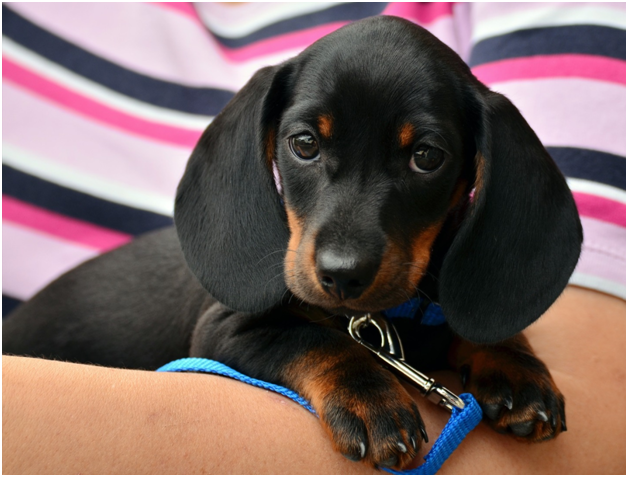
Long Haired Dachshund Health Issues
The Long Haired Dachshund is one of the most popular dog breeds in the United States. While they are known for their high maintenance, they are also one of the most loving and loyal pets. If you are looking for a loyal companion, consider adopting one. However, be sure to read up on the breed’s health issues to ensure that you are getting the right dog. Read on to learn more about the health problems and grooming requirements of this popular breed.
Some of the long-haired Dachshund’s health issues include progressive retinal atrophy (PRA), which causes degeneration of the photoreceptor cells in the eyes. Eventually, this disease can lead to permanent blindness. The first symptom of the condition is night blindness. Another common health problem is Cushing’s disease, a result of an imbalance in the pituitary gland and the formation of tumors in the adrenal gland. This condition can cause frequent urination and is treatable with prescription medications.
The Long Haired Dachshund has a delicate spine, making housebreaking a difficult task. Although they are extremely agile and playful, they can get into tangles and need regular grooming. Grooming the Long Haired Dachshund’s coat is important because its dense hair can lead to tangles and mats. It is recommended to brush the coat at least three times a week to help keep it in a healthy condition.
The Long Haired Dachshund is the most beautiful of the Dachshund mix.
With long, luxurious fur, it has a big personality. This breed is a natural hunter and has a feisty attitude. It is also a great family companion. These dogs can be both friendly and fierce. If you’re looking for a dog to keep you company, consider adopting a Long Haired Dachshund.
A Long Haired Dachshund should be supervised by an adult at all times, as they’re prone to spinal problems. Disc disease is a hereditary condition that can cause stiffness and pain in the back. Often, the affected dog will suffer from reduced activity. Eventually, the spinal cord can become compressed, causing lameness or even paralysis. Seizures are also a common problem with these dogs, and they are most often triggered by stress, lack of sleep, and skipping a dose of medication.
Another important aspect of grooming a Long Haired Dachshund is that their long coat requires regular brushing. Regardless of your preference, you can do it at home or bring them to a grooming parlor. A long-haired Dachshund is a delightful and affectionate creature. Grooming your dog will create a bond between you and your new furry friend. And, while you are grooming your dog, remember to keep in mind that this breed of dog breed requires more maintenance than the Smooth Haired variety.
Besides skin problems, a Long Haired Dachshund can also suffer from various skin conditions.
The fur of the long-haired variety may become itchy and dry, causing inflammation of the skin. Your dog may even lose some of his hair. Therefore, it’s important to keep an eye on your dog’s skin and monitor any itchiness. A long-haired Dachshund is prone to several physical hazards, including a lengthy spine and a high risk of cancer.
Taking care of a Long Haired Dachshund’s coat is easy but requires regular grooming. The long coat of a Long Haired Dachshund is prone to mats and tangles. To prevent mats from forming, clipping the hair will be necessary. The Long Haired Dachshund can live between twelve and sixteen years. However, they should be groomed regularly.
Training your Long Haired Dachshund is not as difficult as you may think. Whether your pup is obedient or stubborn, he will need consistent training to stay in your home. You need to be firm but friendly, and build a bond with him to prevent future behavioral problems. You need to avoid yelling at him if he becomes frustrated. The best way to deal with this problem is to calmly approach him and offer him a treat for a good deed. This will help him feel better about himself, while avoiding a potential issue of a sappy or aggressive dog.
This playful breed is known for its strong hunting instincts and intelligence. They are highly playful, but they can also be destructive. Long Haired Dachshunds are known to be courageous and very loyal, but beware! They may be pushy and irritable, and this can lead to their destructive behavior. If you don’t want your new pup to become destructive, it may be best to adopt another dog.