Hypoallergenic Dogs – Tips for Living With Furry Friends Without the Sneezing
PETSIDI – Canines make wonderful pets and companions. However, some people are allergic to proteins found in dog dander, dog hair, saliva, and urine. These allergies can cause uncomfortable symptoms like sneezing, coughing, rashes, watery eyes, and runny nose.
Fortunately, there are many hypoallergenic dog breeds suitable even for allergy sufferers. This 4000-word guide will explore hypoallergenic dogs – from breed choices to managing allergies – so you can find your perfect furry friend.
What Causes Dog Allergies?
Canine allergies are caused by an overreaction of the immune system to specific proteins found in dog hair, dander (dead skin cells), saliva, and urine. These proteins are known as allergens.
When exposed to these allergens, the body mistakenly identifies them as harmful invaders and releases histamines as a defense response. This causes irritating allergy symptoms like:
- Sneezing
- Runny or stuffy nose
- Itchy, red, or watery eyes
- Coughing
- Wheezing
- Hives or skin rashes
- Itching of nose, throat, or eyes
For some, mere contact with dogs can trigger significant allergic reactions. For others, symptoms may take longer to appear after continuous exposure.
Allergy testing can identify specific dog allergens that affect individuals. Common dog allergens include:
- Can f 1 – found in dog dander.
- Can f 2 – found in dog saliva, dander, and urine.
- Can f 3 – found in dog dander and saliva.
The severity of dog allergy symptoms depends on the amount of exposure and sensitivity of each person. However, those with dog allergies can still own dogs through thoughtful breed selection and allergy management.
Best Hypoallergenic Dog Breeds
While no dog is 100% non-allergenic, certain breeds are less likely to trigger allergies. This is because they shed less dander and hair. These “hypoallergenic” breeds include:

Poodles
Poodles have a hypoallergenic coat that doesn’t shed significantly. Their tight, dense curls trap dander and allergens near the skin, preventing dispersal into the air. Regular grooming helps remove allergens trapped within the coat.
There are three sizes of Poodle – Standard, Miniature, and Toy. All have a low-shedding coat ideal for allergy sufferers.
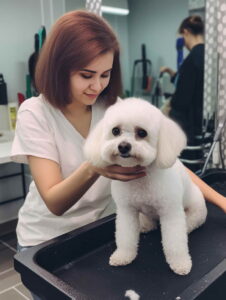
Bichon Frise
The Bichon Frise’s dense, curly white coat resembles cotton. They produce very little dander and do not shed much. Daily brushing further reduces loose hair and allergens.
This cheerful, energetic breed has a charming personality. Their small size also makes them ideal for apartment living.

Irish Water Spaniel
Irish Water Spaniels have a hair-like coat rather than fur. Their coarse, dense, curly coats minimize dander and reduce allergy triggers.
While quite rare, these intelligent, family-friendly dogs thrive with proper exercise and stimulation. Their unique curtain-like coats require regular trimming and grooming.

Schnauzers
Schnauzers come with wiry coats that do not shed much. Coat textures can vary from soft and plush to coarse and wiry. Frequent hand-stripping or clipping helps remove loose hair.
Standard, Miniature, and Giant Schnauzers make excellent watchdogs and fit well with active, experienced owners. Daily walks and play help these energetic pups stay stimulated.

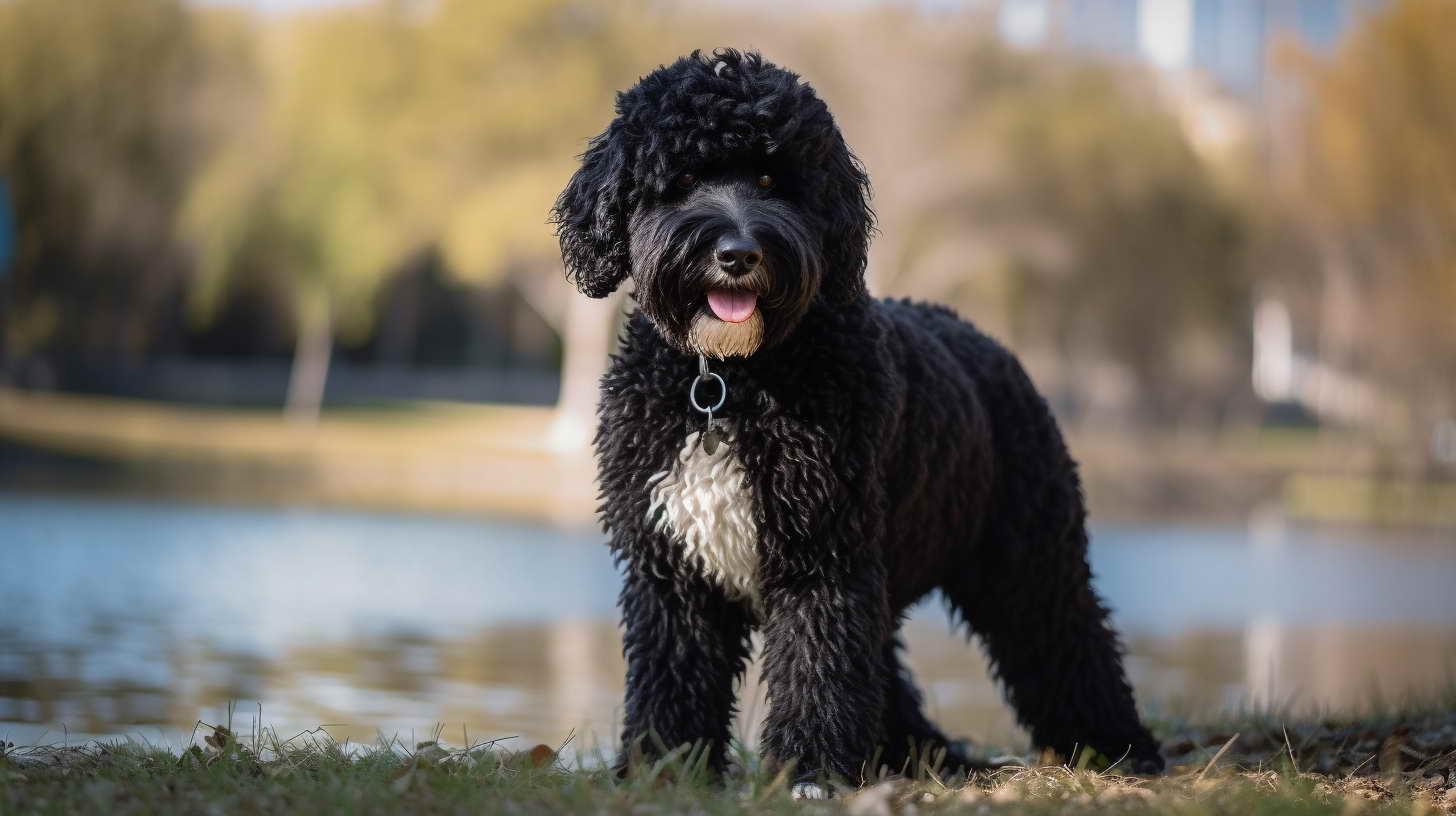
Portuguese Water Dog
Originally bred to herd fish, these active working dogs have water-resistant coats that don’t shed much dander or fur. Their single-layered coats require regular brushing and trimming.
Highly intelligent and sociable, Portuguese Water Dogs do well with consistent training and activity. Their lively, fun-loving nature makes them wonderful family companions.

Airedale Terrier
The largest terrier breed, Airedales have coarse, dense coats with little shedding. Their short fur is also less likely to trap allergens. Regular brushing and bathing remove dead hair and dander.
Airedales are intelligent, and energetic and make great watchdogs. However, their strong instincts require consistent training and leadership. They need plenty of daily exercise and mental stimulation.
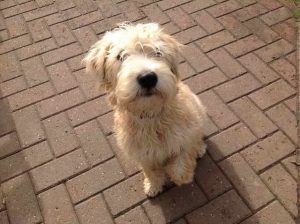
Wheaten Terrier
Wheaten Terriers have long, silky, low-shedding coats. Their soft, fluffy, wool-like fur needs consistent brushing and trimming. Baths help minimize loose hair and allergens.
Friendly and energetic, Wheatens are adaptable family dogs that get along well with children. They thrive with regular exercise and playtime.

Chinese Crested
These lively, alert toy dogs come in two distinct varieties. The Hairless variety is perfect for severely allergic owners. The Powderpuff variety has a soft, silky coat requiring regular grooming and shedding management.
Chinese Cresteds love being around their people. They’re highly active indoors and quite affectionate. Positive reinforcement training suits this sensitive breed.
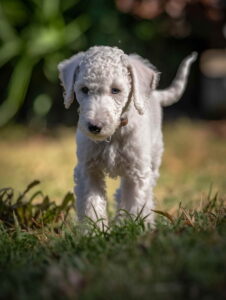
Bedlington Terrier
Originally bred to hunt vermin, Bedlingtons have a low-shedding, woolly double coat that resembles lamb’s fleece. Their fur requires hand-stripping several times a year.
Although mild-mannered, they’re energetic and require sufficient exercise. Their high prey drive means supervision around small pets. They thrive with consistent training.
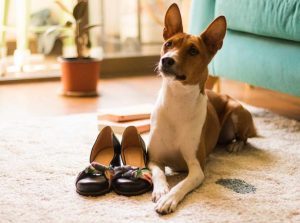
Basenji
The short, fine coat of the Basenji keeps shedding to a minimum. Their fastidiously clean nature also means they groom themselves frequently.
Basenjis are energetic, independent, and not overly affectionate. They’re reserved with strangers and not suitable for novice owners. Consistent, positive training is a must.

Bolognese
These little white companion dogs have fluffy, fleecy coats with minimal shedding. Regular combing helps remove loose hair and tangles.
The Bolognese craves attention and affection from their family. They do best indoors in a small living space. Early socialization prevents shyness or anxiety issues.

Havanese
The Havanese sports a long, silky coat that requires consistent grooming to reduce shedding. Their fur doesn’t produce much dander.
Friendly, outgoing, and playful, they make lively family pets and companions. Havanese pups need early socialization and training. They dislike being left alone for long periods.
Other Hypoallergenic Breeds
Other breeds considered hypoallergenic due to their low-shedding coats include:
- Maltese – long, silky white coat requires frequent brushing and combing.
- Shih Tzu – long, dense double coat that needs regular bathing and trimming.
- Spanish Water Dog – single-layered curly coat doesn’t shed much and produces little dander.
- Cairn Terrier – coarse outer coat sheds minimally.
- Kerry Blue Terrier – thick, dense, and curly hypoallergenic coat.
- Italian Greyhound – short, fine coat with little shedding.
- Puli – dense, weather-resistant corded coat.
- Lagotto Romagnolo – thick curly coat requires frequent grooming.
- Peruvian Inca Orchid – lacks undercoat and sheds very little.
- Xoloitzcuintli – hairless or coated hairless varieties shed minimally.
When selecting a hypoallergenic breed, be sure to meet parent dogs and spend time with individual pups. Allergy sensitivity varies by person. Multi-generational crosses and mixed breeds can also produce lower-allergen coats.
Products for Dog Allergy Sufferers
While no product can eliminate allergens, many tools can help minimize symptoms.
Air Purifiers
Air purifiers with HEPA filters are highly effective at removing dander and other allergens circulating in the air. Portable units can be used in individual rooms, while whole-home purifiers can attach to central HVAC systems.
Vacuums
Vacuums fitted with HEPA filtration help remove allergens from floors and furnishings. Carefully vacuuming twice per week can significantly reduce allergen buildup.
Hypoallergenic Bedding
Bedding from materials like microfiber, bamboo, and synthetic fibers resists collecting allergens. Waterproof mattress and pillow encasements provide an extra barrier.
Pet Shampoos and Wipes
Frequent bathing using hypoallergenic shampoos helps wash away dander and allergens. Between baths, allergen-removing wipes help reduce allergens on surfaces.
Air Quality Monitors
Home air quality monitors measure environmental allergens like dust, dander, mol,, d, and chemicals. This helps identify problem areas needing extra cleaning or air filtration.
Allergy Medications
Antihistamines like diphenhydramine (Benadryl) can provide allergy relief. Nasal sprays, eye drops, and leukotriene inhibitors may also be recommended.
HEPA Filters
High-efficiency HEPA air filters effectively capture microscopic particles like pet dander. They can be installed in central HVAC systems, air purifiers, or vacuum cleaners.
Allergen-Resistant Beds & Furniture
Pet beds and furniture made with leather, vinyl, and washable fabrics resist collecting dander and allow thorough cleaning.
Air Duct Cleaning
Ventilation ducts can harbor dust and pet allergens over time. Professional cleaning removes built-up debris inside the ductwork.
Allergy-Proof Pet Clothing & Accessories
Minimizing dander transfer using hoodies, boots, masks, and covers for dogs can reduce environmental allergens.
With some trial and error, allergy sufferers can find the right combination of products to create a more allergy-friendly home. Consulting doctors and pet experts can help build an optimal plan tailored to your needs and sensitivities.
Tips for Managing Dog Allergies
While hypoallergenic breeds shed less, they still produce allergens. Here are some tips for safely living with dogs if you suffer from allergies:
- Give your dog a hypoallergenic shampoo bath weekly to remove dander, hai,r, and other allergens.
- Brush or comb coats daily to remove loose hair before it spreads.
- Clean soft furnishings and bedding weekly to prevent buildup of allergens.
- Vacuum twice weekly using a HEPA filter to remove pet dander from carpets, floors,s and furniture.
- Wash dog toys, leashes, collars,s and your clothes regularly.
- Keep your dog outdoors or in one room as much as possible to avoid spreading allergens.
- Take antihistamines before pet interactions if allergies are severe
- Use air purifiers with HEPA filters throughout the home to remove dander and other allergens.
- Limit pet access to bedrooms and use allergen-resistant bedding materials.
- Acquire an allergy-friendly dog breed suited to your sensitivity level.
- See an allergist to get allergy shots or sublingual drops to reduce immune sensitivity.
- Discuss allergy medications like antihistamines, decongestants, leukotriene inhibitors, and nasal sprays with your doctor.
- Consider immunotherapy treatments like allergy shots for dogs to reduce their allergen levels.
- Buy dander-reducing spray solutions to apply regularly on your dog’s coat.
- Attach allergen-trapping fabric sheets to furnishings to reduce settling allergens.
- Use high-efficiency dog allergy air filters on your home’s HVAC system.
- Install hard flooring like hardwood, tile, or linoleum instead of carpet to inhibit allergen buildup.
- Buy allergy-control products like dog allergy wipes or liquid hand soaps to remove allergens after contact.
- Get a dog allergy testing kit to identify your unique allergen sensitivity.
- Research the best dog allergy medicine brands to find effective over-the-counter options.
- Consult your vet for tips on providing hypoallergenic dog diets with minimal allergy triggers.
- Explore ways to make your backyard an allergy-free dog exercise area.
- Use fragrance-free grooming products and hypoallergenic dog shampoo.
- Attach an allergy alert tag to your dog’s collar as a precaution.
- Keep an allergy response kit with medications, wipes, and emergency contacts handy.
- Stay informed on dog allergy symptoms to recognize reactions quickly.
- Join dog allergy support groups to find community, advice,e, and resources.
- Evaluate your living space for allergen “hot spots” and allergy-proof accordingly.
- Have an allergy-free area in your home where your dog is not allowed.
- Replace fabric curtains with washable blinds to reduce dust and allergens.
- Use dog allergy prevention steps like air filters, medication, and HEPA vacuums.
- Create designated pet areas with hypoallergenic dog beds and toys.
- Install portable dog allergy air purifiers in rooms where your dog spends time.
- Use covers and pads on furniture, beds, and car seats to reduce dander buildup.
- Bath your pet at a hypoallergenic dog grooming facility if symptoms persist at home.
- Read ingredient labels and avoid food with common dog food allergens.
- Monitor pollen counts during dog allergy season and limit outdoor time when high.
- Research dog allergy vaccines that may reduce your immune response.
- Use plastic bowls instead of stainless to inhibit saliva protein buildup.
- Choose toys made of rubber, nylon, or plastic which don’t harbor allergens.
- Remove carpets and install hard flooring like tile, wood, or linoleum.
- Use dehumidifiers and air conditioning to reduce humidity and mold growth.
- Make bedrooms pet-free zones and use hypoallergenic bedding.
- Clean frequently touched surfaces like tables, doorknobs, and countertops often.
- Install permanent air quality monitors to identify allergen levels in each room.
- Consider installing an allergy-control ventilation system to manage indoor air.
- Use high-quality furnace and AC filters, and change them frequently.
- Remove fabric-covered furniture as the material holds onto allergens.
- Use leather or vinyl furniture and cushion covers instead of fabric.
- Wash bedding regularly in hot water to kill dust mites.
- Keep pets off beds and stuffed furniture as much as possible.
- Use a dehumidifier or central air conditioning to reduce humidity to under 50%.
- Choose smooth flooring instead of carpet. Hard floors are easier to keep dander-free.
- Don’t allow pets in rooms with plush rugs and carpets which hold allergens.
- Bath your pet weekly and brush daily to control shed hair and dander.
- Use HEPA air purifiers to remove allergens from the air.
- Clean walls, windows, and ceilings regularly to remove settled pet dander.
- Follow vet-recommended flea control and grooming measures to reduce biting and skin irritation.
- Remove fabric-covered dog beds and replace them with sealed orthopedic foam beds.
- Cover any fabric furniture your pet uses with removable allergen-proof slipcovers.
- Use an allergen-proof dog crate for containment and limit fabric bedding inside.
- Wash all pet bowls, toys, and accessories regularly to remove saliva proteins.
- Keep your dog outdoors or in an easy-to-clean room as much as possible.
- Bathe your dog at least twice per month or use allergen-reducing wipes.
- Brush your dog daily with a rubber grooming mitt to reduce loose fur.
- Consider taking immunotherapy medication to reduce your sensitivity.
- Wear a face mask when interacting closely with dogs.
- Change clothes after contact and wash pet-exposed clothes separately.
- Limit petting and touching which transfers saliva proteins on your hands.
- Take antihistamines before visiting friends/family with pets.
- Avoid laying on carpets or pet furniture where dander collects.
- Use disposable dog potty pads instead of taking dogs outdoors to eliminate.
- Place an air filter near pet feeding areas to catch airborne food particles.
- Use an automatic litter box for cats to reduce dander dispersal when cleaning.
- Select pet food in kibble or pellet form as it releases less airborne allergens.
- Install permanent air vents on exterior walls to improve indoor air circulation.
- Keep humidity levels below 50% using dehumidifiers, ventilation, and A/C.
- Place carpets and rugs in non-pet-accessible rooms only.
- Remove feather pillows and down comforters and choose synthetic fill bedding.
- Encase mattresses and pillows in allergen-proof vinyl covers.
- Learn to monitor daily pollen counts and keep pets indoors when high.
- Time walks during low-congestion times and avoid high-pollen areas.
- Bath your pet after going outside to remove pollen from the coat.
- Reduce exposure on high pollen count days by using disposable dog potty pads.
- Apply dog allergy eye drops if your pet suffers eye symptoms from pollen exposure.
- Keep grass trimmed, rake fallen leaves frequently, and remove outdoor mold/debris.
- Install permanent rain gutters so water drains away from the foundation.
- Use dehumidifiers and vapor barriers in basements to deter mold growth.
- Clean bathrooms frequently using mold-killing solutions.
- Immediately fix any leaks and dry out water-damaged areas.
- Have your HVAC system cleaned regularly to remove mold spores.
- Consider using portable air scrubbing and filtration units during high mold count seasons.
- Add circulation fans in damp areas like basements and bathrooms.
- Ensure crawl spaces have adequate ventilation and airflow.
- Monitor humidity levels and aim to keep indoor humidity below 50%.
- Replace bathmats and shower curtains regularly.
- Clean and replace AC filters often to prevent the buildup of debris and spores.
- Remove piles of clutter which can harbor dust and mold allergens.
- Use dehumidifying products and containers to keep closets and drawers dry.
- Clean floors with vinegar which inhibits mold growth.
- Allow sunlight indoors and leave blinds open to reduce dampness.
- Avoid hanging lots of plants indoors as the soil can harbor mold spores.
- Ventilate kitchen and bathrooms well during and after cooking, baths, and showers.
- Fix household leaks promptly and dry out any water-damaged areas fully.
- Avoid using carpets in damp areas like basements.
- Don’t let pets sleep on furniture or beds to reduce transferring allergens.
- Wash all pet bedding weekly in hot water.
- Use leather or plastic pet furniture and dog crates instead of fabric.
- Cover fabric furniture and car seats your pet frequents.
- Use HEPA air filters and portable air purifiers.
- Keep your pet well groomed with frequent brushing and bathing.
- Vacuum twice a week using a vacuum fitted with a HEPA filter.
- Clean tiled, wood, and linoleum floors using a damp mop twice per week. -Use floor mats at entryways to absorb pollen from shoes and paws.
- Don’t let your pet sleep in your bedroom. Keep the door closed.
- Wash bed linens weekly in hot water.
- Encase pillows and mattresses.
- Encase pillows and mattresses in allergen-proof covers.
- Use wooden, leather, or plastic blinds instead of fabric drapes that collect dust.
- Keep clutter to a minimum and tidy storage areas frequently.
- Dust regularly using microfiber cloths to trap allergens.
- Avoid feather pillows, duvets, and down comforters.
- Choose bedding made from synthetic fibers and hypoallergenic fills.
- Remove fabric curtains and blinds. Opt for washable window treatments.
- Clean furnace and AC ducts annually to remove built-up pet dander.
- Change heating and cooling filters monthly during peak allergy seasons.
- Install a high-quality pleated furnace filter with a MERV rating of 8 or higher.
- Consider installing a whole-home dehumidifier to maintain humidity under 50%.
- Use vacuum cleaners with built-in HEPA filtration systems.
- Avoid pet exposure outdoors on dry, windy days which spread pollen rapidly.
- Rinse your dog’s paws after going outside to remove pollen.
- Bathe your dog at least twice weekly during allergy season.
- Reduce playtime in grassy areas which can stick to their coat.
- Keep windows closed and use air conditioning instead.
- Time dog walks carefully to avoid peak pollen times.
- Dry your pet immediately after baths to prevent mold growth on damp fur.
- Invest in an at-home pet grooming kit to bathe and brush your dog regularly.
- Alternatively, schedule professional grooming every 4-6 weeks.
- Brush your dog daily with a rubber grooming glove to remove loose fur.
- Try wipes, sprays, or shampoos containing allergen-reducing solutions.
- Bathing removes dander, pollen, and topical allergens from their coat.
- I am brushing flush out loose undercoat hair before it sheds onto furnishings.
- Rubber grooming gloves attract pet hair through static electricity.
- Use point-of-contact tools like grooming sprays, allergen wipes, or foaming shampoos for immediate dander reduction between full baths.
- Bathe dogs outdoors or contain excess hair and water spray in one room.
- Cover air vents and use an air filter while bathing your dog.
- Dry thoroughly after bathing to prevent mold or mildew growth on damp hair.
- Schedule a visit with an allergist to discuss your sensitivities.
- Get allergy tested to identify specific dog allergens affecting you.
- Discuss allergy shots, medications, and other relief options.
- Explore clinical trials for new anti-allergy treatments or immunotherapy.
- Ask about allergy drops, oral meds, or nasal sprays to use at home.
- Get specific advice tailored to your unique allergy symptoms and medical history.
- Learn techniques to minimize allergens at home through environmental changes.
- Find out if you’re a candidate for popular allergy relief options like shots and oral drops.
- Discuss warnings, side effects, and considerations given your health conditions.
- Work with a knowledgeable allergist and your primary doctor to create a treatment plan.
- Keep an allergy journal tracking your symptoms around pet exposures.
- Note symptom severity in different seasons and environments.
- Log the timing and effectiveness of allergy medications.
- Identify dander, pollen, or mold trigger conditions.
- Bring your detailed notes to share with your allergist.
- Join online forums to exchange tips with fellow dog allergy sufferers.
- Follow dog allergy advocacy groups and research organizations.
- Connect with members going through similar struggles and situations.
- Share your experiences and creative allergy-proofing solutions.
- Learn from community members’ knowledge and trial-and-error lessons.
- Gain support during flare-ups and symptom setbacks.
- Find vetted resources, articles, and research studies.
- Stay updated on emerging treatments and clinical trials.
Exercising Caution with Hypoallergenic Dogs
While hypoallergenic dogs shed less dander and fur, they still produce allergens that can cause reactions. It’s important to take precautions:
- Spend adequate time with the breed before adopting. Have prolonged exposure to individual dogs to gauge reactions.
- Certain coat types or individual dogs of hypoallergenic breeds may still trigger symptoms. Look for puppies with minimal dander.
- Multi-generational crosses between hypoallergenic breeds can increase allergy-friendliness. Discuss crossbreeding potential with reputable breeders.
- Mixed breed dogs may have a lower allergen coat depending on traits inherited. Adopting from shelters can allow time to find an allergy-friendly match.
- Males tend to shed more than females for some breeds. Gender may impact allergen levels.
- Reactions can increase as dogs age and coats change. Lifelong management is required even if puppyhood is allergy-free.
- Isolate dogs to one room and use air filters to limit dander dispersal. Never allow dogs in bedrooms.
- Medications, allergy shots, and environmental changes should start before acquiring a dog for maximum effectiveness and safety.
- Allergen levels can rise with seasonal shedding, hormonal changes, pregnancy, or stress. Be vigilant year-round.
- Monitor air quality and regularly refresh dander-reducing products. Consistency is key.
- Have an emergency plan if allergies become severe. Identify alternative housing options for your dog if needed.
While hypoallergenic breeds minimize the risks, living with dogs still requires diligence. Work closely with medical professionals and keep treatment plans adjusted as necessary. With proper precautions, even allergy sufferers can find health and happiness with the right pooch!
Conclusion
While dog allergies can certainly be frustrating, they don’t have to prevent dog ownership. With thoughtful preparation and allergy management, those with sensitivities can still enjoy life with their furry companions. Careful breed selection, environmental changes, and medical treatment can create an allergy-free home together. By working closely with medical professionals and pet experts, allergy sufferers can find the right hypoallergenic dog for their lifestyle. With persistence and creativity, you can outsmart pet allergies and pave the way for a fulfilling relationship with your canine best friend.