Tag: Bernese Mountain Dog Puppy

  • Bernese Mountain Dog Puppy Price – What You Need to Know Before Buying

    Bernese Mountain Dog Puppy Price – What You Need to Know Before Buying

    Bernese Mountain Dog Puppy Price

    Bernese Mountain Dog Puppy Price: What You Need to Know Before Buying

    If you’re considering buying a Bernese Mountain Dog puppy, it’s important to do your research and understand the costs involved. While these dogs are known for their loyalty, friendliness, and gentle nature, they can come with a hefty price tag. In this article, we’ll discuss everything you need to know about Bernese Mountain Dog puppy prices, from the initial cost to ongoing expenses.

    Bernese Mountain Dog Puppy Price: What to Expect

    Initial Purchase Price

    The cost of a Bernese Mountain Dog puppy can vary greatly depending on the breeder, location, and lineage of the dog. On average, you can expect to pay anywhere from $1,500 to $5,000 for a purebred Bernese Mountain Dog puppy. However, it’s important to note that some breeders may charge significantly more for a puppy with a champion bloodline.

    Additional Costs

    When considering the cost of purchasing a Bernese Mountain Dog puppy, it’s important to factor in additional costs beyond the initial purchase price. These can include veterinary care, food and supplies, and grooming expenses.

    Veterinary Care

    Regular veterinary care is essential to keeping your Bernese Mountain Dog healthy and happy. This can include routine check-ups, vaccinations, and preventative care like flea and tick prevention. Veterinary costs can vary depending on where you live and the services required, but plan on budgeting at least $300-$500 per year for veterinary care.

    Food and Supplies

    Bernese Mountain Dogs are large dogs and require a significant amount of food. Plan on budgeting around $60-$100 per month for high-quality dog food, as well as additional expenses for treats, toys, and other supplies.

    Grooming

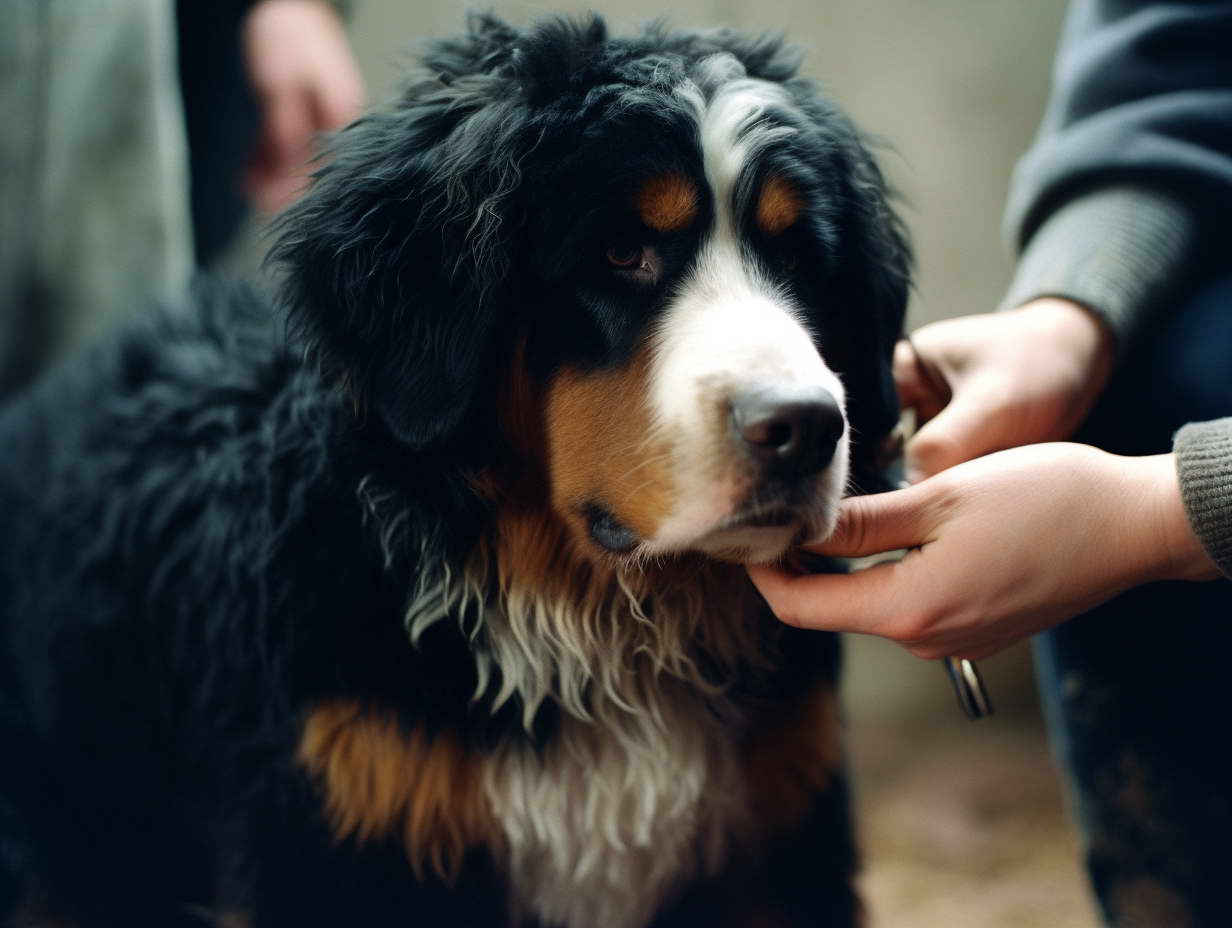
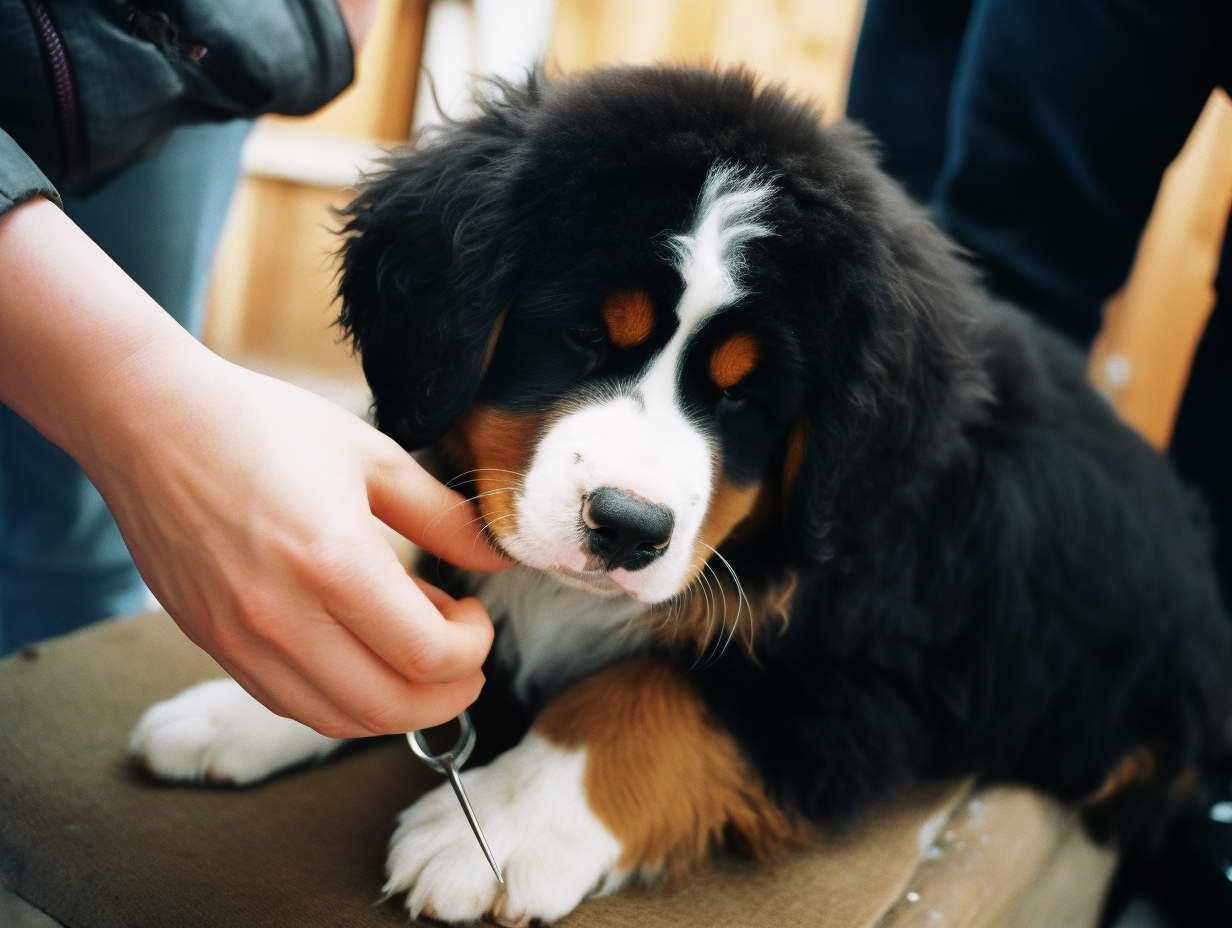
    Bernese Mountain Dogs have a thick, double coat that requires regular grooming to prevent matting and tangles. This can include regular brushing, bathing, and grooming sessions. Depending on whether you choose to groom your dog yourself or hire a professional groomer, grooming expenses can range from $50-$100 per session.

    Training and Socialization

    Training and socialization expenses should also be factored in when budgeting for a Bernese Mountain Dog puppy. Consider enrolling your puppy in obedience classes or working with a professional trainer to help them develop good behavior habits and prevent problem behaviors. These expenses can range from $100-$300 per session.

    Total Costs

    When factoring in these additional expenses, the cost of owning a Bernese Mountain Dog puppy can quickly add up. In addition to the purchase price of the puppy, plan on budgeting at least $2000-$3000 per year for ongoing expenses like veterinary care, food, and supplies, grooming, and training.
    Factors That Affect Bernese Mountain Dog Puppy Prices

    Factors That Affect Bernese Mountain Dog Puppy Prices

    When looking to purchase a Bernese Mountain Dog puppy, the price can vary significantly depending on a number of factors. Here are some of the main factors that can affect the price of a Bernese Mountain Dog puppy:

    Breeder Reputation and Location

    The reputation and location of the breeder can have a significant impact on the price of a Bernese Mountain Dog puppy. A reputable breeder who is well-known for producing healthy and high-quality puppies may charge a premium for their puppies. Additionally, the location of the breeder can also affect the price, with breeders in more expensive areas charging more for their puppies.

    Pedigree and Bloodlines

    The pedigree and bloodlines of a Bernese Mountain Dog puppy can also affect the price. Puppies from champion bloodlines or with impressive show records may be more expensive than those without. Additionally, puppies with a rare or desirable coloration may also command a higher price.

    Health and Wellness

    The health and wellness of a Bernese Mountain Dog puppy can also impact the price. Puppies that have been health tested and cleared of genetic disorders may be more expensive than those that have not. Additionally, puppies that have received their vaccinations and have been dewormed may also be more expensive.

    Age and Gender

    The age and gender of a Bernese Mountain Dog puppy can also affect the price. Generally, younger puppies are more expensive than older ones. Additionally, males may be more expensive than females, especially if they are being sold as breeding dogs.

    Demand and Availability

    Finally, the demand for Bernese Mountain Dog puppies can also affect the price. If there are more people looking to purchase puppies than there are available puppies, the price may be higher. Conversely, if there are more puppies available than there are buyers, the price may be lower.

    Summary

    In conclusion, buying a Bernese Mountain Dog puppy can be a significant financial investment. However, with proper care and training, these loyal and affectionate dogs can provide years of love and companionship. Be sure to do your research and consider all of the costs involved before making a purchase.
  • The Complete Guide to Vaccinating Your Bernese Mountain Dog Puppy

    The Complete Guide to Vaccinating Your Bernese Mountain Dog Puppy

    The Complete Guide to Vaccinating Your Bernese Mountain Dog Puppy

    The Complete Guide to Vaccinating Your Bernese Mountain Dog Puppy

    Are You New to Bernese Mountain Dog Puppy Ownership? Vaccinations are essential in maintaining good health in puppies as they provide immunity against potentially fatal diseases like Parvo. Here, we cover everything you need to know about vaccinating Your Bernese Mountain Dog puppy!

    Bernese Mountain Dogs are well-known large breed dogs known for their friendly personality and loyalty towards their owners. As new puppy owners, it is important to realize that puppies are particularly susceptible to diseases; vaccinations help safeguard these pups by stimulating the immune system to produce antibodies that fight specific conditions.

    Vaccinations should start around six-8 weeks old and continue until 16 weeks of age, then booster shots every 1-3 years depending on their vaccines are necessary for the overall protection of your Bernese Mountain Dog puppy. Let’s now delve into all the details involved with giving vaccinations to Bernese Mountain Dog puppies!

    Bernese Mountain Dog Puppies Should Get Vaccinated as Soon as They Reach 6 Months.

    Vaccinations should begin around six to eight weeks old and be spread out over several weeks; depending on your puppy’s breed and breeder. Their exact timing and schedule of shots may differ based on their health, lifestyle, and location.

    Here is an approximate vaccination schedule for Bernese Mountain Dog puppies:

    • 6-8 weeks: Distemper, adenovirus-2, parvovirus, and parainfluenza (DA2PP) vaccine
    • 10-12 weeks: DA2PP vaccine and Bordetella vaccine
    • 14-16 weeks: DA2PP vaccine, Bordetella vaccine, and rabies vaccine

    Bernese Mountain Dog Puppies Should Receive What Type of Vaccinations

    Bernese Mountain Dog Puppies Should Receive What Type of Vaccinations

    Your Bernese Mountain Dog puppy may require both core and non-core vaccinations to keep her protected against diseases that could potentially be life-threatening, while non-core vaccinations provide extra safeguards that might apply specifically to her location or lifestyle.

    Here are the most frequently administered vaccinations to Bernese Mountain Dog puppies:

    • Core vaccinations: DA2PP vaccine and rabies vaccine
    • Non-core vaccinations: Bordetella vaccine, Lyme disease vaccine, and Leptospirosis vaccine

    Select a Veterinarian for Puppy Vaccinations

    Finding an experienced veterinarian capable of caring for Bernese Mountain Dogs is essential when selecting one as their care is imperative to its well-being and vaccination requirements. When searching, consider their past treatment experience of Bernese Mountain Dogs when making your selection.

    Finding an accommodating veterinarian who will answer all of your queries and explain vaccination is also key to finding health for your puppy. A veterinarian should offer vaccination schedules with potential risks/benefits of each vaccine to enable informed decisions for his health care.

    Bernese Mountain Dog Puppy Vaccinations Side Effects

    Bernese Mountain Dog Puppy Vaccinations Side Effects

    Just like with any medication, vaccinations may cause side effects in some puppies. While usually mild and temporary, common adverse reactions include:

    • Subcutaneous Injection Site Inflammation or Redness.
    • Mild Fever.
    • Decrease in Appetite.
    • Lethargy

    Serious side effects are rare but possible; if any of the following symptoms arise, contact your veterinarian immediately:

    • Vomiting
    • Diarrhea
    • Difficulty breathing
    • Facial swelling

    Frequently Asked Questions (FAQs)

    Are vaccinations required for my Bernese Mountain Dog puppy?

    Vaccinations are required by most states for all dogs; Rabies vaccination is the law for everyone.

    Can my puppy get sick after getting vaccinated?

    While mild side effects of vaccination may occur in rare instances, serious reactions should not arise as a result. Your veterinarian will discuss all risks with you before administering.

    Can my sick puppy receive vaccinations?

    Ideally, it would be best if your pup were healthy before getting them vaccinated as vaccinations can place undue strain on an already weak immune system and sick dogs may not be able to withstand that additional strain.

    Do I still need to vaccinate my puppy once they are fully grown?

    Yes, your pup may require booster shots every 1-3 years depending on which vaccines were originally administered to maintain immunity against diseases that have either become more prevalent over time or have changed completely in nature. These booster shots help provide ongoing protection and ensure maximum immunity levels remain strong against potential issues in future years.

    Can My Puppy Go Outside After Their Vaccinations?

    It is best to wait until after your puppy has received all of his/her vaccines before exposing him/her to public areas and potential interactions with other dogs/animals; diseases may spread via air currents or direct contact.

    What should I do if I miss a vaccination appointment for my puppy?

    Contact your veterinarian as soon as possible to reschedule an appointment, since postponing vaccinations puts your pup at greater risk of infectious diseases.

    Final Thoughts

    Immunizing your Bernese Mountain Dog puppy is key to its well-being and protection from potentially serious diseases. By adhering to an established vaccination schedule and choosing a vet you trust, you can ensure your Bernese Mountain Dog puppy remains free from disease threats.

    If you have any doubts or queries regarding the vaccination of your puppy, don’t be intimidated to speak to a veterinarian for guidance and information about his/her health needs. They will give you all of the tools that enable informed decisions for both themselves and their pet’s well-being.

    Remember, vaccinations aren’t only vital to your puppy’s well-being; they’re also crucial in safeguarding other dogs and animals in your community by helping reduce disease transmission. By immunizing your pup regularly, you are helping stop diseases from spreading further!

    Thank you for reading our comprehensive guide to vaccinating a Bernese Mountain Dog puppy, we hope it has proven informative and useful!

    Read more about Bernese Mountain Dog Puppy here:

    Understanding Hip Dysplasia in Bernese Mountain Dog Puppy

    Bernese Mountain Dogs for Sale

  • Understanding Hip Dysplasia in Bernese Mountain Dog Puppy

    Understanding Hip Dysplasia in Bernese Mountain Dog Puppy

    Bernese Mountain Dog Puppy Hip Dysplasia

    Understanding Bernese Mountain Dog Puppy Hip Dysplasia: Prevention, Diagnosis, and Treatment Options

    Are You Planning To Bring Home a Bernese Mountain Dog Puppy? These gentle giants are beloved family companions known for their loyalty, affection, and playful demeanor – making them popular choices among dog lovers everywhere. However, like any breed, they are subject to certain health issues.

    One of the more frequently seen problems among Bernese Mountain Dog puppies is hip dysplasia – an issue that causes pain, discomfort, and mobility issues if left untreated. Here, we discuss basic knowledge on How to Understand Hip Dysplasia in Bernese Mountain Dog Puppies from prevention and diagnosis to treatment options.

    Hip dysplasia occurs when one or both hip joints become malformed, leading to abnormal wear-and-tear wear of the joint over time. Degeneration occurs eventually leading to pain, inflammation, and decreased mobility – particularly common among Bernese Mountain Dog breeds due to their large sizes and weight. Although hip dysplasia affects all breeds of dogs, Bernese Mountain Dogs seem especially predisposed.

    Understanding Hip Dysplasia in Bernese Mountain Dog Puppies

    When purchasing a Bernese Mountain Dog puppy, you must understand its hip dysplasia risks. Here are a few essential points you need to remember:

    • Hip dysplasia is an inherited genetic condition passed on from both parents; therefore breeders must offer hip screening on their breeding dogs to protect your pup against this genetic defect.
    • Hip dysplasia in Bernese Mountain Dog puppies is often diagnosed through X-rays which reveal abnormalities within their hip joint, where abnormalities may exist. To make things even easier for veterinarians and owners to detect it quickly.

    Prevention of Hip Dysplasia in Bernese Mountain Dog Puppies

    Hip dysplasia cannot always be prevented completely; however, you can take several measures to decrease its chances. Below are three of these strategies for protecting Bernese Mountain Dog puppies against developing this condition:

    • Choose a breeder who performs hip screening on all their breeding dogs.
    • Provide your puppy with a nutritious diet and regular physical activity in order to maintain optimal weight management and strengthen his joints.
    • Avoid activities that put extra strain on their hips such as jumping or running on hard surfaces.

    Bernese Mountain Dog Puppies Diagnosed with Hip Dysplasia

    Preventative diagnosis and treatment for Bernese Mountain Dog puppies suffering from hip dysplasia are both keys. An X-ray may provide valuable clues as it shows any abnormalities within the hip joint; additionally, this diagnostic method also can determine its severity as well as assist with planning how best to address treatment for each specific case.

    The X-ray process entails sedating the puppy and positioning them specifically to produce clear images of its hips. Following that step, their veterinarian will analyze these X-rays closely in search of signs of hip dysplasia – such as shallow sockets or loose joints as well as osteophytes (bone spurs).

    Additional imaging tests such as CT or MRI scanning might be necessary in some instances to get a more thorough picture of your hip joint.

    Note that, although X-rays may detect hip dysplasia in dogs, not all will show visible symptoms on an X-ray. For this reason, Bernese Mountain Dog owners must remain alert for symptoms that suggest hip dysplasia may exist in their pups and seek professional veterinary advice immediately if they suspect anything may be amiss with their puppy’s health.

    Early diagnosis and treatment can help stop hip dysplasia from worsening in Bernese Mountain Dog puppies, providing greater quality of life and decreasing pain levels.

    Treatment Solutions For Bernese Mountain Dog Puppies Suffer From Hip Dysplasia

    Treatment of Hip Dysplasia in Bernese Mountain Dog Puppies

    Treatment options for Bernese Mountain Dog puppies diagnosed with hip dysplasia may include medications, physical therapy, or even surgery in more extreme cases. Some of the more frequently utilized therapies for hip dysplasia in Bernese Mountain Dog puppies:

    Nonsteroidal anti-inflammatory drugs (NSAIDs) may help alleviate pain and inflammation. Physical therapies, including swimming and massage therapy, may strengthen muscles around the hip joint to increase mobility.
    Surgery may be required in extreme circumstances, including total hip replacement or femoral head ostectomy.

    Frequently Asked Questions

    1. What causes hip dysplasia in Bernese Mountain Dog puppies?
      Hip dysplasia is an inherited trait. Therefore, selecting a reliable breeder who conducts screening tests on all their breeding dogs is paramount to protect their breeding program against this genetic defect.
    2. What are the symptoms of hip dysplasia in Bernese Mountain Dog puppies?
      Symptoms of hip dysplasia in Bernese Mountain Dog puppies include difficulty getting up from a lying position, stiffness, and limping.
    3. How is hip dysplasia diagnosed in Bernese Mountain Dog puppies?
      Hip dysplasia can be detected using X-rays which will reveal any irregularities within the hip joint. Bernese Mountain Dog puppies may develop hip dysplasia; however, there are steps you can take to minimize its development. These include choosing a reliable breeder, providing a nutritious diet and exercise regime, as well as limiting activities that put too much strain on their hips.
    4. How is Bernese Mountain Dog hip dysplasia treated?
      Treatment options may include medication, physical therapy, and surgery in more severe cases.
    5. Can Bernese Mountain Dog puppies be treated for hip dysplasia?
      Unfortunately not, however with proper treatment it can be managed effectively to alleviate symptoms and enhance mobility.

    Summary

    Understanding Hip Dysplasia in Bernese Mountain Dog Puppies is crucial for any prospective Bernese Mountain Dog owner. By taking preventative measures and seeking veterinary care at the first sign of symptoms, you can ensure that your puppy leads a happy, healthy life. Remember to choose a reputable breeder and provide a healthy lifestyle for your furry friend.

    Read more related articles about Bernese Mountain Dog Puppy here:

    How to Bathe Your Bernese Mountain Dog Puppy

    Discover the Unique Charms of Bernese Mountain Dog – A Comprehensive Guide

  • How to Bathe Your Bernese Mountain Dog Puppy

    How to Bathe Your Bernese Mountain Dog Puppy

    How to Bathe Your Bernese Mountain Dog Puppy A Step-by-Step Guide

    How to Bathe Your Bernese Mountain Dog Puppy: A Step-by-Step Guide

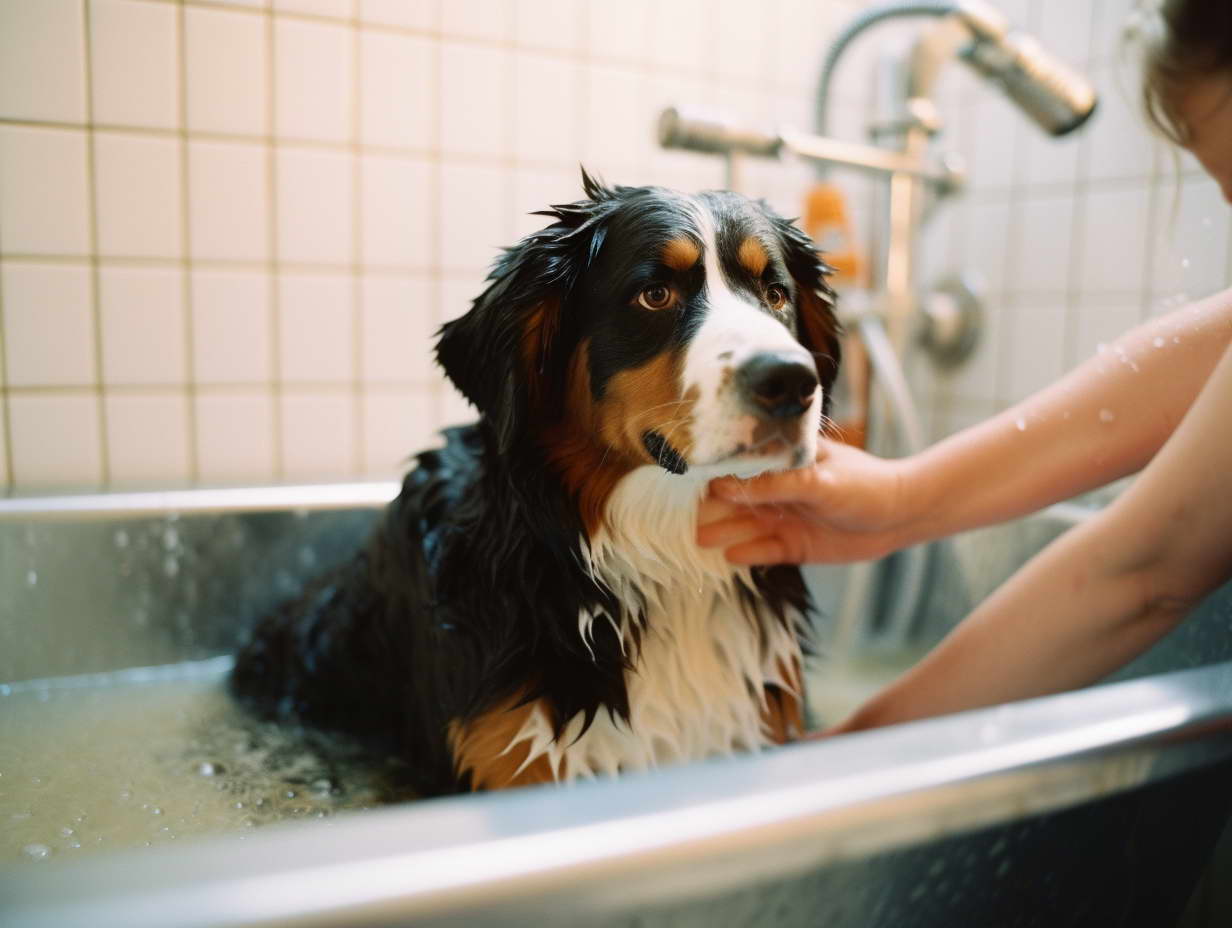
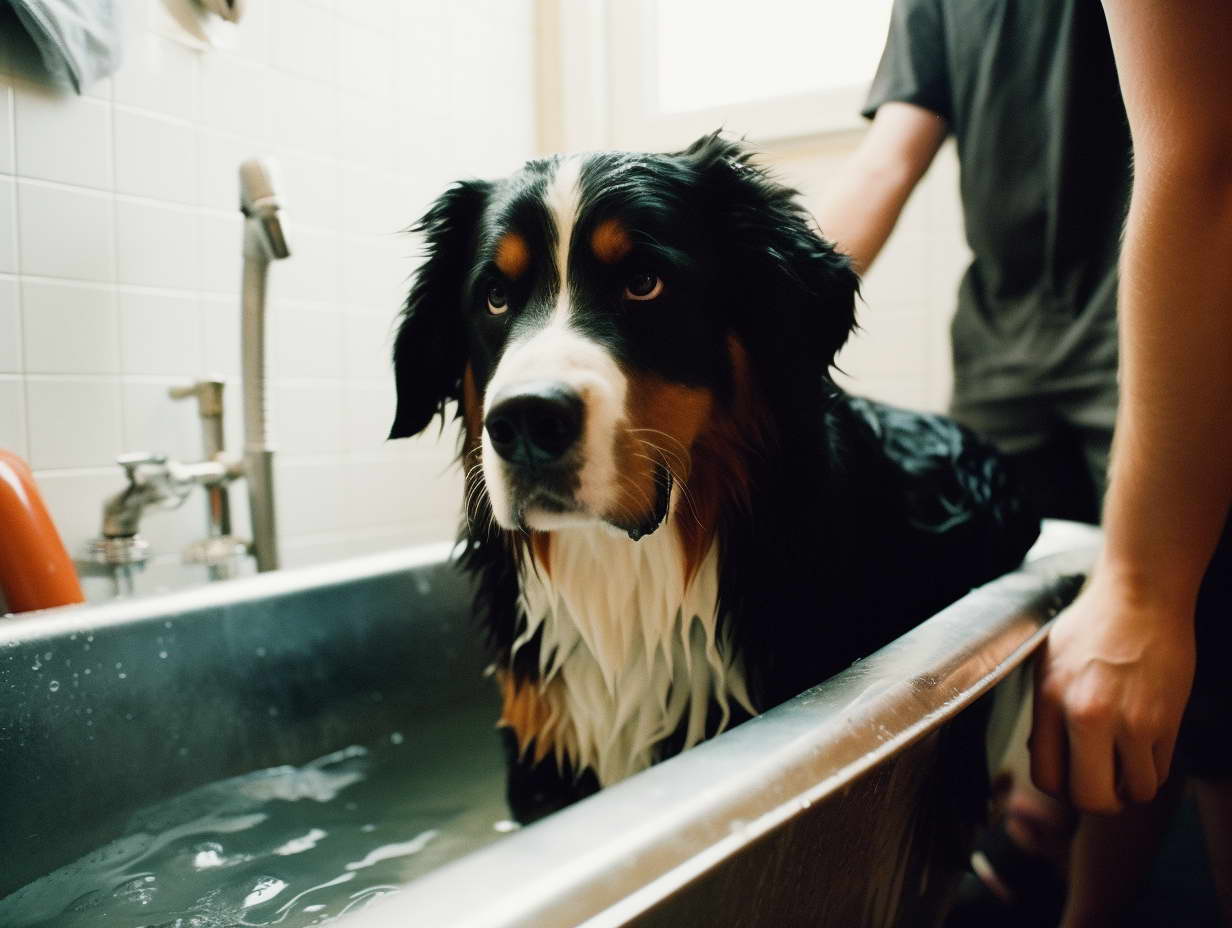
    Are You the Proud Owner of a Bernese Mountain Dog Puppy Looking for ways to give Your furry Friend an enjoyable bathing experience? Bathing Your Bernese Mountain Dog puppy regularly and efficiently will not only maintain hygiene standards but will also benefit their fur and skin health! In this comprehensive guide, we’ll show you all of the steps on how you can bathe Your Bernese Mountain Dog puppy efficiently and effectively!

    Before diving in further, let’s first address some fundamentals for bathing a Bernese Mountain Dog puppy.

    Why Bathing Your Bernese Mountain Dog Pup is Essential

    Bathing your Bernese Mountain Dog puppy can be beneficial in numerous ways:

    Keep your puppy’s coat looking its best by regularly brushing away dirt and debris from their fur to maintain healthy skin, reduce shedding, and eliminate bad smells. This brushing service keeps their fur clean while eliminating bad odors!

    How Often Should a Bernese Mountain Dog Pup Get Bathed?

    How Often Should a Bernese Mountain Dog Pup Get Bathed

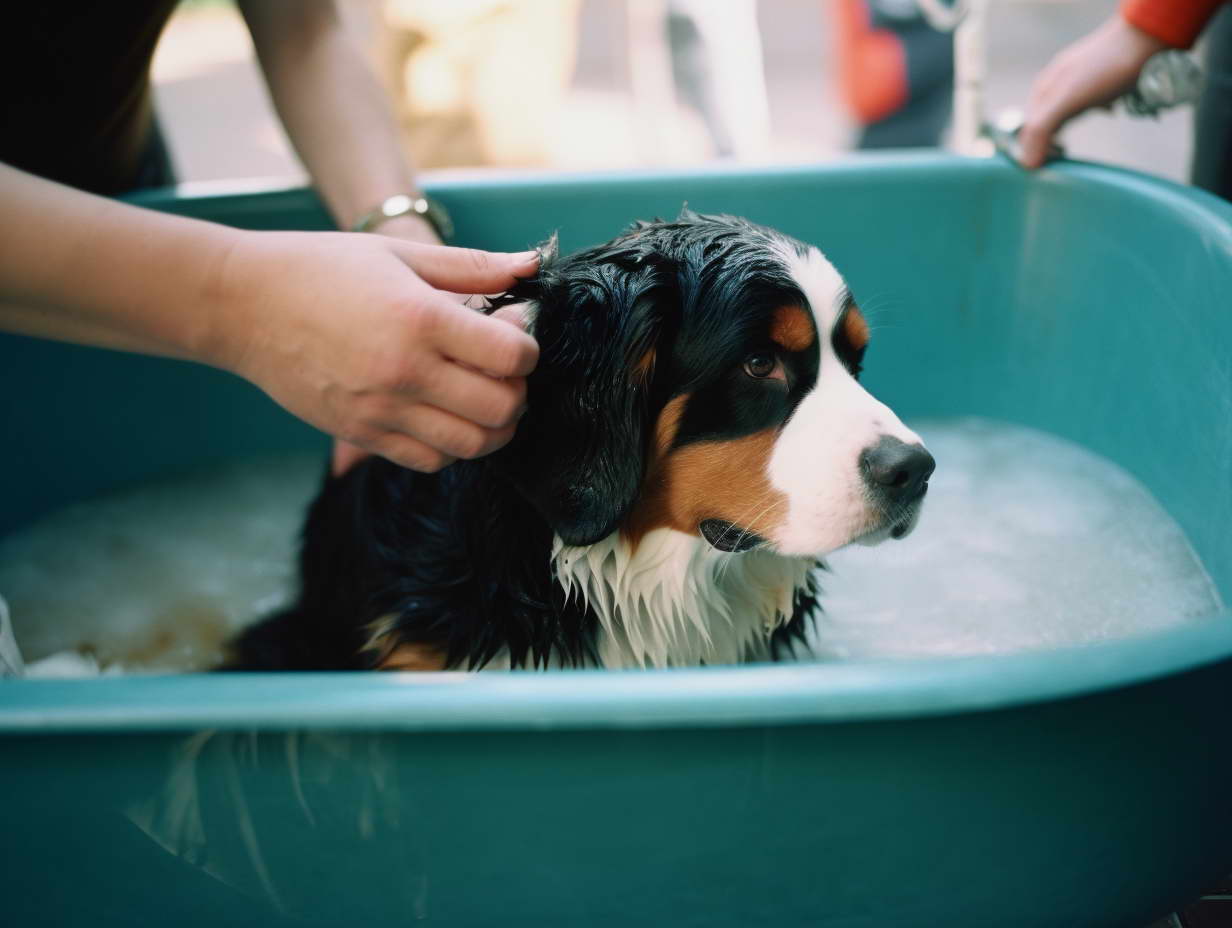
    Bernese Mountain Dogs feature thick double coats to withstand cold climates. While bathing might not be necessary often, too frequent baths could strip their coat of natural oils leading to dry and itchy skin conditions. Bathing once every two to three months should suffice unless your Bernese Mountain Dog has come across anything, particularly dirty or smelly!

    How to Bathe a Bernese Mountain Dog Puppy

    Now that we understand why and how often to bathe our Bernese Mountain Dog puppy, let’s get down into the details of how best to do so effectively.

    How to Bathe a Bernese Mountain Dog Puppy 

    Step One: Gather Supplies.

    Be sure to have all necessary supplies ready before beginning:

    Bring a bathtub or large sink, dog shampoo, a cup or bucket for dispensing water and towels/brush for drying off afterward (cup/bucket = cup vs bucket = bucket), towels (for drying off towels after dousing your dog with shampoo), brushes for grooming your pup as necessary.

    Step Two: Brush Your Puppy’s Coat

    Before getting a puppy, ensure its coat has been thoroughly brushed to remove any mats, tangles, or loose fur that might make bathing simpler and faster. Doing this will allow for the easiest possible bath experience!

    Step 3: Soothe Your Puppy

    Using either a cup or bucket, pour lukewarm water over your puppy’s coat while taking care to avoid its head and face. Make sure it does not reach temperatures too hot or too cold as extreme temperature differences could make them uncomfortably uncomfortable for him or her.

    Step 4: Shampoo Application

    Apply a small amount of dog shampoo and lather it through their fur; taking special care not to let any enter their eyes, ears, or nose.

    Step 5: Rinse Thoroughly

    Now it is time to use either a cup or bucket to thoroughly rinse out all of the shampoos from your puppy’s coat – as before avoid getting water into their eyes, ears, or nose as this could sting or burn! To complete step 5, rinse well until all traces of shampoo have been eliminated from their fur coat – remembering not to get it in their eyes ears noses etc!

    Step 6: Dry Your Puppy

    Gently pat your puppy’s coat with a towel to remove excess moisture, but avoid vigorous rubbing as this could result in matting or tangling of their coat. Wrap a second towel around their body and press gently against their belly to soak up more liquid from their pores if possible; alternatively, you could also try blow-drying on a low heat setting for even faster drying results if applicable.

    Step 7: Brush Your Puppy’s Coat Once More

    After your puppy has dried off from being bathed, brush their coat again to eliminate any mats that have formed during this process. Brush out their fur carefully as well as any potential mats formed due to submersion in water for their bath time!

    FAQs

    Here are the answers to some frequently asked questions about bathing your Bernese Mountain Dog puppy:

    Are there any alternatives to human shampoo for my Bernese Mountain Dog puppy?

    Human shampoo should never be used on dogs as its harsh chemicals may irritate and dry out their skin and coat. Instead, opt for one specially tailored for canines.

    Should my Bernese Mountain Dog puppy use conditioner?

    Bernese Mountain Dogs do not need conditioner, as their coat naturally provides enough lubrication and provides sufficient protection.

    What should I do if my Bernese Mountain Dog puppy doesn’t like baths?

    Some dogs might dislike bath time, so making sure their experience is positive can help make things go smoother. Use treats, toys, and praise as incentives for good behavior during bath time. Begin with quick shallow baths at first before gradually increasing depth and duration with time as your pup adjusts.

    Can my Bernese Mountain Dog puppy receive too frequent baths?

    Yes, over-bathing your puppy may strip its coat of its natural oils and cause dry and itchy skin conditions. A bath every two to three months should suffice unless your pup comes across anything particularly dirty or smelly during playtime.

    Can my Bernese Mountain Dog puppy be bathed outside?

    Bathing a puppy indoors using either a bathtub or a large sink is best, as outdoor bathing may prove too cold or hot depending on the climate. Plus, being indoors makes controlling temperature easier while protecting them from becoming overheated or chilled during bath time! This way you’re less likely to scare them or freeze too quickly during this process!

    How should I prepare my Bernese Mountain Dog puppy for his bathing session? Should his coat be cut before bathing begins?

    No need to trim your puppy’s fur before bathing! Simply brush their coat thoroughly before taking them in for bathing to remove any mats, tangles, or loose fur that might collect.

    Summary

    Bathing a Bernese Mountain Dog puppy may initially seem daunting; however, with the appropriate supplies and techniques, it can become both enjoyable and fulfilling for you and your furry pal! Just keep this in mind – only bathe your puppy once every two to three months using dog-specific shampoo, and avoid getting water into their eyes, ears, or nose for best results – your Bernese Mountain Dog puppy will emerge clean, happy, and contented!

  • Grooming Your Bernese Mountain Dog Puppy – Tips and Tricks

    Grooming Your Bernese Mountain Dog Puppy – Tips and Tricks

    Groom Your Bernese Mountain Dog Puppy Tips and Tricks

    Groom Your Bernese Mountain Dog Puppy – Tips and Tricks

    As any proud Bernese Mountain Dog puppy owner knows, this breed is famous for its lush long coat. Unfortunately, with great beauty comes great responsibility–grooming your Bernese Mountain Dog puppy requires proper attention as its health depends on it being well-groomed to maintain shiny locks without mats and tangles forming in its coat. Here we provide you with an in-depth guide for properly grooming a Bernese Mountain Dog puppy’s coat to maintain health, and shine, and free from mats or tangles/mats formation in its coat.

    Understanding Bernese Mountain Dog Coat

    Bernese Mountain Dogs boast thick, soft fur that ranges in length from medium-long. With two distinct layers – a soft undercoat for insulation and a thick outer coat for protection – their coat comes in various shades from black, white, and brown with distinguishable white markings on the chest, paws, and face; all require regular grooming sessions to stay healthy and avoid tangles and mats in their long coats.

    Tools and Supplies Needed for Grooming

    Before beginning grooming your Bernese Mountain Dog puppy, you must gather all of the appropriate tools and supplies. Here are a few items to get you started:

    • A slicker brush
    • A pin brush
    • A comb
    • Scissors or clippers (depending on how short you want to trim your puppy’s coat)
    • Dog shampoo
    • Towels
    • Cotton balls
    • Styptic powder (to stop bleeding if you accidentally cut your puppy’s nails too short)
    • Dog ear cleaner
    • Dog toothpaste and toothbrush

    Bathing Your Bernese Mountain Dog Puppy

    Bathing Your Bernese Mountain Dog Puppy

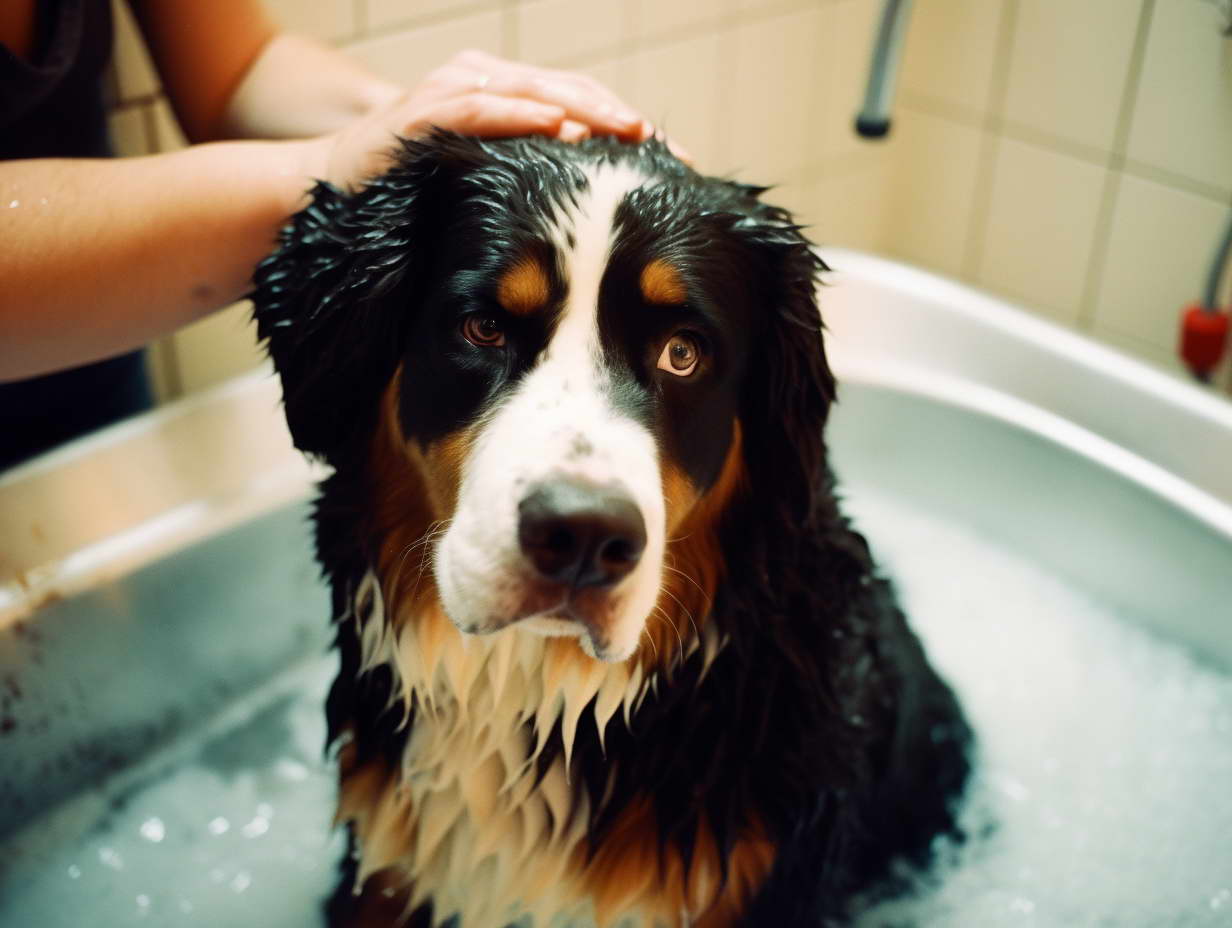
    Bathing a Bernese Mountain Dog puppy should form part of their grooming routine. Here’s how:

    1. Brush your puppy’s coat to remove any tangles or mats before bathing.
    2. Fill a bathtub or large sink with lukewarm water.
    3. Wet your puppy’s coat with water using a handheld showerhead or a pitcher.
    4. Apply dog shampoo to your puppy’s coat, starting from the neck and working your way down to the tail. Avoid getting shampoo in your puppy’s eyes and ears.
    5. Rinse your puppy’s coat thoroughly with water.
    6. Repeat the shampoo and rinse steps as needed.
    7. Gently squeeze excess water from your puppy’s coat.
    8. Wrap your puppy in a towel and dry them off as much as possible.
    9. Use a blow dryer on a low heat setting to dry your puppy’s coat completely.

    Drying and Brushing Your Bernese Mountain Dog Puppy

    After bathing your Bernese Mountain Dog puppy, it is vitally important that its coat be dried and brushed appropriately. Here is how:

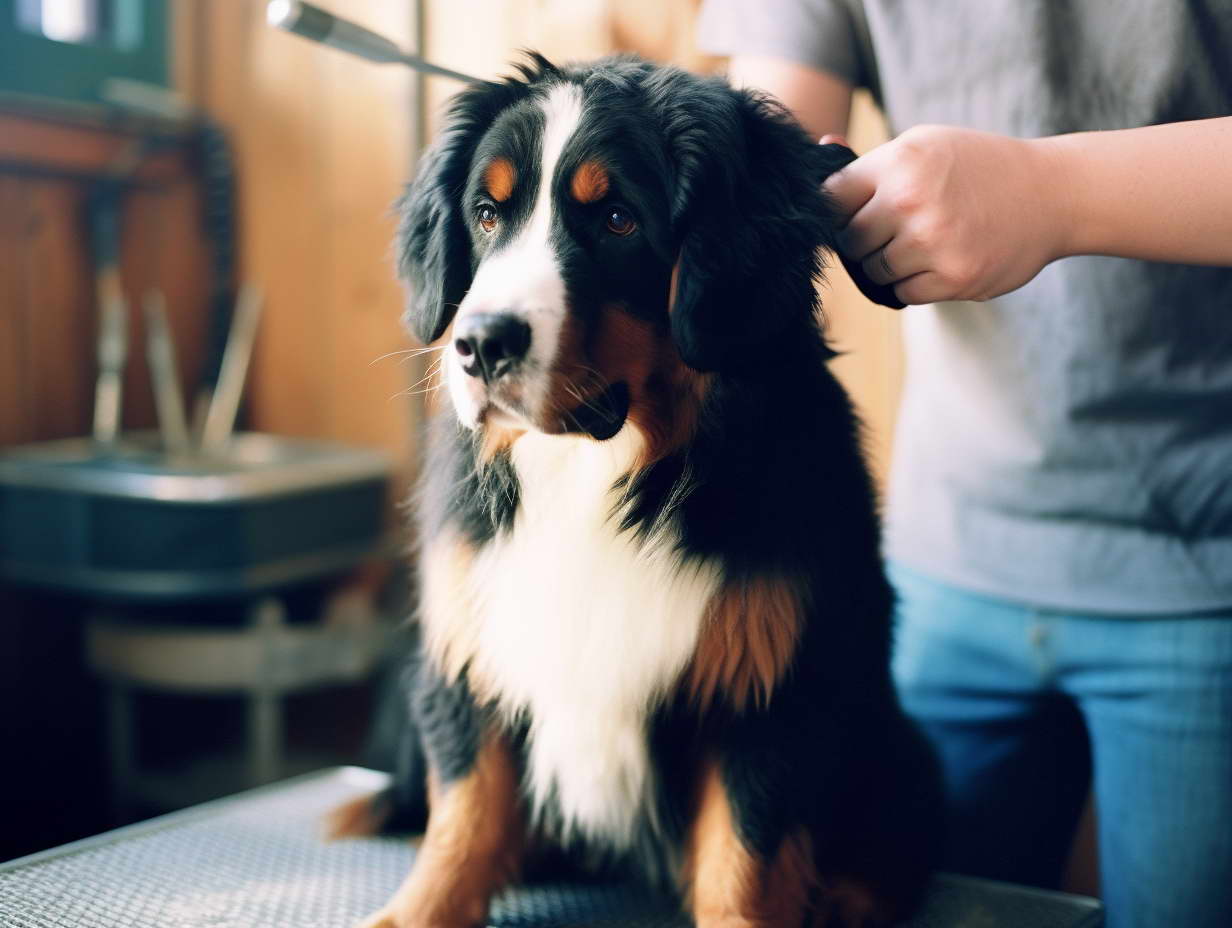
    1. Use a slicker brush to remove any tangles or mats from your puppy’s coat.
    2. Use a pin brush to brush your puppy’s coat from the skin outwards to remove loose fur.
    1. Use a comb to go over your puppy’s coat to ensure that there are no tangles or mats left.
    2. Use scissors or clippers to trim your puppy’s coat as needed. Be sure to follow the natural contours of your puppy’s body and avoid cutting too short.
    3. Use a slicker brush to brush your puppy’s coat again after trimming.

    Trimming Your Bernese Mountain Dog Puppy’s Coat

    Trimming Your Bernese Mountain Dog Puppy Coat

    Trimming a Bernese Mountain Dog pup’s coat may seem daunting at first, but it’s essential for keeping their coat neat. Here are a few helpful hints:

    1. Use scissors or clippers to trim your puppy’s coat. Clippers are best for trimming large areas, while scissors are better for precise trimming around the face and paws.
    2. Use a guard attachment to avoid cutting your puppy’s fur too short.
    3. Be gentle and patient while trimming your puppy’s coat, and take breaks as needed to avoid stressing your puppy out.
    4. Use a slicker brush to brush your puppy’s coat after trimming to remove any loose fur.

    Grooming Your Bernese Mountain Dog Puppy’s Nails

    Maintaining your Bernese Mountain Dog puppy’s nails should be part of their grooming regimen; here is how:

    1. Use a clipper designed for dog nails to trim your puppy’s nails. Be sure to avoid cutting the quick (the pink part of the nail that contains blood vessels and nerves).
    2. If you accidentally cut the quick, use styptic powder to stop the bleeding.
    3. Trim your puppy’s nails every 2-3 weeks, or as needed.

    Cleaning Your Bernese Mountain Dog Puppy’s Ears

    Cleansing your Bernese Mountain Dog puppy’s ears regularly is essential to prevent infections and maintain good ear health. Here is how it should be done:

    1. Apply a few drops of dog ear cleaner to a cotton ball.
    2. Gently clean the inside of your puppy’s ear flap and the ear canal with the cotton ball.
    3. Use a fresh cotton ball to clean the other ear.
    4. Clean your puppy’s ears every 1-2 weeks, or as needed.

    Brushing Your Bernese Mountain Dog Puppy’s Teeth

    Brushing a Bernese Mountain Dog puppy’s teeth regularly is crucial to prevent dental issues like gum disease and tooth decay, here’s how it should be done:

    1. Use a dog toothbrush and toothpaste to brush your puppy’s teeth.
    2. Start by letting your puppy lick the toothpaste off your finger to get them used to the taste.
    3. Once your puppy is comfortable with the toothpaste, introduce the toothbrush and start brushing their teeth.
    4. Brush your puppy’s teeth every day, or as recommended by your vet.

    Dealing with Shedding

    Bernese Mountain Dogs are well known to shed heavily during shedding season. Here are a few strategies for dealing with their Shedden:

    1. Brush your puppy’s coat regularly to remove loose fur.
    2. Use a deshedding tool to remove excess fur.
    3. Consider using a shedding shampoo to help reduce shedding.
    4. Keep your home clean and vacuumed regularly to remove shed fur.

    Grooming Frequency for Bernese Mountain Puppy

    Grooming Frequency for Bernese Mountain Puppy

    How often you should groom a Bernese Mountain Dog puppy will depend on its coat type and your personal preferences; here are some general guidelines:

    1. Brush your puppy’s coat every day or every other day to prevent tangles and mats.
    2. Bathe your puppy every 4-8 weeks, or as needed.
    3. Trim your puppy’s coat every 4-6 weeks, or as needed.
    4. Trim your puppy’s nails every 2-3 weeks, or as needed.
    5. Clean your puppy’s ears every week.

    Summary

    Grooming your Bernese Mountain Dog puppy regularly is essential to their care. Regular grooming helps maintain their coat health and shine, prevents matting/tangling/shedding issues, and keeps their ears fresh and smelling fresh! Regular grooming also allows you to check for signs of skin problems/infections; plus keep their ears looking great too!

    Be careful and patient while grooming your puppy, using tools designed specifically for dogs. Take your time, taking breaks as necessary so as not to stress out or overwhelm him/her!

    By following the advice in this article, you can ensure your Bernese Mountain Dog puppy remains healthy, happy, and looking their absolute best.

    FAQs

    1. How often should I groom my Bernese Mountain Dog puppy?
      Depending on their coat type and your personal preferences, brushing every day or every other day, bathing every four to eight weeks, and trimming every 4-6 weeks may be recommended as appropriate.
    2. Can I use human shampoo on my Bernese Mountain Dog puppy?
      No. Human-grade soap may irritate their skin. For optimal results use dog-specific products instead.
    3. How can I trim the nails of my Bernese Mountain Dog puppy?
      A nail clipper specifically designed to cut dog nails should be used, being careful to not cut into the quick area which contains blood vessels and nerves.
    4. How often should I clean the ears of my Bernese Mountain Dog puppy?
      In general, your Bernese Mountain Dog puppy’s ears should be checked every 1-2 weeks or as needed.
    5. Can I Groom my Bernese Mountain Dog Puppy Myself, or Should I Take them to a Professional Groomer?
      Both options may work; though if it feels uncomfortable or your puppy has difficult fur, a professional groomer could be preferable.
  • Choosing the Right Bed for Your Bernese Mountain Dog Puppy – The Ultimate Guide

    Choosing the Right Bed for Your Bernese Mountain Dog Puppy – The Ultimate Guide

    the Right Bed for Your Bernese Mountain Dog Puppy

    Finding a Bed for Your Bernese Mountain Dog Puppy: A Comprehensive Guide

    As any proud Bernese Mountain Dog puppy owner knows, these pets are unlike any others; big, cuddly Bernese Mountain Dog puppies make great companions and love lazing around with you. However, for optimal care, they require comfortable yet cozy sleeping quarters; which is where selecting an appropriate bed becomes important.

    With this comprehensive guide, we cover everything you need to know when choosing a bed for your Bernese Mountain Dog puppy. From the types of beds available and factors to consider before purchasing one – everything’s covered here!

    When selecting the appropriate bed for your Bernese Mountain Dog puppy, there are a few key considerations you need to keep in mind. First and foremost, ensure the bed can accommodate their size while being durable, comfortable, and easy to keep clean – and effective bed will provide them with vital support that promotes bone and joint health in their puppies.

    Types of Beds

    There are various kinds of beds on the market available for Bernese Mountain Dog puppies; here are a few you should keep in mind for them:

    • Orthopedic Beds for Dogs with Joint Conditions: Orthopedic beds are specially-made beds designed to give support and comfort to dogs suffering from joint issues. Constructed out of high-density foam that conforms perfectly to their bodies, orthopedic beds allow your canine companion to rest easy knowing he or she is receiving optimal support and comfort from this bed type.
    • Elevated Beds: Elevated beds offer your puppy a cozy place to rest during hot and humid temperatures. Elevated beds make a particularly helpful investment when living in hotter environments.
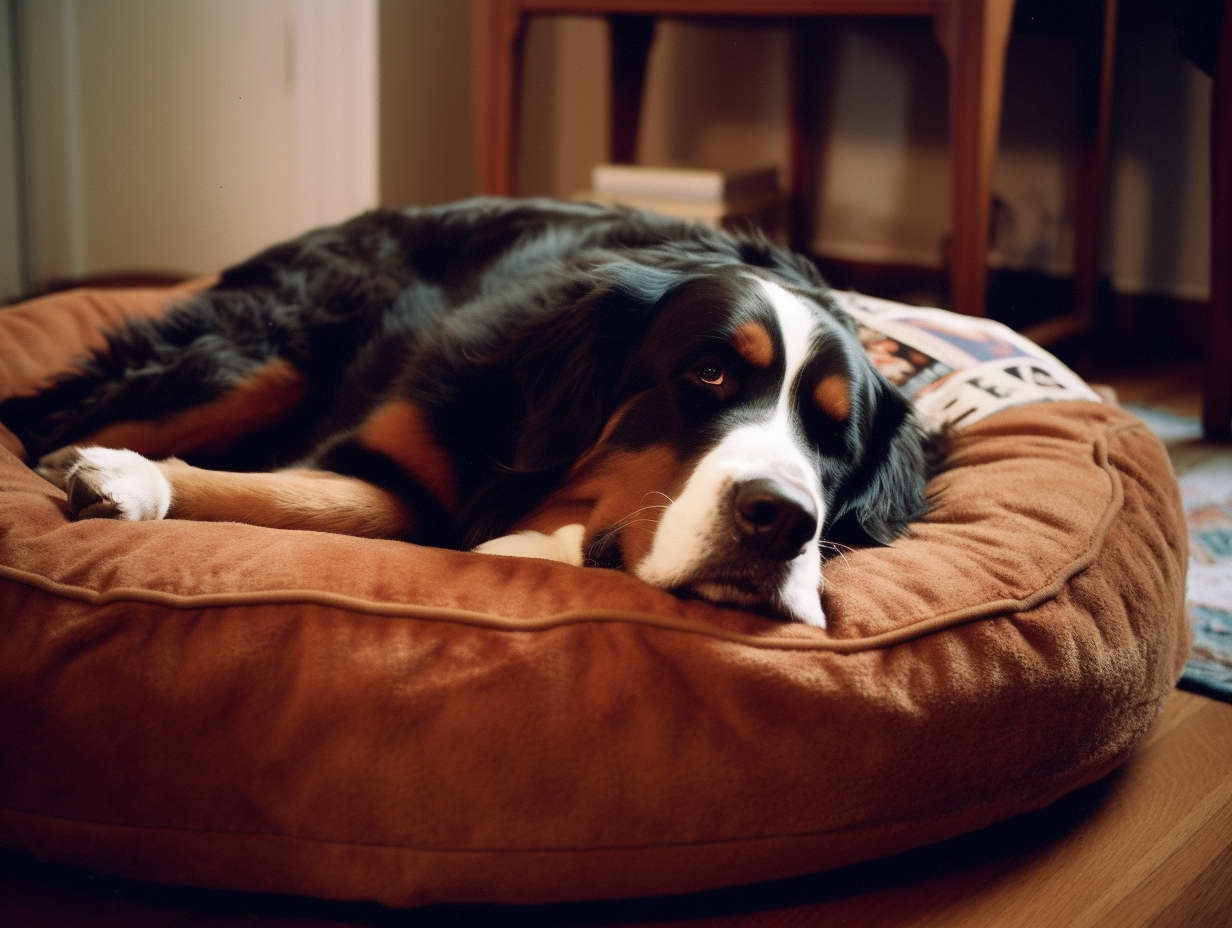
    • Donut Beds: Donut beds feature round shapes with raised edges for your puppy to rest safely on. They offer them the perfect spot where they feel safe.
    • Bolster Beds: Bolster beds feature raised edges which offer your pup a comfortable headrest during sleep time, making these beds especially beneficial to puppies who like leaning against something when sleeping. They’re also great if your puppy prefers leaning against something as part of his or her sleeping arrangement!

    Factors to Consider

    When selecting the appropriate bed for your Bernese Mountain Dog puppy, here are several essential considerations:

    • Size: Bernese Mountain Dog puppies develop quickly, so choose a bed that can easily fit them when they reach adulthood.
    • Comfort: When selecting your Bernese Mountain Dog bed, ensure it provides support to their bones and joints – look for high-density or memory foam options as these may provide optimal comfort levels.
    • Durability: Bernese Mountain Dogs can be heavy dogs, so select a bed that can withstand their weight.
    • Washability: Beds may become dirty over time so opt for one with easy maintenance requirements and frequent cleanup sessions.

    Choose an Appropriate Bed for Your Bernese Mountain Dog Puppy

    Appropriate Bed for Your Bernese Mountain Dog Puppy

    Finding the appropriate bed for a Bernese Mountain Dog pup might seem intimidating at first, but here are a few key pointers you should bear in mind when making this purchase:

    • Consider Your Bernese Mountain Dog’s Size: As Bernese Mountain Dog puppies develop quickly into adults, ensure you choose a bed that can support their future adult size when reaching adulthood. Also, Make Sure Their Bed Is Comfortable And Provide Support To Their Bones And Joints.
    • Consider durability: Bernese Mountain Dogs can be large, heavy animals; be sure to find a bed that can support their weight without collapsing under their weight.
    • Washable materials: Beds can get dirty quickly so select one made of materials that can easily be washed for ease of cleaning and upkeep.
    • Consider your puppy’s sleeping habits: Does your Bernese Mountain Dog prefer curling up or stretching out when sleeping? Select a bed that accommodates their preferred position. Reviews from Bernese Mountain Dog owners to gain an idea of which kind of bed works best.

    FAQs

    What size bed should I get my Bernese Mountain Dog puppy?

    Bernese Mountain Dog puppies develop quickly, so choosing a bed large enough to support their size as an adult becomes essential. A bed measuring at least 30″ by 40″ would be suitable as an initial starting point for this task.

    What type of bed works best for my Bernese Mountain Dog puppy?

    The type of bed best suited for a Bernese Mountain Dog puppy depends entirely on their individual preferences and needs. Orthopedic beds may provide relief for joint issues; elevated beds provide relief in hot or humid climates; donut and bolster beds offer options suitable for snuggly sleeping styles while donut-shaped or pillow bed options offer further options when trying something different than standard options like flat bedding.

    How often should I wash my puppy’s bed?

    Regular washes will prevent dirt, bacteria, and allergen build-up – at minimum once weekly but more frequently if your pup tends to accidents or has allergies.

    Can My Bernese Mountain Dog Sleep on My Bed?

    Although it can be tempting for Bernese Mountain Dog puppies to share your bed, sleeping together might not always be in their best interests. Puppies could easily fall off and sustain physical injuries during sleepovers while developing bad habits such as jumping on furniture. Furthermore, their fur and dander could create allergy issues, making cleaning your bed difficult.

    Should I select a bed with removable covers?

    Yes, selecting a removable and washable cover bed can make cleaning and maintenance easier as well as help prevent the build-up of dirt, bacteria, and allergens in the mattress.

    Can I Use a Crate Instead of a Bed for my Bernese Mountain Dog Puppy?

    A crate may provide your puppy with secure and comfy shelter; however, it shouldn’t serve as an alternative bed option. Puppies need support to rest their bones and joints comfortably when sleeping; which may not come through from using just a crate alone.

    Final Thoughts

    Selecting an ideal bed for your Bernese Mountain Dog puppy is an important decision that could have significant ramifications on his health and well-being. By considering factors like size, comfort, durability, and washability you can find one to meet their individual needs and preferences – remembering reviews when making purchases as well.

    An investment in quality bedding for your Bernese Mountain Dog puppy will not only offer them comfort and peace of mind but will also support overall health and happiness. So take the time to select an appropriate bed for them, so they can rest easy at night!