The Unique and Striking Elkhound Husky Crossbreed
PETSIDI – The Elkhound Husky hybrid is a relatively new crossbreed or designer dog that brings together the hardy Elkhound with the energetic Siberian Husky. This interesting blend of two purebreds creates a loyal and outgoing canine companion perfect for active owners.
In this article, we’ll explore everything you need to know about this one-of-a-kind Nordic Elkhound Husky mix, from its history and physical traits to its ideal home and potential health issues.
Origins of the Elkhound Husky Combination
To understand this unique mutt, we must first look at its parent breeds.
The Norwegian Elkhound hails from Norway, where it was first bred to hunt moose, bear, and other big game. An ancient spitz-type breed dating back thousands of years, these medium-sized, sturdy dogs are known for their great bravery, stamina, and independence.
The striking Siberian Husky originated in Siberia where it pulled sleds over long distances. Bred by the Chukchi people, Huskies are energetic, and resilient and were able to thrive in brutally cold climates. These dogs gained fame for their sled racing prowess during the Alaskan Gold Rush era.
It’s unclear precisely when breeders first began crossing Elkhounds and Huskies, but the practice likely started in North America sometime within the last couple of decades.
Elkhound Husky mixes bring together the best traits from each breed. These hybrids make alert watchdogs that bond very closely with their families. Their energetic, fun-loving, and outgoing natures also make them great adventure companions.
Appearance of the Husky Elkhound Crossbreed
Since the Elkhound Husky cross is a newer hybrid, individuals can vary greatly in appearance. Most inherit a mix of physical traits from both parental breeds.
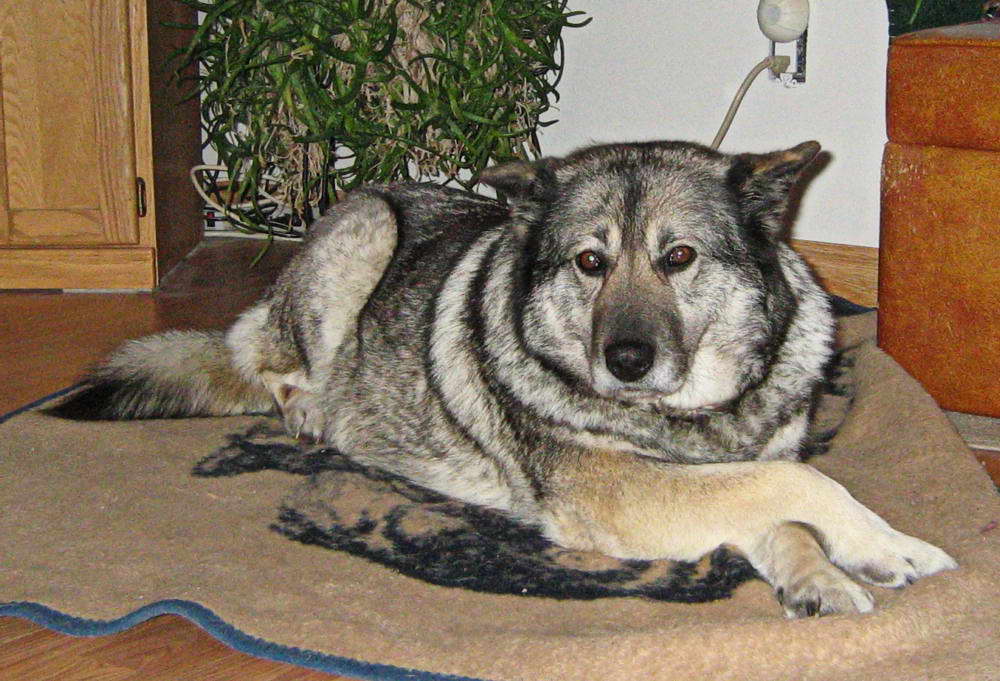
These medium to large dogs typically weigh 45-60 lbs and stand 20-25 inches tall at the shoulder. Husky Elkhound mixes boast very dense and weather-resistant double coats. Their fur is straight, medium in length, and lies close to the body.
Coat colors include black, gray, brown, white, and biscuit. Most dogs sport handsome bi-colored coats with darker fur on the back that fades to lighter tones on the belly and legs. Splashes of white on the face, chest, and feet are common.
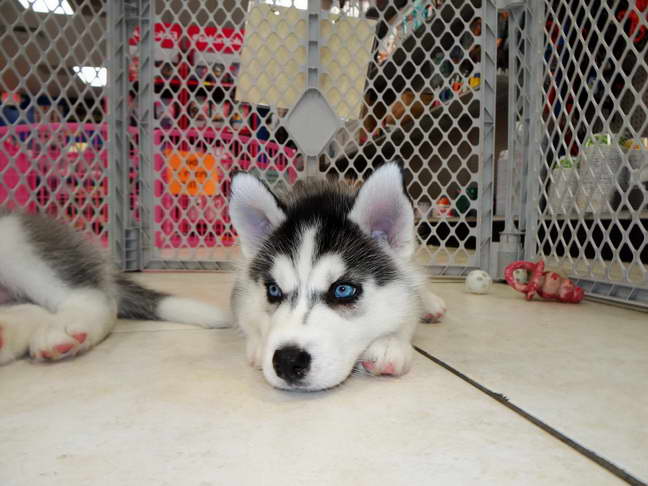
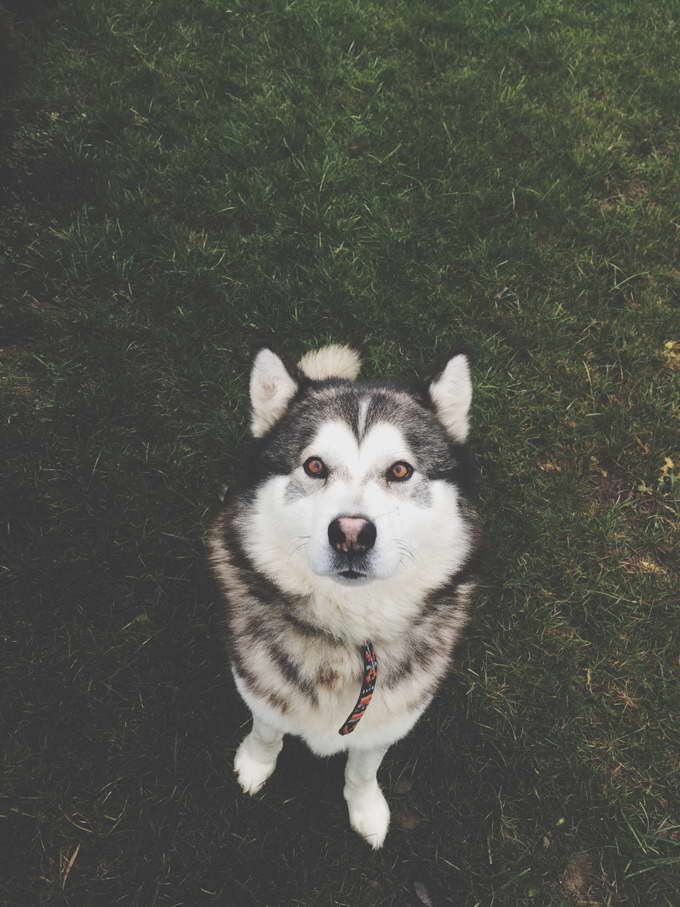
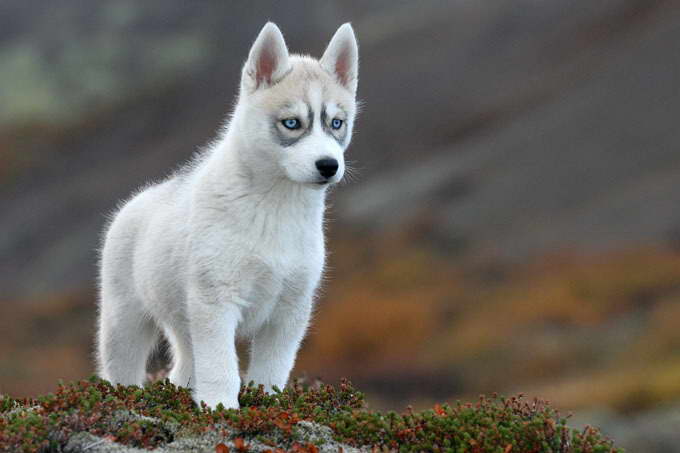
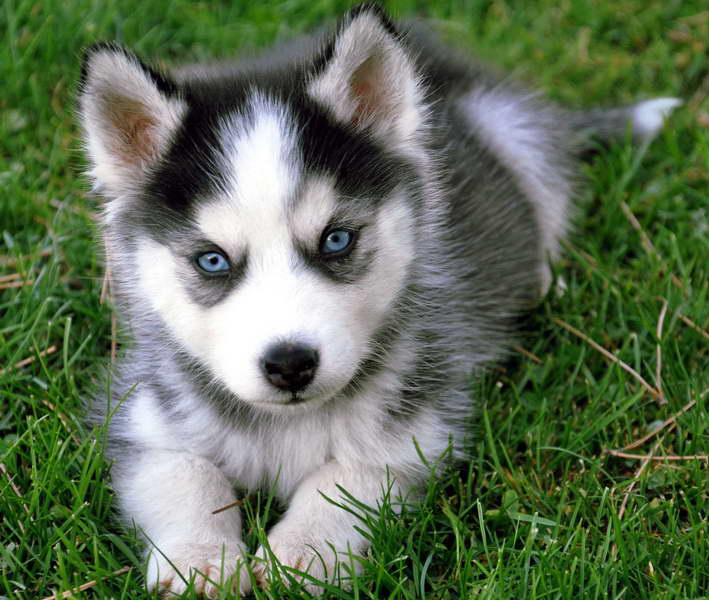
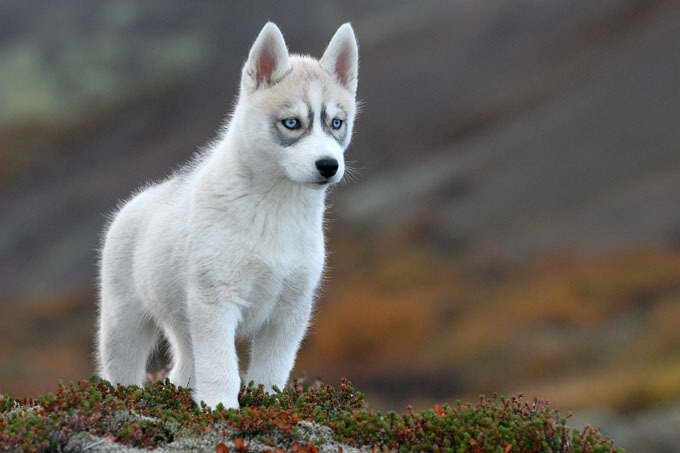
Erect, triangular ears are a signature Elkhound trait that carries through in many Elkhound Husky mixes. These hybrids may also inherit the Husky’s striking ice blue eyes, or have one blue and one brown eye. Fluffy, curled tails are typical as well.
Overall, the Elkhound Siberian Husky blend has a rugged yet refined appearance that reflects the aesthetic of both parent breeds. They’re athletic dogs with a noble, wolf-like bearing.
Temperament and Behavior of the Elkhound Husky Fusion
Since crossbreed personalities can vary, it’s important to examine the temperaments of the Elkhound and Husky to understand what to expect in an Elkhound Husky puppy.
Elkhounds are bold, brave dogs that form intense bonds with their owners. Though independent thinkers, they aim to please and enjoy being part of family activities. Elkhounds are reserved with strangers but very loyal and protective of their loved ones.
Siberian Huskies are famously friendly, outgoing, and energetic. They love being around people and get along well with everyone. Huskies thrive when they have regular activity and attention from their families. Without sufficient exercise, they can become bored and destructive.
The typical Elkhound Husky mix combines these traits to create a highly social and active dog that excels as a companion for sports and outdoor adventures. Though somewhat aloof with strangers, most warm up quickly and can be trusted around children and other pets when properly socialized.
These hybrids are intelligent like both parent breeds and need plenty of mental stimulation. They inherited strong hunting, chasing, and digging instincts from the Elkhound and Husky, so secured fencing is a must. Overall, you can expect an Elkhound Husky crossbreed to be an affectionate and upbeat companion.
Ideal Home Settings for the Husky Elkhound Blend
The energetic Husky Elkhound combination thrives in an active home able to provide plenty of daily exercise, playtime, and training. These dogs fare best with owners who enjoy hiking, camping, jogging, swimming, and other outdoor pursuits.
Apartment living usually isn’t the best fit for this active hybrid. A securely fenced yard is ideal so your Elkhound Husky has room to play and burn off energy. The breed’s double coat also allows it to happily spend time outdoors in cold winter weather.
Elkhound Husky mixes love being around their families. They’ll enjoy participating in all your daily activities and want to be where the action is. Be prepared to bring your dog along on errands, road trips, and adventures.
These smart hybrids need regular mental stimulation as well. Food puzzles, kungs, obedience training, and interactive toys will help prevent boredom and destructive chewing. Expect to devote time daily to exercising your Husky Elkhound puppy’s body and mind.
If properly socialized, the loyal Elkhound Husky crossbreed generally gets along well with children, other dogs, and pets. Their playful and gentle natures allow them to be great companions for kids. Always supervise young children to prevent rough play, however.
With appropriate training and leadership, these eager-to-please hybrids can adapt well to most family situations. Their outgoing personalities allow them to be wonderful adventure buddies for single adults too.
Training Tips for the Husky Elkhound Combination
The intelligent Husky Elkhound cross responds very well to training, especially when it’s started early and consistently reinforced. Firm, positive reinforcement methods work best to nurture these hybrids’ natural willingness to cooperate and learn.
Like both parent breeds, Elkhound Huskies can have an independent streak. Establishing yourself as a fair, trusted leader is essential. Use reward-based techniques to teach good manners and enforce rules patiently but firmly.
Early socialization is also key to bringing out your Elkhound Husky puppy’s best temperament. Introduce your dog to a wide variety of new people, places, animals, and experiences starting at 7-8 weeks old. Maintain these positive exposures throughout your dog’s life.
The high-energy Elkhound Siberian Husky mix excels at canine sports like agility, flyball, and obedience competitions that provide an outlet for their athleticism and trainability. Trick training is another fun way to engage these hybrids’ active minds.
Leash training is a must since the instincts to roam and hunt can be strong in some Elkhound Husky pups. Teaching solid recall skills off-leash in a safe area can allow your dog some freedom to run while maintaining control.
Set aside 30-60 minutes daily for training and you’ll be rewarded with a delightful companion happy to join you on any adventure. Proper conditioning strengthens the bond between you and your Husky Elkhound blend.
Ideal Activities for the Husky Elkhound Cross
To live happily with an Elkhound Husky crossbreed, be prepared to provide your dog with adequate outlets for their high energy levels. This typically means committing to 1-2 hours of activity daily.
Engaging these athletic hybrids in brisk leash walks, runs, hikes, cycling, and swimming will satisfy their exercise needs. Fetch, frisbee, and flirt pole chasing are also great for burning off pent-up energy.
During cold months, Elkhound Husky mixes will enjoy pulling a sled or cart and racing you on cross-country skis. Their husky heritage gives them a natural talent for sled dog sports.
Mental exercise is equally important for these intelligent hybrids. Food puzzle toys, trick training, scent detection games, and hide-and-seek will keep your Elkhound Husky challenged and fulfilled.
The social Elkhound Husky cross thrives when included in family activities like camping, boating, and road trips. They’ll also appreciate visits to dog parks and beaches where they can play with other pets.
Providing adequate physical and mental stimulation will prevent problem behaviors like excessive barking, digging, and chewing in your Elkhound Husky hybrid. A tired dog is a happy, well-behaved dog!
Grooming Requirements for the Husky Elkhound Breed
The Elkhound Husky sports dense, weather-resistant double coats that shed seasonally and require weekly brushing to control loose hair. During the shedding season in spring and fall, plan to brush them daily.
Use a slicker brush and undercoat rake to remove dead hair and keep your Elkhound Husky’s coat tidy in between professional grooming appointments every 6-8 weeks. Bathing is only necessary occasionally since these hybrids tend to stay quite clean on their own.
Check ears weekly and wipe out excess wax and debris to prevent infections. Brush teeth regularly using veterinarian-approved dog toothpaste. Trim nails as needed, taking care not to cut them quickly.
With routine brushing and care, the Elkhound Siberian Husky’s handsome coat will maintain a healthy shine. Proper grooming also helps minimize shedding mess around your home.
Nutritional Needs of the Elkhound Husky Mix
As an energetic medium to large dogs, Elkhound Husky crosses need a high-quality diet with adequate protein and fat to fuel their active lifestyles.
Choose a commercial dog food formulated for medium or large-breed dogs, ideally, one made with premium natural ingredients. Look for whole meat as the first ingredient.
Feeding amounts will vary based on your individual Elkhound Husky dog’s age, size, and activity level. Follow package guidelines and monitor your dog’s body condition, adjusting food as needed to keep them lean and fit.
Don’t allow rapid growth in Elkhound Husky puppies, which can put excess stress on developing joints. Feed a large breed puppy formula and stick to recommended daily rations.
Always provide unfettered access to fresh drinking water. Check food and water bowls daily to ensure they’re clean and filled. Proper nutrition supports your hybrid’s health and happiness.
Elkhound Husky Health Concerns
Reputably bred Elkhound Husky crossbreeds are typically quite healthy, but they may be prone to some of the same medical issues seen in the parent breeds. This includes:
- Hip dysplasia – Malformation of hip joints causing arthritis and lameness.
- Eye problems – Issues include cataracts, progressive retinal atrophy, and glaucoma.
- Hypothyroidism – Underactive thyroid gland requiring supplementation.
- Bloat – Life-threatening stomach twisting requiring emergency surgery. Use raised, slow-feed bowls.
Other health concerns like allergies, obesity, and ear infections can be minimized with proper care, nutrition, and veterinary wellness visits.
Avoid overexertion and jumping until your Elkhound Husky is over 18 months old when their bones have finished growing. Spay/neuter between 12-18 months to prevent hormone-related cancers.
With attentive care, regular vet checks, and a healthy lifestyle, your Husky Elkhound can remain your active companion for 10-14 wonderful years!
Finding a Healthy Elkhound Husky Puppy
Begin your search for an Elkhound Husky puppy by researching breeders carefully. Look for those who health screen their dogs and focus on temperament. Meet parent dogs whenever possible.
Reputable breeders will welcome questions, offer health clearances, and provide proof of health testing for issues like hip dysplasia. Expect to pay $800-USD 1200 from quality breeders.
You may come across Elkhound Husky puppies in shelters and rescues as well. Adopting can be rewarding, but the dog’s background and medical history are often unknown.
Regardless of the source, always see the puppy in person before bringing it home. Look for signs of good health like clear eyes, clean ears, and healthy skin/coat. Make sure the puppy is alert and energetic.
Raising your Elkhound Husky puppy properly from day one will give you the best chance for a well-mannered adult dog. Enroll in training classes, socialize extensively, and start a regular exercise routine right away.
With a perfect blend of striking good looks, athleticism, trainability, and affection, the Elkhound Husky crossbreed makes a marvelous adventure companion for active owners. Are you ready to add one of these unique Nordic hybrids to your family?
Bringing Home Your Elkhound Husky Puppy
Preparing properly before bringing home your Elkhound Husky will help set your new puppy up for success. Puppy-proof your home by removing tempting chew items and securing chemicals/medications.
Gather essential supplies like a crate, bedding, bowls, collar/leash, and chew toys. High-quality puppy food and treats should be purchased ahead of time as well.
Finding a trusted veterinarian and scheduling your pup’s first vet visit within a few days of arrival is highly recommended. Be prepared to start vaccinations and deworming on schedule.
Once your puppy is home, start housetraining immediately by establishing a consistent potty routine. Praise and reward desired behaviors generously to build a strong foundation.
Enroll your Elkhound Husky in a positive puppy kindergarten class right away. This stimulates their mind while teaching good manners and social skills. Maintain training throughout your dog’s life.
Set boundaries and rules from the start so your Elkhound Husky understands expected behavior. Use rewards and redirection rather than punishment to shape habits. Be patient – puppies learn through consistency over time.
Appropriate physical and mental exercise will be crucial for your energetic Husky Elkhound pup. Interactive playtime prevents boredom and destructive behavior.
Feed set meals rather than free-feeding to help with housetraining. Monitor treat intake so it doesn’t exceed 10% of daily calories. Keep your puppy lean as excess weight stresses growing bones.
With attentive care and training during these first few months, your Elkhound Husky will blossom into an outstanding canine companion for life!
Daily Care Tips for the Elkhound Husky Owner
Living harmoniously with your Elkhound Husky means making their daily physical and mental needs a priority. Here are some top care tips:
- Plan to exercise your Elkhound Husky for 60-90 minutes daily with activities like hiking, running, swimming, and fetch. This energetic breed thrives on vigorous activity.
- Incorporate mental stimulation into your Husky Elkhound’s routine as well. Food puzzles, obedience training, trick teaching, and hide-and-seek will challenge their bright mind.
- Schedule regular twice-weekly brushing to keep your Elkhound Husky looking their best. Check ears and trim nails weekly. Brush teeth daily.
- Make sure your hybrid has access to cool, fresh water at all times when active or spending time outdoors. Bring water on walks and hikes.
- Keep your home and yard safe by storing chemicals securely and covering trash cans. Remove small tempting objects your curious Elkhound Siberian Husky could swallow.
- Rotate a variety of interactive toys to prevent boredom but limit plush toys, which can be choking hazards if destroyed. Durable rubber toys work well.
- Always supervise interactions between your Elkhound Husky and young children or other pets. Teach kids how to interact appropriately.
- Include your sociable Elkhound Husky in family activities and outings as much as possible so they don’t feel left out of the fun.
With attentive daily care, you’ll be rewarded with a happy, well-behaved Elkhound Husky crossbreed that provides you with years of joy.
Elkhound Husky Fun Facts
Here are some interesting facts about this striking Nordic breed combo:
- The Elkhound Husky originated in North America likely within the past 20-30 years as demand grew for new hybrid dogs.
- Husky Elkhound mixes can have blue eyes, brown eyes, or one blue and one brown eye, thanks to the Siberian Husky’s genetics.
- The Elkhound and Husky were both originally bred to pull sleds, so Elkhound Huskies often excel at sled dog sports and skijoring.
- Some Elkhound Siberian Husky mixes strongly resemble wolves in their facial features, fur, and markings.
- The friendly, outgoing Elkhound Husky will happily play with other pets and usually enjoys visits to the dog park.
- Husky Elkhound puppies can cost anywhere from $500 to over $1500 depending on the breeder. Shelters/rescues offer them at reduced rates.
- An adult Elkhound Husky will shed heavily twice per year and require daily brushing to keep loose hair at bay during shedding season.
- Most Elkhound Huskies love playing in snow and cold weather thanks to their Siberian Husky heritage.
- Smart and energetic, the Elkhound Husky blend excels at canine sports like agility, obedience, rally, and dock diving.
- With their dense double coat, Elkhound Husky crosses only need bathing every few months. Their fur naturally resists dirt and odors.
The unique Elkhound Husky brings together the best qualities of two fantastic Nordic breeds for dog lovers seeking an active, loyal companion. Are you considering adding one of these striking hybrids to your family?
Training an Elkhound Husky Puppy
Bringing home an intelligent, energetic Elkhound Husky puppy is incredibly exciting. But it also comes with great responsibility to train them properly. Here are some top training tips:
Start Early
You can begin teaching basic skills as soon as you bring your 8-12-week-old Elkhound Husky puppy home. Simple commands like “sit,” “stay,” and “come” are great beginner lessons, along with leash manners.
Enroll In Classes
Sign up for positive reinforcement puppy kindergarten and obedience classes within a week or two of getting your puppy. This gives vital socialization with other dogs and people while building good manners.
Be Consistent
Set clear household rules and stick to them. Everyone in the family should use the same commands, corrections, and praise so training is consistent. Set your Husky Elkhound up for success.
Motivate With Rewards
This breed responds best to positive reinforcement techniques and treats. Avoid punishment or scolding which can frighten them. Generously reward desired behaviors immediately to reinforce them.
Practice Daily
Frequent short sessions of 5-15 minutes work better than long occasional ones. Aim to do some basic training, command practice, and socialization exposure daily with your Elkhound Husky.
Be Patient
Dogs don’t generalize well. Re-teaching in different environments is key. Manage your expectations and be patient as your Elkhound Siberian Husky puppy learns. Keep sessions upbeat and quit while they’re still engaged.
Address Problem Behaviors
If your puppy picks up any unwanted habits like mouthing, jumping, or pulling on a leash, redirect to better alternatives and reward those. Managing the environment also prevents reinforcing bad habits.
Invest In Toys
Stock up on mentally stimulating, interactive toys to keep your smart Elkhound Husky challenged and engaged during free time. Food puzzles and treat balls are excellent choices.
Provide Exercise
Adequate daily exercise prevents behavior issues in high-energy breeds like the Husky Elkhound. Work their mind and body with regular play sessions, walks, hikes, and training.
Start training your Elkhound Husky puppy from day one and you’ll be rewarded with years of companionship from a happy, well-mannered dog! Maintain lessons throughout their lifetime to strengthen your bond.
Life with an Adult Elkhound Husky
The first year with your energetic Elkhound Husky puppy can be a handful, but you’ll be rewarded with many wonderful years with your adult dog. Here’s what to expect:
Exercise Needs
Plan on providing 60-90 minutes of vigorous daily exercise for your grown Elkhound Husky. These breeds thrive on long walks, jogging, hiking, swimming, and playing fetch.
** Mental Stimulation**
Keep your intelligent adult Husky Elkhound engaged by doing obedience training, canine sports, trick teaching, and providing interactive puzzle toys. A bored dog can be destructive.
Grooming
Expect heavy seasonal shedding that requires daily brushing to control loose hair. Year-round weekly brushing maintains their handsome double coat. Check ears and teeth weekly too.
Nutrition
Feed a high-quality dog food formulated for active medium/large breeds. Portion control is important to prevent obesity. Provide unfettered access to fresh water.
Vet Visits
See your vet annually for wellness exams. Keep up with preventative care like vaccines, heartworm testing, and flea/tick prevention. Stay alert to any changes in behavior or health.
Social Needs
This friendly breed craves your time, attention, and activity. Make sure to include your Elkhound Siberian Husky in family life as much as possible so they don’t feel neglected.
Safety Precautions
Secure your yard’s fencing to prevent roaming. Use baby gates to keep your dog out of rooms where they could get into trouble. Never leave them unsupervised with young children.
Training Refreshers
Periodically enroll your adult Elkhound Husky in obedience classes. This maintains the mental stimulation and socialization they thrive on while preventing bad habits.
The loyal Elkhound Husky aims to please, so providing the proper care and lifestyle will ensure a wonderful companion for years to come. This special breed is worth the effort!