Blog

  • Feeding Schedule for German Shepherd Puppies

    Feeding Schedule for German Shepherd Puppies

    Understanding Feeding Schedule for German Shepherd Puppies

    Feeding Schedule for German Shepherd Puppies

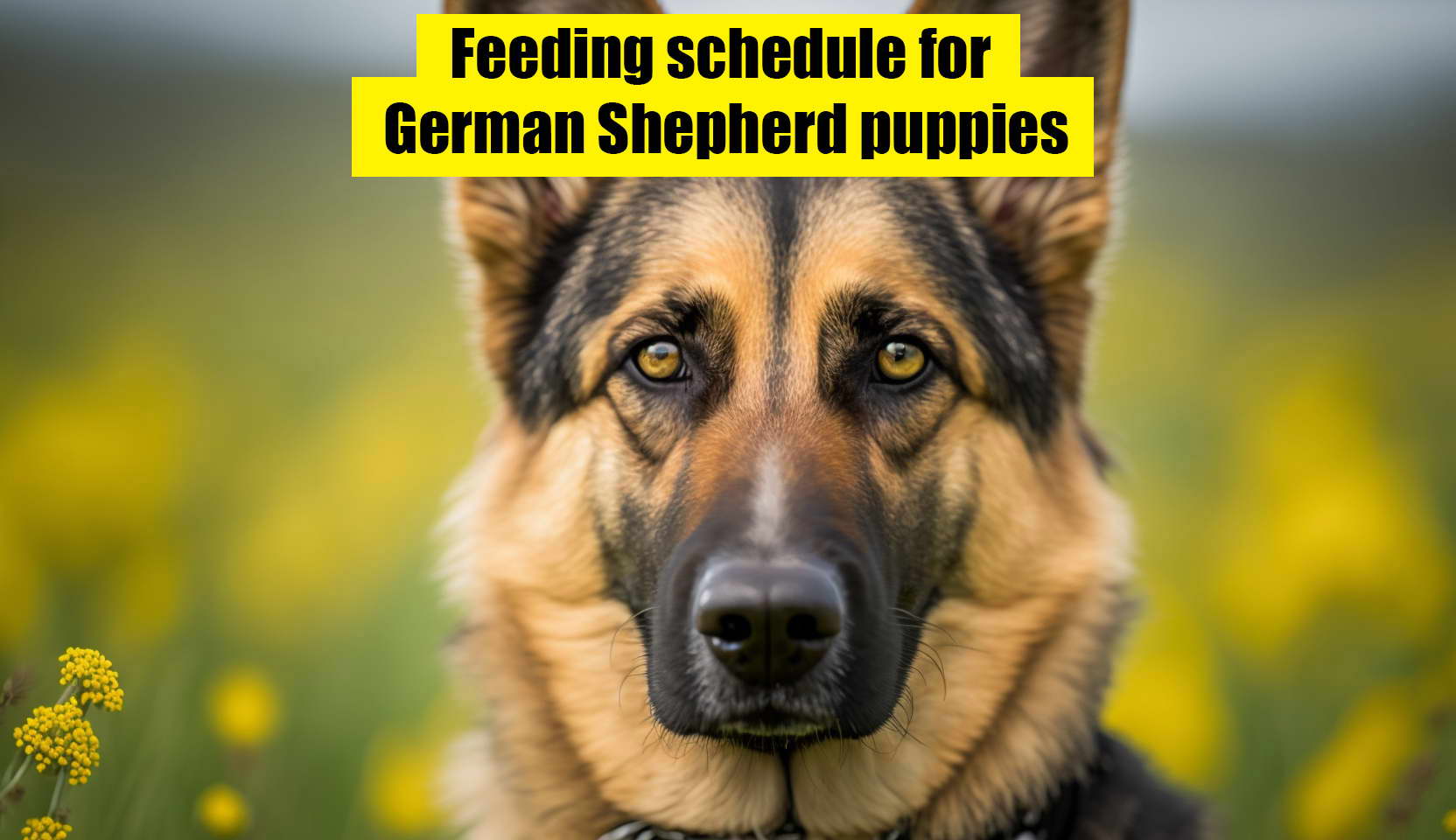
    Are you the proud parent of a German Shepherd puppy and searching for a feeding schedule that will keep your furry friend healthy and contented? As responsible pet parents, it’s essential to provide your pup with an appropriate diet that meets its nutritional requirements. In this article, we’ll guide you through the ideal feeding schedule for German Shepherd puppies so that your furry friend gets all of the right nutrients.

    Understanding German Shepherd Puppies’ Nutritional Needs

    Before we discuss the feeding schedule for your German Shepherd puppy, it’s essential to understand their nutritional needs. Puppies require a diet that provides them with enough protein, carbohydrates, fats, vitamins, and minerals to promote growth and development. As large breeds, German Shepherds require high-quality food that meets their specific nutritional requirements.

    German Shepherd Puppies – Protein Requirements

    Protein is essential for the growth and development of muscles, bones, and organs in German Shepherd puppies. A diet containing at least 22% protein should be provided; opt for high-quality sources like chicken, beef, lamb, or fish.

    Carbohydrate Requirements for German Shepherd Puppies

    Carbohydrates provide energy to your puppy and are an important source of fiber. Select a diet that contains complex carbs like sweet potatoes, brown rice, and oatmeal as sources of complex carbohydrates.

    German Shepherd Puppy Fat Requirements

    Fat is an essential nutrient for your puppy as it provides them with energy and helps keep their coat looking beautiful. Opt for a diet that contains at least 8% fat, made from high-quality sources like fish oil or chicken fat.

    Vitamin and Mineral Needs of German Shepherd Puppies

    Your puppy needs a diet that provides various vitamins and minerals for proper growth and development. Look for one that includes vitamins A, D, E, and K as well as calcium, phosphorus, and zinc.

    Feeding Schedule for German Shepherd Puppies

    Now that you understand your German Shepherd puppy’s nutritional requirements, let’s take a closer look at an ideal feeding schedule.

    At 6-8 Weeks Old

    Your puppy should still be nursing from their mother at six to eight weeks of age. However, if you’ve adopted a puppy that’s been weaned, then it is safe to introduce them to solid food. Start with small amounts of wet food mixed with water or puppy formula, offered several times daily.

    At 8-12 Weeks Old

    By eight to twelve weeks old, your puppy should be eating solid food. Provide them with three to four meals daily of high-quality puppy food and make sure they always have access to plenty of water.

    At 12-16 Weeks Old

    By twelve to sixteen weeks old, your puppy should be eating three meals a day from high-quality puppy food. You must monitor their weight during this period so that they do not over or undereat.

    16-24 Weeks Old

    At sixteen to twenty-four weeks old, your puppy should be eating two meals a day of high-quality puppy food. It is essential to monitor their weight during this period and adjust their food intake accordingly.

    6 Months and Older

    At six months and older, your puppy can transition to adult dog food. Offer them two meals daily of high-quality adult dog food, while providing them with plenty of water throughout the day.

    Tips for Feeding Your German Shepherd Puppy

    Here are a few tips to remember when feeding your German Shepherd puppy:

    • Maintain a consistent feeding schedule to avoid overfeeding or underfeeding your puppy.
    • Steer clear of table scraps or human food, as this may lead to obesity and other health problems in your pup.
    • Measure their food accordingly so they get the right amount.
    • Provide your puppy with access to clean water at all times.
    • Consider feeding them a combination of wet and dry food for variety in their diet.
    • If there are any food allergies or sensitivities present, consult with your veterinarian about the best diet for them.

    Conclusion

    Feeding your German Shepherd puppy the correct food at the correct time is critical for its growth and development. Make sure their diet meets their specific nutritional requirements, and stick to a consistent feeding schedule. If you have any doubts about your pup’s diet or feeding schedule, consult with your veterinarian.

    FAQs

    1. How often should I feed my German Shepherd puppy?
      At 8-12 weeks old, offer them three to four meals a day of premium puppy food; gradually decrease this number as the pup grows older.
    2. What type of food should I feed my German Shepherd puppy?
      For optimal growth and development, look for a high-quality puppy food that contains the ideal balance of proteins, carbohydrates, fats, vitamins, and minerals.
    3. Can I feed my German Shepherd puppy human food?
      No, it is not recommended to feed your puppy table scraps or human food as this could lead to obesity and other health problems.
    4. How Much Food Should I Give My German Shepherd Puppy?
      Measure your puppy’s food to ensure they get the appropriate amount. The amount depends on their age, weight, and activity level.
    5. When should I transition my German Shepherd puppy to adult dog food?
      At six months and older, your puppy can begin transitioning into adult dog food. Consult with your veterinarian to determine the best diet for him/her.

    More about Feeding Schedule for German Shepherd puppies, read here:
    10 Best Dog Food For A German Shepherd Puppies

  • Sensitive Stomach Dog Food for German Shepherds

    Sensitive Stomach Dog Food for German Shepherds

    Sensitive stomach dog food for German Shepherds

    Sensitive Stomach Dog Food for German Shepherds

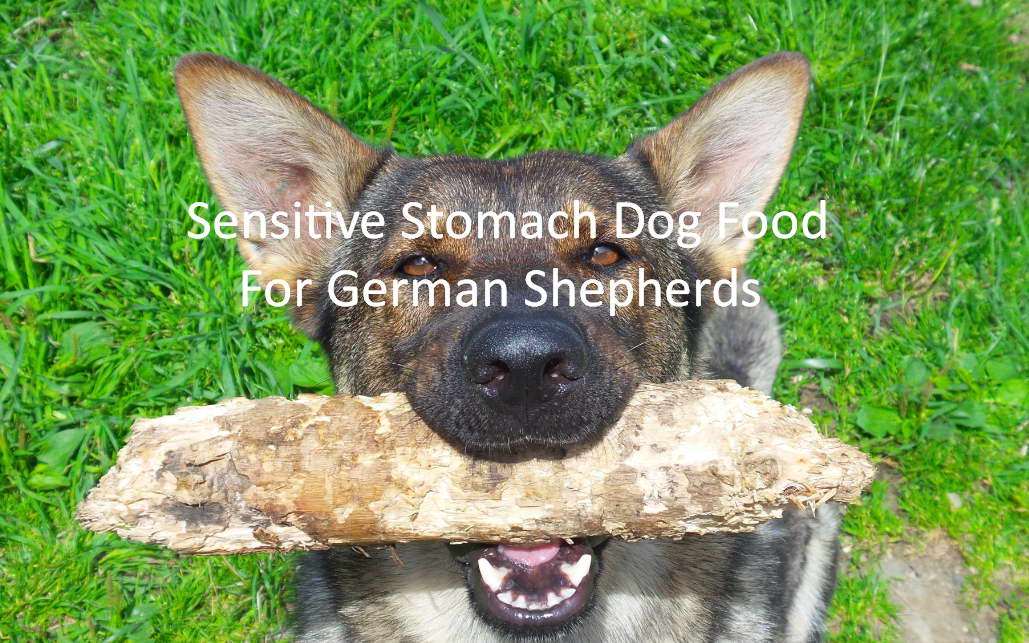
    German Shepherds are a beloved breed with specific nutritional requirements. One common issue German Shepherds experience is sensitive stomachs. Feeding your German Shepherd the correct food can prevent digestive problems and boost their overall well-being. In this article, we’ll look into the best sensitive stomach dog food options suitable for German Shepherds.

    Finding the best dog food for a German Shepherd with a sensitive stomach can be tricky. Signs of such an issue include vomiting, diarrhea, and constipation; to prevent these problems from arising it’s essential to choose a dog food that’s easy to digest and doesn’t contain any harmful ingredients.

    Common Causes of Sensitive Stomachs in German Shepherds

    Before discussing the best Sensitive Stomach Dog Food for German Shepherds, it’s essential to be aware of the common causes of digestive problems in German Shepherds. Here are a few reasons why your German Shepherd may have a sensitive stomach:

    Food Allergies

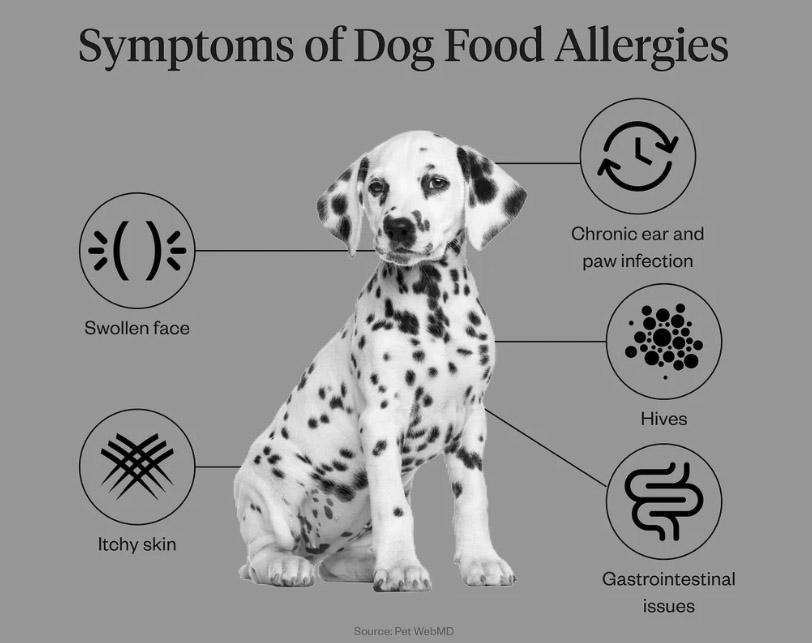
    Dog Food Allergies

    German Shepherds may experience digestive issues similar to humans with food allergies. Dogs with these reactions may exhibit symptoms like vomiting, diarrhea, itching, and skin irritation as a result of the food they’ve eaten. In severe cases, however, these allergies could lead to more serious health issues.

    If you think your German Shepherd might have a food allergy, it is essential to take them to the vet for diagnosis. Your vet may suggest an elimination diet, in which you gradually introduce different foods and see which cause reactions. Once identified as having an allergen, select a dog food that does not include that ingredient.

    Common allergens in dog food include grains, chicken, beef, and dairy. Some dogs may even be allergic to certain fruits or vegetables. If your pup has a food allergy you must read the ingredient labels carefully when selecting their food. Look for brands offering limited-ingredient diets which usually have fewer components and therefore reduce exposure to potential allergens.

    In addition to selecting the appropriate food, it’s also essential to manage your dog’s allergies through other means. This may include giving them medication or supplements for the relief of symptoms or altering their environment to reduce exposure to allergens. Your vet can advise you on the most suitable course of action when managing food allergies in your pup.

    Intestinal Parasites

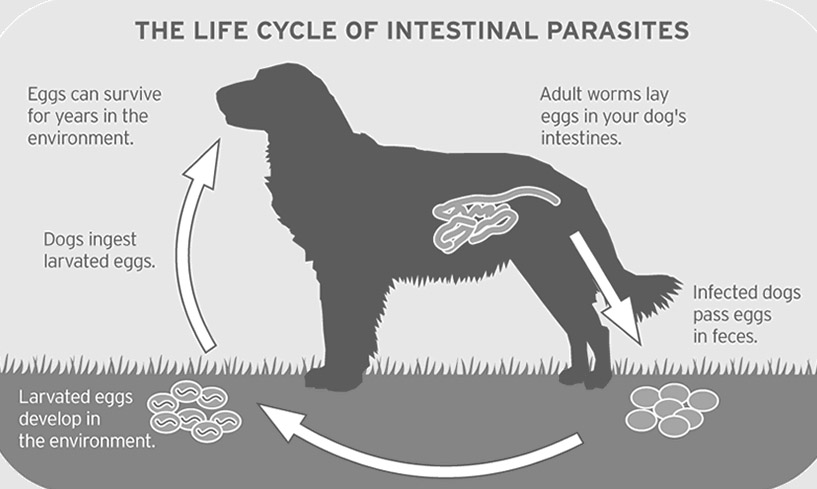
    Intestinal Parasites in Dogs

    Intestinal parasites are a common issue for dogs, including German Shepherds. These pests can cause digestive issues like diarrhea, vomiting, weight loss, and poor appetite; in severe cases, they may even lead to more serious health issues if left untreated.

    Common intestinal parasites in dogs include roundworms, hookworms, whipworms, and tapeworms. These pests can be spread through contaminated soil or feces from other animals or through contaminated surfaces. Puppies in particular are especially vulnerable as their immune systems have not fully developed yet.

    If you believe your German Shepherd might have intestinal parasites, it’s essential to take them to the vet for diagnosis. Your vet may suggest a fecal exam to check for the presence of parasites. Treatment for intestinal parasites typically entails medication to eliminate them and prevent future reproduction.

    Preventing intestinal parasites in your German Shepherd is essential for their digestive health. This could include keeping their yard clean, picking up feces promptly, as well as regular deworming treatments. Your vet can guide the most effective course of action for preventing and treating these issues in your pup.

    Stress

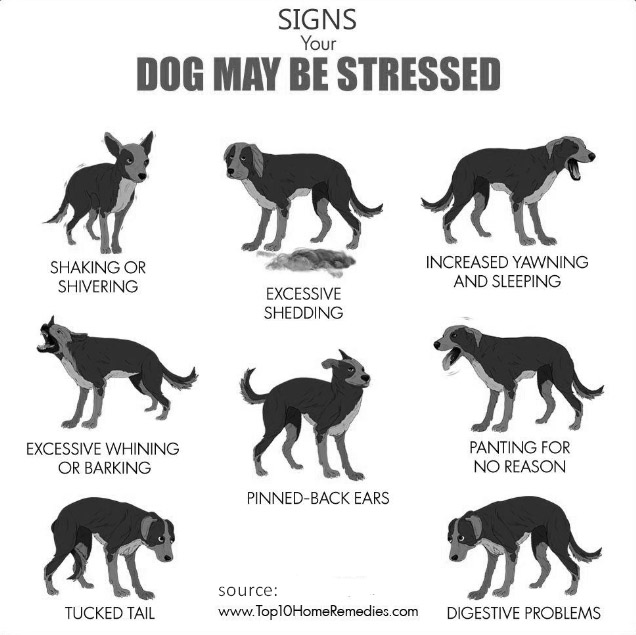
    Dog Stress Signs

    Stress can have an immense effect on dogs, including German Shepherds. It can be caused by various factors like changes to routine, loud noises, unfamiliar people or animals, and separation from their owner. Excess stress has been known to lead to digestive problems in dogs as well as behavioral issues and weakened immune systems.

    Signs that your German Shepherd may be feeling stressed include panting, shaking, pacing, drooling, and hiding. Dogs may become more aggressive or destructive when under stress so it’s essential to pay attention to your pup’s behavior and body language to identify signs of distress and take steps to address the underlying cause.

    To help your German Shepherd manage stress, there are a few steps you can take. Creating an inviting space for them to escape to, providing plenty of toys and mental stimulation, and maintaining a consistent routine are all great ways to reduce their anxiety levels.

    Additionally, providing your German Shepherd with plenty of physical exercise and socialization opportunities can help reduce stress levels. Regular walks, playtime, and interactions with other canines will help your pup burn off excess energy and build confidence. Training classes or obedience classes are beneficial in providing structure while teaching your pup how to cope with stress.

    If your German Shepherd is experiencing chronic stress, it’s essential to seek the advice of a veterinarian or animal behaviorist. These professionals can identify what’s causing your pup’s anxiety and offer tips on how to manage it successfully.

    What to Look for When Shopping for Sensitive Stomach Dog Food for German Shepherds

    When selecting a sensitive stomach dog food for your German Shepherd, there are several key considerations to consider:

    Limited Ingredient Diets

    For dogs with sensitive stomachs, limited-ingredient diets may be the ideal solution. As these meals typically contain fewer components, it’s easier to identify potential allergens.

    High-Quality Protein

    Quality protein is essential for your German Shepherd’s health. Look for dog food that features real meat as the first ingredient, such as chicken, turkey, or lamb.

    Probiotics

    Probiotics are beneficial bacteria that can improve your German Shepherd’s digestive health. Look for dog food with probiotics like lactobacillus acidophilus or bifidobacterium animals in it.

    Carbohydrates That are Easy to Digest

    Carbohydrates are an essential source of energy for dogs. Unfortunately, some types of carbohydrates can be difficult to digest. Look for dog food that contains easily-digestible carbs like sweet potatoes, peas, or brown rice.

    Sensitive Stomach Dog Food for German Shepherds – What Works Best?

    Here are some of the top sensitive stomach dog foods for German Shepherds:

    1. Blue Buffalo Basics Limited Ingredient Diet

    Blue Buffalo Basics Limited Ingredient Diet is an ideal option for German Shepherds with sensitive stomachs. This dog food contains high-quality protein, easily digestible carbohydrates, and probiotics for added digestive support.

    2. Hill’s Science Diet Sensitive Stomach & Skin Dog Food

    Hill’s Science Diet Sensitive Stomach & Skin Dog Food is another suitable option for German Shepherds with sensitive stomachs. This dog food contains high-quality protein, easily digestible carbohydrates, as well as added vitamins and minerals.

    3. Purina Pro Plan Focus Sensitive Skin & Stomach Adult Dog Food:

    This adult dog food is specifically formulated to meet the needs of sensitive skin and stomach pets, providing them with all essential nutrients.

    Purina Pro Plan Focus Sensitive Skin & Stomach Adult Dog Food is specifically tailored for dogs with sensitive skin and stomachs. This dog food contains high-quality protein, easily digestible carbohydrates, as well as added vitamins and minerals.

    Conclusion

    Feeding your German Shepherd the right dog food is critical for their health and wellbeing. Selecting a sensitive stomach-friendly option can prevent digestive problems and enhance the quality of life for your pup. When selecting food, look out for limited ingredient diets, high-quality protein, probiotics, and easy-to-digest carbohydrates like Blue Buffalo Basics Limited Ingredient Diet, Hill’s Science Diet Sensitive Stomach & Skin Dog Food, or Purina Pro Plan Focus Sensitive Skin & Stomach Adult Dog Food are all excellent options for German Shepherds with sensitive stomachs.

    FAQs

    1. What are the common signs of a sensitive stomach in German Shepherds?
      German Shepherds commonly experience vomiting diarrhea and constipation when their stomachs feel unwell.
    2. Can Stress Lead to Digestive Issues in German Shepherds?
      Yes, stress can indeed cause digestive issues in German Shepherds. Separation anxiety, changes in routine, and loud noises all play a role in stress-related digestive issues.
    3. Are limited-ingredient diets beneficial for dogs with sensitive stomachs?
      Limited-ingredient diets can be beneficial to pets with sensitive stomachs. Since they typically contain fewer ingredients, it becomes easier to detect potential allergens.
    4. What Should I Look For in Sensitive Stomach Dog Food for German Shepherds?
      When selecting sensitive stomach dog food for your German Shepherd, look for limited ingredient diets, high-quality protein, probiotics, and easily digestible carbohydrates.
    5. Can food allergies cause digestive issues for German Shepherds?
      Yes, food allergies can lead to digestive issues in German Shepherds. Some may be sensitive to certain types of foods like grains, chicken, or beef.
  • High Protein Dog Food For German Shepherds

    High Protein Dog Food For German Shepherds

    High Protein Dog Food For German Shepherds

    High Protein Dog Food For German Shepherds: Discovering the Benefits and Top Brands

    German Shepherds are highly intelligent and active breeds of dogs. To maintain their muscle mass, energy levels, and overall health, they require a high-protein diet. But with so many dog food options available it can be hard to know which one is best suited for your furry friend. In this article, we’ll look into the advantages of high-protein dog food for German Shepherds and suggest some top brands.

    High Protein Dog Food for German Shepherds

    Encourages Muscle Growth

    German Shepherds are highly energetic dogs that require frequent exercise to stay fit. To support muscle growth and repair, German Shepherds need a diet rich in protein which aids with lean muscle mass development for agility, endurance, and strength. Protein plays an integral role in providing these essential nutrients.

    Supports Healthy Immune System

    Improving immunity through nutrition can have multiple benefits for our bodies.

    Protein is essential for supporting a strong immune system in German Shepherds. A high-protein diet helps them produce antibodies and enzymes that fight off infections and diseases, improving their overall well-being. A high-protein diet will allow your German Shepherd to stay active and content for longer.

    German Shepherds are highly energetic dogs that require plenty of fuel to stay active. Protein is an ideal source of energy, providing your pup with what they need to run, jump and play. A high-protein diet can help enhance German Shepherds’ energy levels as well as their performance and stamina.

    Supports Weight Management

    Maintaining a healthy weight for your German Shepherd is essential for their overall well-being. A high-protein diet can aid in weight loss by suppressing appetite and increasing satiety levels. Furthermore, it prevents muscle loss during this process – essential for maintaining strength and agility.

    Top High Protein Dog Food Brands for German Shepherds

    When it comes to selecting high-protein dog food for your German Shepherd, there are plenty of options to choose from. Here are some top brands worth considering:

    1. Royal Canin German Shepherd Adult Dry Dog Food

    This high-protein dog food is specifically tailored for adult German Shepherds, featuring 24% protein and L-carnitine to aid muscle development and weight management. Plus, it includes antioxidants that support a healthy immune system.

    2. Blue Buffalo Life Protection Formula

    Blue Buffalo Life Protection Formula (Blue Buffalo(r) Life Extension Formula): A Natural Supplement to Maximize Wellness

    This high-protein dog food is made with real chicken and brown rice, providing 24% protein and an array of vitamins and minerals to promote overall well-being. Plus, it includes LifeSource Bits–an exclusive blend of antioxidants, vitamins, and minerals designed to strengthen the immune system.

    3. Hill’s Science Diet Adult Large Breed Chicken & Barley Recipe

    This high-protein dog food is specifically tailored for large breed dogs, such as German Shepherds. It contains 21.5% protein and is enriched with glucosamine and chondroitin for improved joint health, plus it includes a blend of antioxidants to support your dog’s immune system.

    4. Nutro Ultra Large Breed Adult Dry Dog Food

    This adult dry dog food is specially formulated to meet the nutritional needs of large breed dogs, giving your pup maximum growth potential and lasting energy levels.

    This high-protein dog food is made with real chicken, lamb, and salmon and contains 25% protein. It also provides vitamins and minerals to support overall health and well-being as well as a blend of antioxidants designed to strengthen the immune system.

    xxBest Dog Food for German Shepherds

    Conclusion

    Selecting the proper dog food for your German Shepherd is paramount to their health and happiness. A high-protein diet provides them with all of the energy they need to stay active, healthy, and contented. We suggest trying one of the top brands listed above so that your pup is getting all of the nutritional support they need.

    FAQs

    What is the ideal protein percentage for high-protein dog food?

    When selecting high-protein dog food, the ideal protein percentage depends on your dog’s individual needs and activity level. Generally, high-protein brands should contain at least 20-25% protein with some brands containing up to 30%. Consult your veterinarian for guidance in determining the ideal ratio of proteins for your German Shepherd pup.

    Can high-protein dog food cause health issues for my German Shepherd?

    High-protein dog food is generally safe for healthy dogs. However, it’s essential to monitor your pup’s protein intake and guarantee they receive a balanced diet. Excess protein consumption can lead to health issues like kidney damage, so consult your veterinarian and choose a high-protein formula tailored specifically to your pup’s requirements.

    Can I mix high-protein dog food with other types of dog food?

    Yes, you can mix high-protein dog food with other types of dog food; however, do so gradually to avoid digestive upset. Combining high-protein dog food with top-notch grain-free kibble will provide your German Shepherd with a balanced diet.

    How Often Should I Feed My German Shepherd High Protein Dog Food?

    High-protein dog food brands and individual needs will dictate the optimal feeding schedule. Generally, it is recommended to feed your German Shepherd twice a day according to the instructions on their packaging.

    Are there any potential negative reactions when feeding my German Shepherd high-protein dog food?

    Some dogs may experience digestive distress, such as diarrhea or vomiting when transitioning to a high-protein diet. You must introduce the new food gradually and monitor your pup’s reaction. Furthermore, an excessive protein intake could lead to weight gain or kidney damage, so consult your veterinarian and choose a high-protein dog food that meets all of your pup’s requirements.

  • Best Dog Food for German Shepherds with Skin Allergies

    Best Dog Food for German Shepherds with Skin Allergies

    Best Dog Food for German Shepherds with Skin Allergies

    What Is The Best Dog Food For German Shepherds with Skin Allergies?

    German Shepherd owners know what loyal and loving creatures these pups can be. Unfortunately, like any breed, German Shepherds are susceptible to skin allergies which cause itching, scratching, and discomfort – leading to a lower quality of life for your furry friend. Fortunately, selecting the correct dog food can alleviate symptoms associated with German Shepherd skin allergies and improve their overall well-being. In this article, we’ll look into which foods work best for German Shepherds with these issues.

    Understanding Skin Allergies in German Shepherds

    Before we delve into the best dog food for German Shepherds, let’s first discuss skin allergies in these pups. Skin allergies in dogs can be caused by various factors like environmental allergens, food allergens, and fleas; German Shepherds are particularly prone to these issues with symptoms ranging from redness and itching to hair loss and infections. If your German Shepherd exhibits any of these signs or symptoms, consult your vet immediately for diagnosis and proper treatment.

    What ingredients should you look for when shopping for dog food?

    When selecting the best dog food for German Shepherds with skin allergies, look for ingredients that are hypoallergenic and packed with essential nutrients. Here are some factors to consider:

    Protein Sources

    Protein is essential for your German Shepherd’s muscle growth and repair. Unfortunately, some sources of protein may cause allergic reactions in some dogs; opt for sources like lamb, chicken, or fish as they are less likely to trigger such reactions.

    Carbohydrates

    Carbohydrates provide energy to your German Shepherd, but they may also contain allergens. Look for carbohydrates that are easily digestible like sweet potatoes and rice.

    Omega 3 Fatty Acids

    Omega-3 fatty acids are essential for your German Shepherd’s skin and coat health, as well as being an anti-inflammatory and strengthening their immunity. Look for dog food that contains fish oil or flaxseed, both rich sources of omega-3 fatty acids.

    German Shepherd Dog Owners with Skin Allergies: What Dog Food Options Are Best for Them?

    Based on the above criteria, here are some of the best dog food options for German Shepherds with skin allergies:

    1. Hill’s Science Diet Sensitive Stomach and Skin Formula

    Hill’s Science Diet Sensitive Stomach and Skin Formula is specifically tailored to provide complete and balanced nutrition for dogs with sensitive skin and stomachs. It contains high-quality sources of protein like chicken, easily digestible carbohydrates like rice or barley, vitamin E, and omega-6 fatty acids for healthy skin as well as a shiny coat.

    2. Royal Canin German Shepherd Adult Dry Dog Food

    Royal Canin German Shepherd Adult Dry Dog Food is specifically tailored to meet the nutritional needs of adult German Shepherds. It contains high-quality protein sources like chicken and lamb, along with easily digestible carbohydrates like rice or oats. Plus it includes omega-3 fatty acids, glucosamine, and chondroitin for improved joint health benefits.

    3. Purina Pro Plan Sensitive Skin and Stomach Dog Food:

    This food is ideal for dogs with sensitive skin or stomachs.

    Purina Pro Plan Sensitive Skin and Stomach Dog Food is formulated with premium salmon as its primary protein source, making it easier to digest and less likely to cause allergic reactions. Plus, it includes rice and barley – easily digestible carbohydrates – plus vitamin E and omega-6 fatty acids for healthy skin and coat.

    Other Tips to Manage Skin Allergies in German Shepherds

    In addition to selecting the ideal dog food, here are some tips for managing skin allergies in German Shepherds:

    • Bathe your dog regularly with hypoallergenic shampoo.
    • Utilize flea and tick prevention products.
    • Keep their environment free of potential allergens.
    • Consult a vet for proper diagnosis and treatment of skin allergies.

    Conclusion

    German Shepherds with skin allergies need a special diet that contains hypoallergenic ingredients and nutrients to promote healthy skin and coats. Hill’s Science Diet Sensitive Stomach and Skin, Royal Canin German Shepherd Adult Dry Dog Food, and Purina Pro Plan Sensitive Skin and Stomach Dog Food are some of the best dog food options for German Shepherds with skin allergies. Furthermore, proper grooming techniques as well as environmental management can help manage these skin allergies in German Shepherds.

    FAQs

    1. Can German Shepherd skin allergies be treated solely through diet?
      While selecting the appropriate dog food may reduce symptoms associated with skin allergies in German Shepherds, consulting your vet for proper diagnosis and treatment is always recommended.
    2. Can I feed My German Shepherd Raw Food to Help Reduce Skin Allergies?
      Raw food diets may not provide your German Shepherd with complete and balanced nutrition, plus there’s the added risk of bacterial contamination. Before switching to a raw food diet for your pup, consult with your vet first.
    3. Can grain-free dog food help with skin allergies in German Shepherds?
      No, not necessarily. Some dogs may be sensitive to grains, while others have allergies to other ingredients like protein sources or preservatives.
    4. Can supplements help manage skin allergies in German Shepherds?
      Yes, supplements such as omega-3 fatty acids and probiotics can improve skin and coat health while strengthening the immune system. However, it’s best to consult your vet first before giving your pup any supplements.
    5. How often Should I Bathe My German Shepherd With Skin Allergies?
      Your German Shepherd’s individual needs and the severity of their skin allergies dictate when and how often they should have a bath. Speak to your vet for guidance on setting an effective bathing schedule that meets both.
  • Best Dry Dog Food for German Shepherds – A Complete Guide

    Best Dry Dog Food for German Shepherds – A Complete Guide

    best dry dog food for german shepherds

    Best Dry Dog Food for German Shepherds: A Comprehensive Overview

    German Shepherds are one of the world’s most beloved breeds of dogs. Intelligent, loyal, and high energy levels require them to have a balanced diet that meets their nutritional requirements. With so many dry dog food options available for German Shepherds, selecting the best one for your pup can seem overwhelming. In this guide, we’ll take an in-depth look at some of the top choices in dry dog food for German Shepherds so you can make an informed decision.

    Best Dry Dog Food for German Shepherds Have Specific Nutritional Needs

    German Shepherds are large and energetic dogs that require a diet high in protein and fat to stay energetic. Additionally, these pups need plenty of vitamins and minerals for overall health and well-being.

    German Shepherds must meet certain nutritional needs, such as:

    • Protein: German Shepherds require a diet high in protein, ideally between 18% and 22%. Protein helps German Shepherds keep their muscle mass and repair tissues.
    • Fat: German Shepherds require a diet high in fat, ideally between 14% and 16%. Fat provides essential energy for the breed.
    • Carbohydrates: German Shepherds need moderate amounts of carbohydrates as too many can lead to weight gain and other health issues.
    • Vitamins and Minerals: German Shepherds require a diet that is rich in vitamins and minerals, such as calcium, phosphorus, and vitamin D. These essential nutrients support bone health.

    Factors to Consider When Selecting the Best Dry Dog Food For German Shepherds

    When selecting the best dry dog food for german shepherds, there are several factors you should take into account. These include:

    • Quality of Ingredients: Look for dry dog food made with high-quality ingredients that do not contain any fillers or artificial preservatives.
    • Protein and Fat Content: Select a dry dog food that offers plenty of protein and fat to meet the dietary requirements of your German Shepherd.
    • Nutritional Value: Look for dry dog food that is packed with essential vitamins and minerals to support your pup’s overall health and well-being.
    • Brand Reputation: Select dry dog food from a reliable brand known for producing high-quality pet food.

    Top 5 Best Dry Dog Food For German Shepherds

    Here are the top 5 best dry dog food choices for German Shepherds:

    1. Royal Canin Breed Health Nutrition German Shepherd Adult Dry Dog Food

    Royal Canin Breed Health Nutrition German Shepherd Adult Dry Dog Food is specifically tailored to meet the nutritional needs of German Shepherds. It contains antioxidants and nutrients that support their immune system while helping maintain overall well-being.

    2. Hill’s Science Diet Dry Dog Food, Adult Large Breed Chicken & Barley Recipe is formulated for adult dogs of all breeds

    Hill’s Science Diet Dry Dog Food is formulated with premium-quality proteins and essential nutrients to promote your German Shepherd’s overall health and well-being. This recipe also helps promote healthy joints and bones – essential for an active breed like this one!

    3. Blue Buffalo Life Protection Formula Large Breed Dog Food

    Blue Buffalo Life Protection Formula is a large breed dog food designed to offer maximum nutrition and longevity for large breed dogs, offering up a complete and balanced nutrition program for maximum growth and protection.

    Blue Buffalo Life Protection Formula Large Breed Dog Food is a top choice among pet parents for its superior ingredients and balanced nutritional profile. This recipe starts with real meat as the first ingredient and is free from poultry by-product meals, corn, wheat, and soy.

    4. Wellness Complete Health Natural Dry Large Breed Dog Food

    This completely healthy natural dry dog food is suitable for large breed dogs of any breed size or breed type.

    Wellness Complete Health Natural Dry Large Breed Dog Food is a holistic formula made with premium protein sources and essential vitamins and minerals for your German Shepherd’s overall well-being. Additionally, this recipe includes glucosamine and chondroitin to promote healthy joints and hips.

    5. Wild High Prairie Canine Grain-Free Recipe

    Taste of the Wild High Prairie Canine Grain-Free Recipe is a grain-free dry dog food made with real buffalo as its first ingredient. Additionally, this recipe includes an array of nutrient-rich fruits and vegetables like sweet potatoes, peas, and blueberries to give your German Shepherd an all-around nutritional balance.

    Tips for Feeding Your German Shepherd Dry Dog Food

    It is important to provide your German shepherd with dry dog food regularly, but be careful if your German Shepherd has allergies, it is important to avoid some of the ingredients that trigger skin allergies. There is special dry dog food for german shepherds with allergies.

    When feeding your German Shepherd dry dog food, it’s essential to follow a few basic rules to guarantee they get the proper nutrition and avoid digestive issues.

    • Gradually introduce New Food: If you are switching your German Shepherd’s food, do so gradually over 7-10 days to avoid any digestive upset.
    • Monitor Your Weight: German Shepherds can easily become obese, so it’s essential to monitor their weight and adjust food intake as necessary.
    • Provide Fresh Water: Make sure your German Shepherd always has access to fresh, clean water to stay hydrated.
    • Consider Portion Size: German Shepherds require a substantial amount of food due to their size and activity level; however, be mindful not to overfeed them.
    • Limit Table Scraps: Avoid feeding your German Shepherd table scraps as these can lead to digestive issues and obesity in later life.

    Common Health Issues in German Shepherds and How Dry Dog Food Can Help Address Them

    German Shepherds can suffer from hip dysplasia, arthritis, and digestive issues. Selecting the appropriate dry dog food can help manage these health conditions and promote your German Shepherd’s overall well-being.

    For example, dry dog food that is high in protein and fat can help your German Shepherd maintain his muscle mass and energy levels. A dry dog food formulated with glucosamine and chondroitin will support healthy joints and hips – essential for this breed’s mobility.

    Conclusion

    Selecting the ideal dry dog food for your German Shepherd can seem like a daunting task, but with the right information at your disposal, you can make an informed decision that meets their specialized nutritional requirements. Take into account all of the factors we’ve covered here and select a high-quality dry dog food that promotes both their overall health and well-being.

    FAQs

    • How Often Should I Feed My German Shepherd Dry Dog Food?
      German Shepherd dogs should receive two servings of dry dog food daily: in the morning and evening.
    • Can I mix wet and dry dog food for my German Shepherd?
      Yes, you can mix wet and dry dog food for your German Shepherd; just remember to adjust their portion sizes accordingly.
    • How can I tell if my German Shepherd is getting enough nutrition from their dry dog food?
      Monitor their weight and energy levels, and look for signs of good health such as a shiny coat, healthy skin, and strong muscles.
    • Is it Important to Select a Dry Dog Food Formulated Specifically for Large Breed Dogs?
      Yes, it is essential to select a dry dog food specifically tailored for large breed dogs like German Shepherds. These breeds have unique nutritional needs and food not designed for their size and activity level may not provide them with the required nutrition.
    • Should I Be Worried About Grain-Free Dog Food?
      Grain-free dog food has been the subject of some debate in recent years. While some studies suggest that grain-free diets may lead to certain health issues, it’s essential to remember that each dog is unique and may require different nutritional needs. Always consult your veterinarian before making major dietary changes for your pup.
  • Grain-Free Dog Food for German Shepherds

    Grain-Free Dog Food for German Shepherds

    Dog Food For German Shepherds

    Grain-Free Dog Food for German Shepherds

    As pet parents, we all want the best for our furry friends and one of the most important things we can provide is proper nutrition. German Shepherds are renowned for their loyalty, intelligence, and active lifestyle; so to keep them healthy and contented it’s essential to select food that meets their dietary requirements. Recently, grain-free dog food has become increasingly popular among owners; in this article, we will examine its advantages as well as provide some tips on selecting an appropriate brand.

    Why Opt For Grain-Free Dog Food?

    Grain-free Dog Food for German Shepherds is designed without grains such as wheat, corn, or soy and uses alternative sources of carbohydrates instead. While some dogs may tolerate grains, others may have an allergy or sensitivity to them which could lead to digestive issues, skin rashes, and other health complications. German Shepherds in particular are known to be particularly vulnerable to allergies and digestive issues; so for them, a grain-free diet could be beneficial.

    Grain-free dog food tends to be higher in protein and fat, which are essential for your German Shepherd’s lean muscle mass and energy level. High-quality sources like chicken, beef, or fish provide all the essential amino acids required for good health.

    How to Select the Appropriate Grain-Free Dog Food for German Shepherds

    How do you select the best grain-free dog food for German Shepherds?

    When selecting a grain-free Dog Food for German Shepherds, it is essential to take into account their individual dietary needs, age, and activity level. Here are some tips to help you make an informed decision:

    1. Hunt for High-Quality Protein Sources

    When seeking out high-quality sources of proteins, consider these tips:

    Protein is an essential nutrient for German Shepherds, and the best source comes from high-quality sources like chicken, beef, lamb, or fish. Avoid dog foods that use meat by-products which are low-grade sources of protein and may contain harmful additives.

    2. Verify Fat Content

    German Shepherds are active breeds that require plenty of energy to sustain their lifestyle. Select a dog food with high-fat content – between 18% and 22% fat content – so they get all of their necessary nutrition. However, make sure the fat sources used are of superior quality such as chicken fat or fish oil to avoid unhealthy weight gain.

    3. Examine Carbohydrate Sources When planning for carbohydrates, it’s important to consider their sources.

    Grain-free Dog Food for German Shepherds uses alternative sources of carbohydrates, such as sweet potatoes, peas, or lentils. These are excellent sources of fiber and other essential nutrients. However, be sure to check the carbohydrate content and select a dog food with a moderate level of around 30%-40%; too many carbohydrates can lead to weight gain and other health issues.

    4. Verify Any Additional Supplements

    While reviewing your supplements, take note of any added supplements that may have been added.

    German Shepherds may need additional supplements, such as glucosamine, chondroitin, or omega-3 fatty acids for joint health and overall well-being. Look for a grain-free dog food that includes these supplements in its ingredients list to guarantee your pup is getting all essential nutrients.

    Top Grain-Free Brands Dog Food for German Shepherds

    Now that you know what to look for when shopping for grain-free dog food, here are some top brands perfect for German Shepherds:

    1. Blue Buffalo Wilderness Grain-Free Dog Food for German Shepherds

    This brand offers high-protein, grain-free dog food specifically tailored for active dogs such as German Shepherds. It contains real chicken, sweet potatoes, peas, and other premium ingredients that supply all essential nutrients.

    Check out this brand here: https://amzn.to/3lK8Rd8

    2. Taste of the Wild Grain-Free Dog Food for German Shepherds

    Taste of the Wild is a popular brand that provides grain-free dog food that contains high-quality sources like roasted bison, wild boar, and fish. Plus it includes probiotics and prebiotic fiber for digestive support.

    3. Merrick Grain-Free Dog Food for German Shepherds

    Merrick offers a grain-free dog food that utilizes deboned meat as its primary protein source, along with sweet potatoes, peas, and other nutrient-rich ingredients. Plus, it includes added supplements like glucosamine and chondroitin to promote joint health.

    4. Wellness Core Grain-Free Dog Food for German Shepherds

    This brand offers a high-protein, grain-free dog food made with deboned turkey, chicken, and whitefish as well as sweet potatoes, peas, and other nutritious ingredients. Plus it includes added supplements like probiotics and antioxidants for enhanced overall health and well-being.

    Conclusion

    Selecting the ideal dog food is paramount for your German Shepherd’s health and well-being. Grain-free dog food can be an ideal option for dogs with allergies or sensitivities to grains, as it provides high-quality protein and fat that help sustain energy levels and lean muscle mass. When selecting a grain-free food for your pup, be sure to consider their individual dietary needs, activity level, and age; look for high-quality protein sources, moderate carbohydrate levels, as well as added supplements that support overall wellbeing.

    FAQs

    1. Is grain-free dog food suitable for all dogs?
      Unfortunately, grain-free dog food may not be suitable for all dogs due to the alternative sources of carbohydrates used in it. Therefore, it’s essential that you consult your veterinarian before making changes to your pup’s diet.
    2. Can I switch my German Shepherd’s diet to grain-free dog food immediately?
      It is best to transition your German Shepherd’s diet gradually in order to prevent digestive upset. Begin by mixing a small amount of the new food with their current food and gradually increase it over several days.
    3. Can grain-free Dog Food for German Shepherds cause heart problems in dogs?
      Recent studies have suggested that some grain-free dog food may be associated with heart issues in dogs; however, further investigation is necessary to confirm this connection.
    4. Can My German Shepherd Benefit From a Raw Diet Instead of Grain-Free Dog Food?
      A raw diet may be suitable for your pup, but it is essential that you consult with a veterinarian first to make sure they get all the necessary nutrients in their meals.
    5. How do I know if my German Shepherd is allergic to grains?
      Common signs of a grain allergy in dogs include skin irritation, digestive problems, and ear infections. If you think your German Shepherd may have an allergy, consult with your veterinarian for the best course of action.