Blog

  • Training A Golden Retriever Mix with Dachshund

    Training A Golden Retriever Mix with Dachshund

    Training A Golden Retriever Mix with Dachshund

    Training A Golden Retriever Mix with Dachshund

    Dogs are beloved pets around the world, with various breeds differing in size, temperament, and training needs. Mixed-breed dogs can be especially challenging to train due to their inheriting traits from both parent breeds. In this article we’ll cover how to train a Golden Retriever Mix with Dachshund–a hybrid breed becoming increasingly popular–which may pose unique challenges.

    Understanding the Golden Retriever Mix with Dachshund

    Golden Retriever and Dachshund breeds possess distinct personalities, making training a Golden Retriever Mix with Dachshund an interesting challenge. Golden Retrievers are known for being friendly, intelligent, and obedient while Dachshunds tend to be stubborn, independent, and sometimes aggressive. When these two breeds combine, the resulting pup may inherit some of these characteristics which could affect training methods significantly.

    Preparing for Training

    Before beginning the training process, it is essential to set up both the environment and necessary tools. The training area should be comfortable and safe with no interruptions that could disrupt sessions. Additionally, gather all necessary items like treats, clickers, leashes, and collars.

    Basic Training Commands

    Fundamental commands are the cornerstone of any dog’s training, and they’re essential for building obedience and trust between owners and their pups. Basic commands like sit, stay and come should be taught using positive reinforcement techniques like treats and verbal praise. Consistency and repetition are key ingredients to successfully teaching these fundamental commands.

    Socialization Training

    Socialization is essential for mixed-breed dogs, as it helps them adapt to various environments and socialize positively with other animals and people. Socialization should begin at an early age in a controlled setting with the owner gradually introducing the dog to new situations and people.

    House Training

    Housetraining a mixed-breed dog can be challenging, but it’s essential for establishing good behavior and avoiding accidents or destructive behavior. Housetraining techniques like crate training and positive reinforcement are effective at teaching your pup when and where to potty, as well as how to behave inside the home.

    Advanced Training Commands

    Advanced training commands such as heel, fetch, and rollover can be taught to a Golden Retriever Mix with Dachshund once the basic commands have been mastered. Incorporating fun activities into training sessions makes the experience more enjoyable for both owners and dogs.

    Resolving Behavior Issues

    Behavior issues such as aggression, separation anxiety, and destructive behavior in mixed-breed dogs can arise quickly if left unchecked. Techniques like positive reinforcement and desensitization can be employed to address these behaviors; in some cases, however, professional help may be required.

    Maintaining Training Success

    Maintaining consistency and reinforcing commands even after initial success is key for maintaining good behavior in a mixed-breed dog. Incorporating training into daily routines and activities can help reinforce the lessons learned, creating an intense bond between owner and pup.

    Conclusion

    Training a Golden Retriever Mix with Dachshund can be an arduous but rewarding experience. It requires patience, consistency, and positive reinforcement to shape your dog’s behavior and train them effectively. Whether you choose to train yourself or hire a professional trainer, building trust and communication with your furry friend is paramount for improving both your quality of life and your relationship. Investing time and effort into training your furry friend will improve both of your lives immensely!

    Always put your dog’s well-being and safety first, and seek professional assistance if necessary. With the correct approach and mindset, you can successfully train your Golden Retriever Mix with Dachshund and reap all of the rewards of having a well-behaved canine companion.

    FAQs

    1. At what age should I begin training my Golden Retriever Mix with Dachshund?
      Training should begin as soon as possible, ideally when the dog is still a puppy. Puppies tend to be more receptive and eager to learn than older dogs are; thus, starting early makes for better results in terms of training progress and speed of learning.
    2. Can I train My Golden Retriever Mix with Dachshund Myself, or Should I Hire a Professional Trainer?
      Yes, it is possible to train your pup yourself; however, hiring an experienced trainer may be beneficial if you are new at this or your pup has behavioral issues requiring specialized instruction.
    3. What should I do if my Golden Retriever Mix with Dachshund is becoming aggressive towards other dogs or people?
      Aggression can be a serious behavior issue that requires professional assistance. Consult a veterinarian or certified dog behaviorist for advice and solutions.
    4. How long does it take to train a Golden Retriever Mix with Dachshund?
      The duration of training depends on your dog’s temperament, learning capacity, and any behavioral issues they may have. Consistency and repetition are essential elements in successfully training any dog.
    5. Can mixed-breed dogs compete in obedience or agility competitions?
      Yes, mixed-breed dogs are welcome to take part in various dog sports such as obedience and agility contests. However, the rules and requirements may differ from breed-specific competitions.
  • Your Guide on Grooming A Golden Retriever Mix with Dachshund

    Your Guide on Grooming A Golden Retriever Mix with Dachshund

    Grooming A Golden Retriever Mix with Dachshund

    Grooming a Golden Retriever mix with Dachshund – Tips and Tricks

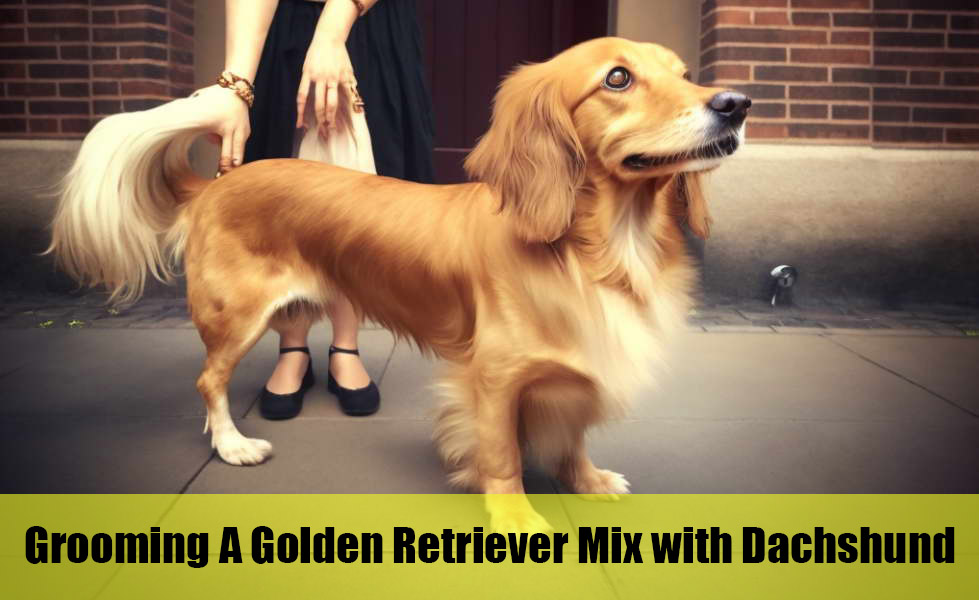
    Owning a Golden Retriever mixed with Dachshund can be an enchanting experience. These energetic dogs are popular pets for families, yet they require regular grooming to stay healthy and look their best. In this article, we’ll offer tips and tricks for keeping your Golden Retriever mix with Dachshund well-groomed and contented.

    Understanding Your Dog’s Coat

    Before you begin grooming your Golden Retriever mix with Dachshund, it is essential to understand their coat. These dogs have dense and thick fur that sheds heavily; regular brushing helps prevent matting or tangling of fur and may need trimming during warmer months to keep them comfortable and cool.

    Brushing Your Dog’s Coat

    Brushing your pup’s coat is an integral part of their grooming regimen. We suggest brushing at least weekly to eliminate tangles and mats. Use either a slicker brush or pin brush to gently remove any loose fur from their coat, making sure to always brush in the direction of fur growth to minimize discomfort for them.

    Bathing Your Dog

    Bathing your Golden Retriever mix with Dachshund is an essential part of their grooming regimen. Depending on their activity level and coat condition, you should bathe them at least once every three months. When using a mild dog shampoo and conditioner to prevent skin irritation, make sure to rinse the dog thoroughly to remove any leftover shampoo or conditioner.

    Trimming Your Dog’s Nails

    Trimming your pup’s nails is an essential part of their grooming regimen. Overgrown nails can cause discomfort and pain, making it difficult for your pooch to walk. Use a clipper specifically designed for dogs when trimming nails – be careful not to cut too close to the quick as this could cause bleeding.

    Cleaning Your Dog’s Ears

    Ear cleaning is an integral part of a dog’s grooming regimen. Golden Retriever and Dachshund breeds in particular are prone to developing infections due to their droopy ears. To clean these areas, use cotton balls or soft cloths; avoid cotton swabs which could damage the ears.

    Brushing Your Dog’s Teeth

    Brushing your dog’s teeth is essential for its overall well-being. Golden Retriever and Dachshund breeds in particular are prone to dental issues like tartar buildup and gum disease, so using a dog-specific toothbrush and toothpaste when brushing their teeth – at least once every week is ideal!

    Maintaining Your Dog’s Coolness

    Golden Retriever/Dachshund mixes often have thick coats which can get hot during summertime. To keep your pup comfortable and cool, provide them with shade and plenty of water. Additionally, you may need to trim their fur as needed for optimal comfort.

    Treating Fleas and Ticks

    Fleas and ticks are common parasites that can cause discomfort to dogs, leading to illness. To protect your Golden Retriever mix with Dachshund from infestation, use a flea and tick preventive medication recommended by your veterinarian for regular control.

    Regular Vet Checkups

    Annual vet checks are essential for your Golden Retriever Mix with Dachshund’s health. Your veterinarian can examine your pup’s overall well-being and offer advice on keeping them healthy and content. They may even suggest a suitable diet and exercise program tailored specifically towards this breed of pup.

    Regular Exercise

    Exercising your Golden Retriever mix with Dachshund regularly is essential for their overall health and well-being. As these dogs are energetic and love to play, you must give them plenty of chances to exercise. Take your pup for walks or runs, play fetch with them, or engage in other activities they find enjoyable.

    Maintaining Your Dog’s Happiness

    Keeping your Golden Retriever or Dachshund puppy contented is essential for their overall well-being. These dogs require regular companionship, so make sure to spend quality time with them. In addition, provide them with plenty of toys and other forms of entertainment so they have something to do when you’re not around.

    Final Thoughts

    Grooming your Golden Retriever mix with Dachshund is essential to keep them healthy and contented. Regular brushing, bathing, nail trimming, ear cleaning, and tooth brushing should all be part of a dog’s grooming regimen. Furthermore, providing them with regular exercise, flea/tick prevention as well as access to shade and water during summer months are all necessary parts of keeping your furry friend in optimal health. By following these tips you can guarantee that your furry friend stays in optimal well-being at all times!

    FAQs

    1. How often should I brush my Golden Retriever mix with my Dachshund’s coat? 
      At least once a week is recommended to prevent matting and tangling in your pup’s fur.
    2. How Often Should I Bathe My Golden Retriever/Dachshund Mix?
      Your dog should receive at least one bath every three months, depending on its activity level and coat condition.
    3. How can I prevent my Golden Retriever mix with Dachshund from getting ear infections?
      Use a cotton ball or soft cloth to regularly clean your dog’s ears. Avoid using cotton swabs, as these may damage the ears.
    4. What is the best way to trim my Golden Retriever mix with Dachshund’s nails?
      Use a clipper specifically designed for dogs when trimming your dog’s nails. Be mindful not to cut too close to the quick as this could cause bleeding.
    5. How often should I bring my Golden Retriever mix and Dachshund to the vet?
      It is recommended that you take your pup in regularly for checkups and advice regarding their overall health and well-being.
  • How To Adopt Golden Retriever Mix with Dachshund

    How To Adopt Golden Retriever Mix with Dachshund

    Adopt Golden Retriever Mix with Dachshund

    How To Adopt A Golden Retriever and Dachshund Mix

    Are you thinking about adopting a Golden Retriever Dachshund mix? This combination is becoming increasingly popular among dog enthusiasts, but before making your decision there are some important things to take into account. This article will guide you through the process of adopting such an unusual breed and provide tips on caring for it properly.

    Understanding the Golden Retriever-Dachshund Mix

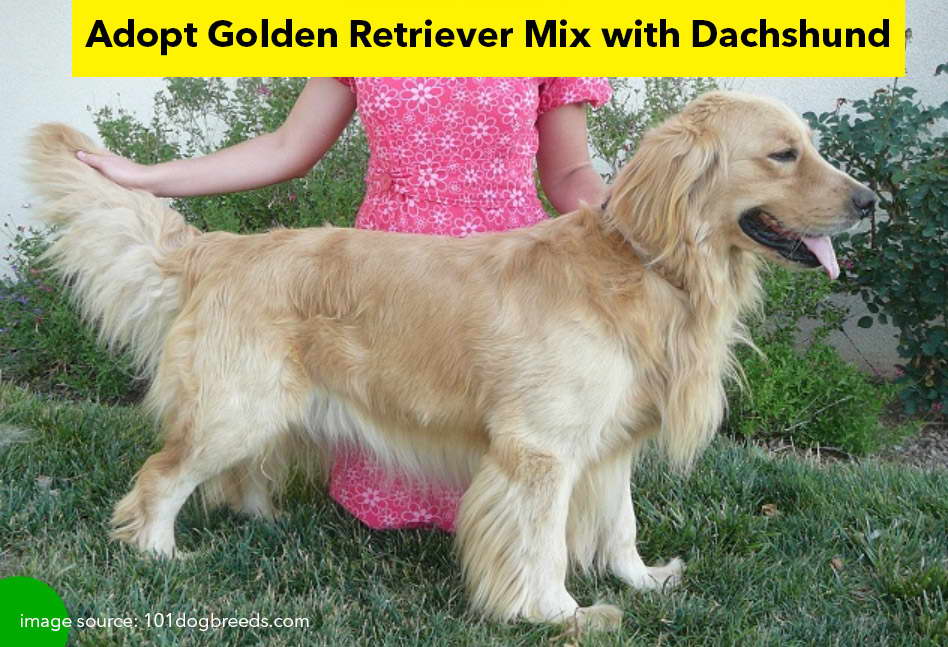
    Before considering adopting a Golden Retriever mix with Dachshund, it’s essential to understand their characteristics. Commonly referred to as either the Golden Dox or Golden Weiner Dog, this hybrid breed was created through cross-breeding a Golden Retriever with Dachshund. As a relatively recent designer breed, they combine the affectionate nature of a Golden Retriever with the unique physical attributes of the Dachshund.

    The Golden Retriever/Dachshund mix is typically small to medium in size, weighing 30-60 pounds and standing 12-24 inches at the shoulder. They possess incredible loyalty and love for their family members; known for their intelligence, loyalty, and affectionate personalities make them ideal companions for both children and adults alike.

    As with all dogs, the Golden Retriever mixed with Dachshund has specific care needs that must be met for them to live happy and healthy life. Regular exercise, grooming, and proper nutrition are essential for this breed; additionally, given its moderate energy level, daily walks or playtime in the park are recommended to keep them fit and well-groomed.

    When adopting a Golden Retriever mix with Dachshund, it’s important to keep in mind that these dogs may be susceptible to some health issues. Potential issues for this breed include hip dysplasia, ear infections, and obesity; thus, regular vet check-ups are recommended so any issues can be detected early and treated promptly.

    Overall, the Golden Retriever mixed with Dachshund makes an ideal companion. By giving them the appropriate care and love, you can ensure they lead long and healthy life.

    Considerations before adopting

    Before adopting a Golden Retriever mix with Dachshund, it is important to take into account several factors:

    1. Space and Living Environment

    Golden Retrievers and Dachshund puppies may vary in size depending on their parents. Some may be small, while others have a medium build. When considering adopting this breed, be sure to take into account your living environment and the space available for it.

    2. Exertional Needs

    Golden Retrievers and Dachshunds require different levels of exercise depending on their breed. Golden Retrievers enjoy swimming more than other breeds, while Dachshunds require daily activity to prevent obesity. Therefore, providing sufficient exercise for this hybrid breed is important.

    3. Grooming Needs

    Golden Retrievers and Dachshund mix dogs have different coat lengths and textures; some may have long, straight hair while others have curly fur. Therefore, it is essential to understand the grooming needs of this breed so you can be ready to groom them regularly.

    4. Health Concerns

    Like all dog breeds, Golden Retriever mixed with Dachshund puppies may experience health issues. Therefore, it’s essential to research potential issues that this breed may experience and be prepared to provide necessary veterinary care if needed.

    How to Care for Your Golden Retriever-Dachshund Mix

    If you have decided to adopt a Golden Retriever mix with Dachshund, there are some essential tips for their care:

    1. Daily Exercise

    It is essential to provide daily exercise for this breed. A combination of walks runs, and playtime will keep them fit and contented.

    2. Proper Nutrition

    Feed your Golden Retriever mix with Dachshund a balanced diet that meets their nutritional requirements. It is best to feed them high-quality dog food and avoid overfeeding to prevent obesity.

    3. Grooming

    Golden Retrievers and Dachshund dogs require regular grooming to maintain their coat. Brushing their fur weekly helps prevent matting or tangling of fur.

    4. Health Check-ups

    Regular veterinary checkups will guarantee your dog is healthy and help any potential issues from becoming severe.

    5. Socialization

    Socializing your Golden Retriever mix and Dachshund is essential for their emotional and mental well-being. Exposing them to new environments, people, and other animals will help them develop good behavior as well as social skills. With proper socialization comes great rewards!

    Conclusion

    Adopting a Golden Retriever mix with Dachshund can be an enriching experience for any dog lover. However, it is essential to take into account their individual needs and care requirements before making your decision. By understanding these characteristics of the breed and taking necessary precautions, you can provide your Golden Retriever mix with Dachshund with a happy and healthy life.

    FAQs

    1. Are Golden Retriever mixes with Dachshund dogs suitable as family pets?
      As these breeds are known for their friendly and affectionate personalities – making them excellent choices for households with young children.
    2. How Frequently Should I Groom My Golden Retriever/Dachshund Mix?
      It is recommended to brush their coat weekly to prevent matting and tangling.
    3. How much exercise does a Golden Retriever mix with Dachshund need?
      Golden Retrievers mixed with Dachshund dogs require daily exercise, including walks, runs, and playtime.
    4. What are some potential health issues for a Golden Retriever mixed with Dachshund?
      Potential issues for this breed include hip dysplasia, ear infections, and obesity.
    5. How can I socialize my Golden Retriever-Dog mix with my Dachshund?
      Introducing your pup to new environments, people and other animals will help them develop good behavior and social skills. Consider enrolling them in obedience training classes or taking them to dog parks for some exercise.
  • How to Breed Golden Retriever Mix with Dachshund

    How to Breed Golden Retriever Mix with Dachshund

    How to Breed Golden Retriever Mix with Dachshund

    What to Look Out for When Breeding Golden Retriever mix with Dachshund

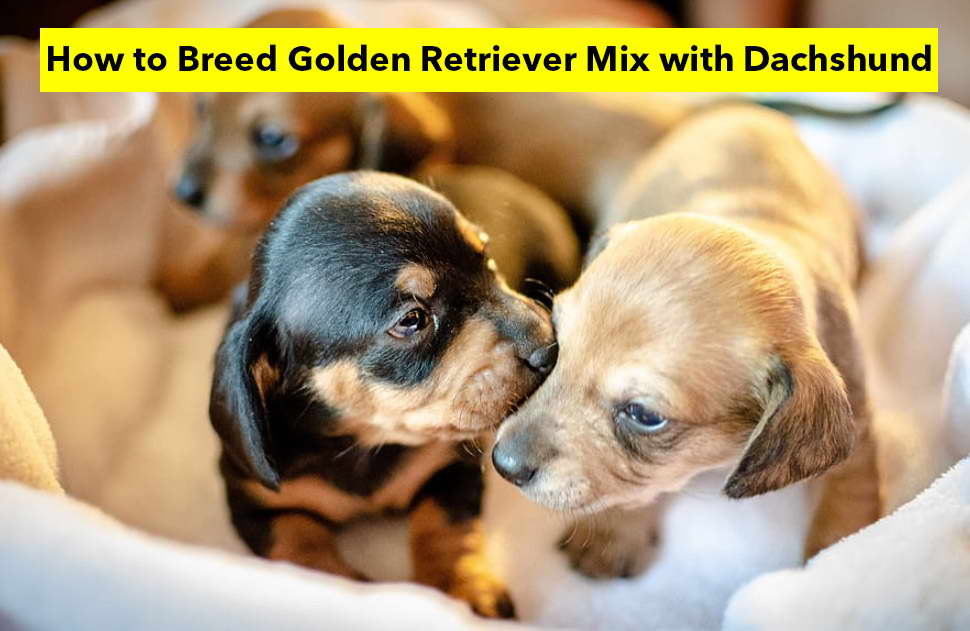
    Breeding dogs is a complex process that requires knowledge, experience, and patience. One popular mixed breed is the Golden Retriever Dachshund mix (known as a Golden Dox). As this breed was created from two distinct types of dogs, it requires special consideration when breeding. In this article, we’ll look into genetics, breeding methods, and care for both mothers and pups during this exciting journey.

    Understanding Genetics

    Before breeding a Golden Retriever mix with Dachshund, it is essential to comprehend their genetics. Both breeds possess unique physical and behavioral traits which must be taken into account; for instance, if one parent has a dominant trait for long backs, then their offspring likely inherit this trait as well; on the other hand, if Golden Retriever parents possess recessive traits like red coats, then those pups won’t inherit those characteristics either.

    Inheritance patterns play an important role in breeding. Both Golden Retrievers and Dachshunds possess dominant and recessive traits which can be passed down to their offspring. By understanding these patterns, one may be able to predict whether certain characteristics will appear among puppies.

    Selecting the Appropriate Breeding Method

    Selecting the appropriate breeding method is essential when breeding a Golden Retriever mix with Dachshund. There are various options, such as natural breeding, artificial insemination, and embryo transfer.

    Natural breeding

    Natural breeding refers to allowing the male and female dog to mate naturally, while artificial insemination involves manually depositing semen into the female’s reproductive tract. Embryo transfer is a more advanced technique that involves transferring fertilized eggs from one female to another.

    When selecting a breeding method, it is essential to take into account both the health and temperament of both male and female dogs. Natural breeding may not be appropriate if either dog has a history of aggressive behavior or health issues that could be passed on to the puppies; artificial insemination could be more suitable in such cases since it offers greater control over the process.

    Artificial insemination

    Embryo transfer is a highly specialized technique usually reserved for breeders with extensive experience and knowledge. It may be employed to preserve the genetics of an exceptionally desirable female dog or produce genetically superior puppies.

    No matter which breeding method is chosen, it is essential to work with a reliable breeder who is knowledgeable about the breed and dedicated to producing healthy, well-adjusted puppies. With proper care and attention throughout the breeding process, you can help guarantee the best outcomes for both mother and her offspring.

    Preparing for Breeding

    Preparing is an essential step when breeding a Golden Retriever mix with Dachshund. Before breeding, make sure both male and female dogs are in excellent health, having received all necessary vaccinations.

    Health checks for both parents

    At least two years old, the female dog should have gone through her first heat cycle. Timing the breeding correctly is key; breeding too early or late can decrease the likelihood of a successful pregnancy.

    Preparing both dogs for breeding requires proper nutrition and exercise in the months before conception. The female dog should be in the optimal physical condition and fed a high-quality diet appropriate to her age and breed; similarly, the male should also be in optimal health and get plenty of exercise to ensure his peak fertility.

    Environment for breeding

    Working with a trustworthy breeder is essential for successful breeding. They can ensure that the breeding takes place at the ideal time, facilitate mating procedures, and offer advice on caring for both mom and pups during their pregnancy.

    Proper preparation and care during the breeding process can greatly increase the success of pregnancy, while also ensuring that any puppies born are healthy and socialized.

    Caring for the Expectant Mother

    Care for a pregnant Golden Retriever mix with Dachshund is an essential aspect of breeding the puppies. By providing proper care during pregnancy, both mother and pups will benefit.

    Nutrition

    Pregnant mothers must receive proper nutrition and exercise to maintain their health during pregnancy. She should be fed a high-quality diet tailored for her stage of gestation, and receive regular veterinary checkups to monitor both their well-being and that of their developing puppies.

    Exercise

    As the pregnancy progresses, the mother may experience physical and behavioral changes. She may need extra rest and become more protective of herself and her puppies. Therefore, providing a secure environment with plenty of space and privacy for the mother is essential.

    As the due date draws near, it is essential to get ready for the birth of the puppies. This may involve setting up a haven for the mother and her pups, as well as collecting necessary items like clean towels, scissors, and heating pads.

    Prenatal care

    Once the puppies are born, it is essential to continue providing care and support to the mother. She needs plenty of rest and may require extra nutrition to produce milk for her puppies. Regular veterinary check-ups can ensure that both mother and babies remain healthy, as well as identify any potential health issues early on and address them promptly.

    Caring for a pregnant mother is an immense responsibility that necessitates time, dedication, and precision. With proper support and care however, it is possible to protect both mother and her puppies’ health and wellbeing – leading to a contented litter of Golden Retriever mix with Dachshund puppies!

    Caring for the Puppies

    Nurturing puppies after breeding a Golden Retriever mix with Dachshund is an essential aspect of responsible puppy ownership. Once born, these little bundles of joy require round-the-clock attention and care to remain healthy and flourish.

    Proper nutrition

    One of the most essential aspects of puppy care is providing them with proper nutrition. They should be fed high-quality puppy food tailored to their age and breed, and given small, frequent meals throughout the day. Furthermore, it’s essential to monitor their weight and growth to guarantee they are gaining weight at a healthy rate.

    Socialization

    Puppy socialization and interaction with humans begins at a young age, helping them grow into well-adjusted adult dogs that enjoy socialization and interaction with humans. Regular handling of the puppies as they learn new sights, sounds, and experiences will promote positive socialization throughout their development.

    It is essential to provide puppies with a clean and secure living environment. The whelping box or area should remain free from any potential hazards. Furthermore, they should have access to clean water as well as an inviting place to sleep at night.

    Vaccinations

    Regular veterinarian check-ups are an integral part of caring for puppies. The vet can monitor the pups’ health and development, administer any necessary vaccinations or treatments, and help keep them happy and healthy.

    As your puppies mature and develop, they will require ongoing care to ensure their well-being. With proper nutrition, socialization, a clean living environment, as well as regular veterinary checkups, it is possible to raise a healthy and well-adjusted litter of Golden Retriever mix with Dachshund puppies.

    Common Health Concerns

    Breeding a Golden Retriever mix with Dachshund can produce puppies that may be vulnerable to certain health issues. It is essential to be aware of these potential issues so you can address them promptly and effectively.

    Hip dysplasia

    One common health concern in mixed-breed puppies is hip dysplasia. This condition affects the hips and can cause pain, lameness, and arthritis in the affected area. It may be hereditary and can be diagnosed through X-rays. If a puppy is diagnosed with hip dysplasia, several treatments such as medication, physical therapy, and surgery may be offered to alleviate its symptoms.

    Intervertebral disc disease

    Intervertebral disc disease (IVDD) is another health issue that could impact this mixed breed. This condition affects the spinal cord and can cause pain, weakness, or paralysis; it’s more common among Dachshunds but may affect other breeds as well. To prevent IVDD from developing, it’s important to avoid activities that put too much strain on the spine such as jumping or climbing stairs.

    Ear infections

    Other potential health concerns for this mixed breed include eye issues like cataracts and progressive retinal atrophy (PRA), skin allergies, and ear infections. Regular veterinary check-ups and proper grooming can help avoid or address these issues before they arise.

    It is essential to be aware that breeding a Golden Retriever mix with a Dachshund can have unpredictable health results, as the puppies may inherit health issues from both parents. Thus, research both parent dogs’ histories thoroughly and choose an experienced breeder who takes health concerns seriously.

    By being aware of potential health concerns with Golden Retriever and Dachshund puppies and taking steps to prevent or address them, it is possible to raise a healthy and contented litter of pups.

    Final Thoughts

    Breeding a Golden Retriever mix with a Dachshund requires knowledge, expertise, and patience. Acquaintance with genetics and inheritance patterns, choosing the appropriate breeding method, as well as providing proper care to both mother and puppies are all critical parts of successful breeding. Although mixed breeds may have health issues to contend with, with proper care they can make loving and loyal pets.

    Read More About Golden Retriever Mix with Dachshund below:

    Golden Retriever Mix with Dachshund – Facts and Guide

  • Wet or Dry Dog Food for German Shepherds

    Wet or Dry Dog Food for German Shepherds

    Wet or Dry Dog Food for German Shepherds

    German Shepherd Dog Food Comparison: Which Is Ideal for Your Furry Friend?

    As a dog parent, it’s your responsibility to give your furry friend a healthy and balanced diet tailored to their requirements. One important decision when selecting your pup’s food is choosing between wet or dry options; both have pros and cons that should be taken into consideration when making this choice. In this article, we’ll look closer at the differences between wet and dry dog food types and which option would work best for your German Shepherd pup.

    Why Selecting the Correct Dog Food Matters

    Selecting high-quality canine food is essential for optimal wellness and performance, both physically and mentally.

    Before discussing the differences between wet and dry dog food, it’s essential to comprehend why selecting the correct kind of food matters. Your pup’s diet plays a significant role in their overall well-being – from energy levels and coat quality to digestion and more. Feeding your German Shepherd an improper type of food could result in obesity, allergies, and other serious health issues.

    Wet Dog Food: Advantages and Disadvantages

    Wet dog food, as the name implies, is a type of dog food that comes in cans or pouches and contains high moisture content. Here are some pros and cons of feeding your German Shepherd wet dog food:

    Pros

    • High moisture content: Wet dog food typically contains up to 78% water, helping keep your German Shepherd hydrated and encouraging healthy kidney function.
    • Easy to Digest: Wet dog food’s soft texture makes it easier for your pup to digest, making it an ideal option for dogs with dental or digestive issues.
    • More Flavorful & Aromatic: Wet dog food tends to have more flavorful and aromatic ingredients than dry options, making it a great option even for picky eaters.

    Cons

    • Cons: Dry dog food tends to contain more carbohydrates than wet varieties which may make them unpalatable at first sight.
    • Expensive: Wet dog food tends to be more costly than dry alternatives, which could be a deterrent for pet parents on a tight budget.
    • Short Shelf Life: Once opened, wet dog food has an expiration date and must be refrigerated – making it less convenient than dry alternatives.
    • Can lead to dental problems: The soft texture of wet dog food can stick to your dog’s teeth and cause serious dental issues if not thoroughly cleaned after each meal.

    Dry Dog Food Review: Pros and Cons

    Dry dog food, on the other hand, is a type of dog food that comes in kibble form with very little moisture content. Here are some pros and cons of feeding your German Shepherd dry dog food:

    Pros

    • Affordability: Dry dog food tends to be cheaper than wet, making it a great option for budget-minded pet parents.
    • Convenience: Dry food has a longer shelf life than wet and doesn’t need refrigeration – making it more convenient for busy pet parents who don’t have time for refrigeration.
    • Promoting Dental Health: Dry dog food’s crunchy texture can help scrape away plaque and promote optimal dental health.

    Cons

    • Low moisture content: Dry dog food contains very little moisture, which could lead to dehydration and other health issues in your German Shepherd if they don’t drink enough water.
    • Not as flavorful: Dry dog food tends to be less flavorful and aromatic than wet, which could be a deterrent for picky eaters.
    • Hard texture: Some dogs find dry dog food difficult to digest due to its hard texture; this makes it an unsuitable option for pups with dental problems or digestive issues.

    Finally: Finding the Ideal Dog Food for Your German Shepherd

    When selecting between wet and dry dog food for your German Shepherd, there is no one-size-fits-all answer. Ultimately, the decision comes down to your pup’s individual needs, preferences, and health. If they have dental or digestive issues that need to be addressed with wet food, that may be the better option; on the other hand, if budgeting is tight or they’re in excellent health overall, dry food could be more cost-effective and convenient in the long run.

    No matter which dog food brand you select, be sure to read the labels carefully and select high-quality, nutritionally balanced options. Look for dog food that contains high-quality proteins, complex carbohydrates, and essential vitamins and minerals. Furthermore, follow recommended feeding guidelines based on your pup’s age, weight, and activity level.

    In conclusion, selecting between wet and dry dog food for your German Shepherd requires careful consideration of individual needs and preferences. Both options have their advantages, so it’s up to you to make an informed decision that provides them with optimal nutrition and health.

    FAQs

    1. What’s better for my German Shepherd–wet or dry dog food?
      There is no single answer to this question; the best type of pet food depends on each dog’s individual needs and preferences. Wet dog food may be preferable for those with dental issues or digestive problems, while dry foods offer greater affordability and convenience for healthy, active pups.
    2. Can I combine wet and dry dog food for my German Shepherd?
      Yes, you can mix both types of food. Just remember to adhere to the recommended feeding guidelines to maintain a balanced diet.
    3. How Much Food Should I Feed My German Shepherd?
      The amount of food your German Shepherd requires depends on their age, weight, and activity level. Talk with your veterinarian to determine the ideal amount for your furry friend.
    4. Should I opt for grain-free dog food for my German Shepherd?
      While some dogs may benefit from a grain-free diet, it’s essential to choose high-quality food with balanced nutrients – regardless of whether or not it contains grains.
    5. How Often Should I Feed My German Shepherd?
      For adults, most German Shepherds should be fed twice daily; puppies may require more frequent feedings. Consult your veterinarian to determine the ideal feeding schedule for your pup.

    For more info about Wet or Dry Dog Food for German Shepherds, read here:

    10 Best Dog Food For A German Shepherd Puppies

  • Joint Health Dog Food for German Shepherds – Keeping Your Canine Companion Active and Pain-Free

    Joint Health Dog Food for German Shepherds – Keeping Your Canine Companion Active and Pain-Free

    Joint Health Dog Food for German Shepherds

    Joint Health Dog Food for German Shepherds – Keeping Your Canine Companion Active and Pain-Free

    German Shepherds are one of the world’s most beloved dog breeds, known for their intelligence, loyalty, and athleticism. Unfortunately, their large size and active lifestyle can take a toll on their joints – leading to pain and mobility issues. This is where joint health dog food comes into play; in this article, we’ll look at why maintaining joint health in German Shepherds is so important and explore why feeding them a diet designed for this purpose can be beneficial.

    Understanding Joint Health in German Shepherds

    Do you want to understand how German shepherds’ joints function? Here’s some information that may help.

    German Shepherds are particularly vulnerable to joint health conditions like hip dysplasia, elbow dysplasia, and arthritis. These conditions can cause pain, stiffness, and reduced mobility – ultimately impacting their quality of life. Joint health dog food helps combat these issues by providing essential nutrients necessary for supporting joint health.

    Common Joint Problems in German Shepherds

    1. Hip Dysplasia
    2. Elbow Dysplasia
    3. Arthritis

    Symptoms of Joint Problems in German Shepherds

    1. Stiffness
    2. Limping
    3. Reduced mobility
    4. Difficulty getting up or lying down
    5. Pain or discomfort when touched

    What Is Joint Health Dog Food for German Shepherds?

    Joint health dog food is a type of dog food designed to support joint health in dogs, especially in German Shepherds. It contains ingredients known to promote this condition, such as glucosamine, chondroitin, and omega-3 fatty acids. These substances help reduce inflammation, support joint structure, and enhance mobility.

    Key Ingredients in Joint Health Dog Food

    1. Glucosamine
    2. Chondroitin
    3. Omega-3 fatty acids
    4. Vitamin C
    5. Vitamin E

    Benefits of Feeding Your German Shepherd Joint Health Dog Food

    Feeding your German Shepherd joint health dog food has several advantages, such as:

    1. Reduce Joint Pain and Stiffness

    Joint Health Dog Food for German Shepherds contains key ingredients that reduce inflammation and support joint health, relieving pain and stiffness associated with joint problems.

    2. Improving Mobility

    Joint health dog food can help your German Shepherd’s mobility, allowing them to move more freely and comfortably.

    3. Enhancing Joint Structure

    Joint health dog food provides essential nutrients for your German Shepherd’s joints, protecting him against future joint issues.

    4. Maintaining a Healthy Weight

    Maintaining an ideal body weight requires commitment, discipline, and commitment. Maintaining a healthy weight for your German Shepherd is important for their joint health, and joint health dog food can help keep them there.

    5. Enhancing Overall Health and Well-Being

    Improving overall health and well-being can have a substantial impact on quality of life.

    Feeding your German Shepherd a diet designed to support their joint health can improve their overall well-being, enabling them to live an enjoyable and active life.

    How to Select the Ideal German Shepherd Joint Health Dog Food

    Finding the optimal joint health dog food for your German Shepherd can be a challenge with so many choices available. Here are some factors to take into account when making your selection:

    1. Ingredients

    Select a dog food that features premium ingredients, such as whole meats, fruits, and vegetables. Steer clear of foods with fillers, by-products, and artificial preservatives.

    2. Nutrition

    Select a dog food that provides essential nutrients for joint health, such as glucosamine, chondroitin, and omega-3 fatty acids.

    3. Brand Reputation

    Choose a trustworthy brand with an established history of producing top-notch dog food products.

    4. Price

    Price is an important factor when selecting dog food. While joint health dog food may be more costly than regular dog food, remember that this will save you money in the long run by reducing costly veterinary treatments.

    5. Your Dog’s Unique Needs

    Every pup has different requirements. Make sure you understand what those are by consulting with a vet beforehand.

    When selecting a joint health dog food for your German Shepherd, take into account their requirements. If your pup is overweight or has other health issues, you may want to opt for food specifically formulated to meet those demands.

    Tips for Feeding Your German Shepherd Joint Health Dog Food

    Here are some tips for feeding your German Shepherd joint healthy dog food:

    1. Consult Your Vet Before Altering the Diet

    Before making any changes to your dog’s food regimen, consult with your veterinarian. They can advise you on the most suitable joint health dog food for your German Shepherd based on their requirements.

    2. Obey Feeding Instructions

    For optimal results, feed the animal according to these guidelines. Follow the feeding instructions on your German Shepherd food package to guarantee they get the right amount of nutrients.

    3. Monitor Your Dog’s Weight

    Monitoring your pup’s weight is key to any pet parent. Monitor your dog’s weight and adjust their feeding accordingly to help them remain at a healthy weight.

    4. Be Warned of Allergic Reactions

    Allergic reactions can take many forms, from scratching to facial swelling to difficulty breathing. Be aware of potential symptoms before they manifest to protect yourself. Be cautious when introducing a new dog food, monitoring for allergic reactions or digestive problems.

    5. Add Fresh Produce to Your Diet

    Add fresh fruits and vegetables to your German Shepherd’s diet for extra nutrition and variety.

    Conclusion

    German Shepherds depend on their joint health for their overall well-being and mobility. Feeding your pup a diet designed specifically for joint health can reduce the risk of joint problems and enhance their overall well-being. well-bringing a joint health dog food, look for high-quality ingredients, essential nutrients, and an established brand. Consult your vet before making any changes to your diet and adhere strictly to all instructions on the package. With proper care and nutrition, your German Shepherd will enjoy a happy and active lifestyle.

    FAQs

    1. Can Joint Health Dog Food for German Shepherds cure joint problems?
      Joint health dog food may help to prevent or manage joint issues in German Shepherds, but it cannot guarantee complete healing.
    2. Can I give my German Shepherd human joint supplements?
      No, it is not advised to give your German Shepherd human joint supplements as these may not be safe or effective for dogs.
    3. How often should I feed my German Shepherd joint health dog food?
      Follow the feeding instructions on the package and consult your vet about how often to feed your pup.
    4. Are there any side effects to feeding my German Shepherd joint health dog food?
      In general, feeding joint health dog food to your German Shepherd is generally safe; however, some dogs may experience digestive issues or allergic reactions to certain ingredients.
    5. Can I mix joint health dog food with regular dog food?
      Absolutely. Follow the feeding instructions on both packages to make sure your pup receives enough nutrients.

    For more info about Joint health dog food for German Shepherds, read here:

    10 Best Dog Food For A German Shepherd Puppies