Blog

  • Bernese Mountain Dog Temperament and Personality Traits

    Bernese Mountain Dog Temperament and Personality Traits

    Bernese Mountain Dog Temperament and Character Traits

    Bernese Mountain Dog Temperament and Character Traits: Understanding This Adorable Breed

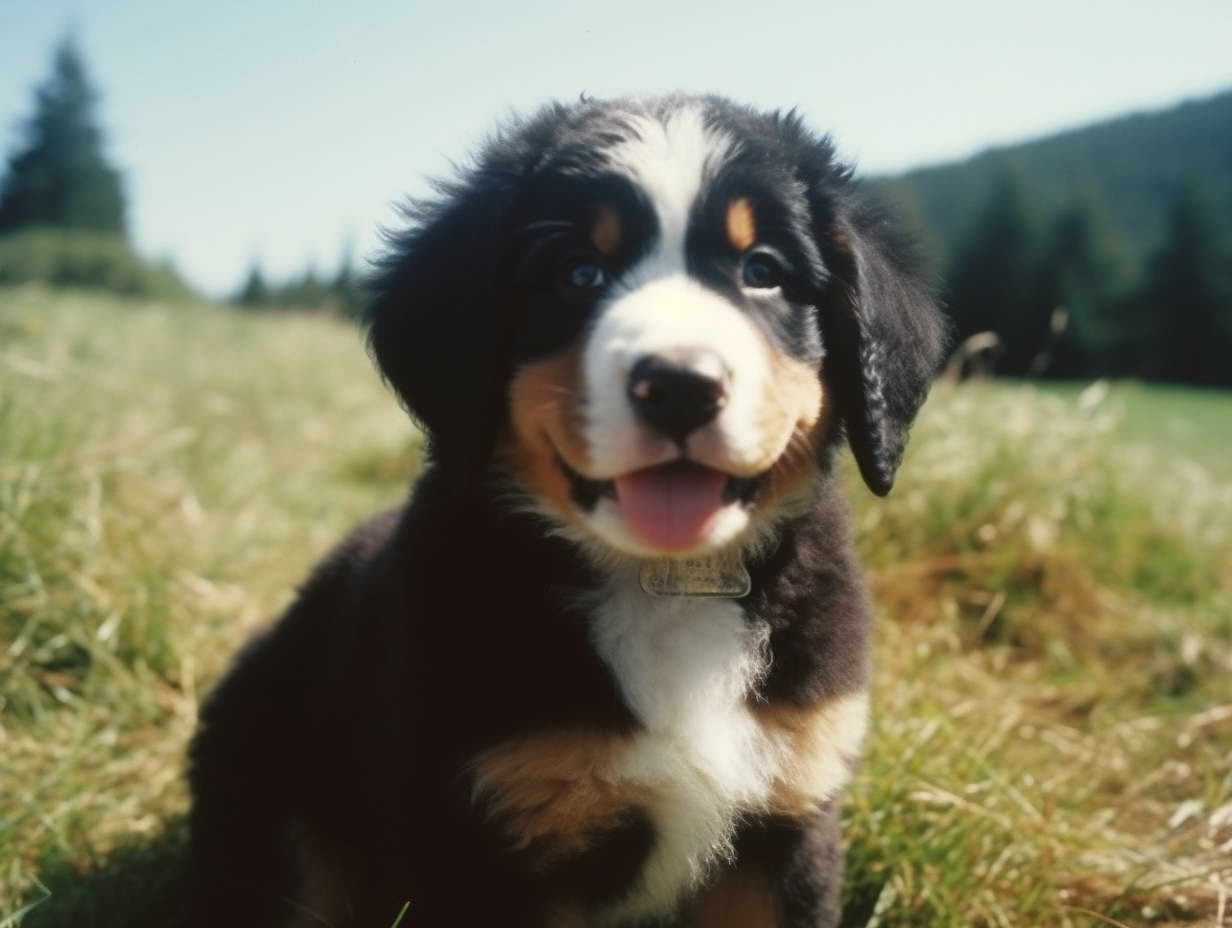
    Bernese Mountain Dogs are an increasingly popular and beloved breed known for their large size, striking appearance, and gentle disposition. While these dogs make ideal family pets and loyal companions, their unique temperament and personality traits must be carefully considered before adding one to your home. In this blog post, we will examine these aspects further and gain more insight into what makes Bernese Mountain Dogs special.

    Bernese Mountain Dogs, commonly referred to as Berners, are a large breed of dog that originated in Switzerland’s Alpine regions. Although originally used for pulling carts and herding livestock, Berners have since become popular family pets with friendly natures, striking appearance, and their signature coat featuring black, white, and rust colors.

    If you are considering adopting a Bernese Mountain Dog into your family, you must learn their distinct temperament and personality traits. Though these dogs tend to be friendly and loving companions, they still require lots of love, care, exercise, and socialization activities – which we will discuss further in subsequent sections.

    Bernese Mountain Dog History and Origins

    Bernese Mountain Dogs boast an extraordinary history dating back to Roman Empire times. These working-bred canines were first utilized as cart-pulling, livestock herding, and watchdogging companions in Switzerland during the Roman era; later revived by breeders in the early 20th century.

    Bernese Mountain Dogs have long been recognized by the American Kennel Club and are popular breeds worldwide. While some still use Bernese Mountain Dogs for working purposes, many more keep them as family pets today.

    Physical Characteristics of Bernese Mountain Dogs

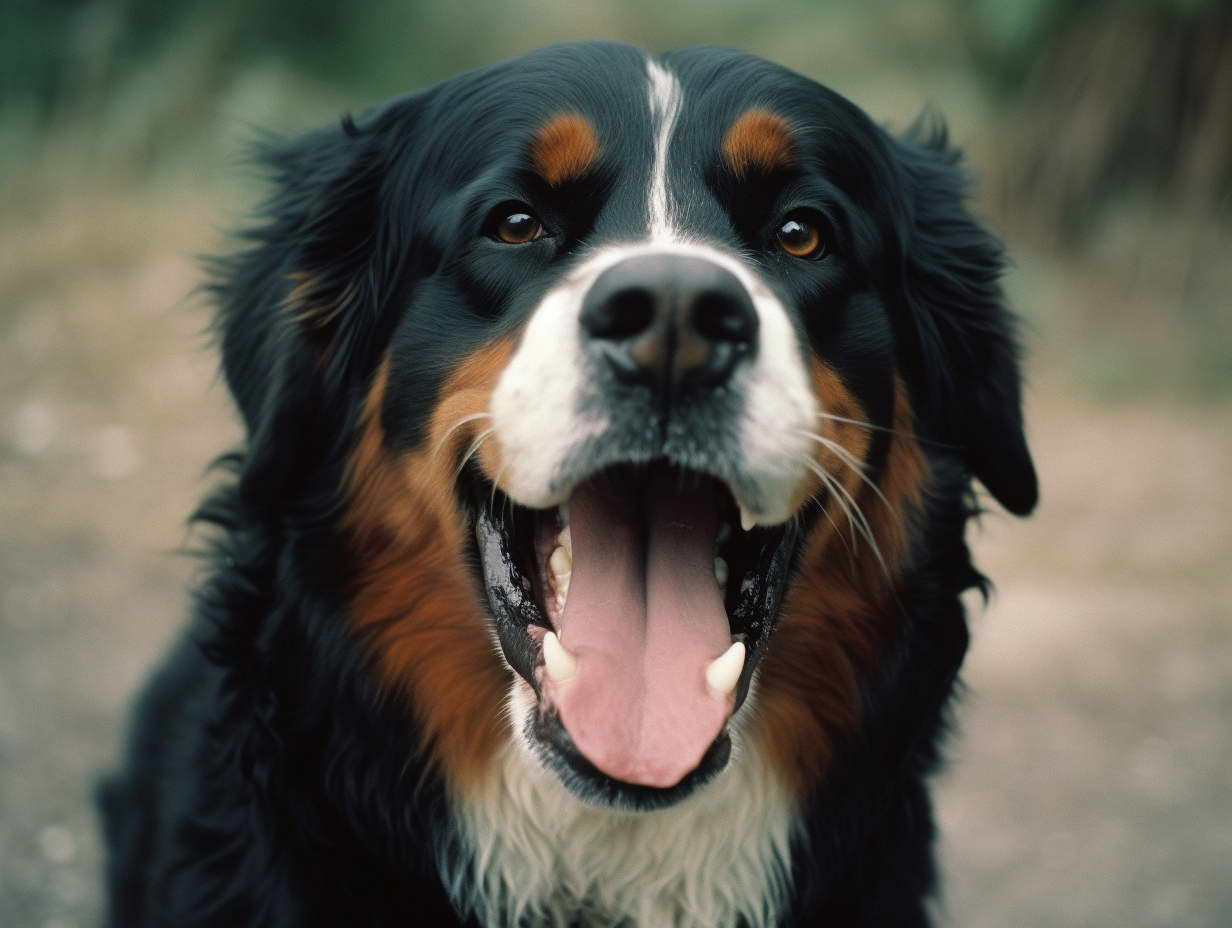
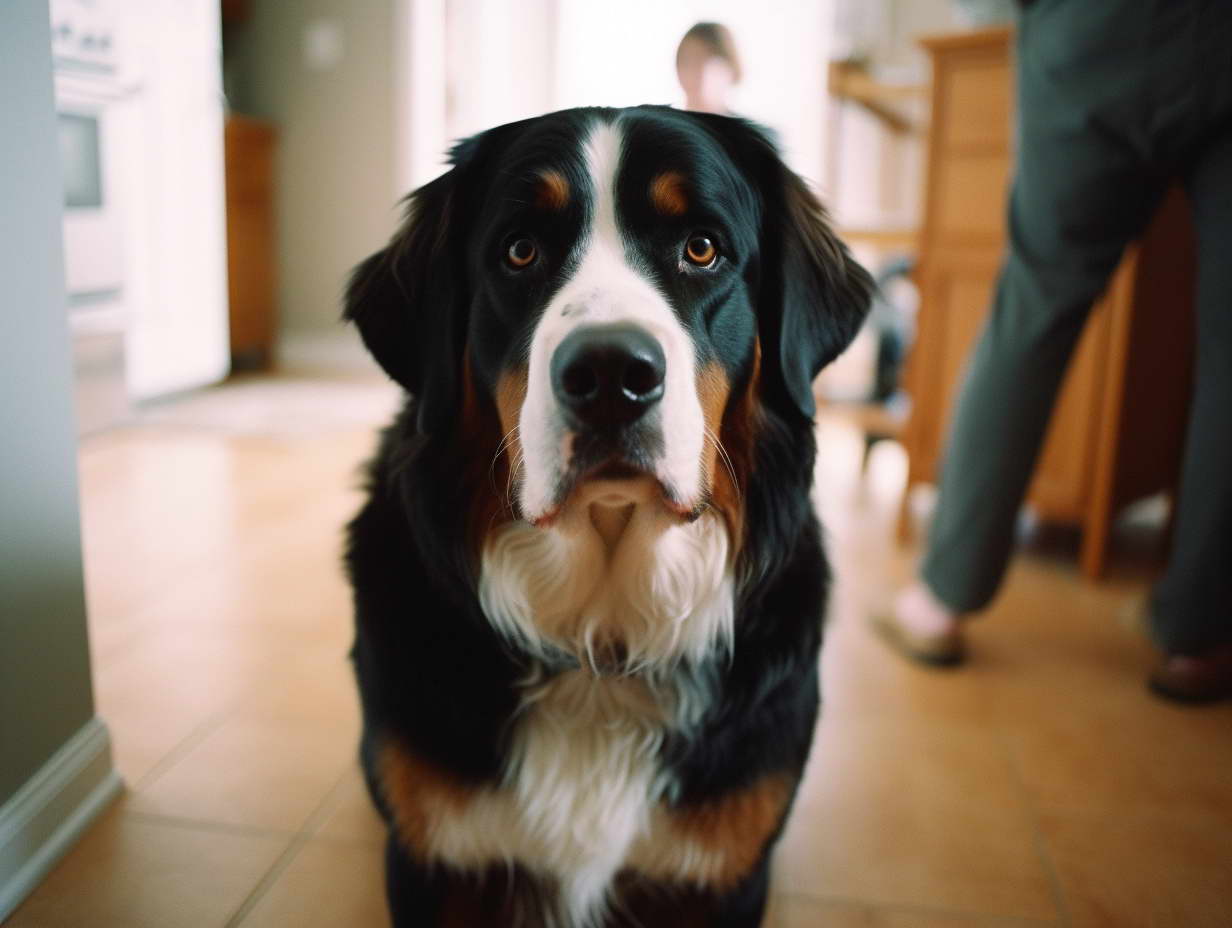
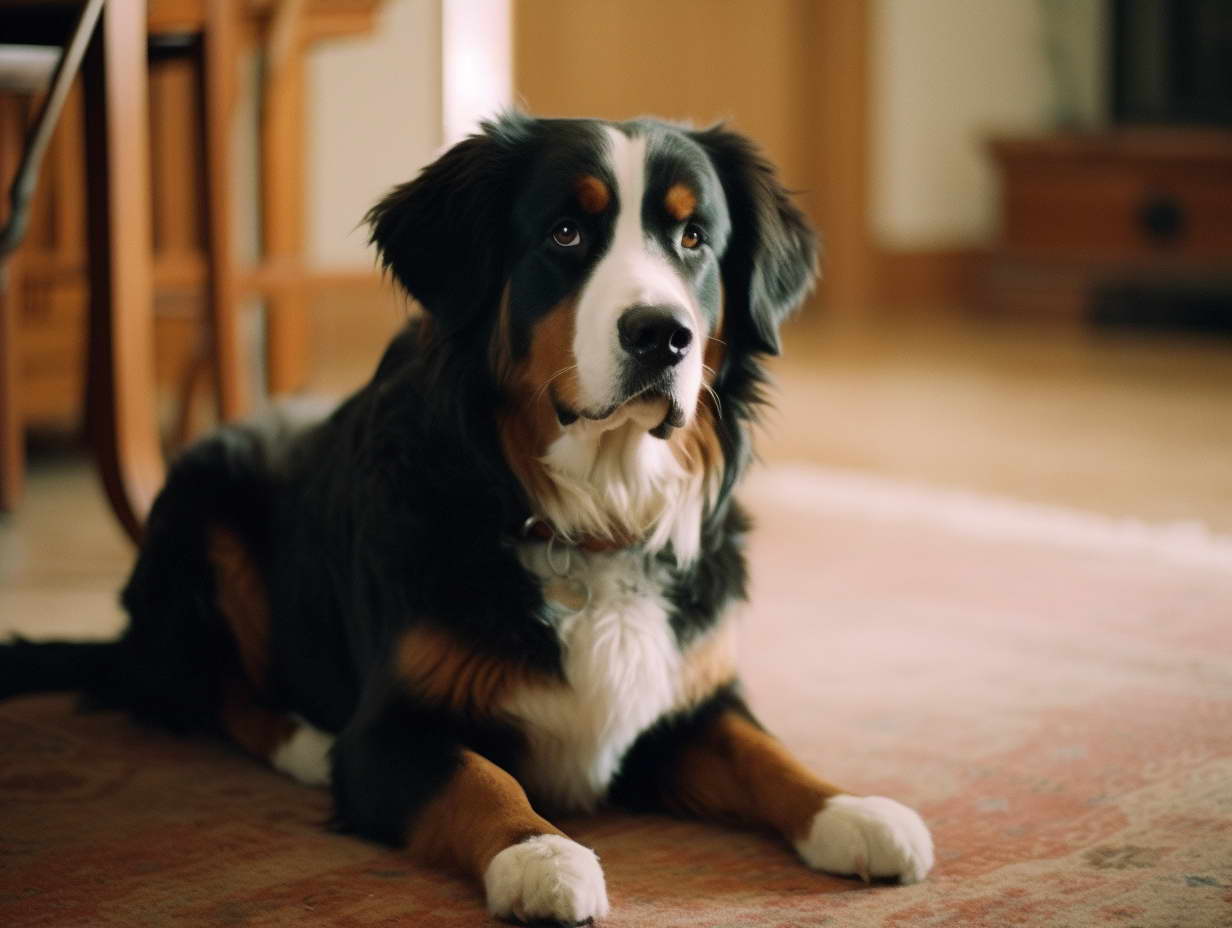
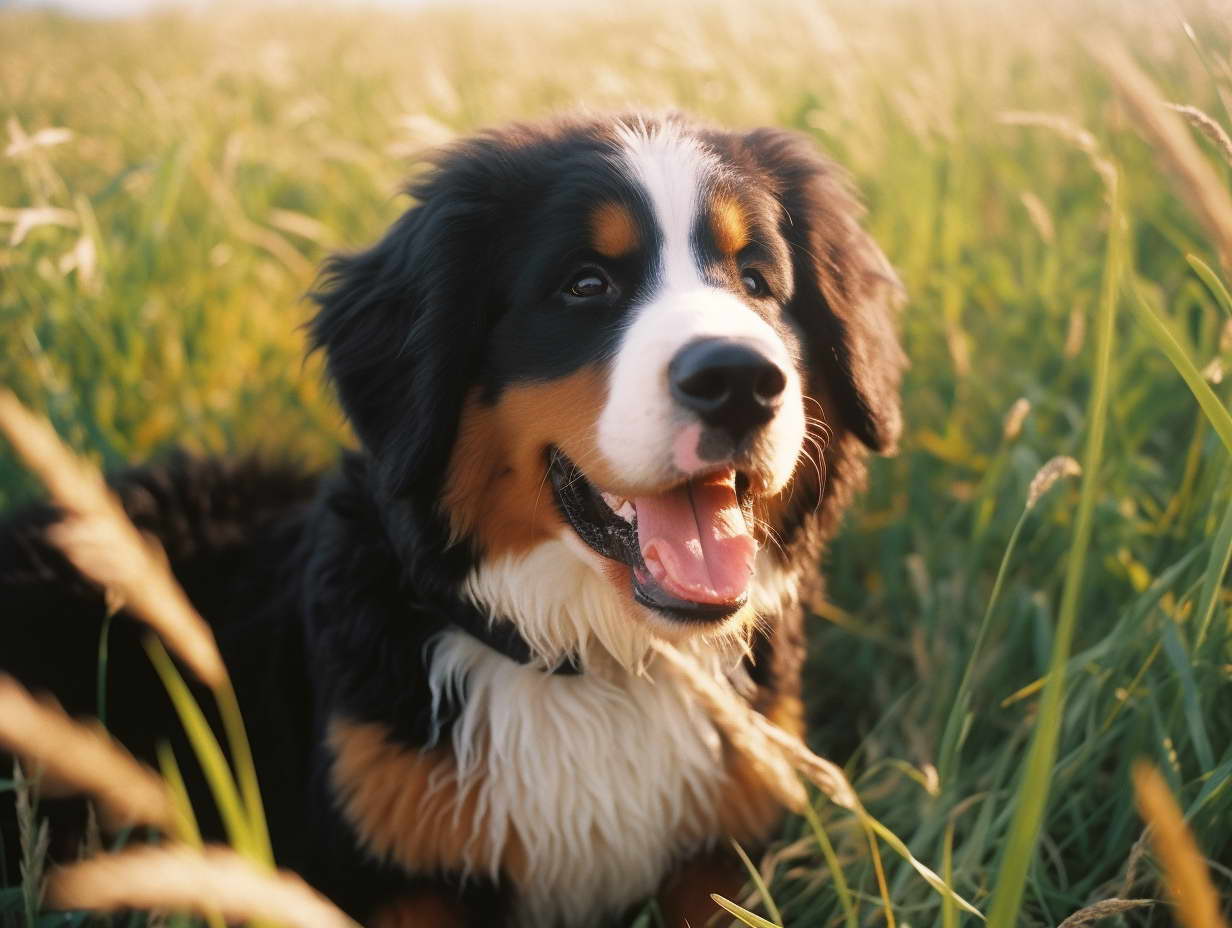
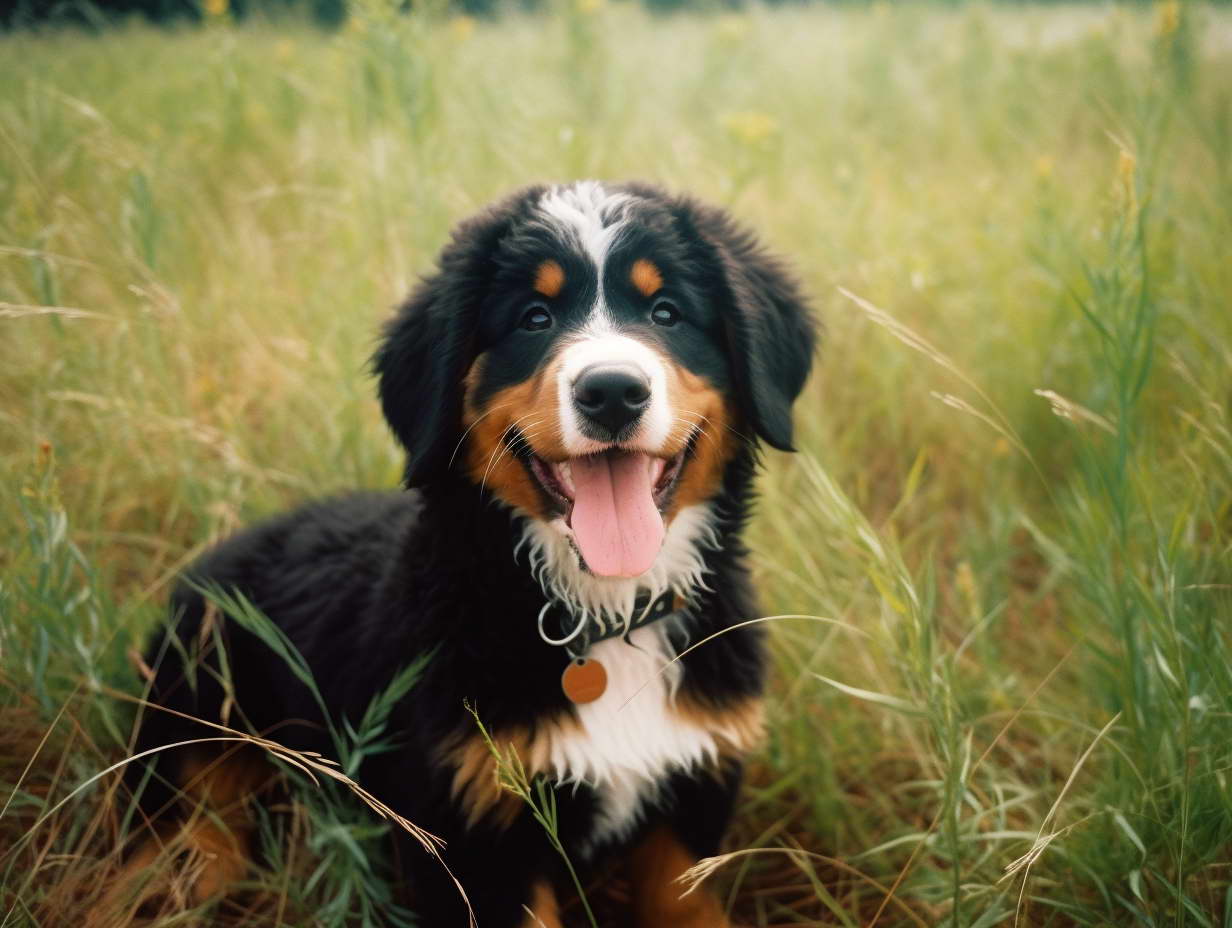
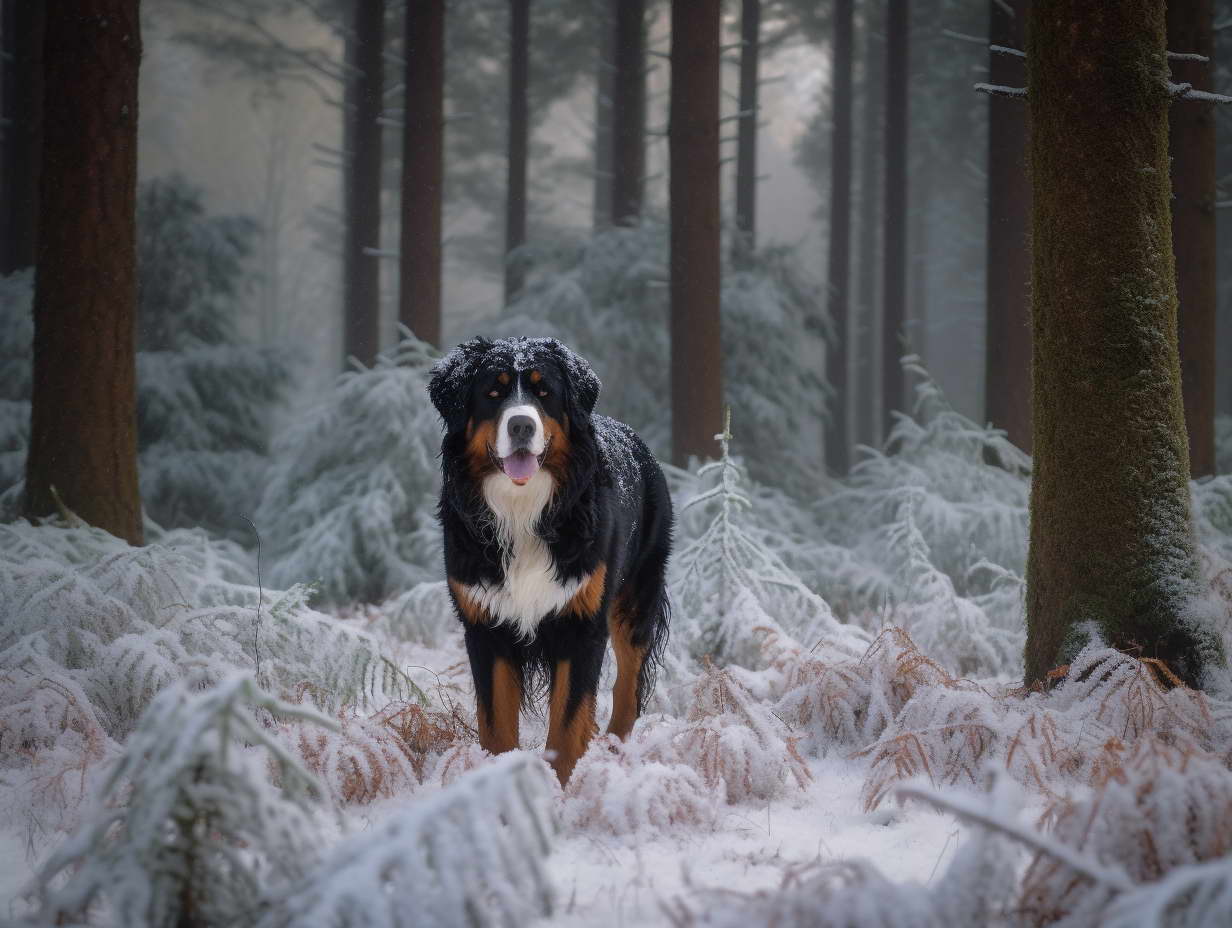
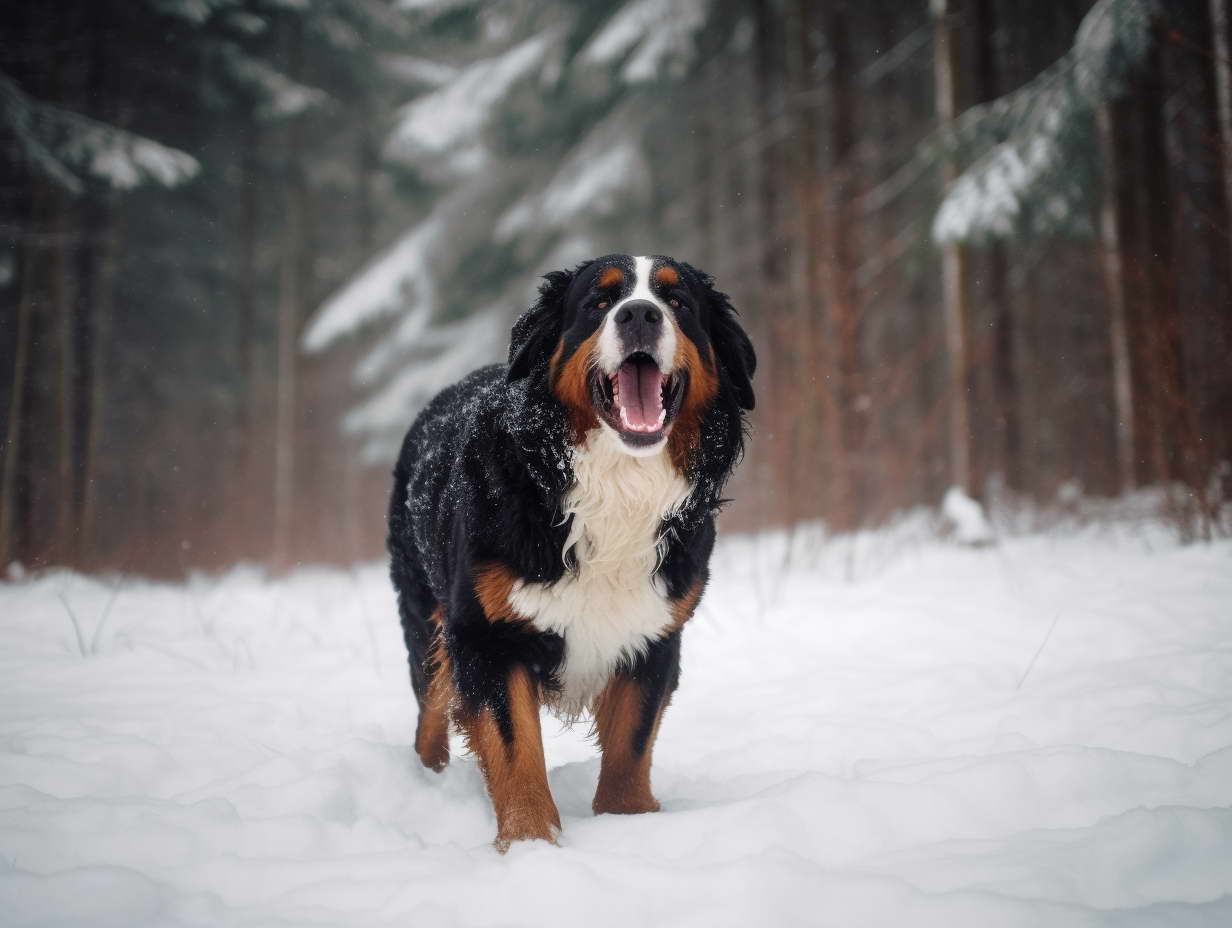
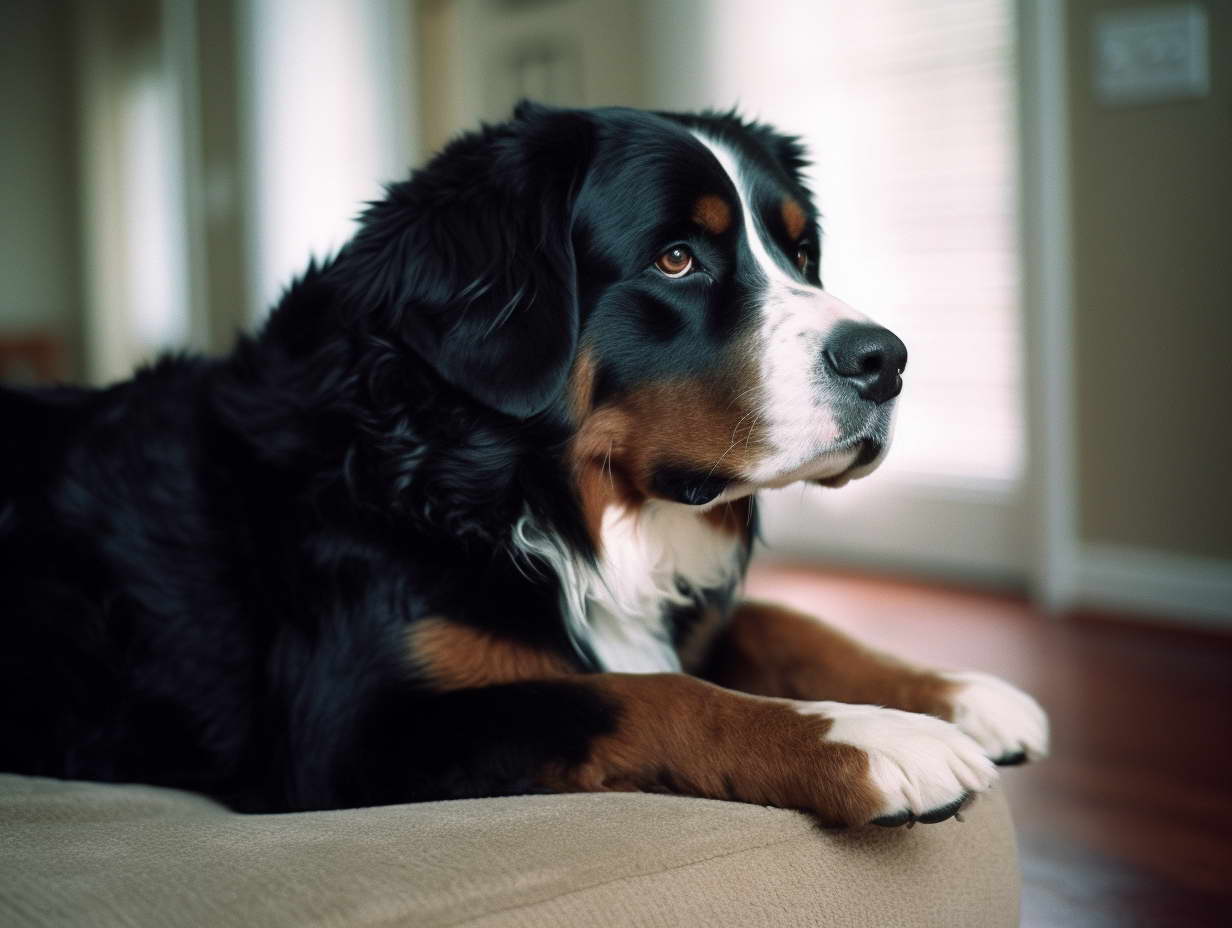
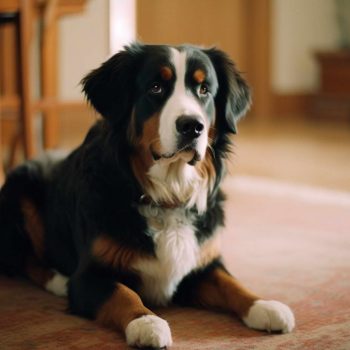
    Bernese Mountain Dogs are large breed dogs, typically weighing 80-115 pounds in male form and 70-95 for females. Males typically range between 80 and 115 pounds while females average 70 to 95. These unique dogs boast an eye-catching tri-color coat: black on the back, sides, chest & legs as well as cheeks/brows rust rust-colored coat. Furthermore, Bernese Mountain Dogs feature broad heads with floppy ears & thick bushy tails!
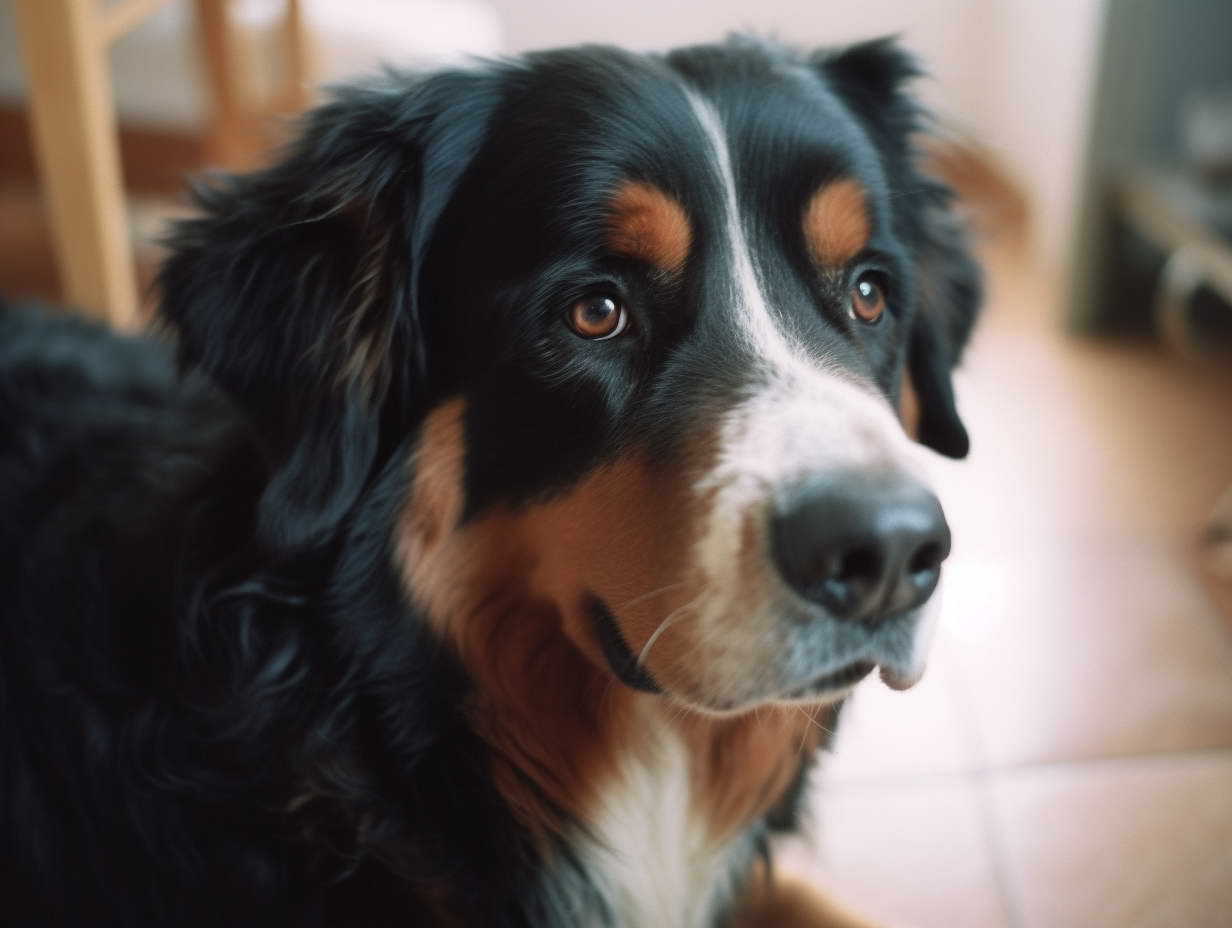
    Bernese Mountain Dog Temperament and Personality Traits

    Temperament and Personality Traits of Bernese Mountain Dog

    Bernese Mountain Dogs are beloved family companions known for their gentle demeanor, friendly disposition, and loyalty – qualities that have earned them many fans across generations of families with young kids. Yet these unique personality traits should be carefully considered before welcoming one into your home.

    – Loyal and Affectionate

    Bernese Mountain Dogs are beloved companions, famously loyal and affectionate pets known for forming strong bonds with their owners while protecting them fiercely from harm. One of their main characteristics is loyalty. These pups form strong relationships with those they care for while fiercely protecting them in return.

    – Gentle and Calm

    Bernese Mountain Dogs are widely revered for their gentle and submissive temperament, often showing great patience around children and other animals while never becoming aggressive or dominant. Each Berner is individual; some may show more dominant or aggressive tendencies.

    – Intelligent and Willing to Please.

    Bernese Mountain Dogs are highly intelligent dogs who strive to please their owners. As fast learners and responsive participants in positive reinforcement training techniques, these Bernese can often learn quickly; yet at times can become stubborn so it is crucial that early in your relationship establish yourself as the pack leader and take charge.

    – Refractive and Independent Behavior Analysis.

    Bernese Mountain Dogs may be eager to please their owners, yet can sometimes be stubborn and independent. Bred for working independently in Switzerland’s Alpine regions, these Berners may require less obedience training than other breeds; to ensure you get the maximum benefit out of training your Berner, regular socialization should take place to make him or her respond well to commands and be well-behaved!

    – Protective and Watchful

    Bernese Mountain Dogs are well known for their protective and watchful qualities, being especially vigilant around families they perceive to be threatened and territorial if this sense is violated. Though this characteristic makes it an effective watchdog, training your Bernese Mountain Dog to distinguish real threats from harmless visitors should always take priority over instinctual protectiveness.

    Training and Socialization of Bernese Mountain Dog
    Training and Socialization of Bernese Mountain Dog

    Bernese Mountain Dogs require both training and socialization as they may become stubborn or independent at times. Establish yourself early as a pack leader while offering consistent positive reinforcement training sessions to ensure that they become compliant and well-behaved members of your household.

    Socializing Bernese Mountain Dogs from an early age is also key, as these breeds tend to be wary of strangers or unfamiliar environments. Introduce your Bernese to as many people, animals, and environments as possible so they are well-adjusted and comfortable in various circumstances.

    Exercise and activity requirements of Bernese Mountain Dog

    Bernese Mountain Dogs are high-energy breeds that need plenty of physical exercise to remain healthy and content. These energetic canines enjoy long walks, hikes, and outdoor pursuits where they can run around freely – environments that foster this activity are their preferred environments!

    However, it’s essential not to overexert your Berner when exercise occurs during periods of high temperature or humidity; they are vulnerable to overheating and could potentially suffer heatstroke if not given ample rest and water breaks.

    Health Concerns and Considerations for Bernese Mountain Dogs

    Bernese Mountain Dogs tend to be healthy breeds; however, like all canines, they are susceptible to certain health concerns like hip dysplasia, elbow dysplasia, bloat, and cancer. These concerns have become prevalent with Berners.

    When purchasing a Bernese Mountain Dog, you must work with an established breeder as this will give you access to information regarding both parents and relatives of your pup. Regular vet check-ups and preventative measures will ensure you keep your new best friend healthy by helping manage any possible health concerns or preventing new ones.

    Finding a Bernese Mountain Dog: Tips for Potential Owners

    When looking to bring home a Bernese Mountain Dog as part of your family, do your research carefully and select an animal that matches both your lifestyle and needs. A few helpful hints include:

    • Consider working with a reputable breeder who can offer reliable information regarding the health history and temperament of each dog for sale, your living situation, and whether there is enough space and appropriate environment for such a pet, and make sure that you can accommodate its high energy and exercise needs as soon as you bring him or her home.
    • Understand grooming requirements of Bernese Mountain breed, such as regular brushing and grooming sessions; prepare yourself for possible health issues associated with these dogs; as well as consider costs related to ownership such as food, veterinary bills, and any additional expenses related to owning one of these large-breed pets.

    Summary

    Bernese Mountain Dogs are remarkable dogs with unique and varied characteristics that make them wonderful family companions and watchdogs. From being gentle, calm, intelligent, eager to please, and protective they make great family companions or watchdogs.

    However, Bernese Mountain Dogs require regular training, socialization, and activity for optimal health and happiness. Furthermore, owners must become familiar with any health-related risks related to this breed while working with reputable breeders when purchasing one.

    Overall, if you want a reliable companion who also makes for an outstanding watchdog then the Bernese Mountain Dog may be ideal.
  • How to Prepare Your Home for a Bernese Mountain Dog

    How to Prepare Your Home for a Bernese Mountain Dog

    How to Prepare Your Home for a Bernese Mountain Dog

    Are You Ready To Prepare Your Home for a Bernese Mountain Dog?

    Bernese Mountain Dogs are affectionate, loyal, and playful breeds that will charm anyone’s heart. While these sturdy canines make wonderful companions and watchdogs, owning one comes with certain responsibilities; creating a safe and cozy space for the furry friend should be top of that list! In this discussion, we’ll show how.

    How to Prepare Your Home for a Bernese Mountain Dog

    How to Prepare Your Home for a Bernese Mountain Dog Exercise and Playtime

    Preparing your home to welcome a Bernese Mountain Dog involves several essential steps. Here are a few pointers to help get you underway:

    Secure Your Home

    Before bringing a Bernese Mountain Dog home, make sure that it is properly secure. These pups tend to enjoy exploring and can quickly become escape artists if given any chance. Here are a few steps that you can take to secure your residence:

    • Fencing Your Yard: For maximum protection for both you and your pup, install sturdy fencing around your yard to keep him safely contained within its boundaries.
    • Install Secure Gates: Be certain all gates leading into your backyard can’t easily be unlocked by Rover!
    • Locking doors and windows: Bernese Mountain Dogs can be intelligent animals who quickly learn how to open locked doors and windows if left alone for too long.

    Create a Comfortable Living Space

    Prepare Your Home for a Bernese Mountain Dog - Create a Comfortable Living Space

    Your Bernese Mountain Dog needs a cozy living environment where it can rest, sleep and play comfortably. Here are a few suggestions for creating such an area:

    • Provide a comfortable bed: Bernese Mountain Dogs are large breeds and require a bed that will support them comfortably.
    • Provide an area where your Bernese can play safely while burning off excess energy – like creating an enclosed or designated playpen where she or he can enjoy themselves and expend energy safely!
    • Make sure your dog always has access to fresh water and food by placing their bowls conveniently located.

    Puppy-Proof Your Home

    Bernese Mountain Dog puppies are well known to be extremely playful. Before bringing one into your home, be sure to puppy-proof it by following these tips:

    • As with anything that poses risks, make sure all hazardous objects such as cleaning supplies, electrical cords, and sharp objects are out of the puppy’s reach.
    • Secure Cabinets & Drawers: Because Bernese Mountain Dog puppies are intelligent animals who quickly learn how to open cabinets & drawers on their own, make sure these spaces are secured using childproof locks to prevent access by your Bernese Mountain Dog puppy.
    • Protect Your Puppies From Danger: Make sure that any areas which could pose a potential danger for your puppies such as stairs, balconies, or swimming pools are kept out of its path.

    Exercise and Playtime

    Are You Ready To Prepare Your Home for a Bernese Mountain Dog

    Bernese Mountain Dogs are energetic animals who require ample exercise and playtime to remain healthy and content. Here are a few suggestions for providing your Bernese with sufficient physical activity:

    • Take Your Dog on Regular Walks: Bernese Mountain Dogs require daily physical activity to remain healthy, so consider making time each day to walk your pup along a different route, adding variety to their walks with new experiences along the way.
    • Provide toys: Bernese Mountain Dogs love to play, so make sure that there are enough puzzle toys, chew toys, and interactive toys available to keep them occupied for hours on end.
    • Are You Playing with Your Dog: Make time for you and your canine pal by engaging them in physical games such as fetch, tug of war, or any number of others. Spend quality time bonding while having some fun together.

    Grooming

    Bernese Mountain Dogs possess thick double-layered coats which require regular grooming to look their best while also helping prevent skin irritations and health problems. Here are some tips on grooming your Bernese Mountain Dog:

    • Brush their Coat: Regular grooming will remove loose hairs and help avoid matting of thick coats on dogs, while simultaneously improving hygiene. Slicker brushes or special grooming combs designed specifically for thick fur are recommended as effective tools in this endeavor.
    • Trim Their Nails: Regular nail trimming can prevent overgrowth and crack in your dog. If this task feels intimidating to you, professional groomers or veterinarians offer services.
    • Clean Their Ears Regularly: Bernese Mountain Dogs can develop ear infections, so ensure their ears are regularly cleaned using either a damp cloth or dog ear cleaning solution to eliminate dirt and wax build-up.

    FAQs

    1. How much exercise does a Bernese Mountain Dog require daily?
      Depending on their breed and individual size, Bernese Mountain Dogs require at least 30 to an hour of daily physical activity, such as walks, hikes, or playing fetch.
    2. Do Bernese Mountain Dogs shed much?
      Yes, Bernese Mountain Dogs have thick double-layered coats which shed heavily. Regular brushing will keep their coat healthy and shiny.
    3. Are Bernese Mountain Dogs good with children?
      Bernese Mountain Dogs make fantastic family pets; their gentle temperament makes them excellent with children of any age.

    Final thoughts

    Preparing your home to welcome a Bernese Mountain Dog requires careful preparation to create an environment in which he or she will thrive and find fulfillment in life. Remember to provide ample exercise, playtime, grooming services, and comfortable living quarters so you can welcome him or her with joy into your family home! With proper planning and preparation, you can welcome a Bernese Mountain Dog with confidence and excitement!

  • Bernese Mountain Dog Myth vs. Reality

    Bernese Mountain Dog Myth vs. Reality

    Bernese Mountain Dog Myth vs. Reality

    Myth vs Reality of Bernese Mountain Dog Breed

    Are You Thinking about Adopting a Bernese Mountain Dog? In this discussion, we examine some common myths surrounding Bernese Mountain Dogs to separate fact from fiction.

    Myth 1: Bernese Mountain Dogs are low-energy companion dogs

    Bernese Mountain Dogs often get mistaken for low-energy canines. While their energy level might not compare with that of some breeds, Bernese Mountain Dogs still require daily physical activity to remain happy and contented companions. Due to being originally bred for working farms and pulling carts, these energetic canines tend towards physical exercise; without enough activity, they may become bored and destructive.

    Myth 2: Bernese Mountain Dogs make good apartment companions

    Due to their size, many people assume Bernese Mountain Dogs can live comfortably in an apartment setting; this however is far from true as these large pups require plenty of room and frequent exercises which might prove challenging in a smaller living space.

    Myth 3: Bernese Mountain Dogs don’t require much exercise

    As has already been stated, Bernese Mountain Dogs are high-energy canines that require daily physical activity – this may involve walks, runs, hikes, and swimming! Without sufficient exercise, they could become bored and unhappy.

    Myth 4: Bernese Mountain Dogs can be aggressive.

    Some may assume Bernese Mountain Dogs are aggressive dogs; this is far from true – in general these lovely pups tend to be friendly and affectionate towards both people and other animals alike! As with all pups though, these Bernese require socializing and training from early on to be well-behaved members of society.

    Myth 5: Bernese Mountain Dogs can easily be trained.

    Bernese Mountain Dogs are intelligent yet stubborn animals who require positive reinforcement training methods to thrive. However, these breeds should only be purchased by those willing to put forth the time and effort necessary for effective training sessions; otherwise, they shouldn’t make for good companions.

    Myth 6: Bernese Mountain Dogs don’t shed very often

    Bernese Mountain Dogs feature thick double coats which shed heavily twice annually as well as moderately throughout the year, so regular grooming sessions should help maintain healthy coats while decreasing shoddiness. Regular brushing sessions must take place to help their coat remain in top condition and minimize shedder activity.

    Myth 7: Bernese Mountain Dogs are Hypoallergenic

    Bernese Mountain Dogs are not hypoallergenic. Although their thick coat can help limit how much dander enters the air, these pups still shed heavily which may aggravate allergies for those living with allergies and make living with one difficult. Furthermore, because these thick-coated pups require regular grooming services like brushing several times each week or taking baths (which could pose further difficulty for people allergic to dogs), their thick fur requires frequent attention, which might make life more challenging if someone in your household suffers from allergies – be that yourself or family members related – before getting one as these breeds.

    Myth 8: Bernese Mountain Dogs have short lifespans

    Unfortunately, Bernese Mountain Dogs tend to live shorter lifespans than some other breeds – generally lasting 6-8 years (compared to 8 for dogs overall) with proper care and attention from owners. With your assistance though, your Bernese Mountain Dog can live an extended, healthy life!

    Reality: Bernese Mountain Dogs make wonderful family companions.

    Bernese Mountain Dogs make wonderful family pets; regardless of any myths surrounding their breed. These affectionate, loyal pups love spending time with their human family as well as other pets when socialized properly. They make for excellent children’s companions!

    Conclusion

    Bernese Mountain Dogs are well known for their loyalty and affection toward human family members, particularly children. Bernese Mountain Dogs thrive when exposed to human interaction and make excellent playmates for them; children especially can play well together. Like any dog breed, Bernese Mountain Dogs should be socialized from an early age to ensure they behave around children appropriately. Bernese Mountain Dogs must be trained accordingly to be well-behaved around children.

    Bernese Mountain Dogs are beloved canines known for their calm and gentle demeanor. Not known to be aggressive towards children or other dogs, Bernese Mountain Dogs possess protective instincts which enable them to watch over family members effectively as watchdogs without excessive barking; though their barking will alert their owner should something out-of-the-ordinary be happening nearby.

    Bernese Mountain Dogs do not make great guard dogs. While they will bark when someone knocks at the door, they do not typically attack intruders due to their gentle temperament and non-territoriality – instead more likely to greet the stranger with a friendly tail wagging tail and kissing than attack.

    FAQs

    1. Are Bernese Mountain Dogs good with children?
      Yes, Bernese Mountain Dogs make excellent family companions when properly socialized and trained.
    2. How much exercise does a Bernese Mountain Dog require each day?
      Bernese Mountain Dogs require daily activities such as walks, runs, hikes or even swimming to stay happy and healthy.
    3. How often should I groom my Bernese Mountain Dog?
      Bernese Mountain Dogs require regular grooming to maintain healthy coats and reduce shedding; this may involve brushing several times each week as well as occasional baths.
    4. Are there any health concerns I need to consider with my Bernese Mountain Dog?
      Bernese Mountain Dogs may be susceptible to certain health problems, including hip dysplasia and cancer. Therefore you must work with an established breeder and monitor your dog closely during his/her lifespan.
    5. Can Bernese Mountain Dogs be left alone for long periods?
      No, Bernese Mountain Dogs are social animals who need human interaction for proper development and should never be left alone for extended periods.
  • Bernese Mountain Dog Travel Tips: Taking Your Dog on the Go

    Bernese Mountain Dog Travel Tips: Taking Your Dog on the Go

    Bernese Mountain Dog Travel Tips

    Bernese Mountain Dog Travel Tips: How to Bring Your Puppy Along.

    Bernese Mountain Dog owners know just how faithful and loving these large giant breeds can be; as gentle giant breeds with beautiful tri-color coats, they prefer nothing more than spending time with humans and can often feel left out when traveling alone. While traveling with your Bernese Mountain Dog may seem straightforward at first, many factors must be taken into consideration to ensure both you and your furry friend remain safe during any journey together.

    In this blog post, we’ll cover everything you need to know about traveling with a Bernese Mountain Dog – from preparation and packing through transportation and accommodation – providing practical tips that’ll ensure a positive journey experience!

    Prepping Your Trip

    Prior to embarking on your adventure with your Bernese Mountain Dog, here are a few items you should do in order to properly prepare.

    Consult Your Vet

    Before undertaking an extended journey with your Bernese Mountain Dog, it’s vitally important that they’re healthy and up-to-date on vaccinations. Make an appointment with your veterinarian so they can evaluate them, providing health records to take on board as you travel.

    Prepare Your Travel Plans and Research the Destination

    Be sure to research your destination to ensure it’s suitable for dogs before travelling. Search for accommodations, restaurants and attractions with pet-friendly facilities or attractions as well as any local laws or regulations surrounding canines in order to minimize surprises on arrival.

    Pack for Your Bernese Mountain Dog

    To ensure an enjoyable trip for both of you and your Bernese Mountain Dog, ensure to pack essential supplies such as:

    • Food and water bowls
    • Collar and leash
    • Food and treats
    • Medications
    • Toys
    • Bedding
    • First aid kit

    Travel with Your Bernese Mountain Dog

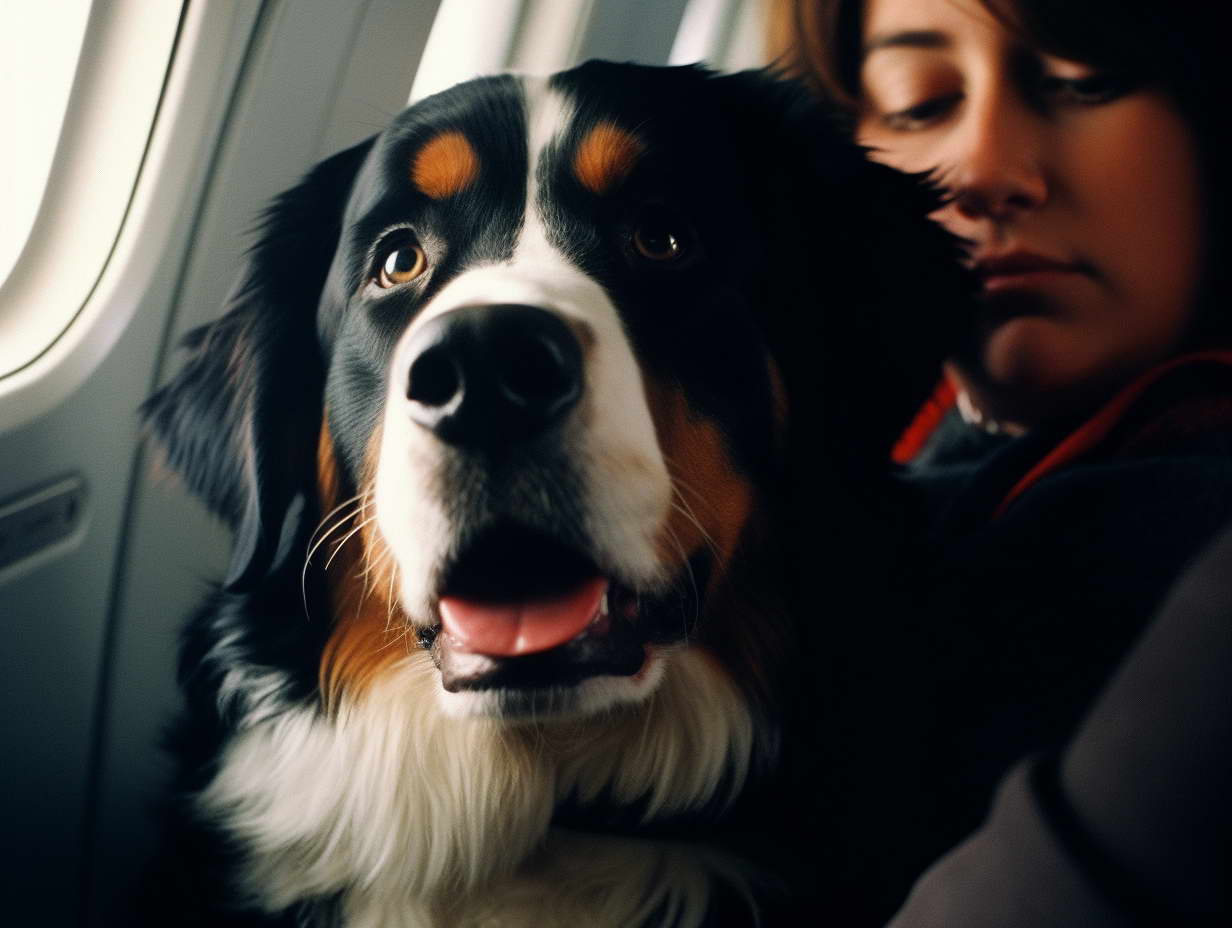
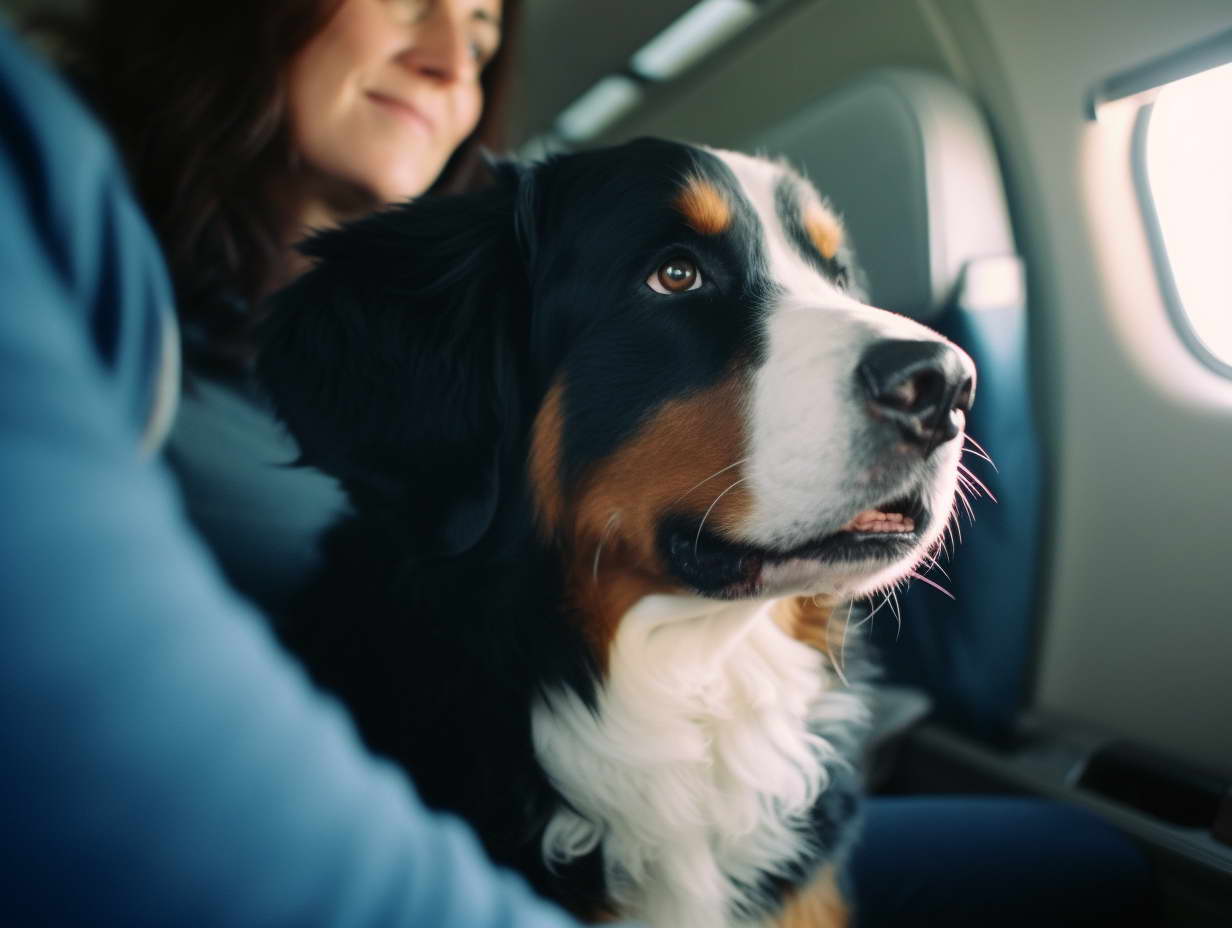
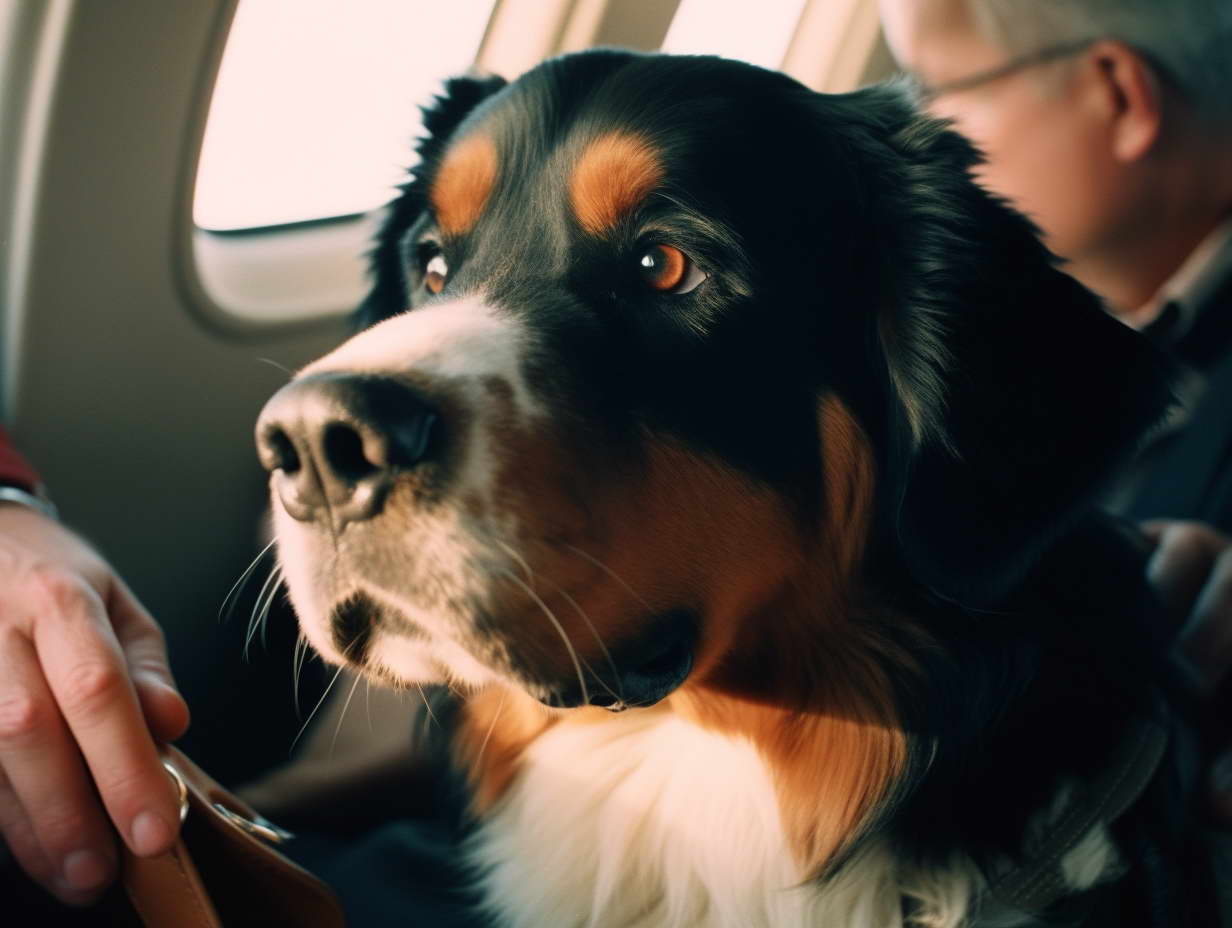
    Bernese Mountain Dog Airplane Travel Tips

    Now that your travel preparations have been taken care of, it’s time to embark on your trip! Below are a few helpful suggestions on traveling with a Bernese Mountain Dog:

    Select Appropriate Transportation Solutions

    Traveling with a Bernese Mountain Dog should always involve selecting an appropriate mode of transport. When driving, make sure your Bernese is secured in either an appropriate crate or harness; when flying research airline pet policies to ensure there’s space on board and book early.

    Take Breaks

    Make sure that when driving with your Bernese Mountain Dog, regular breaks should be taken so they can stretch their legs, use the bathroom, and breathe some fresh air – this will keep them comfortable while decreasing risks associated with accidents.

    Keep Your Dog Comfortable

    Traveling by car or plane, it is crucial that your Bernese Mountain Dog remains comfortable throughout their trip. Make sure they bring along an item they find comforting – like blankets or toys they enjoy – as well as water and food as needed.

    Be Prepared for Emergencies

    No one likes thinking about emergencies, but it is wise to be prepared. Pack a first aid kit for your Bernese Mountain Dog as well as contact details of emergency vet clinics near where you plan on traveling.

    Accommodation and Activities Are Offered Together

    Once at your destination, take some time to enjoy it with your Bernese Mountain Dog by finding dog-friendly lodging and activities: Here are a few suggestions:

    Select Accommodation that Is Pet-Friendly

    Make sure to select an accommodation option that welcomes dogs when booking accommodations – many hotels and vacation rentals now provide dog-friendly rooms or properties, but be sure to call ahead and confirm if your Bernese Mountain Dog will be welcome prior to making reservations.

    Find Dog-Friendly Activities

    Consider researching activities available to Bernese Mountain Dog owners during your time abroad. Most cities feature dog parks, hiking trails and pet-friendly attractions that welcome animals of any species; just make sure that any regulations concerning your Bernese Mountain Dog’s stay on leash are observed appropriately.

    Show Consideration and Reciprocity to All People

    Be considerate when traveling with your Bernese Mountain Dog; not everyone may share your enthusiasm. Be respectful when out and about with them by keeping them leashed when in public areas and cleaning up after them as necessary – also avoid taking them places they might not be welcome or taking pictures at unexpected spots!

    Frequently Asked Questions [FAQs] about Travel with a Bernese Mountain Dog

    1. Can my Bernese Mountain Dog travel on an airplane? 
      Yes, your Bernese Mountain Dog can travel by plane if prepared appropriately and carefully researched the airline policies as well as booking early and selecting flights which allow dogs.
    2. Can I bring my Bernese Mountain Dog into a hotel room?
      Yes, many hotels now provide rooms or properties suitable for Bernese Mountain Dogs, provided that prior arrangements have been made and confirmed that your Bernese is welcome before making a booking decision.
    3. Can I bring my Bernese Mountain Dog with me into a restaurant?
      Yes. Even though many restaurants allow dogs on their patios, it’s wise to check with your local regulations first before bringing in your Bernese Mountain Dog. Please be mindful of those around you by keeping it on leash!

    Summary

    Traveling with your Bernese Mountain Dog can be both enriching and unforgettable, but preparation and knowledge is necessary for an enjoyable journey. By following these Bernese Mountain Dog travel tips, you can ensure your furry companion remains safe and happy on their travels. To do this, research your destination, pack for them accordingly, choose appropriate transportation modes, find dog-friendly accommodations/activities as well as lodging facilities before embarking on this life-altering experience together. With just some advance preparation you and your Bernese Mountain Dog will embark upon this unforgettable journey together!

  • Breeding Bernese Mountain Dogs 101 – What You Need to Know

    Breeding Bernese Mountain Dogs 101 – What You Need to Know

    Picking The Best Bernese Mountain Dogs to Breed

    Breeding Bernese Mountain Dogs 101: What You Should Know

    Bernese Mountain Dogs are beloved breeds known for their affectionate, loyal personalities. Therefore, many dog lovers look into breeding Bernese Mountain Dogs to provide companionship and beauty – however breeding Bernese Mountain Dogs requires careful consideration, planning, knowledge, and dedication from those undertaking this undertaking.

    We will cover the fundamentals of Bernese Mountain Dog breeding including selecting suitable dogs for breeding as well as taking care of puppies post-breeding; by the time this guide concludes you should have all of this essential information needed for becoming a successful Bernese Mountain Dog breeder!

    Picking The Best Bernese Mountain Dogs to Breed

    Breeding Bernese Mountain Dogs involves more than simply finding two compatible pups and mating them; rather, it requires selecting dogs that meet various criteria related to temperament, health, and conformation.

    Temperament

    The temperament of a Bernese Mountain Dog is one of the primary factors to keep in mind before breeding a Bernese Mountain Dog, which is widely renowned for its gentle yet loving temperament – making them excellent family pets. Therefore, selecting one with similar attributes when selecting breeding pairs. Aggressive or overly anxious breeders should not be considered breeding prospects as these traits could pass down through offspring generations.

    Health

    Breeding healthy Bernese Mountain Dogs is essential to ensure their offspring do not suffer from genetic disorders and diseases, including hip dysplasia, eye and heart exams, and von Willebrand disease. Therefore both male and female Bernese Mountain Dogs must go through health screening tests before breeding, which should include hip and elbow dysplasia assessments as well as heart exams as part of this screening procedure.

    Conformation

    Conformation refers to the physical appearance of dogs, such as their size, shape, and color. Breeding two Bernese Mountain Dogs with excellent conformation can produce stunning puppies that are healthy. However, breeding dogs with severe conformational defects, like extremely short legs, should be avoided to avoid potential health issues in offspring.

    Breeding Bernese Mountain Dogs

    Breeding Process

    Breeding Bernese Mountain Dogs involves several steps, from prepping the dogs for mating and caring for any puppies produced, to raising and training these newcomers to adulthood.

    Preparing to Breed

    Before breeding Bernese Mountain Dogs, it’s vitally important to ensure both male and female Bernese Mountain Dogs are in top health – including being up-to-date on vaccinations, parasite control measures, and consultation with a veterinarian about an optimal time and place for mating.

    Mating

    Mating should take place at a place of comfort for the female dog and her male should have been trained not to engage in aggressive behaviors during mating sessions that last up to thirty minutes, followed by the distancing of both partners to prevent injury to either.

    Pregnancy

    Bernese Mountain Dog’s gestation period typically lasts about 63 days. During this time, female dogs should be monitored closely and provided with nutritious care plans as necessary during gestation. Regular visits with your veterinarian will help ensure both mother and puppies remain in top health throughout the gestation and postpartum periods.

    Whelping

    Whelping refers to the practice of giving birth. Typically taking place around day 63 of gestation, female dogs need an environment conducive to giving birth such as a whelping box for this process to go smoothly and safely. In addition, close monitoring should take place both during and after birth to guarantee optimal health and welfare of mother and offspring alike.

    Taking Care of the Puppies

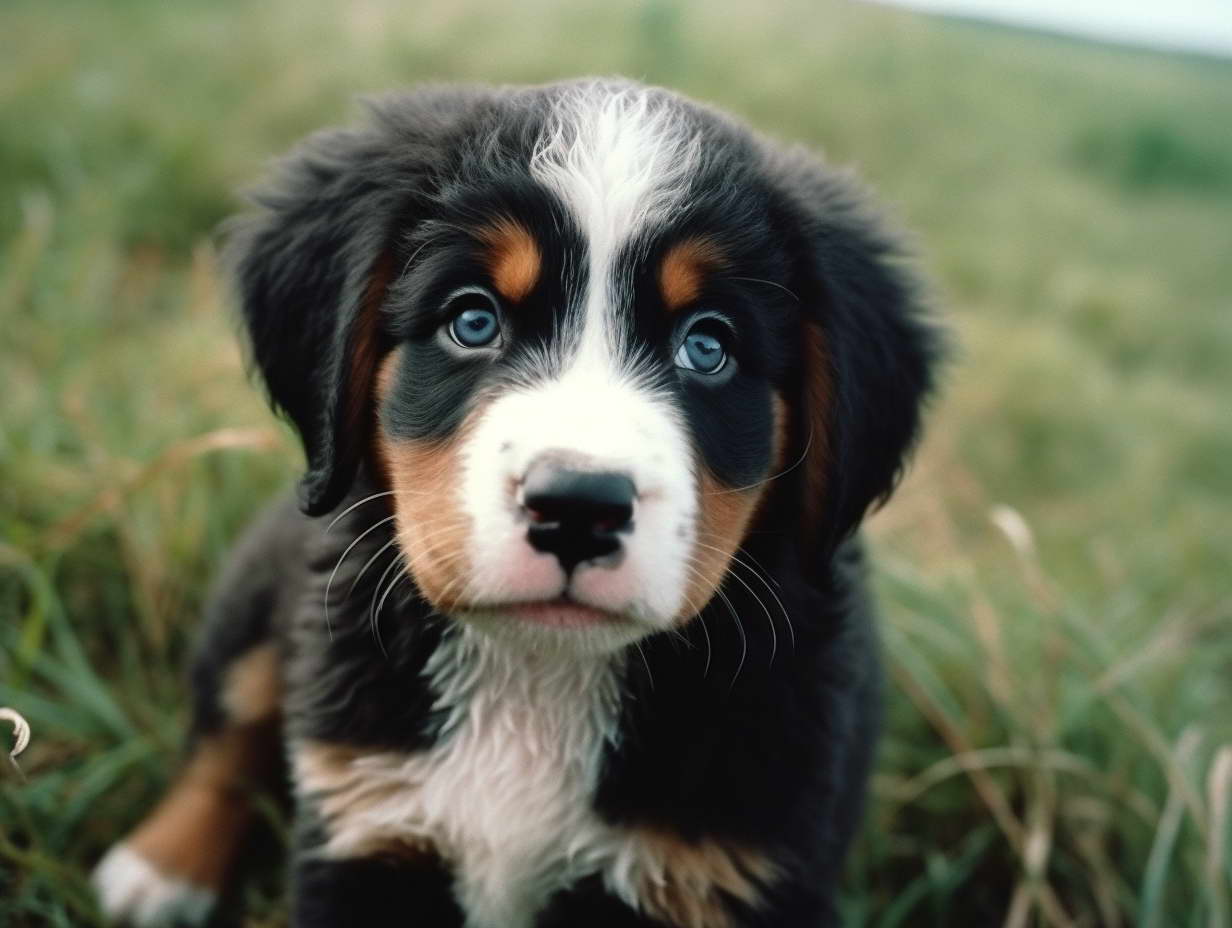
    Caring for Bernese Mountain Dog puppies involves multiple tasks, from socialization and vaccination.

    Socialization

    Socialization of puppies is integral in their development into well-adjusted, friendly dogs. Socializing involves exposing puppies to various stimuli – people, other animals, and new environments – to develop social skills while decreasing the likelihood of behavioral issues in later years. Socialization should begin at an early age and continue throughout their lives until fully grown.

    Nutrition

    Good nutrition is crucial to the growth and development of Bernese Mountain Dog puppies. Their nutritional needs should be met through feeding a high-quality, balanced diet designed specifically to their breed – for best results it’s recommended they receive puppy food until around one year old as it provides their bodies with everything it needs for optimal development.

    Vaccination

    Vaccinating puppies against various infectious diseases such as distemper, parvovirus, and hepatitis is essential. Puppies should receive their initial set of shots between six-8 weeks old and continue receiving booster shots until fully immunized.

    Training

    Training puppies properly is crucial to creating well-mannered adult dogs. This process includes teaching basic commands such as sit, stay, and come as well as how to walk on leashes while socializing them with other dogs and people.

    Final thoughts

    Breeding Bernese Mountain Dogs can be an immensely fulfilling experience for dog enthusiasts, yet requires planning, knowledge, and dedication from every stage of the process. Selecting appropriate breeding dogs, mating them successfully, and providing necessary nutrition are all integral steps of breeding Bernese Mountain Dogs successfully – essential steps which require consultation with veterinarians for health purposes – along with following all required regulations to become an established Bernese Mountain Dog breeder who enjoys the companionship of these beautiful pups! By adhering to these tips you can become a successful Bernese Mountain Dog breeder!

  • Bernese Mountain Dog Safety Tips for Owners

    Bernese Mountain Dog Safety Tips for Owners

    Bernese Mountain Dog Safety Tips

    Bernese Mountain Dog Safety Tips for Owners

    Bernese Mountain Dogs are beloved breeds among pet enthusiasts, yet owning one comes with great responsibility. Large and strong in build, Bernese Mountain Dogs possess plenty of energy that needs to be directed somewhere safely – meaning owners must take certain measures to keep them happy and safe. In this post, we’ll share essential Bernese Mountain Dog safety tips every owner should remember.

    Owning a Bernese Mountain Dog can be an amazing journey, but you must keep in mind they require lots of love and attention from you as owners. From training them properly to keeping them safe around other animals and people alike, owning one requires many considerations before becoming the proud parent of one!

    Before welcoming a Bernese Mountain Dog into your home, you must understand its breed. These energetic pups were originally developed as farm workers so their high levels of energy and strong build are perfectly suited to working farms; while remaining friendly and gentle. Understanding this breed will enable you to better care for them and ensure their well-being and safety.

    Health Issues

    Bernese Mountain Dogs can be vulnerable to specific health problems. Due to a shorter lifespan than many breeds, Bernese Mountain Dogs may be susceptible to cancer and hip dysplasia among other ailments; so regular checkups with your veterinarian as well as monitoring for any symptoms that indicate illness are recommended to monitor for signs of illness in your pup.

    Training and Socialization.

    Proper training and socialization of any breed of dog are paramount, particularly those such as Bernese Mountain Dogs who possess superior intelligence but can sometimes prove stubborn or outspoken. Training must be positive yet consistent while socialization must start from early on in their lives.

    Training Tips

    Use positive reinforcement methods, like treats and praise, to reward appropriate behavior in your dog. Be consistent in commands and expectations throughout their lifespan and begin training from an early age.
    Avoid punishment-based training methods, which can lead to behavioral issues in dogs.

    Socialization Tips

    Introduce your pup early on to other animals and people while encouraging positive interactions amongst themselves as well as with each other’s pet(s).
    Visit training or socialization groups with your dog, keeping an eye out for signs of aggression or discomfort and responding swiftly.

    How Can Bernese Mountain Dogs Stay Safe?

    Bernese Mountain Dog Safety Tips for owner

    Being an informed and responsible owner means providing adequate oversight of a Bernese Mountain Dog is paramount to its well-being and that of others around them. These powerful canines must always be managed appropriately or they could pose risks both to themselves and others.

    Home Safety Tips

    Secure fences and gates to stop the escape. Keep toxic substances, like chemicals and medications, out of reach. In addition, store food and trash securely to stop pets from getting to them.
    Comfort your dog when resting and sleeping by creating a safe place for him/her to lie.

    Outdoor Safety Tips

    In public settings, ensure they remain on leash at all times and watch out for signs of overheating such as panting and drooling as these could indicate possible signs of heat exhaustion in their systems.
    Stay away from extreme temperatures when exercising your dog. Keep them away from bodies of water like lakes and rivers until under supervision.

    Summary

    Owning a Bernese Mountain Dog can be both exciting and fulfilling; however, with it comes great responsibility. By understanding their breed characteristics, providing proper training and socialization sessions as well as keeping him/her safe at all times you can help ensure a happy, healthy relationship between owner and pup!

    FAQs

    1. How often should I take my Bernese Mountain Dog to the vet?
      Your Bernese Mountain Dog should visit their veterinarian at least annually or more often as recommended by them for regular checkups and wellness checks.
    2. Can Bernese Mountain Dogs live in apartments?
      While Bernese Mountain Dogs may adapt to apartment living, they still require plenty of exercises. Therefore, to ensure your Bernese receives enough physical activity and mental stimulation despite living in a small space, ensure they get plenty of physical and mental stimulation every day.
    3. How can I keep my Bernese Mountain Dog from overheating?
      To prevent overheating in your Bernese Mountain Dog, avoid exercising them during extreme heat periods and provide plenty of shade, water, and fluids as soon as temperatures increase significantly. Furthermore, cooling products like vests or mats may help ensure their continued comfort.
    4. Do Bernese Mountain Dogs get along well with children?
      Bernese Mountain Dogs have long been recognized as being gentle and patient around children; it is however wise to supervise interactions between children and dogs to avoid accidents or injuries occurring between the two parties.
    5. How many exercises do Bernese Mountain Dogs Require?
      Bernese Mountain Dogs require daily walks and playtime as well as extra active pursuits like hiking and swimming for optimal physical and mental well-being. Therefore they must receive enough exercise such as hiking or swimming sessions during their day. It is crucially important that these pups receive enough physical and mental activity in their lives!