Blog

  • Beagle Poodle Mix – A Complete Guide to this Adorable Hybrid Dog

    Beagle Poodle Mix – A Complete Guide to this Adorable Hybrid Dog

    Beagle Poodle Mix

    Beagle Poodle Mix – An Introduction to These Adorable Hybrid Dogs

    Are You Searching for a Furry Friend? Consider Adopting a Beagle Poodle Mix, more commonly referred to as the Poogle. This hybrid dog combines the best qualities from both breeds; here, we explore all that the Beagle Poodle Mix offers from physical characteristics and personality traits, all the way through care requirements and beyond!

    What is a Beagle Poodle Mix?

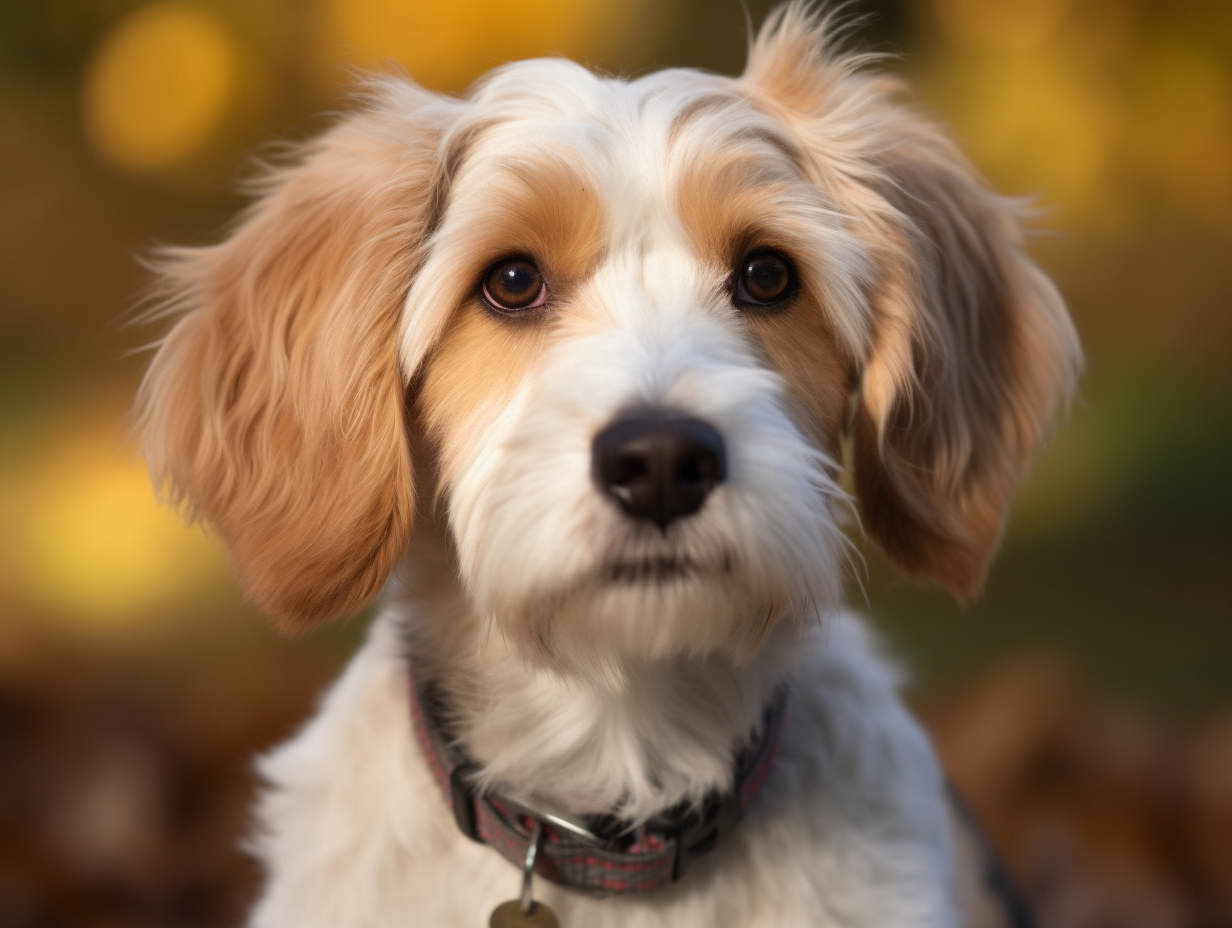
    Beagle Poodle Mixes, commonly referred to as Poogles, are hybrid dogs created through breeding between Beagle and Poodle breeds. Known for combining the best traits from each parent breed into one loving pet companion that usually sports a sturdy but compact physique with a curly or wavy coat that comes in colors like black, white, brown, and cream hues.

    Beagle-Poodle Mix dogs stand out for their intelligence. Poodles have long been considered among the smartest dog breeds, which has been passed along to their mixed-breed offspring. Quick learners and highly trainable, Beagle Poodle Mixes make an excellent option for first-time dog owners or families with young children looking for companion animals.

    Beagles, however, are known for their friendly and outgoing personalities; these social dogs excel at human interactions and make ideal family pets. Beagle Poodle Mixes often carry this trait from their Beagle parent and tend to be affectionate and social with people as well.

    The appearance of Beagle Poodle Mix Pups
    Appearance of the Beagle Poodle Mix

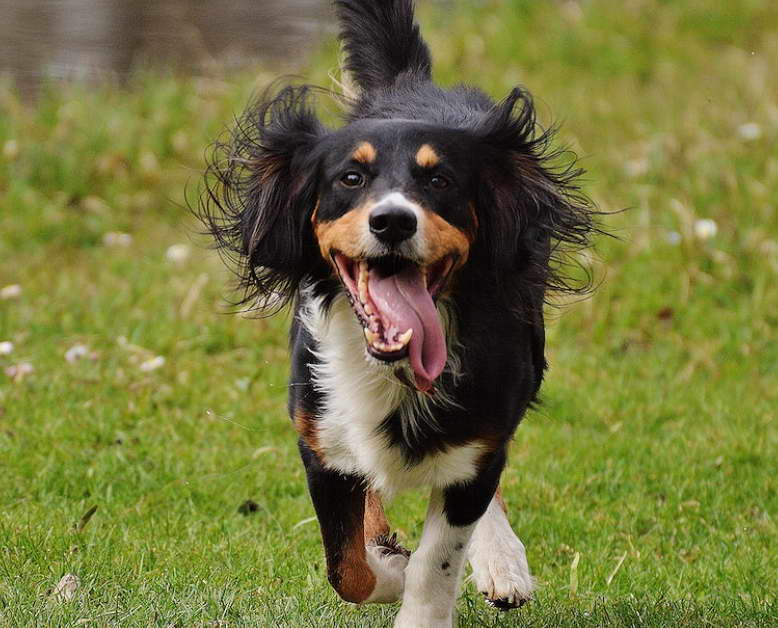
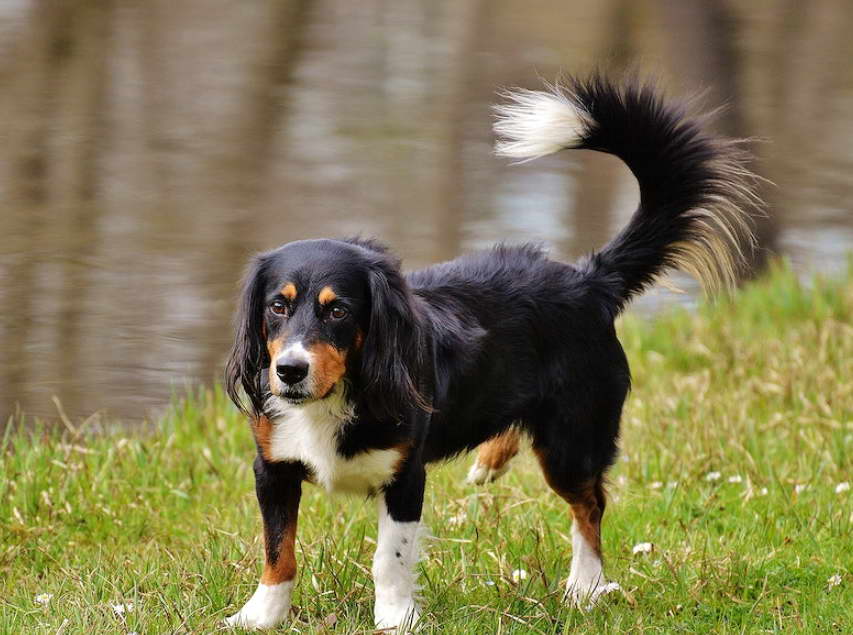
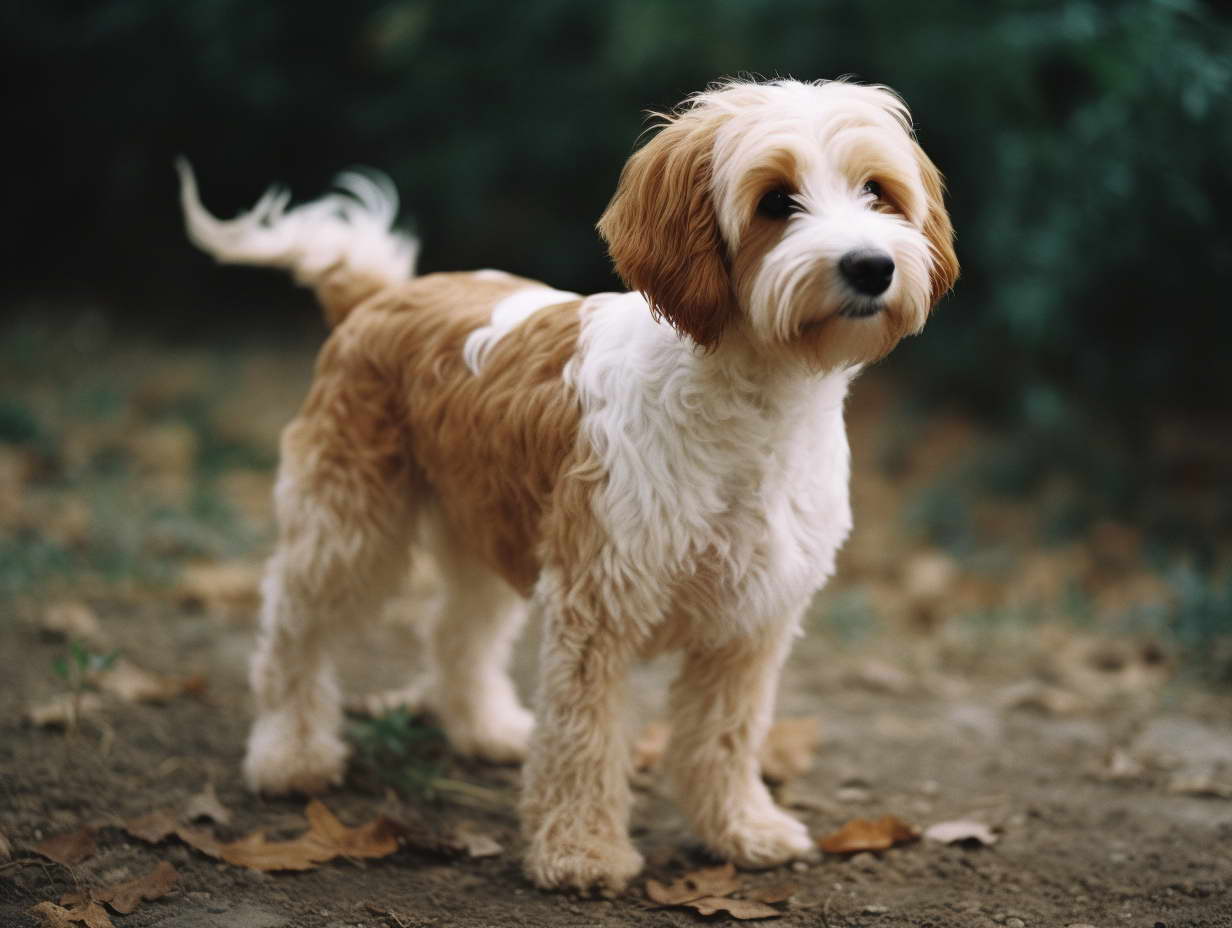
    Beagle Poodle Mix dogs (Poogles) are small to medium-sized breeds that range in height between 10-16 inches and weight 15-30 pounds, typically featuring sturdy builds with round heads, floppy ears, curly or wavy coats in various shades such as black, white, brown, and cream colors. They often make great companion animals.

    Beagle Poodle Mix dogs stand out with their distinctive coat. It may inherit either its Poodle parent’s curly or wavy fur or its short dense texture from a Beagle parent; its texture ranges from soft fluffy fur to wiry roughness depending on which parent dominates in terms of parentage.

    Beagle Poodle Mix dogs tend to possess round heads with large, expressive eyes and long floppy ears; their expression often shows both parents breeding characteristics of friendliness and welcome.

    The Personality of Beagle Poodle Mix
    Personality of the Beagle Poodle Mix

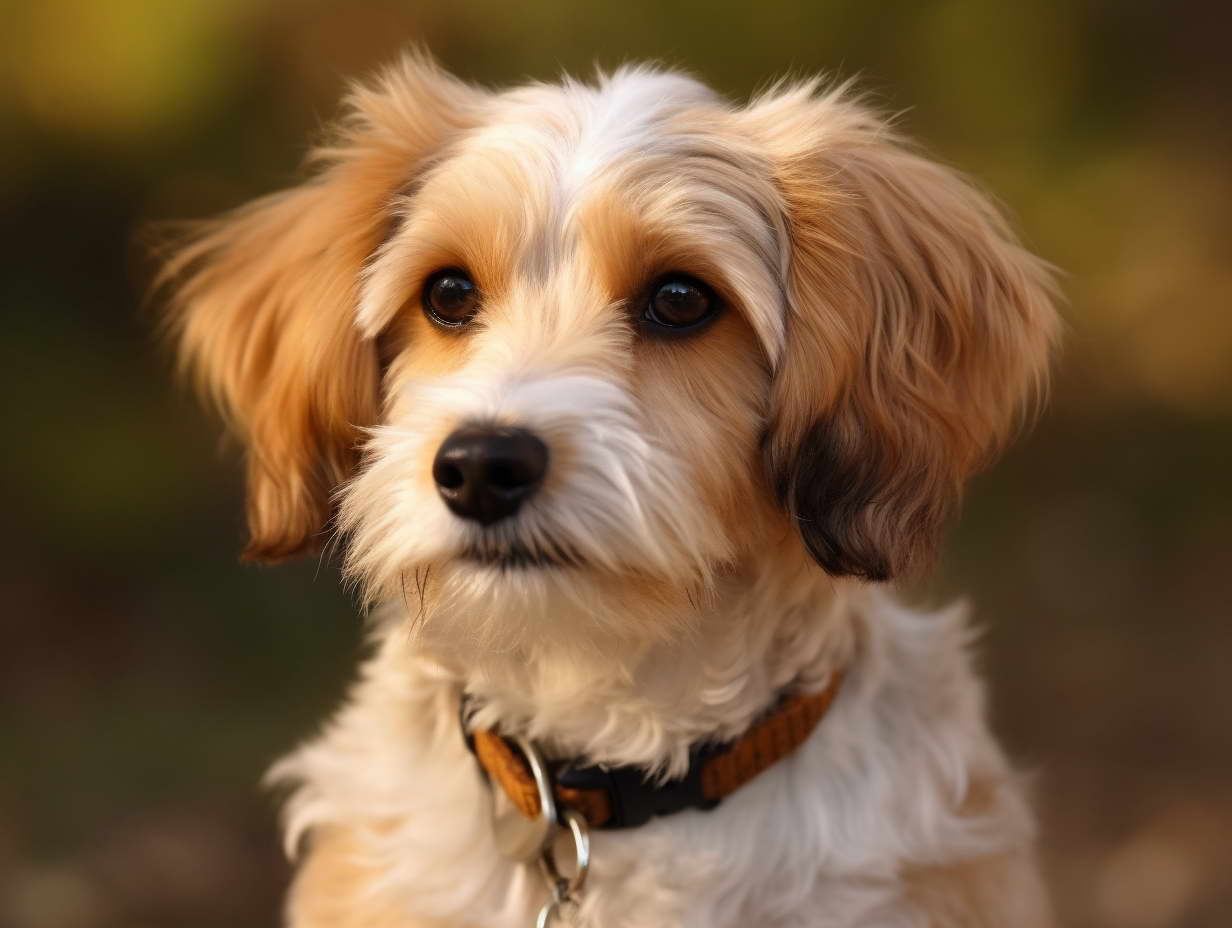
    Poogle, also known as Beagle Poodle Mix, is a beloved companion and loyal family pet. Combining intelligence from the Poodle breed with the playful characteristics of the Beagle breed creates a beloved friend to its owners and will remain by their sides throughout its lifespan.

    Beagle Poodle Mixes tend to be friendly dogs who enjoy spending time with their families. These intelligent pups make quick learners and are easily trained.

    One of the many hallmarks of the Beagle Poodle Mix breed is their love for human company and being around people, which makes them wonderful family pets who quickly bond with their owners while delighting them with spending quality time with them.

    Beagle Poodle Mixes are not only social pets; they’re also energetic and playful! Beagle Poodle Mixes enjoy outdoor activities and exercise such as walks, runs, and playing fetch as well as engaging in mentally stimulating games with toys or engaging in intellectual challenges that challenge their intellects.

    Beagle Poodle Mix Training and Exercise Sessions.
    Training and Exercise with Beagle Poodle Mix

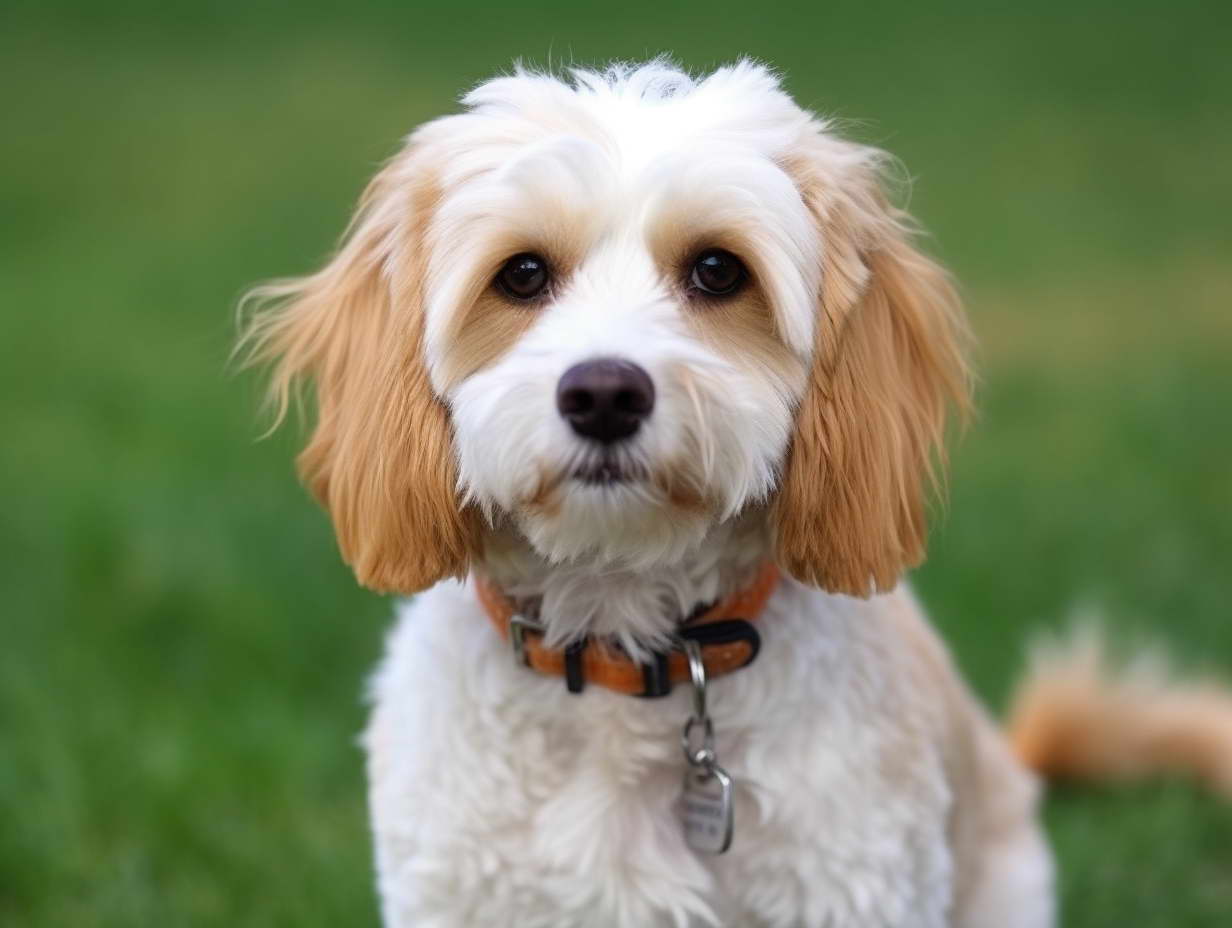
    Beagle Poodle Mix dogs are highly trainable dogs who take to learning quickly. Intelligent canines like these thrive off mental stimulation and challenge, which make training fun!

    Beagle Poodle Mix training should use positive reinforcement as the most successful approach, including rewards such as treats, praise, and playtime to reinforce good behavior while building stronger bonds between owner and pet.

    Beagle Poodle Mix dogs require moderate physical activity for optimal health and happiness, such as regular walks, runs, or play outdoors; a minimum of 30 minutes should be exercised each day to remain happy and healthy.

    Beagle Poodle Mix dogs require mental stimulation in the form of toys, puzzles, and activities designed to test their intellect to stay active and avoid boredom and destructive behavior. Provide them with toys like playing fetch with toys or solving a crossword puzzle! Doing this will prevent boredom leading to destructive behavior from setting in and help avoid boredom-induced destructiveness from becoming the norm in their environment.

    Socialization of Beagle Poodle Mix pups is essential. From early puppyhood, they should be exposed to other dogs and people so they become comfortable around others without experiencing anxiety or aggression issues.

    Grooming of Beagle Poodle Mix
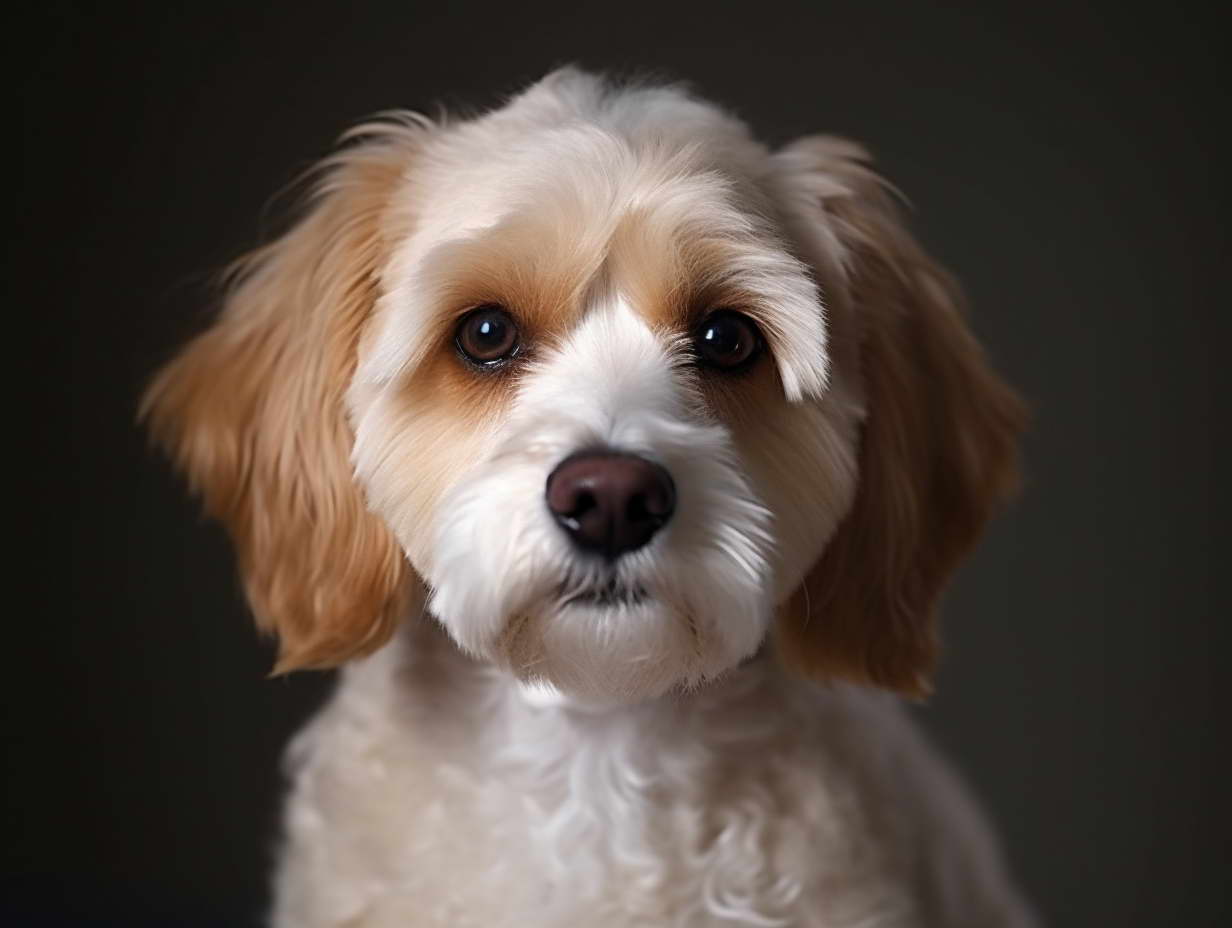
    Grooming Beagle Poodle Mix

    Beagle Poodle Mix dogs possess a distinct coat that typically combines curly and wavy locks. Therefore, regular grooming sessions must take place to maintain both the health and appearance of this type of coat.

    Beagle Poodle Mix dogs have non-shedding coats that make them great choices for allergy sufferers; however, their care requires additional maintenance than dogs that shed. At least once weekly they should be brushed to prevent matts or tangles forming on their fur.

    Beagle Poodle Mix dogs require regular baths as part of their care regime, typically every 4-6 weeks depending on their activity level and the amount of dirt they come into contact with. Use dog-specific shampoo that won’t irritate their skin or dry out their coat to provide optimal care.

    Beagle Poodle Mix dogs require regular grooming of their ears, teeth, and nails in addition to bathing. Their ears should be checked regularly to prevent infections while their teeth should be brushed at least once weekly for good dental health. Their nails must also be regularly trimmed as being too long could cause discomfort or pain for either parent.

    Beagle Poodle Mix Health Issues
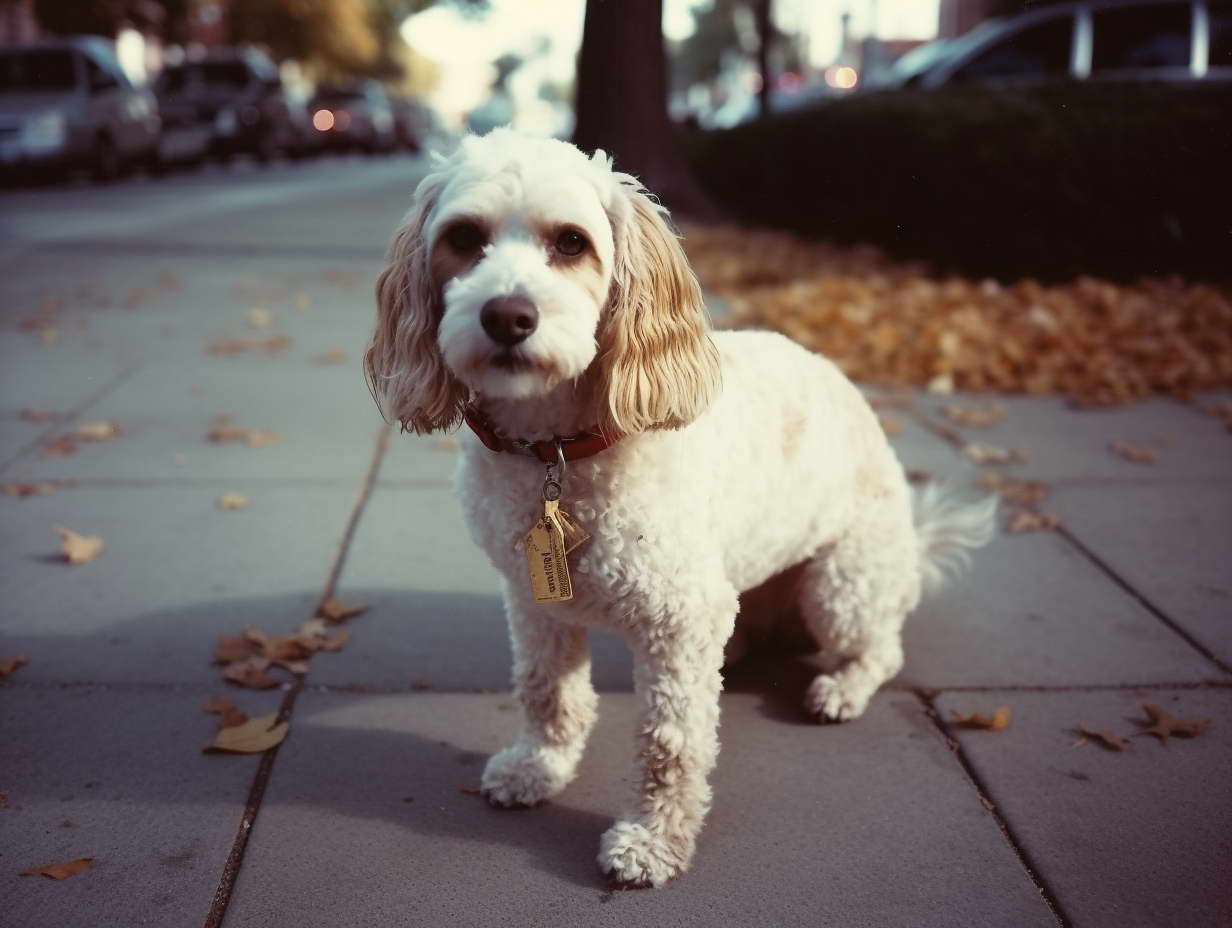
    Health Issues for Beagle Poodle Mix

    As with all dogs, Beagle Poodle Mix is susceptible to certain health issues; however, they are generally considered an ideal breed with a long lifespan.

    Beagle Poodle Mix dogs often suffer from hip dysplasia, an inherited genetic condition in which one or both hip joints do not form correctly and cause arthritis and pain. Therefore both parents of their puppies must be tested to reduce risk.

    Beagle Poodle Mix dogs may suffer from ear infections due to their long, floppy ears that trap moisture and bacteria that lead to infections. Therefore, their ears must be cleaned regularly with soapy water, or contact an experienced veterinarian if there are signs of redness, discharge, or foul odor that occur as this could indicate infection in these breeds.

    Beagle Poodle Mix dogs may suffer from allergies, dental problems, and eye diseases such as cataracts. Regular veterinary check-ups and proper dental hygiene practices may help manage and avoid such issues.

    Beagle Poodle Mix puppies should only come from reliable breeders that provide health clearances on both parent’s breeds to reduce any genetic health concerns in offspring.

    Feeding Beagle Poodle Mix
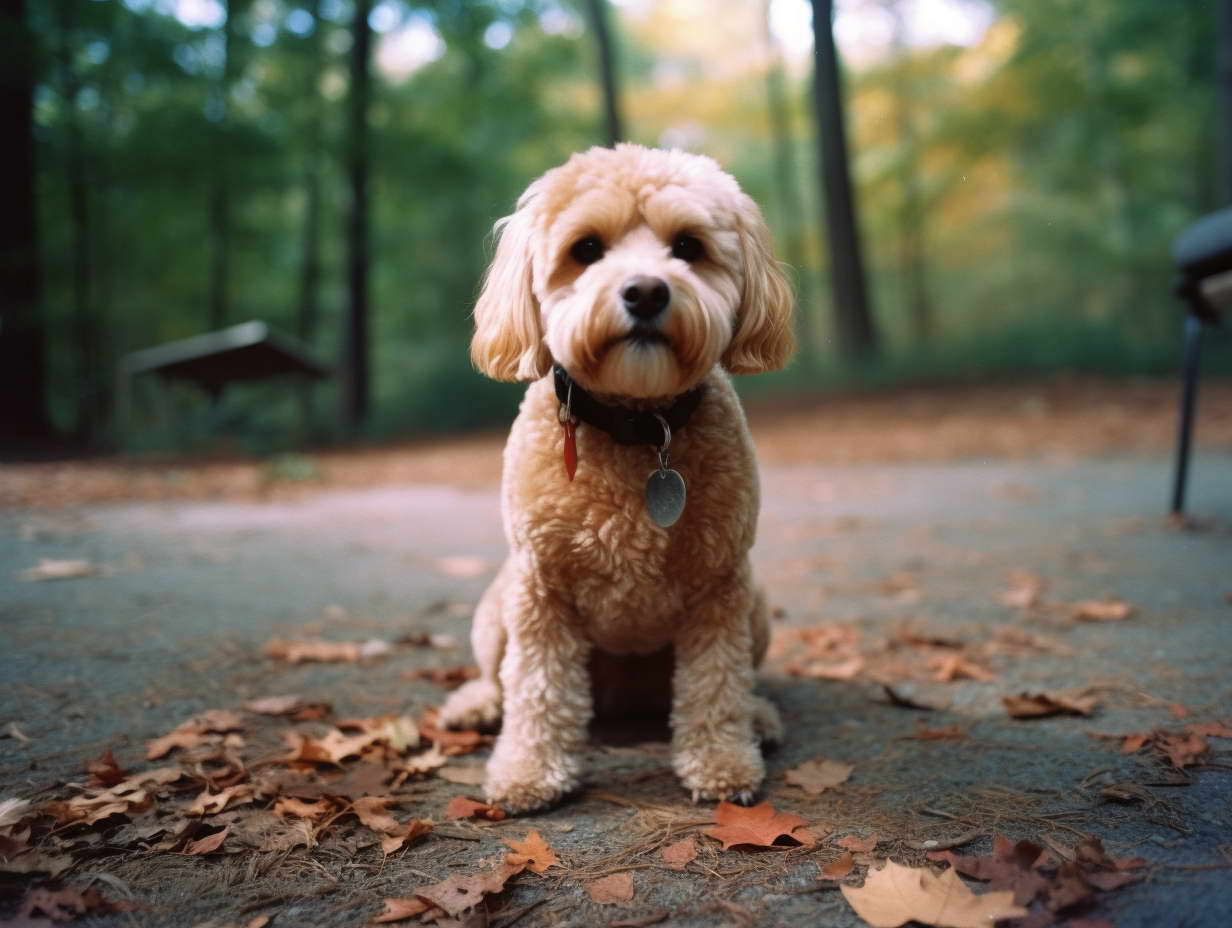
    Feeding Beagle Poodle Mix

    Beagle Poodle Mix dogs are small to medium-sized canines weighing 20-30 pounds that exhibit high energy. As their diet should provide them with the necessary vitamins and nutrients needed for good health and physical performance.

    When purchasing food for Beagle Poodle Mix dogs, it’s crucial to look for high-quality premium brands containing an appropriate balance of protein, carbohydrates, and healthy fats – such as chicken meat or fish as the primary ingredient – plus whole grain, fruit, or vegetable content for additional vitamins and minerals.

    Beagle Poodle Mix dogs typically consume between one and 1.5 cups of food daily, split evenly across two meals. As this figure will depend on factors like age, weight, activity level, and metabolism; always consult your vet to establish what amount is most suitable.

    Not only should you feed your dog high-quality dog food, but it is also equally essential that they receive regular checks of their waists and food intake adjustments as necessary to achieve and maintain an ideal weight. Overfeeding may result in obesity while underfeeding can cause malnutrition or other related health problems.

    What it’s Like Living With a Beagle Poodle Mix
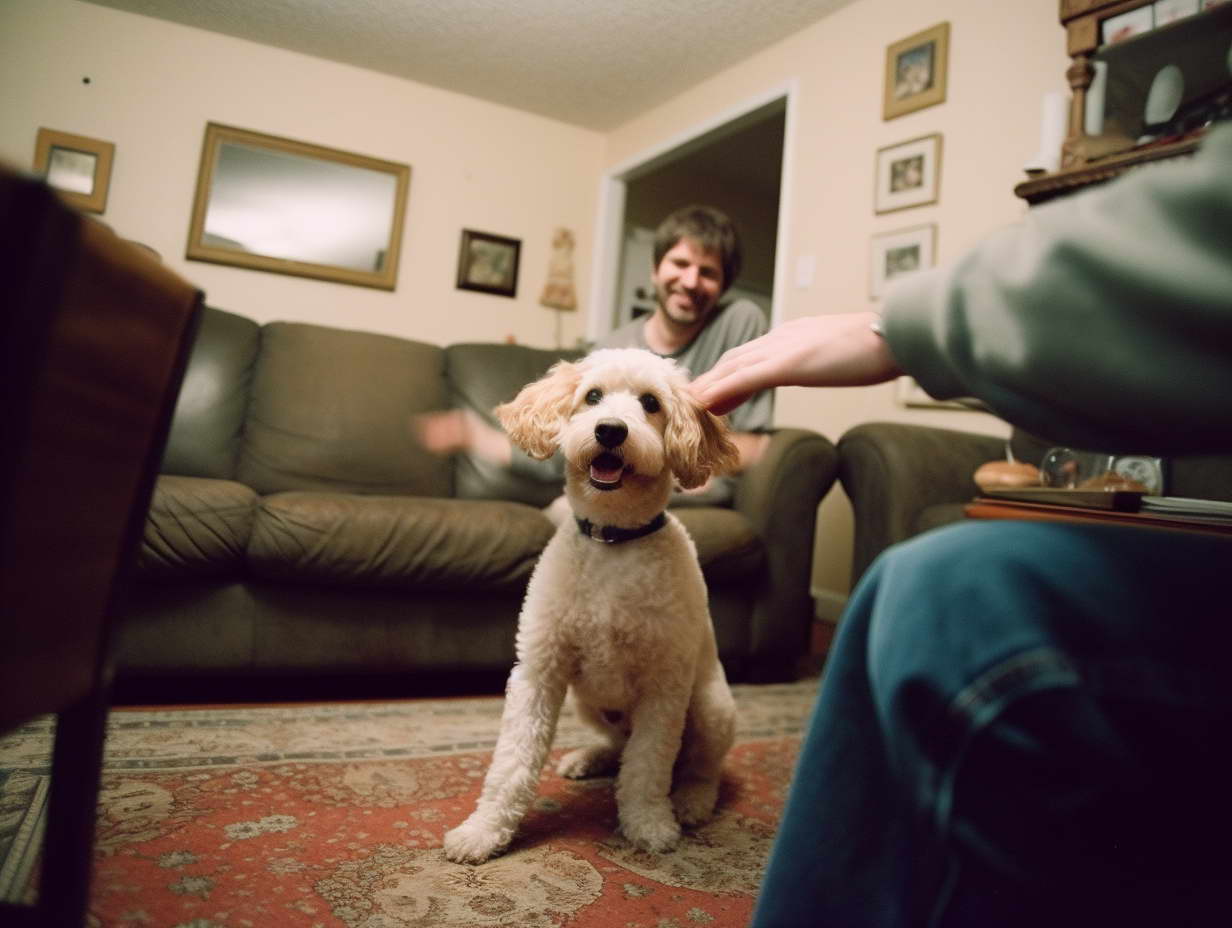
    Living with a Beagle Poodle Mix

    Beagle Poodle Mix dogs make wonderful additions to any household, known for their playful yet affectionate personalities as well as seeking attention and affection from their owners. They have proven an ideal pet.

    Beagle Poodle Mix dogs are known for being highly social, enjoying spending time with both owners and other family members. As highly social animals, these pups require human contact in addition to daily exercise and playtime to remain healthy and content; without it, they could experience boredom and destructive behavior which needs constant socialization/exercise if left alone for too long – make sure your Beagle Poodle Mix receives sufficient stimulation!

    Training a Beagle Poodle Mix dog is also essential to their welfare and should begin early and continue throughout his or her lifetime. Being intelligent creatures, these intelligent canines can easily be trained using positive reinforcement methods such as treats and praise to enhance learning. They respond best when consistent training techniques are utilized – beginning early is ideal so your training continues throughout his/her lifespan!

    Grooming a Beagle Poodle Mix dog is another crucial aspect of ownership since they possess medium-length coats which require routine brushing to avoid matting and tangling. Their ears should also be checked regularly to prevent infections while their nails should also be regularly trimmed to prevent overgrown nails from developing.

    Socialization with Beagle Poodle Mix
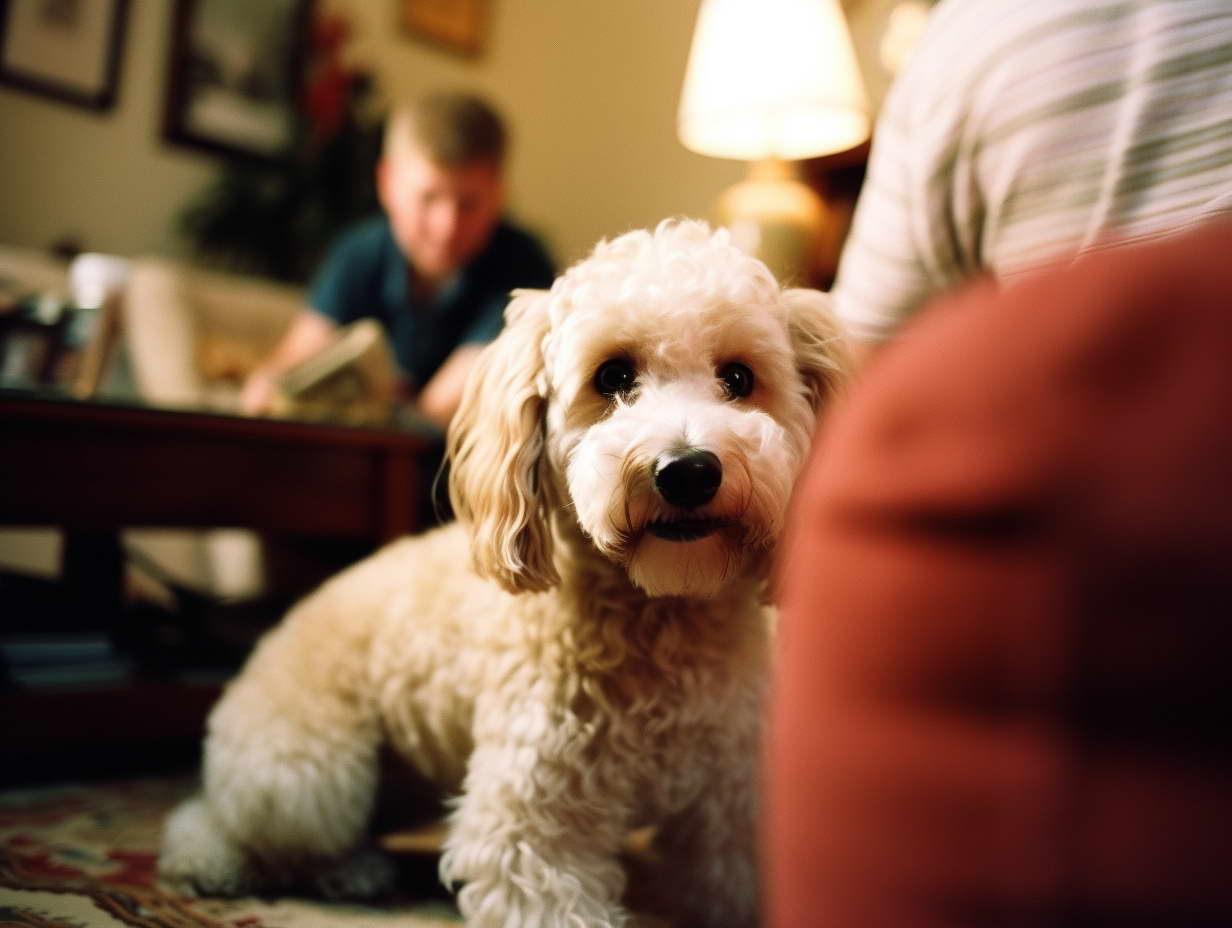
    Socialization with Beagle Poodle Mix

    Socialization is a crucial aspect of owning a Beagle Poodle Mix. These dogs are highly social and love interacting with their owners and other people and dogs. Proper socialization from an early age can help to prevent behavioral issues such as anxiety and aggression.

    Socialization can be achieved through a variety of methods, including exposure to different environments, people, and animals. Taking your Beagle Poodle Mix to different places such as parks and pet stores, and introducing them to different people and animals can help to socialize them.

    It’s important to start socialization early, as puppies are more receptive to new experiences and are less likely to develop anxiety or fear toward new people or situations. However, socialization should continue throughout their lives to ensure they remain comfortable and well-adjusted in various social situations.

    Socialization also includes training in basic obedience commands such as sit, stay, and come, which can help to keep your Beagle Poodle Mix safe and well-behaved in public places. Positive reinforcement training methods can help to make training more enjoyable for both you and your dog.

    Common Questions about the Beagle Poodle Mix
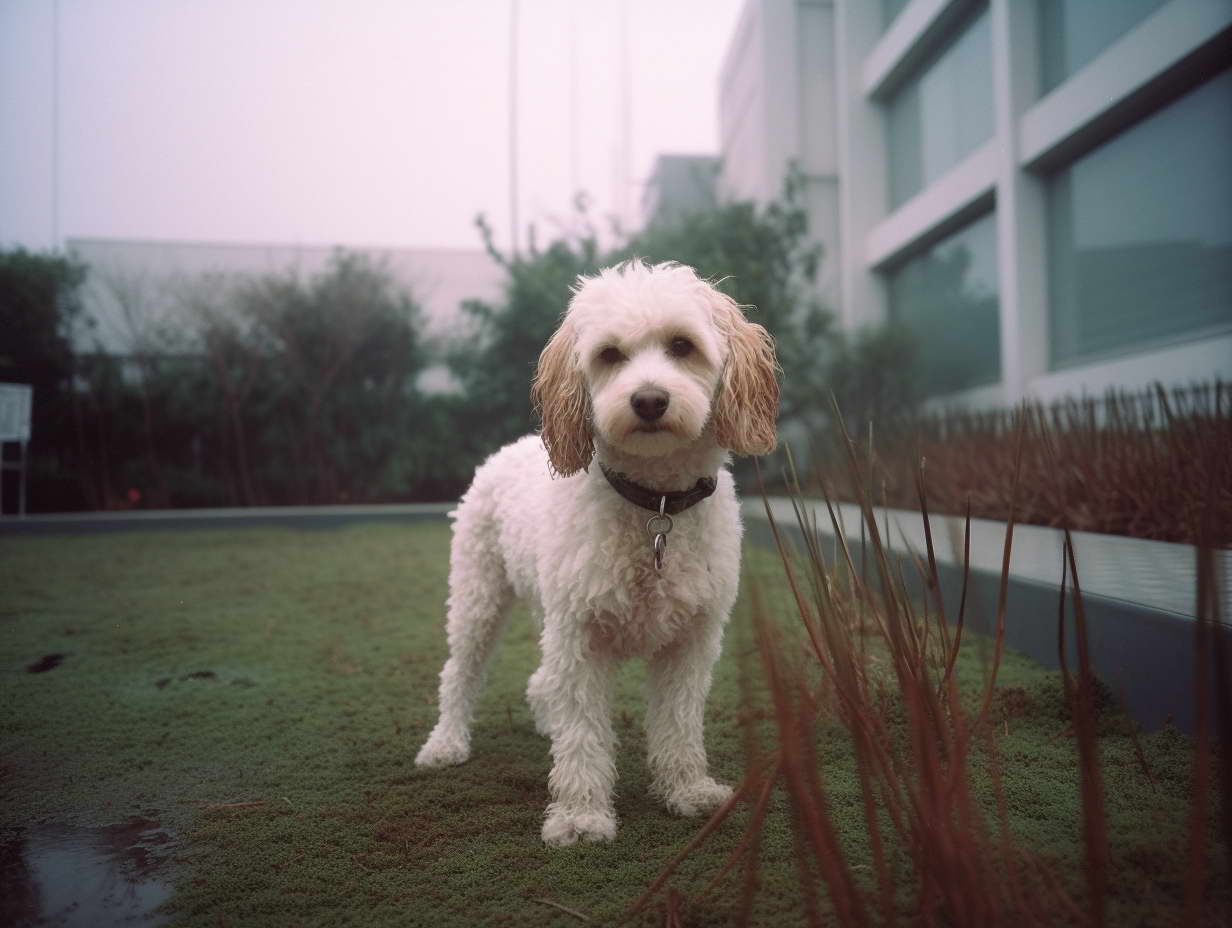
    Common Questions about the Beagle Poodle Mix

    What is the temperament of the Beagle Poodle Mix?

    The Beagle Poodle Mix is generally friendly, outgoing, and affectionate. They enjoy being around people and other dogs and are known to be good with children.

    Is the Beagle Poodle Mix hypoallergenic?

    Yes, the Beagle Poodle Mix is considered to be hypoallergenic due to its Poodle parentage. However, this does not guarantee that all individuals with allergies will not react to this breed.

    What is the lifespan of the Beagle Poodle Mix?

    The lifespan of the Beagle Poodle Mix is typically around 10-15 years.

    Is the Beagle Poodle Mix easy to train?

    The Beagle Poodle Mix can be easy to train, especially if positive reinforcement training methods are used. However, they can be stubborn at times and may require patience and consistency in training.

    What is the exercise requirement for the Beagle Poodle Mix?

    The Beagle Poodle Mix requires moderate exercise, including daily walks and playtime. They enjoy being active and playing with their owners.

    Does the Beagle Poodle Mix shed?

    The Beagle Poodle Mix is a low to non-shedding breed due to its Poodle parentage. However, occasional grooming is still required to maintain their coat.

    How much does a Beagle Poodle Mix cost?

    The cost of a Beagle Poodle Mix can vary depending on the breeder, location, and other factors. On average, they can range from $500-$2000.

    Is the Beagle Poodle Mix good with children?

    Yes, the Beagle Poodle Mix is known to be good with children and can make a great family pet.

    Does the Beagle Poodle Mix have any health issues?

    Like all breeds, the Beagle Poodle Mix can be prone to certain health issues such as hip dysplasia, allergies, and eye problems. Regular vet check-ups and proper care can help to prevent or manage these issues.

    How much should I feed my Beagle Poodle Mix?

    The amount of food a Beagle Poodle Mix needs can vary depending on their age, weight, and activity level. Generally, they require 1-2 cups of high-quality dog food per day, divided into two meals. It’s important not to overfeed them, as they can be prone to obesity.

    Final Thoughts

    Conclusion The Beagle Poodle Mix breed of dog is known for being friendly, active, intel, ligament, and playful; it makes an ideal pet for families or individuals seeking companionship. When given adequate exercise and training as well as frequent grooming appointments these dogs will thrive no matter their living situation.

    Beagle Poodle Mix dogs may be susceptible to some health issues; taking proper care of your Beagle Poodle Mix by providing it with a nutritious diet and regular veterinary attention is one way to ensure long and happy lives for these furry creatures. By considering all aspects involved with owning one of these breeds you can make an informed decision as to whether this breed suits you and your lifestyle needs.

    When adopting a Beagle Poodle you must conduct thorough research. When searching for breeders or rescue organizations to adopt from, always ask plenty of questions and meet both parents if possible – as this ensures your puppy will have been properly socialized and taken care of as it grows into its adult form. With proper attention and love from you and their owner alike, your Beagle Poodle Mix could become your faithful and loving companion for many years!

    Thank you for reading about the Beagle Poodle Mix, and we hope that this article has been informative and helpful. If you have any further questions or comments, please feel free to leave them below in the comment section.

    For Article References and Read More about Beagle Poodle Mix, links below :

    The Ultimate Guide to Beagle Poodle Mix Breed History

    Health Concerns for Beagle Poodle Mix – Understanding the Risks and Taking Precautions

    How to Train Your Beagle Poodle Mix

    The Pros and Cons of Owning a Beagle Poodle Mix

    Beagle Poodle Mix vs Other Mixed Breeds: A Comprehensive Comparison

    Myths About Beagle Poodle Mix You Should Know

    Beagle Poodle Mix Rescue – How to Help

    Beagle Poodle Mix Grooming – Tips and Tricks

    The Best Toys for Beagle Poodle Mix – Keeping Your Furry Friend Happy and Healthy

    How to Socialize Your Beagle Poodle Mix

    Reason Why Beagle Poodle Mix Make Great Family Dogs

    What to Feed Your Beagle Poodle Mix – A Comprehensive Guide

    Beagle Poodle Mix Health – How to Prevent Common Issues

    Beagle Poodle Mix Exercise – How Much is Enough?

    Learn About Beagle Poodle Mix Personality Before You Adopt One

    Beagle Poodle Mix Temperament – Understanding and Training

    Beagle Poodle Mix vs Purebred Breeds: Which is Right for You?

    Beagle Poodle Mix for Apartment Living – Pros and Cons

    Beagle Poodle Mix for Allergies – Is It the Right Breed?

    How to Find a Reputable Beagle Poodle Mix Breeder – Your Complete Guide

    Beagle Poodle Mix for Kids: What You Need to Know

    Beagle Poodle Mix Size: How Big Will Your Dog Get?

    Beagle Poodle Mix Care: A Comprehensive Guide

    Beagle Poodle Mix Coat: Grooming Tips and Tricks

    Beagle Poodle Mix Health Issues: What to Watch For

    Beagle Poodle Mix Training: Common Mistakes to Avoid

    How To Find The Best Beagle Poodle Mix Rescue

    How To Find The Best Beagle Poodle Mix Breeders – The Ultimate Guide
  • Bernese Mountain Dog Names – Unique and Creative Ideas for Your Pooch

    Bernese Mountain Dog Names – Unique and Creative Ideas for Your Pooch

    Bernese Mountain Dog Names Ideas

    Bernese Mountain Dog Names: Exciting and Creative Ideas to Give Your Pup a Unique Identity

    Are You the Proud Owner of a Bernese Mountain Dog and Looking for the Ideal Name for Your Furry Friend? While finding an appropriate moniker may seem daunting at times, don’t fret, we have you covered here with unique and creative names that will fit perfectly with their character and temperament! In this post, we offer ideas of appropriate names which might fit perfectly!

    Bernese Mountain Dogs are beloved family pets known for their kind disposition and strength and loyalty – qualities that have won over dog owners around the globe. Bernese Mountain Dogs boast thick long fur of various colors (black, white, and rust) which need not only an appropriate name to suit them but one which also represents their size and character.

    Bernese Mountain Dog Names

    Here is a selection of some of the more unusual and creative names for Bernese Mountain Dogs:

    • Avalanche – This name is perfect for a Bernese Mountain Dog that loves the snow and cold weather.
    • Bear – This name is perfect for a Bernese Mountain Dog that is strong and cuddly.
    • Summit – This name is perfect for a Bernese Mountain Dog that loves to climb and explore.
    • Moose – This name is perfect for a Bernese Mountain Dog that is big and strong.
    • Cedar – This name is perfect for a Bernese Mountain Dog that loves the outdoors.
    • Glacier – This name is perfect for a Bernese Mountain Dog that loves to play in the water.
    • Stormy – This name is perfect for a Bernese Mountain Dog that has a wild and adventurous personality.
    • Juniper – This name is perfect for a Bernese Mountain Dog that is sweet and playful.
    • Aspen – This name is perfect for a Bernese Mountain Dog that loves to run and play.
    • Everest – This name is perfect for a Bernese Mountain Dog that is strong and determined.

    Bernese Mountain Dog Names Inspired by Nature

    If you appreciate nature, why not give your Bernese Mountain Dog an appropriate name inspired by nature? Below are a few such suggestions for giving him/her the name they deserve:

    1. Willow – This name is perfect for a Bernese Mountain Dog that is graceful and elegant.
    2. River – This name is perfect for a Bernese Mountain Dog that loves to swim.
    3. Forest – This name is perfect for a Bernese Mountain Dog that loves to explore the great outdoors.
    4. Meadow – This name is perfect for a Bernese Mountain Dog that is gentle and peaceful.
    5. Oak – This name is perfect for a Bernese Mountain Dog that is strong and sturdy.
    6. Mountain – This name is perfect for a Bernese Mountain Dog that loves to climb and explore.

    Food-Inspired Bernese Mountain Dog Names

    Foodie? Give your Bernese Mountain Dog a food-inspired name like one of these suggestions for their furry companion:

    1. Biscuit – This name is perfect for a Bernese Mountain Dog that loves to snack.
    2. Toffee – This name is perfect for a Bernese Mountain Dog that is sweet and cuddly.
    3. Oreo – This name is perfect for a Bernese Mountain Dog that has black and white fur.
    4. Mocha – This name is perfect for a Bernese Mountain Dog that has brown fur.
    5. Ginger – This name is perfect for a Bernese Mountain Dog that has rust-colored fur.

    Bernese Mountain Dog Names

    FAQs

    What are some popular Bernese Mountain Dog names?

    Popular Bernese Mountain Dog names include Bella, Max, Charlie, and Daisy.

    How should I select a Bernese Mountain Dog name?

    When selecting a name for your Bernese Mountain Dog, take into consideration their personality, appearance, and breed characteristics. Aim for something simple that’s easy for everyone in the household to pronounce and remember while avoiding words similar to common commands such as “sit” or “stay”.

    Can I change the name of my Bernese Mountain Dog?

    Yes, you are free to change the name of your Bernese Mountain Dog at any time; however, it should be kept in mind that doing so may cause confusion for both of you and could take up to several days for them to adjust to it.

    Should I select male or female names for my Bernese Mountain Dog?

    Your choice in choosing a name for your Bernese Mountain Dog is entirely up to you; some owners prefer gender-specific titles while others opt for non-gender specific. Make your selection according to what fits best with both his/her character and your own.

    Can I choose a human name for my Bernese Mountain Dog?

    Yes, your Bernese Mountain Dog may have human names; many pet owners opt for such choices when selecting their furry family members’ titles. Just ensure that the name chosen can easily be spoken aloud and remembered.

    How can I teach my Bernese Mountain Dog its name?

    Start teaching your Bernese Mountain Dog its name by clearly and cheerfully pronouncing its name out loud, then rewarding him or her when it looks at you with food or praise when they look back. Continue this process until he or she consistently responds to its name.

    Summary

    Selecting a name for your Bernese Mountain Dog can be both exciting and satisfying! Consider picking something inspired by nature or food to better reflect their character; just be sure it suits both yourself and the furry friend – by doing this you may make them even more beloved members of your family! With the ideal name chosen your Bernese Mountain Dog will become part of it forevermore.

    If you need further tips and advice about pet ownership, take a look at our other articles – don’t forget to share any Bernese Mountain Dog names you find below in the comments!

    Read more articles about Bernese Mountain Dog here

    Bernese Mountain Dog Price – A Comprehensive Guide

    Bernese Mountain Dogs for Sale

    How to Care for Your 1-5 Month-Old Bernese Mountain Dog Puppy

  • Bernese Mountain Dog Price – A Comprehensive Guide

    Bernese Mountain Dog Price – A Comprehensive Guide

    Bernese Mountain Dog Price

    Bernese Mountain Dog Price Guide: An Essential Review

    Bernese Mountain Dogs are large and gorgeous breeds known for their loyalty, intelligence, and affectionate personalities. Perfect companions for outdoor adventurers looking for furry company during their adventures – but before adopting one it’s essential that owners understand all costs associated with owning one and we will discuss everything related to its price in this article!

    Factors Affecting Bernese Mountain Dog Price

    Price can depend upon several factors, including:

    Reputation amb Breeder Reputation

    Your selection of a breeder can have an enormous impact on Bernese Mountain Dog prices. Reputable breeders tend to charge higher fees as they prioritize the health and well-being of their pups over anything else.

    Bloodline

    A Bernese Mountain Dog’s bloodline can also influence its cost; if its parents come from long lines of champions, its price may increase in comparison with one from a lesser pedigree.

    Age

    A puppy’s cost depends upon both its age and care needs; these factors often outweigh each other when considering the total costs of ownership. While puppies generally cost more, adult dogs require much more care and time from owners as well.

    Location

    Your Bernese Mountain Dog’s price may depend upon its place of breeding; in more expensive areas, breeders often charge higher fees. Conversely, those located elsewhere often charge significantly lower costs.

    Bernese Mountain Dog Price: How Much Will it Cost?

    Bernese Mountain Dog Price Cost

    Bernese Mountain Dog prices typically fall within an estimated range of $800-$2,500 or higher, depending on factors mentioned earlier. Below is a breakdown of estimated ownership costs:

    Initial Purchase Cost

    The upfront costs associated with buying a Bernese Mountain Dog vary based on breeder and bloodline selection; on average you should expect to spend between $1,500-$2,000 for a puppy.

    Supplies

    In addition to purchasing your pet, additional purchases such as food bowls, toys, and crates may also be necessary – these supplies could range in cost between $200-500 and are essential in maintaining its welfare and well-being.

    Medical Expenses

    Bernese Mountain Dogs can suffer from hip and elbow dysplasia. As such, regular check-ups, vaccinations, and potential medical treatments could cost anywhere between $500 to over $1,000 annually.

    Grooming

    Bernese Mountain Dogs require regular grooming due to their thick coat. You should factor professional grooming costs of $50-100 per visit into your budget for grooming services.

    Training

    Bernese Mountain Dogs must receive proper training so they remain well-behaved and obedient, and for this, you may require obedience classes or the services of a professional trainer, which typically costs anywhere between $100-500 for this task.

    FAQs About Bernese Mountain Dog Price

    Are Bernese Mountain Dogs costly to own?

    Yes, Bernese Mountain Dogs can be expensive pets to own due to initial purchase costs, supplies, medical costs, grooming fees, and training needs.

    Why are Bernese Mountain Dogs so expensive?

    Bernese Mountain Dogs can be expensive because they’re purebreds in high demand with limited supply; additionally, these pups may suffer from health conditions requiring expensive medical treatments.

    Should You Purchase A Bernese Mountain Dog?

    Are You Seeking A Loyal and Active Companion? A Bernese Mountain Dog might make the ideal addition to any household. Before making your decision, however, be mindful of both costs and responsibilities involved with ownership of one.

    Can I adopt instead of buying a Bernese Mountain Dog?

    Yes, Bernese Mountain Dogs may be available from rescue organizations or shelters for adoption at reduced adoption fees compared to purchasing one as puppies; however, you will still have expenses like supplies, medical costs, grooming services, and training that need to be budgeted for.

    May I negotiate the Bernese Mountain Dog price with its breeder?

    Negotiating with a reputable breeder for an acceptable price may seem unlikely; after investing so much of their time and resources into breeding dogs they want them to find caring homes where their puppies can flourish and prosper.

    What can I do to reduce Bernese Mountain Dog expenses and save money?

    Before purchasing supplies and services for your dog, compare prices and services before making a decision; invest in quality supplies that will last longer; practice preventive medicine to lower medical expenses; learn to groom your pup for grooming purposes and attend obedience classes to learn effective training strategies

    Conclusion

    Before purchasing a Bernese Mountain Dog, it’s essential that you thoroughly research the cost associated with ownership. By considering all factors affecting price and setting a realistic budget for necessary expenses, you can provide your Bernese Mountain Dog with the highest chance of happiness and health throughout its life.

    When purchasing or adopting a Bernese Mountain Dog, you must research carefully to select a reliable breeder or rescue organization and select one who will ensure the pet lives a long and fulfilling life. By doing this, it will guarantee a healthier, happier, better-behaved experience for all!

  • Mini Bernese Mountain Dog – A Comprehensive Guide to a Lovable Companion

    Mini Bernese Mountain Dog – A Comprehensive Guide to a Lovable Companion

    Mini Bernese Mountain Dog

    Mini Bernese Mountain Dog: An Introduction and Comprehensive Guide

    Are you searching for the ideal companion animal that will bring loyalty, companionship, and affection into your life? Look no further than Mini Bernese Mountain Dogs; these charming breeds have quickly become increasingly popular with dog enthusiasts due to their adorable looks, friendly temperament, and manageable size. This article will give you all of the knowledge required about this charming breed: from its history through temperament traits training needs health concerns etc.

    Introduction of Mini Bernese Mountain Dog

    The Mini Bernese Mountain Dog (Miniature Bernese Mountain Dog or Mini Bernese Mountain Dog), commonly referred to as Miniature Bernese Mountain Dog, is an adorable miniature version of its larger cousin the Bernese Mountain Dog. Developed through selective breeding between both breeds and small dog breeds such as Cavalier King Charles Spaniels, Mini Poodles, or Cocker Spaniels; its creators created this adorable companion perfect for families, single people, or seniors looking for companionship!

    History and Origin

    The Bernese Mountain Dog has long been popular as an agricultural working dog breed in Switzerland and other European nations, where its popularity exploded quickly over time. Introduced to other countries during the 19th century, these beloved canines saw tremendous expansion into other continents over the next century or two; Mini Bernese Mountain Dogs emerged recently to offer similar temperament and characteristics in an even smaller package than its larger cousin.

    Appearance and Size

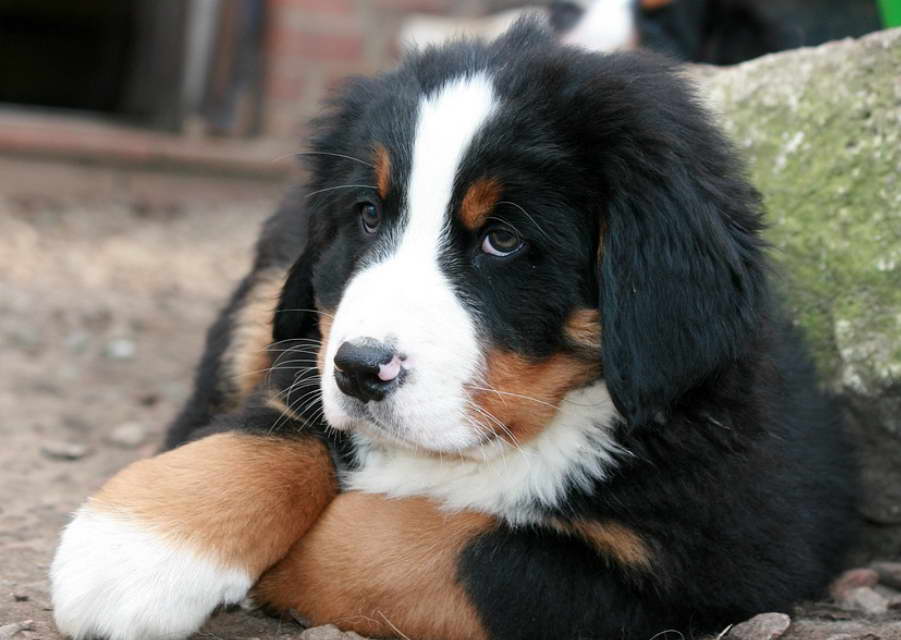
    The Mini Bernese Mountain Dog is a small to medium-sized canine breed weighing anywhere between 25-50 pounds and standing approximately 12-18 inches high. They typically boast thick, shiny coats in shades such as black, brown, and white that comes with distinctive white chest, white paws, and an eye blaze. Their ears flop floppy as their long bushy tail extends behind.

    Personality and Temperament

    Mini Bernese Mountain Dogs are highly affectionate, loving companions that delight their families with their affection. Intelligent, trainable, and eager to please make these dogs ideal candidates for first-time dog owners; additionally they’re known for being gentle with children and other pets alike!

    How To Care For Mini Bernese Mountain Dogs

    Mini Bernese Mountain Dogs

    Learn About Their Training and Exercising Needs Now

    Mini Bernese Mountain Dogs are highly energetic breeds who require frequent physical and mental stimulation to remain healthy and happy. These energetic canines enjoy going for walks, playing fetch games, and running freely around in their yard – they’re highly trainable too, excelling in obedience training, agility competition, and other forms of dog sports!

    Grooming and Maintenance

    Mini Bernese Mountain Dogs require regular grooming due to their thick, wavy coat. Brushing at least once weekly and bathing two or three times every few months should suffice, with ears regularly cleaned out and nails regularly trimmed as necessary to prevent matting and tangles from developing.

    Feeding and Nutrition

    Nutrition plays a pivotal role in maintaining the overall health and welfare of Mini Bernese Mountain Dogs as medium-sized breeds, necessitating an appropriately tailored diet designed to meet their specialized nutritional needs.

    Feed your Mini Bernese Mountain Dog an ideal diet designed specifically to their size and activity level, such as real meat as its first ingredient; avoid artificial preservatives, colors, or flavors; contain balanced amounts of proteins, carbohydrates, and healthy fats – these factors all play an integral part.

    Health Issues and Concerns in Canada

    Like any dog breed, Mini Bernese Mountain Dogs are susceptible to various health concerns that should be taken seriously by owners. Common health problems for this breed include hip dysplasia, elbow dysplasia, progressive retinal atrophy, and cancer; to ensure your pup remains in top health it’s vital that regular vet visits and vaccinations take place on an annual basis.

    What to Consider When Selecting a Mini Bernese Mountain Dog.

    Are You Thinking about Adopting a Mini Bernese Mountain Dog? There are two primary methods available to you when searching for your new furry family member: Adoption Center or Rescue.

    Finding Reputable Breeders of Pet Animals in Your Area

    Finding a Mini Bernese Mountain Dog requires finding an established breeder with a proven record for breeding healthy, well-tempered pups. When searching, ensure the breeder is registered with an official kennel club, has health certificates on file, and allows you to meet both parents.

    Adopt from a Shelter

    Another great way to find yourself the ideal Mini Bernese Mountain Dog companion is through adoption from a shelter or rescue organization. Many loving, affectionate pets end up at shelters due to unintended circumstances; adopting from such sources is often a rewarding experience that gives you a lasting companion.

    Final Thoughts

    Mini Bernese Mountain Dogs are charming companions who will provide years of unconditional affection, loyalty, and companionship to anyone lucky enough to own one. Boasting friendly temperaments, manageable sizes, and adorable looks; Mini Bernese Mountain Dogs make great choices for families, single people, or seniors looking for companionship and love from their pet companion. By providing adequate training, care, and attention for these special canines you can ensure they lead full and happy lives together with you!

    FAQs

    How big do Mini Bernese Mountain Dogs typically grow to?

    Mini Bernese Mountain Dogs usually weigh 25 to 50 pounds and stand 12 to 18 inches at maturity.

    Are Mini Bernese Mountain Dogs suitable companions for children?

    Yes, Mini Bernese Mountain Dogs are beloved family companions with an especially gentle disposition and great temperament – making them excellent options for children’s playtime!

    Do Mini Bernese Mountain Dogs shed?

    Mini Bernese Mountain Dogs possess thick, wavy coats which require regular brushing to avoid matting or tangles.

    What are some common health issues affecting Mini Bernese Mountain Dogs?

    Common health conditions affecting this breed include hip dysplasia, elbow dysplasia, progressive retinal atrophy, and cancer.

    Should I adopt or buy a Mini Bernese Mountain Dog?

    Adopting from a shelter offers you both potential rewards while buying from a reliable breeder ensures your new friend comes from healthy bloodlines and will thrive as part of your family. Both options provide many advantages.

  • Bernese Mountain Dog Lifespan – How Long Will They Live?

    Bernese Mountain Dog Lifespan – How Long Will They Live?

    Bernese Mountain Dog Lifespan How Long Will They Live

    Bernese Mountain Dog Lifespan: How Long Will They Last?

    Are You Thinking about Adopting a Bernese Mountain Dog or Have One Already? One question may be how long will their furry friend live. Understanding their lifespan helps plan for care while making memories with your beloved pet. In this article we’ll look into their lifespan; the factors that could extend their life; as well as ways you can increase their longevity.

    What Is the Lifespan of Bernese Mountain Dogs?

    Bernese Mountain Dogs, originally hailing from Switzerland, typically live between seven to 10 years, although some dogs may live longer or shorter lives depending on various factors.

    Factors That Affect Bernese Mountain Dog Lifespan

    Bernese Mountain Dog lifespan depends upon many different factors; understanding these can help ensure that your furry companion leads a long and happy life.

    Genetics and Health

    Genetics plays an essential part in determining a Bernese Mountain Dog’s lifespan. Unfortunately, their breed can be susceptible to numerous health issues that shorten it such as cancer, hip dysplasia, and bloat; thus any prospective buyers must purchase from reputable breeders that can provide health records of both parents and ancestors of your pup.

    Preventative care from regular vet visits and checkups can also assist in the early identification and management of health concerns before they become life-threatening.

    Diet and Exercise for Bernese Mountain Dogs

    Diet and exercise are key components to living long, happy lives as Bernese Mountain Dogs. A balanced and nutritional diet combined with regular physical activity will help your Bernese Mountain Dog maintain his/her weight, prevent obesity-related health concerns and keep his joints and muscles strong and flexible.

    Environment and Lifestyle

    For Bernese Mountain Dogs, their environment and lifestyle both play an integral role in determining their lifespan. Dogs that spend most of their time indoors without adequate socialization opportunities or are exposed to environmental toxins have an increased likelihood of living shorter lives than those exposed to more active environments and no toxins from outside sources.

    Making sure that your dog receives enough mental and social stimulation and restricting exposure to harmful materials or environments will extend his or her lifespan.

    How to Extend the Lifespan of Bernese Mountain Dog

    How to Extend the Lifespan of Bernese Mountain Dog

    Although some factors affecting your dog’s lifespan cannot be controlled, there are steps you can take to help extend his/her lifespan.

    Regular Vet Visits

    Constant checkups with your veterinarian and preventative care can ensure your Bernese Mountain Dog leads a long and healthy life. Vaccinations, parasite control, and dental hygiene care can all play an essential part in preventative healthcare; helping detect any health concerns before they become life-threatening.

    Proper nutrition and exercise are necessary.

    Feeding your Bernese Mountain Dog a diet rich in nutrition and providing regular physical activity will help maintain weight control, avoid obesity-related health complications, keep their joints and muscles in great shape, and provide mental stimulation and socialization to promote overall well-being. This combination will keep both of you happy.

    Avoidance of Harmful Substances and Environments

    Limiting your dog’s exposure to harmful materials and environments is one way to extend their lifespan. Avoid subjecting them to pesticides or cleaning chemicals as well as secondhand smoke.

    Creating an ideal living environment with appropriate housing and bedding for your dog can also contribute significantly to his or her well-being and ensure their overall well-being.

    Final Thoughts

    Conclusion: Bernese Mountain Dog lifespan typically falls in between 7-10 years on average, though many factors can impact that average number. Genetics, health issues, diet, exercise regimen, environment, and lifestyle all play an essential part in your pup’s lifespan – by providing regular veterinary visits, nutritionally sound meals, and exercises as well as providing safe environments; you can extend their lives.

    Care for and cherish every moment with your Bernese Mountain Dog to ensure they remain part of your family for many happy years to come. They bring so much happiness into our lives – taking good care can guarantee it.

    FAQs

    How can I determine whether my Bernese Mountain Dog is healthy?

    Routine veterinary checkups and preventative care can detect and manage health problems before they become life-threatening, such as shiny coats, clear eyes, and an increased appetite. Signs of good health for cats include having shiny fur with no mats and clear vision as well as having healthy appetites.

    What should I feed my Bernese Mountain Dog?

    An effective diet tailored specifically to meet the dietary requirements of your dog is key for their overall wellness. Speak to your veterinarian regarding which food will best fit their age, size, and activity level.

    How much exercise does my Bernese Mountain Dog need?

    Bernese Mountain Dogs are energetic dogs that require a daily physical and mental activity for optimal physical and psychological well-being. Aim for at least 30-60 minutes of moderate exercise each day if possible.

    Can Bernese Mountain Dogs live in apartments?

    Bernese Mountain Dogs are large dogs that need plenty of room to roam freely. While these breeds can adjust well to living in apartments, regular exercise and mental stimulation should still be given to ensure optimal well-being for both dog and owner alike.

    Are Bernese Mountain Dogs good with children?

    Bernese Mountain Dogs are well known for their gentle and affectionate disposition, making them great pets to have around children. But for safety purposes, any interactions between your Bernese Mountain Dog and children must be monitored closely to avoid accidents occurring.

  • The Complete Guide to Vaccinating Your Bernese Mountain Dog Puppy

    The Complete Guide to Vaccinating Your Bernese Mountain Dog Puppy

    The Complete Guide to Vaccinating Your Bernese Mountain Dog Puppy

    The Complete Guide to Vaccinating Your Bernese Mountain Dog Puppy

    Are You New to Bernese Mountain Dog Puppy Ownership? Vaccinations are essential in maintaining good health in puppies as they provide immunity against potentially fatal diseases like Parvo. Here, we cover everything you need to know about vaccinating Your Bernese Mountain Dog puppy!

    Bernese Mountain Dogs are well-known large breed dogs known for their friendly personality and loyalty towards their owners. As new puppy owners, it is important to realize that puppies are particularly susceptible to diseases; vaccinations help safeguard these pups by stimulating the immune system to produce antibodies that fight specific conditions.

    Vaccinations should start around six-8 weeks old and continue until 16 weeks of age, then booster shots every 1-3 years depending on their vaccines are necessary for the overall protection of your Bernese Mountain Dog puppy. Let’s now delve into all the details involved with giving vaccinations to Bernese Mountain Dog puppies!

    Bernese Mountain Dog Puppies Should Get Vaccinated as Soon as They Reach 6 Months.

    Vaccinations should begin around six to eight weeks old and be spread out over several weeks; depending on your puppy’s breed and breeder. Their exact timing and schedule of shots may differ based on their health, lifestyle, and location.

    Here is an approximate vaccination schedule for Bernese Mountain Dog puppies:

    • 6-8 weeks: Distemper, adenovirus-2, parvovirus, and parainfluenza (DA2PP) vaccine
    • 10-12 weeks: DA2PP vaccine and Bordetella vaccine
    • 14-16 weeks: DA2PP vaccine, Bordetella vaccine, and rabies vaccine

    Bernese Mountain Dog Puppies Should Receive What Type of Vaccinations

    Bernese Mountain Dog Puppies Should Receive What Type of Vaccinations

    Your Bernese Mountain Dog puppy may require both core and non-core vaccinations to keep her protected against diseases that could potentially be life-threatening, while non-core vaccinations provide extra safeguards that might apply specifically to her location or lifestyle.

    Here are the most frequently administered vaccinations to Bernese Mountain Dog puppies:

    • Core vaccinations: DA2PP vaccine and rabies vaccine
    • Non-core vaccinations: Bordetella vaccine, Lyme disease vaccine, and Leptospirosis vaccine

    Select a Veterinarian for Puppy Vaccinations

    Finding an experienced veterinarian capable of caring for Bernese Mountain Dogs is essential when selecting one as their care is imperative to its well-being and vaccination requirements. When searching, consider their past treatment experience of Bernese Mountain Dogs when making your selection.

    Finding an accommodating veterinarian who will answer all of your queries and explain vaccination is also key to finding health for your puppy. A veterinarian should offer vaccination schedules with potential risks/benefits of each vaccine to enable informed decisions for his health care.

    Bernese Mountain Dog Puppy Vaccinations Side Effects

    Bernese Mountain Dog Puppy Vaccinations Side Effects

    Just like with any medication, vaccinations may cause side effects in some puppies. While usually mild and temporary, common adverse reactions include:

    • Subcutaneous Injection Site Inflammation or Redness.
    • Mild Fever.
    • Decrease in Appetite.
    • Lethargy

    Serious side effects are rare but possible; if any of the following symptoms arise, contact your veterinarian immediately:

    • Vomiting
    • Diarrhea
    • Difficulty breathing
    • Facial swelling

    Frequently Asked Questions (FAQs)

    Are vaccinations required for my Bernese Mountain Dog puppy?

    Vaccinations are required by most states for all dogs; Rabies vaccination is the law for everyone.

    Can my puppy get sick after getting vaccinated?

    While mild side effects of vaccination may occur in rare instances, serious reactions should not arise as a result. Your veterinarian will discuss all risks with you before administering.

    Can my sick puppy receive vaccinations?

    Ideally, it would be best if your pup were healthy before getting them vaccinated as vaccinations can place undue strain on an already weak immune system and sick dogs may not be able to withstand that additional strain.

    Do I still need to vaccinate my puppy once they are fully grown?

    Yes, your pup may require booster shots every 1-3 years depending on which vaccines were originally administered to maintain immunity against diseases that have either become more prevalent over time or have changed completely in nature. These booster shots help provide ongoing protection and ensure maximum immunity levels remain strong against potential issues in future years.

    Can My Puppy Go Outside After Their Vaccinations?

    It is best to wait until after your puppy has received all of his/her vaccines before exposing him/her to public areas and potential interactions with other dogs/animals; diseases may spread via air currents or direct contact.

    What should I do if I miss a vaccination appointment for my puppy?

    Contact your veterinarian as soon as possible to reschedule an appointment, since postponing vaccinations puts your pup at greater risk of infectious diseases.

    Final Thoughts

    Immunizing your Bernese Mountain Dog puppy is key to its well-being and protection from potentially serious diseases. By adhering to an established vaccination schedule and choosing a vet you trust, you can ensure your Bernese Mountain Dog puppy remains free from disease threats.

    If you have any doubts or queries regarding the vaccination of your puppy, don’t be intimidated to speak to a veterinarian for guidance and information about his/her health needs. They will give you all of the tools that enable informed decisions for both themselves and their pet’s well-being.

    Remember, vaccinations aren’t only vital to your puppy’s well-being; they’re also crucial in safeguarding other dogs and animals in your community by helping reduce disease transmission. By immunizing your pup regularly, you are helping stop diseases from spreading further!

    Thank you for reading our comprehensive guide to vaccinating a Bernese Mountain Dog puppy, we hope it has proven informative and useful!

    Read more about Bernese Mountain Dog Puppy here:

    Understanding Hip Dysplasia in Bernese Mountain Dog Puppy

    Bernese Mountain Dogs for Sale