Blog

  • Swiss Shepherd Puppies – Health and Wellness Tips

    Swiss Shepherd Puppies – Health and Wellness Tips

    Swiss Shepherd Puppies Health and Wellness Tips 

    Swiss Shepherd Puppies Health and Wellness Tips

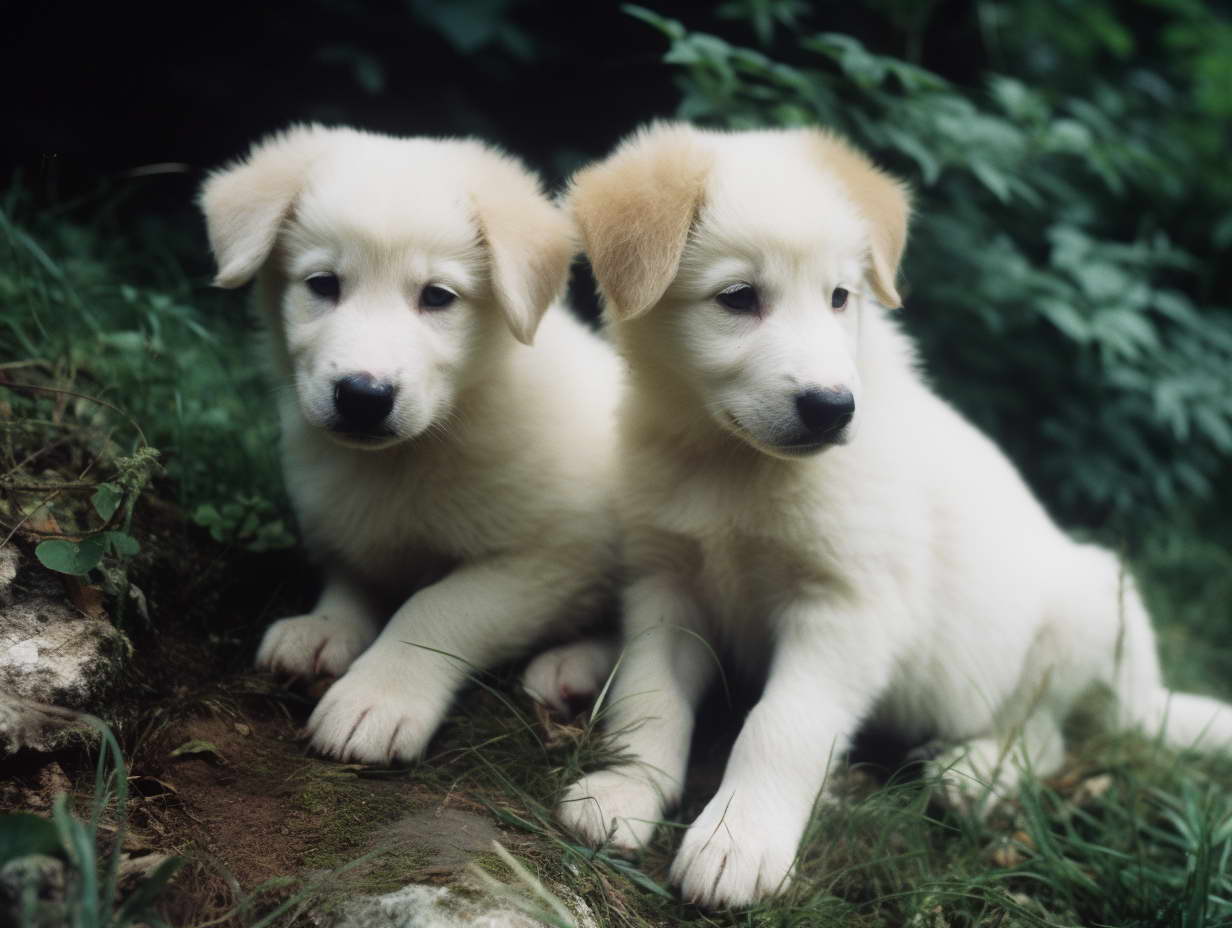
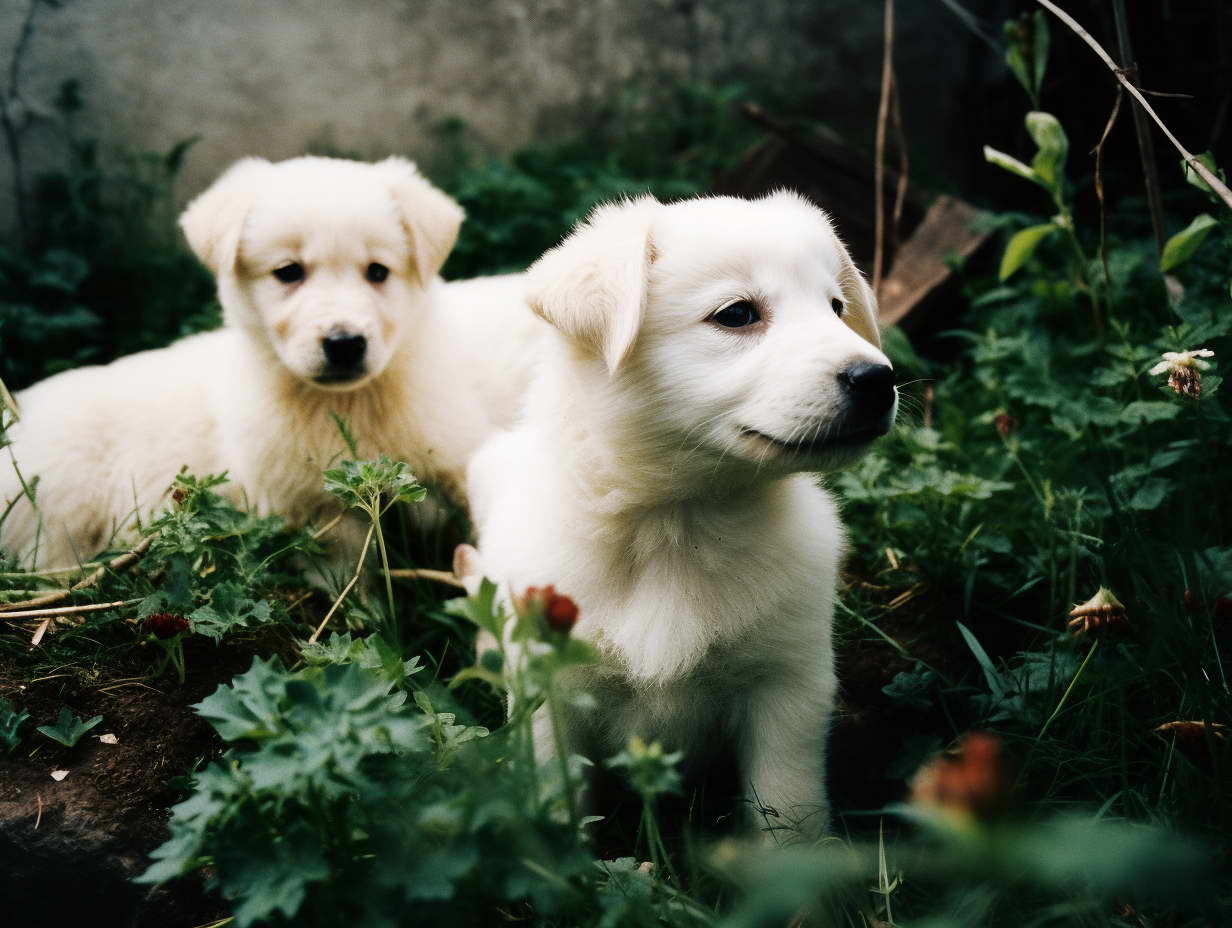
    Welcoming a Swiss Shepherd puppy into your home is an exciting and joyful experience. These intelligent and energetic dogs are known for their loyalty and versatility. To provide the best care for your new furry friend, it’s important to understand the health and wellness needs specific to Swiss Shepherd puppies. In this article, we will explore essential tips for ensuring the well-being of your Swiss Shepherd pup, covering topics such as nutrition, exercise, grooming, and common health concerns.

    Swiss Shepherd Puppies: Health and Wellness Tips

    Raising a healthy Swiss Shepherd puppy requires a holistic approach that encompasses various aspects of their well-being. From their diet to their exercise routine, every aspect contributes to their overall health and happiness.

    1. Nourishing their bodies: A balanced diet

    Proper nutrition is the foundation of good health for your Swiss Shepherd puppy. Providing them with a balanced diet ensures they receive the necessary nutrients for growth and development. Consult with your veterinarian to determine the best diet plan for your pup, considering factors such as their age, weight, and any specific dietary requirements.

    2. Mealtime manners: Regular feeding schedule

    Establishing a consistent feeding schedule is beneficial for Swiss Shepherd puppies. Feed them at the same times each day to help regulate their digestion and promote healthy eating habits. Avoid free-feeding, as it can lead to overeating and obesity.

    3. Hydration station: Fresh water availability

    Make sure your Swiss Shepherd puppy has access to fresh, clean water at all times. Hydration is essential for their overall health, as it aids in digestion, temperature regulation, and nutrient absorption. Regularly check their water bowl and refill it as needed.

    4. Playtime and exercise: Channeling their energy

    Swiss Shepherd puppies are known for their high energy levels, so providing them with regular exercise and playtime is crucial. Engage in activities that stimulate both their mind and body, such as obedience training, interactive play, and walks in the park. Aim for at least 30 minutes to an hour of exercise daily, but adjust the intensity based on your puppy’s age and fitness level.

    5. Grooming with care: Coat maintenance

    The Swiss Shepherd’s thick double coat requires regular grooming to keep it healthy and free from mats and tangles. Brush their coat at least once or twice a week, using a suitable brush or comb that reaches the undercoat. This helps remove loose hair, distribute natural oils, and prevent the formation of mats. Pay extra attention during shedding seasons when they may require more frequent brushing.

    6. Cleanliness is key: Dental care

    Maintaining proper oral hygiene is essential for the overall health of your Swiss Shepherd puppy. Brush their teeth regularly using a dog-specific toothbrush and toothpaste. This helps prevent dental issues, such as tartar buildup and gum disease. Additionally, providing them with dental chews and toys can help keep their teeth clean and strengthen their jaw muscles.

    7. Paw care: Nails and pads

    Regularly trimming your Swiss Shepherd puppy’s nails is essential to prevent discomfort and potential injury. If you’re not confident in doing it yourself, seek professional help from a groomer or veterinarian. Additionally, check their paw pads for any cuts, cracks, or foreign objects. Keeping their paws clean and moisturized protects them from dryness and potential infections.

    8. Preventive healthcare: Vaccinations and deworming

    Protecting your Swiss Shepherd puppy from common diseases is crucial for its well-being. Consult with your veterinarian to establish a vaccination schedule that covers essential vaccinations, such as rabies, distemper, and parvovirus. Regular deworming is also important to prevent and control intestinal parasites. Follow your vet’s recommendations for a comprehensive preventive healthcare plan.

    9. Early socialization: Building confidence

    Swiss Shepherd puppies thrive when they are well-socialized from an early age. Expose them to different environments, people, and animals to help them develop confidence and good behavior. Enroll them in puppy socialization classes where they can interact with other puppies and learn essential social skills.

    10. Mental stimulation: Engaging their minds

    Swiss Shepherds are highly intelligent dogs that require mental stimulation to prevent boredom and destructive behavior. Provide them with interactive toys, puzzle games, and training sessions to keep their minds engaged. Teaching them new tricks and commands not only stimulates their intellect but also strengthens the bond between you and your furry companion.
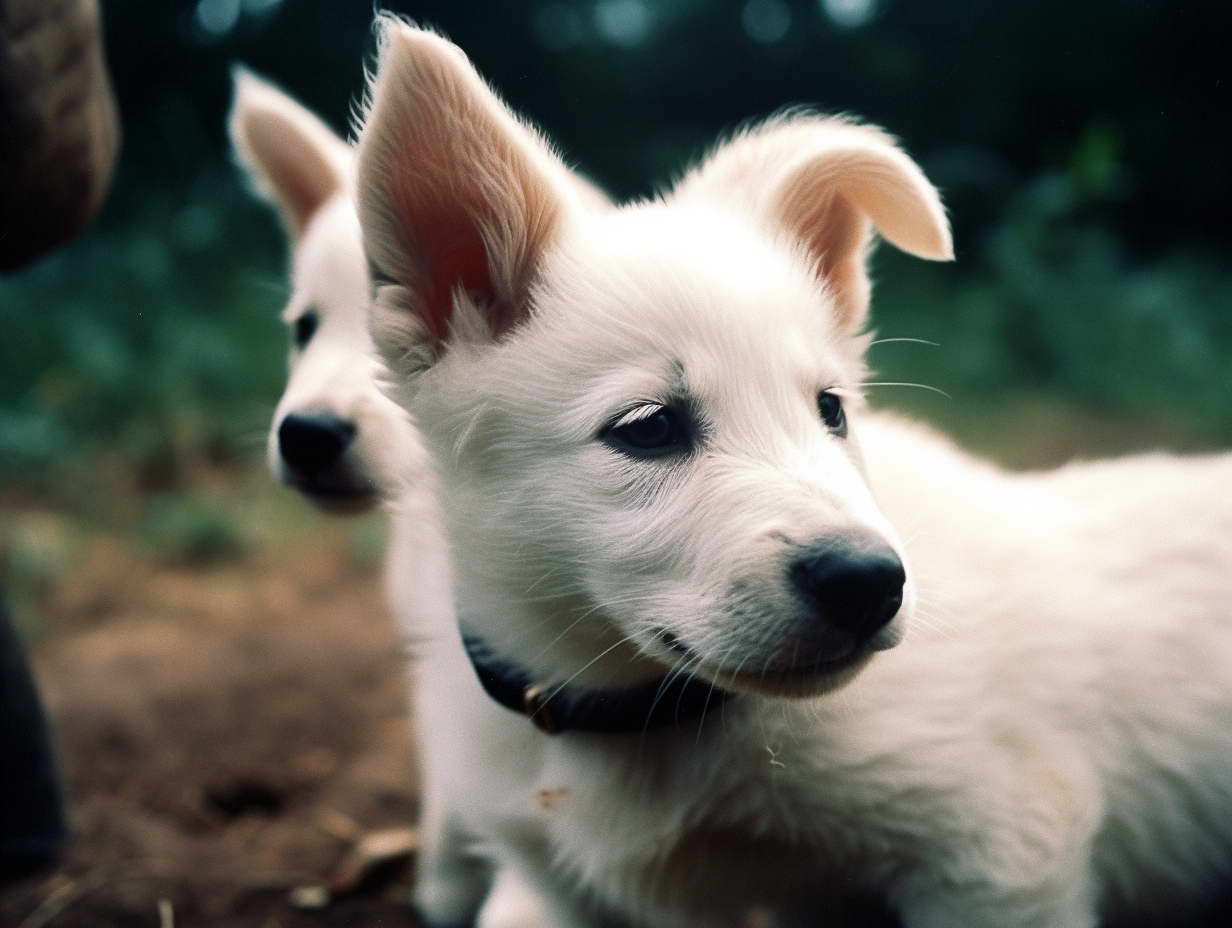
    Swiss Shepherd Puppies

    Conclusion

    Ensuring the health and wellness of your Swiss Shepherd puppy involves a combination of proper nutrition, regular exercise, grooming, and preventive healthcare measures. By following the tips outlined in this article, you can provide a solid foundation for your puppy’s overall well-being. Remember to consult with your veterinarian for personalized advice based on your puppy’s specific needs. With love, care, and attention, you’ll raise a happy and healthy Swiss Shepherd companion for years to come.
  • Swiss Shepherd Puppies for Sale – Find Your Perfect Furry Companion

    Swiss Shepherd Puppies for Sale – Find Your Perfect Furry Companion

    Swiss Shepherd Puppies for Sale

    Swiss Shepherd Puppies for Sale: Find Your Perfect Furry Companion

    Introduction: The Loyal and Energetic Swiss Shepherd Puppies

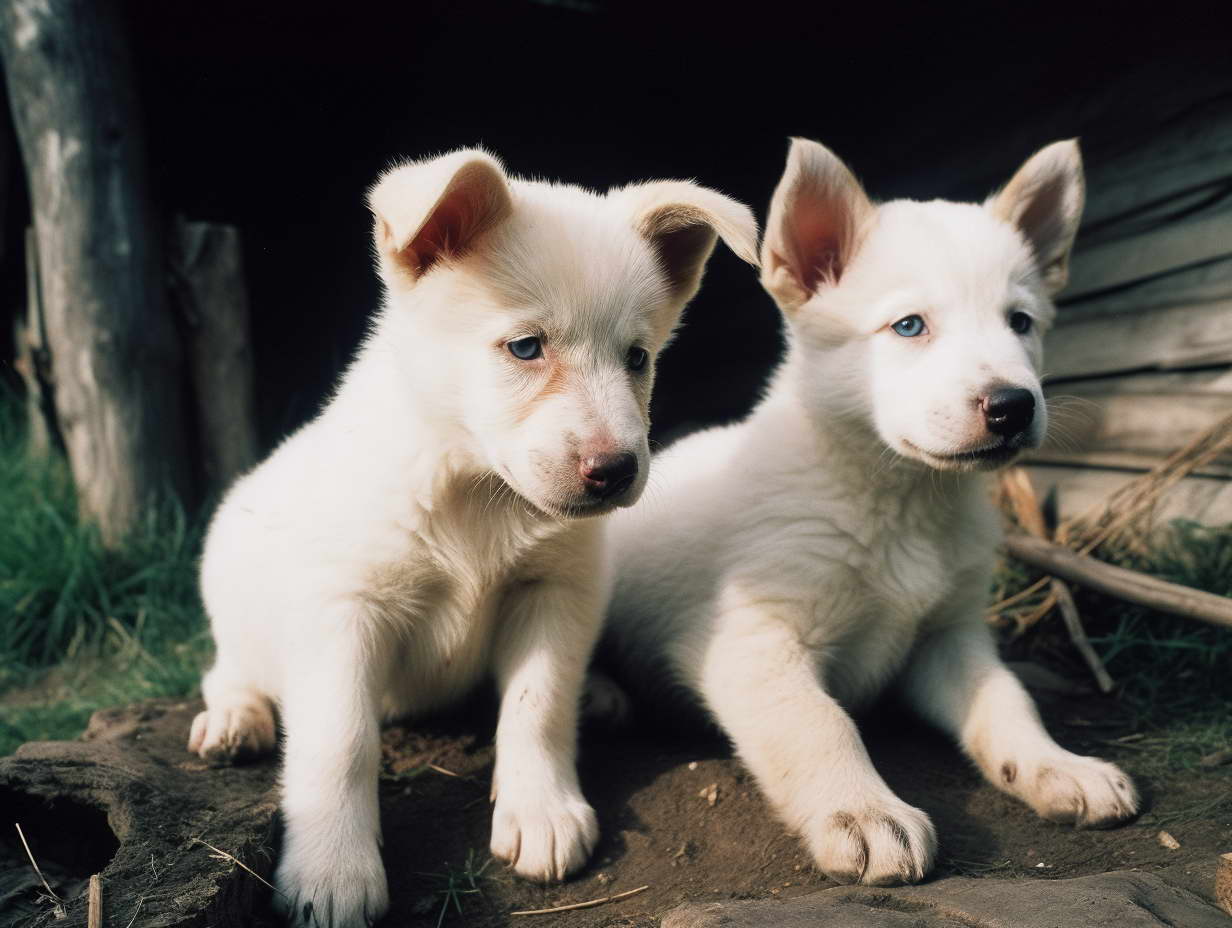
    Are you considering adding a new furry member to your family? Swiss Shepherd puppies are a wonderful choice for those seeking a loyal and energetic companion. Known for their intelligence, versatility, and stunning looks, Swiss Shepherds make excellent family pets and working dogs alike. In this comprehensive guide, we will delve into the world of Swiss Shepherd puppies, providing you with essential information on their characteristics, care, and where to find Swiss Shepherd puppies for sale.

    Swiss Shepherd Puppies for Sale: Finding Your Perfect Match

    What Makes Swiss Shepherd Puppies Unique?

    Swiss Shepherd puppies are a distinctive breed with a set of traits that make them stand out from the crowd. Here are a few key features that make these puppies so special:

    1. Intelligent and trainable: Swiss Shepherds are highly intelligent dogs, which makes training them a rewarding and enjoyable experience.
    2. Energetic and athletic: These puppies have boundless energy and love to stay active. They thrive in homes that provide them with plenty of exercise and mental stimulation.
    3. Loyal and protective: Swiss Shepherds are known for their loyalty and protective nature. They make excellent guard dogs and form strong bonds with their families.
    4. Versatile working dogs: Swiss Shepherds excel in various roles, including search and rescue, police work, and therapy dog services.

    Swiss Shepherd Puppies: Characteristics to Consider

    Before embarking on the journey of finding Swiss Shepherd puppies for sale, it’s important to consider the following characteristics of the breed:

    1. Size: Swiss Shepherds are medium to large-sized dogs, with males typically weighing between 70-90 pounds (31-41 kg) and females between 55-75 pounds (25-34 kg).
    2. Coat: They have a double coat, consisting of a thick, weather-resistant outer coat and a dense undercoat. Regular grooming is necessary to keep their fur in optimal condition.
    3. Colors: Swiss Shepherds come in various colors, including black, sable, and black with tan markings. Each color variation has its unique charm.
    4. Lifespan: On average, Swiss Shepherds live between 10-12 years, depending on their overall health and care.

    How to Find Swiss Shepherd Puppies for Sale

    How to Find Swiss Shepherd Puppies for Sale

    Now that you have a good understanding of Swiss Shepherd puppies, it’s time to embark on the exciting journey of finding your perfect furry companion. Here are some reliable methods to locate reputable breeders offering Swiss Shepherd puppies for sale:

    Online directories and platforms

    The internet is a valuable resource when it comes to finding Swiss Shepherd puppies for sale. Utilize online directories and platforms that connect potential buyers with reputable breeders. Websites such as PuppyFinder, AKC Marketplace, and Euro Puppy offer extensive listings of Swiss Shepherd puppies available for sale. Prices can vary, with the range typically falling between $1000 to $2500, depending on factors such as pedigree, lineage, breeder reputation, and geographical location. These platforms often provide detailed information about the breeders, their breeding practices, and the health certifications of the puppies.

    Local breed clubs

    Reach out to local Swiss Shepherd breed clubs or associations in your area. These organizations are excellent resources for finding reputable breeders. They have a network of experienced and responsible breeders committed to upholding breed standards and prioritizing the health and well-being of their puppies. Breed clubs often have websites or online directories where they list breeders who have litters or planned litters. Prices for Swiss Shepherd puppies through breed clubs typically fall within the range of $1000 to $2500, depending on the aforementioned factors.

    Dog shows and events

    Attending dog shows and events that focus on working or herding breeds is another great way to find Swiss Shepherd puppies for sale. Reputable breeders often participate in these events to showcase their dogs and may have puppies available or planned litters. Dog shows provide an opportunity to meet breeders in person, interact with the dogs, ask questions, and gain insights into their breeding programs. Prices for Swiss Shepherd puppies at dog shows may range from $1000 to $2500, depending on various factors such as bloodline, health clearances, and breeder reputation.

    Referrals and recommendations

    Personal referrals and recommendations from trusted individuals can be invaluable in finding reputable Swiss Shepherd breeders. Reach out to friends, family members, or colleagues who already own Swiss Shepherds or are involved in the dog breeding community. They can share their experiences, recommend breeders they have had positive interactions with, and provide insights into the temperament and health of their Swiss Shepherd puppies. Prices for Swiss Shepherd puppies recommended by trusted sources tend to be within the range of $1000 to $2500.

    Social media and online communities

    Social media platforms and online communities dedicated to dog lovers can be valuable resources for finding Swiss Shepherd puppies for sale. Joining breed-specific groups or forums allows you to connect with other Swiss Shepherd enthusiasts, share experiences, and potentially find recommendations for reputable breeders. Many breeders have social media accounts or websites where they showcase their puppies, provide updates on planned litters, and engage with potential buyers. Prices for Swiss Shepherd puppies advertised through social media and online communities can range from $1000 to $2500, depending on various factors.

    When searching for Swiss Shepherd puppies for sale, it’s important to remember that the price range mentioned above ($1000 to $2500) is a general guideline. Prices can vary based on factors such as pedigree, lineage, breeder reputation, geographical location, and the specific traits and qualities of the puppies. Always take the time to verify a breeder’s credentials, inquire about health certifications, visit their facilities if possible, and ask plenty of questions about their breeding practices and the care they provide for their puppies.

    FAQs About Swiss Shepherd Puppies for Sale

    1. How much do Swiss Shepherd puppies cost?

    The price of Swiss Shepherd puppies can vary depending on factors such as pedigree, lineage, breeder reputation, and geographical location. On average, you can expect to pay between $1000 to $2500 for a Swiss Shepherd puppy from a reputable breeder.

    2. What health tests should Swiss Shepherd puppies undergo?

    Responsible breeders prioritize the health of their puppies and conduct various health tests on the parents before breeding. Common health tests for Swiss Shepherds include hip and elbow evaluations, eye examinations, and DNA tests for genetic diseases.

    3. Are Swiss Shepherd puppies suitable for families with children?

    Yes, Swiss Shepherds can be wonderful family pets, especially when properly socialized and trained. They are generally gentle and patient with children, making them great companions and playmates.

    4. How much exercise do Swiss Shepherd puppies require?

    Swiss Shepherds are a high-energy breed and require regular exercise to stay happy and healthy. Daily activities such as long walks, runs, playtime, and mental stimulation are essential to keep them physically and mentally stimulated.

    5. Are Swiss Shepherds suitable for first-time dog owners?

    While Swiss Shepherds are intelligent and trainable, they may not be the best choice for first-time dog owners due to their high energy levels and need for consistent training. They thrive with experienced handlers who can provide them with proper guidance and leadership.

    6. How can I ensure the well-being of my Swiss Shepherd puppy?

    To ensure the well-being of your Swiss Shepherd puppy, provide them with a balanced diet, regular veterinary care, plenty of exercises, mental stimulation, and a loving and stimulating environment. Proper socialization, training, and bonding activities are also crucial for their development.

    Conclusion: Your Perfect Companion Awaits

    Swiss Shepherd puppies possess a unique combination of intelligence, loyalty, and energy that make them exceptional companions for the right owner. If you’re considering adding a Swiss Shepherd puppy to your family, take the time to find a reputable breeder who prioritizes the health and well-being of their puppies. Remember to provide them with the love, care, and training they need to thrive. Your perfect furry companion is waiting to bring joy, loyalty, and adventure into your life.

    Here are the article sources about Swiss shepherd puppies for sale that you can read:

    Swiss Shepherd Puppies: Health and Wellness Tips
    Swiss Shepherd Puppies: Nutritional Needs
    Swiss Shepherd Puppies: Grooming Basics
    Swiss Shepherd Puppies: How to Choose a Reputable Breeder
    Swiss Shepherd Puppies: Exercise and Playtime

  • How to Train Your Pitbull Puppy to Be the Best Pet: Tips and Tricks

    How to Train Your Pitbull Puppy to Be the Best Pet: Tips and Tricks

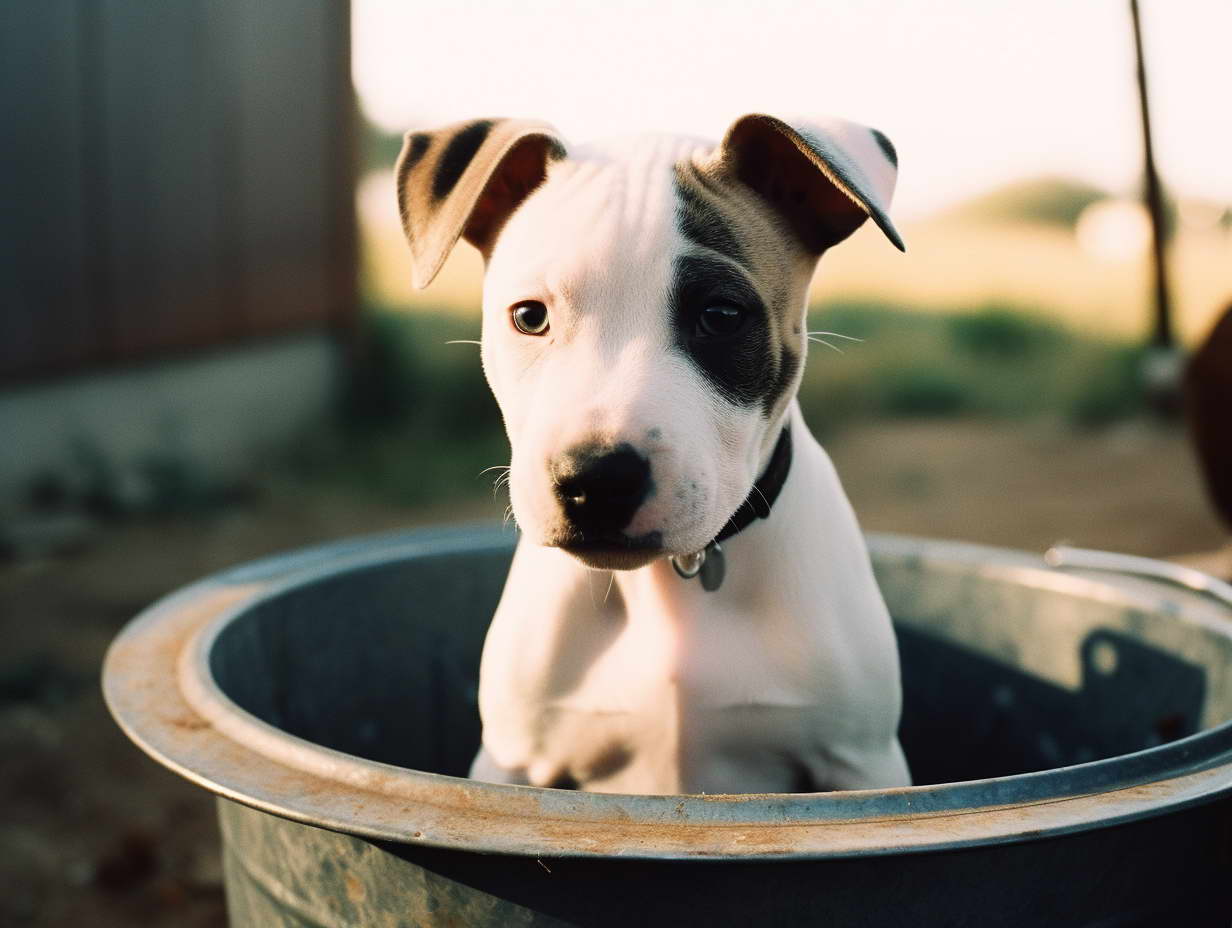
    Train Your Pitbull Puppy to Be the Best Pet

    How to Train Your Pitbull Puppy to Be the Best Pet – Tips and Tricks

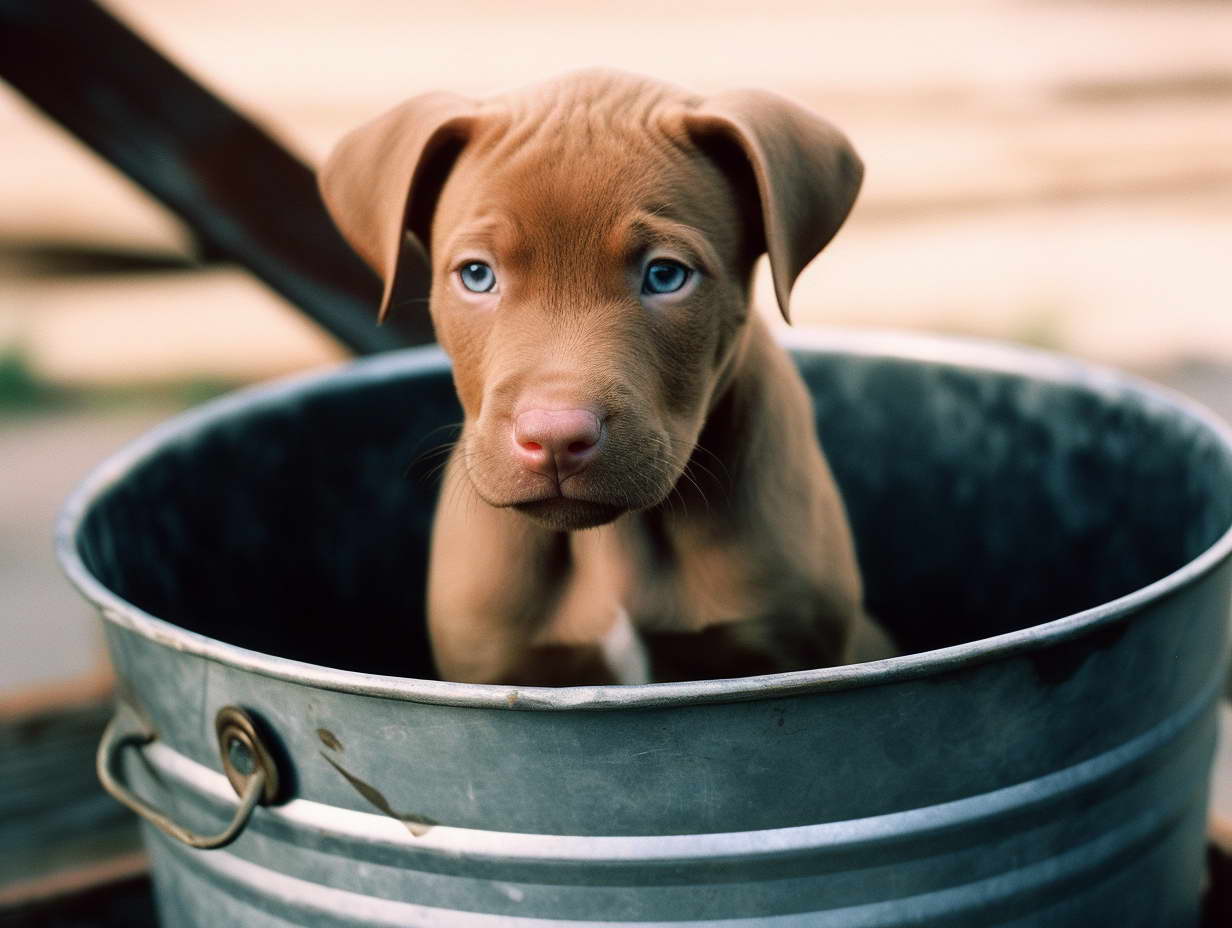
    Are you thinking about getting a Pitbull puppy? If so, you’re making a great choice! Pitbulls are loyal, loving, and intelligent dogs that make great pets. However, like any puppy, they need to be trained properly to ensure they grow up to be well-behaved and obedient. In this article, we’ll give you some tips and tricks on how to train your Pitbull puppy to be the best pet possible.

    The Benefits of Training Your Pitbull Puppy

    Training your Pitbull puppy has many benefits. For one, it will help them to develop good habits and behaviors early on, which will make it easier for them to adapt to their new home. Additionally, training will help to build a strong bond between you and your puppy, which is essential for creating a happy and healthy relationship. Training your Pitbull puppy will also help to keep them safe by teaching them commands that can help prevent accidents or mishaps.

    How to Train Your Pitbull Puppy to Be the Best Pet

    Training your Pitbull puppy to be the best pet is not difficult, but it does require patience and consistency. Here are some tips to help you get started:

    Start Training Early

    It’s important to start training your Pitbull puppy as early as possible. Puppies have a short attention span, so it’s best to keep training sessions short and sweet. You can start by teaching them basic commands such as “sit,” “stay,” and “come.” Be sure to use positive reinforcement such as treats and praise when they obey.

    Be Consistent

    Consistency is key when it comes to training your Pitbull puppy. It’s important to use the same commands and training methods every time you train them. This will help them to understand what is expected of them and will make it easier for them to learn.

    Use Positive Reinforcement

    Positive reinforcement is a powerful tool when it comes to training your Pitbull puppy. Dogs respond best to rewards such as treats, praise, and playtime. Be sure to reward your puppy when they do something right and never punish them for making a mistake.

    Socialize Your Puppy

    Socialization is an important part of training your Pitbull puppy. You want to expose them to as many new experiences and people as possible to help them develop into confident and well-adjusted dogs. Take your puppy for walks, bring them to the dog park, and introduce them to new people and pets.

    Use a Crate

    Using a crate can be a helpful tool when it comes to training your Pitbull puppy. A crate can provide a safe and comfortable space for your puppy to rest and can also be used as a tool for potty training. Be sure to introduce your puppy to the crate gradually and make it a positive experience.

    Exercise and Playtime

    Pitbull puppies have a lot of energy, so it’s important to give them plenty of exercise and playtime. Take them for walks, play fetch, and provide them with toys to keep them entertained. This will help to prevent destructive behaviors and will also help to keep your Pitbull puppy healthy and happy.

    How to Train Your Pitbull Puppy to Be the Best Pet

    FAQs

    1. At what age should I start training my Pitbull puppy? It’s best to start training your Pitbull puppy as early as possible, ideally around 8-12 weeks old.
    2. How long should training sessions be? Training sessions should be short and sweet, ideally around 10-15 minutes.
    3. Should I use punishment to train my Pitbull puppy? No, you should never punish your Pitbull puppy for making a mistake. Positive reinforcement is the best way to train your puppy.
    1. Can Pitbulls be trained to be good with other pets? Yes, with proper training and socialization, Pitbulls can be trained to get along well with other pets.
    2. Should I use a shock collar to train my Pitbull puppy? No, shock collars should not be used to train any dog, including Pitbulls. Positive reinforcement is a much better and more humane training method.
    3. How long does it take to train a Pitbull puppy? Training a Pitbull puppy takes time and patience. It can take several weeks or even months to fully train your puppy.

    Conclusion

    Training your Pitbull puppy to be the best pet is not difficult, but it does require patience and consistency. By starting early and using positive reinforcement, you can help your puppy develop good habits and behaviors that will last a lifetime. Remember to socialize your puppy, give them plenty of exercise and playtime, and use a crate if necessary. With time and effort, you can have a well-behaved and obedient Pitbull that will make a great addition to your family.

  • What to Look for When Adopting a Pitbull Puppy in Oklahoma City

    What to Look for When Adopting a Pitbull Puppy in Oklahoma City

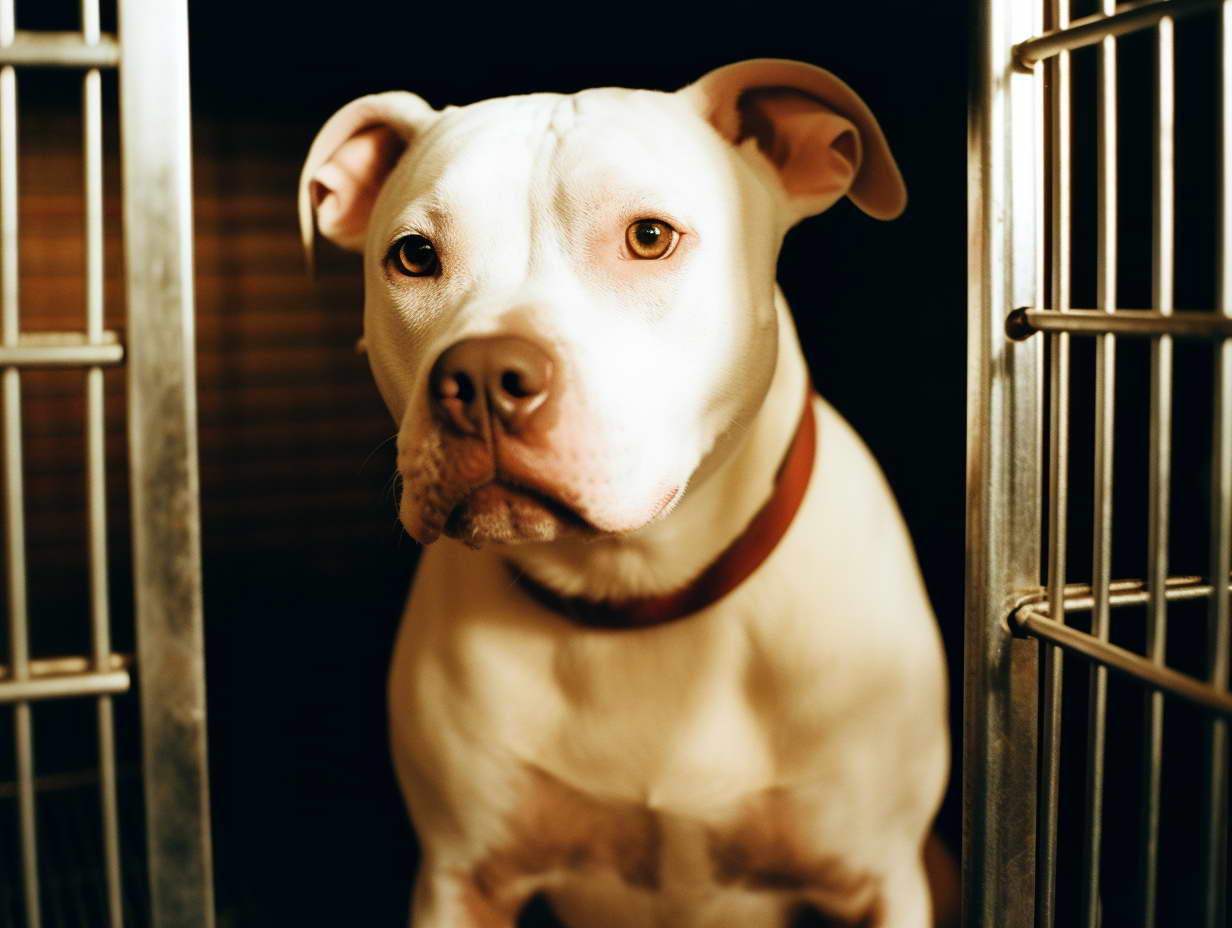
    Adopting a Pitbull Puppy in Oklahoma City

    What to Look for When Adopting a Pitbull Puppy in Oklahoma City

    Are you considering adopting a pitbull puppy in Oklahoma City? Before you do, there are some important factors to consider. Pitbulls are an affectionate and loyal breed, but they require a specific kind of care and attention. In this article, we’ll cover what you need to know before you adopt a pitbull puppy in Oklahoma City.

    Pitbull Puppies: A Loving Companion

    Pitbulls have gained a reputation as an aggressive and dangerous breed, but in reality, they are loving and loyal companions. When properly trained and socialized, pitbulls make great pets for families with children or single adults.

    What to Look for When Adopting a Pitbull Puppy in Oklahoma City

    When adopting a pitbull puppy in Oklahoma City, there are several things to keep in mind. Here are some of the most important factors to consider:

    1. The Breeder

    It’s important to choose a reputable breeder when adopting a pitbull puppy. Look for a breeder who is knowledgeable about the breed, and who takes the time to socialize and train their puppies. A good breeder will also provide you with health records and other important information about the puppy.

    2. Health and Temperament

    Before adopting a pitbull puppy, make sure to ask about the puppy’s health and temperament. Look for a puppy that is healthy, active, and friendly. Avoid puppies that appear sickly or lethargic, as this may be a sign of underlying health issues.

    3. Training and Socialization

    Pitbulls require proper training and socialization to ensure they become well-behaved, obedient pets. When adopting a pitbull puppy, ask about the puppy’s previous training and socialization. If the puppy has not received any training or socialization, be prepared to invest time and effort into this yourself.

    4. Home Environment

    Before adopting a pitbull puppy, make sure your home environment is suitable for the breed. Pitbulls require a lot of space to run and play, so a large yard or open space is ideal. They also require plenty of exercise and mental stimulation, so be prepared to spend time playing and interacting with your puppy.

    5. Breed-Specific Legislation

    Pitbulls are often subject to breed-specific legislation, which restricts or bans their ownership in certain areas. Make sure to research the laws in your area before adopting a pitbull puppy.

    What to Look for When Adopting a Pitbull Puppy in Oklahoma City

    Frequently Asked Questions

    1. Are pitbull puppies good with children?

    Yes, when properly socialized and trained, pitbull puppies can be great with children. They are affectionate and love to play, making them an ideal companion for kids.

    2. How much exercise do pitbull puppies need?

    Pitbull puppies require plenty of exercise and mental stimulation to stay healthy and happy. They should get at least 30 minutes of exercise per day, and plenty of opportunities to play and interact with their owners.

    3. Do pitbull puppies require a special diet?

    Pitbull puppies require a high-protein diet to support their active lifestyle. Look for a dog food that is specifically formulated for pitbulls or other high-energy breeds.

    4. Are pitbull puppies aggressive?

    Pitbull puppies are not inherently aggressive. Like any breed, their temperament depends on their training and socialization. With proper training and socialization, pitbulls can be loving and loyal companions.

    5. Do pitbull puppies shed a lot?

    Pitbull puppies have a short, smooth coat that does not require a lot of grooming. They do shed, but not as much as other breeds

    6. How can I find a reputable pitbull breeder in Oklahoma City?

    You can start by asking for recommendations from other pitbull owners or local veterinarians. You can also research breeders online and read reviews from previous customers. Make sure to visit the breeder in person to ensure they are reputable and treat their dogs well.

    Conclusion

    Adopting a pitbull puppy in Oklahoma City can be a rewarding experience, but it’s important to do your research and make an informed decision. Consider the breeder, health and temperament of the puppy, training and socialization, home environment, and breed-specific legislation before making a decision. With proper care and attention, pitbulls can make loyal and loving companions for years to come.

    So, if you’re ready to adopt a pitbull puppy in Oklahoma City, make sure to keep these factors in mind. With a little patience and effort, you can provide a happy and healthy home for your new furry friend.

  • How to Spot a Reputable Pitbull Breeder in Oklahoma City – Everything You Need to Know

    How to Spot a Reputable Pitbull Breeder in Oklahoma City – Everything You Need to Know

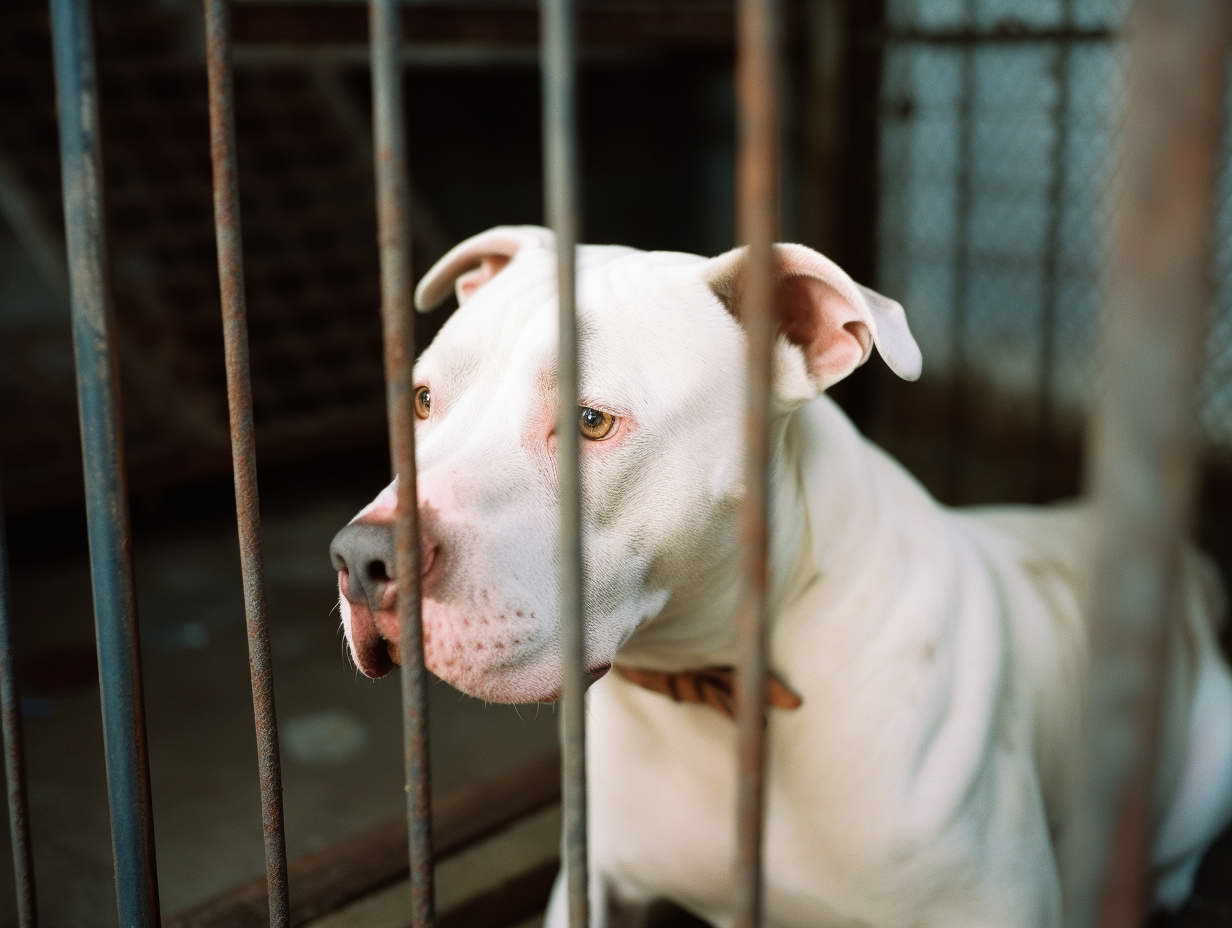
    Reputable Pitbull Breeder in Oklahoma City

    How to Spot a Reputable Pitbull Breeder in Oklahoma City – Everything You Need to Know

    Are you thinking about adopting a Pitbull in Oklahoma City but not sure where to start? Finding a reputable Pitbull breeder can be overwhelming, especially if you’re new to the process. With so many options available, it’s essential to do your research and know what to look for in a breeder. In this article, we will provide you with everything you need to know about how to spot a reputable Pitbull breeder in Oklahoma City.

    Introduction: Adopting a Pitbull in Oklahoma City

    Adopting a Pitbull can be a fulfilling experience. Pitbulls are known for their loyalty, affectionate nature, and protective instincts, making them a popular choice for families. However, it’s crucial to find a reputable breeder who prioritizes the health and well-being of their dogs. The process of finding a breeder can be overwhelming, but with our guide, you’ll be able to make an informed decision.

    How to Spot a Reputable Pitbull Breeder in Oklahoma City

    When it comes to finding a reputable Pitbull breeder in Oklahoma City, there are a few things to keep in mind. Here’s what you should look for:

    Health Checks and Certifications

    A reputable breeder will prioritize the health of their dogs and conduct regular health checks. They will also have certifications and documentation to prove it. These documents can include:

    • Health certificates
    • DNA testing
    • Hip and elbow certifications
    • Eye exams

    If a breeder cannot provide you with any health checks or certifications, it’s best to look elsewhere.

    Socialization and Training

    A reputable breeder will prioritize socialization and training for their dogs. They will expose their puppies to different environments, people, and animals to ensure they’re well-adjusted. They’ll also begin basic training, such as housebreaking and obedience training, to set the puppies up for success in their new homes.

    Communication and Transparency

    A reputable breeder will be transparent about their breeding practices, including their breeding goals, the lineage of their dogs, and any potential health issues. They’ll also be willing to answer any questions you have and provide you with references from previous customers. Communication is key when it comes to finding a reputable breeder.

    Environment and Living Conditions

    A reputable breeder will prioritize the living conditions of their dogs. They’ll keep their facilities clean and well-maintained, and they’ll provide their dogs with adequate space and exercise. If possible, visit the breeder’s facilities to see the living conditions for yourself.

    Contracts and Guarantees

    A reputable breeder will provide you with a contract that outlines the terms of your purchase. This contract should include information about the dog’s health, breeding history, and any guarantees the breeder offers. If a breeder cannot provide you with a contract, it’s a red flag.

    Registration and Licensing

    A reputable breeder will be registered with a reputable organization, such as the American Kennel Club (AKC), and have a valid breeding license. These organizations have strict guidelines for breeders, and being registered and licensed is a sign that the breeder is committed to responsible breeding practices.

    How to Spot a Reputable Pitbull Breeder in Oklahoma City

    FAQs: Common Questions About Finding a Reputable Pitbull Breeder in Oklahoma City

    What should I do if I suspect a breeder is not reputable?

    If you suspect a breeder is not reputable, it’s best to walk away. Reputable breeders prioritize the health and well-being of their dogs and will have documentation and certifications to prove it. If a breeder cannot provide you with this information or seems hesitant to answer your questions, it’s best to look elsewhere.

    How can I verify a breeder’s certifications and documentation?

    You can verify a breeder’s certifications and documentation by doing your own research. Check the breeder’s website and social media accounts for information about their breeding practices and certifications. You can also ask for copies of the certifications and documentation and verify them with the issuing organization.

    What should I look for when visiting a breeder’s facilities?

    When visiting a breeder’s facilities, look for cleanliness, adequate space for the dogs, and signs of socialization and training. Reputable breeders will prioritize the living conditions of their dogs and will provide them with adequate exercise and stimulation.

    Should I adopt a Pitbull puppy or an adult dog from a breeder?

    The decision to adopt a puppy or an adult dog from a breeder depends on your personal preferences and lifestyle. Puppies require more time and attention for socialization and training, while adult dogs may already have some training and are often more settled. Talk to the breeder about your options and which dog may be the best fit for you.

    What should I look for in a contract from a breeder?

    A contract from a reputable breeder should include information about the dog’s health, breeding history, and any guarantees the breeder offers. It should also outline the terms of your purchase and what is expected of you as the new owner. Read the contract carefully and ask questions before signing.

    What are the benefits of adopting from a reputable breeder?

    Adopting from a reputable breeder ensures that you’re getting a healthy and well-adjusted dog. Reputable breeders prioritize the health and well-being of their dogs and will provide you with the documentation and certifications to prove it. They’ll also be available to answer any questions you have and provide you with support throughout your dog’s life.

    Conclusion: Find the Perfect Pitbull in Oklahoma City

    Adopting a Pitbull can be a wonderful experience, but it’s important to find a reputable breeder who prioritizes the health and well-being of their dogs. By following our guide on how to spot a reputable Pitbull breeder in Oklahoma City, you’ll be able to make an informed decision and find the perfect furry friend for your family.

    Remember to look for health checks and certifications, prioritize socialization and training, communicate with the breeder, check the living conditions, review the contract, and verify their registration and licensing. By doing so, you’ll ensure that you’re getting a healthy and happy dog from a reputable source.

  • The Pros and Cons of Owning a Golden Retriever Mixed with Husky Puppies

    The Pros and Cons of Owning a Golden Retriever Mixed with Husky Puppies

    Pros and Cons of Owning a Golden Retriever Mixed with Husky Puppies

    The Pros and Cons of Owning a Golden Retriever Mixed with Husky Puppies

    Are you considering getting a new furry friend to join your household? Do you have your eye on a Golden Retriever mixed with Husky puppy? These unique hybrids, also known as Goberians, have become increasingly popular in recent years. Before you make a final decision, it’s important to consider the pros and cons of owning a Golden Retriever mixed with Husky puppy.

    Golden Retrievers mixed with Husky puppies are a combination of two of the most popular dog breeds in the world. Golden Retrievers are known for their friendly and outgoing personalities, while Huskies are known for their intelligence and athleticism. The combination of these two breeds creates a lovable, intelligent, and active dog that can be a great addition to any family.

    The Pros of Owning a Golden Retriever Mixed with Husky Puppies

    The Pros of Owning a Golden Retriever Mixed with Husky Puppies

    Here are some of the benefits of having a Goberian as a pet:

    1. Friendly and Loyal

    One of the best things about Golden Retriever mixed with Husky puppies is their friendly and loyal nature. They are known to be great with children and other pets and will quickly become a beloved member of your family.

    2. Intelligent and Trainable

    Goberians are intelligent and can be trained to do many things. They are quick learners and can be easily trained to follow commands and perform tricks.

    3. Active and Energetic

    Golden Retriever mixed with Husky puppies are highly active and energetic dogs that require regular exercise and playtime. They enjoy long walks, hikes, and playing fetch.

    4. Low Grooming Needs

    Goberians have a short, dense coat that sheds moderately. They don’t require much grooming besides regular brushing, making them a low-maintenance breed.

    5. Healthy

    Mixed breeds are often healthier than purebreds due to their genetic diversity. Goberians are generally healthy dogs with a lifespan of around 10-15 years.

    The Cons of Owning a Golden Retriever Mixed with Husky Puppies

    The Cons of Owning a Golden Retriever Mixed with Husky Puppies

    While there are many advantages to having a Goberian, there are also some drawbacks that should be considered before making a final decision:

    1. High Exercise Needs

    Goberians are active dogs that require a lot of exercise and playtime. If you don’t have the time or energy to provide them with the exercise they need, they can become destructive and anxious.

    2. Stubborn

    Huskies are known for their stubbornness, and Goberians can inherit this trait. They may not always follow commands, making training more difficult.

    3. Prone to Separation Anxiety

    Golden Retriever mixed with Husky puppies are very social and can suffer from separation anxiety if left alone for long periods. They do best in households where someone is home most of the day.

    4. Moderate Shedding

    While Goberians have short coat, they still shed moderately. If you or someone in your household has allergies, this could be a concern.

    5. May Have Health Issues

    While mixed breeds are generally healthier than purebreds, there is still a risk of health issues. Goberians may be prone to hip dysplasia, eye problems, and other health issues that are common in both Golden Retrievers and Huskies.

    FAQs about Owning a Golden Retriever Mixed with Husky Puppies

    1. How much exercise do Golden Retriever mixed with Husky puppies need?

    Goberians are highly active dogs and need at least 60-90 minutes of exercise every day. This can include long walks, hikes, and playing fetch in a fenced yard. Without enough exercise, Goberians can become restless and bored, which can lead to destructive behavior.

    2. Do Golden Retriever mixed with Husky puppies shed a lot?

    Goberians do shed, but not as much as some other breeds. They have a short, dense coat that sheds moderately, so regular brushing is recommended to keep shedding under control.

    3. Are Golden Retriever mixed with Husky puppies good with children?

    Yes, Goberians are generally great with children. They have a friendly and playful personality that makes them a great companion for kids. However, as with any dog, supervision is recommended when children and dogs are together.

    4. Can Golden Retriever mixed with Husky puppies be left alone for long periods?

    No, Goberians are social dogs that crave human interaction and can become anxious and destructive if left alone for long periods. They do best in households where someone is home most of the day.

    5. Are Golden Retriever mixed with Husky puppies easy to train?

    Goberians are intelligent dogs that can be trained, but they can also be stubborn. Consistency and positive reinforcement are key to successful training. Professional training may also be necessary for some Goberians.

    6. How much do Golden Retriever mixed with Husky puppies cost?

    The cost of a Golden Retriever mixed with Husky puppy can vary depending on where you live and the breeder. On average, they can cost anywhere from $500 to $1,500.

    Conclusion

    In conclusion, owning a Golden Retriever mixed with Husky puppy can be a wonderful experience. They are loyal, friendly, and intelligent dogs that make great family pets. However, they do require a lot of exercise and social interaction and may be prone to some health issues. It’s important to carefully consider the pros and cons before bringing a Goberian into your home.

    Remember, adopting or rescuing a dog is always a great option and can save a life. If you do decide to get a Golden Retriever mixed with Husky puppy, make sure you choose a reputable breeder or rescue organization and provide them with a loving and safe home.