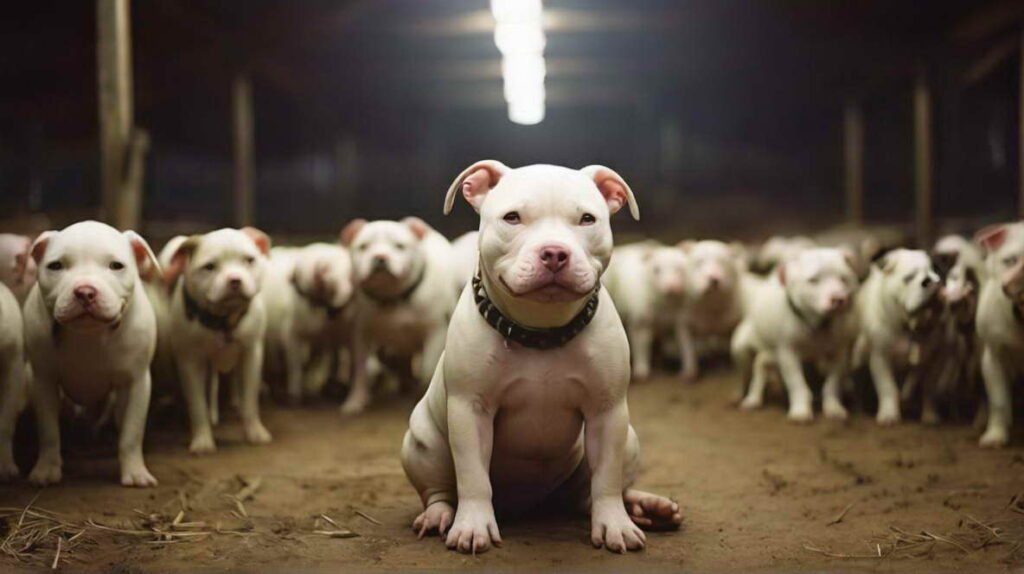
Category: Pit Bull

  • Inside the World of Pitbull Farms: Dispelling Myths About Controversial Breeding Facilities

    Inside the World of Pitbull Farms: Dispelling Myths About Controversial Breeding Facilities

    Pitbull Farms

    The World of Pit Bull Farms and Breeders

    PETSIDI – Pit Bulls are one of the most popular and also controversial dog breeds in America. While Pit Bull breeds such as the American Pit Bull Terrier are often viewed negatively in the media, there are many responsible and reputable Pit Bull breeders, kennels, and facilities across the country focused on preserving and improving the breed.

    An Overview of Pit Bull Breeding Facilities

    There are several types of facilities involved in Pit Bull breeding and bloodline development:

    • Breeding programs and kennels: Reputable breeding kennels carefully select stud dogs and females for breeding to produce dogs meeting the breed standard for health, temperament, and conformation. They utilize pedigree analysis, genetic health testing, and temperament evaluations when planning pairings.
    • Training facilities: Many kennels have professional training staff to provide early socialization, obedience, and bite inhibition training for Pit Bull puppies to ensure they grow into well-mannered companions.
    • Pit Bull advocacy groups: Non-profit organizations involved in Pit Bull rescue, foster programs, rehabilitation, training, and adoption services. They aim to find good homes for Pit Bulls in need and change public perceptions of the breed.
    • Puppy mills: Unethical, profit-driven breeders who mass-produce Pit Bull litters without regard for the dogs’ welfare. Responsible breeding practices are not followed. These facilities should be avoided.
    • Dog fighting rings: Illegal organizations that breed Pit Bulls for exploitation and abuse in dog fighting. They often focus on aggression rather than health or temperament. Supporting these operations only encourages further cruelty.

    Responsible Pit Bull Breeding Practices

    Reputable Pit Bull breeders and facilities should follow responsible practices such as:

    • Rigorous health testing for issues like hip dysplasia, heart conditions, eye disorders, allergies, and autoimmune disorders.
    • Genetic testing for known inherited conditions. Dogs who carry defective genes are not used for breeding.
    • Temperament testing from an early age to identify dogs with sound temperaments for training and breeding.
    • Early and ongoing socialization and positive training methods to shape puppies into good canine citizens. This should continue through adoption.
    • Careful record keeping for multi-generational pedigree analysis to inform breeding decisions.
    • Only breeding dogs who meet breed standards for conformation, temperament, and health.
    • Limited breeding cycles for females and small litter sizes to avoid over-breeding.
    • Thorough veterinary care and health monitoring of all dogs.
    • Clean, spacious housing, balanced diets, exercise, affection, and enrichment opportunities to ensure dogs’ physical and mental well-being.

    Following such practices produces the healthiest, best socialized Pit Bull puppies and preserves the positive traits of the breed.

    What Happens at Pit Bull Breeding Facilities

    Reputable breeding, training, and advocacy facilities aim to improve Pit Bull breeding stock each generation. Here are some standard practices:

    • Rigorous health testing of breeding dogs. Dogs with disqualifying conditions are not bred.
    • Breeding only dogs meeting standards for health, conformation, and temperament. This improves odds of producing quality puppies.
    • Keeping meticulous pedigree records and analyzing bloodlines to inform breeding decisions.
    • Providing excellent veterinary care including vaccinations, deworming, and prompt treatment of any health issues.
    • Caring for pregnant and nursing females with high quality nutrition and monitoring by staff.
    • Whelping puppies in a safe, clean environment and monitoring newborns for health issues.
    • Beginning temperament testing and socialization of puppies at 3-4 weeks old.
    • Enrolling puppies in early positive reinforcement obedience training and bite inhibition classes.
    • Thoroughly screening potential owners prior to adoption. Matching puppies with compatible owners committed to training.
    • Providing lifetime breeder support including training advice, health information, and taking back dogs if needed.

    Reputable facilities focus on each dog’s well-being, not profits. Producing mentally and physically healthy, well-socialized Pit Bulls is the top priority.

    Why Proper Socialization and Training Matters

    Positive socialization and training from an early age are crucial to shaping Pit Bulls into well-adjusted companions. Well-run facilities place emphasis on these areas:

    • Puppy socialization classes allow controlled positive interactions with people, dogs, sights and sounds. This builds confidence and friendliness.
    • Obedience training utilizes reward-based methods to strengthen the human-canine bond and reinforce desirable behaviors like walking politely on a leash.
    • Bite inhibition training teaches a soft mouth and careful jaw control when playing. This prevents injury and reduces risk of aggression.
    • Continuing socialization into adulthood through group training classes, dog parks, play dates, and public outings.
    • Behavior modification under guidance of trainers can help Pit Bulls with specific issues like dog reactivity, fear, or hyperactivity.
    • Canine Good Citizen training and testing ensures Pit Bulls have the manners and temperament to be community ambassadors for the breed.

    Proper socialization and training yields Pit Bulls that are relaxed, friendly, and able to safely interact with people and animals. This benefits owners and improves public perceptions of Pit Bulls.

    Sports, Events, and Activities for Pit Bulls

    In addition to breeding and training facilities, many organizations and events cater to Pit Bull owners and fans. These include:

    • Conformation shows allow breeders to showcase dogs meeting Pit Bull breed standards and have them evaluated by judges.
    • Obedience and agility trials demonstrate well-trained Pit Bulls’ abilities in structured competitions.
    • Rally obedience events involve dogs navigating short courses and completing various maneuvers.
    • Tracking and scent work allow Pit Bulls’ strong sense of smell to be put to work finding objects based on human direction.
    • Therapy dog certification qualifies Pit Bulls with calm demeanors to visit hospitals, nursing homes, schools, and provide comfort.
    • Fun competitions like musical freestyle dancing, “kissing booths,” and obstacle courses show off Pit Bulls’ talents.
    • Fundraisers and adoption events bring Pit Bull supporters together to help dogs in need find loving homes.

    Such organized events allow Pit Bull owners to bond with their dogs while refuting negative stereotypes about the breed. They showcase Pit Bulls positively.
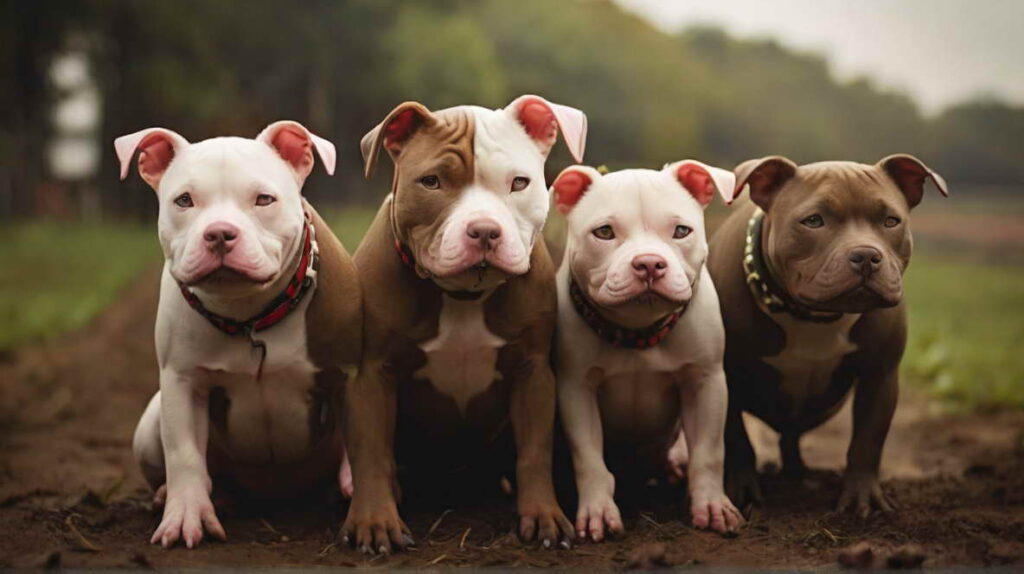
    How To Find Pitbull Farms

    Pit Bull Health and Genetic Issues

    Responsible Pit Bull breeders aim to prevent or reduce breed-specific health conditions including:

    • Hip and elbow dysplasia – Malformed joints that cause arthritis and lameness. X-rays screen breeding dogs.
    • Skin problems – Allergies, rashes, and infections. Affected dogs are not bred.
    • Heart conditions – Congenital defects can cause problems like arrhythmia. Cardiac exams check for issues.
    • Eye diseases – Issues like cataracts and progressive retinal atrophy. Veterinary ophthalmologists evaluate eye health.
    • Obesity – Excess weight stresses joints and organs. Overfed dogs are not bred. Recommended diets and exercise prevent obesity.
    • Bloat – Twisting of stomach. Avoiding overfeeding, strenuous exercise after eating, and monitoring for symptoms helps manage risk.
    • Cancers – Mast cell tumors, lymphoma and bone cancer occur more often in Pit Bull breeds. Veterinary screening identifies affected dogs.

    By testing for these conditions and only breeding clear dogs, occurrences decrease over generations, improving the breed’s health.

    Finding a Responsible Pit Bull Breeder

    For those seeking a Pit Bull puppy, locating a responsible, ethical breeder is crucial. Warning signs of unethical breeders:

    • No health testing or genetic screening of parent dogs
    • Dogs displayed in poor conditions
    • Pressuring buyers to purchase “today only”
    • Unwilling to show parents on premises
    • No pedigree records or titles/health clearances
    • Puppies appear lethargic or ill
    • Requires payment in cash only

    Reputable breeders will:

    • Prove health testing and genetic screening status of breeding dogs
    • Provide pedigree information and explain their breeding decisions
    • Have a clean, spacious facility where dogs appear happy and well-cared for
    • Let buyers meet parent dogs and see whelping areas
    • Thoroughly screen potential buyers to place puppies wisely
    • Offer lifetime health and training guidance and take back dogs if needed

    Doing research is important to get a healthy, well-socialized Pit Bull puppy and avoid supporting unethical breeders. Don’t rush into a decision.

    Pit Bull Ownership Laws and Public Policies

    Laws and public policies regarding Pit Bull ownership vary considerably depending on location:

    • Breed-specific legislation (BSL): Some areas ban ownership of Pit Bull breeds entirely. Others place severe restrictions – mandatory spay/neuter, muzzle laws, special permits, etc. These are highly controversial.
    • Liability insurance requirements: Some locales require owners carry substantial liability policies in case of biting incidents, making ownership cost-prohibitive for many.
    • Housing restrictions: Many apartments, condos, and rentals prohibit Pit Bull breeds, limiting housing options for owners.
    • Public area bans: Some public parks, beaches, and hiking trails prohibit Pit Bull breeds, regardless of temperament or training.

    Pit Bull advocacy groups actively campaign against BSL and restrictions they view as discriminatory, using adoption events, media campaigns and lobbying to change public perceptions and overturn legislation.

    Responsible ownership and public outreach help counteract stereotypes and promote community acceptance. Ongoing societal dialogue continues around public policy for Pit Bull and bully breed dogs.

    The Pit Bull Personality

    Despite their imposing appearance, most Pit Bulls have friendly, affectionate personalities when properly socialized and trained. Their temperament can be described as:

    • Outgoing, energetic, and playful – they love playing with toys and interacting with their favorite people.
    • Loyal and people-oriented – Pit Bulls bond very closely with their owners and aim to spend time with them whenever possible.
    • Sweet-natured and gentle – Despite myths, well-bred, properly trained Pit Bulls display very little aggression and are extremely affectionate with their families.
    • Eager to please – Their devotion and sensitivity to emotion makes them highly trainable when positive reinforcement is used.
    • Clownish – Pit Bulls delight in entertaining their owners with their amusing antics and clown-like playfulness.
    • Strong-willed – They are highly intelligent and may test boundaries if owners do not use consistent training. Their willful nature requires patient, firm guidance.

    When raised with proper early socialization, training, and responsible ownership, the iconic Pit Bull temperament shines through as a loving, hilarious and fun-loving companion.

    Pit Bull Advocacy and Public Education

    Despite being one of the most popular breeds in the U.S., Pit Bulls still face major stigma and discrimination stemming from inaccurate stereotypes. Responsible Pit Bull organizations aim to dispel myths through advocacy and public education. They:

    • Organize adoption events, fundraisers, and media campaigns portraying Pit Bulls positively.
    • Lobby to overturn breed-specific legislation that restricts Pit Bull ownership.
    • Use websites, social media outreach, blogs, and vlogs to counter negative breed perceptions.
    • Create documentary films, books, magazines and podcasts sharing facts on Pit Bull history, temperament, and lives with families.
    • Offer temperament and obedience testing demonstrating stable, trainable temperaments.
    • Stage events like “kissing booths” and talent shows that highlight Pit Bulls’ friendliness in public settings.
    • Certify Pit Bulls as therapy dogs and canine good citizens to showcase them as community ambassadors.
    • Provide resources and guidance to help owners be responsible Pit Bull stewards and properly manage behaviors.

    With persistent positive public outreach and advocacy, progress is being made to overcome unjust prejudice, ensure fair treatment, and preserve the Pit Bull breeds for future generations.
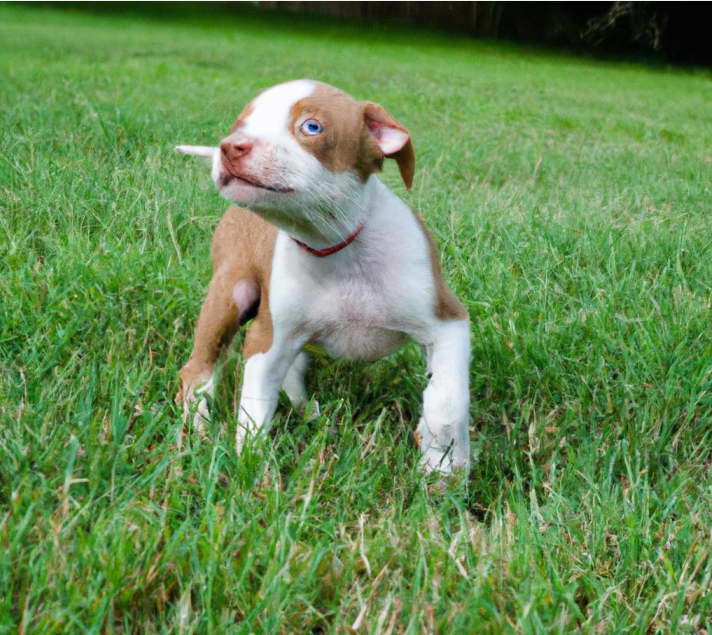
  • Red Nose Pit Puppy For Sale

    Red Nose Pit Puppy For Sale

    Red Nose Pit Puppy For Sale

    Red Nose Pit Puppy For Sale Pricing: The Ultimate Guide to Finding the Perfect Companion

    Are you considering bringing home a Red Nose Pit Puppy? These adorable and energetic pups make wonderful companions for individuals and families alike. However, one crucial aspect to consider before welcoming a new furry friend into your home is the pricing. In this comprehensive guide, we will delve into the world of Red Nose Pit Puppy for sale pricing, ensuring that you have all the information you need to make an informed decision. From understanding the factors that influence pricing to finding reputable breeders, we’ve got you covered. So let’s get started on this exciting journey to find your perfect Red Nose Pit Puppy!

    What Makes Red Nose Pit Puppies Special?

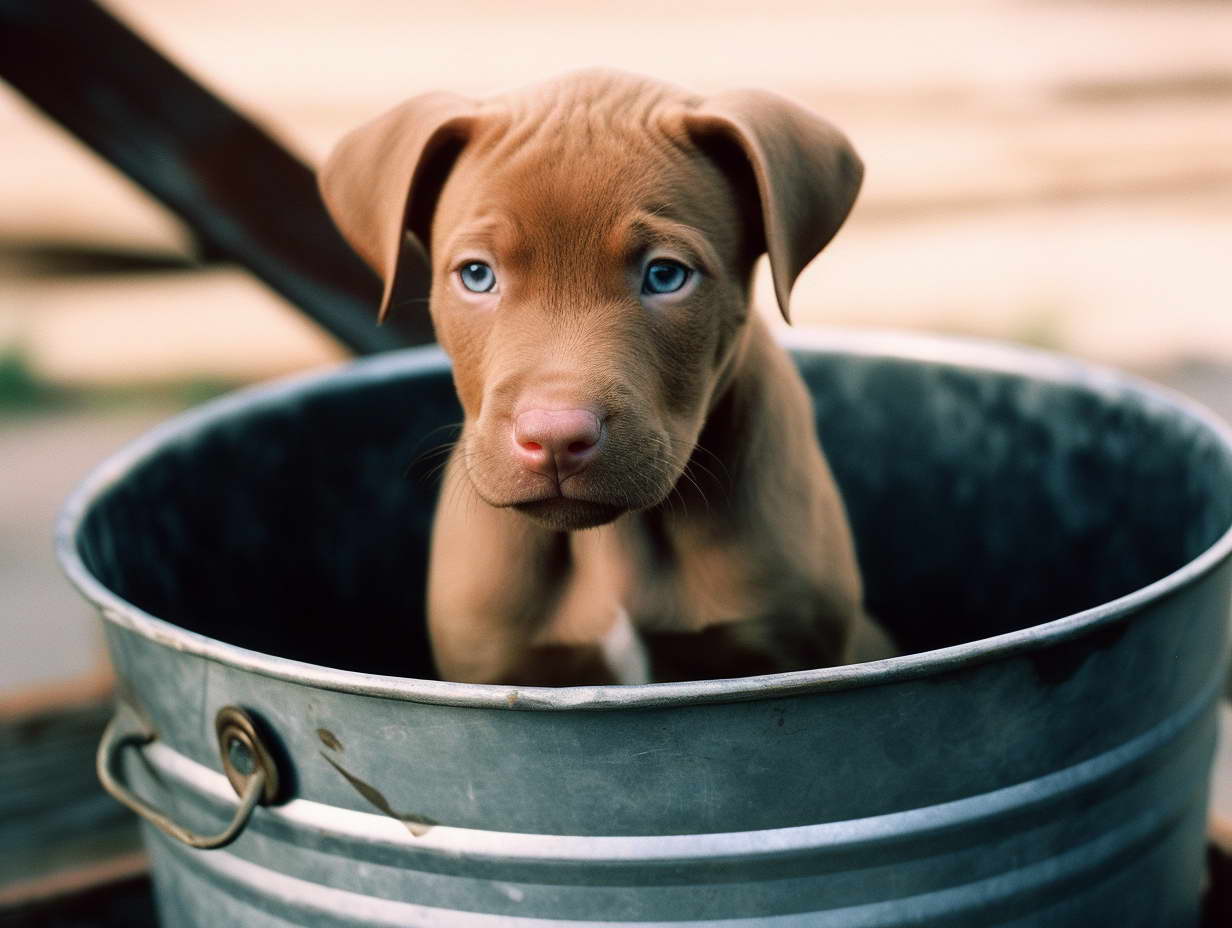
    Red Nose Pit Puppies are known for their striking appearance, friendly nature, and intelligence. These pups have a distinctive red nose, which sets them apart from other Pitbull variations. With their muscular build and expressive eyes, Red Nose Pit Puppies make for a captivating sight. They are loyal, affectionate, and highly trainable, making them suitable for various lifestyles and living arrangements.

    Red Nose Pit Puppy For Sale Pricing: Factors to Consider

    When it comes to pricing Red Nose Pit Puppies, several factors come into play. Understanding these factors will help you navigate the market and find a price that aligns with both your budget and the quality you desire.

    Bloodline and Pedigree

    The bloodline and pedigree of a Red Nose Pit Puppy can significantly impact its price. Puppies from well-known and respected bloodlines often come at a premium cost due to their genetic superiority. These bloodlines have a long history of producing healthy and desirable traits, which raises the value of the puppies.

    Breeder Reputation and Experience

    The reputation and experience of the breeder play a crucial role in determining the price of Red Nose Pit Puppies. Reputable breeders who have established themselves as experts in the field and prioritize the health and well-being of their puppies will generally charge higher prices. Their experience and expertise ensure that you are getting a puppy from a trustworthy source.

    Physical Attributes and Unique Features

    Certain physical attributes and unique features can influence the pricing of Red Nose Pit Puppies. Factors such as coat color, eye color, and distinctive markings may increase the desirability and subsequently the price of the puppies. However, it’s important to note that a puppy’s health and temperament should always be the top priority, regardless of these additional features.

    Geographic Location

    The geographic location where you plan to purchase your Red Nose Pit Puppy can impact the pricing. Prices may vary based on the local demand for this particular breed, as well as the cost of living in the area. For example, puppies from regions with a high demand for Red Nose Pit Puppies may command higher prices than those from areas with less demand.

    Supply and Demand

    Supply and demand dynamics have a significant influence on Red Nose Pit Puppy pricing. If the demand for these puppies exceeds the available supply, breeders may increase their prices. Conversely, if there is an oversupply of puppies, prices may decrease. It’s important to consider the current market conditions and trends when assessing pricing.

    Additional Services and Guarantees

    Reputable breeders often provide additional services and guarantees that contribute to the overall price. These services may include vaccinations, deworming, microchipping, health certificates, and even starter kits with essential supplies. Such comprehensive packages ensure that your puppy is healthy, well-cared for, and ready to settle into their new home.

    Red Nose Pit Puppy Adoption Options

    Adopting a Red Nose Pit Puppy from a shelter or rescue organization is an alternative to purchasing from a breeder. Adoption fees for Pitbull puppies can vary, but they are typically more affordable than purchasing from a breeder. This option allows you to give a loving home to a puppy in need while also saving money.

    Researching Different Breeders

    Before settling on a specific breeder, it is essential to conduct thorough research. Look for breeders with a solid reputation, positive customer reviews, and a commitment to responsible breeding practices. Visiting the breeder’s facilities, if possible, will give you a chance to assess the living conditions of the puppies and ensure their well-being.

    Understanding Red Nose Pit Puppy Price Range

    The price range for Red Nose Pit Puppies can vary significantly. On average, you can expect to pay anywhere from $800 to $2,500 for a Red Nose Pit Puppy with desirable characteristics and a reputable lineage. However, it’s important to remember that prices outside this range are not necessarily indicative of quality. Factors such as the ones mentioned earlier play a role in determining the final price.

    Red Nose Pit Puppy Pricing: Questions to Ask the Breeder

    When communicating with a breeder about Red Nose Pit Puppy pricing, it’s crucial to ask the right questions to ensure transparency and clarity. Here are some questions you should consider:

    1. What factors contribute to the pricing of your Red Nose Pit Puppies?
    2. Can you provide information about the bloodline and pedigree of the puppies?
    3. What additional services and guarantees are included in the price?
    4. How do you ensure the health and well-being of the puppies?
    5. Are there any financing options available for purchasing a puppy?
    6. Can you provide references from previous buyers who have purchased puppies from you?

    Asking these questions will give you a better understanding of the breeder’s practices and the value you can expect from your purchase.

    Red Nose Pit Puppy For Sale price

    Frequently Asked Questions (FAQs)

    Can I find affordable Red Nose Pit Puppies for sale?

    Yes, affordable Red Nose Pit Puppies can be found. However, it’s important to remember that the pricing should never compromise the well-being and quality of the puppy. Conduct thorough research, explore adoption options, and engage with reputable breeders to find a puppy that fits your budget and provides a loving companion.

    What is the average price of a Red Nose Pit Puppy?

    The average price of a Red Nose Pit Puppy ranges from $800 to $2,500. However, prices can vary based on factors such as bloodline, breeder reputation, and geographic location. It’s essential to evaluate the individual characteristics and value offered by each puppy rather than focusing solely on the price.

    Are there any additional costs besides the initial purchase price?

    Yes, there are additional costs to consider when bringing home a Red Nose Pit Puppy. These costs may include veterinary care, vaccinations, spaying/neutering, microchipping, grooming, food, toys, and other supplies. It’s important to budget for these ongoing expenses to ensure the well-being and happiness of your new companion.

    How can I ensure that the breeder’s pricing is fair and reasonable?

    To ensure fair and reasonable pricing, research and due diligence are essential. Look for breeders with a good reputation, positive customer reviews, and transparent pricing policies. Compare prices among different breeders and consider the factors that influence pricing, such as bloodline, pedigree, and additional services. Asking the breeder specific questions about their pricing structure will also provide insights into their practices.

    Are there any financing options available for purchasing a Red Nose Pit Puppy?

    Some breeders may offer financing options or payment plans to assist potential buyers in purchasing a Red Nose Pit Puppy. It’s best to inquire directly with the breeder about any financing options they may have available. Keep in mind that financing should be approached responsibly, ensuring that you can comfortably afford the monthly payments without compromising your financial well-being.

    What should I do if I suspect a breeder is overcharging for Red Nose Pit Puppies?

    If you suspect a breeder is overcharging for Red Nose Pit Puppies, it’s important to gather evidence and information to support your claim. Consult with other reputable breeders or organizations knowledgeable in Pitbull pricing to validate your concerns. If necessary, report your findings to the appropriate authorities or organizations involved in regulating and monitoring breeders.

    Conclusion

    Finding the perfect Red Nose Pit Puppy is an exciting and rewarding endeavor. Understanding the factors that influence Red Nose Pit Puppy for sale pricing is crucial for making an informed decision. Remember to consider the bloodline, breeder reputation, physical attributes, location, and supply and demand dynamics. By doing thorough research, asking the right questions, and prioritizing the well-being of the puppy, you’ll be well on your way to finding a lifelong companion. So take your time, explore your options, and welcome a Red Nose Pit Puppy into your home with open arms.

  • Male Pitbull Puppy For Sale

    Male Pitbull Puppy For Sale

    Male Pitbull Puppy For Sale

    Male Pitbull Puppy For Sale Pricing: A Comprehensive Guide

    Are you considering bringing home a male Pitbull puppy? Before you embark on this exciting journey, it’s crucial to understand the pricing associated with male Pitbull puppies for sale. In this comprehensive guide, we’ll delve into the various factors that influence the pricing of male Pitbull puppies, helping you make an informed decision. From understanding the breed’s characteristics to knowing the essential considerations, we’ve got you covered. So, let’s dive in and explore everything you need to know about male Pitbull puppy pricing!

    Male Pitbull Puppy For Sale Pricing: Unveiling the Factors

    When it comes to determining the price of a male Pitbull puppy, several factors come into play. It’s essential to consider these factors to understand why pricing can vary from breeder to breeder. Let’s explore the key elements that influence male Pitbull puppy pricing:

    1. Bloodline and Pedigree

    The bloodline and pedigree of a male Pitbull puppy play a significant role in determining its price. Puppies from well-known bloodlines or with prestigious pedigrees often come with a higher price tag. These bloodlines may have achieved recognition in various competitions or possess desirable traits, making them more sought after by enthusiasts and breeders alike.

    2. Health and Genetics

    The health and genetics of a male Pitbull puppy are vital considerations for both breeders and prospective owners. Puppies with excellent health records, free from genetic disorders, and up-to-date vaccinations are likely to be priced higher. Reputable breeders invest in proper healthcare, including regular check-ups, vaccinations, and genetic testing, ensuring the well-being of their puppies.

    3. Breeder’s Reputation and Expertise

    The reputation and expertise of the breeder are important factors that can influence the pricing of male Pitbull puppies. Established breeders with years of experience and a track record of producing healthy and well-tempered puppies often command higher prices. Their knowledge, expertise, and commitment to breeding high-quality Pitbulls contribute to the overall value of their puppies.

    4. Demand and Availability

    Supply and demand dynamics have a significant impact on the pricing of male Pitbull puppies. If the demand for a particular bloodline or color variation is high, the prices are likely to be elevated. Additionally, the availability of male Pitbull puppies can also affect pricing. Rare color patterns or specific coat variations may command a premium price due to their scarcity.

    5. Coat Color and Markings

    The coat color and markings of a male Pitbull puppy can influence its price. While all coat colors are beautiful and unique in their own way, some variations are more popular than others. Certain coat colors, such as blue, lilac, and merle, often have a higher demand, leading to increased pricing. Breeders often put a premium on these color variations due to their attractiveness and market appeal.

    Male Pitbull Puppy For Sale Pricing

    FAQs about Male Pitbull Puppy For Sale Pricing

    1. How much does a male Pitbull puppy typically cost?

    The cost of a male Pitbull puppy can vary significantly based on the factors mentioned earlier. On average, you can expect to pay anywhere between $800 and $2000 for a male Pitbull puppy with good bloodlines and health records.

    2. Why are male Pitbull puppies more expensive than females?

    Male Pitbull puppies are generally priced slightly higher than females due to their potential for breeding. As males can sire litters, they hold a higher value for breeders and enthusiasts interested in maintaining and improving bloodlines.

    3. Are there any additional costs besides the initial purchase price?

    Yes, it’s essential to consider additional costs when bringing home a male Pitbull puppy. These costs may include vaccinations, microchipping, neutering or spaying, training, grooming, food, toys, and regular veterinary check-ups. Budgeting for these expenses ensures the overall well-being and happiness of your furry friend.

    4. Should I prioritize price over quality when selecting a male Pitbull puppy?

    While price is an important consideration, it shouldn’t be the sole determining factor. It’s crucial to prioritize the quality of the puppy, ensuring it comes from a reputable breeder with a focus on health, temperament, and socialization. Investing in a high-quality puppy will pay off in the long run, providing you with a loving and well-adjusted companion.

    5. How can I find reputable breeders for male Pitbull puppies?

    To find reputable breeders, start by conducting thorough research. Look for breeders who have a solid reputation, positive reviews, and a commitment to responsible breeding practices. Attend dog shows or local events where reputable breeders might showcase their puppies. Additionally, reach out to local Pitbull clubs or organizations for recommendations.

    6. What should I consider before buying a male Pitbull puppy?

    Before buying a male Pitbull puppy, consider factors such as your lifestyle, living situation, and ability to provide proper care and training. Pitbulls are loyal and energetic dogs that require a firm but loving owner. Ensure you have the time, resources, and dedication to meet the needs of your new furry family member.

    Conclusion

    In conclusion, understanding the pricing factors associated with male Pitbull puppies for sale is crucial when considering adding one to your family. By considering factors like bloodline, health, breeder reputation, demand, and coat color, you can navigate the pricing landscape more effectively. Remember to prioritize the quality and well-being of the puppy over the price alone. By doing so, you’ll increase your chances of finding a healthy, well-tempered, and loving male Pitbull puppy to enrich your life.

  • Pit Bull Puppy For Sale Ohio

    Pit Bull Puppy For Sale Ohio

    Pit Bull Puppy For Sale Ohio

    Pit Bull Puppy For Sale Ohio Price Guide: Your Ultimate Resource

    If you’re considering adding a new furry friend to your family, a Pit Bull puppy might be the perfect choice for you. Known for their loyalty, intelligence, and affectionate nature, Pit Bulls make wonderful companions. If you’re located in Ohio and searching for a Pit Bull puppy for sale, you’ve come to the right place. In this comprehensive guide, we will walk you through everything you need to know about purchasing a Pit Bull puppy in Ohio, including the price range, reputable breeders, and important considerations. So, let’s dive in and find your perfect Pit Bull puppy!

    Pit Bull Puppy For Sale Ohio Price Guide

    When it comes to buying a Pit Bull puppy in Ohio, understanding the price range is crucial. The cost of a Pit Bull puppy can vary depending on various factors such as the breeder’s reputation, the puppy’s lineage, and its physical attributes. Generally, Pit Bull puppies in Ohio can range from $500 to $2000, with some exceptional cases exceeding this range. It’s important to note that the price of a Pit Bull puppy should not be the sole determining factor when making your decision. Instead, focus on finding a reputable breeder who prioritizes the health and well-being of their dogs.

    Factors Influencing the Price

    1. Breeder’s Reputation: Reputable breeders with a long-standing history of producing healthy and well-socialized Pit Bull puppies often charge a premium. Their expertise and commitment to responsible breeding practices ensure that you are getting a high-quality puppy.
    2. Pedigree and Bloodline: Pit Bulls with champion bloodlines or those from prestigious lineages are generally priced higher. These puppies often come from parents with exceptional characteristics and show potential for various activities, such as conformation shows or sports.
    3. Physical Attributes: Certain physical attributes, such as coat color or unique markings, can also impact the price of a Pit Bull puppy. For example, puppies with rare coat colors like blue or brindle may be more expensive than those with common colors.
    4. Health Certifications: Reputable breeders invest in health testing for their breeding dogs to ensure the offspring are free from hereditary diseases. Puppies with health certifications from organizations such as the Orthopedic Foundation for Animals (OFA) or Canine Eye Registration Foundation (CERF) may have a higher price tag.
    5. Demand and Availability: The law of supply and demand also plays a role in determining the price of Pit Bull puppies. If there is high demand and limited availability, the prices are likely to be higher. It’s important to be patient and avoid supporting unethical breeders who may exploit this demand.

    Finding Reputable Pit Bull Breeders in Ohio

    When searching for a Pit Bull puppy, it is crucial to find a reputable breeder who prioritizes the well-being and health of their dogs. Here are some reliable methods to find reputable Pit Bull breeders in Ohio:

    1. Online Research: Start by conducting thorough research online. Look for breeders’ websites, read reviews, and join online forums or social media groups dedicated to Pit Bull enthusiasts. Reputable breeders often have a strong online presence, providing valuable information about their breeding program and the care they provide for their dogs.
    2. Local Kennel Clubs and Dog Shows: Attend local dog shows or events organized by kennel clubs. These gatherings are an excellent opportunity to meet reputable breeders in person, observe their dogs, and ask questions about their breeding practices.
    3. Referrals and Recommendations: Reach out to local Pit Bull owners or enthusiasts and ask for recommendations. People who have already gone through the process of purchasing a Pit Bull puppy can provide valuable insights and refer you to trustworthy breeders.
    4. Visit Local Shelters and Rescue Organizations: Consider adopting a Pit Bull puppy from a shelter or rescue organization. While this may not guarantee a specific breed or lineage, you can still find wonderful companions who are in need of a loving home.

    Finding Reputable Pit Bull Breeders in Ohio

    Frequently Asked Questions (FAQs)

    1. What should I look for in a reputable Pit Bull breeder?

    A reputable Pit Bull breeder should prioritize the health and well-being of their dogs. They should provide proper socialization, conduct health testing, and have a genuine passion for the breed. Additionally, they should be willing to answer your questions, offer guidance, and provide ongoing support.

    2. How can I ensure the Pit Bull puppy I choose is healthy?

    To ensure the health of your Pit Bull puppy, ask the breeder for health certifications and documentation of health testing for the parents. Additionally, visit the breeder’s facility to assess the living conditions and meet the puppy’s parents if possible. A reputable breeder will be transparent and willingly provide you with all the necessary information.

    3. What are some common misconceptions about Pit Bulls?

    Pit Bulls often face unfair stereotypes and misconceptions. Contrary to popular belief, well-bred and properly trained Pit Bulls can be loving, loyal, and friendly family pets. It is essential to judge each dog as an individual and not generalize based on their breed.

    4. Are Pit Bulls good with children?

    With proper socialization, Pit Bulls can be great companions for children. They are known for their affectionate nature and can form strong bonds with their human family members. However, it’s crucial to supervise any interactions between young children and dogs to ensure safety for both.

    5. What are some tips for training a Pit Bull puppy?

    Consistency, positive reinforcement, and early socialization are key when training a Pit Bull puppy. Enroll in obedience classes, provide mental and physical stimulation, and reward good behavior. Remember to be patient and understanding, as Pit Bulls thrive on love and positive reinforcement.

    6. What is the average lifespan of a Pit Bull?

    The average lifespan of a Pit Bull is typically between 12 to 16 years. However, with proper care, nutrition, and regular veterinary check-ups, some Pit Bulls have been known to live even longer.

    Conclusion

    In conclusion, finding a Pit Bull puppy for sale in Ohio can be an exciting journey. By understanding the factors influencing the price, finding reputable breeders, and debunking common misconceptions, you can make an informed decision and welcome a loving Pit Bull puppy into your home. Remember to prioritize the well-being and health of the puppy above all else, and enjoy the journey of building a lifelong bond with your new furry friend.

  • How to Train Your Pitbull Puppy to Be the Best Pet: Tips and Tricks

    How to Train Your Pitbull Puppy to Be the Best Pet: Tips and Tricks

    Train Your Pitbull Puppy to Be the Best Pet

    How to Train Your Pitbull Puppy to Be the Best Pet – Tips and Tricks

    Are you thinking about getting a Pitbull puppy? If so, you’re making a great choice! Pitbulls are loyal, loving, and intelligent dogs that make great pets. However, like any puppy, they need to be trained properly to ensure they grow up to be well-behaved and obedient. In this article, we’ll give you some tips and tricks on how to train your Pitbull puppy to be the best pet possible.

    The Benefits of Training Your Pitbull Puppy

    Training your Pitbull puppy has many benefits. For one, it will help them to develop good habits and behaviors early on, which will make it easier for them to adapt to their new home. Additionally, training will help to build a strong bond between you and your puppy, which is essential for creating a happy and healthy relationship. Training your Pitbull puppy will also help to keep them safe by teaching them commands that can help prevent accidents or mishaps.

    How to Train Your Pitbull Puppy to Be the Best Pet

    Training your Pitbull puppy to be the best pet is not difficult, but it does require patience and consistency. Here are some tips to help you get started:

    Start Training Early

    It’s important to start training your Pitbull puppy as early as possible. Puppies have a short attention span, so it’s best to keep training sessions short and sweet. You can start by teaching them basic commands such as “sit,” “stay,” and “come.” Be sure to use positive reinforcement such as treats and praise when they obey.

    Be Consistent

    Consistency is key when it comes to training your Pitbull puppy. It’s important to use the same commands and training methods every time you train them. This will help them to understand what is expected of them and will make it easier for them to learn.

    Use Positive Reinforcement

    Positive reinforcement is a powerful tool when it comes to training your Pitbull puppy. Dogs respond best to rewards such as treats, praise, and playtime. Be sure to reward your puppy when they do something right and never punish them for making a mistake.

    Socialize Your Puppy

    Socialization is an important part of training your Pitbull puppy. You want to expose them to as many new experiences and people as possible to help them develop into confident and well-adjusted dogs. Take your puppy for walks, bring them to the dog park, and introduce them to new people and pets.

    Use a Crate

    Using a crate can be a helpful tool when it comes to training your Pitbull puppy. A crate can provide a safe and comfortable space for your puppy to rest and can also be used as a tool for potty training. Be sure to introduce your puppy to the crate gradually and make it a positive experience.

    Exercise and Playtime

    Pitbull puppies have a lot of energy, so it’s important to give them plenty of exercise and playtime. Take them for walks, play fetch, and provide them with toys to keep them entertained. This will help to prevent destructive behaviors and will also help to keep your Pitbull puppy healthy and happy.

    How to Train Your Pitbull Puppy to Be the Best Pet

    FAQs

    1. At what age should I start training my Pitbull puppy? It’s best to start training your Pitbull puppy as early as possible, ideally around 8-12 weeks old.
    2. How long should training sessions be? Training sessions should be short and sweet, ideally around 10-15 minutes.
    3. Should I use punishment to train my Pitbull puppy? No, you should never punish your Pitbull puppy for making a mistake. Positive reinforcement is the best way to train your puppy.
    1. Can Pitbulls be trained to be good with other pets? Yes, with proper training and socialization, Pitbulls can be trained to get along well with other pets.
    2. Should I use a shock collar to train my Pitbull puppy? No, shock collars should not be used to train any dog, including Pitbulls. Positive reinforcement is a much better and more humane training method.
    3. How long does it take to train a Pitbull puppy? Training a Pitbull puppy takes time and patience. It can take several weeks or even months to fully train your puppy.

    Conclusion

    Training your Pitbull puppy to be the best pet is not difficult, but it does require patience and consistency. By starting early and using positive reinforcement, you can help your puppy develop good habits and behaviors that will last a lifetime. Remember to socialize your puppy, give them plenty of exercise and playtime, and use a crate if necessary. With time and effort, you can have a well-behaved and obedient Pitbull that will make a great addition to your family.

  • What to Look for When Adopting a Pitbull Puppy in Oklahoma City

    What to Look for When Adopting a Pitbull Puppy in Oklahoma City

    Adopting a Pitbull Puppy in Oklahoma City

    What to Look for When Adopting a Pitbull Puppy in Oklahoma City

    Are you considering adopting a pitbull puppy in Oklahoma City? Before you do, there are some important factors to consider. Pitbulls are an affectionate and loyal breed, but they require a specific kind of care and attention. In this article, we’ll cover what you need to know before you adopt a pitbull puppy in Oklahoma City.

    Pitbull Puppies: A Loving Companion

    Pitbulls have gained a reputation as an aggressive and dangerous breed, but in reality, they are loving and loyal companions. When properly trained and socialized, pitbulls make great pets for families with children or single adults.

    What to Look for When Adopting a Pitbull Puppy in Oklahoma City

    When adopting a pitbull puppy in Oklahoma City, there are several things to keep in mind. Here are some of the most important factors to consider:

    1. The Breeder

    It’s important to choose a reputable breeder when adopting a pitbull puppy. Look for a breeder who is knowledgeable about the breed, and who takes the time to socialize and train their puppies. A good breeder will also provide you with health records and other important information about the puppy.

    2. Health and Temperament

    Before adopting a pitbull puppy, make sure to ask about the puppy’s health and temperament. Look for a puppy that is healthy, active, and friendly. Avoid puppies that appear sickly or lethargic, as this may be a sign of underlying health issues.

    3. Training and Socialization

    Pitbulls require proper training and socialization to ensure they become well-behaved, obedient pets. When adopting a pitbull puppy, ask about the puppy’s previous training and socialization. If the puppy has not received any training or socialization, be prepared to invest time and effort into this yourself.

    4. Home Environment

    Before adopting a pitbull puppy, make sure your home environment is suitable for the breed. Pitbulls require a lot of space to run and play, so a large yard or open space is ideal. They also require plenty of exercise and mental stimulation, so be prepared to spend time playing and interacting with your puppy.

    5. Breed-Specific Legislation

    Pitbulls are often subject to breed-specific legislation, which restricts or bans their ownership in certain areas. Make sure to research the laws in your area before adopting a pitbull puppy.

    What to Look for When Adopting a Pitbull Puppy in Oklahoma City

    Frequently Asked Questions

    1. Are pitbull puppies good with children?

    Yes, when properly socialized and trained, pitbull puppies can be great with children. They are affectionate and love to play, making them an ideal companion for kids.

    2. How much exercise do pitbull puppies need?

    Pitbull puppies require plenty of exercise and mental stimulation to stay healthy and happy. They should get at least 30 minutes of exercise per day, and plenty of opportunities to play and interact with their owners.

    3. Do pitbull puppies require a special diet?

    Pitbull puppies require a high-protein diet to support their active lifestyle. Look for a dog food that is specifically formulated for pitbulls or other high-energy breeds.

    4. Are pitbull puppies aggressive?

    Pitbull puppies are not inherently aggressive. Like any breed, their temperament depends on their training and socialization. With proper training and socialization, pitbulls can be loving and loyal companions.

    5. Do pitbull puppies shed a lot?

    Pitbull puppies have a short, smooth coat that does not require a lot of grooming. They do shed, but not as much as other breeds

    6. How can I find a reputable pitbull breeder in Oklahoma City?

    You can start by asking for recommendations from other pitbull owners or local veterinarians. You can also research breeders online and read reviews from previous customers. Make sure to visit the breeder in person to ensure they are reputable and treat their dogs well.

    Conclusion

    Adopting a pitbull puppy in Oklahoma City can be a rewarding experience, but it’s important to do your research and make an informed decision. Consider the breeder, health and temperament of the puppy, training and socialization, home environment, and breed-specific legislation before making a decision. With proper care and attention, pitbulls can make loyal and loving companions for years to come.

    So, if you’re ready to adopt a pitbull puppy in Oklahoma City, make sure to keep these factors in mind. With a little patience and effort, you can provide a happy and healthy home for your new furry friend.