Category: Information

  • Roll Over Dog Training – Teach Your Pup Impressive Tricks

    Roll Over Dog Training – Teach Your Pup Impressive Tricks

    Roll Over Dog Training

    Roll Over Dog Training: Teach Your Pup Impressive Tricks

    Welcome to our comprehensive guide on roll over dog training! If you’re looking to teach your furry friend some impressive tricks, you’ve come to the right place. Roll over is a classic and crowd-pleasing command that showcases your dog’s intelligence and obedience. In this article, we’ll walk you through the step-by-step process of training your dog to perform a flawless roll over. From understanding the basics to troubleshooting common challenges, we’ve got you covered. So, let’s dive in and make your pup the star of the show!

    Understanding Roll Over Dog Training

    What is roll over dog training?

    Roll over dog training is a command that teaches your dog to perform a full rotation, rolling from their back to their side and back to their original position. This trick requires coordination, balance, and a strong bond between you and your dog. It’s a fun and challenging command that impresses both friends and family.

    Why is roll over a valuable trick to teach your dog?

    Roll over is more than just a party trick. It provides mental stimulation for your dog and strengthens the bond between you. The training process engages their cognitive abilities and helps maintain their mental well-being. Additionally, mastering roll over demonstrates your dog’s obedience and responsiveness, which are essential for their overall training.

    How can roll over benefit your dog’s mental and physical well-being?

    Roll over dog training is a fantastic way to keep your pup mentally and physically active. By engaging in this training, your dog will exercise their body and mind, reducing the risk of boredom-related behavior problems. The mental stimulation provided by learning new tricks helps to keep their brains sharp and promotes a happy and fulfilled life.

    Preparing for Roll Over Training

    Creating a positive training environment

    To ensure successful roll over training, it’s crucial to create a positive and distraction-free environment. Find a quiet space in your home or a fenced area in your backyard where you can focus on the training sessions without interruptions. Remove any potential hazards and keep the training area clean and comfortable for your pup.

    Gathering essential training supplies

    Before you begin roll over dog training, gather the necessary supplies. These include high-value treats that your dog loves, a clicker or a verbal marker, a treat pouch for easy access, and a comfortable mat or blanket for your dog to lie on during training sessions. Having these items on hand will make the training process smoother and more enjoyable for both you and your pup.

    Establishing a strong bond with your dog

    Building a strong bond with your dog is essential for successful roll over training. Spend quality time together, engage in play sessions, and reinforce positive behavior with praise and treats. By establishing trust and a solid foundation, your dog will be more motivated to learn and please you during the training process.

    Step-by-Step Guide to Roll Over Dog Training

    Teaching the basic commands: Sit, Down, and Stay

    Before introducing the roll over command, it’s essential to ensure that your dog has a solid understanding of the basic commands: sit, down, and stay. These commands form the foundation for roll over training and make it easier for your dog to follow the instructions. If your dog hasn’t mastered these commands yet, spend some time reinforcing them before moving forward.

    Introducing the roll over command

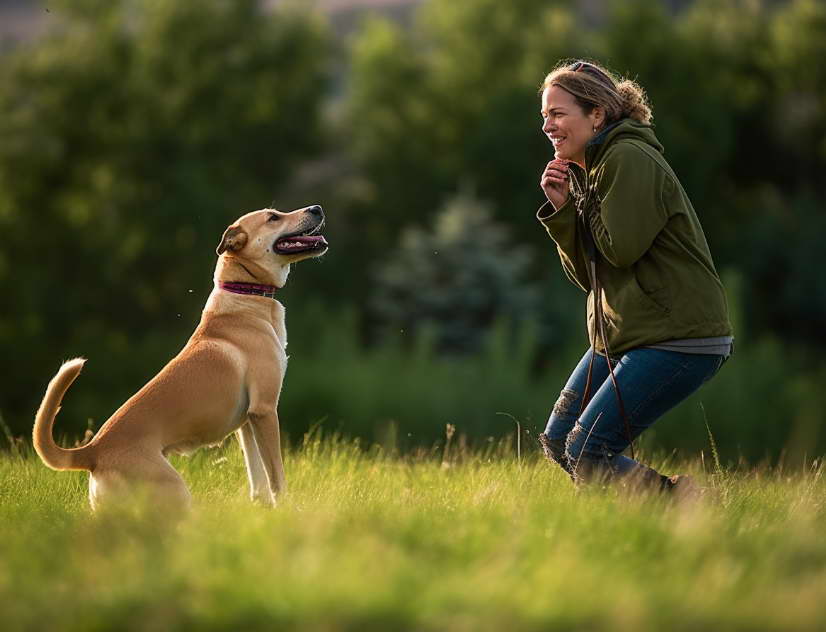
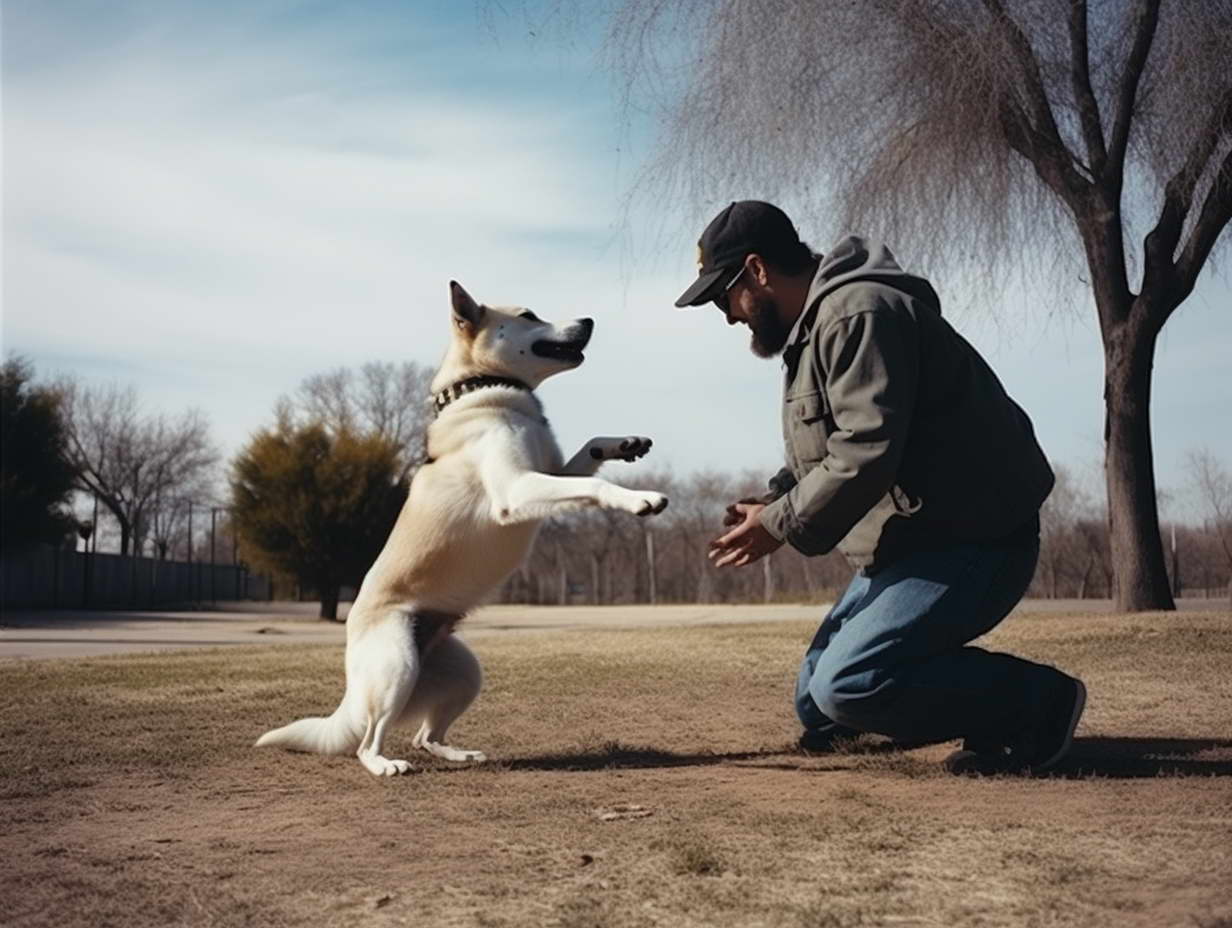
    To introduce the roll over command, start by having your dog lie down in the “down” position. Hold a treat close to their nose and slowly move it towards their shoulder, guiding them into a roll. As they follow the treat with their nose, their body should naturally follow, completing the roll. Use a verbal cue like “roll over” or “spin” as they act. Remember to click or use a marker word and reward them with a treat when they complete the roll.

    Using positive reinforcement and treats

    Positive reinforcement is key to successful roll over training. Each time your dog performs the roll over correctly, praise them enthusiastically and reward them with a high-value treat. Consistency is crucial, so repeat the process multiple times during each training session. Over time, gradually reduce the reliance on treats and replace them with praise and petting as your dog becomes more proficient in the trick.

    Breaking down the roll over motion into achievable steps

    If your dog is struggling with the full roll over motion, you can break it down into smaller steps to make it more manageable. For example, you can start by teaching them to roll onto their side first before progressing to full rotation. This allows your dog to build confidence and gradually work towards the complete roll over. Remember to reward their progress at each stage and be patient throughout the training process.

    Troubleshooting Roll Over Training Challenges

    Dealing with resistance or fear

    If your dog shows resistance or fear towards roll over training, it’s essential to approach the process with patience and understanding. Break down the training into smaller steps, provide plenty of positive reinforcement, and offer reassurance through gentle petting and soothing words. If your dog continues to exhibit fear or discomfort, consult a professional dog trainer for additional guidance and support.

    Overcoming difficulties with coordination

    Some dogs may struggle with the coordination required for the roll over command. In such cases, it’s helpful to practice on a non-slip surface or use a non-skid mat to provide better traction. Gradually increase the difficulty level as your dog becomes more comfortable and coordinated. With consistent practice and positive reinforcement, most dogs can overcome coordination challenges and perform an impressive roll over.

    Adjusting the training pace for different breeds and ages

    Different dog breeds and ages may require varying training paces. While some dogs may pick up the roll over command quickly, others may take more time to master it. Be patient and adjust the training pace to suit your dog’s individual needs. Older dogs may require shorter training sessions and more breaks, while puppies may have shorter attention spans. Tailor the training to your dog’s abilities and always end each session on a positive note.
    Understanding Roll Over Dog Training

    Frequently Asked Questions (FAQs)

    Can all dog breeds learn to roll over?

    Yes, roll over training is suitable for all dog breeds. However, some breeds may find it easier to perform due to their natural flexibility and body structure. Smaller breeds or those with long bodies, such as Dachshunds, may find it more comfortable to roll over compared to larger breeds with stockier builds. With patience, consistency, and positive reinforcement, any dog can learn to roll over.

    How long does it usually take to train a dog to roll over?

    The time it takes to train a dog to roll over can vary depending on various factors, including the dog’s age, breed, and previous training experience. Some dogs may learn the trick within a few days, while others may take several weeks. Remember that each dog learns at their own pace, so be patient and celebrate small victories along the way.

    Is roll over training suitable for older dogs?

    Yes, roll over training is suitable for older dogs. However, it’s important to consider any physical limitations or health conditions your dog may have. Consult with your veterinarian before engaging in any physical training to ensure it’s safe for your older dog. Adapt the training to their abilities and provide plenty of breaks and rewards to keep them motivated and comfortable.

    Can I teach my dog multiple tricks simultaneously?

    While it’s possible to teach your dog multiple tricks simultaneously, it’s generally more effective to focus on one trick at a time. This allows your dog to fully grasp and master each command before moving on to the next. Once your dog has successfully learned roll over, you can start introducing other tricks, such as shake, play dead, or spin. Remember to always prioritize consistency and positive reinforcement in your training sessions.

    What if my dog refuses to perform the roll over?

    If your dog refuses to perform the roll over, it may be due to various reasons such as fear, discomfort, or confusion. Evaluate the training environment for any potential stressors or distractions and make adjustments as necessary. Break down the training into smaller steps and reinforce each stage to build confidence and understanding. If your dog continues to resist, consult a professional dog trainer for guidance.

    Are there any alternative methods to train roll over?

    Yes, there are alternative methods to train roll over. Some trainers prefer to use a shaping technique where the dog is rewarded for small incremental movements towards the final roll over position. This method allows the dog to figure out the desired behavior on their own and encourages problem-solving skills. Consult with a professional dog trainer to determine the best training approach for you and your dog.

    Conclusion

    Roll over dog training is an exciting and impressive trick that can be taught to any dog with patience, consistency, and positive reinforcement. By following the step-by-step guide provided in this article, you’ll be well on your way to teaching your pup this crowd-pleasing command. Remember to create a positive training environment, establish a strong bond with your dog, and celebrate their progress throughout the training process. With dedication and love, your furry friend will master the roll over and bring joy to everyone they meet.
  • Dog Training Intensive – Unleashing the Potential of Your Canine Companion

    Dog Training Intensive – Unleashing the Potential of Your Canine Companion

    Dog Training Intensive

    Dog Training Intensive: Unleashing the Potential of Your Canine Companion

    Welcome to the world of dog training! Whether you have a new furry friend or an older companion, investing in proper training is essential for fostering a harmonious relationship between you and your dog. In this comprehensive guide, we will delve into the topic of Dog Training Intensive and explore various aspects of training that will help you unlock your dog’s full potential.

    What is Dog Training Intensive?

    Dog Training Intensive is a specialized approach to training that aims to provide an immersive and focused learning experience for your canine companion. It involves a dedicated and concentrated effort to teach your dog essential commands, obedience skills, and behavioral modifications in a relatively short period. This intensive training program is designed to accelerate your dog’s learning process and achieve noticeable results in a shorter time frame compared to traditional training methods.

    Benefits of Dog Training Intensive

    1. Rapid Skill Acquisition

    One of the primary advantages of Dog Training Intensive is the accelerated learning process it offers. With the focused and immersive nature of this training approach, dogs are exposed to consistent training sessions that allow them to grasp commands and skills quickly. This can be particularly beneficial for dogs with behavioral issues or those that require specific training for tasks such as therapy work, service roles, or competition.

    2. Enhanced Bonding and Communication

    Through Dog Training Intensive, you have the opportunity to establish a strong bond and clear lines of communication with your furry friend. The intensive training sessions create a foundation of trust, respect, and understanding between you and your dog. As you work together towards shared goals, the level of cooperation and responsiveness between you both strengthens, leading to a more fulfilling and harmonious relationship.

    3. Effective Behavior Modification

    For dogs with behavioral challenges, Dog Training Intensive can be an invaluable tool for behavior modification. Whether it’s addressing aggression, anxiety, excessive barking, or destructive tendencies, the focused training sessions allow for targeted interventions and consistent reinforcement of desired behaviors. Under the guidance of a skilled trainer, your dog can learn to overcome these challenges and develop more appropriate responses.

    Key Components of Dog Training Intensive

    1. Pre-Assessment and Goal Setting

    Before embarking on a Dog Training Intensive program, it is essential to conduct a pre-assessment of your dog’s current skills, behaviors, and training needs. This evaluation helps the trainer understand your dog’s unique characteristics and tailor the training program accordingly. Additionally, it allows you to establish specific goals you wish to achieve through intensive training.

    2. Customized Training Plan

    Based on the pre-assessment, a customized training plan is developed to address your dog’s individual needs and goals. The plan outlines the specific commands, behaviors, and skills that will be targeted during the training sessions. Each aspect of the plan is designed to build upon the previous lessons, gradually advancing your dog’s capabilities.

    3. Regular Training Sessions

    Dog Training Intensive typically involves multiple training sessions per day, ranging from 30 minutes to an hour each. These sessions are structured to ensure optimal focus and engagement from both you and your dog. The consistent and concentrated effort put into training during these sessions facilitates faster learning and better retention of skills.

    4. Positive Reinforcement Techniques

    Positive reinforcement plays a central role in Dog Training Intensive. By rewarding desired behaviors with praise, treats, or play, you motivate your dog to repeat those behaviors. This positive approach helps to create a positive association with training and encourages your dog to actively participate and enjoy the learning process.

    5. Controlled Socialization

    Socialization is an essential aspect of dog training, and Dog Training Intensive incorporates controlled socialization opportunities. These interactions with other dogs and people are carefully supervised to ensure positive experiences and reinforce appropriate behavior in various environments. Controlled socialization helps your dog become more confident, well-rounded, and adaptable.

    Benefits of Dog Training Intensive

    FAQs about Dog Training Intensive

    Is Dog Training Intensive suitable for all dogs?

    Dog Training Intensive can benefit dogs of all ages, breeds, and temperaments. However, it is crucial to assess your dog’s individual needs and consult with a professional trainer to determine if intensive training is the right approach for your furry friend.

    How long does a Dog Training Intensive program usually last?

    The duration of a Dog Training Intensive program can vary depending on the specific goals, the dog’s learning pace, and the trainer’s recommendations. Generally, these programs range from a few weeks to a couple of months.

    Will Dog Training Intensive guarantee behavior modification?

    While Dog Training Intensive can significantly improve your dog’s behavior, it is important to remember that every dog is unique, and individual results may vary. Consistency continued reinforcement, and ongoing training efforts at home are crucial for maintaining and reinforcing the desired behaviors.

    Can I participate in the Dog Training Intensive program with my dog?

    Absolutely! Active involvement from dog owners is highly encouraged in Dog Training Intensive. By participating in the training sessions, you learn alongside your dog and develop the necessary skills to reinforce the training at home.

    Are there any prerequisites for enrolling in a Dog Training Intensive program?

    While there are no strict prerequisites, it is beneficial for your dog to have a basic understanding of commands such as sit, stay, and come. However, even if your dog has no prior training experience, a skilled trainer can adapt the Dog Training Intensive program to accommodate your dog’s needs.

    How do I choose a reputable Dog Training Intensive program?

    When selecting a Dog Training Intensive program, it is essential to consider the trainer’s qualifications, experience, and training methods. Requesting recommendations from trusted sources and conducting thorough research can help you find a reputable program that aligns with your goals and values.

    Conclusion

    Dog Training Intensive offers a dynamic and focused approach to training that can unlock your dog’s full potential. Through its immersive nature and consistent training sessions, this specialized program accelerates the learning process and promotes desirable behaviors. By investing in Dog Training Intensive, you pave the way for a rewarding and harmonious relationship with your canine companion.

  • Dog Training With Boarding Near Me

    Dog Training With Boarding Near Me

    Dog Training With Boarding Near Me

    Dog Training With Boarding Near Me: A Comprehensive Guide to Expert Dog Training and Boarding Services

    When it comes to taking care of our beloved furry friends, we want nothing but the best. Whether it’s training them to be well-behaved or finding a reliable place for them to stay when we’re away, dog owners are always on the lookout for exceptional services. In this comprehensive guide, we will explore the world of dog training with boarding near you, providing valuable insights, tips, and recommendations to ensure that your canine companion receives the utmost care, attention, and expert training.

    Understanding the Importance of Dog Training

    Dog training is more than just teaching commands and tricks. It plays a vital role in shaping your dog’s behavior, socialization, and overall well-being. Training provides mental stimulation, enhances the bond between you and your dog, and ensures a harmonious coexistence in your household and the community. Properly trained dogs are not only a joy to be around but also safer and more predictable in various situations.

    Choosing the Right Dog Training and Boarding Facility

    When selecting a dog training and boarding facility, it is crucial to do thorough research to ensure the well-being and safety of your furry friend. Look for facilities that offer positive reinforcement-based training methods, have experienced trainers, and provide a comfortable and clean environment for boarding. Seek recommendations from fellow dog owners, read online reviews, and visit the facilities in person to get a feel for their operations.

    Benefits of Dog Training with Boarding Near Me

    Dog training with boarding services offers several advantages for both you and your furry companion. By combining training and boarding, your dog receives continuous care and reinforcement of their newly learned behaviors. It allows them to practice good manners in a controlled environment while enjoying socialization opportunities with other dogs. Additionally, you have peace of mind knowing that your dog is in the hands of professionals who understand their unique needs.

    Dog Training Techniques Employed

    Modern dog training focuses on positive reinforcement techniques, which involve rewarding desirable behaviors rather than punishing unwanted ones. These techniques promote trust, motivation, and effective communication between you and your dog. Positive reinforcement can include treats, praise, play, and other rewards to reinforce desired behaviors and help your dog understand what is expected of them.

    Dog Training Classes and Programs

    Dog training classes and programs cater to dogs of all ages, sizes, and skill levels. Whether you have a puppy in need of basic obedience training or an older dog with specific behavior issues, there is a program suited to their needs. Classes typically cover commands like sit, stay, heel, recall, and leash manners, along with addressing common behavior problems such as jumping, barking, and chewing.

    Finding the Best Dog Boarding Facilities

    When searching for a dog boarding facility, it’s crucial to consider factors such as cleanliness, safety measures, staff-to-dog ratio, and available amenities. Look for facilities that prioritize individualized attention, exercise routines, and a comfortable environment to ensure your dog’s well-being during their stay. Visiting the facility beforehand allows you to assess its suitability and ask any questions you may have.

    What to Expect During Dog Training

    During dog training, you can expect a structured and progressive approach to teach your dog essential skills and behaviors. Trainers will guide you and your dog through various exercises and activities to reinforce commands and build a strong foundation. Consistency, patience, and practice are key to successful training outcomes. The training process may also involve correcting and redirecting unwanted behaviors positively and gently.

    Preparing Your Dog for Boarding

    Preparing your dog for boarding involves several essential steps to ensure a smooth transition and a stress-free experience. Start by gathering all necessary documents, including vaccination records, emergency contact information, and your dog’s regular diet and medication details. Introduce your dog to the boarding facility gradually, allowing them to become familiar with the environment and staff. Packing their favorite toys, bedding, and a piece of clothing with your scent can provide comfort during their stay.

    Choosing the Right Dog Training and Boarding Facility

    Common FAQs About Dog Training with Boarding Near Me

    FAQ 1: How long does it take to train a dog?

    The duration of dog training can vary depending on several factors, including the dog’s age, breed, temperament, and previous training experiences. Basic obedience training can take anywhere from a few weeks to several months, while more advanced training or behavior modification may require additional time and commitment.

    FAQ 2: Can all dog breeds benefit from training?

    Absolutely! All dog breeds can benefit from training. Each breed has its unique traits and characteristics, and training helps channel their energy, promote good behavior, and prevent behavioral issues. Whether you have a small or large breed, a working dog, or a companion breed, training provides mental stimulation and strengthens the bond between you and your canine companion.

    FAQ 3: Is it necessary to continue training after the boarding period?

    Continuing training after the boarding period is highly recommended. Consistency is crucial in reinforcing learned behaviors and maintaining your dog’s training progress. Many facilities offer follow-up training programs or guides on how to continue training at home. By practicing the learned commands and regularly engaging in training exercises, you can ensure your dog’s ongoing obedience and good behavior.

    FAQ 4: Are the trainers certified and experienced?

    It’s essential to choose a facility with certified and experienced trainers. Look for trainers who have obtained certifications from reputable organizations, demonstrating their knowledge and expertise in dog training. Experienced trainers have a deep understanding of canine behavior and can tailor training methods to suit individual dogs’ needs.

    FAQ 5: How often should I visit my dog during their boarding period?

    The frequency of visits during your dog’s boarding period depends on several factors, including your dog’s comfort level, the length of their stay, and the facility’s policies. While visits can provide reassurance for both you and your dog, it’s important to consider their overall well-being. Excessive visits may disrupt their routine and hinder their adjustment to the boarding environment. Discuss with the facility staff to determine the best approach for visiting your dog.

    FAQ 6: What should I pack for my dog’s boarding stay?

    When packing for your dog’s boarding stay, including essentials such as their regular food, treats, medications (if any), and their leash and collar with identification tags. Additionally, pack their favorite toys, bedding, and any comfort items that will help them feel more at ease during their stay. Providing detailed instructions about your dog’s daily routine and any specific preferences ensures their comfort and consistency in their care.

    Conclusion

    Dog training with boarding near you offers a convenient and comprehensive solution for both training and caring for your dog while you’re away. It promotes their well-being, socialization, and obedience while giving you peace of mind knowing they are in capable hands. By selecting the right facility, following proper preparation steps, and continuing training efforts, you can ensure your dog receives the best care and training experience possible.

  • Orlando Service Dog Training – Unlocking the Potential of Your Canine Companion

    Orlando Service Dog Training – Unlocking the Potential of Your Canine Companion

    Orlando Service Dog Training

    Orlando Service Dog Training: Unlocking the Potential of Your Canine Companion

    Welcome to our comprehensive guide on Orlando service dog training! If you’re a resident of Orlando, Florida, and are considering training your furry friend to become a service dog, you’ve come to the right place. In this article, we’ll delve into the world of service dog training, providing you with valuable insights, expert tips, and step-by-step guidance on how to transform your canine companion into a skilled and reliable service dog. From understanding the benefits of service dog training to selecting the right training program, we’ll cover everything you need to know. Let’s embark on this enlightening journey together!

    The Importance of Service Dog Training

    What Is a Service Dog?

    A service dog is a specially trained canine that assists individuals with disabilities in performing tasks, mitigating the effects of their disabilities, and providing emotional support. These remarkable animals undergo extensive training to acquire the skills necessary to assist their handlers in various aspects of daily life.

    Benefits of Owning a Service Dog

    Owning a service dog offers numerous benefits to individuals with disabilities. These include enhanced independence, improved emotional well-being, increased social interaction, and a sense of security. Service dogs can be trained to perform a wide range of tasks, such as alerting their handlers to sounds, providing stability, retrieving objects, and even detecting medical emergencies.

    The Role of Training in Service Dog Partnership

    Training plays a pivotal role in establishing a strong partnership between a service dog and its handler. It equips the dog with the necessary skills and behaviors to perform tasks reliably and efficiently. Through training, service dogs learn to adapt to various environments, behave appropriately in public spaces, and respond to their handlers’ cues effectively.

    Orlando Service Dog Training: A Comprehensive Approach

    The Basics of Service Dog Training

    Service dog training encompasses various aspects, including obedience training, task-specific training, and public access training. Obedience training focuses on teaching the dog basic commands and good manners, while task-specific training involves teaching the dog tasks that directly assist the handler’s disability. Public access training ensures that the dog behaves appropriately in public settings and follows established etiquette.

    Choosing the Right Training Program

    When selecting a training program for your service dog, it’s crucial to consider factors such as the trainer’s experience, training methods employed, and the program’s curriculum. Look for trainers who utilize positive reinforcement techniques and have experience working with service dogs. Additionally, opt for programs that offer individualized training plans tailored to your specific needs.

    Understanding the Training Process

    The training process typically begins with an assessment of the dog’s temperament, aptitude, and suitability for service work. From there, the trainer will create a customized training plan, focusing on foundational skills, task-specific training, and public access training. The process requires consistency, patience, and positive reinforcement to ensure the dog’s successful development as a service dog.

    Selecting a Reliable Service Dog Trainer in Orlando

    Researching and Evaluating Potential Trainers

    When searching for a service dog trainer in Orlando, it’s essential to conduct thorough research and evaluate potential candidates. Seek recommendations from trusted sources, such as local service dog organizations or veterinarians. Additionally, consider reading online reviews and testimonials to gauge the trainer’s reputation and success rate.

    Credentials and Experience

    Ensure that the trainer holds relevant certifications and possesses ample experience in training service dogs. Look for certifications from reputable organizations such as the Certification Council for Professional Dog Trainers (CCPDT) or the International Association of Canine Professionals (IACP). Experienced trainers are more likely to have the knowledge and skills necessary to guide your dog’s training effectively.

    Positive Reinforcement Techniques

    It’s important to choose a trainer who utilizes positive reinforcement techniques. Positive reinforcement involves rewarding desired behaviors, such as treats, praise, or play, which encourages the dog to repeat those behaviors. This approach fosters a positive learning environment and helps build a strong bond between the dog and its handler.

    Training Techniques and Commands for Service Dogs

    Socialization and Obedience Training

    Socialization is a critical component of service dog training. It involves exposing the dog to various environments, people, and situations, ensuring they are comfortable and well-behaved in different settings. Obedience training focuses on teaching basic commands, such as sit, stay, heel, and come, which form the foundation of the dog’s training.

    Task Training for Specific Disabilities

    Task training involves teaching the dog specific tasks tailored to the handler’s disability. For example, a service dog for a hearing-impaired individual may be trained to alert their handler to important sounds, such as a ringing doorbell or a fire alarm. Task training requires patience, repetition, and positive reinforcement to ensure the dog performs the desired tasks reliably.

    Public Access Training

    Public access training prepares the service dog to behave appropriately in public spaces, such as stores, restaurants, and public transportation. This training teaches the dog to remain calm, focused, and well-behaved in various situations. It covers aspects such as walking politely on a leash, ignoring distractions, and responding to the handler’s commands amidst external stimuli.

    Orlando Service Dog Training A Comprehensive Approach

    The Legalities of Owning a Service Dog in Orlando

    Understanding the Americans with Disabilities Act (ADA)

    The Americans with Disabilities Act (ADA) is a federal law that protects the rights of individuals with disabilities and their service dogs. Under the ADA, service dogs are granted legal access to public spaces, including businesses, schools, and transportation. It’s important for service dog handlers in Orlando to understand their rights and the obligations of businesses to accommodate their service dogs.

    Rights and Responsibilities of Service Dog Handlers

    Service dog handlers have the right to be accompanied by their service dog in public spaces. They are not required to disclose their specific disability but may be asked if the dog is a service dog and what tasks it is trained to perform. Handlers are responsible for ensuring their service dog’s behavior and cleanliness and must maintain control over their dog at all times.

    Access Challenges and How to Overcome Them

    Despite legal protections, service dog handlers may encounter access challenges in certain situations. It’s important to educate oneself about the laws surrounding service dogs and be prepared to assert one’s rights when necessary. Documenting instances of discrimination and reporting them to the appropriate authorities can help raise awareness and ensure equal access for all service dog handlers.

    Frequently Asked Questions (FAQs)

    What is the minimum age to start service dog training?

    Service dog training typically begins when the dog is around 6-8 weeks old. However, formal training for specific tasks usually starts around 6 months of age when the dog has developed the necessary physical and cognitive abilities.

    Can any breed become a service dog?

    While any breed of dog can potentially become a service dog, certain breeds are more commonly selected due to their temperament, intelligence, and suitability for service work. Breeds such as Golden Retrievers, Labrador Retrievers, and German Shepherds are often chosen for service dog training.

    How long does it take to train a service dog?

    The duration of service dog training can vary depending on several factors, including the dog’s breed, temperament, and the tasks it needs to learn. On average, it takes around 1-2 years to fully train a service dog. However, the training is an ongoing process, as dogs require regular reinforcement and practice to maintain their skills.

    What are the costs associated with service dog training?

    The costs associated with service dog training can vary significantly. It includes expenses such as the initial purchase or adoption of the dog, training fees, veterinary care, equipment, and ongoing maintenance costs. It’s advisable to budget for these expenses and explore financial assistance programs if needed.

    Can I train my own service dog?

    Yes, it is possible to train your own service dog. This is known as owner training. However, it requires a significant time commitment, patience, and knowledge of dog training techniques. Working with a professional trainer or joining a reputable owner-training program can greatly enhance the success of owner-training.

    How do I maintain my service dog’s training?

    Maintaining your service dog’s training is crucial to ensure their skills remain sharp and reliable. Regular practice sessions, incorporating training into everyday routines, and reinforcing desired behaviors are essential. Ongoing socialization and exposure to different environments also help your service dog adapt to new situations and remain well-behaved in public spaces.

    Conclusion

    Orlando service dog training opens up a world of possibilities for individuals with disabilities. The journey of transforming your furry companion into a capable and trusted service dog may seem daunting, but with the right guidance, dedication, and resources, it can be an immensely rewarding experience. Remember to choose a reputable trainer, familiarize yourself with the legalities, and consistently reinforce your service dog’s training. By doing so, you’ll unlock the full potential of your canine companion, enhancing your quality of life and fostering a strong bond that will last a lifetime.

  • Puppy For Sale Manchester

    Puppy For Sale Manchester

    Puppy For Sale Manchester

    Puppy For Sale Manchester: Your Guide to Finding the Perfect Companion

    Are you looking to bring home a furry bundle of joy? Look no further! This comprehensive guide will walk you through the process of finding the perfect puppy for sale in Manchester. Whether you’re a seasoned pet owner or a first-time puppy parent, we’ve got you covered. From where to find reputable breeders to essential tips on puppy care, this article will provide you with the knowledge and guidance you need to make an informed decision. So, let’s dive in and discover your future best friend!

    Why Choose a Puppy For Sale in Manchester?

    Manchester, the vibrant city nestled in the heart of England, offers an ideal setting to find your dream puppy. With its numerous parks, dog-friendly spaces, and a strong sense of community, Manchester provides a welcoming environment for both dogs and their owners. Additionally, the city is home to several reputable breeders and rescue organizations, ensuring a wide variety of puppies for sale, catering to various preferences and needs.

    How to Find a Reputable Breeder

    When searching for a puppy for sale, it’s essential to find a reputable breeder who prioritizes the health and well-being of their dogs. Here are some key steps to help you find a trustworthy breeder in Manchester:

    1. Research Local Breeders

    Start your search by researching local breeders in Manchester. Look for breeders who specialize in the breed you are interested in and have a positive reputation within the dog community.

    2. Visit the Breeder’s Facility

    Once you’ve identified potential breeders, schedule visits to their facilities. Observe the living conditions, cleanliness, and overall welfare of the dogs. A responsible breeder will ensure their puppies are raised in a clean, loving environment.

    3. Meet the Breeder

    Take the opportunity to meet the breeder in person. A reputable breeder will be knowledgeable, passionate, and happy to answer any questions you may have. Their primary focus should be the welfare of their dogs and finding suitable homes for their puppies.

    4. Health Testing and Documentation

    Ensure the breeder conducts thorough health testing on their breeding dogs to minimize the risk of hereditary diseases. Request documentation such as health certificates, vaccination records, and genetic testing results.

    5. Reputable Referrals

    Ask the breeder for references from previous puppy buyers. Reach out to these individuals to gather their experiences and satisfaction with the breeder’s puppies.

    Puppy For Sale Manchester: Where to Look

    Now that you understand the importance of finding a reputable breeder, let’s explore the different avenues where you can find a puppy for sale in Manchester.

    Local Breeder Associations

    Manchester is home to several local breeder associations that can connect you with reputable breeders in the area. These associations often have strict guidelines and codes of ethics that members must adhere to, ensuring the highest standards of breeding practices.

    Online Breeder Directories

    Another convenient way to find puppies for sale in Manchester is through online breeder directories. These directories provide a platform for breeders to showcase their available puppies and provide detailed information about their breeding programs.

    Rescue Organizations and Shelters

    If you’re open to adopting a puppy, consider visiting local rescue organizations and shelters. These establishments are dedicated to finding loving homes for abandoned or neglected dogs. Adopting a rescue puppy not only gives them a second chance at a happy life but also fills your home with unconditional love.

    Puppy For Sale Manchester: Questions to Ask the Breeder

    When communicating with a potential breeder, asking the right questions is crucial to ensure they are reputable and committed to the well-being of their puppies. Here are some essential inquiries to make:

    1. Are the parents of the puppies available for viewing? This allows you to assess their temperament and overall health.
    2. How often are the puppies socialized? Early socialization is vital for a puppy’s development.
    3. Do you offer any health guarantees or warranties? Reputable breeders often provide some form of health guarantee to protect the buyer against genetic diseases.
    4. What type of care and training have the puppies received thus far? Proper care and early training contribute to a puppy’s overall well-being and adaptability.
    5. Can you provide references from previous buyers? Speaking with past buyers gives you insight into the breeder’s reputation and the quality of their puppies.
    6. Do you provide ongoing support and advice after the purchase? A responsible breeder should be available to answer any questions or concerns you may have even after you’ve brought your puppy home.

    Why Choose a Puppy For Sale in Manchester

    Puppy Care: Essential Tips for New Owners

    Bringing a puppy into your home is an exciting time, but it also comes with its share of responsibilities. Here are some essential tips to ensure you provide the best care for your new furry friend:

    Puppy Proof Your Home

    Before bringing your puppy home, make sure your living space is safe and secure. Remove any hazardous objects, secure electrical cords, and create a designated space for your puppy’s bed, food, and water.

    Establish a Routine

    Puppies thrive on routine, so establish a consistent schedule for feeding, potty breaks, playtime, and training. This structure helps them feel secure and assists in their overall development.

    Socialize Your Puppy

    Expose your puppy to various environments, people, and animals from an early age. This socialization helps them develop into well-rounded, confident dogs.

    Provide Proper Nutrition

    Consult your veterinarian to determine the best diet for your puppy’s breed and age. Feed them high-quality puppy food and ensure access to fresh water at all times.

    Regular Veterinary Check-ups

    Schedule regular check-ups with a trusted veterinarian to monitor your puppy’s health and vaccinations. Routine care is essential to catch any potential health issues early on.

    Training and Positive Reinforcement

    Invest in puppy training classes or work with a professional dog trainer to establish good behavior and obedience. Use positive reinforcement techniques, such as treats and praise, to encourage desired behaviors.

    FAQs about Puppy For Sale Manchester

    1. Can I find specific dog breeds for sale in Manchester?

    Yes, Manchester offers a wide range of dog breeds for sale. Whether you’re looking for a small companion like a Chihuahua or a larger breed like a Golden Retriever, you can find them in the city.

    2. Are there any breed-specific rescue organizations in Manchester?

    Yes, Manchester has several breed-specific rescue organizations dedicated to finding homes for specific breeds. These organizations specialize in rescuing, rehabilitating, and rehoming dogs of specific breeds.

    3. How much does a puppy for sale in Manchester cost?

    The cost of a puppy for sale in Manchester can vary depending on factors such as breed, pedigree, and the reputation of the breeder. It’s essential to do your research and budget accordingly.

    4. Are there any local events or dog shows in Manchester?

    Manchester hosts various local events and dog shows throughout the year. These events provide opportunities to meet other dog enthusiasts, learn more about different breeds, and showcase your furry friend.

    5. What should I do if I suspect a breeder is operating unethically?

    If you suspect a breeder is operating unethically or mistreating their dogs, report your concerns to local authorities or animal welfare organizations. It’s crucial to ensure the well-being of the animals involved.

    6. How can I prepare my home before bringing a puppy?

    Before bringing a puppy home, ensure you have all the necessary supplies, such as food and water bowls, a comfortable bed, chew toys, and a secure crate or playpen. Remove any potential hazards and create a safe space for your new addition.

    Conclusion

    Bringing a puppy into your life is a joyous and rewarding experience. By following the steps outlined in this guide, you can confidently find a reputable puppy for sale in Manchester. Remember to prioritize the well-being and happiness of your future furry companion. With the right preparation, care, and love, you and your new puppy will embark on a lifelong journey filled with memories and unconditional love.

  • Puppy For Sale Boston MA

    Puppy For Sale Boston MA

    Puppy For Sale Boston MA

    Puppy For Sale Boston MA Pricing: Everything You Need to Know

    Are you searching for a furry companion to join your family? Look no further! In this comprehensive guide, we will explore all aspects of puppy for sale in Boston, Massachusetts, including pricing, breed options, reputable breeders, and essential considerations before bringing a new puppy into your home. Whether you’re a first-time pet owner or looking to expand your fur family, this article will provide you with valuable insights and answers to frequently asked questions about puppy pricing in Boston, MA.

    Welcoming a new puppy into your home is an exciting and joyous experience. Boston, MA, offers a wide range of options for those looking to find their perfect furry companion. However, navigating the world of puppy pricing can be overwhelming, especially if you’re unfamiliar with the factors that influence it. In this article, we aim to demystify the process and provide you with valuable information to make an informed decision.

    What Affects Puppy Pricing?

    Puppy pricing can vary significantly based on various factors. The breed, lineage, demand, and location are among the key elements that influence the price tag of a puppy. Additionally, the reputation and experience of the breeder, as well as the quality of the puppy’s parents, can also impact the price. Understanding these factors will help you navigate the market and make an informed choice that aligns with your preferences and budget.

    Puppy For Sale Boston MA Pricing Explained

    When it comes to puppy pricing in Boston, MA, it’s important to note that each breed may have a different price range. Puppies with pedigrees and desirable traits often come with a higher price tag. On average, the cost of a puppy in Boston, MA, can range anywhere from $500 to $5,000 or more, depending on the breed, lineage, and breeder reputation. It’s essential to conduct thorough research to ensure you’re getting a fair deal and a healthy puppy.

    Factors to Consider When Pricing Puppies

    Several factors influence the pricing of puppies in Boston, MA. These factors include the breed’s popularity, rarity, demand, breeder reputation, lineage, and overall quality of the puppies. Additionally, the cost of veterinary care, vaccinations, and other essential expenses incurred by the breeder also contribute to the final price. By considering these factors, you can better understand why some puppies may be priced higher than others.

    The Most Popular Puppy Breeds in Boston, MA

    Boston, MA, is home to a diverse array of dog lovers, each with their own preferences when it comes to puppy breeds. Some of the most popular breeds in the area include Labrador Retrievers, Golden Retrievers, French Bulldogs, German Shepherds, and Bulldogs. These breeds are known for their intelligence, loyalty, and compatibility with families and individuals alike. However, it’s important to research and choose a breed that aligns with your lifestyle and needs.

    How to Find Reputable Breeders in Boston, MA

    Finding a reputable breeder is crucial to ensure you’re getting a healthy and well-cared-for puppy. Start by conducting online research and reading reviews of local breeders in Boston, MA. Look for breeders who prioritize the health and well-being of their dogs, provide proper socialization, and have a positive reputation within the community. Additionally, reputable breeders are transparent about the lineage, health records, and any potential genetic issues that may affect the breed.

    Questions to Ask a Breeder

    When contacting a breeder, it’s essential to ask the right questions to gather necessary information and assess their credibility. Here are a few key questions to ask a breeder in Boston, MA:

    1. What is the average lifespan of the breed?
    2. Are there any known health issues specific to the breed?
    3. How do you socialize your puppies?
    4. Can I meet the puppy’s parents?
    5. What kind of care has the puppy received so far?
    6. Do you offer any health guarantees or warranties?

    Asking these questions will give you a better understanding of the breeder’s practices and the overall health and well-being of the puppies they breed.

    Tips for Choosing the Perfect Puppy

    Selecting the right puppy requires careful consideration. Here are a few tips to help you choose the perfect companion:

    1. Observe the puppy’s behavior and temperament.
    2. Ensure the puppy is active, curious, and alert.
    3. Look for signs of good health, such as bright eyes and a shiny coat.
    4. Consider the energy level and exercise needs of the breed.
    5. Assess compatibility with your lifestyle, living arrangements, and family members.

    By taking these factors into account, you can find a puppy that fits seamlessly into your life and brings you joy for years to come.

    Puppy For Sale Boston MA Pricing

    Puppy Training and Socialization

    Proper training and socialization are essential for raising a well-behaved and happy puppy. Start training your puppy as early as possible to establish good habits and prevent behavioral issues. Enroll in puppy training classes, where your puppy can learn basic commands and interact with other dogs in a controlled environment. Socializing your puppy from a young age will help them develop into a confident and well-adjusted adult dog.

    Preparing Your Home for a New Puppy

    Before bringing your new puppy home, it’s important to make your living space safe and comfortable for them. Puppy-proof your home by removing potential hazards, such as toxic plants, electrical cords, and small objects that can be swallowed. Create a designated area for your puppy with a comfortable bed, food and water bowls, and appropriate toys to keep them entertained. Remember to stock up on essential supplies, including food, treats, and grooming items.

    Puppy Care and Veterinary Expenses

    Caring for a puppy involves various expenses, including routine veterinary care, vaccinations, spaying or neutering, grooming, and food. It’s important to budget for these expenses to ensure the well-being of your new furry friend. Additionally, consider purchasing pet insurance to provide financial coverage in case of unexpected medical emergencies. Regular veterinary check-ups are crucial to monitor your puppy’s health and catch any potential issues early on.

    Common Health Issues in Puppies

    While puppies are generally healthy, certain breeds may be prone to specific health issues. Some common health concerns in puppies include hip dysplasia, allergies, dental problems, and eye conditions. Regular visits to the veterinarian, a balanced diet, proper exercise, and good hygiene practices can help prevent or manage these issues. It’s important to educate yourself about the potential health risks associated with your chosen breed and take proactive measures to keep your puppy healthy.

    Puppy Adoption vs. Buying

    When considering adding a new puppy to your family, you have the option to adopt from a shelter or rescue organization or purchase from a breeder. Both options have their advantages and considerations. Adoption provides a loving home for a puppy in need, promotes animal welfare, and often includes initial veterinary care. On the other hand, buying from a breeder allows you to choose a specific breed and potentially gain more information about the puppy’s lineage. Ultimately, the choice between adoption and purchase depends on your preferences and circumstances.

    Frequently Asked Questions (FAQs)

    Q: What is the average price of a puppy in Boston, MA?

    The average price of a puppy in Boston, MA, can range from $500 to $5,000 or more, depending on various factors such as breed, lineage, and breeder reputation.

    Q: Are there any additional costs when purchasing a puppy?

    Yes, in addition to the initial purchase price, there are other costs to consider, including vaccinations, spaying or neutering, grooming, training, and ongoing veterinary care.

    Q: How can I find affordable puppies in Boston, MA?

    To find more affordable puppies, you can explore local shelters and rescue organizations that offer adoption services. They often have a wide range of breeds and mixed breeds available for adoption at a lower cost.

    Q: Are there any discounts available for puppy purchases?

    Some breeders or organizations may offer discounts or promotions on certain breeds or during specific times of the year. It’s worth researching and contacting different breeders to inquire about any available discounts.

    Q: What paperwork should I expect when buying a puppy?

    When purchasing a puppy, you should receive paperwork such as a contract, health records, vaccination records, and potentially the puppy’s pedigree certificate, depending on the breed.

    Q: How can I ensure the health of a puppy before purchasing?

    To ensure the health of a puppy, ask the breeder for health clearances and documentation of the puppy’s parents’ health. Additionally, consider having a veterinarian perform a thorough examination before finalizing the purchase.

    Conclusion

    Bringing a new puppy into your home is a wonderful and rewarding experience. By understanding the pricing factors, researching reputable breeders, and considering essential aspects of puppy care, you can make an informed decision that leads to a lifelong bond with your new furry friend. Remember to prioritize the health and well-being of the puppy above all else. With proper care, training, and love, your new puppy will bring immeasurable joy to your life.