Category: Information

  • Basic Guide Using A Clicker For Dog Training

    Basic Guide Using A Clicker For Dog Training

    Using A Clicker For Dog Training

    Basic Guide Using A Clicker For Dog Training: Train Your Furry Friend with Ease

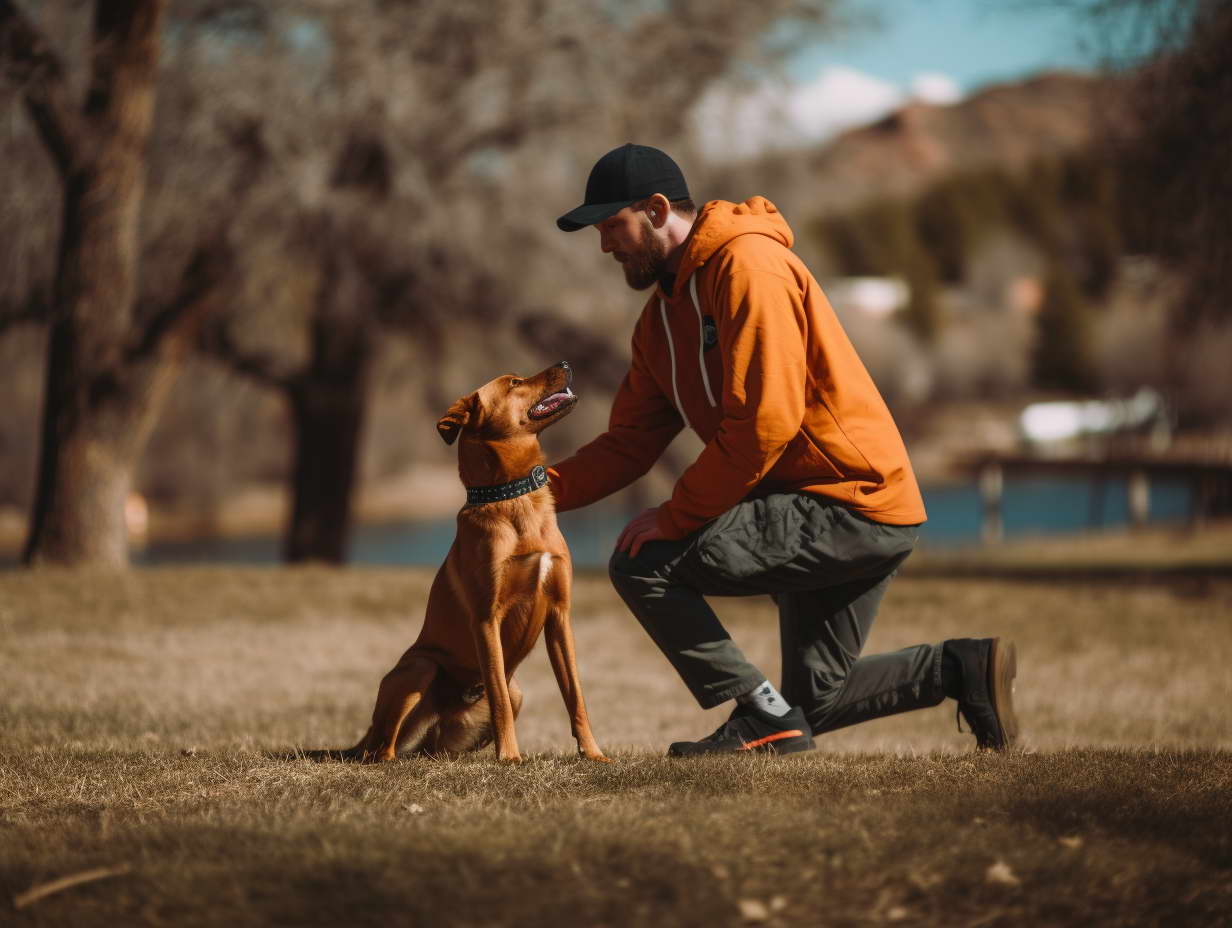
    Are you a dog owner looking for an effective and humane way to train your furry friend? Look no further than using a clicker for dog training! Clicker training has gained popularity among dog owners and trainers due to its simplicity and effectiveness. In this comprehensive guide, we will walk you through the basics of using a clicker for dog training. From understanding the concept behind clicker training to mastering the techniques, we’ve got you covered. So, grab your clicker, and let’s dive in!

    What is Clicker Training?

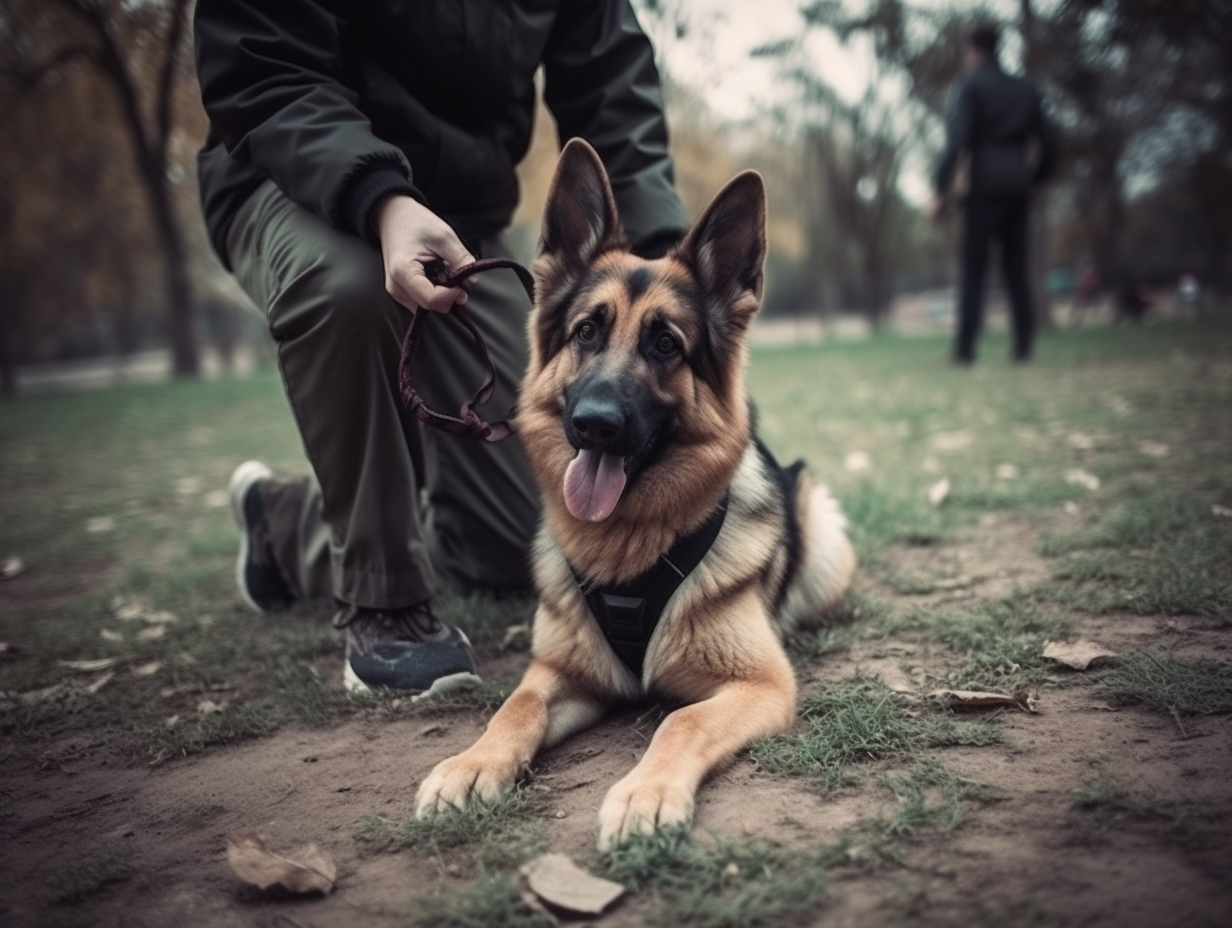
    Clicker training is a positive reinforcement-based training method that uses a small handheld device called a clicker. The clicker emits a distinct clicking sound when pressed, which acts as a signal to mark the desired behavior. The idea behind clicker training is to associate the clicker sound with positive reinforcement, usually in the form of treats or praise. This helps the dog understand which behaviors are desirable and increases the likelihood of them being repeated.

    Why Use a Clicker for Dog Training?

    Using a clicker for dog training offers several advantages over traditional training methods. Let’s explore why clicker training is a popular choice among dog owners and trainers:

    1. Clear Communication: The clicker provides a clear and consistent signal to mark desired behaviors, making it easier for your dog to understand what you want from them.
    2. Precise Timing: With clicker training, you can mark the exact moment your dog performs the desired behavior, which helps them associate the behavior with the reward more effectively.
    3. Positive Reinforcement: Clicker training is a positive reinforcement-based method, focusing on rewarding desired behaviors rather than punishing unwanted ones. This creates a positive learning environment for your dog and strengthens the bond between you.
    4. Flexibility: Clicker training can teach a wide range of behaviors, from basic obedience commands like “sit” and “stay” to more advanced tricks and tasks.

    Now that we understand the benefits of using a clicker for dog training, let’s delve into the step-by-step process of getting started.

    Getting Started with Clicker Training

    Step 1: Introducing the Clicker

    The first step in clicker training is introducing your dog to the clicker. Follow these simple steps to ensure a smooth introduction:

    1. Find a quiet and distraction-free environment to begin the training session.
    2. Hold the clicker in one hand, ensuring your dog can see it.
    3. Press the clicker to produce the clicking sound and immediately offer a treat or praise.
    4. Repeat this process several times, clicking and rewarding your dog in quick succession.

    By associating the clicker sound with a positive reward, your dog will begin to understand the connection between the two.

    Step 2: Charging the Clicker

    Once your dog is familiar with the clicker, it’s time to charge it. Charging the clicker involves reinforcing the association between the clicker sound and the reward. Here’s how to do it:

    1. Prepare a handful of small, tasty treats that your dog loves.
    2. Click the clicker and immediately offer a treat. Repeat this process multiple times, ensuring a consistent pattern of clicks followed by a reward.
    3. Observe your dog’s response. You should notice them eagerly anticipating the treat upon hearing the clicker.
    4. Continue charging the clicker until your dog shows a clear understanding that the clicker sound predicts a reward.

    Step 3: Click and Treat

    With the clicker charged, you can now start using it to shape your dog’s behavior. Follow these steps to clicker train your dog effectively:

    1. Decide on the behavior you want to train and break it down into small, achievable steps.
    2. Wait for your dog to perform the desired behavior naturally or lure them into the position using a treat.
    3. The moment your dog performs the desired behavior, click the clicker and immediately offer a treat.
    4. Repeat this process, clicking and treating each time your dog performs the desired behavior.

    Remember to keep training sessions short and positive, gradually increasing the difficulty as your dog becomes more proficient.

    Basic Guide Using A Clicker For Dog Training

    Frequently Asked Questions (FAQs)

    Can I use a verbal cue instead of a clicker?

    While a clicker is a popular tool for clicker training, you can use a verbal cue, such as a specific word or sound, as an alternative. The key is to ensure the cue is distinct and consistent.

    How long does it take to see results with clicker training?

    The time it takes to see results may vary depending on your dog’s temperament and the complexity of your training behavior. However, with consistency and positive reinforcement, you can expect to see progress within a few training sessions.

    Can clicker training be used for all dog breeds?

    Yes, clicker training can be used for dogs of all breeds and ages. It is a versatile training method that can be tailored to suit individual dogs’ needs.

    What if my dog doesn’t respond to the clicker?

    If your dog doesn’t respond to the clicker initially, it could be due to various reasons, such as fear or distraction. In such cases, try using a softer clicker sound or consult a professional dog trainer for guidance.

    Can I use clicker training for behavior modification?

    Yes, clicker training can be an effective tool for behavior modification. It can help redirect and reinforce positive behaviors while discouraging unwanted ones.

    Should I continue using treats forever?

    While treats are an essential part of clicker training, the ultimate goal is to gradually reduce their frequency and replace them with other forms of rewards, such as praise or playtime.

    Conclusion

    Clicker training provides a humane and effective way to train your dog, fostering a strong bond and promoting positive behaviors. By using the clicker as a marker for desired behaviors and incorporating positive reinforcement, you can guide your furry friend toward becoming a well-behaved and happy companion. Remember to keep training sessions fun, consistent, and rewarding for both you and your dog. So, grab your clicker, follow the steps outlined in this guide, and embark on an exciting training journey with your canine companion!

  • Dog Training In South Jersey

    Dog Training In South Jersey

    Dog Training In South Jersey

    Dog Training In South Jersey: Unleashing the Best in Your Canine Companion

    Welcome to the ultimate guide on dog training in South Jersey! If you’re a dog owner in the South Jersey area, you’re in luck. This comprehensive article will provide you with valuable insights, expert tips, and effective techniques to train your furry friend and strengthen your bond. From obedience training to behavioral issues, we’ve got you covered. Let’s dive into the wonderful world of dog training in South Jersey!

    Understanding the Importance of Dog Training

    Dog training is an essential aspect of responsible pet ownership. It goes beyond teaching your furry companion basic commands; it helps establish boundaries, ensures their safety, and enhances the overall quality of their life. Whether you have a mischievous puppy or a rescue dog with behavioral issues, investing time and effort into dog training is a worthwhile endeavor.

    The Benefits of Professional Dog Training

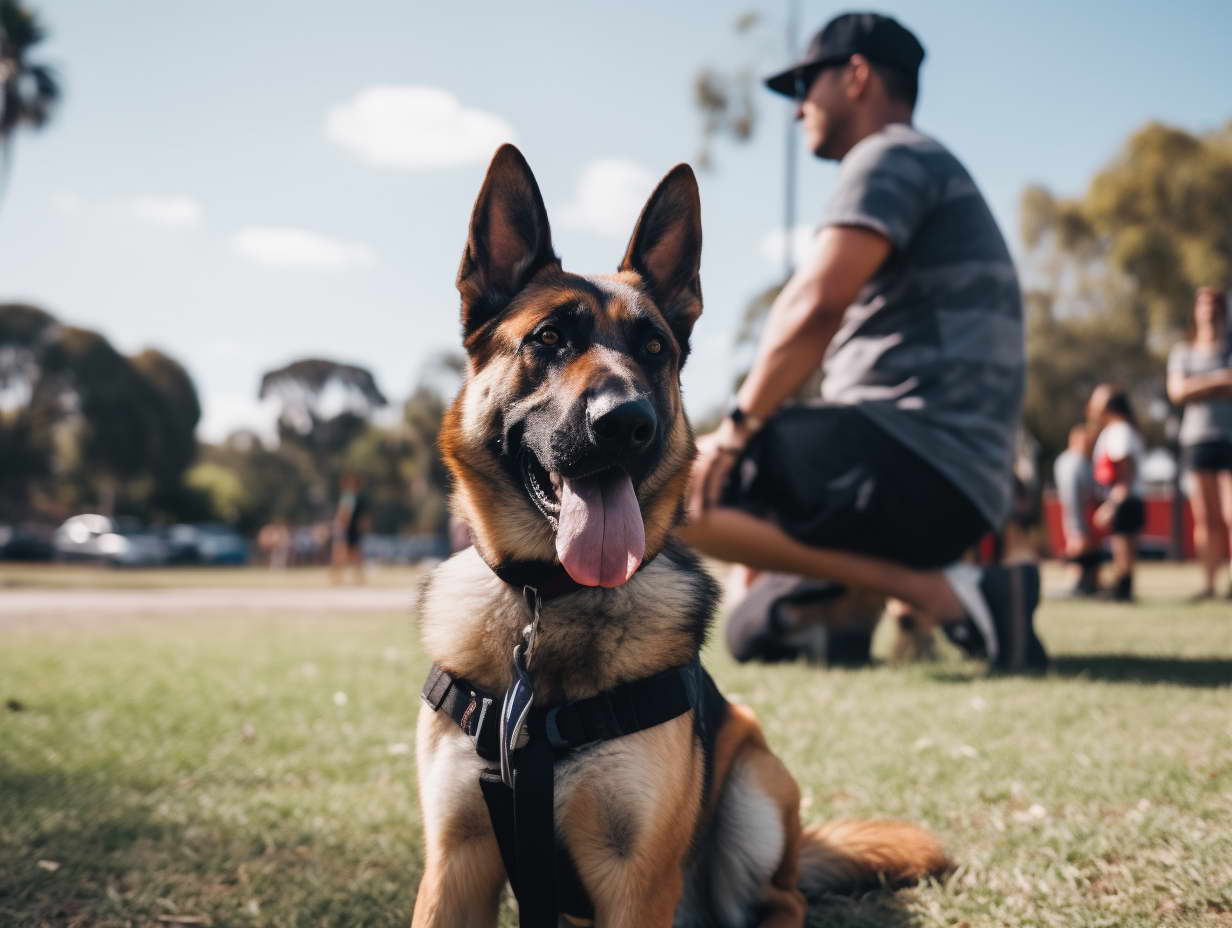
    While training your dog at home is possible, enlisting the help of a professional dog trainer in South Jersey can make a world of difference. Professional trainers possess the expertise, experience, and knowledge to address specific training needs effectively. They can tailor training programs to suit your dog’s unique personality, making the learning process more efficient and enjoyable for both you and your pet.

    Positive Reinforcement Training: A Gentle Approach

    One of the most effective and humane training methods is positive reinforcement. This training approach focuses on rewarding desired behaviors rather than punishing undesirable ones. By using treats, praise, and other rewards, you can motivate and encourage your dog to repeat behaviors that are desirable and ignore those that are not. Positive reinforcement training creates a positive and trusting relationship between you and your dog.

    Basic Obedience Training for South Jersey Dogs

    Teaching your dog basic obedience commands is essential for their safety and well-being. By mastering commands such as “sit,” “stay,” “come,” and “heel,” you can keep your dog under control in various situations. Basic obedience training lays the foundation for more advanced training and helps foster good behavior both at home and in public.

    Leash Training: Walking in Harmony

    Proper leash training is crucial for enjoyable walks with your furry companion. South Jersey offers beautiful parks and trails where you can explore nature together. Leash training helps prevent pulling, lunging, and other leash-related problems. By teaching your dog to walk calmly by your side, you can ensure pleasant and stress-free outings.

    Addressing Behavioral Issues: South Jersey Style

    Behavioral issues can arise in dogs due to various reasons, including fear, anxiety, or a lack of socialization. Fortunately, South Jersey has a range of resources to address and overcome these challenges. Whether your dog displays aggression, separation anxiety, or destructive behaviors, a skilled dog trainer can help you identify the root causes and develop a personalized training plan to modify their behavior.

    Puppy Training 101: Setting the Foundation

    Puppies are adorable bundles of joy, but they require proper training to grow into well-behaved adult dogs. Puppy training involves socialization, crate training, potty training, and basic obedience. By starting early, you can shape your puppy’s behavior and ensure they grow up to be confident and obedient companions.

    Socialization: Nurturing a Well-Adjusted Dog

    Socializing your dog is crucial for their mental and emotional development. By exposing them to different environments, people, and animals, you can help them become well-rounded and friendly dogs. South Jersey offers dog-friendly parks, beaches, and events where you can socialize with your furry friend while enjoying the vibrant community.
    The Benefits of Professional Dog Training In South Jersey

    Advanced Training Techniques for South Jersey Dogs

    Once your dog has mastered basic commands, you can take their training to the next level. Advanced training techniques include agility training, scent work, tricks, and more. These activities provide mental stimulation, challenge your dog’s abilities, and deepen the bond between you. South Jersey offers various training facilities and classes for dogs of all skill levels.

    Agility Training: Unleashing Your Dog’s Potential

    Agility training is a fantastic way to channel your dog’s energy and enhance their physical abilities. South Jersey boasts several agility courses and clubs where you and your dog can engage in this exciting activity. Through jumps, tunnels, weave poles, and other obstacles, your dog can develop confidence, coordination, and impressive agility skills.

    The Power of Clicker Training

    Clicker training is a popular and effective method that uses a clicker device to mark desired behaviors. This technique helps dogs understand precisely what behavior is being reinforced and speeds up the learning process. Clicker training can be used for basic obedience, tricks, and even more complex tasks. South Jersey dog trainers often incorporate clicker training into their programs for optimal results.

    Dog Training Classes in South Jersey

    If you prefer a structured learning environment for your dog, consider enrolling them in dog training classes in South Jersey. These classes offer a supportive and controlled setting where your dog can learn alongside other canines. Trainers provide guidance, demonstrations, and individual attention to address specific training needs. From puppy kindergarten to advanced obedience, there’s a class for every stage of your dog’s training journey.

    In-Home Dog Training Services

    For the ultimate convenience and personalized approach, in-home dog training services are a fantastic option. Professional trainers can visit your home and work with you and your dog in your familiar environment. In-home training allows for targeted attention and addressing behavioral issues specific to your home. South Jersey is home to several experienced trainers who offer in-home services to cater to your needs.

    Separation Anxiety: Helping Your Dog Cope

    Separation anxiety can be a challenging issue for both dogs and their owners. If your dog becomes anxious or exhibits destructive behavior when left alone, it’s essential to address this issue with proper training. South Jersey trainers can guide you in implementing techniques to alleviate separation anxiety and help your dog feel more comfortable and secure when you’re away.

    House Training: A Clean Start

    House training, or potty training, is an essential aspect of welcoming a new dog into your home. By establishing a routine, using positive reinforcement, and being consistent, you can teach your dog where and when to eliminate. South Jersey dog trainers can provide valuable guidance and tips to make the house training process smooth and successful.

    The Importance of Recall Training

    Recall training, or teaching your dog to come when called, is crucial for their safety. Whether you’re at the beach, hiking in the woods, or enjoying a park, having reliable recall skills ensures that your dog stays close and responsive. South Jersey’s beautiful outdoor spaces offer numerous opportunities to practice recall training and strengthen your dog’s ability to come when called.

    Dealing with Aggression: South Jersey Style

    Aggression in dogs can be a serious concern and requires professional guidance to address effectively. South Jersey dog trainers experienced in aggression management can assess the underlying causes and develop a training plan tailored to your dog’s specific needs. By using positive reinforcement techniques, desensitization, and counter-conditioning, trainers can help your dog overcome aggression and develop more appropriate behaviors.

    Crate Training: A Safe Haven for Your Pup

    Crate training provides dogs with a safe and comfortable space they can call their own. A crate serves as a den-like environment where your dog can relax, sleep, or seek solace when they need downtime. South Jersey trainers can guide you in crate training your dog, ensuring that it becomes a positive and enjoyable experience for them.

    Common Dog Training Mistakes to Avoid

    When embarking on a dog training journey, it’s important to be aware of common mistakes that can hinder progress. South Jersey trainers often encounter these pitfalls and can help you avoid them. Some common mistakes include inconsistent training, punishment-based methods, and neglecting to address underlying behavioral issues. By learning from experienced trainers, you can navigate the training process more effectively.

    Choosing the Right Dog Trainer in South Jersey

    Choosing the right dog trainer is crucial for the success of your dog’s training. South Jersey is home to a diverse range of trainers, each with their training styles and philosophies. It’s important to research and interview trainers to ensure their approach aligns with your goals and values. Look for certifications, testimonials, and evidence of ongoing education to make an informed decision.

    The Role of Diet and Exercise in Training

    A well-rounded training program incorporates a balanced diet and regular exercise. Proper nutrition supports your dog’s overall health and enhances their ability to learn and focus. South Jersey offers an abundance of outdoor activities, such as hiking trails, dog-friendly beaches, and spacious parks, where you can exercise your furry friend while enjoying the region’s natural beauty.

    Building Trust and Strengthening the Bond

    Dog training is not just about teaching commands; it’s about building trust and strengthening the bond between you and your dog. South Jersey trainers emphasize the importance of positive interactions, clear communication, and rewarding experiences to foster a deep and meaningful connection with your canine companion.

    Dog Training Equipment and Tools

    To aid in your dog’s training journey, various equipment and tools can be utilized. From collars and leashes to clickers and treat pouches, South Jersey trainers can recommend the appropriate equipment for your training needs. Properly fitted and humane tools enhance communication and ensure both comfort and safety for your dog.

    Keeping Your Dog’s Training Consistent

    Consistency is key when it comes to dog training. South Jersey trainers stress the importance of maintaining a consistent training schedule, using consistent cues and commands, and reinforcing desired behaviors consistently. By establishing clear expectations and providing regular training sessions, you can set your dog up for success and maintain their training achievements.

    FAQs About Dog Training in South Jersey

    How often should I train my dog?

    Training sessions should be conducted regularly but kept short and engaging. Aim for multiple sessions of 10-15 minutes each throughout the day, focusing on one command or behavior at a time. This approach keeps training fun and prevents your dog from becoming overwhelmed.

    Can older dogs be trained?

    Absolutely! Dogs of all ages can benefit from training. While puppies may be more receptive to learning, older dogs can still acquire new skills and modify their behavior. South Jersey trainers have experience working with dogs of all ages and can adapt training techniques accordingly.

    What if my dog is stubborn?

    Stubbornness in dogs can be challenging but not impossible to overcome. Patience, consistency, and positive reinforcement are key. South Jersey trainers can provide you with strategies to motivate your stubborn dog and make the training process more effective.

    Should I use treats during training?

    Using treats as rewards during training can be highly effective. Treats provide motivation and reinforcement for your dog’s desired behavior. However, it’s important to use treats in moderation and gradually transition to intermittent rewards as your dog becomes more proficient in their training.

    How do I stop my dog from jumping on guests?

    Jumping on guests is a common behavioral issue that can be addressed through training. South Jersey trainers recommend teaching your dog an alternative behavior, such as sitting or offering a paw, and rewarding them for that instead. Consistent reinforcement and redirecting your dog’s attention can help eliminate this unwanted behavior.

    Is it possible to train multiple dogs at once?

    Yes, training multiple dogs at once is possible, but it requires careful management and individual attention. South Jersey trainers can guide you in implementing training strategies that cater to the unique needs and dynamics of multiple dogs, ensuring a harmonious training experience.

    Conclusion

    Dog training in South Jersey is an enriching journey that brings joy, obedience, and a stronger bond between you and your furry companion. Whether you’re seeking basic obedience, addressing behavioral issues, or exploring advanced training, South Jersey offers a range of experienced trainers and resources to support you along the way. With positive reinforcement, patience, and consistency, you can shape your dog into a well-mannered and happy member of your family.
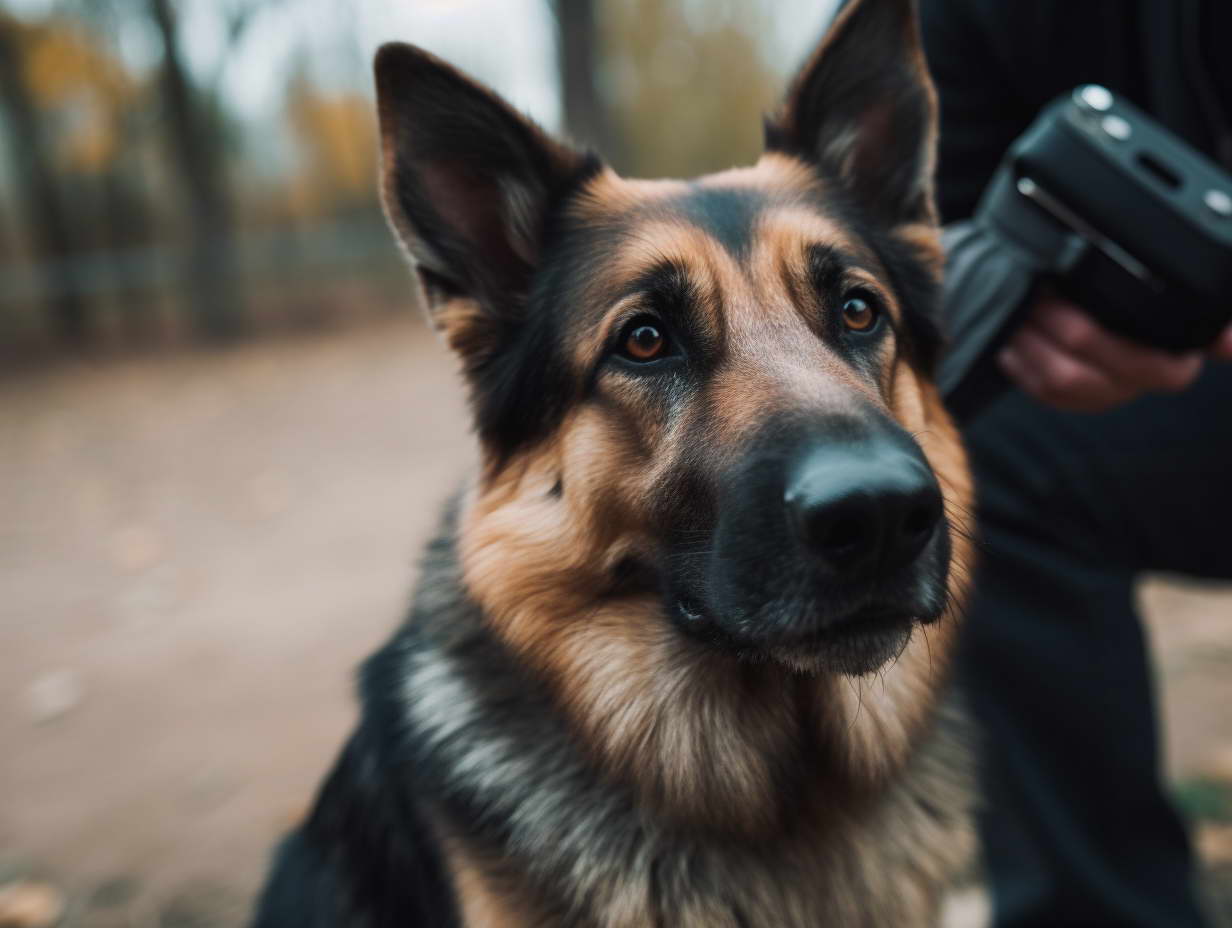
  • K9 Connection Dog Training

    K9 Connection Dog Training

    K9 Connection Dog Training

    K9 Connection Dog Training: Establishing a Strong Bond with Your Canine Companion

    Welcome to the world of K9 Connection Dog Training, where we believe in building a strong and harmonious bond between humans and their furry friends. We understand the unique relationship between dogs and their owners, and our mission is to provide comprehensive training programs that promote understanding, communication, and trust. In this article, we will delve into the world of K9 Connection Dog Training, exploring various techniques, tips, and tricks to help you establish a solid connection with your canine companion.

    The Importance of K9 Connection Dog Training

    Dog training is an essential aspect of responsible pet ownership. By investing time and effort into training your dog, you can create a well-behaved and well-adjusted companion. K9 Connection Dog Training takes this concept a step further, emphasizing the importance of establishing a strong connection with your furry friend. Through effective training methods and positive reinforcement, K9 Connection Dog Training ensures that you and your dog develop a deep bond built on trust and respect.

    The Fundamentals of K9 Connection Dog Training

    1. Building Trust

    The foundation of K9 Connection Dog Training lies in building trust between you and your dog. Trust is earned through consistent and positive interactions. Spend quality time with your furry friend, engaging in activities that both of you enjoy. This could include playing fetch, going for long walks, or simply cuddling on the couch. By being present and attentive, you can establish a sense of security and reliability, strengthening the bond between you and your dog.

    2. Effective Communication

    Clear and effective communication is crucial in any relationship, including the one you share with your dog. K9 Connection Dog Training emphasizes the use of positive reinforcement techniques to communicate your expectations to your furry companion. Reward good behavior with treats, praise, and affection, while redirecting unwanted behavior through gentle correction. This approach fosters understanding and encourages your dog to make positive choices.

    3. Consistency is Key

    Consistency is key when it comes to K9 Connection Dog Training. Dogs thrive on routine, and by providing a consistent environment, you can help them feel secure and confident. Establish a set schedule for feeding, walking, and training sessions, ensuring that you stick to it as closely as possible. Consistency not only helps your dog understand what is expected of them but also strengthens the bond between you.

    4. Positive Reinforcement Techniques

    K9 Connection Dog Training relies heavily on positive reinforcement techniques to shape desirable behavior. When your dog displays a desired behavior, such as sitting on command or walking calmly on a leash, reward them with praise, treats, or a favorite toy. This positive association encourages your dog to repeat the behavior, making training a positive and enjoyable experience for both of you.

    K9 Connection Dog Training Programs

    At K9 Connection Dog Training, we offer a range of comprehensive training programs tailored to suit the unique needs of every dog and owner. Whether you have a rambunctious puppy or an adult dog with behavioral challenges, we have a program that will meet your specific requirements. Our experienced trainers utilize positive reinforcement techniques, along with personalized attention, to help you achieve the best results possible.

    1. Puppy Preschool: Building a Strong Foundation

    The Puppy Preschool program at K9 Connection Dog Training is designed to provide your young pup with a solid foundation for lifelong learning. Through fun and interactive sessions, your puppy will learn basic obedience commands, socialize with other dogs, and develop crucial skills such as bite inhibition and housebreaking. Our trainers will also guide you on effective puppy management techniques, setting you and your furry friend up for success.

    2. Basic Obedience Training: Cultivating Good Manners

    Basic obedience training is a fundamental program that teaches your dog essential commands and behaviors. Through positive reinforcement techniques, we will help you train your dog to respond reliably to commands such as sit, stay, come, and heel. Additionally, we will address common behavioral issues such as jumping, barking, and leash pulling. Our goal is to empower you with the knowledge and skills needed to have a well-behaved and obedient dog.

    3. Advanced Training: Taking Skills to the Next Level

    For those looking to take their dog’s training to the next level, our advanced training program is the perfect choice. This program focuses on refining obedience skills, introducing more complex commands, and improving off-leash control. Our experienced trainers will work closely with you and your dog to achieve off-leash reliability and enhance the overall obedience and responsiveness of your furry companion.

    The Fundamentals of K9 Connection Dog Training

    FAQs

    Can K9 Connection Dog Training help with behavioral issues?

    Absolutely! At K9 Connection Dog Training, we have extensive experience in addressing various behavioral issues, including aggression, separation anxiety, and excessive barking. Our trainers employ proven techniques to modify unwanted behaviors and help your dog become a well-adjusted member of your family.

    Is K9 Connection Dog Training suitable for all dog breeds?

    Yes, K9 Connection Dog Training is suitable for all dog breeds, ages, and sizes. Whether you have a tiny Chihuahua or a majestic Great Dane, our training programs can be customized to meet the specific needs of your furry friend.

    How long does it take to see results with K9 Connection Dog Training?

    The time it takes to see results with K9 Connection Dog Training varies depending on several factors, including your dog’s age, breed, and previous training experience. However, with consistent practice and dedication, you can expect to see positive changes in your dog’s behavior within a few weeks.

    Can I participate in the training sessions with my dog?

    Absolutely! In fact, we encourage owners to actively participate in the training sessions with their dogs. This not only strengthens the bond between you and your furry companion but also allows you to learn effective training techniques that you can continue to implement at home.

    Are the trainers at K9 Connection Dog Training certified?

    Yes, all our trainers at K9 Connection Dog Training are highly qualified and certified professionals with a deep understanding of canine behavior and training methods. You can trust that your furry friend is in capable hands.

    What sets K9 Connection Dog Training apart from other training programs?

    What sets K9 Connection Dog Training apart is our emphasis on building a strong bond between you and your dog. We believe that a strong connection is the key to successful training and a harmonious relationship. Our trainers combine their expertise with a genuine passion for dogs, ensuring that your furry friend receives the best care and attention throughout the training process.

    Conclusion

    K9 Connection Dog Training offers a holistic approach to dog training, focusing on building trust, effective communication, consistency, and positive reinforcement techniques. By enrolling in our training programs, you can establish a deep and meaningful connection with your canine companion while fostering good behavior and obedience. Remember, a well-trained dog is a happy dog, and at K9 Connection Dog Training, we are committed to helping you achieve that goal.

  • Dog Training Colorado Prison

    Dog Training Colorado Prison

    Dog Training Colorado Prison

    Dog Training Colorado Prison: Unleashing Rehabilitation and Hope

    Dog training programs in prisons have gained significant attention and recognition for their ability to transform lives. One such program that stands out is the Dog Training Colorado Prison initiative. This unique endeavor not only benefits the participating inmates but also helps shelter dogs find forever homes. In this article, we will explore the profound impact of dog training programs in Colorado prisons, highlighting the benefits for inmates, the community, and the dogs themselves. Join us on this heartwarming journey as we delve into the world of dog training in Colorado prisons.

    Dog Training Colorado Prison: Changing Lives Behind Bars

    The Power of Second Chances

    Dog Training Colorado Prison offers incarcerated individuals the opportunity to learn valuable skills while fostering compassion, responsibility, and empathy. By working closely with dogs in need, inmates develop essential qualities that contribute to their personal growth and rehabilitation. The program encourages a sense of purpose and instills a positive mindset, paving the way for successful reintegration into society.

    Rehabilitation through Responsibility

    In the controlled and structured environment of a prison, dog training programs provide inmates with a meaningful way to occupy their time. By taking responsibility for the training, care, and well-being of dogs, inmates learn discipline, patience, and perseverance. These skills are not only vital for the successful rehabilitation of the inmates but also transferable to various aspects of their lives beyond bars.

    Benefits of Dog Training Colorado Prison

    1. Enhanced Emotional Well-being

    Engaging with dogs and experiencing the bond that develops during training has a profound impact on the emotional well-being of inmates. Dogs offer unconditional love, support, and companionship, providing a much-needed sense of comfort and connection. Through the Dog Training Colorado Prison program, inmates have the opportunity to experience the joy and fulfillment that comes from nurturing and caring for another living being.

    2. Acquisition of Marketable Skills

    The dog training program equips inmates with valuable skills that can be applied to future employment opportunities. Training dogs requires patience, consistency, and effective communication, skills that are highly sought after in various industries. By mastering these skills, inmates enhance their chances of successful reentry into the workforce, reducing the likelihood of recidivism.

    3. Community Impact

    Dog Training Colorado Prison extends its positive influence beyond the prison walls and into the community. By rehabilitating dogs and preparing them for adoption, the program contributes to reducing the population of shelter animals and promoting responsible pet ownership. Adopted dogs bring joy, companionship, and love to their new families, resulting in happier and healthier communities.

    Dog Training Colorado Prison Unleashing Rehabilitation and Hope

    Frequently Asked Questions (FAQs)

    FAQ 1: How does the Dog Training Colorado Prison program select participating inmates?

    The Dog Training Colorado Prison program follows a thorough selection process to ensure the suitability of participating inmates. Inmates must demonstrate a genuine commitment to personal growth, responsibility, and the welfare of animals. They undergo interviews, assessments, and evaluations to determine their eligibility for the program.

    FAQ 2: What happens to the dogs after they complete the training program?

    Once the dogs complete their training in the Dog Training Colorado Prison program, they are ready for adoption. The program works closely with reputable animal rescue organizations and adoption agencies to find loving homes for trained dogs. Potential adopters undergo a screening process to ensure a suitable match between the dogs and their new families.

    FAQ 3: Are there any success stories from the Dog Training Colorado Prison program?

    Yes, there are numerous success stories that highlight the transformative power of the Dog Training Colorado Prison program. Inmates who have participated in the program have reported improved self-esteem, increased empathy, and enhanced interpersonal skills. Additionally, many of the trained dogs have successfully found forever homes, bringing joy and happiness to their adoptive families.

    FAQ 4: Can dog training programs in prisons reduce recidivism rates?

    Research suggests that dog training programs in prisons have the potential to reduce recidivism rates. By providing inmates with valuable skills, a sense of purpose, and emotional support, these programs contribute to successful rehabilitation and reintegration into society. The acquired skills and personal growth experienced during the program increase the chances of finding stable employment and leading a law-abiding life after release.

    FAQ 5: How can I support the Dog Training Colorado Prison program?

    You can support the Dog Training Colorado Prison program in various ways. One option is to consider adopting a dog trained through the program, providing a loving home and a second chance to a shelter animal. Additionally, you can donate to the program or volunteer your time and expertise to support their operations. Every contribution makes a difference in the lives of both inmates and dogs.

    FAQ 6: Are there similar dog training programs in other states?

    Yes, dog training programs similar to Dog Training Colorado Prison exist in various states across the country. These programs follow a similar model of pairing inmates with shelter dogs for training and rehabilitation. Each program contributes to the well-being of inmates, dogs, and communities, offering hope, redemption, and a brighter future.

    Conclusion

    Dog Training Colorado Prison serves as a shining example of the transformative power of compassion, responsibility, and second chances. By providing inmates with the opportunity to train and care for dogs, this program fosters personal growth, enhances emotional well-being, and prepares individuals for successful reintegration into society. Through their dedication and hard work, both inmates and dogs find hope, rehabilitation, and a chance at a better future. Let us celebrate the remarkable achievements of Dog Training Colorado Prison and support their ongoing efforts to make a positive difference in the lives of all involved.

  • Dog Training In San Antonio TX Price and Cost

    Dog Training In San Antonio TX Price and Cost

    Dog Training In San Antonio TX

    Dog Training In San Antonio TX Price and Cost

    Dog training plays a crucial role in ensuring a well-behaved and happy canine companion. If you’re a dog owner in San Antonio, TX, and looking to train your furry friend, you might be wondering about the price and cost of dog training services. In this comprehensive guide, we will explore everything you need to know about dog training in San Antonio, TX, including the various factors that influence the price and cost.

    Why Invest in Dog Training?

    Dog training is not just about teaching your dog a few tricks; it is a process that establishes a strong bond between you and your furry companion. Properly trained dogs are more likely to exhibit good behavior, obey commands, and respond appropriately in various situations. Training also helps prevent behavioral problems, enhances communication, and improves the overall quality of life for both you and your dog.

    The Benefits of Professional Dog Training

    While you can certainly train your dog at home, seeking the assistance of a professional dog trainer in San Antonio, TX, offers several advantages. Here are some benefits of professional dog training:

    1. Expertise and Experience: Professional trainers have the knowledge and experience to address different behavioral issues and customize training methods based on your dog’s individual needs.
    2. Structured Training Programs: Professional dog training facilities offer structured training programs designed to address specific training goals and objectives. This ensures a comprehensive and well-rounded training experience for your dog.
    3. Socialization Opportunities: Dog training classes provide a controlled environment for your furry friend to interact with other dogs and people, promoting socialization skills and reducing behavioral problems associated with fear or aggression.
    4. Time Efficiency: Professional trainers have the expertise to accelerate the training process, helping your dog learn commands and behaviors more quickly and efficiently.

    Factors Influencing Dog Training Costs

    The cost of dog training in San Antonio, TX, can vary depending on several factors. It’s essential to understand these factors to make an informed decision about the training program that suits your budget and meets your dog’s training needs. Here are the key factors that influence dog training costs:

    1. Training Methods and Techniques

    Dog training methods can vary significantly, ranging from traditional obedience training to positive reinforcement-based techniques. While traditional training methods may be more affordable, positive reinforcement methods are generally considered more effective and humane. The chosen training approach can impact the overall cost of dog training.

    2. Training Duration and Intensity

    The duration and intensity of the training program are essential factors in determining the cost. Longer and more intensive training programs that involve multiple sessions per week or full-day training sessions may have a higher price tag compared to shorter programs.

    3. Training Location

    The location where the training takes place can also affect the cost. Training facilities with well-equipped training areas and specialized equipment may charge higher fees compared to trainers who conduct sessions in public parks or at your home.

    4. Trainer’s Qualifications and Reputation

    Experienced and highly qualified trainers with a proven track record of success often charge higher fees due to their expertise and reputation. However, their professional guidance and results can be well worth the investment.

    5. Additional Services

    Some dog training programs include additional services such as behavior assessments, personalized training plans, and follow-up support. These extras can add to the overall cost but provide valuable assistance in addressing specific training goals and challenges.

    Dog Training In San Antonio TX Price and Cost

    When it comes to dog training in San Antonio, TX, prices and costs can vary. On average, group training classes can range from $100 to $300 for a multi-week program. Private training sessions may cost between $50 and $150 per hour. Intensive training programs or board-and-train options can be priced anywhere from $1,000 to $4,000 or more, depending on the duration and the level of training required.

    It’s important to remember that these are general price ranges and individual trainers or training facilities may have their pricing structures based on the factors discussed earlier. Therefore, it is advisable to contact different trainers or facilities in San Antonio, TX, to get specific pricing details and understand the services included in the cost.

    The Benefits of Professional Dog Training In San Antonio TX

    Frequently Asked Questions

    1. What are the benefits of group training classes?

    Group training classes offer numerous benefits for both dogs and their owners. They provide socialization opportunities, help improve obedience and listening skills, and allow dogs to learn from observing other dogs in a controlled environment. Additionally, group classes often cost less compared to private training sessions.

    2. Is positive reinforcement training effective for all dogs?

    Yes, positive reinforcement training is effective for most dogs. It relies on rewarding desired behaviors rather than punishing unwanted behaviors. This method helps build a positive association with training and fosters a strong bond between you and your dog.

    3. How long does it take to train a dog?

    The duration of dog training depends on various factors, including the dog’s age, breed, temperament, and training goals you want to achieve. Basic obedience training can take a few weeks to several months, while more advanced training or behavior modification may require longer periods.

    4. Can older dogs be trained?

    Yes, dogs of all ages can benefit from training. While it is generally easier to train puppies, older dogs can still learn and adapt with the right training methods and consistency. However, it’s important to have realistic expectations and be patient when training an older dog.

    5. What if my dog has specific behavior issues?

    If your dog has specific behavior issues, such as aggression or separation anxiety, it’s crucial to consult with a professional dog trainer who specializes in behavior modification. They can assess the issue, create a customized training plan, and provide the necessary guidance to address and manage the problem effectively.

    6. Is dog training worth the cost?

    Dog training is an investment in your dog’s well-being and your relationship with them. It helps prevent behavioral problems, enhances communication, and creates a harmonious living environment. The benefits of a well-trained dog far outweigh the initial cost of training.

    Conclusion

    Investing in professional dog training in San Antonio, TX, can have a significant impact on your dog’s behavior and your overall satisfaction as a dog owner. By considering the various factors that influence dog training costs and understanding the benefits of training, you can make an informed decision that suits your budget and fulfills your dog’s training needs. Remember, dog training is a rewarding journey that strengthens the bond between you and your furry friend while ensuring a happier and more fulfilling life together.

  • Massachusetts Service Dog Training

    Massachusetts Service Dog Training

    Massachusetts Service Dog Training

    Massachusetts Service Dog Training: Empowering Canine Companions

    Welcome to our comprehensive guide on Massachusetts Service Dog Training! In this article, we will delve into the world of service dogs, their vital role in society, and the training techniques employed to transform these remarkable animals into invaluable companions. Whether you’re a resident of Massachusetts seeking a service dog or simply curious about the training process, you’ve come to the right place. Throughout this article, we will explore the intricacies of Massachusetts service dog training, covering a wide range of topics, from basic commands to specialized tasks. So let’s jump right in and discover the wonders of service dog training!

    Massachusetts Service Dog Training: Unleashing the Potential

    The Importance of Service Dogs in Massachusetts (?)

    Service dogs play an indispensable role in the lives of individuals with disabilities in Massachusetts. They are highly trained and dedicated companions that provide physical assistance, emotional support, and independence to their handlers. By assisting individuals with various disabilities, service dogs empower them to navigate daily activities, access public spaces, and overcome challenges that would otherwise be daunting. The state of Massachusetts recognizes the value of service dogs and has established guidelines to ensure their proper training and certification.

    Benefits of Service Dogs for Individuals with Disabilities

    Service dogs offer numerous benefits to individuals with disabilities, enhancing their quality of life and fostering independence. Here are some of the key advantages:

    1. Physical Assistance: Service dogs are trained to perform tasks such as retrieving dropped items, opening doors, and turning light switches on/off. These tasks enable individuals with physical limitations to navigate their environment with greater ease and autonomy.
    2. Emotional Support: Beyond physical assistance, service dogs provide emotional support to their handlers. They offer companionship, alleviate anxiety and depression, and provide a sense of security and stability.
    3. Alerting and Response: Service dogs are trained to detect and respond to specific medical conditions such as seizures, diabetic emergencies, and allergies. Their acute sense of smell and intuition enable them to alert their handlers or seek help during critical situations.
    4. Social Facilitation: Service dogs act as social facilitators, promoting interaction and breaking down barriers for individuals with disabilities. They help foster connections, reduce social isolation, and increase confidence in social settings.

    With these incredible benefits in mind, let’s explore the training journey of Massachusetts service dogs.

    Massachusetts Service Dog Training: The Journey Begins

    Selecting the Right Canine Candidate

    The first step in Massachusetts service dog training is selecting a suitable canine candidate. Not every dog possesses the temperament, intelligence, and adaptability required for service work. It is crucial to choose a dog with the right traits to ensure successful training and a harmonious partnership. Qualified service dog organizations and trainers carefully evaluate potential candidates based on factors such as breed, health, temperament, and working potential.

    Socialization: Building a Solid Foundation

    Socialization plays a vital role in the training of service dogs. It involves exposing the canine candidate to a variety of environments, people, animals, and situations, enabling them to become comfortable and adaptable. Early socialization is crucial to ensure that the dog develops into a well-rounded companion capable of navigating diverse environments and handling potential stressors.

    During the socialization phase, the canine candidate will be introduced to:

    • Different types of flooring, surfaces, and textures.
    • Varied sounds, including traffic noises, alarms, and crowds.
    • People of different ages, appearances, and behaviors.
    • Other animals, such as dogs, cats, and small pets.

    By exposing the dog to these stimuli and ensuring positive experiences, trainers lay the foundation for a confident and resilient service dog.

    Basic Obedience Training: Laying the Groundwork

    Before progressing to specialized tasks, Massachusetts service dogs undergo comprehensive basic obedience training. This training focuses on teaching fundamental commands that form the building blocks for advanced skills. The key components of basic obedience training include:

    1. Sit: Teach the dog to sit on command and hold the position until released.
    2. Stay: Training the dog to remain in one place until given the signal to move.
    3. Lie Down: Teach the dog to lie down on command, promoting calm behavior.
    4. Come: Training the dog to come to the handler when called, ensuring reliable recall.
    5. Leash Walking: Teach the dog to walk calmly on a leash without pulling or straying.

    Through consistent practice and positive reinforcement, these commands become ingrained in the dog’s behavior, laying the groundwork for further training.

    Specialized Task Training: Tailored Skills for Independence

    After mastering basic obedience, Massachusetts service dogs progress to specialized task training. These tasks are tailored to the specific needs of their handlers and can vary widely depending on the type of disability. Some common specialized tasks include:

    1. Mobility Assistance: Dogs trained to provide mobility assistance help individuals with physical disabilities by retrieving objects, opening doors, and providing stability during walking.
    2. Medical Alert: Service dogs trained for medical alert tasks can detect changes in their handler’s vital signs, such as blood sugar levels, blood pressure, or impending seizures. They can then alert their handlers or seek assistance.
    3. Psychiatric Support: Service dogs trained to assist individuals with psychiatric disabilities provide grounding and emotional support during anxiety or panic attacks. They can also interrupt self-harming behaviors and provide deep-pressure therapy.
    4. Guide Work: Service dogs trained as guide dogs assist individuals with visual impairments by navigating obstacles, finding specific locations, and ensuring safe travel.

    These specialized tasks require extensive training, with trainers carefully shaping the dog’s behavior through positive reinforcement and repetition. Massachusetts service dog trainers employ various techniques, such as clicker training, shaping, and target training, to teach these complex tasks effectively.

    Massachusetts Service Dog Training Unleashing the Potential

    Massachusetts Service Dog Training FAQs

    How long does Massachusetts service dog training typically take?

    The duration of training varies depending on several factors, including the dog’s age, previous training, and the complexity of specialized tasks. On average, service dog training can take anywhere from six months to two years.

    Are certain dog breeds more suitable for service dog training?

    While breed alone does not determine a dog’s suitability for service work, certain breeds are commonly chosen due to their intelligence, temperament, and physical capabilities. Labrador Retrievers, Golden Retrievers, and German Shepherds are often favored for service dog roles.

    Can I train my dog to become a service dog in Massachusetts?

    While it is possible to train your dog for service work, Massachusetts recognizes service dogs certified by reputable organizations. These organizations adhere to established standards and regulations to ensure the competence and reliability of the service dog teams.

    Are service dogs allowed in all public places in Massachusetts?

    Yes, service dogs are legally allowed in all public places in Massachusetts. They are protected under the Americans with Disabilities Act (ADA) and are granted access to areas where the general public is permitted.

    How do I find a reputable service dog organization or trainer in Massachusetts?

    To find a reputable service dog organization or trainer in Massachusetts, you can consult resources such as Assistance Dogs International (ADI) or the International Association of Assistance Dog Partners (IAADP). These organizations maintain directories of accredited trainers and organizations.

    How much does Massachusetts service dog training cost?

    The cost of Massachusetts service dog training can vary depending on the organization, the duration of the training, and the specific needs of the individual. It is advisable to contact individual organizations or trainers to inquire about their pricing structures.

    Conclusion

    Massachusetts service dog training is a remarkable journey that transforms dogs into invaluable companions for individuals with disabilities. These highly trained canines provide physical assistance, emotional support, and independence to their handlers, enabling them to lead fulfilling lives. Through meticulous selection, socialization, basic obedience training, and specialized task training, service dogs in Massachusetts become reliable partners that enhance the lives of their handlers. If you’re considering a service dog or simply intrigued by the training process, reach out to reputable organizations or trainers to embark on this life-changing journey.