Cost Of Protection Dog Training: A Comprehensive Guide
Training your dog for protection is not just about teaching them to perform specific tasks but also about building a strong bond and trust between you and your furry friend. A well-trained protection dog can provide you with security and peace of mind, making them an invaluable addition to your family. However, the process of training a protection dog requires commitment, time, and financial investment. In this article, we will delve into the cost of protection dog training, covering various aspects, factors, and expert advice to help you make an informed decision.
Cost Of Protection Dog Training: An In-Depth Look
When it comes to the cost of protection dog training, it’s essential to understand that the expenses can vary significantly based on several factors. Below, we’ll provide a price range in USD to give you a better idea of what to expect:
1. Breed Selection and Suitability
Price Range: $500 – $5,000
When considering protection dog training, choosing the right breed is of utmost importance. Not all dog breeds possess the instincts and temperament required for protection work. Some breeds are more inclined towards guarding and protective behaviors, making the training process smoother and potentially more cost-effective. Here, we’ll explore the significance of breed selection and how it can impact the suitability of your dog for protection training.
Understanding Protective Dog Breeds
Certain breeds have been historically bred for protective and guarding roles, making them ideal candidates for protection dog training. Popular protective breeds include:
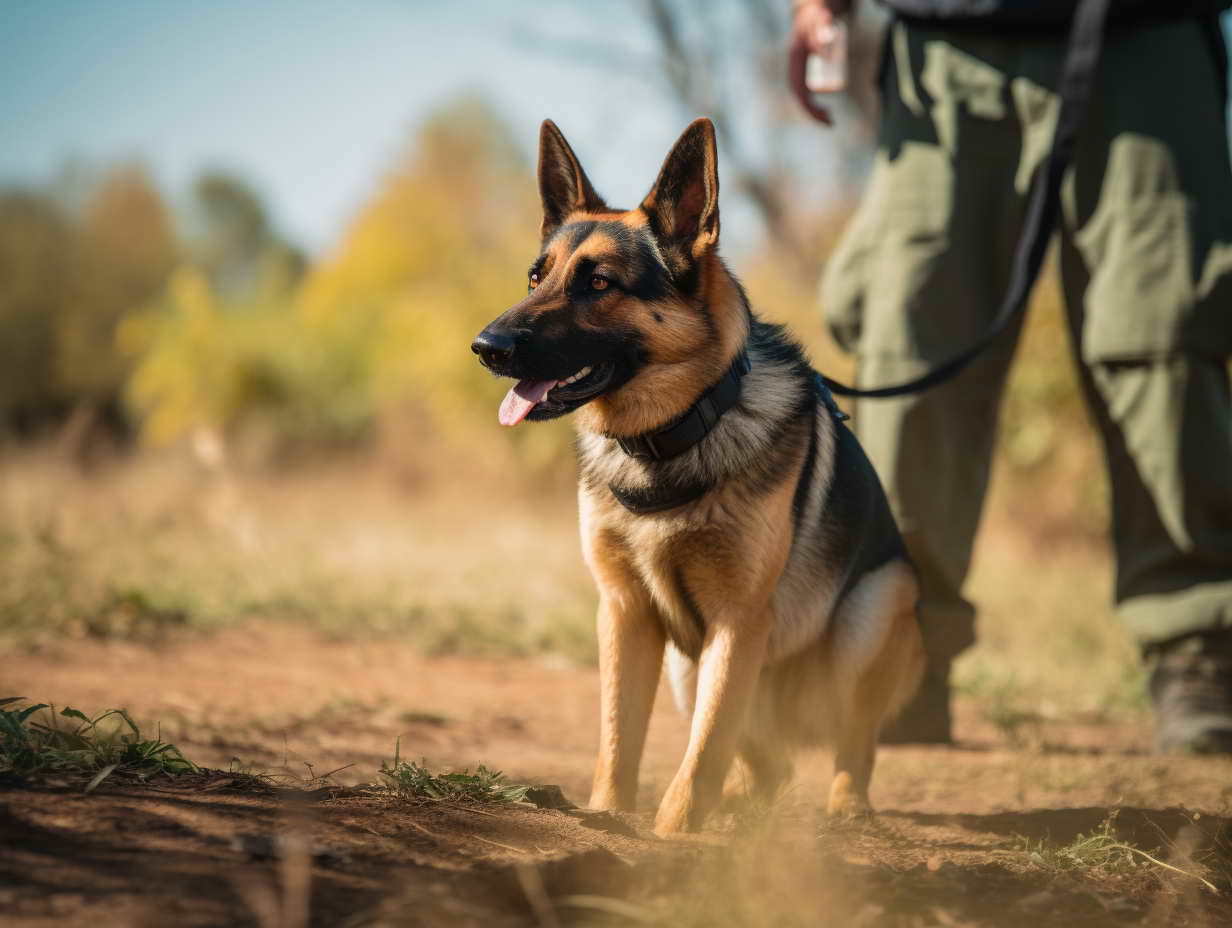
- German Shepherd: German Shepherds are renowned for their intelligence, loyalty, and courage. They are commonly used in various working roles, including police and military work, due to their versatility and adaptability.
- Belgian Malinois: Similar to German Shepherds, Belgian Malinois are highly intelligent and agile, making them excellent protection dogs. They are often preferred for their work ethic and dedication.
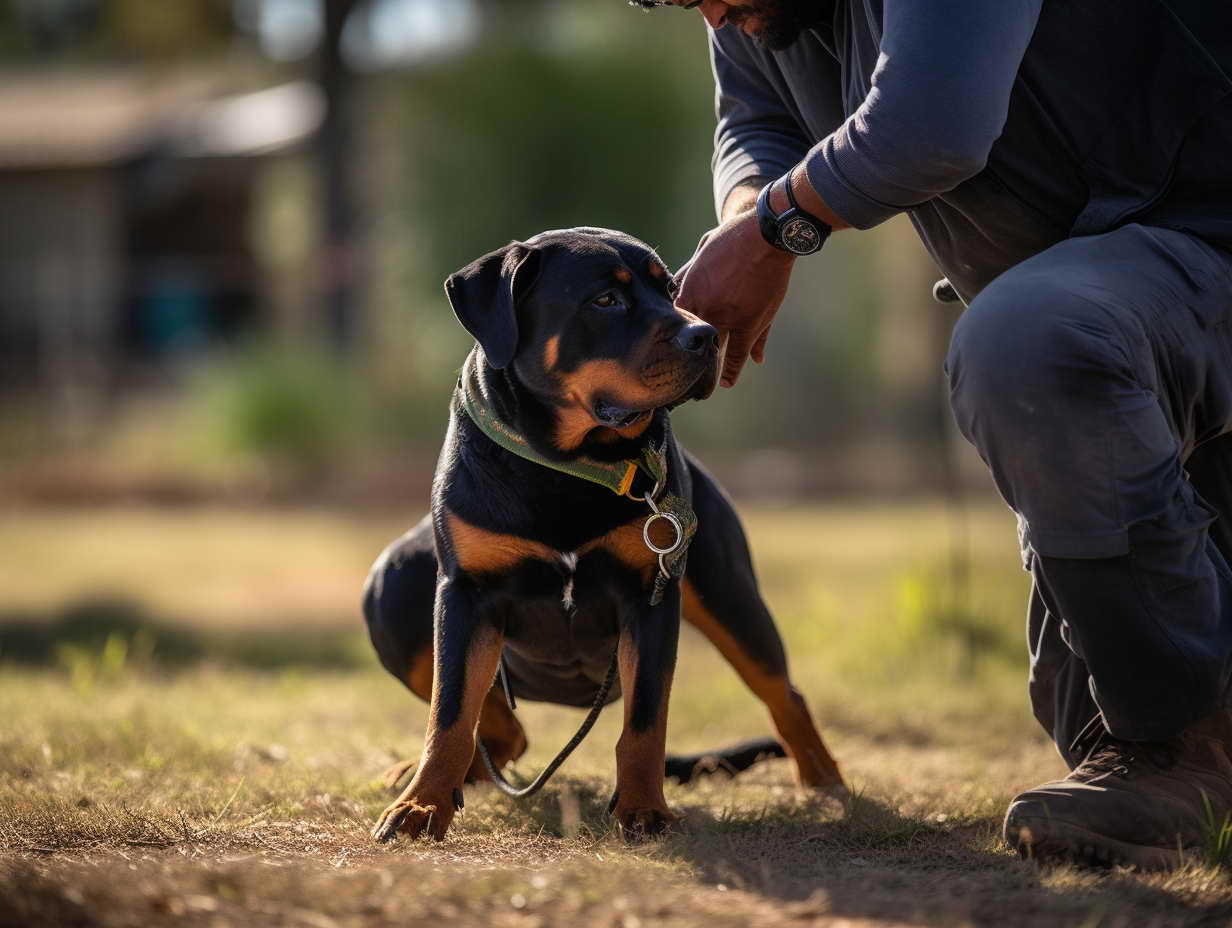
- Rottweiler: Rottweilers are strong, confident, and protective by nature. Their loyalty and protective instincts make them a popular choice for protection work.
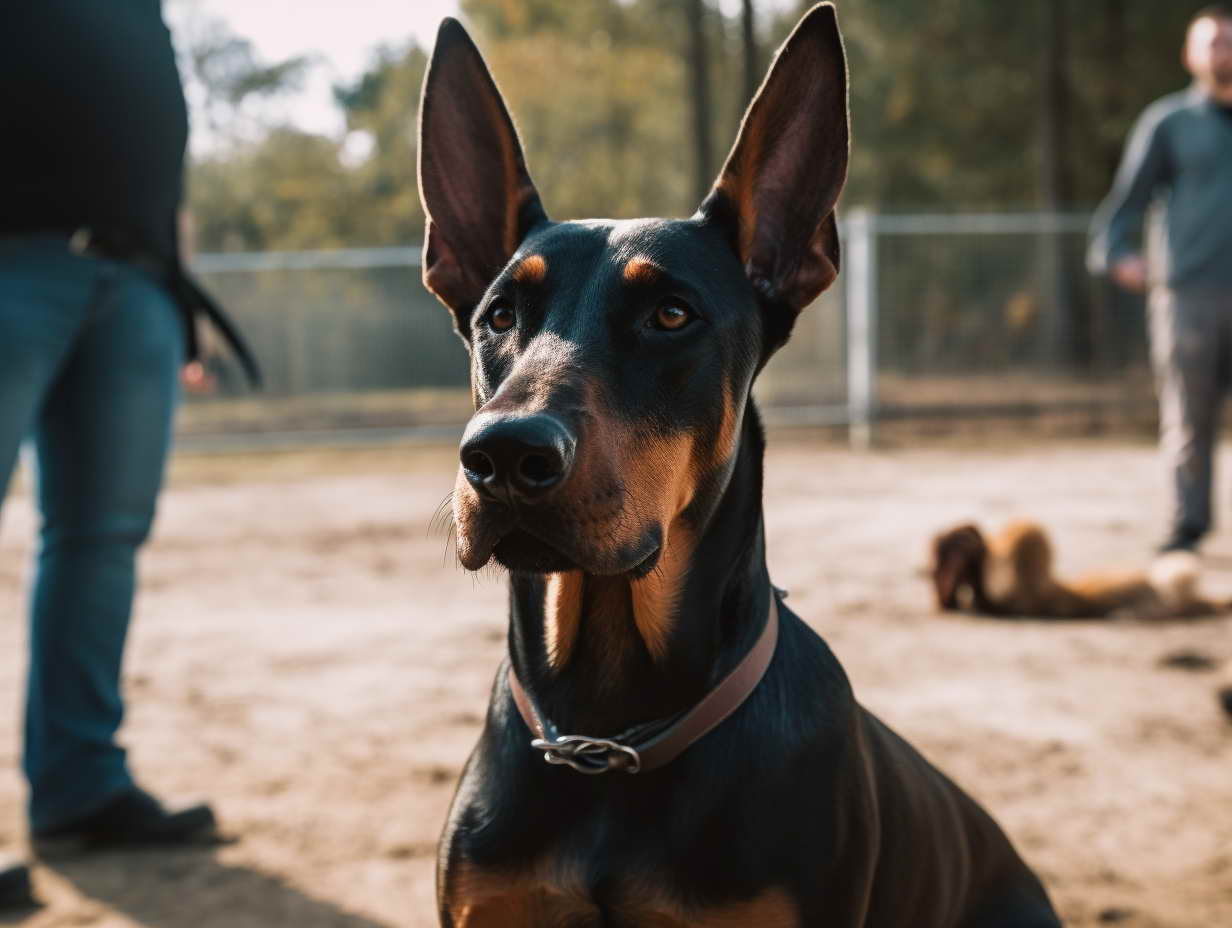
- Doberman Pinscher: Dobermans are known for their alertness, fearlessness, and loyalty. They can be easily trained and excel in protection tasks.
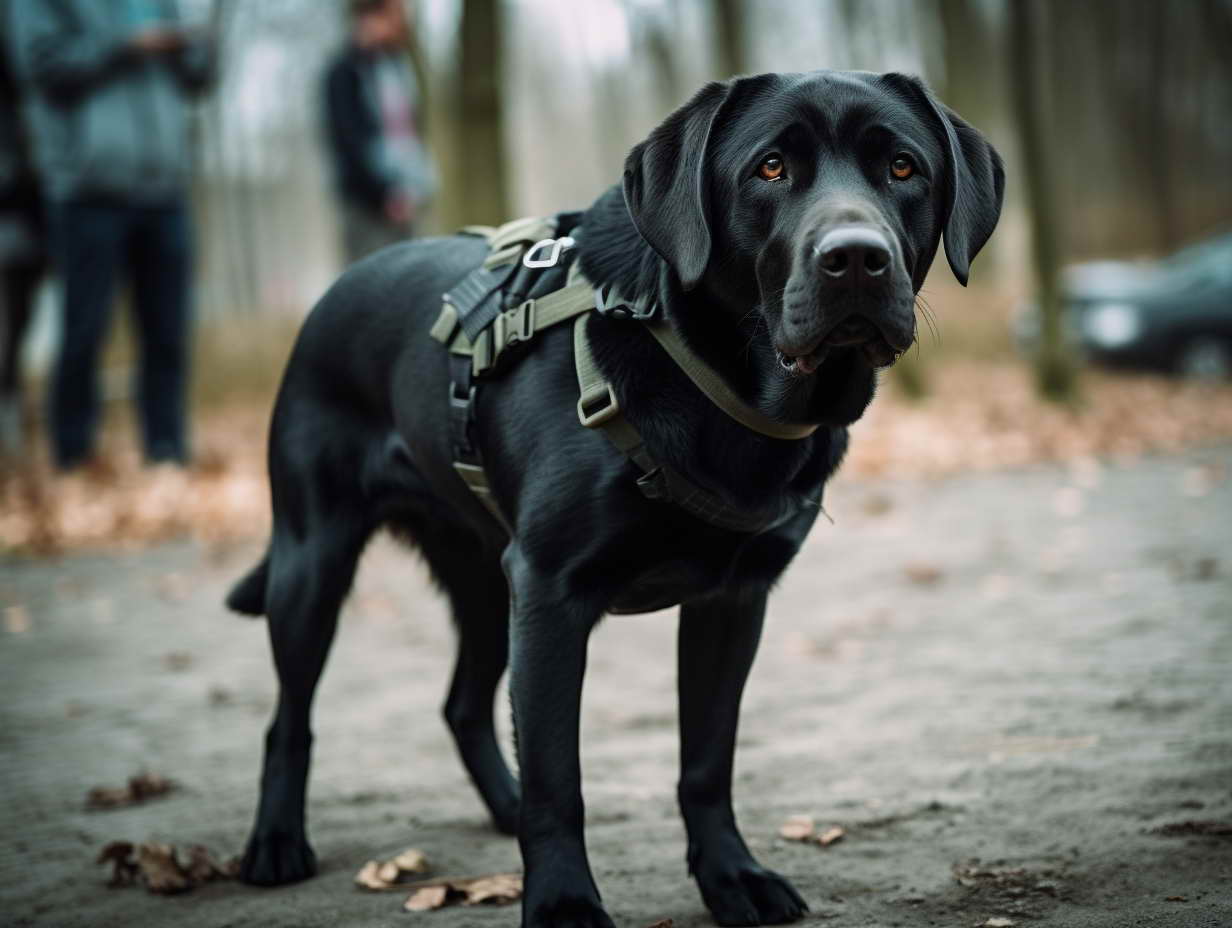
- Cane Corso: Cane Corsos are powerful and fearless, with an instinct to protect their families. They are often used as guard dogs due to their imposing presence.
Suitability Assessment for Your Dog
While specific breeds are known for their protective abilities, individual temperament is crucial in determining a dog’s suitability for protection training. Not all dogs of a particular breed will have the desired traits for protection work. Therefore, conducting a suitability assessment is essential before embarking on the training process.
Some factors to consider when assessing your dog’s suitability include:
- Temperament: Look for traits such as courage, confidence, and a strong protective instinct. Dogs with a stable and balanced temperament are more likely to excel in protection training.
- Socialization: Dogs that have been adequately socialized from a young age are more adaptable and less likely to be overly aggressive or anxious in different situations.
- Age: While puppies can be trained for protection, adult dogs might have a more mature temperament, which can be advantageous in certain situations.
- Health: Ensure your dog is in good physical health before starting protection training, as rigorous training can put a strain on their body.
Budget Considerations
The cost of acquiring a protected dog breed can vary significantly. Purebred dogs from reputable breeders tend to be more expensive, while rescue dogs might be more affordable. It’s essential to consider your budget when selecting a breed. Additionally, certain breeds may have higher maintenance costs due to grooming needs or potential health issues.
2. Age and Training Time
The age of your dog can have a substantial impact on the duration and cost of protection dog training. While training a dog at any age is possible, certain age ranges may require different training approaches and timeframes. Let’s delve into how age affects the training process and the associated price range in USD.
Puppies: Building Strong Foundations
Price Range: $500 – $2,500
Training a protection dog from a young age can be advantageous as it allows the development of strong foundations. Puppies are like sponges, eager to learn and adapt to new experiences. However, protection training for puppies is a gradual process that focuses on building essential obedience and socialization skills.
- Basic Obedience: At this stage, puppies are introduced to basic commands like sit, stay, come, and leash walking. The price range for basic obedience training in puppies can range from $500 to $1,000.
- Socialization: Socializing your puppy with various environments, people, and other dogs is crucial. It helps develop their confidence and reduces the likelihood of fear-based aggression. Socialization training might cost between $300 and $800.
- Foundation for Protection: While not directly focused on protection, this early stage lays the groundwork for future protection training. The cost for foundational training can range from $200 to $700.
Adolescent Dogs: Refining Skills
Price Range: $800 – $3,500
Adolescent dogs, typically between six months and two years old, have more energy and attention span, making them receptive to advanced training techniques. This stage involves refining obedience skills and introducing some protective behaviors.
- Advanced Obedience: Adolescent dogs can be taught more complex commands and behaviors, such as recall at a distance and off-leash training. The cost for advanced obedience training may range from $500 to $1,500.
- Protection Introduction: Training at this stage introduces dogs to basic protection exercises, like barking on command or alerting them to potential threats. The price range for introductory protection training can be between $300 and $1,000.
- Bite Work Foundations: For protection dogs, bite work is a crucial skill. The training for bite work foundations can cost between $500 and $2,000.
Adult Dogs: Specialized Training
Price Range: $1,000 – $5,000
Training adult dogs for protection work requires a different approach, as they may already have established behaviors and habits. However, with patience and consistency, adult dogs can still excel in protection training.
- Behavior Modification: Adult dogs may require behavior modification to address any existing behavioral issues before starting protection training. The cost for behavior modification can range from $800 to $3,000.
- Advanced Protection Training: The training to refine and enhance protection skills in adult dogs can cost between $500 and $2,500.
- Customized Training: Adult dogs may need customized training to suit their individual needs and temperament, which might lead to higher costs ranging from $500 to $2,000.
3. Training Methods and Techniques
The effectiveness and success of protection dog training heavily depend on the methods and techniques employed by professional trainers. Various training approaches exist, each with its benefits and considerations. Let’s explore some common training methods and their price range in USD.
1. Positive Reinforcement Training
Price Range: $500 – $2,000
Positive reinforcement training is a widely recognized and humane approach to training protection dogs. This method involves rewarding desired behaviors with treats, praise, or toys. Dogs are encouraged to repeat these behaviors to receive positive reinforcement, leading to a strong bond between the dog and the trainer.
- Pros: This method promotes a positive learning experience for the dog, increasing their motivation to learn and perform well. It can also improve the dog’s overall behavior and attitude.
- Cons: Positive reinforcement training may take longer to achieve specific protection behaviors compared to more aversive methods.
2. Clicker Training
Price Range: $600 – $2,500
Clicker training is a form of positive reinforcement where a clicker device is used to signal correct behavior. The sound of the clicker serves as an immediate reward marker, followed by a treat or praise. This technique helps dogs associate the sound of the clicker with positive outcomes.
- Pros: Clicker training allows for precise timing and clear communication between the trainer and the dog. It can be effective in shaping complex behaviors.
- Cons: The cost can be slightly higher due to the use of clicker devices and the need for specialized training.
3. Obedience Training
Price Range: $500 – $2,000
Obedience training is a foundational aspect of protection dog training. It involves teaching dogs essential commands such as sit, stay, recall, and heel. Obedience training lays the groundwork for more advanced protection work.
- Pros: Obedience training is essential for creating a well-mannered and controlled protection dog. It enhances the dog’s responsiveness and attentiveness to commands.
- Cons: The cost may vary based on the duration and complexity of the obedience training required.
4. Relationship-Based Training
Price Range: $800 – $3,500
Relationship-based training emphasizes building a strong bond between the dog and the trainer. Trainers focus on understanding the dog’s individual needs and tailoring the training approach accordingly.
- Pros: This method strengthens the trust and communication between the dog and the trainer, enhancing the dog’s overall performance.
- Cons: Relationship-based training may require more time and effort to establish a strong bond with the dog, which can influence the cost.
5. Behavior Modification Training
Price Range: $1,000 – $5,000
Behavior modification training is used to address and correct undesirable behaviors in dogs. Trainers assess the root causes of behavioral issues and implement strategies to modify the dog’s behavior.
- Pros: Behavior modification can transform problematic behaviors and pave the way for successful protection training.
- Cons: This method can be more costly due to the extensive assessment and personalized approach required.
6. Desensitization and Counterconditioning
Price Range: $800 – $3,000
Desensitization and counterconditioning techniques are employed to reduce fear or aggression in protection dogs. Dogs are gradually exposed to triggers in a controlled and positive manner to change their emotional response.
- Pros: These techniques are effective in reducing anxiety and fear-based behaviors, leading to a more stable and confident protection dog.
- Cons: The cost may vary based on the complexity of the dog’s behavioral issues.
4. Professional Trainer Fees
Hiring a professional trainer is a crucial step in ensuring the success of your protection dog’s training. The experience, expertise, and reputation of the trainer can significantly impact the cost of training. Let’s explore the factors that influence professional trainer fees and provide a price range in USD.
Trainer Experience and Expertise
Price Range: $1,000 – $6,000
Experienced and highly skilled trainers typically charge higher fees for their services. These trainers have a proven track record of successful protection dog training and possess in-depth knowledge of various training methods. Their expertise can ensure that your dog receives top-notch training tailored to their individual needs.
- Pros: Working with experienced trainers provides peace of mind, knowing that your dog is in capable hands. They can effectively address any challenges that may arise during training.
- Cons: The cost of hiring an experienced trainer might be on the higher end of the price range, but the investment is well worth it for the quality of training provided.
Trainer Reputation and Success Rates
Price Range: $800 – $4,000
Trainers with a stellar reputation and high success rates in protection dog training tend to charge higher fees due to their demand and popularity. A trainer’s reputation is often a reflection of their client’s satisfaction and the consistent achievements of their trained dogs.
- Pros: Working with a reputable trainer increases the likelihood of achieving your training goals. Their success rates indicate their ability to produce well-trained protection dogs.
- Cons: The cost of hiring a trainer with a high reputation might be relatively higher, but the benefits outweigh the expense in terms of training results.
Geographical Location
Price Range: $1,000 – $5,000
Trainer fees can vary based on the location of their training facility. In urban areas or regions with high demand for protection dog training, the fees may be on the higher end of the price range. Conversely, trainers in rural areas might charge lower fees due to lower living costs and less demand.
- Pros: Training facilities in urban areas may offer more specialized services and resources. However, rural trainers can be cost-effective options for those on a budget.
- Cons: The location-based cost difference may influence your decision when selecting a trainer.
Training Package Inclusions
Price Range: $1,000 – $5,000
Trainers may offer different packages with varying levels of training and services. Basic packages might cover essential obedience training and introductory protection work, while comprehensive packages may include advanced protection training and follow-up sessions.
- Pros: Choosing a package that suits your dog’s training needs and your budget allows for a structured and well-rounded training experience.
- Cons: The more extensive the package, the higher the cost. However, comprehensive packages often provide better value for money in terms of training outcomes.
Individualized Training Plans
Price Range: $1,000 – $6,000
Trainers may develop individualized training plans tailored to the specific needs and temperament of your dog. Such plans account for any behavioral issues, health considerations, and desired training goals.
- Pros: Individualized training plans ensure that your dog receives personalized attention and training, which can lead to better results.
- Cons: The cost of developing customized training plans may be higher due to the time and effort required for assessment and planning.
5. Training Programs and Packages
Protection dog training is often divided into various programs and packages, each offering different levels of training and services. These programs are designed to cater to the specific needs and goals of dog owners. Let’s explore the different training programs and their price range in USD.
1. Basic Obedience Training Package
Price Range: $800 – $1,500
The Basic Obedience Training Package is an essential starting point for protection dog training. It focuses on teaching foundational commands such as sit, stay, come, heel, and down. This package lays the groundwork for more advanced training and sets the stage for a well-behaved and responsive protection dog.
- Inclusions: The package typically includes basic obedience commands, socialization exercises, and leash training.
- Pros: This package provides the fundamental training your dog needs to build a strong foundation for protection work.
- Cons: While basic obedience is essential, additional training may be required to develop specific protective behaviors.
2. Intermediate Protection Training Package
Price Range: $1,500 – $3,500
The Intermediate Protection Training Package is a step up from basic obedience and introduces protection-specific exercises. Dogs in this package learn to bark on command, perform alert behaviors, and respond to potential threats.
- Inclusions: This package includes intermediate-level protection exercises, advanced obedience training, and socialization in different environments.
- Pros: The Intermediate Package starts to shape your dog’s protective instincts and behaviors, moving towards becoming an effective protection dog.
- Cons: Additional follow-up training might be necessary to solidify and refine the learned behaviors.
3. Advanced Protection Training Package
Price Range: $3,000 – $6,000
The Advanced Protection Training Package is a comprehensive program designed to transform your dog into a skilled protection companion. Dogs in this package learn advanced protective behaviors, recall at a distance, and off-leash commands.
- Inclusions: This package covers advanced protection exercises, specialized obedience training, and simulations of real-life protective scenarios.
- Pros: The Advanced Package equips your dog with the necessary skills to protect you and your family in various situations.
- Cons: Due to the complexity of the training involved, this package may be more expensive.
4. Personalized Training Package
Price Range: $4,000 – $8,000
Personalized Training Packages are tailored to the unique needs and goals of individual dogs and their owners. These packages include all aspects of training, from basic obedience to advanced protection, customized to address specific behavioral challenges.
- Inclusions: The package covers a comprehensive assessment of the dog’s temperament, behavior modification, specialized protection training, and ongoing support.
- Pros: Personalized training plans ensure that your dog’s training journey is individually tailored for the best possible results.
- Cons: Due to the highly individualized approach, this package may be more expensive than standard training packages.
5. Board and Train Program
Price Range: $3,500 – $10,000
Board and Train Programs involve sending your dog to a training facility for an extended period, during which professional trainers work intensively with the dog.
- Inclusions: The package includes a combination of basic obedience, protection training, and socialization, with the dog residing at the training facility for the duration of the program.
- Pros: This program allows for focused and concentrated training, particularly beneficial for busy dog owners.
- Cons: Board and Train Programs can be more costly due to the extended training period and boarding expenses.
6. Training Equipment and Gear
Training a protection dog requires specialized equipment and gear to ensure the safety and effectiveness of the training process. These tools are designed to facilitate proper training techniques and aid in the development of specific protective behaviors. Let’s explore the essential training equipment and gear along with their associated price range in USD.
1. Bite Sleeves
Price Range: $150 – $500
Bite sleeves are one of the essential pieces of equipment used in protection dog training. They are designed to protect the trainer’s arm during bite work exercises. Bite sleeves come in various levels of protection, from beginner to advanced, and the price varies accordingly.
- Pros: Bite sleeves allow trainers to safely simulate real-life scenarios involving apprehension and protection work.
- Cons: Higher-quality bite sleeves may be more expensive, but they offer better protection and durability.
2. Muzzles
Price Range: $50 – $200
Muzzles are used during protection training to ensure the safety of trainers, other animals, and bystanders. Muzzles prevent the dog from biting while allowing them to pant and breathe comfortably.
- Pros: Muzzles are essential for safety during certain training exercises and public outings.
- Cons: The price range varies depending on the material and quality of the muzzle.
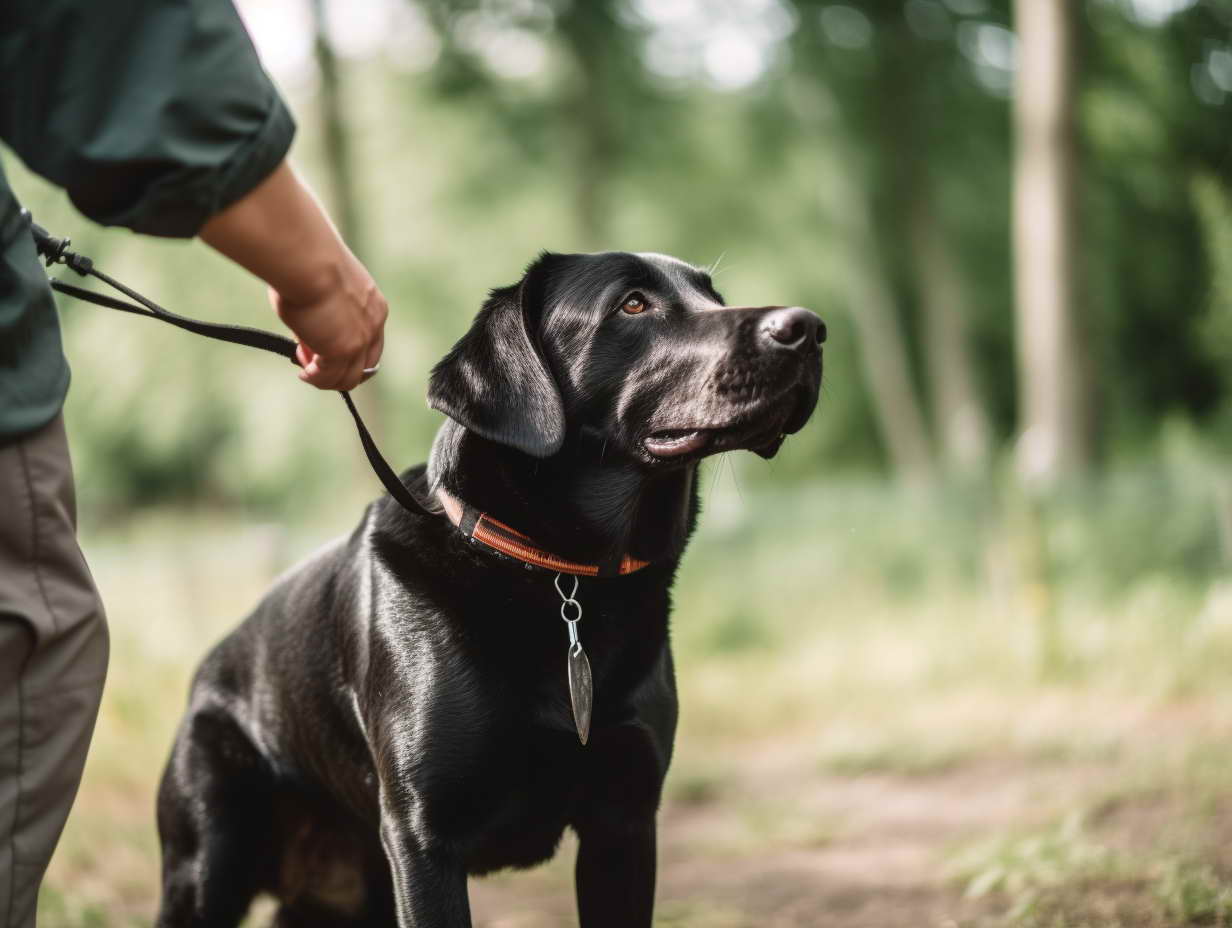
3. Harnesses
Price Range: $30 – $150
Specialized harnesses are used in protection dog training to provide control and restraint. They allow the trainer to guide the dog during exercises and discourage pulling or lunging behavior.
- Pros: Harnesses are beneficial for maintaining control during training sessions and everyday walks.
- Cons: The price range can vary based on the type of harness and additional features.
4. Leashes
Price Range: $10 – $50
Sturdy and reliable leashes are crucial for maintaining control and communication during training sessions. Leather or nylon leashes are commonly used, with various lengths available.
- Pros: A good quality leash is an essential tool for effective training and handling.
- Cons: The cost depends on the material and length of the leash.
5. Clickers and Whistles
Price Range: $5 – $20
Clickers and whistles are used as training aids to signal desired behaviors and reinforce positive responses. Clickers are commonly used in positive reinforcement training, while whistles can be useful for recalling commands.
- Pros: Clickers and whistles offer precise and consistent communication with the dog.
- Cons: The cost is relatively low, making them affordable training tools.
6. Treats and Rewards
Price Range: $10 – $50
Treats and rewards are essential for positive reinforcement training. High-value treats or toys are used to motivate and reward the dog for desired behaviors.
- Pros: Treats and rewards are effective in reinforcing positive behaviors and building a strong bond between the dog and the trainer.
- Cons: The cost will depend on the type and quantity of treats used during training.
7. Tug Toys
Price Range: $10 – $40
Tug toys are used to engage the dog in interactive play and are often incorporated into protection training as rewards for successful exercises.
- Pros: Tug toys make training sessions enjoyable and stimulating for the dog.
- Cons: The price can vary based on the quality and design of the tug toy.
8. Training Vests
Price Range: $50 – $150
Training vests are worn by trainers to provide a professional appearance and to carry essential items such as treats, clickers, and training tools.
- Pros: Training vests keep all necessary items within easy reach during training sessions.
- Cons: The price range depends on the material and features of the training vest.

7. Boarding and Lodging
In some cases, protection dog training may require your canine companion to stay at a training facility for an extended period. Boarding and lodging services are provided by the training facility to ensure that your dog receives focused and intensive training. Let’s explore the factors that influence boarding and lodging costs and provide a price range in USD.
Duration of Training Stay
Price Range: $1,000 – $5,000
The duration of your dog’s stay at the training facility will significantly impact the cost of boarding and lodging. Protection dog training can take several weeks to several months, depending on the dog’s current level of training and the desired skillset.
- Pros: Longer stays allow for more intensive and thorough training, which can result in a well-trained and reliable protection dog.
- Cons: Longer stays may lead to higher costs due to the extended boarding period and training efforts.
Training Facility Amenities
Price Range: $800 – $4,000
The amenities and facilities offered by the training facility can influence the cost of boarding and lodging. Facilities with specialized training areas, exercise yards, and comfortable living quarters may charge higher fees.
- Pros: Training facilities with excellent amenities can provide a conducive environment for optimal training and comfort for your dog.
- Cons: High-end facilities with top-notch amenities may be on the higher end of the price range.
Training Intensity and Focus
Price Range: $1,000 – $4,000
The intensity and focus of the training during your dog’s stay will also impact the cost. Intensive one-on-one training with dedicated trainers may incur higher fees than group training sessions.
- Pros: Intensive training ensures that your dog receives personalized attention and ample practice for desired behaviors.
- Cons: The cost may be higher for facilities that offer more personalized training experiences.
Boarding Accommodations
Price Range: $500 – $3,000
The type of boarding accommodations provided by the training facility will affect the cost. Standard kennels, private suites, or home-like settings may have different price points.
- Pros: Higher-priced accommodations may offer additional comfort and amenities for your dog during their stay.
- Cons: The cost may vary based on the level of luxury and comfort offered in the boarding accommodations.
Training Progress and Milestones
Price Range: $500 – $2,500
Some training facilities may charge based on the progress and milestones achieved during your dog’s stay. Milestones could include mastering specific behaviors, passing evaluations, or reaching advanced training levels.
- Pros: Paying based on achieved milestones ensures that you are getting value for the training progress made.
- Cons: The cost may vary based on the number of milestones reached during the training period.
8. Health and Veterinary Expenses
When embarking on protection dog training, ensuring your canine companion’s health and well-being is paramount. Health and veterinary expenses are an essential aspect of owning and training a protection dog. Let’s explore the potential health-related costs and provide a price range in USD.
1. Vaccinations and Preventive Care
Price Range: $100 – $500 per year
Vaccinations and preventive care are vital for the protection dog’s overall health. Regular vaccinations protect your dog from various diseases, while preventive treatments for parasites like fleas, ticks, and heartworms keep them healthy and comfortable.
- Pros: Regular preventive care reduces the likelihood of expensive veterinary treatments in the future.
- Cons: The cost may vary based on the number of required vaccinations and the specific preventive medications recommended by your veterinarian.
2. Health Check-ups
Price Range: $50 – $150 per visit
Regular health check-ups are essential to monitor your dog’s overall health and identify any potential issues early on. These visits allow your veterinarian to assess your dog’s weight, dental health, and overall physical condition.
- Pros: Health check-ups ensure that your protection dog is in optimal health and enable timely detection of any health concerns.
- Cons: The cost per visit may vary depending on the veterinarian’s fees and the region where you live.
3. Training-Related Injuries or Illnesses
Price Range: $200 – $2,000
Training protection dogs involves physical activity and potential exposure to new environments. Injuries or illnesses related to training may occur, necessitating medical attention and treatment.
- Pros: Prompt medical care ensures that your dog recovers quickly and can continue training once they are healthy.
- Cons: Treatment costs can vary significantly based on the severity of the injury or illness.
4. Specialty Training Health Clearances
Price Range: $300 – $1,500
Certain protection dog training programs may require specific health clearances, such as hip and elbow evaluations, to assess your dog’s suitability for particular tasks.
- Pros: Specialty health clearances ensure that your dog is physically capable of handling the demands of protection work.
- Cons: The cost may vary based on the type and number of health clearances required.
5. Nutrition and Dietary Supplements
Price Range: $500 – $1,000 per year
A well-balanced diet is crucial for the protection dog’s overall health and performance. High-quality dog food and dietary supplements tailored to their specific needs can contribute to their well-being.
- Pros: Proper nutrition supports your dog’s energy levels, muscle development, and immune system.
- Cons: High-quality dog food and dietary supplements can be more expensive but offer long-term health benefits.
6. Emergency Medical Care
Price Range: $1,000 – $5,000+
Accidents or sudden illnesses can happen unexpectedly, necessitating emergency veterinary care. Emergency medical expenses can vary widely depending on the severity of the situation and the required treatments.
- Pros: Timely emergency care can save your dog’s life or prevent further complications.
- Cons: Emergency medical expenses can be significant and may require financial planning or insurance coverage.
9. Follow-Up Training and Maintenance
Protection dog training is an ongoing process that requires consistent reinforcement and follow-up to maintain the skills and behaviors learned during the initial training. Follow-up training and maintenance play a crucial role in ensuring that your protection dog remains proficient and reliable in their protective duties. Let’s explore the importance of follow-up training and maintenance and the associated price range in USD.
1. Follow-Up Training Sessions
Price Range: $100 – $500 per session
Follow-up training sessions with a professional trainer are essential for reinforcing the training commands and behaviors that your protection dog has learned. These sessions typically occur periodically and provide an opportunity to address any emerging issues or challenges.
- Pros: Follow-up training sessions help ensure that your dog retains their training and remains responsive to commands.
- Cons: The cost per session may vary based on the trainer’s fees and the frequency of the sessions.
2. Obedience Refreshers
Price Range: $200 – $800
Obedience refreshers involve revisiting and reinforcing basic obedience commands with your protection dog. This refresher training helps maintain your dog’s responsiveness to essential commands such as sit, stay, recall, and heel.
- Pros: Obedience refreshers keep your dog’s obedience skills sharp and enhance its overall reliability.
- Cons: The cost may depend on the duration and intensity of the refresher training.
3. Reinforcing Protective Behaviors
Price Range: $300 – $1,000
Reinforcing protective behaviors is vital for protection dogs, as their skills need to be consistently honed. This training focuses on maintaining alertness, appropriate reactions to potential threats, and controlled bite work.
- Pros: Regular reinforcement of protective behaviors ensures that your dog is always ready to perform their protective duties effectively.
- Cons: The cost may vary based on the complexity of the behaviors being reinforced.
4. Practice and Simulations
Price Range: $100 – $500 per month
Regular practice and simulations are crucial for keeping your protection dog sharp and confident in various scenarios. These practice sessions expose your dog to different environments and situations they may encounter during their protective duties.
- Pros: Practice and simulations instill confidence in your dog and prepare them for real-life scenarios.
- Cons: The cost may depend on the frequency of practice sessions and any additional resources used.
5. Health and Wellness Checks
Price Range: $50 – $200 per visit
Routine health and wellness checks are vital for maintaining your protection dog’s overall well-being. Regular visits to the veterinarian help ensure that your dog remains healthy, physically fit, and free from any medical concerns that could impact their training.
- Pros: Regular health checks catch any health issues early, preventing potential training disruptions.
- Cons: The cost per visit may vary depending on the veterinarian’s fees and the required tests or treatments.
6. Nutritional Supplements and Diet
Price Range: $500 – $1,000 per year
Continuing to provide a balanced and nutritious diet, along with any necessary dietary supplements, contributes to your protection dog’s energy, stamina, and overall performance.
- Pros: Proper nutrition supports your dog’s physical and mental well-being, which is crucial for maintaining their training.
- Cons: High-quality dog food and supplements can be an ongoing expense, but they offer long-term health benefits.
10. Certifications and Evaluations
Certifications and evaluations are critical aspects of protection dog training, as they provide official recognition of your dog’s abilities and performance. Achieving certifications and passing evaluations demonstrate that your protection dog meets the required standards for their intended role. Let’s explore the significance of certifications and evaluations, along with the associated price range in USD.
1. Certification Fees
Price Range: $100 – $500
Certification fees are the costs associated with registering your protection dog for official recognition. These fees may vary based on the certifying organization and the level of certification being pursued.
- Pros: Obtaining certifications validates your protection dog’s skills and accomplishments, enhancing its credibility as a trained protector.
- Cons: The cost of certification varies, but it is an essential investment for a reputable protection dog.
2. Evaluation Costs
Price Range: $200 – $1,000
Evaluations involve formal assessments conducted by certified evaluators to gauge your protection dog’s performance and suitability for its protective role. Passing evaluations is often a prerequisite for obtaining certifications.
- Pros: Evaluations provide an unbiased assessment of your dog’s abilities and help identify areas for improvement.
- Cons: The cost of evaluations depends on the complexity of the assessment and the expertise of the evaluators.
3. Travel Expenses
Price Range: $100 – $1,000+
If certifications and evaluations are conducted by organizations located at a distance from your home, travel expenses may be incurred. These expenses can include transportation, lodging, and meals.
- Pros: Seeking certifications and evaluations from reputable organizations, even if they are located elsewhere, can enhance your protection dog’s credibility.
- Cons: Travel expenses can add to the overall cost of obtaining certifications and evaluations.
4. Recertification Fees
Price Range: $50 – $300 per year
Certifications may require periodic recertification to ensure that your protection dog’s skills remain up-to-date. Recertification fees are typically lower than initial certification fees.
- Pros: Recertification demonstrates your commitment to maintaining your dog’s training and skills over time.
- Cons: The cost of recertification may vary based on the certifying organization and the recertification process.
5. Continuing Education
Price Range: $100 – $500 per year
Continuing education refers to ongoing training and skill development for your protection dog. Engaging in workshops, seminars, or specialized training programs helps keep your dog’s skills sharp and relevant.
- Pros: Continuing education ensures that your dog remains proficient and adaptable to evolving protective challenges.
- Cons: The cost of continuing education may vary based on the specific training programs pursued.
6. Insurance and Liability Coverage
Price Range: $500 – $2,000 per year
Obtaining liability insurance coverage is crucial for protecting dog owners. Insurance protects you from potential legal and financial liabilities in the event of an incident involving your dog.
- Pros: Insurance provides peace of mind and financial protection in case of any unexpected situations.
- Cons: The cost of insurance depends on the coverage level and the insurance provider.
11. Travel and Transportation
Travel and transportation are crucial considerations when owning and training a protection dog. Whether you need to transport your dog to training sessions, socialization events, or even on trips and vacations, ensuring safe and comfortable travel is essential. Let’s explore the significance of travel and transportation for protection dogs, along with the associated price range in USD.
1. Travel Crates and Carriers
Price Range: $50 – $300
Investing in a suitable travel crate or carrier is essential for the protection dog’s safety and comfort during transportation. These crates provide a secure space for your dog while traveling by car, plane, or other means of transport.
- Pros: Travel crates and carriers offer a safe and controlled environment for your dog during travel.
- Cons: The cost of travel crates can vary based on the size and quality of the crate.
2. Vehicle Safety Equipment
Price Range: $100 – $500
Vehicle safety equipment, such as dog seat belts, harnesses, or barriers, is designed to secure your protected dog in the car while preventing distractions and ensuring their safety during rides.
- Pros: Vehicle safety equipment reduces the risk of injuries to both your dog and other passengers.
- Cons: The cost may vary based on the type and quality of the safety equipment.
3. Travel Accommodations
Price Range: $50 – $200 per night
When traveling with your protection dog, finding pet-friendly accommodations is essential. Some hotels, motels, and vacation rentals may charge additional fees for pet-friendly rooms.
- Pros: Travel accommodations that welcome pets ensure that your dog can accompany you on trips and vacations.
- Cons: Additional fees for pet-friendly accommodations can increase overall travel expenses.
4. Air Travel Expenses
Price Range: $200 – $800 per trip
If you plan to fly with your protection dog, air travel expenses may include pet airfare, additional fees, and compliance with airline regulations for pet transport.
- Pros: Air travel allows you to take your protection dog with you on long-distance trips.
- Cons: The cost of air travel for pets can vary based on the airline and the size of your dog.
5. Travel Insurance
Price Range: $50 – $200 per year
Consider purchasing travel insurance that covers your protection dog during trips. Travel insurance can provide financial protection for unforeseen events, including medical emergencies.
- Pros: Travel insurance offers peace of mind and financial protection during trips.
- Cons: The cost of travel insurance may vary based on the coverage and insurance provider.
6. Socialization Events and Training Sessions
Price Range: $50 – $500 per event
Attending socialization events and training sessions with your protection dog may involve travel expenses, including registration fees, transportation, and lodging.
- Pros: Socialization events and training sessions contribute to your dog’s development and well-being.
- Cons: The cost of attending events may vary based on the location and the type of event.
12. Insurance Coverage
Insurance coverage is a critical aspect of owning a protection dog. As responsible dog owners, having the appropriate insurance can provide financial protection and peace of mind in various situations. Let’s explore the significance of insurance coverage for protection dogs, along with the associated price range in USD.
1. Pet Health Insurance
Price Range: $30 – $100 per month
Pet health insurance is designed to cover veterinary expenses for your protection dog in the event of accidents, illnesses, or unexpected medical conditions. It helps offset the cost of medical treatments and ensures that your dog receives the best possible care when needed.
- Pros: Pet health insurance provides financial security and enables you to make the best medical decisions for your dog’s health.
- Cons: The cost of pet health insurance can vary based on coverage level, breed, age, and any pre-existing conditions.
2. Liability Insurance
Price Range: $150 – $500 per year
Liability insurance is crucial for protecting dog owners as it provides coverage in case your dog causes injury to another person or damages someone else’s property. This insurance protects you from potential legal and financial liabilities.
- Pros: Liability insurance offers protection in the event of unforeseen incidents involving your dog.
- Cons: The cost of liability insurance depends on the coverage level and the insurance provider.
3. Personal Liability Umbrella Insurance
Price Range: $200 – $800 per year
A personal liability umbrella insurance policy provides additional liability coverage beyond the limits of your regular liability insurance. It offers an extra layer of protection in case of severe incidents or lawsuits.
- Pros: A personal liability umbrella policy provides extended coverage for a wide range of liability claims.
- Cons: The cost may vary based on the coverage limits and the insurance company.
4. Homeowner’s or Renter’s Insurance
Price Range: $500 – $2,000 per year
Homeowner’s or renter’s insurance often includes liability coverage for dog-related incidents that occur on your property. It is crucial to review your policy and confirm the extent of coverage for your protection dog.
- Pros: Homeowner’s or renter’s insurance provides liability protection within your residence.
- Cons: The cost of insurance may depend on various factors, including the policy’s coverage limits.
5. Specialty Coverage
Price Range: Varies
Some protection dog owners may opt for specialty insurance coverage tailored to the unique needs of protection dogs, such as specialized training coverage or equipment coverage.
- Pros: Specialty insurance can address specific needs and risks associated with protection dog ownership.
- Cons: The cost of specialty coverage will vary based on the type and level of coverage desired.
13. Additional Training for Family Members
When owning a protection dog, all family members need to understand how to interact and work with the dog effectively. Additional training for family members ensures that everyone in the household can build a positive and respectful relationship with the protection dog. Let’s explore the significance of additional training for family members and the associated price range in USD.
1. Family Training Sessions
Price Range: $50 – $200 per session
Family training sessions involve professional trainers working directly with the entire family to teach them how to communicate and handle the protection dog properly. These sessions focus on establishing consistent commands and reinforcing positive behaviors.
- Pros: Family training sessions foster a harmonious relationship between the protection dog and all family members.
- Cons: The cost may vary based on the number of sessions and the expertise of the trainer.
2. Children’s Training and Safety Education
Price Range: $100 – $500
If there are children in the household, it is crucial to provide them with training and safety education related to the protection dog. Children’s training sessions teach them how to interact with the dog safely and respectfully.
- Pros: Children’s training and safety education create a secure environment for both the children and the protection dog.
- Cons: The cost may depend on the number of sessions and the specific training content.
3. Socialization Exercises
Price Range: $50 – $200 per session
Socialization exercises involve the entire family participating in controlled interactions with the protection dog in various settings. These exercises help the dog become accustomed to different family members and promote positive associations.
- Pros: Socialization exercises build trust and familiarity between the protection dog and all family members.
- Cons: The cost may vary based on the frequency and duration of socialization sessions.
4. Training Literature and Resources
Price Range: $20 – $100
Investing in training literature, books, and resources that focus on protecting dog handling and communication can be beneficial for all family members. These resources offer valuable insights and guidance for building a successful relationship with the dog.
- Pros: Training literature provides a convenient and accessible way for family members to learn about effective dog training techniques.
- Cons: The cost will depend on the number of resources purchased and their specific content.
5. Continued Reinforcement
Consistency and ongoing reinforcement of training principles by all family members are crucial for the protection dog’s success. Regular practice of commands and positive reinforcement contributes to the dog’s responsiveness.
- Pros: Continued reinforcement creates a strong bond and mutual respect between the protection dog and family members.
- Cons: While there may not be direct financial costs, continued reinforcement requires time and effort from all family members.
Conclusion
Investing in protection dog training can be a life-changing decision for you and your family. While the cost of protection dog training might seem daunting, the benefits of having a loyal and skilled protector far outweigh the expenses. By choosing the right trainer, understanding the various cost factors, and being actively involved in your dog’s training journey, you can ensure a successful and rewarding experience.