Category: Information

  • Service Dog Training Class

    Service Dog Training Class

    Service Dog Training Class

    Unveiling the Complete Guide to Service Dog Training Class Costs

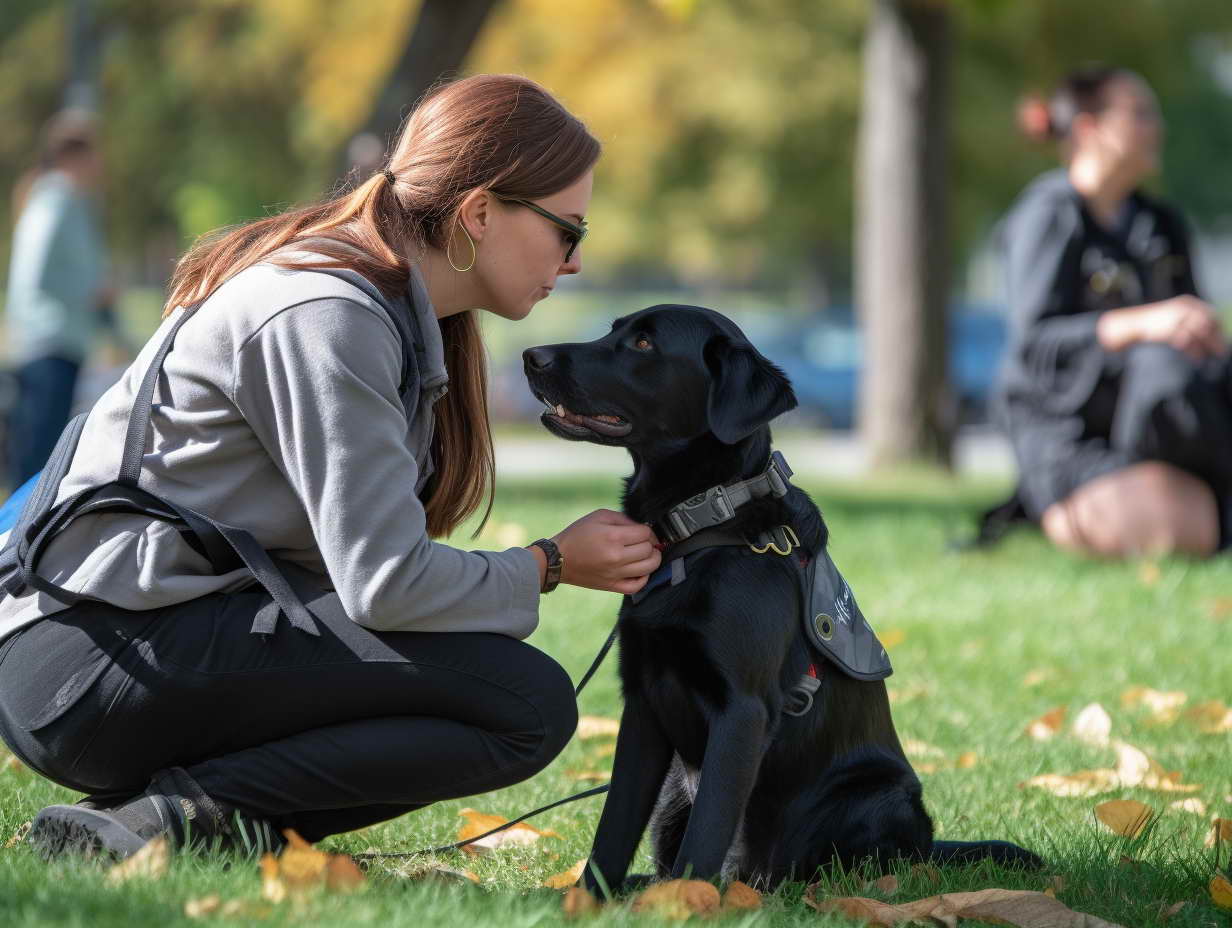
    Service dogs provide invaluable assistance and companionship to individuals with various disabilities. From aiding in mobility to offering emotional support, these specially trained dogs play an essential role in enhancing the quality of life for their owners. However, embarking on the journey of training a service dog requires careful consideration of costs, commitment, and dedication. In this comprehensive guide, we’ll delve into the world of Service Dog Training Class Costs, offering a detailed breakdown of expenses, essential insights, and answers to frequently asked questions.

    Introduction: Exploring the Importance of Service Dog Training

    Service dogs are not just pets; they are highly trained companions that provide essential support to individuals with disabilities. These dogs undergo rigorous training to perform specific tasks that cater to their owners’ unique needs. The journey of turning a dog into a skilled service companion starts with proper training, which comes with associated costs. Let’s dive into the world of service dog training class costs to better understand this investment.

    Understanding Service Dogs: The Role and Benefits

    Service dogs are trained to assist individuals with disabilities in various ways. They can perform tasks such as guiding the visually impaired, alerting individuals with hearing impairments, retrieving items, providing stability to those with mobility challenges, and offering emotional support to individuals with mental health conditions. These trained companions significantly enhance their owners’ independence, safety, and overall well-being, making the training investment worthwhile.

    Factors Influencing Costs: Breaking Down the Cost Components

    The cost of training a service dog can vary widely based on several factors. These include the type of disability the dog is being trained to assist with, the complexity of tasks required, the dog’s breed and age, the training program’s reputation, and the geographic location. Understanding these factors can help you anticipate and plan for the expenses involved in service dog training.

    Professional Training Programs: Investing in Expertise

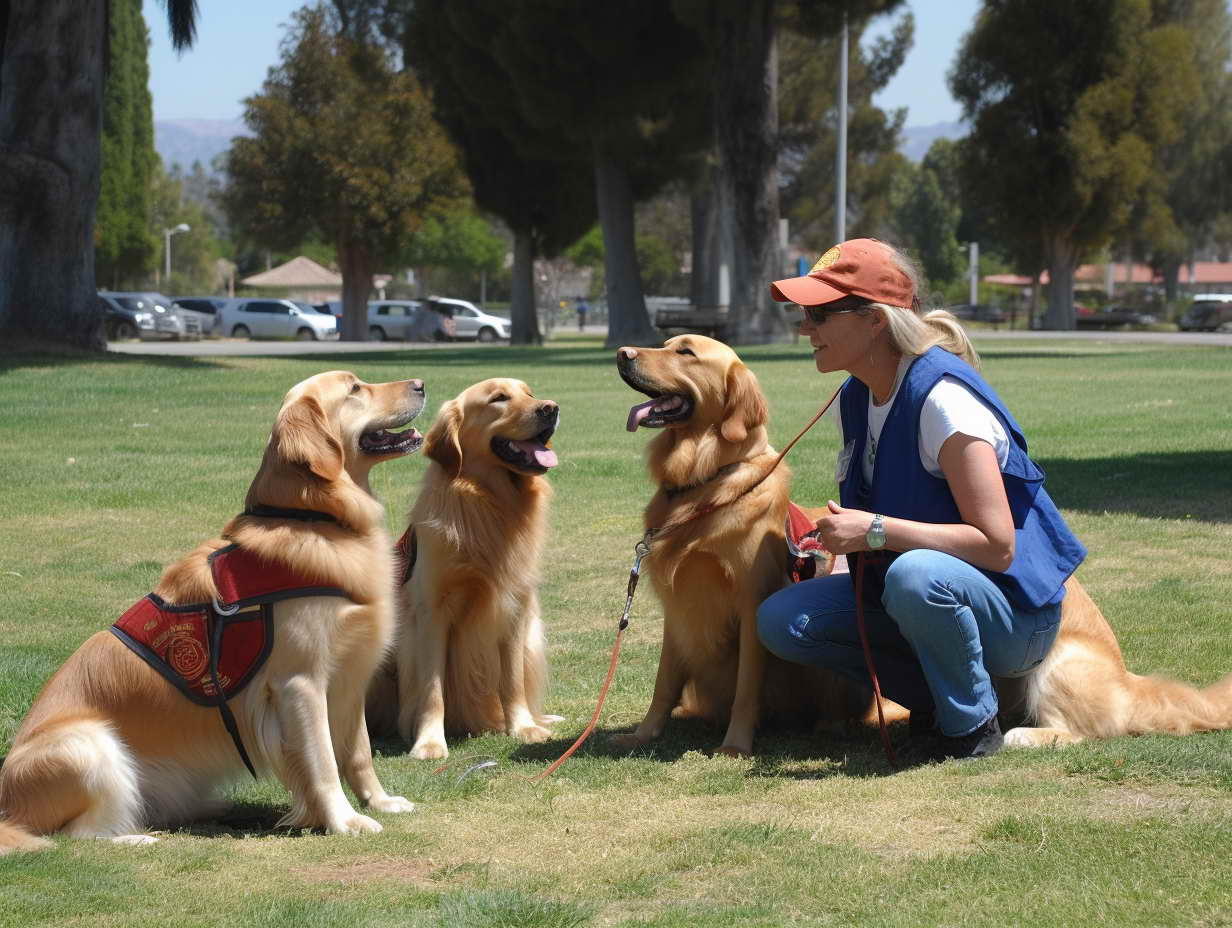
    Professional service dog training programs provide structured curricula and expert guidance to ensure that dogs are trained to perform their tasks effectively. These programs often offer comprehensive training that covers obedience, task-specific skills, socialization, and public behavior. The expertise and experience offered by these programs justify their costs, as they lead to well-trained service dogs that can seamlessly integrate into their owner’s life.

    Training Class Options: Different Types of Training Classes

    When it comes to service dog training classes, you’ll encounter various options, including basic obedience classes, task-specific training, and public behavior training. Each type of class serves a specific purpose in the overall training journey. Basic obedience classes lay the foundation for good behavior and manners, while task-specific training focuses on teaching the dog specialized skills tailored to the owner’s needs.

    One-on-One vs. Group Classes: Pros and Cons

    Deciding between one-on-one training and group classes depends on your dog’s individual needs and preferences. One-on-one training offers personalized attention and can address specific challenges your dog may face. On the other hand, group classes provide opportunities for socialization and distractions that mimic real-world situations. Considering your dog’s personality and learning style can help you make an informed choice.

    Training Duration: Time Investment for Desired Results

    Service dog training is not a quick process—it requires time, consistency, and patience. The duration of training can vary based on factors such as the dog’s age, breed, and complexity of tasks. On average, it takes about 6 months to 2 years to fully train a service dog. Remember that the investment of time is essential for achieving the desired results.

    Training Techniques: Modern Approaches to Training

    Modern service dog training techniques focus on positive reinforcement, using rewards to encourage desired behaviors. These techniques create a positive and trusting relationship between the dog and the handler. Avoiding punitive methods ensures that the training process is enjoyable for both the dog and the owner.

    Evaluating Training Facilities: Choosing the Right Environment

    Selecting the right training facility is crucial for effective service dog training. When evaluating potential training centers, consider factors such as the trainers’ qualifications, training methods, facility cleanliness, and the overall environment. A well-equipped and positive training facility can significantly impact your dog’s learning experience.

    Additional Training Expenses: Beyond the Basics

    In addition to the cost of classes, there are other expenses to consider when budgeting for service dog training. These may include the cost of training equipment, such as harnesses and vests, as well as treats and rewards used during training sessions. Regular veterinary check-ups, grooming, and health maintenance are also important aspects of your dog’s overall well-being.

    Financial Assistance: Support for Training Costs

    It’s important to note that there are organizations and programs that offer financial assistance to individuals who require a service dog but may not have the means to cover the full training costs. These organizations can help alleviate the financial burden and make service dog training more accessible to those in need.

    DIY Training vs. Professional Help: Weighing the Options

    While some individuals opt for do-it-yourself (DIY) training, it’s important to recognize that training a service dog requires specialized knowledge and skills. Professional training programs offer structured curricula, experienced trainers, and a supportive community. Investment in professional help often leads to more successful outcomes.

    Service Dog Certification: Navigating the Certification Process

    Certifying a service dog involves a process that varies based on your location. In some cases, certification may not be required, while in others, it may provide legal benefits and access to certain public spaces. Research the certification process in your area and consult with professionals to ensure compliance with relevant regulations.
    Complete Guide to Service Dog Training Class Costs

    Service Dog Maintenance: Ongoing Costs

    After completing the initial training, service dog owners should anticipate ongoing maintenance costs. These include expenses related to food, medical care, grooming, and other essentials. Regular training reinforcement is also recommended to ensure that the dog maintains its skills and behaviors.

    Tax Deductions: Potential Financial Benefits

    In some regions, individuals with disabilities may be eligible for tax deductions related to service dog training and maintenance expenses. It’s advisable to consult with a tax professional to understand the potential financial benefits and deductions available to you.

    Real-life Experiences: Insights from Service Dog Owners

    To provide you with a comprehensive understanding of service dog training class costs, we’ve gathered insights from individuals who have gone through the process. Many service dog owners attest to the transformative impact these companions have on their lives, making the investment in training well worth it.

    FAQs

    Can I train a service dog on my own?

    Absolutely! However, professional training programs offer expertise and structured curricula that can lead to better outcomes.

    How much do service dog training classes cost on average?

    Service dog training class costs can vary from $500 to $2,500 or more, depending on the program and location.

    Are there financial aid options available for service dog training?

    Yes, there are organizations that provide financial assistance to individuals in need of service dogs.

    Can any dog breed become a service dog?

    While any breed has the potential, certain breeds are more commonly trained due to their temperament and characteristics.

    What tasks can a service dog be trained to perform?

    Service dogs can be trained to perform tasks such as retrieving items, alerting to medical conditions, providing stability, and more.

    How long does it take to train a service dog?

    The training duration can vary widely, typically taking 6 months to 2 years to fully train a service dog.

    Conclusion: Investing in a Brighter Future

    Investing in service dog training class costs is an investment in a brighter future for both individuals with disabilities and their loyal companions. The benefits of a well-trained service dog are immeasurable, ranging from increased independence to enhanced emotional well-being. By understanding the factors that influence costs and the various training options available, you can make an informed decision that leads to a successful partnership with your service dog.
  • Therapy Dog Training Denver

    Therapy Dog Training Denver

    Therapy Dog Training Denver

    Therapy Dog Training Denver – A Comprehensive Guide to Training Your Canine Companion

    Therapy dogs play a vital role in providing emotional support and comfort to individuals in various settings. To ensure your canine companion is well-prepared for this important role, effective training is essential. In this guide, we’ll delve into the world of therapy dog training in Denver, offering insights, tips, and techniques to help you develop a confident and well-behaved therapy dog. Whether you’re a new dog owner or looking to enhance your dog’s training skills, this guide has you covered.

    Therapy Dog Training Denver: Building the Foundation

    Therapy Dog Training Denver: Understanding the Basics

    When embarking on therapy dog training in Denver, it’s crucial to start with a solid foundation. Understand the characteristics that make a great therapy dog and how to choose the right candidate.

    The Power of Positive Reinforcement

    Discover the effectiveness of positive reinforcement in training your therapy dog. Learn how to use treats, praise, and rewards to encourage desired behaviors while building a strong bond with your canine friend.

    Essential Commands for Therapy Dogs

    Explore fundamental commands that are essential for therapy dogs, including “sit,” “stay,” “down,” and “come.” These commands form the basis for a well-behaved and responsive therapy dog.

    Socialization: A Key Component

    Learn why socialization is crucial for therapy dogs. Discover how to expose your dog to various environments, people, and situations to ensure they remain calm and confident during therapy sessions.

    Leash Manners and Walking Skills

    Mastering leash manners is vital for therapy dog training in Denver. Get tips on teaching your dog to walk calmly on a leash, promoting positive and controlled interaction with those they’re assisting.

    Crate Training and Comfort

    Explore the benefits of crate training for therapy dogs. Understand how to create a safe and comfortable space that serves as a retreat for your dog while they navigate different environments.

    Advanced Techniques for Therapy Dog Training Denver

    Therapy dog training in Denver goes beyond basic commands. To truly excel in their role, therapy dogs need advanced techniques that enhance their abilities and adaptability. These techniques not only make the dog more skilled but also contribute to the overall therapeutic experience for those they assist.

    1. Advanced Commands and Tricks: Elevating Skills and Engagement

    Taking your therapy dog’s training to the next level involves introducing advanced commands and tricks. This not only showcases their intelligence and capability but also provides mental stimulation that keeps them sharp and engaged. Commands like “fetch a specific item,” “turn on the light,” or “close the door” can prove incredibly valuable in various therapy settings. Moreover, impressive tricks like high fives, dancing, or spinning can lighten the mood and establish a stronger connection between the therapy dog and the individual they’re assisting.

    2. Distraction Training: Maintaining Focus Amidst Challenges

    Denver’s vibrant environment can be distracting for any dog, let alone a therapy dog on a mission. Advanced training involves exposing the dog to controlled distractions, such as noisy environments, busy streets, or crowded places. By gradually increasing the level of distractions during training sessions, you’re helping the therapy dog build an ability to remain focused and composed, even when surrounded by various stimuli. This skill is vital for ensuring that the dog stays attentive to the person they’re assisting, regardless of the environment’s challenges.

    3. Handling Unpredictable Situations: Confidence in the Face of the Unknown

    Therapy dogs encounter a myriad of unpredictable situations during their service. From sudden loud noises to unexpected movements, these situations can startle even the most well-trained dogs. Advanced training focuses on desensitizing therapy dogs to such scenarios. By gradually exposing them to unexpected sounds, actions, and situations, you’re helping them maintain their composure and confidence. This skill not only benefits the therapy dog but also reassures the individuals they’re supporting, as the dog’s calm demeanor can have a soothing effect.

    4. Therapy-Specific Training: Navigating Unique Scenarios

    The role of a therapy dog can differ based on the specific setting they’re placed in. For instance, a therapy dog working in a hospital might need to interact with medical equipment, while one in a school might need to be comfortable around children of varying ages. Advanced training involves acclimating the dog to the unique elements of their therapy environment. This might include introducing them to the scents and sounds of a hospital or practicing interactions with individuals using mobility aids. Tailoring training to the specific needs of the therapy dog’s role enhances their effectiveness and ensures a positive experience for all involved.

    5. Boundary and Personal Space Awareness: Respecting Boundaries

    Respecting personal space is crucial for therapy dogs. In advanced training, the focus shifts to teaching the therapy dog to be aware of and respect the personal space of the individuals they’re assisting. This skill is particularly important when working with individuals who might have sensory sensitivities or personal comfort zones. By maintaining appropriate boundaries, the therapy dog contributes to a respectful and positive therapeutic interaction.

    6. Evaluating Progress and Adjusting Training: Continuous Improvement

    Advanced training is an ongoing process that requires regular evaluation of the dog’s progress. As the therapy dog becomes more skilled, it’s essential to continually challenge them with new scenarios and stimuli. Regular assessments help identify areas that need improvement and provide an opportunity to adjust the training approach accordingly. This commitment to continuous improvement ensures that the therapy dog remains well-prepared and effective in their role.

    Therapy Dog Training Denver Building the Foundation

    FAQs about Therapy Dog Training Denver

    Can any dog breed become a therapy dog?

    Absolutely! While certain breeds are more commonly associated with therapy work, any breed can become a therapy dog with the right training and temperament.

    How long does it take to train a therapy dog?

    The training timeline varies depending on the dog’s age, breed, and previous training. On average, it takes several months of consistent training to prepare a dog for therapy work.

    Are there age requirements for therapy dogs?

    Most therapy dog organizations require dogs to be at least one year old before they can become registered therapy dogs.

    Can I train my dog for therapy work on my own?

    While it’s possible to train your dog independently, enrolling in a reputable therapy dog training program can provide structured guidance and expertise to ensure your dog is well-prepared.

    How often should I engage in training sessions?

    Consistency is key. Aim for daily short training sessions to reinforce commands, behaviors, and skills. Regular practice will yield the best results.

    Are therapy dogs allowed everywhere?

    Therapy dogs have specific permissions to enter certain facilities. However, they do not have the same access rights as service dogs. Always check with the venue before bringing your therapy dog.

    Conclusion:

    Training your dog to become a therapy dog in Denver is a rewarding journey that requires patience, dedication, and a deep understanding of canine behavior. By following the comprehensive guide provided here, you’ll equip yourself with the knowledge and skills needed to nurture a well-behaved and confident therapy dog. Remember, the impact your dog can make on individuals in need is immeasurable, and your efforts will contribute to a more compassionate and empathetic community.

  • Dog Training Hudson

    Dog Training Hudson

    Dog Training Hudson

    The Costs for Dog Training Hudson: Unveiling the Investment in a Well-Trained Pooch

    Dog owners understand the importance of a well-behaved and obedient canine companion. However, when it comes to investing in professional dog training, many questions arise. How much does dog training cost in Hudson? Is it worth the expense? In this comprehensive guide, we’ll delve into the realm of dog training costs in Hudson and provide you with valuable insights to help you make an informed decision. Whether you’re a first-time dog owner or looking to enhance your furry friend’s skills, read on to discover all you need to know about the costs of dog training in Hudson.

    The Costs for Dog Training Hudson: A Closer Look

    Investing in your dog’s training is an investment in their well-being, your peace of mind, and the quality of your relationship. Understanding the breakdown of costs associated with dog training in Hudson will help you make an informed decision that aligns with your goals and budget. Let’s explore each aspect in detail:

    1. Puppy Kindergarten: Laying the Foundation

    Puppy kindergarten serves as a solid foundation for your young pup’s learning journey. These programs focus on crucial socialization skills and introducing basic commands. While the costs may vary, ranging from $100 to $400, the benefits extend far beyond the classroom. Your puppy learns to interact with other dogs and people, setting the stage for a well-adjusted adult dog.

    2. Basic Obedience Training: Building Crucial Skills

    Basic obedience training equips your dog with essential commands like sit, stay, and come. This level of training forms the cornerstone of good behavior and sets the groundwork for more advanced skills. Group classes or private sessions usually range from $150 to $350, providing you with the tools to communicate effectively with your furry companion.

    3. Advanced Training: Elevating Abilities

    Advanced training takes your dog’s skills to a higher plane. From mastering off-leash commands to engaging in agility exercises, this level of training showcases your dog’s intelligence and versatility. The investment, typically between $200 and $600, reflects the specialized instruction and increased challenges that come with advanced training.

    4. Behavioral Modification: Addressing Challenges Head-On

    For dogs with specific behavioral issues, such as aggression or separation anxiety, behavioral modification programs are tailored solutions. These programs involve a deep dive into understanding and modifying your dog’s behavior. Due to the individualized nature of the training, costs vary widely based on the complexity and duration of the program.

    5. Board and Train: Intensive Learning

    Board and train programs offer an immersive learning experience for your dog. They stay with a professional trainer for a designated period, undergoing intensive instruction. This option is beneficial for busy dog owners or those facing particularly challenging behavior problems. While costs range from $500 to $2,500 or more, the transformation your dog undergoes can be remarkable.

    6. In-Home Training: Personalized Convenience

    In-home training brings the expertise of a professional trainer to the comfort of your own home. This approach is particularly useful for addressing specific behavioral concerns within your dog’s natural environment. While the costs range from $100 to $300 per session, the personalized attention and immediate application make it a valuable investment.

    7. Group Classes vs. Private Sessions: Making the Choice

    Group classes foster socialization while private sessions offer undivided attention. The former, ranging from $100 to $250, allow your dog to interact with peers, while the latter, costing $50 to $150 per hour, cater to individual needs. Consider your dog’s temperament and your training goals when deciding between these options.

    8. Training Equipment: Necessary Investments

    While not a direct training cost, investing in quality training equipment is essential. Leashes, collars, clickers, and treat pouches collectively amount to around $50 to $100. These tools are invaluable in reinforcing positive behaviors and making training sessions effective.

    9. Time and Effort: Your Commitment

    Beyond financial investment, training requires time, dedication, and consistency from you as a dog owner. Your involvement in reinforcing learned behaviors and practicing commands at home significantly contributes to the success of the training program.

    10. Factors Influencing Costs: The Variables

    Numerous factors impact the costs associated with dog training in Hudson. The trainer’s level of experience, the geographical location, the training methods employed, and the age and breed of your dog all contribute to the final cost. It’s essential to consider these factors when budgeting for your dog’s training journey.

    From setting the foundation with puppy kindergarten to delving into advanced skills, each training level has its benefits and costs. Remember, the expense of dog training is an investment in your dog’s well-being and your mutual happiness. When deciding on the appropriate training program, carefully weigh the options against your dog’s needs, your budget, and your dedication to consistent training practices.

    The Costs for Dog Training Hudson

    FAQs About Dog Training Costs in Hudson

    Is professional dog training worth the investment?

    Absolutely. Professional training enhances your dog’s behavior, ensuring a positive and enjoyable companionship experience.

    Are there budget-friendly training options?

    Yes, group classes and basic obedience training are usually more budget-friendly while still providing effective results.

    How long does training usually take?

    The duration varies depending on the program and your dog’s progress. Basic training might take a few weeks, while advanced training could span several months.

    Can I train my dog at home without professional help?

    While basic commands can be taught at home, professional trainers offer expertise in dealing with complex behaviors and ensuring consistent results.

    How do I choose the right trainer?

    Research trainers’ credentials, read reviews and inquire about their training methods to find the best fit for you and your dog.

    What if my dog doesn’t respond to the training?

    Experienced trainers can adapt methods to suit your dog’s learning style. If one approach isn’t working, they’ll find alternatives to achieve success.

    Conclusion: Investing in a Well-Trained Companion

    In the world of dog ownership, investing in training isn’t just about financial expenses; it’s an investment in building a strong bond and a well-behaved canine companion. From puppy kindergarten to advanced training, each program offers unique benefits. Consider your dog’s needs, your budget, and your commitment to training when making a decision. The costs for dog training in Hudson may vary, but the rewards of a well-trained pooch are priceless.

  • Dog Training 2 Weeks

    Dog Training 2 Weeks

    Dog Training 2 Weeks

    What the Costs for Dog Training 2 Weeks: A Comprehensive Guide

    Dog training is a vital investment in ensuring your furry companion becomes a well-behaved and obedient member of your family. If you’re wondering about the costs associated with dog training over 2 weeks, you’ve come to the right place. In this comprehensive guide, we’ll break down the expenses, benefits, and essential factors to consider when budgeting for dog training. Whether you’re a new dog owner or looking to enhance your pup’s skills, we’ve got you covered. So, let’s delve into the details and uncover everything you need to know about the costs of dog training over 2 weeks.

    What the Costs for Dog Training 2 Weeks

    When it comes to dog training, the costs can vary based on several factors. While there isn’t a one-size-fits-all answer, understanding the factors that influence the pricing can help you make an informed decision.

    Training Program Selection

    Different dog training programs offer varying levels of intensity and duration. A 2-week training program typically includes concentrated training sessions, consistent reinforcement, and progress monitoring. The cost can range from $500 to $1500 or more, depending on the program’s comprehensiveness and the reputation of the training facility.

    Trainer Expertise and Reputation

    The expertise and reputation of the dog trainer play a significant role in determining the costs. Highly experienced trainers with a proven track record of successful training outcomes might charge higher fees. While investing in a reputable trainer can yield excellent results, it’s essential to balance the trainer’s expertise with your budget.

    Training Methods

    Dog training incorporates various methods, such as positive reinforcement, clicker training, and behavior modification. Some methods might be more time-intensive and, therefore, costly. It’s crucial to discuss the training methods with the trainer and ensure they align with your dog’s needs and preferences.

    Geographic Location

    The cost of dog training can also vary based on your geographic location. Urban areas and regions with a higher cost of living might have slightly elevated training fees compared to more rural areas.

    Additional Services

    Dog training packages may include additional services, such as boarding, grooming, and follow-up sessions. These services can add to the overall cost but might provide convenience and comprehensive care for your pet.

    Equipment and Supplies

    Depending on the training program, you might need to invest in specific equipment and supplies, such as training collars, leashes, and treats. Factor in these costs when budgeting for the training program.

    Benefits of a 2-Week Dog Training Program

    Enhanced Learning and Behavior Transformation

    Enrolling your beloved canine companion in a 2-week dog training program offers a myriad of benefits that extend far beyond the basic commands. One of the most significant advantages is the intensive learning experience that your dog undergoes during this period. With daily training sessions and consistent reinforcement, your dog has ample opportunity to absorb commands, cues, and desired behaviors. This concentrated approach accelerates the learning process, ensuring that your pup grasps essential skills quickly.

    However, it’s not just about learning new tricks; a 2-week training program also provides an excellent platform for behavior modification. If your dog exhibits challenging behaviors, such as excessive barking, jumping, or leash pulling, the dedicated training period allows skilled trainers to address and correct these behaviors effectively. Whether it’s curbing aggression, reducing anxiety, or eliminating undesirable habits, the training program’s structured environment facilitates lasting behavior transformation.

    Expert Guidance and Tailored Training

    One of the standout advantages of a professional 2-week dog training program is the expert guidance that both you and your dog receive. Reputable trainers bring their wealth of experience and knowledge to the table, crafting a training regimen that’s tailored to your dog’s unique temperament, needs, and learning pace. This personalized approach ensures that your dog not only learns commands but also internalizes them, resulting in consistent and reliable responses.

    Professional trainers also possess an understanding of canine psychology, enabling them to identify the root causes of behavioral issues. With this insight, they can employ specific techniques that address these issues head-on, fostering positive behavioral changes. Whether your dog needs assistance with obedience, socialization, or overcoming fear and anxiety, a skilled trainer can devise a plan that yields impressive results.

    Socialization and Confidence Building

    Another invaluable benefit of a 2-week training program is the opportunity for enhanced socialization and confidence building. Training sessions often include interactions with other dogs and people, exposing your pup to various situations and environments. This exposure is crucial for teaching your dog appropriate social behaviors and preventing aggressive tendencies.

    As your dog becomes more comfortable in different settings, their confidence naturally grows. This newfound confidence extends beyond training sessions and spills into daily life, making your dog more adaptable to new experiences and less prone to stress or fear-based reactions. Improved socialization and confidence not only lead to a happier and more well-adjusted pup but also contribute to harmonious interactions with other dogs and people.

    Long-Lasting Results and Strengthened Bond

    One of the most rewarding aspects of a 2-week dog training program is the potential for long-lasting results. The concentrated training period allows your dog to establish strong neural connections associated with the learned behaviors. This means that the behaviors acquired during the program are more likely to stick and become a permanent part of your dog’s repertoire.

    Moreover, the training program also serves as a powerful tool for strengthening the bond between you and your four-legged friend. Through consistent training sessions, positive reinforcement, and shared experiences, you and your dog develop a deeper understanding and connection. This strengthened bond not only enhances your dog’s overall well-being but also contributes to a more enjoyable and fulfilling relationship between you and your furry companion.

    What the Costs for Dog Training 2 Weeks

    FAQs

    Is a 2-week training program suitable for all dogs?

    While a 2-week program can benefit many dogs, it’s essential to assess your dog’s temperament and training needs. Consult with a professional trainer to determine the best approach.

    Can I train my dog at home instead of enrolling in a program?

    Training at home is possible, but professional trainers bring expertise, structure, and a controlled environment that can lead to better results.

    Are there any additional costs I should consider?

    Aside from the training fees, factor in costs for supplies, equipment, and potential follow-up sessions for consistent progress.

    Will my dog’s age impact the effectiveness of the training?

    Dogs of all ages can benefit from training, but starting early can prevent behavioral issues from becoming ingrained.

    How can I choose the right trainer for my dog?

    Research trainers in your area read reviews, ask for referrals, and schedule consultations to find a trainer whose methods align with your goals.

    What if my dog doesn’t respond well to the training?

    Reputable trainers will assess your dog’s progress and adjust the training approach as needed to ensure positive results.

    Conclusion

    Investing in a 2-week dog training program can be a game-changer for your furry friend’s behavior and overall well-being. While the costs might vary based on factors such as program selection, trainer expertise, and location, the benefits of improved behavior, obedience, and a stronger bond with your pet are priceless. Remember to research and choose a reputable trainer, discuss training methods, and consider any additional services before enrolling your dog in a training program. With dedication, patience, and the right guidance, you’ll set your dog up for a lifetime of happiness and harmony within your household.

  • Dog Training In Warner Robins GA

    Dog Training In Warner Robins GA

    Dog Training In Warner Robins GA

    Dog Training In Warner Robins GA Costs: A Comprehensive Guide

    Welcoming a furry friend into your life can bring immense joy, but ensuring they are well-behaved and obedient requires proper training. If you’re in Warner Robins, GA, and seeking professional dog training services, you might be wondering about the costs, methods, and benefits. This comprehensive guide is here to address all your questions about dog training in Warner Robins, including the costs involved, training methods employed, and the advantages of investing in proper training.

    Dog Training In Warner Robins GA Costs

    When it comes to ensuring the well-being and proper behavior of your furry companion, investing in dog training is an essential consideration. If you’re a resident of Warner Robins, GA, and seeking professional training services for your beloved canine, it’s natural to wonder about the associated costs. Let’s delve deeper into the various aspects that contribute to the expenses of dog training in Warner Robins and gain a better understanding of what to expect.

    Factors Influencing Dog Training Costs

    Dog training costs can vary widely based on a multitude of factors, each playing a significant role in determining the overall expense. Understanding these factors can help you make an informed decision regarding the training program that best suits your dog’s needs and your budget.

    1. Training Programs and Specializations

    Different dogs have different training requirements. Basic obedience training, advanced training, behavior modification, and specialized training for specific issues all come with varying costs. The complexity of the training program and the skills required of the trainer can influence the price.

    2. Duration of the Training

    The duration of the training program can significantly impact the overall cost. Shorter programs designed for addressing minor behavior issues may be more affordable, while longer training programs or those designed for more complex problems might incur higher costs.

    3. Trainer’s Expertise and Reputation

    Highly experienced and reputable trainers often charge higher fees due to their proven track record of success. While this might mean a slightly higher upfront cost, the expertise they bring to the table can lead to more effective and efficient training, potentially saving you money in the long run.

    4. Private vs. Group Training

    Choosing between private training sessions and group classes is another important consideration. Group classes are generally more cost-effective as the expenses are shared among participants. Private sessions, on the other hand, offer personalized attention and tailored training, which can come at a higher price.

    5. Training Facility Amenities

    The training facility itself can influence the cost. Facilities that provide premium amenities, a comfortable environment, and state-of-the-art training equipment may charge higher fees compared to more basic setups.

    Estimated Cost Range

    In Warner Robins, GA, dog training costs typically fall within the following ranges:

    • Group Training Sessions: Group training classes are an excellent option for socialization and basic obedience. These sessions can cost between $50 and $150 per class. Group classes are a budget-friendly way to introduce your dog to training while benefiting from the shared experience of other participants.
    • Private Training Sessions: If you’re looking for more personalized attention or have specific concerns, private training sessions might be more suitable. The cost for private sessions can range from $100 to $300 per session. These one-on-one sessions allow trainers to focus exclusively on your dog’s individual needs.
    • Comprehensive Training Programs: For those seeking a more comprehensive approach or addressing specific behavioral issues, longer-duration training programs are available. These can range from $500 to $1500 or more. Such programs offer in-depth training and ongoing support to ensure lasting behavior changes.

    The Investment’s Worth

    While the initial cost of professional dog training might seem like a significant investment, it’s important to view it as just that—an investment. The benefits that come from well-trained dogs extend well beyond the training period. A well-behaved and obedient dog leads to a more harmonious household, better interactions with other dogs and people, and enhanced safety in various situations. Moreover, the bond you’ll build with your four-legged friend through training is truly priceless.

    Dog Training In Warner Robins GA Costs

    Choosing Wisely

    When considering dog training options in Warner Robins, GA, it’s recommended to thoroughly research the available programs, read reviews, and even schedule consultations with trainers. Make sure you’re comfortable with the training approach and the trainer’s experience before making your decision. By investing in your dog’s training, you’re investing in their happiness and your peace of mind.

    Benefits of Professional Dog Training

    Investing in professional dog training can yield numerous benefits for both you and your four-legged companion:

    • Improved Obedience: Professional trainers can help your dog master essential commands, making them more obedient and easier to manage.
    • Behavioral Issues: Trainers are equipped to address and correct behavioral issues such as aggression, excessive barking, and separation anxiety.
    • Socialization: Training classes provide opportunities for your dog to interact with other dogs and people, enhancing their social skills.
    • Bonding: Training sessions foster a stronger bond between you and your dog through positive reinforcement and shared experiences.
    • Safety: Obedient dogs are less likely to engage in dangerous behaviors, ensuring their safety in various situations.
    • Peace of Mind: Properly trained dogs are more predictable and less likely to exhibit disruptive behavior, providing you with peace of mind both at home and in public.

    Training Methods Employed

    Professional dog trainers in Warner Robins, GA, utilize various training methods to ensure effective results:

    • Positive Reinforcement: This method involves rewarding your dog for desired behaviors, encouraging them to repeat those behaviors.
    • Clicker Training: Clicker training uses a clicking sound followed by a treat to mark the correct behavior, helping dogs associate the sound with positive actions.
    • Obedience Commands: Trainers teach essential commands like sit, stay, come, and heel through consistent repetition and rewards.
    • Behavior Modification: For addressing unwanted behaviors, trainers focus on redirecting and replacing them with positive actions.
    • Desensitization: This method involves gradually exposing your dog to things they find fearful or stressful, helping them overcome these anxieties.
    • Leash Training: Trainers work on leash manners, teaching dogs to walk calmly without pulling.

    FAQs

    Can I train my dog at home without professional help?

    While some basic training can be done at home, professional trainers offer expertise and experience that can address complex issues effectively.

    Are group training classes suitable for all dogs?

    Group classes are great for socialization, but if your dog has specific behavioral problems, private sessions might be more beneficial.

    How long does it take to see results from dog training?

    The timeline varies, but you can expect to see noticeable improvements in a few weeks, with continued progress over time.

    Can training help with aggression issues?

    Yes, professional trainers can assess the underlying causes of aggression and develop strategies to modify this behavior.

    Is dog training worth the investment?

    Absolutely. Proper training enhances your dog’s quality of life, fosters a harmonious household, and strengthens your bond.

    What should I bring to a group training session?

    Typically, you’ll need your dog’s leash, treats, water, and a positive attitude!

    Conclusion

    Investing in professional dog training in Warner Robins, GA, is a valuable choice that benefits both you and your canine companion. From improving obedience to addressing behavioral issues, the costs associated with training are well worth the advantages. Whether you opt for group classes or private sessions, the rewards of a well-trained dog extend far beyond the initial investment. So, if you’re looking for a harmonious and fulfilling relationship with your furry friend, consider enrolling in a reputable dog training program today.

  • Dog Training In Spokane WA

    Dog Training In Spokane WA

    Dog Training In Spokane Wa

    Dog Training In Spokane WA Costs: A Comprehensive Guide

    Dog training is an essential part of responsible pet ownership, and if you’re a dog owner in Spokane, WA, you might be wondering about the costs associated with professional dog training services. In this detailed guide, we’ll delve into the various aspects of dog training in Spokane WA costs, helping you make an informed decision for your furry companion’s training journey.

    Factors Affecting Dog Training Costs

    When considering dog training costs in Spokane WA, it’s important to take into account various factors that can influence the pricing of different training programs. Understanding these factors will help you make an informed decision about the training that best suits your dog’s needs and your budget. Here are the key factors that can affect dog training costs:

    Type of Training

    The type of training you’re seeking for your dog plays a significant role in determining the cost. Different training methods and programs cater to varying needs and goals. Basic obedience training, which focuses on essential commands like sit, stay, and recall, is generally more affordable than specialized training programs such as agility training or service dog training. The complexity of the training curriculum, the skills being taught, and the level of expertise required from the trainer all contribute to the pricing.

    Duration of Training

    The duration of the training program can impact the overall cost. Shorter training programs or introductory classes might have a lower price point, making them suitable for addressing specific concerns or learning basic commands. On the other hand, more comprehensive and intensive training programs that cover a broader range of skills and behaviors may involve a higher cost due to the extended time commitment and more in-depth training sessions.

    Training Venue

    The location where the training takes place is another critical factor that affects pricing. Group training classes held at a training facility or local community center are often more cost-effective than personalized in-home training sessions. Group classes allow trainers to work with multiple dogs and their owners simultaneously, reducing the cost per participant. In contrast, private one-on-one sessions provide personalized attention and are usually priced higher to account for individualized focus.

    Trainer’s Experience

    The experience and expertise of the dog trainer have a direct impact on the cost of training services. Trainers with a proven track record, extensive experience, and a reputation for successfully addressing various behavioral issues often charge higher rates. Their expertise and ability to tailor training approaches to individual dogs’ needs contribute to the added value they offer. While opting for an experienced trainer may come at a higher cost, the results and quality of training are often worth the investment.

    Training Equipment and Supplies

    Depending on the training program, certain equipment and supplies might be required for effective training sessions. These can include items like training treats, leashes, collars, clickers, and agility equipment. The cost of these materials might be included in the training fee or billed separately. High-quality training equipment can enhance the training experience and contribute to better results, but it’s important to factor in these costs when budgeting for dog training.

    Additional Services

    Some dog training programs include supplementary services that can influence the overall cost. For example, programs that offer follow-up sessions, progress assessments, or access to online resources might have a higher price point due to the added value these services provide. Before enrolling in a training program, it’s a good idea to inquire about any extra services that might be included and whether they align with your training goals and preferences.

    Types of Dog Training Programs

    Spokane WA offers a range of dog training programs tailored to different needs:

    • Basic Obedience Training: This type of training focuses on fundamental commands like sit, stay, and recall.
    • Behavior Modification: For dogs with behavioral issues, this training aims to address problems like aggression, anxiety, or excessive barking.
    • Puppy Training: Puppy classes help with socialization, basic commands, and preventing common puppy behavior problems.
    • Advanced Training: This includes more advanced commands and specialized skills such as agility training or tricks.

    Professional Dog Trainers in Spokane WA

    In Spokane WA, you’ll find a variety of professional dog trainers, each with their own approach and pricing structure. It’s essential to research and choose a trainer that aligns with your dog’s needs and your training goals.

    Training Equipment and Supplies

    Depending on the training program, you might need to invest in certain equipment such as leashes, collars, treats, and training aids. These costs can vary but are typically essential for successful training.

    How Much Does Dog Training Cost in Spokane WA?

    The cost of dog training in Spokane WA can vary widely based on the factors mentioned earlier. On average, basic group obedience classes can start at around $100, while more comprehensive training programs can range from $300 to $1,000 or more. Private one-on-one sessions tend to be pricier due to the personalized attention provided.

    Understanding the Value of Dog Training

    Investing in professional dog training is not just about the cost; it’s about the value it brings to your dog’s life and your relationship with them. Well-trained dogs are safer, more enjoyable companions, and they can better integrate into your daily routine.

    Benefits of Professional Dog Training

    • Behavior Improvement: Professional training can help curb undesirable behaviors, making your dog more pleasant to be around.
    • Enhanced Communication: Training improves the communication between you and your dog, fostering a stronger bond.
    • Safety and Control: Training ensures that your dog responds to commands, enhancing safety in various situations.
    • Socialization: Training classes provide an opportunity for your dog to interact with other dogs and people, promoting better social skills.

    Dog Training In Spokane WA Costs

    Dog Training FAQs

    Q: Can I train my dog at home?

    A: While basic commands can be taught at home, professional trainers offer expertise in addressing behavior issues and advanced training.

    Q: Are group classes or private sessions better?

    A: It depends on your dog’s needs. Group classes are great for socialization, while private sessions offer personalized attention.

    Q: How long does training take?

    A: The duration varies based on the program and your dog’s progress. Basic obedience might take a few weeks, while behavior modification can take longer.

    Q: Is positive reinforcement the best training method?

    A: Positive reinforcement is widely recommended for its effectiveness in encouraging desired behaviors without causing fear or stress.

    Q: Can older dogs be trained?

    A: Yes, dogs of all ages can benefit from training. While puppies are more adaptable, older dogs can still learn new behaviors.

    Q: Are there any free or low-cost training options?

    A: Some shelters or organizations might offer affordable training classes. However, professional training often yields better results.

    Conclusion

    Investing in dog training in Spokane WA is an investment in your dog’s well-being and your relationship with them. While costs can vary, the benefits of having a well-trained dog far outweigh the expenses. Remember to choose a training program that aligns with your dog’s needs and consult with professional trainers to find the best fit. Now that you have a better understanding of dog training costs in Spokane WA, you’re well-equipped to embark on this rewarding journey with your furry friend.