Category: Information

  • How Long Does It Take To Potty Train A Goldendoodle – Can You Do It in 2 Weeks?

    How Long Does It Take To Potty Train A Goldendoodle – Can You Do It in 2 Weeks?

    How Long Does It Take To Potty Train A Goldendoodle

    How Long Does It Take To Potty Train A Goldendoodle: Can You Do It in 2 Weeks?

    Introduction

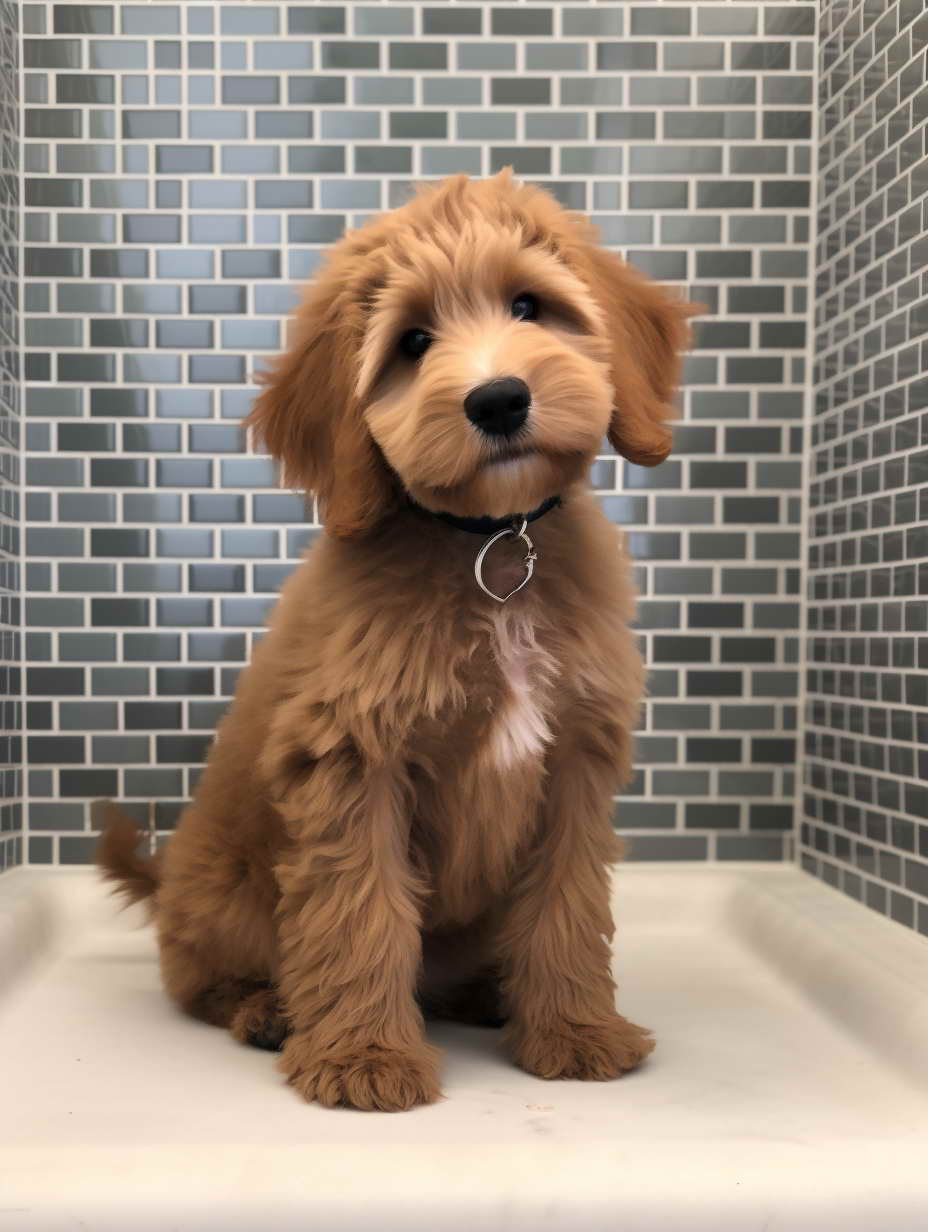
    Potty training your Goldendoodle is a crucial step in ensuring a harmonious relationship with your furry companion. But how long does it take to potty train a Goldendoodle effectively? In this comprehensive guide, we’ll explore the process, share expert tips, and gather information based on WalkAndWagChapelHill.com article also answer your burning questions about potty training these lovable dogs by leaving a comment at the end of this article.

    Usually How Long Does It Take To Potty Train A Goldendoodle?

    Potty training duration varies from one dog to another. It depends on factors such as the dog’s age, temperament, and your dedication to the process. On average, here’s a rough timeline:

    • 3-4 Months: Some Goldendoodles catch on quickly and may be fully trained in just a few months.
    • 5-6 Months: For others, it might take a bit longer, usually around five to six months.
    • Up to 1 Year: In some cases, especially with stubborn or very young puppies, it can take up to a year.

    Remember, patience and consistency are key. Don’t get discouraged if it takes a bit longer than expected.

    Can You Potty Train A Goldendoodle in Just 2 Weeks?

    Yes, you can potty train a Goldendoodle in just 2 weeks, this basically can be applied to any dog. This method is based on walkandwagchapelhill.com. 

    • First, you need a bell.
    • Utilize a ribbon to hang the bell from the door that leads to your dog’s outdoor restroom. The bell should fall at or just below the level of your dog’s nose.
    • When the moment comes to step outdoors, delicately sway the chime, allowing it to lightly brush against your canine companion’s snout.
    • Give your dog praise and let them out by opening the door.
    • Use this method by repetition a minimum 3-4 each time the dog goes outside for 7 days.
    • On the eighth day, gently move the bell so that it stops swaying just in front of your dog’s nose. If your dog extends her muzzle to touch the bell, you are ready to proceed. If not, repeat steps 3 and 4 for another day or two and then try again.
    • Gradually assist your dog less and less when it’s time to ring the bell. By the 14th day, you’ll probably be able to stand at the door and wait for your dog to ring the bell all by herself.

    Expert Tips for Successful Potty Training

    Now, let’s delve into some expert tips based on WalkAndWagChapelHill.com on how to make the potty training process smoother and faster:

    1. Use a Crate Strategically

    A crate can be a powerful tool in your potty training arsenal. Dogs instinctively avoid soiling their living space, making it easier to teach them where to go. Use the crate during times when you can’t directly supervise your pup, such as when you’re at work or asleep. Ensure the crate is appropriately sized – not too big, allowing enough room to stand and turn around, but not too small to be uncomfortable. Introduce your Goldendoodle to the crate gradually, making it a positive and safe space. Over time, they’ll learn to hold it until they can go outside.

    2. Supervise Closely Indoors

    When your Goldendoodle is indoors, especially during the early stages of training, keep a close eye on them. This vigilant supervision allows you to intervene immediately if you notice signs that they need to go. Watch for restlessness, sniffing around, or circling. The goal is to whisk them outside before an accident occurs, reinforcing the idea that potty time is an outdoor activity.

    3. Clean Accidents Thoroughly

    Accidents will happen, but how you handle them is essential. Clean up any accidents promptly and thoroughly, using an enzymatic cleaner. These cleaners break down the odor molecules, making it less likely that your Goldendoodle will return to the same spot. If they can still smell their previous accidents, they might think it’s an acceptable potty area. So, efficient cleaning is a key step in preventing repeat accidents.

    4. Consistent Commands and Praise

    When taking your Goldendoodle outside for potty breaks, use consistent verbal cues like “go potty” or “do your business.” Over time, your pup will associate these phrases with the act of going potty. Also, remember to offer plenty of praise and perhaps a treat when they do their business outside. Positive reinforcement helps your Goldendoodle understand that they’re doing the right thing.

    5. Gradual Independence

    As your Goldendoodle becomes more reliable with their potty training, gradually give them more freedom indoors. This doesn’t mean giving them a full run of the house immediately but expanding their access to different areas slowly. Keep a watchful eye during this phase, ready to redirect them outside if needed. This incremental increase in independence can help cement their potty training success.

    FAQs

    How do I know my Goldendoodle is ready to be potty trained?

    There’s no specific age, but puppies can start learning as early as 8-12 weeks. Look for signs of bladder control and an understanding of basic commands.

    What if my Goldendoodle keeps having accidents?

    Be patient and keep following the routine. Accidents are part of the learning process, and punishing your pup won’t help.

    Can I use pee pads for potty training?

    Pee pads can be used, but it’s best to transition your Goldendoodle to outdoor potty training for long-term success.

    Is it possible to potty train an adult Goldendoodle?

    Yes, you can potty train an adult Goldendoodle, but it may take longer than with a puppy.

    My Goldendoodle seems afraid to go outside. What can I do?

    This fear may be due to past negative experiences. Gradually introduce your pup to the outdoors and offer lots of encouragement and treats.

    How can I handle nighttime potty training?

    Limit water intake before bedtime, and take your Goldendoodle out just before sleep and as soon as they wake up in the morning.

    Conclusion

    Potty training your Goldendoodle may require time and effort, but the bond you’ll create with your furry friend will make it all worthwhile. Remember to be patient, stay consistent, and use positive reinforcement to make the process as smooth as possible.
  • Dog Training West Chester Oh

    Dog Training West Chester Oh

    Dog Training West Chester Oh

    Unveiling the Secrets of Dog Training West Chester OH Cost

    When you welcome a furry friend into your home, it’s the beginning of a beautiful journey. Dogs can become cherished members of the family, bringing joy, love, and companionship. However, raising a well-behaved and obedient dog requires proper training. In this article, we will delve into the world of Dog Training in West Chester OH Cost. We’ll explore the various factors that contribute to the expenses, discuss training methodologies, answer your most pressing questions, and equip you with the knowledge to make informed decisions for your canine companion.

    Introduction

    Dog training is a critical aspect of responsible pet ownership. It not only ensures the safety of your dog and those around them but also enhances the bond between you and your four-legged friend. While the benefits of dog training are undeniable, it’s essential to understand the costs associated with it.

    The Breakdown of Dog Training West Chester OH Cost

    When it comes to dog training in West Chester, Ohio, understanding the cost structure is vital. This section will provide an in-depth analysis of the various expenses associated with training your beloved canine companion.

    1. Type of Training

    The first factor that significantly influences the cost of dog training in West Chester, OH, is the type of training you choose for your dog. Different types of training programs cater to various needs and goals. Here’s a closer look:

    • Basic Obedience Training: This is the foundation of all dog training. Basic obedience classes teach your dog essential commands like sit, stay, and come. These classes are typically more affordable and serve as a starting point for many dog owners.
    • Behavioral Training: If your dog has specific behavioral issues, such as aggression or excessive barking, behavioral training may be necessary. These programs often cost more due to their specialized nature.
    • Specialized Training: For dog owners interested in activities like agility, protection, or service dog training, specialized programs are available. These programs tend to be the most expensive due to the advanced skills taught.

    2. Training Duration

    The duration of the training program plays a significant role in determining the overall cost. Generally, dog training programs are offered in the following formats:

    • Single Sessions: Some trainers offer one-off training sessions, where you pay per class. These are suitable for dog owners who only need specific guidance on particular issues.
    • Group Classes: Group classes are conducted over a set number of weeks, with sessions typically held once a week. The cost is spread out over the duration of the program, making it more budget-friendly.
    • Intensive Training: Intensive training programs involve leaving your dog with a professional trainer for an extended period, often several weeks. These programs can be the most expensive due to the immersive nature of the training.

    3. Trainer’s Experience

    The experience and qualifications of the trainer can significantly impact the cost of dog training. More experienced trainers, particularly those with certifications and a strong track record of successful training, tend to charge higher fees. While their expertise can lead to more effective training, it’s essential to balance this with your budget.

    4. Training Facility

    Where you choose to have your dog trained also affects the cost. Training can take place in different settings, each with its own price range:

    • In-Home Training: If a trainer comes to your home, the cost may be higher due to the convenience factor.
    • Professional Training Facility: Training at a dedicated facility may cost more, but it often provides access to a wider range of resources and equipment.
    • Outdoor or Park Training: Some trainers conduct sessions in public parks, which can be a cost-effective option. However, distractions from the environment may affect training effectiveness.

    5. Group or Private Sessions

    Another cost consideration is whether you opt for group or private training sessions. Each has its advantages:

    • Group Sessions: These are typically more affordable as the cost is shared among participants. Group training also provides an opportunity for your dog to socialize.
    • Private Sessions: Private training sessions offer one-on-one attention from the trainer, which can be beneficial for dogs with specific issues. However, they tend to be more expensive.

    6. Location

    The cost of dog training can vary depending on your location within West Chester, Ohio. In areas with a higher cost of living, trainers may charge more for their services. Consider exploring trainers in nearby areas if you’re looking for more budget-friendly options.

    7. Additional Services

    When discussing training packages with a trainer, be sure to clarify what’s included. Some trainers offer additional services like boarding during training or follow-up sessions. While these services can be beneficial, they may also add to the overall cost.

    Dog Training West Chester OH Cost

    Factors Influencing Dog Training Costs

    1. Type of Training

    The type of training you choose significantly impacts the cost. Basic obedience training is generally more affordable than specialized training, such as agility or protection training.

    2. Training Duration

    The length of the training program plays a vital role in determining the cost. Longer programs, especially those involving intensive training, tend to be more expensive.

    3. Trainer’s Experience

    Experienced trainers often charge higher fees due to their expertise. However, their knowledge can lead to more effective training.

    4. Training Facility

    Training at a professional facility may come at a higher cost than in-home training. The facility’s amenities and resources can influence the price.

    5. Group or Private Sessions

    Group training sessions are typically less expensive than private, one-on-one sessions. The choice depends on your dog’s individual needs and your budget.

    6. Location

    Location matters, as the cost of living and demand for dog trainers, can vary from one area to another.

    7. Additional Services

    Additional services, such as boarding during training, may incur extra costs. It’s essential to clarify what’s included in the package.

    Methods of Dog Training

    Now that we’ve dissected the cost factors, let’s explore the different training methods available in West Chester, OH.

    Positive Reinforcement

    Positive reinforcement training focuses on rewarding desired behaviors. It involves treats, praise, and toys to encourage good behavior.

    Clicker Training

    Clicker training uses a clicking sound to mark a desired behavior, followed by a reward. Dogs quickly associate the click with a positive outcome.

    Obedience Classes

    Enrolling your dog in obedience classes provides structured training in a group setting. It’s an excellent way for your pup to socialize while learning.

    Private Training

    Private training sessions offer personalized attention to address specific behavior issues. They are ideal for dogs with unique needs.

    Board-and-Train Programs

    Board-and-train programs involve sending your dog to a professional trainer for an extended period. They return home with improved behavior.

    Conclusion

    Investing in dog training is an investment in the well-being of your furry friend and the harmony of your household. Understanding the cost factors, exploring different training methods, and asking the right questions will help you make informed decisions when it comes to Dog Training in West Chester OH Cost.

  • K9 Unleashed Dog Training

    K9 Unleashed Dog Training

    K9 Unleashed Dog Training

    Unleash the Best in Your Canine Companion with K9 Unleashed Dog Training

    Introduction

    Are you a proud dog owner seeking a well-behaved and obedient furry friend? Look no further than K9 Unleashed Dog Training. In this comprehensive guide, we will explore the world of dog training, providing you with insights, tips, and tricks to transform your canine companion into a well-mannered and happy pet.

    K9 Unleashed Dog Training: A Transformational Journey

    Unlocking Your Dog’s Full Potential

    K9 Unleashed Dog Training is not just a training program; it’s a transformative journey for both you and your furry friend. This approach to dog training goes beyond the basics; it’s about unlocking your dog’s full potential, enhancing its well-being, and strengthening the bond between you and your four-legged companion.

    Positive Reinforcement: A Key Philosophy

    At the heart of K9 Unleashed Dog Training lies the philosophy of positive reinforcement. Unlike traditional training methods that may rely on punishment or dominance, our approach focuses on rewards, praise, and encouragement. We believe that dogs, like humans, respond best to kindness and positive experiences.

    Building Trust and Communication

    One of the primary goals of K9 Unleashed Dog Training is to build trust and effective communication between you and your dog. By understanding your dog’s needs, instincts, and body language, you’ll establish a strong foundation for a harmonious relationship.

    Tailored Training for Unique Dogs

    Every dog is unique, and what works for one may not work for another. K9 Unleashed Dog Training recognizes this diversity and tailors its methods to suit your dog’s individual personality, breed, age, and previous training experiences. Whether you have a rambunctious puppy or a mature dog, our program can be customized to meet their needs.

    The Journey to a Well-Behaved Dog

    Embarking on the K9 Unleashed Dog Training journey means following a path to a well-behaved, happy, and balanced dog. This transformational journey includes:

    1. Understanding Canine Behavior: Learn about your dog’s instincts and behaviors, which is essential for effective training.

    2. Basic Obedience: Master fundamental commands like “sit,” “stay,” and “lie down” to ensure your dog’s safety and responsiveness.

    3. Advanced Skills: Progress to advanced training, including impressive tricks and behavior modification for specific issues.

    4. Canine Sports: Explore the world of canine sports, where your dog can showcase their agility and athleticism.

    5. Behavioral Harmony: Achieve a harmonious coexistence with your dog, free from the stress of unruly behavior.

    A Lifelong Bond

    K9 Unleashed Dog Training is not just about short-term results. It’s about forging a lifelong bond with your dog. Through our program, you’ll develop a deep connection built on trust, respect, and shared experiences.

    The Joy of a Well-Trained Dog

    Imagine a life with a dog that listens, behaves, and brings joy to your everyday routines. With K9 Unleashed Dog Training, this vision can become a reality. Say goodbye to frustration and hello to a well-mannered, happy canine companion.

    Your Journey Begins Today

    Don’t wait to transform your relationship with your dog. Start the journey with K9 Unleashed Dog Training, and witness the amazing changes in your furry friend and yourself. It’s a journey filled with learning, laughter, and a whole lot of tail-wagging happiness.

    K9 Unleashed Dog Training Cost

    Training Milestones: Building a Better Bond

    As you embark on the K9 Unleashed Dog Training journey, you’ll encounter various training milestones that will not only transform your dog’s behavior but also strengthen the bond between you and your furry friend. These milestones are crucial steps in the training process, and they cover a range of skills and behaviors that will make your dog a well-rounded and well-behaved companion.

    Puppy Obedience Training: A Strong Foundation

    Puppies are like sponges, ready to soak up knowledge and experiences. That’s why puppy obedience training is the first milestone on your training journey.

    Foundation of Learning

    • Socialization: Puppies need to learn how to interact with other dogs and people. Socialization helps prevent behavioral problems later in life.
    • Basic Commands: Teaching your puppy basic commands like “sit,” “stay,” and “come” lays the groundwork for obedience.
    • Crate Training: Crate training helps your puppy view their crate as a safe and comfortable space, which is useful for housebreaking and providing a secure place for your pup.

    Housebreaking Success

    • Effective Housebreaking: Say goodbye to those messy accidents. Our training methods will guide you in housebreaking your puppy, ensuring a clean and hygienic home environment.
    • Potty Training: Learn how to establish a regular potty routine for your puppy, making life easier for both of you.

    Basic Commands: The Building Blocks

    Basic commands are the building blocks of obedience training. These commands are essential for a well-behaved dog.

    Sit, Stay, and Lie Down

    • Sit: Teach your dog to sit on command, a fundamental knowledge that sets the stage for other behaviors.
    • Stay: Ensure your dog stays put when needed, enhancing safety and control.
    • Lie Down: This command helps calm your dog and is useful in various situations.

    Leash Training

    • Enjoyable Walks: Learn how to walk your dog without the pulling and tugging, making your walks enjoyable for both you and your pet.
    • Leash Etiquette: Teach your dog proper leash manners, which is essential for public outings.

    Come When Called

    • Safety First: A reliable recall command is vital for your dog’s safety, ensuring it returns to you when called, even in distracting situations.

    Advanced Training: Elevating Skills

    Once you’ve mastered the basics, it’s time to elevate your dog’s skills and challenge their intelligence.

    Trick Training

    • Impressive Tricks: Teach your dog fun and impressive tricks that will dazzle your friends and family.
    • Mental Stimulation: Trick training provides mental stimulation, keeping your dog sharp and engaged.

    Agility Training

    • Physical and Mental Agility: Enhance your dog’s physical and mental agility through agility training. It’s a fun and stimulating activity for active dogs.
    • Bonding Through Play: Agility training also strengthens the bond between you and your dog through shared playtime.

    Behavior Modification

    • Addressing Issues: If your dog has specific behavioral issues, our training program includes behavior modification techniques to tackle these challenges.
    • Customized Solutions: We tailor our approach to address your dog’s unique needs, ensuring lasting results.

    Canine Sports: Fun and Fitness

    Engaging in canine sports is not only a great way to keep your dog physically fit but also a fantastic bonding experience.

    Agility Competitions

    • Prepare for Competitions: If you’re interested in agility competitions, we can help you and your dog prepare for success.
    • Teamwork and Coordination: Agility competitions require teamwork and coordination, strengthening your bond.

    Flyball and Disc Dog

    • Active and Exciting: Engage in exciting sports like flyball and disc dog, which provide physical and mental stimulation for your dog.
    • Unleash Energy: These sports are perfect for high-energy dogs and offer a constructive outlet for their enthusiasm.

    Achieving Behavioral Harmony

    Ultimately, the goal of these training milestones is to achieve behavioral harmony between you and your dog. You’ll create a well-behaved, happy, and balanced companion through consistent and positive training, making your life together more enjoyable and fulfilling. Each milestone is a step toward building a better bond with your furry friend, ensuring a lifelong partnership filled with love and understanding.

    Conclusion

    Incorporating K9 Unleashed Dog Training into your dog’s life is a decision you won’t regret. Not only will you enjoy the benefits of a well-behaved pet, but you’ll also forge a deep connection with your furry friend. Say goodbye to doggy troubles and embark on a transformational journey with K9 Unleashed Dog Training today.

  • Retriever Dog Training Near Me

    Retriever Dog Training Near Me

    Retriever Dog Training Near Me

    Retriever Dog Training Near Me Cost: A Detailed Guide

    Are you a proud owner of a retriever dog and in search of the best training near you? Understanding the cost associated with retriever dog training near you is crucial. In this guide, we will delve deep into Retriever Dog Training Near Me Cost, exploring all facets of this important topic.

    Introduction

    Training your retriever dog is an investment in their well-being and your peace of mind. A well-trained retriever is a joy to be around and ensures their safety and that of others. However, the cost of retriever dog training can vary significantly based on several factors. Let’s dive into what influences these costs.

    Factors Influencing Retriever Dog Training Costs

    1. Training Program Type: Different training programs have varying costs. Basic obedience training will be more affordable than specialized training for hunting or agility.
    2. Training Duration: The length of the training program plays a significant role in determining the cost. Longer training programs generally come with a higher price tag.
    3. Location: The cost of dog training can vary depending on where you live. Urban areas typically have higher prices compared to rural areas.
    4. Trainer’s Expertise: Highly experienced trainers may charge more for their services. Their expertise can be invaluable for specific training needs.
    5. Group vs. Individual Training: Group classes are often more budget-friendly, while individual sessions provide personalized attention at a higher cost.
    6. Training Equipment: Some training programs may require specialized equipment, which can add to the overall cost.
    7. Behavioral Issues: Dogs with behavioral issues may require more intensive training, which can increase the cost.
    8. Additional Services: Some programs include additional services such as boarding and grooming, which can affect the total cost.
    9. Breeder Recommendations: Breeders may recommend specific trainers or programs, which could impact the cost.

    Retriever Dog Training Near Me Cost

    Retriever Dog Training Near Me Cost: Explained

    Understanding the cost of retriever dog training near you is essential as it directly impacts your budget and your beloved pet’s development. Here, we’ll dive deeper into the various factors that influence the cost of retriever dog training, offering a comprehensive explanation for each aspect.

    1. Basic Obedience Training

    Basic obedience training forms the foundation of a well-behaved retriever. This type of training typically covers commands like sit, stay, heel, and recall. The cost of basic obedience training varies depending on the trainer’s expertise and location. On average, you can expect to pay between $150 to $500 for a standard 4-6 week program.

    2. Specialized Training (Hunting, Agility, etc.)

    If you have specific goals for your retriever, such as becoming a hunting companion or excelling in agility competitions, you may opt for specialized training programs. These programs are more intensive and usually longer in duration. The cost for specialized training can vary significantly, ranging from $200 to $1,500 or more. The complexity of the training and the trainer’s experience play significant roles in determining the final cost.

    3. Location

    Your geographical location plays a substantial role in determining the cost of retriever dog training. Urban areas tend to have higher living costs, and this is reflected in the prices of dog training services. In a city like New York, for instance, basic training may average around $400 to $800. In contrast, rural areas often offer more budget-friendly rates, with basic training costing as low as $150 to $300.

    4. Trainer’s Expertise

    The experience and reputation of the trainer can significantly impact the cost of training. Highly experienced and well-known trainers may charge a premium for their services. For basic training, you might pay around $500 or more for an expert trainer. Specialized programs with renowned trainers can cost upwards of $1,000. While these prices may seem high, the expertise they bring can be invaluable, especially if you have specific training goals.

    5. Group vs. Individual Training

    When it comes to retriever dog training, you have the option of enrolling your pet in group classes or opting for individual training sessions. Group classes are typically more budget-friendly, with prices ranging from $150 to $500, depending on the location and the trainer’s expertise. Individual training sessions provide personalized attention, which comes at a higher cost. Expect to pay anywhere from $300 to $1,000 or more for one-on-one training.

    6. Training Equipment

    Some retriever training programs may require specialized equipment, such as agility obstacles, hunting gear, or remote training collars. The cost of these tools can add anywhere from $50 to $200 or more to the total training cost. Be sure to inquire about any required equipment when discussing training programs with potential trainers.

    7. Behavioral Issues

    If your retriever dog exhibits behavioral issues such as aggression, excessive barking, or anxiety, addressing these issues may require more intensive training. Training programs for dogs with behavioral problems typically cost between $200 to $800, depending on the severity of the issues and the length of the program. Resolving behavioral issues is crucial for your dog’s overall well-being and safety.

    8. Additional Services

    Some retriever dog training programs offer additional services such as boarding, grooming, or follow-up sessions. These comprehensive packages can simplify the training process but come at a higher cost. Prices for programs with additional services can range from $1,000 to $3,000 or more, depending on the services included.

    9. Breeder Recommendations

    Breeders often have valuable insights into the best trainers for specific dog breeds. If your breeder recommends a particular trainer, it’s worth considering their suggestion. Trainer recommendations from breeders typically range from $300 to $800, depending on the trainer’s reputation and the services included in the program.

    Conclusion

    Investing in retriever dog training near you is a decision that pays off in the form of a well-behaved and happy pet. The cost of training can vary widely, but it’s essential to choose a program that suits your dog’s needs and your budget. Always research and consult with experienced trainers to ensure the best possible training experience for your beloved retriever.

  • Aggressive Dog Training New Jersey

    Aggressive Dog Training New Jersey

    Aggressive Dog Training New Jersey

    Aggressive Dog Training New Jersey Cost: A Comprehensive Guide

    Introduction

    Aggressive dog behavior can be a challenge, but it’s not a problem without a solution. If you’re a dog owner in New Jersey dealing with a troublesome canine, you’ve come to the right place. In this article, we’ll delve into the world of Aggressive Dog Training in New Jersey, exploring the costs, techniques, and everything you need to know to transform your furry friend into a well-mannered companion.

    The Importance of Aggressive Dog Training

    Aggressive behavior in dogs can pose risks to both the owner and the dog itself. It’s crucial to address these issues promptly for the safety and well-being of all involved. Here, we’ll discuss the significance of Aggressive Dog Training in New Jersey Cost.

    Ensuring Safety

    Aggressive dogs can be unpredictable, and their actions may lead to accidents or injuries. Proper training helps reduce the risk of harm to family members, other pets, and strangers.

    Legal Requirements

    In some cases, owning an aggressive dog may come with legal obligations. Training your dog not only ensures safety but also helps you comply with local laws and regulations.

    Enhancing Companionship

    Aggressive behavior can strain the bond between you and your pet. Training fosters a deeper connection, allowing you to enjoy a more fulfilling companionship.

    Mental Stimulation

    Training provides mental stimulation for your dog, preventing boredom and its negative consequences, such as destructive behavior.

    Techniques for Aggressive Dog Training

    When it comes to training an aggressive dog, various techniques can be effective. Here, we’ll explore some commonly used methods:

    Positive Reinforcement

    Positive reinforcement involves rewarding your dog for good behavior. This can include treats, praise, or toys. It encourages your dog to repeat the desired actions.

    Clicker Training

    Clicker training utilizes a small device that makes a clicking sound. Dogs associate the click with positive behavior and quickly learn the desired actions.

    Obedience Classes

    Enrolling your dog in obedience classes led by experienced trainers can be highly beneficial. These classes provide structured training and socialization opportunities.

    Behavior Modification

    For severe aggression issues, behavior modification techniques may be necessary. This involves identifying triggers and gradually desensitizing your dog to them.

    Aggressive Dog Training New Jersey Cost

    Factors Affecting Aggressive Dog Training New Jersey Cost

    Aggressive dog training costs can vary widely, and understanding the factors influencing these costs is essential. Below, we’ll explore the key elements that can affect the expense of training your aggressive dog:

    Severity of Aggression

    The level of aggression displayed by your dog is a significant determinant of the training cost. Mild aggression may require less intensive training, while severe aggression may necessitate extensive intervention.

    Training Methods

    Different training methods come with varying price tags. Private one-on-one sessions with a professional trainer are typically more expensive than group classes. Behavior modification programs designed for severe cases can also be costlier.

    Duration of Training

    The length of the training program plays a vital role in cost assessment. Longer training periods, especially for dogs with deeply ingrained aggressive behavior, may require more sessions and resources.

    Trainer Experience

    The experience and reputation of the trainer can impact the cost. Highly experienced trainers often charge higher fees due to their expertise in handling aggressive dogs.

    Location

    Your geographic location within New Jersey can influence the cost of training. Urban areas may have higher training fees compared to rural or suburban regions.

    Additional Expenses

    Consider additional costs such as training equipment, which may include muzzles, leashes, or training aids. Travel expenses if the trainer comes to your location and any recommended books or tools should also be factored into your budget.

    Follow-Up Sessions

    After the initial training, follow-up sessions may be necessary to reinforce positive behavior. These sessions come with their own costs, so be prepared to budget for them.

    Understanding the Breakdown of Costs

    To provide a clearer picture of the expenses, let’s break down the potential costs associated with aggressive dog training:

    • Initial Assessment: Before training begins, an initial assessment by a trainer can cost between $50 and $150.
    • Training Sessions: The core expense consists of training sessions. Group classes typically range from $150 to $350, while private sessions can cost $75 to $100 per hour.
    • Training Equipment: Depending on the chosen methods, you may need to purchase training equipment, adding $50 or more to your expenses.
    • Follow-Up Sessions: Budget around $50 to $100 per session for follow-up sessions to maintain progress.
    • Additional Costs: Don’t forget to include any travel expenses if the trainer comes to your location, as well as the cost of recommended books or tools.

    Conclusion

    Aggressive dog training in New Jersey is an investment in your dog’s well-being and the safety of your community. By understanding the costs, techniques, and importance of training, you can make an informed decision to ensure a harmonious relationship with your furry friend.

  • How To Get Dog Training Tips From Cesar Millan

    How To Get Dog Training Tips From Cesar Millan

    How To Get Dog Training Tips From Cesar Millan

    How To Get Dog Training Tips From Cesar Millan

    Are you a dog owner looking to connect with your canine companion on a deeper level? Do you admire Cesar Millan’s incredible ability to communicate with and train dogs? If so, you’re in the right place. In this comprehensive guide, we’ll explore how to get dog training tips from Cesar Millan and transform your relationship with your four-legged friend.

    Introduction

    Cesar Millan, also known as the “Dog Whisperer,” is a renowned dog behaviorist and trainer with decades of experience. His unique insights and techniques have helped countless dog owners establish better communication and control over their pets. If you’re eager to tap into his expertise, keep reading to discover the key steps to access Cesar Millan’s dog training tips.

    Exploring Cesar Millan’s Expertise

    Cesar Millan’s journey to becoming a dog training icon started in Mexico, where he discovered his innate connection with animals. His methods are rooted in a deep understanding of canine psychology, and his TV shows, books, and seminars have educated and inspired dog owners worldwide.

    Understanding Cesar Millan’s Approach

    To access Cesar Millan’s dog training wisdom, it’s crucial to first grasp his approach. He emphasizes the importance of leadership, exercise, discipline, and affection in a dog’s life. Learning how to balance these elements can help you establish a harmonious relationship with your furry friend.

    Watching Cesar Millan’s TV Shows

    One of the easiest ways to learn from Cesar Millan is by watching his TV shows, such as “Dog Whisperer with Cesar Millan.” These shows provide valuable insights into his training techniques and problem-solving skills. You can find them on various streaming platforms.

    Reading Cesar Millan’s Books

    Cesar Millan has authored several books that delve into his methods and philosophy. Titles like “Cesar’s Way” and “Be the Pack Leader” offer in-depth guidance on dog training. Consider adding these books to your reading list for a deeper understanding.

    Attending Cesar Millan’s Seminars

    Cesar Millan conducts seminars and workshops, offering hands-on experiences for dog owners. Attending one of his events can provide you with a unique opportunity to learn directly from the master himself.

    Accessing Online Resources

    In today’s digital age, accessing Cesar Millan’s dog training tips is easier than ever.

    Visiting Cesar Millan’s Website

    Cesar Millan maintains an official website where he shares a wealth of information, articles, and videos related to dog training. Explore the site to access valuable resources for free.

    Subscribing to Cesar Millan’s YouTube Channel

    Cesar Millan’s YouTube channel is a treasure trove of instructional videos. By subscribing, you can receive regular updates and access a wide range of training tutorials.

    Engaging on Social Media

    Follow Cesar Millan on social media platforms like Facebook, Instagram, and Twitter. He often shares tips, success stories, and live sessions that can benefit dog owners.

    How To Get Dog Training Tips From Cesar Millan by Accessing Online Resources

    Seeking Professional Guidance

    Hiring a Certified Cesar Millan Trainer

    For personalized guidance, consider hiring a certified Cesar Millan trainer. These professionals are trained in Cesar’s methods and can work directly with you and your dog.

    Participating in Online Courses

    Cesar Millan offers online courses that allow you to learn at your own pace. These courses cover a wide range of topics, from basic obedience to complex behavioral issues.

    FAQs (Frequently Asked Questions)

    How can I contact Cesar Millan directly for training advice?

    You can reach out to Cesar Millan through his official website’s contact page. While he may not personally respond to every message, his team can provide guidance or redirect you to suitable resources.

    Are Cesar Millan’s methods suitable for all dog breeds?

    Cesar Millan’s methods can be adapted for most dog breeds. However, it’s essential to consider your dog’s unique personality and needs when applying his techniques.

    Can I attend Cesar Millan’s live training sessions?

    Cesar Millan occasionally hosts live events and training sessions. Keep an eye on his website and social media for announcements regarding upcoming opportunities.

    What is the “calm assertive” energy that Cesar Millan talks about?

    “Calm assertive” energy is a term coined by Cesar Millan to describe the balanced and confident energy that dog owners should project. It helps create a positive and respectful connection with your dog.

    Are there any age restrictions for enrolling in Cesar Millan’s online courses?

    Most of Cesar Millan’s online courses are suitable for dog owners of all ages. However, some advanced courses may have prerequisites or age restrictions.

    Can I use Cesar Millan’s techniques for rescue dogs with troubled pasts?

    Yes, Cesar Millan’s techniques can be effective for rescue dogs with challenging backgrounds. Patience and consistency are key when working with these dogs.

    Conclusion

    Unlocking Cesar Millan’s dog training tips can be a transformative experience for both you and your dog. By understanding his approach, accessing online resources, and seeking professional guidance when needed, you can enhance your bond with your furry companion and become the pack leader your dog deserves.