Category: Information

  • Identify Mixed Dog Breed

    Identify Mixed Dog Breed

    Identify Mixed Dog Breed

    How To Identify Mixed Dog Breed: A Comprehensive Guide

    If you’ve ever come across a charming canine companion and wondered about its unique blend of breeds, you’re not alone. Mixed breed dogs, often referred to as mutts, are known for their diverse genetic backgrounds, resulting in a unique combination of characteristics. In this article, we will explore the fascinating world of mixed dog breeds, offering insights, tips, and methods to help you identify their ancestry and understand their specific traits.

    Introduction

    Mixed dog breeds are intriguing in their own right. They possess a blend of characteristics that make them unique and special. Identifying a mixed dog breed can be both fun and rewarding. Whether you’re a dog enthusiast or considering adopting a mixed-breed pup, this guide will provide you with the knowledge and expertise needed to identify their genetic lineage and appreciate their distinct features.

    How To Identify Mixed Dog Breed

    Identifying a mixed dog breed is a fascinating endeavor that requires a keen eye, a bit of knowledge, and a lot of love for our four-legged friends. Here, we’ll dive deeper into the methods and considerations involved in recognizing the unique characteristics of mixed breed dogs.

    Physical Appearance

    The physical appearance of a mixed breed dog is often the first and most obvious clue to their lineage. It’s like nature’s canvas, where different breeds have painted their distinct traits. To identify a mixed dog’s breed through their appearance, focus on the following aspects:

    1. Size and Proportions

    Observe the dog’s size about its body proportions. A mixed breed dog may inherit the size of one of its parent breeds or exhibit a combination of both. For example, if a dog has a small, compact body with long legs, it might have the traits of a Dachshund mix.

    2. Coat Type and Color

    The coat type and color can offer significant clues about a mixed dog’s heritage. Different breeds have specific coat textures, lengths, and colors. Pay attention to the dog’s fur to identify any distinctive features. For instance, a dog with a thick double coat might have some Siberian Husky or Samoyed lineage, while a brindle coat can be indicative of Boxer or Bulldog ancestry.

    3. Unique Markings

    Examine the dog’s coat for unique markings, patterns, and spots. These markings can be quite telling. For instance, a Dalmatian’s spots are distinctive, while a Border Collie mix might have classic black-and-white markings.

    4. Facial Features

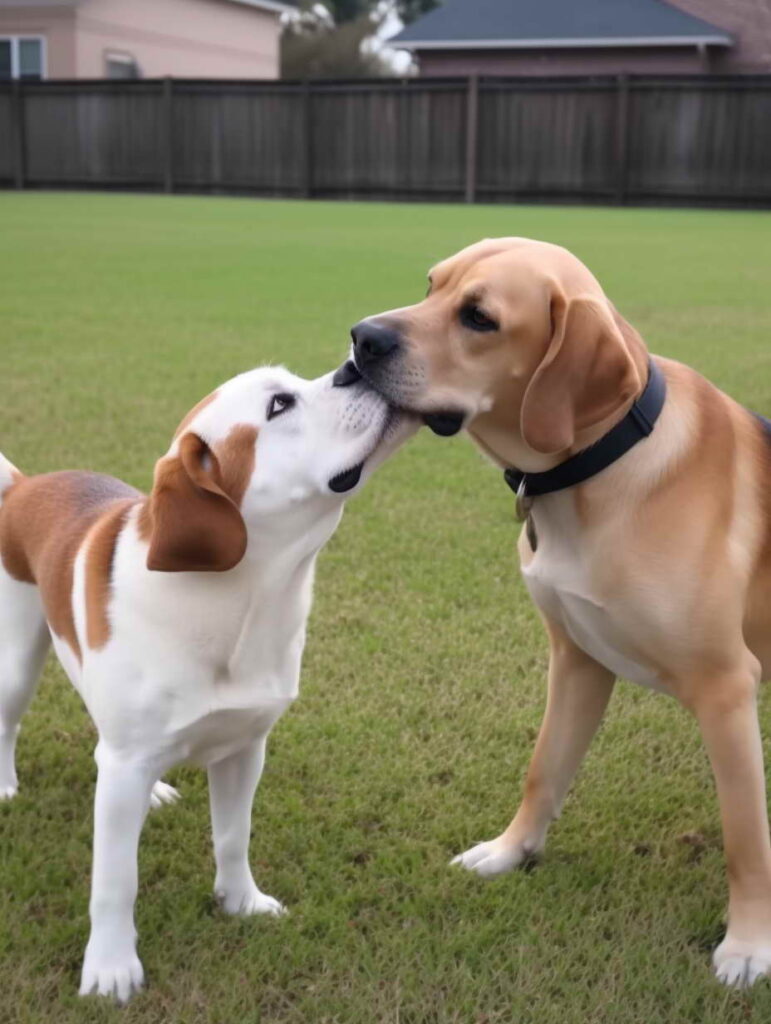
    The dog’s facial features, such as the shape of its eyes, ears, and nose, can hint at its breed composition. For example, a dog with a long, slender snout and floppy ears may have some Hound breed in its lineage.

    Behavior and Temperament

    A dog’s behavior and temperament can provide valuable insights into its genetic heritage. While it’s essential to remember that every dog is unique, certain behaviors can be linked to specific breeds or breed groups. Here are some behavioral traits to consider:

    1. Herding Instinct

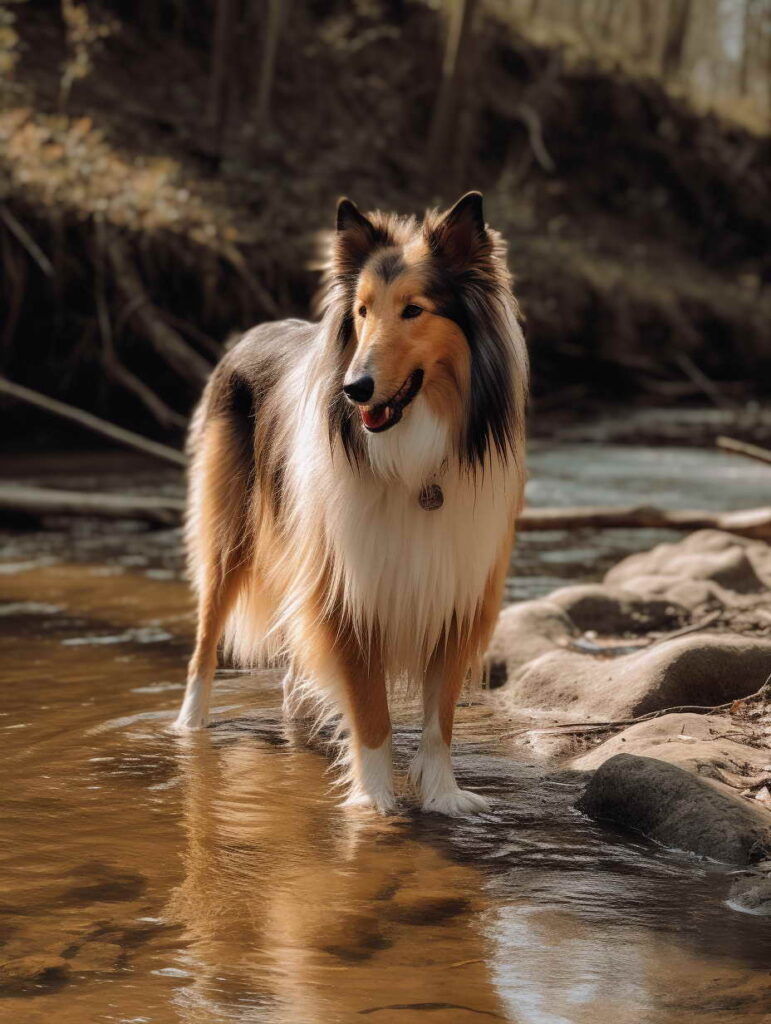
    Dogs with a strong herding instinct often have some Collie, Shepherd, or Sheepdog ancestry. They might exhibit behaviors like nipping at heels, trying to corral other animals, or displaying a vigilant and protective nature.

    2. Retrieving and Water Traits

    Dogs with a natural affinity for water and a penchant for retrieving may have Labrador Retriever or Golden Retriever bloodlines. Their love for water, webbed feet, and playful nature are typical characteristics.

    3. Guarding and Protective Behavior

    Breeds like German Shepherds and Rottweilers are known for their protective and guarding instincts. If your mixed breed dog displays a strong sense of responsibility for its family and home, these breeds might be in the mix.

    DNA Testing

    In the age of advanced technology, DNA testing has become an incredibly accurate method for identifying a mixed dog’s breed composition. These tests are simple to use and provide detailed insights into a dog’s genetic background. They work by analyzing specific genetic markers unique to various breeds. Once you receive the results, you can better understand your dog’s heritage and specific breed mix.

    Consultation with a Veterinarian

    If you’re uncertain about your dog’s breed or want a professional opinion, a veterinarian can be a valuable resource. Veterinarians have experience in recognizing breed-specific traits and can offer their expert opinion based on a physical examination and observation.

    Pedigree and Breeding History

    If you have access to your dog’s pedigree and breeding history, this information can be enlightening. It can reveal the specific breeds that make up your dog’s genetic makeup and provide insight into their ancestry.

    Community and Online Resources

    Engaging with the broader dog-loving community can be a fun and informative way to identify mixed breeds. Online forums, social media groups, and dog breed identification websites are excellent places to share pictures and descriptions of your dog. Fellow enthusiasts can provide insights and suggestions based on their experiences and knowledge.

    FAQs (Frequently Asked Questions)

    Are mixed breed dogs healthier than purebred dogs?

    Mixed breed dogs often have a lower risk of genetic health issues because of their genetic diversity. However, regular check-ups are essential to ensure their well-being.

    How accurate are DNA tests in identifying a mixed breed?

    DNA tests can be highly accurate in identifying a mixed breed’s ancestry. They analyze specific genetic markers to determine breed composition.

    Can I predict my mixed dog’s future size?

    Estimating a mixed dog’s future size can be challenging. DNA testing and consultation with a veterinarian may offer some insights, but it’s not always precise.

    Should I choose a mixed breed or a purebred dog?

    The choice between a mixed breed and a purebred dog depends on your preferences. Both have their unique characteristics, so it’s essential to consider your lifestyle and what traits you value in a pet.

    What are some common mixed dog breed combinations?

    Common mixed breed combinations include Labrador Retriever and Poodle (Labradoodle), Beagle and Bulldog (Beabull), and Siberian Husky and Golden Retriever (Siberian Retriever).

    Can I register my mixed breed dog with kennel clubs?

    Some kennel clubs and organizations allow mixed breed dogs to be registered. However, eligibility criteria vary, so it’s best to check with the specific club.

    Conclusion

    Identifying mixed dog breeds is an engaging journey that can deepen your bond with your canine companion. By observing their appearance, and behavior, and utilizing modern tools like DNA testing, you can uncover their genetic lineage. Understanding their background will not only satisfy your curiosity but also help you provide the best care for your furry friend.

  • Best Mid Sized Dog Breed

    Best Mid Sized Dog Breed

    Best Mid Sized Dog Breed

    Finding the Perfect Companion: The Best Mid Sized Dog Breed Guide

    Introduction

    When it comes to finding the perfect furry companion, selecting the best mid-sized dog breed can be a delightful and fulfilling journey. These lovable canines offer just the right balance between small and large breeds, making them an ideal choice for many families. In this guide, we will explore various mid-sized dog breeds, shedding light on their temperaments, exercise needs, and overall suitability as your new four-legged friend.

    Best Mid Sized Dog Breed

    Choosing the best mid-sized dog breed is a decision that should be based on a variety of factors, including temperament, activity level, and grooming needs. In this section, we will explore some of the most popular mid-sized dog breeds, shedding light on their unique characteristics to help you make an informed choice.

    Labrador Retriever

    Price Range for Adoption (USD): $800 – $1,200

    The Labrador Retriever is often regarded as one of the best mid-sized dog breeds for families. Known for their friendly and gentle nature, Labs are not only great companions but also excellent with kids. The cost of adopting a Labrador Retriever can vary depending on factors such as lineage and breeder reputation. On average, you can expect to pay between $800 and $1,200 to bring home a Lab.

    Beagle

    Price Range for Adoption (USD): $400 – $800

    Beagles are friendly and outgoing mid-sized dogs that are beloved for their playful personalities. Their keen sense of smell and love for outdoor adventures make them a popular choice for active families. When it comes to adoption, Beagles are relatively affordable, with prices typically ranging from $400 to $800.

    Bulldog

    Price Range for Adoption (USD): $1,500 – $3,000

    Bulldogs may have a tough exterior, but they are gentle giants at heart. Their calm and easygoing nature makes them ideal for families, even in homes with limited space. Due to their unique appearance and popularity, Bulldogs are often among the more expensive mid-sized breeds. You can expect to pay between $1,500 and $3,000 for adopting a Bulldog.

    German Shepherd

    Price Range for Adoption (USD): $800 – $1,500

    German Shepherds are known for their intelligence and versatility. They are not only loyal family pets but also excel in various roles, including working dogs and protectors. The cost of adopting a German Shepherd can vary depending on factors like lineage and training. On average, you can expect to pay between $800 and $1,500 for a German Shepherd.

    Poodle

    Price Range for Adoption (USD): $1,000 – $2,500

    Poodles, available in mid-sized varieties, are renowned for their hypoallergenic coats and high intelligence. They come in different sizes, including mid-sized, and make excellent companions for families with allergies. Due to their popularity and unique characteristics, adopting a Poodle can cost between $1,000 and $2,500.

    When considering the adoption of a mid-sized dog, it’s important to remember that the initial adoption fee is just one part of the overall cost of dog ownership. Additional expenses, such as healthcare, training, food, and grooming, should also be factored into your budget. Ultimately, the best mid-sized dog breed for you will align with your lifestyle, preferences, and budget.

    FAQs

    1. Are mid-sized dog breeds suitable for apartments?

    Absolutely! Many mid-sized breeds, such as Bulldogs and Beagles, adapt well to apartment living if given the right exercise and mental stimulation.

    2. Which mid-sized breed is best for families with young children?

    Labrador Retrievers are known for their friendly and gentle nature, making them an ideal choice for families with kids.

    3. Do mid-sized dogs require less exercise than larger breeds?

    While mid-sized dogs generally require less exercise than larger breeds, it’s essential to choose a breed that matches your activity level.

    4. Are there mid-sized dog breeds that are hypoallergenic?

    Poodles, available in mid-sized varieties, are known for their hypoallergenic coats, making them a suitable choice for allergy-prone individuals.

    5. What is the average lifespan of mid-sized dog breeds?

    The lifespan varies depending on the breed, but mid-sized breeds typically live between 10 to 15 years.

    6. How do I choose the best mid-sized breed for my family?

    Consider your family’s lifestyle, activity level, and living situation. Research different breeds and their characteristics to find a perfect match.

    Conclusion

    Selecting the best mid-sized dog breed is a decision that can bring immense joy and companionship into your life. Whether you opt for the friendly Labrador Retriever, the playful Beagle, or the gentle Bulldog, mid-sized breeds offer a unique blend of qualities that make them wonderful companions for any family. Remember to consider your lifestyle and preferences when making your choice, and you’ll be on your way to welcoming a loving, furry friend into your home.

  • High Maintenance Dog Breed

    High Maintenance Dog Breed

    High Maintenance Dog Breed

    High Maintenance Dog Breed: A Comprehensive Guide

    Introduction

    High maintenance dog breeds can be a rewarding yet challenging choice for pet owners. While they demand more time and attention, the bond you’ll develop is unparalleled. In this article, we’ll explore what makes a breed high maintenance, how to care for them, and address some common questions to help you make an informed decision.

    What Defines a High Maintenance Dog Breed?

    When considering bringing a dog into your life, understanding what defines a high maintenance dog breed is essential. These breeds require extra care and attention due to various factors. Let’s delve into the key elements that set high maintenance breeds apart from their low-maintenance counterparts.

    Coat and Grooming Needs

    One of the defining characteristics of high maintenance dog breeds is their luxurious but demanding coat. These breeds often possess long, thick, or intricately textured fur that can be prone to matting and tangling. Breeds like the Afghan Hound, Poodle, Bichon Frise, and Maltese are prime examples of dogs with high-maintenance coats.

    The upkeep of their coats is not just a matter of aesthetics but also their well-being. Neglecting grooming can lead to painful matting, skin issues, and discomfort for your pet. Regular brushing, ideally at least three times a week, is essential to keep their coats in prime condition. In addition to brushing, these breeds may require regular baths and professional grooming to maintain their appearance and overall health.

    Health Requirements

    Another aspect that makes a breed high maintenance is its predisposition to specific health issues. Breeds such as Bulldogs, Pugs, and other brachycephalic dogs are known for their distinctive appearance, characterized by flattened faces. However, this unique feature comes with a set of health challenges, primarily related to their breathing.

    These breeds are more susceptible to respiratory problems due to their constricted airways. Proper care and attention are crucial to ensure they can breathe comfortably. Maintaining a healthy weight, avoiding excessive heat or strenuous exercise, and regular vet check-ups are vital for their well-being.

    Training and Exercise

    High maintenance breeds often exhibit high intelligence and energy levels, which, while endearing, can also be demanding. Breeds like Border Collies, Siberian Huskies, and Australian Shepherds are known for their smarts and boundless enthusiasm. Failure to meet their mental and physical exercise needs can result in behavioral problems, including destructiveness and excessive barking.

    To keep these breeds content and well-behaved, daily exercise is a must. Long walks, engaging play sessions, and challenging toys that stimulate their minds are essential. They thrive when provided with a job to do, such as agility training or obedience exercises. The mental stimulation is just as crucial as the physical activity in keeping them happy and balanced.

    Understanding these fundamental aspects of high maintenance dog breeds will help you make an informed decision if you are considering welcoming one of these breeds into your home. With the right care and attention, they can be loyal and loving companions, but it’s essential to be prepared for the extra effort they require.

    Caring for High Maintenance Dog Breeds

    Proper care for high maintenance dog breeds is a labor of love. Here’s a comprehensive guide to ensure your furry companion thrives.

    Grooming

    Regular grooming is essential. Brush your dog’s coat at least three times a week, bathe them when necessary, and trim their nails. If you’re unsure about grooming techniques, consider professional grooming services.

    Nutrition

    High maintenance breeds often have specific dietary requirements. Consult with your veterinarian to determine the best food for your pet’s needs. Some dogs may require special diets due to allergies or sensitivities.

    Exercise

    Dedicate time each day for exercise. High-energy breeds should enjoy long walks and interactive play. Mental stimulation, like puzzle toys, is equally important.

    Health Checkups

    Frequent vet visits are crucial for high maintenance breeds. Regular checkups can detect health issues early, ensuring prompt treatment.

    Socialization

    Many high maintenance breeds can be aloof or aggressive if not socialized properly. Puppy training classes and exposure to different people and animals are key to their well-being.

    Allergies and Sensitivities

    Some breeds are prone to allergies. Watch for signs of skin irritation, digestive problems, or respiratory issues. Consult your vet if you suspect allergies.

    What Defines a High Maintenance Dog Breed

    List of High Maintenance Dog Breeds

    When it comes to choosing a furry companion, understanding which breeds are considered high maintenance is crucial. These breeds require special care, and knowing which dogs fall into this category will help you make an informed choice. Below is a list of high maintenance dog breeds, each with its unique characteristics and requirements:

    1. Afghan Hound

    The Afghan Hound is known for its elegant, flowing coat, which requires frequent grooming to prevent matting. These dogs are also active and need regular exercise to stay happy and healthy.

    2. Poodle

    Poodles come in various sizes, but all have dense, curly coats that require professional grooming. Their intelligence and energy levels demand mental and physical stimulation.

    3. Bichon Frise

    This small breed boasts a soft, curly coat that needs regular grooming to avoid tangles. Bichon Frises are cheerful and social, thriving on human interaction.

    4. Maltese

    The Maltese is a tiny, long-haired breed that can be prone to skin and coat issues. Their delicate appearance belies their energetic and playful nature.

    5. Bulldog

    Bulldogs are brachycephalic, with flattened faces that can lead to respiratory problems. They require careful management to ensure they can breathe comfortably.

    6. Pug

    Similar to Bulldogs, Plugs are brachycephalic and prone to breathing difficulties. They’re affectionate and require close attention to their health.

    7. Border Collie

    Border Collies are incredibly intelligent and need both mental and physical stimulation. They excel in obedience and agility training and make excellent working dogs.

    8. Siberian Husky

    Huskies have a thick double coat that requires regular grooming. They’re highly active and thrive in colder climates, but they need plenty of exercises.

    9. Australian Shepherd

    Australian Shepherds are intelligent and energetic herding dogs. They need daily exercise and mental challenges to prevent boredom-related behaviors.

    10. Shih Tzu

    Shih Tzus have a long, silky coat that requires frequent grooming. They’re friendly and affectionate, making them great companions.

    11. Chow Chow

    Chow Chows have a distinctive lion-like mane and need grooming to maintain their coat. They can be aloof and require early socialization.

    12. Cavalier King Charles Spaniel

    These dogs have long, silky ears that need attention to prevent matting. They are loving and gentle, making them excellent family pets.

    13. Dalmatian

    Dalmatians are known for their unique spots, but they also have high energy levels. They require regular exercise and mental stimulation.

    14. Irish Wolfhound

    Irish Wolfhounds are one of the largest breeds, and they need ample space and exercise. They are gentle giants and make loving family pets.

    15. Newfoundland

    Newfoundlands have a thick, water-resistant coat. They are gentle and good with families but need regular grooming and exercise.

    These are just a few examples of high maintenance dog breeds. While they may require more effort and attention, the love and loyalty they offer are well worth the investment. Before bringing one of these breeds into your home, it’s essential to research their specific needs and be prepared to provide the care they require.

    High Maintenance Dog Breed FAQs

    Do high maintenance dog breeds shed a lot?

    Yes, many high maintenance breeds are heavy shedders. Be prepared for regular cleaning and grooming to manage their shedding.

    What is the lifespan of high maintenance dog breeds?

    The lifespan varies, but high maintenance breeds can live anywhere from 8 to 15 years with proper care.

    Can I own a high maintenance breed in an apartment?

    While it’s possible, it can be challenging for high-energy breeds. Regular exercise and mental stimulation are crucial for their well-being.

    How do I find a reputable breeder for a high maintenance dog breed?

    Research thoroughly, visit breeders in person, and ask for health clearances for the parents. Reputable breeders prioritize the health and well-being of their dogs.

    Are high maintenance dog breeds suitable for families with children?

    It depends on the breed and the children’s age. Some high maintenance breeds are excellent family dogs, while others may be better suited to homes without young kids.

    Can high maintenance breeds adapt to different climates?

    Most high maintenance breeds can adapt to different climates, but you must provide proper protection from extreme weather conditions.

    Conclusion

    Owning a high maintenance dog breed can be a deeply rewarding experience, provided you are prepared for the extra care and attention they require. Remember that these dogs offer unwavering loyalty and companionship in return. With the right knowledge and commitment, you can provide your high maintenance dog with a happy and healthy life.

  • Best Teacup Dog Breed: The Ultimate Guide for Pet Lovers

    Best Teacup Dog Breed: The Ultimate Guide for Pet Lovers

    Best Teacup Dog Breed

    Best Teacup Dog Breed: The Ultimate Guide for Pet Lovers

    Introduction

    Welcome to the ultimate guide for pet lovers in search of the “Best Teacup Dog Breed.” Finding the ideal teacup-sized furry friend can be a delightful journey, but it requires careful consideration. In this article, we will delve into the world of teacup dog breeds, exploring the most popular choices, their characteristics, care requirements, and more.

    Best Teacup Dog Breed

    When it comes to the world of teacup dog breeds, size matters. These tiny canines have captured the hearts of pet enthusiasts with their irresistible charm. Here are some of the best teacup dog breeds to consider:

    Chihuahua: Tiny Dogs with Giant Hearts
    Best Teacup Dog Breed Chihuahua

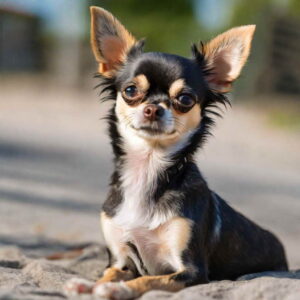
    Chihuahuas, often referred to as the “smallest dog with the biggest personality,” are a remarkable teacup dog breed that has stolen the hearts of countless pet enthusiasts worldwide. These little canines may be tiny in stature, but they pack a punch in terms of loyalty, charm, and personality. Let’s dive into what makes Chihuahuas an excellent choice for anyone seeking a teacup-sized companion.

    Personality and Temperament

    Chihuahuas are renowned for their larger-than-life personalities. Despite their diminutive size, they possess an impressive level of confidence. These dogs are fiercely loyal to their owners and tend to form deep bonds, often becoming one-person dogs. They are alert and make excellent watchdogs, as they are quick to sound the alarm when they sense anything out of the ordinary.

    Adaptability

    One of the advantages of choosing a Chihuahua as your teacup companion is their adaptability. These dogs are quite versatile and can adapt well to various living situations. Whether you reside in a spacious home with a backyard or a cozy apartment in the city, a Chihuahua can comfortably fit into your lifestyle. They are well-suited for urban living, thanks to their small size and low exercise requirements.

    Grooming Needs

    Grooming a Chihuahua is relatively easy, making them an attractive option for those looking for a low-maintenance teacup dog. Their short coats require minimal grooming, with occasional brushing to keep them looking their best. This simplicity in grooming is a plus for busy individuals or families.

    Socialization

    Chihuahuas are social butterflies. They thrive on human interaction and enjoy being the center of attention. They often form strong bonds with their owners, seeking companionship and cuddles. However, early socialization is crucial to ensure they are well-adjusted and comfortable around other people and pets.

    Exercise Requirements

    While Chihuahuas are small, they are not couch potatoes. These tiny dogs have energy to spare and benefit from regular exercise and mental stimulation. Daily walks and playtime are essential to keep them happy and healthy. Their small size makes it convenient to exercise them in smaller spaces, such as indoor play areas.

    Health Considerations

    Chihuahuas can be prone to certain health issues common to smaller breeds. Dental care is a crucial aspect of their well-being, as they are susceptible to dental problems. Additionally, they have fragile bones, so it’s important to handle them with care to avoid injuries. Regular veterinary check-ups are recommended to address any health concerns promptly.

    In conclusion, Chihuahuas are exceptional teacup dogs that offer an abundance of love and companionship in a small package. Their confident personalities, adaptability, and minimal grooming needs make them a practical choice for various lifestyles. However, potential owners should be aware of their energy levels and the need for proper socialization and health care. If you’re seeking a loyal and charming teacup companion, the Chihuahua may be the perfect choice for you.

    Pomeranian: Fluff and Fun in a Petite Package
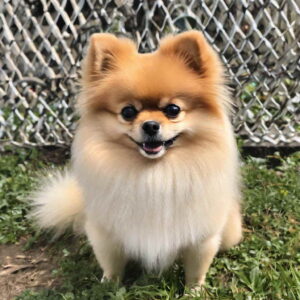
    Best Teacup Dog Breed Pomeranian

    Pomeranians are an enchanting teacup dog breed that exudes charm and personality. These fluffy little canines are a popular choice for those seeking a compact companion with a vivacious spirit. In this section, we’ll explore what makes Pomeranians so endearing and why they might be the perfect choice for your next furry family member.

    Personality and Temperament

    Pomeranians are known for their lively and extroverted personalities. Despite their small size, they possess a great deal of confidence and assertiveness. These spirited little dogs are often described as “big dogs in small bodies.” They are full of zest for life and have a playful, curious nature.

    Pomeranians are exceptionally loyal to their owners and tend to form strong bonds with them. They thrive on human interaction and love being the center of attention. Their expressive faces and animated personalities make them irresistible to those who meet them.

    Size and Appearance

    One of the most distinctive features of Pomeranians is their luxurious double coat. Their thick, fluffy fur gives them a teddy bear-like appearance, making them utterly adorable. While they are small in size, their puffy coats give them a larger-than-life presence. Their plume-like tails curl over their backs, adding to their charming aesthetics.

    Adaptability

    Pomeranians are well-suited for apartment living, thanks to their compact size. However, they do need regular exercise to burn off their abundant energy. Daily walks and playtime are essential to keep them happy and healthy. Their small size makes it easy to provide them with the exercise they need, even in a smaller living space.

    Grooming Needs

    Maintaining a Pomeranian’s coat can be a bit more involved compared to some other teacup dog breeds. Their double coat requires regular brushing to prevent matting and to keep it looking its best. Occasional grooming appointments may also be necessary to trim their fur and maintain their overall appearance.

    Intelligence and Training

    Pomeranians are intelligent dogs, which can make training a rewarding experience. However, their independent nature means that training should be consistent and include positive reinforcement techniques. Early socialization is crucial to ensure that they are well-adjusted and comfortable around other people and animals.

    Health Considerations

    Like all teacup dog breeds, Pomeranians can be prone to specific health issues. Dental care is particularly important due to their small mouths and dental sensitivity. Additionally, they may be susceptible to luxating patellas and certain heart conditions. Regular check-ups with a veterinarian are essential to catch and address any health concerns early.

    In conclusion, Pomeranians are teacup dogs that offer a delightful blend of fluff, fun, and affection. Their charming personalities and striking appearance make them an attractive choice for many pet enthusiasts. However, potential owners should be prepared for their grooming needs and energetic nature. If you’re looking for a teacup-sized companion that is spirited and affectionate, the Pomeranian may be the perfect fit for your lifestyle.

    Yorkshire Terrier: Elegance and Energy in a Tiny Package
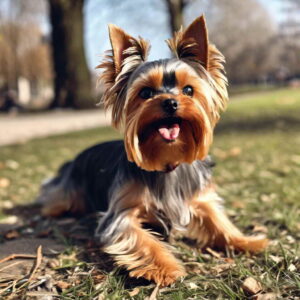
    Best Teacup Dog Breed Yorkshire Terrier

    Yorkshire Terriers, commonly known as Yorkies, are an exquisite teacup dog breed celebrated for their elegance and vibrant personalities. These pint-sized pups may be small, but they possess an abundance of charm and energy. In this section, we’ll delve into what makes Yorkshire Terriers so special and why they are a fantastic choice for those seeking a teacup-sized companion.

    Personality and Temperament

    Yorkshire Terriers are renowned for their big personalities. These little dogs have an air of confidence and a playful spirit that makes them the center of attention wherever they go. They are exceptionally loyal to their owners and often form strong bonds. Yorkies are alert and make excellent watchdogs, always ready to sound the alarm if they sense anything amiss.

    Elegant Appearance

    One of the most distinguishing features of Yorkshire Terriers is their elegant appearance. Their silky, straight, and often two-toned coats flow gracefully, giving them a regal look. These teacup dogs have a fine bone structure and a proud carriage, adding to their overall charm.

    Adaptability

    Yorkies are versatile when it comes to living arrangements. They are well-suited for apartment living due to their small size and relatively low exercise requirements. However, don’t be fooled by their diminutive stature; they are lively dogs that appreciate daily playtime and exercise.

    Grooming Needs

    Maintaining a Yorkshire Terrier’s coat can be an art form. Their long, luxurious hair requires regular grooming to prevent matting and tangling. Many owners choose to keep their Yorkie’s coat trimmed short for ease of care. However, if you prefer the classic long-haired look, be prepared for frequent brushing and occasional grooming appointments.

    Intelligence and Training

    Yorkies are intelligent dogs that enjoy learning and performing tricks. They can be somewhat independent, so training should be consistent and incorporate positive reinforcement. Early socialization is essential to ensure that they are well-adjusted and comfortable around people and other animals.

    Health Considerations

    Like all teacup dog breeds, Yorkshire Terriers can be prone to specific health issues. Dental care is particularly important due to their small mouths and susceptibility to dental problems. They may also be at risk for luxating patellas and certain heart conditions. Regular veterinary check-ups are crucial for maintaining their well-being.

    In conclusion, Yorkshire Terriers are teacup dogs that offer elegance, energy, and loyalty in a tiny package. Their striking appearance and vibrant personalities make them a beloved choice among pet enthusiasts. However, potential owners should be ready for their grooming needs and lively nature. If you seek a teacup-sized companion that exudes elegance and playfulness, the Yorkshire Terrier might be the ideal addition to your family.

    Maltese: Sweet-natured and Affectionate Companions
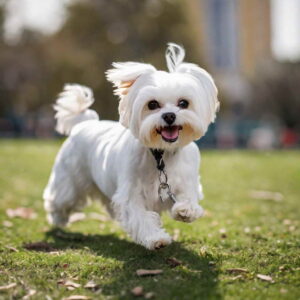
    Best Teacup Dog Breed Maltese

    Maltese dogs are the epitome of charm and sweetness in a teacup-sized package. These teacup dog breeds are renowned for their affectionate nature, elegant appearance, and delightful disposition. In this section, we will explore the unique characteristics that make Maltese an excellent choice for those seeking a tiny, loving companion.

    Personality and Temperament

    Maltese dogs are known for their gentle and loving personalities. They form strong bonds with their owners and thrive on companionship. Their affectionate nature makes them ideal lap dogs, always ready to cuddle and shower their human family members with love. Maltese are also known for their loyalty and devotion, making them excellent emotional support animals.

    Elegant Appearance

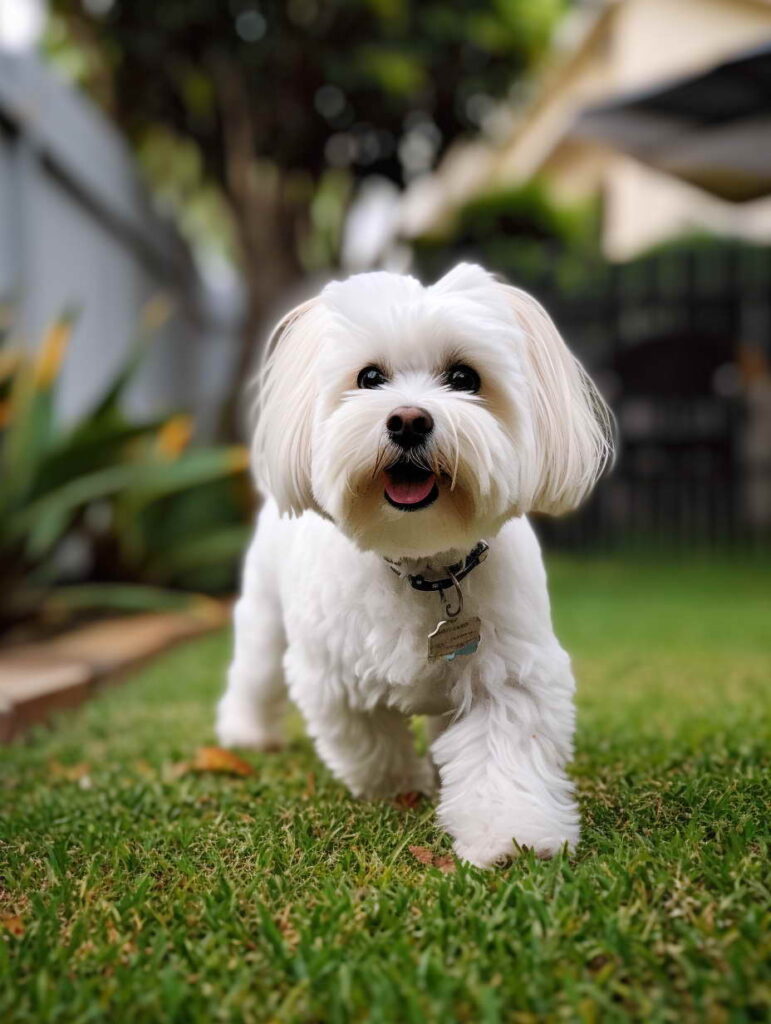
    One of the most striking features of Maltese dogs is their luxurious, long, and silky white coats. Their appearance exudes grace and elegance. Although their coat requires regular grooming, the effort is well worth it as it enhances their regal look. Maltese also have expressive, dark eyes and a charming, button-like black nose.

    Adaptability

    Maltese dogs adapt well to various living situations. Their small size makes them suitable for apartment living, and they are equally at home in larger houses with yards. Despite their small stature, they are active and enjoy daily walks and playtime. Maltese are known for their enthusiasm for play and agility.

    Grooming Needs

    Maintaining a Maltese’s coat is a significant aspect of their care. Their long, silky fur requires daily brushing to prevent matting and tangling. Many Maltese owners opt for regular grooming appointments to keep their coats looking pristine. Their grooming needs may require some dedication, but it’s a labor of love for those who adore their stunning appearance.

    Intelligence and Training

    Maltese are intelligent dogs that enjoy learning tricks and commands. They can be quite obedient when trained with positive reinforcement techniques. Early socialization is vital to ensure that they are well-adjusted and comfortable around people and other pets. Their sociable nature makes them excellent companions for families and individuals alike.

    Health Considerations

    Like other teacup dog breeds, Maltese can be prone to specific health issues. Dental care is particularly important due to their small mouths and susceptibility to dental problems. They may also be at risk for luxating patellas and certain respiratory issues due to their small size. Regular veterinary check-ups are necessary to maintain their well-being.

    In conclusion, Maltese dogs are teacup-sized treasures that offer a world of affection, elegance, and companionship. Their gentle nature and graceful appearance make them beloved pets for individuals and families alike. However, potential owners should be prepared for their grooming requirements and be vigilant about their health. If you seek a teacup-sized companion with a heart full of love and an elegant demeanor, the Maltese could be the perfect addition to your life.

    FAQs

    Are teacup dog breeds suitable for families with children?

    Yes, many teacup dog breeds can be great for families with children, but it’s crucial to choose a breed with a gentle temperament and supervise interactions.

    What is the average lifespan of teacup dog breeds?

    Teacup dog breeds generally have a longer lifespan compared to larger breeds, often living up to 15 years or more with proper care.

    Do teacup dogs require special care?

    Yes, teacup dogs require extra care due to their small size. They may need smaller portions of food and be more vulnerable to extreme temperatures.

    Can teacup dogs be trained easily?

    Teacup dogs are intelligent and can be trained, but consistency and patience are key. Consider professional training for best results.

    Do teacup dogs suffer from health issues?

    Teacup dog breeds can be prone to certain health problems, such as dental issues and fragile bones. Regular veterinary check-ups are essential.

    What are the grooming requirements for teacup dogs?

    Grooming needs vary by breed, but most teacup dogs require regular brushing and occasional grooming to keep their coats in top condition.

    Final thoughts

    In your quest for the Best Teacup Dog Breed, you’ve explored the top choices, their characteristics, and essential care considerations. Remember that choosing a teacup dog is not just about their size; it’s about finding a loyal companion that fits your lifestyle. With proper care and love, these little bundles of joy can bring immense happiness to your life.

  • Dog Breed List By Intelligence

    Dog Breed List By Intelligence

    Dog Breed List By Intelligence

    Dog Breed List By Intelligence: Unraveling Canine Brilliance

    Introduction

    When it comes to our four-legged companions, intelligence is a quality that often leaves a lasting impression. Dogs, known for their loyalty and varied traits, also come in a range of intelligence. In this article, we will explore the Dog Breed List By Intelligence, revealing the most brilliant canine minds, their unique characteristics, and why they deserve a spot in your home.

    The Canine Geniuses

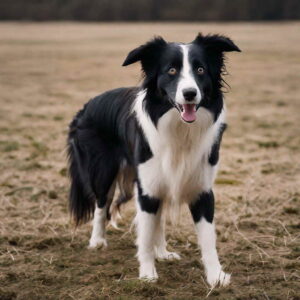
    Border Collie – The Einstein of Dogs

    Dog Breed List By Intelligence Border Collie

    Border Collies are renowned for their intelligence, often compared to human children aged between 3 to 4 years. These canines excel in obedience and agility, making them perfect herders. Their boundless energy and problem-solving skills make them outstanding companions for active families.

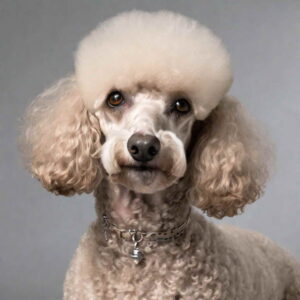
    Poodle – A Pinnacle of Canine Intelligence

    Dog Breed List By Intelligence Poodle

    Poodles are not just fabulous show dogs; they are also highly intelligent. Their hypoallergenic coats and charming personalities make them great family pets. These dogs are known for their trainability and exceptional memory, which sets them apart.

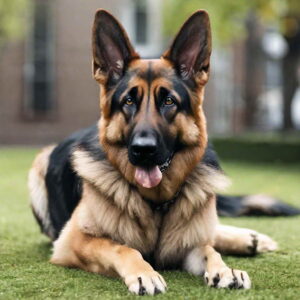
    German Shepherd – A Trusted Protector

    Dog Breed List By Intelligence German Shepherd

    German Shepherds are both intelligent and protective, making them ideal for police and military work. Their ability to learn and follow commands swiftly is truly remarkable. As family pets, they are loyal, loving, and dependable.

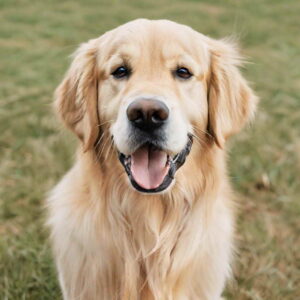
    Golden Retriever – The Clever and Affectionate Companion

    Dog Breed List By Intelligence Golden Retriever

    Golden Retrievers are known for their friendly nature and unparalleled intelligence. They easily adapt to various environments and excel in obedience training. These dogs make wonderful additions to any family.

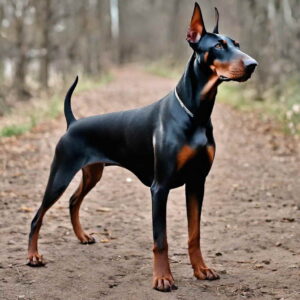
    Doberman Pinscher – A Sharp Guardian

    Dog Breed List By Intelligence Doberman Pinscher

    Dobermans are not only strong and agile but also incredibly intelligent. Their loyalty and protectiveness make them ideal guard dogs. Their intelligence ensures they can quickly assess situations and act accordingly.

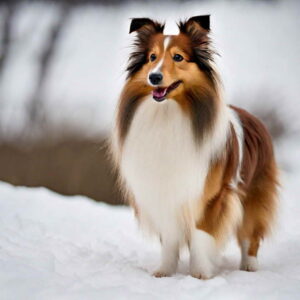
    Shetland Sheepdog – Small, Yet Incredibly Smart

    Dog Breed List By Intelligence Shetland Sheepdog

    Shetland Sheepdogs, often called Shelties, may be small, but their intelligence is immense. They are quick learners, eager to please, and excel in agility and obedience training.

    Why Intelligence Matters in Dog Breeds

    The intelligence of a dog breed is not just an interesting attribute; it plays a vital role in the relationship between dogs and their owners. Here, we’ll delve into the significance of intelligence in dog breeds and why it should be a key consideration when choosing your furry companion.

    Ease of Training

    One of the most compelling reasons why intelligence matters in dog breeds is the ease of training. Intelligent dogs, by nature, grasp commands more quickly and accurately. They tend to be more responsive to training, making the entire process smoother and more enjoyable for both the dog and the owner. Whether it’s basic commands like sit, stay, or more advanced tasks, an intelligent dog can learn and execute them with precision.

    Intelligent breeds, such as Border Collies and Poodles, excel in obedience training. Their cognitive abilities allow them to understand the desired behaviors faster, reducing the time and effort required for effective training. This not only makes life easier for pet owners but also ensures that dogs are well-behaved and safe in various situations.

    Problem-Solving

    Intelligent dogs are excellent problem solvers. Their cognitive skills enable them to adapt to new situations and find solutions to challenges. This is especially valuable in real-life scenarios where quick thinking and adaptability are necessary. For example, if an intelligent dog encounters an obstacle during a walk or a new puzzle toy, they are more likely to figure out how to overcome it.

    The problem-solving abilities of intelligent breeds extend to their daily lives. They can find ways to entertain themselves, making them less likely to engage in destructive behaviors out of boredom. Owners of intelligent dogs often find that their pets are adept at opening doors, finding hidden treats, and even communicating their needs in unique ways.

    Companionship

    Intelligent dogs tend to form strong bonds with their owners. They are highly attuned to human emotions and can read their owners’ moods and needs. This heightened emotional intelligence allows them to provide comfort and companionship in a way that less intelligent breeds might not.

    These dogs often seem to have an uncanny ability to understand what their owners want and need. They offer loyalty, empathy, and support during challenging times. The strong connection between intelligent dogs and their owners creates a deeper and more fulfilling companionship, which is one of the reasons why they are such beloved pets.

    Versatility

    The versatility of intelligent dog breeds is another reason why their intelligence matters. Smart dogs can excel in various roles, from being beloved family pets to working in various fields. Their ability to quickly learn and adapt to different tasks and environments makes them valuable in diverse settings.

    For instance, Border Collies are not only wonderful family pets but also excel in dog sports and herding. Poodles are often seen as show dogs, but they are equally capable of assisting people with disabilities or working as therapy dogs. German Shepherds, known for their intelligence, are commonly employed in police and military roles, where their sharp minds and trainability are essential.

    FAQs

    What is the most intelligent dog breed?

    The Border Collie is often considered the most intelligent dog breed due to its problem-solving abilities and obedience.

    Can intelligent dogs be family pets?

    Absolutely! Many intelligent breeds, such as Golden Retrievers and Poodles, make excellent family pets due to their trainability and loyalty.

    Are there downsides to owning an intelligent dog?

    While intelligent dogs are easier to train, they may also get bored easily. Mental stimulation through games and activities is crucial to keep them happy.

    Do intelligence and obedience go hand in hand?

    Not necessarily. Some intelligent breeds may be independent, while others are highly obedient. It depends on their characteristics.

    How can I stimulate my intelligent dog’s mind?

    Engage your dog with puzzle toys, interactive games, and agility training to keep their minds sharp and active.

    Can intelligence vary within the same breed?

    Yes, intelligence can vary even within the same breed due to genetic and individual differences.

    Conclusion

    The Dog Breed List By Intelligence offers a diverse range of brilliant canine companions, each with its unique qualities. Whether you’re looking for a loyal family pet, a working partner, or a guardian, there’s a smart dog breed that’s perfect for you. Remember to consider your lifestyle and needs when choosing your furry friend. Intelligence is a fascinating aspect of our canine companions, making the bond between humans and dogs even more extraordinary.

  • How Do You Groom A Goldendoodle

    How Do You Groom A Goldendoodle

    How Do You Groom A Goldendoodle

    How Do You Groom A Goldendoodle: A Complete Beginner Guide

    Introduction

    Grooming your Goldendoodle is not just about keeping them clean; it’s a way to show your love and care for your four-legged family member. Whether you’re a seasoned pet owner or a first-time Goldendoodle parent, this guide will help you master the art of grooming. In this article, we’ll cover everything you need to know to groom your Goldendoodle effectively. From brushing their luscious coat to keeping their ears clean, we’ve got you covered.

    How Do You Groom A Goldendoodle

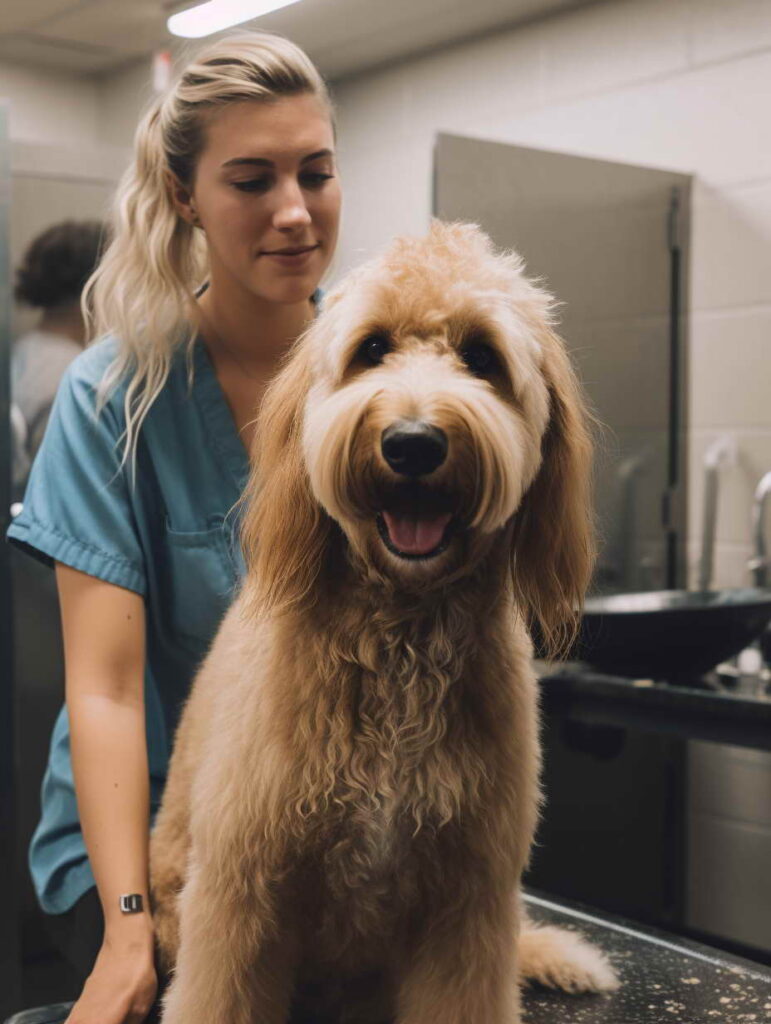
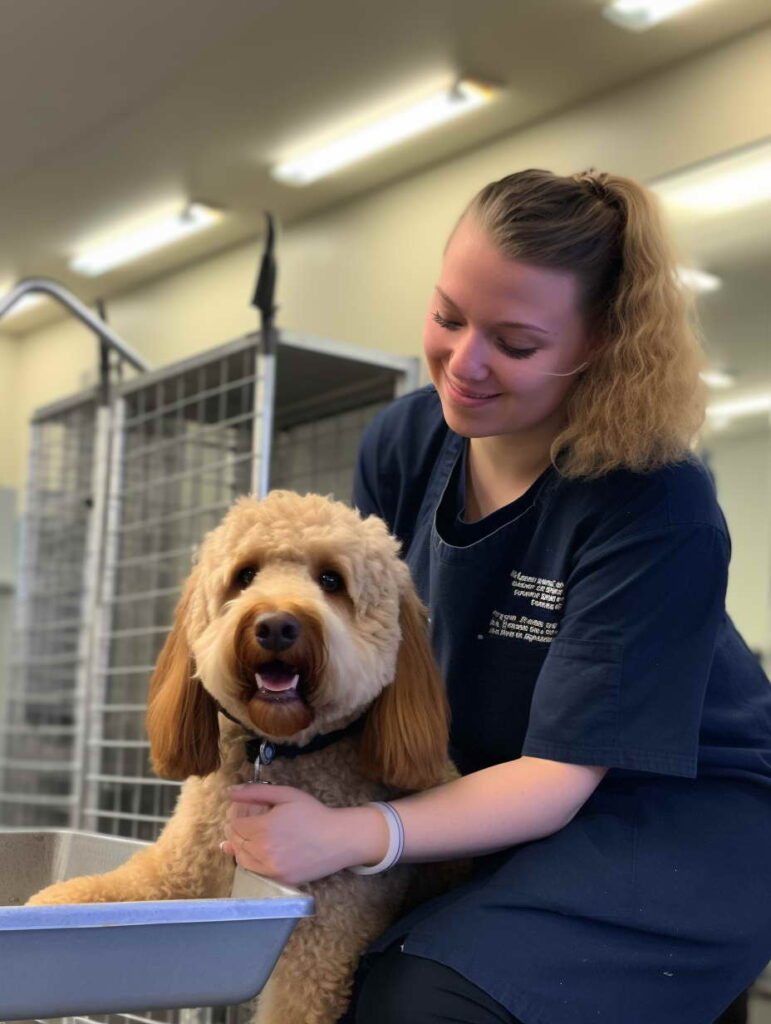
    Grooming a Goldendoodle is a meticulous process that requires attention to detail and a gentle touch. These charming, curly-haired dogs need regular care to ensure their coat stays healthy, their skin is free from irritations, and they look their absolute best. In this section, we’ll delve into the specific steps you need to take when grooming your Goldendoodle.

    Preparing for the Grooming Session

    Before you even lay a hand on your Goldendoodle, there are some important preparatory steps to consider. First and foremost, ensure you have all the necessary grooming tools and supplies at hand. These include:

    • Slicker Brush: Ideal for removing tangles and mats.
    • Steel Comb: Great for detangling and finishing touches.
    • Shampoo and Conditioner: Use dog-specific products to maintain a healthy coat.
    • Nail Clippers: Keep their nails trim to avoid discomfort.
    • Ear Cleaner: Prevent ear infections with regular cleaning.
    • Blow Dryer: A must for drying their dense, curly coat.
    • Clipper or Scissors: For a trim, if desired.
    • Treats: Reward your Goldendoodle for their cooperation during grooming.

    Brushing Your Goldendoodle’s Coat

    The cornerstone of Goldendoodle grooming is brushing. With their luxurious, curly fur, Goldendoodles are prone to tangles and mats, making regular brushing essential. Here’s how to do it:

    1. Start with a Slicker Brush: Begin with a slicker brush, which is excellent for removing tangles and mats. Gently brush through your Goldendoodle’s coat, starting at the tips and working your way toward the roots.
    2. Use a Steel Comb: After the slicker brush, switch to a steel comb to further detangle and finish the job. Pay special attention to areas where mats tend to form, like behind the ears and in the armpits.
    3. Brush Daily: To keep your Goldendoodle’s coat in prime condition, make brushing a daily ritual. This not only prevents mats but also distributes natural oils, keeping their skin healthy.

    Bathing Your Goldendoodle

    Goldendoodles should be bathed every 4-6 weeks. Follow these steps for a successful bath:

    1. Use Dog-Specific Products: Ensure you use a shampoo and conditioner specifically formulated for dogs. This maintains a healthy coat and skin, as human products can be too harsh.
    2. Rinse Thoroughly: After applying shampoo, rinse your Goldendoodle thoroughly to avoid any skin irritations from leftover product.

    Nail Care

    Trimming your Goldendoodle’s nails is crucial for their comfort. Overgrown nails can cause pain and discomfort, so here’s how to trim them safely:

    1. Use Appropriate Nail Clippers: Invest in quality nail clippers designed for dogs. These come in various styles, such as guillotine clippers or scissor clippers.
    2. Trim Conservatively: Be cautious when trimming to avoid cutting into the quick, which can cause bleeding and pain.

    Ear Cleaning

    Goldendoodles often have floppy ears, which can make them prone to ear infections. Regular ear cleaning is essential:

    1. Use a Dog-Specific Ear Cleaner: Ensure you have a dog-specific ear cleaner on hand.
    2. Gently Clean the Ears: With a clean cloth or cotton ball, gently clean the ears. Be careful not to push debris further into the ear canal.

    Haircuts and Trimming

    If you prefer a shorter coat for your Goldendoodle, it’s best to leave this to a professional groomer. They have the experience and equipment to create a well-maintained look.

    Dental Care

    Don’t forget about dental hygiene. Brush your Goldendoodle’s teeth regularly or provide dental chews to keep their oral health in check. Good dental health is essential for your pet’s overall well-being.

    In conclusion, grooming your Goldendoodle is a labor of love. With the right tools and techniques, you can ensure your furry friend stays healthy, comfortable, and looking their best. Regular grooming not only maintains their appearance but also strengthens the bond between you and your beloved Goldendoodle.

    How Do You Groom A Goldendoodle Fast

    FAQs

    How often should I groom my Goldendoodle?

    Groom your Goldendoodle every 4-6 weeks, but brush them daily to prevent tangles and mats.

    Can I groom my Goldendoodle at home?

    Yes, you can groom your Goldendoodle at home with the right tools and knowledge. However, professional grooming may be necessary for certain tasks, like haircuts.

    What’s the best way to prevent ear infections in Goldendoodles?

    Regularly clean your Goldendoodle’s ears with a dog-specific ear cleaner to prevent infections.

    Should I brush my Goldendoodle when their coat is wet or dry?

    It’s best to brush your Goldendoodle’s coat when it’s dry to prevent tugging and discomfort.

    How can I keep my Goldendoodle calm during grooming?

    Offer treats and positive reinforcement to create a pleasant grooming experience for your Goldendoodle.

    Can I use human shampoo on my Goldendoodle?

    No, you should use dog-specific shampoo and conditioner to maintain their coat and skin’s health.

    Conclusion

    Grooming your Goldendoodle is a vital aspect of pet care, ensuring their health and well-being. With the right tools and knowledge, you can groom your Goldendoodle at home and create a bonding experience with your furry friend. Remember, patience, love, and regular grooming will keep your Goldendoodle looking and feeling their best.