
Category: Information

  • The Most Obedient Dog Breed

    The Most Obedient Dog Breed

    Obedient Dog Breed
    Obedient Dog Breed

    The Most Obedient Dog Breed: A Comprehensive Guide

    Are you searching for the most obedient dog breed to welcome into your home? Look no further! In this comprehensive guide, we’ll explore what makes a dog breed truly obedient, the characteristics you should look for, and the top contenders for the title of “The Most Obedient Dog Breed.” Get ready to embark on a journey to find the perfect furry companion that will blend seamlessly into your family and lifestyle.

    Introduction

    When it comes to choosing a dog, temperament and behavior are paramount. An obedient dog can make your life much easier and more enjoyable. In this article, we will delve into the fascinating world of dog breeds known for their unwavering obedience. We will explore what makes a breed obedient, training tips, and delve into the characteristics of some of the most obedient breeds out there.

    The Characteristics of an Obedient Dog

    Understanding Obedience

    Understanding what makes a dog obedient is crucial for those seeking a well-behaved and compliant canine companion. Obedience goes beyond the mere act of following commands. It is a manifestation of the deep bond between a dog and its owner, built on trust, respect, and a genuine desire to please. Truly obedient dogs are not only quick learners but also a joy to be around, as they are less likely to exhibit problem behaviors. Let’s delve into the key characteristics that define an obedient dog:

    Loyalty

    Loyalty is one of the foundational characteristics of an obedient dog. Obedient breeds form an unbreakable bond with their owners, marked by unwavering devotion and a deep sense of protectiveness. This loyalty is not limited to the confines of the home but extends to the entire family. Obedient dogs will stand by your side through thick and thin, making them not just pets but cherished family members.

    Trainability

    Trainability is another hallmark of an obedient dog. These breeds are like sponges, eagerly soaking up knowledge and responding to commands with enthusiasm. Their intelligence and willingness to learn make training a breeze. Whether it’s teaching basic obedience or advanced tricks, obedient dogs thrive on the challenges and rewards that training offers.

    Good Behavior

    Obedient breeds are known for their consistently good behavior. They tend to exhibit fewer problem behaviors such as excessive barking, chewing, or aggression. This is not just a testament to their intelligence but also a reflection of the strong bond they share with their owners. Obedient dogs understand what’s expected of them and strive to meet those expectations, creating a harmonious environment within the home.

    Respect for Boundaries

    Obedient dogs respect boundaries and understand limits. They know where they can and cannot go, which items are off-limits, and how to behave in different situations. This respect for boundaries is not based on fear but rather on their innate desire to adhere to the rules set by their owners.

    Consistency

    Consistency is key to nurturing obedience in your dog. Obedient breeds thrive in environments where the rules and expectations remain steady. Whether it’s the commands you use or the rewards you provide, consistency ensures that your dog understands what is required of them. When they know what to expect, they are more likely to respond obediently.

    Patience

    Obedient dogs are often patient by nature. They are willing to wait for your instructions and can remain calm in various situations. This patience makes them ideal companions in social settings and during activities that require discipline and self-control.

    Adaptability

    An often overlooked characteristic of obedient dogs is their adaptability. They can adjust to different environments, people, and situations with ease. This adaptability is a testament to their strong social skills and their ability to read cues from their owners.

    The Most Obedient Dog Breed

    It’s time to unveil the most obedient dog breed contenders. These breeds are known for their exceptional obedience and have earned a special place in the hearts of dog enthusiasts.

    Labrador Retriever

    The Labrador Retriever is a shining example of obedience. These dogs are not only intelligent but also eager to please, making them a popular choice for families. Their friendly and gentle nature, combined with their obedience, makes them a top choice for many households.

    German Shepherd

    German Shepherds are renowned for their loyalty and obedience. They excel in various roles, including as police and service dogs. Their intelligence and dedication to their owners make them a remarkable breed.

    Golden Retriever

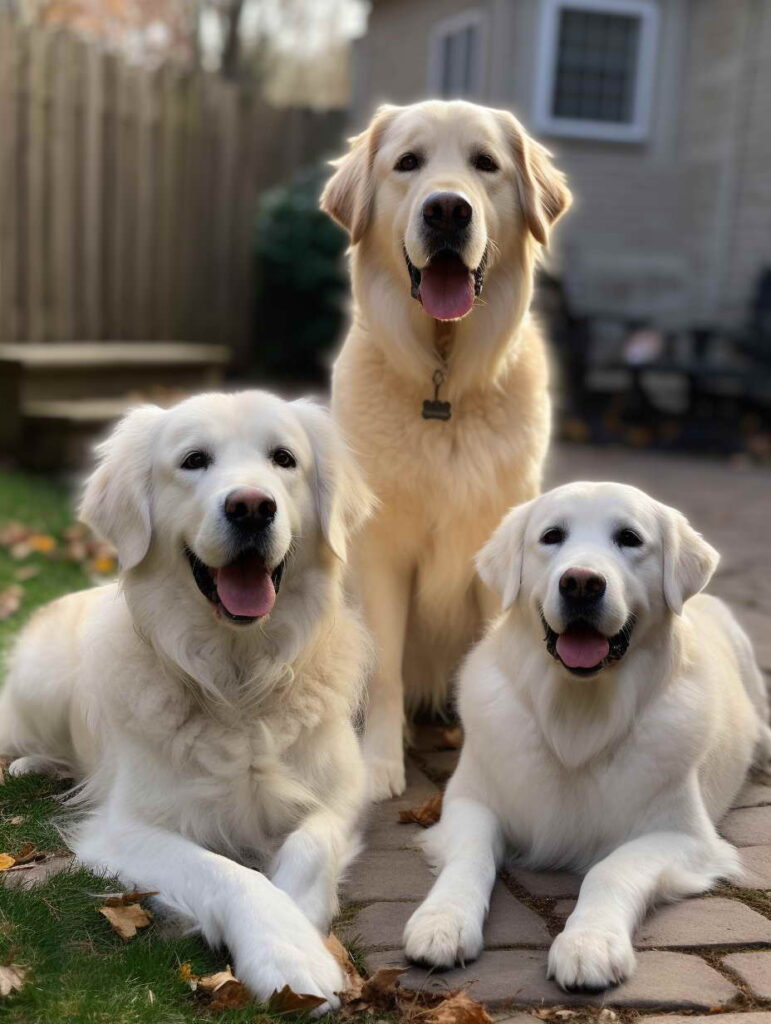
    Golden Retrievers are not only adorable but also obedient. Their friendly and gentle temperament, coupled with their intelligence, makes them a beloved choice for families.

    Poodle

    Poodles are highly intelligent and easy to train. Their hypoallergenic coats and elegant appearance add to their appeal. They are often considered one of the most obedient small dog breeds.

    The Most Obedient Dog Breed FAQs

    How can I determine if a breed is obedient?

    Observe their loyalty, trainability, and overall behavior. Research specific breed characteristics to get a better understanding.

    Are mixed-breed dogs obedient?

    Mixed-breed dogs can be obedient too. Their behavior depends on their individual traits and upbringing.

    Which breeds are not considered very obedient?

    Breeds that are independent or have strong hunting instincts may be less obedient. Examples include Afghan Hounds and Basenjis.

    Can any dog become obedient with the right training?

    Yes, most dogs can become obedient with consistent and patient training, regardless of their breed.

    What is the importance of obedience training?

    Obedience training enhances the bond between you and your dog, making them more enjoyable companions and ensuring their safety.

    Do I need a professional trainer for obedience training?

    While professional trainers can be helpful, many owners successfully train their dogs at home with the right resources and dedication.

    Conclusion

    Choosing the most obedient dog breed is a personal decision. It depends on your lifestyle, preferences, and the connection you establish with your furry friend. Regardless of the breed, remember that every dog has the potential to be obedient with the right training, love, and care. The journey of raising an obedient dog is a rewarding one, leading to a lifetime of joy and companionship.

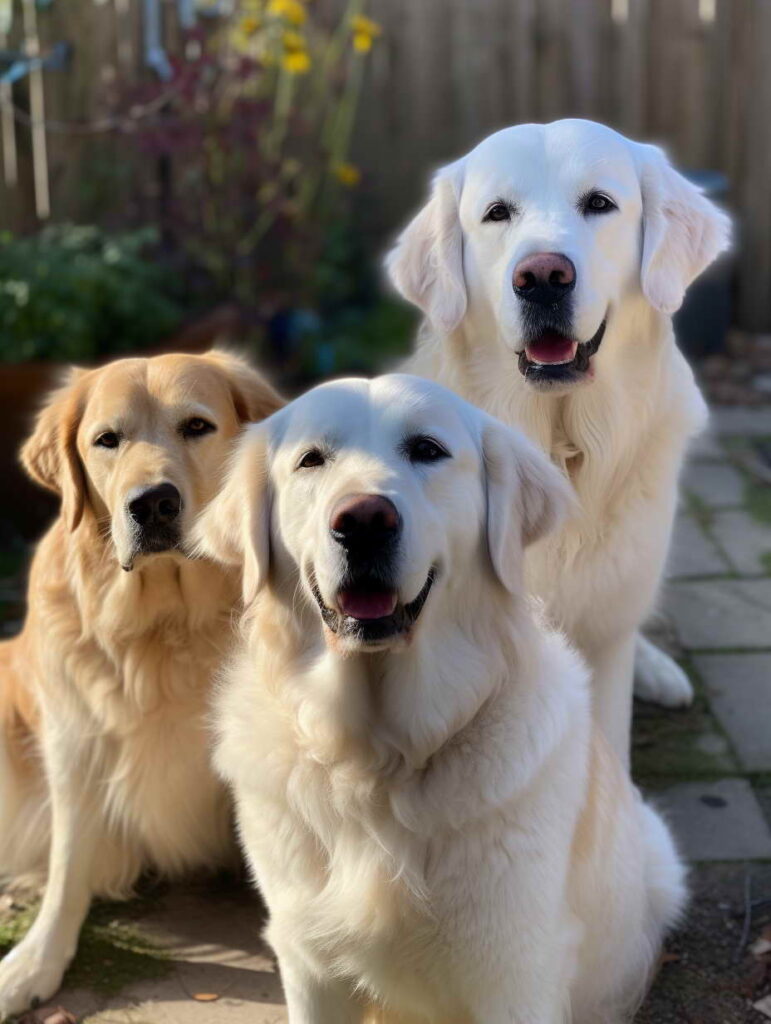
  • What Makes the Best Dog Breed for Depression and Anxiety

    What Makes the Best Dog Breed for Depression and Anxiety

    Best Dog Breed for Depression and Anxiety
    Best Dog Breed for Depression and Anxiety

    What Makes the Best Dog Breed for Depression and Anxiety

    Introduction

    In our fast-paced and often stressful lives, depression and anxiety have become common ailments that affect millions of people worldwide. For those struggling with these conditions, finding an effective way to cope and alleviate their symptoms is of utmost importance. One unconventional yet highly effective solution is the companionship of a four-legged friend – a dog. In this article, we will explore the characteristics and traits that make certain dog breeds the best choice for individuals dealing with depression and anxiety.

    The Role of Dogs in Mental Health

    Before delving into specific dog breeds, let’s understand why dogs can be so beneficial for individuals with depression and anxiety. Dogs offer unconditional love and support, providing a sense of purpose and companionship that can significantly improve mental health. The act of caring for a dog, going for walks, and having a loyal friend by your side can help alleviate feelings of loneliness and sadness.

    What Makes the Best Dog Breed For Depression And Anxiety

    When it comes to choosing the right dog breed to help with depression and anxiety, there are several factors to consider. The following headings will guide you through the qualities and characteristics to look for:

    Breed Size and Energy Level Temperament and Personality Adaptability
    Hypoallergenic Breeds Exercise Needs Socialization
    Size Matters Loyalty Training
    Lifestyle Compatibility Calmness Sensitivity
    Breed-Specific Traits Affection Responsiveness
    Grooming Requirements Compatibility with Children Anxiety Reduction

    Breed Size and Energy Level

    The size and energy level of a dog are essential factors to consider. Smaller breeds like the Shih Tzu and Cavalier King Charles Spaniel are well-suited for apartment living and don’t require a lot of exercise. Larger breeds, such as the Labrador Retriever and Golden Retriever, have more energy and thrive in homes with yards.

    Temperament and Personality

    A dog’s temperament plays a crucial role in its ability to provide emotional support. Breeds like the Labrador Retriever and Beagle are known for their friendly and outgoing personalities, making them great choices for those seeking comfort and companionship.

    Adaptability

    Some breeds are highly adaptable and can easily adjust to changes in their owners’ routines and environments. Breeds like the Australian Shepherd and Poodle are known for their adaptability and can help individuals with depression and anxiety cope with life’s uncertainties.

    Hypoallergenic Breeds

    If allergies are a concern, consider hypoallergenic breeds like the Bichon Frise or the Maltese. These breeds are less likely to trigger allergies and can be excellent choices for individuals with sensitivities.

    Size Matters

    Larger breeds, such as the Great Dane and Saint Bernard, can offer a strong sense of security and comfort. Their size alone can be reassuring, making them an ideal choice for those looking for a dog that provides a sense of protection.

    Lifestyle Compatibility

    Your lifestyle plays a significant role in determining the right breed for you. Active individuals may find that breeds like the Border Collie or Dalmatian are great companions for outdoor activities. In contrast, those with a more laid-back lifestyle might prefer breeds like the Bulldog or Pug.

    Breed-Specific Traits

    Some breeds have unique characteristics that make them especially suited to help with depression and anxiety. For example, the Cocker Spaniel’s affectionate nature can provide much-needed emotional support.

    Grooming Requirements

    Consider the grooming needs of a dog, as it can impact your daily routine. Breeds like the Yorkshire Terrier and Shih Tzu require regular grooming to keep their coat in top condition.

    Compatibility with Children

    If you have children, it’s essential to choose a breed that is known for being good with kids. Breeds like the Golden Retriever and Labrador Retriever are known for their friendly and gentle disposition.

    Training

    Training is a crucial aspect when choosing a dog to help with depression and anxiety. Breeds like the Border Collie and German Shepherd excel in obedience training, which can be beneficial for those seeking a well-behaved companion.

    Sensitivity

    Dogs with a high level of sensitivity, such as the Basenji and Shiba Inu, can be attuned to their owners’ emotions, providing comfort and support during difficult times.

    Responsiveness

    Some breeds are more responsive to their owners’ emotional cues. Breeds like the Border Collie and Poodle are known for their ability to connect with their owners on a deep level.

    Anxiety Reduction

    Certain breeds, like the Cavalier King Charles Spaniel and Bichon Frise, are particularly adept at reducing anxiety through their gentle and comforting presence.

    What Makes the Best Dog Breed For Depression And Anxiety
    What Makes the Best Dog Breed For Depression And Anxiety

    FAQs

    How can I ensure the dog I choose will help with my depression and anxiety?

    To find the right dog for your needs, consider factors such as size, temperament, and adaptability. Consult with breeders, shelters, or rescue organizations for guidance.

    Are hypoallergenic breeds suitable for individuals with allergies and anxiety?

    Yes, hypoallergenic breeds can be a great choice as they are less likely to trigger allergies, making them suitable for individuals with sensitivities.

    What role does training play in selecting a dog for anxiety support?

    Training is essential to ensure your dog responds well to your emotional cues. Breeds known for obedience, like the Border Collie, can be a good choice.

    Can a dog truly alleviate depression and anxiety?

    While dogs cannot replace professional mental health care, they can provide companionship and emotional support that can be beneficial in managing these conditions.

    How can I help my dog adapt to my daily routine and environment?

    Gradual introduction to new environments and consistent routines can help your dog adapt and provide you with support during times of change.

    What grooming requirements should I consider when selecting a breed?

    Some breeds require more grooming than others. Consider the time and effort you can commit to grooming when choosing a breed.

    Conclusion

    The choice of the best dog breed for depression and anxiety is a personal one that should align with your lifestyle, preferences, and emotional needs. Dogs can be incredible sources of comfort and support, but it’s crucial to consider the breed’s traits and characteristics that best match your requirements. Always consult with experts, such as breeders and veterinarians, to make an informed decision.

  • Which Is Best Labradoodle Or Goldendoodle

    Which Is Best Labradoodle Or Goldendoodle

    Which Is Best Labradoodle Or Goldendoodle
    Which Is Best Labradoodle Or Goldendoodle

    Which Is Best Labradoodle Or Goldendoodle: A Comprehensive Comparison

    Introduction

    Labradoodles and Goldendoodles are two popular designer dog breeds known for their adorable looks and friendly personalities. If you’re considering adding a furry friend to your family, you might be wondering, “Which is best, Labradoodle or Goldendoodle?” In this comprehensive article, we’ll delve into the key factors that differentiate these breeds, helping you make an informed decision that suits your lifestyle and preferences.

    Labradoodle vs. Goldendoodle: A Head-to-Head Comparison

    Origin and History

    Both Labradoodles and Goldendoodles are a result of crossing a Poodle with another breed. Labradoodles are a mix of Labrador Retriever and Poodle, while Goldendoodles are a blend of Golden Retriever and Poodle genes.

    Appearance

    Labradoodles and Goldendoodles have similar appearances with curly or wavy coats, but Labradoodles typically have a shorter, dense coat, while Goldendoodles have longer, shaggier fur.

    Temperament

    Labradoodles are known for their outgoing and social nature, making them great family pets. Goldendoodles are also sociable but tend to be gentler and more eager to please.

    Size

    Labradoodles are usually smaller, while Goldendoodles tend to be larger, making them suitable for families seeking a bigger dog.

    Intelligence

    Both breeds are highly intelligent and easy to train, thanks to their Poodle ancestry.

    Exercise Needs

    Labradoodles and Goldendoodles are active dogs that require regular exercise. Labradoodles may need a bit more activity due to their Labrador heritage.

    Allergies

    Both breeds are often considered hypoallergenic due to their low-shedding coats. However, individual reactions may vary.

    Lifespan

    On average, Labradoodles and Goldendoodles have similar lifespans of around 10 to 15 years, depending on their overall health and care.

    Grooming

    Regular grooming is essential for both breeds, but Labradoodles may require more frequent brushing due to their denser coats.

    Training and Socialization

    Labradoodles and Goldendoodles are highly trainable, and early socialization is key to their well-rounded development.

    Health Considerations

    Both breeds are generally healthy but can be prone to specific genetic conditions. It’s essential to choose a reputable breeder and prioritize regular vet check-ups.

    Adaptability

    Both Labradoodles and Goldendoodles are adaptable to various living environments, including apartments or houses with yards.

    Child-Friendliness

    Both breeds are excellent with children, but Goldendoodles are often described as more patient and gentle.

    Which Is Best Labradoodle Or Goldendoodle

    Are you still wondering which breed is best for you? The answer largely depends on your specific needs, preferences, and lifestyle. If you’re seeking a smaller, highly social dog, the Labradoodle might be the better choice. On the other hand, if you prefer a larger, gentle dog that’s great with kids, the Goldendoodle could be the perfect fit for your family.

  • How To Become Veterinarian Partners

    How To Become Veterinarian Partners

    Veterinarian Partners
    Veterinarian Partners

    How To Become Veterinarian Partners: A Comprehensive Guide

    Are you passionate about animal care and want to know how to become a veterinarian partner? This comprehensive guide will walk you through the steps and provide invaluable insights into the world of veterinary practice partnerships.

    Introduction

    Becoming a veterinarian partner is not just a career choice; it’s a calling. It’s about dedication to the well-being of animals and the satisfaction of knowing you’re making a difference. In this article, we’ll explore the journey to becoming a successful veterinarian partner. From education and training to building a thriving practice, we’ve got you covered.

    How To Become Veterinarian Partners

    Becoming a veterinarian partner is a significant career choice that demands dedication, knowledge, and the right approach. Here, we’ll explore the intricacies of how to become a successful veterinarian partner.

    Finding the Right Practice

    One of the fundamental steps to becoming a veterinarian partner is finding the right practice to join or establish. This decision is critical, as it can significantly impact your career trajectory. Here’s what you need to consider:

    • Specialization and Niche: Determine your area of specialization within veterinary medicine. Whether you’re interested in small animal care, exotic pets, equine medicine, or something else, your chosen niche will guide your practice selection.
    • Location: Consider where you want to work. Urban or rural, the location can affect the types of animals you’ll treat and the competition you’ll face.
    • Practice Values: Align your values with those of the practice. Ethical and philosophical alignment can lead to a more satisfying and harmonious partnership.
    • Practice Size: Choose a practice size that suits your goals. Larger practices may offer more resources and diverse cases, while smaller ones might provide a more intimate, community-focused experience.

    Developing Your Expertise

    To excel as a veterinarian partner, you need to be a true expert in your field. Here’s how to achieve that:

    • Continuing Education: Veterinary medicine is constantly evolving. Stay updated by attending conferences, workshops, and webinars. Continuing education ensures you remain at the forefront of advancements in your chosen specialization.
    • Board Certification: Pursuing board certification in your specialty can significantly enhance your reputation and career prospects. This requires passing rigorous examinations and demonstrating a high level of expertise.
    • Networking: Build a professional network with other veterinarians, specialists, and experts in your field. Networking can open doors to collaboration, knowledge sharing, and referrals.
    • Mentorship: Seek out experienced veterinarians to act as mentors. Learning from their experiences and receiving guidance can be invaluable in your journey to becoming a successful partner.

    Attracting Clients

    The success of your partnership depends on building a strong client base. Here’s how to attract and retain clients:

    • Exceptional Patient Care: Delivering top-notch care to your animal patients is the foundation of your practice’s success. Be thorough, compassionate, and attentive to the needs of both the pets and their owners.
    • Communication: Effective communication is key. Clearly explain diagnoses, treatment options, and follow-up care to pet owners. Good communication builds trust and encourages compliance.
    • Marketing: Create an online presence through a professional website and active social media profiles. Encourage satisfied clients to leave positive reviews. Word-of-mouth referrals are often the most potent marketing tool.
    • Customer Service: Treat clients with respect and professionalism. A positive customer experience can lead to loyal, returning clients and referrals.

    Managing Finances

    To succeed as a veterinarian partner, you need a sound financial plan. Here are some financial considerations:

    • Budgeting: Develop a budget for your practice to manage expenses and allocate resources effectively.
    • Accounting: Hire a skilled accountant or financial advisor to handle financial matters. They can help you with tax planning, financial analysis, and investment decisions.
    • Business Plan: Create a solid business plan that outlines your practice’s goals, strategies, and financial projections. A well-thought-out plan can guide your practice’s growth.
    • Insurance: Consider liability insurance and other insurance policies to protect your practice and assets in case of unforeseen events.
    How To Become Veterinarian Partners
    How To Become Veterinarian Partners

    Business Potential To Become a Veterinarian Partner

    Entering the world of veterinary medicine as a partner presents exciting business potential. The combination of a passion for animal care and a well-executed business strategy can lead to a fulfilling and financially rewarding career. Let’s explore the business potential of becoming a veterinarian partner:

    Lucrative Opportunities

    Veterinary medicine is a thriving industry with numerous opportunities for growth. As a veterinarian partner, you have the chance to tap into this growth by offering specialized services or expanding your practice. The business potential lies in:

    • Specializations: Focusing on specific areas, such as orthopedic surgery, dermatology, or oncology, can set you apart and attract clients seeking specialized care.
    • Diversification: Expanding your practice to treat a broader range of animals, including exotics, equine, or farm animals, can open up new markets.
    • Complementary Services: Offering services like pet grooming, boarding, or pet therapy can enhance your revenue streams.
    • Telemedicine: The rise of telehealth presents opportunities to provide virtual consultations and follow-ups, reaching a broader client base.

    Strong Demand

    The demand for veterinary services remains consistently high. Pet ownership is on the rise, and pet owners are increasingly willing to invest in the health and well-being of their furry companions. This demand is not limited to companion animals; there is also a growing need for livestock and equine care.

    Capitalizing on this demand involves:

    • Client Retention: Building trust and long-term relationships with clients can lead to repeat business and referrals.
    • Client Education: Educating pet owners on preventive care and the benefits of regular check-ups can increase the number of appointments.
    • Community Engagement: Active involvement in the community and local events can raise awareness of your practice and attract new clients.
    • Online Presence: An informative website and social media presence can make your practice more accessible and visible to potential clients.

    Financial Viability

    Veterinarian partnerships can be financially viable, but it’s essential to manage the business aspects effectively. To ensure financial success:

    • Budgeting: Create a detailed budget to manage expenses and allocate resources wisely.
    • Pricing Strategies: Set competitive yet profitable pricing for your services, taking into account your location and the demographics of your clientele.
    • Financial Planning: Work with financial advisors to plan for long-term financial stability and investments.
    • Insurance: Protect your practice with the right insurance coverage, including liability insurance.
    • Growth Strategies: Develop strategies for practice growth, including opening additional locations or expanding your service offerings.

    Ethical Considerations

    While there is substantial business potential in the veterinary field, ethical considerations are paramount. Balancing the welfare of animals with financial success is essential. Veterinarian partners must prioritize:

    • Animal Welfare: Always put the well-being of animals first, adhering to ethical standards and best practices in care.
    • Client Trust: Build and maintain trust with clients by providing honest, compassionate, and high-quality care.
    • Community Impact: Contribute positively to your community through education, outreach, and responsible pet ownership advocacy.

    In conclusion, the business potential to become a veterinarian partner is vast, driven by the growing demand for high-quality veterinary care. Success in this field requires a combination of clinical expertise, effective business management, and a commitment to ethical animal care. By striking this balance, you can achieve both personal fulfillment and financial prosperity in your career as a veterinarian partner.

    FAQs (Frequently Asked Questions)

    What qualifications do I need to become a veterinarian partner?

    To become a veterinarian partner, you need a Doctor of Veterinary Medicine (DVM) degree, practical experience, and licensure.

    How long does it take to become a veterinarian partner?

    The journey to becoming a veterinarian partner typically takes 8-10 years, including education and practical experience.

    Can I specialize in a particular area of veterinary medicine?

    Absolutely! Veterinary medicine offers various specializations, such as surgery, oncology, or exotic animals.

    What’s the earning potential for veterinarian partners?

    Earnings can vary, but experienced veterinarian partners can have a lucrative income, especially in specialized fields.

    How do I market my veterinary practice?

    Effective marketing involves creating an online presence, word-of-mouth referrals, and providing exceptional patient care.

    How can I maintain a healthy work-life balance as a veterinarian partner?

    Maintaining a balance involves effective time management, setting boundaries, and taking time for self-care.

    Final Thoughts

    Becoming a veterinarian partner is a fulfilling journey that combines your passion for animals with a successful career. By following these steps, you can achieve your goal and make a positive impact on the lives of countless animals.

  • Best Veterinarian Colleges

    Best Veterinarian Colleges

    Veterinarian Colleges
    Veterinarian Colleges

    Best Veterinarian Colleges: Paving the Path to Animal Care Excellence

    Introduction

    When it comes to pursuing a career in animal care, choosing the right educational institution is crucial. The quality of education and hands-on experience can make all the difference in becoming a successful veterinarian. In this article, we explore the Best Veterinarian Colleges, providing insights, FAQs, and valuable information to help you make an informed decision about your academic journey in the world of animal care.

    Exploring Best Veterinarian Colleges

    Why a Veterinary Degree Matters

    A veterinary degree is your gateway to making a meaningful impact on animal health and welfare. The best veterinarian colleges offer specialized programs that prepare you to excel in this field. As you embark on your educational journey, you’ll gain the knowledge, skills, and expertise needed to diagnose, treat, and care for animals.

    What Sets the Best Veterinarian Colleges Apart?

    The top veterinarian colleges are characterized by several distinguishing features:

    • Cutting-Edge Facilities: These colleges boast state-of-the-art laboratories and clinics, providing students with hands-on experience in diagnosing and treating animals.
    • Expert Faculty: The best colleges have a highly qualified faculty with extensive experience in veterinary medicine.
    • Research Opportunities: Students can engage in cutting-edge research projects, contributing to advancements in animal healthcare.
    • Diverse Clinical Experience: A variety of clinical settings, including small and large animal practices, equine medicine, and exotic animal care, ensure students are well-rounded.
    • Strong Alumni Network: Graduates benefit from a strong alumni network that provides support and connections in the field.

    The Path to Becoming a Veterinarian

    To become a veterinarian, you need to follow a structured path, typically involving the following steps:

    1. Undergraduate Education: Start with a bachelor’s degree, ideally in a science-related field.
    2. Veterinary College: Enroll in a reputable veterinarian college to earn a Doctor of Veterinary Medicine (DVM) degree.
    3. Licensing: After graduation, pass the licensing examination to practice as a veterinarian.
    4. Specialization (Optional): Pursue specialization in areas such as surgery, internal medicine, or pathology.
    Best Veterinarian Colleges
    Best Veterinarian Colleges

    Best Veterinarian Colleges: Recommendations

    When considering your options for pursuing a veterinary career, it’s essential to choose the right institution that aligns with your aspirations and educational needs. The following institutions have consistently proven themselves as some of the best veterinarian colleges in the United States, known for their academic excellence, world-class facilities, and commitment to shaping the future of animal healthcare.

    Cornell University College of Veterinary Medicine

    Located in Ithaca, New York, Cornell University College of Veterinary Medicine is renowned for its rigorous academic programs and research opportunities. The institution boasts a strong faculty with experts in various fields of veterinary medicine, making it an ideal place to start your journey. Cornell offers a comprehensive curriculum and exposure to diverse clinical settings, ensuring that graduates are well-prepared for the challenges of the veterinary profession.

    University of California, Davis, School of Veterinary Medicine

    The University of California, Davis, School of Veterinary Medicine stands as one of the most prestigious institutions for veterinary education. Situated in California’s beautiful landscapes, UC Davis offers a rich learning experience with its cutting-edge facilities and diverse caseloads. The faculty at UC Davis is dedicated to providing top-tier education and fostering a spirit of innovation in veterinary medicine.

    North Carolina State University College of Veterinary Medicine

    North Carolina State University’s College of Veterinary Medicine is another top choice for aspiring veterinarians. With a strong emphasis on research and clinical practice, this institution equips students with the skills and knowledge they need to excel in the field. Located in Raleigh, North Carolina, students at NC State benefit from a broad range of clinical opportunities and an extensive network of alumni.

    University of Pennsylvania School of Veterinary Medicine

    The University of Pennsylvania School of Veterinary Medicine, often referred to as Penn Vet, is a renowned institution known for its commitment to animal care and research. With access to advanced resources and a talented faculty, students at Penn Vet have the opportunity to delve deep into the complexities of veterinary medicine. The school’s strong connections to the local and international veterinary community open doors for graduates in various specializations.

    Colorado State University College of Veterinary Medicine & Biomedical Sciences

    Nestled in the picturesque city of Fort Collins, Colorado State University’s College of Veterinary Medicine & Biomedical Sciences is famous for its cutting-edge research and clinical programs. CSU’s reputation for excellence extends internationally, attracting students from around the globe. The college’s innovative approach to veterinary education ensures graduates are well-prepared to make a significant impact in the field of animal healthcare.

    These recommendations are based on the institutions’ academic prowess, clinical experience, faculty expertise, and the countless success stories of their graduates. Ultimately, the choice of the best veterinarian college depends on your specific goals and aspirations within the field. Consider the factors that matter most to you, such as location, specialization opportunities, and available resources, when making your decision.

    FAQ

    What Are the Admission Requirements for Veterinary Colleges?

    Admission requirements vary, but most veterinarian colleges seek candidates with strong academic backgrounds in science and biology. You’ll typically need to submit standardized test scores and letters of recommendation.

    How Long Does It Take to Complete Veterinary School?

    The veterinary school typically takes four years to complete. Afterward, you may choose to pursue a one-year internship or a more extended residency program.

    Are There Scholarships Available for Veterinary Students?

    Yes, many veterinarian colleges offer scholarships to eligible students. Scholarships can help alleviate the financial burden of tuition and related expenses.

    Is Becoming a Veterinarian a Lucrative Career?

    While veterinary medicine is a fulfilling profession, it’s important to note that the salary varies depending on the area of specialization and location. However, it offers a stable and rewarding career.

    Can I Work Abroad with a Veterinary Degree?

    Yes, a veterinary degree is internationally recognized, opening doors to work in various countries. You may need to pass specific licensing exams depending on the destination.

    How Can I Prepare for Veterinary College?

    To prepare for veterinary college, focus on excelling in your undergraduate science courses, gain experience with animals, and seek out volunteer opportunities at clinics or shelters.

    Conclusion

    Selecting the right veterinarian college is a critical decision that will shape your future in animal care. The Best Veterinarian Colleges mentioned in this article provide the ideal foundation for aspiring veterinarians. As you embark on this journey, remember that your choice of institution will significantly impact your knowledge and expertise in the field of veterinary medicine.

  • Veterinarian In Colorado Springs – Why This Is The Best Vet Clinic?

    Veterinarian In Colorado Springs – Why This Is The Best Vet Clinic?

    Veterinarian In Colorado Springs
    Veterinarian In Colorado Springs

    How to Become A Veterinarian In Colorado Springs: Your Path to Animal Care

    Introduction

    Becoming a veterinarian in Colorado Springs is not only a noble profession but also a deeply rewarding one. It involves caring for animals, ensuring their well-being, and making a positive impact on the community. In this comprehensive guide, we’ll outline the steps to help you achieve your dream of becoming a veterinarian in this beautiful city while sharing valuable insights and answering common questions along the way.

    How to Become A Veterinarian In Colorado Springs

    Becoming a veterinarian requires dedication, hard work, and a deep passion for animals. Colorado Springs offers a unique backdrop for this journey, with its diverse wildlife and thriving pet community. Here’s how you can make your dream a reality:

    Education and Training

    To become a veterinarian, you must start with a strong educational foundation. Pursue a Bachelor’s degree in a relevant field like Biology, Animal Science, or Pre-Veterinary Studies. This will prepare you for the next step – veterinary school.

    Veterinary School

    Veterinary school is a crucial part of your journey. You’ll need to complete a Doctor of Veterinary Medicine (DVM) program, which typically takes four years. Colorado State University, located in nearby Fort Collins, offers a prestigious veterinary program known for its excellence.

    Colorado State University College of Veterinary Medicine and Biomedical Sciences

    One of the most prestigious veterinary schools in the nation is the College of Veterinary Medicine and Biomedical Sciences at Colorado State University, located in Fort Collins, which is about a two-and-a-half-hour drive from Colorado Springs. This esteemed institution offers a Doctor of Veterinary Medicine (DVM) program that provides students with a comprehensive and cutting-edge education in veterinary medicine.

    Why Choose Colorado State University College of Veterinary Medicine?
    1. Reputation: Colorado State University’s veterinary program is highly regarded in the field. It consistently ranks among the top veterinary schools in the United States.
    2. Diverse Specializations: The program offers a wide range of specializations, allowing students to focus on their specific areas of interest, from small animal medicine to large animal surgery and beyond.
    3. State-of-the-Art Facilities: Students have access to state-of-the-art facilities and equipment, ensuring that they receive the best possible education and hands-on experience.
    4. Research Opportunities: The university is also known for its research contributions to veterinary medicine, providing students with opportunities to engage in groundbreaking research projects.
    5. Clinical Experience: Colorado State University has a teaching hospital where students gain practical experience by working with a variety of animals under the guidance of experienced veterinarians.

    Admissions Process

    To gain admission to the Colorado State University College of Veterinary Medicine and Biomedical Sciences, prospective students must undergo a highly competitive application process. This typically includes:

    • Undergraduate prerequisites, including courses in biology, chemistry, and physics.
    • The Graduate Record Examination (GRE) is a common requirement.
    • Letters of recommendation from professors or veterinarians who can speak to the applicant’s qualifications.
    • Experience working with animals, whether through internships, volunteer work, or paid positions.

    The selection process is highly competitive, but successful applicants have the opportunity to embark on a fulfilling journey toward becoming a veterinarian.

    Life in Fort Collins

    While pursuing your DVM at Colorado State University, you’ll enjoy the vibrant and picturesque city of Fort Collins. Known for its friendly atmosphere, beautiful parks, and a wide range of outdoor activities, it’s a great place for students who appreciate a balance between their studies and leisure.

    How to Become A Veterinarian In Colorado Springs
    How to Become A Veterinarian In Colorado Springs

    Hands-on Experience

    Getting hands-on experience is essential. While in school, participate in internships and externships at local veterinary clinics or animal shelters. These experiences will not only enhance your skills but also give you a taste of real-world veterinary practice.

    How to Acquire Hands-on Experience in Colorado Springs

    For aspiring veterinarians in Colorado Springs, acquiring hands-on experience is a crucial step on the path to becoming a skilled and knowledgeable animal care professional. The city and its surroundings offer a range of opportunities for gaining practical exposure in the field of veterinary medicine.

    1. Veterinary Clinics and Hospitals:

    Colorado Springs is home to numerous veterinary clinics and animal hospitals. These facilities are excellent places to seek hands-on experience. Contact local clinics and inquire about internships or volunteer positions. Many clinics are open to allow students to observe surgeries, assist with consultations, and learn how to handle animals safely.

    2. Wildlife Rehabilitation Centers:

    Colorado Springs is situated amidst beautiful natural landscapes, making it home to a variety of wildlife. Wildlife rehabilitation centers, such as the Teller County Regional Animal Shelter and the Nature and Wildlife Discovery Center, often accept volunteers. Working with injured or orphaned wildlife can provide unique insights and practical experience.

    3. Animal Shelters and Rescues:

    Animal shelters and rescue organizations in Colorado Springs play a vital role in caring for pets in need. These organizations frequently welcome volunteers and interns. This is an excellent opportunity to learn about the care and treatment of domestic animals and contribute to their well-being.

    4. Colorado State University’s Extension Programs:

    While Colorado Springs may not have its own veterinary school, Colorado State University (CSU) offers extension programs that can be advantageous. CSU Extension programs often provide workshops, seminars, and educational events related to animal care. Attending these events can broaden your knowledge and expand your network.

    5. Summer Programs and Workshops:

    Look for summer programs and workshops that focus on animal care and veterinary medicine. These programs may be offered by local educational institutions or veterinary organizations. Participating in such programs during your summer break can provide concentrated hands-on experience.

    6. Local Ranches and Farms:

    Colorado Springs is surrounded by ranches and farms where livestock is raised. Building relationships with local farmers and ranchers can lead to opportunities to work with large animals, such as horses, cattle, and sheep. This type of experience can be invaluable for those interested in mixed-animal practice.

    7. Networking with Local Veterinarians:

    Attend local veterinary conferences, meetings, and events to network with experienced veterinarians. Building connections with professionals in the field can lead to mentorship opportunities, job referrals, and insights into the local veterinary community.

    8. Online Platforms and Job Boards:

    Keep an eye on online job boards, community forums, and social media platforms. Sometimes, veterinarians and clinics in Colorado Springs post opportunities for interns or part-time assistants. These digital platforms can be a valuable resource for finding hands-on experience.

    Licensing and Certification for Veterinarian In Colorado Springs
    Licensing and Certification for Veterinarians in Colorado Springs

    Licensing and Certification for Veterinarians in Colorado Springs

    Becoming a licensed veterinarian in Colorado Springs is the culmination of years of education and training. Licensing and certification are essential to ensure that veterinarians are qualified to provide quality care to animals. In this section, we’ll explore the process of obtaining your veterinary license in Colorado Springs and what it entails.

    The Road to Licensure

    After completing your Doctor of Veterinary Medicine (DVM) program and obtaining your degree, the next step is to become a licensed veterinarian. The licensure process in Colorado Springs is overseen by the Colorado State Board of Veterinary Medicine. Here’s an overview of the steps involved:

    1. Graduation from an Accredited DVM Program:

    Before you can apply for a veterinary license, you must graduate from a DVM program accredited by the American Veterinary Medical Association (AVMA). The DVM program provides you with the foundational knowledge and skills required for veterinary practice.

    2. National and State Examinations:

    The first examination you must pass is the North American Veterinary Licensing Examination (NAVLE), a comprehensive national exam administered by the International Council for Veterinary Assessment (ICVA). The NAVLE assesses your competency in various aspects of veterinary medicine.

    After successfully passing the NAVLE, you can apply to the Colorado State Board of Veterinary Medicine to take the Colorado State Exam. This state-specific exam evaluates your knowledge of Colorado’s veterinary laws and regulations.

    3. Clinical Proficiency Evaluation:

    In addition to written exams, you’ll need to demonstrate clinical proficiency. You may be required to complete a clinical proficiency evaluation or practical examination. This is designed to ensure that you can perform essential veterinary tasks and procedures safely and effectively.

    4. State Licensing Application:

    Once you’ve passed the necessary examinations and demonstrated clinical proficiency, you can submit your application for a Colorado veterinary license. The application process includes providing documentation of your education, examination scores, and any other requirements set by the state board.

    5. Continuing Education:

    After obtaining your veterinary license, it’s essential to stay current with the latest developments in veterinary medicine. Colorado Springs, like other areas, requires licensed veterinarians to participate in continuing education to maintain their licensure. This involves attending approved educational programs and workshops regularly.

    Specialization and Board Certification

    While becoming a licensed veterinarian is the primary goal, some professionals choose to further specialize in a particular field of veterinary medicine. Board certification is available in various specialties such as surgery, internal medicine, radiology, and more. To achieve board certification, veterinarians must complete additional training and pass specialty-specific examinations. These specialists are often in high demand and can provide advanced care to animals.

    Veterinary Practice in Colorado Springs

    Once you’ve obtained your veterinary license and, if applicable, achieved board certification, you can practice in Colorado Springs. The city offers diverse opportunities, from working in private practices and animal hospitals to contributing to the well-being of the local community and its pets.

    FAQs

    1. What is the average salary for a veterinarian in Colorado Springs?

    • Veterinarians in Colorado Springs can earn an average salary of around $100,000 per year, but it can vary based on experience, specialization, and location.

    2. How long does it take to become a licensed veterinarian in Colorado Springs?

    • Becoming a licensed veterinarian typically takes 8 years of education and training, including undergraduate studies, veterinary school, and licensing exams.

    3. Can I specialize in a particular field of veterinary medicine in Colorado Springs?

    • Yes, after obtaining your DVM, you can pursue board certification in various specialties like surgery, dentistry, or internal medicine.

    4. What are the rewarding aspects of being a veterinarian in Colorado Springs?

    • The opportunity to make a difference in the lives of animals, contribute to the community’s well-being and enjoy the beautiful natural surroundings are some of the rewarding aspects.

    5. Are there any organizations or associations for veterinarians in Colorado Springs?

    • Yes, you can join the Colorado Veterinary Medical Association (CVMA) and the American Veterinary Medical Association (AVMA) for professional support and networking opportunities.

    6. Can I provide emergency or after-hours care for pets in Colorado Springs?

    • Many veterinary clinics offer emergency services, and some even specialize in 24/7 care for pets, ensuring they receive the attention they need at any time.

    Conclusion

    Becoming a veterinarian in Colorado Springs is a noble and fulfilling journey. With the right education, training, and dedication, you can make a significant impact on the lives of animals and the community. Remember to stay committed to your passion and continue learning as the field evolves. Your dream of becoming a veterinarian in Colorado Springs is within reach!