Category: Dog Training

  • Dog Training Belgian Malinois

    Dog Training Belgian Malinois

    Dog Training Belgian Malinois

    Unleashing the Best Practice for Dog Training Belgian Malinois

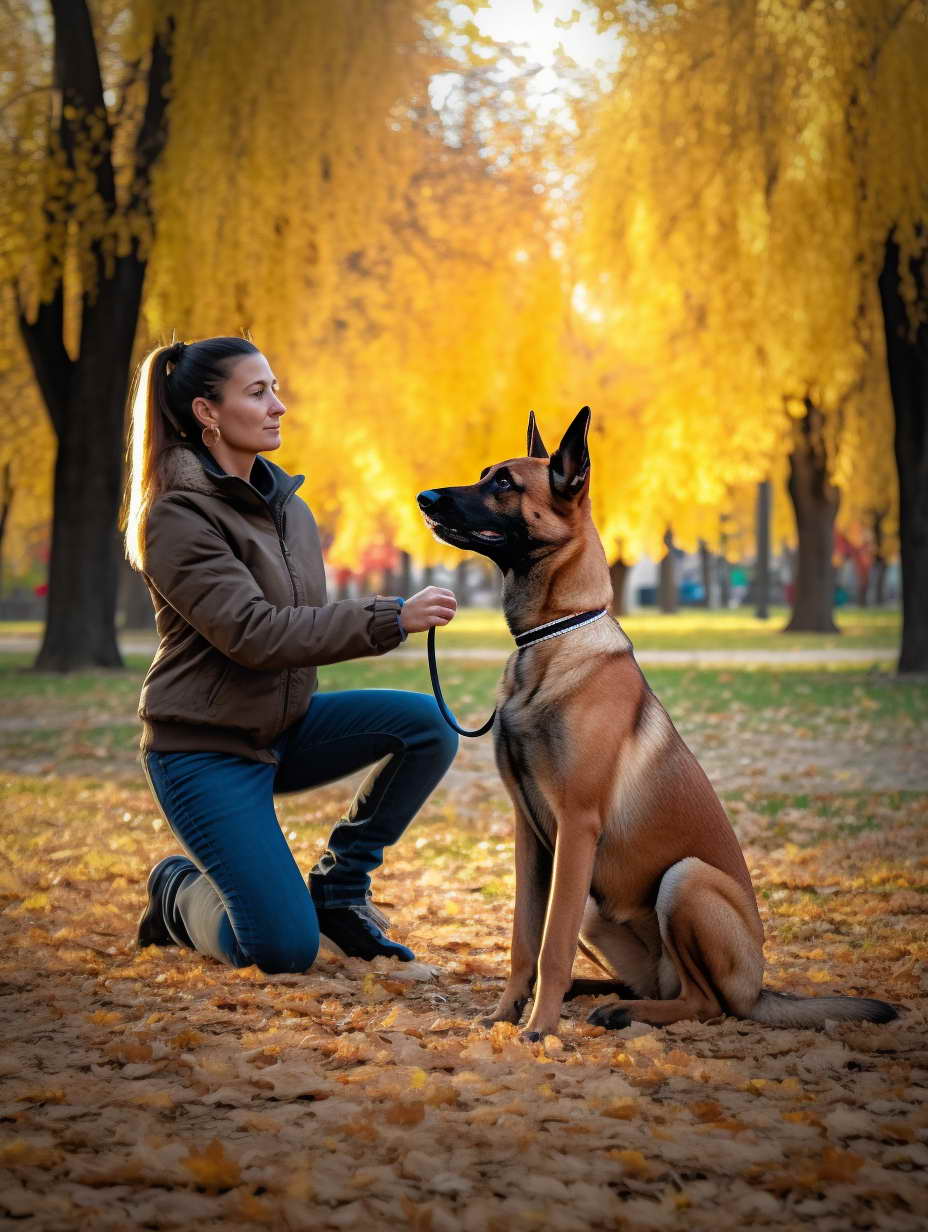
    Welcome to the world of Belgian Malinois training, where loyalty, intelligence, and agility come together in one magnificent breed. If you’re lucky enough to have a Belgian Malinois as your canine companion, you’re in for a thrilling adventure. These dogs are known for their boundless energy and unwavering dedication. To ensure a harmonious relationship with your Malinois, it’s crucial to embark on the journey of dog training Belgian Malinois style.

    The Foundation: Dog Training Belgian Malinois

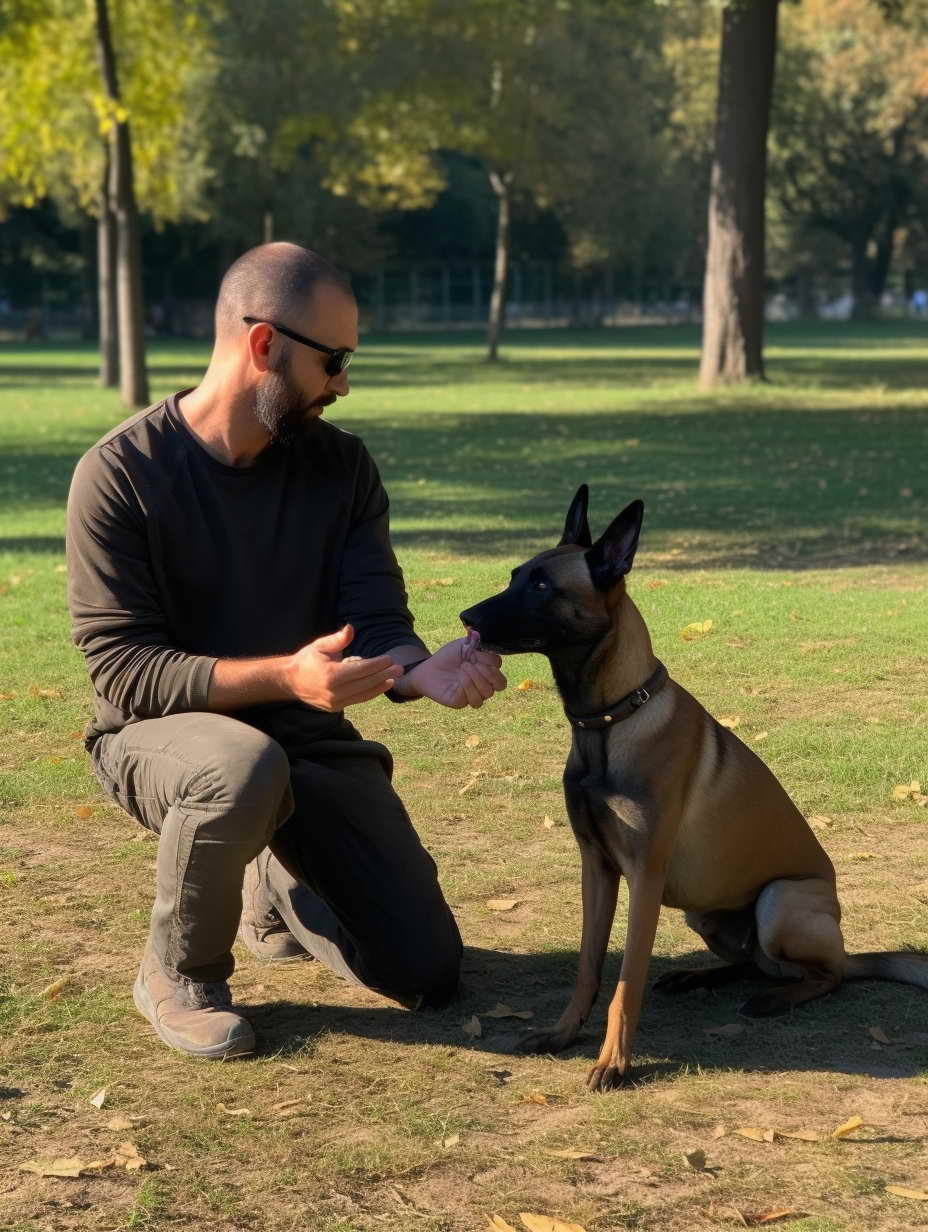
    Dog training for Belgian Malinois is a journey that begins with a strong foundation. Before diving into the specifics of commands and techniques, it’s essential to grasp the unique characteristics of this remarkable breed and establish a solid groundwork for effective training.

    Understanding Your Belgian Malinois

    Belgian Malinois, often referred to as “Maligators,” are renowned for their exceptional intelligence and unwavering loyalty. Originally bred as herding dogs, they have evolved into versatile working dogs, excelling in roles such as police work, search and rescue, and even competitive obedience. To train them effectively, you must understand their innate traits:

    1. Intelligence:

    Belgian Malinois are exceptionally intelligent dogs. They have an innate ability to quickly grasp commands and problem-solving tasks. However, their intelligence can also make them independent thinkers, so consistent training is crucial.

    2. Energy and Drive:

    Malinois are known for their boundless energy and high work drive. They thrive on physical and mental stimulation and may become restless or exhibit destructive behavior if not adequately exercised and mentally engaged.

    3. Loyalty:

    These dogs form strong bonds with their owners and are incredibly loyal. Building trust and a positive relationship is fundamental to their training.

    4. Sensitivity:

    Belgian Malinois are sensitive to their owner’s emotions and reactions. Harsh training methods or punishments can harm the bond between you and your dog, so positive reinforcement is highly recommended.

    Positive Reinforcement

    Positive reinforcement is the cornerstone of Belgian Malinois training. This approach focuses on rewarding desired behavior rather than punishing unwanted behavior. Here’s how it works:

    1. Rewards:

    Use treats, praise, toys, or affection as rewards when your Malinois follows a command or exhibits good behavior. The key is to make the reward immediate and highly appealing to your dog.

    2. Timing:

    Timing is crucial in positive reinforcement. Deliver the reward within seconds of your dog’s correct action to ensure they associate the behavior with the reward.

    3. Consistency:

    Be consistent in your use of rewards. Set clear expectations and reward your Malinois every time they meet those expectations. This consistency reinforces the desired behavior.

    4. Clicker Training:

    Clicker training, which uses a small device that makes a clicking sound, can be particularly effective with Belgian Malinois. The click serves as a precise marker for the desired behavior, making it easier for your dog to understand.
    The Foundation Dog Training Belgian Malinois

    Consistency is Key

    Consistency in training is vital to avoid confusion for your Belgian Malinois. Consider the following aspects of consistency:

    1. Family Involvement:

    Ensure that all family members are on the same page regarding training commands and expectations. Inconsistency among family members can confuse your dog.

    2. Timing:

    Use the same commands consistently, and reinforce them with rewards promptly. Consistency in your timing helps your Malinois understand what’s expected.

    3. Routine:

    Establish a training routine. Consistent training sessions at the same time each day create a predictable environment that aids in learning.

    4. Patience:

    Understand that training takes time, and your dog may not grasp commands immediately. Patience is essential to maintain a positive training experience.

    Socialization

    Socialization is a critical aspect of Belgian Malinois training. Early and extensive socialization helps your dog become well-adjusted and confident in various situations. Here are some tips for effective socialization:

    1. Exposure:

    Introduce your Malinois to different people, animals, and environments from a young age. Gradually increase the complexity of these interactions.

    2. Positive Experiences:

    Ensure that socialization experiences are positive. Reward your dog for calm and friendly behavior during social interactions.

    3. Ongoing Socialization:

    Socialization is not a one-time event. Continue exposing your Malinois to new experiences throughout their life to maintain their confidence and adaptability.

    4. Professional Help:

    If you encounter challenges during socialization, consider seeking assistance from a professional dog trainer or behaviorist.

    Patience and Persistence

    Training a Belgian Malinois can be a rewarding yet challenging endeavor. It’s essential to approach the process with patience and persistence:

    1. Individual Pace:

    Remember that every dog learns at its own pace. Avoid frustration and maintain a positive attitude, even if progress seems slow.

    2. Consistent Training:

    Consistency in training sessions and techniques is key to success. Stick to your chosen methods and routines.

    3. Professional Guidance:

    If you encounter difficulties or behavior issues that you’re unsure how to address, don’t hesitate to consult a professional dog trainer with experience in working with Belgian Malinois.
    Dog Training Belgian Malinois The Basic Commands

    Dog Training Belgian Malinois – The Basic Commands

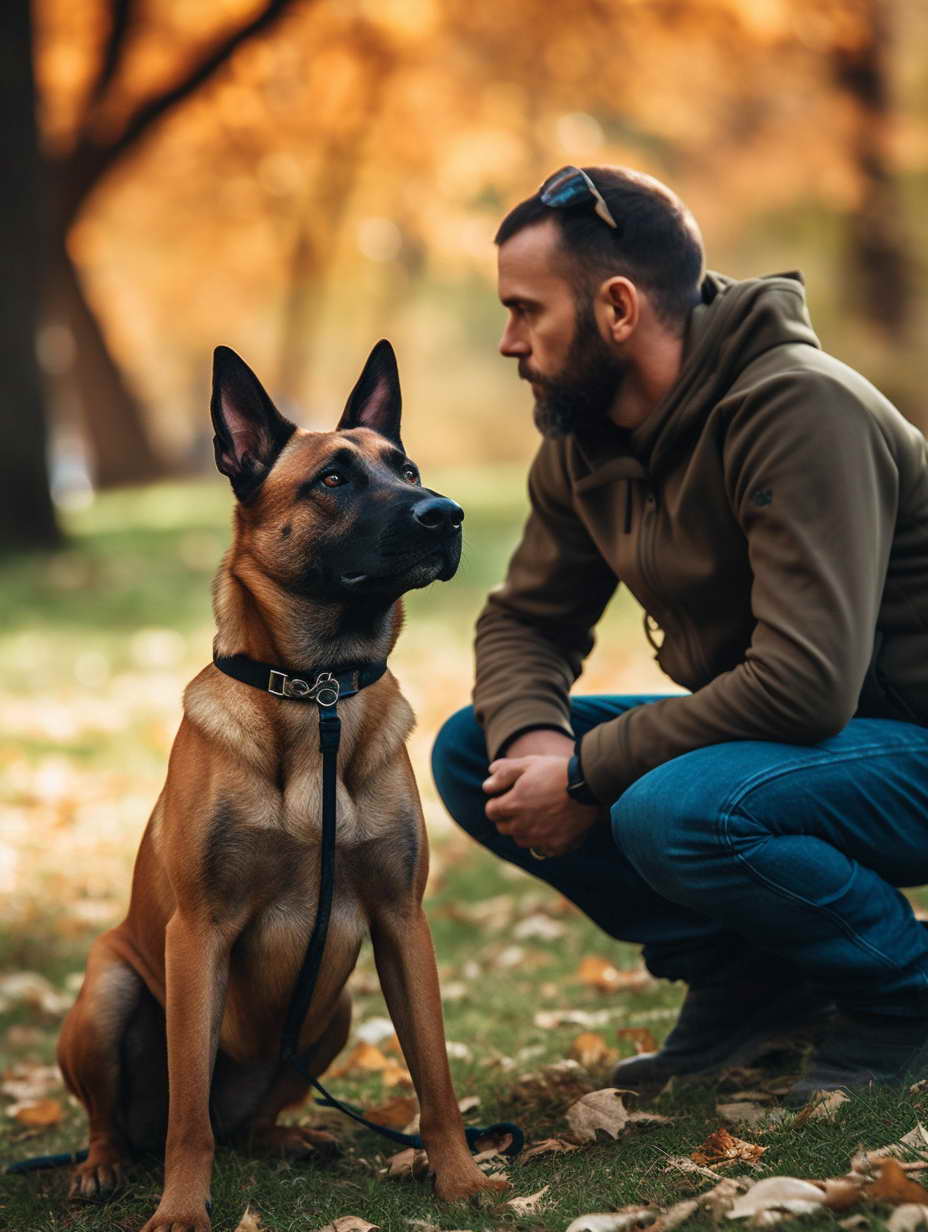
    Training your Belgian Malinois in basic commands is the essential building block for a well-behaved and obedient canine companion. These commands not only ensure your dog’s safety but also strengthen the bond between you and your Malinois. Let’s explore the fundamental commands you should teach your Malinois and how to go about it effectively.

    Sit

    The “sit” command is one of the most basic and essential commands for any dog, including Belgian Malinois. Teaching your Malinois to sit provides a solid foundation for more advanced training. Here’s how to do it:

    1. Prepare Treats:

    Begin by preparing some small, tasty treats that your Malinois loves. These treats will serve as rewards during the training.

    2. Get Your Dog’s Attention:

    Ensure your dog is in a calm state and has your attention. You can achieve this by holding a treat in front of their nose to grab their focus.

    3. Raise the Treat:

    Slowly raise the treat above your dog’s head, so their nose follows it. As their nose moves upward, their rear end should naturally lower to the ground.

    4. Use the Command:

    As your dog’s rear end touches the ground, immediately say “sit” in a clear, firm, yet gentle tone.

    5. Reward and Praise:

    The moment your Malinois sits, promptly reward them with the treat and offer enthusiastic praise. Use phrases like “Good sit!” to reinforce the behavior.

    6. Repeat and Practice:

    Practice this command in short, frequent sessions. Be consistent with your cues and rewards, and gradually decrease the use of treats as your dog becomes proficient.

    Stay

    The “stay” command is vital for your Malinois’s safety, as it ensures they remain in one place until given permission to move. Here’s how to teach it:

    1. Start with Sit:

    Begin with your Malinois in a sitting position. Ensure they are calm and focused on you.

    2. Open Palm:

    Hold your hand, palm open and facing your dog, toward their face, and say “stay” in a clear, authoritative tone.

    3. Take a Step Back:

    While maintaining eye contact, take a single step back from your dog. Keep your hand raised, palm facing them.

    4. Pause and Return:

    Pause for a moment, then return to your dog. If they remain in the “stay” position, reward and praise them.

    5. Increase Distance and Duration:

    Gradually increase the distance and duration of the “stay” as your dog becomes more comfortable with the command. Always reward and praise for compliance.

    Come

    The “come” command, also known as recall, is crucial for ensuring your Malinois returns to you promptly, especially in potentially dangerous situations. Here’s how to teach it:

    1. Leash and Long Line:

    Start with a long leash in a safe, enclosed area. Attach the leash to your dog’s collar.

    2. Get Their Attention:

    Grab your dog’s attention by calling their name in a friendly tone.

    3. Say “Come”:

    In a clear, enthusiastic voice, say “come” while gently pulling on the leash to guide your dog towards you.

    4. Reward and Praise:

    As your Malinois reaches you, offer a tasty treat and plenty of praise. Make the experience positive and rewarding.

    5. Release:

    To teach your dog that they can return to their normal activities after coming to you, use a release command like “okay” or “free.”

    6. Practice Off-Leash:

    Once your dog reliably comes to you on a leash, practice the “come” command off-leash in a secure, fenced area.

    Down

    The “down” command instructs your Malinois to lie down, which can be useful for keeping them calm and controlled. Here’s how to teach it:

    1. Start with Sit:

    Begin with your dog in a sitting position. Ensure they are relaxed and attentive.

    2. Use a Treat:

    Hold a treat near your dog’s nose and lower it slowly towards the ground. As your dog follows the treat, they should naturally lie down.

    3. Add the Command:

    While your dog is in the down position, say “down” clearly and firmly.

    4. Reward and Praise:

    As soon as your Malinois is down, reward them with the treat and offer verbal praise. Use phrases like “Good down!”

    5. Practice and Consistency:

    Practice the “down” command regularly, gradually phasing out the use of treats as your dog becomes proficient. Be consistent with your cues and rewards.

    Heel

    Belgian Malinois have a tendency to pull on the leash, making the “heel” command essential for enjoyable walks. Teaching your dog to walk politely by your side is achievable with patience and practice:

    1. Start Walking:

    Begin walking with your dog on a leash. Hold the leash securely but loosely, allowing some slack.

    2. Use the Command:

    Say “heel” in a firm yet calm voice as you start walking. Use your dog’s name to get their attention.

    3. Maintain Position:

    Ensure your Malinois walks close to your side, ideally with their shoulder aligned with your leg. If they begin to pull, gently correct them with a slight leash tug.

    4. Reward and Praise:

    Praise your dog and offer treats when they walk beside you without pulling. Reinforce the behavior with positive reinforcement.

    5. Practice Regularly:

    Consistent practice during walks will help your Malinois understand and adhere to the “heel” command. Gradually, your dog will learn to walk calmly by your side.

    By mastering these basic commands—sit, stay, come, down, and heel—you will establish a strong foundation for further training and ensure that your Belgian Malinois becomes a well-mannered and obedient companion. Remember that patience, consistency, and positive reinforcement are the keys to success in dog training.
    Dog Training Belgian Malinois Advanced Training

    Dog Training Belgian Malinois – Advanced Training

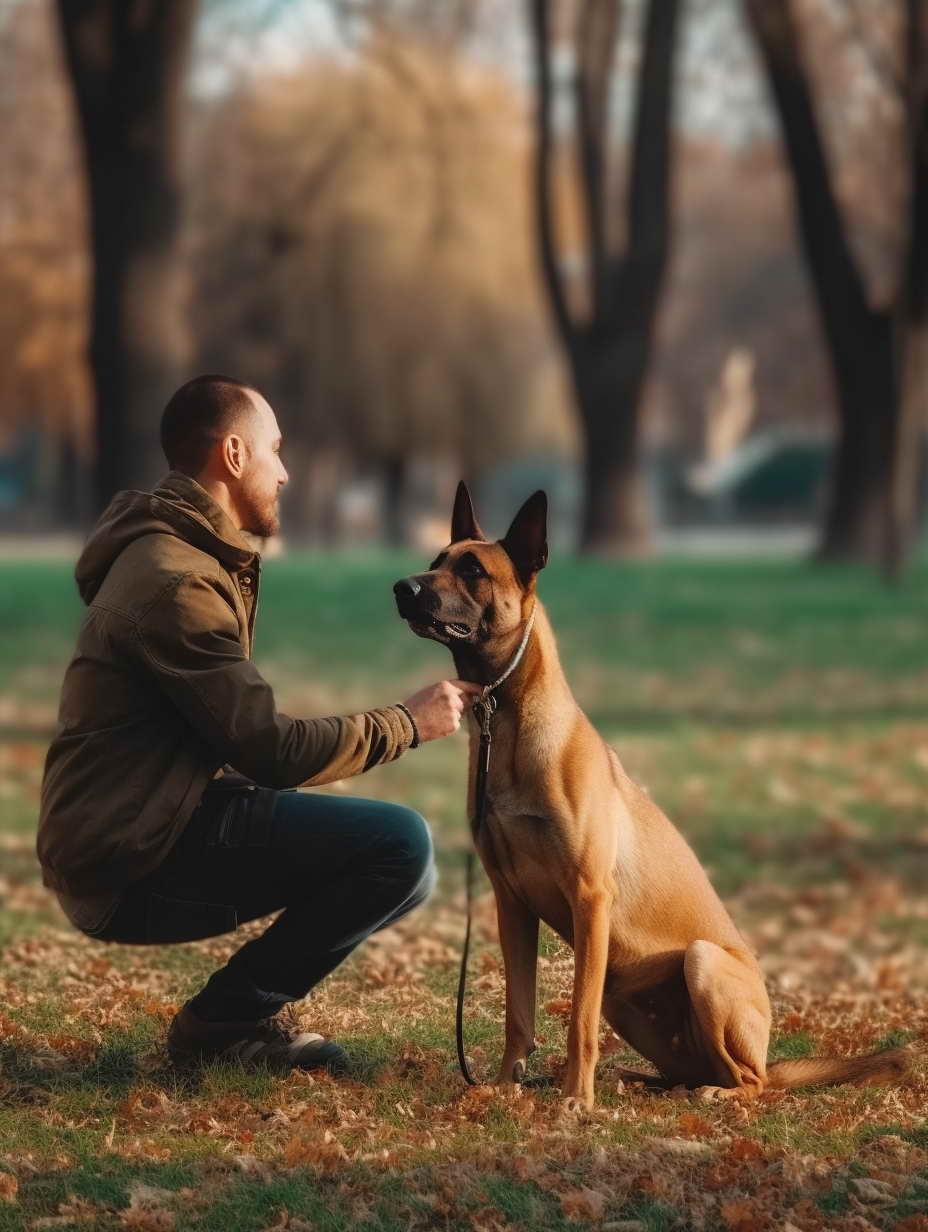
    Once you’ve successfully mastered the basics of dog training with your Belgian Malinois, it’s time to take things up a notch. Advanced training not only stimulates your dog mentally but also taps into their innate capabilities. This level of training is perfect for Malinois owners looking to challenge their dogs and explore new horizons. Here are some advanced training options:

    Agility Training

    Agility training is an exciting and physically demanding sport that your Malinois will thrive in. It involves navigating a timed obstacle course that includes jumps, tunnels, weave poles, and more. Here’s how to get started with agility training:

    1. Foundation Work:

    Before introducing your dog to agility equipment, ensure they have a solid foundation in basic obedience commands like “sit,” “stay,” and “come.” These commands are essential for safety during agility training.

    2. Introduce Equipment:

    Start by introducing your Malinois to one piece of agility equipment at a time. Use treats and praise to encourage them to explore and interact with the equipment.

    3. Gradual Progression:

    Progress gradually from simple to more complex equipment. For example, begin with jumps at a low height and gradually raise it as your dog becomes comfortable.

    4. Positive Reinforcement:

    Use positive reinforcement to reward your Malinois for successfully navigating obstacles. Make the experience fun and rewarding.

    5. Seek Professional Guidance:

    Consider enrolling in agility classes with a certified trainer who specializes in the sport. They can provide expert guidance and help you and your dog master the skills needed for agility competitions.

    Obedience Competitions

    Belgian Malinois often excel in obedience competitions due to their intelligence and willingness to please. These competitions test your dog’s discipline, responsiveness, and ability to follow commands. Here’s how to get involved in obedience competitions:

    1. Advanced Training Classes:

    Enroll your Malinois in advanced obedience training classes with a focus on competition-level skills. These classes will cover precise commands and heelwork.

    2. Learn the Rules:

    Familiarize yourself with the rules and requirements of obedience competitions in your area or at the specific event you plan to enter.

    3. Practice, Practice, Practice:

    Consistent and rigorous practice is key to success in obedience competitions. Work on perfecting commands, off-leash control, and intricate routines.

    4. Seek Professional Guidance:

    Consider working with a professional dog trainer who specializes in obedience competition preparation. They can provide valuable insights and help fine-tune your dog’s skills.

    5. Compete Locally:

    Start by entering local obedience trials to gain experience and assess your dog’s performance in a competition setting.

    Scent Work

    Belgian Malinois have an exceptional sense of smell, making them ideal candidates for scent work training. This type of training taps into their natural instincts and provides mental stimulation. Here’s how to get started:

    1. Choose a Scent:

    Select a specific scent, such as essential oils or a training scent, that your dog will be trained to locate.

    2. Introduction to Scent:

    Begin by introducing your Malinois to the chosen scent in a controlled environment. Let them associate the scent with a reward.

    3. Hide and Seek:

    Gradually progress to hiding the scent in various locations around your home or yard. Encourage your dog to use their nose to find the hidden scent.

    4. Increase Complexity:

    As your dog becomes proficient, increase the complexity of the search by using multiple scents or hiding the scent in more challenging locations.

    5. Formal Scent Work Classes:

    Consider enrolling in formal scent work classes or workshops. Professional trainers can help refine your dog’s scent detection skills.

    Protection Training

    Protection training should only be pursued if you have specific needs, such as security or personal protection. It’s essential to consult with a professional trainer experienced in protection work. Here are some considerations:

    1. Expert Guidance:

    Seek out a highly experienced protection dog trainer with a strong understanding of Belgian Malinois’ temperament and capabilities.

    2. Assess Suitability:

    Not all Malinois are suitable for protection training. A thorough assessment of your dog’s temperament and behavior is crucial.

    3. Gradual Progression:

    Protection training should progress gradually, starting with basic obedience and bite work under close supervision.

    4. Legal and Ethical Considerations:

    Be aware of legal and ethical considerations associated with owning a protection-trained dog. It’s essential to have a deep understanding of the responsibilities involved.

    Remember that advanced training should always prioritize the safety and well-being of your dog. Seek professional guidance when venturing into any advanced training area to ensure both you and your Belgian Malinois have a positive and successful experience.

    Conclusion

    Dog training Belgian Malinois style is a rewarding endeavor that strengthens the bond between you and your furry friend. With patience, consistency, and positive reinforcement, you can unlock your Malinois’ full potential and enjoy a harmonious companionship that lasts a lifetime.
  • Bird Dog Training Michigan

    Bird Dog Training Michigan

    Bird Dog Training Michigan

    Bird Dog Training Michigan Cost: Unveiling the Secrets of Effective Training

    Introduction

    Bird Dog Training in Michigan is a fulfilling journey for both dogs and their owners. However, it’s essential to understand the costs involved to ensure a smooth and successful training experience. In this article, we will delve into the world of Bird Dog Training Michigan Cost, shedding light on various aspects, and equipping you with the knowledge needed for this adventure.

    Bird Dog Training Michigan Cost: The Basics

    When embarking on the journey of Bird Dog Training in Michigan, it’s crucial to have a clear understanding of the fundamental cost factors that come into play. Let’s delve deeper into each of these elements to ensure you’re well-prepared for your training adventure.

    1. Training Program Selection

    The heart of Bird Dog Training Michigan Cost lies in the type of training program you opt for. Each program offers a unique set of benefits and corresponds to specific training goals. Here’s a closer look at the different training programs:

    Basic Obedience Training

    Basic obedience training is the foundation of any well-behaved bird dog. This program focuses on teaching essential commands such as sit, stay, come, and heel. It’s an excellent choice for novice bird dog owners looking to establish a strong connection with their canine companions. The cost for basic obedience training in Michigan can range from $500 to $1,500, depending on the trainer and the duration of the program.

    Advanced Training

    For those seeking to take their bird dog’s skills to the next level, advanced training programs are available. These programs often cater to specific activities like hunting, agility, or competition. The Bird Dog Training Michigan Cost for advanced programs can be higher, ranging from $1,000 to $2,500 or more, depending on the complexity of the training.

    Board and Train

    In some cases, bird dog owners opt for a board and train program. This immersive training experience involves leaving your dog with a professional trainer for an extended period. During this time, your dog receives intensive training and socialization. Board and training programs typically have a higher cost due to the comprehensive nature of the training. Prices can range from $1,500 to $4,000 or more.

    When choosing a training program, it’s essential to align your selection with your bird dog’s specific needs and your budget. Consider your goals, the level of training required, and your dog’s temperament before making a decision.

    2. Trainer’s Expertise

    The expertise of the trainer you select plays a significant role in determining the Bird Dog Training Michigan Cost. Experienced trainers often charge higher fees due to their proven track record and specialized knowledge. These trainers have a deep understanding of bird-dog behavior and training techniques, which can lead to more effective results.

    On the other hand, trainers who are just starting in the field may offer more budget-friendly options. While their rates may be lower, it’s essential to assess their qualifications and training methodologies carefully. Choosing an inexperienced trainer may save you money initially, but it could result in a longer training period and potentially less effective outcomes.

    3. Duration of Training

    The duration of the training program is a critical factor in the overall cost. Shorter programs naturally come with a lower price tag, while longer and more intensive programs can be more expensive. It’s crucial to have a clear understanding of how long your chosen training program will last and how this duration aligns with your schedule and budget.

    For example, a basic obedience training program may last four to six weeks, while advanced training or board and train programs can extend to several months. Discuss the expected duration with your trainer to ensure you are prepared for the commitment both in terms of time and finances.

    4. Additional Expenses

    Beyond the core Bird Dog Training Michigan Cost associated with the training program and the trainer’s fees, there are additional expenses to consider. These can include:

    • Equipment: Depending on the program, you may need to invest in training tools, collars, leashes, and toys. These items are essential for reinforcing the training at home and maintaining consistency in your dog’s behavior.
    • Travel: If the training facility is not within proximity to your location, you’ll need to factor in travel expenses. This includes fuel costs, transportation fees, and accommodations if the training facility is some distance away.
    • Boarding: If you opt for a board and train program, the cost typically includes boarding for your dog during the training period. However, if you need to board your dog separately for any reason, such as vacations, this will be an additional cost to consider.

    By factoring in these additional expenses, you can arrive at a more accurate estimate of the total Bird Dog Training Michigan Cost, ensuring that you are financially prepared for the training journey ahead.

    Bird Dog Training Michigan Cost

    Factors Affecting Bird Dog Training Michigan Cost

    Understanding the dynamics that influence Bird Dog Training Michigan Cost is crucial for making informed decisions about your training journey. Let’s explore the key factors that can impact the overall cost of training your bird dog in Michigan.

    1. Breed and Size

    The breed and size of your bird dog are fundamental factors affecting training costs. Here’s how they come into play:

    Breed-Specific Training Needs

    Different bird dog breeds have distinct characteristics and instincts. For example, pointers and retrievers may excel in hunting but require specialized training, while spaniels may have unique behavior patterns. These variations can influence the cost of training, as some breeds may require more intensive or specialized instruction.

    Size Matters

    The size of your bird dog can also impact training costs. Larger dogs tend to be stronger and may require more effort to manage and train. This can lead to longer training sessions and potentially higher costs.

    2. Behavioral Issues

    Bird dogs, like all dogs, can exhibit a range of behaviors, from mild quirks to significant issues. The presence of behavioral challenges can affect both the duration and complexity of training, consequently influencing Bird Dog Training Michigan Cost.

    Common Behavioral Issues

    Behavioral issues that trainers often encounter include aggression, fearfulness, excessive barking, and separation anxiety. Addressing these issues may require additional time and specialized techniques, leading to higher training expenses.

    Behavior Modification

    For dogs with severe behavioral problems, behavior modification programs may be necessary. These programs focus on altering undesirable behaviors and replacing them with more acceptable ones. Behavior modification programs are typically longer and can be more costly than standard training.

    3. Location

    The geographic location within Michigan where you seek training services can have a notable impact on Bird Dog Training Michigan Cost. Consider the following aspects:

    Urban vs. Rural Rates

    Training facilities and trainers in urban areas tend to charge higher rates due to increased operating costs and demand. In contrast, rural areas may offer more budget-friendly options. Therefore, your location plays a role in determining the cost of training.

    Travel Expenses

    If you need to travel to access specialized training or a renowned trainer, remember to account for travel expenses. These costs can include fuel, accommodations, and meals, which add to the overall expenditure.

    4. Training Facility

    The choice of training facility can significantly affect the cost of bird dog training in Michigan. Understanding the types of facilities available is crucial:

    Specialized Training Centers

    Some training centers are dedicated to specific dog activities, such as hunting or field trials. These centers often provide high-quality training but may come with higher fees due to their specialization.

    All-Inclusive Facilities

    Other facilities offer comprehensive services, including boarding, training, and grooming. While convenient, these all-inclusive options tend to be more expensive.

    When evaluating training facilities, it’s essential to consider the services they offer, their reputation, and how their rates align with your budget.

    Conclusion

    Investing in Bird Dog Training in Michigan is a valuable endeavor for both you and your furry companion. By understanding the various factors influencing Bird Dog Training Michigan Cost, you can make informed decisions and embark on a rewarding training journey. Remember that while cost is a crucial factor, the quality of training should remain a top priority.

  • Rattlesnake Dog Training San Diego

    Rattlesnake Dog Training San Diego

    Rattlesnake Dog Training San Diego

    Rattlesnake Dog Training San Diego: Keeping Your Canine Companion Safe

    Rattlesnake Dog Training San Diego is a crucial aspect of responsible pet ownership in this beautiful region. San Diego’s diverse terrain and wildlife make it a haven for rattlesnakes, and ensuring your dog’s safety should be a top priority. In this comprehensive guide, we’ll delve deep into the world of rattlesnake dog training, providing you with essential knowledge and practical tips to protect your four-legged family member.

    Rattlesnake Dog Training San Diego: An Overview

    Understanding the intricacies of Rattlesnake Dog Training San Diego is essential for all dog owners in this region. San Diego’s stunning landscapes are not only a paradise for humans but also a habitat for various rattlesnake species. This section provides a detailed overview of the significance of rattlesnake dog training and why it should be a top priority for every responsible pet owner.

    The Rattlesnake Threat

    San Diego County is home to a diverse range of rattlesnake species, with the Western Diamondback and the Southern Pacific Rattlesnake being among the most prevalent. These venomous reptiles are well-adapted to the local environment and can be found in a variety of habitats, from arid deserts to coastal areas.

    The presence of rattlesnakes in San Diego’s natural surroundings presents a genuine threat to both humans and their canine companions. Rattlesnake bites in dogs can lead to severe consequences, including:

    • Venomous Effects: Rattlesnake venom can cause excruciating pain, tissue damage, and even organ failure in dogs.
    • Expensive Medical Bills: Treating rattlesnake bites can result in costly medical bills, including antivenom treatment, hospitalization, and follow-up care.
    • Emotional Stress: Witnessing your beloved pet in pain and distress due to a snakebite can be emotionally traumatic for any dog owner.

    Why Rattlesnake Dog Training San Diego is Essential

    Given the potential dangers posed by rattlesnakes in San Diego, rattlesnake dog training is not a luxury but a necessity. Here’s why it’s crucial for the safety and well-being of your four-legged family member:

    1. Prevention is Key: Rattlesnake avoidance training focuses on teaching your dog to recognize the sight, sound, and scent of rattlesnakes as potential threats. This proactive approach can prevent potentially life-threatening encounters.
    2. Peace of Mind: Knowing that your dog has been trained to avoid rattlesnakes provides peace of mind when you’re out exploring San Diego’s wilderness together.
    3. Financial Savings: While rattlesnake dog training incurs an initial cost, it pales in comparison to the expenses associated with treating a rattlesnake bite. Training is a wise investment in your dog’s health and your wallet.
    4. Responsible Pet Ownership: Ensuring your dog is trained to avoid rattlesnakes is a fundamental aspect of being a responsible pet owner in San Diego. It demonstrates your commitment to your pet’s safety and the safety of others in your community.
    5. Avoiding Tragic Loss: Tragically, rattlesnake bites can be fatal for dogs. Rattlesnake dog training can be a lifesaver, preventing the heartbreak of losing a beloved pet.

    Rattlesnake Dog Training San Diego An Overview

    The Rattlesnake Dog Training San Diego Process: Ensuring Your Dog’s Safety

    Rattlesnake dog training is a meticulous process designed to instill a deep-seated aversion to rattlesnakes in your furry companion. This section will provide a comprehensive overview of the steps involved in this crucial training.

    Finding a Professional Trainer

    The foundation of successful rattlesnake dog training lies in selecting the right professional trainer. While some dog owners may consider DIY methods, it’s essential to understand that professional trainers possess the expertise, experience, and knowledge required for effective training.

    When searching for a rattlesnake dog trainer in San Diego, consider the following factors:

    1. Experience: Look for trainers with a proven track record in rattlesnake avoidance training. Ask for references and check online reviews to gauge their reputation.
    2. Certifications: Reputable trainers often hold certifications or memberships in recognized organizations related to dog training and animal behavior.
    3. Training Methods: Inquire about the training methods used by the trainer. Ensure they follow safe and humane practices that prioritize your dog’s well-being.
    4. Location and Availability: Choose a trainer who is conveniently located and available for sessions that fit your schedule.
    5. Cost: While cost should not be the sole determinant, it’s essential to understand the trainer’s pricing structure to ensure it aligns with your budget.

    Once you’ve found the right professional trainer, it’s time to embark on the training journey.

    The Training Session

    Rattlesnake dog training sessions are carefully orchestrated to expose your dog to controlled rattlesnake encounters. The goal is to create a lasting aversion, teaching your dog to recognize the sight, sound, and scent of rattlesnakes as potential threats.

    Here’s what you can expect during a typical training session:

    1. Introduction: The trainer will introduce your dog to a controlled environment, often resembling a natural outdoor setting. This controlled environment ensures safety while mimicking real-life conditions.
    2. Muzzled Rattlesnakes: Trainers use defanged and muzzled rattlesnakes during sessions. These snakes are unable to bite, ensuring the safety of both your dog and the trainer.
    3. Sensory Exposure: The training process involves sensory exposure to rattlesnakes. Your dog will encounter the sight, sound, and scent of these reptiles.
    4. Negative Reinforcement: When your dog exhibits curiosity or interest in the rattlesnake, the trainer will employ negative reinforcement techniques. This can include a mild shock or vibration to discourage any approach.
    5. Positive Association: Simultaneously, the trainer will reward your dog for displaying avoidance behavior. Positive reinforcement techniques, such as treats or praise, help reinforce the desired response.
    6. Gradual Exposure: The level of exposure is carefully controlled, starting with distant encounters and gradually increasing the proximity to the rattlesnake.
    7. Consistency: Rattlesnake dog training is not a one-time event. It requires multiple sessions to ensure that your dog retains the aversion to rattlesnakes over time.

    Ongoing Maintenance

    Once your dog has completed the initial rattlesnake dog training sessions, the journey doesn’t end there. Ongoing maintenance is vital to reinforce your dog’s aversion and ensure long-term safety.

    Maintenance typically includes:

    1. Regular Refresher Sessions: Periodic training sessions are essential to keep your dog’s avoidance skills sharp. These sessions serve as a reminder of the potential danger posed by rattlesnakes.
    2. Practice in Real-Life Settings: Taking your dog to areas where rattlesnakes may be present, under the supervision of a professional trainer, can help reinforce their training in a real-world context.
    3. Monitoring Your Dog: Pay close attention to your dog’s behavior during hikes or outdoor activities. If your dog displays any signs of curiosity or interest in rattlesnakes, consult your trainer for additional guidance.

    Conclusion

    Rattlesnake Dog Training San Diego is a vital investment in your dog’s safety. With the right training, you can protect your furry friend from the dangers of rattlesnakes that lurk in our beautiful San Diego landscapes. Remember, prevention is key, and professional rattlesnake dog training is the most effective way to ensure your dog’s safety.

  • Dan Gentile Dog Training Center

    Dan Gentile Dog Training Center

    Dan Gentile Dog Training Center

    Unleash the Best in Your Canine Companion: Dan Gentile Dog Training Center

    Introduction

    Welcome to the world of dog training, where your furry friends can become the best version of themselves. In this article, we will delve into the remarkable journey of Dan Gentile Dog Training Center, a place where dreams of having a well-behaved and obedient dog come true. With over two decades of experience, Dan Gentile Dog Training Center has garnered a reputation as a trusted institution for dog training. We’ll explore various aspects of their training programs, methodologies, and insights based on first-hand experiences and credible sources.

    Dan Gentile Dog Training Center

    At the Heart of Dog Training Excellence

    When you think of comprehensive and effective dog training, you think of Dan Gentile Dog Training Center. Established in 1999, this training center has been at the forefront of transforming countless canine companions into well-behaved and cherished family members.

    The Dan Gentile Approach

    Dan Gentile Dog Training Center employs a unique and humane approach to dog training. Their team of experienced trainers understands that every dog is unique, and training should be tailored to suit individual needs. This personalized approach sets them apart, ensuring that each dog reaches their full potential.

    Proven Results

    What truly sets Dan Gentile Dog Training Center apart is its track record of success. With a commitment to excellence, they have successfully trained dogs of various breeds, ages, and temperaments. Many dog owners have witnessed remarkable transformations in their pets after enrolling them at this renowned center.

    Dan Gentile Dog Training Center Approach Method

    Training Programs

    Tailored to Your Dog’s Needs

    At Dan Gentile Dog Training Center, you’ll find a range of training programs designed to cater to various aspects of your dog’s development.

    Puppy Obedience Training

    Start your puppy off on the right paw with their Puppy Obedience Training program. This foundation-building course focuses on essential commands, socialization, and behavior management for young dogs.

    Basic Obedience Training

    For older dogs or those in need of fundamental training, the Basic Obedience Training program covers commands like sit, stay, come, and leash manners. It’s a crucial step towards having a well-mannered pet.

    Advanced Training

    For the dog owner looking to take training to the next level, Dan Gentile Dog Training Center offers advanced training programs. These programs are designed to fine-tune your dog’s skills, focusing on off-leash obedience and advanced commands.

    Behavioral Training

    Addressing behavioral issues is a forte of Dan Gentile Dog Training Center. From aggression to anxiety, their experienced trainers work closely with you and your dog to overcome these challenges.

    Testimonials

    What Dog Owners Are Saying

    “Life-changing Experience”

    “I was at my wit’s end with my unruly German Shepherd until I found Dan Gentile Dog Training Center. The transformation has been unbelievable. Highly recommended!” – Sarah W.

    “Professional and Compassionate”

    “The trainers at Dan Gentile Dog Training Center are not only experts in their field but also genuinely care about the well-being of the dogs. They go the extra mile to ensure your pet’s success.” – John D.

    “Results Speak for Themselves”

    “I can’t thank Dan Gentile Dog Training Center enough for helping me and my dog achieve a harmonious relationship. The results are incredible, and I’m forever grateful.” – Emily G.

    FAQs

    What breeds do they train at Dan Gentile Dog Training Center?

    Dan Gentile Dog Training Center trains dogs of all breeds and sizes. Their experienced trainers tailor the training programs to suit the specific needs of each dog, ensuring effective results.

    How long does the training program typically take?

    The duration of the training program varies depending on the specific program and the individual dog’s progress. Basic obedience training, for example, usually lasts around six weeks, while advanced training may take longer. The trainers at Dan Gentile Dog Training Center will provide you with a more precise timeline during the initial assessment.

    Are the training methods at Dan Gentile Dog Training Center humane?

    Yes, Dan Gentile Dog Training Center is committed to using humane training methods. Their trainers prioritize positive reinforcement and gentle, effective techniques to ensure your dog’s well-being and success.

    Can I visit the training center before enrolling my dog?

    Absolutely! Dan Gentile Dog Training Center welcomes prospective clients to visit their facilities. It’s an excellent opportunity to meet the trainers, see the training environment, and discuss your dog’s specific needs.

    What sets Dan Gentile Dog Training Center apart from other training facilities?

    Dan Gentile Dog Training Center’s personalized approach, commitment to humane training methods, and outstanding track record of success make them a top choice for dog owners. Their trainers’ expertise and dedication to each dog’s unique needs truly set them apart.

    Is there ongoing support after the training program?

    Yes, Dan Gentile Dog Training Center believes in providing ongoing support to ensure long-term success. They offer follow-up sessions and guidance to address any challenges that may arise after the training program is completed.

    Conclusion

    Dan Gentile Dog Training Center is not just a training facility; it’s a place where dreams of having a well-behaved and obedient dog come true. With its humane approach, experienced trainers, and proven results, this center stands out as a beacon of hope for dog owners seeking transformation. If you want to unleash the best in your canine companion, Dan Gentile Dog Training Center is the answer.

  • Bird Dog Training Colorado

    Bird Dog Training Colorado

    Bird Dog Training Colorado

    Bird Dog Training Colorado Costs: Everything You Need to Know

    Bird Dog Training Colorado Costs can be a significant investment for any dog owner. It’s crucial to understand what goes into this process to make an informed decision. In this article, we will delve deep into the world of bird dog training in Colorado and discuss all aspects related to the costs involved.

    Introduction

    Bird Dog Training Colorado Costs can vary widely depending on various factors. It’s not just about the price tag; it’s about the value you receive in return. Investing in the right training for your bird dog is essential for both their well-being and your peace of mind.

    In this article, we will break down the costs associated with bird dog training in Colorado, helping you make a well-informed decision. From the basics to advanced training programs, we’ll cover it all.

    Bird Dog Training Colorado Costs

    When it comes to Bird Dog Training in Colorado, understanding the various costs involved is essential for any prospective dog owner. Proper training is not just an investment in your bird dog’s skills but also in their well-being and peace of mind.

    1. Bird Dog Training Colorado – Training Program Selection

    One of the primary factors that influence the cost of bird dog training in Colorado is the type of training program you choose. Here’s a closer look at the options and their associated costs:

    • Basic Obedience Training: This foundational program focuses on teaching your bird dog essential commands such as sit, stay, and come. The cost for basic obedience training typically ranges from $200 to $500. This is an excellent option for those looking to instill good behavior and manners in their canine companions.
    • Advanced Training: If you’re seeking more specialized skills for your bird dog, such as hunting, retrieving, or agility training, you’ll be looking at higher costs. Advanced training programs can range from $500 to $1,500 or more. These programs are designed to hone specific skills that may be required for activities like bird hunting.

    2. Bird Dog Training Colorado – Duration of Training

    The duration of the training program is another crucial factor affecting costs. Short-term programs, which usually last a few weeks, are generally less expensive than longer-term options. The length of training required depends on your dog’s current skill level and the complexity of the training goals.

    • Short-term programs, lasting around 2-6 weeks, are suitable for basic obedience training and typically cost less.
    • Long-term programs, spanning several months, are necessary for comprehensive skill development. These programs come with higher price tags due to their extended duration and in-depth training.

    3. Bird Dog Training Colorado – Trainer’s Expertise

    The expertise and experience of the trainer also play a significant role in determining the cost of bird-dog training in Colorado. Trainers with a proven track record and extensive knowledge of canine behavior and training techniques often charge higher fees.

    Experienced trainers not only deliver results more efficiently but also offer valuable insights and guidance for maintaining your bird dog’s skills long-term.

    4. Bird Dog Training Colorado – Training Facility

    The quality and amenities of the training facility can affect costs as well. High-end facilities equipped with state-of-the-art training equipment and comfortable accommodations tend to charge more than basic training centers.

    Consider the location, cleanliness, safety, and overall environment of the facility when evaluating the cost. A well-equipped facility can contribute to a more effective training experience.

    5. Additional Services for Bird Dog Training Colorado

    Some bird dog training programs in Colorado offer additional services that can add to the overall cost but may provide added convenience and value. These services may include:

    • Boarding: Some trainers offer boarding services where your bird dog stays at the facility during the training period. This can be convenient but may come at an extra cost.
    • Grooming: Grooming services ensure your bird dog is well-maintained during training, including regular baths, nail trims, and coat care.
    • Specialized Equipment: Depending on the training program, specialized equipment or gear may be required. This could include hunting gear or agility course equipment.

    Bird Dog Training Colorado Costs

    6. Location on Bird Dog Training Colorado

    The geographical location of the training facility can significantly impact the cost of bird dog training. Training in urban areas and high-demand locations tends to be more expensive compared to rural regions where overhead costs are lower. Consider the convenience of the location versus the cost when making your choice.

    7. Breed and Age To Qualified in Bird Dog Training Colorado

    The breed and age of your bird dog can also influence training costs. Certain breeds may require more specialized training, while older dogs might need additional time and attention to adapt to new behaviors. Be prepared for potential adjustments in training costs based on these factors.

    8. Private vs. Group Training in Bird Dog Training Colorado

    Finally, the choice between private one-on-one training sessions and group classes can affect the overall cost. Private sessions are typically more expensive due to the personalized attention provided. Group classes can be more cost-effective but may offer less individualized instruction.

    FAQs – Bird Dog Training Colorado

    Can I train my bird dog myself to save on costs?

    Yes, you can train your bird dog yourself, but professional training is often more effective, especially for specialized skills like hunting.

    Are there any discounts available for bird dog training in Colorado?

    Some trainers offer discounts for multiple dogs or package deals. It’s worth inquiring with your chosen trainer.

    How long does it take to train a bird dog?

    The duration of training varies depending on the dog’s breed, age, and the desired skills. Basic obedience training can take a few weeks, while advanced training may take several months.

    Do I need to continue training at home after professional sessions?

    Yes, consistent training at home is essential to reinforce what your dog has learned during professional sessions.

    Can I expect a guarantee of results from bird dog training programs?

    While trainers aim for success, there are no guarantees in dog training. The outcome also depends on your commitment and consistency in reinforcing the training.

    What’s the importance of socialization during training?

    Socialization helps your bird dog become well-adjusted and comfortable around people and other dogs. It’s a crucial aspect of their development.

    Summary

    Investing in Bird Dog Training Colorado Costs is a decision that can greatly benefit your feathered friends and enhance your relationship with them. Understanding the various cost factors and choosing the right training program is vital for success.

  • Loose Leash Walking Dog Training

    Loose Leash Walking Dog Training

    Loose Leash Walking Dog Training

    Loose Leash Walking Dog Training Tips, Techniques, Cost and More

    Introduction

    Training your dog to walk on a loose leash is essential for a peaceful and enjoyable bonding experience with your four-legged companion. However, when embarking on this journey, it’s crucial to understand the factors that affect Loose Leash Walking Dog Training Costs. In this comprehensive guide, we’ll delve into all aspects of dog training expenses, providing you with valuable insights and tips to make an informed decision.

    Factors Influencing Loose Leash Walking Dog Training Costs

    When considering Loose Leash Walking Dog Training Costs, it’s crucial to delve deeper into the various factors that can significantly affect the price you’ll pay for your dog’s training. Each of these factors plays a vital role in determining the overall cost and experience you and your furry friend will have during the training process.

    1. Type of Training

    The type of training you choose for your dog is one of the primary factors influencing the cost. There are several options available:

    a. Basic Obedience Classes

    • These group classes are often the most budget-friendly option. They focus on fundamental obedience commands, including loose leash walking, sit, stay, and come.

    b. Private One-on-One Sessions

    • Private training sessions with a dedicated trainer offer personalized attention and are ideal if your dog has specific behavioral issues or requires intensive training.

    c. Intensive Boot Camps

    • Boot camps involve sending your dog to a training facility for an extended period. Professional trainers work intensively with your dog to address behavioral problems, including leash pulling.

    2. Duration of Training

    The length of the training program you select will directly impact the cost. Short-term sessions may last a few weeks, while comprehensive training programs can span several months. Consider your dog’s current behavior and your training goals when choosing the duration.

    3. Trainer’s Experience

    The experience and qualifications of the trainer significantly influence the cost of dog training. Novice trainers may charge less, but experienced professionals often bring a wealth of knowledge and a proven track record of success. Investing in an experienced trainer can yield better results in less time.

    4. Location

    Your geographical location plays a role in determining Loose Leash Walking Dog Training Costs. Urban areas tend to have higher living costs, which can translate to higher training fees. In contrast, rural areas may offer more affordable options. Research trainers in your specific region to get a better understanding of local pricing.

    5. Dog’s Behavior

    The severity of your dog’s behavioral issues can affect the cost of training. If your dog has mild leash-pulling tendencies, a basic obedience class may suffice. However, if your dog exhibits severe behavioral problems, such as aggression or extreme leash pulling, specialized training with an experienced trainer may be necessary but typically comes at a higher cost.

    6. Training Materials

    Don’t forget to consider the cost of training materials, such as leashes, collars, and training aids. While these items may seem minor, they are essential for effective training. Some trainers include these materials in their package costs, while others may require you to purchase them separately.

    Loose Leash Walking Dog Training Costs

    Average Costs of Loose Leash Walking Dog Training

    When it comes to Loose Leash Walking Dog Training Costs, it’s essential to have a realistic understanding of what you might be expected to pay for these services. While the exact price can vary widely based on the factors mentioned earlier, we can provide you with a general overview of the average costs associated with loose leash walking dog training.

    Group Classes for Basic Obedience

    Group classes for basic obedience, which often include loose-leash walking training, are one of the more budget-friendly options available to dog owners. These classes typically involve a group of dogs and their owners working together under the guidance of a trainer. On average, you can expect to pay between $50 to $150 for a multi-week basic obedience course.

    These classes are an excellent choice for puppies and dogs that need to learn fundamental commands and socialization skills. However, keep in mind that in group settings, the trainer’s attention may be divided among multiple dogs, so if your dog has specific behavioral issues, you may want to explore other options.

    Private One-on-One Sessions

    Private one-on-one training sessions with a dedicated trainer provide personalized attention tailored to your dog’s specific needs. The cost of these sessions can vary depending on the trainer’s experience and your location. On average, you might pay between $30 to $150 per hour-long session.

    Private training is ideal for dogs with behavioral issues that require individualized attention. The trainer can focus solely on your dog’s problems and develop a training plan that addresses those issues effectively.

    Intensive Boot Camps

    For dogs with severe behavioral problems or owners who prefer a more hands-off approach to training, intensive boot camps are an option. During these programs, your dog will stay at a training facility for an extended period, typically ranging from several weeks to a few months. The cost of intensive boot camps can vary widely, but you can expect to pay anywhere from $500 to $2,500 or more.

    Intensive boot camps offer concentrated, full-time training by experienced professionals. They can be an excellent choice for challenging cases but are also the most expensive option.

    Additional Costs to Consider

    In addition to the primary training costs, it’s essential to factor in other expenses that may arise during the training process. These can include:

    • Training Materials: You may need to purchase specific training equipment such as leashes, collars, or harnesses. Some trainers include these materials in their packages, while others require you to buy them separately.
    • Follow-Up Sessions: Depending on your dog’s progress and your goals, you might opt for additional training sessions beyond the initial program. These sessions can add to the overall cost.
    • Travel Expenses: If you choose a trainer who is not in your immediate vicinity, consider travel expenses, such as gas or accommodation, if necessary.

    Conclusion

    Understanding Loose Leash Walking Dog Training Costs is essential when considering professional training for your beloved pet. Remember that the cost is an investment in your dog’s behavior and your overall relationship. By considering the factors that influence these costs and exploring various training options, you can make an informed decision that benefits both you and your furry friend.