What Are German Shepherd’s Dry Skin Remedy? A Vet’s Guide to Healthier Skin.
PETSIDI – German Shepherds are known for their intelligence, loyalty, and beautiful double coats. However, they are also prone to skin issues—especially dry skin, which can cause discomfort and distress. In this comprehensive article, we’ll explore German Shepherd dry skin remedy options, their causes, and how to treat and prevent them naturally and effectively.
Common Causes of Dry Skin in German Shepherds
Before diving into German Shepherd dry skin remedy solutions, it’s important to understand what causes dry skin in the first place. Dry skin can stem from several factors:
Allergies (food, environmental, seasonal)
Poor diet or nutritional deficiencies
Over-bathing or harsh shampoos
Parasites like fleas or mites
Weather changes, especially in winter
Underlying medical issues like hypothyroidism or seborrhea
Knowing the root cause will help you choose the most effective German Shepherd dry skin remedy for your pet.
Signs Your German Shepherd Has Dry Skin
Not sure if your dog’s skin issue is dryness? Here are signs to look out for:
Symptoms
Details
Flaky or scaly skin
White flakes, especially on the back and tail
Excessive scratching
Persistent itching or biting at the same spots
Dull or brittle coat
Fur may look lifeless or shed more than usual
Red or irritated areas
Patches of inflammation from scratching
Scabs or hot spots
Could result from dry skin irritation
Recognizing these symptoms early is crucial when considering the best German Shepherd dry skin remedy for your furry companion.
Top 8 German Shepherd Dry Skin Remedy Options
Let’s look at the most effective German Shepherd dry skin remedy treatments you can use to relieve discomfort and improve skin health:
1. Omega-3 Fatty Acid Supplements
Adding omega-3s to your dog’s diet is one of the best German Shepherd dry skin remedy strategies. These fatty acids help reduce inflammation and promote healthy skin.
Sources: Fish oil, flaxseed oil
Dosage: Based on dog’s weight (check product label or vet advice)
Recommended Product: Zesty Paws Omega Bites for Dogs – Contains salmon oil, DHA, and EPA for skin health.
2. Coconut Oil Massage
A natural German Shepherd dry skin remedy, coconut oil helps moisturize the skin and has antifungal properties.
Apply a small amount to affected areas
Use 2-3 times per week
Can also be added to food (1 tsp per 10 lbs)
Note: Avoid overuse to prevent greasiness or clogged pores.
3. Oatmeal Baths
Oatmeal is a soothing and gentle German Shepherd dry skin remedy that relieves itching and hydrates dry skin.
Use plain colloidal oatmeal or oatmeal-based dog shampoo
Bathe once a week or as needed
Rinse thoroughly to avoid residue
Recommended Product: Earthbath Oatmeal & Aloe Dog Shampoo – Soap-free, gentle formula for itchy skin.
4. High-Quality Diet
Nutrition is foundational to any German Shepherd dry skin remedy approach. Feeding your dog a balanced, high-protein diet supports overall skin health.
Look for foods with real meat, fish oil, and limited fillers
Avoid artificial additives or grain-heavy recipes
Recommended Food: Blue Buffalo Life Protection Formula – Includes omega fatty acids and antioxidants for skin and coat support.
5. Humidifier Use
Dry air can exacerbate your dog’s skin condition. Using a humidifier at home is an underrated but effective German Shepherd dry skin remedy.
Especially useful in winter months
Keeps your dog’s skin from drying out indoors
6. Aloe Vera Gel
Pure aloe vera is a safe and soothing topical German Shepherd dry skin remedy.
Apply thinly on dry or irritated patches
Use only aloe products that are pet-safe and free from alcohol or additives
Caution: Avoid aloe ingestion—it can be toxic to dogs if consumed in large quantities.
7. Regular Grooming
Consistent grooming improves circulation, distributes natural oils, and helps spot dry skin early—making it a proactive German Shepherd dry skin remedy.
Brush your GSD 2–3 times a week
Use slicker or undercoat rake brushes
Avoid over-bathing (no more than once every 3–4 weeks)
8. Vet-Approved Medicated Shampoo
If natural remedies don’t work, a medicated German Shepherd dry skin remedy might be necessary.
Recommended Product: Douxo S3 Calm Shampoo – Formulated for dogs with allergies and sensitive skin.
Consult your veterinarian before using medicated shampoos regularly.
Table: Natural vs. Medical Remedies
Type
Examples
When to Use
Natural Remedies
Coconut oil, oatmeal baths, fish oil
Mild to moderate dry skin
Medical Remedies
Medicated shampoos, prescription creams
Severe, persistent, or allergy-related cases
Lifestyle Adjustments
Diet change, humidifier, grooming
Daily maintenance and prevention
This table outlines which German Shepherd dry skin remedy options work best based on severity and situation.
Prevention Tips for German Shepherd Dry Skin
While treating existing conditions is important, prevention is even better. Here’s how to avoid the need for German Shepherd dry skin remedy in the future:
Avoid harsh soaps and over-washing
Feed a nutrient-rich, skin-supporting diet
Keep up with flea/tick prevention
Monitor allergies and seasonal changes
Regular vet checkups to detect underlying conditions
Final Thoughts: Choosing the Right German Shepherd Dry Skin Remedy
So, what are German Shepherd dry skin remedy options? The answer depends on your dog’s specific condition, but most can benefit from a combination of natural and medical treatments. From coconut oil massages to omega-3 supplements and medicated shampoos, you can find relief for your furry friend.
Always start with the gentlest remedies and work your way up as needed. And remember—if your dog’s dry skin doesn’t improve or gets worse, consult a veterinarian to rule out deeper health issues.
The Ultimate Guide to Dog Hammocks for Nail Trimming
PETSIDI – Hey there, fellow pet lover! If you’re a canine parent like me, you know how challenging it can be to keep your furry friend’s paws in tip-top shape. Nail trimming is an essential part of pet grooming, but let’s be real, it can be a real hassle, right? That’s where the incredible dog hammock comes in!
What is a Dog Hammock for Nail Trimming?
A dog hammock is a genius invention that makes nail trimming a breeze. It’s a sturdy, fabricrestraint system that gently cradles your pup, keeping them secure and comfortable while you trim their nails. This innovative device is designed to make nail care a stress-free experience for both you and your four-legged pal.
Why is Nail Care So Important for Dogs?
I know what you’re thinking, “Why bother with all this nail business?” Well, let me tell you, paw health is no joke. Overgrown claws can lead to all sorts of issues, like discomfort, infections, and even mobility problems. Regular nailtrimming is a form of preventive care that helps keep your dog’s paws in tip-top shape.
And let’s be honest, trimming your dog’s nails can be a real pain (sometimes literally!). They squirm, they get anxious, and sometimes they even try to make a break for it. That’s where the dog hammock comes in – it’s like a personal trainer for your pup, helping them stay calm and cooperative during the trimming process.
Features That Make a Dog Hammock Awesome
Now that you know why you need a dog hammock, let’s dive into what makes them so great:
Comfort and Support: These hammocks are designed to cradle your pup in a comfortable and relaxed position, taking the pressure off their joints and muscles.
Safety and Restraint: With adjustable harnesses and a sturdy frame, a dog hammock keeps your furry friends secure and prevents them from squirming away during trimming.
Convenience and Adjustability: Most hammocks are easy-to-use, portable, and can be adjusted to fit dogs of different sizes, making them a versatile solution for pet care.
Durable Fabric and Sturdiness: Made from high-quality materials, these hammocks are built to last, ensuring your pup’s safety and providing a reliable support system.
Benefits of Using a Dog Hammock for Nail Trimming
Now that you know what makes a dog hammock awesome, let’s talk about the real-life benefits:
Stress-Free Experience for the Dog: With their relaxed and comfortable positioning, your pup is less likely to feel anxious or stressed during the trimming process.
Enhanced Safety Measures: The secure restraint system keeps your dog in place, reducing the risk of injuries to both you and your pet during the trimming session.
Prevention of Anxiety and Calming Effect: The hammock’s design helps create a calming environment, which can prevent or reduce anxiety in dogs who are typically nervous during grooming sessions.
Efficient Training Aid for Cooperative Trimming: By introducing the hammock as a training aid, you can gradually teach your dog to associate it with a positive and stress-free experience, making them more cooperative during future trimmings.
Innovative Design and Functionality
One of the things that make dog hammocks so great is their ingenious design and versatility. Here are a few key features that set them apart:
Adjustable Harness System: Most hammocks come with adjustable straps or harnesses that can be customized to fit your dog’s size and shape, ensuring a snug and secure fit.
Indoor and Outdoor Usage: Whether you prefer to trim your pup’s nails inside or outdoors, these hammocks are designed for both indoor and outdoor use, giving you flexibility in your grooming routine.
Multi-functional Use: While primarily designed for nail trimming, many dog hammocks can also be used for other grooming tasks, such as bathing or brushing, making them a truly multi-functional tool for pet care.
Innovative Design for Hassle-Free Nail Care: With features like non-slip surfaces, padded interiors, and easy-access openings, these hammocks are designed to make the nail trimming process as smooth and hassle-free as possible.
The Importance of Nail Care in Dogs
I know I’ve already touched on this, but it’s worth repeating – nail care is crucial for your dog’s overall well-being. Here’s why:
Preventive Measures for Paw Health: Regular trimming helps prevent overgrown nails, which can lead to painful conditions like ingrown nails, cracked paw pads, and even skeletal issues in severe cases.
Painless Trimming Experience: With a dog hammock, you can ensure that the trimming process is as painless as possible since your pup is secure and relaxed throughout the session.
Hygienic Practices and Preventing Infections: Trimming your dog’s nails regularly helps keep their paws clean and reduces the risk of bacterial or fungal infections that can occur when nails become too long.
Find your perfect-size dog hammock for nail grooming yourself here on Amazon: https://amzn.to/3SQ0n0z
How to Use a Dog Hammock for Nail Trimming
Now that you’re sold on the idea of a dog hammock, let’s talk about how to actually use one:
Veterinary Recommendations: Before you start, it’s always a good idea to consult with your veterinarian to get their recommendations on the best practices for trimming your dog’s nails.
DIY Trimming Techniques: Once you have the green light from your vet, follow the instructions provided with your hammock to set it up properly. Then, gently introduce your pup to the hammock, using positive reinforcement and treats to create a positive association.
Portable and User-Friendly Application: One of the great things about these hammocks is that they’re often portable and easy to use, which means you can take them with you on trips or use them in different locations around the house or yard.
Conclusion
So, there you have it, my friend! The dog hammock is a game-changer when it comes to nail trimming. With its comfortable, secure, and innovative design, it makes what was once a dreaded task into a stress-free experience for both you and your furry companion.
Remember, nail care is essential for your dog’s overall paw health and well-being, so don’t neglect those claws! Invest in a high-quality dog hammock and make nail trimming a breeze. Your pup (and your back!) will thank you for it.
Trust me, once you try a dog hammock, you’ll never go back to the old-fashioned way of trimming your pup’s nails. So, what are you waiting for? Get yourself one of these awesome devices and start enjoying hassle-free nail care today!
The Best Unbreakable Dog Leashes for Total Control
PETSIDI – Hey friend! As pet ownership duty, walking your dog should be an enjoyable experience for both of you. But when your pup takes off after a squirrel or pulls on the leash, it can make walks stressful. An unbreakable dog leash gives you complete control, even if your dog is a strong puller.
In this article, I’ll recommend the best unbreakable leashes to stop your dog from pulling. I’ll also explain the features that make them unbreakable and share tips for leash training your dog. Read on to learn how an unbreakable leash can make walks fun again!
Why Choose an Unbreakable Dog Leash?
Before I get into the top picks, let’s discuss why an unbreakable leash is a smart choice:
Prevents Breaking or Snapping: Regular nylon or rope leashes can break if your dog pulls hard enough. Unbreakable leashes withstand extreme pressure without damage.
Better Control: Their sturdy design gives you more control over a strong or reactive dog. It stops them from lunging or chasing squirrels.
Training Tool: Used properly, an unbreakable leash can be a helpful training tool to stop pulling and increase focus.
Safety: A leash that won’t snap or break keeps your dog secure if they try to bolt. It prevents them from running into traffic or other dangers.
Now let’s look at the most recommended unbreakable leashes and their key features.
Top 3 Unbreakable Dog Leashes
1. Leashboss Heavy Duty Dog Leash
The Leashboss Heavy Duty Dog Leash is made of rock climbing rope and withstands over 1000 lbs of force. The pros love it because:
Extremely durable – Made from durable mountaineering rope.
Comfortable grip – Features foam padded handles for comfort.
Reflective – Has reflective stitching for visibility.
Floats – Rope construction allows it to float in water.
Multiple sizes – Available in leash lengths from 4 ft to 8 ft.
This super sturdy leash is great for training strong pullers and gives you total control. While pricey, its quality and durability justify the cost for many owners.
2. Mighty Paw Triple Lead Training Dog Leash
For multi-dog walks, the Mighty Paw Triple Lead Training Dog Leash is an excellent option. Key advantages include:
Triple lead design – Walk multiple dogs at once.
Detangler feature – Prevents leashes from getting tangled up.
Dual handle straps – Gives ultimate control of 3 dogs at once.
Reflective – Improves visibility at night.
Bungee section – Absorbs pulling for less arm fatigue.
Durable construction – Made of mountain climbing rope and metal clasps.
If you walk more than one dog at a time, this triple-legged leash makes it much easier to handle them all. The individual leashes are unbreakable even with extreme pulling.
3. SparklyPets Heavy Duty Dog Leash and Collar
For a set, the SparklyPets Heavy Duty Dog Leash and Collar is an affordable option. Features include:
Leash and collar set – Includes heavy-duty collar and strong leash.
Reflective stitching – Adds visibility at night.
Padded handles – Prevents rope burns on hands.
Metal clasps – Securely connects collar and leash.
Withstands 1000+ lbs of force – Won’t break even with hard pulls.
Multiple size options – Available for dogs from 15 lbs up to 250 lbs.
This set provides a complete solution at a lower price point than most heavy-duty leashes. It’s great for training pullers while staying easy on your wallet.
How to Choose the Right Unbreakable Leash
When picking an unbreakable dog leash, here are key factors to consider:
Dog size – Choose a leash size that fits your dog’s weight and strength.
Grip design – Padded handles provide more comfort and control.
Clasp quality – Sturdy metal clasps maintain connection security.
Visibility – Reflective stitching offers safety in low-light conditions.
Leash design – Dual handle and bungee leashes reduce arm strain.
Expected strength – Consider breeds prone to pulling like huskies, boxers, or pitt bulls.
Matching the leash to your dog’s specific needs ensures maximum strength, safety and walking ease.
An unbreakable leash alone won’t stop your dog from pulling or lunging. Use these tips to train them:
Use proper equipment – Pair the leash with a front clip harness to turn them back toward you when they pull.
Stay consistent – Leash train for a few minutes during every walk. Don’t let them get away with pulling just because they seem tired.
Reward good behavior – Give treats and praise when they walk nicely beside you without pulling.
Stop or change direction – When they start pulling, stop walking or turn and walk the other way.
Practice impulse control – Have them sit and wait before crossing streets, meeting people or other dogs.
Consider a trainer – If you’re struggling, consult a qualified dog trainer for personalized leash training advice.
With patience and consistency using these methods, your dog can learn to walk without pulling or lunging.
Frequently Asked Questions
Here are answers to some common questions about unbreakable dog leashes:
Are unbreakable leashes cruel?
Used properly, unbreakable leashes are not cruel. The key is gradual leash training, not yanking or jerking your dog’s neck. They should never be used with choke collars or for tying dogs up.
How strong is an unbreakable leash?
Quality unbreakable leashes withstand over 1,000 pounds of sustained force. They are made from mountain climbing rope or other extremely robust materials.
Should I get a chain leash instead?
Chain “slip” leashes allow control but they can damage necks with pressure. Unbreakable rope leashes are a safer alternative for strong pullers.
Can I use an unbreakable leash on a retractable leash?
You should NOT attach an unbreakable leash to a retractable leash. Doing so risks damage to the retractable mechanism or causing a hazardous situation.
Should I get a double handled leash?
For maximum control, double handled leashes are highly recommended. The back handle gives you steering control when dogs lunge or pull.
Hopefully this gives you a complete overview of the best unbreakable dog leashes and how to use them for training leash pullers. Let me know if you have any other questions!
Comparison Table
Here is a table comparing the key specs of the top 3 leashes:
Leash
Material
Handle
Reflective?
Size Options
Leashboss
Climbing rope
Padded
Yes
4 ft – 8 ft
Mighty Paw
Climbing rope
Two straps
Yes
–
SparklyPets
Climbing rope
Padded
Yes
For dogs 15-250lbs
Conclusion
Thanks for reading this overview on heavy-duty unbreakable dog leashes! I hope you found the top picks, buying considerations, and training tips helpful. Walking your dog should be a relaxing time, not a chore. An unbreakable leash gives you the security and control for safe, happy strolls with your pup. Let me know if you end up getting one of the leashes and how it works for you!
Unraveling the Mystery: Do Bark Collars Work on Great Pyrenees Dogs?
PETSIDI – Hey there, friend! Let’s dive into the world of bark collars and Great Pyrenees dogs, shall we? Excessive barking can be a real nuisance, causing issues with neighbors, disturbing the peace, and even leading to legal troubles. As a proud owner of a Great Pyrenees, you might be wondering, “Do bark collars work on these magnificent furry giants?”
Understanding the Great Pyrenees
Ah, the Great Pyrenees – a breed as majestic as they are stubborn. These gentle giants are known for their thick white coats, calm demeanor, and unwavering loyalty. But let’s not forget their guardian instincts, which can often lead to excessive barking habits. They’re the ultimate watchdogs, and they take their job seriously! So, it’s no surprise that many Great Pyrenees owners struggle with nuisance barking.
What are Bark Collars?
Bark collars, also known as training devices, are designed to discourage excessive barking in dogs. They come in various forms, such as citronella sprays, vibration collars, or even shocking collars (which, let’s be honest, sound a bit harsh). The idea is that when the dog barks, the collar emits a signal or an unpleasant sensation, discouraging them from continuing the behavior.
Do Bark Collars Work?
Now, the million-dollar question: do bark collars work on the Great Pyrenees? The answer is a bit complicated – it depends on various factors, and the effectiveness can vary widely. While some owners swear by bark collars and claim they’ve seen a significant reduction in nuisance barking, others report limited success or even negative consequences.
It’s important to understand that bark collars are designed to address the symptoms of excessive barking. Still, they may not necessarily address the underlying root cause or motivations behind the behavior. Great Pyrenees are known for their guardian instincts and propensity to bark as a form of communication, warning, or territorial defense. Simply suppressing the barking behavior with a collar may not address these innate tendencies.
The effectiveness of bark collars can also depend on the individual dog’s personality, temperament, and response to the aversive stimuli. Some dogs may become more stressed or anxious when subjected to unpleasant sensations, leading to an increase in unwanted behaviors or even more persistent barking. Others may simply become habituated to the stimuli, rendering the collar ineffective over time.
Another factor that can impact the success of bark collars is the consistency and timing of their use. Inconsistent or improper use can lead to confusion and frustration for the dog, potentially undermining the training process. Proper fit and adjustment of the collar are also crucial to ensure it functions correctly and doesn’t cause discomfort or harm.
It’s important to note that bark collars are not a one-size-fits-all solution, and their effectiveness can vary depending on the specific breed, individual dog, and the circumstances surrounding the excessive barking. Some dogs may respond better to positive reinforcement training techniques or other behavior modification approaches that address the root causes and motivations behind the barking behavior.
Before relying solely on bark collars, it’s essential to consult with a professional dog trainer or animal behaviorist who can help identify the underlying reasons for the excessive barking and recommend the most effective and humane training methods for your specific situation.
Considerations Before Using Bark Collars
Before strapping a training collar on your Great Pyrenees, there are a few important considerations to keep in mind:
Consult a professional: It’s always a good idea to consult with a certified dog trainer or veterinarian before introducing any new training techniques or tools.
Identify the root cause: Excessive barking can stem from various reasons, such as boredom, anxiety, or even medical issues. Addressing the underlying cause through proper training methodologies and behavioral interventions should be your priority.
Explore alternative methods: There are numerous positive reinforcement training techniques and behavior modification approaches that can be just as effective, if not more so, than bark collars. These methods focus on rewarding good behavior and addressing the root causes of unwanted behavior.
Pros and Cons
Like most things in life, bark collars have their own set of pros and cons. On the plus side, they can potentially help reduce excessive barking, providing relief for both you and your neighbors. They can also be a useful tool when used in conjunction with other positive reinforcement methods.
On the downside, there are concerns about the potential for negative reinforcement and the impact on your dog’s well-being. Some collars can cause stress, anxiety, or even physical discomfort, which can have unintended consequences on your furry friend’s behavior.
It’s important to consider the ethical considerations of using aversive tools like bark collars. While they may provide a quick fix, they may not address the underlying issues or build a positive relationship between you and your dog.
Tips for Using Bark Collars Responsibly
If, after careful consideration, you decide to give bark collars a try, here are some tips to help you use them responsibly:
Follow the instructions: Read the instructions carefully and understand how to properly use and fit the collar.
Gradual introduction: Introduce the collar gradually, allowing your dog to get used to it before activating any corrections.
Consistent use: Consistency is key. Use the collar consistently during training sessions and when barking is likely to occur.
Positive reinforcement: Don’t rely solely on the collar. Incorporate positive reinforcement techniques, such as rewarding quiet behavior with treats or praise.
Supervision: Never leave your dog unsupervised while wearing a bark collar. Monitor their reactions and adjust as needed.
Time limits: Use the collar for short periods and avoid prolonged exposure to the aversive stimuli.
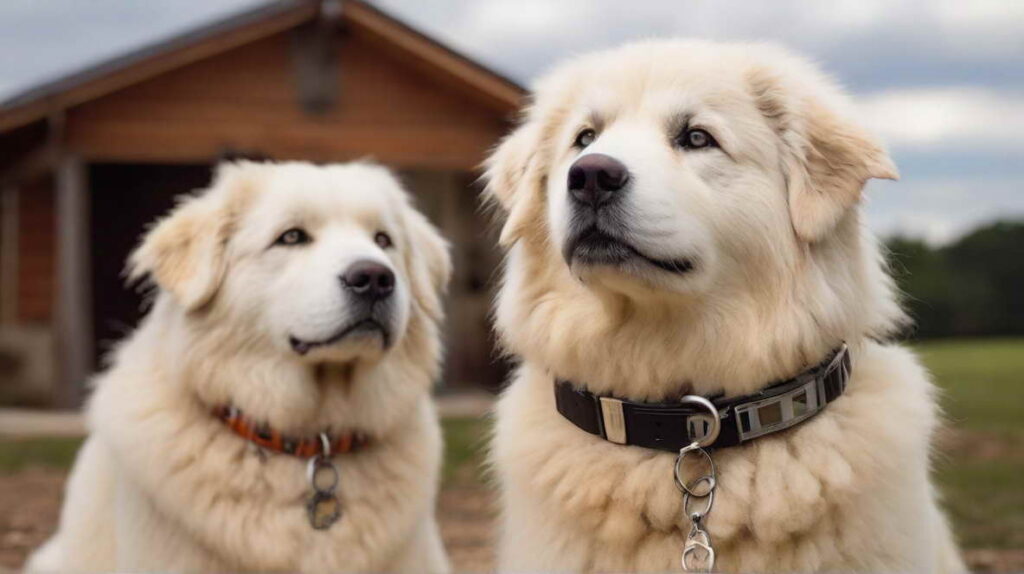
You can find these amazing large dog collars on Amazon, check them out: https://amzn.to/4bKpevq
Alternative Solutions for Excessive Barking
If you’re not comfortable with the idea of bark collars or if they don’t seem to be working for your Great Pyrenees, don’t worry! There are plenty of alternative solutions that focus on positive reinforcement and behavior modification:
Exercise and mental stimulation: Ensure your furry friend gets plenty of physical and mental exercise to prevent boredom, which can lead to excessive barking.
Desensitization and counterconditioning: Gradually expose your dog to the triggers that cause barking while rewarding calm behavior. This can help them associate those triggers with positive experiences.
Enrichment activities: Provide your dog with interactive toys, puzzle feeders, and other enrichment activities to keep their mind engaged and reduce boredom.
Professional training: Consider hiring a certified dog trainer specializing in positive reinforcement training to help modify your dog’s behavior.
Conclusion
In conclusion, my friend, the decision to use bark collars on your Great Pyrenees is a personal one that requires careful consideration. While they may work for some dogs, they may not be the most effective or humane solution for others. Remember, every dog is unique, and it’s important to address the root causes of excessive barking through positive reinforcement, behavior modification, and a deep understanding of your furry companion’s needs.
Before making any decisions, do your research, consult with professionals, and always prioritize your dog’s well-being. Explore alternative solutions and be open to trying different approaches. With patience, consistency, and a commitment to ethical training practices, you can find a way to manage your Great Pyrenees’ barking while maintaining a strong, positive bond with your beloved furry friend.
Decoding Dog Barks: Unlocking the Secrets of Canine Communication
I. Introduction
A. Brief overview of the significance of understanding dog barks
PETSIDI– Hey there, my friend! Have you ever wondered what your furry pal is trying to tell you when they start barking? In this world of human-animal relationships, understanding our canine companions’ language is crucial. Decoding dog bark is not just a curiosity; it can deepen our bonds with our four-legged friends and help us become better pet owners.
B. Importance of canine communication in human-dog relationships
Dogs have been our loyal companions for thousands of years, and their ability to communicate with us is a significant part of what makes them such incredible pets. By deciphering their barks, we can gain insights into their emotions, needs, and behaviors, enabling us to create a more harmonious relationship with them.
C. Introduction to the concept of decoding dog barks using NLP and LSI
In this casual chat, we’ll dive into the world of dog bark interpretation, exploring how modern technologies like Natural Language Processing (NLP) and Latent Semantic Indexing (LSI) can help us decode the messages hidden within those barks. These cutting-edge techniques provide a fascinating glimpse into the linguistic world of our furry friends, allowing us to uncover the meanings behind their vocalizations.
II. Understanding Canine Communication
A. Overview of how dogs communicate
Before we start deciphering those barks, let’s take a step back and talk about how dogs communicate. Our furry friends rely on various forms of communication, including body language, facial expressions, and, of course, vocalizations. Understanding these different modes of expression is crucial in developing a deeper connection with our canine companions.
B. Various forms of canine communication (body language, vocalizations)
Dogs use a wide range of body language cues, such as ear positioning, tail wagging, and posture, to convey their emotions and intentions. They also rely heavily on facial expressions, with their eyes, ears, and mouth providing valuable insights into their emotional state. But let’s not forget about vocalizations, which are the focus of our discussion today.
C. The role of barking in dog communication
Barking is a significant part of a dog’s vocal repertoire, and it serves multiple purposes, from alerting to expressing emotions. Dogs bark to communicate excitement, fear, territoriality, and even boredom. By understanding the different types of barks and the contexts in which they occur, we can better comprehend the messages our furry friends are trying to send us.
III. The Need for Decoding Dog Barks
A. Challenges in interpreting dog barks accurately
Interpreting dog barks accurately can be a real challenge. Have you ever found yourself wondering, “Is my dog trying to tell me something, or are they just barking for the heck of it?” Distinguishing between different types of barks and understanding the underlying emotions and motivations can be a daunting task, especially for novice pet owners.
B. Importance of understanding the context behind different barks
When it comes to decoding dog barks, context is key. The same bark can mean different things in various situations. For instance, a playful bark during a game of fetch has a completely different connotation than an alert bark when a stranger approaches the door. Understanding the context behind different barks is crucial for pet owners and trainers alike.
C. Potential applications of decoding dog barks (behavioral analysis, training, etc.)
Decoding dog barks can lead to insights into a dog’s emotional state, needs, and behavior, which can be applied in areas like training, behavioral analysis, and even veterinary care. By understanding the messages behind their barks, we can provide better guidance and support, leading to improved training outcomes and a deeper understanding of our furry friends.
IV. Linguistic and Natural Language Processing (NLP) Approaches
A. Introduction to linguistic analysis in the context of dog barks
Now, let’s talk about the fascinating world of linguistic analysis and Natural Language Processing (NLP). These fields provide valuable tools for studying animal communication, including dog barks. Linguistic analysis involves examining the acoustic features and patterns within vocalizations to uncover their underlying structures and meanings.
B. Overview of NLP techniques applied to pet vocalizations
Natural Language Processing (NLP) is a branch of computer science that deals with the interaction between computers and human (or animal) language. By applying NLP techniques to pet vocalizations, researchers can develop algorithms and models to analyze and interpret the meanings behind various barks and other sounds.
C. Role of Latent Semantic Indexing (LSI) in analyzing pet sounds
One powerful NLP technique that has shown promise in decoding dog barks is Latent Semantic Indexing (LSI). LSI allows researchers to examine the semantic relationships between words or, in this case, barks. By analyzing the patterns and similarities between different bark types, LSI can reveal the underlying meanings and contexts, helping us create more accurate models for bark interpretation.
V. Techniques for Decoding Dog Barks
A. Speech recognition algorithms tailored for dog vocalizations
So, how do we actually go about decoding dog barks? Well, researchers have developed speech recognition algorithms tailored specifically for pet vocalizations. These algorithms can detect and analyze the acoustic features of barks, such as pitch, duration, and frequency, providing valuable data for understanding the underlying meanings.
B. Linguistic cues and patterns in dog barks
In addition to acoustic analysis, researchers also study the linguistic cues and patterns present in dog barks. By examining the sequences and combinations of different bark types, as well as their co-occurrence with other communication signals like body language, they can uncover valuable insights into the semantics of canine vocalizations.
C. Machine learning approaches for interpreting pet sounds
With the help of modern machine learning techniques, researchers can create sophisticated models to interpret pet sounds. By training algorithms on large datasets of labeled bark recordings and their associated meanings, these models can learn to recognize patterns and make predictions about the underlying messages and emotions conveyed by different bark types.
VI. Challenges and Limitations
A. Variability in individual dog vocalizations
Of course, decoding dog barks isn’t without its challenges. Every dog is an individual, and their vocalizations can vary greatly based on factors like breed, age, and personality. Imagine trying to interpret a Chihuahua’s bark using the same model as a Great Dane’s – it’s like comparing apples and oranges! Accounting for this variability is a significant challenge in developing universal models for bark interpretation.
B. Cross-species communication challenges
Cross-species communication also poses difficulties, as our understanding of animal communication is still limited. While we can make progress in decoding dog barks, translating these insights to other animals, such as cats or horses, may not be as straightforward. Each species has its unique communication systems and linguistic structures, adding complexity to the task of interpreting animal vocalizations.
C. Ethical considerations in studying and interpreting animal sounds
Additionally, we must consider the ethical implications of studying and interpreting animal sounds, ensuring that our research methods respect the welfare of our furry friends. Issues such as minimizing stress during data collection, avoiding invasive techniques, and ensuring that our findings do not contribute to any harmful practices or exploitation of animals must be carefully considered.
VII. Applications and Implications
A. Behavioral insights into dog emotions and needs
Despite these challenges, decoding dog barks can provide valuable insights into our pets’ emotions and needs. By understanding the messages behind their barks, we can gain a deeper appreciation for their emotional states and respond more effectively to their unique requirements.
B. Enhancing human-dog communication and relationships
With a better understanding of dog language, we can enhance our communication and relationships with our canine companions. By interpreting their barks and other vocalizations accurately, we can respond appropriately and foster a stronger bond based on mutual understanding.
C. Potential advancements in pet training and welfare
This knowledge can also be applied to pet training, helping us provide better guidance and support. By recognizing the underlying emotions and needs behind different bark types, trainers can tailor their approaches to address specific behavioral issues more effectively. Ultimately, gaining a deeper understanding of dog language can lead to advancements in overall pet welfare, as we learn to create environments and training methods that better cater to our furry friends’ unique needs.
VIII. Future Directions
A. Areas for further research in decoding dog barks
The field of decoding dog barks is constantly evolving. Future research may focus on refining our understanding of individual variations in dog vocalizations and exploring cross-species communication in more depth. By studying a wider range of breeds and dog populations, researchers can develop more robust and inclusive models for bark interpretation.
B. Integration of emerging technologies (AI, IoT) in pet communication studies
As technology progresses, we may see the integration of AI and Internet of Things (IoT) devices to assist in real-time interpretation of pet sounds. Imagine having a smart collar or a home assistant that can translate your dog’s barks into understandable messages, providing instant insights into their needs and emotions.
C. Ethical and societal considerations in the development of pet communication technologies
However, it’s essential to consider the ethical and societal implications of these advancements, ensuring that we develop pet communication technologies responsibly and with the well-being of our furry friends in mind. Issues such as privacy, data security, and the potential misuse of these technologies must be carefully addressed to ensure that they truly benefit both humans and animals.
IX. Conclusion
A. Recap of the importance of decoding dog barks
So, there you have it, my friend! Decoding dog barks is a fascinating journey that combines linguistic analysis, natural language processing, and a deep appreciation for our canine companions. By leveraging techniques like speech recognition, machine learning, and semantic analysis, we can start to unravel the mysteries behind those barks.
B. Summary of key findings and insights
Throughout our discussion, we’ve explored the various forms of canine communication, the challenges in interpreting dog barks accurately, and the potential applications of decoding these vocalizations. We’ve delved into the fascinating world of linguistic analysis and natural language processing, discussing techniques like Latent Semantic Indexing (LSI) and machine learning models that can help us make sense of our furry friends’ barks.
While challenges remain, the potential benefits of enhancing human-animal communication are undeniable. As we continue to explore this field, let’s keep an open mind and remember that our furry friends have so much to teach us if we’re willing to listen. By decoding their barks and understanding their language, we can create stronger bonds, provide better care, and ultimately foster a more harmonious relationship with our canine companions.
PETSIDI – Have you ever wanted a pet dog but couldn’t commit to the responsibility of owning a real one? Or maybe you live in an apartment where pets aren’t allowed? Well, now there’s a solution that can give you the joy of a four-legged companion without the hassle – a realistic toy dog that walks and barks!
These electronic pet toys are the perfect blend of technology and cuteness, offering you a lifelike dog experience right in your living room. With their ability to walk and bark, these automated canine companions provide an interactive and engaging experience that’s sure to delight both children and adults alike.
In this article, we’ll explore the world of walking and barking toy dogs, highlighting their features, benefits, and how they can bring a touch of furry fun into your life. So, let’s dive in and discover why these synthetic pet companions are quickly becoming a must-have for families and pet lovers everywhere!
The Evolution of Toy Dogs
Before we delve into the specifics of walking and barking toy dogs, it’s essential to understand the history of these motorized dog toys. Toy dogs have been around for centuries, but it wasn’t until recent advancements in technology that they became truly lifelike and interactive.
In the past, toy dogs were often static and lacked any sort of mimicking or animated features. They were primarily used as decorative pieces or simple playthings for children. However, as technology progressed, toy dog mimicry began to evolve.
The first significant step towards lifelike pet toys came with the introduction of electronic dog companions that could bark or make other sounds. These robotic pet toys captured the attention of pet lovers who wanted a more interactive experience with their toys.
As time went on, the synthetic dog companion market continued to grow, and manufacturers began to incorporate more advanced features. The introduction of walking toy dogs was a game-changer, as it allowed these interactive pet replicas to move around and mimic the behavior of real dogs.
Today, the robotic pet simulation industry is thriving, with a wide range of electronic canine companions available on the market. From walking toy puppies to lifelike puppy replicas, there’s a barking robot dog for every taste and preference.
Features of Walking and Barking Toy Dogs
Now that we’ve explored the history of toy dog mimicry, let’s take a closer look at the features that make walking and barking toy dogs so special.
Realistic Appearance
One of the most impressive aspects of these synthetic canine companions is their ability to mimic the appearance of real dogs. With their animated dog replicas, these toys capture the essence of various breeds, from the floppy ears of a Golden Retriever to the fluffy coat of a Pomeranian.
The mechanical dog toys are often made with high-quality materials, such as soft fur and articulated joints, which contribute to their lifelike appearance. Additionally, many electronic puppies feature realistic details like expressive eyes, wagging tails, and even breathing motions, further enhancing their mimetic quality.
Interactive and Responsive
What truly sets walking and barking toy dogs apart is their interactive nature. These robo-dog toys are designed to respond to various stimuli, such as touch, sound, or motion.
When you pet or stroke them, they may bark, wag their tails, or even nuzzle against your hand. Some artificial pet companions can even recognize voice commands, allowing you to control their movements or initiate specific behaviors.
This interactive element adds a layer of engagement and realism that traditional static toys simply can’t match. It’s like having a real dog that’s always ready to play and interact, without the need for walks or trips to the vet.
Autonomous Movement
One of the most impressive features of walking and barking toy dogs is their ability to move autonomously. These automated barking toys are equipped with built-in motors and sensors that allow them to walk and navigate around your home or play area.
Some models can even avoid obstacles and change direction when they encounter walls or other objects. This toy dog automation brings these robotic canine companions to life, making them feel like they have a mind of their own.
Additionally, many walking and barking companions can respond to voice commands or gestures, allowing you to guide their movements and behaviors. It’s like having a real dog that’s always eager to follow your lead and explore their surroundings.
Lifelike Sounds
Of course, no interactive robotic dog would be complete without the ability to bark and make other realistic sounds. These synthetic puppies are equipped with advanced audio systems that can mimic the vocalizations of real dogs with uncanny accuracy.
From the excited yaps of a puppy to the deep, booming barks of a larger breed, these automated pet toys can produce a wide range of sounds that will make you feel like you’re in the presence of a real canine companion.
Some electronic barking dog replicas even go a step further by responding to their surroundings with appropriate barks and whines. For example, they may bark when they hear a doorbell or whine when they haven’t received attention in a while, further enhancing their realism.
Customizable and Adaptable
One of the great things about walking and barking toy dogs is their versatility. Many manufacturers offer a range of customizable options that allow you to personalize your synthetic dog companion to suit your preferences.
You can choose from different breeds, colors, and fur types, ensuring that your pet replica matches your desired aesthetic. Additionally, some interactive pet replicas allow you to adjust their responsiveness or behavior settings, so you can tailor their personality to your liking.
This customizability means that you can create a unique bond with your robotic pet simulation, making it feel like an extension of your family rather than just a generic toy.
The Benefits of Walking and Barking Toy Dogs
Now that we’ve explored the features of these amazing toys, let’s discuss some of the benefits they offer to both children and adults.
Companionship and Emotional Support
For many people, the companionship and emotional support provided by a pet dog can be invaluable. However, not everyone is able to care for a real canine companion due to various circumstances, such as living in apartments, allergies, or busy lifestyles.
That’s where walking and barking toy dogs come in. These lifelike robotic dogs can provide a sense of comfort and companionship without the responsibilities and challenges of owning a real pet.
They can be a loyal friend to children, teaching them responsibility and empathy without the risk of allergic reactions or safety concerns. For adults, they can serve as a stress reliever and a source of joy during difficult times.
The interactive nature of these toys also allows for bonding and attachment, further enhancing their ability to provide emotional support. It’s no wonder that many people find solace in the presence of these synthetic canine companions.
Educational Benefits
Beyond just companionship, walking and barking toy dogs can also offer educational benefits, especially for children. These toys can help teach kids about animal behavior, responsibility, and empathy.
By interacting with these lifelike pet toys, children can learn how to properly care for and respond to a pet. They can practice giving commands, petting, and playing with their toy dog, which can help prepare them for the responsibilities of owning a real pet in the future.
Additionally, parents can use these toys to teach their children about different dog breeds, their characteristics, and behavior. It can be a fun and engaging way to introduce kids to the wonderful world of canines.
Entertainment and Fun
Of course, one of the primary benefits of walking and barking toy dogs is the sheer joy and entertainment they can provide. These toys are designed to be fun, with their interactive features, lifelike movements, and adorable barks and whimpers.
Watching a robotic dognavigate around the room, wag its tail, and bark with excitement can bring a smile to anyone’s face. It’s a delightful experience that can brighten up even the most stressful days.
For children, these toys can provide hours of entertainment, whether they’re playing fetch, teaching tricks, or simply cuddling with their synthetic puppy. For adults, they can be a fun and engaging way to relieve stress and add some joy to their daily routine.
Choosing the Right Walking and Barking Toy Dog
With so many options available, it can be challenging to choose the right walking and barking toy dog. Here are a few tips to help you make an informed decision:
Consider your preferences: Think about the breed, size, and appearance that you’re looking for in a toy dog. Do you prefer a small and fluffy breed or a larger and more robust one?
Evaluate the features: Make sure to compare the features offered by different models, such as interactive capabilities, autonomous movement, sound effects, and customizability.
Read reviews: Check out reviews from other customers to get an idea of the quality, durability, and overall satisfaction with different toy dog options.
Consider the age group: If you’re buying a walking and barking toy dog for a child, make sure to choose an age-appropriate option that is safe and engaging for their developmental stage.
Set a budget: Determine your budget and look for options that offer the best value for your money. Remember, more expensive doesn’t always mean better quality.
Think about maintenance: Consider the maintenance requirements of the toy dog, such as battery life, cleaning, and potential repairs. Choose an option that is easy to maintain and built to last.
Remember, the right walking and barking toy dog can be a wonderful addition to your home, providing companionship, education, and endless entertainment. Take your time and choose wisely, and you’ll be rewarded with a furry friend who can bring you joy for years to come.
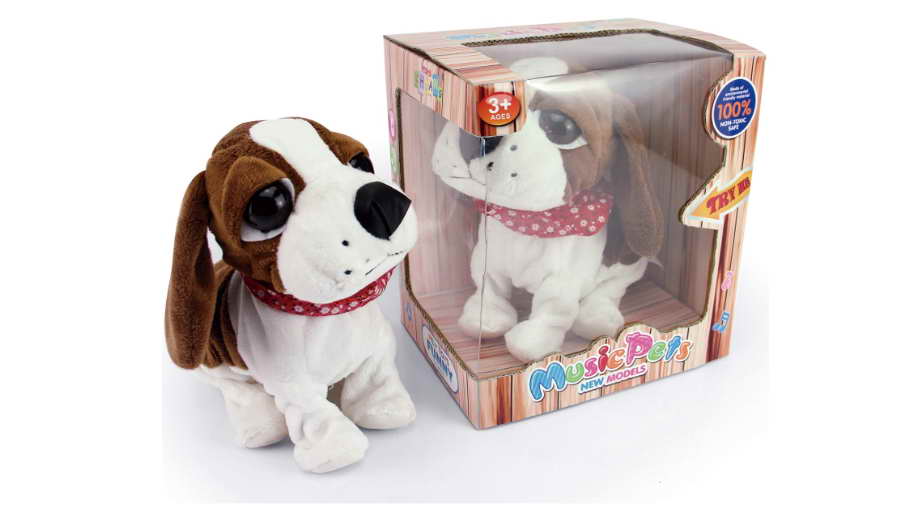
This Liberty Imports Interactive Animated Walking Pet Electronic Dog Plush Sound Control Toy Puppy can be the perfect toy, check them out via Amazon here: https://amzn.to/3SNcE5T
Conclusion
In today’s fast-paced world, where work and responsibilities often take priority, it can be challenging to find the time and energy to care for a real pet. However, with the advancements in robotic technology, we now have a solution that can provide us with the joy and companionship of a pet dog without the added responsibilities.
Walking and barking toy dogs are more than just toys; they’re interactive companions that can enrich our lives in countless ways. From their lifelike appearance and responsive behavior to their autonomous movement and realistic sounds, these synthetic canine companions offer an experience that is truly unique and engaging.
Whether you’re a child looking for a loyal friend to play with, a busy adult in need of a stress reliever, or a pet lover who can’t commit to a real dog, these walking and barking toy dogs are the perfect solution. They can provide companionship, education, and endless entertainment, all while requiring minimal maintenance and responsibility.
As technology continues to advance, we can expect to see even more realistic and interactive toy dogs in the future. But for now, the current offerings are already remarkable, and they’re sure to capture the hearts of pet lovers and families alike.
So, what are you waiting for? Bring home a walking and barking toy dog today and experience the joy of having a furry friend who is always ready to play, interact, and brighten your day.