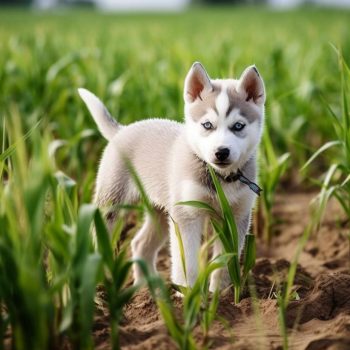
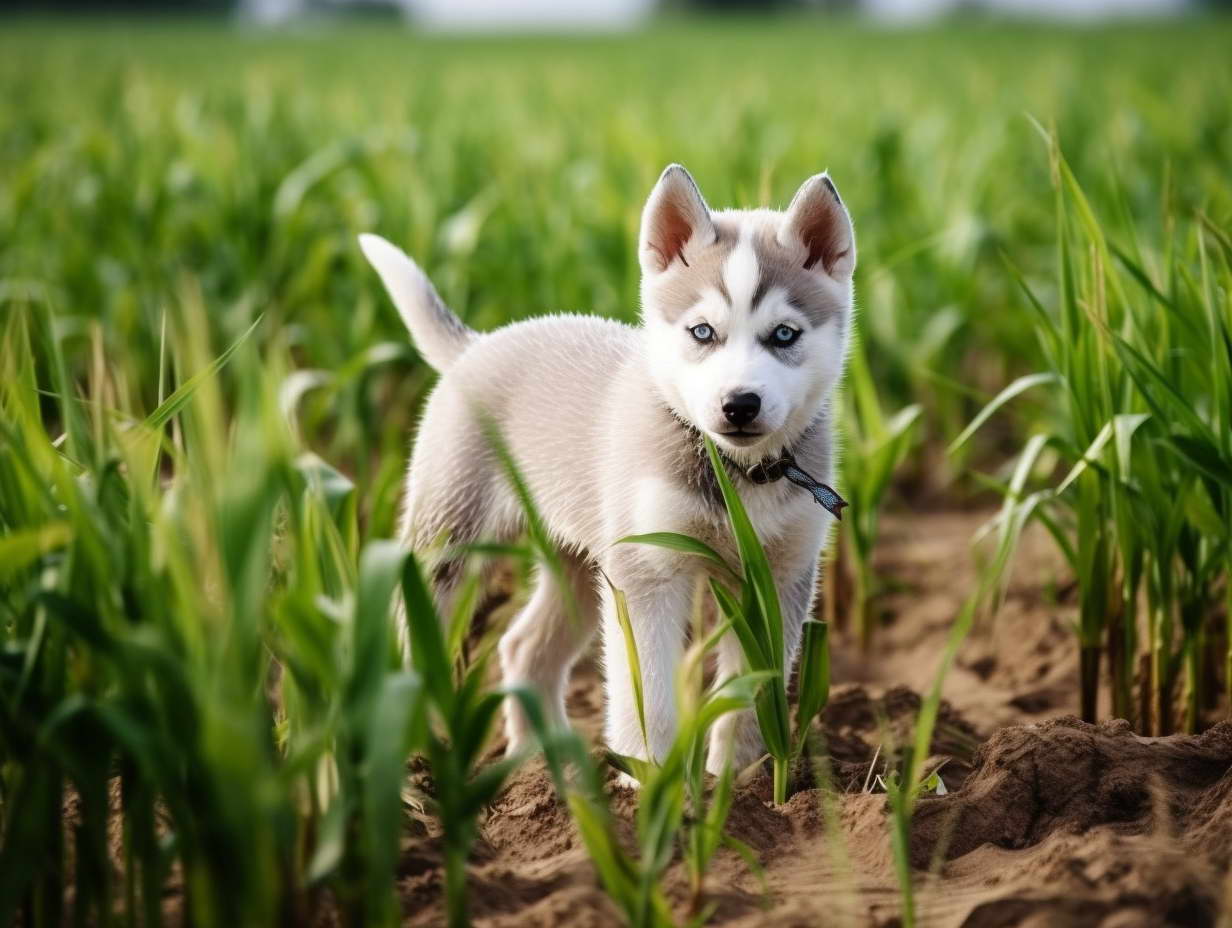
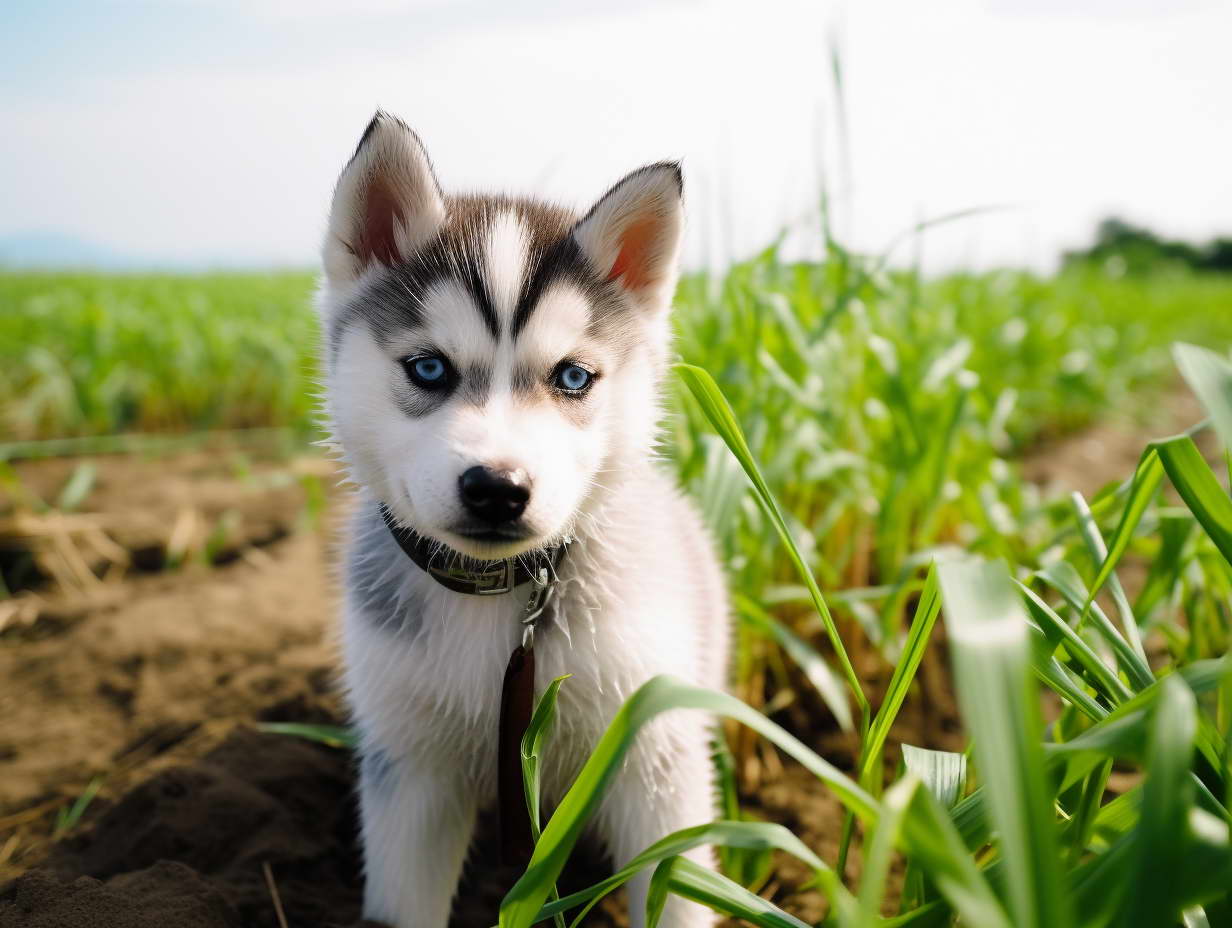
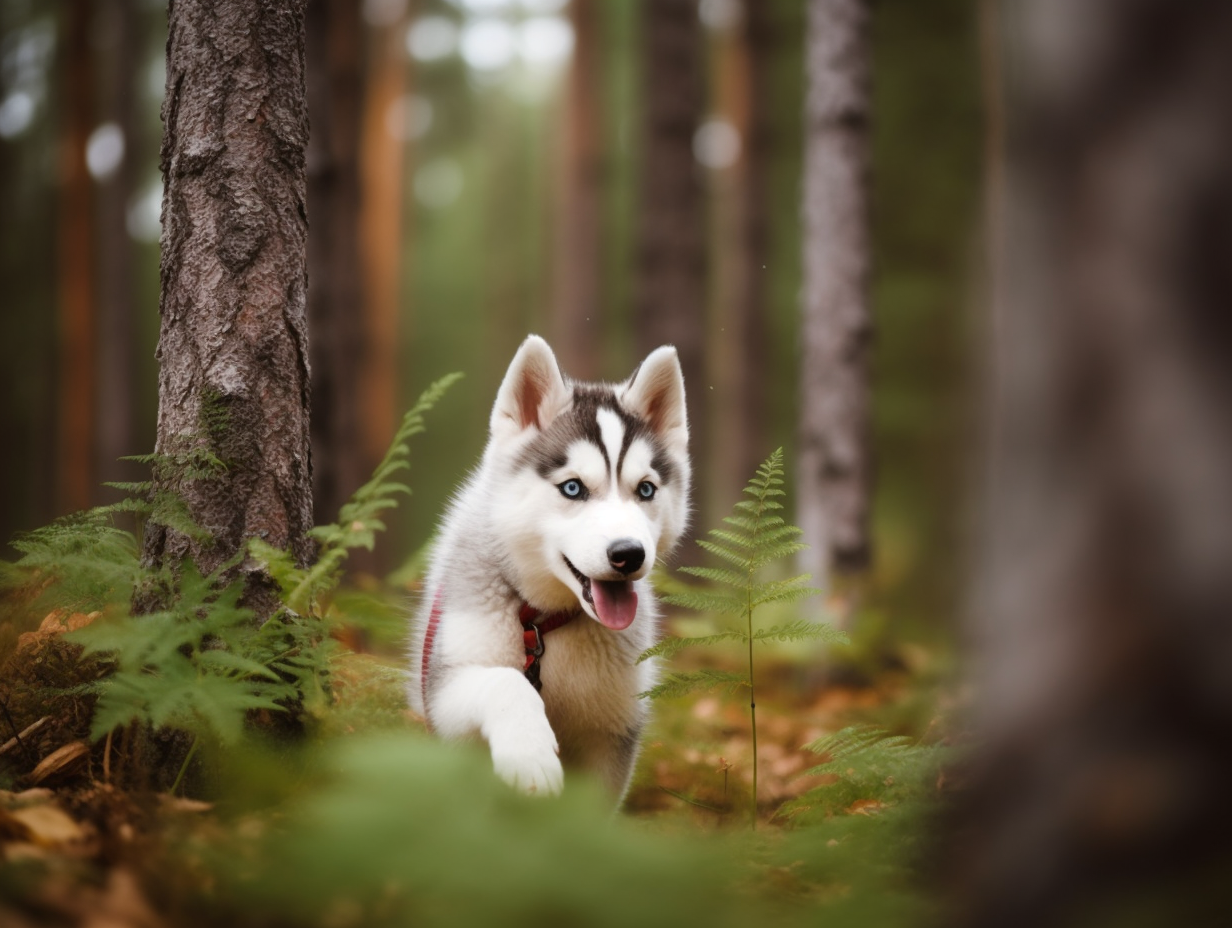
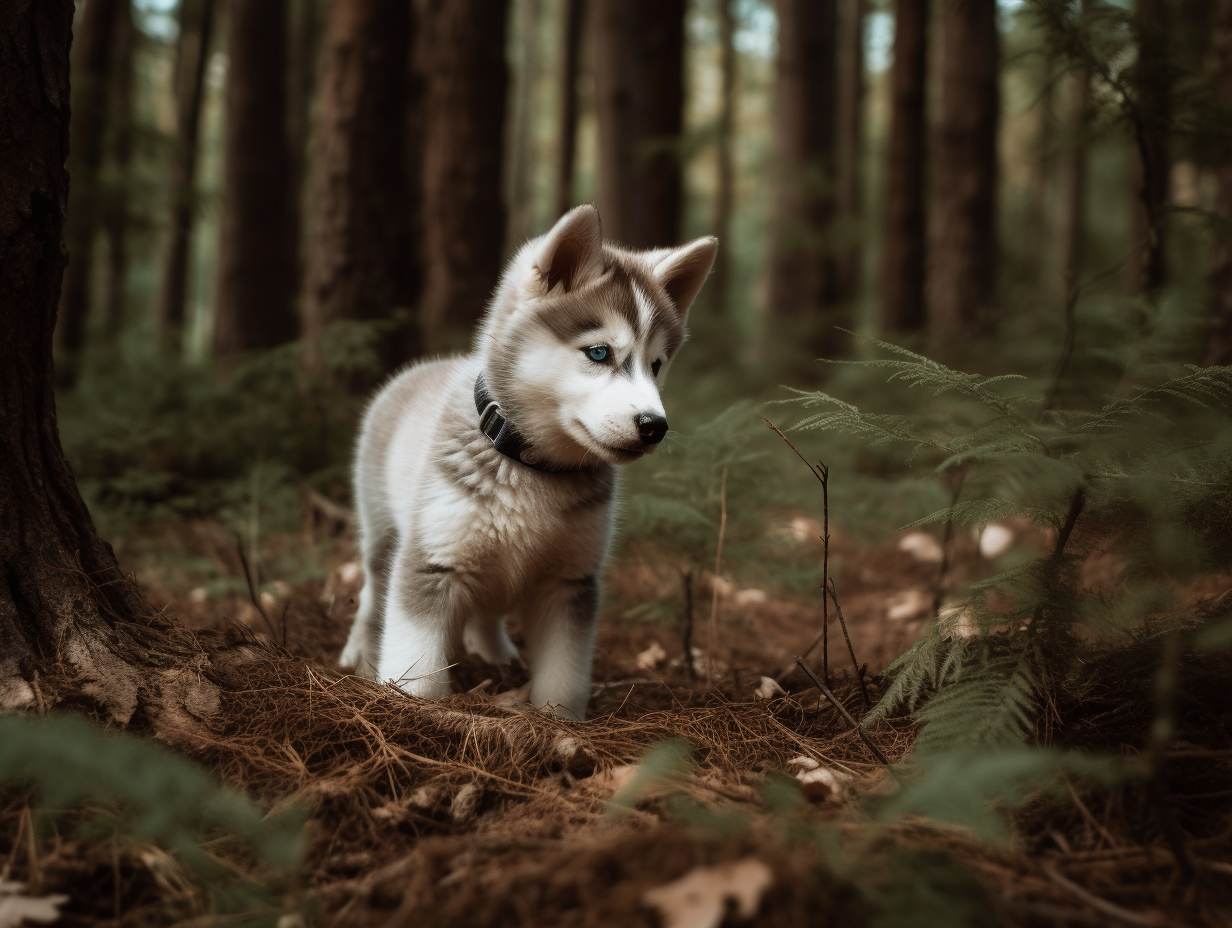
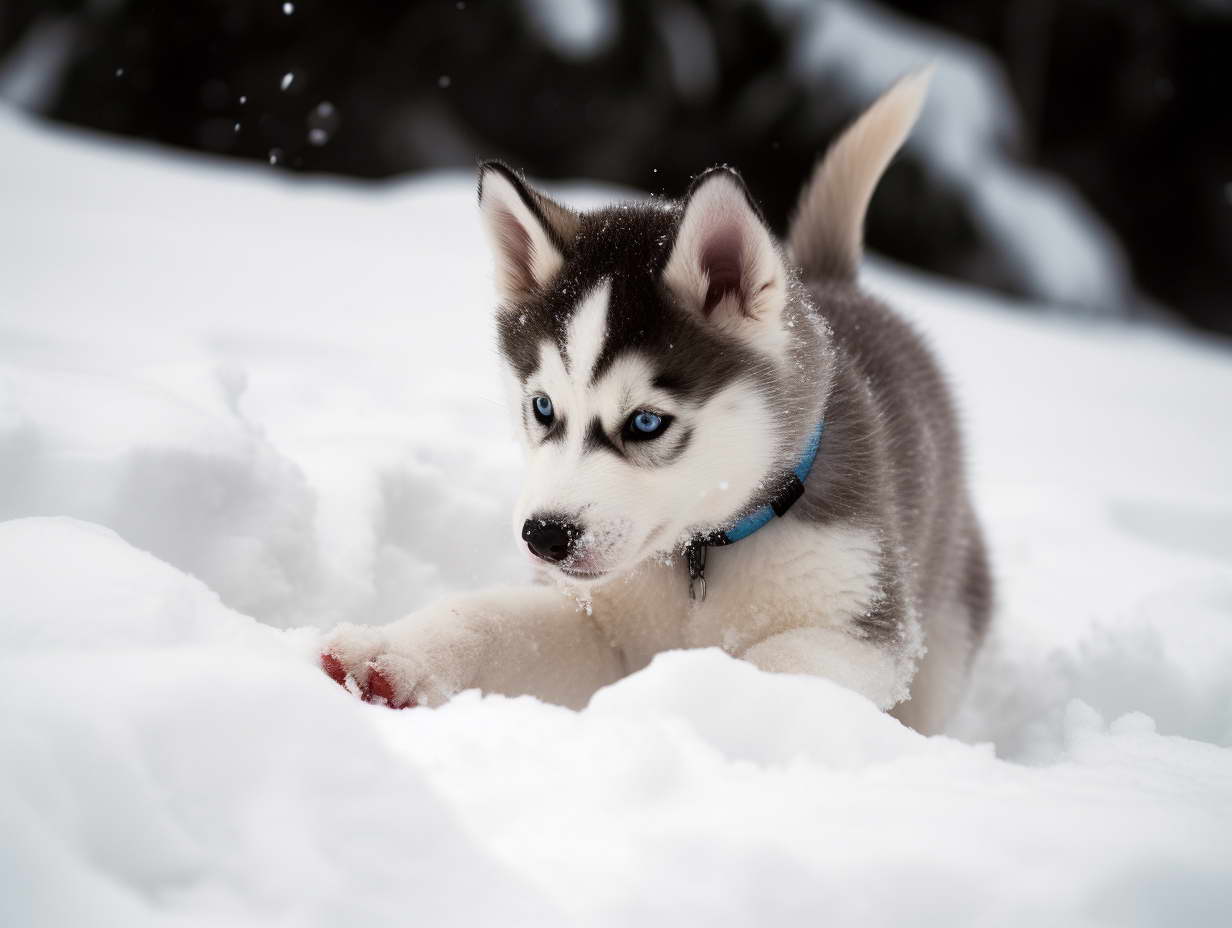
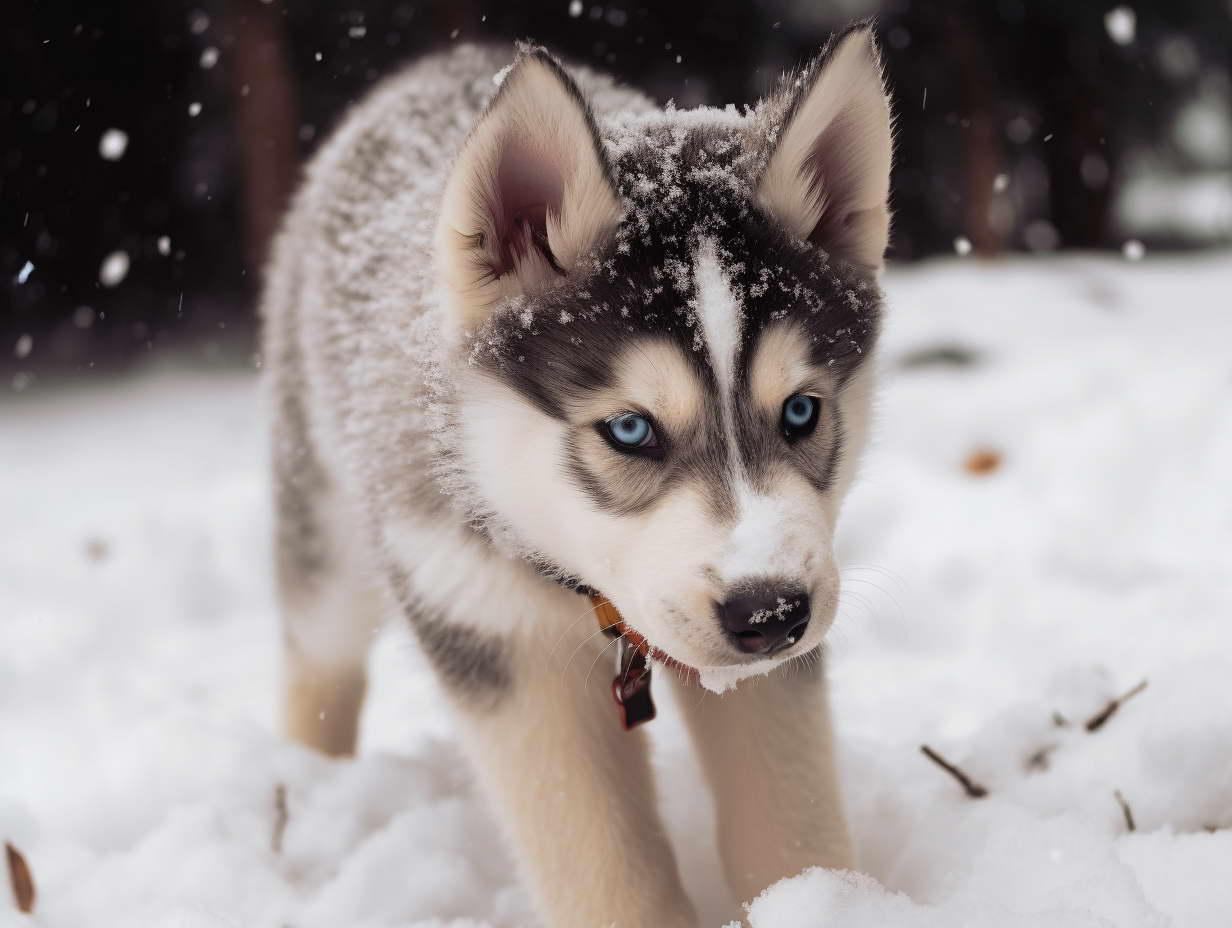
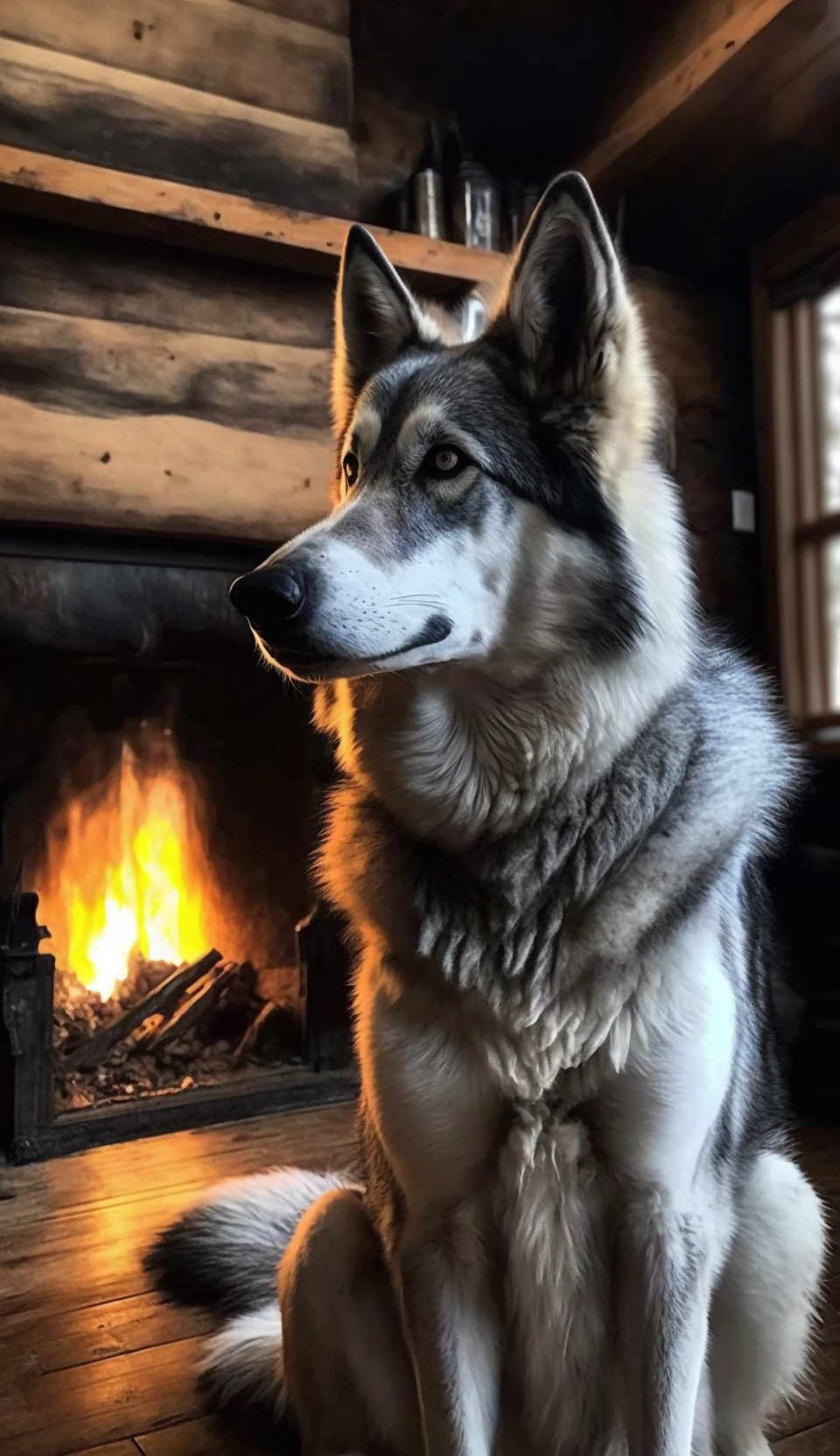
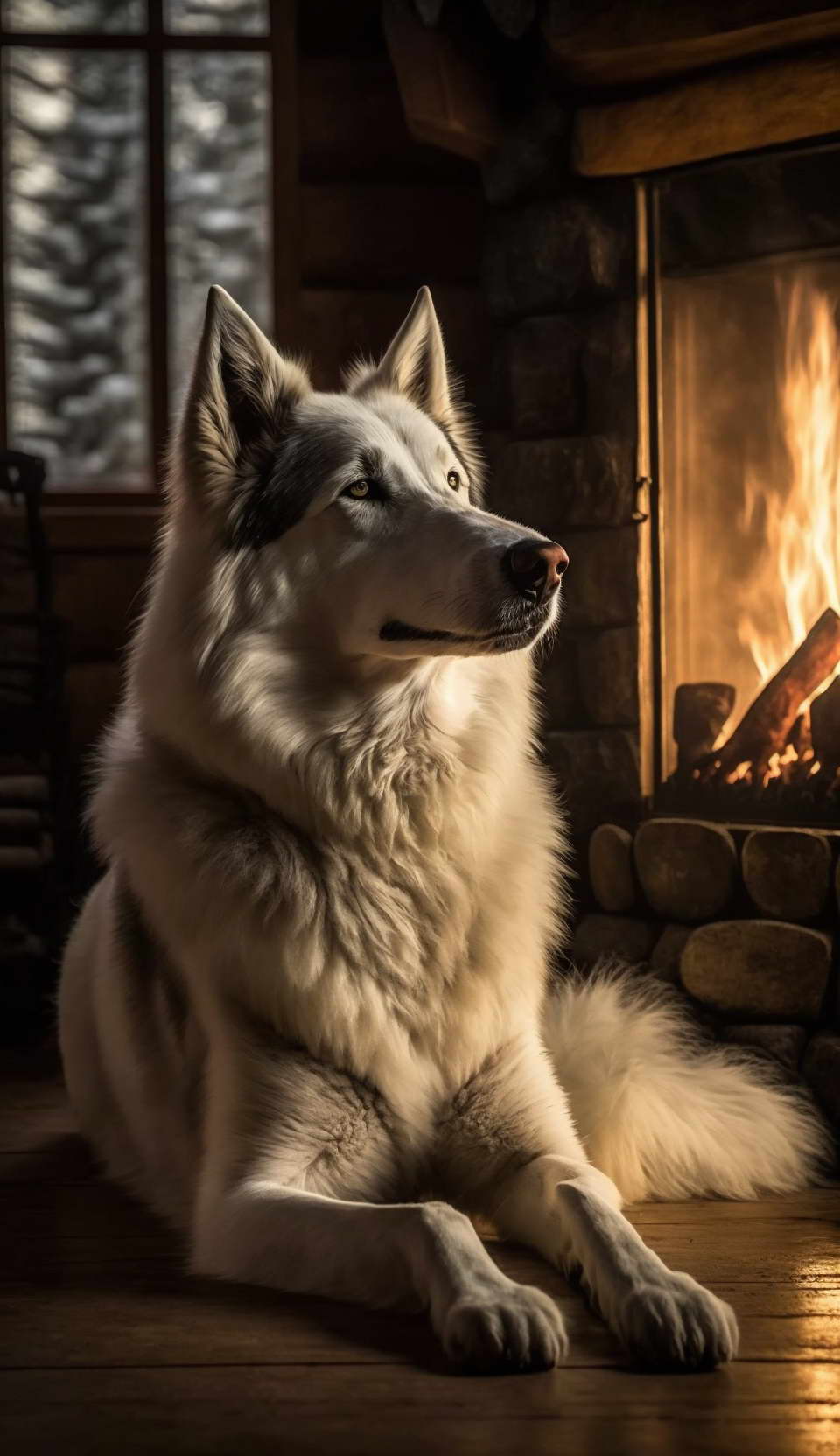
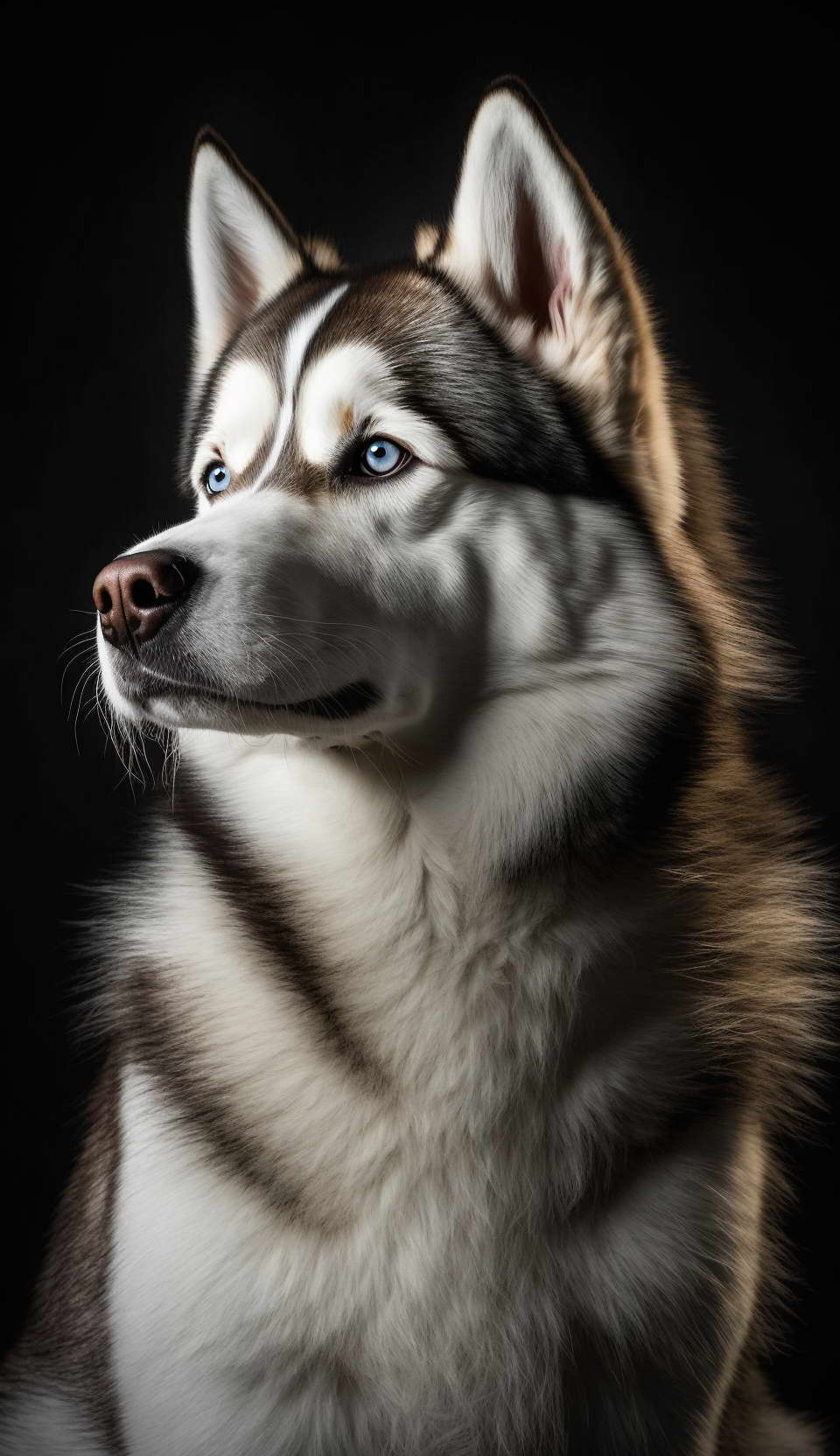
Husky Puppy For Sale California Price Guide: A Comprehensive and Reliable Resource
Welcome to our comprehensive guide on Husky puppies for sale in California! If you’re considering adding a furry friend to your family, specifically a Husky puppy, you’ve come to the right place. This article aims to provide you with all the information you need to make an informed decision about purchasing a Husky puppy in California, including an in-depth price guide, essential considerations, and reputable sources to find these adorable companions.
Are you ready to embark on this exciting journey? Let’s dive in and explore the world of Husky puppies for sale in California!
Husky Puppy For Sale California Price Guide
Husky puppies are known for their striking appearance, friendly demeanor, and exceptional intelligence. However, before you start searching for your dream Husky companion, it’s crucial to understand the average prices you can expect in California. Let’s take a closer look at the Husky puppy prices in the Golden State.
Understanding the Average Prices
The average price range for a Husky puppy in California is between $800 and $1,500.
Prices may vary based on factors such as lineage, coat color, gender, breeder reputation, and geographical location.
Keep in mind that exceptionally rare or show-quality Husky puppies may command higher prices.
Factors Influencing Husky Puppy Prices
Lineage: Huskies with champion bloodlines or parents with notable accomplishments tend to have higher price tags.
Coat Color: Unique coat colors such as pure white or rare combinations can affect the price.
Gender: Female Husky puppies are often more expensive due to their potential for breeding.
Breeder Reputation: Established breeders with a proven track record of producing healthy and well-socialized puppies may charge higher prices.
Geographical Location: Prices may vary across California due to differences in demand, cost of living, and breeder availability.
Additional Costs to Consider
Health Checks: It’s essential to factor in the cost of initial vaccinations, deworming, and veterinary health checks.
Microchipping: Many breeders include microchipping in the price of the puppy, but it’s crucial to confirm this beforehand.
Spaying/Neutering: If your Husky puppy is not already spayed or neutered, you should consider the cost of these procedures.
Finding Reputable Breeders
Research: Look for breeders who prioritize the health and well-being of their Husky puppies, conduct proper health testing, and provide the necessary documentation.
Referrals: Seek recommendations from experienced Husky owners, local dog clubs, or reputable online communities.
Visit the Breeder: Arrange a visit to the breeder’s facilities to evaluate the living conditions, meet the puppies’ parents, and assess the overall environment.
Ask Questions: Inquire about the breeder’s experience, breeding practices, and the care and socialization provided to the puppies.
Health Guarantees: Ensure that the breeder offers health guarantees and is willing to provide support and guidance throughout your Husky’s life.
Adopting a Husky
Consider Adoption: If you’re open to giving a loving home to a Husky in need, explore local rescue organizations, shelters, or breed-specific rescues.
Adoption Fees: Adoption fees typically range from $200 to $500, and they often cover necessary vaccinations, microchipping, and spaying/neutering.
Saving Lives: By adopting, you’re not only welcoming a loyal companion but also saving a Husky’s life and making room for another dog in need.
Beware of Scams and Puppy Mills
Research: Be cautious of online platforms or individuals selling Husky puppies at unusually low prices or without proper documentation.
Trustworthy Sources: Stick to reputable breeders, rescue organizations, or registered kennel clubs to ensure the legitimacy and health of your future Husky puppy.
Puppy Mills: Avoid supporting puppy mills, which prioritize profit over the well-being of the dogs. Puppy mill puppies are often sold at low prices, but they may suffer from various health and behavioral issues.
Considerations for Husky Ownership
Exercise Needs: Huskies are active dogs that require plenty of exercises and mental stimulation to stay happy and healthy.
Training: Proper training and socialization are vital for Huskies to thrive and become well-behaved companions.
Grooming: Huskies have a thick double coat that requires regular brushing to prevent matting and shedding.
Space Requirements: Huskies are energetic and enjoy ample space to run and explore, so ensure you have a suitable living environment for them.
Time Commitment: Huskies thrive on human companionship and can experience separation anxiety if left alone for extended periods. Be prepared to spend quality time with your new furry family member.
Frequently Asked Questions (FAQs)
How much does a Husky puppy cost in California?
The average price range for a Husky puppy in California is between $800 and $1,500. However, prices may vary based on several factors such as lineage, coat color, gender, breeder reputation, and geographical location.
Are Husky puppies expensive to maintain?
While Husky puppies themselves may have a higher initial cost, the overall expenses of owning a Husky extend beyond the purchase price. Ongoing costs include food, veterinary care, grooming, training, and potential unforeseen medical expenses.
Can I find Husky puppies for adoption in California?
Absolutely! There are numerous rescue organizations, shelters, and breed-specific rescues in California where you can find Huskies in need of a loving home. Adoption fees typically range from $200 to $500 and often cover necessary vaccinations, microchipping, and spaying/neutering.
How do I avoid scams when buying a Husky puppy in California?
To avoid scams, conduct thorough research, stick to reputable breeders, rescue organizations, or registered kennel clubs, and be cautious of unusually low prices or sellers without proper documentation. Visiting the breeder, asking questions, and obtaining health guarantees are essential steps to ensure a legitimate and healthy purchase.
What are some common health issues in Huskies?
Huskies are generally healthy dogs, but they may be prone to certain health conditions such as hip dysplasia, eye problems (like cataracts and progressive retinal atrophy), and autoimmune disorders. Proper health testing by the breeder can help minimize the risk of these issues.
Can Huskies adapt to the California climate?
While Huskies have a thick double coat suitable for colder climates, they can adapt to warmer environments with proper care. Providing shade, and fresh water, and avoiding excessive exercise during hot periods are essential to keep them comfortable.
Conclusion
In conclusion, finding the perfect Husky puppy in California requires careful consideration and research. Understanding the average prices, identifying reputable breeders, and exploring adoption options are crucial steps to ensure a positive and fulfilling experience. Remember to prioritize the well-being and health of the puppies, and avoid scams or puppy mills.
Are you considering adding a furry companion to your family? A husky puppy might be the perfect addition! With their striking appearance and friendly nature, huskies have become a popular choice for dog lovers. If you’re in Wisconsin and looking to bring home a husky puppy, this comprehensive price guide will provide you with valuable information. From understanding the factors that influence husky puppy prices to finding reputable breeders in Wisconsin, we’ve got you covered. Let’s dive in!
Factors Affecting Husky Puppy Prices
When it comes to purchasing a husky puppy, several factors can influence the price. Let’s explore these factors and understand their impact on the overall cost.
Breeder Reputation and Experience
Reputable breeders with extensive experience tend to charge higher prices for their husky puppies. Their expertise in breeding ensures the health and quality of the puppies, making them a desirable choice for potential buyers.
Husky Pedigree
Huskies with a strong pedigree and lineage often come with a higher price tag. Pedigree refers to the dog’s ancestry and bloodline, which can determine the puppy’s overall quality and potential for show or breeding purposes.
Coat Color and Markings
Huskies come in various coat colors and markings, such as black and white, gray and white, or red and white. Rare coat colors or unique markings may increase the puppy’s price, as they are in high demand among enthusiasts.
Age and Availability
Younger husky puppies are generally priced higher than older ones. Additionally, the availability of husky puppies in the market can also impact their prices. During peak seasons or when demand is high, prices may increase.
Health and Vaccination Records
Healthy husky puppies with up-to-date vaccination records may have higher price tags. Breeders who provide comprehensive health check-ups and vaccinations ensure the well-being of the puppies before they are ready for adoption.
Location and Breeder Costs
The geographical location of the breeder can affect the price of husky puppies. Factors such as transportation costs, overhead expenses, and local demand play a role in determining the final price.
Finding Reputable Husky Puppy Breeders in Wisconsin
Now that we understand the factors that contribute to husky puppy prices, let’s explore how to find reputable breeders in Wisconsin. It’s crucial to connect with responsible breeders who prioritize the health and welfare of their puppies. Here are some steps you can take:
Research Local Husky Breeder Directories
Start by researching local directories or websites that list reputable husky breeders in Wisconsin. These directories often provide detailed information about the breeders, including their contact information, breeding practices, and customer reviews.
Visit Local Dog Shows or Events
Attending local dog shows or events related to huskies can be an excellent opportunity to meet reputable breeders in person. It allows you to interact with the breeders, observe their dogs, and discuss any questions or concerns you may have.
Ask for Recommendations
Reach out to fellow husky owners, local veterinarians, or dog training centers for recommendations. These individuals may have firsthand experience with reputable breeders in the area and can provide valuable insights.
Schedule Visits and Interviews
Once you’ve shortlisted potential breeders, schedule visits to their facilities. During these visits, observe the living conditions of the puppies, inquire about their health care routines, and ask about the breeder’s experience and breeding practices. A responsible breeder will be open and transparent, addressing any concerns you may have.
Check Credentials and Certifications
Ensure that the breeder you choose is registered with recognized kennel clubs or organizations. These certifications indicate that the breeder adheres to ethical breeding standards and promotes the well-being of the dogs.
Read Customer Reviews
Before making a final decision, take the time to read customer reviews and testimonials about the breeder. Positive reviews and happy customers are indicators of a reputable and trustworthy breeder.
Husky Puppy For Sale In Wisconsin Price Guide: FAQ
What is the average price of a husky puppy in Wisconsin?
The average price of a husky puppy in Wisconsin ranges from $800 to $1,500. However, prices can vary depending on factors such as pedigree, coat color, breeder reputation, and geographical location.
Are there any additional costs to consider when buying a husky puppy?
Yes, apart from the initial purchase price, there are additional costs to consider. These include veterinary care, vaccinations, grooming, food, toys, and training. It’s essential to factor in these costs to provide the best care for your new furry friend.
Where can I find affordable husky puppies in Wisconsin?
While affordability is important, it’s crucial to prioritize finding a reputable breeder who prioritizes the well-being of their puppies. Focus on quality and health rather than solely on price. You can research local husky breeders, visit rescue organizations, or explore adoption options.
Are huskies suitable for first-time dog owners?
Huskies have specific needs and can be a challenge for first-time dog owners. They require regular exercise, mental stimulation, and consistent training. If you’re a first-time owner, it’s essential to research the breed thoroughly and be prepared to invest time and effort into their care.
Can I find husky puppies for adoption in Wisconsin?
Yes, there are adoption options available for husky puppies in Wisconsin. Local shelters, rescue organizations, and breed-specific rescues often have huskies and husky mixes available for adoption. Adopting a rescue puppy is a rewarding experience and provides a loving home for a dog in need.
What should I look for in a reputable husky puppy breeder?
Look for breeders who prioritize the health and well-being of their puppies. They should provide proper socialization, regular health check-ups, vaccinations, and a clean living environment. Additionally, reputable breeders should be open to answering questions, providing documentation, and offering support even after the purchase.
Conclusion
Bringing home a husky puppy is an exciting and fulfilling experience. By considering the factors that influence husky puppy prices and connecting with reputable breeders in Wisconsin, you can make an informed decision. Remember to prioritize the well-being of the puppy, focusing on health, temperament, and responsible breeding practices. Enjoy the journey of welcoming a new furry family member and cherish the unforgettable moments you’ll share together!
Are you searching for a furry companion that is intelligent, energetic, and adorable? Look no further than a Husky puppy! These beautiful dogs have captured the hearts of many with their striking appearance and playful personalities. If you’re considering getting a Husky puppy for sale in Massachusetts, this comprehensive price guide will help you navigate through the process and ensure that you find a reputable breeder at a fair price.
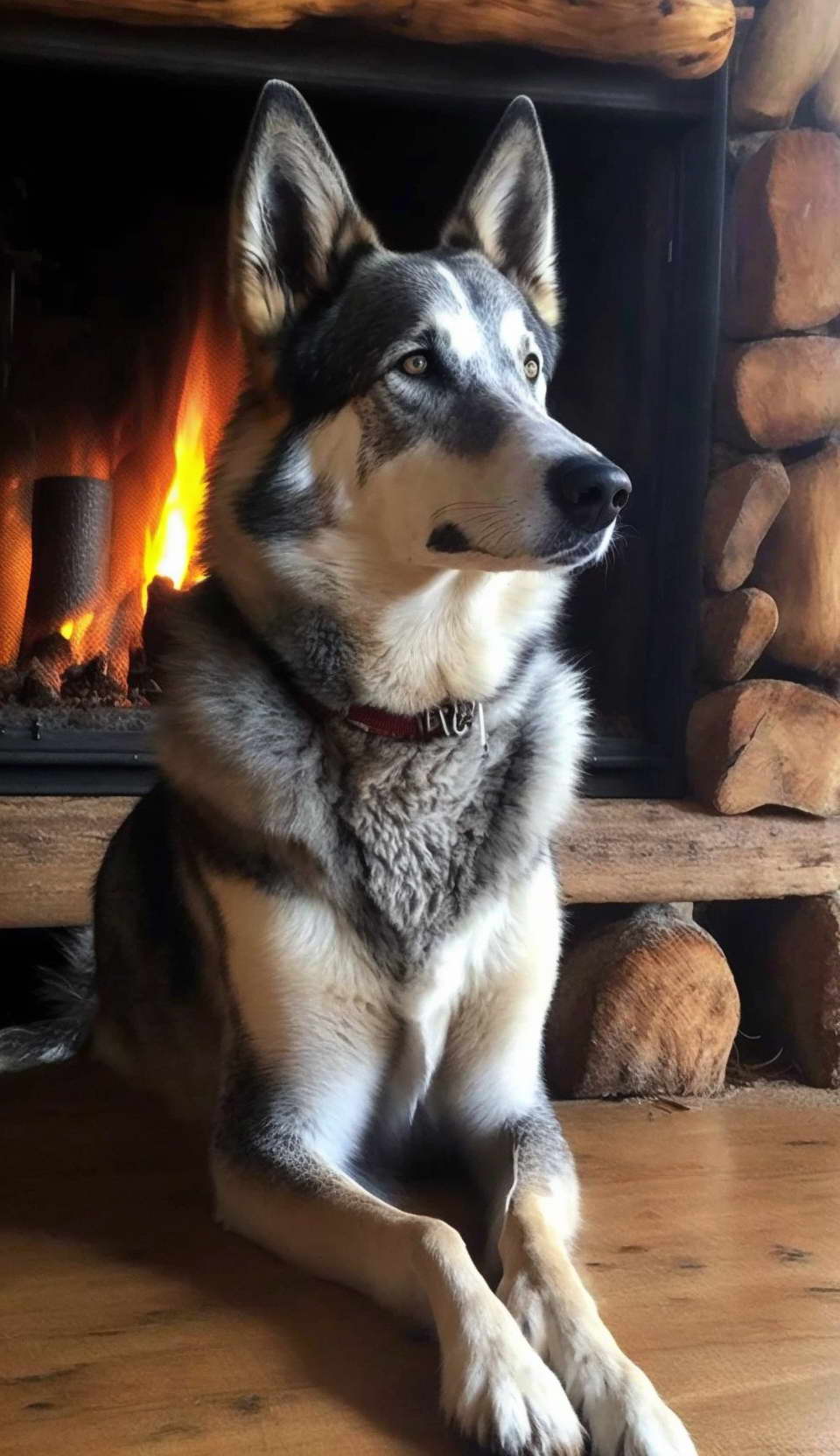
Huskies are renowned for their striking blue or multi-colored eyes, thick coats, and wolf-like appearance. They are a medium-sized breed that originated in Northeast Asia and were originally bred for sled-pulling and endurance. Today, Huskies are popular family pets known for their friendly nature and loyalty. However, before bringing home a Husky puppy, it’s important to understand the associated costs and find a reputable breeder in Massachusetts.
Finding a Reputable Breeder
When searching for a Husky puppy for sale in Massachusetts, it’s crucial to find a reputable breeder who prioritizes the health and well-being of their dogs. Here are some key steps to ensure you’re working with a responsible breeder:
Research: Start by researching different breeders in Massachusetts. Look for breeders with positive reviews, a good reputation, and a focus on ethical breeding practices.
Visit in Person: Once you’ve identified potential breeders, schedule a visit to their facilities. This will allow you to assess the living conditions, interact with the puppies, and meet the parent dogs.
Health Testing: Reputable breeders prioritize the health of their dogs. They will conduct health tests, such as hip and eye evaluations, to ensure that the puppies are not prone to genetic diseases.
Ask for References: Don’t hesitate to ask the breeder for references from previous puppy buyers. Contact these individuals to get their feedback on their experience with the breeder and the health of their Husky puppy.
Contract and Guarantees: A responsible breeder will provide you with a written contract that outlines the responsibilities of both parties. This contract should include guarantees regarding the puppy’s health and genetic conditions.
Factors Affecting Husky Puppy Prices
The price of a Husky puppy can vary depending on several factors. Understanding these factors will help you determine whether the price you’re quoted is fair and reasonable. Here are some key factors that can influence the price of a Husky puppy for sale in Massachusetts:
1. Breed Quality
Huskies can be classified into different categories based on their lineage and conformation to breed standards. Show-quality Huskies, which have the potential to compete in dog shows, are typically more expensive than pet-quality Huskies. Show-quality Huskies have impeccable breed characteristics and meet strict standards set by kennel clubs.
2. Pedigree and Bloodline
The lineage of a Husky puppy can significantly impact its price. Puppies from champion bloodlines or those descended from renowned Husky parents may command higher prices. These pedigrees often come with documented evidence of the dog’s ancestry, including titles, awards, and accomplishments.
3. Coat Color and Markings
Huskies come in a variety of coat colors and markings. Some rare and desirable color combinations, such as all-white or gray and white, may be priced higher than more common coat colors. Coat color preferences are subjective, so the price can vary depending on the breeder and the demand for specific colors.
4. Gender
Gender can also influence the price of a Husky puppy. In some cases, males might be priced higher than females, while in other cases, it could be the opposite. The price difference is typically due to the potential for breeding or personal preferences.
5. Geographic Location
The location of the breeder can also impact the price of a Husky puppy. In areas with high demand and limited availability of Huskies, the prices tend to be higher. Additionally, transportation costs may be added if you’re purchasing a puppy from a breeder located far away.
6. Breeder’s Reputation
Reputable breeders who have established themselves as experts in the field may charge higher prices for their Husky puppies. Their expertise, experience, and the quality of care they provide to their dogs contribute to the premium price.
Average Husky Puppy Prices in Massachusetts
When considering the purchase of a Husky puppy in Massachusetts, it’s essential to have an idea of the average price range. While prices can vary based on various factors, including breed quality, pedigree, coat color, and the reputation of the breeder, having a general understanding of the average Husky puppy prices will help you budget accordingly. In Massachusetts, the average price range for Husky puppies typically falls between $800 and USD 1,500.
It’s important to keep in mind that this range is an average estimate and can be influenced by several factors. Puppies from reputable breeders who prioritize the health and well-being of their dogs may be priced toward the higher end of the spectrum. These breeders often invest in health testing, quality care, and proper socialization, which can contribute to the increased cost.
On the other hand, it’s crucial to be cautious of extremely low prices. Unusually low prices may indicate questionable breeding practices or subpar conditions for the puppies. It’s essential to prioritize the health and welfare of the puppy over seeking the cheapest option available.
In addition to the purchase price of the Husky puppy, it’s important to consider other associated costs. These can include initial veterinary care, vaccinations, spaying or neutering, microchipping, food and supplies, grooming, training, and ongoing healthcare expenses. It’s crucial to budget for these expenses to provide the best care for your new furry friend.
When searching for a Husky puppy for sale in Massachusetts, it’s recommended to research multiple breeders and compare prices and offerings. By doing so, you can ensure that you find a reputable breeder who prioritizes the health and well-being of their dogs while offering fair and reasonable prices for their puppies.
Remember, investing in a Husky puppy is not just a financial commitment but also a lifelong responsibility. These energetic and intelligent dogs require proper care, training, and socialization to thrive. By finding a reputable breeder and providing a loving and nurturing home, you’ll have a faithful and lovable companion for years to come.
FAQs about Husky Puppies for Sale in Massachusetts
Are Huskies suitable for apartment living?
Huskies have high energy levels and a strong instinct to roam. They thrive in spacious environments with ample opportunities for exercise. While it’s not impossible to keep a Husky in an apartment, it requires a dedicated owner who can provide sufficient physical and mental stimulation.
Do Huskies get along well with other pets?
Huskies are generally friendly dogs, but their prey drive can be high. Proper socialization from a young age is crucial to ensure they get along with other pets. It’s important to supervise interactions and gradually introduce them to new animals.
How often do Huskies need grooming?
A: Huskies have a double coat that requires regular brushing to prevent matting and excessive shedding. They “blow” their coat twice a year, during which they shed profusely. During these periods, more frequent brushing is necessary.
Are Huskies good with children?
Huskies can be great companions for children. However, due to their energy levels and size, supervision is crucial to prevent accidental knocks or rough play. Early socialization and training can help ensure a harmonious relationship between a Husky and children.
Do Huskies require a lot of exercises?
Yes, Huskies are an active breed that requires a significant amount of exercise to prevent boredom and destructive behaviors. Daily walks, playtime, and mental stimulation are essential for their well-being.
How long do Huskies typically live?
On average, Huskies have a lifespan of 12 to 14 years. Proper nutrition, regular veterinary care, and a healthy lifestyle can contribute to their longevity.
Conclusion
Bringing a Husky puppy into your home can be a joyful and rewarding experience. However, it’s crucial to do thorough research, find a reputable breeder, and understand the factors that affect the price of a Husky puppy. By following this guide and asking the right questions, you’ll be well-prepared to find a healthy and happy Husky puppy for sale in Massachusetts. Remember, a responsible breeder and a well-cared-for puppy are worth the investment.
Husky Puppy for Sale Wisconsin – Finding Your Perfect Furry Companion
Are you in search of a Husky puppy for sale in Wisconsin? Look no further! In this comprehensive guide, we will explore everything you need to know about Husky puppies, the joy they bring, and how to find your perfect furry companion in the picturesque state of Wisconsin. From their playful nature to their striking appearance, Huskies have captured the hearts of dog lovers worldwide. Join us on this exciting journey to learn more about Husky puppies and discover your future four-legged friend.
Husky Puppy for Sale Wisconsin
If you’re ready to welcome a Husky puppy into your home in Wisconsin, you’re in for a treat! Huskies are renowned for their striking blue or multicolored eyes, thick double coats, and energetic personalities. These intelligent and loyal dogs make wonderful companions for individuals and families alike. When searching for a Husky puppy for sale in Wisconsin, it’s important to find a reputable breeder who prioritizes the health and well-being of their puppies. Here are a few factors to consider:
Reputable Breeders in Wisconsin: Seek out breeders who are registered with recognized kennel clubs or breed-specific organizations. A reputable breeder will provide a clean and nurturing environment for their puppies, ensure they receive necessary vaccinations and vet care, and offer ongoing support.
Health Certifications: Responsible breeders prioritize the health of their puppies by conducting health screenings and genetic testing on the parent dogs. Request information about the health certifications and clearances of the Husky puppies’ parents to ensure you are getting a healthy and well-cared-for puppy.
Temperament and Socialization: A good breeder will ensure that their Husky puppies are exposed to various stimuli and receive appropriate socialization from an early age. This helps to shape their temperament and behavior, making them well-adjusted and adaptable companions.
Breeder Recommendations and Reviews: Before committing to a breeder, read reviews and testimonials from previous customers. Reach out to other Husky owners in Wisconsin for recommendations and insights about their experiences with breeders.
Visit the Breeder: Whenever possible, visit the breeder’s facility to see firsthand how the puppies are raised. This allows you to assess the living conditions, cleanliness, and overall well-being of the dogs.
Ask Questions: Don’t hesitate to ask the breeder questions about their breeding practices, the lineage of the puppies, and any concerns you may have. A responsible breeder will be happy to address your inquiries and provide all necessary information.
Husky Puppy for Sale Wisconsin Price Guide – Finding Your Perfect Companion at the Right Price
Are you interested in bringing a Husky puppy into your Wisconsin home but unsure about the price range? In this section, we will provide you with a comprehensive Husky puppy price guide to help you navigate the cost considerations associated with finding your perfect furry companion. Keep in mind that prices may vary depending on factors such as the breeder’s reputation, the puppy’s pedigree, lineage, coat color, and markings. Here is a breakdown of the typical price range you can expect when searching for a Husky Puppy for Sale Wisconsin, stated in USD ($).
Pet Quality Husky Puppies ($800 – $1,500): Pet quality Husky puppies are usually the most affordable option. They are typically sold as companions rather than for breeding or showing purposes. These puppies often come with limited registration, meaning they cannot be bred or shown in confirmation events. The price range for pet-quality Huskies can vary between $800 and $1,500.
Breeding Quality Husky Puppies ($1,500 – $3,000): If you have an interest in becoming a responsible breeder or wish to own a Husky with superior bloodlines for breeding purposes, you may consider a breeding quality Husky. These puppies come with full registration and have the potential to participate in confirmation events. The price range for breeding quality Huskies generally falls between $1,500 and $3,000.
Show Quality Husky Puppies ($3,000 and above): Show quality Husky puppies are the cream of the crop in terms of pedigree, confirmation, and potential for success in the show ring. These puppies often come from champion bloodlines and possess exceptional qualities that make them suitable for professional showing. The price for show-quality Huskies starts at $3,000 and can go significantly higher, depending on the specific bloodlines and achievements of the parents.
Rare Coat Colors and Markings: Huskies are known for their captivating coat colors and striking markings. Certain coat colors and markings, such as rare combinations or patterns like agouti or sable, may command a higher price due to their uniqueness. If you have a preference for a specific coat color or marking, be prepared for a potential increase in the price range.
Additional Considerations: In addition to the initial purchase price of a Husky puppy, it’s essential to consider other expenses such as vaccinations, microchipping, spaying/neutering, grooming supplies, food, toys, bedding, and regular veterinary check-ups. These costs are necessary for maintaining your Husky’s health and well-being.
Remember that it’s crucial to choose a reputable breeder who prioritizes the health and proper breeding practices of their Husky puppies. Avoid purchasing from untrustworthy sources that may offer significantly lower prices but compromise on the overall quality and well-being of the puppies.
Keep in mind that the prices mentioned above are approximate and can vary based on location, demand, and other market factors. It’s always recommended to conduct thorough research, visit reputable breeders, and ask questions to ensure that you are making an informed decision.
FAQs about Husky Puppies in Wisconsin
Are Huskies suitable for families with children?
Yes, Huskies can be great family pets. They are generally good with children, but early socialization and proper training are crucial to ensure a harmonious relationship between the dog and the children.
How much exercise do Huskies need?
Huskies are an active breed and require regular exercise to maintain their physical and mental well-being. Daily walks, interactive playtime, and opportunities for off-leash running in a secure environment are essential.
Do Huskies shed a lot?
Yes, Huskies have a thick double coat that sheds heavily, particularly during seasonal changes. Regular brushing and grooming help manage shedding and keep their coat healthy.
Are Huskies easy to train?
Huskies are intelligent but can be independent and strong-willed. Consistent, positive reinforcement training methods, along with patience and persistence, can yield successful results.
Do Huskies get along well with other pets?
Huskies have a strong prey drive and may have a higher tendency to chase small animals. Proper socialization from a young age can help them coexist peacefully with other pets.
How can I ensure my Husky stays healthy in Wisconsin’s climate?
Huskies are well-adapted to colder climates. However, during hot summers, it’s important to provide them with shade, and access to fresh water, and avoid excessive exercise during the hottest parts of the day.
Conclusion
Congratulations on embarking on the exciting journey of finding a Husky Puppy for Sale Wisconsin. Remember to prioritize the health, well-being, and socialization of your potential new furry friend. By following the tips and guidance outlined in this article, you’re well on your way to finding the perfect Husky puppy to join your family. Prepare your home, gather your supplies, and get ready for endless adventures with your loyal and playful Husky companion.
Discover The Definitive Guide to Owning Wolf Dog Breeds
Are you familiar with the Wolf Dog Breed? These majestic canines often accompany their human companions on walks, but do you know what sets them apart from other breeds? Let’s take a deeper dive into this fascinating world and uncover what sets Wolf Dogs apart from other canine companions.
Wolf Dog Breeds are hybrid dogs created by crossing wolves with various dog breeds such as the Siberian Husky or German Shepherd. These hybrids have a distinct wolf-like appearance but also possess the qualities and characteristics of both domesticated and wild dogs. While these hybrids make fascinating and loyal companions, it’s important to remember that due to their wild nature, they require special care and attention.
If you’re thinking about adopting a Wolf Dog Breed into your family, it is essential to educate yourself about their temperament, training requirements, and potential challenges. In this article, we’ll be exploring the history and origins of these magnificent breeds, their distinctive traits that set them apart from other canine species, plus tips for caring for these magnificent creatures. Whether you are already an owner or simply curious about this fascinating breed, come along for this exciting journey into the world of Wolf Dog Breeds!
Introduction – An Overview of Wolf Dog Breeds:
Wolf dog breeds are a fascinating blend of wolf and dog, with centuries-long histories. The first known wolf dog was recorded in 1766 when it was crossed between a Scottish collie and a wolf; this created a dog with the physical characteristics of both but the loyalty and intelligence of its canine companion.
In the late 1800s, the breeding of wolf dogs became increasingly popular and they were employed for various tasks such as hunting, herding, and guarding. Unfortunately, due to their reputation of being wild and unpredictable animals, their popularity faded over time, being replaced by other dog breeds.
In the 1970s, interest in wolf dogs surged once again as breeders crossed various dog breeds with wolves to create new varieties. Unfortunately, this practice caused several issues such as temperament issues, health concerns, and legal restrictions in certain areas.
Despite these obstacles, wolf dog breeds remain popular among dog enthusiasts who appreciate their distinctive appearance and characteristics. Today there are several recognized wolf dog breeds such as the Czechoslovakian Wolfdog, Saarloos Wolfdog, and Alaskan Noble Companion Dog.
Characteristics of Wolf Dog Breeds – What makes a Wolf Dog different?
Imagine having a companion who is both strong and kind, fiercely protective and deeply loving. That is the experience of owning a wolf dog breed; their pack mentality makes them highly tuned in to your needs, always ready to defend and comfort you when needed.
Be warned: owning a wolf dog breed is not for the timid. Their wild nature requires special training and socialization to adapt successfully in a domestic setting, but those who take on this challenge will reap immense rewards.
In this part, we’ll delve into the distinctive characteristics of wolf dog breeds in great detail. From their physical features to intelligence and temperament, we’ll give you a comprehensive picture of what owning one of these fascinating creatures would be like.
A. Physical Characteristics
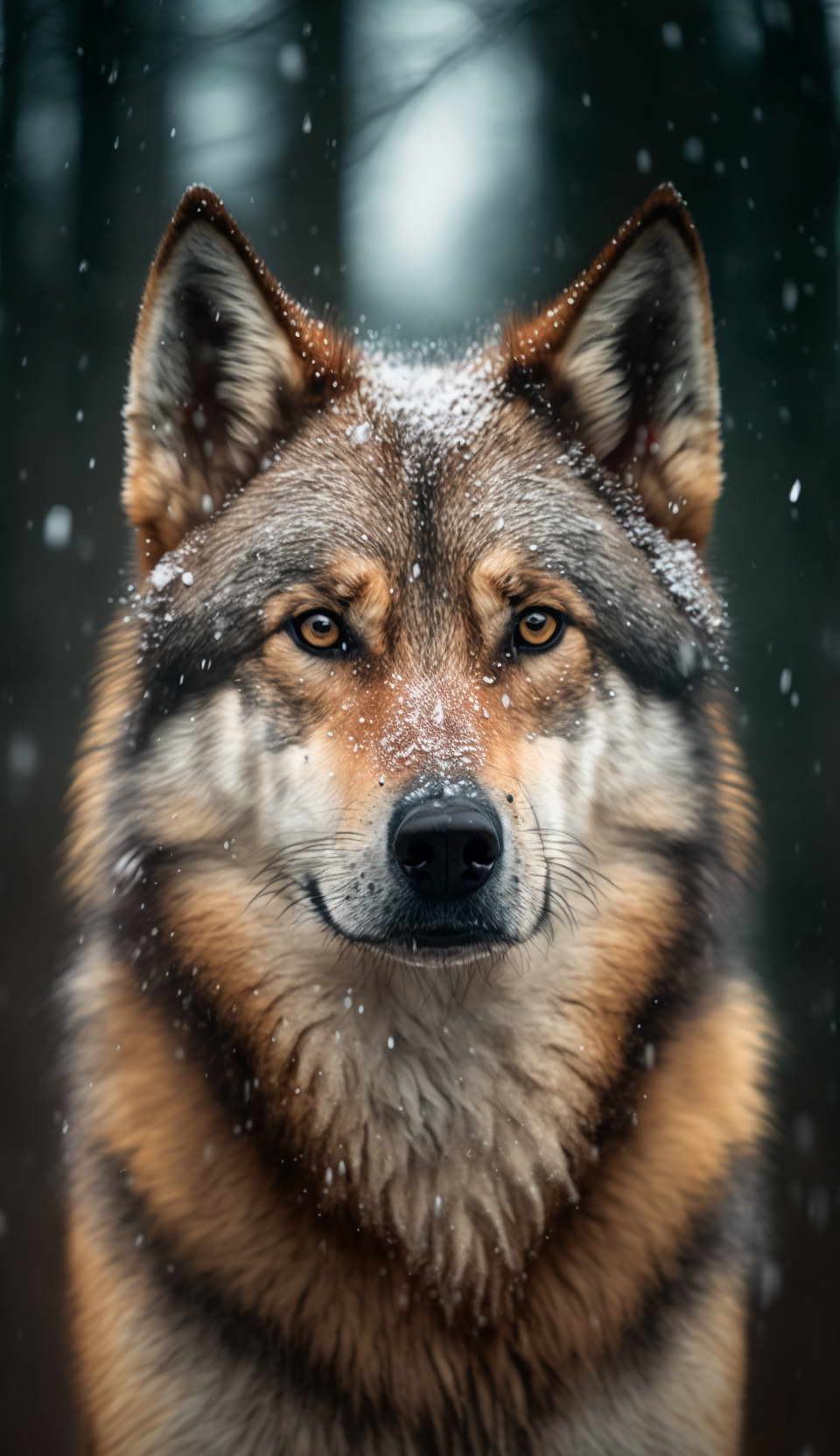
Wolf dog breeds can look very different depending on the amount of wolf blood present in their genetic makeup. Typically, they sport thick and dense fur coats in various colors such as black, white, gray, and brown; piercing eyes that range from golden to amber in hue and an intense gaze; muzzles which resemble those of wolves are long and narrow with pointed ears standing erect.
Wolf dog sizes range from small to large breeds, with the smaller ones weighing 25-50 pounds and larger ones reaching up to 120 pounds. They stand tall at 24-32 inches at the shoulder. Overall, these majestic canines make for a captivating sight, boasting an amazing appearance that will surely capture viewers’ attention.
B. Temperament and Behavior
Wolf dog breeds are intelligent and independent, with a strong prey drive. They show affection towards their owners but also possess an instinctive need to hunt or roam. This makes training them difficult as it requires patience, consistency, and socialization; if not handled correctly they could become destructive or aggressive.
Wolf dogs are highly social creatures, enjoying companionship. While they enjoy spending time with their owners and other dogs, they may be wary of strangers. This makes them excellent watchdogs since they will bark to alert their owners of any potential danger. However, early socialization is essential for these pups not to become overly protective.
Caring for Wolf Dog Breeds – How can we care for these canine companions?
Care for a wolf dog breed necessitates patience, devotion, and understanding. These intelligent, independent pups have special needs which must be met for their well-being. Here are some tips on taking good care of your wolf pup:
Exercise: Wolf dogs require daily exercise to stay healthy and contented. As energetic creatures, taking them for long walks, jogging, or letting them run in a secure area is essential. Playing games such as fetch or Frisbee also serves to keep them engaged.
Socialization: Wolf dogs must be socialized from an early age to develop positive interactions with humans and other animals. Early socialization teaches them acceptable behavior, helps them adapt to new environments, and allows them to manage difficult circumstances more easily.
Grooming: Wolf dogs have thick fur, making grooming an essential part of their care. Regular brushing helps keep their coat clean and healthy, as well as prevent matting or tangling. Additionally, regular nail trimming and brushing for good oral hygiene are necessary to keep these pups in top condition.
Nutrition: Feeding wolf dogs a balanced diet that provides them with enough protein, fat, and carbohydrates is recommended. Commercial dog food or raw food that meets their nutritional needs is ideal; avoid feeding them table scraps which may lead to stomach upset, obesity, and other health issues.
Training: Wolf dogs require consistent and patient training to learn obedience and acceptable behavior. Starting early helps create a strong bond with their owner while teaching them to obey commands. Positive reinforcement techniques like treats, praise, and playtime are effective methods for training wolf dogs.
Caring for a wolf dog breed requires effort; however, the rewards of an intelligent, loyal companion are worth all the effort. By providing them with daily exercise, socialization opportunities, grooming services, proper nutrition, and consistent training sessions, you will ensure their happiness and well-being.
Training and Socialization of Wolf Dog Breeds
When training or socializing your Wolf Dog pups, there are four main goals to remember: (1) achieve mastery over their breed; and (2) ensure they feel secure within themselves as individuals, both mentally and physically.
Wolf dog breeds are highly intelligent and possess a strong pack mentality, so they require consistent and positive training to thrive. Therefore, you must begin training and socializing your wolf dog as early on as possible to prevent behavioral issues from arising later.
Training
Here are some helpful training tips for wolf dog breeds:
Consistency: Consistency is essential when training wolf dog breeds. Use the same commands and routines every time to avoid confusing your pup.
Positive Reinforcement: Positive reinforcement is the best way to train wolf dog breeds. Use treats and praise as rewards for good behavior, while disregarding negative ones.
Socialization: Socializing your wolf dog breeds is essential for them to develop appropriate behavior around people and other animals. Socialize your pup in a controlled environment where he can meet new people, places, and creatures.
Obedience Training: Obedience training is essential for wolf dog breeds to teach them basic commands such as sit, stay, and come. Additionally, it’s necessary for safety purposes since these powerful canines tend to be strong and independent.
Exercise: Wolf dog breeds require regular physical activity to stay healthy and content. Provide them with plenty of opportunities for physical activity, such as long walks or runs, along with interactive playtime.
Socialization Tips for Wolf Dog Breeds
Here are some socialization strategies tailored specifically toward these canine friends:
Start Early: Socializing your wolf dog as early on as possible is key for teaching them appropriate behavior around people and other animals. This will help ensure that your canine can develop appropriate manners and manners around people and other creatures.
Positive Experiences: Make sure your dog is introduced to new people, places, and animals in a positive and controlled atmosphere. Doing this will help your pup feel secure and comfortable in unfamiliar circumstances.
Supervision: Always supervise your wolf dog during socialization to protect both it and others.
Training: Socialization is an integral part of training your dog’s behavior in social situations. Use positive reinforcement and consistent commands to instill appropriate behavior in social settings.
Gradual Exposure: Gradually introduce your wolf-dog to new people, places, and animals so that they do not feel overwhelmed. Start with low-stress environments and work up to more challenging scenarios.
Training and socialization are paramount for wolf dog breeds’ well-being. Consistency, positive reinforcement, and gradual exposure are the keys to successful training and socialization. With proper guidance from a professional trainer, your wolf pup will become an obedient and content companion. Be sure to always consult with them for additional support when needed.
Legal and Ethical Considerations When Owning Wolf Dog Breeds
Owning a Wolf Dog breed carries with it legal and ethical ramifications that should not be overlooked.
Owning a wolf dog breed may seem appealing, but it is essential to weigh the legal and ethical repercussions before bringing one into your home.
Here are some things you should take into account:
Legal Considerations:
Laws and regulations concerning wolf dog breeds differ by state and city. Before bringing one into your home, research the laws in your area to be sure you’re complying with them.
In certain areas, owning a wolf dog breed may require special permits or licenses. Be sure you understand all relevant requirements and obtain any necessary permits before getting your new furry friend.
Additionally, many homeowners associations and rental properties have restrictions on certain breeds of dog, such as wolf dog breeds. Be sure to consult your landlord or homeowners association before bringing one home for the first time.
Ethical Considerations:
Wolf dog breeds have not yet fully domesticated and retain some of their wild instincts. This makes them challenging to train and socialize with, which may lead to behavioral issues.
Wolf dog breeds require a lot of space and exercise, making them unsuited to typical suburban or urban settings. Before getting a wolf dog, make sure you have enough room and are willing to provide necessary exercise and enrichment activities.
Finally, it’s essential to weigh the ethical repercussions of breeding wolf dogs. Unfortunately, some breeders engage in unethical practices such as mating wolves with dogs or inbreeding to create specific physical or behavioral traits. Before getting a wolf dog, make sure you research its breeder thoroughly and confirm they are reliable and ethical.
In conclusion, owning a wolf dog breed can be an exciting and rewarding experience, but it is essential to weigh the legal and ethical repercussions before making your decision. Make sure you research local laws, have enough space and resources for the care of a wolf dog, and only obtain one from a reliable breeder with ethical practices.
Popular Wolf Dog Breeds
Wolf dog breeds are some of the most beloved canine companions.
Wolf dog breeds are remarkable pets that combine the traits of domestic dogs and their wild wolf ancestors. Although they can be challenging to train and care for, those willing to put in the effort will find them loyal, loving companions. In this article, we’ll take a closer look at some of the most popular wolf dog breeds, their characteristics, temperament, and care requirements.
Alaskan Malamute
The Alaskan Malamute is a powerful and sturdy breed bred to pull sleds in cold climates. Their thick double coat keeps them warm even during extreme cold, while their large furry paws help them navigate snow and ice. While they may be stubborn and independent at times, they remain loyal and affectionate towards their families.
Siberian Husky
The Siberian Husky wolf dog is a sled dog breed renowned for its endurance, speed, and agility. They possess intelligence and outgoing personalities with engaging demeanors. Siberian Huskies stand out with their bright blue or multi-colored eyes as well as thick, plush coat that requires regular grooming to maintain their appearance.
Czechoslovakian Wolfdog
The Czechoslovakian Wolfdog is a relatively recent breed created in the 1950s through crossing German Shepherds with Carpathian wolves. These intelligent dogs possess strong prey drives and protective instincts, making them great pets with experienced owners who can provide them with plenty of socialization and training.
Tamaskan
The Tamaskan is a breed created in the 1980s by crossing several different sled dog breeds, such as Siberian Husky, Alaskan Malamute, and German Shepherd. These friendly creatures possess an intense desire to spend time with their families. Tamaskans have a wolf-like appearance with thick fur, erect ears, and almond-shaped eyes.
Saarloos Wolfdog
The Saarloos Wolfdog was developed in the 1930s through crossing German Shepherds with Eurasian wolves. These intelligent and loyal dogs possess strong prey drive and protective instincts; making them excellent pets if handled correctly; however, experienced owners who can provide them with adequate socialization and training are necessary for successful ownership.
Wolf Hybrid
Wolf hybrids are not a specific breed, but rather the offspring of two domestic dogs and wolves. While some wolf hybrids make excellent pets, experienced owners should be aware that some may even be illegal in certain areas due to their mix of domestic dog and wolf bloodlines. While some of these hybrids may make excellent pets, their appearance and temperament will depend on how much of each parent animal remains.
Wolf Dog Breed Housing Options
Want to purchase or adopt a Wolf Dog? Visit one of these retailers now!
In this part, we will cover the housing requirements for wolf dog breeds and provide tips for creating a secure, comfortable living space for your furry friend.
Wolf Dog Breed Housing Requirements
Wolf dog breeds require a living space large enough to accommodate their size and activity level. Being naturally energetic, these pups need room to run around and play; therefore, small apartments or homes with limited outdoor access may not be ideal for these canines. Here are some housing requirements to take into consideration:
Enclosures: Wolf dog breeds require a secure enclosure to keep them protected from potential dangers and prevent them from escaping. The secure area should have at least six feet in height and be constructed out of durable materials such as chain links, welded wire, or wood.
Shelter: Your wolf dog needs a safe and comfortable shelter within their enclosure. The shelter should be large enough to accommodate your dog’s size, with enough insulation against extreme temperatures. Furthermore, it should be elevated to prevent moisture infiltration during rainy or snowy weather conditions.
Flooring: Your dog’s enclosure should have a sturdy and easy-to-clean floor. Concrete or gravel are both excellent options as they are long-lasting and straightforward to keep clean. Be mindful of any materials that could harm your pup’s paws, such as sharp rocks or broken glass.
Enrichment: Wolf dog breeds are intelligent and need mental stimulation to prevent boredom or destructive behavior. Activities like toys, puzzles, and training exercises can keep your wolf dog mentally engaged and content.
Tips for Creating a Comfortable Living Space for Your Wolf Dog Breed
In addition to meeting the housing requirements outlined above, there are other ways you can create a comfortable living space for your wolf dog breed:
Provide Plenty of Exercise Space: Wolf dog breeds require plenty of physical activity to stay healthy and contented. Make sure your enclosure provides ample room for your pup to run, play, and explore.
Provide a Variety of Surfaces: Offering your wolf dog various surfaces like grass, concrete, and gravel can help prevent boredom and keep their paws healthy.
Create a Comfortable Sleeping Area: To ensure your wolf dog gets enough restful sleep, create an area that is quiet and free from distractions. A soft bed or mat can help provide them with the utmost comfort during their rest period.
Maintain a Clean Enclosure: Regular cleaning and disinfecting of the enclosure are essential to prevent disease spread and provide your wolf dog with a healthy living environment.
Provide Access to Fresh Water: Make sure your wolf dog always has access to clean, fresh water at all times. Consider using an automatic waterer for added convenience.
Wolf Dog Breed Accessories
Wolf dog breeds are majestic animals that require special care and consideration. Beyond providing them with a nutritious diet, exercise routine, and training program, it is also essential to equip them with the correct accessories for safety and comfort. In this article, we’ll review some of the most essential accessories for wolf dog breeds as well as provide a price list in USD.
Collars and Harnesses: Collars or harnesses are essential for all dogs, but especially so for wolf dog breeds as they tend to be strong and pull a lot. Collars work great for everyday use while harnesses provide more control while walking or hiking as they prevent choking. Prices for collars and harnesses range from $10-$50 depending on the quality and material used; prices should also be taken into consideration when making your purchase.
Leashes: For any dog owner, a sturdy leash is an absolute must-have – especially for wolf dog breeds. High-quality leashes keep your pup safe and under control during walks or hikes; prices for these range from $10 to $50 depending on length and material.
Muzzles: Muzzles aren’t just for aggressive dogs; they can also be used on wolf dog breeds to prevent them from eating dangerous items or getting into fights with other canines. When selecting a muzzle for your pup, make sure it fits comfortably so they can breathe comfortably. Prices for muzzles range anywhere from $10-$30 depending on size and material depending on what is necessary.
Bedding: Wolf dog breeds need a comfortable place to rest, so providing them with high-quality bedding is essential for their health and well-being. Orthopedic beds may be necessary for older dogs or those with joint issues; prices range from $20-$100 depending on size and quality.
Food and Water Bowls: Wolf dog breeds should use stainless steel or ceramic bowls as they are durable and easy to clean. Make sure the size of the bowl matches your dog’s breed so that no food or water gets wasted. Prices for bowls range from $5 to $20 depending on size and material, with stainless steel being more cost-effective.
Toys: Toys aren’t just for entertainment; they also provide mental stimulation and help prevent destructive behavior in Wolf dog breeds. Chew toys, puzzle toys, and interactive toys all make great options; prices for these range from $5 to $50 depending on the type and quality.
Owning a wolf dog breed comes with great responsibility, and providing them with the appropriate accessories is paramount for their safety, comfort, and well-being. By investing in high-quality items for your wolf pup to use, you can guarantee they live an abundantly happy and healthy existence. Prices may vary depending on the quality and where you purchase from.
Wolf Dog Breed Life Expectancy: How Long Do They Last?
When it comes to dog breeds, few can rival the beauty and strength of wolf dog breeds. As their name implies, these hybrids were created through crossbreeding between domesticated dogs and wild wolves, creating an intriguing blend of traits from both worlds. If you are thinking about adding one of these majestic canines to your family, it is essential to know their life span and what factors may shorten or prolong their existence. In this discussion part, we’ll look into factors affecting wolf dog lifespans in detail.
What Factors Affect the Life Span of Wolf Dog Breeds?
Wolf dog breeds’ life spans can vary significantly based on genetics, diet, exercise, and healthcare. On average, these hybrid dogs have a shorter lifespan than purebred breeds; on average they live between 12-14 years with the right care; however, some can live up to 20 or more.
Genetics
Genetics plays an integral role in the life span of wolf dog breeds. As they are hybrids between dogs and wolves, they may inherit genetic health issues from both species. Common genetic disorders that wolf dog breeds may experience include hip dysplasia, eye problems, and heart disease. Regular check-ups with your veterinarian and responsible breeding practices can help reduce these risks.
Diet
Nutrition plays an integral role in the life span of wolf dog breeds. A balanced, nutritious diet can help these canines live longer and healthier lives. A diet rich in protein, vitamins, and minerals is especially important for these energetic canines since they require plenty of energy to sustain their active lifestyles.
Exercise
Wolf dog breeds are highly energetic creatures who need regular exercise to stay healthy and content. Exercising helps keep their weight under control, reduces the risk of health issues, and enhances the overall quality of life. Without adequate stimulation, obesity, boredom, and destructive behavior may ensue.
Healthcare
Regular healthcare is essential for the lifespan of wolf dog breeds. They need regular checkups, vaccinations, and preventive care to stay healthy. It’s also essential that they receive dental care as these can be prone to dental issues. Prompt veterinary attention helps detect and address health problems before they become serious issues.
Concluding Statement
Wolf Dog breeds are an intriguing group of dogs that require special care and consideration from their owners. While they can make wonderful companions for the right person or family, it’s essential to be aware of the difficulties that come with owning a Wolf Dog breed.
When selecting a Wolf Dog breed, some critical points to consider include:
These dogs have unique requirements when it comes to training, socialization, and housing.
Legal and ethical considerations should be taken into account before bringing a Wolf Dog breed into your home.
Accessories such as specialized collars, leashes, and crates for your Wolf Dog breed can provide a safe and secure environment.
Prices for Wolf Dog breed accessories vary significantly so it’s essential to do your research and shop around to find the best options within your budget.
Overall, Wolf Dog breeds can be an amazing and fulfilling addition to your family with proper care and attention. But you must do your due diligence and fully comprehend what commitment entails before committing. By following the tips provided in this guide, you can give your Wolf Dog breed the best life possible and enjoy many years of companionship and adventures together.
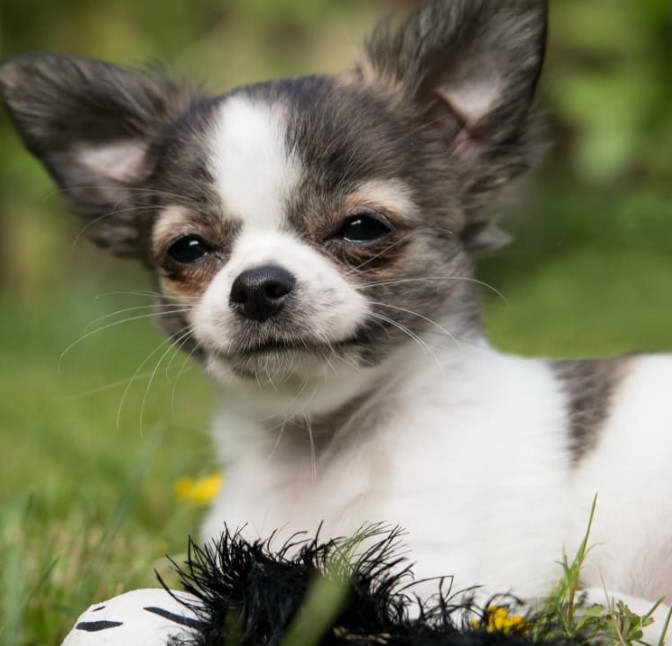
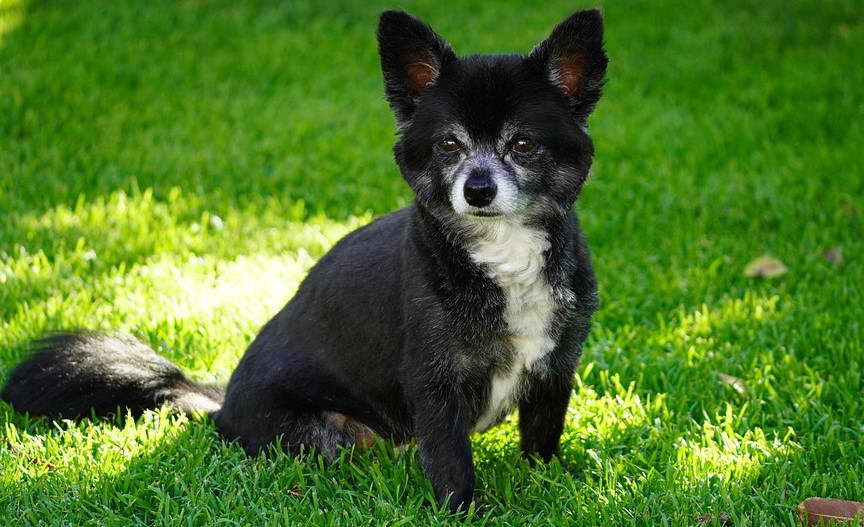
The Husky Chihuahua mix, also known as the Chusky, is a hybrid dog breed that has become increasingly popular in recent years. This breed is known for its unique appearance, which combines the playful and energetic nature of the Siberian Husky with the courage and loyalty of the Chihuahua. If you’re interested in buying a Husky Chihuahua mix, it’s important to know where to look for a reputable and trustworthy breeder. In this article, we’ll discuss the best places to find a Husky Chihuahua mix for sale, but first here are two points why you should adopt A husky chihuahua mix.
1. Understanding the Chusky Breed
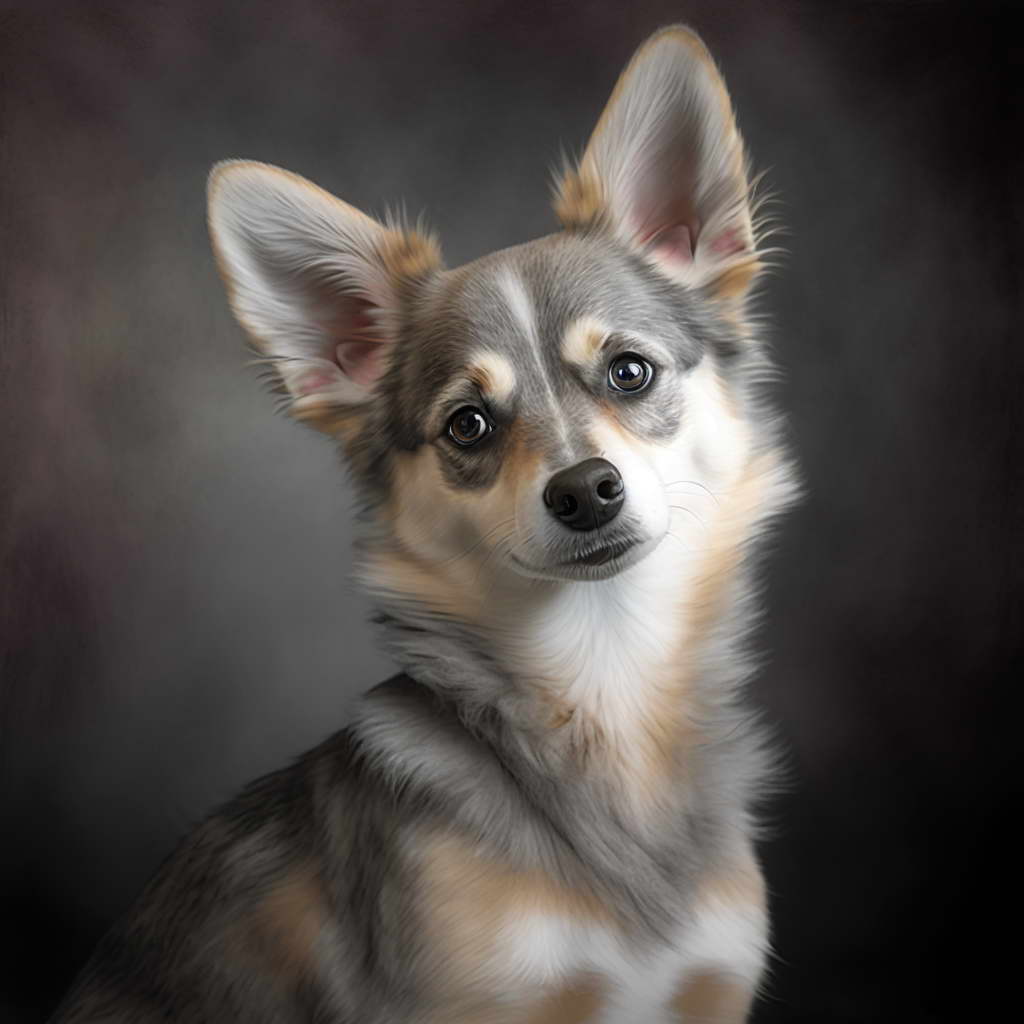
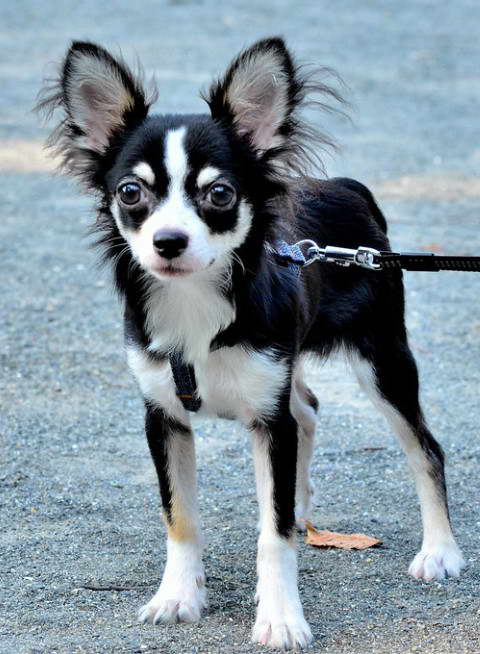
The Chusky is a mixed breed that is a combination of a Siberian Husky and a Chihuahua. This breed is known for its unique appearance, as it has the body of a Husky and the face of a Chihuahua. The Chusky is a small dog that is usually between 20 and 50 pounds in weight and has a height of 10 to 15 inches. This breed is also known for its strong and athletic body, making it an excellent choice for families who enjoy outdoor activities.
2. Advantages of Owning a Chusky
The Chusky is a great choice for families who want a small dog with a big personality. This breed is known for its energy and loyalty, making it an excellent companion for individuals who enjoy outdoor activities. The Chusky is also intelligent, making it easy to train, and is also a great choice for families who have children. This breed is also known for its small size, making it an excellent choice for families who live in apartments or have limited space.
Online Marketplaces: A Convenient Option for Buying a Husky Chihuahua Mix
Online marketplaces like Amazon and Chewy have made it easier than ever to buy just about anything, including pets. While it’s convenient to purchase a dog online, it’s important to be cautious when doing so. Online marketplaces are not regulated, so it’s important to research the seller and their reputation before making a purchase. You should also be wary of any seller who refuses to provide information about their breeding practices, as this could indicate that they are not a reputable breeder.
Online marketplaces have become increasingly popular in recent years and are a convenient option for buying a Husky Chihuahua mix. These platforms bring together breeders, pet stores, and individuals who are looking to sell their dogs, making it easy to compare prices and find the perfect pup.
When shopping for a Husky Chihuahua mix on an online marketplace, you can expect to pay anywhere from $300 to $800, depending on various factors such as the age, size, and location of the dog. It’s important to note that price should not be the only factor considered when purchasing a pet, and buyers should always research the seller thoroughly before purchasing to ensure that the dog is coming from a reputable source.
1. Petfinder
One of the most popular online marketplaces for buying a Husky Chihuahua mix is Petfinder. Petfinder is a website that lists adoptable pets from over 11,000 animal shelters and rescue organizations across the country. In addition to its large database of adoptable dogs, Petfinder also provides a wealth of information on different breeds, including the Husky Chihuahua mix. This can be a great resource for those who are interested in learning more about the breed before making a purchase.
2. Craigslist
Another popular online marketplace for buying a Husky Chihuahua mix is Craigslist. Craigslist is a classifieds website that allows individuals to list items for sale, including pets. While Craigslist can be a great resource for finding a Husky Chihuahua mix, it’s important to be cautious when using the platform. Because there are no regulations in place, it’s possible to purchase a dog from a backyard breeder or a puppy mill, which can result in serious health problems for the dog.
If you’re interested in purchasing a Husky Chihuahua mix from an online marketplace, it’s important to do your research and only buy from a reputable source. This will help ensure that you end up with a healthy, happy pup that will bring joy to your life for many years to come.
Frequently Ask Questions about How To Buy Husky Chihuahua Mix on an Online Marketplace:
What should I look for when buying a Husky Chihuahua mix on an online marketplace?
A: When buying a Husky Chihuahua mix on an online marketplace, look for a reputable seller, check the seller’s reviews, ask for photos and videos of the dog, and ensure that the seller provides a health guarantee.
What is the average price range for a Husky Chihuahua mix on an online marketplace?
A: The average price range for a Husky Chihuahua mix on an online marketplace is $300 to $800.
Is it safe to buy a dog on Craigslist?
A: While it’s possible to find a Husky Chihuahua mix on Craigslist, it’s important to be cautious when using the platform. Because there are no regulations in place, it’s possible to purchase a dog from a backyard breeder or a puppy mill, which can result in serious health problems for the dog.
What is Petfinder?
A: Petfinder is a website that lists adoptable pets from over 11,000 animal shelters and rescue organizations across the country. In addition to its large database of adoptable dogs, Petfinder also provides a wealth of information on different breeds, including the Husky Chihuahua mix.
What should I consider when buying a pet from an online marketplace?
A: When buying a pet from an online marketplace, it’s important to consider the reputation of the seller, the health and temperament of the pet, and the terms of service.
Breeder Websites
One of the best places to find a Husky Chihuahua mix for sale is through a breeder’s website. A reputable breeder will have a detailed website that showcases their breeding practices, dogs, and puppies. They will also be willing to answer any questions you may have about the breed, as well as provide information about their puppies’ health and vaccination records. When searching for a breeder online, look for one that is transparent about their breeding practices, has a strong reputation, and has a good track record of producing healthy and well-adjusted puppies.
Breeder websites are another popular option for those looking to purchase a Husky Chihuahua Mix. These websites are run by individuals or organizations who specialize in breeding specific dog breeds, including the Husky Chihuahua Mix. The advantage of buying from a breeder website is that you can learn more about the dog’s background and lineage, as well as its health and temperament. Additionally, breeders can provide information about the breed standard, as well as offer advice on training and care for your new pet.
The price range for a Husky Chihuahua Mix from a breeder website can vary greatly depending on the breeder and the specific dog. However, the average price range for a Husky Chihuahua Mix from a breeder website is between $800 to USD 1,500.
Below is a table of some of the popular breeder websites that offer Husky Chihuahua Mix puppies for sale:
It’s important to note that when purchasing a Husky Chihuahua Mix from a breeder’s website, you should thoroughly research the breeder and their reputation. Ask for references and speak to previous customers, as well as check online reviews. Additionally, it’s important to visit the breeder’s facilities and meet the puppies in person before making a purchase. This will help ensure that you’re making a well-informed decision and that you’re getting a healthy, happy pup.
Pet Stores
Pet stores can also be a good place to find a Husky Chihuahua mix for sale, but it’s important to be cautious when buying a dog from a pet store. Pet stores often source their dogs from puppy mills, which are inhumane breeding facilities that prioritize profit over the well-being of the dogs. If you do choose to buy a Husky Chihuahua mix from a pet store, make sure to thoroughly research the store and its breeding practices to ensure that they are reputable and trustworthy.
Pet stores can be a convenient option for those looking to purchase a Husky Chihuahua Mix. Many pet stores carry a wide selection of dog breeds, including the Husky Chihuahua Mix, making it easy to find the perfect pup. Additionally, pet stores often have knowledgeable staff on hand who can answer any questions you may have about the breed and offer advice on training and care.
However, it’s important to keep in mind that pet stores may not always have the same level of transparency as breeder websites or online marketplaces. You may not know the dog’s background or lineage, and the conditions in which the dogs are kept at the store can sometimes be questionable. Additionally, the price range for a Husky Chihuahua Mix from a pet store can be higher than other options, with the average price ranging from $1,500 to USD 2,500.
Below is a table of some of the popular pet store brands that offer Husky Chihuahua Mix puppies for sale:
Pet Store Brand
Price Range (USD)
Petco
$1,500 to $2,000
PetSmart
$1,500 to $2,500
Pet Paradise
$1,800 to $2,200
The Pet Store
$1,500 to $2,000
When purchasing a Husky Chihuahua Mix from a pet store, it’s important to thoroughly research the store and its reputation. Check online reviews, ask the staff about the dogs’ conditions, and if possible, visit the store to see the dogs in person before making a purchase. Additionally, be aware of any warranties or guarantees offered by the store, as well as any policies related to returns or exchanges. By taking these steps, you can help ensure that you’re making a well-informed decision and that you’re getting a healthy, happy pup.
Rescue Organizations
Rescue organizations are another option for finding a Husky Chihuahua mix for sale. Rescue organizations work to rescue dogs that have been abandoned, abused, or surrendered by their owners. They provide these dogs with the necessary medical care, training, and love they need to become well-adjusted and healthy dogs. If you’re interested in rescuing a Husky Chihuahua mix, you can search for local rescue organizations online, or contact your local animal shelter.
Rescue organizations can be a great option for those looking to adopt a Husky Chihuahua Mix. These organizations take in dogs that have been abandoned, surrendered, or rescued from abuse and neglect, and they work to find loving, forever homes for these dogs. Adopting a Husky Chihuahua Mix from a rescue organization can be a rewarding experience, as you’ll be giving a dog in need a second chance at a happy life.
The Cost
In terms of cost, adopting a Husky Chihuahua Mix from a rescue organization is typically less expensive than purchasing one from a pet store or breeder. The average adoption fee for a Husky Chihuahua Mix from a rescue organization is between $300 and USD 500. This fee usually covers the cost of any necessary veterinary care, including spaying or neutering, as well as any other expenses related to the dog’s care and rehabilitation.
One of the biggest benefits of adopting a Husky Chihuahua Mix from a rescue organization is that you’ll be able to interact with the dog before making a decision. Many rescue organizations allow prospective adopters to spend time with the dogs, either at their facility or in foster homes, to help determine if the dog is a good match. This can be especially helpful if you have other pets or children, as you’ll be able to see how the dog interacts with them.
It’s important to note that rescue organizations typically have a screening process for potential adopters, which may include a background check, home visit, and/or reference check. This process is in place to help ensure that the dogs are going to safe, loving homes. By working with a rescue organization, you’ll be helping to support their mission of saving and protecting dogs in need, and you’ll also be getting a new best friend in the process.
Popular Rescue Organization
Some of the popular rescue organizations that offer Husky Chihuahua Mix dogs for adoption include:
The SPCA (Society for the Prevention of Cruelty to Animals)
Local animal shelters and rescues
Conclusion
In conclusion, there are several options for finding a Husky Chihuahua mix for sale, including online marketplaces, breeder websites, pet stores, and rescue organizations. When searching for a Husky Chihuahua mix, it’s important to choose a reputable and trustworthy source to ensure that you are getting a healthy and well-adjusted puppy. Do your research and take your time when making your decision, as a Husky Chihuahua mix can be a wonderful addition to your family.
FAQs
How much does it cost to adopt a Husky Chihuahua Mix from a rescue organization? The cost of adopting a Husky Chihuahua Mix from a rescue organization can vary, but it typically ranges between $50 to USD 500. The adoption fee usually covers the cost of vaccinations, spaying or neutering, and any other necessary medical procedures.
What should I expect when adopting a Husky Chihuahua Mix from a rescue organization? When adopting a Husky Chihuahua Mix from a rescue organization, you can expect to fill out an application, provide references, and go through an interview process. This is to ensure that the dog is going to a safe and suitable home. Once the adoption process is complete, you will be able to bring your new furry friend home.
Can I adopt a Husky Chihuahua Mix from a rescue organization if I have other pets? Yes, you can adopt a Husky Chihuahua Mix from a rescue organization even if you have other pets. However, it is important to make sure that your other pets are compatible with the Husky Chihuahua Mix and that your home is a safe and suitable environment for all animals.
Can I adopt a Husky Chihuahua Mix from a rescue organization if I live in an apartment? Yes, you can adopt a Husky Chihuahua Mix from a rescue organization even if you live in an apartment. However, it is important to consider the breed’s energy level and exercise requirements when making this decision. A Husky Chihuahua Mix is a high-energy breed and will need plenty of daily exercises to stay healthy and happy.
Can I choose the Husky Chihuahua Mix that I want to adopt from a rescue organization? It depends on the rescue organization. Some organizations allow you to choose the dog that you want to adopt, while others may choose the dog that is best suited for your household based on the information you provide.