Category: German Shepherd

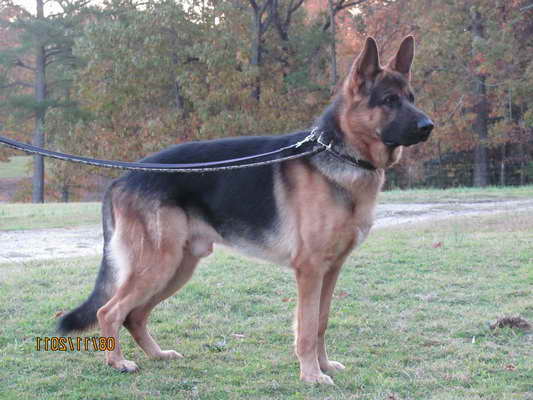
The German Shepherd, also known as the Alsatian, is a breed of working dog that originated in Germany. It is one of the most popular and recognizable dog breeds worldwide due to its intelligence, loyalty, and versatility. German Shepherds are large, strong, and well-muscled dogs with a distinct appearance.
German Shepherds are known for their intelligence and trainability. They are often utilized in various working roles such as police and military work, search and rescue operations, and as service dogs. Their high level of intelligence, coupled with their strong work ethic and loyalty, makes them excellent candidates for training in obedience, agility, and other dog sports.
The German Shepherd is a remarkable breed renowned for its intelligence, loyalty, and versatility. With the right training, socialization, and care, they make devoted companions, working dogs, and family pets.

  • German Shepherd Speed

    German Shepherd Speed

    German Shepherd Speed

    How to Increase Your German Shepherd Speed

    Increasing your German Shepherd’s speed is possible, but it takes a lot of hard work. While you can’t predict how fast your dog will grow, training him for running and taking care of his muscles will help him run faster. You should aim to keep your dog active and fit as much as possible if you want him to have a long life. Keeping him fit and active will also help you reduce your dog’s medical expenses, so it’s worth a shot.

    German Shepherds are bred to have muscular bodies, strong thighs, and long legs. All of these features make them great runners. Their high speed is also another advantage compared to other breeds. They don’t get tired easily and can run for long periods. They are also known for being highly alert and focused. They are incredibly intelligent dogs that know what to do to reach their potential. But, German Shepherds are more than just excellent runners – they also have impeccable focus, loyalty, and attention span.

    Dogs are not created equal. Speed is a trait inherited from selective breeding over centuries. However, not all German Shepherds will excel in agility; the results depend on the trainer, the training, and motivation. German Shepherds tend to trot at about 10 mph, and good trotters may be able to reach speeds of 12 mph and higher. Malinois can go up to 35 mph and, as a result, seem faster than GSDs in average speed tests.

    Exercise is also a vital component of German Shepherd training.

    Regular exercise helps build muscle tissue. German Shepherds should exercise regularly, preferably at least 30 minutes per day, on different terrain. They should also get plenty of playtime with other dogs. Exercise is important to maintain their prime running years. In some cases, German Shepherds will develop troubling behavioral issues if they do not exercise properly. You should take your German Shepherd for regular veterinary checkups to ensure that they are healthy and in great shape.

    Dogs are naturally faster than humans, and the German Shepherd is no exception. They have the perfect body composition to run and protect their flocks. Their long legs and waist contribute to their high rate of forward stretching, while their paw pads increase grip and make them more efficient runners. Their metabolism is also high, resulting in faster blood pumping and more air in the lungs. As a result, they run faster than most dogs and can easily compete with humans.

    A German Shepherd can reach speeds of up to 30 mph, and in some instances, even higher. This is not only the highest speed for a dog but also far faster than most humans and other animals. The fastest human recorded pace was only 27 mph, and most of us can’t even dream of running that fast! And that’s just for sprinting! The German Shepherd is truly an incredible athlete. Just imagine how fast a German Shepherd can run in a single sprint!

    As a German shepherd puppy, it’s important to feed him high-quality food that’s high in calcium.

    This will help your dog run faster and keep up its physical condition. German shepherd running speed is also related to their age. To sprint at 30 mph, a German shepherd must be in good physical condition. They should be between two and eight years old when their bones have reached their maximum size but have not yet started to weaken.

    A German Shepherd is a fierce competitor and is a valuable member of law enforcement. Their high level of agility and speed make them a great choice for a busy owner. They are also great for police work, service dogs, and security guards, where their powerful muscles and strong limbs allow them to excel in dangerous environments. The goal of training a German Shepherd to speed is to increase his agility and increase his ability to catch and retrieve objects.

    While it is not possible to estimate a dog’s maximum speed, a 10-year-old male weighing 80 pounds will probably be able to reach speeds of 15 to 20 miles per hour. A female GSD of the same age and weight will likely reach speeds of 18 to 22 mph. A German Shepherd’s speed is largely dependent on how healthy it is and how well it has been trained. This dog has a high endurance level, so it is important to give your dog ample space for exercise.
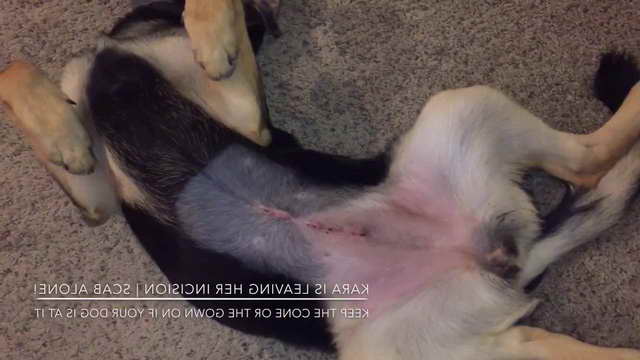
  • German Shepherd Spay

    German Shepherd Spay

    German Shepherd Spay

    When Should You Neuter Or Spay Your German Shepherd?

    When is the right time to neuter or spay your German Shepherd? Many dog owners are enamored with their animals, but the decision to spay or neuter your pet is not as simple as you might think. This article will explain the differences between neutering and spaying your pet. Once you know the difference, you can decide whether to go ahead and get your German Shepherd spayed or neutered. Regardless of which option you choose, there are several important considerations that you should keep in mind before making this decision.

    After having your German Shepherd neutered, you’ll need to ensure your dog has a proper recovery to avoid unwanted pregnancies. Neutered male dogs are less likely to hump people, other dogs, or inanimate objects. Females rarely experience any behavioral changes, although their activity levels may be lower. After neutering, females may still act as if they’ve never been spayed. The procedure is typically done at least three months before a dog is due for a second heat cycle.

    While intact dogs are allowed to compete in dog shows, neutered German Shepherds can’t. In conformation shows, dogs are judged for their breeding potential. However, dogs competing in other dog events may have been spayed or neutered. Some owners opt to keep their dogs from breeding because they’d rather have a dog without any complications. They may also want to keep their dog from developing joint problems that interfere with their performance.

    If you’re looking to purchase a German shepherd, consider visiting a Michigan breeder.

    Many dogs are sold as pets, but you’ll find a quality breeder by visiting their website. You can also check out the KCregistered German Shepherd Association. You can even purchase one for yourself. It’s a great way to save money and get a new pet! While it’s not as easy as a spay, it is a worthwhile decision that will help your new dog thrive.

    In general, male German Shepherds should be neutered after they reach puberty. This will prevent any unwanted litter and reduce any negative behavioral issues. Female German Shepherds don’t have a specific age when they should be neutered, but some breeders recommend that females be spayed before they go through their first heat cycle. Early desexing will reduce the chance of mammary tumors, which can be very debilitating for older dogs.

    Another major benefit of early desexing is reduced risk of hip and elbow dysplasia. These disorders occur due to misalignment of the foreleg bones. In intact dogs, there’s less than a one percent risk for joint disorders. Consequently, early neutering and spaying may be an excellent option for your pet. It’s important that you take your pet to the vet for an exam and to neuter your German shepherd.

    In addition to the increased risk of joint disease, neutering your dog at a young age can reduce the risk of mammary and kidney cancer. A team of researchers from the University of California-Davis looked at the records of 1,170 German Shepherd dogs over a 14-and-a-half-year period. The study also examined the risk of cancers and joint disorders among male and female dogs. They also followed female German Shepherds for 11 years to determine whether they developed mammary cancer.

    During the study, researchers looked at veterinary hospital records of 1,170 intact German shepherd dogs and those that had been neutered.

    They followed up on joint disorders and mammary cancer in females through the age of eight. The study also included guidelines for early neutering and spaying and a secondary goal of documenting differences in cancers in the two populations. It also revealed an area where genetics should be studied to determine the optimal time to neuter a dog.

    Early neutering is not a perfect solution for the protection of your dog from cancer. One study found that early neutering could reduce your dog’s risk of developing mammary cancer, and even increase its risk of developing some kinds of behavior issues. Although these studies are not conclusive, they are still a good idea. The risk of breast cancer in German Shepherds is lower when they are spayed before six months of age.

    While female dogs are more susceptible to osteosarcoma than males, there are risks associated with early neutering. Spaying a dog before age four eliminates this risk and increases the chance of osteosarcoma. While male dogs tend to suffer from osteosarcoma later in life, female German Shepherds generally live longer than males. However, early neutering will increase your dog’s risk of osteosarcoma and may have long-term implications for the health of your dog.

  • German Shepherd South Carolina

    German Shepherd South Carolina

    German Shepherd South Carolina

    Adopting a German Shepherd in South Carolina

    If you’re considering adopting a German Shepherd in South Carolina, you should be aware of some things that breeders should keep in mind. While most breeders want to sell puppies, some will try to put pressure on you to buy their pups. While many will offer you discounts and unfair deals, you should be wary of such tactics. In South Carolina, the German Shepherd is a highly popular dog breed, so it’s important to choose the right breeder and ask lots of questions about the breed.

    First and foremost, check out the references. A reputable German Shepherd breeder will have happy and satisfied customers who are more than willing to provide you with references. Ask them about the quality of their German Shepherd puppies and their parents. If possible, visit their customers’ homes and talk to them about their experience with the breeder. If possible, take your family along to the visit to get a feel for their personalities. If you’re still unsure, ask several breeders for references and compare prices.

    A healthy German Shepherd is one of the top priorities of breeders in South Carolina. Healthy dogs are the best companions. They also make good guard dogs. Choosing a dog that can live an active and healthy lifestyle is an important step in selecting the right dog for your family. Numerous places in South Carolina offer German Shepherd adoptions. You can find a breeder near you by searching on the Internet. Many breeders in South Carolina will show you their puppies and answer any questions that you might have.

    If you’re considering adopting a German Shepherd in South Carolina, consider the breed’s energetic nature and devoted character.

    They need plenty of exercise and space to run. Families with time and energy to devote to a German Shepherd should take the time to properly train and socialize the pup. The reward will be a devoted family member. It’s also important to make sure that you can take good care of a new dog after it’s been adopted.

    If you’re home all day, you should take your new puppy outside to relieve itself. Make sure to take it outside as soon as possible and often. Once he goes outside, give him a treat or verbally praise him for doing so. If you’re not able to do this at first, you can use a puppy-proofing solution to get him or her outside. If you’re home all day, you can set up a special area for feeding or playing.

  • German Shepherd Solar Lantern

    German Shepherd Solar Lantern

    German Shepherd Solar Lantern

    German Shepherd Solar Lantern

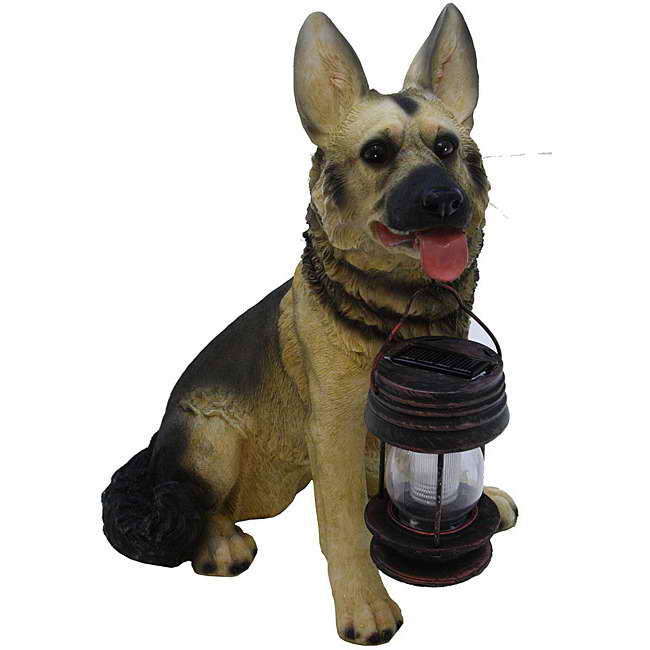
    A charming outdoor accent, a German Shepherd Solar Lantern will warm the hearts of guests. Hand-painted resin is used to craft this adorable German Shepherd sculpture. It features a solar-powered LED post lantern that recharges in the sun. It will automatically light up at dusk, giving you peace of mind. The lantern measures approximately 13 1/2 inches in height and will light your path for 10 hours. Its solar power is also environmentally friendly.

  • German Shepherd Soft Ears

    German Shepherd Soft Ears

    German Shepherd Soft Ears

    Caring For Your German Shepherd’s Ears – German Shepherd Soft Ears

    German Shepherds have soft ears that must be kept groomed. It is not uncommon to see a German Shepherd with matted hair due to ear cleaning. A visit to the grooming groomer is the best prevention for this condition. You mustn’t remove too much of the hair because it will weigh your dog down. Your dog may also develop ear infections are very common with this breed.

    An ear infection can be treated with antibiotics. The first thing that you should do is to check the ears for excessive earwax. If you find that it is excessively oily, you should apply special ear powder to keep it from dripping. This is an indication that it has not been taken care of properly. A good treatment is to use a shampoo to wash it every day. Be careful when bathing because your dog may get hurt if it is not done properly.

    This is a condition that is found in purebred German Shepherds. It should be taken care of by using human-grade pikakil. You mustn’t pull on the hair while applying it. If you are not sure about how to use it, seek professional help.

    You can use human-grade shampoo or baby shampoo to bathe your dog.

    Never use human shampoo because it can cause damage to the dog’s skin. Baby shampoo is always a better choice for the treatment of your German Shepherd’s matted hair. Your dog will love you even more for the treatment.

    To prevent further damage, do not clip your German Shepherd’s ears. Even if the ears are clipped, do not allow your dog to chew on the ear flap. This is bad for the health of your dog. You should always give your dog time to chew on something else. The chewing promotes the growth of bacteria around the ear flap and causes infection.

    Treat your dog like the boss that he is? He should always be given equal attention. You should let your dog scratch at his ears. You should praise your dog for doing this every time you see him. By doing this, you are teaching your dog that he is not to be afraid of his owner.

    To treat your dog’s ears appropriately, you should clean them regularly. You should vacuum the ears regularly. You should also brush the dog’s ears gently. If you don’t want your dog to have his ears shaven, you should try to stop him from chewing on them. You should not comb the dog’s ears as well.

    Regular brushing is important if you want to avoid infections in your dog’s ears.

    If the dog’s ears are properly groomed, they will remain healthy. You should not forget to bathe the dog once a month. You should also keep the ears of the German Shepherd clean by wiping them with a piece of cotton wool or a baby wipe. To prevent any ear diseases, you should make sure that your dog is getting enough food and water.

    Some dogs like to chew on their ears. To avoid this, you should try to stop your dog from chewing on his ears. You should try to give your dog a toy instead of giving him toys that may harm his teeth. It is also important that you give your dog a chew bone that is made of hard metal. You should also avoid giving your dog bones that come in plastic.

    When you give your dog his meals, you should make sure that he is taking his dinner in his mouth. You should also feed the dog the right kind of food. You should not feed the dog with soft foods because these foods are too soft and may hurt the ears of the German Shepherd.

    The most important thing that you should know about your German Shepherd’s ear health is that you should avoid any harsh treatments when it comes to his ears.

    You should avoid using anything that may damage the dog’s ears. This includes using hairbrushes on the dog’s ears. You should also be careful when it comes to washing your dog’s ears.

    You should never wash your German Shepherd’s ears with soap because this can cause damage to the soft tissue in the dog’s ears. You should also keep the dog away from other dogs because they might put their hands in the dog’s ears. You should learn how to look after your German Shepherd’s ear problems so that they can live a longer and happier life.

    By providing them with the necessary vitamins and nutrients, you can make sure that your German Shepherd stays healthy and happy. You should also take care of your dog’s teeth because they are also an important part of the German Shepherd’s ear health. By learning all you can about German Shepherd care, you can provide your beloved dog with a long and happy life.

  • German Shepherd Socks

    German Shepherd Socks

    German Shepherd Socks

    German Shepherd Socks

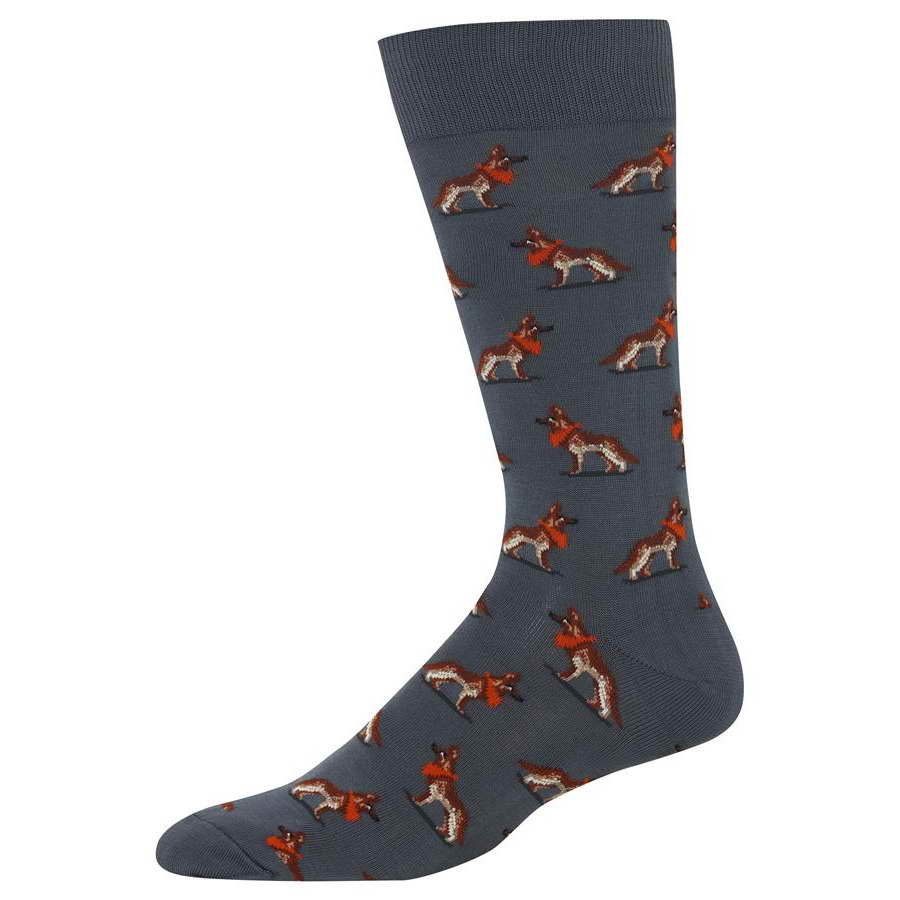
    If you love the breed, you should look into purchasing some German Shepherd Socks. These socks feature detailed images of the German Shepherd. They are perfect for the owner or admirer of this dog. You can also find unisex German Shepherd Socks. The socks are made of 75% Cotton, 22% Polyester, and 3% Spandex. If you’re looking for a unique gift for your German Shepherd fan, you’ll find many styles and designs to choose from.

    It’s important to avoid introducing your new dog to an unfamiliar environment. German Shepherds are notoriously protective of their families and aren’t particularly friendly with strangers. If you meet a new dog in a public place, it’ll see it as an invasion of its territory, and might act aggressively. Until the dogs have become comfortable with each other, it’s best to introduce them slowly. In the meantime, you’ll need to provide a neutral space for them to play.

    German Shepherds are also popular working dogs. Their traits help them perform their jobs well. Search and rescue dogs are a great example of this, as they rely on their strong instincts to hunt prey. These dogs are also loyal, brave, and very loyal. So, you should never underestimate the value of German Shepherd Socks. These socks make great gifts. Socks are a great gift for your German Shepherd lover, and they can also serve as great conversation starters.

    The German Shepherd is a very friendly dog.

    This breed is friendly with children but can be rough if it isn’t properly socialized. German Shepherds have high energy levels and are great playmates. They’re great companions, but they are also great with other breeds. They’re also great companions because they’re adaptable and obedient. There’s no need to limit your German Shepherd’s playtime with toys that aren’t appropriate for small dogs.

    When it comes to choosing the perfect dog socks for your German Shepherd, consider how important it is that the pair you choose matches the color of his coat. German Shepherd Socks can help keep your German Shepherd looking its best, no matter the weather. In addition to being comfortable, German Shepherd Socks can keep your dog’s feet dry and warm. These socks are made with wool, and they’ll keep your German Shepherd’s feet dry.

    While German Shepherds tend to be very protective, German Shorthaired Pointers are less protective. German Wirehaired Pointers are also known to be less protective. They don’t bark much and don’t show jealous behavior. If you’re looking for a dog that won’t make you feel guilty, you might want to consider the German Shorthaired Pointer instead. They’re very adaptable and are less likely to get jealous.

    These dogs are large and heavy.

    They can play rough, but they give just as much during a vigorous play session. Boxers are also very similar to German Shepherds. Boxers can be large, and weigh as much as 80 pounds. They are great with kids, and they can train well. Their adaptability and loveability make them great partners for a German Shepherd. These dogs also have more energy than German Shepherds.

    A German Shepherd is very intelligent. This trait helps them perform well in many different careers, including police work and military service. Very few breeds have had as many careers as the German Shepherd. And they’re incredibly adaptable. According to the AKC, they get a 5/5 on adaptability. So you’ll be able to adjust easily to any changes in your German Shepherd’s life. And since you’ll be spending a lot of time with your German Shepherd, you’ll want to purchase German Shepherd Socks that are made to look good!

    Samoyeds are a close relative of the German Shepherd and can be equally strong companions. They weigh between 65 and 77 pounds and are only about one-half to one-half inch shorter than German Shepherds. A Samoyed is also a relative of the Siberian Husky and is a little smaller than a German Shepherd. It stands between 19 and 23.5 inches tall and weighs about half as much.