Category: German Shepherd

The German Shepherd, also known as the Alsatian, is a breed of working dog that originated in Germany. It is one of the most popular and recognizable dog breeds worldwide due to its intelligence, loyalty, and versatility. German Shepherds are large, strong, and well-muscled dogs with a distinct appearance.
German Shepherds are known for their intelligence and trainability. They are often utilized in various working roles such as police and military work, search and rescue operations, and as service dogs. Their high level of intelligence, coupled with their strong work ethic and loyalty, makes them excellent candidates for training in obedience, agility, and other dog sports.
The German Shepherd is a remarkable breed renowned for its intelligence, loyalty, and versatility. With the right training, socialization, and care, they make devoted companions, working dogs, and family pets.

  • German Shepherd Vitamins

    German Shepherd Vitamins

    German Shepherd Vitamins

    German Shepherd Vitamins

    German Shepherds can benefit from taking a daily vitamin. These dogs are known for their proneness to hip dysplasia and Gastric Dilatation-Volvulus, commonly known as bloat. Preventing health issues is a key factor in ensuring your dog stays as healthy as possible. Vitamins and daily exercise are two great ways to do this. Listed below are some of the most common vitamins that your dog needs.

    Omega-3 Fatty Acids

    A supplement made specifically for German Shepherds contains a special blend of nutrients that improve their skin and coat. Omega-3 fatty acids are found in fish oil, flaxseed oil, borage seed, and hempseed. These supplements are safe for your German Shepherd as long as you follow the label directions. If you are not sure if a supplement is right for your dog, speak with a vet to find out more.

    It is important to consult a veterinarian before adding any new supplements to your German Shepherd’s diet. If the veterinarian has prescribed a particular diet, the supplements must be compatible with it. Additionally, your German Shepherd’s age may dictate which vitamins are needed. A senior German Shepherd, for example, may require more vitamin C, while a puppy may need more calcium for healthy bone development. Consult a veterinarian to determine which vitamins are right for your German Shepherd.

    Carbohydrates

    Carbohydrates are the primary source of energy in a dog’s diet. They supply glucose to critical organs and the nervous system. Vitamins are beneficial for German Shepherds as they maintain the skin and coat’s vibrancy. Additionally, they strengthen teeth and contribute to hundreds of metabolic processes. For dogs with sensitive stomachs, German Shepherd vitamins may help. These vitamins can help your dog fight off diseases and stay healthy. It’s important to provide a healthy diet for your German Shepherd if you want your dog to stay in top condition.

    Glucosamine

    When choosing a German Shepherd vitamin supplement, it’s important to select one with a high amount of glucosamine. This substance is used for treating inflammatory conditions and speeds up the body’s natural capacity to repair cartilage. Chondroitin sulfate is a chemical found naturally in the joints. It plays a crucial role in cartilage development and can help slow down joint deterioration. While studies on glucosamine are questionable, veterinarians continue to recommend chondroitin sulfate for its benefits to dogs with arthritis.

    Joint pain

    Joint pain is a common problem among German Shepherds. You’ll recognize it easily when your dog has trouble getting up from lying down or limping. Other signs may be more subtle. Your dog may be less energetic or have a mood change. Either way, the problem should be addressed immediately. If you see signs of joint pain in your German Shepherd, it’s time to consult a veterinarian. They will check for any underlying conditions. Thankfully, German Shepherd Vitamins can help.

    Joint Supplements

    Joint supplements are another vital supplement for German Shepherds. Because of their large size, German Shepherds are susceptible to developing joint problems later in life. Fortunately, there are many supplements on the market designed specifically for joint health in dogs. Taking one or two of these supplements will improve your German Shepherd’s mobility and prevent future issues from arising. High-quality supplements can reduce pain and accelerate joint repair. And they are much cheaper than prescription medicines.

    It is important to monitor your dog’s vitamin intake. Overdoing one can lead to health problems. Too much calcium, for example, can cause skeletal issues in large-breed puppies. Vitamin A can cause joint pain and dehydration. Consult your veterinarian for specific recommendations. You can even give your German Shepherd Vitamins if your veterinarian prescribes them for you. They’ll tell you if your dog needs supplements or not.

    Supplements Are Not For Every Dog

    Supplements are not for every dog. Some may do more harm than good. Never give your dog a supplement you didn’t research because too much of it can be harmful to your pet. Always check the label and consult a veterinarian before giving your dog any supplements. And as always, be sure to monitor your dog’s diet to make sure it’s balanced. And remember, a proper diet is the foundation of good health. If you don’t follow it, you can cause serious health problems.

    The best vitamin Prescribed by a Vet

    The best vitamin for your dog is the one prescribed by your vet. If you feed your dog a commercial diet, it should not require supplementation. If you make your own dog’s food, however, you may need a supplement. Make sure to read labels carefully, as many of these vitamins contain additives that are harmful to dogs. Taking a vitamin with dinner won’t be enough. It is recommended that you supplement your dog’s diet with fruit and vegetables.
  • German Shepherd Virginia

    German Shepherd Virginia

    German Shepherd Virginia

    German Shepherd For Sale and Breeders

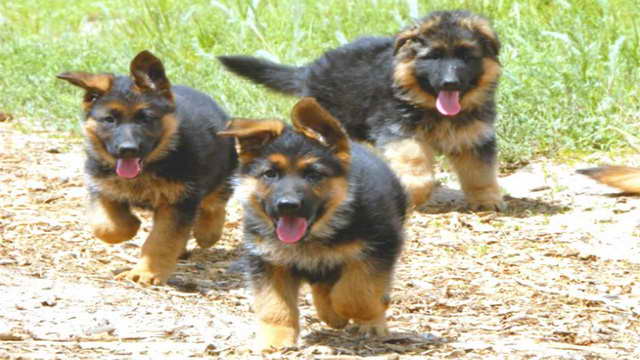
    If you’re thinking about getting a German Shepherd puppy, you’ve probably heard about PuppySpot and the breeders in Virginia. Both of these are reputable marketplaces where Virginia residents can look through puppies and find the perfect puppy. However, you should not choose a German Shepherd based on its popularity alone. You should do your research, as German Shepherd puppies are not typically gentle lap dogs. Before purchasing a German Shepherd puppy, consider your lifestyle and what you have to offer.

    Grooming

    German Shepherds are smart working dogs that require proper grooming to keep their coats healthy and prevent shedding. Grooming is also necessary during seasonal changes. German Shepherds also need socialization and obedience training as they are protective guardians. To help prevent future incidents, the breed should be properly socialized and receive obedience training. This will teach them how to behave in social situations. Virginia German Shepherd Rescue is an organization that is not only dedicated to helping the community, but also to protecting animals.

    Adopting

    When adopting a German Shepherd puppy, keep in mind that these dogs can be expensive. The average price is around $500, but it can be higher if you’re lucky enough to find a quality breeder. As German Shepherds require extensive training and care, their costs may go up or down depending on the breeder. Keep in mind that these dogs are expensive and you’ll probably end up spending more money on food and items for your new family member.

    If you’re in the market for a German Shepherd puppy, look no further than the breeders in Roanoke, Virginia. Puppies born in this area are expected to be fully weaned by February. Their parents are AKC-registered and have extensive bloodlines. You can expect to save more than 33% using these coupons on German Shepherd Virginia. And don’t forget to check out the AKC website for a complete list of rescue groups. You’ll be happy you did.

    There are many different lines of German Shepherd dogs, and you’ll need to know which one is best for your lifestyle. Working-line dogs are ideal if you’re looking for a dog for police work, Schutzhund, or personal protection. Show lines tend to have less stability and aren’t as health-conscious as working lines. And don’t be surprised if your dog’s temperament has a personality different from yours.

    Training

    Whether you want a friendly, playful dog or a workhorse, you’ll need to be prepared to invest time and effort in training this wonderful breed. White German Shepherds are wonderful companions, but they aren’t the right choice for those who are new to dog ownership. They require lots of exercise and training. And they’re often wary of strangers. Despite their aloofness, these dogs make wonderful pets.

    While many German Shepherds can be aggressive toward strangers, a white one should be calm and well-mannered. Early socialization will go a long way toward developing your dog’s confidence. Start at eight to fourteen weeks old and make sure to take your puppy to places with lots of visitors. Inherited health problems are a possibility for German Shepherds, including elbow and hip dysplasia, which can cause painful arthritis and lameness.

    Common Health

    The white coat of German Shepherds distinguishes them from darker predators. White German Shepherds need the same basic grooming regimen as their counterparts with colored coats. White GSDs shed a white undercoat during the warm months, which is much easier to control with frequent grooming. Long-haired German Shepherds, on the other hand, require a more thorough grooming routine. Particular attention needs to be paid to the ears, and bathing should be sparing. It removes necessary oils and may cause skin irritation or illness.

    Stryder von Nummer-Eins has a long list of awards. Among them are two IPO titles and a breed survey. This makes them exceptional dogs for show and training. And, thanks to their exceptional temperament, they’re easy to train. They also make excellent companions. Stryder von Nummer-Eins’ litter has produced several champion dogs and titles in Canada. But, you don’t have to be an Olympic trainer to get the best results from your German Shepherd Virginia puppy!

  • German Shepherd Videos

    German Shepherd Videos

    German Shepherd Videos

    German Shepherd Videos

    If you love to watch German Shepherd Videos, you have come to the right place. You’ll find a wide selection of videos for your project, from playing and working to singing, wrestling, and eating. These videos are high-quality royalty-free stock footage that you can use as the basis for your creative project. Just browse the website below to find the right one for you. The videos may take a few minutes to load, so be patient.

    German Shepherds are famous for being loyal, intelligent, and brave. They perform many jobs and are excellent as guide dogs, police dogs, and search-and-rescue dogs. This breed is so intelligent and devoted that they even serve as explosive detection dogs. German Shepherds were first bred as shepherd dogs in Germany. Their original breeder, Captain Max von Stephanitz, was a member of the German cavalry who wanted to produce the ideal herding dog.

    Popular Breeds

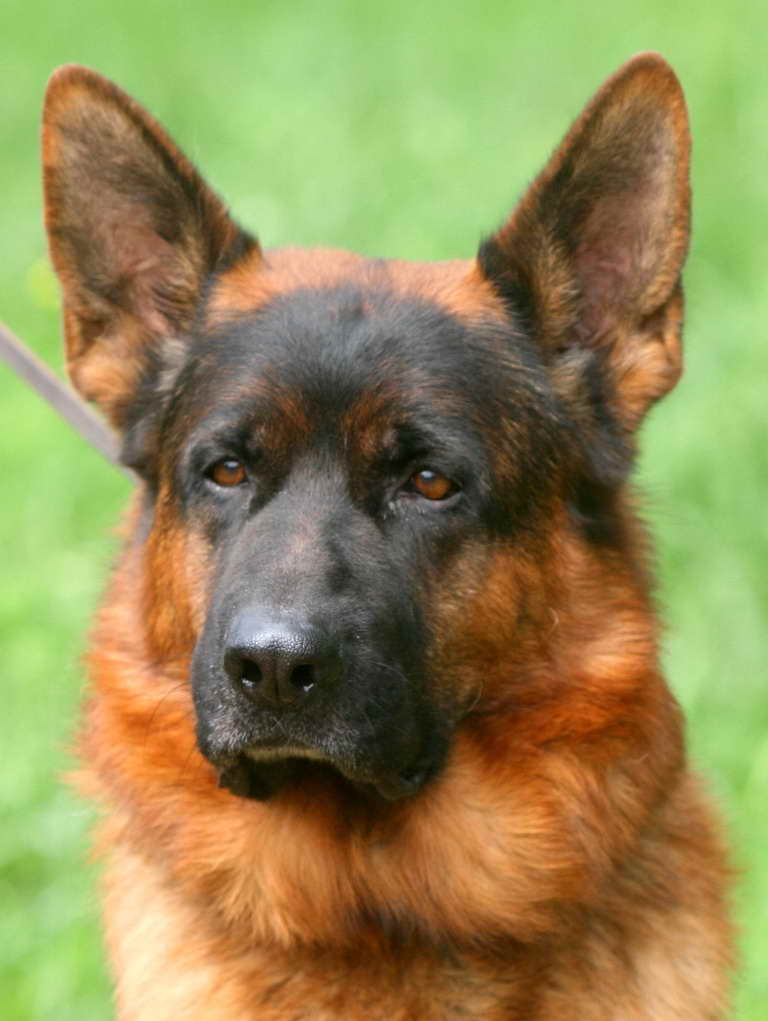
    One of the most popular breeds of German shepherds, this breed weighs 75-95 pounds and stands between 22 and 26 inches tall. Its elegant stride and thick double coat give it a unique appearance. German Shepherds have medium to long-haired coats, with the longer coats a result of a recessive gene. Because of their thick coat, they require brushing regularly. German Shepherds are known for their black and tan coats, but other colors are available.

    A German Shepherd’s coat is made up of a thick, dense, outer coat that sheds all year long. To minimize shedding, you should brush the coat every week. Alternatively, invest in a good vacuum and lint brush. German Shepherds are outdoors-loving dogs, but be sure to watch their nails closely. If they grow too long, they’ll need to be trimmed. This coat care is important for your dog’s overall health.

  • German Shepherd Veterinarian

    German Shepherd Veterinarian

    German Shepherd Veterinarian

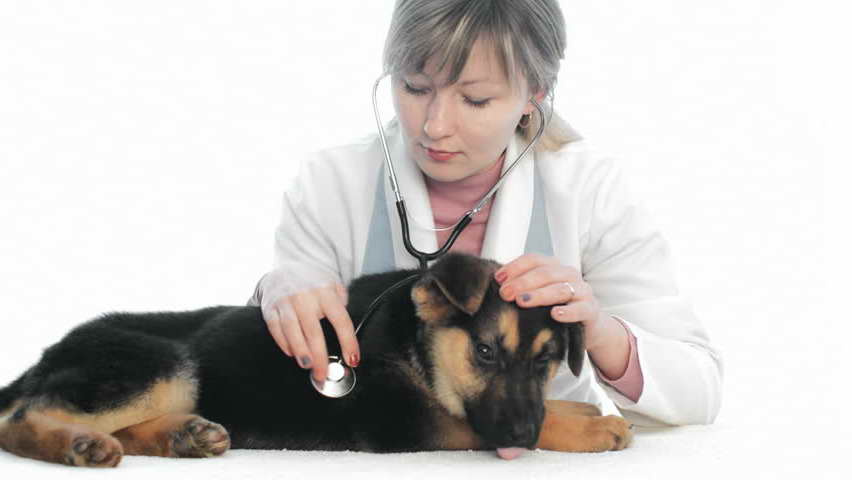
    Visiting a German Shepherd Veterinarian

    There are several problems that you need to look for in your German shepherd to make sure it is healthy and happy. Inflammatory bowel disease is a common problem in German shepherds and can be treated with anti-inflammatory drugs. Toxic gut syndrome, however, is less common and is caused by an overgrowth of the bacteria clostridium. This is harmful to the dog, and it can even be fatal if left untreated.

    If your German shepherd dog experiences these symptoms, you should visit a veterinarian as soon as possible. It may be a temporary problem or something more serious. It is important to note that each of these symptoms can be a sign of a bacterial infection or a chronic condition. A veterinarian can help you understand which symptoms are indicative of a disease and which ones are normal. A veterinarian will be able to tell you if your dog has these symptoms and recommend the proper treatment.

    Local Veterinarian

    While visiting your local vet, be sure to ask as many questions as you can. Do they offer after-hours emergency care? Are they available to meet your German Shepherd’s needs? What are their office hours? Are they easy to reach? Are they willing to return messages and take emergency visits? And how convenient is it to make an appointment? Do they have convenient locations for emergencies? Those are the important questions to ask when visiting a German Shepherd Veterinarian.

    A German Shepherd vet is a great resource if you own one of these working dogs. German Shepherds are known for their intelligence, loyalty, and versatility. Despite their high level of energy, they are rarely high maintenance. And if they are, you need to take steps to socialize and train them. This will keep them happy and healthy, so visit a German Shepherd vet today. And don’t forget to exercise them. They’ll thank you for it!

    General Health Check Up

    In addition to routine care, your German Shepherd veterinarian can diagnose any problems with your dog. Some of the common ailments German Shepherds can face include degenerative myelopathy, low-hip dysplasia, and hemophilia. In addition, it’s essential to take your dog to the vet every year, especially during its puppy years. A veterinarian can help you create a healthy diet plan for your German Shepherd and watch out for signs of diseases. In addition, large dog breeds can be prone to certain health conditions, including hip dysplasia and elbow dysplasia. Both of these conditions can lead to pain and discomfort in your dog.

    Orthopedic issues are common in German shepherds. Many German shepherds suffer from osteoarthritis and hip dysplasia. Hip dysplasia is a common disease in German shepherds and Shepherd crosses. Osteoarthritis results from chronic laxity of the hip joint. While hip dysplasia can be treated, it is often not curable, and treatment is required for life. The German Shepherd Veterinarian should be consulted whenever any symptoms appear.

    Dental Care

    Dental care is important for the overall health of your German Shepherd. In addition to cleaning teeth and gums regularly, you should visit your veterinarian annually for dental care. This will help to avoid any health problems. German Shepherds already suffer from several common health conditions, so keeping their teeth clean and healthy is crucial to their longevity. A dental exam by your veterinarian is vital to keep your German Shepherd healthy and happy. This simple step can add years to your dog’s life.

    Oranges are also important to your dog’s diet. Oranges are beneficial for them because of the vitamin C they contain. However, don’t give them more than 10% of their daily calorie intake. Even though they are beneficial for your dog, orange peels have a high sugar content. It’s better to consult a German Shepherd Veterinarian if you notice any unusual symptoms. So make sure you take your dog to your veterinarian as soon as possible.

    Skin and Hair

    When it comes to chewing skin and hair, your German Shepherd can also suffer from behavioral issues. This can be a result of parasites, or it could be caused by skin trauma. Some causes of skin damage include food allergies, inflammatory diseases, burns, and skin trauma. Sometimes, however, your dog can lose fur for no apparent reason. Fortunately, most treatments are the same as for seasonal shedding, which is perfectly normal.

    When it comes to grooming, all dogs require some form of grooming. Proper brushing, bathing, clipping of toenails, and dental hygiene are important for your dog’s overall health. Several breeds are predisposed to specific health conditions, and you need to be proactive in fighting these conditions. Prevention is always the best medicine, and your German shepherd will be happy and healthy. If you’re in mid-Missouri, you should consider visiting MU’s College of Veterinary Medicine Veterinary Health Center.

  • German Shepherd Vest

    German Shepherd Vest

    German Shepherd Vest

    German Shepherd Vest Style Tips

    If you are looking for something special and a personalized gift that will stand out, consider getting your German Shepherd a vest. Vests for dogs come in many designs and colors, but the one that is most well known and favored is the German Shepherd Dog Vest.

    This is because they look great, are comfortable to wear, and can help to protect your pooch from elements on or off the leash. Not only that, but German Shepherd vests also come in cute little prints or colors that can make your dog the star of the show. So, to help you choose the perfect German Shepherd vest for your dog, here are some things that you should know:

    German Shepherd owners love their pets just as much as you do!

    Because of this, many German Shepherd owners make sure that their dogs always have a way to communicate with them. Because of this, many of them will go out of their way to get the best collars and leashes for their beloved dogs. You too can invest in a great German shepherd vest so that you too can make your dog feel like he’s part of the family. The following is a closer look at the unique features of a German shepherd vest and what to look for when shopping for one:

    Nylon – A popular choice for German shepherd vests are nylon ones.

    Nylon is extremely durable which means that you’ll have a German Shepherd vest that will last for a very long time.

    Nylon also has the benefit of being more flexible than other fabrics so it won’t irritate your dog and he won’t feel constricted either. However, nylon isn’t the best choice for all German Shepherd owners so be sure to do your research before purchasing a new vest.

    Collars with Strap & No-Pull Dog Harness

    If you are looking for a more comfortable fit, try looking for collars with a higher strap and/or a no-pull dog harness. This makes the German Shepherd’s chest and shoulders look better because there aren’t any bulky straps that interfere with your dog’s breathing.

    On the other hand, collars without the pull can help to minimize rubbing against the chest and may give him a bit of relief from constriction as well.

    Breathable Mesh

    This is a great choice if you’re going to be wearing the vest outside and want to be able to breathe and stay cool while still keeping your dog comfortable. Some mesh collars can come equipped with a drawstring to allow you to tighten the Velcro without taking the shirt off.

    Mesh is also very breathable, which means that your German Shepherd won’t perspire as much while you take a walk. This is especially important during hot days or when you’ll be out and about since your dog will probably become overheated faster than you do if he was wearing a cotton shirt.

    Reflective Plaid

    A reflective German shepherd harness is a great choice for all seasons and all outdoor activities. Some of these come with removable straps which allow you to carry the harness over your shoulder and out of the way if needed.

    There are also reflective plaid harnesses that come with an adjustable reflective collar that can be adjusted to give your pooch high visibility from dusk to dawn. These collars can be a great tool in helping to locate your German Shepherd in the dark. In addition to this, the reflective areas are another way for you and your dog to identify each other in case your dog gets lost.

    Leash Ring

    Your shepherd does require a leash but he will also require a collar and leash to assist in walking with his head out the front and being controlled by you. The best choice for a dog harness is one that has a quick-release buckle that will attach to the leash and is strong enough to handle your dog’s weight.

    Choose one with a reflective background so that it will easily illuminate your dog from a distance and be visible to other dogs on the road. If you have an extremely large dog, look for one that is constructed out of strong nylon with a reflective top, otherwise, he’ll only see the reflective part of the vest. A harness with a reflective harness is highly recommended for larger dogs, as well as ones that come with the Leash Ring attachment included.

    German Shepherds are active dogs that need a lot of exercises and mental stimulation.

    In order to make sure that your dog stays healthy and physically fit, you need to provide them with ample exercise opportunities regularly. One way to do this is to take your German shepherd with you on family trips and errands.

    Because German shepherds are quick and strong, they can pull ahead of you when you aren’t expecting them and this can cause discomfort and even possible injury. Make sure to take your German shepherd on short trips with you when you are away from home on business, so he doesn’t pull or exceed the speed limit and cause discomfort. If you don’t have the time to walk your dog yourself, you should invest in a dog carrier that will keep him safe while you enjoy your own excursions.

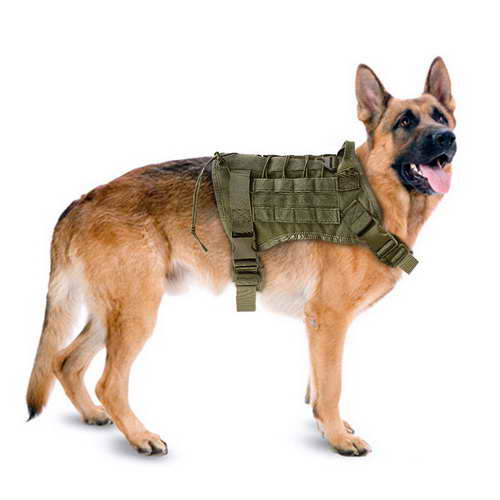
    Our recommended German Shepherd Vest is the RabbitGoo Dog Vest, it has maximum control and safety, it is made for versatile users, easy to use, and military-grade materials, while the price is not too expensive. You can check it out here at Amazon: https://amzn.to/3vWDon7


  • German Shepherd Vaccination Schedule

    German Shepherd Vaccination Schedule

    German Shepherd Vaccination Schedule

    A Brief German Shepherd Vaccination Schedules

    When puppies are still puppies, they’re not that big a deal, but if you raise them as adults then it is important to follow the German Shepherd vaccination schedule. This is because a puppy that receives the correct vaccinations in their first year of life will have a much better chance of avoiding health problems in their adult years. This means that you need to get your dog’s first shot when they are still puppies.

    When you think about this, think of how important it is for your dog to receive their first treatment for rabies and other diseases. Without getting the treatment in early childhood, many dogs would be doomed to premature death. However, because you took the time to give them their first shot, today they can still enjoy long life spans.

    Another thing to keep in mind is that the first dose of the German Shepherd vaccine should come just two weeks after conception.

    If you wait longer than this, you risk having your puppy to give birth while still under the influence of the vaccine. This is something that can be potentially deadly. So if you have questions about your puppy’s schedule, talk to your vet, and they should be able to help you.

    German Shepherds are prone to develop what is called seroconversion disorders, which means they can develop antibodies to the German Shepherd vaccines instead of having the correct antibodies to ward off the disease. The vaccines needed to protect your German Shepherd against rabies, German shepherd, and the common cold are called the vaccines. There are two types of these, the first is the normal codex and rotavac, and the second is the curevac. When your puppy contracts any one of these, the first treatment is vaccination. If the puppy survives the first round of treatment, they are then given a second dose of the virus, this time in the form of a shot and freeze-dried.

    Then, if all goes well, your puppy is diagnosed free of the illness and the final vaccine is given.

    This is usually called the codex, or the rotavac, or the vaccine. As you can see, vaccinations are very important to keep your German Shepherd healthy and happy. Also, it is important to note that if your German Shepherd develops an illness within a three month period of being vaccinated for German Shepherd, their chances of ever being free from the illness are zero.

    Problems occur with some dogs and when they do, they can sometimes be serious. This is why it is so important that your vet knows all about your German Shepherd and what goes on during each stage of its life. Also, keep in mind that just because a dog has a problem one time does not mean that it will have problems the next time. There is always a chance that something could go wrong every day of your German Shepherd’s life, but that is okay. The vet will know better.

    Your vet will also explain to you the number of shots your German Shepherd should receive for each stage of life as well. In the first months of life, there will be no shots needed. However, later on, the puppy will need more shots. Some of the shots required at this time include rabies, distemper combo, rabies, leptospirosis, heartworm, and hepatitis. Also, the puppy may need a vaccination to prevent distemper combo or bordetella.

    When the puppy is four months old, it is time for the puppy’s booster shot.

    This is another important step that is listed in your German Shepherd’s German Shepherd vaccination paperwork. The first part of the four-month cycle is the weeks from conception to two weeks after birth. Your puppy’s immune system has not yet been fully developed, so there are going to be fewer vaccinations to prevent illnesses. Two weeks after birth, your dog can receive one of the following: distemper combo, rabies, leptospirosis, heartworm, hepatitis, or bordetella.

    Your German Shepherd vaccination schedule will be different depending on the age of your dog when it is receiving its first series of vaccinations. Your puppy’s pediatrician can help you with this information. You will want to consult your vet for a complete series of vaccinations. There will probably be at least six boosters given to your dog. Make sure your dog receives all the necessary vaccinations before the age of four months.

    You and your German shepherd need to maintain good health. The vaccinations will help protect your dog from common and some more serious diseases. If you have questions, do not hesitate to contact your local veterinarian. They can offer you advice and discuss the best course of treatment for your puppy.