Category: German Shepherd

The German Shepherd, also known as the Alsatian, is a breed of working dog that originated in Germany. It is one of the most popular and recognizable dog breeds worldwide due to its intelligence, loyalty, and versatility. German Shepherds are large, strong, and well-muscled dogs with a distinct appearance.
German Shepherds are known for their intelligence and trainability. They are often utilized in various working roles such as police and military work, search and rescue operations, and as service dogs. Their high level of intelligence, coupled with their strong work ethic and loyalty, makes them excellent candidates for training in obedience, agility, and other dog sports.
The German Shepherd is a remarkable breed renowned for its intelligence, loyalty, and versatility. With the right training, socialization, and care, they make devoted companions, working dogs, and family pets.

  • German Shepherd Aggressive Behavior

    German Shepherd Aggressive Behavior

    How to Deal With Aggressive German Shepherd Behavior

    How to Deal With Aggressive German Shepherd Behavior

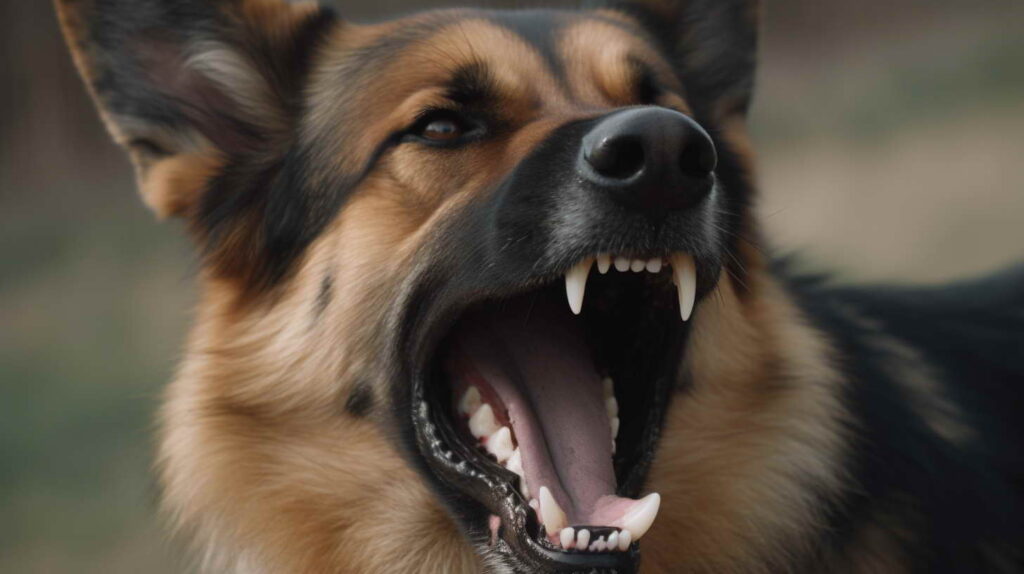
    PETSIDI – The German Shepherd is an intelligent, active, and working breed of dog that is often utilized as a guard dog or police dog. While German Shepherds are loyal and make excellent companions when properly trained and socialized, they can sometimes demonstrate aggressive behavior that must be addressed.

    Common Causes of Aggression

    There are several potential reasons why a German Shepherd may start displaying aggression:

    • Lack of socialization as a puppy
    • Fear
    • Dominance and assertion of rank
    • Protection of territory, food, toys, etc.
    • Pain or sickness
    • Abuse or trauma

    If your German Shepherd is suddenly aggressive, the first step is to take them to the vet for a medical evaluation to rule out any underlying physical causes.

    Types of Aggressive Behaviors

    German Shepherd aggression can take different forms:

    • Territorial aggression: Growling, barking, or lunging at strangers approaching “their” property
    • Possessive aggression: Guarding food bowls, toys, beds, or other resources
    • Fear-based aggression: Usually happens when the dog feels threatened and attacks out of self-defense
    • Predatory aggression: Chasing or attacking moving things like joggers, cars, bicycles, etc.
    • Redirected aggression: Lashing out at another dog or person when frustrated, afraid, or overly excited

    Safety Tips for Handling an Aggressive German Shepherd

    When dealing with an aggressive German Shepherd, follow these tips to keep everyone safe:

    • Avoid physically punishing or scolding the dog, this can make aggression worse
    • Do not attempt to take items or resources away from the dog by force
    • Keep children and elderly adults away from the aggressive dog
    • Restrict access to rooms or areas where the dog guards resources
    • Always keep the dog leashed and muzzled in public
    • Get professional help from an accredited dog trainer or behaviorist

    Methods for Reducing German Shepherd Aggression

    If your German Shepherd exhibits aggressive behavior, here are some methods to help mitigate it:

    Obedience Training

    • Teaches the dog to respect you and follow commands
    • Establishes yourself as the leader and your rules

    Environmental Management

    • Remove access to triggers like territories, people, or items they guard
    • Create a predictable routine so they know what to expect

    Desensitization and Counterconditioning

    • Gradually expose the aggressive dog to triggers from a distance while positively reinforcing desired behaviors
    Step Process
    1 Identify the trigger for aggressive behavior
    2 Present trigger from afar at sub-threshold levels to avoid reaction
    3 Reward and praise calm, relaxed behaviors in the trigger’s presence
    4 Slowly decrease the distance from the trigger as the dog remains composed
    5 If the dog becomes reactive again, create more space and slowly progress

    Medication

    • In extreme cases, medication can help take the edge off while behavior modification training continues

    When to Get A Professional Dog Trainer

    If your German Shepherd is aggressive, seek out a professional dog trainer or behaviorist if:

    • Aggression is extreme, frequent, or escalating
    • You are overwhelmed or unable to address it yourself
    • Positive reinforcement training yields no improvement
    • The dog is a danger to visitors or strangers
    • Do you have fear, anxiety, or hesitation in dealing with aggression

    A qualified expert can identify aggression triggers, build counterconditioning programs, recommend management tools like muzzles or crates, and provide customized training protocols.

    Preventing Aggression in Puppies

    You can help prevent aggressive behavior in German Shepherds by:

    • Starting puppy socialization as early as 8 weeks to get them comfortable with people, environments, animals
    • Providing proper physical and mental exercise (walks, games, training sessions)
    • Establishing rules, and routines and responding consistently to good and bad behaviors
    • Discouraging dominance behaviors like putting paws on humans, rough play, or guarding food/toys
    • Building their confidence through reward-based training

    Living Safely with an Aggressive German Shepherd

    If your German Shepherd exhibits aggression it can impact your quality of life, but you can take steps to manage risks:

    • Always keep your dog leashed and use secure fences or enclosures outside
    • Muzzle train your dog to wear a basket muzzle safely when needed
    • Post visible warning signs like “Beware of Dog” signs on entryways or gates
    • Avoid loose, dangling clothing or materials the dog could bite
    • Carry deterrent spray when walking, just in case
    • Inform guests, visitors, and delivery people about interacting safely
    • Consider liability insurance in case your dog does injure someone

    While aggression can be challenging, a German Shepherd displaying aggressive behavior isn’t necessarily impossible to live with. But it does require dedication, vigilance, and a sincere commitment to keeping everyone safe through proper training and management.

    In Conclusion

    Aggression in German Shepherds can surface due to a variety of factors. While aggressive behaviors are extremely concerning, there are ways to treat them through obedience training, counterconditioning techniques, physical/mental stimulation, and consulting professionals. Always rule out medical issues first if aggression manifests suddenly. With targeted intervention and diligent safety practices, an aggressive German Shepherd can greatly improve. However, management remains an ongoing process. Ultimately, the responsibility lies with the owner to prioritize rehabilitation alongside precautions that prevent harm. With enough care, even dogs with aggression can live a happy life.
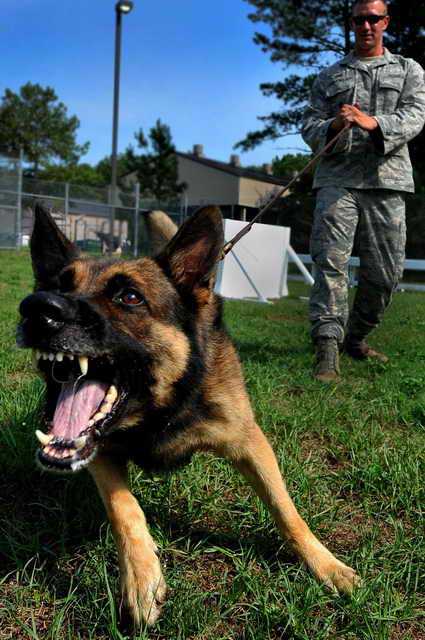
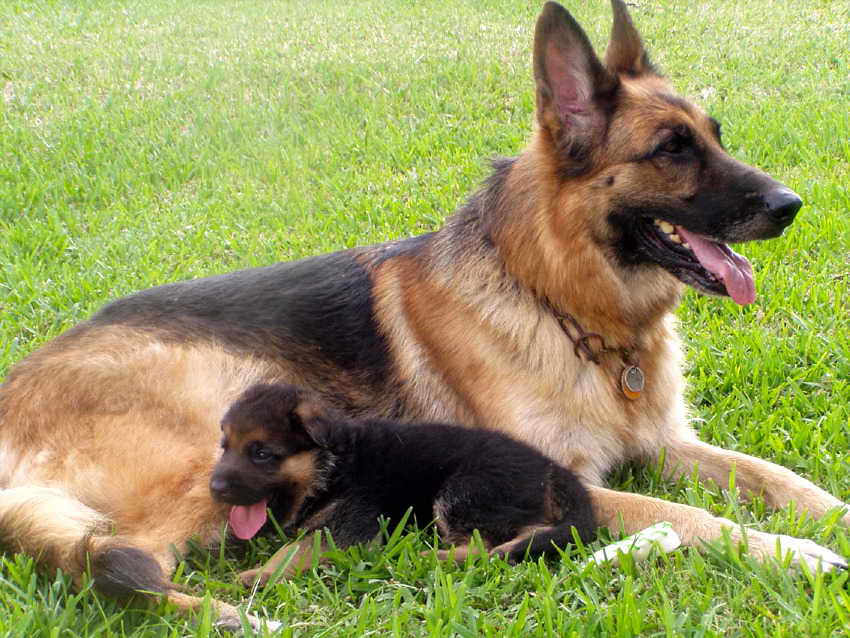
  • German Shepherd Aggression Training

    German Shepherd Aggression Training

    German Shepherd Aggression Training

    German Shepherd Aggression Training

    When your German shepherd is acting aggressively, there are many things you can do to minimize the problem. The most important thing to remember is to remain calm and consistent when correcting your dog’s behavior. Do not yell at your dog, and never hit him with your foot. Remember that he’s not guilty. It’s not a case of malice, but merely a means to an end.

    If your German shepherd begins to become aggressive, you must immediately pull back and calmly consider lowering the intensity of the trigger. Slowly increase the intensity of the trigger and eventually eliminate it. This method of German Shepherd aggression training is referred to as positive reinforcement. It requires short training sessions, as German Shepherds do not have long attention spans. If your dog consistently attacks his glove, you can reward him by rewarding him with treats.

    First of all, you should eliminate all sources of rewards for aggression. This includes petting and saying it’s OK. Unless you’re dealing with a fear-based issue, you should avoid rewarding your dog for being aggressive. If you can’t do it alone, consider hiring a dog trainer to help you. A professional trainer can teach you how to control your German shepherd. A professional trainer can teach you how to deal with a dog’s aggressiveness.

    While training your German shepherd, you’ll want to be consistent and constant.

    Introducing him to new people frequently will help prevent aggression and develop a positive relationship with him. Make sure you’re consistent and don’t let him feel threatened. In addition to training your German shepherd, be sure to socialize with other dogs. Try to be a consistent presence whenever he’s around. This will also help him learn to accept other dogs and other animals.

    When your German shepherd is aggressive, you need to work on reducing his prey drive and raising his defensive drive. These two drives are related and must be addressed separately. If you don’t have a strong defensive drive, your dog will react aggressively with fear and aggression. Using a head halter is a great option for this problem. If your German Shepherd is overly protective of other animals, you’ll have to work with him to keep them from becoming aggressive.

    It is crucial to remember that training a German shepherd’s aggressive behavior will not happen overnight. You will need to be patient and persistent to prevent your dog from exhibiting aggressive behaviors. By using positive reinforcement, you can train your German shepherd to avoid any triggers and not attack people or pets. While physical punishment may seem to be an effective solution for some triggers, physical force can have negative effects. When this happens, your German shepherd may respond in a manner that is not helpful to you.

    The first step in German Shepherd aggression training is to identify the triggers.

    Most dogs do not attack out of the blue – they will show warning signs. If a German shepherd is feeling threatened, he will bark and may attack. You need to make sure he does not bite other people. You need to think about the safety of everyone involved before beginning any aggressive training. You need to prevent any damage to other people and property.

    The German Shepherd is an impressively loyal breed. They tend to be very friendly with visitors, but they may be prone to aggression if they feel in danger. Unlike other breeds, German Shepherds are generally friendly with other pets and cats. However, if your dog feels threatened, he will attack. This can be a dangerous situation for your dog. So, if you suspect your German Shepard is aggressive, the first step to stop it is to understand what makes him act in this way.

    Your German Shepherd will likely act aggressively when he perceives danger. They may be fearful of unfamiliar situations or be overly excited about things that he sees as dangerous. It is also essential to show your German Shepherd that you are the alpha. Although you are the alpha, it does not mean that you’re the alpha. A dog will view you like a dog, and your role as the leader is a major part of that relationship. It is important to be able to give your pet guidance and to provide the right environment.

  • German Shepherd Adults For Sale

    German Shepherd Adults For Sale

    German Shepherd Adults For Sale

    German Shepherd Adults For Sale and German Shepherd Puppies For Adoption

    German Shepherds are large, powerful dogs that have a noble look and a proud, confident face. The breed has a guarding instinct and a love of life. This breed is known for its amiability, loyalness, and outgoing personality. Despite their intimidating appearance, German Shepherds are friendly, loving, and loyal. You can find many different adult German Shepherds for sale on Petfinder.com.

    The breed is protective, loyal, and highly trainable. This dog makes for an excellent family pet or individual companion. They require constant mental and physical stimulation. Because German Shepherds are large dogs, they can get quite dirty. A good bath is necessary every three to four weeks, and their fur sheds a lot. Some German Shepherds can develop hip dysplasia or stomach bloat. It also needs to be exercised daily to keep its coat healthy. They love to eat home-cooked food, and their favorite foods are eggs and plain yogurt.

    Whether you are looking for an adult German Shepherd for sale for protection or as a family pet, these canines have many talents. These dogs are intelligent and highly responsive. They are also excellent watchdogs, requiring daily brushing, regular walks, and an open yard. Obedience training is recommended for these pups, as this will help them learn to follow instructions. But be aware that this breed is not an easy task.

    If you are considering purchasing a German Shepherd adult for sale, it is important to make sure you choose a breeder with experience and expertise.

    These dogs are known to be loyal to their owners and will learn to be more loyal and protective of them. However, it is important to remember that these dogs are often wary of strangers, and should always be supervised by an adult. A dog can be dangerous when neglected, and it is best to seek professional help to avoid a traumatic situation.

    If you are looking for a German shepherd puppy, there are several things to consider. They are great for security and can provide a loyal companion. Unlike other breeds, they can be trained to be guard dogs. While this can be a great benefit for the family, it can also be an expensive mistake. While German shepherds are beautiful and highly loyal, they do not make the best pets. In the long run, a dog should be the center of attention.

    German Shepherd Adults For Sale is great for a family with active children. This breed is a great choice for people who are looking for a dog for the office. They are intelligent and adventurous and would make the perfect pet for any active family. A German shepherd puppy would make a great addition to your family. The breed is the perfect choice for working professionals and those who enjoy outdoor activities. A German shepherd puppy is an excellent companion for an active family.

    The German Shepherd is an excellent choice for those who want to protect their homes.

    They can detect danger and react faster than other dogs. Their bark alone is enough to scare most intruders. If you live in an area where you are at risk of burglary, German Shepherds are the perfect dog to be on the lookout for potential intruders. And when it comes to protecting your home, German Shepherds are an excellent choice.

    If you’re looking for an adult German Shepherd for sale, you’ve come to the right place. The breed is an excellent choice for people who love dogs and want a family dog. Whether you’re looking for a family pet or a guard dog, a German shepherd is an excellent choice. A German shepherd is a great choice for many reasons. A great dog can be a great companion for a family.

    The German Shepherd is a friendly dog that will protect its family. A German shepherd will guard the home and guard its family. If you’re looking for a companion dog, a German can be a good choice for both indoor and outdoor living. They are smart and alert. They do well with regular exercise. You can expect your German to be a loving companion. It will be a great companion for you and your family.

  • German Shepherd Adults For Adoption

    German Shepherd Adults For Adoption

    German Shepherd Adults For Adoption

    German Shepherd Adults For Adoption

    If you’re looking for a German Shepherd for adoption, you should consider visiting an animal shelter. Not only are these dogs cute, but they’re also large-sized dogs with a long puppy stage. Typically, these dogs will grow to be between 60 and 90 pounds. Puppies are very energetic during this period, and they may need a lot of training. Regardless of age, it’s easy to find a suitable German Shepherd adult for adoption at an animal shelter.

    While these dogs are very intelligent, they require training and supervision. Because they are highly social pack animals, they must be constantly supervised. If you don’t have time to dedicate to training your new dog, you may end up with an untrained dog that becomes a nuisance and chases other animals. So, it’s important to find a German Shepherd rescue and be sure you have enough time to spend with your new dog companion.

    Finding a reliable German Shepherd rescue is essential if you want to enjoy a happy and healthy life with a devoted pet. Make sure the rescue organization is a 501(C)(3) organization and is tax-exempt. You can also ask to see the prospective home, especially if it’s in a remote area. Experienced shelters have plenty of knowledge and will take the time to study each new dog for adoption. They will make sure to provide an updated vet certificate, as well as the current vaccinations, to make sure the dog is healthy.

    Finding a German Shepherd rescue for adoption is easy if you’re ready to make the necessary changes to your lifestyle.

    The first step is to find a trustworthy rescue organization or shelter for your new pet. Talk to people who have adopted German Shepherds and learn about their experiences. You can also contact a local animal welfare society. Finally, you can browse online for dogs looking for loving homes. So, what are you waiting for? Get started today!

    When looking for a German Shepherd for adoption, make sure you’re a good match for the breed. You can’t adopt just any dog, though. In the end, it’s your dog. You should decide on the best home for your German Shepherd. The breed is intelligent and needs a strong leader. Therefore, he or she should be trained from the day he arrives home. If you can’t afford a dog, consider a reputable shelter or rescue.

    If you’re considering German Shepherd Adults For Adoption, it’s important to take into consideration the breed’s health. As with any breed, German Shepherds shed, and are particularly susceptible to hip and gastrointestinal tract issues. It’s important to make your German-Shahuahua’s health a priority. A healthy dog is a joy for your family. If you have a German shepherd adult at home, you should be prepared to deal with its hairy nature.

    German Shepherds are very intelligent dogs and are an excellent choice for families.

    As an adult, these dogs can still learn new tricks and develop new relationships. They are loyal and loveable and are an excellent choice for families who want a pet with an active lifestyle. These are the perfect dogs for every home. If you aren’t the right fit, a German Shepherd may not be a good match.

    You should be aware of the German Shepherd’s adult size. The breeder can give you an idea of the weight and height of a German Shepherd puppy. If you want a larger dog, you should select a smaller one. If you have a small family, you can use a German Shepherd adult. However, a large breed can be difficult to train. If you’re not sure about the breed, you’ll need to consult the owner’s manual to find the ideal dog for you.

    When considering a German Shepherd for adoption, remember that a dog’s health depends on its diet and exercise routine. Getting enough exercise is an essential part of a German Shepherd’s life. If you don’t do it, your dog will likely develop bad habits. In addition to their energy level, German Shepherds can be very expensive to buy. You should be aware of this before adopting a new dog.

  • German Shepherd Adoption Va

    German Shepherd Adoption Va

    German Shepherd Adoption Va

    German Shepherd Puppies For Adoption in Virginia

    German Shepherd Adoption Va – One of the main German shepherd rescues in Virginia is German Shepherd Rescue of Virginia, which has saved over 1500 dogs in two years. It was started by Jennifer and Kaitlin, who fell in love with these beautiful animals while volunteering at a local shelter. Today, the group has rescued over 4,000 German Shepherds and is looking for foster homes to help them find permanent homes. They are loving, loyal dogs, with large bodies and lots of energy.

    The German Shepherd Rescue of Virginia is a 501(c)(3) non-profit, all-volunteer organization that provides a safe and nurturing environment for abused and surrendered dogs. They aim to find forever homes for the dogs they rescue, as well as responsible and secure foster families. The rescue is typically located in the Washington, D.C., area. You can contact them at (703) 998-3828 to learn more about adopting a German shepherd.

    The German Shepherd is one of the most popular dog breeds, and many rescues focus on older dogs. They are excellent guard dogs, but they can also be wonderful pets. While German Shepherds are incredibly loyal, they are also a high-maintenance breed and may need a special home. If you can provide a spacious yard and a dedicated dog carer, the German Shepherd will be a great addition to your family.

    There are numerous ways to adopt a German Shepherd.

    You can visit your local animal shelter or contact the German Shepherd Rescue VA. The organization has foster homes, and these dogs are socialized. Potential adopters are carefully screened and must provide a home for a dog with special needs. To apply for a foster dog, download the appropriate application. In some cases, you can be a foster parent. It’s not easy to find a rescue, but the process is simple and rewarding.

    Another German Shepherd adoption agency is German Shepherd Rescue Utah. This rescue group rescues German shepherds from high-kill shelters and unsuitable homes and places them with loving foster families. These foster families allow the German Shepherd dogs to spend time in a warm, loving environment before they are placed in a new home. This is the best way to adopt a German Shepard. If you are not able to adopt an animal from a shelter, please consider a private foster family.

    A German shepherd adoption in Virginia is a great way to adopt a dog that has special needs. Some breeders are specifically trained to train the dogs to be good guardians. While a German shepherd is highly intelligent and loyal, it can be wary of strangers. Early socialization is important. An adaptable German Shepherd should be socialized from an early age. You should also consider the age and breed of the dog when deciding on a potential adoption.

    Whether you are looking for a new companion for your home or just a pet for your family, you can adopt a German shepherd from a shelter in Virginia.

    These dogs are usually in their teens and are perfect for a family with young children. If you are looking for a pet with special needs, you should contact a German shepherd adoption service. The organization will place the dog with a suitable adoptive family.

    You can also consider adopting a German shepherd as a pet. Most people have a strong connection to this breed and will take the time to care for it. A German shepherd is a great family pet. The breed is easy to care for and is a great choice for a pet. Just make sure to follow the German Shepherd Adoption Virginia guidelines to ensure the best possible match for your family. When you are ready to adopt a German shepherd, you can be sure that you are choosing the right person for the right home for your new pet.

  • German Shepherd Adoption Texas

    German Shepherd Adoption Texas

    German Shepherd Adoption Texas

    German Shepherd Adoption Texas

    German Shepherd adoption is not an easy process. The dog will need time and training to become a well-behaved member of the family. Although these dogs are friendly, they also require a great deal of control and bonding. Many rescue groups in Texas specialize in relocating these dogs. In Texas, you can find German Shepherd adoption through these organizations. Read on to learn more about each group’s adoption process.

    Austin German Shepherd Dog Rescue was founded in 1998 and is a nonprofit organization that serves the Central Texas area. The founder of this nonprofit group adopted Mutt, a German Shepherd who later passed away. The rescue places many German Shepherds each month while rehoming a few more in a second month. Some of these dogs may spend their final days in private foster homes, but they all receive veterinary care and ongoing preventive care. All of these organizations provide specialized training and grooming, which ensures that your dog will have a happy, healthy life.

    DFW German Shepherd Rescue is a nonprofit group in North Texas that rescues GSDs from high-kill shelters.

    They accept dogs from area shelters, owner surrenders, and strays. They estimate that 40 percent of the dogs they save are severely malnourished, which makes them an excellent choice for potential adopters. They also make sure to vet the dogs before placing them for adoption. The cost to adopt a purebred German Shepherd puppy is $450, while an adult dog costs $300. Some organizations accept mixed breeds, including German Shepherds and other breeds.

    The cost of adoption will depend on the age of the dog and its breed. A puppy can cost upwards of $350, while an adult German Shepherd can be as little as $250. The GSD Rescue of Houston also provides education about responsible pet ownership, proper care, and meeting the needs of the dog. Whether you adopt a purebred German Shepherd puppy or a mixed breed, the adoption process will be a rewarding experience for both of you.

    While many individuals think that a German Shepherd is an unsuitable pet, the truth is that most GSDS coming into the Rescue Program are not the best fit for their families. This is not to say that the dogs in these shelters are all bad, but they do need to be adopted. A dog’s breed can affect the quality of life of the family. However, it is possible to adopt a German Shepherd from a local rescue.