Category: Schnoodle

  • Puppy Schnoodle Pet Insurance And Their Unique Needs

    Puppy Schnoodle Pet Insurance And Their Unique Needs

    Puppy Schnoodle

    Introduction: Puppy Schnoodle Pet Insurance And Their Unique Needs

    PETSIDI – Hey there, fellow pet parents and friends! Today, I want to delve into the wonderful world of Schnoodles and why considering pet insurance for these adorable furballs is a wise move. So, grab a cup of coffee, get cozy, and let’s talk about our beloved Schnoodles!

    What Is Schnoodle?

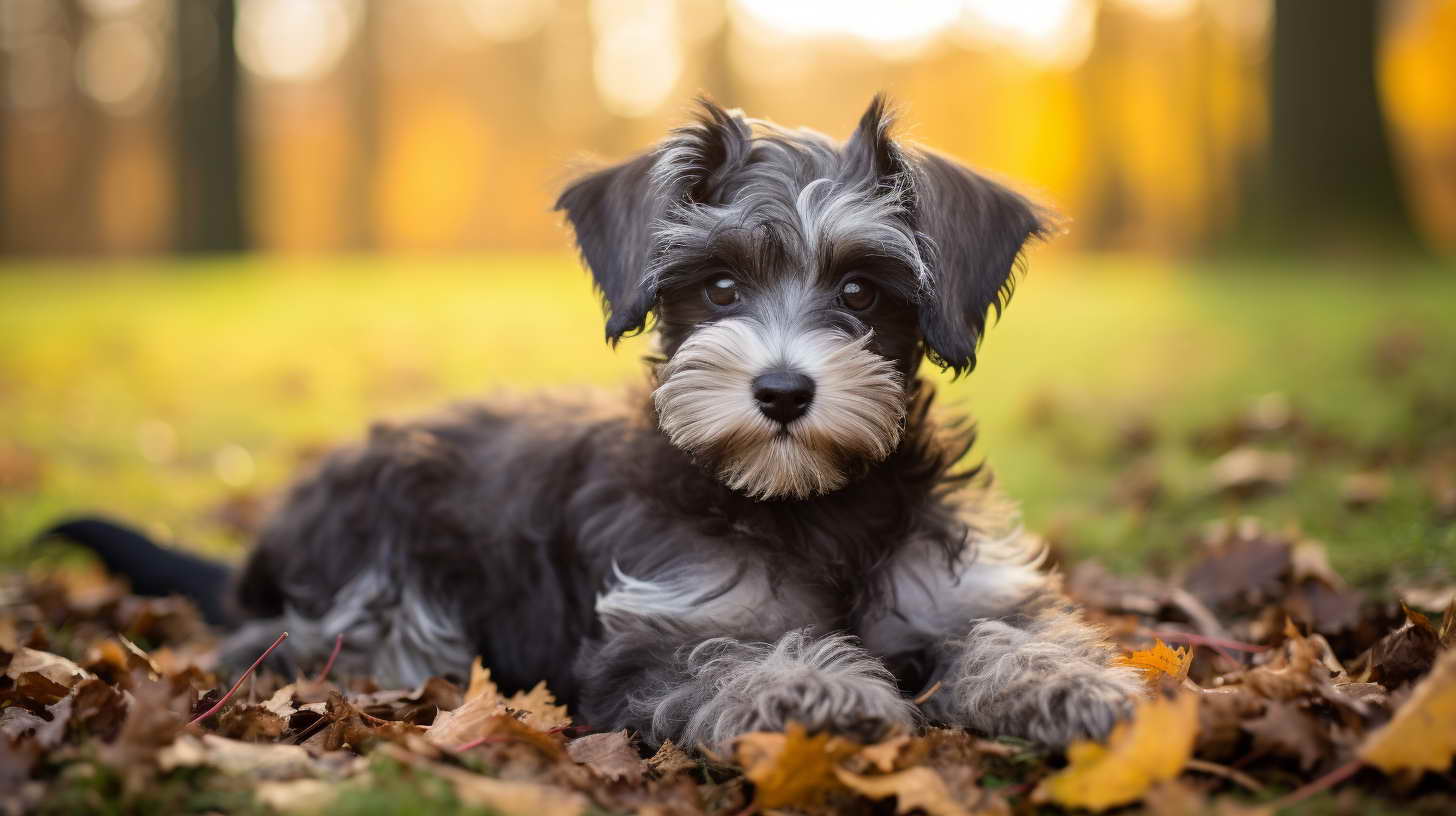
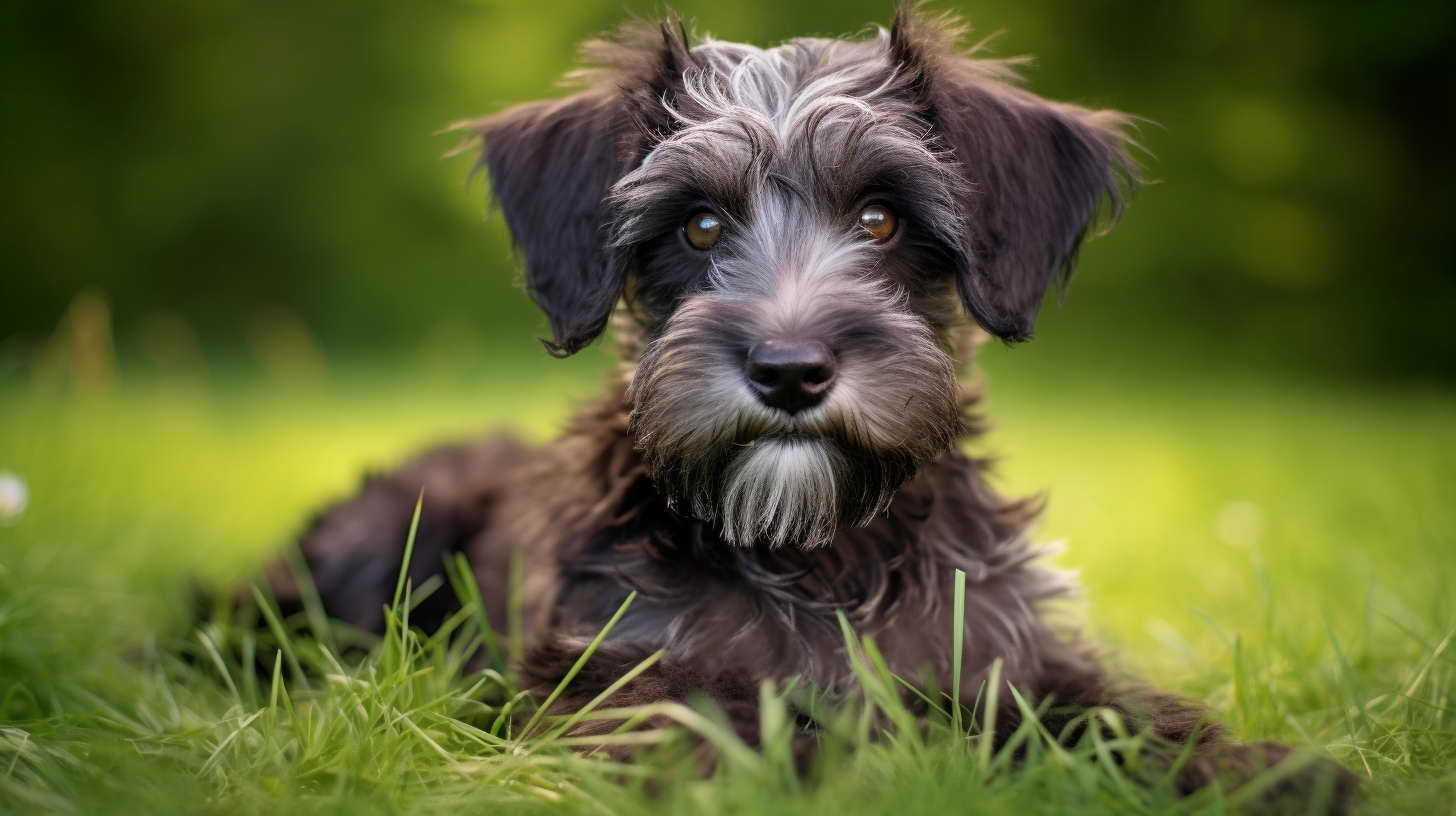
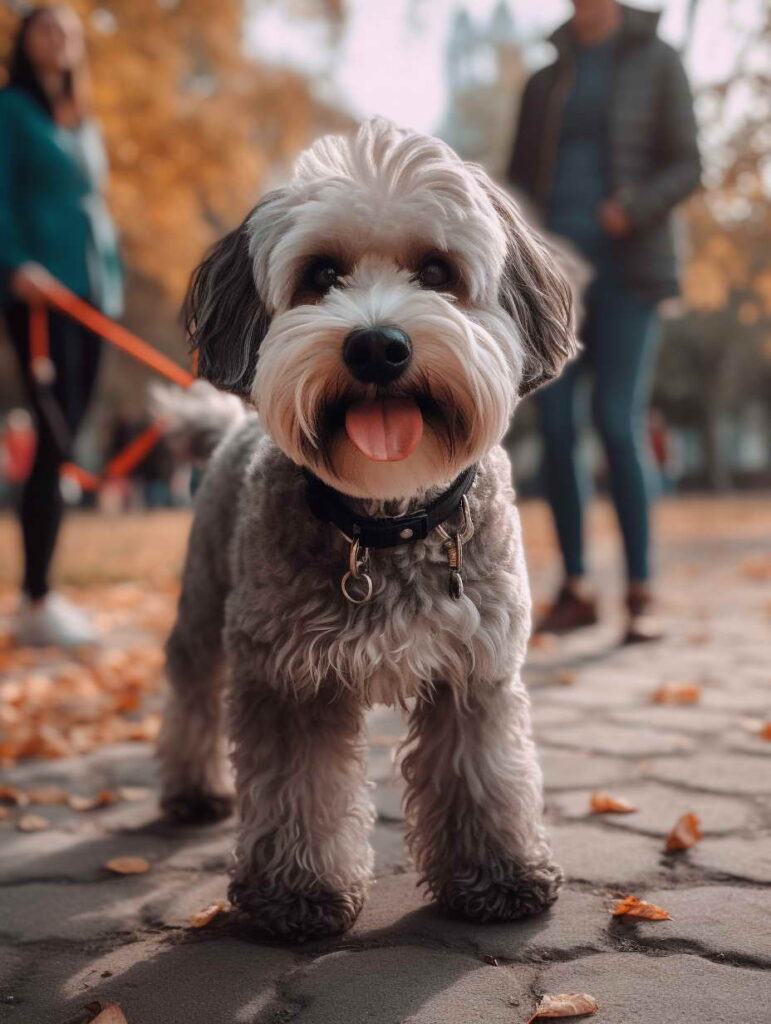
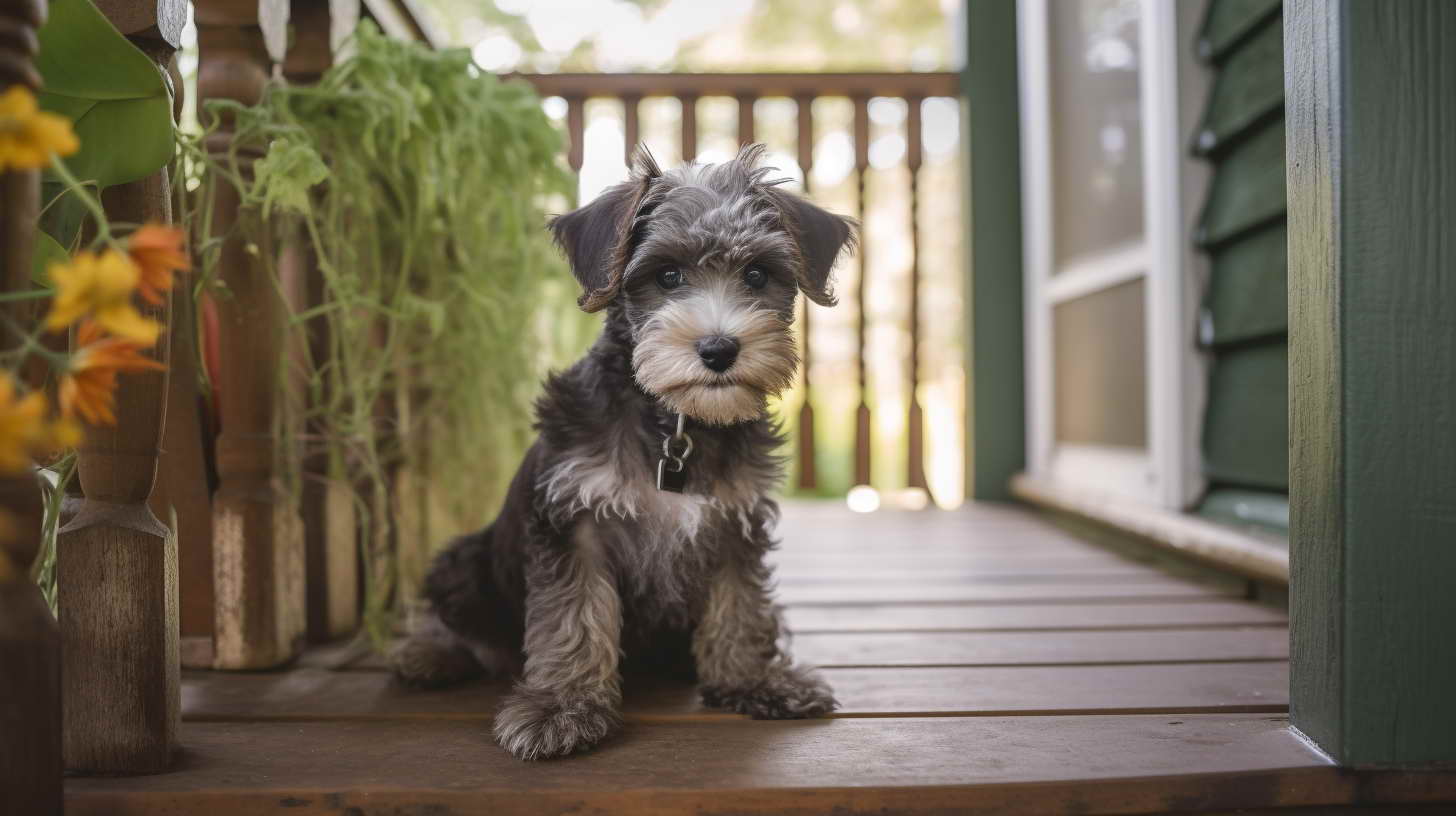
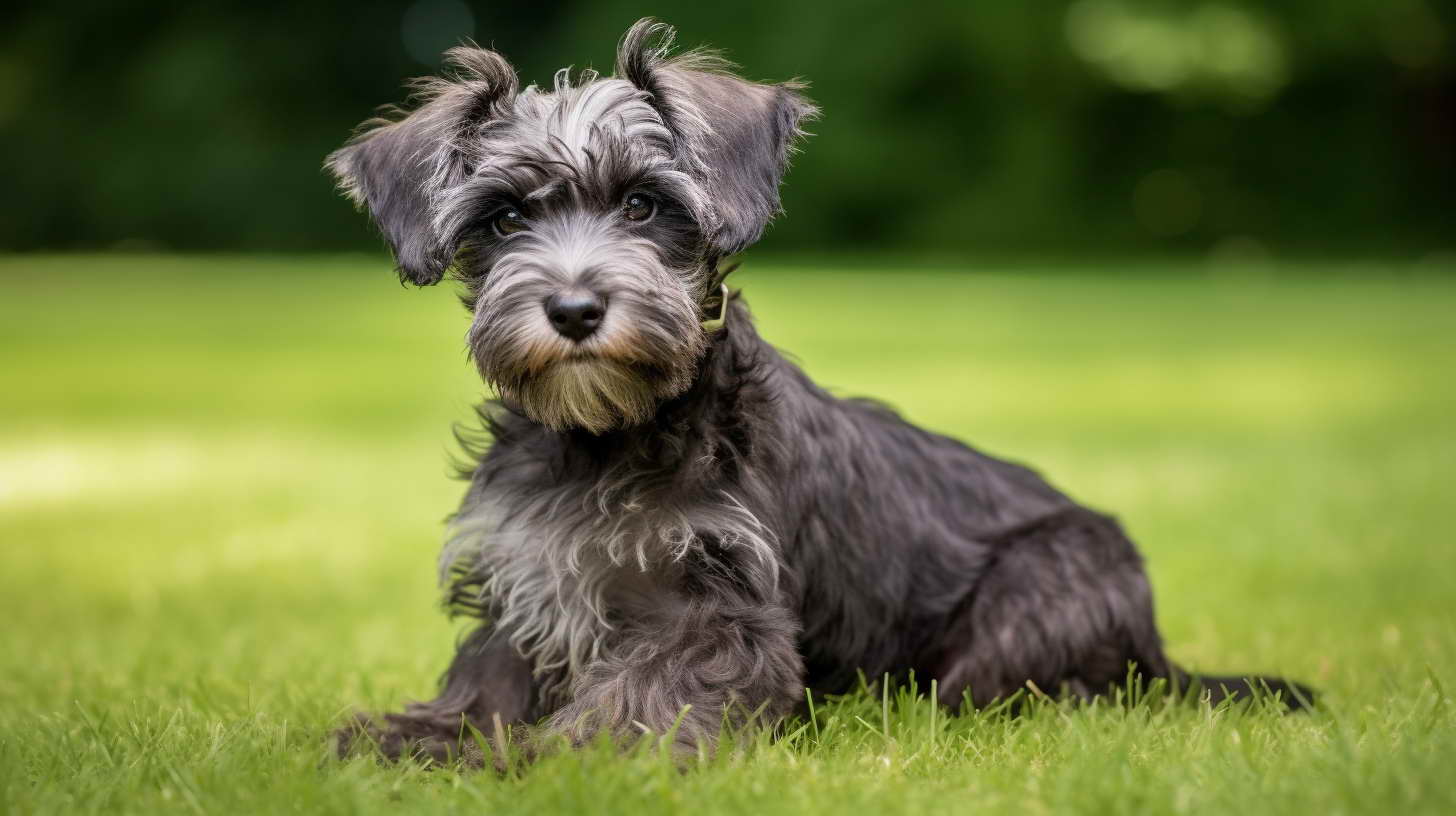
    For those who are new to the term, a Schnoodle is a delightful crossbreed between a Schnauzer and a Poodle. These little bundles of joy are known for their intelligence, affectionate nature, and hypoallergenic coat, making them a popular choice among dog enthusiasts.

    The Schnoodle Personality

    Schnoodles are known for being friendly, outgoing, and highly trainable. Their intelligence often shines through, making them quick learners and excellent companions for families, singles, and seniors alike. Whether you’re a first-time dog owner or an experienced one, a Schnoodle can easily steal your heart with its charming personality.

    How To Adopt a Puppy Schnoodle?

    Now, let’s talk about bringing one of these lovable pups into your home. Adopting a Schnoodle puppy is an exciting journey that comes with its own set of considerations.

    Research and Preparation

    Before diving into the world of Schnoodle adoption, it’s crucial to do your research. Understand the needs of the breed, their grooming requirements, and the level of activity they thrive on. Schnoodles, like any other dog, need proper care, attention, and a loving environment.

    Finding Reputable Breeders

    When looking for a Schnoodle, it’s essential to connect with reputable breeders who prioritize the health and well-being of their pups. Look for breeders who provide a clean and nurturing environment for the puppies. Remember, responsible breeding practices contribute to the overall health and temperament of your future furry friend.

    Adoption from Shelters

    If you’re open to adopting a Schnoodle from a shelter, that’s a fantastic option too. Many wonderful dogs are looking for loving homes in shelters across the country. Adopting a rescue not only gives a home to a dog in need but also brings immense joy and fulfillment to your life.
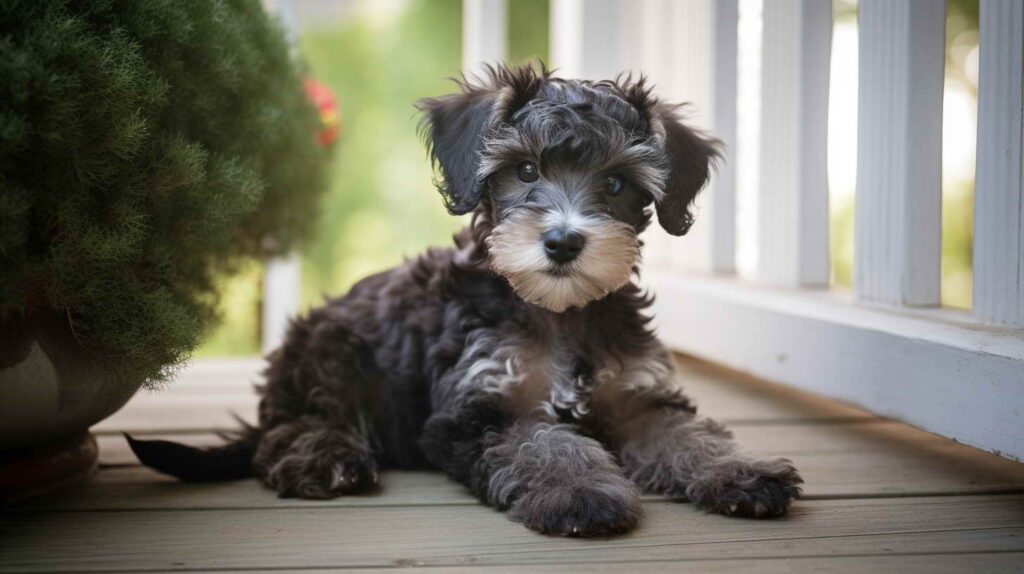
    puppy schnoodles for sale

    Where To Find Puppy Schnoodles for Sale?

    Now, let’s delve into the exciting journey of finding that perfect Schnoodle puppy to bring into your home. From online platforms to local breeders, let’s explore the options and associated costs, providing a ballpark estimate in USD to guide you through this joyful process.

    Online Platforms

    In the digital age, online platforms have become a popular avenue for finding Schnoodle puppies for sale. Websites dedicated to connecting breeders with potential pet parents offer a wide variety of options. Prices on these platforms can range from $800 to $2,500, depending on factors such as the breeder’s reputation, the puppy’s lineage, and whether the pup has received vaccinations or other initial care.

    Cautionary Note

    While online platforms provide convenience, exercise caution when selecting a breeder. Ensure they are reputable, prioritize the well-being of their puppies, and adhere to ethical breeding practices. A lower price tag might be tempting, but it’s crucial to prioritize the health and ethical treatment of the pup over a cheaper deal.

    Local Breeders and Pet Stores

    Exploring local options allows you to connect directly with breeders and view the puppies in person. Local breeders often take pride in the health and conditions of their pups. Prices from local breeders can vary, typically falling within the range of $1,000 to $3,000.

    Pet stores may also have Schnoodle puppies for sale, but be cautious and research the store’s reputation. Prices at pet stores can range from $800 to $2,500, depending on various factors such as the pup’s age, health, and breeding lineage.

    Visiting Local Shelters

    If you’re open to adoption, local shelters can be a wonderful resource. While adoption fees are generally lower than purchasing from a breeder, they typically range from $50 to $300. This fee often covers vaccinations, spaying/neutering, and basic veterinary care.

    Networking and Recommendations

    Word of mouth remains a powerful tool in finding the right Schnoodle puppy. Networking within local dog communities, seeking recommendations from veterinarians, and connecting with other Schnoodle owners can lead you to reputable breeders. Prices recommended by word of mouth can range from $800 to $2,500, depending on the breeder’s reputation and the pup’s background.

    Additional Costs to Consider

    When budgeting for your new Schnoodle puppy, keep in mind additional costs beyond the initial purchase price. Factor in expenses such as:

    • Vaccinations and Vet Visits: Approximately $200 to $500 for initial vaccinations and check-ups.
    • Supplies: Budget for items like food bowls, crates, toys, and grooming tools, which can range from $100 to $300.
    • Training: If you plan on enrolling your Schnoodle in obedience classes, anticipate costs ranging from $100 to $300.
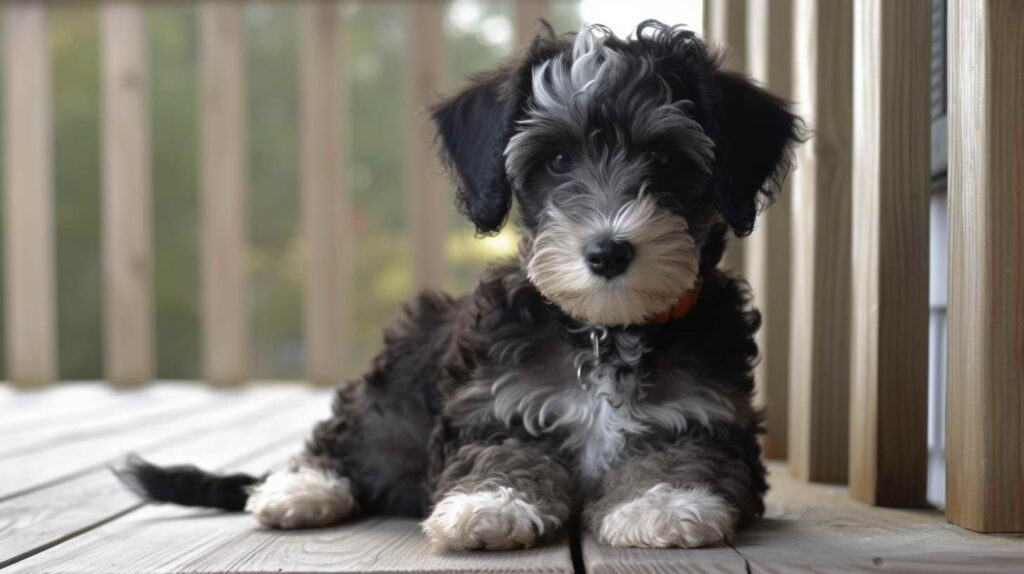
    Pet Insurance For Schnoodle

    The Importance of Pet Insurance for Schnoodle

    Alright, now that we’ve covered the exciting journey of adopting or finding your Schnoodle puppy, let’s discuss a topic that’s often overlooked but incredibly important—pet insurance.

    Understanding Pet Insurance

    Pet insurance is a financial safety net for unexpected veterinary expenses. It helps cover the costs of accidents, illnesses, and routine care, ensuring that your furry friend receives the best possible medical attention without putting a strain on your wallet.

    Why Schnoodles Benefit from Pet Insurance

    Schnoodles, like any other breed, can be susceptible to certain health issues. While they are generally robust and healthy, having pet insurance can be a game-changer in times of need. From unexpected accidents to common health concerns, having coverage for your Schnoodle ensures that you can make decisions based on their well-being rather than financial constraints.

    How Much Does Pet Insurance for Puppy Schnoodle Cost?

    Now, let’s dive deeper into the specifics of the cost associated with pet insurance for your beloved Schnoodle. While the exact figures can vary based on several factors, let’s break down the potential expenses in terms of USD to give you a clearer understanding.

    Factors Influencing Puppy Schnoodle Pet Insurance Costs

    The cost of pet insurance for Schnoodles is influenced by various factors, and one of the primary considerations is the age of your furry friend. Generally, insuring a younger Schnoodle tends to be more affordable. For a puppy Schnoodle, you can expect to pay around $20 to $50 per month on average. This range can vary based on the insurance provider and the specific coverage options you choose.

    Another crucial factor is the breed of your Schnoodle. While Schnoodles are generally healthy, their crossbreed nature can sometimes make them prone to certain health issues associated with their parent breeds (Schnauzer and Poodle). Insurance providers may take this into account when determining the premium. For a Schnoodle, you can anticipate a monthly premium starting at $30 and going up to $60, depending on the coverage.

    Your location is also a significant factor in determining Puppy Schnoodle pet insurance costs. The cost of veterinary care varies across regions, and this is reflected in insurance premiums. In areas with higher living costs, you may find slightly higher insurance rates. On average, expect a monthly premium of $25 to $55 for a Schnoodle, with regional variations influencing the final cost.

    The level of coverage you choose plays a vital role in shaping the overall cost of Puppy Schnoodle pet insurance. Basic plans that cover accidents only are more affordable, with an estimated monthly cost of $20 to $40 for a Schnoodle. On the other hand, comprehensive coverage that includes illnesses, routine care, and additional benefits can push the monthly premium to the $40 to $70 range.

    Types of Coverage

    To give you a more concrete idea, here’s a breakdown of estimated monthly costs based on the type of coverage for a Schnoodle:

    1. Accident-Only Coverage: $20 – $40
    2. Illness Coverage: $30 – $50
    3. Comprehensive Coverage: $40 – $70

    These are rough estimates, and it’s essential to keep in mind that actual prices can vary based on the insurance provider, your Schnoodle’s specific health risks, and your location.

    Shop Around for the Best Rates

    As a pet parent, it’s crucial to shop around for the best pet insurance rates. Different providers offer various plans, each with its own set of coverage options and pricing structures. Obtain quotes from multiple insurance companies, considering both the cost and the coverage they provide.

    While it might be tempting to opt for the cheapest option, it’s equally important to ensure that the chosen plan adequately meets the needs of your Schnoodle. Striking a balance between affordability and comprehensive coverage is key to making a well-informed decision.

    TLDR, for a Puppy Schnoodle, you can expect to budget anywhere from $20 to $70 per month for pet insurance, depending on factors like age, breed, location, and the type of coverage selected. Investing in pet insurance is a proactive step toward ensuring the health and well-being of your Schnoodle, providing financial peace of mind when it matters most.

    Summary

    In conclusion, bringing a Schnoodle into your life is a joyful and rewarding experience. Whether you choose to adopt from a shelter or purchase from a breeder, the love and companionship they offer are truly priceless. When it comes to ensuring their well-being, pet insurance becomes a crucial aspect of responsible pet ownership.

    As you embark on this journey with your Schnoodle, take the time to research, connect with reputable sources, and prioritize their health and happiness. Pet insurance, while an additional expense, provides peace of mind, allowing you to focus on the joy and adventures of having a Schnoodle by your side.

  • Schnoodle Dog Breed – The Incredibly Intelligent and Friendly Pet

    Schnoodle Dog Breed – The Incredibly Intelligent and Friendly Pet

    Schnoodle Dog Breed

    Schnoodle Dog Breed: The Incredibly Intelligent and Friendly Pet

    PETSIDI – The Schnoodle is a popular hybrid dog breed resulting from crossing a poodle with a schnauzer. Schnoodles make wonderful companion dogs and family pets due to their fun-loving temperament, intelligence, and hypoallergenic coats. This crossbreed combines the best traits from both parental breeds.

    Origin and History

    Schnoodles were first developed in the 1980s during the rise of designer dog breeding. Breeders aimed to create a new dog with the poodle’s intelligence and low-shedding coat and the schnauzer’s loyalty and spunk.

    There are no records pinpointing the exact origin of Schnoodles. Their creation mirrors that of other poodle crosses like maltipoos, cockapoos, and labradoodles.

    Crossbreeding became popular as more people desired hypoallergenic hybrids that made better companions than purebreds. Schnoodles fit the bill as the ideal nonshedding yet lively family dog.

    Schnoodle Appearance

    Schnoodle Appearance

    Schnoodles can vary greatly in size, coat, and color since they are a crossbreed. Their appearance depends on whether they take after the schnauzer or poodle parent more.

    Size

    Schnoodles typically range from 10-75 pounds. There are three size classifications:

    • Toy Schnoodles – 10-15 pounds
    • Miniature Schnoodles – 15-35 pounds
    • Standard Schnoodles – 35-75 pounds

    Toy and miniature Schnoodles are more common since they make better apartment and city dogs. Standards offer more of a robust, sporty presence.

    Coat and Color

    Schnoodles can have a wavy, curly, or straight coat texture. Their coats are always soft and hypoallergenic like the poodle.

    Coat colors include:

    • Black
    • White
    • Brown
    • Gray
    • Apricot
    • Red
    • Sable
    • Phantom
    • Parti (spotted)

    Solid colors or a mix are possible. Multicolored coats are attractive and unique.

    Facial Features

    Schnoodles tend to have a round head and muzzle like a schnauzer. Their expressive eyes are often dark brown or black. Floppy, folded ears are also common.

    Their fuzzy bearded snout resembles a schnauzer. A shorter muzzle indicates more poodle lineage.

    Schnoodle Temperament

    Schnoodle Temperament

    Schnoodles are highly energetic, social, and affectionate. Their lovable personality makes them ideal companion dogs.

    They are extremely loyal to their owners and love being involved in family activities. Schnoodles form very strong bonds with all members of the household.

    Like poodles and schnauzers, schnoodles are highly intelligent. They thrive when given ample mental stimulation. Without it, they may resort to nuisance barking or destructive chewing.

    Schnoodles inherit the poodle’s eagerness to please. This makes them highly trainable dogs. They enjoy learning new tricks and commands.

    With early socialization, Schnoodles get along well with children, strangers, and other pets. They are friendly and rarely aggressive.

    Their spirited, spunky attitude comes from the schnauzer. Schnoodles are great watchdogs who will alert and bark at anything suspicious.

    Overall, these crossbreeds combine the best personality traits from both parental breeds.

    Schnoodle Grooming and Care

    Schnoodles are considered low-maintenance dogs despite their thick coats. Their hair doesn’t shed heavily like other breeds.

    To prevent matting, Schnoodles need:

    • Daily brushing
    • Monthly bathing
    • Regular grooming trips for clips and trims

    Occasional haircuts are needed to manage their continuously growing fur. Many owners opt for cute teddy bear cuts. Professional grooming every 6-8 weeks reduces shedding.

    Other care needs include:

    • Nail trimming
    • Ear cleaning
    • Teeth brushing

    A well-balanced diet with omega fatty acids enhances their skin and coat health.

    Understanding Schnoodle Dog Breed Characteristics

    Schnoodle Training

    Schnoodles are highly intelligent and respond well to training. Early socialization and obedience classes are recommended.

    Their eagerness to please makes them fast learners. Positive reinforcement like treats and praise works best.

    Here are some important training tips:

    • Start training early on as a puppy
    • Use reward-based methods
    • Keep sessions brief and engaging
    • Teach basic obedience cues like sit, stay, and come
    • Socialize them to prevent shyness or anxiety
    • Curb nuisance barking
    • Prevent separation anxiety
    • Discourage jumping up
    • House training using crate training and schedules

    Mental stimulation is equally important. Food puzzles, fetch, and trick training prevent boredom and destructive behaviors.

    Schnoodle Health

    Schnoodles are generally healthy dogs with a life expectancy of 10-15 years. Crossbreeding increases hybrid vigor and reduces the risk of inheriting genetic disorders.

    Some common health issues to be aware of include:

    • Eye Problems – progressive retinal atrophy, cataracts
    • Luxating Patellas – dislocated kneecaps
    • Obesity
    • Hip Dysplasia
    • Digestive Issues – bloating, diarrhea
    • Diabetes
    • Addison’s Disease

    Reputable breeders screen for these conditions to produce healthy litters. Routine vet checks and bloodwork identify problems early on.

    With proper care, exercise, and nutrition, Schnoodles remain energetic and lively into their senior years.

    Schnoodle Dog Breed

    Is a Schnoodle the Right Dog For You?

    Schnoodles thrive in active pet-friendly households. Consider if this lively, highly social breed suits your lifestyle.

    Schnoodle Ownership Checklist:

    • Can accommodate their high energy levels with plenty of exercise and playtime
    • Willing to brush and groom them regularly
    • Have time for training, socialization, and bonding
    • Have space for their toys and belongings
    • Can provide mental stimulation with training, games, and activities
    • Happy to include them in family activities and outings
    • Looking for an affectionate dog that loves kids, strangers, and other pets
    • Want a fun-loving dog suited for city or apartment living
    • Seek a smart, trainable dog eager to learn new things
    • Need a hypoallergenic dog that doesn’t shed heavily
    • Willing to invest time into proper care, grooming, training, and healthcare

    If these traits match your lifestyle, a Schnoodle will make the perfect furry companion! Their lively, friendly nature and intelligence make them a top choice for both first-time and experienced dog owners.

    Schnoodle Variations

    There are a few popular schnoodle breed variations to consider:

    The Giant Schnoodle

    This larger Schnoodle results from breeding a standard poodle with a giant schnauzer parent. They can weigh 55-90 pounds.

    Giant Schnoodles have more energy and require extra exercise. Their larger size makes them better suited for homes with yards rather than apartments.

    The Mega Schnoodle

    Some breeders use standard poodles and giant schnauzers to create mega Schnoodles over 90 pounds.

    These gentle giants thrive in spacious country homes where they have plenty of room to roam and play.

    The Mini Schnoodle

    Mini Schnoodles weigh 10-20 pounds and result from toy poodle and miniature schnauzer pairings.

    Their pint-sized stature makes them ideal urban dogs. But minis are still energetic and benefit from daily walks.

    Finding a Healthy Schnoodle Puppy

    It’s important to find an ethical, responsible Schnoodle breeder. Avoid pet stores or online ads selling these dogs.

    The breeder should:

    • Have parent dogs on-site
    • Perform health tests on breeding dogs
    • Provide vet records for the puppy
    • Answer questions on the puppies’ upbringing
    • Have a clean, spacious breeding facility

    Reputable breeders focus on temperament and health over profit. Expect to pay $800-$2000 for a Schnoodle from such a breeder.

    Bringing Home Your Schnoodle Puppy

    The first few weeks with your new Schnoodle puppy are crucial for building a strong bond and starting training. Below are some tips to help the transition go smoothly:

    Puppy-Proofing Your Home

    Before your puppy arrives, be sure to thoroughly puppy-proof your home. Put away any items that could pose a hazard – things like electrical cords, toxic houseplants, and choking hazards. Lock up any chemicals, toxins, or medications out of paw’s reach.

    Cover wires and block access to any unsafe areas. Remove any valuable items that could be chewed on. Install baby gates to restrict access if needed.

    Setting Up Their Space

    Setup an area just for your pup with:

    • Sturdy crate with bedding
    • Designated feeding station
    • Water and food bowls
    • Puppy pads for potty training
    • Interactive chew toys
    • Collar, leash, harness

    The crate will be their safe sleeping space and aid in potty training. Place it near family areas so they don’t feel isolated.

    Establishing a Routine

    Puppies thrive on structure and consistency. Create a daily schedule for feeding, potty breaks, training, playtime, and naps.

    Take them out first thing in the morning, after meals, after waking up, and before bed. Use the same potty training command words like “go potty.” Praise and treat when they go in the right spot.

    Gradually increase the time between bathroom trips as their bladder control improves. Limit their space if they have indoor accidents. Confine them to their crate or a room with easy clean flooring when you can’t supervise.

    Make sure children know how to properly pick up, handle, and play with the puppy to avoid injury. Never leave kids unsupervised with new pets. Have designated times where they can interact and play.

    Socialization & Training

    Socialization is imperative in the first few weeks to shape your puppy’s behavior around people, places, and other animals. Introduce them positively to new sights, sounds, smells, and experiences.

    Sign up for puppy kindergarten for essential socialization with other dogs and people. Use reward-based training and keep lessons short, fun, and engaging. Practice basic obedience commands like sit, stay, and come.

    Gently correct any unwanted nipping or jumping. Redirect their energy into appropriate toys. Handle and brush them frequently to get them used to grooming.

    Providing Mental Stimulation

    In addition to socialization and training, provide ways for your Schnoodle puppy to exercise their mind:

    • Food puzzle toys
    • New toys to investigate
    • Hide-and-seek games with treats
    • New smells and textures to experience
    • Basic trick training like shake, spin, rollover
    • Safe chew bones or frozen Kongs

    Rotate toys to prevent boredom. Plan activities like fetching balls or learning new commands. Schnoodles thrive when challenged mentally.

    With time, patience, and proper care during this initial period, your Schnoodle will adjust quickly to its new home and become a fun, well-mannered companion!

    The Ideal Home for a Schnoodle Dog

    Common Schnoodle Questions

    Here are answers to some frequently asked questions about Schnoodles:

    Are Schnoodles good family dogs?

    Yes! Schnoodles thrive when around their family. They are very affectionate, playful, and loyal. Proper socialization ensures they get along well with children too.

    Do Schnoodles bark a lot?

    Schnoodles may bark more than other breeds. Early training helps curb nuisance barking. They make excellent watchdogs and will alert and bark at anything suspicious.

    Do Schnoodles shed?

    Schnoodles are light shedders. Their poodle lineage gives them a hypoallergenic coat. Regular brushing and grooming minimize any shedding.

    Are Schnoodles easy to train?

    Yes, Schnoodles are highly intelligent and trainable. Their eagerness to please makes it easy to teach them commands, tricks, and manners. Positive reinforcement works best.

    How much exercise does a Schnoodle need?

    Schnoodles are energetic and require 30-60 minutes of exercise daily. This can include walks, playtime, hiking, or any activity that keeps them engaged and active.

    What health problems do Schnoodles have?

    Schnoodles are at risk for issues like eye disease, luxating patellas, diabetes, and joint dysplasia. Reputable breeders screen for these conditions. Proper care reduces the likelihood of illness.

    Are Schnoodles hypoallergenic?

    Schnoodles shed minimally and produce less dander. This makes them hypoallergenic and unlikely to trigger allergies. Regular grooming and bathing keep their coats clean and saliva contained.

    Do Schnoodles make good apartment dogs?

    Yes! Mini and toy schnoodles adapt well to apartment living. Just ensure they get their required exercise daily through walks or play. Have toys to prevent boredom or destructive chewing.

    Are Schnoodles good with other pets?

    With training and socialization, Schnoodles get along great with other pets like cats and dogs. Supervise initial interactions until they become comfortable. Their friendly nature helps them make friends.

    Grooming Schnoodle Dog Breed

    Final Thoughts on Schnoodles

    For those seeking a fun-loving, lively hypoallergenic companion, the schnoodle has it all. They inherit the best qualities from their poodle and schnauzer lineage.

    Schnoodles thrive on love and attention from their family. They are easy-going dogs who enjoy being involved in activities.

    With training, Schnoodles become well-mannered canine citizens. Grooming keeps their coat under control. Proper healthcare ensures their long lifespan.

    Schnoodles make ideal urban pets due to their moderate exercise needs and small-size options. Their intelligence also makes training them a breeze.

    In short, it’s easy to see why Schnoodles rank so highly as both therapy dogs and family companions! Bring one of these spunky, affectionate crossbreeds home today for a lifetime of devotion and joy.